Midsize sedans vary greatly in how they perform and feel as they age. In this comparison, “5 Sedans That Stay Comfortable After Years vs 5 That Age Terribly,” we explore the differences between vehicles that maintain their comfort, reliability, and style over time and those that reveal problems after a few years.
Models such as the Toyota Camry, Honda Accord, Lexus ES, Subaru Legacy, and Mazda6 are known for their durable interiors, smooth rides, and dependable engines. In contrast, sedans like the Chrysler 200, older Chevrolet Malibu, early 2010s Nissan Altima, Volkswagen Passat, and Ford Fusion often face mechanical, electrical, and interior issues as they age.
By examining factors such as build quality, drivetrain reliability, and cabin comfort, this guide highlights which sedans are smart long-term choices. Understanding how different models hold up over time helps drivers make informed decisions and ensures that everyday driving remains enjoyable for many years.
5 Sedans That Stay Comfortable After Years
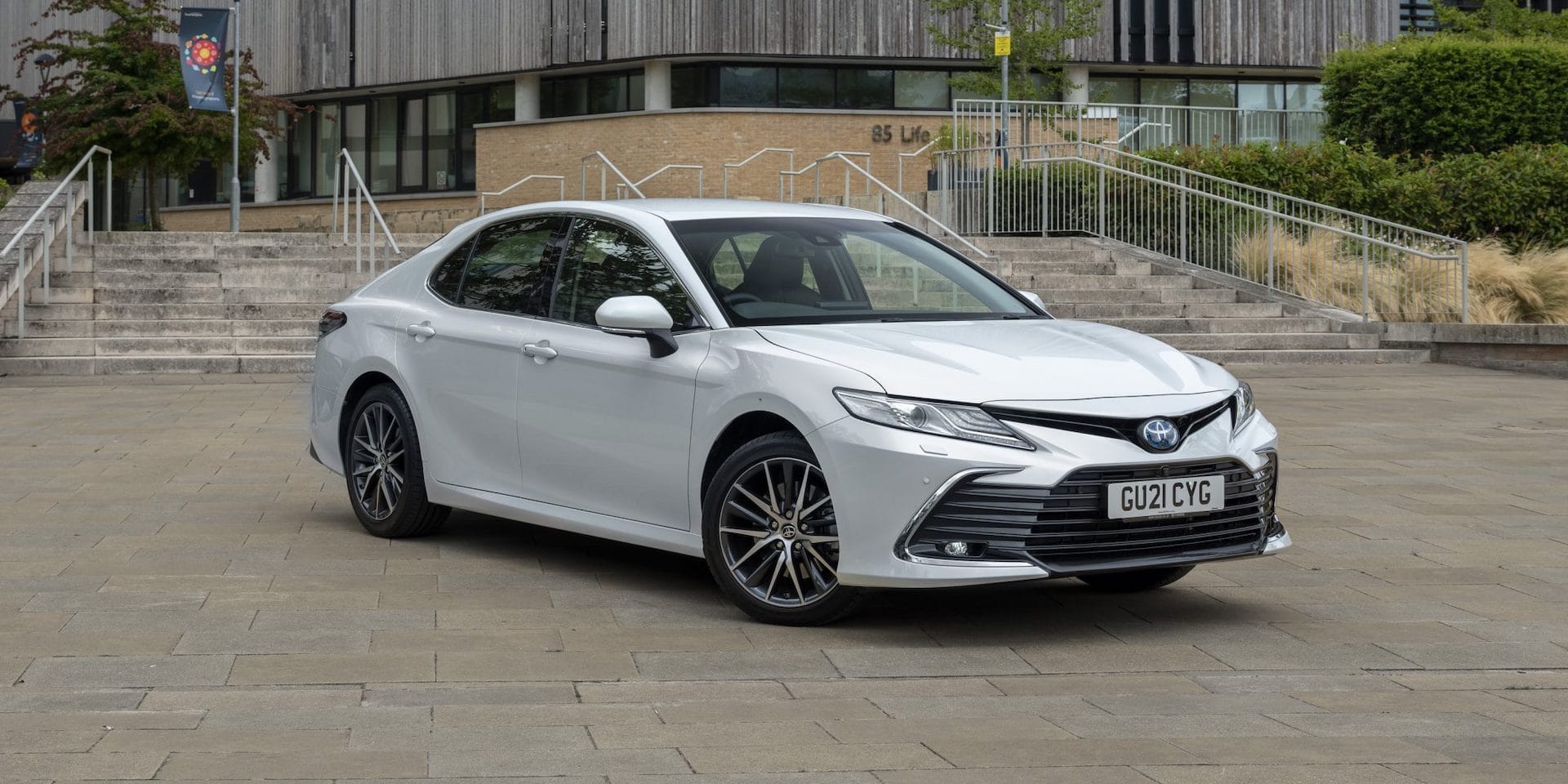
1. Toyota Camry: Reliability, Comfort, and Value in a Timeless Sedan
The Toyota Camry has long been celebrated as one of the most reliable midsize sedans on the road, earning the trust of drivers for its consistent performance over many years. Its longevity is largely due to a robust engine, which, with proper maintenance such as regular oil changes, can last for hundreds of thousands of miles without major issues.
Owners rarely encounter unexpected mechanical problems, enhancing the vehicle’s reputation for dependability. Beyond its engine, the Camry’s interior durability contributes to its long-lasting appeal.
Seats, dashboards, and controls resist wear, and high-quality materials ensure the cabin remains solid and comfortable even after years of daily use. Electrical components, which often trouble older vehicles, are largely trouble-free in the Camry, and its quiet cabin and smooth ride make it a preferred choice for families and commuters.
The Camry also scores well in fuel efficiency. Even older models provide good mileage, helping owners save on fuel costs. Its simple yet timeless design ensures the vehicle remains aesthetically appealing even as it ages.
Over the years, Toyota has enhanced the Camry’s safety, equipping it with strong brakes, solid crash-test ratings, and advanced driver-assist technologies in newer models, such as Traffic Jam Assist, which allows limited hands-free driving under certain conditions.
The Camry offers a comfortable ride, earning an 8/10 rating. Front seats are somewhat firm initially, but provide excellent back support on long trips. Toyota has carefully tuned the suspension to absorb bumps and dips without making the ride feel disconnected, and the cabin remains quiet at highway speeds.
Engine noise is the only significant intrusion when accelerating aggressively. Climate control is highly effective, featuring strong airflow and a responsive auto setting.
The interior of the latest Camry generation (2025 onward) marks a step up in quality, rated 8.5/10. Controls are intuitive, including physical knobs for climate settings and well-integrated steering wheel buttons.
Seating is upright, offering good visibility, and passenger space is generous in both rows, with adequate headroom due to the flat roofline. Technological features are a highlight, with XLE and XSE trims boasting a 12.3-inch touchscreen, wireless Apple CarPlay and Android Auto, and a wireless charging pad.
Optional features include a nine-speaker JBL audio system. Advanced safety and driver-assist technologies are particularly impressive, making the Camry highly competitive in terms of modern vehicle tech.
Storage capabilities earn the Camry another 8.5/10. Its 15.1-cubic-foot trunk is sufficient for suitcases or groceries, while smaller compartments accommodate phones, keys, and other essentials. Rear seats support easy installation of child car seats, thanks to clearly marked LATCH anchors and ample space, making it family-friendly.
Fuel efficiency remains strong, with Toyota claiming 44–51 mpg depending on trim and configuration. In practical tests, the Camry achieves around 45.9 mpg, making it one of the most efficient non-hybrid or non-EV sedans.
Value is solid, as all trims offer hybrid options, unlike competitors that restrict hybrid availability. Warranty coverage is average, including two years of complimentary maintenance, eight years for hybrid components, and roadside assistance.
The Toyota Camry excels in reliability, comfort, fuel efficiency, and value. Its durable construction, modern technology, and timeless design make it a compelling choice for drivers seeking a dependable, practical, and comfortable midsize sedan.

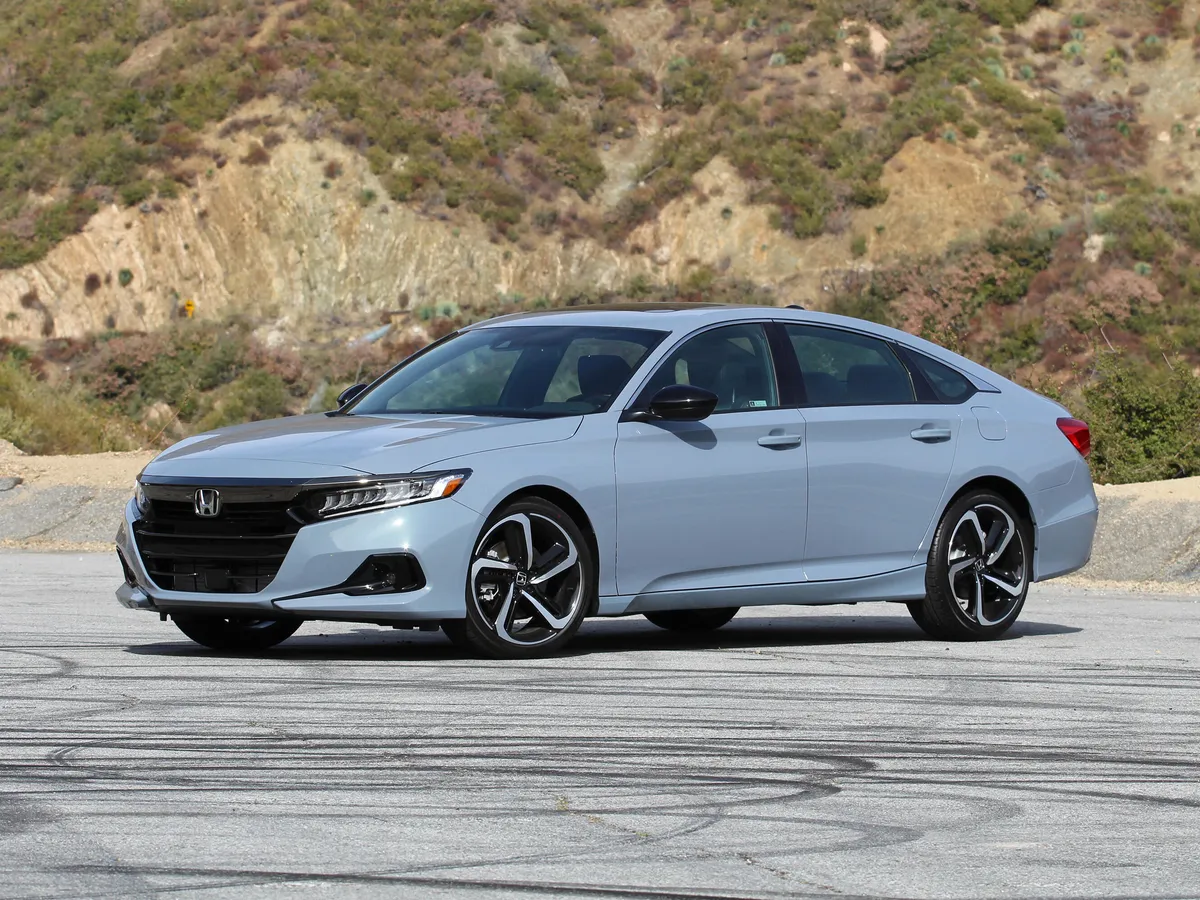
2. Honda Accord: A Balanced Blend of Reliability, Comfort, and Efficiency
The Honda Accord has established itself as one of the most dependable midsize sedans, often kept by owners for over a decade due to its enduring reliability and comfort. Central to its reputation is a strong, well-built engine that continues to deliver smooth, steady performance even in older models.
This reliability extends to the Accord’s handling, which remains responsive and enjoyable whether driving in city traffic or cruising on highways. Its smooth steering and composed ride enhance the driving experience, making it a favorite among long-term sedan owners.
Durability is not limited to performance; the interior of the Accord also stands the test of time. Seats, dashboards, and door panels resist wear, while high-quality materials prevent cracking or fading, keeping the cabin looking fresh for years.
Repairs and maintenance are generally affordable, as Honda’s popularity ensures that replacement parts are widely available and mechanics are familiar with the vehicle. This accessibility contributes to lower long-term ownership costs, making the Accord a practical choice for budget-conscious buyers.
Fuel efficiency is another standout feature. Even older models deliver respectable mileage, reducing fuel expenses over the vehicle’s lifetime. Safety has also been a key focus, with the Accord equipped with airbags, anti-lock brakes, and, in recent models, advanced driver-assist systems. Its simple, elegant design helps it remain stylish even as it ages, appealing to a wide range of buyers.
The Accord scores 8/10 for comfort. The cabin is well-insulated from outside noise, creating a quiet ride. Driver seats could use slightly more padding, but their adjustability allows most drivers to find a comfortable position.
Climate control is effective for both heating and cooling. The test model, equipped with 19-inch wheels, delivered excellent ride quality by absorbing bumps and maintaining composure on rough roads, while trims with smaller wheels would likely offer an even smoother experience.
The interior earns an 8/10. The Accord’s layout emphasizes simplicity, with a straightforward center stack and large, easy-to-use buttons. Entry and exit are convenient due to wide door openings, though taller passengers may need to watch their heads on the sloping roofline.
Passenger space is generous in both rows, providing ample legroom and headroom for most occupants. The driver enjoys unobstructed visibility thanks to thin windshield pillars and a large rear window, although raising the seat too high can partially block the gauge cluster for shorter drivers.
Rated 8.5/10, the Accord’s technology includes a sharp 12.3-inch touchscreen with wireless Apple CarPlay and Android Auto. Google Assistant integration is limited to top Touring trims, which some may view as unnecessarily restrictive.
Honda Sensing, the suite of driver-assist features, is effective, though lane-keeping can occasionally feel intrusive. Adaptive cruise control is easily activated via steering wheel controls, enhancing convenience.
Storage in the Accord is excellent, earning a 9/10. The trunk offers 16.7 cubic feet of space, accommodating items such as golf bags with ease. The center console provides ample room for smaller items, and cupholders are designed to hold larger bottles securely. Rear seats support multiple car seats with clearly marked LATCH anchors, though the lower roofline may pose a minor challenge for installation.
Fuel economy ranges from 32 mpg combined for base engines to 48 mpg for hybrid models. Real-world tests of the Sport-L trim achieved 41.5 mpg, slightly below EPA estimates but still competitive among midsize hybrids.
The Accord offers strong build quality, though entry-level trims are less feature-rich compared to rivals like the Hyundai Sonata. Standard warranty coverage includes three years/36,000 miles basic and five years/60,000 miles powertrain, with roadside assistance included during the basic warranty.
The Honda Accord combines reliability, comfort, efficient performance, and spaciousness, making it a practical, long-lasting choice for families and commuters.
3. Lexus ES: Luxury, Comfort, and Long-Term Reliability
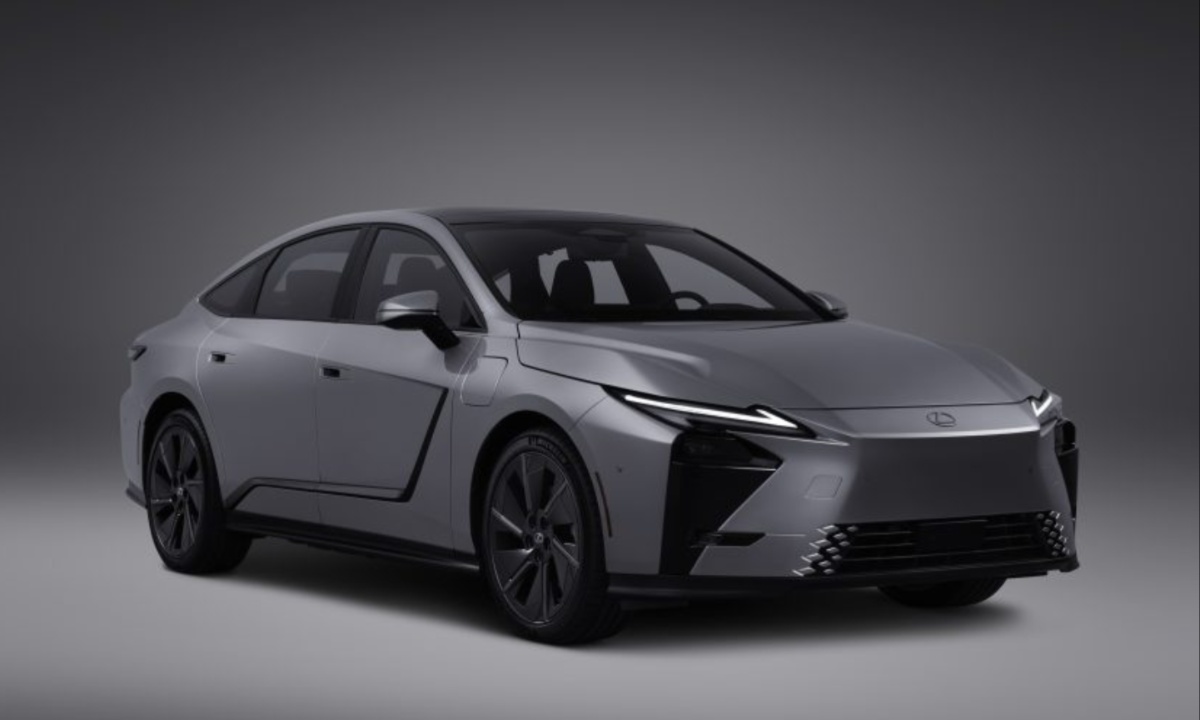
The Lexus ES is a luxury sedan designed to deliver both comfort and long-lasting reliability, making it a popular choice for buyers seeking a refined yet dependable vehicle.
As part of Toyota’s luxury division, the ES benefits from the same strong engineering and build quality that has made Toyota models legendary for durability. Its smooth, quiet ride remains consistent over time, and many owners report that the car still feels fresh even after years of daily driving.
The ES’s engine is engineered to endure high mileage with minimal issues, requiring only simple routine maintenance. This durability contributes to the ES’s reputation for low repair needs and helps owners avoid costly mechanical problems. Alongside its mechanical reliability, the cabin ages gracefully.
Seats, dashboards, and trim use high-end materials that resist cracking and fading, keeping the interior soft, clean, and inviting over the years. These features allow the ES to maintain a luxurious feel that surpasses many other vehicles in its class, even as it ages.
Another advantage of the Lexus ES is its strong resale value. The vehicle holds its worth better than many other luxury sedans, which is beneficial for those planning to sell or trade in the car later. The ES also integrates modern technology effectively.
Navigation systems, sound systems, and safety tools remain reliable over time, ensuring that even older models continue to meet drivers’ needs. Combined with its smooth ride and quiet cabin, the ES makes long journeys relaxing and stress-free, offering a luxurious experience without unnecessary complexity.
Comfort is a hallmark of the Lexus ES, earning a 9.2/10 rating. Front seats are firm and supportive, while the rear seats are spacious and comfortable, though slightly wide and flat. Both front and rear passengers can endure long trips without fatigue.
The suspension absorbs bumps and road imperfections exceptionally well, while wind and engine noise remain minimal, contributing to a serene cabin environment. Even the sportier F Sport trims maintain comfort with well-crafted, leather-covered seats.
In-cabin technology scores 8/10. Higher trims feature a 12.3-inch infotainment display that responds quickly to touch and supports voice control for navigation, audio, phone, and climate functions. Wireless Apple CarPlay and Android Auto are standard, ensuring seamless smartphone integration. While the graphics are somewhat basic, the system remains intuitive and reliable.
Storage and cargo capacity also earn an 8/10. The ES 350 offers a 13.9-cubic-foot trunk, suitable for luggage or golf bags, though rear seats do not fold down, limiting the ability to carry longer items. Interior storage is adequate for small items, with functional cupholders and door pockets.
The ES provides excellent value for a luxury sedan, scoring 8.5/10. Its high-quality interior materials, meticulous craftsmanship, and spacious cabin make it feel more expensive than its price suggests.
Warranty coverage is on par with competitors, and the Lexus dealer experience adds an extra layer of appeal. Fuel economy, however, is modest, earning a 7/10. EPA estimates suggest 25 mpg combined, but real-world testing averaged 21.5 mpg.
The Lexus ES’s “X-factor” scores 8/10. While it may not be flashy, the ES offers exceptional serenity, comfort, and build quality at a reasonable price. Its quiet cabin, durable construction, and thoughtful technology combine to create a luxurious, worry-free driving experience that is hard to match in this segment.
The Lexus ES blends long-term reliability, refined comfort, and practical luxury. Its smooth ride, high-quality materials, and low maintenance needs make it an appealing choice for drivers seeking a luxury sedan that ages gracefully without compromising on comfort or dependability.
4. Subaru Legacy: All-Wheel Drive Reliability and Comfortable Midsize Performance
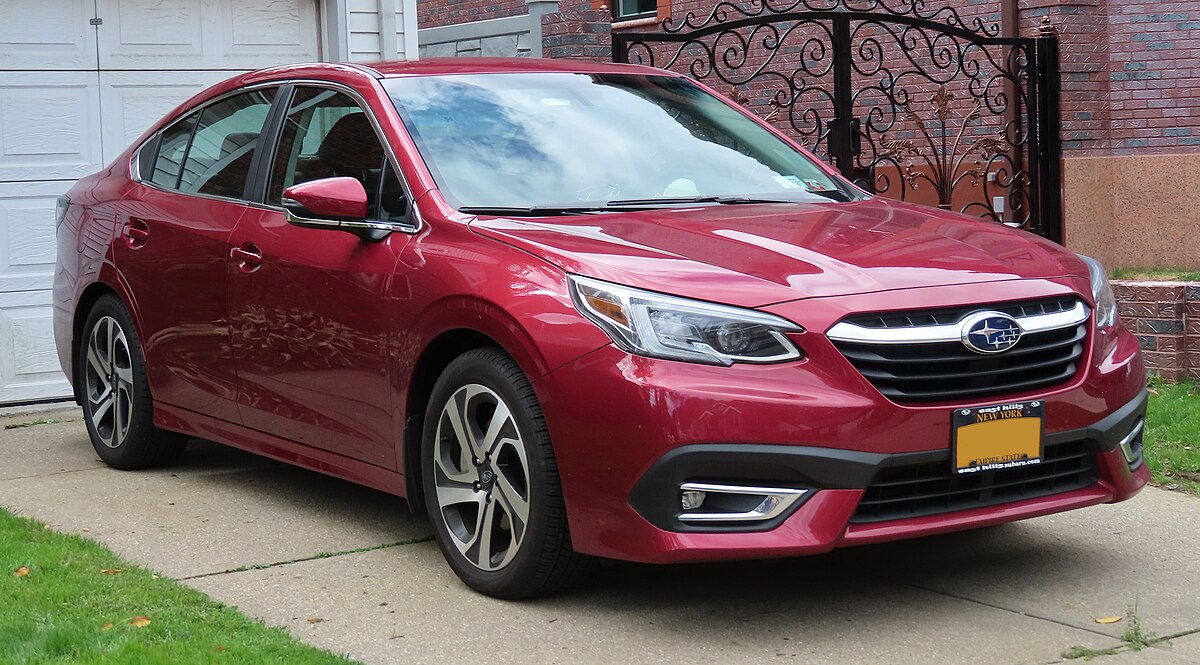
The Subaru Legacy is a dependable midsize sedan built for long-term reliability and confident driving in all weather conditions. Its standout feature is a standard all-wheel-drive system, which enhances stability on rain-soaked or snowy roads and provides superior control compared to front-wheel-drive competitors.
This makes the Legacy especially appealing to drivers in regions with variable weather. Beyond its drivetrain, the Legacy boasts strong structural integrity, with a durable body and frame that remain solid and rattle-free even after years of use. Its engine is designed to last with regular maintenance, contributing to its long-standing reputation for reliability.
The cabin of the Legacy is simple yet durable. Seats, controls, and trim materials resist wear, keeping the interior fresh over time. Passengers benefit from a comfortable ride for both short commutes and long journeys, and the sedan’s safety features, such as airbags, strong brakes, and Subaru’s driver-assist technologies, add peace of mind, functioning reliably even in older models.
Fuel efficiency is respectable for a vehicle with all-wheel drive, offering cost savings over time while maintaining strong performance. The Legacy also provides upscale touches throughout its interior, creating a more refined feel than many competitors in its segment.
Comfort is central to the Legacy, earning an 8/10 rating. Front seats are supportive without being stiff, with bolsters that hold passengers during turns. Rear seats are sculpted for added comfort, and the ride absorbs bumps well without feeling floaty.
Wind and road noise are slightly more pronounced than in some rivals, though engine noise is subdued. Dual-zone climate control and three-stage seat heaters work effectively, though some settings require a learning curve to master.
The Legacy’s interior scores 8/10. The cabin is spacious, with generous headroom and toe room, particularly for rear passengers. Large windows provide excellent outward visibility, and basic adjustments make it easy to find a comfortable driving position.
Entry and exit are straightforward, though the interior relies heavily on the central touchscreen, which lacks physical buttons for some key functions, such as disabling the engine stop-start system. Despite these minor usability issues, cabin storage is plentiful, with a two-tier underarm console, door pockets, and small bins for daily essentials. Car seat anchors are easily accessible behind Velcro flaps.
Technology earns a 6.5/10. The Legacy comes with a feature-rich infotainment system, including Apple CarPlay and Android Auto, multiple USB ports, and the Starlink system. However, navigation search functions are limited, voice controls are unreliable, and the system occasionally crashes.
Subaru’s EyeSight driver-assist suite is standard and effective but can be overly sensitive, with forward collision warnings and adaptive cruise controls sometimes responding too aggressively.
The Legacy scores 8/10 for storage. Its 15.1-cubic-foot trunk is deep and tall, accommodating bulky items, and rear seats fold down via a trunk-mounted lever or seat button to expand cargo space. The interior includes numerous small-item storage options, enhancing practicality for everyday use.
Fuel economy is rated 7.5/10. The base engine achieves an EPA-estimated 29 mpg combined, and real-world testing recorded 30 mpg, which is competitive for an all-wheel-drive sedan.
While slightly more expensive than some rivals, the Legacy’s pricing is justified by its standard all-wheel drive and quality interior materials. Warranty coverage and roadside assistance are average for the class, although some competitors offer more generous benefits.
The Subaru Legacy is a reliable, all-wheel-drive sedan that balances comfort, safety, and practicality. Its durable construction, supportive interior, and standard AWD make it a compelling choice for buyers in regions with challenging weather or for those seeking a dependable midsize sedan with long-term value.
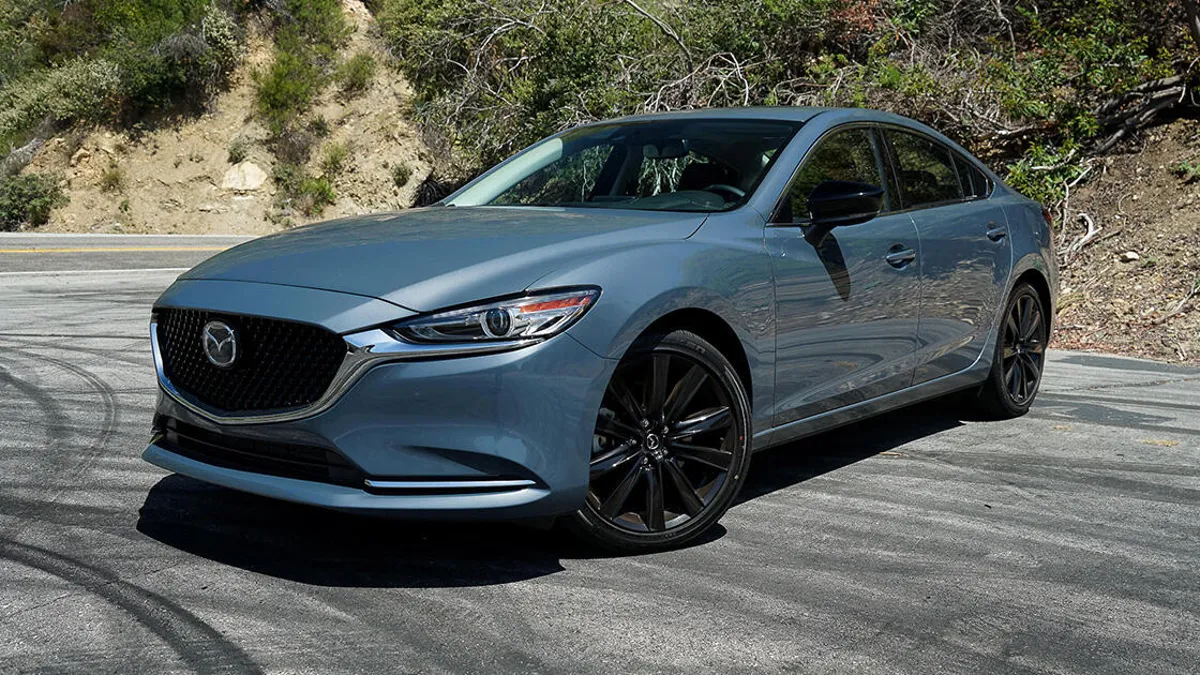
5. Mazda6: Stylish, Sporty, and Dependable Midsize Sedan
The Mazda6 stands out in the midsize sedan segment by blending sporty performance, stylish design, and long-term reliability. It appeals to drivers who want an engaging driving experience without sacrificing practicality.
Known for its responsive steering and well-tuned suspension, the Mazda6 delivers a driving feel that is closer to a sports car than a typical family sedan. Its engine, transmission, and brakes are built to last, and owners report minimal mechanical issues when routine maintenance is followed.
The Mazda6 emphasizes an enjoyable driving experience. Its sport-tuned suspension keeps the ride connected to the road, while firm, contoured front seats provide support during spirited driving.
Steering is precise, making the car responsive in corners, and the brakes perform reliably even after extended use. Though the ride prioritizes handling over plush comfort, it remains composed on highways and through city streets.
Inside, the Mazda6 is both stylish and durable. Materials are high-quality and resistant to wear, ensuring the cabin remains appealing even after many miles. Front seats offer comfort on long trips, and features like ventilated leather seats and dual-zone climate control add refinement.
Rear seating is adequate for average-size adults, though taller passengers may find the sloping roofline slightly restrictive. Cabin noise is generally well controlled, with minor wind and road intrusion at higher speeds.
Mazda has equipped the 6 with thoughtful technology, earning solid marks for safety and convenience. Adaptive cruise control, blind-spot monitoring, lane departure warning, and front crash mitigation provide added security, with an optional head-up display for situational awareness.
Apple CarPlay and Android Auto are standard, and the optional navigation system works well with voice control, though some menu functions can be unintuitive. The central control knob allows drivers to manage infotainment without losing focus on the road.
The Mazda6 balances style with everyday practicality. Its 14.7-cubic-foot trunk accommodates luggage and daily cargo, and 60/40-split rear seats expand storage when needed.
Interior compartments are sufficient for smaller items, and car seat anchors are included for families, though slightly tight. Fuel efficiency is competitive for a sport-oriented midsize sedan, with real-world testing showing around 27.8 mpg with the turbocharged engine.
The Mazda6 offers strong value, combining near-luxury materials, sporty handling, and reliability at an accessible price. Its refined interior, engaging performance, and modern design make it a standout choice for drivers seeking a sedan that is both fun to drive and practical for daily life. In short, the Mazda6 proves that a midsize sedan can be stylish, reliable, and enjoyable without breaking the bank.
Also Read: 5 Cars With Misleading Marketing Claims and 5 That Deliver
5 Sedans That Age Terribly
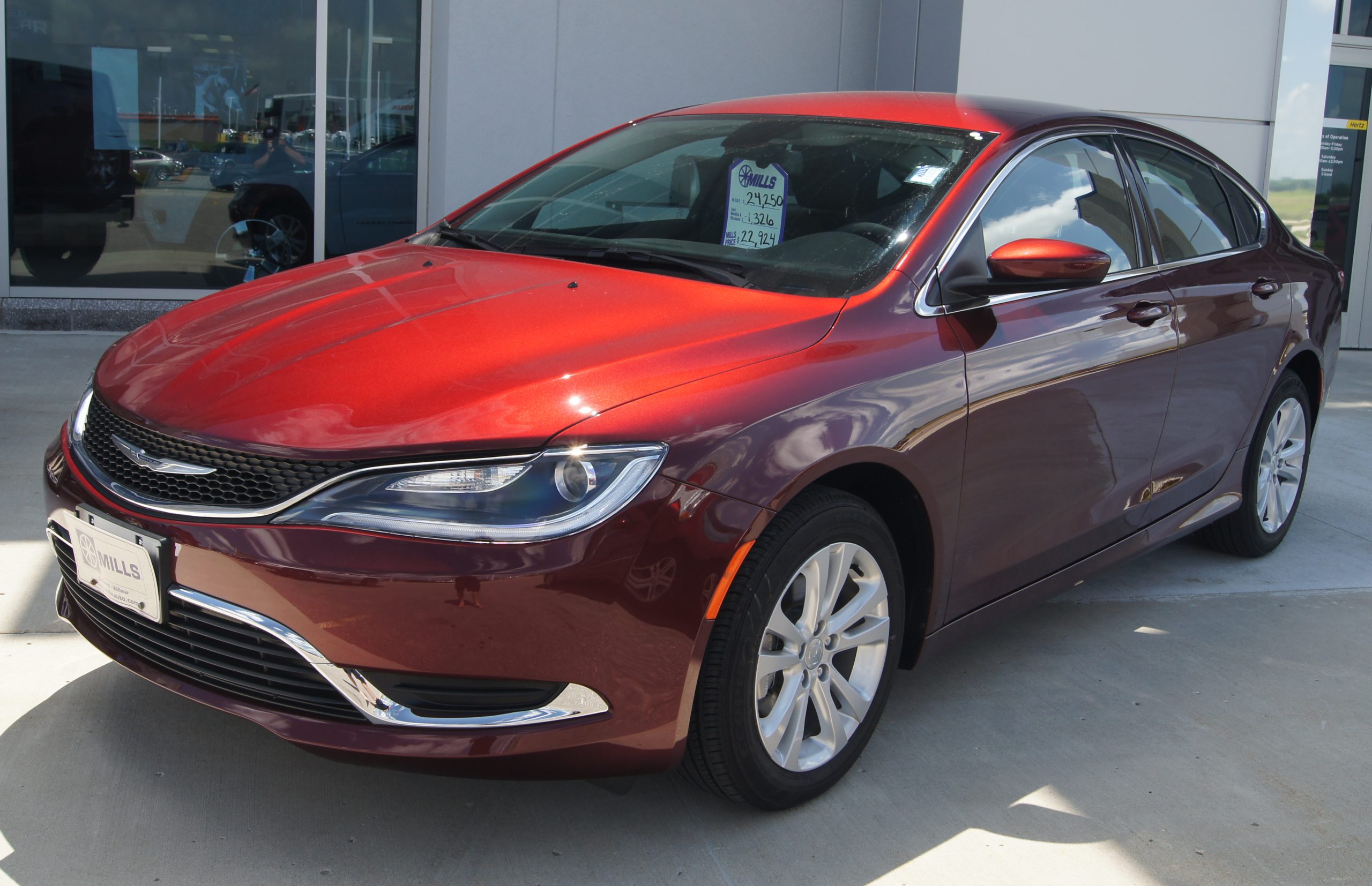
1. Chrysler 200: Style Overshadowed by Reliability Issues
The Chrysler 200 presents an appealing exterior and modern design that initially attracts buyers, but its long-term reliability problems quickly become apparent. A major concern is the transmission, which often shifts roughly or fails completely after only a few years, even with regular maintenance.
Repairing or replacing the transmission can be extremely expensive, sometimes approaching the vehicle’s market value, creating financial strain for owners. Electrical faults also contribute to reliability challenges, including issues with power windows, lights, and the radio, which can occur without warning and require costly repairs.
The cabin materials, while stylish when new, tend to degrade rapidly; seats, dashboards, and interior trim often feel cheap and wear prematurely. Frequent visits to repair shops become a recurring theme for many owners, making the car less practical for daily use.
The resale value suffers as a result, since potential buyers anticipate these mechanical and electrical issues. Despite its attractive styling, the Chrysler 200 demonstrates that aesthetic appeal cannot compensate for ongoing maintenance problems.
The combination of transmission failures, electrical malfunctions, and deteriorating interior materials positions this sedan as a high-maintenance choice that may frustrate drivers looking for a dependable long-term vehicle.
2. Older Chevrolet Malibu: Mechanical and Interior Weaknesses
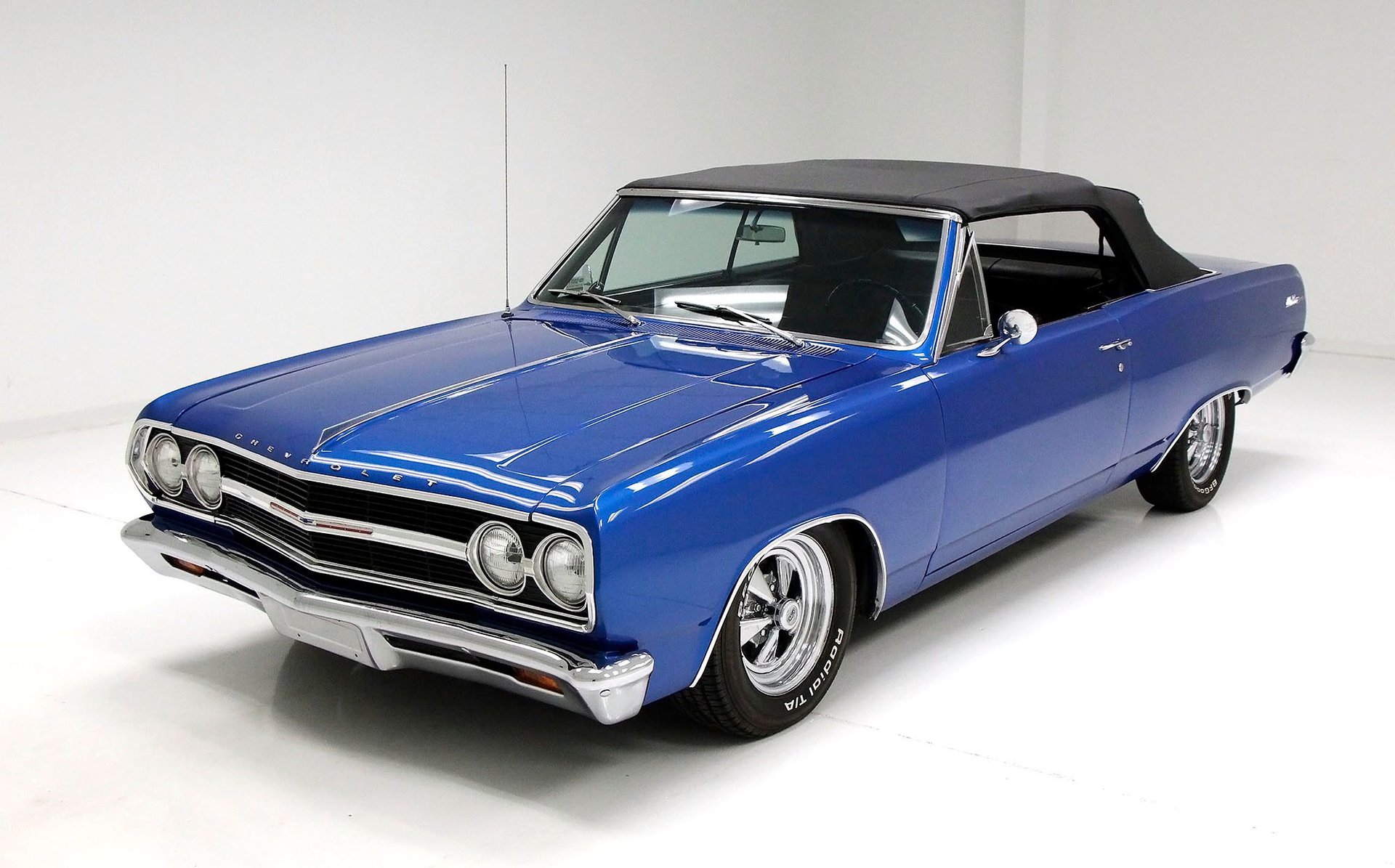
Older Chevrolet Malibu models are known for a number of serious problems that emerge after just a few years of use, despite the car’s reputable name. Engine issues are particularly common, including stalling, rough idling, and in extreme cases, complete engine failure.
These problems often appear even when maintenance is carefully performed, making repairs unavoidable and expensive. Transmission issues are also frequent, with symptoms like delayed shifting, gear slipping, or total transmission failure at moderate mileage.
Repairing or replacing the transmission adds significant costs, sometimes exceeding the value of the car itself. The interior materials fail to age well, with seat fabrics, trim pieces, and control buttons showing wear or breaking over time.
Even cautious use cannot prevent the cabin from feeling worn and outdated, which diminishes comfort and enjoyment during drives. Electrical problems, such as malfunctioning power locks, dashboard lights, and stereo systems, add to the maintenance burden.
These issues, combined with weakened build quality, contribute to a low resale value, as buyers tend to avoid older Malibus due to anticipated repair costs. The accumulation of engine, transmission, interior, and electrical concerns makes the older Chevrolet Malibu a vehicle that may require significant ongoing attention, reducing its appeal for anyone seeking a long-lasting, low-maintenance midsize sedan.
3. Early 2010s Nissan Altima: CVT Problems and Cabin Wear
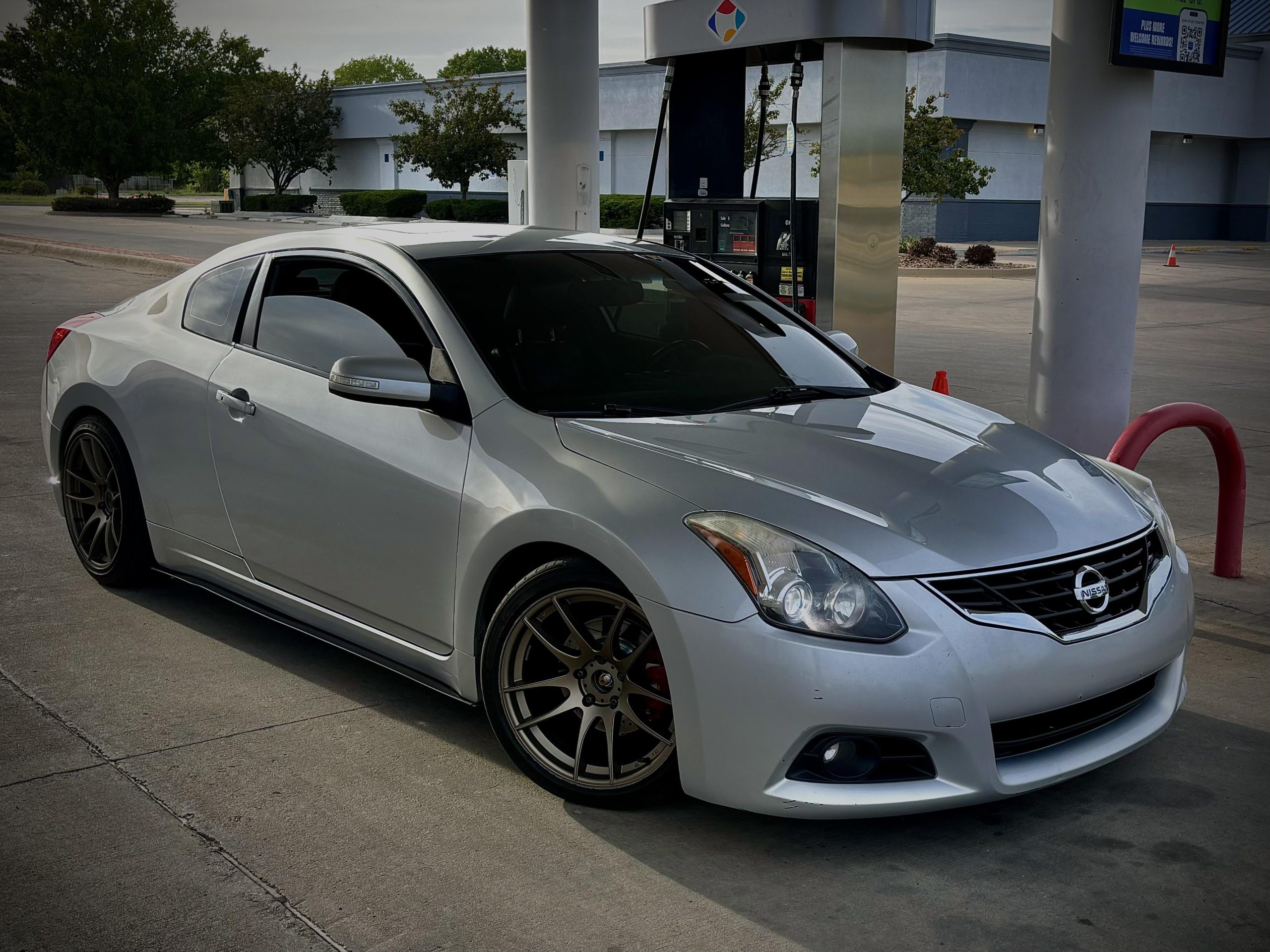
The early 2010s Nissan Altima is known for its comfort and driving dynamics, yet it experiences persistent problems that affect reliability over time. Transmission performance, particularly the CVT (continuously variable transmission), is a frequent concern, with many vehicles hesitating, jerking, or failing even under regular maintenance.
Replacing the CVT is expensive and often comes as a sudden, unexpected cost for owners. Mechanical issues extend beyond the transmission, as interior materials deteriorate quickly. Seats can tear, dashboards may crack, and plastic components may rattle or break, making the cabin feel older than the car’s actual age.
Exterior wear is also a concern; paint fading or peeling can occur even on well-maintained models, reducing the vehicle’s visual appeal. Small electrical problems, including malfunctioning power windows, door locks, and interior lighting, are common and add frustration.
These issues can accumulate, making maintenance costly and ownership less enjoyable. Low resale value reflects these problems, as potential buyers are aware of the Altima’s known weaknesses. Drivers seeking a midsize sedan with lasting reliability may find that the early 2010s Altima requires frequent attention and can become expensive to maintain over time, despite its comfortable ride and initial appeal.
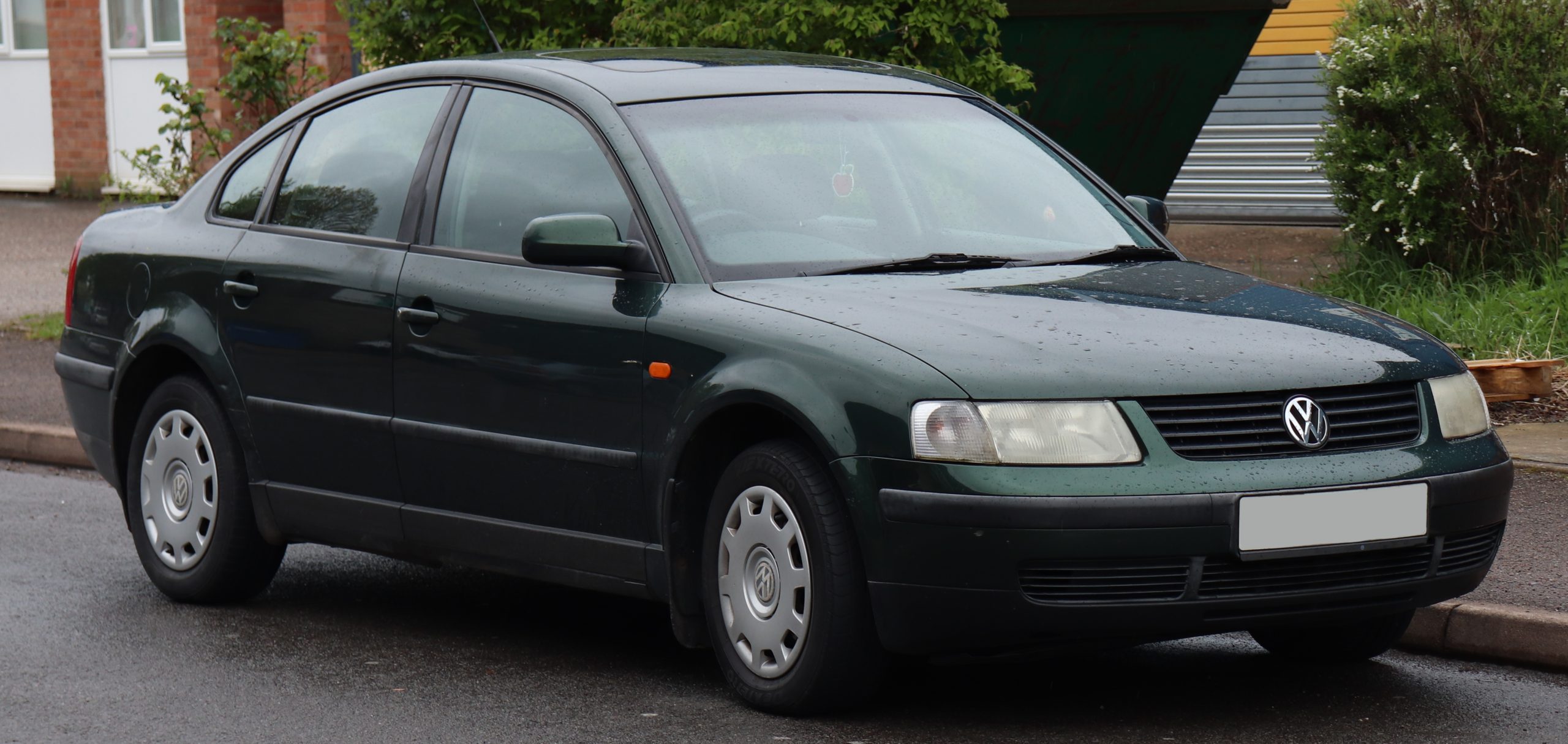
4. Older Volkswagen Passat: Comfort Comes with Maintenance Costs
The older Volkswagen Passat offers a comfortable and smooth ride, yet its reliability declines noticeably as it ages. Electrical system failures are common, affecting dashboard displays, lights, and windows, and repairing these issues often requires specialized tools or professional expertise, making even minor problems costly.
Maintenance expenses tend to be higher than average because German replacement parts and service labor are more expensive. Engine and transmission reliability is inconsistent; some models perform well at higher mileage, while others experience early failures of components such as timing belts or turbochargers.
Neglecting scheduled maintenance on these parts can lead to major engine damage and steep repair costs. Interior materials, while initially well-designed, may degrade faster than expected. Seats can sag, buttons and trim fade, and door handles may break, diminishing the cabin’s comfort and aesthetic appeal.
These mechanical, electrical, and interior issues combine to raise the cost of ownership and reduce the practicality of the Passat for long-term use. Buyers may hesitate to invest in older models because of recurring repairs and high maintenance costs, despite the sedan’s reputation for comfort and ride quality. The Passat demonstrates that a smooth driving experience does not guarantee a low-maintenance vehicle.
5. Ford Fusion (Early 2010s Models): Engine, Brakes, and Interior Concerns
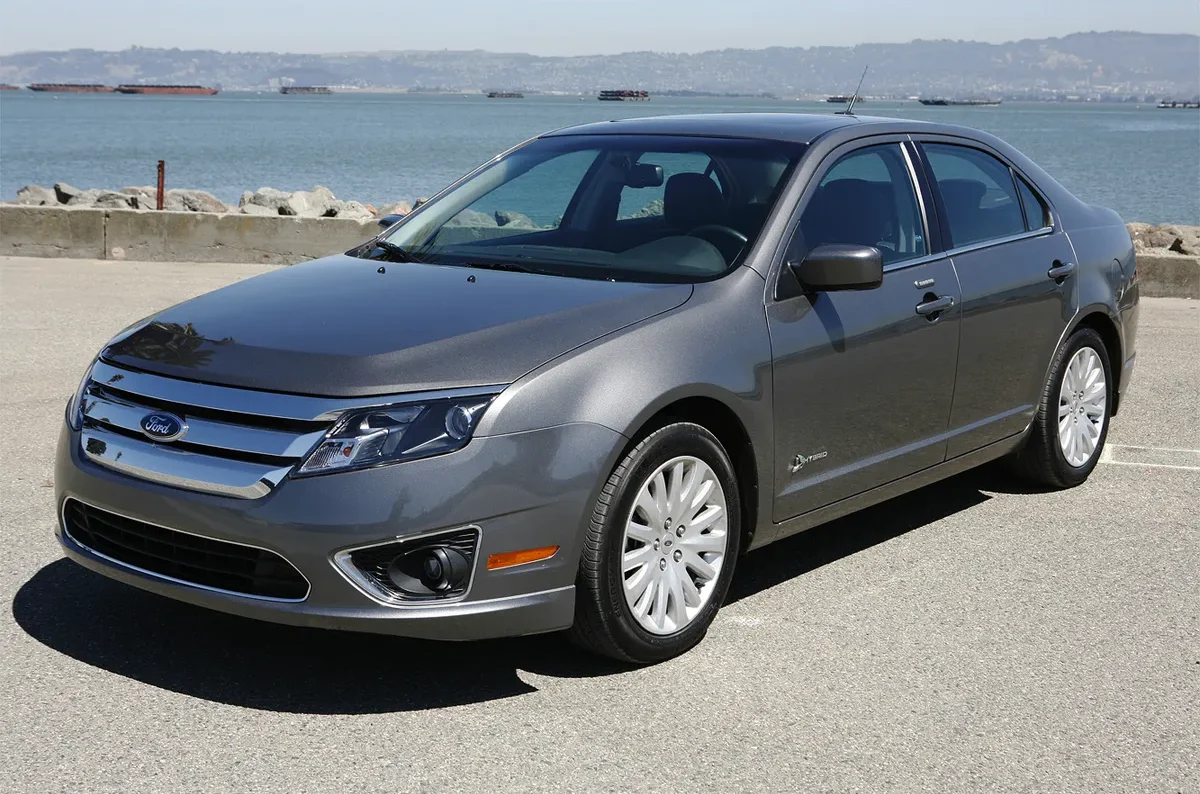
The early 2010s Ford Fusion, while initially a popular midsize sedan, presents several long-term issues affecting performance, safety, and comfort. Engine problems are common, including stalling, poor acceleration, and sudden engine failure after moderate mileage, requiring costly repairs to maintain drivability.
Brake performance also suffers in some models, with premature wear on pads and rotors or squeaky and grinding brakes, which can impact safety and increase maintenance expenses. The interior materials deteriorate quickly, with sagging seats and dashboards that crack or fade, reducing both comfort and cabin aesthetics.
Build quality is weaker compared to competitors, and many owners report rattles or looseness developing after only a few years of use. These mechanical and interior challenges contribute to low resale value, as prospective buyers anticipate ongoing repairs and maintenance costs.
Despite the Fusion’s early popularity and initial driving comfort, the accumulation of engine, brake, and interior problems makes early 2010s models a high-maintenance option that may frustrate owners seeking a long-lasting, dependable sedan. Drivers considering these vehicles should prepare for frequent repairs and diminished comfort as the car ages.
Long-term comfort and reliability are essential when choosing a midsize sedan. The vehicles featured in “5 Sedans That Stay Comfortable After Years vs 5 That Age Terribly” show that thoughtful engineering, high-quality materials, and durable construction make a significant difference.
The Toyota Camry, Honda Accord, Lexus ES, Subaru Legacy, and Mazda6 demonstrate how sedans can remain smooth, supportive, and dependable even after years of use. Sedans like the Chrysler 200, older Chevrolet Malibu, Nissan Altima, Volkswagen Passat, and Ford Fusion highlight how mechanical problems, interior wear, and electrical issues can quickly reduce comfort and value.
Selecting a model that ages gracefully minimizes repair costs, preserves a pleasant driving experience, and maintains reliability over time. Drivers who prioritize quality, durability, and thoughtful design will enjoy sedans that remain comfortable, efficient, and enjoyable for many years, proving that long-term satisfaction comes from choices that combine performance, style, and endurance.
Also Read: 5 Cars That Survive Harsh Winters and 5 That Rust Immediately