When choosing a truck, one of the most important but often overlooked aspects is the frame. It’s the structural backbone that supports towing, hauling, and daily use. A well-designed frame ensures stability, safety, and long-term durability, while a weak or rust-prone frame can cut a truck’s lifespan short and leave owners with costly repairs.
For anyone depending on their vehicle for work, recreation, or family use, the strength of the frame is the deciding factor between a reliable long-term investment and a financial burden.
This comparison looks at two sides of the spectrum: trucks built with strong, fully reinforced frames that resist bending and corrosion, and those that became known for widespread frame rot issues.
On one side are examples of engineering done right, solid steel construction, hydroforming, and advanced rustproofing methods that allow these vehicles to withstand years of heavy loads and harsh environments. On the other side are designs that left weak spots vulnerable to rust, leading to premature failures and safety concerns.
By examining these differences, it becomes clear how critical frame strength is in determining which trucks stand the test of time and which fall victim to structural decay.
5 Trucks That Keep Strong Frames
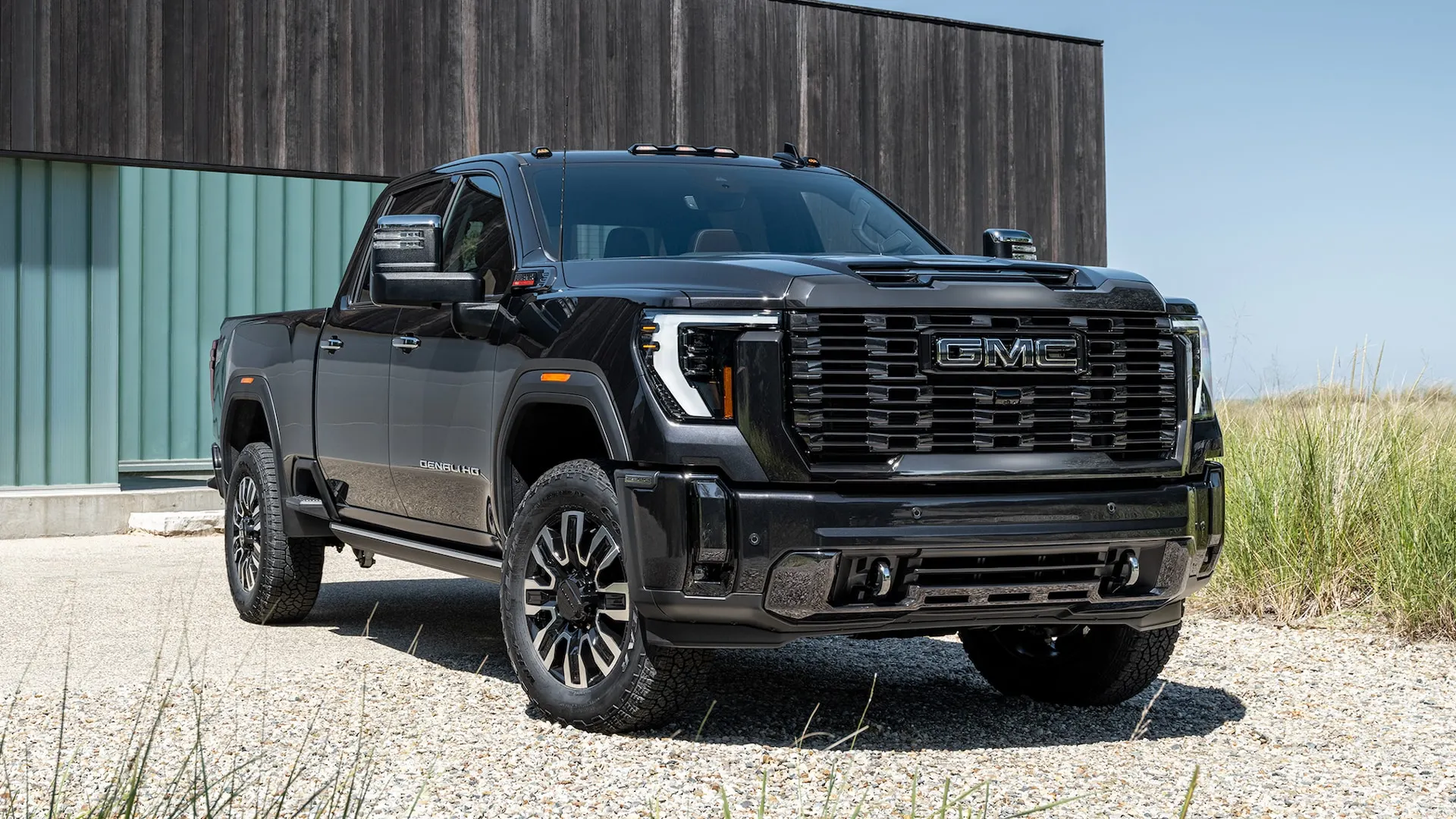
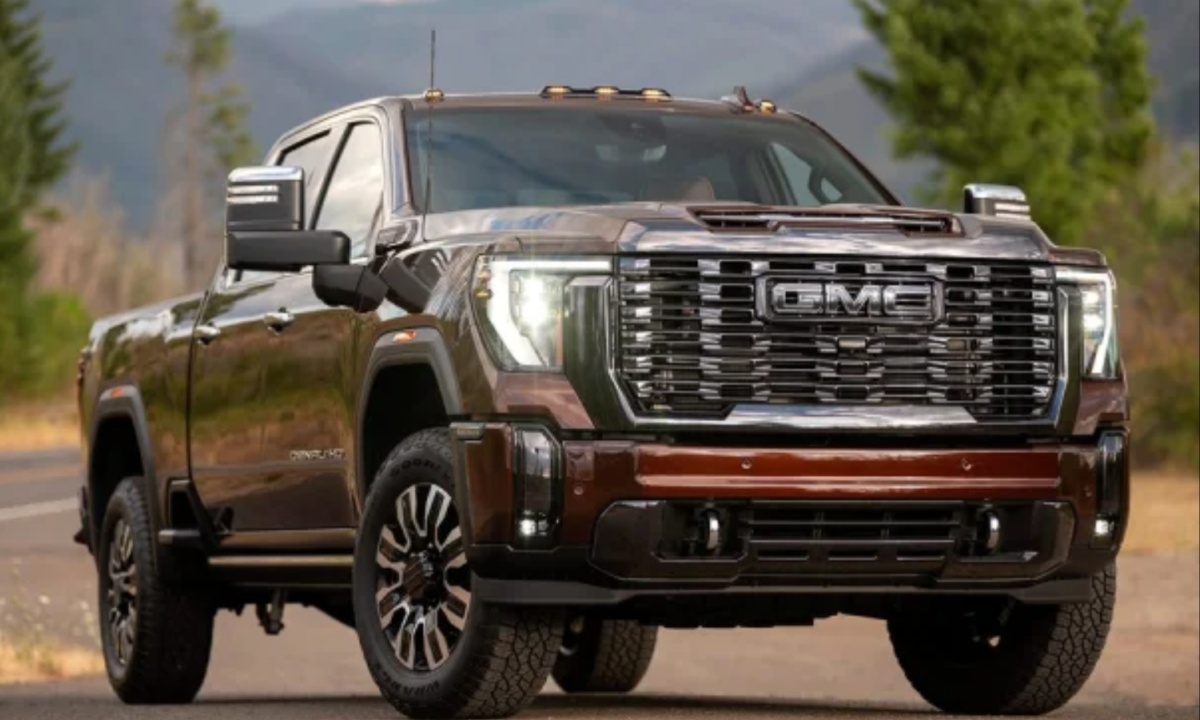
1. GMC Sierra 2500HD: Strength Meets Capability
The GMC Sierra 2500HD is designed to balance heavy-duty capability with everyday usability. Known for its durability, towing capacity, and robust performance, it appeals to contractors, ranchers, and anyone who relies on a truck to handle demanding loads without compromise.
At the core of the Sierra 2500HD is its fully boxed steel frame, engineered for maximum strength and resistance to torsional bending. Hydroformed front sections and high-strength steel ensure load forces are evenly distributed, while multiple crossmembers maintain frame alignment under stress.
The rear leaf-spring suspension and solid front axle complement the frame, keeping the truck level even under full loads or heavy towing. Durability testing simulated years of extreme use, and the frame held up without sagging or bending.
This structural integrity allows other truck systems to operate without strain, giving drivers confidence that their vehicle can withstand both daily hauling and off-road adventures.
Performance is a standout feature of the Sierra 2500HD. It’s optional 6.6-liter diesel V8, paired with a 10-speed automatic transmission, produces 910 lb-ft of torque. In testing, an 8,300-pound truck accelerated from 0 to 60 mph in just 7.3 seconds, making it one of the quickest pickups in its class.
Steering is well-weighted but slightly vague, while braking feels soft and requires longer pedal travel, which can affect driver confidence in emergency stops. On-road handling is competent for a vehicle of its size, and off-road capability is average. The truck excels on highways and open roads, offering stability and control when hauling large loads.
The Sierra 2500HD’s interior emphasizes space and functionality. The crew-cab configuration provides ample headroom and legroom, with supportive front seats and excellent lumbar adjustment for long drives. Side steps aid entry and exit, although visibility is limited by small mirrors and large roof pillars.
Climate controls are straightforward and effective, and road and wind noise are typical for a heavy-duty truck. Diesel engine noise is prominent, especially at idle, reminding occupants of the truck’s power under the hood.
Technology is serviceable but not groundbreaking. An 8-inch touchscreen infotainment system, Bose audio, and Apple CarPlay/Android Auto are standard in higher trims. Factory voice controls struggle with natural commands, but smartphone assistants work seamlessly. Advanced driver-assist features like forward-collision warning and blind-spot alerts are included but tend to be oversensitive.
Where the Sierra 2500HD shines is in towing and cargo management. The truck features a six-position MultiPro tailgate, in-bed tie-downs, bed sidesteps, and ample cabin storage. Rear seats fold up for larger cargo, and cupholders and compartments are plentiful.
Towing capacity is strong, though conventional towing lags slightly behind some competitors. The truck includes standard extendable mirrors, a 15-view towing camera system, and a trailer tire pressure monitor, making hauling large loads straightforward and safe.
While heavy-duty trucks are exempt from EPA ratings, the Sierra 2500HD’s diesel engine achieved approximately 17–18 mpg on highway drives, competitive for its class.
Pricing can be steep, especially for the Denali trim, often exceeding $80,000. Cabin materials are solid but not premium, and the ownership experience is average, with a three-year/36,000-mile bumper-to-bumper warranty and a five-year/60,000-mile powertrain warranty.
The GMC Sierra 2500HD is a reliable, capable heavy-duty truck that blends structural toughness, towing power, and functional interior features.
While the braking, interior refinement, and some tech features could be improved, it remains a strong choice for buyers who prioritize durability, performance, and utility over luxury. Its balance of strength, comfort, and capability ensures it can handle both work-site demands and long road trips with confidence.
2. Ford Super Duty F-350: Durability and Power for Heavy-Duty Work
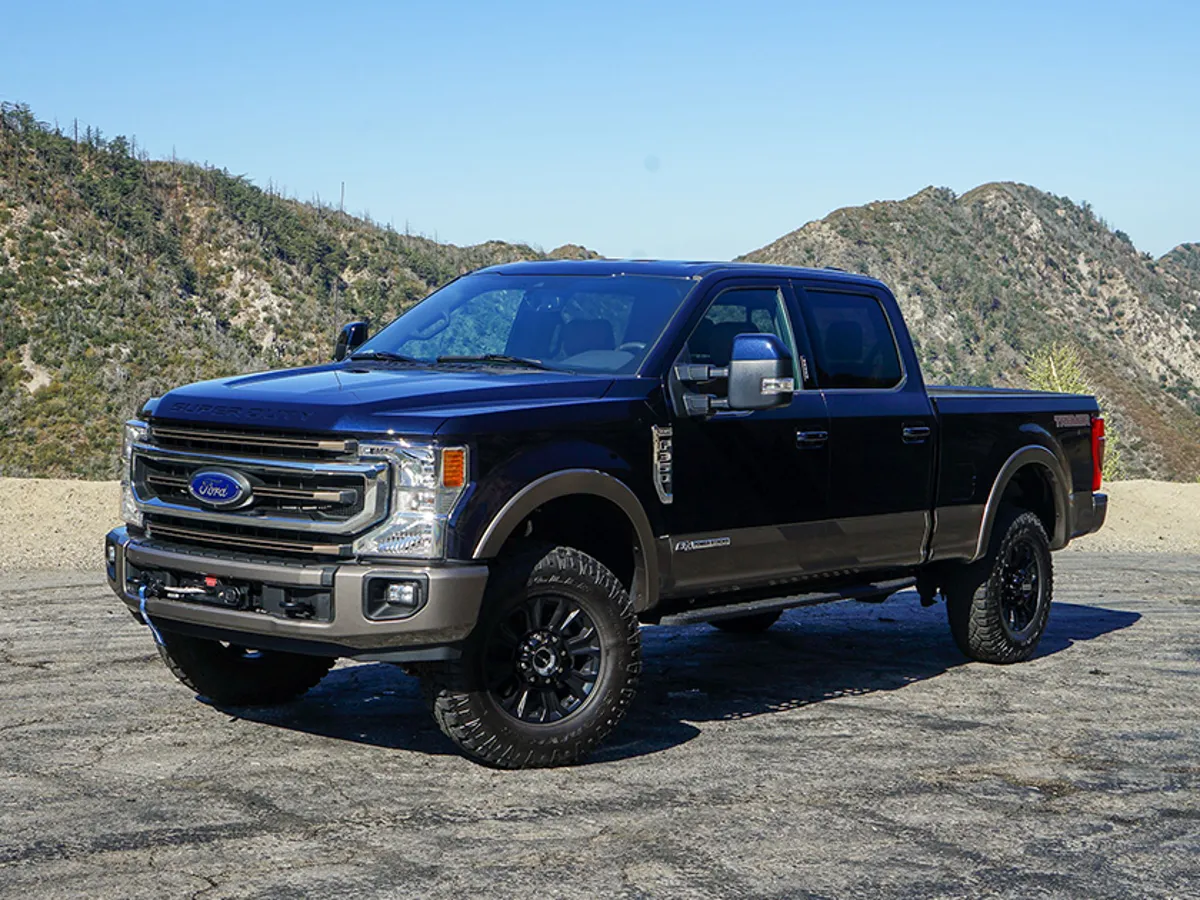
The Ford Super Duty F-350 is renowned for its structural toughness, featuring a fully boxed high-strength steel frame designed to handle extreme payloads and towing tasks. Unlike partial-frame designs, the F-350’s boxed structure provides complete resistance along the truck’s length, reducing the risk of distortion under heavy loads.
Built with a ladder frame made from 95% high-strength steel, it delivers exceptional rigidity and stability, proving effective in supporting industrial, agricultural, and construction use without bending or warping.
The F-350’s reinforced suspension complements the strong frame, distributing stress evenly across the chassis. This synergy ensures the truck remains steady under heavy loads, even in challenging terrain or long-term use. Users consistently report no frame distortion, highlighting the truck’s reliability for hauling trailers, construction equipment, or other heavy cargo.
Equipped with the Power Stroke diesel engine, the F-350 offers class-leading torque. The standard diesel produces 475 hp and 1,050 lb-ft of torque, while the high-output version delivers 500 hp and 1,200 lb-ft.
Combined with dual rear-wheel (DRW) configurations, it achieves a maximum towing capacity of 28,000 pounds, and up to 40,000 pounds with a fifth-wheel or gooseneck setup. Payload capacity ranges from 3,000–4,000 pounds for single rear-wheel (SRW) models to 5,000–8,000 pounds for DRW setups.
The F-350 is not just about raw strength; it also offers convenience and safety features, including Pro Trailer Hitch Assist, Onboard Scales, blind-spot monitoring with trailer coverage, and a trailer tire-pressure monitoring system. Crew-cab models accommodate up to six passengers, while Ford Pro chassis cab options provide commercial flexibility.
The F-350 balances exceptional structural integrity, powerful engines, and advanced towing features, making it one of the most capable and reliable heavy-duty trucks for work or recreational hauling.
3. Ford F-150 (New Generation): Strength, Versatility, and Innovation
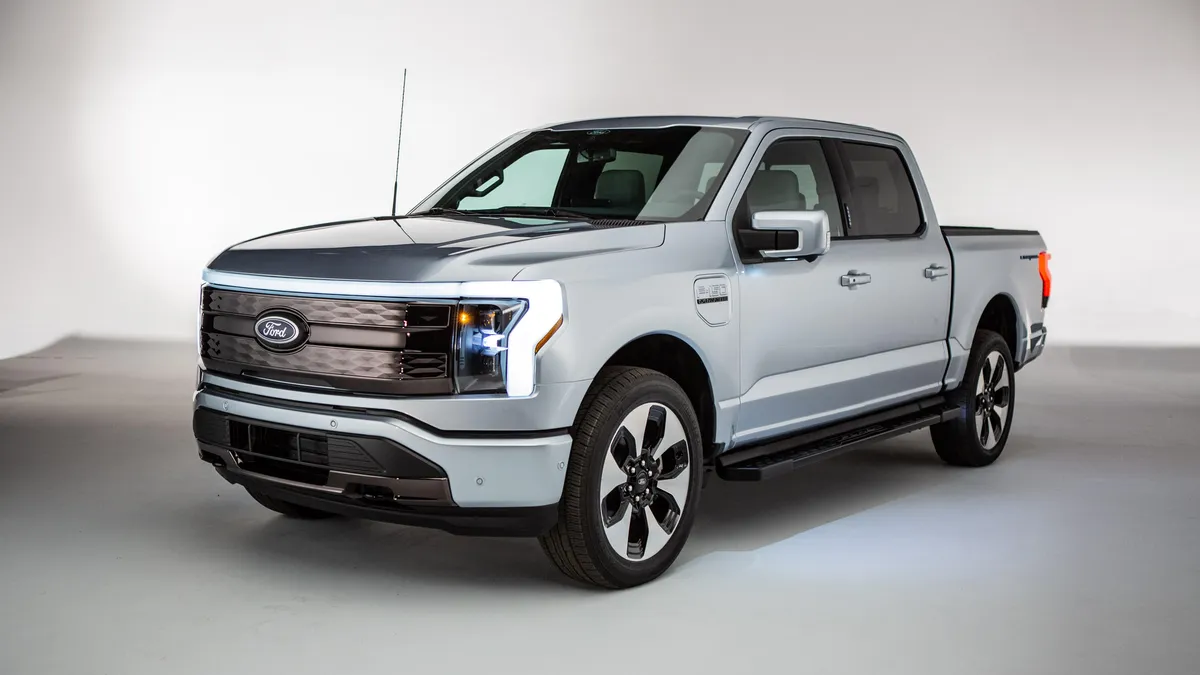
The latest Ford F-150 combines military-grade aluminum alloy body panels with a fully boxed high-strength steel frame, achieving a balance between reduced weight and structural integrity.
Multiple reinforced steel crossmembers enhance rigidity and distribute load stress evenly, allowing the truck to resist flexing under heavy payloads or while towing. Advanced suspension tuning works in tandem with the frame to maintain alignment and stability, even after years of continuous use.
Field reports and owner feedback confirm that the F-150 retains its shape and performance under demanding conditions, making it reliable for work, recreation, and long-haul trips.
The F-150 offers a broad range of powertrains, including turbocharged V6s, V8s, and the hybrid PowerBoost option. In testing, the PowerBoost hybrid accelerated from 0 to 60 mph in 5.8 seconds, delivering nimble performance for a full-size pickup.
Direct steering makes maneuvering in tight spaces easy, while highway stability remains strong. Braking is confident, even with the hybrid’s regenerative system, and the F-150 feels responsive, balanced, and versatile across a variety of driving scenarios.
Comfort is a highlight in the F-150, with supportive front seats offering optional heating, ventilation, and massage functions. Crew-cab models provide ample legroom and headroom, while intuitive interior controls and adjustable steering, seats, and pedals ensure a comfortable fit for drivers of all sizes.
Large windows and optional surround-view cameras improve visibility, while climate control systems maintain a stable and pleasant cabin environment. Road, tire, and wind noise are minimal, and most engine options are reasonably quiet, though the PowerBoost hybrid emits noticeable vibration during charging.
The F-150 incorporates advanced technology, including a 12-inch infotainment touchscreen with standard Apple CarPlay and Android Auto. Optional features like Ford’s BlueCruise allow hands-free highway driving, enhancing convenience in heavy traffic.
Pro Power Onboard transforms the truck into a portable generator with multiple power outputs, adding practical versatility for work sites, camping trips, or outdoor events. Additional driver-assist options such as blind-spot monitoring, trailer brake control, and trailer backup assist improve safety and ease of use.
The F-150 excels in towing and hauling for a light-duty pickup. Properly equipped, it can tow up to 13,500 pounds and carry up to 2,445 pounds of payload.
Bed options, including split-opening tailgates, power lift-and-lower functionality, and tailgate steps, enhance convenience when loading or unloading cargo. Integrated towing aids, such as Pro Trailer Backup Assist and extended blind-spot coverage, make handling large trailers safer and simpler.
Fuel economy ranges from 19 to 23 mpg combined, depending on engine and drivetrain, which is competitive in the full-size pickup segment. With trims ranging from the basic XL to the luxurious King Ranch and the performance-oriented Raptor, buyers can customize the F-150 to suit nearly any need.
While warranty coverage is standard for the segment, the truck’s combination of strength, technology, versatility, and comfort makes it a compelling value.
The new-generation Ford F-150 offers a unique balance of lightweight design, robust construction, powerful performance, and advanced features.
Its flexibility, wide range of configurations, and practical innovations make it one of the most capable and adaptable light-duty pickups available today, appealing to both professional and recreational users alike.
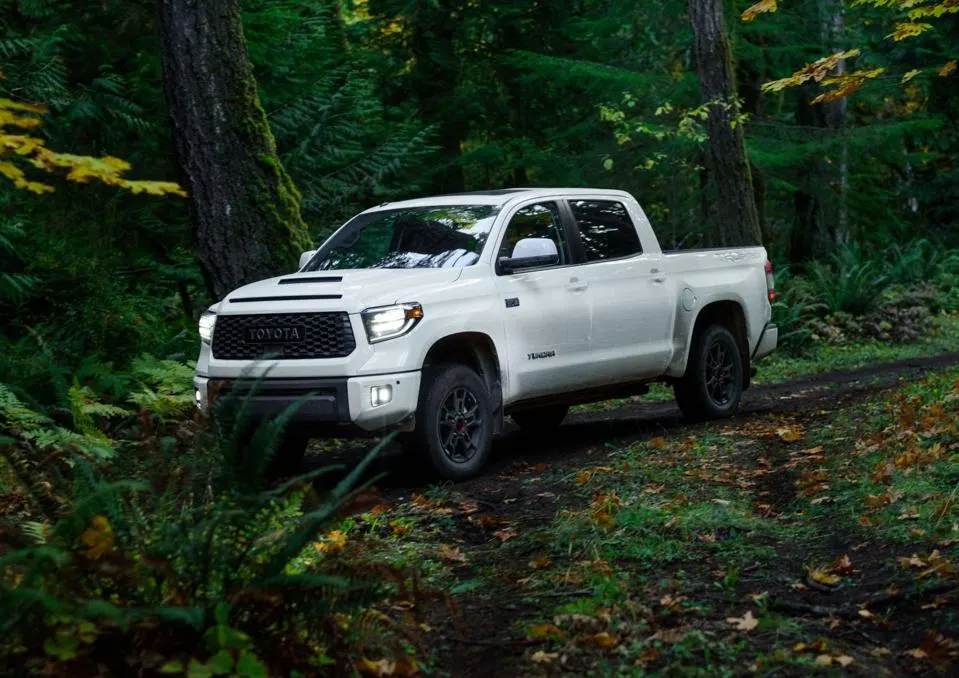
4. Toyota Tundra: Durability Meets Modern Capability
The Toyota Tundra is designed to compete with domestic half-ton trucks, offering toughness and long-term reliability. It’s a fully boxed steel frame that resists bending and flexing, maintaining stability under heavy loads or trailer towing. Rolled steel construction with reinforced front and rear sections allows the truck to handle cargo or towing pressure without sagging or misalignment.
Toyota strengthened areas near the hitch to prevent frame distortion during repeated trailer use, a weak spot in earlier models. Advanced suspension design evenly distributes weight across the chassis, keeping the truck planted on uneven terrain. Fleet operators and long-term owners report minimal frame wear even after years of heavy use, demonstrating dependable durability.
The 2022 Tundra is powered by a turbocharged 3.4-liter V6, with an optional hybrid powertrain for improved efficiency. Paired with a 10-speed automatic transmission, the 4WD Tundra accelerates from 0 to 60 mph in 6.6 seconds.
Braking is strong, with a tested stop from 60 mph in 131 feet, even with off-road tires. Steering is light and precise, aiding maneuverability. Optional TRD packages enhance off-road capability, though the long wheelbase can limit obstacle clearance.
The Tundra cabin has been significantly improved. Seats are supportive and comfortable, with CrewMax configurations providing ample passenger space. Optional features like panoramic sunroofs and full-width rear windows create an open, airy feel. Visibility is generally good, though windshield pillars can block views; the surround-view camera system is highly recommended for tight spaces.
A 14-inch touchscreen is intuitive, with Apple CarPlay and Android Auto standard. Optional JBL audio and driver-assist features enhance convenience and safety. Most systems function reliably, though lane-keeping assist can be inconsistent.
The Tundra tows up to 11,120 pounds, with reinforced composite beds and generous interior storage. Fuel economy is modest, averaging 15–17 mpg in real-world testing, and standard warranties include three years/36,000 miles bumper-to-bumper and five years/60,000 miles powertrain coverage, with two years/25,000 miles of free maintenance.
5. Ram 2500 Heavy Duty: Strength and Reliability
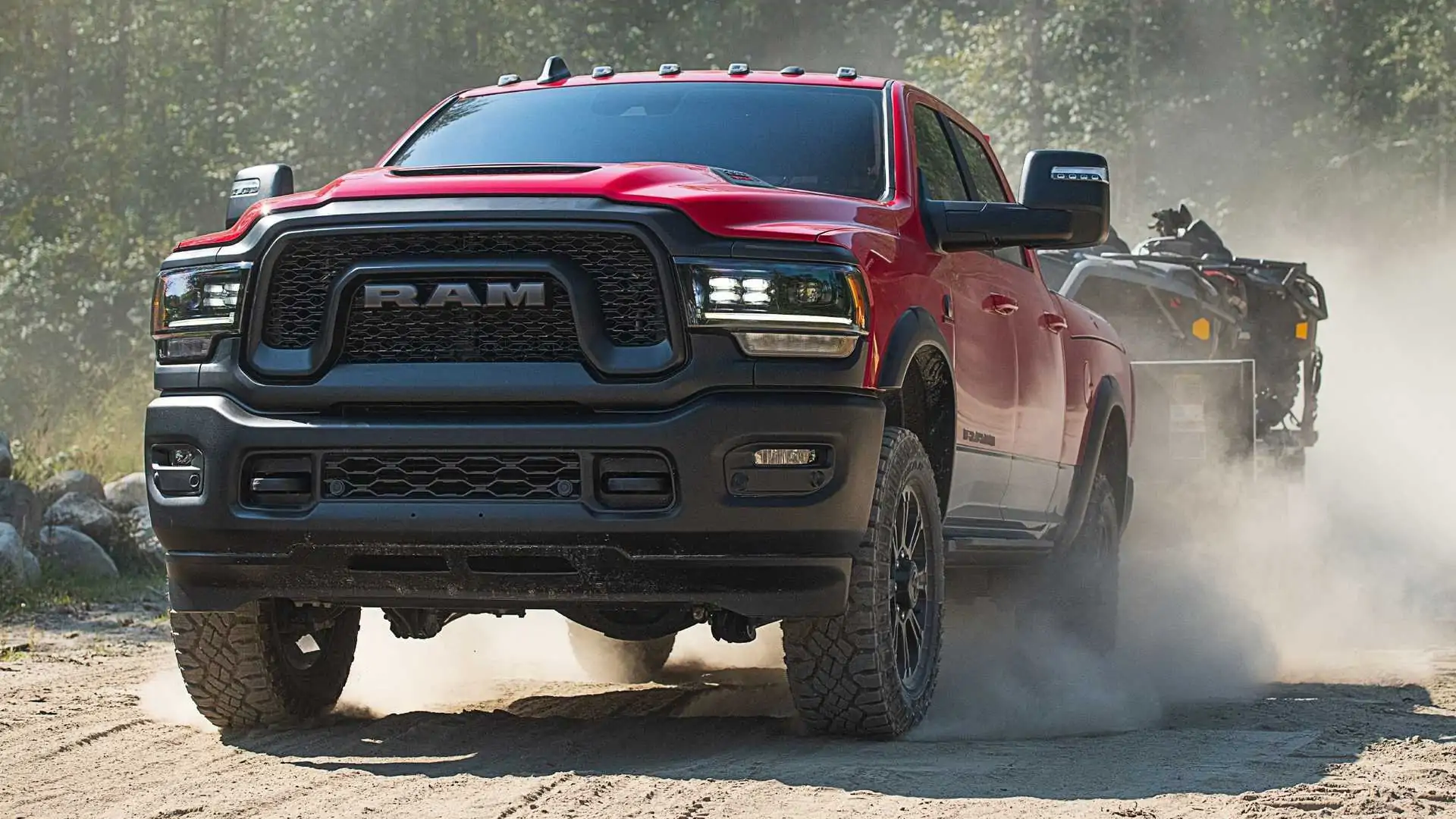
The Ram 2500 Heavy Duty features a fully boxed high-strength steel frame, resisting torsional bends and vertical stress. Moving away from open C-channel designs, Ram created a rigid platform capable of handling demanding workloads.
Hydroformed high-strength steel and reinforced crossmembers enhance durability, while recalibrated shocks and springs prevent weak points from accumulating stress. Long-term owners report straight, solid frames even after years of heavy use, and commercial fleets praise its reliability under rigorous conditions.
The Ram 2500 drives competently for a heavy-duty truck. Full-throttle acceleration is gradual but sufficient, with our 4WD test truck achieving 0–60 mph in 8.3 seconds. Braking from 60 mph took 140 feet, typical for the class. Steering is light, but limits are low, though city driving is manageable. Off-road capability is enhanced in the Power Wagon model, which offers features unavailable in most competitors.
Both front and rear seats are comfortable, well-padded, and highly adjustable. Soft-touch surfaces improve cabin feel, though diesel engines can transmit vibration and drone through pedals and steering. Optional power-deployable side steps make entry easy, and interior space accommodates adults comfortably.
The 2500 offers an impressive tech suite, including 12-inch or 8.4-inch touchscreens with seamless Apple CarPlay and Android Auto integration. Premium audio and advanced driver aids, such as adaptive cruise control and blind-spot warning, function effectively.
Towing and payload capacities are substantial, aided by an available rear air suspension that simplifies loading and trailer hookups. Fuel economy ranges from 15–20 mpg depending on conditions, and warranty coverage is competitive with class standards.
Both the Toyota Tundra and Ram 2500 Heavy Duty excel in structural integrity and long-term reliability. The Tundra balances a modern, efficient powertrain with durability and comfort for a half-ton truck, while the Ram 2500 offers extreme strength, towing, and payload capabilities for heavy-duty work.
Buyers seeking long-lasting trucks will find either model dependable, though their applications differ: Tundra for versatile half-ton use and Ram 2500 for heavy-duty commercial and industrial tasks.
Also Read: 5 Cars With Dependable Start-Stop Systems and 5 That Annoy Owners
5 Trucks Known For Frame Rot
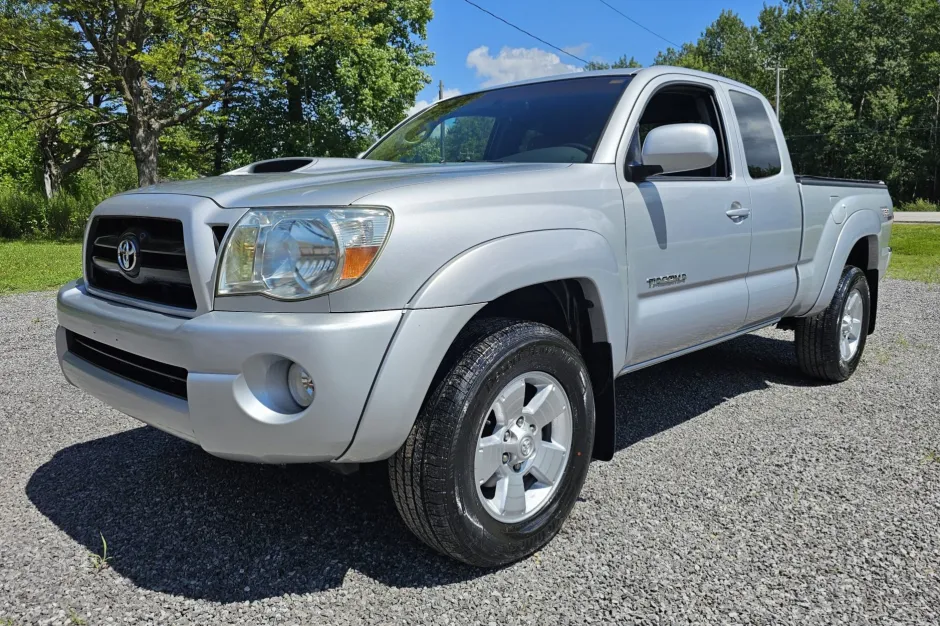
1. Toyota Tacoma (2005–2010): Reliability Undermined by Frame Rust
The 2005–2010 Toyota Tacoma highlights how a single flaw can overshadow an otherwise dependable vehicle. Known for drivetrain durability, this generation gained notoriety instead for widespread frame rot, which left many trucks unsafe to drive.
The frames, produced by a third-party supplier, lacked sufficient rust-proofing and used coatings that failed to withstand harsh conditions. Combined with the Tacoma’s C-channel frame design, which trapped moisture and dirt, corrosion spread rapidly. In northern regions where road salt is common, the damage accelerated, with rust eating the frame from the inside out.
Unlike cosmetic rust, the issue often remained hidden until serious structural failure occurred. Suspension mounts, fuel tank brackets, and other vital areas weakened, leaving owners facing expensive frame replacements or, in severe cases, a total loss of the truck. Even vehicles that otherwise ran perfectly were compromised by this hidden defect, creating significant safety risks and lowering long-term ownership value.
Initially, Toyota launched a limited service campaign covering inspections and repairs in certain states. However, as the scale of the problem grew, a class-action lawsuit followed. The resulting settlement required Toyota to inspect, repair, or fully replace affected frames at no cost to owners. The settlement also included reimbursement for those who had already paid out of pocket for repairs.
Purchasing a used Tacoma from this era carries substantial risk unless there is clear proof of a frame replacement or professional rust treatment. While Toyota’s intervention helped many owners, not all trucks were repaired in time.
The Tacoma’s frame rust saga serves as a cautionary tale: even brands with reputations for reliability can face serious quality-control missteps that affect safety and trust.
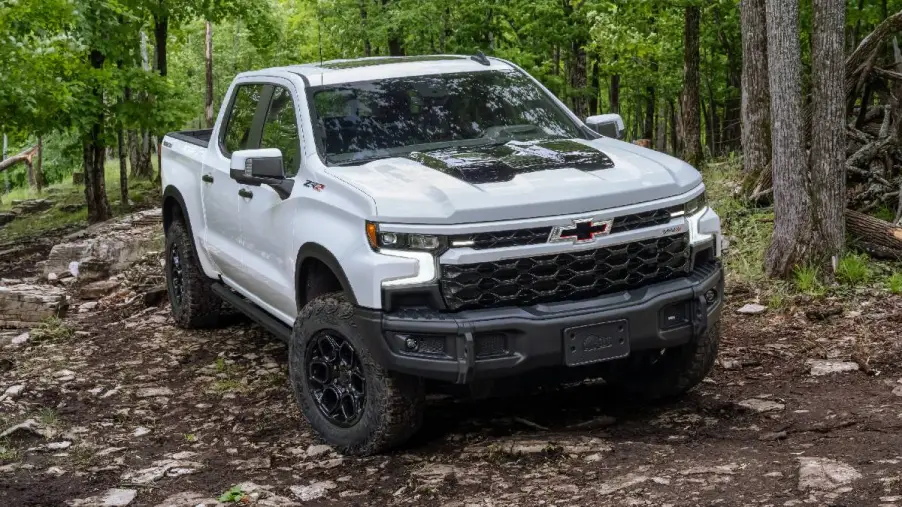
2. Chevrolet Silverado / GMC Sierra (1999–2007): Hidden Rust Risks
The Chevrolet Silverado and GMC Sierra from the GMT800 generation (1999–2007) delivered strong engines and dependable performance, but their frames suffered from widespread rust problems that undermined long-term durability.
These trucks were built on open C-channel frames made of mild, recycled steel. While functional for towing and hauling, the design created cavities that easily collected water, dirt, and road salt. Over time, these conditions allowed corrosion to spread rapidly and attack critical areas such as rear rails, crossmembers, and suspension mounts.
Several design and manufacturing choices contributed to the issue:
- Open C-channel frame: Unlike fully boxed frames, it traps debris and moisture.
- Recycled steel: More prone to corrosion than higher-grade metals.
- Wax-based coating: GM applied a protective wax layer instead of paint, but it hardened, flaked, and failed to prevent water intrusion.
- Poor preparation: Frame suppliers reportedly did not adequately prep the steel before coating, leading to poor adhesion.
- Unprotected lines: Brake and fuel lines routed along the frame were left vulnerable to rust.
The corrosion often developed in hidden spots, making it difficult to detect until significant damage had occurred. In many cases, structural integrity was so compromised that repairs were impractical, leading owners to scrap otherwise mechanically sound trucks. Even when caught early, frame repairs were costly and rarely guaranteed long-term fixes.
While affordable on the used market, 1999–2007 Silverado and Sierra trucks carry substantial rust risk. Thorough inspections, particularly of frame rails, crossmembers, and brake lines, are essential before purchase. Without verified rust treatment or proof of a solid frame, buyers may face repair costs exceeding the truck’s value.
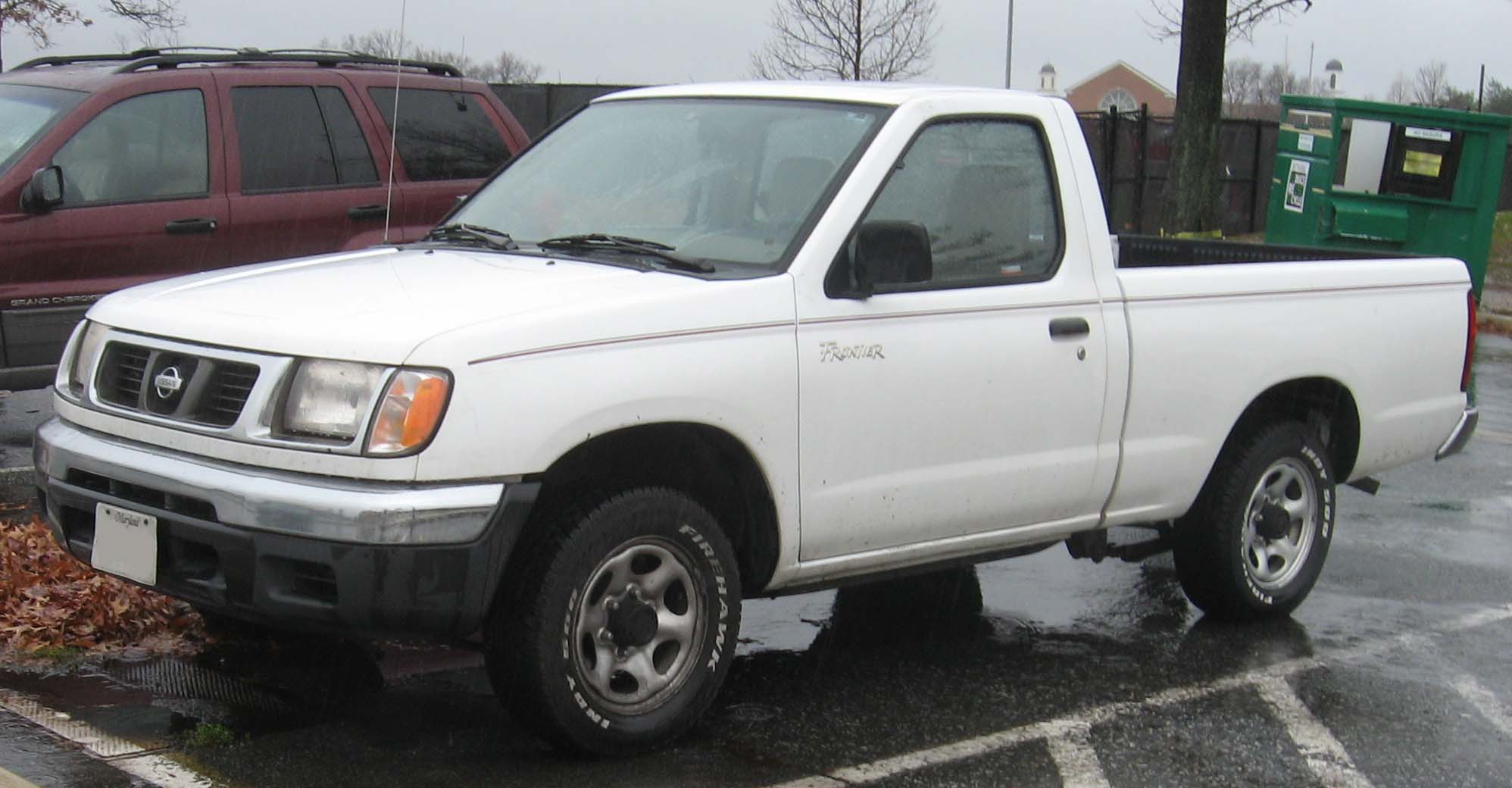
3. Nissan Frontier (1998–2004): Frame Rust Overshadows Reliability
The first-generation Nissan Frontier built a reputation as a compact and capable truck with a reliable powertrain, but its frame issues became a serious drawback, particularly in regions where winters and road salt were harsh.
Owners frequently reported severe corrosion, especially in key structural areas such as the rear leaf spring shackles and frame rails. This problem was exacerbated by poor factory coatings and design flaws that allowed moisture to settle and slowly eat away at the frame.
One of the main reasons the Frontier was so prone to rust was exposure to road salt and wet conditions, which accelerated corrosion. The protective coatings applied at the factory were not sufficient to withstand years of environmental stress, and once these coatings were damaged through off-road use or minor accidents, the bare metal was left vulnerable.
In colder climates, trapped water inside the hollow frame sections worsened the situation. Repeated freeze-thaw cycles led to cracks and structural weakening that were often hidden until the frame’s safety was already compromised.
For many owners, the issue was not immediately obvious. Rust damage developed internally, and in most cases, it only came to light when suspension components were affected or when professional inspections revealed severe decay. Unfortunately, the cost of frame repairs often outweighed the truck’s resale value, so many otherwise reliable Frontiers were scrapped despite having engines that still performed well.
Prevention was possible through diligent care, such as regular inspections, thorough cleaning of the undercarriage after winter driving, and applying aftermarket rust-proofing treatments.
Storing the truck in a garage also helped limit exposure to moisture. Still, for used buyers today, a cheap early Frontier can quickly turn into an expensive mistake unless the frame has been well-maintained and protected against corrosion.
4. Dodge Dakota (1997–2004): A Workhorse Undone by Corrosion
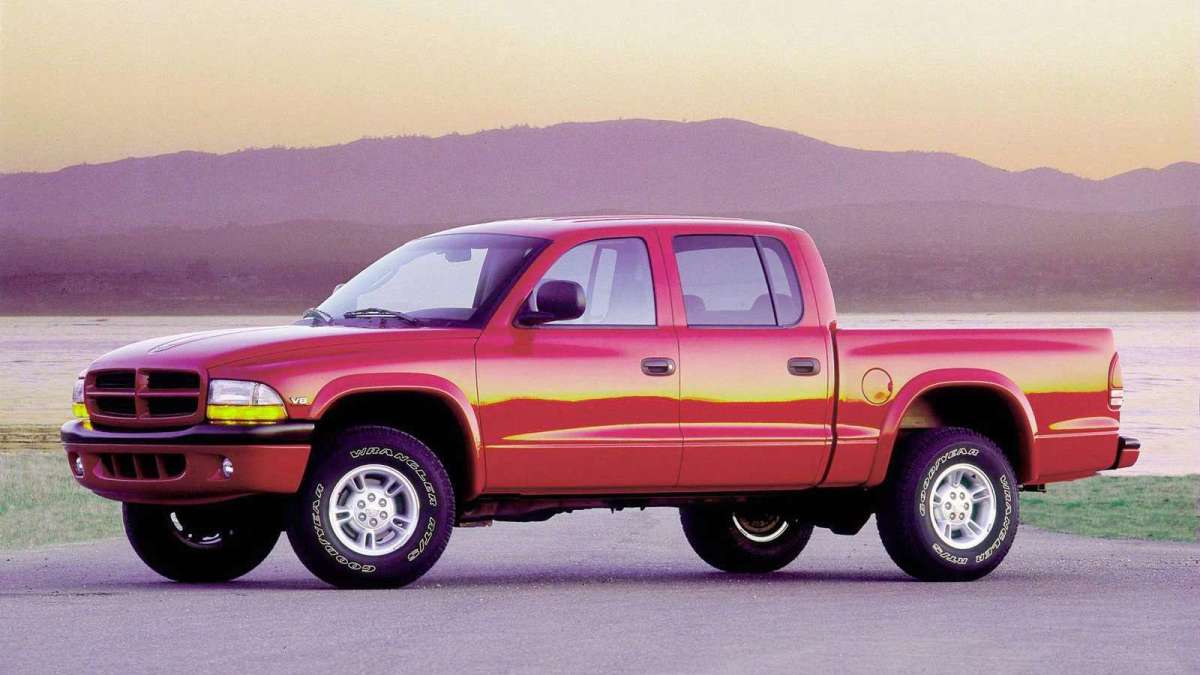
When the Dodge Dakota arrived in the late 1990s, it carved out a niche as a mid-size pickup with big-truck capabilities. Its towing strength, especially with the available V8, made it appealing to drivers who wanted power without stepping up to a full-size model. But underneath that capability was a hidden flaw that ultimately tarnished the truck’s reputation: severe frame rust.
The Dakota’s design left it particularly vulnerable. Its C-channel frame, rather than a fully boxed construction, tended to trap water, salt, and grime along its seams and corners. Combined with factory corrosion protection that was less than robust, these conditions allowed rust to take hold quickly. In northern regions where road salt was a winter necessity, the process accelerated dramatically.
Rust didn’t confine itself to cosmetic areas. Instead, it spread across crucial structural points such as rear rails, suspension mounts, cab supports, and fuel line brackets. The damage often advanced silently, only becoming obvious when cracks, holes, or weakened suspension supports compromised safety. For many owners, by the time the decay was visible, it was already too late.
Repairing a Dakota’s frame was rarely practical. Welding could patch certain areas, but the widespread nature of the corrosion meant that the problem often reappeared elsewhere. For trucks that had already lost significant value, investing in major structural repairs made little financial sense. As a result, many Dakotas were retired early, scrapped long before their engines or drivetrains gave out.
The combination of lower-grade steel, exposure to harsh environments, and poor long-term rustproofing sealed the fate of these trucks. While the Dakota of this era offered strength and utility when new, its tendency toward frame rot drastically shortened its lifespan. Today, rust-free examples are rare survivors and require meticulous inspection before purchase.
5. Ford Ranger (1998–2011): Reliability Undermined by Rust
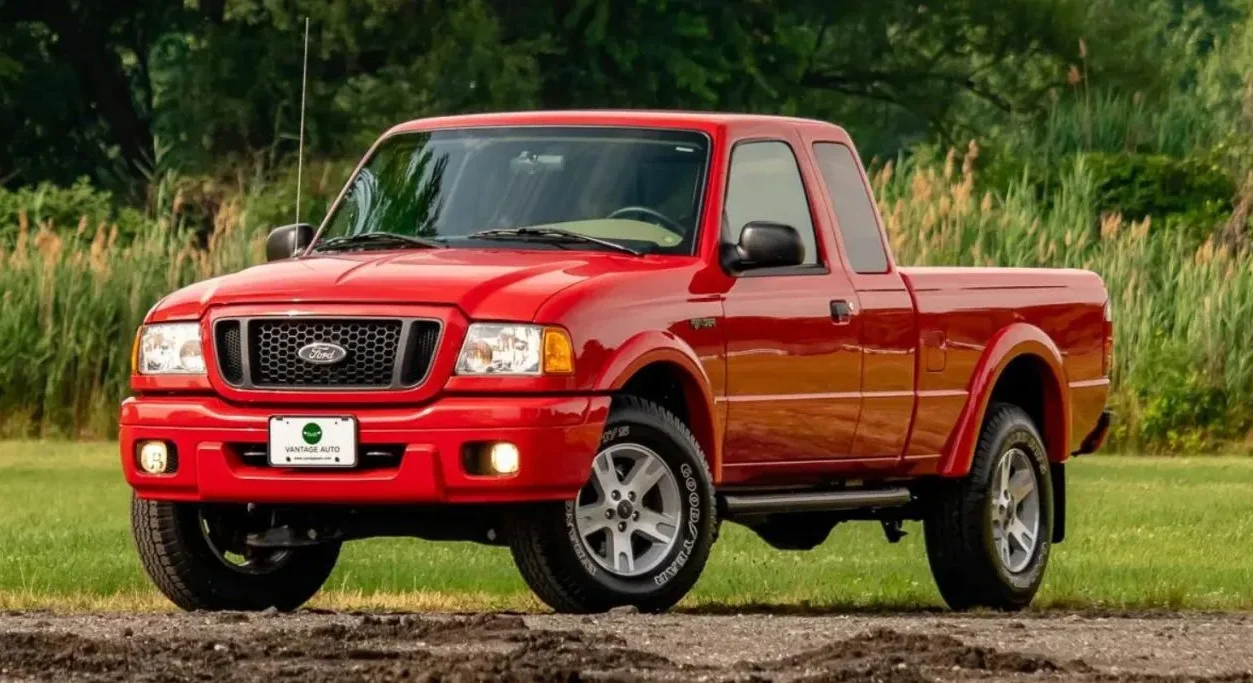
The Ford Ranger earned widespread popularity between 1998 and 2011 for its affordability, compact design, and straightforward dependability. For many buyers, it was the go-to budget pickup, capable of handling work duties without the bulk of a full-size truck. Beneath this reputation, however, one critical flaw plagued the model: frame rust.
The problem was rooted in design. The rear frame rails, particularly near the spare tire mount, lacked adequate drainage and corrosion protection. As a result, water, dirt, and winter road salt accumulated and remained trapped, slowly corroding the steel. Over time, this hidden rust spread from the inside out, creating significant structural weaknesses.
For owners, the impact was serious. Some reported spare tires falling off after the supporting crossmembers rusted away. Others found suspension mounts deteriorating, threatening the truck’s safety and drivability.
The corrosion advanced quietly beneath factory coatings, making detection difficult until major damage had already occurred. Ford did issue several technical bulletins and eventually improved later designs, but for many trucks in service, the damage was already irreversible.
Addressing the issue depended heavily on timing. Trucks with early-stage rust could sometimes be salvaged with rust converters, protective coatings, or minor welding. But once the decay reached critical areas, the cost of repairs often exceeded the vehicle’s value, leaving scrappage as the only option.
Even with this vulnerability, the Ranger maintained a loyal following thanks to its fuel-efficient engines, straightforward mechanics, and low running costs. Still, prospective buyers today must exercise caution. A clean-looking exterior can mask extensive corrosion underneath, making professional inspections essential.
Rust-free examples are now uncommon, and those that remain highlight the importance of regular cleaning, undercarriage treatment, and preventive maintenance in extending the life of this otherwise dependable compact pickup.
At the end of the day, a truck’s true worth is found beneath the surface. A durable frame ensures that every part of the vehicle, engine, suspension, brakes, and body works as intended over the long haul. It allows owners to tow, haul, and drive with confidence, knowing that the foundation is solid and capable of handling years of hard use.
The opposite scenario tells a different story. Trucks with frames prone to rust may appear dependable on the outside, but corrosion slowly weakens critical areas until safety is compromised.
What begins as a small issue often spreads invisibly, only becoming obvious when repairs are either extremely costly or no longer possible. For many owners, this has meant retiring trucks long before their engines or transmissions gave out.
The contrast between strong frames and weak ones underscores a simple truth: strength and protection matter more than almost any other specification.
Buyers who pay attention to frame design and corrosion resistance are far more likely to enjoy years of reliable service. Those who overlook it risk learning too late that a truck with frame rot, no matter how powerful, cannot be trusted to deliver when it counts most.
Also Read: 5 Cars With Quiet Cabins for Life vs 5 That Get Loud Early