
Hybrid vehicles have become a staple on American roads, offering drivers the best of both worlds: fuel efficiency and reduced emissions, without fully committing to an all-electric lifestyle.
However, for many potential hybrid buyers, one question looms large, how long will the hybrid battery last, and how often will it need to be replaced?
A hybrid’s battery pack is often the most expensive part of the vehicle, costing anywhere from $2,000 to $8,000 depending on the make and model. While most hybrid batteries are designed to last 100,000 to 150,000 miles, real-world performance varies.
Some hybrids are well-known for lasting well beyond 200,000 miles with minimal issues, while others struggle with early battery degradation, leaving owners with costly repair bills.
In this article, we’ll explore five hybrids that rarely need battery replacements and are praised for their long-term reliability, alongside five hybrids that have a track record of battery problems you’ll want to think twice about before buying.
5 Hybrids That Rarely Need Battery Replacements
Hybrid vehicles have become a popular choice for drivers in the US who want to save on fuel costs and reduce their environmental footprint.
But one concern often comes up: how long will the battery last? Replacing a hybrid battery can be expensive, and not all models are created equal when it comes to durability.
Fortunately, some hybrids are known for their long-lasting batteries that rarely need replacement, even after many years on the road.
In this article, we’ll highlight five hybrids that stand out for their reliability, helping you make a smart choice if you’re looking for a hybrid that won’t leave you with a costly surprise down the line.
1. Toyota Prius
It’s impossible to talk about hybrids without mentioning the Prius. For over two decades, the Prius has been a symbol of hybrid dependability. Owners routinely report Prius models surpassing 200,000–250,000 miles on the original battery, which is a remarkable feat.
Part of this success lies in Toyota’s proven hybrid technology and smart battery management system. The car rarely uses the full charge of the battery, which reduces stress and extends life.
For US buyers, this means fewer worries about costly battery replacements. Even when replacements are necessary, the Prius is so common that aftermarket and refurbished options are more affordable compared to rarer hybrids.
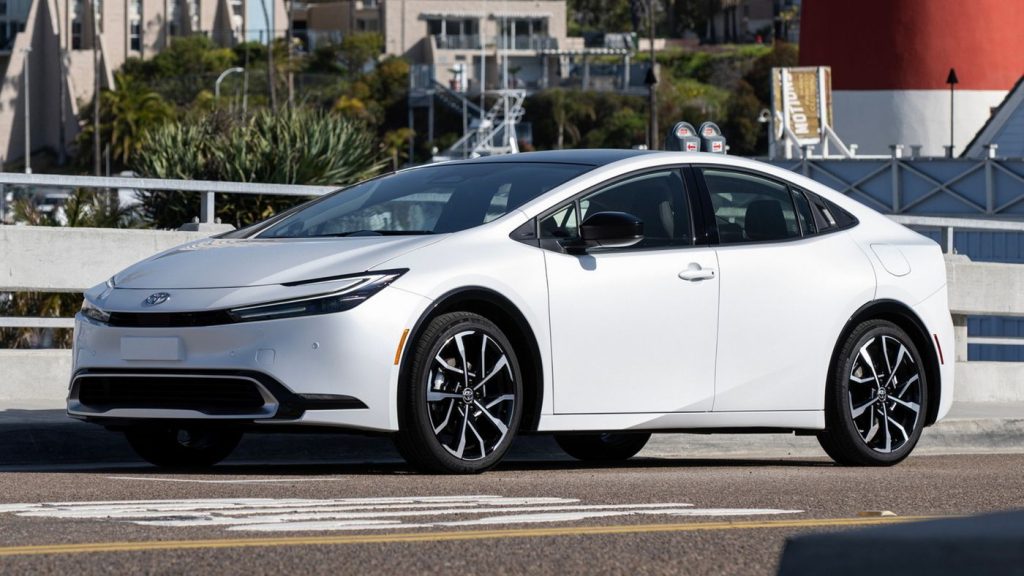
For its fifth generation, the Toyota Prius has undergone a striking transformation. Gone is the “eco geek” image; in its place is a more sophisticated “eco chic” design.
The 2023 Prius features a complete redesign, with a sleek new exterior and a thoroughly overhauled interior. Its hybrid powertrain has also been upgraded, delivering improved performance while maintaining fuel efficiency similar to previous models.
A common complaint about older Prius models was their sluggish acceleration. The previous fourth-generation Prius, for instance, produced just 121 system horsepower from its engine and motor combination.
The new Prius boosts output to 196 hp and can accelerate from 0 to 60 mph in roughly 7 seconds, significantly faster than the 10.7 seconds of the earlier model, making highway merges and quick acceleration much easier.
Despite the performance gains, fuel economy remains excellent, with manufacturer estimates ranging from 49 to 57 mpg combined, depending on the trim. For those seeking even more electric capability, the updated plug-in hybrid Prius Prime offers extended electric range compared with the previous version.
While the Prius’ exterior redesign attracts attention, the most impressive changes are inside. The cabin now features a modern aesthetic and updated technology.
An 8-inch touchscreen comes standard, while higher trims receive a larger 12.3-inch display. Available convenience features include heated and ventilated front seats, ambient lighting, and a panoramic glass roof. The Prius retains its hatchback design, providing a practical and roomy cargo area.
Overall, the 2023 Prius is highly recommended for buyers seeking a fuel-efficient vehicle. With competitors like the Honda Insight and Hyundai Ioniq discontinued, the Kia Niro remains the closest rival, offering both hybrid and plug-in hybrid options.
2. Honda Accord Hybrid
Honda’s midsize Accord Hybrid blends everyday practicality with excellent hybrid reliability. Known for its smooth ride and impressive fuel economy, the Accord Hybrid also benefits from a battery system that has proven durable.
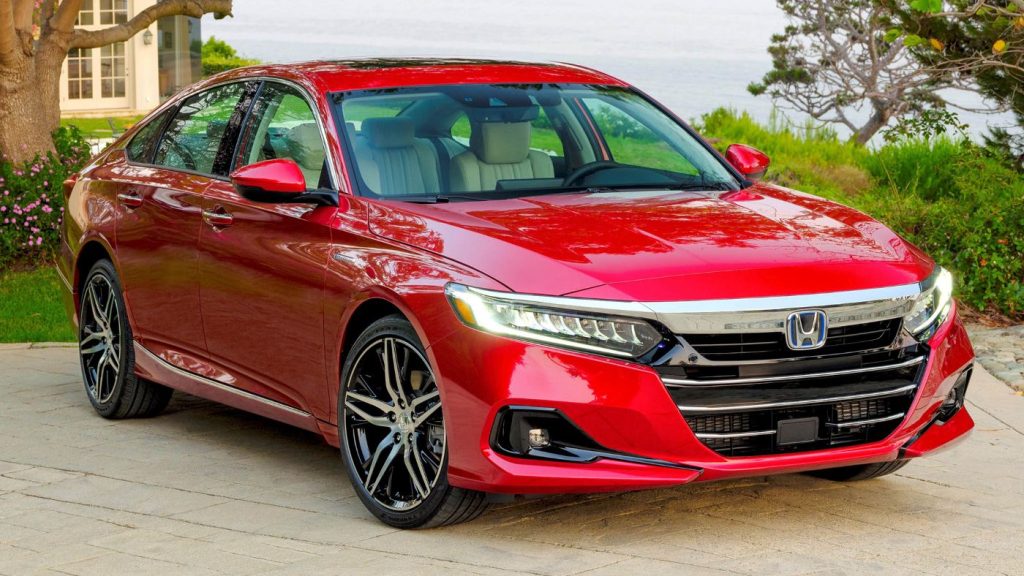
Most owners report battery longevity well beyond 150,000 miles, with very few widespread issues. Since the Accord Hybrid shares much of its design with the standard Accord, maintenance and parts availability are also easy in the US.
Drivers who want peace of mind in a hybrid sedan without luxury-brand repair costs often lean toward this dependable option.
3. Toyota Camry Hybrid
The Camry Hybrid is another standout in Toyota’s lineup. Much like the Prius, it has a strong track record of avoiding premature battery failure. This hybrid sedan is particularly appealing for American families who want a roomy, reliable daily driver that won’t surprise them with major repair bills.
Battery packs on Camry Hybrids often last as long as the car itself, with many reaching 200,000 miles or more without replacements. Toyota’s hybrid warranties, which often extend to 8 years or 100,000 miles (and in some states, 10 years/150,000 miles), give added reassurance.
You could easily mistake the 2025 Toyota Camry for the outgoing model, as its design is largely an evolution rather than a revolution.
Subtle changes, such as revised headlights, give the front end slightly more character, while the side and rear remain familiar. Inside, the cabin sees some worthwhile upgrades, though the overall design retains a straightforward, user-friendly layout.
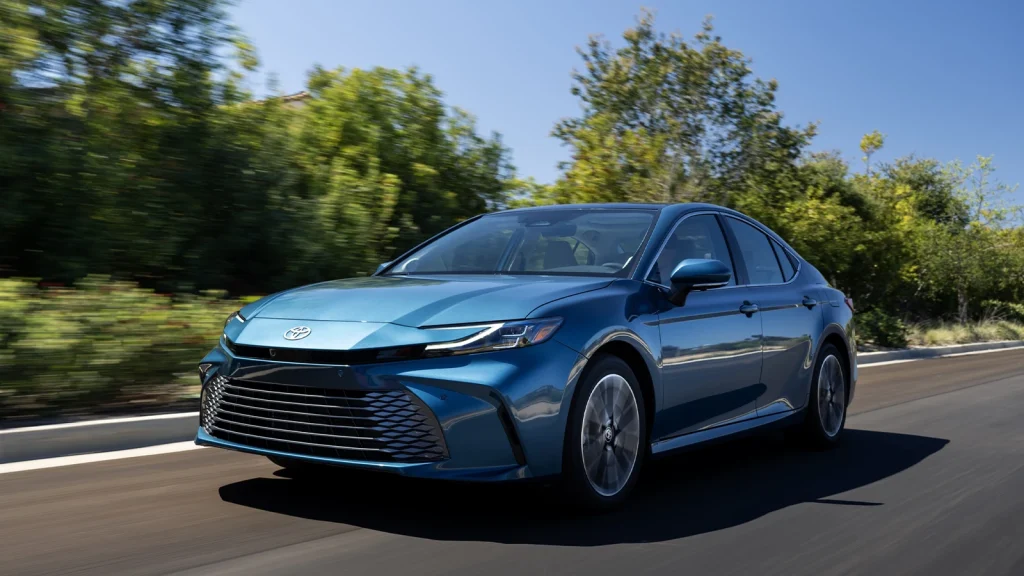
Surprisingly, the 2025 Camry is genuinely enjoyable to drive. The hybrid powertrain provides brisk off-the-line acceleration, and Toyota’s hybrid expertise shows in the smooth, linear feel of the brakes.
Handling has improved as well, with responsive steering and a composed, planted ride. While it’s not a sports car, the Camry offers enough engagement to satisfy both commuters and enthusiasts.
Rather than radically redesigning the Camry, as it did with the Prius, Toyota focused on refining the sedan’s core strengths: approachability, value, and quality—while injecting extra pep and personality. This balanced approach should help the 2025 Camry maintain its popularity.
The 2025 Camry Hybrid receives a significant boost in power thanks to an updated hybrid system. A 2.5-liter four-cylinder engine works with dual electric motors to produce 225 hp sent to the front wheels, a 17-hp increase over the previous model.
All-wheel-drive versions include a rear electric motor, raising total system output to 232 hp. In testing, the 0-60 mph sprint takes just 6.9 seconds.
Fuel efficiency remains strong across the lineup. Toyota reports the most efficient model is the Camry LE FWD, which achieves 53/50 mpg city/highway.
The sportier XSE trim is slightly thirstier, returning 48/47 mpg with FWD. Opting for AWD reduces fuel economy by one to four mpg, depending on the trim and driving conditions. These figures are broadly similar to the 2024 Camry, showing that the extra performance hasn’t come at the cost of efficiency.
4. Ford Escape Hybrid (2005–2012 models especially)
Ford may not always come first to mind when discussing hybrids, but the early Escape Hybrids have earned a reputation for bulletproof reliability. Many of these SUVs are still running today on their original batteries after nearly 20 years.
Taxi companies in cities like New York and San Francisco used Escape Hybrids extensively, and their durability proved impressive.
Modern Escape Hybrids continue this trend, though newer battery technology makes replacements more affordable if needed. For Americans who need an SUV with hybrid efficiency, the Escape Hybrid is a safe bet.
5. Lexus RX Hybrid
Luxury and reliability don’t always go hand in hand, but the Lexus RX Hybrid is an exception. Built with Toyota’s hybrid technology, this midsize luxury SUV is known for both comfort and longevity. Owners frequently report passing 200,000 miles without battery issues, which is rare in the luxury segment.
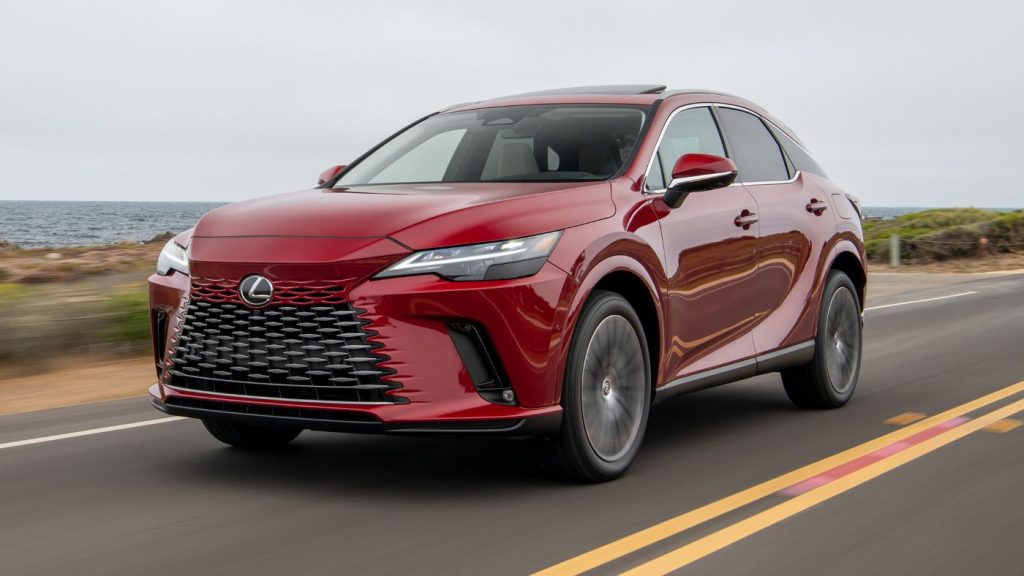
While replacement costs are higher than Toyota’s mainstream models, the odds of actually needing one are much lower. For US drivers who want premium features without sacrificing long-term dependability, the RX Hybrid is one of the best choices.
5 Hybrids That Often Need Battery Replacements
Hybrid cars are praised for their fuel efficiency and lower emissions, but not all of them are built to last. One of the biggest concerns for hybrid owners is the battery, which can be costly to replace if it fails prematurely.
While some hybrids go for hundreds of thousands of miles without issues, others have a history of battery problems that can leave owners with expensive repairs.
In this article, we’ll take a closer look at five hybrids that often need battery replacements. Knowing which models are more prone to battery issues can help you avoid unexpected costs and make a smarter choice when buying a hybrid in the US.
1. Nissan Altima Hybrid
The Nissan Altima Hybrid, sold in limited numbers from 2007 to 2011, has become somewhat infamous for its battery issues. Unlike Toyota and Honda, Nissan didn’t fully commit to hybrid technology at the time, and the Altima Hybrid borrowed heavily from Toyota’s system without the same level of refinement.
Many owners report premature battery failures, sometimes before hitting 100,000 miles. Since it was produced in small numbers, replacement batteries are expensive and hard to find. For that reason, US buyers in the used car market are generally advised to avoid this model.
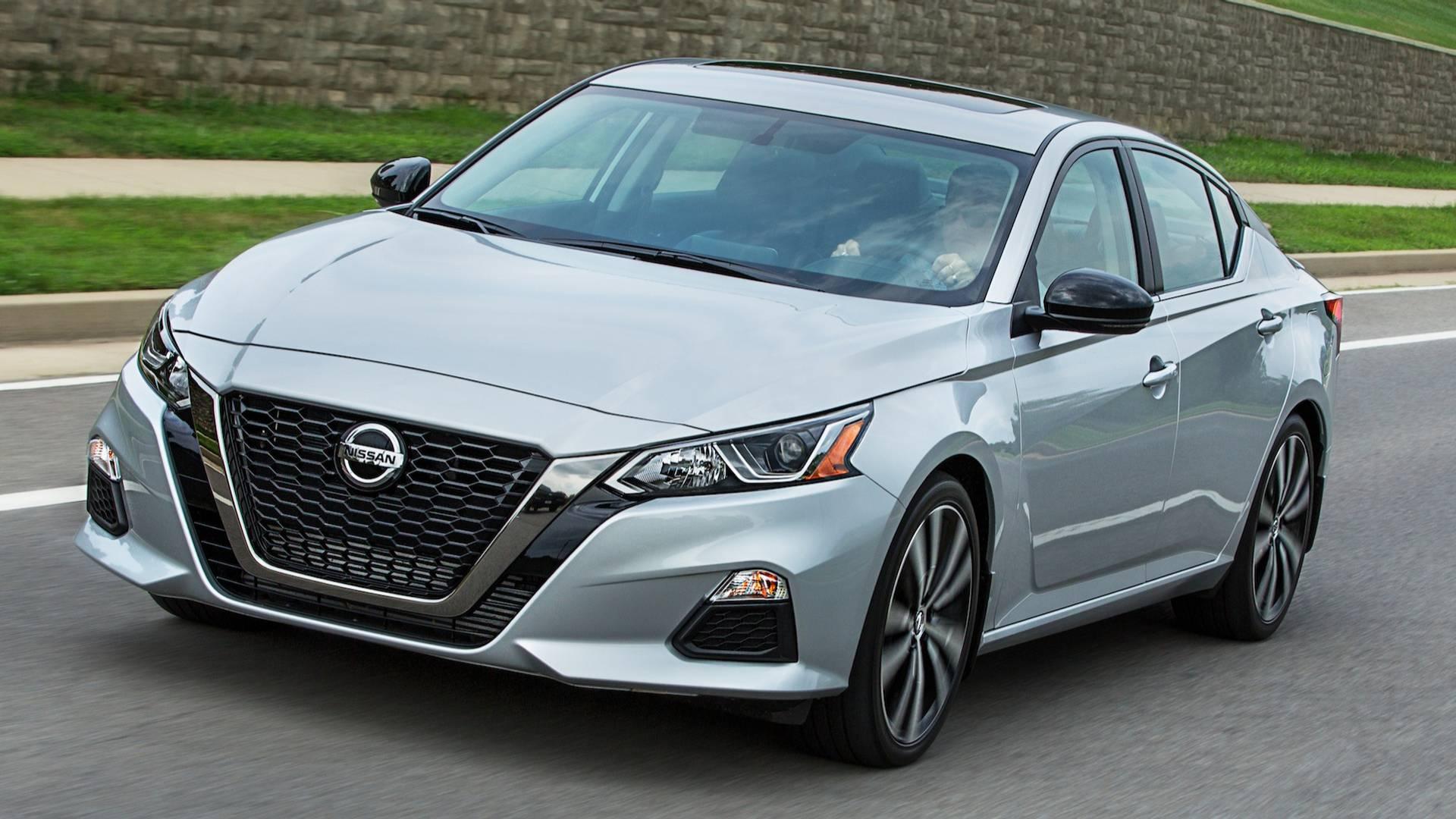
The 2022 Nissan Altima is a capable mid-size sedan that fits neatly between the segment’s more and less compelling options.
It doesn’t match the overall excellence of the Honda Accord, nor is it as uninspiring as the VW Passat. Instead, the Altima stands out with its attractive styling, comfortable interior, and surprisingly sporty handling.
Its available all-wheel-drive system is a popular choice, even though most buyers won’t need the added traction. However, all-wheel drive is only offered with the standard four-cylinder engine, leaving buyers interested in the more powerful VC-Turbo engine out of luck.
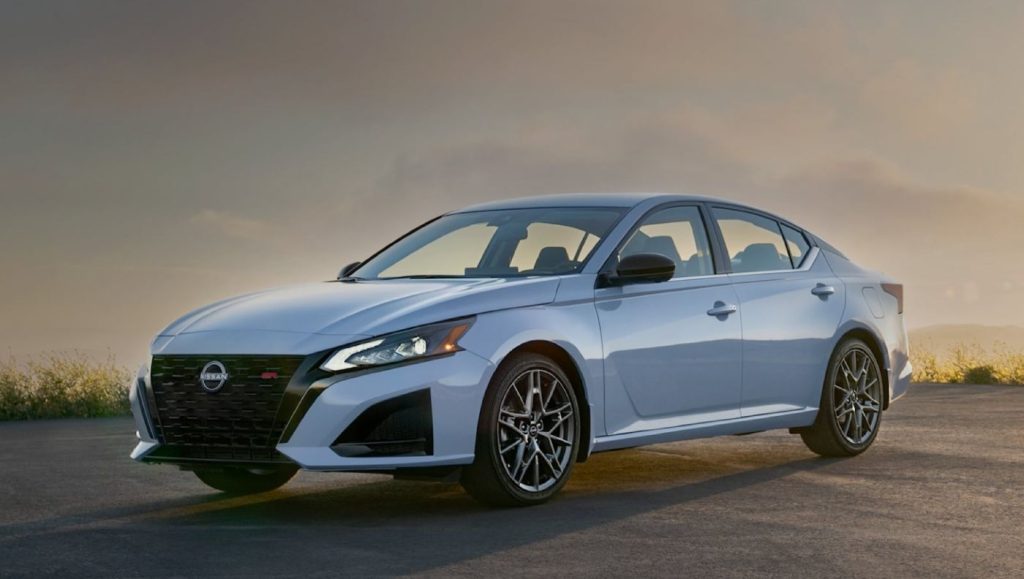
While Nissan doesn’t offer a hybrid or plug-in hybrid variant like some competitors, all Altimas remain notably fuel-efficient. When combined with its other strengths, the Altima delivers a well-rounded package that appeals to many buyers.
For 2022, the Altima sees a few minor updates. A new Midnight Edition package adds dark exterior accents, but it’s only available on the SR trim. Additionally, the SV trim equipped with the Premium package now includes heated exterior mirrors with integrated LED turn signals.
Unlike the Honda Accord and Hyundai Sonata, the Altima offers both all-wheel drive and the unique VC-Turbo engine. While the benefits of the turbo engine are subjective, the $1,400 all-wheel-drive option may appeal to buyers in snowy regions.
That said, our pick would be the SR trim, skipping both the AWD and turbo options. The SR comes with a sport-tuned suspension, 19-inch wheels, and a range of desirable features, including an eight-way power driver’s seat, Apple CarPlay and Android Auto, an upgraded digital gauge cluster, and a leather-wrapped steering wheel.
Adding the Premium package further enhances comfort and convenience, with heated mirrors, heated front seats, and a sunroof.
2. Chevrolet Malibu Hybrid (2016–2019)
Chevy’s Malibu Hybrid was designed to compete with Toyota and Honda sedans, but it struggled in reliability. The hybrid system, while fuel-efficient, has been prone to battery failures earlier than expected.
A big concern is the lack of widespread aftermarket support. While Prius and Camry batteries are readily available, Malibu Hybrid owners often face higher costs and limited service options. Many used models end up at auction after battery failure, since replacing one can cost more than the car’s value.
The 2017 Chevrolet Malibu Hybrid is the most fuel-efficient variant of the Malibu midsize sedan, featuring a powertrain derived from the Voltec system used in the Chevrolet Volt plug-in hybrid.
Under the hood, the Malibu Hybrid combines a 1.8-liter inline-four engine with an electric motor, producing a total of 182 horsepower. Power is delivered exclusively through a continuously variable transmission (CVT).
The EPA estimates fuel economy at 49 mpg city and 43 mpg highway, ranking it among the most efficient hybrid midsize sedans. Due to the hybrid system, cargo space is reduced to 11.6 cubic feet, compared with 15.8 cubic feet in the standard Malibu.
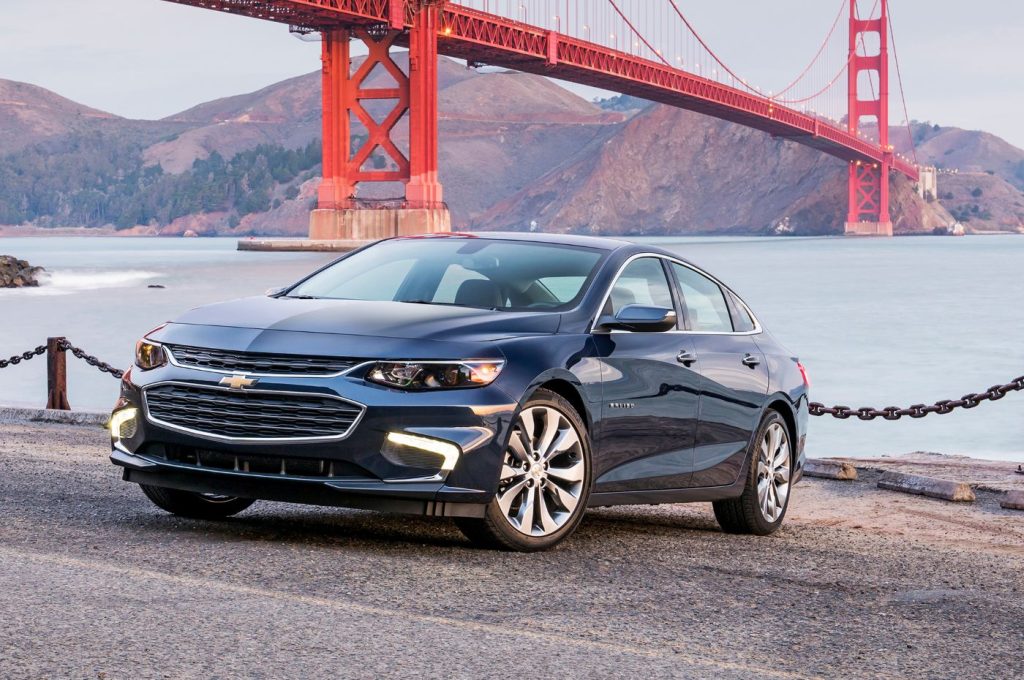
The 2017 Malibu Hybrid comes well-equipped, including 17-inch alloy wheels, LED daytime running lights, a rearview camera, and a rear seat reminder system.
Inside, it features Chevrolet’s MyLink infotainment system with a seven-inch touchscreen, eight-way power-adjustable driver’s seat, 60/40 split-folding rear seats, Bluetooth connectivity, dual-zone climate control, and keyless entry/start.
Available upgrades include leather upholstery, remote start, an eight-inch touchscreen, built-in navigation, additional USB ports, a wireless charging pad, a nine-speaker Bose premium audio system, and a leather-wrapped steering wheel. These options allow buyers to tailor the Malibu Hybrid for added comfort, convenience, and tech sophistication.
3. Hyundai Sonata Hybrid (2011–2015 models especially)
Hyundai’s first-generation Sonata Hybrids were an ambitious entry into the hybrid market but ended up with mixed results. Battery packs in early models showed higher-than-average failure rates, and warranty coverage didn’t always ease the financial burden for secondhand buyers.
Later Sonata Hybrids have improved reliability, but those earlier models
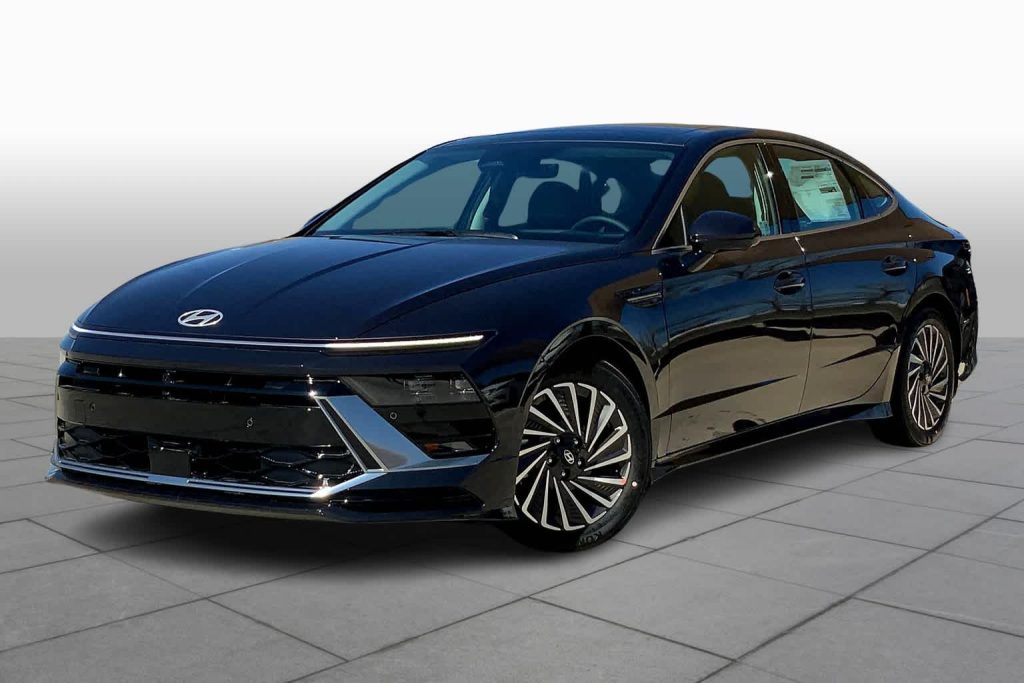
can leave owners with a hefty $3,000–$5,000 bill for replacement. American drivers shopping for a used Sonata Hybrid need to be very careful about which year they choose.
4. Ford Fusion Hybrid (2009–2012 models)
While Ford nailed it with the Escape Hybrid, the early Fusion Hybrids weren’t as lucky. Some owners of 2009–2012 models reported battery degradation well before 120,000 miles, which is below the average for most hybrids.
To Ford’s credit, later models significantly improved battery durability, and the Fusion Hybrid became a strong competitor in its segment. Still, those early years have a reputation for unexpected failures, making them a risky choice for buyers today.
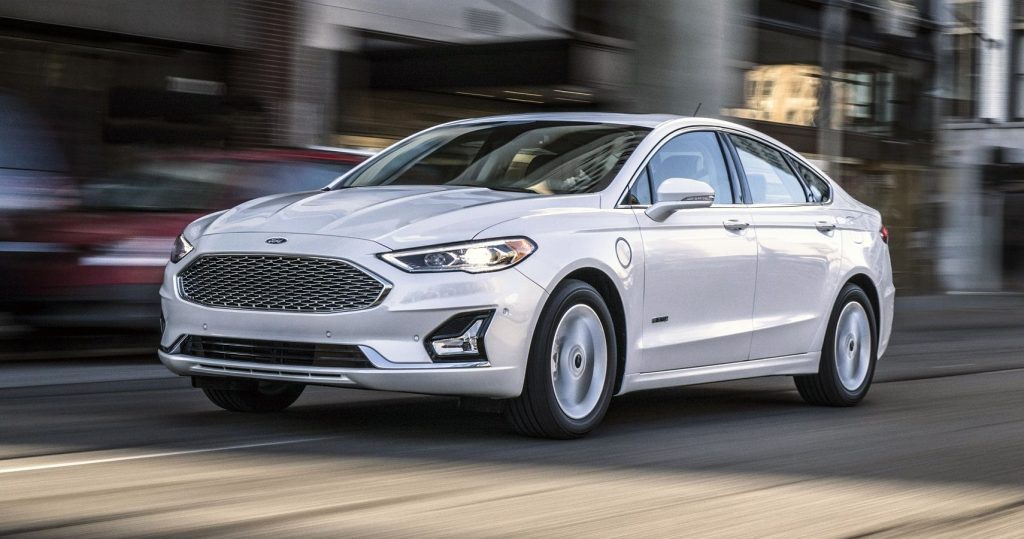
The 2019 Ford Fusion offers something for nearly every buyer, ranging from the practical SE to the upscale Platinum. Its lineup includes six engines, two of which can be paired with all-wheel drive, two hybrid options, and one powerful 325-hp variant, alongside five trim levels that span from basic to near-luxury.
Combined with its sleek, eye-catching design, the Fusion makes a compelling case for buyers seeking style and versatility. That said, it doesn’t quite reach the focused refinement of segment leaders like the Honda Accord or Mazda 6.
While many customers will find the Fusion satisfying, some might ultimately prefer a different midsize sedan. Styling tweaks for 2019 are subtle, so most will likely overlook them. The 2019 Fusion’s starting price is $23,835, rising to $41,010 for the range-topping V6 Sport.
An SEL model with the turbocharged 1.5-liter four-cylinder engine strikes a solid balance between the base Fusion and the more expensive near-luxury trims. It includes the Sync 3 infotainment system with an 11-speaker audio setup, heated seats, and dual-zone automatic climate control.
The Fusion’s base powertrain is a 175-hp 2.5-liter four-cylinder with a six-speed automatic and front-wheel drive. Higher trims offer a 181-hp turbo 1.5-liter or a 245-hp turbo 2.0-liter, with all-wheel drive available on the 2.0-liter model.
The Sport trim features a 325-hp twin-turbo 2.7-liter V6 with standard all-wheel drive. Hybrid models combine a 2.0-liter four-cylinder with a CVT and an electric motor for 195 hp, while the plug-in Energi uses the same powertrain paired with a larger battery pack.
Across most trims, the Fusion balances a comfortable ride with engaging handling. The Fusion Sport feels closer to a sports sedan when pushed, aided by standard adaptive dampers, although it still doesn’t fully emulate a dedicated performance car.
The Energi plug-in falls short in cornering, due to soft suspension tuning and overly light, artificial-feeling steering. Gas-powered models offer responsive, nimble steering, highlighting the difference between the Energi and its conventional siblings.
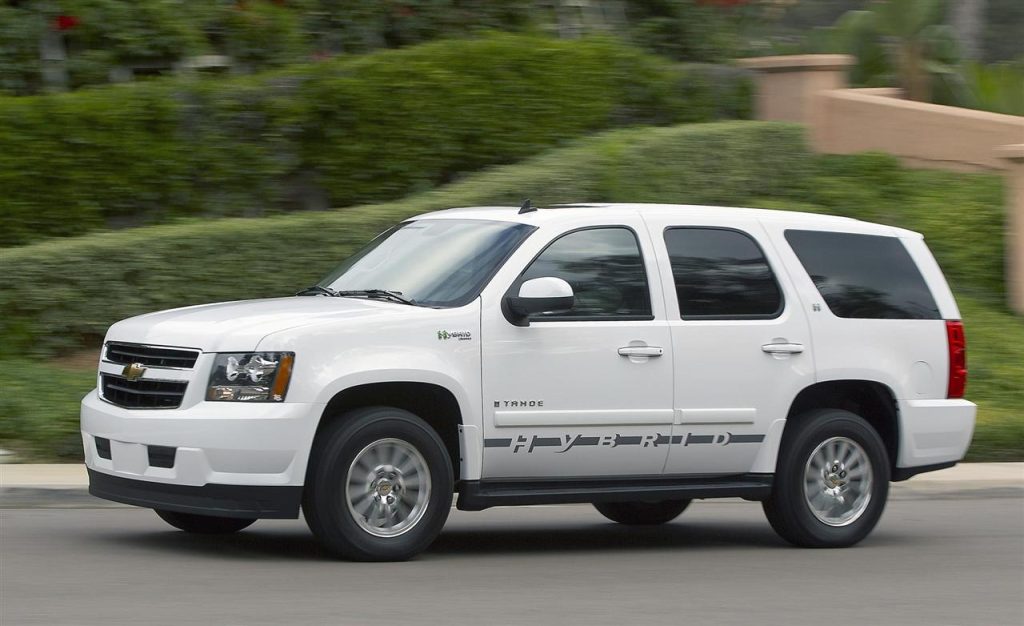
5. Chevrolet Tahoe Hybrid (2008–2013)
The idea of a full-size hybrid SUV sounds great on paper, but the Chevy Tahoe Hybrid turned out to be one of the more problematic models. Its massive size meant the hybrid system was always working harder than in smaller vehicles, leading to shorter battery lifespans.
Battery replacements in the Tahoe Hybrid are particularly painful, often exceeding $5,000–$6,000. Combined with the fact that fuel savings were modest compared to regular Tahoes, most US owners decided the costs outweighed the benefits. As a result, many of these hybrids have already disappeared from the used market.
For US car buyers considering a hybrid, the battery question is one of the most important factors in long-term ownership.
As Chevy’s second-largest three-row SUV, the Tahoe slots just below the Suburban and offers three engine choices: a standard 355-hp V-8, an upgraded 420-hp V-8, and a diesel six-cylinder producing a hefty 460 lb-ft of torque.
Trim levels range from the rugged Z71 for off-road adventures to the more luxurious High Country, though the latter carries a price tag close to premium competitors like the Cadillac Escalade and Lincoln Navigator without matching their luxury.
Its distinctive styling may polarize buyers, but most will appreciate its advanced tech features and impressively quiet cabin.
Mid-level trims like the RST and Z71 offer the best value, with the RST boasting a flashy design and the Z71 geared toward off-road performance. Upgrading from the standard 5.3-liter V-8 to the 6.2-liter unit adds 65 hp and 77 lb-ft of torque.
The Z71 Signature package further enhances the SUV with blind-spot monitoring, a heated steering wheel, heated second-row seats, memory settings, a panoramic sunroof, power-folding third row, and upgraded towing equipment.
The Tahoe continues its legacy of V-8 power, with the 355-hp 5.3-liter V-8 as standard, the 420-hp 6.2-liter V-8 as optional, and a 3.0-liter diesel six-cylinder that matches the bigger V-8’s 460 lb-ft of torque. All models come with a 10-speed automatic transmission and either rear- or all-wheel drive.
In testing, the off-road Z71 with the standard V-8 impressed with its two-speed transfer case, 20-inch all-terrain tires, underbody protection, and competent acceleration.
The cabin remained quiet at highway speeds, and the package includes air springs for adjustable ride height and adaptive dampers, standard on the Premier and High Country. The RST and High Country models ride on 22-inch wheels, adding extra curb appeal without compromising ride quality.
Some models, like the Toyota Prius, Camry Hybrid, and Ford Escape Hybrid, have proven themselves capable of going the distance without major issues. Others, like the Nissan Altima Hybrid and Chevrolet Malibu Hybrid, come with a greater risk of costly battery failures.
The good news is that hybrid technology has come a long way in the past decade. Modern hybrids are generally far more reliable than their early predecessors.
Still, knowing which models have a reputation for longevity versus which ones may drain your wallet can make the difference between a stress-free ownership experience and a costly mistake.
If you’re shopping for a hybrid in the US, prioritize models with proven battery reliability and strong aftermarket support. It’s not just about fuel savings, it’s about making sure your hybrid investment goes the distance.
