
When American families shop for an SUV, they’re not just looking for style, they want durability, comfort, and peace of mind. A dependable SUV should handle daily commutes, weekend trips, and growing families without breaking the bank on repairs.
Hitting 200,000 miles without major issues is a milestone many parents aim for, but not all SUVs are built for the long haul.
In this article, we’ll highlight five less obvious SUVs known for their long-lasting reliability and five models that often struggle before reaching 200k miles, helping families make smarter decisions.
5 SUVs That Keep Families Happy for 200k
When it comes to family vehicles, reliability isn’t just a bonus—it’s a necessity. Families need SUVs that can handle daily commutes, weekend road trips, sports practices, and everything in between, without breaking down after a few years.
While many SUVs promise longevity, only a select few consistently deliver well past the 200,000-mile mark, keeping families safe, comfortable, and worry-free.
In this article, we highlight five SUVs that have earned a reputation for durability, practicality, and family-friendly features, proving that with the right vehicle, you can truly drive worry-free for years to come.
1. Acura MDX
While often overshadowed by luxury competitors, the Acura MDX combines reliability and refinement.
Its V6 engine is well-engineered, and many MDX owners report surpassing 200,000 miles without major engine or transmission issues. With a comfortable interior and three-row seating, it’s perfect for families who want luxury without constant repair headaches.
The 2025 Acura MDX is an engaging mid-size crossover that combines a premium cabin with attractive styling. While it doesn’t quite match the level of luxury offered by competitors like the Genesis GV80, Mercedes-Benz GLE-Class, or Volvo XC90, most trims still provide a taste of upscale living, making its higher price over the mainstream Honda Pilot easier to justify.
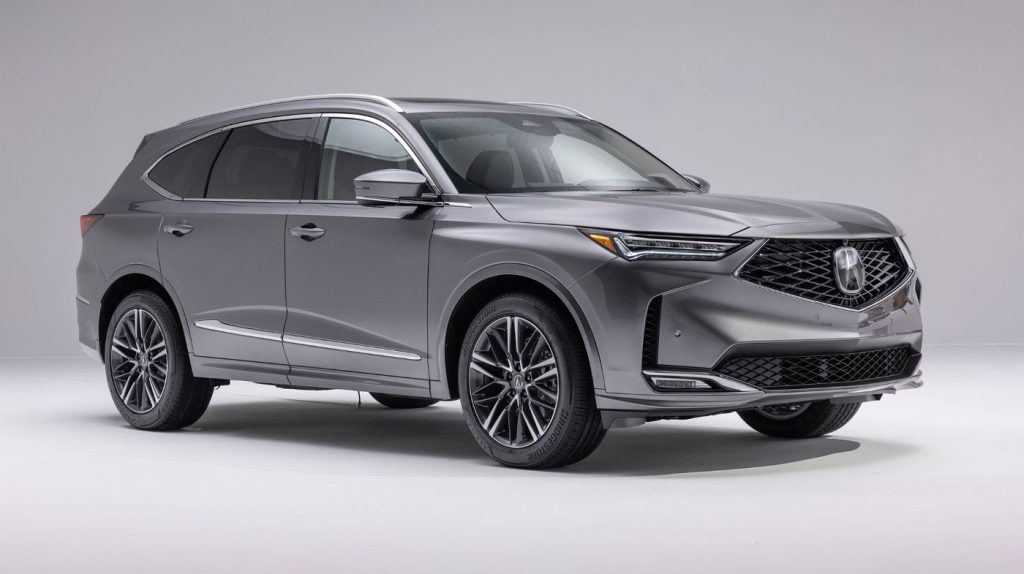
The MDX’s third row is best suited for children, but the first and second rows are spacious, comfortable, and well-appointed. The driver’s seat stands out as the best in the cabin, thanks to the MDX’s nimble handling, which makes it more enjoyable to drive than many luxury crossovers.
Most MDX models are powered by a 290-hp V-6, but stepping up to the sportier Type S unlocks a more potent twin-turbo V-6 with 355 horsepower. The Type S also features an air-spring suspension system that enhances the SUV’s already lively handling while providing a cushioned ride when desired.
For buyers willing to look past brand prestige, the MDX offers excellent value in its segment, serving as a capable and versatile crossover for both daily driving and weekend adventures.
Also Read: 5 Engines That Handle Stop-and-Go Traffic vs 5 That Break Early
2. Mazda CX-9
The Mazda CX-9 isn’t just stylish, it’s surprisingly reliable for long-term ownership. Drivers appreciate its responsive handling and premium-feeling cabin.
Properly maintained CX-9s have been known to cross 200,000 miles with minimal issues, making it a solid choice for families who want something a little different from the usual Toyota or Honda.
The 2023 Mazda CX-9 is a three-row midsize SUV and currently the largest model in Mazda’s lineup, positioned above the recently introduced CX-50. With the all-new three-row CX-90 on the horizon, the CX-9’s future may be limited. However, for 2023, it remains a viable option for buyers seeking a midsize SUV.
This year, the CX-9 sees only minor updates. The most notable change is the elimination of the base Sport trim, making the former Touring trim the entry-level option. As a result, the starting price of the CX-9 is slightly higher than many competing three-row SUVs.
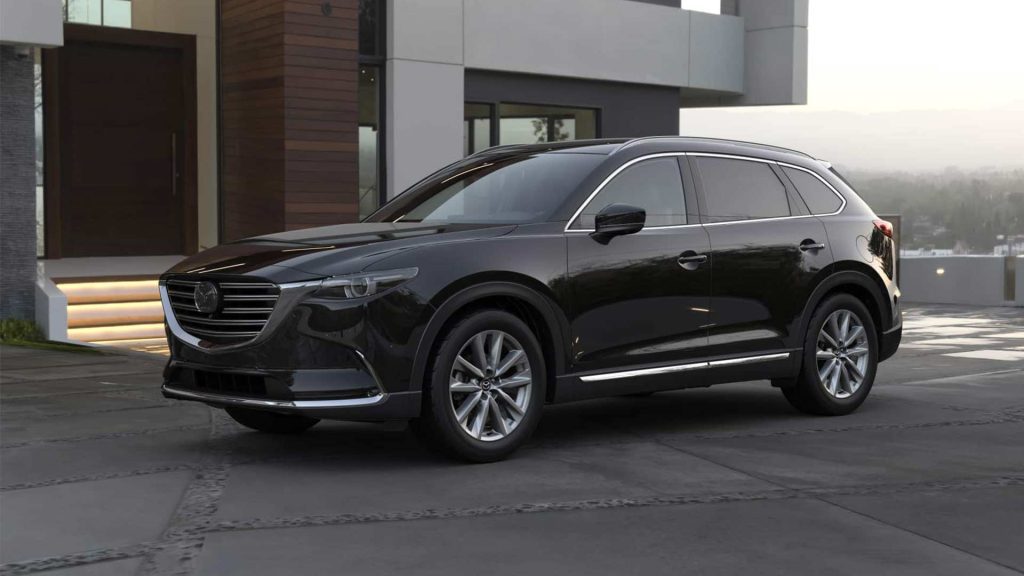
That said, buyers still receive a well-equipped vehicle, and recent enhancements, including standard all-wheel drive and an upgraded infotainment system, help the CX-9 remain competitive in a crowded segment.
Mainstream automakers all offer SUVs in this class, so standing out requires a distinctive combination of features and driving experience.
While the CX-9’s third row is one of the least spacious in its class, the SUV excels in other areas. For those who don’t need a third row, the CX-50 offers a more modern look and feel. Yet no other three-row SUV matches the CX-9’s unique character: it delivers sporty handling while remaining quiet and comfortable on the road, giving it a subtly premium feel.
3. Hyundai Palisade
The Hyundai Palisade has quickly become a standout in the family SUV segment. Its sturdy build, spacious interior, and excellent safety ratings make it a top pick.
Many owners have reported trouble-free ownership well past 150,000 miles, and the vehicle’s reputation for quality suggests it will continue to perform long-term.
With its upscale cabin, smooth ride, and ample space for the whole family, it’s easy to understand why the Hyundai Palisade has become a popular choice.
Hyundai’s largest SUV spans a range of trims, from the value-oriented base model to the luxurious Calligraphy, which channels some of the sophistication of the Genesis GV80. Beneath the hood sits a 3.8-liter V-6 engine that delivers a smooth 291 horsepower through an eight-speed automatic transmission.
Many connectivity and technology features come standard, while top trims add amenities such as a panoramic sunroof, in-dash navigation, and quilted leather upholstery. Regardless of trim, the Palisade’s cabin offers a spacious and comfortable environment for all passengers.
The 2023 Palisade receives a facelift, giving it a more squared-off appearance. Updates include refreshed wheel designs and a cabin enhanced with new features. The instrument panel now features a higher-resolution 12.0-inch infotainment display, a redesigned steering wheel, and updated upholstery options.
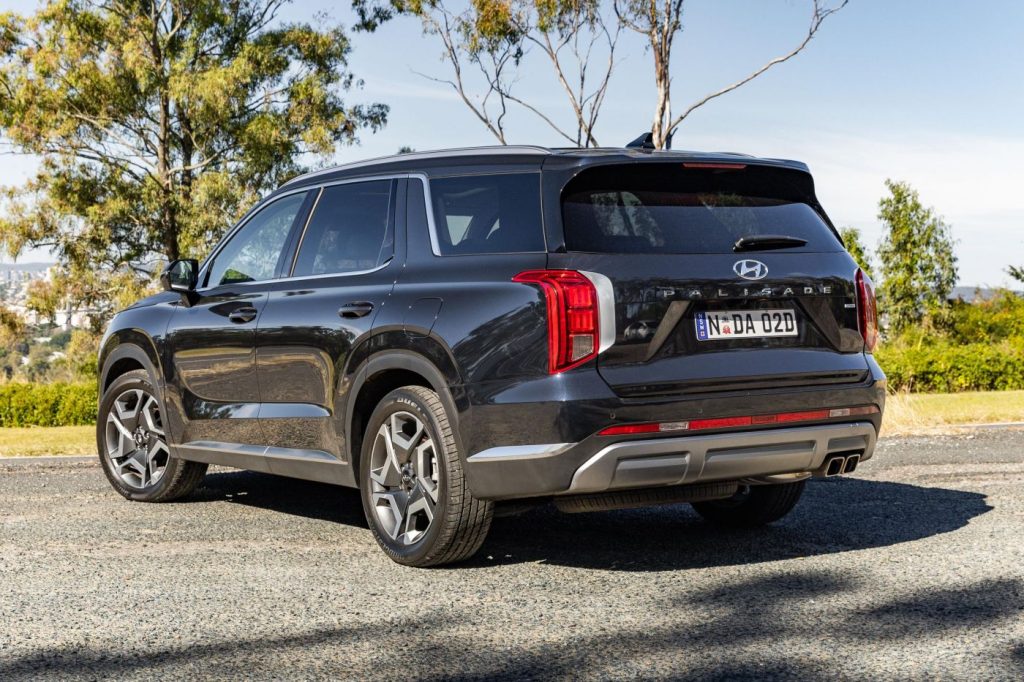
Additional features include a Wi-Fi hotspot, heated third-row seats, and a massaging driver’s seat. A rugged new XRT model joins the lineup, featuring 20-inch wheels, blacked-out exterior trim, and other design enhancements. The Palisade continues its rivalry with the mechanically similar Kia Telluride, which is also scheduled for a refresh this year.
While the XRT is a new addition to the lineup, our recommended choice is the midrange SEL with the Premium package. This trim combines many of the Palisade’s top tech and luxury features, including the larger infotainment screen, in-dash navigation, and Hyundai’s most advanced driver-assistance systems.
All Palisade models are powered by a 3.8-liter V-6 paired with an eight-speed automatic transmission. The 291-hp engine delivers adequate acceleration for a vehicle of this size.
Drivers can manually shift gears using steering-wheel-mounted paddles, though the transmission itself shifts smoothly, with some noticeable ratio changes when climbing hills.
Front-wheel drive comes standard, while all-wheel drive is optional on SE, SEL, and Limited trims and standard on the Calligraphy. Every Palisade includes a transmission cooler, trailer pre-wiring, and sway control, and when equipped with a dealer-installed trailer hitch, it can tow up to 5,000 pounds.
Our test drive of a loaded Calligraphy around Asheville, North Carolina highlighted the Palisade’s smooth ride and quiet cabin, and light off-roading confirmed the SUV’s capability beyond city streets.
Testing an all-wheel-drive SEL showed modest acceleration, while the all-wheel-drive XRT achieved 0-60 mph in 6.4 seconds and stopped from 70 mph in 161 feet.
4. Kia Telluride
The Kia Telluride has captured attention in the US for good reason. Beyond its modern design and roomy cabin, it benefits from Kia’s improving reliability record.
Families report high satisfaction, and the SUV’s solid construction means it’s likely to pass 200,000 miles with fewer repairs than many competitors.
On top of these attributes, the Telluride offers a generous array of features for the price and comes with a strong warranty.
For 2023, Kia has added two new subtrims to the Telluride lineup: the X-Line and the X-Pro. These act like option packages that make select trims more rugged. The X-Line is available on the EX, SX, and SX Prestige trims, while the X-Pro is limited to the SX and SX Prestige.
The X-Line features a slightly raised ride height and a reworked traction control system to enhance off-road capability. It also comes with exterior styling updates, including a distinctive grille, body-color door handles, bridge-style roof rails, and 20-inch wheels.
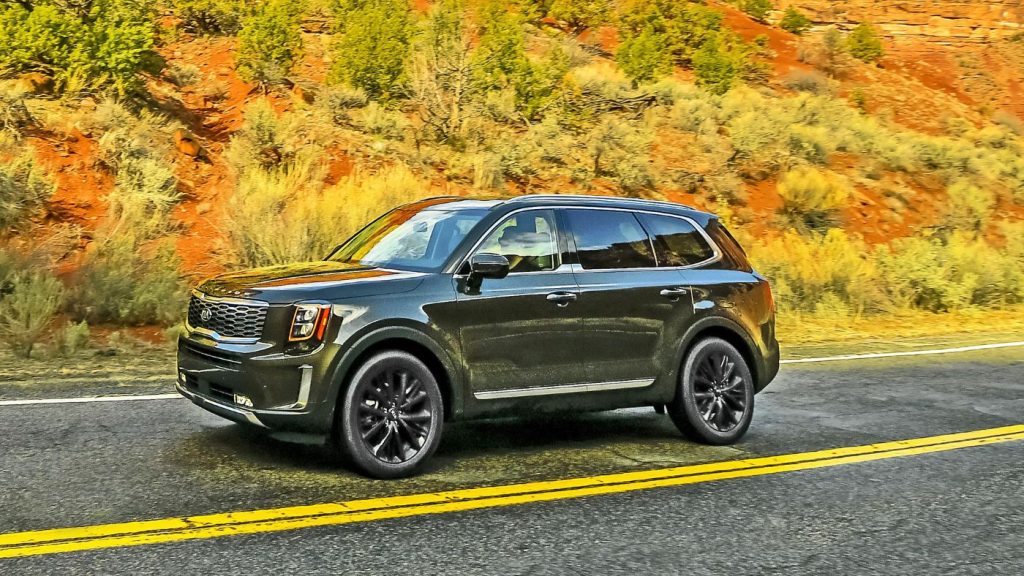
With a lifted stance, the Telluride X-Line achieves 8.4 inches of ground clearance, 0.4 inch more than the standard model, which slightly improves approach and departure angles and brings it closer to the Subaru Ascent’s 8.7 inches.
The X-Pro further enhances capability with all-terrain tires mounted on 18-inch black-painted wheels. It also adds a 110-volt power inverter in the cargo area and increases the tow rating by 500 pounds to a maximum of 5,500 pounds, thanks to a more powerful electric fan that improves engine cooling.
These updates make the Telluride an even more versatile option for buyers seeking adventure-ready features without sacrificing comfort or luxury.
Also Read: 5 Cars With Dependable Start-Stop Systems and 5 That Annoy Owners
5. Lexus GX
For those seeking a luxury SUV that lasts, the Lexus GX is a hidden gem. Its body-on-frame construction and durable V8 engine allow it to handle long drives, off-road adventures, and daily errands alike.
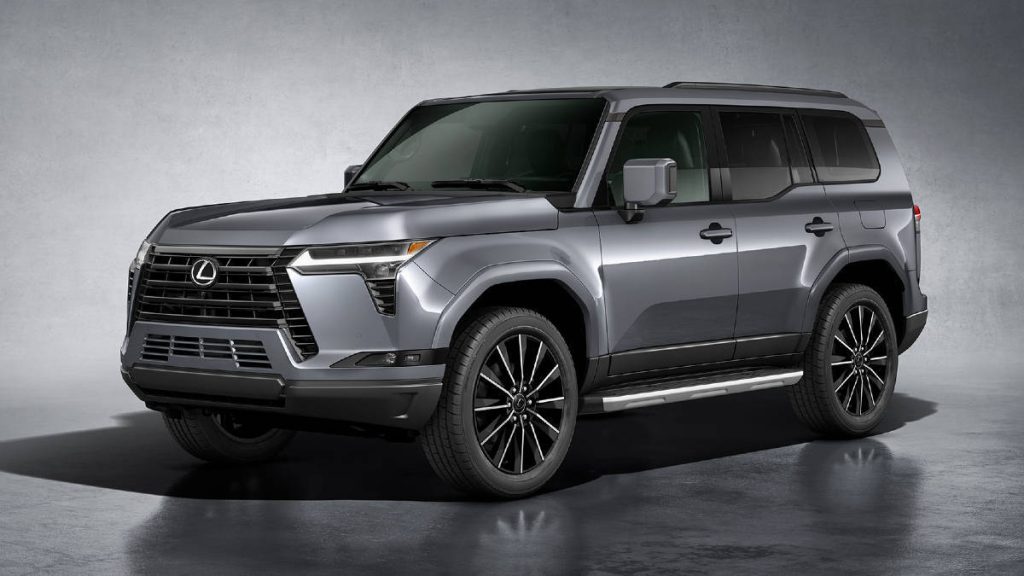
Many GX owners in the US report crossing 200,000 miles with the original powertrain, making it one of the most dependable luxury SUVs for families.
5 SUVs That Often Disappoint Before 200k
Not every SUV lives up to the hype when it comes to long-term reliability. Some models may look appealing on the lot, with stylish designs, tech-packed cabins, and impressive specs, but they often start showing their weaknesses well before reaching 200,000 miles.
For families who depend on their SUV for daily life, these disappointments can mean costly repairs, frequent trips to the mechanic, and unexpected headaches.
In this article, we take a closer look at five SUVs that frequently fall short of expectations, helping buyers make more informed choices before committing to a long-term investment.
1. Jeep Cherokee (KL generation)
While the Jeep Cherokee KL (2014–2021) offers advanced tech and off-road capability, it has a reputation for electrical and transmission issues that often appear before 200,000 miles. Families may enjoy its features in the short term but face higher repair costs over time.
The new Cherokee features a hybrid powertrain for the first time in the model’s fifty-plus-year history. A 177-hp, 1.6-liter four-cylinder gasoline engine teams with a pair of electric motors for a combined total output of 210 horsepower and 230 pound-feet of torque.
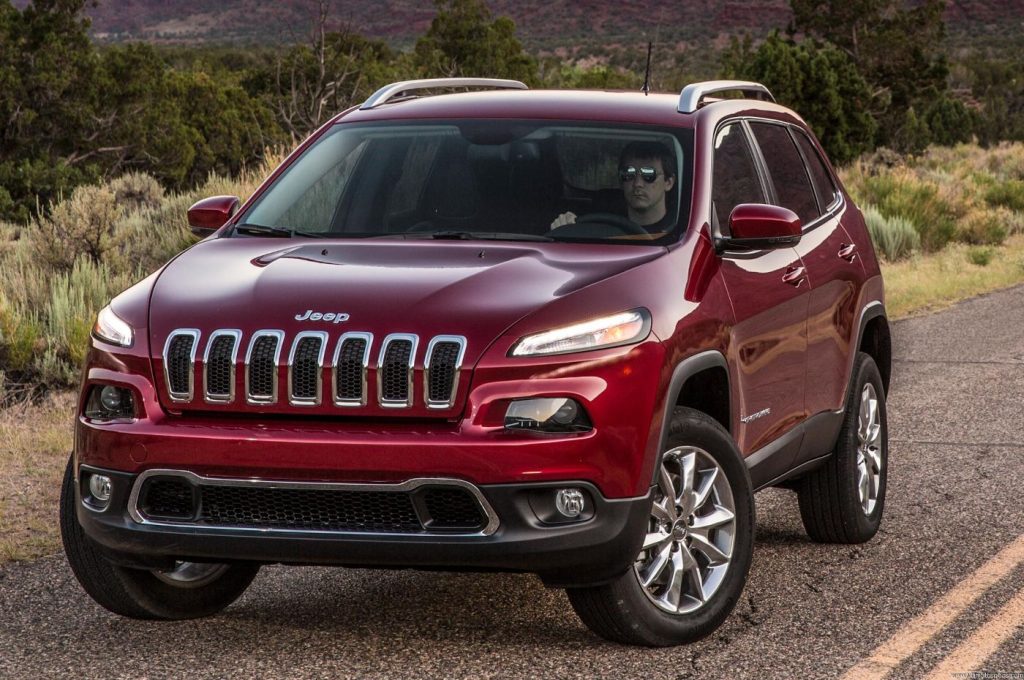
A CVT (continuously variable transmission) and standard all-wheel drive funnel the power to the wheels. The rear axle is driven by a mechanical connection, not just a boost from the electric motors, and is capable of completely disconnecting for increased fuel efficiency.
There is no low-range available, nor are locking differentials on the menu, but Jeep hints at more rugged versions to come. At this point, there are no plans for a plug-in hybrid variant, but alternative powertrains have not been ruled out.
2. Chevrolet Blazer (2019–2023 models)
The modern Chevy Blazer is stylish and sporty, but early reliability reports show engine and infotainment problems. Many owners experience issues well before hitting 200,000 miles, making it a riskier choice for families who plan to keep their SUV long-term.
The 2019 Chevrolet Blazer is a completely new model, though the name will likely be familiar to many. The Blazer has existed in several forms since the 1960s, most famously as a two-door SUV with a removable top.
More recently, Chevrolet used the name for a compact SUV based on the S-10 pickup truck. For 2019, the Blazer returns as a crossover SUV, filling a spot in Chevy’s lineup between the smaller Equinox and the three-row Traverse.
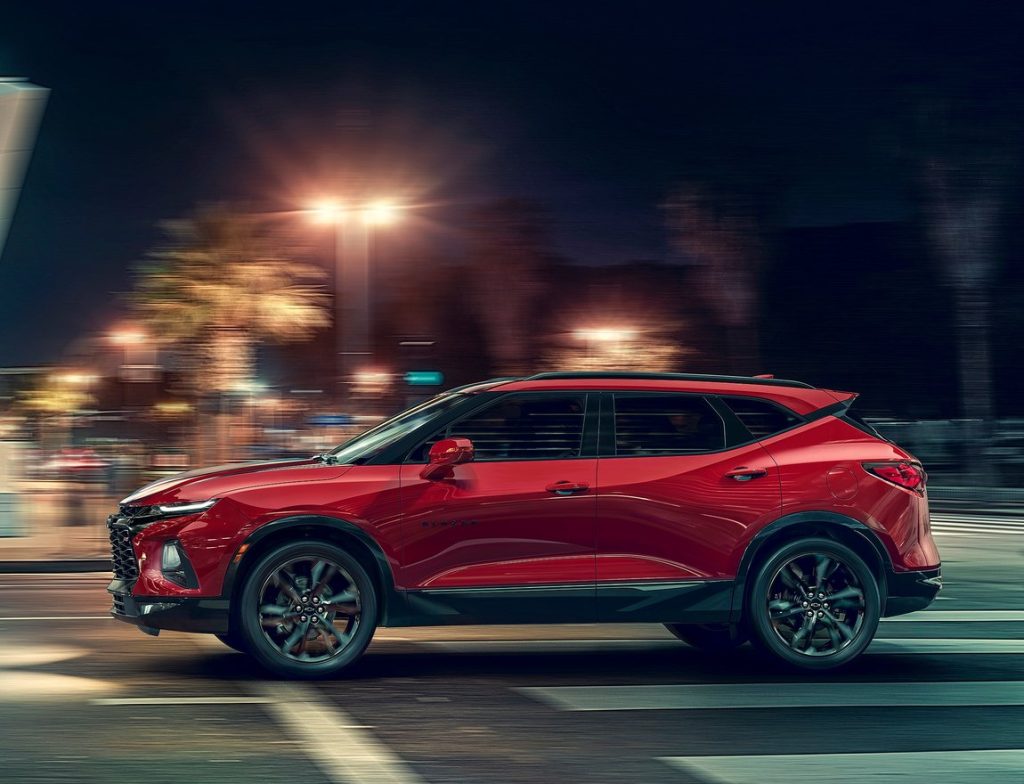
Similar to its sibling, the GMC Acadia, the base Blazer comes with a 2.5-liter four-cylinder engine producing 193 horsepower, which feels underpowered for a vehicle of this size.
For more robust performance, the optional 3.6-liter V6 is a better choice, delivering over 300 horsepower and capable of towing up to 4,500 pounds.
Inside, the Blazer offers a range of available features, including Apple CarPlay and Android Auto, along with desirable safety technologies such as adaptive cruise control and forward collision mitigation.
Stylistically, the 2019 Blazer makes a strong impression, with Camaro-inspired design cues that help it stand out in a crowded SUV market.
Still, with many excellent five-passenger SUVs available, it’s wise to compare options. Other top contenders for 2019 include the Ford Edge, Honda Passport, Subaru Outback, and Toyota 4Runner.
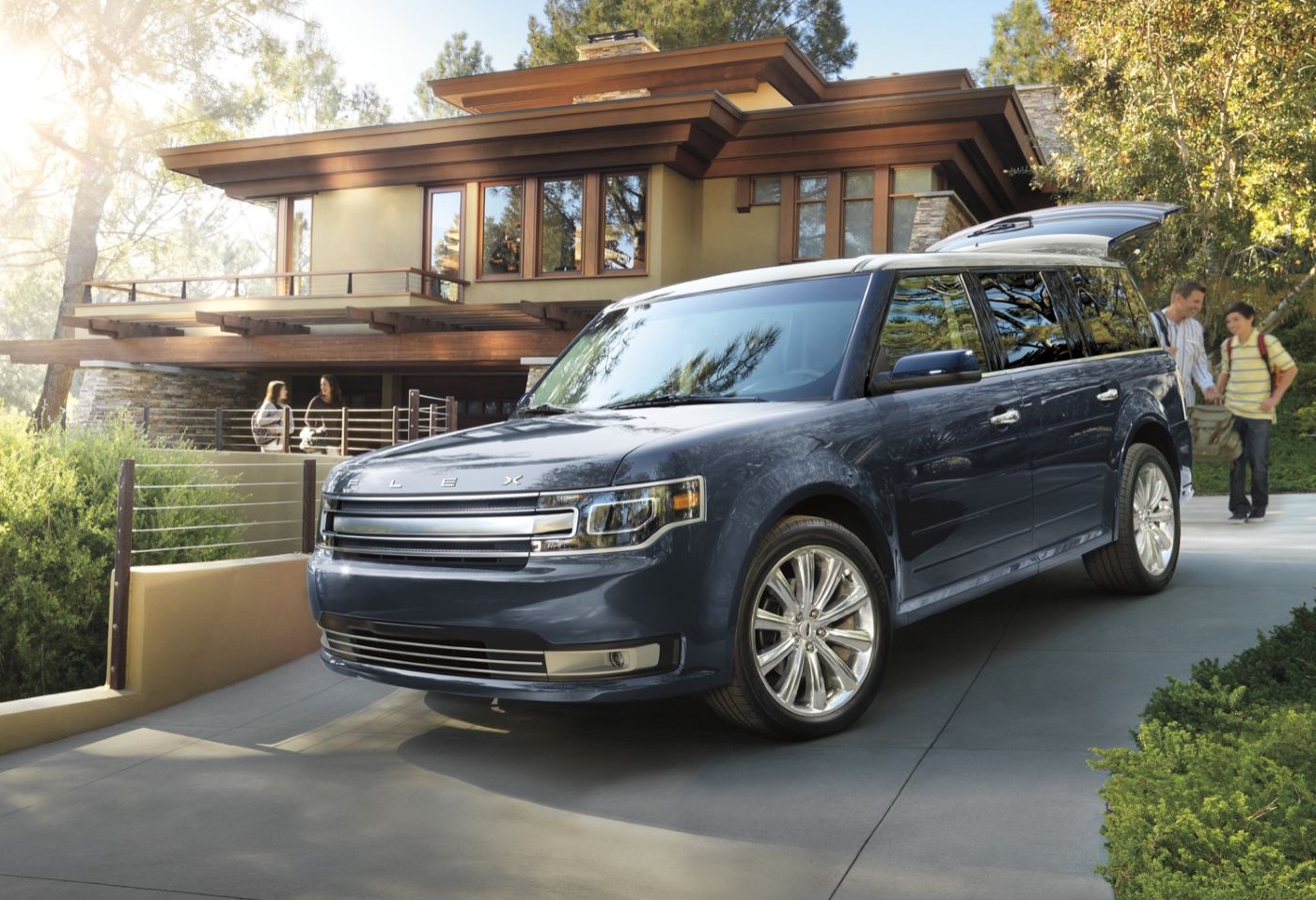
3. Ford Flex
The Ford Flex offers unique styling and a roomy cabin, but it has struggled with transmission and drivetrain reliability. Owners frequently report problems around 120,000–150,000 miles, which is short of the 200k milestone families hope for.
The quirky 2019 Ford Flex serves as Ford’s modern take on the classic station wagon. While its design is showing its age, it remains an appealing option in a segment full of family-oriented SUVs, including the similarly spacious Ford Explorer.
The Flex offers two 3.5-liter V-6 engines, both paired with a six-speed automatic transmission. The base engine produces 287 horsepower and is available with either front-wheel or all-wheel drive.
The higher-end Limited trim offers an optional twin-turbo V-6 that delivers a robust 365 horsepower and comes standard with all-wheel drive.
In testing, the turbocharged Limited accelerated from 0-60 mph in 6.2 seconds. Its lower, more carlike stance compared with traditional SUVs gives the Flex a driving experience that feels more like a sedan than a truck-based SUV.
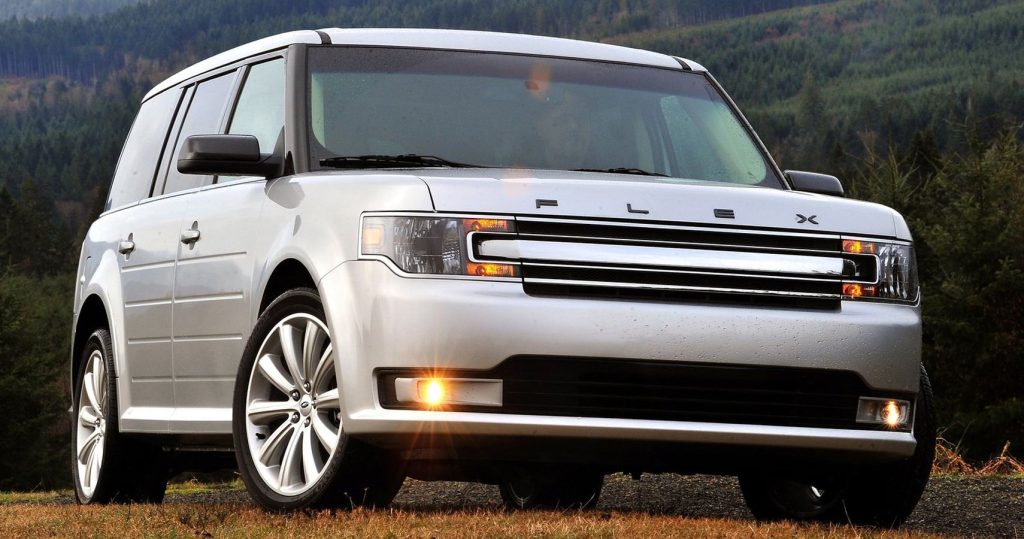
The Flex’s cabin can be outfitted with numerous luxury features, though few come standard. The base SE trim, for example, lacks a touchscreen infotainment system. Ford’s Sync 3 infotainment is available on the midrange SEL and top-tier Limited trims and includes Apple CarPlay and Android Auto compatibility.
Three rows of seating are standard, comfortably accommodating up to seven passengers. Folding down the second and third rows creates a large, flat cargo area, making the Flex a strong performer for hauling gear.
Optional features include adaptive cruise control, forward-collision warning, and a 12-speaker Sony audio system, but more modern competitors offer a broader array of advanced driver-assistance technologies.
4. Nissan Murano (2010–2015 models)
The Nissan Murano is a comfortable and stylish SUV, but older models are known for timing chain and CVT transmission failures. Families seeking a long-lasting vehicle may face expensive repairs before reaching 200,000 miles.
The 2024 Nissan Murano is a roomy and comfortable two-row crossover with a distinctive design, but its appeal diminishes when compared to more modern competitors.
Its aging platform relies on older components and outdated technology. On the plus side, its V-6 engine provides adequate power, and the ride is comfortable, though not particularly engaging.
Two-row rivals like the Honda Passport, Hyundai Santa Fe, and Jeep Grand Cherokee may not be thrilling either, but their boxier designs offer greater practicality and more current infotainment features. In short, the Murano is outclassed, and it’s likely time for Nissan to retire this generation of its mid-size crossover.
As Nissan prepares a fourth-generation Murano for 2025, this final model year sees only minor updates. The base S trim has been eliminated, and the mid-range SL trim now comes standard with a panoramic sunroof.
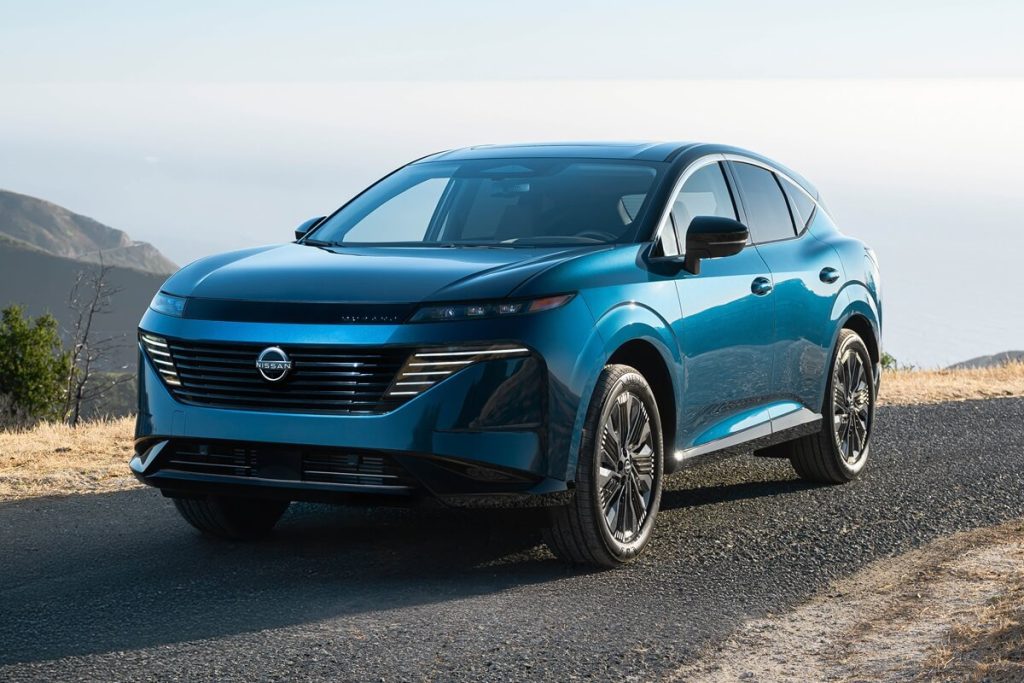
Given that the Murano is one of the older options in this segment, and finished last in a recent comparison test, we recommend sticking with the SV trim. It offers a balanced combination of style and practicality at a reasonable price, with standard features such as adaptive cruise control, power-adjustable front seats with heating, and remote start.
All Muranos are powered by a 3.5-liter V-6 producing 260 horsepower. Front-wheel drive is standard, with all-wheel drive available on any trim, and both configurations use a CVT.
In testing, the Murano delivered competent performance on the track and peppy acceleration in city driving. Heavy throttle inputs, which few drivers will use regularly, cause the CVT to hold engine revs high, resulting in a loud, droning sound.
The Murano excels on long highway trips, where the powertrain operates quietly and smoothly. Its suspension, tuned for comfort, absorbs rough roads and potholes, making for a relaxed ride.
On twisty roads, the Murano safely navigates corners but does not provide engaging handling. The steering is stable at highway speeds but lacks feedback on winding roads. Towing capacity is modest at 1,500 pounds.
5. Dodge Journey
The Dodge Journey is often marketed as a budget-friendly family SUV, but it has a track record of engine and electrical issues. Many Journeys fail to reach 200,000 miles without major repairs, making it a less ideal choice for long-term family use.
For the 2015 model year, Dodge made updates to the Journey, continuing the legacy of one of the most affordable three-row midsize crossovers available in North America.
Although it was no longer a new design, the 2015 Journey still impressed buyers with a spacious and comfortable cabin. Depending on the trim, it could be equipped with all-wheel drive, enhancing its capability on unpaved roads.
Its higher ground clearance compared with a standard sedan made it well-suited for navigating snowy conditions. Additionally, the crossover earned a respectable four-star rating in NHTSA crash tests.
The 2015 Journey retained its signature crosshair grille, giving the front fascia a confident look. Its swept-back headlights, however, reflected styling from before the global financial crisis, which delayed a full redesign for this midsize crossover.
The wrapped-around plastic bumper featured new fog lamps and, depending on the trim, a silver accent resembling a rock-sliding plate.
From the side, the Journey’s short front and rear overhangs encouraged off-road use, especially on the Crossroad trim. The R/T trim, in contrast, had lower ground clearance and sportier 19-inch aluminum wheels with low-profile tires. All trims featured wide, front-hinged doors.
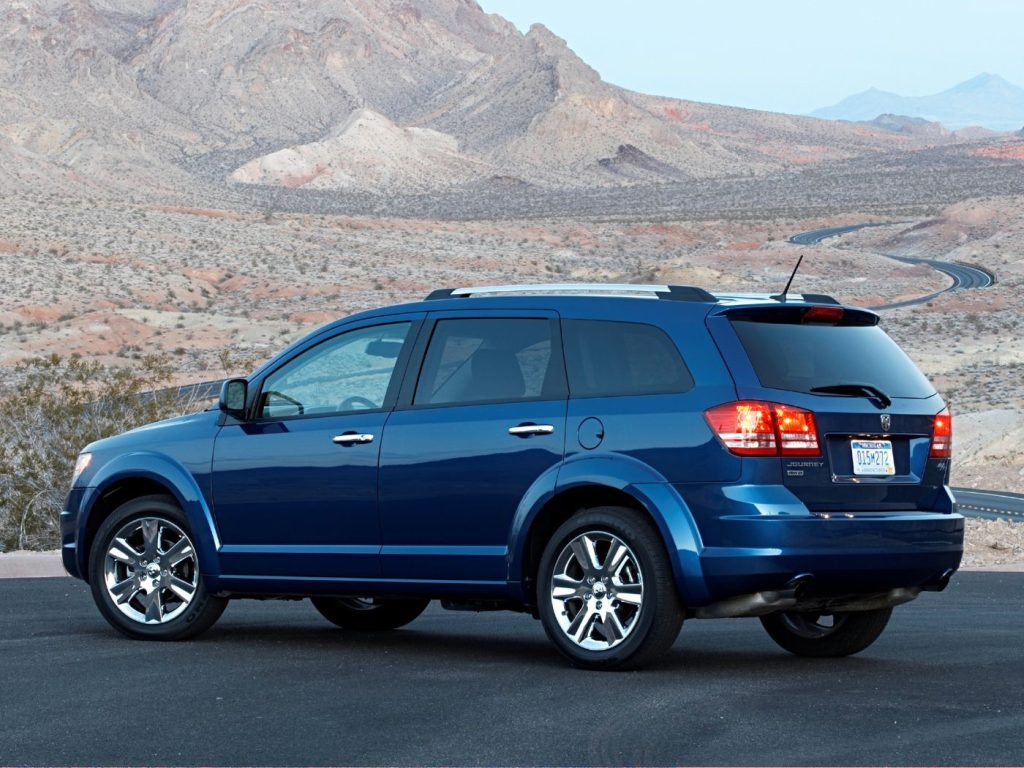
A slightly sloping roofline gave the Journey a more dynamic profile, while a third row of windows was positioned between the C- and D-posts.
At the rear, the nearly vertical tailgate was flanked by smoked taillights with Dodge’s “ring of fire” LED signature. The rear also offered either a single or dual exhaust system, depending on the engine choice.
Inside, the 2015 Journey featured a curved dashboard accented with subtle chrome trim around the vents. The driver faced a binocular-style instrument cluster with large speedometer and tachometer dials surrounding an LCD display with additional vehicle information.
On the center stack, an optional 8.4-inch Uconnect touchscreen infotainment system was available.
Three-row seating was standard, with cloth upholstery throughout most trims. For a more upscale cabin, the Crossroad trim included leather seating. Thanks to the “Flip-N-Stow” storage system, folding down the second and third rows provided over 67 cubic feet (1,900 liters) of cargo space.
The 2015 Dodge Journey retained a choice of gasoline engines. The base model was powered by a 2.4-liter inline-four, sending power to the front wheels through a four-speed automatic transmission.
Higher trims featured Dodge’s 3.6-liter V6 Pentastar engine producing over 200 horsepower, paired with a six-speed automatic transmission and available all-wheel drive.
When selecting a family SUV, long-term reliability matters as much as comfort or design. Unique yet dependable models like the Acura MDX, Mazda CX-9, and Lexus GX can keep families happy for 200k miles or more, offering peace of mind and lower maintenance costs.
On the other hand, vehicles such as the Jeep Cherokee KL, Dodge Journey, and Ford Flex may create headaches before reaching the same milestone.
For US families, prioritizing durable construction, proven powertrains, and strong service networks is key. Choosing a reliable SUV ensures that school runs, weekend trips, and everyday adventures remain stress-free, mile after mile.
