
For many drivers in the United States, especially in states like California, Oregon, and New York, passing emissions or smog tests is an essential part of vehicle ownership. Failing a smog test can mean expensive repairs, wasted time, and a frustrating trip back to the inspection station.
Fortunately, some new vehicles are built with advanced emissions-control technology that allows them to consistently pass smog tests with minimal issues.
Whether you’re buying a car for commuting, family transportation, or weekend adventures, choosing a vehicle that rarely fails smog tests can save money, reduce stress, and help protect the environment.
1. Toyota Camry Hybrid
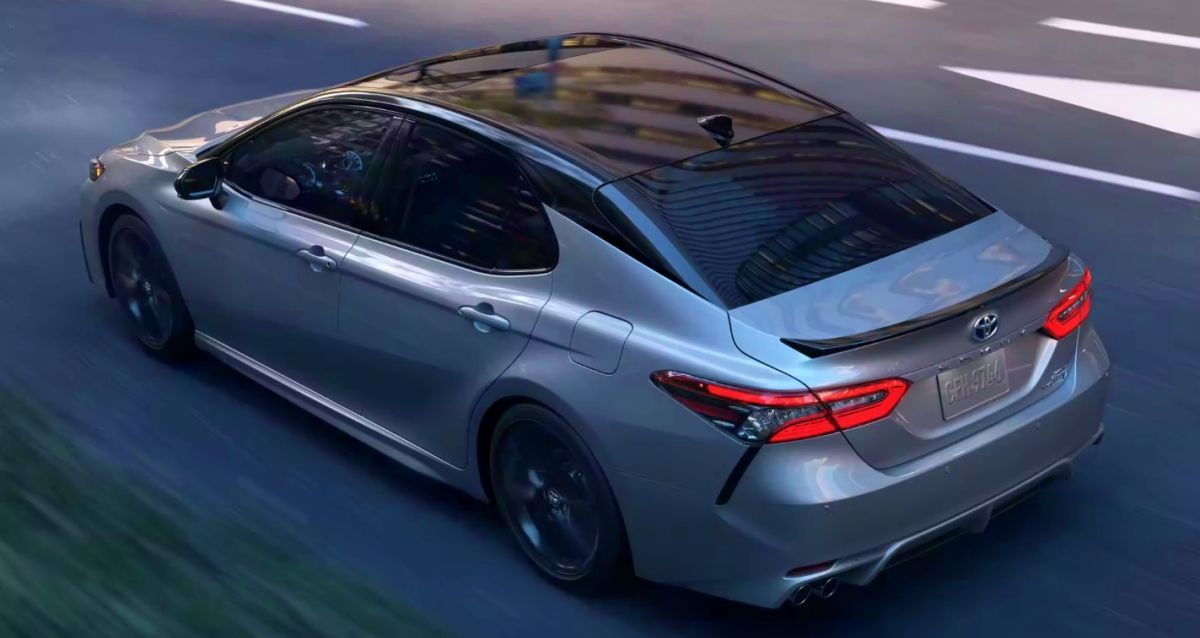
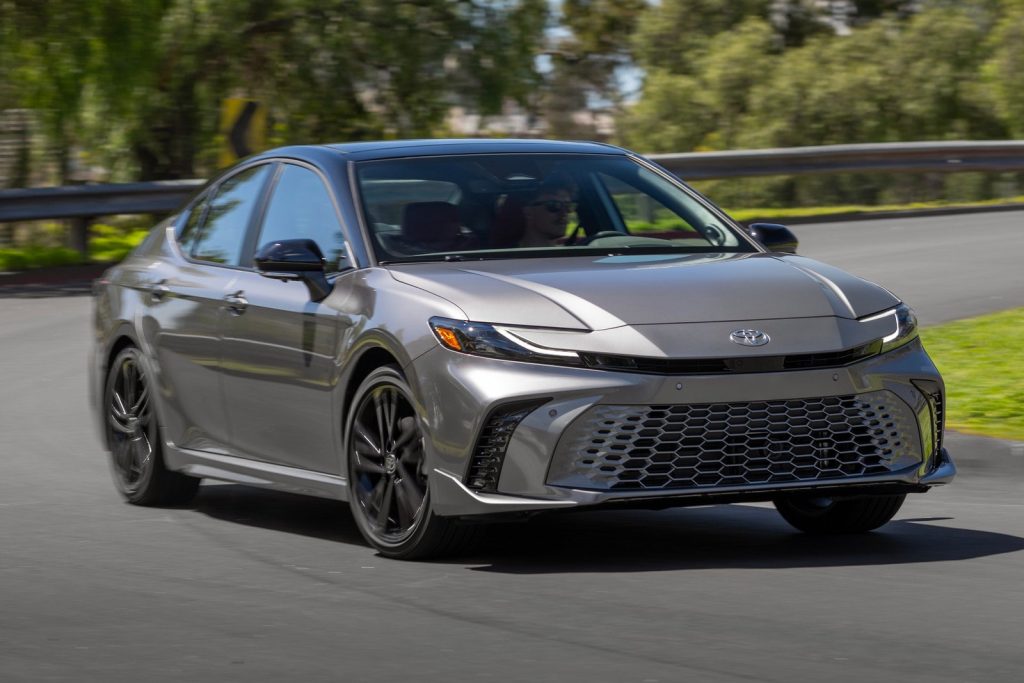
The Toyota Camry has long been a favorite among U.S. drivers for its reliability, fuel efficiency, and low maintenance costs. The hybrid variant takes things a step further with its advanced hybrid powertrain and emission-control systems.
Thanks to the combination of an electric motor and a gas engine, the Camry Hybrid produces fewer pollutants and maintains stable emissions levels, making it one of the easiest vehicles to pass a smog test. Drivers also appreciate its smooth ride, spacious interior, and strong resale value.
The Toyota Camry remains a cornerstone of the midsize sedan segment, even as that segment has gradually contracted in favor of SUVs. Despite these shifting trends, the Camry has held its spot as the best-selling passenger car in the U.S. for the past two decades.
Its reputation for reliability is well-earned, and the availability of a hybrid variant offers remarkable fuel efficiency. The current generation has grown more stylish, particularly with the Nightshade package, which adds bronze wheels for 2023, or the sport-oriented TRD trim.
Unlike many rivals, such as the Honda Accord and Hyundai Sonata, which have shifted exclusively to four-cylinder engines, the Camry still offers an optional 301-hp V-6.
While it may not excite behind the wheel, its combination of safety features, efficient powertrains, and spacious interior makes it a practical and comfortable daily driver.
For 2023, the SE trim’s optional Nightshade package adds black accents on the headlights, taillights, front grille, rear spoiler, mirror caps, and badges, complemented by matte bronze 19-inch wheels that blend surprisingly well with the overall design.
This package is available with the new Reservoir Blue color, as well as Midnight Black and White. Across the rest of the Camry lineup, Toyota has upgraded driver-assistance technology, now including automatic high beams and a forward-facing camera capable of reading certain road signs and displaying them on the digital gauge cluster.
Also Read: 5 Hybrid Engines That Survive 300k Miles vs 5 That Don’t
2. Honda Accord Hybrid
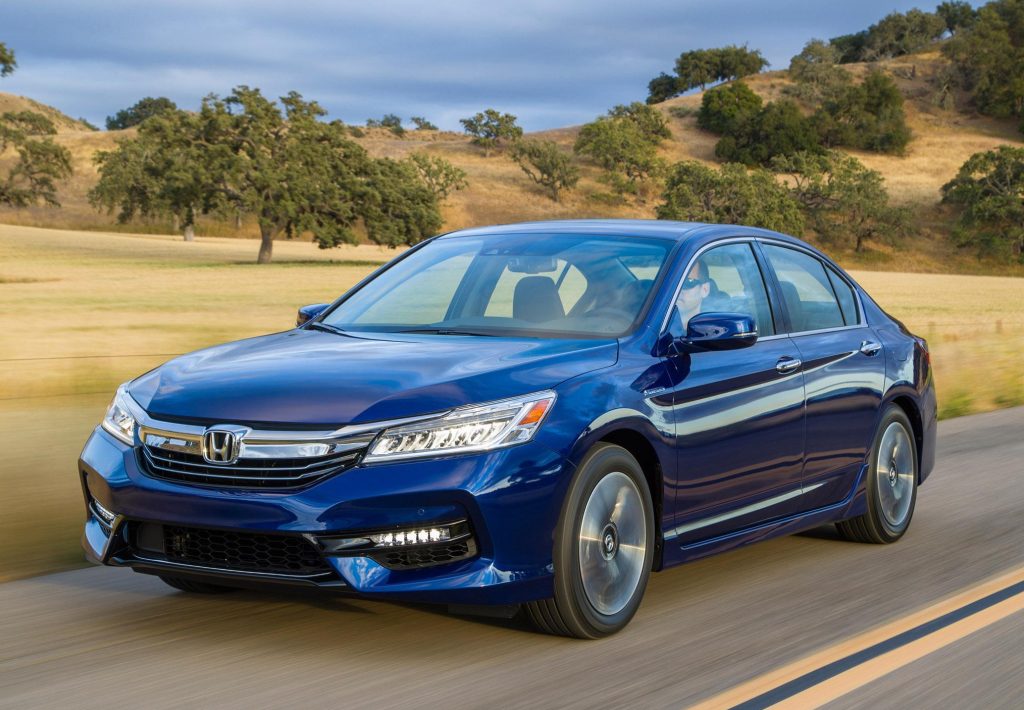
The Honda Accord is another stalwart in the midsize sedan category, and the hybrid model offers impressive efficiency and emissions performance.
With Honda’s two-motor hybrid system, the Accord Hybrid can seamlessly switch between electric and gas power to optimize fuel economy and reduce emissions. U.S. drivers consistently report trouble-free smog test experiences with this vehicle, making it a solid choice for anyone concerned about environmental compliance.
Honda positions the Accord Hybrid at the top of its midsize lineup. The automaker has offered the Accord Hybrid in North America since 2005, and this generation represents the most powerful Accord available. Its main competitors include the Toyota Camry Hybrid and Hyundai Sonata Hybrid.
The Accord Hybrid received a redesign in 2023, featuring improved underpinnings, a stronger powertrain, and updated technology. In 2024, blind-spot and rear cross-traffic monitoring became standard. For 2025, all models now include standard heated front seats and a wireless phone charger.
The Accord Hybrid excels in fuel efficiency, outperforming most remaining midsize sedan rivals, and it’s notably quicker off the line. However, that punchiness diminishes at higher speeds, keeping it from feeling truly sporty.
Power delivery is smooth, complementing the car’s composed body control and comfortable ride. It absorbs rough pavement well, though wind and road noise are noticeable, and steering is less lively than the previous generation. Braking is easy to modulate but the pedal has a slightly spongy feel.
Inside, the Accord Hybrid boasts a sophisticated cabin with well-organized controls and a large 12.3-inch touchscreen. Space is ample, though rear headroom is limited by the sloped roof, and trunk capacity is generous.
Compared with the prior generation, the current Accord isn’t quite as quick, and some features are limited to the Touring trim. Its exterior styling may not appeal to everyone. Still, the 2025 Accord Hybrid remains a strong choice in the gas-electric midsize sedan segment.
3. Lexus ES 300h
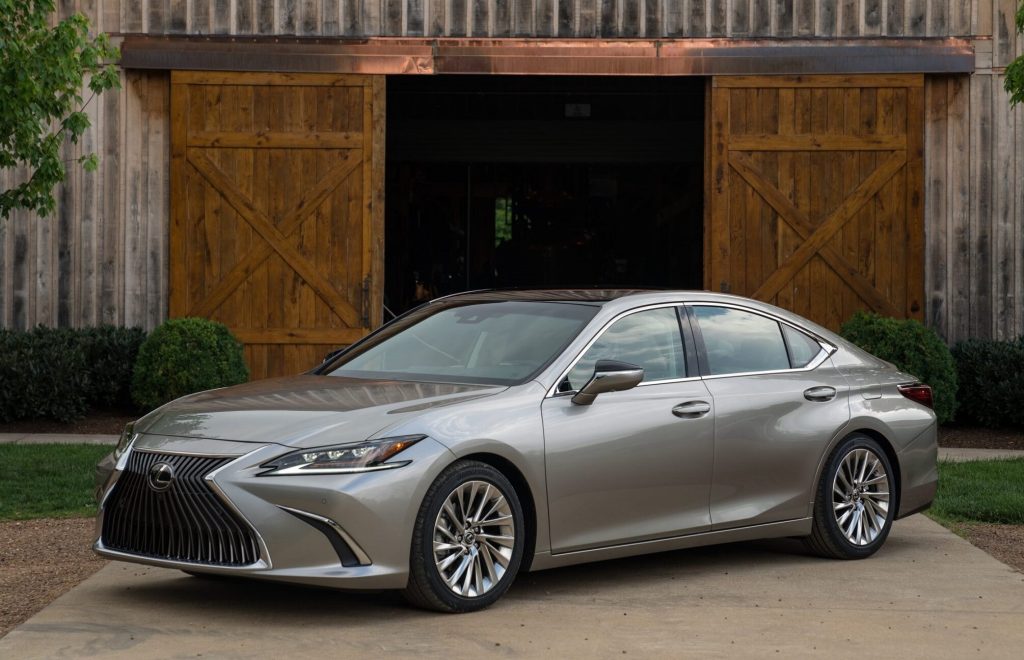
Lexus has a reputation for luxury and reliability, and the ES 300h hybrid is no exception. Its hybrid system is engineered not only for fuel efficiency but also for minimal emissions output.
The vehicle’s advanced catalytic converter and electronic control systems keep pollutants well within regulatory limits. For buyers seeking a luxury sedan that passes smog inspections effortlessly, the ES 300h is a top contender.
Hybrid vehicles have advanced significantly over the past decade, with Toyota and Lexus producing some of the best-value hybrids on the market today. Beyond efficient and engaging powertrains, these automakers also deliver hybrids that feature plush interiors and eye-catching exteriors.
Some luxury hybrid cars and SUVs carry steep starting prices. One Japanese luxury hybrid begins at over $50,000, yet it offers a package that justifies the cost. This Lexus model blends remarkable fuel efficiency with premium cabin materials and cutting-edge technology, making it worth considering.
The 2025 Lexus ES 300h Ultra Luxury starts at an MSRP of $53,725. The overall ES 300h range begins at $44,835 and reaches just over $51,000 with the Ultra Luxury trim.
While this is the most expensive version, it comes fully equipped with a wide range of premium features. Lexus also offers numerous packages and accessories to further customize the ES 300h midsize luxury hybrid sedan.
The midsize luxury hybrid sedan boasts a sleek, modern exterior with numerous enhancements, reflecting that luxury begins from the outside in. The Ultra Luxury trim is tailored to provide an exclusive level of comfort and convenience.
Features such as hands-free entry, a hands-free open/close trunk, and heated mirrors make daily use effortless. Lexus has integrated sophisticated technology to ensure the ES 300h stands out from other models, with many of the most impressive advancements located inside the cabin.
The cabin is arguably the ultimate showcase of luxury. Every detail, from the infotainment system to the seats and surfaces, shapes the overall driving experience. The 2025 Lexus ES 300h Ultra Luxury offers comfort and advanced tech features in abundance.
Notable cabin highlights include an air quality system, a digital rearview mirror with HomeLink, and premium fitted floor mats.
Semi-aniline leather upholstery, enhanced ambient lighting, and acoustic glass contribute to a serene and luxurious interior. A power moonroof allows occupants to enjoy the sky above, further enhancing the experience.
With an extensive list of standard features, the real question is whether the ES 300h justifies its $53,000+ price tag. The value becomes clear when you consider what lies beneath the premium badge. Despite the Lexus branding, the ES 300h shares its engineering with one of America’s most trusted vehicles, the Toyota Camry Hybrid.
The Camry Hybrid is now Toyota’s sole hybrid sedan offering, following the discontinuation of the gas-only model, and it remains highly popular due to its affordability, reliability, and exceptional fuel economy.
This shared engineering means ES 300h owners enjoy the best of both worlds: Lexus-level luxury paired with Toyota’s legendary dependability.
The Ultra Luxury trim further enhances the experience with impressive performance, making trips to the gas station less frequent. Considering the ES 300h’s connection to the beloved Camry Hybrid, the premium price becomes easier to justify.
4. Toyota Prius
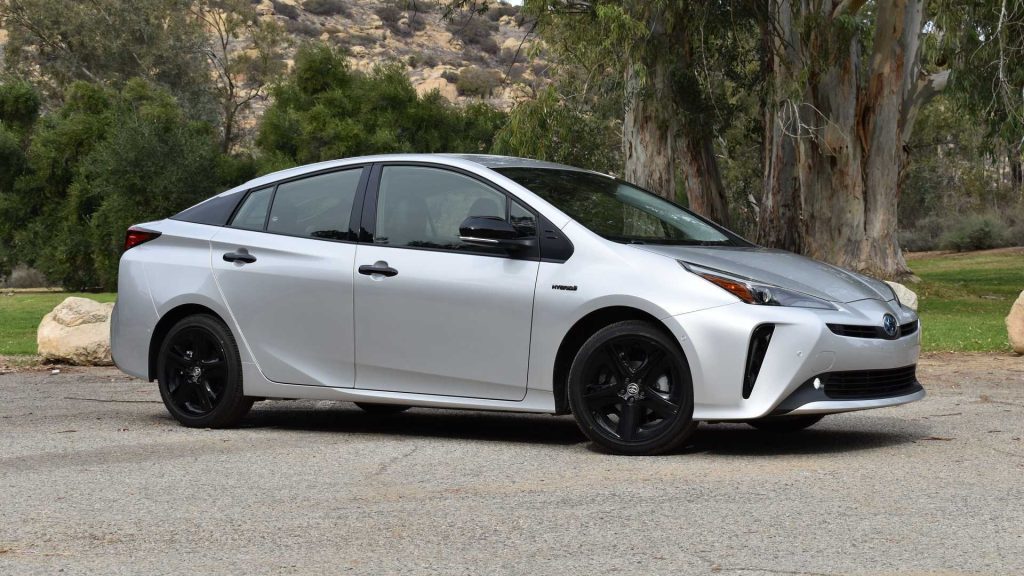
It’s hard to talk about low-emission vehicles without mentioning the Toyota Prius. This icon of hybrid technology has been a standard-bearer for fuel efficiency and environmental friendliness for over two decades.
The Prius’s continuously refined hybrid system, paired with advanced exhaust controls, makes it extremely reliable in smog testing scenarios. For environmentally conscious drivers in states with strict emissions testing, the Prius is practically a guarantee of passing.
Also Read: 12 Upgraded 2025 Trucks Built to Withstand Abuse
5. Hyundai Ioniq Hybrid
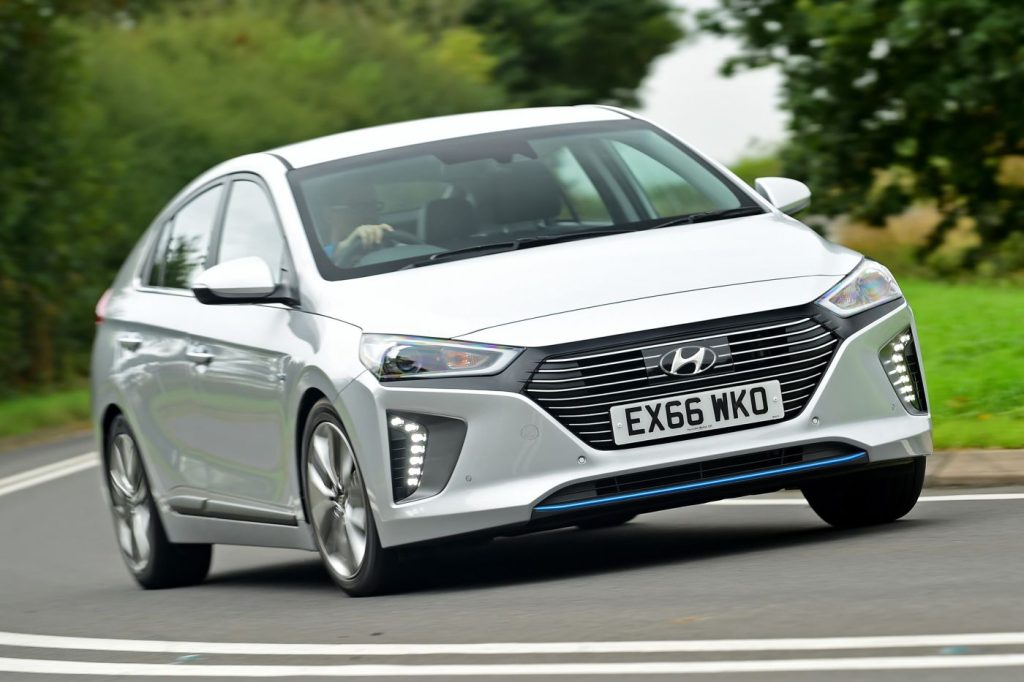
Hyundai’s Ioniq Hybrid is often overlooked but deserves attention for its emissions reliability. It combines a fuel-efficient gasoline engine with an electric motor and features advanced emissions-control technologies, including a high-efficiency catalytic converter and exhaust gas recirculation.
Many U.S. owners report passing smog tests on the first try, and its competitive price point makes it a strong alternative to more expensive hybrid models.
The 2022 Hyundai Ioniq is a solid choice for a used hybrid, with its standout feature being excellent fuel economy. However, it sacrifices power and driving excitement, and its ride can feel unsettled over rough pavement.
Cargo space is competitive for the class, and the front seats are spacious and comfortable, though rear seating is tight for adults. Both the standard and upgraded infotainment systems are easy to use, but the higher trim replaces wireless Apple CarPlay and Android Auto with wired connectivity.
Ownership costs over five years are below average for a hybrid. In comparison, higher-ranking competitors include the Toyota Prius and Honda Insight. The Prius offers a more refined suspension and all-wheel-drive availability, while the Insight delivers better acceleration and a more engaging driving experience.
The Ioniq, meanwhile, excels in fuel economy and cargo capacity but is less refined and less engaging behind the wheel. Based on listings, the average price for a 2022 Ioniq is $16,712, with prices ranging from $16,712 to $23,355 depending on condition, mileage, features, and location.
For 2022, Hyundai discontinued the Ioniq Electric, leaving only the hybrid and plug-in hybrid variants. Notable changes over the last few years include wireless Apple CarPlay and Android Auto added in 2021, interior and exterior refreshes and increased EV range in 2020, and driver-attention monitoring plus automatic high-beam headlights introduced in 2019.
If you’re considering a plug-in hybrid, it’s best suited for drivers with a place to charge overnight, while the regular hybrid delivers excellent fuel economy for everyday driving. We recommend avoiding the Limited trim due to the loss of wireless smartphone mirroring and reliance on physical controls.
Under the hood, the Ioniq combines a 1.6-liter four-cylinder engine with an electric motor to produce 139 horsepower, paired with a six-speed dual-clutch automatic and front-wheel drive. Its hybrid system transitions smoothly between electric and gas power, and steering is quick and responsive, though the suspension can feel unsettled over bumps.
Fuel economy is impressive, with the Hybrid Blue rated at 58/60 mpg city/highway, the standard Hybrid at 54/57 mpg, and the plug-in hybrid achieving 119 MPGe combined in electric/hybrid mode and 52 mpg combined in gas/hybrid mode.
The plug-in hybrid’s 8.9-kWh battery provides an estimated 29 miles of electric-only range and takes about seven hours to fully charge using Level 1 or just over two hours with Level 2 charging.
6. Honda Insight
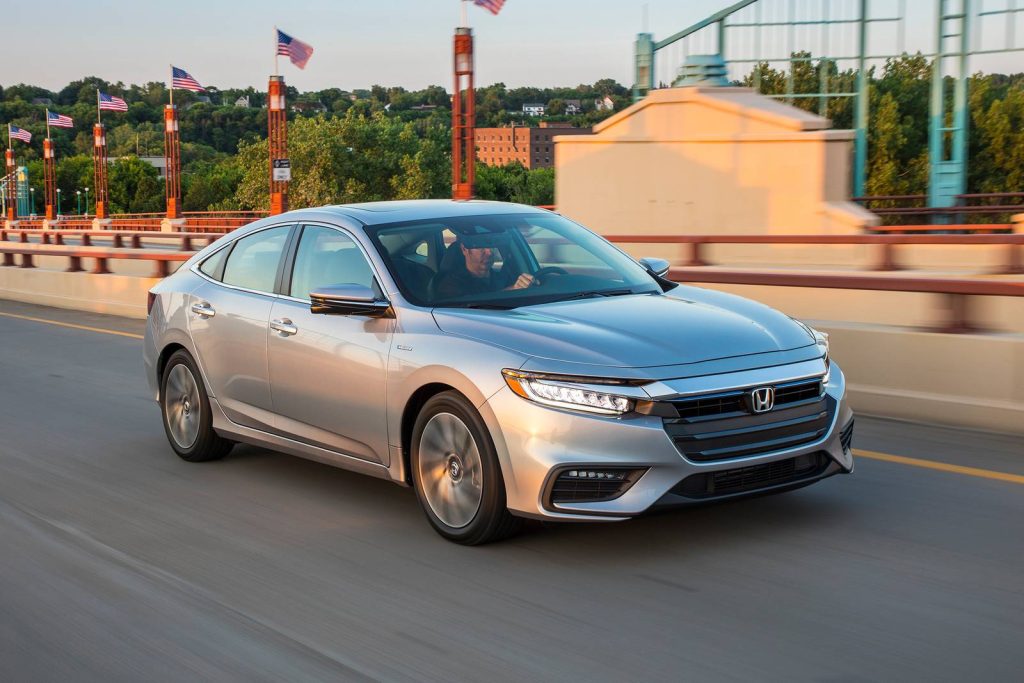
The Honda Insight is a compact hybrid that blends practicality with strong environmental performance.
Its small, efficient engine and electric motor produce very low emissions, and its onboard diagnostics and control systems ensure that the vehicle maintains compliance with emissions standards over time.
Drivers who prioritize passing smog tests while enjoying a smooth ride and a modern interior often turn to the Insight.
The Honda Insight is a hybrid that delivers excellent fuel economy while driving and feeling much like a conventional compact sedan.
Sharing many components with the Honda Civic, the Insight offers a similarly pleasant driving experience, along with a roomy and practical interior. Its key distinction is the hybrid powertrain, which combines a gasoline engine with electric motors to maximize efficiency.
The system is smooth and seamless during everyday driving, though it can get noticeably loud under hard acceleration. Despite this, the Insight’s minimal price premium over the Civic, coupled with its outstanding fuel economy, makes it a smart choice.
For 2021, the Insight replaces the previous LaneWatch rear-facing camera system on EX and Touring trims with a conventional blind-spot monitoring system, which illuminates a warning light when a vehicle is detected in either blind spot.
A new color, Radiant Red Metallic, is also available. Pricing starts at $24,145 for the LX, with the mid-level EX trim recommended for its balance of features and value, including a larger infotainment screen, remote start, and proximity-key entry, while the top Touring trim reaches $30,055 and adds leather seating.
Under the hood, the Insight pairs a gasoline engine with electric motors to produce 151 horsepower, accelerating from 0 to 60 mph in 7.7 seconds. It can run solely on electric power for short distances at low speeds, while the gasoline engine engages seamlessly under heavier acceleration.
The powertrain is generally quiet and refined, providing a comfortable and confident driving experience. Mechanically similar to the Civic, the Insight combines a well-controlled ride, solid handling, and responsive steering.
Its suspension absorbs bumps smoothly, and the brake pedal is progressive and predictable, offering confidence comparable to a conventional gasoline-powered vehicle. Overall, the Insight strikes an impressive balance of efficiency, comfort, and driving enjoyment, making it a compelling option in the hybrid compact segment.
7. Toyota Corolla Hybrid
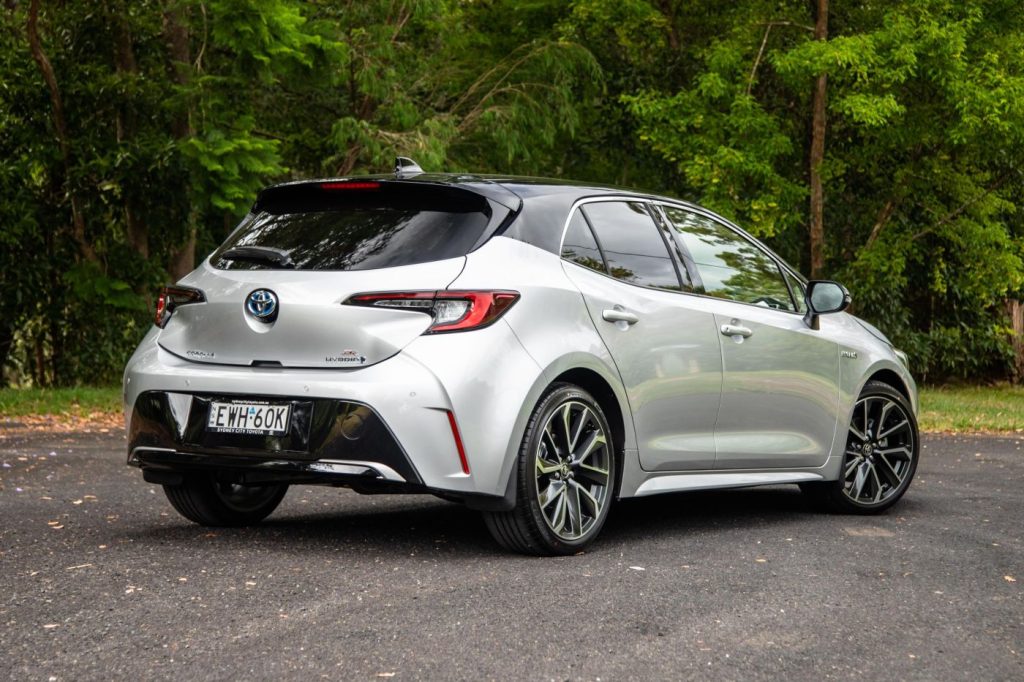
The Toyota Corolla is one of the best-selling cars in the U.S., and the hybrid version has proven to be a standout in terms of emissions performance. Its smaller hybrid engine is optimized for city and highway driving while keeping emissions low.
The Corolla Hybrid is not only reliable in smog testing but also economical, making it a practical choice for budget-conscious buyers who don’t want to compromise on compliance or dependability.
8. Kia Niro Hybrid
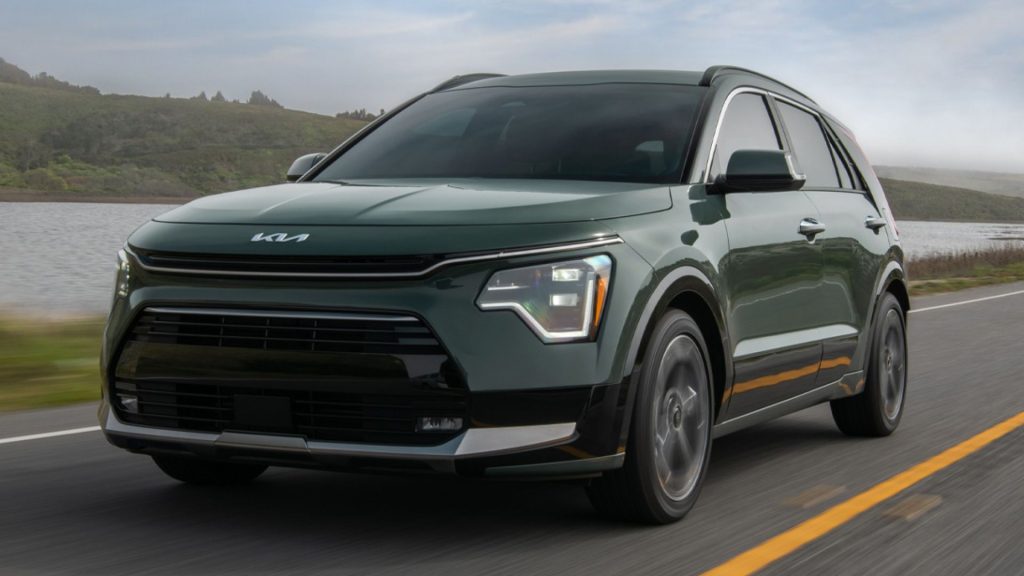
The Kia Niro Hybrid is a compact crossover that combines utility with environmental responsibility. Its hybrid powertrain produces minimal pollutants, and the vehicle is equipped with sophisticated emission-control systems.
U.S. drivers have found that the Niro Hybrid passes smog tests consistently, and its higher seating position, spacious cabin, and cargo flexibility make it an attractive option for small families or active lifestyles.
The 2020 Kia Niro is a strong choice for those seeking a fuel-efficient vehicle, offering roughly 50 mpg combined in city and highway driving. Its SUV-like styling helps it stand out from competitors like the Hyundai Ioniq and Toyota Prius, though the similarities largely end there.
All-wheel drive isn’t available, and cargo space is modest, but the Niro still delivers solid value for buyers looking for efficiency paired with a higher-riding, crossover-inspired design.
9. Ford Escape Hybrid
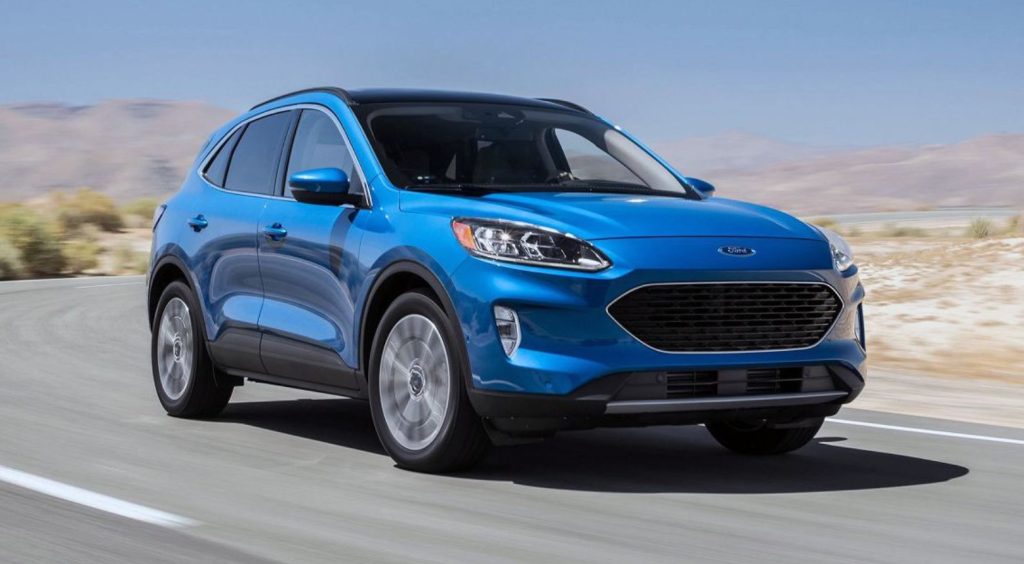
The Ford Escape Hybrid brings hybrid technology to the popular compact SUV segment. With a combination of a turbocharged gas engine and electric motors, it delivers low emissions while offering practical performance for commuting or weekend trips.
Its exhaust treatment systems, including a catalytic converter and electronic controls, help keep emissions well within legal limits. Many Escape Hybrid owners report little to no issues during smog testing, making it a strong choice for SUV enthusiasts.
The 2024 Ford Escape stands as Ford’s smallest SUV following the discontinuation of the subcompact EcoSport a few years ago. It is roughly 8 inches shorter than the Ford Edge and comes with expanded powertrain options, including hybrid and plug-in hybrid variants.
While the Escape holds its own against other compact SUVs in terms of practicality, comfort, and efficiency, it lags behind competitors when it comes to driving dynamics.
10. Subaru Crosstrek Hybrid
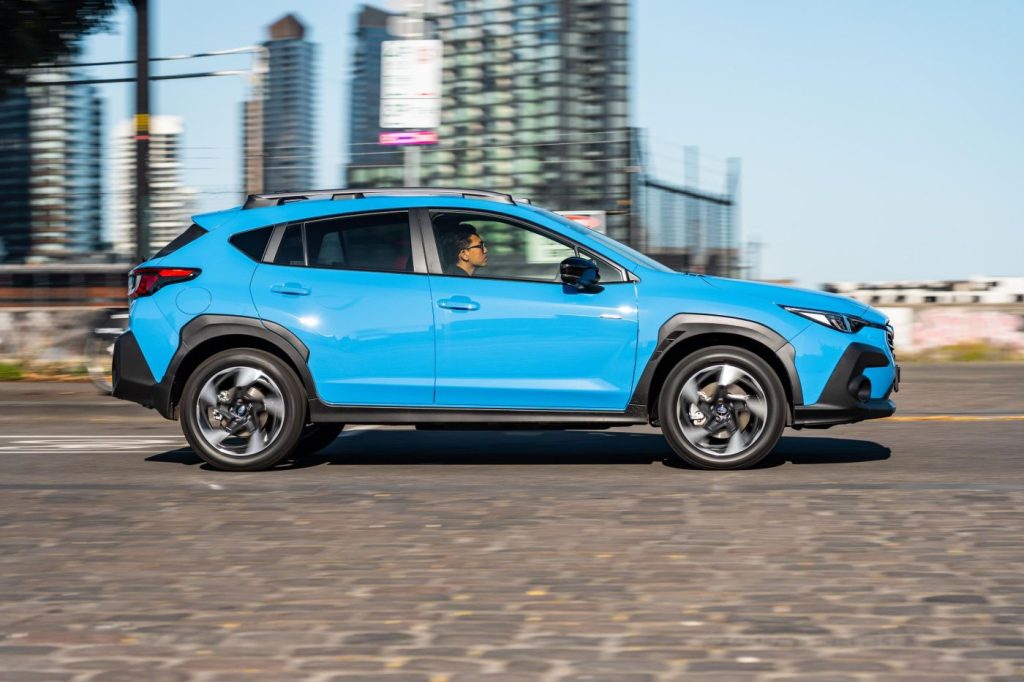
Finally, the Subaru Crosstrek Hybrid is a compact SUV that balances efficiency, emissions compliance, and all-wheel-drive capability. Subaru’s hybrid system allows the Crosstrek to reduce fuel consumption and emissions while retaining off-road capability.
Its owners in states with smog inspections often report passing with ease, and the Crosstrek’s rugged design and reliability make it appealing to drivers who need versatility without sacrificing environmental responsibility.
Start with the Subaru Crosstrek, add a battery and an electric motor—voilà, you get the Crosstrek Hybrid. This plug-in hybrid version of Subaru’s subcompact crossover delivers many of the same capabilities as the standard high-riding hatchback while offering up to 17 miles of all-electric driving range. For 2021, it receives several small but meaningful updates.
Thanks to its close ties with our top-rated subcompact crossover, the Crosstrek Hybrid proves to be a versatile, capable, and even enjoyable little SUV.
Much like the standard Crosstrek, it handles off-road conditions surprisingly well and delivers lively performance on pavement. Its spacious cabin and thoughtfully tuned driver-assist features add to its overall appeal.
On top of that, the Crosstrek Hybrid’s electrified driving capability enhances its attractiveness. Its 17-mile all-electric range is sufficient for many daily driving needs, and the electric torque provides a satisfying boost both on and off the road.
It also contributes positively to fuel economy. However, the battery mounted in the trunk reduces some cargo space, and the added weight slightly affects handling. The updated suspension calibration for 2021 helps mitigate this issue.
The Crosstrek Hybrid builds on a strong foundation, but its mid-$30,000 price and limited availability in roughly a dozen states reduce its overall market appeal.
Despite these limitations, it remains a compelling choice for adventurous drivers who value the perks of all-electric driving. Keep in mind that Subaru’s first fully electric vehicle, the Solterra, is coming soon.
The Crosstrek Hybrid combines a 2.0-liter inline-four engine with an electric motor, producing a total of 148 hp. Power is routed through a CVT automatic transmission to Subaru’s signature all-wheel-drive system.
In our testing, the Crosstrek Hybrid accelerated from 0-60 mph in 8.3 seconds. The EPA rates fuel economy at 35 mpg combined or 90 MPGe. When fully charged, the Crosstrek Hybrid can travel up to 17 miles on electricity alone.
The Crosstrek Hybrid earned the 2021 Top Safety Pick + from the IIHS, the highest possible rating, reflecting top Good scores in all six crashworthiness tests among other factors. While the Hybrid itself has not been individually assessed by the NHTSA, the standard Crosstrek received the agency’s highest five-star overall rating.
All Crosstrek Hybrid models come standard with Subaru’s EyeSight suite of driver-assist and active-safety technologies. These include adaptive cruise control, lane-keep assist, front automatic emergency braking, blind-spot monitoring, rear cross-traffic alert, and automatic high beams.
Selecting a vehicle that rarely fails smog tests is a smart decision for any U.S. driver. The ten models listed here, from sedans like the Toyota Camry Hybrid and Honda Accord Hybrid to compact SUVs like the Kia Niro Hybrid and Subaru Crosstrek Hybrid, demonstrate that you don’t have to compromise on performance, comfort, or utility to meet emissions standards.
By investing in one of these vehicles, drivers can save money, reduce stress at inspection stations, and contribute to a cleaner environment.
Whether you’re commuting in the city, taking road trips with your family, or simply looking for peace of mind, these vehicles represent some of the most reliable, low-emission options currently available in the U.S. market.
