
When it comes to long-term vehicle ownership, one of the scariest problems any driver can face is a timing chain failure. In theory, timing chains are designed to last the life of the engine, but as many owners of certain models know, reality doesn’t always line up with expectations.
In some engines, the chain stretches, guides wear out, and tensioners fail prematurely, leading to catastrophic engine damage and repair bills that can easily exceed the value of the car. For U.S. drivers who hold onto their vehicles for 150,000 miles or more, avoiding these headaches is a top priority.
The good news is that not all engines are ticking time bombs. Some powerplants have earned reputations for bulletproof reliability, particularly when it comes to their timing chain setups.
These engines can rack up miles without the dreaded rattles, check-engine lights, or major internal failures linked to chain problems.
Below, we’ll explore 10 engines that stand out in the U.S. market for their ability to survive without timing chain issues, giving drivers peace of mind and lower ownership costs.
1. Toyota 2UZ-FE V8
Toyota’s 2UZ-FE 4.7-liter V8, found in vehicles like the Toyota Sequoia, Land Cruiser, and early Tundra models, has built a legendary reputation for durability.
Unlike some modern engines that use lighter chains with weaker tensioners, the 2UZ’s robust design prioritizes strength over weight savings. Owners frequently report exceeding 300,000 miles with no timing chain concerns. Regular oil changes are usually enough to keep this system trouble-free.
Toyota’s 4.7-liter V8 is a well-regarded member of the UZ engine family. Known as the 2UZ-FE, it was specifically developed for larger trucks and SUVs, which explains its greater displacement, low-rev character, and strong torque output.
Unlike the 1UZ-FE and 3UZ-FE, which were built with aluminum blocks, the 2UZ-FE used a cast iron block. This made it more durable and cost-effective but also significantly heavier.
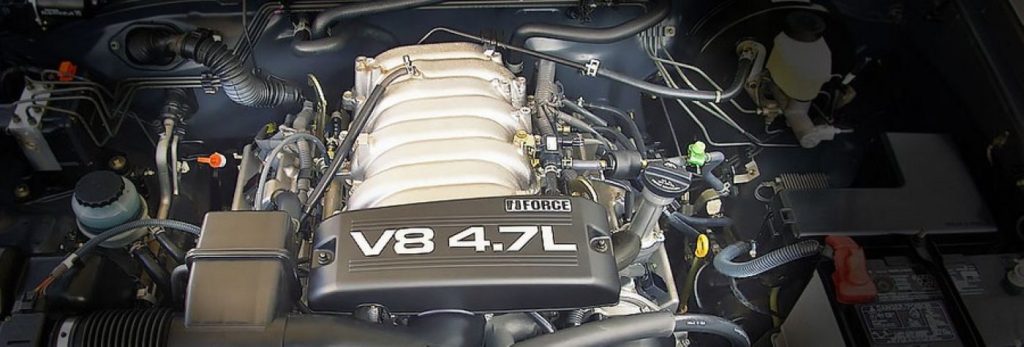
Otherwise, its block design and dimensions were nearly identical to the 1UZ, apart from an increased bore and stroke. The layout featured a 90-degree “V” angle, a 21-mm cylinder bank offset, and a 105.5 mm bore pitch.
Inside, the engine carried a steel crankshaft with eight counterweights and five main journals, an upgrade over the 1UZ’s six journals, along with forged and sintered connecting rods and aluminum alloy pistons with tin-coated skirts to reduce friction.
The engine’s aluminum cylinder heads each housed intake and exhaust camshafts with four valves per cylinder. As with the 1UZ, the intake cams were driven by a timing belt, while the exhaust cams were gear-driven from the intake.
The overall valvetrain design mirrored the 1UZ, with intake and exhaust valves positioned opposite each other at a 21.55-degree angle. Valve sizes matched the later VVT-i-equipped 1UZ-FE, with 34.5 mm intake valves and 29.0 mm exhaust valves. The use of steel solid lifters meant valve clearances required periodic adjustment.
Early versions of the 2UZ-FE came with a simple aluminum intake manifold featuring long runners, with a heat-barrier gasket sandwiched between two metal gaskets to reduce heat transfer.
Initially, a conventional throttle body was fitted, but by late 2002, Toyota introduced the ETCS-i electronic throttle system. From the beginning, the 2UZ-FE employed sequential multiport fuel injection (SFI) using eight four-hole injectors, one per cylinder, supported by a mass airflow sensor and two air-fuel ratio sensors.
Ignition duties were handled by Toyota’s Direct Ignition System (DIS), which provided individual coil-on-plug ignition for all eight cylinders along with iridium spark plugs. The setup was further supported by dual knock sensors and Toyota’s Electronic Spark Advance system, which continuously optimized ignition timing to prevent knocking.
Also Read: Top 10 Cars That Are Built Like Tanks
2. Honda J35 V6
The Honda J35 3.5-liter V6, used in popular U.S. models like the Honda Odyssey, Pilot, and Ridgeline, is another proven workhorse. While some Honda engines relied on timing belts, the J35 moved to a chain-driven setup that rarely causes trouble.
It’s a favorite among families and fleet buyers because it delivers both smooth performance and long-term dependability. Timing chain-related failures on this engine are practically unheard of when maintenance schedules are followed.
The J35 is a 3.5-liter V6 gasoline engine that debuted in the 1998 Honda Odyssey. This first version, known as the J35A, was derived from the smaller 3.2-liter J32A of the J-series family.
Over time, the J35 was installed in many of Honda’s larger sedans, SUVs, and pickups, as well as in several Acura models. With each generation, the J35 evolved, and the modern J35Y variant advanced notably in fuel efficiency, power output, and emissions control compared to earlier versions.
The J35A remained in production from 1998 until 2012, giving it nearly 14 years of service life. Like the J32A, it used a compact aluminum block with a 60-degree bank angle between the cylinders and a deck height of 235 mm.
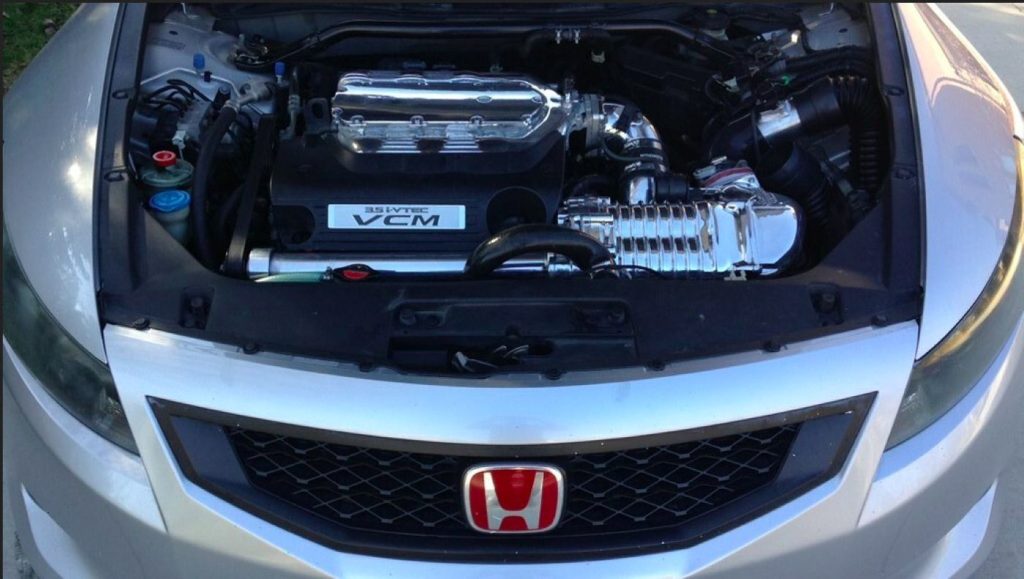
While the bore size and pistons carried over, the J35A introduced a forged crankshaft with an extended 93 mm stroke, which gave the engine greater displacement.
It also featured lightweight 158.5 mm connecting rods. Above the block sat aluminum cylinder heads with a single overhead camshaft and four valves per cylinder. The camshafts were belt-driven, and the valvetrain incorporated Honda’s VTEC system. Instead of hydraulic lifters, the valves were actuated by roller rocker arms.
In its J35A1 form, the engine used 34 mm intake valves and 29 mm exhaust valves. The intake system was made up of a 1-stage aluminum manifold paired with a 55 mm throttle body. The J35A1 also ran with a 9.4:1 compression ratio, delivering a balance of power and efficiency suitable for Honda’s larger vehicles.
3. GM LS-Series V8
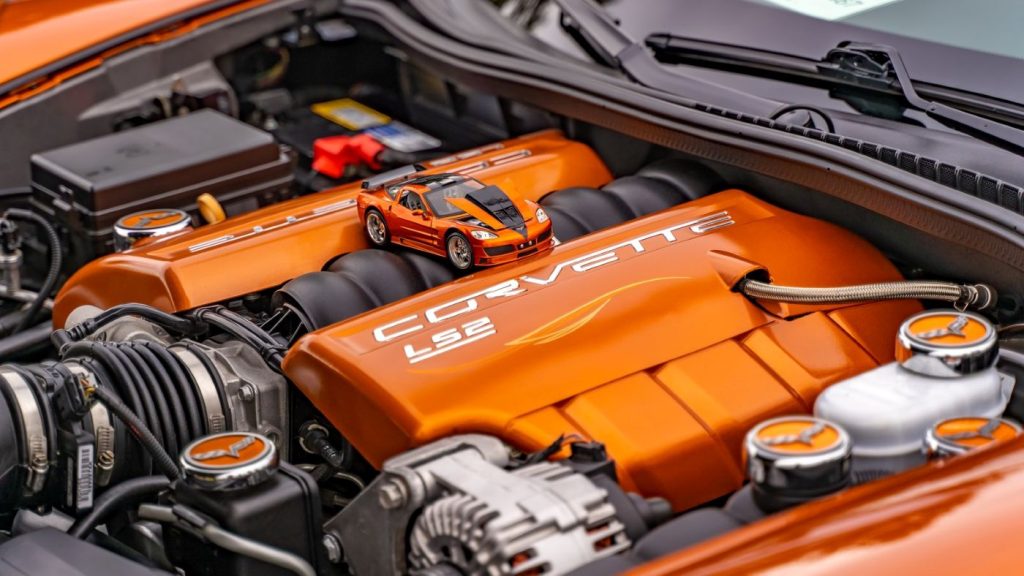
General Motors’ LS engines, ranging from the LS1 to the LS3 and beyond, power everything from Corvettes to Silverados. They’ve become a staple not only in GM vehicles but also in engine swaps across the U.S.
What makes the LS family impressive is its simple yet strong timing chain system. Failures are incredibly rare, even in high-mileage trucks. Enthusiasts love that these engines can handle abuse, modifications, and high horsepower builds while still keeping their chains in check.
4. Toyota 2GR-FE V6
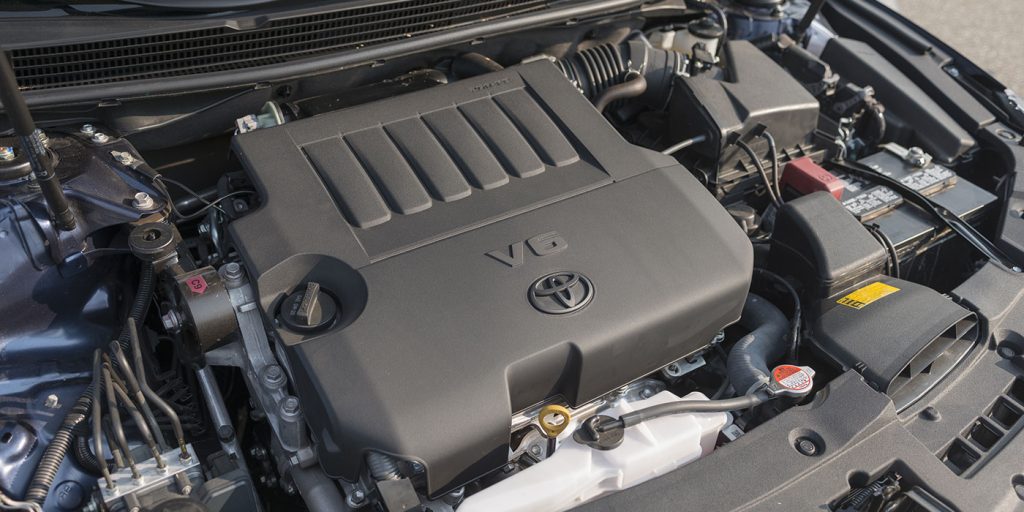
Toyota’s 2GR-FE 3.5-liter V6, used in models like the Toyota Camry, Avalon, Highlander, and Lexus RX, is one of the most reliable modern V6 engines on the road. It pairs smooth performance with a chain design that doesn’t suffer from premature stretching or tensioner failures.
Many owners report exceeding 200,000 miles with no timing system repairs. It’s one of the reasons Toyota’s mid-size cars and SUVs hold their resale value so well.
5. Nissan VQ-Series V6
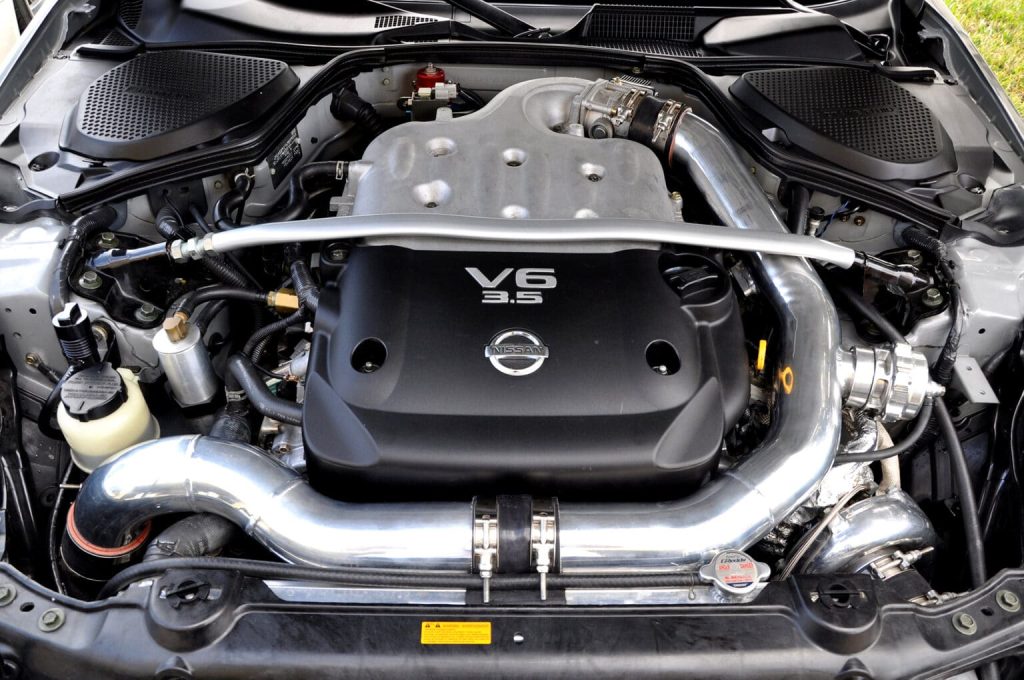
Nissan’s VQ engines, particularly the VQ35DE and VQ37VHR, are known for powering everything from the Nissan Maxima to the 350Z and Infiniti G35/G37. These engines deliver sporty performance while also being extremely reliable.
The timing chain design is robust, and while oil changes remain critical, chain-related failures are rare compared to some competing brands. This makes them popular not just among commuters but also among enthusiasts who push their cars harder than average.
Nissan has been a prominent player in the automotive industry for decades, known for its innovative engineering and reliable vehicles. Among its notable achievements is the development of the V6 engine, which has powered a variety of models since its introduction in the 1980s.
The Nissan V6 engine, particularly the VG and later the VQ series, has gained a reputation for delivering a balance of power and efficiency, making it a popular choice for sedans, SUVs, and sports cars alike.
The VG series, launched in the early 1980s, marked Nissan’s entry into the V6 market, offering improved performance over the inline-four engines that were common at the time. This engine line was used in various models, including the Nissan 300ZX, which became a symbol of performance and style.
As technology advanced, Nissan introduced the VQ series in the mid-1990s, which further enhanced performance, fuel efficiency, and emissions standards. The VQ engine quickly gained acclaim, earning multiple awards and becoming one of the most recognized V6 engines in the automotive world.
However, despite its accolades, the Nissan V6 engine is not without its issues. Over the years, various models equipped with these engines have reported a range of problems that can affect performance, reliability, and even safety. From oil consumption issues to timing chain failures, these problems have led to significant concerns among owners and potential buyers.
Understanding these issues is crucial for anyone considering a vehicle powered by a Nissan V6 engine, as they can have serious implications for maintenance costs and overall vehicle longevity. This article delves into the common problems associated with Nissan’s V6 engines, providing an unfiltered look at what owners may face.
Also Read: 5 V8 Engines That Run a Lifetime vs 5 That Eat Oil Fast
6. Ford Modular V8 (4.6 & 5.4)
The Ford Modular V8 family, including the 4.6-liter and 5.4-liter engines, was used extensively in everything from Ford F-150 trucks to Crown Victorias and Mustangs.
Known for their longevity, these engines often surpass 250,000 miles without timing chain concerns. While cam phasers in some versions developed noise issues, outright timing chain failures are uncommon.
Fleet operators and police departments valued these engines for their ability to take abuse and keep running.
The 5.4L 3V Modular V8 debuted in 2004 alongside the redesigned F-Series trucks, while the 4.6L 3V followed in the 2005 Mustang GT. These engines were positioned as a middle ground between the older 2V Modular and the high-performance DOHC-4V Cobra and Mach 1 mills.
Three-valve architecture, combined with variable cam timing and charge motion induction, gave the Modular family a fresh identity.
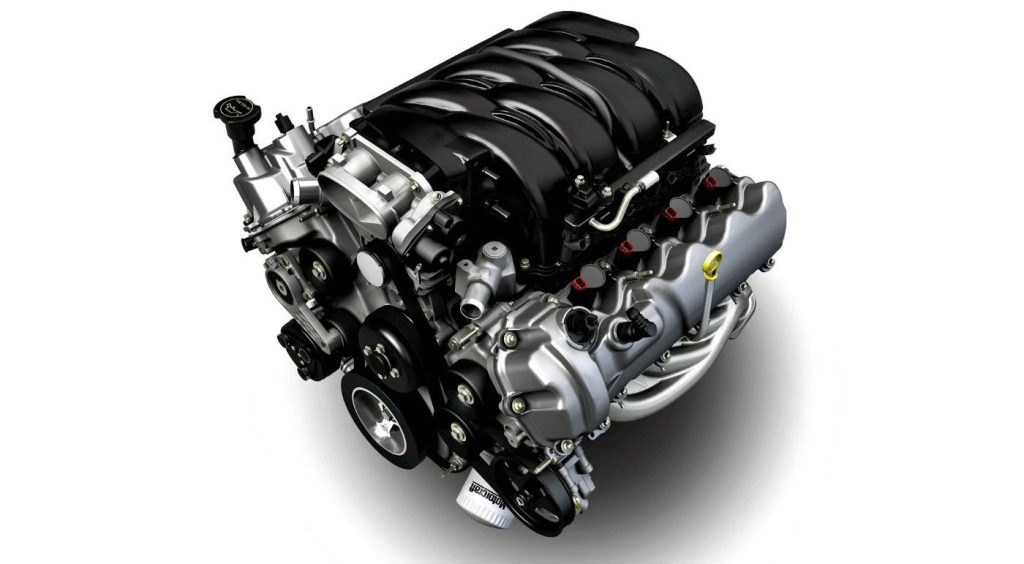
Though unusual for the lineup at the time, the SOHC 3V proved itself in the years that followed, particularly in the 2005–2010 Mustang GT, where it became known as a rugged and durable performance engine. Capable of taking hard use and delivering consistent power, the 3V built a reputation for toughness.
Thanks to Ford’s high production numbers, SOHC 3V engines are now abundant and relatively affordable, whether sourced from salvage yards, crate programs, or even whole vehicles bought for parts. Many enthusiasts find them an economical option for rebuilds or swaps.
Aftermarket specialists such as Modular Motorsports Racing and L & R Custom Engine Building continue to support the platform with complete engines and short blocks.
What sets the 3V apart from the older 2V is its improved breathing and output, all without a jump in cost. The second intake valve and VCT system are the real performance enhancers, enabling the 4.6L SOHC 3V in the 2005 Mustang GT to produce 300 horsepower at 5,750 rpm and 320 lb-ft of torque at 4,500 rpm in stock form.
By the standards of today’s 5.0L Coyote, those numbers may seem modest, but with the right upgrades and tuning, the 3V still offers considerable potential for serious power.
7. Subaru EJ25 (Naturally Aspirated Versions)
While turbocharged Subaru engines sometimes develop quirks, the naturally aspirated EJ25 found in Outbacks, Foresters, and Legacies has proven to be solid when it comes to timing chains.
Unlike some rivals that experienced premature wear, the EJ25’s chain setup is rarely a point of failure. Many U.S. families in snowy states trust these engines for their all-wheel-drive dependability, often running them past 200,000 miles without major internal repairs.
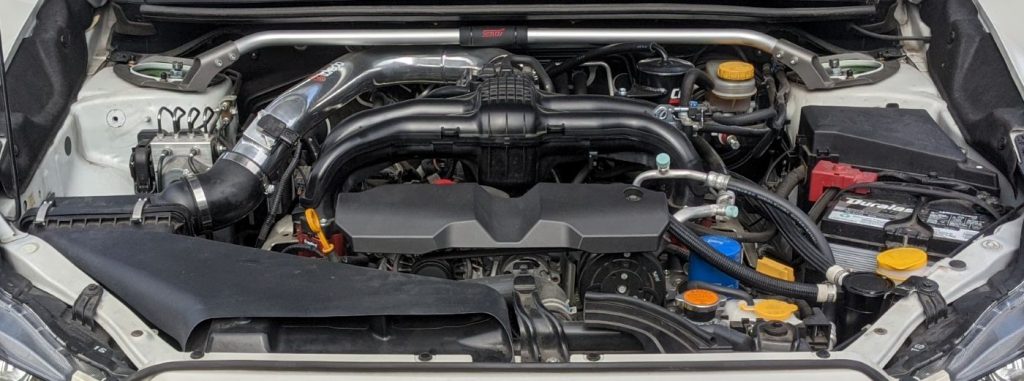
The Subaru EJ25 2.5-liter engine has established a strong reputation in the automotive world, especially among those who value Subaru’s ability to balance performance with everyday practicality.
As a flat-four, or boxer engine, it features a unique layout that lowers the center of gravity, improving handling and giving Subaru vehicles their well-known stability. Having been part of the Subaru lineup for many years, the EJ25 has become a familiar and trusted choice for drivers who look for reliability and versatility in their vehicles.
Subaru has long positioned itself as a brand for families and outdoor enthusiasts, and the EJ25 has played a central role in that identity. It offers enough strength to manage off-road trips while remaining efficient enough for daily commuting.
Its smooth power delivery makes it suitable for everything from city driving to weekend adventures, reinforcing Subaru’s reputation for building vehicles that can handle a variety of conditions with ease.
Over the years, the EJ25 has been used across a wide range of Subaru models, each catering to different needs. The Subaru Legacy is among the most recognizable vehicles to feature the EJ25, offering a comfortable ride, a spacious cabin, and a balance of performance and efficiency that appeals to both families and commuters.
The Outback is perhaps the most iconic Subaru powered by the EJ25, designed with adventure in mind and known for its rugged capability and roomy interior. With the EJ25, it provides the necessary torque for trails and mountain roads while still maintaining efficiency on long highway drives.
The Forester has also greatly benefited from the EJ25. As a compact SUV, it combines a higher driving position with generous cargo capacity, and with this engine, it delivers dependable power for both urban use and outdoor getaways, making it a popular choice for active families.
The Impreza, Subaru’s compact car, has featured the EJ25 in several versions, enhancing its sporty handling and all-wheel-drive system with extra performance that makes it an appealing option for those who want a smaller vehicle without sacrificing capability.
Even the Tribeca, though less common, was equipped with the EJ25 in some configurations. Designed as a family-oriented SUV, it offered a roomy and comfortable ride, with the EJ25 providing the strength needed for daily driving and longer trips.
8. BMW M54 Inline-Six
BMW doesn’t always get praise for reliability, but the M54 3.0-liter inline-six, found in the early 2000s 3 Series, 5 Series, and X5, is an exception. While these cars may suffer from cooling system issues or oil leaks, their timing chains are rock solid.
Enthusiasts often highlight that the M54 is over-engineered compared to later BMW engines, making it a rare European motor that U.S. buyers can own long-term without timing chain nightmares.
The BMW M54B30 is a 3.0-liter (2,979 cc, 181.8 cu·in) naturally aspirated inline-six gasoline engine from the M54 family. Produced at BMW’s Munich plant in Germany, it was in production from 2000 until 2006.
This engine features a cast-aluminum alloy block paired with cast-iron cylinder liners, offering both strength and durability. Its aluminum cylinder head is fitted with chain-driven double overhead camshafts (DOHC) and operates four valves per cylinder, totaling 24 valves.
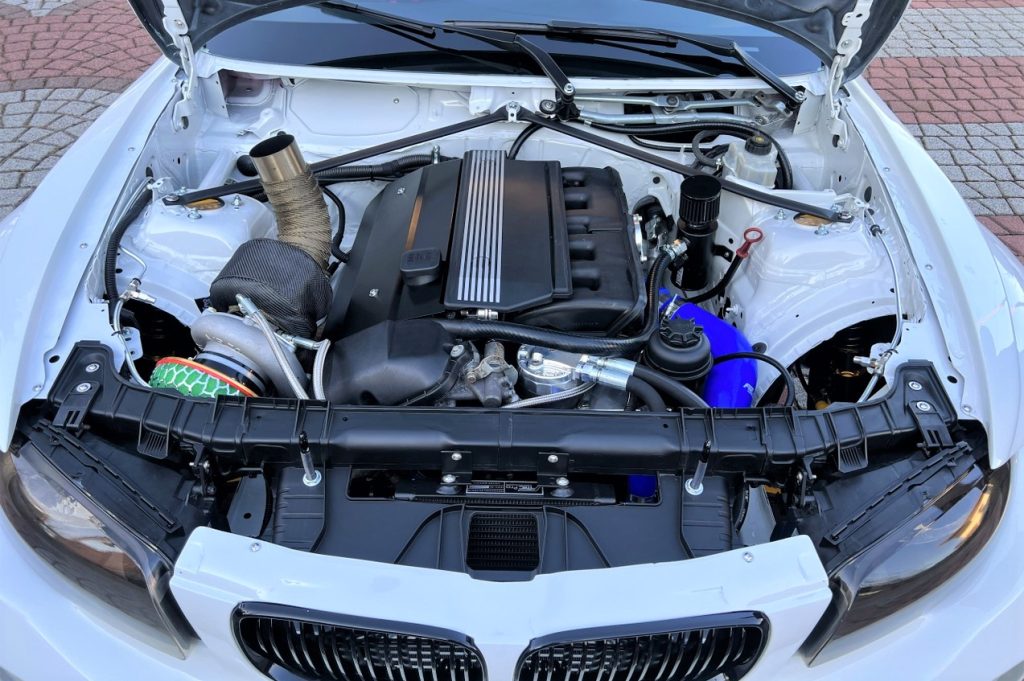
The M54B30 is managed by the Siemens MS 43 system and incorporates BMW’s dual VANOS technology, which adjusts both the intake and exhaust camshafts.
Additional features include a fully electronic throttle without a mechanical backup, BMW’s dual-length “DISA” intake manifold, a distributorless ignition system with individual coils for each cylinder, and an electronically controlled thermostat.
The engine has a cylinder bore of 84.0 mm (3.31 in) and a piston stroke of 89.6 mm (3.53 in), resulting in a compression ratio of 10.2:1. Performance output is rated at 231 PS (170 kW; 228 HP) at 5,900 rpm, with a peak torque of 300 N·m (30.6 kg·m, 221.1 ft·lb) available at 3,500 rpm.
9. Chrysler 3.6L Pentastar V6 (Post-2013 Updates)
Chrysler’s Pentastar 3.6-liter V6 initially faced some teething issues in its early years, but after 2013, design updates improved its reliability significantly.
Today, it powers a wide range of vehicles, from Jeep Wranglers to Dodge Chargers, and it has become one of the most widely used engines in the U.S. The timing chain design is robust enough to last well beyond 150,000 miles, provided the engine is maintained properly.
The Chrysler Pentastar 3.6L V6 engine has earned widespread recognition since its debut in 2010. Developed to succeed the aging 3.5L engine, it was engineered with a strong emphasis on performance, fuel economy, and adaptability.
Built in a 60-degree V6 layout, the Pentastar features a DOHC configuration with four valves per cylinder and incorporates variable valve timing (VVT). Its aluminum construction offers an excellent mix of reduced weight and lasting strength, making it suitable for a wide range of vehicles.
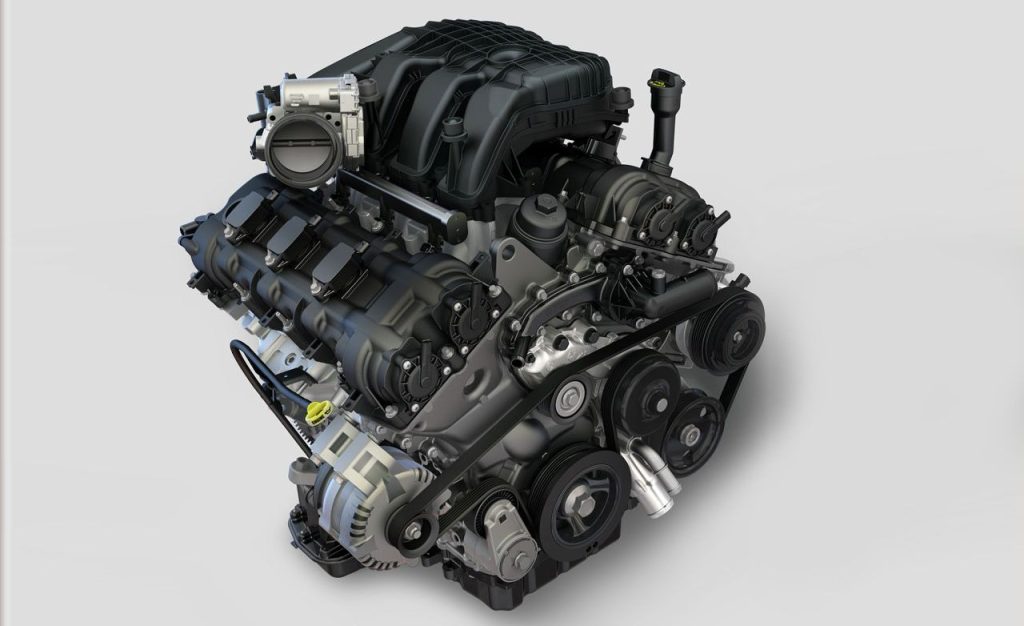
A defining trait of the Pentastar V6 is its impressive power delivery. Depending on the application, it generates between 283 and 305 horsepower with 260 to 270 lb-ft of torque.
This flexibility makes it capable of handling everything from routine daily commutes to spirited driving. Additionally, its design helps maximize fuel efficiency, allowing vehicles equipped with this engine to achieve competitive fuel economy figures, particularly on highways.
The Pentastar has become a cornerstone across Chrysler, Dodge, Jeep, and Ram lineups, underscoring its versatility in multiple segments. Notable vehicles powered by the 3.6L Pentastar V6 include:
-
Chrysler 300 – This luxury sedan benefits from the Pentastar’s smooth, refined power delivery, appealing to drivers who prioritize both comfort and style.
-
Dodge Charger – The Charger utilizes the engine to strike a balance between strong performance and respectable efficiency, attracting enthusiasts who want speed without sacrificing practicality.
-
Dodge Challenger – Serving as an entry-level option, the Pentastar V6 provides a fun, engaging drive for those not opting for the higher-performance V8 models.
-
Jeep Grand Cherokee – With ample power for off-road use while retaining efficiency for everyday driving, the Grand Cherokee highlights the engine’s versatility.
-
Ram 1500 – This full-size pickup takes advantage of the Pentastar’s towing strength and efficiency, offering utility for both work and recreation.
-
Chrysler Pacifica – Designed with families in mind, the Pacifica leverages the engine to deliver a smooth ride, reliability, and the strength needed for hauling passengers and cargo.
-
Dodge Durango – Known for its space and performance, the Durango relies on the Pentastar for a capable yet comfortable driving experience
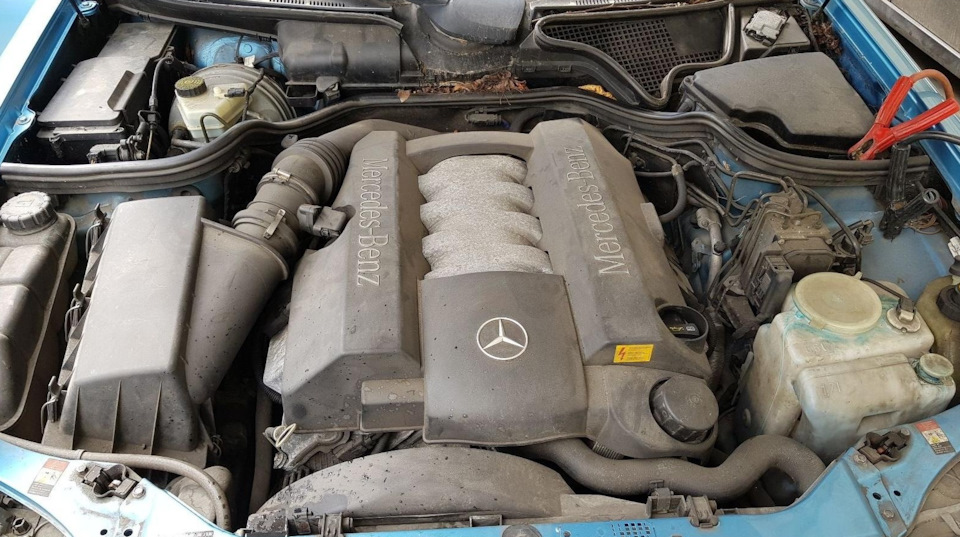
10. Mercedes-Benz M112/M113 Engines
In an era when many European automakers struggled with timing chain tensioner failures, Mercedes-Benz’s M112 (V6) and M113 (V8) engines stood out for their durability.
Found in vehicles like the E-Class, S-Class, and ML-Class during the late 1990s and early 2000s, these engines were overbuilt by today’s standards.
U.S. owners often report 200,000–300,000 miles with no chain-related concerns, making them some of the most reliable German engines ever sold here.
Timing chain issues can quickly turn a reliable car into a financial burden, but not every engine is a risk. From Toyota’s rock-solid V8s to GM’s legendary LS series and even certain European motors, these 10 engines stand out for their ability to avoid the headaches many U.S. drivers fear.
Proper maintenance is always key, but the underlying engineering of these powerplants ensures that timing chain failures are extremely rare.
For buyers who plan to hold onto their cars for the long haul, choosing an engine from this list can mean the difference between years of worry-free driving and an unexpected repair bill that costs thousands.
In a world where cars are getting more complex, it’s reassuring to know that some engines are still built to last, chain and all.
