
Crossovers are the backbone of the U.S. car market. They combine everyday practicality with comfort, efficiency, and safety, making them the preferred choice for families, commuters, and retirees alike.
But one factor matters more than anything else in the long run: reliability. Nobody wants to buy a crossover only to spend thousands in unexpected repairs down the line.
The good news is that some models consistently prove their worth by lasting for well over 200,000 miles with minimal issues.
From mainstream favorites to luxury crossovers that defy the “unreliable” stereotype, here are 12 crossovers that rarely break down in the U.S.
1. Toyota RAV4
The RAV4 is America’s best-selling crossover, and for good reason. Its engines are known to run well past 200,000 miles, the transmissions rarely give trouble, and the overall build quality is rock solid.
With strong resale values and nationwide parts availability, the RAV4 is a safe bet for drivers who want maximum dependability.
Every 2021 RAV4 is powered by a 203-hp 2.5-liter four-cylinder paired with an eight-speed automatic transmission. While front-wheel drive is standard, Toyota offers different all-wheel-drive systems depending on trim.
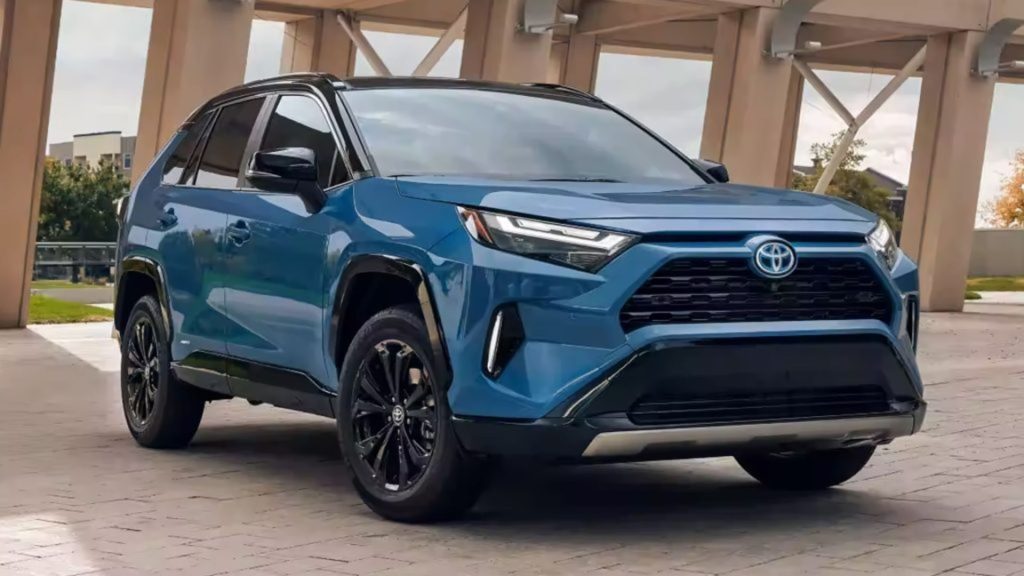
The Adventure model we tested came with an AWD setup that can disengage the rear axle when extra grip isn’t needed, improving efficiency. Performance has improved compared to past versions: at the track, the RAV4 managed a 0–60 mph run in 8.0 seconds with the 2019 model and 8.3 seconds in the 2018.
While competent, the four-cylinder does get loud during passing maneuvers, and the transmission on our tester occasionally hesitated when downshifting.
On the highway, the RAV4 feels steady and composed, and it can handle winding roads decently well, but it lacks the sharp handling and confidence of its top rival in the segment, the Mazda CX-5.
Also Read: 5 Engines That Handle Stop-and-Go Traffic vs 5 That Break Early
2. Honda CR-V
The CR-V is another long-time U.S. favorite, blending space, efficiency, and bulletproof reliability. Its four-cylinder engines are simple and durable, and many CR-Vs from the early 2000s are still going strong today.
Consistently at the top of reliability studies, the CR-V is one of the most trustworthy crossovers money can buy.
If you’re after a compact SUV that can handle just about any daily task with ease, the 2021 Honda CR-V deserves attention.
This two-row crossover provides a roomy, upscale interior with clever storage solutions, making it an excellent choice for long trips or anyone who tends to carry plenty of gear.
Neither of its available four-cylinder powertrains, one turbocharged, the other hybrid, delivers thrilling speed, but both stand out for their strong fuel economy. While the CR-V isn’t as engaging to drive as rivals like the Mazda CX-5 or Volkswagen Tiguan, it delivers a smooth, composed ride that never feels clumsy.
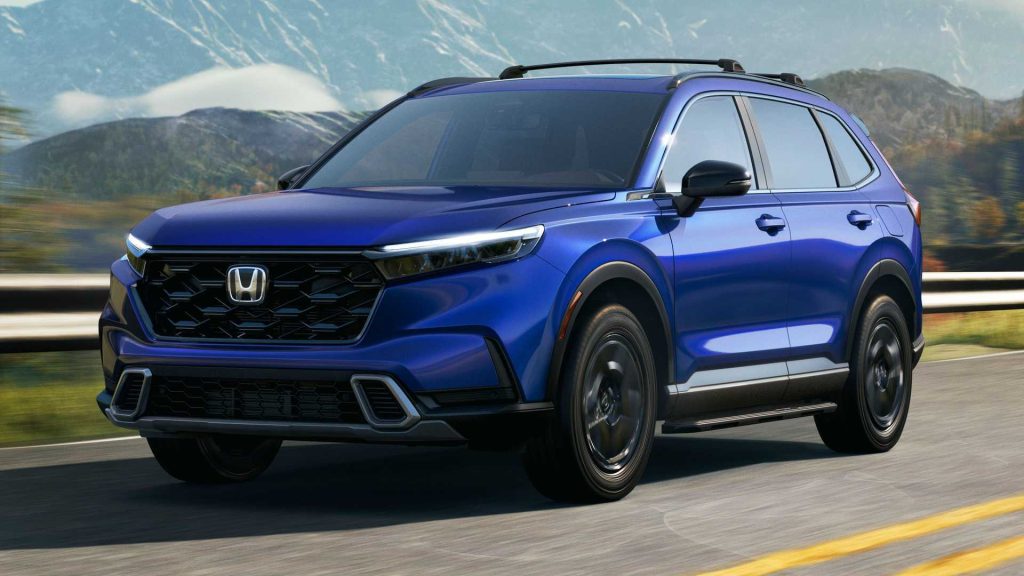
Add in a full suite of active-safety technologies, desirable infotainment features, and a refined exterior design, and the CR-V comes across as one of the most family-friendly compact SUVs on the market for 2021.
Our recommendation is the EX Hybrid. It bundles in features such as blind-spot monitoring, dual-zone climate control, heated front seats, a power-adjustable driver’s seat, and a 7.0-inch touchscreen with Apple CarPlay and Android Auto.
Beyond its robust equipment list, it also delivers better refinement and superior fuel economy compared to the standard gas model. It may not offer extra options, but it does include all-wheel drive as standard.
Honda’s decision to equip the CR-V with its first turbocharged 1.5-liter engine was a smart one. Producing 190 horsepower and working with one of the best continuously variable automatic transmissions (CVTs) on the market, a compliment we rarely give, it provides smooth, efficient performance.
However, towing capacity is limited, with the CR-V rated at just 1500 pounds, among the lowest in the class. Straight-line acceleration won’t thrill performance-minded drivers, but the composed ride, responsive steering, and confident braking make up for it.
Everyday commuting feels effortless, thanks to the SUV’s comfort and balance. The brake pedal delivers strong, predictable stopping power, enhancing driver confidence.
The hybrid version pairs a 2.0-liter four-cylinder with two electric motors for a combined 212 horsepower. In testing, the hybrid system impressed with its seamless operation and refinement.
Honda also worked to reduce cabin noise by adding sound-deadening materials and equipping the stereo with active noise cancellation, minimizing engine drone at full throttle. The result is a calmer, quieter experience compared to the standard gas engine, which can sound strained and loud under hard acceleration.
3. Lexus RX
Luxury doesn’t always mean headaches, and the Lexus RX is proof. Built with Toyota’s conservative engineering, the RX delivers premium comfort with exceptional reliability.
Many U.S. owners have driven their RX past 250,000 miles without major mechanical failures, something few European luxury crossovers can claim.
The 2021 Lexus RX projects an aggressive and sporty exterior design, but its true nature is far more laid back, prioritizing comfort and refinement over excitement. This makes it an ideal choice for relaxed driving and long-distance cruising.
Even the F Sport trim, despite its athletic branding, doesn’t significantly increase driver engagement. Power for the RX350 comes from a 3.5-liter V-6, while the RX450h incorporates a hybrid setup that pairs the same V-6 with electric motors.
In both cases, acceleration is modest and well-suited to the SUV’s calm character. Buyers can select between the standard two-row configuration or the extended RX-L, which adds a third row.
However, that extra row is cramped and not recommended for regular use, whereas the front and second rows provide excellent comfort with plush seating, generous space, and plenty of premium amenities.
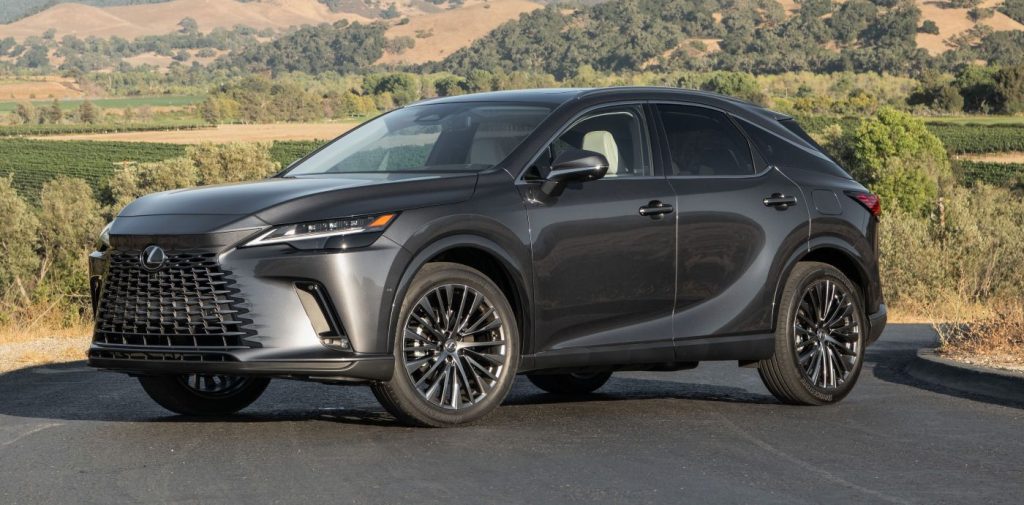
For 2021, Lexus introduced the Black Line Special Edition package for F Sport variants. This package adds black trim accents, 20-inch black wheels, blue interior stitching, and a choice between Ultra White or Grecian Water paint.
A unique perk of the package is a two-piece Zero Halliburton luggage set. Other updates include a fresh interior color, Glazed Caramel, which takes the place of Noble Brown.
Safety features such as blind-spot monitoring, rear cross-traffic alert, and power-folding exterior mirrors are now standard. Additionally, a wireless smartphone charger is newly optional, and the previously named Performance package has been renamed the Handling package.
From a value perspective, the F Sport models stand out visually. A lightly optioned RX350 F Sport makes a solid pick, especially when paired with the Navigation package. T
hat package includes a larger 12.3-inch touchscreen, built-in navigation, a DVD/CD player, and a 12-speaker sound system. Lexus has not finalized official pricing, so figures above are estimates.
Two powertrain options are available: the RX350 features a 3.5-liter V-6, while the RX450h pairs the same V-6 with two electric motors for hybrid power. In testing, an all-wheel-drive RX350 posted a 0–60 mph time of 6.9 seconds, acceptable but slower than many rivals.
The RX450h, while one of the few hybrid choices in its class, is also slower than average off the line. Where the RX truly shines is in ride comfort.
It easily smooths out rough pavement, keeping passengers comfortable with a compliant suspension. Inside, the cabin remains quiet and well insulated, reinforcing its reputation as an excellent highway cruiser.
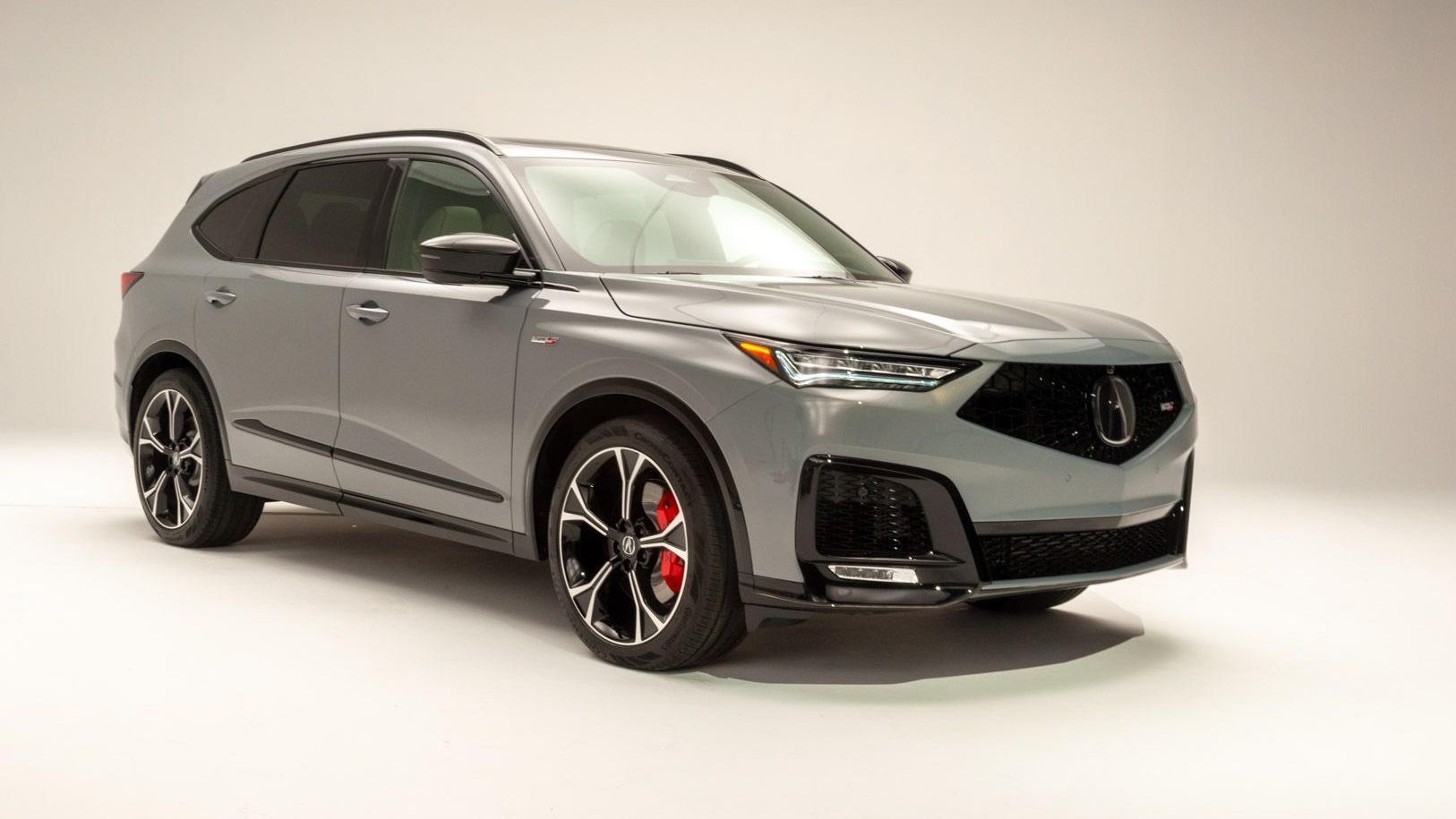
4. Acura MDX
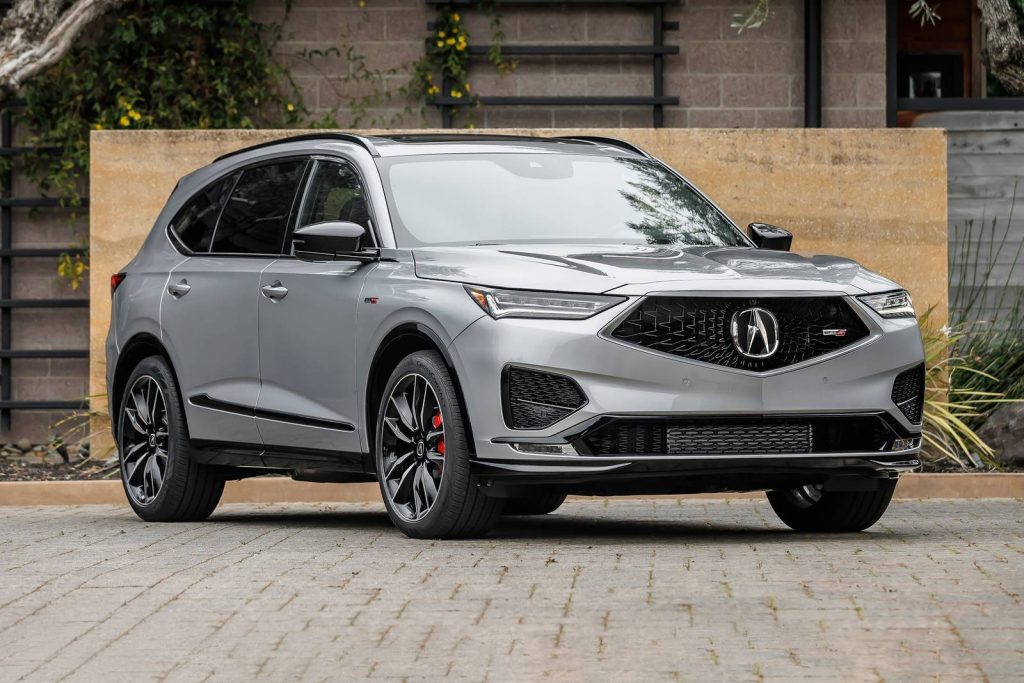
The Acura MDX stands out as one of the most dependable three-row luxury crossovers in America. Its Honda-based V6 engines are smooth and durable, and its transmission issues from early generations have long been ironed out.
Owners frequently praise it for giving luxury without the constant trips to the mechanic that plague rivals from Germany.
5. Toyota Highlander
The Highlander is a family staple, thanks to its V6 engines that just don’t quit. With proper maintenance, Highlanders often sail past 200,000 miles with nothing more than basic servicing.
U.S. families trust it for cross-country road trips, carpools, and daily commutes without fear of breakdowns.
Now in its fourth generation, the Toyota Highlander received a full redesign for 2020. Power comes from a standard V-6 engine, though buyers can also opt for a more efficient four-cylinder hybrid version.
Seating is flexible: the second row is fitted with a three-passenger bench as standard, while available captain’s chairs reduce total capacity to seven.
Staying true to its mission, the Highlander continues as a family-focused crossover, bolstered by Toyota’s long-standing reputation for reliability and value.
Although the Highlander helped define the midsize three-row SUV category, it no longer feels like a standout in today’s crowded field.
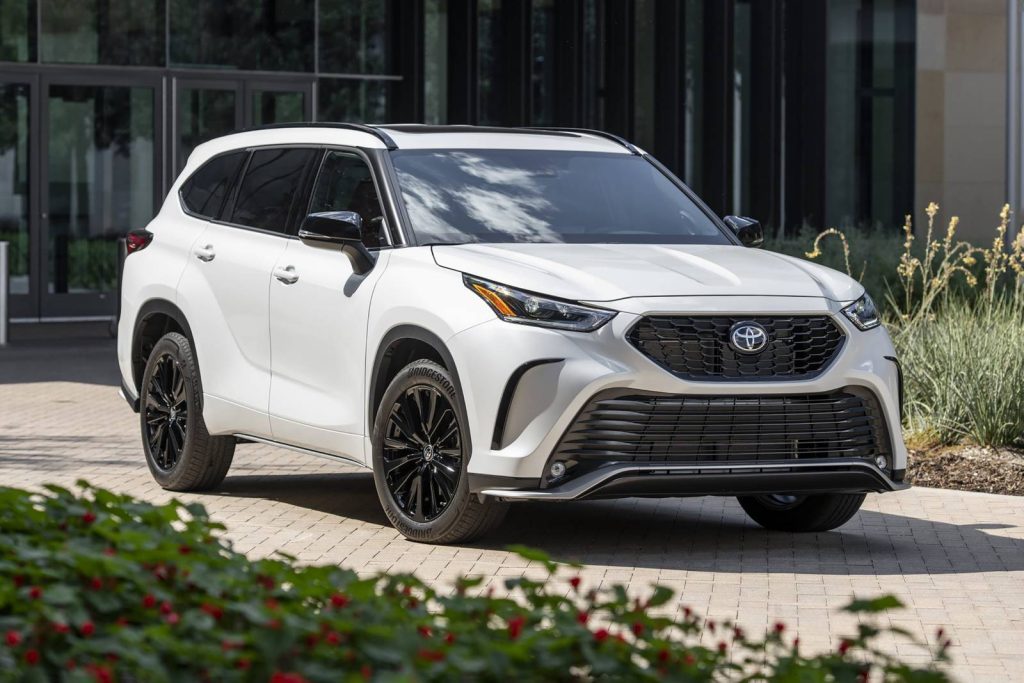
For 2021, it serves as a solid, if somewhat unexciting, option. That isn’t necessarily a drawback, especially for families looking for practicality.
For daily use, the Highlander fulfills its role well as a comfortable, versatile SUV. The third row is quite small and best reserved for children, but the first two rows provide plenty of room and creature comforts. When the third row isn’t needed, folding it down frees up ample cargo space.
Ride quality leans toward comfort, though it can feel slightly bouncy at times. The XSE trim, with its revised suspension tuning, offers a bit more control, but still leaves enthusiasts wishing for sharper performance.
The standard V-6 supplies respectable power, but its delivery can feel peaky and less relaxed for casual driving. That’s why the Highlander Hybrid stands out: while it makes less horsepower, it delivers strong low-end response and significantly better fuel economy.
The standard engine is a 3.5-liter V-6 producing 295 horsepower and 263 lb-ft of torque, paired with an eight-speed automatic transmission. Front-wheel drive is standard, with all-wheel drive available as an option.
AWD-equipped Highlanders reached 60 mph in 7.2 to 7.4 seconds. Fuel economy is rated at 21/29 mpg city/highway for most FWD trims, and 20/27 mpg for AWD versions.
Also Read: 9 Reliable Mazdas That Rarely Break Down
6. Mazda CX-5
While Mazda is smaller than Toyota or Honda in sales volume, the CX-5 is one of the most reliable compact crossovers sold in the U.S. It combines fun driving dynamics with long-lasting components.
Owners often say the CX-5 feels more premium than its price suggests, yet it still holds up against rivals in durability.
The higher driving position and generous interior space of compact SUVs make them a more practical choice than small sedans. Still, practicality doesn’t usually translate into excitement, that’s where the 2021 Mazda CX-5 breaks the mold.
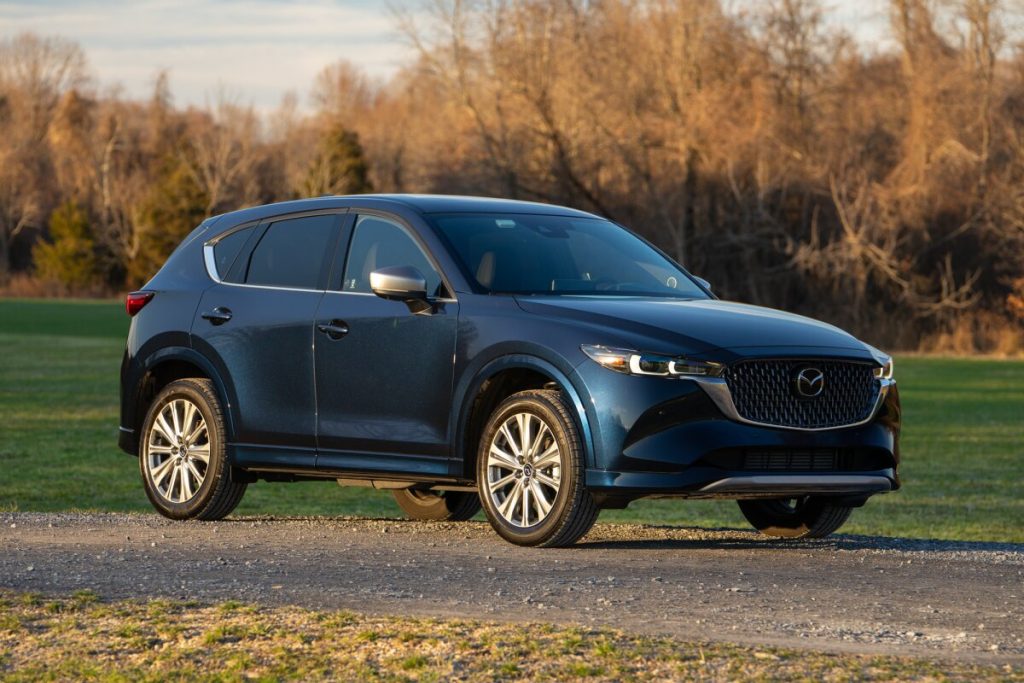
With its stylish design, sharp handling, and upscale interior, this SUV blends everyday usefulness with a sporty edge.
For those who crave more power, the available turbocharged engine delivers performance levels that feel almost European in character, rivaling brands like BMW.
Thanks to this mix of refinement, capability, and driving enjoyment, the CX-5 consistently ranks near the top of the best small SUVs list.
For 2021, the CX-5 benefits from a few notable improvements. The most obvious is a larger central display, now running Mazda’s latest infotainment software. While the touchscreen function has been removed, the wider layout gives the system a cleaner, less crowded look.
Mazda also introduces a new Carbon Edition trim, offered with or without the turbocharged engine. For shoppers wanting extra power at a lower cost, the Carbon Edition is the most affordable way to access the upgraded motor without stepping up to the more luxurious trims.
7. Subaru Forester
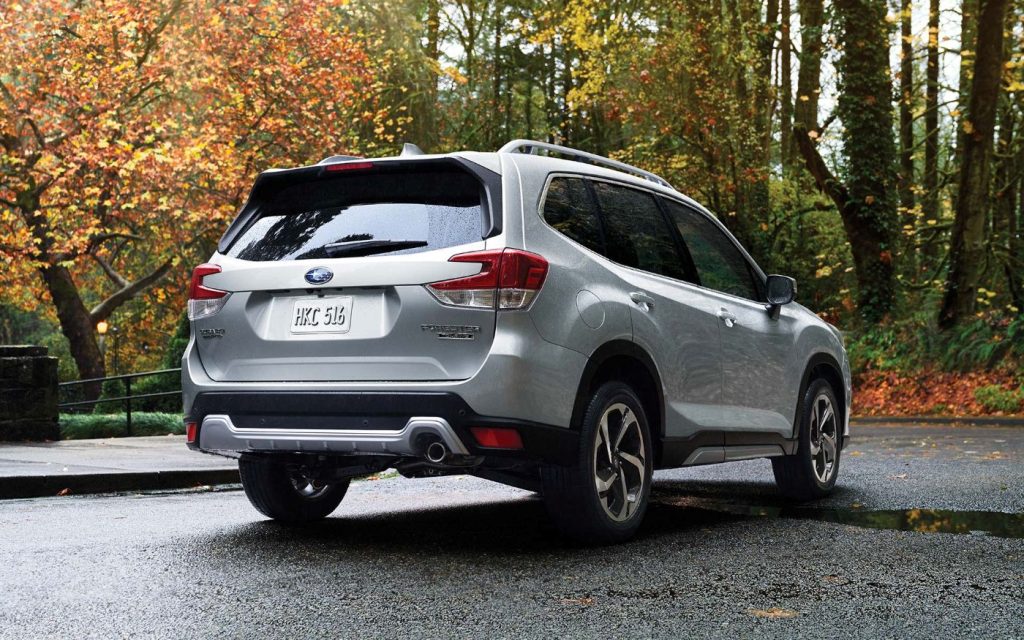
For Americans in snowbelt states, the Subaru Forester is practically a default choice. Standard all-wheel drive adds year-round security, and its naturally aspirated flat-four engines are reliable when maintained.
Foresters are frequently seen with odometers reading over 200,000 miles, especially in states like Vermont, Colorado, and Washington.
8. Hyundai Palisade
Hyundai has come a long way in the reliability department, and the Palisade is the crown jewel of its crossover lineup. This three-row SUV combines modern styling with dependable engineering.
With a strong warranty backing it up, U.S. buyers have found the Palisade to be not only luxurious but also one of the least problematic crossovers in its class.
The Hyundai Palisade relies on a 3.8-liter V-6 engine paired with an eight-speed automatic transmission, delivering 291 horsepower, sufficient for a vehicle of its size.
Drivers can take manual control of the gearbox via steering-wheel-mounted paddle shifters, though the transmission generally operates smoothly on its own. That said, it can feel a bit busy when managing gear changes on uphill climbs.
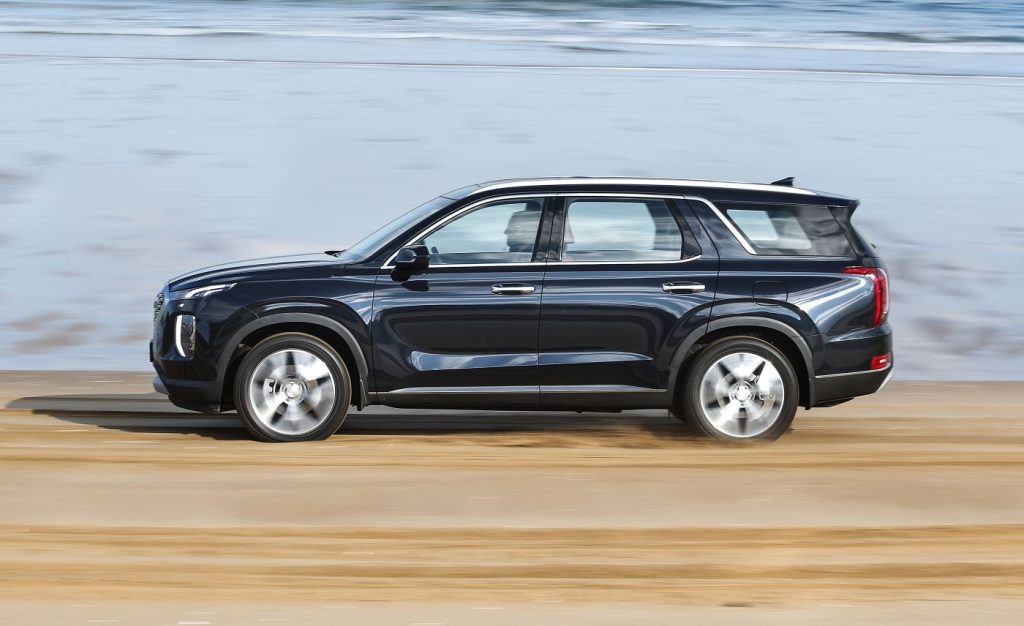
Front-wheel drive comes standard, while all-wheel drive is available on the SE, SEL, and Limited trims, and included as standard equipment on the flagship Calligraphy model.
Every Palisade is equipped for towing, featuring a heavy-duty transmission cooler, trailer pre-wiring, and sway control. When fitted with a dealer-installed hitch, it can tow up to 5,000 pounds.
In testing, we evaluated an all-wheel-drive SEL model, which produced solid, though not standout, performance numbers. The SUV reached 60 mph in 6.9 seconds and required 182 feet to come to a stop from 70 mph.
Also Read: 5 Cars With Dependable Start-Stop Systems and 5 That Annoy Owners
9. Kia Telluride
The Kia Telluride, sibling to the Hyundai Palisade, has quickly become one of the most sought-after crossovers in America. It’s praised for comfort, design, and dependability.
Owners rave about its trouble-free nature, and its resale value remains sky-high, a clear sign that the market recognizes its reliability.
The 2021 Kia Telluride stands out as one of the best three-row crossovers available, combining family-friendly practicality with styling that suggests a more premium price tag.
The Telluride checks nearly every box, outperforming its mid-size SUV rivals where it matters most. While its standard V-6 engine could benefit from improved fuel economy, and its on-road handling could be sharper, the Telluride excels at its primary purpose, comfortably transporting people and cargo with ease.
With unmatched levels of refinement and utility, the 2021 Telluride has a way of making you feel wealthier than your budget may indicate.
Changes for the 2021 Telluride are minimal, with the most notable being the introduction of the Nightfall Edition package. This package gives the SUV a bold, blacked-out appearance, complete with a unique grille, 20-inch wheels, and other dark trim pieces.
However, it’s only offered on the higher trim levels with all-wheel drive. Additional updates include replacing the previous four-pin trailer connector with a seven-pin setup, and the key fob now features an “On” button for remote start.
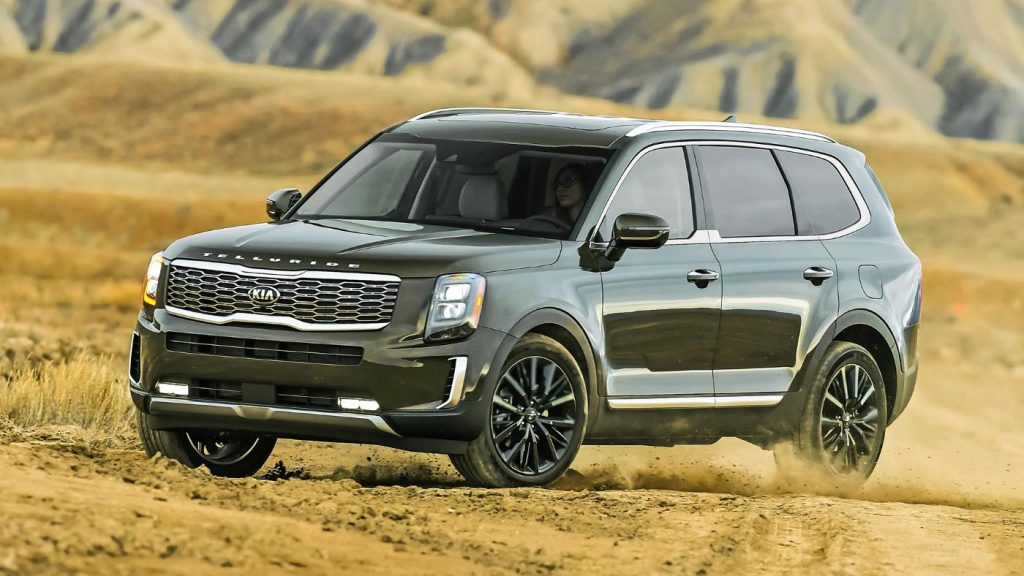
The EX trim can also be fitted with LED headlights as part of the Premium package. Finally, two new paint colors, Black Copper and Sangria, have been added to the options list for certain models.
Given the Telluride’s excellent value, even the fully loaded SX trim makes sense. This version is packed with premium features including a 12-way power driver’s seat, gloss-black 20-inch wheels, blind-spot monitoring, a Harman/Kardon sound system, dual sunroofs, and second-row captain’s chairs.
Buyers seeking added traction can opt for all-wheel drive for $1900 more. Enhancements like the SX Prestige package, featuring a head-up display, ventilated second-row seats, nappa leather, and more, make the Telluride even more luxurious.
For those planning to tow, the tow package with a hitch and self-leveling rear suspension is a practical add-on that maximizes its 5000-pound towing capacity.
Every Telluride is powered by a naturally aspirated 3.8-liter V-6 that produces 291 horsepower and 262 lb-ft of torque.
This engine pairs with an eight-speed automatic transmission, which drives the front wheels as standard, with all-wheel drive optional across the range. In testing, the range-topping SX version reached 60 mph in 7.1 seconds.
That said, the Telluride doesn’t feel as eager at low speeds compared to some turbocharged rivals. Its suspension tuning leans firm, and on rough pavement, the ride can feel unsettled.
A self-leveling rear air suspension is available for added stability. On the plus side, the SUV delivers strong braking performance and steering that feels precise and well-weighted.
With 8.0 inches of ground clearance, the Telluride can handle light off-road excursions and is fully capable of towing up to 5000 pounds when properly equipped.
10. Honda Passport
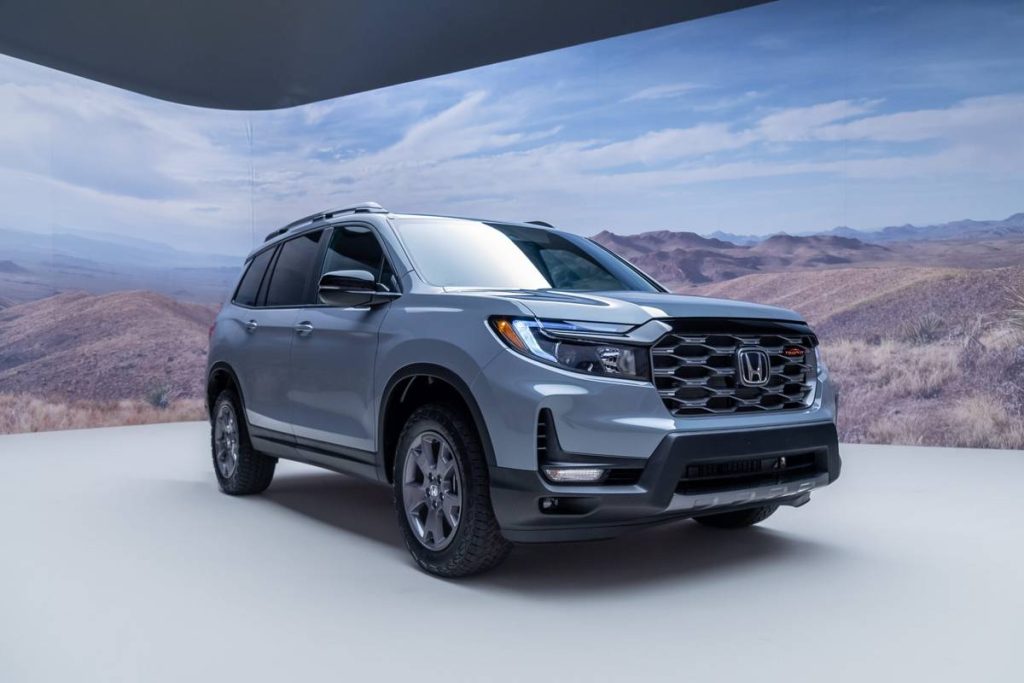
Built on the same platform as the Honda Pilot but without the third row, the Passport is rugged, simple, and highly dependable. Its naturally aspirated V6 is a proven workhorse, and U.S. owners value its combination of utility and low maintenance needs.
For drivers who want a no-fuss crossover with Honda dependability, the Passport is an underrated choice.
11. Toyota Venza (Hybrid Models)
The Toyota Venza, especially the latest hybrid generation, is a standout for U.S. drivers looking for both reliability and efficiency.
Its hybrid system is borrowed from the Toyota RAV4 Hybrid, which has an excellent track record for long-term dependability. Owners consistently report smooth operation and minimal repairs even as mileage piles up.
The 2021 Toyota Venza finds its place in the lineup between the compact RAV4 and the larger, mid-size Highlander. This model is built on the foundation of the Harrier SUV, a vehicle Toyota markets overseas and one that many had long considered well-suited for the North American market.
Toyota clearly shared that opinion, bringing the Venza here. Unlike the Harrier, which is available abroad with both traditional gasoline and hybrid powertrains, the U.S. version of the Venza is sold solely as a hybrid.
Designed as a two-row crossover, it distinguishes itself with a sleeker, more refined design compared to Toyota’s boxier offerings. However, it enters a highly competitive segment, facing rivals such as the Hyundai Santa Fe, Jeep Grand Cherokee, and Nissan Murano.
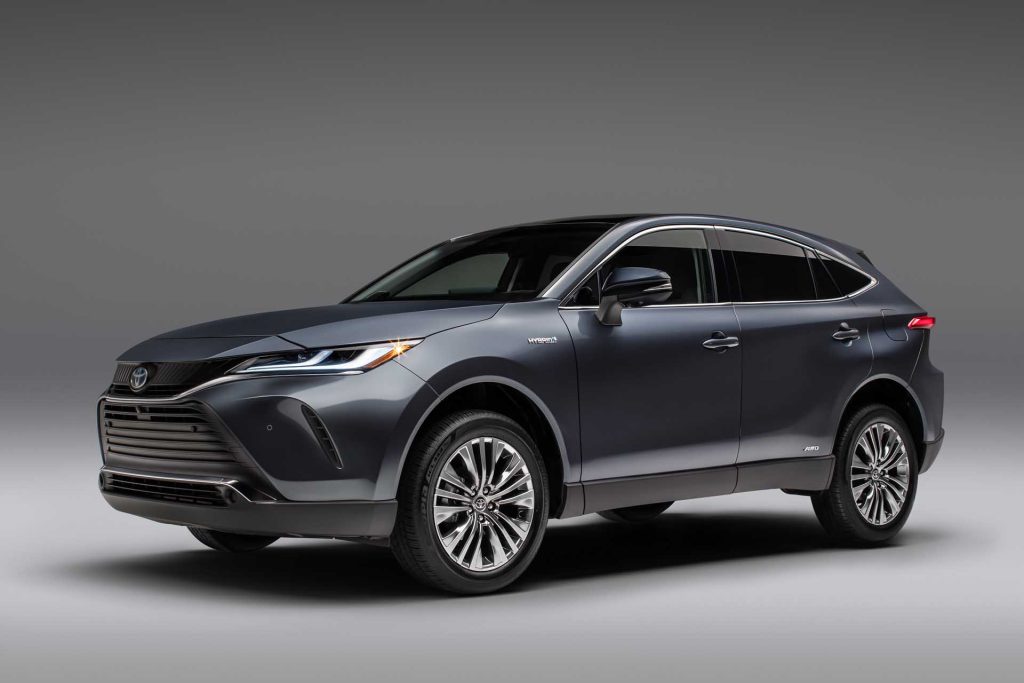
Although the Venza is a fresh addition to Toyota’s 2021 SUV portfolio, it actually revives a nameplate that was discontinued after the 2015 model year.
Among these choices, the XLE trim delivers the strongest value, offering standard features such as front and rear parking sensors, passive keyless entry, and 19-inch aluminum wheels. Importantly, all trims come with all-wheel drive, meaning buyers don’t have to pay extra for that capability.
Use our updated comparison tool to directly evaluate the 2021 Toyota Venza against other vehicles you may be considering, with side-by-side specifications and details.
Every Venza comes equipped with a hybrid system consisting of a 2.5-liter four-cylinder gasoline engine paired with three electric motors. Together, this setup produces 219 horsepower.
Standard all-wheel drive is included, with one motor powering the rear wheels and the gas engine alongside the other two motors driving the front wheels.
On the road, however, the Venza’s performance leaves something to be desired. In testing, its ride quality did not feel as smooth or composed as expected.
Its acceleration was also lackluster, with a 0–60 mph time of 7.6 seconds, around 1.5 seconds slower than the Honda Passport’s performance at the track.
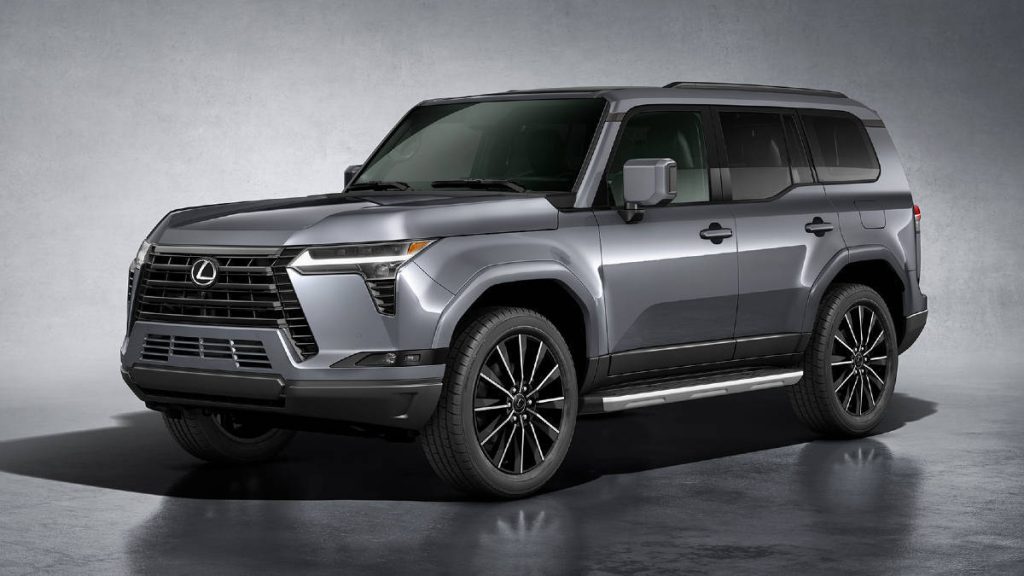
12. Lexus GX (Technically a Crossover-SUV Blend)
Though body-on-frame, the Lexus GX is often cross-shopped with midsize crossovers, and it’s one of the toughest luxury family haulers you can buy.
Built on Toyota’s Land Cruiser Prado platform, it’s massively overbuilt for U.S. road use. Many GX models easily hit 300,000 miles without breakdowns, making it a unicorn in the luxury segment.
Not all crossovers are created equal. While some are plagued with reliability complaints, the 12 models above consistently prove themselves in real-world American ownership.
Whether you’re after a compact commuter like the Honda CR-V, a family-friendly three-row like the Toyota Highlander, or a luxury crossover like the Lexus RX, these vehicles provide peace of mind and long-term dependability.
In a crowded U.S. market, where reliability can make or break a vehicle’s reputation, these crossovers stand apart as machines that simply don’t quit.
