
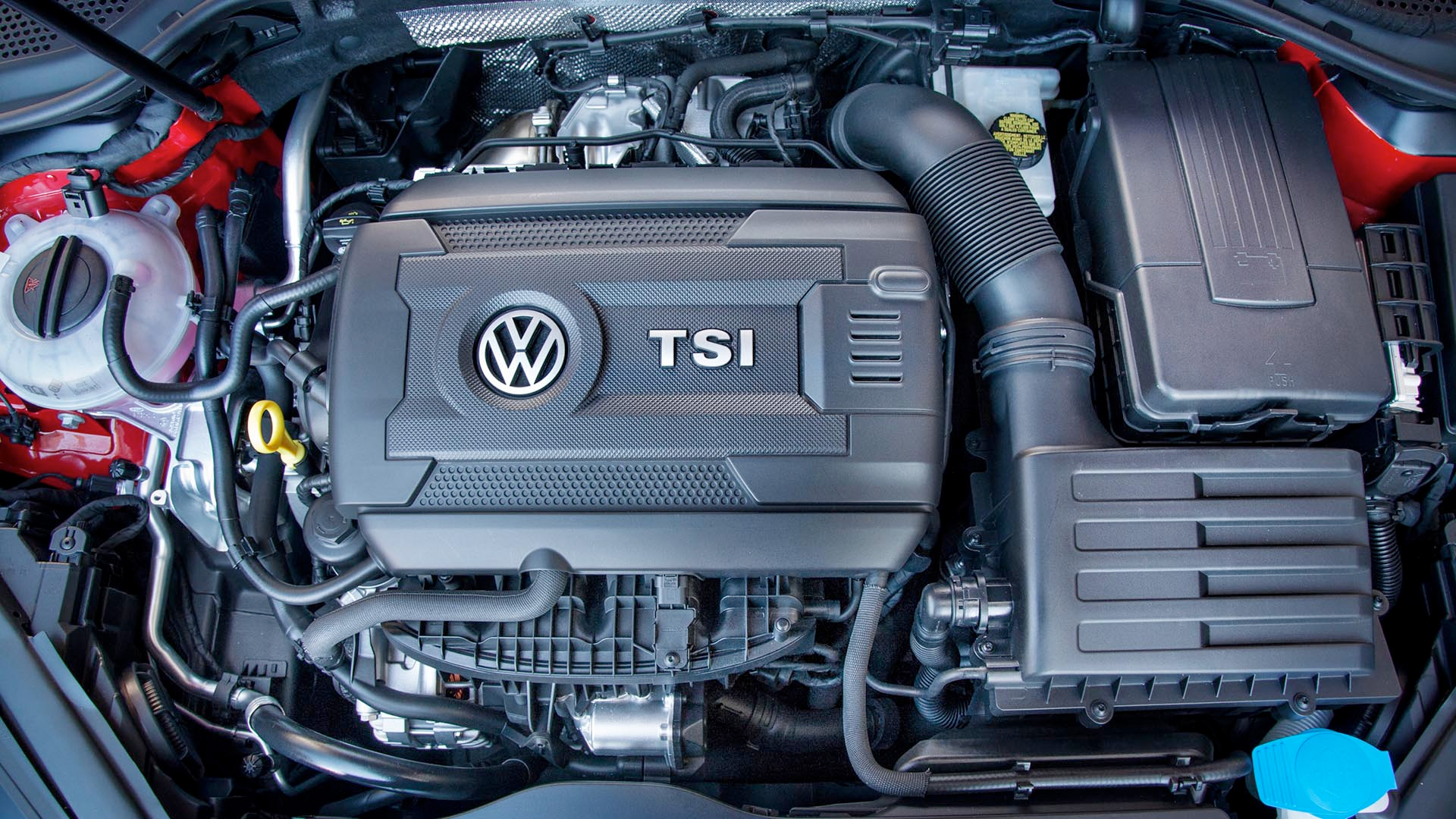
Four-cylinder engines have long been the workhorses of the U.S. market. From compact cars to midsize sedans and even some SUVs, they balance efficiency, affordability, and practicality.
But not all four-cylinders are created equal. Some have proven themselves nearly indestructible, racking up hundreds of thousands of miles with little more than routine oil changes.
Others, however, develop issues far earlier than expected, leaving owners with costly repairs or premature replacements.
If you’re shopping for a used vehicle or simply curious about which four-cylinders stand the test of time, here’s a breakdown of five that feel bulletproof, and five that tend to fall apart before they should.
5 Four-Cylinders That Feel Indestructible
When it comes to everyday driving in the U.S., four-cylinder engines are the workhorses of the road. They power everything from compact sedans and crossovers to midsize cars and even some light-duty trucks.
While not built for raw muscle like a V8, the best four-cylinders deliver something far more valuable for the average driver: reliability and longevity.
Over the decades, certain four-cylinder engines have earned a reputation for being nearly bulletproof, capable of racking up hundreds of thousands of miles with minimal issues.
These aren’t just engines that get you from point A to point B, they’re the kind that can keep going strong long after other powerplants have given up.
In this article, we’ll look at five four-cylinders that feel indestructible, engines that owners and mechanics alike trust to stand the test of time.
Also Read: 10 Toyota Corolla Years That Still Feel Bulletproof
1. Toyota 2.4L 2AZ-FE
Found in the Toyota Camry, RAV4, and Scion tC, the 2.4L 2AZ-FE is a true workhorse. While not flashy, it’s famous for running well past 250,000 miles with minimal issues.
Timing chains, robust internals, and Toyota’s conservative engineering keep it alive in U.S. driveways long after rivals have been scrapped.
Toyota revealed the 2AZ-FE engine in 2000 as a modern replacement for the outdated 2.2-liter 5S-FE, which had been on the market since 1980.
This new 2.4-liter inline-four belonged to the AZ engine family and closely resembled the 2.0L 1AZ, though it offered a larger displacement of 2,362cc.
While the engine was primarily engineered for efficiency and affordability, Toyota never intended the 2AZ-FE to rival the legendary 2JZ. Still, it carried respectable performance potential while remaining compact and lightweight.
The 2AZ-FE remained in production for twelve years, until 2012, undergoing only minor adjustments during its run.
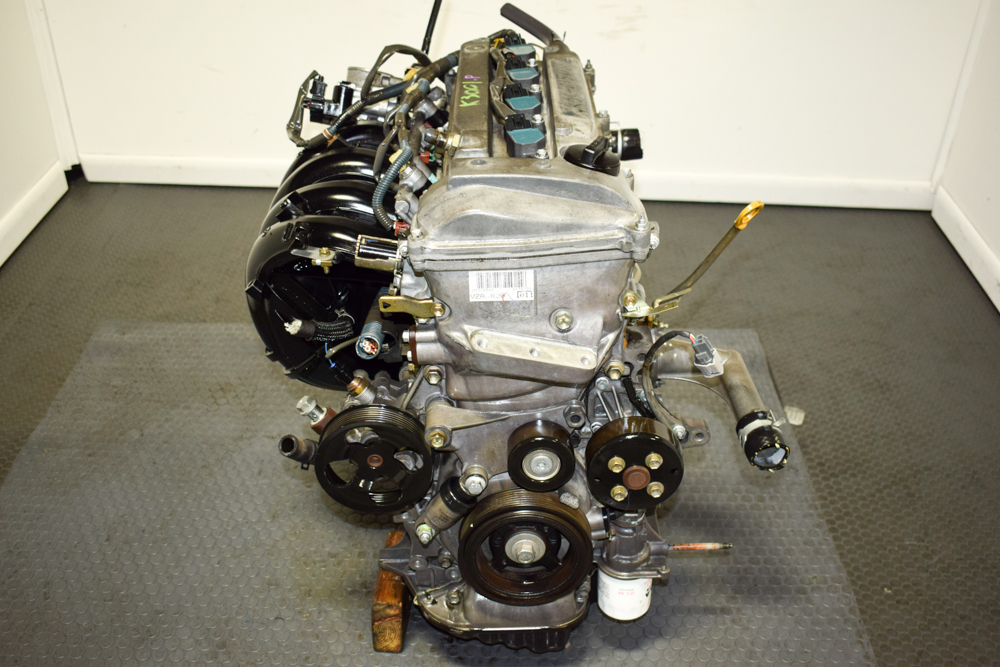
Its combination of light weight, efficiency, and affordability made it a perfect match for smaller cars and crossovers within the Toyota and Scion lineup.
toyota engine bay shot photo
Even with all its strengths, some 2AZ-FE engines came with inherent flaws, which we’ll take a closer look at throughout this guide.
Despite these shortcomings, Toyota installed the 2AZ-FE in more than 3.5 million Camrys alone, in addition to many other Toyota and Scion models over the years.
By 2008, after producing millions of units, Toyota rolled out the 2.5-liter 2AR-FE, a more fuel-efficient successor to the 2AZ-FE.
2. Honda K24
The K24 is one of Honda’s most celebrated engines, used in the Accord, CR-V, and even the sporty Acura TSX. Known for its smooth power delivery and bulletproof reliability, it’s a favorite among both commuters and tuners.
Many U.S. owners proudly boast of crossing the 300,000-mile mark with nothing more than regular oil and fluid changes.
Honda often finds itself on the receiving end of jokes in the drift community, frequently labeled as the “ricer” brand. Still, it’s impossible to deny the company’s remarkable influence on the automotive world.
After all, this is the brand that gave us the legendary NSX and the beloved S2000!
When you set aside the badge stigma, most drifting enthusiasts who know their stuff will admit that Honda’s K-series engines are far more capable than they get credit for.
And for anyone still scoffing about front-wheel-drive “rice boxes,” we suggest checking out our earlier guide covering the K24’s smaller sibling, the Honda K20.
Over the years, Honda’s K24 lineup has produced several standout engines, with far more updates and variations than many enthusiasts realize.
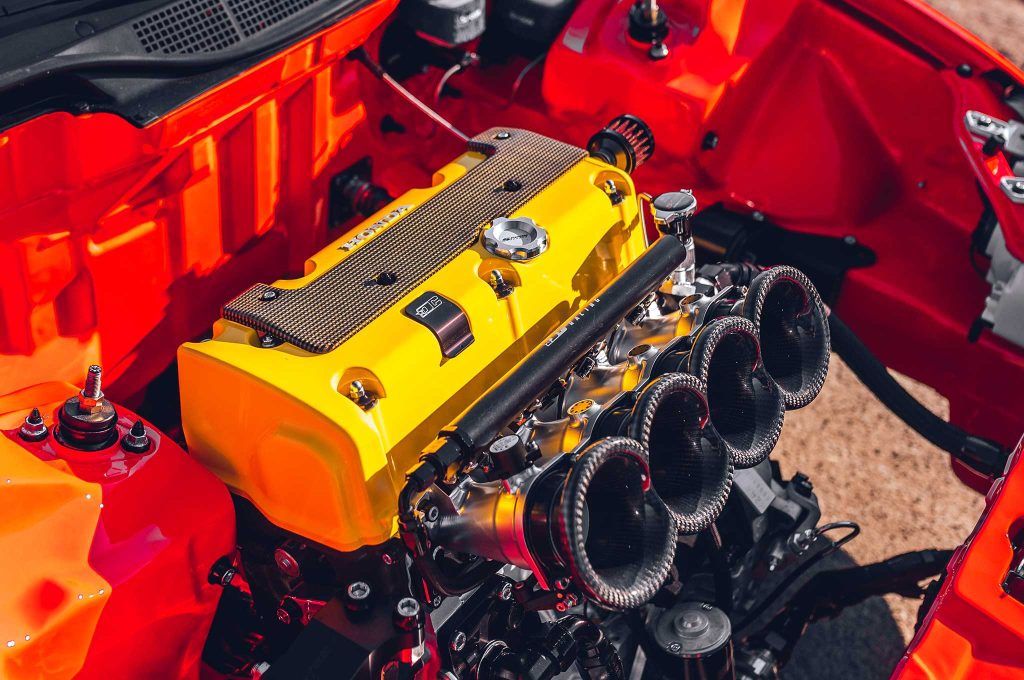
Visually and mechanically, the K24 shares a lot with its predecessor, the 2.0-liter K20. The biggest difference lies in displacement, 2.4 liters versus 2.0, which results in greater torque output.
The K24 made its first appearance in 2001, powering the Honda CR-V with the debut of the original K24A1.
During its production run, Honda continually refined the design, adding features like friction-reducing technology and electronically controlled ignition timing.
The final iterations came in the form of the K24W7 and K24V7 “Earth Dreams” engines, which remained in production until 2022. However, these later models leaned heavily toward efficiency and emissions compliance, leaving performance enthusiasts less impressed.
As is often the case with modern engines, the shift toward fuel economy and cleaner operation overshadowed the raw performance focus of earlier designs.
That’s why tuners and enthusiasts still favor the earlier versions, which remain the go-to choice for extracting serious tuning potential.
3. Toyota 1.8L 1ZZ/2ZR-FE
The 1.8L engine used in the Toyota Corolla (and also in the Matrix and Prius in different forms) has built its reputation on sheer dependability.
These engines are known to outlast the cars themselves, often surviving neglect and still running. For Americans who just need a car that will always start, this four-cylinder is nearly unkillable.
The 2ZR-FE engine occupies a middle position within Toyota’s ZR family, sitting between the smaller 1ZR and larger 3ZR powerplants. This 1.8-liter inline-four gasoline engine was introduced in 2007 as a successor and alternative to the well-known 1ZZ-FE.
Toyota developed several versions of the 2ZR to suit different models, ranging from the standard Toyota Corolla to the hybrid Toyota Prius, and to meet the needs of various global markets, including Europe, Japan, and North America.
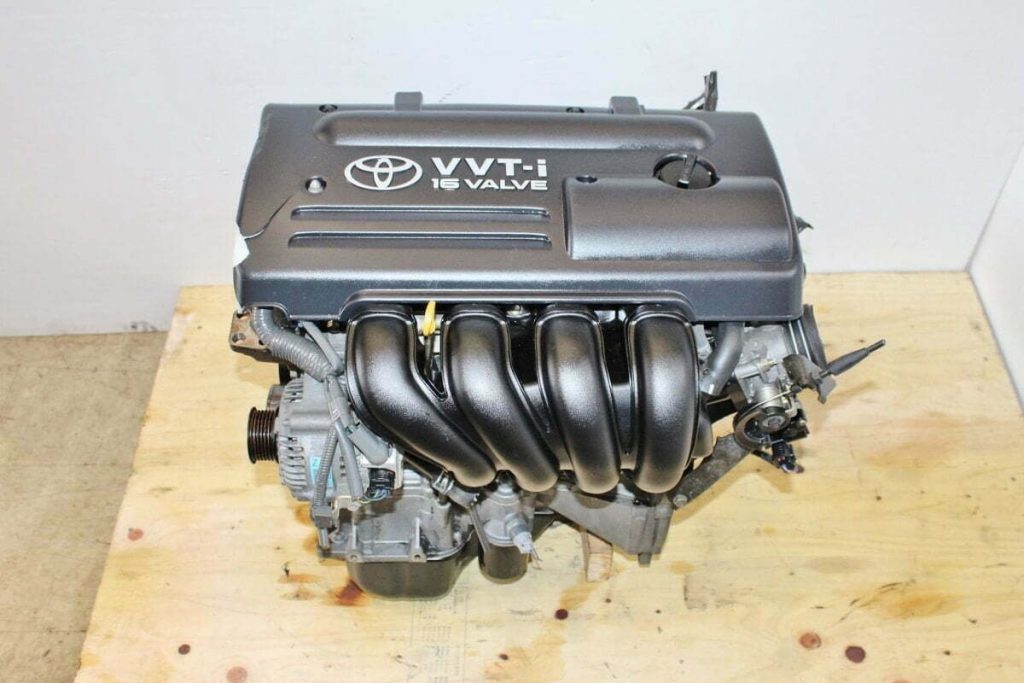
At its core, the 2ZR-FE features an aluminum cylinder block reinforced with spiny-type cast iron liners, steel connecting rods, and lightweight pistons with resin-coated skirts.
To aid durability and cooling, engine oil is sprayed onto the piston undersides via oil jets integrated into the block. Sitting above the block is an aluminum 16-valve cylinder head, sealed with a triple-layer metal gasket.
The valvetrain employs dual overhead camshafts and a timing chain, with valves actuated through roller rocker arms. Hydraulic lash adjusters ensure zero valve clearance at all times.
The intake valves measure 31.9 mm in diameter, while the exhaust valves measure 27.4 mm. Toyota also equipped this engine with its Dual VVT-i system, which adjusts both intake and exhaust camshaft timing.
In terms of camshaft specs, the intake offers 246 degrees of duration with 9.9 mm of lift, while the exhaust provides 234 degrees of duration with 9.7 mm of lift.
On the intake side, the 2ZR-FE comes with a plastic intake manifold paired with an electronically controlled throttle body supported by Toyota’s ETCS-i (Electronic Throttle Control System – intelligent).
Valvematic continuously adjusts intake valve lift, further optimizing combustion and efficiency. Combined with Dual VVT-i, the 2ZR-FAE delivers 5–10% better fuel economy compared to the original 2ZR-FE, all while producing slightly higher power output, making it a more advanced and desirable option in the lineup.
4. Ford 2.3L Duratec (Non-Turbo)
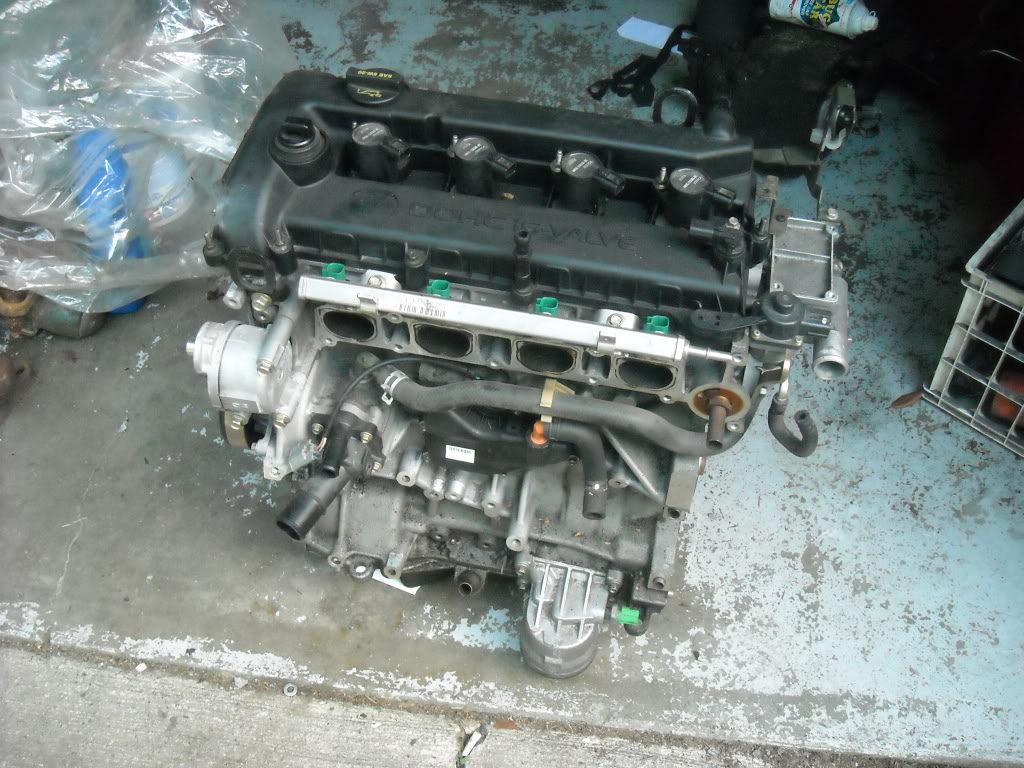
Used in vehicles like the Ford Ranger, Focus, and Fusion, the naturally aspirated 2.3L Duratec is surprisingly resilient.
While Ford’s EcoBoost engines get all the attention, this older four-cylinder is simple, rugged, and capable of big mileage. Many fleet operators in the U.S. relied on it because it was cheap to run and rarely left drivers stranded.
5. Mazda 2.5L SkyActiv-G
Mazda’s 2.5L SkyActiv-G, found in the Mazda6, CX-5, and Mazda3, blends modern efficiency with impressive durability. Unlike some newer direct-injection engines, the SkyActiv-G hasn’t shown the carbon buildup or reliability issues that plague competitors.
U.S. owners often hit 200,000 miles with no major failures, making it a modern four-cylinder that feels indestructible.
The 2.5 SkyActiv-G engine (designated PY-VPR and PY-VPS) is a 2.5-liter gasoline powerplant that first appeared in 2012, making its debut in the Mazda KE CX-5 and the GJ Mazda6. While it shares the same engineering principles and technologies as the smaller 2.0 SkyActiv-G, the 2.5-liter version is more than just a larger displacement option, it also incorporates several unique design features.
Developed as the successor to the L5-VE engine, the SkyActiv 2.5 continues Mazda’s use of lightweight yet durable construction. It features an aluminum alloy cylinder block with 4340 steel-molybdenum alloy bores for added strength.
To improve smoothness, Mazda equipped this engine with a balancer unit consisting of two crankshaft gear-driven shafts that rotate at twice the crankshaft’s speed.
Its displacement of 2488 cc is achieved through a larger bore and stroke. Internal components were also redesigned to be both stronger and lighter, including a forged steel crankshaft, forged connecting rods, and aluminum pistons. These upgrades helped reduce bottom-end friction by 30 percent compared to its predecessor.
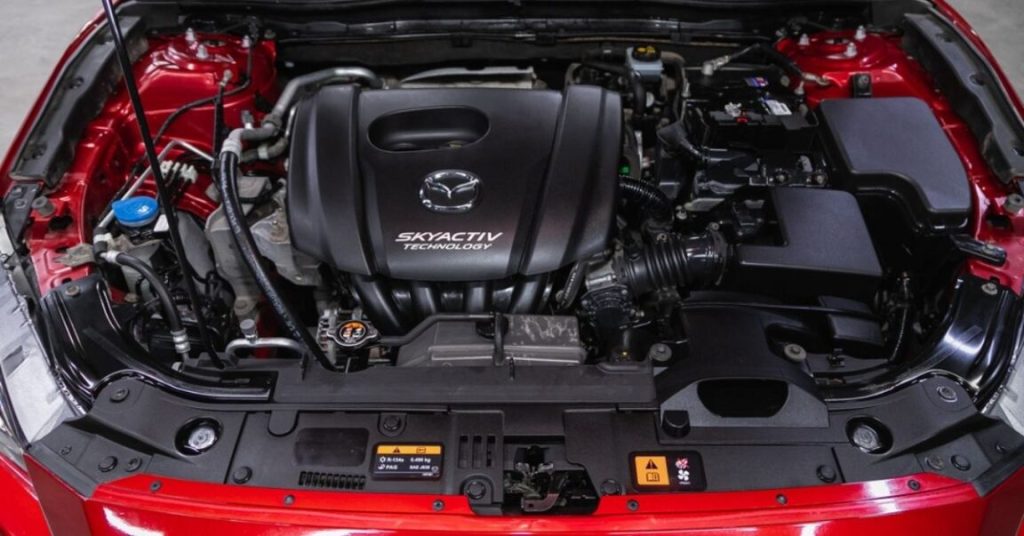
The aluminum-silicon cylinder head is similar to that of the 2.0 SkyActiv-G, featuring dual overhead camshafts, four valves per cylinder, and rocker arms with needle roller followers for reduced resistance.
For efficiency and performance, the 2.5 SkyActiv-G employs Mazda’s Dual Sequential Valve Timing (Dual S-VT) system. The fuel system was also modernized with direct injection, delivering fuel straight into the combustion chamber.
This setup includes a high-capacity high-pressure fuel pump and six-hole injector nozzles, designed to create a more precise and efficient air-fuel mixture.
Also Read: 10 Trucks That Bring the Best Trade-In Value in 2025
5 Four-Cylinders That Fall Apart Early
Not every four-cylinder has earned a reputation for lasting forever. While many are celebrated for their toughness, others have frustrated owners with costly repairs, premature failures, and weak designs that simply don’t hold up under real-world use.
These engines often look good on paper, promising strong performance or impressive efficiency, but in practice, they end up draining wallets with blown head gaskets, oil consumption issues, or timing failures well before they should.
For buyers who thought they were getting a dependable daily driver, these engines became more of a headache than a helper.
In this section, we’ll take a closer look at five four-cylinder engines that fall apart early, highlighting the weak links you’ll want to avoid if long-term reliability is a priority.
1. Volkswagen/Audi 2.0T (EA888 Gen 2)
This turbocharged engine powers many VW and Audi models from the late 2000s to early 2010s. While fun to drive, it suffers from oil consumption, timing chain tensioner failures, and carbon buildup.
U.S. owners frequently face expensive repairs before 100,000 miles, making it one of the most problematic four-cylinders of its era.
The VW 2.0 TSI/TFSI EA888 is a turbocharged 2.0-liter four-cylinder gasoline engine derived from the 1.8 TSI/TFSI within the same EA888 family. Production began in March 2008, replacing the earlier 2.0 TSI engines of the EA113 series. Much like the 1.8 TSI, this engine underwent several refinements over its production life, ultimately spanning three generations.
The first-generation 2.0 TSI EA888, often identified by engine codes such as CAWA, CAWB, CBFA, CCTA, and CCTB, shares much of its architecture with the 1.8 TSI. It uses a cast-iron cylinder block with 88 mm (3.46 in) bore spacing and a block height of 220 mm.
The increase in displacement to 2.0 liters was achieved through a forged steel crankshaft with a 92.8 mm (3.65 in) stroke, while the bore size remained unchanged.
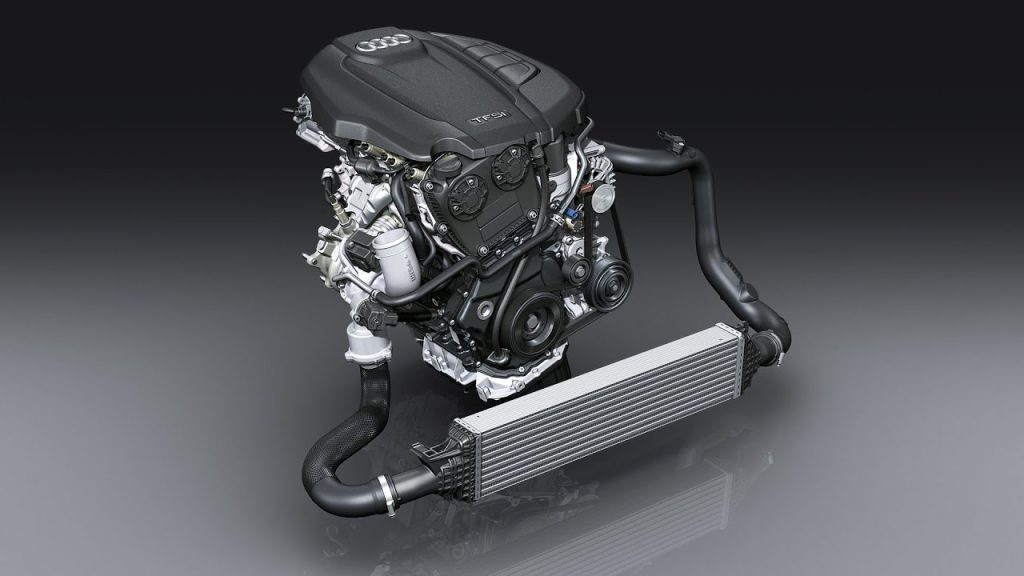
This setup includes short 144 mm connecting rods and uniquely designed pistons, which together provide a compression ratio of 9.6:1. To reduce vibration, the block incorporates two chain-driven, counter-rotating balance shafts.
Atop the block sits an aluminum 16-valve cylinder head, similar in design to that of the 1.8 TSI. Each cylinder features two intake valves (34.0 mm) and two exhaust valves (28.0 mm), both with 6 mm stems.
The valvetrain employs low-friction roller finger cam followers along with hydraulic tappets to maintain valve clearance automatically. The dual overhead camshafts are chain-driven, with the intake camshaft equipped with a variable valve timing system.
Fuel delivery is handled by a direct-injection setup with homogeneous mixing. A low-pressure pump in the fuel tank feeds the high-pressure fuel pump, which can generate up to 190 bar (2,760 psi) for the six-hole injectors.
This high-pressure pump is driven by a four-lobe cam on the exhaust camshaft. Ignition duties are managed electronically, using long-life spark plugs and four individual coil packs.
Boost comes from a KKK K03 turbocharger, which provides up to 0.6 bar (8.7 psi) of pressure. This water-cooled turbocharger is integrated with a cast-iron exhaust manifold.
On the intake side, compressed air is directed through a plastic variable-geometry intake manifold for optimized airflow. The Bosch Motronic MED 17.5 ECU oversees engine management, ensuring smooth operation.
In terms of emissions, the Gen 1 2.0 TSI meets different standards depending on configuration. Engines with codes CAWB and CAWA comply with Euro 4 regulations, while CCTA and CCTB versions meet ULEV 2 standards. The CCTA variant, equipped with three lambda sensors, even meets California’s stricter SULEV requirements.
2. Subaru 2.5L EJ25 (Head Gasket Years)
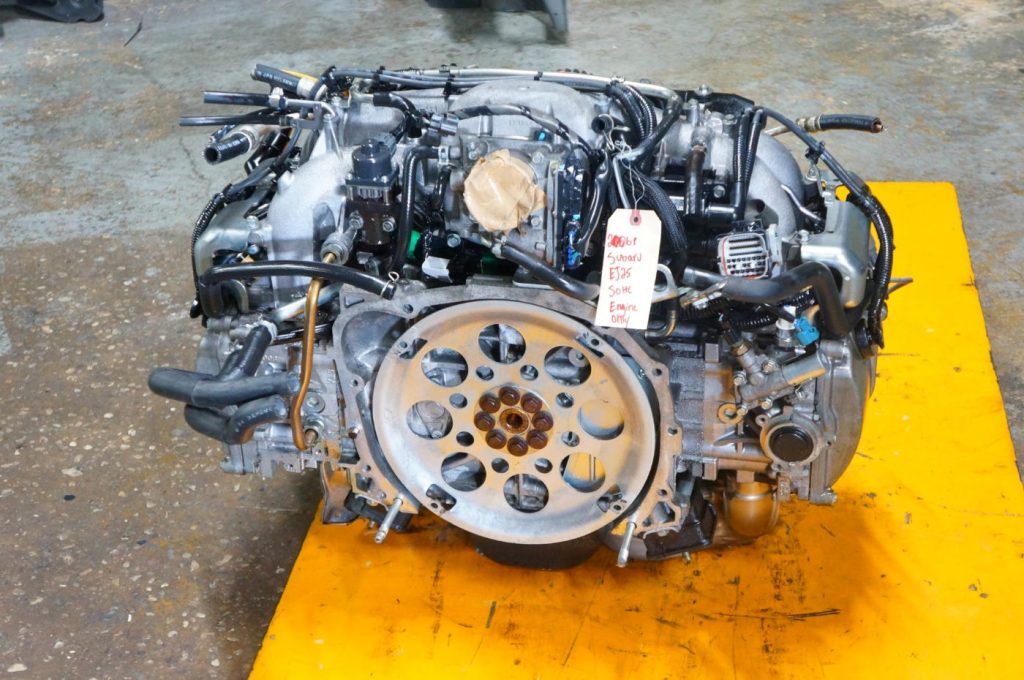
The EJ25 has a mixed reputation. While capable of big mileage when rebuilt, stock versions, especially those in early 2000s Subaru Outbacks, Legacys, and Foresters, were notorious for head gasket failures.
Many U.S. owners faced costly repairs as early as 80,000 miles, tarnishing Subaru’s otherwise solid reliability record.
3. Hyundai/Kia 2.4L GDI (Theta II)
Used in popular models like the Hyundai Sonata, Santa Fe, and Kia Optima, this engine became the center of multiple recalls and lawsuits. Problems included bearing failure, stalling, and oil starvation.
Countless U.S. owners reported engines failing well under 100,000 miles, making it one of the least durable four-cylinders of the past decade.
The engine is built with an aluminum open-deck cylinder block and an aluminum cylinder head. Its increased displacement comes from a revised crankshaft with a 97 mm stroke, compared to the 86 mm stroke in the two-liter version.
Along with this change, the cylinder bore was enlarged, requiring new pistons with an 88 mm diameter instead of the previous 86 mm design. The cylinder head is equipped with four valves per cylinder, giving a total of 16, and utilizes dual overhead camshafts (DOHC).
A timing chain connects the crankshaft to both the intake and exhaust camshafts. Early Theta engines featured continuously variable valve timing (CVVT) on the intake side only, while the later Theta II generation added CVVT to both camshafts.
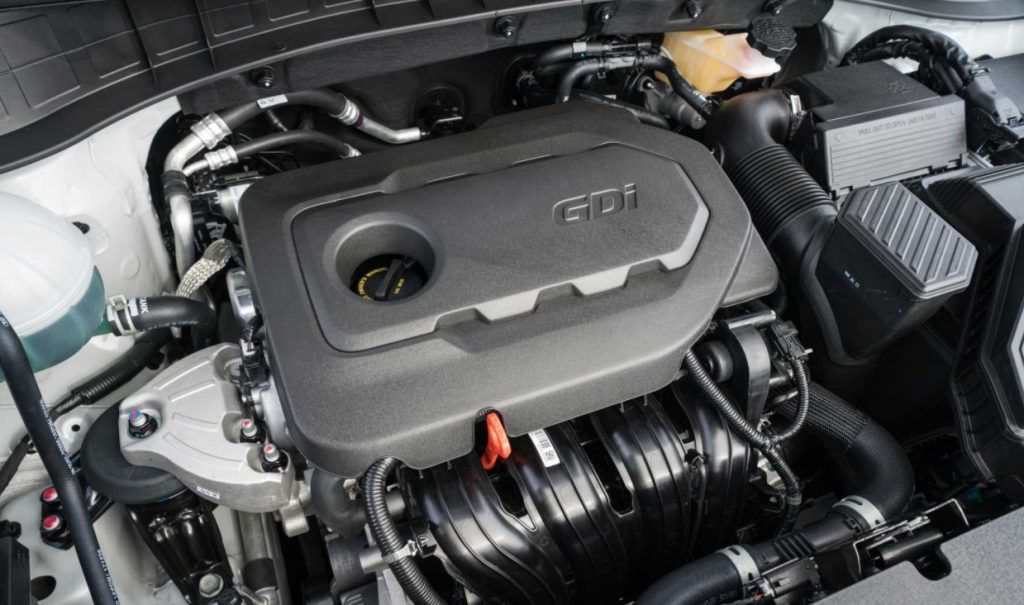
Unlike some engines that use hydraulic lifters, the 2.4-liter employs shimless bucket lifters, which means valve clearance adjustments are necessary roughly every 60,000 miles.
Fuel delivery varies depending on the version. Most Hyundai and Kia 2.4-liter engines use multi-point fuel injection (MFI/MPI). The more advanced 2.4 GDI models employ direct injection, where fuel is sprayed directly into each cylinder by precision multi-hole injectors.
These GDI engines also feature a high-pressure fuel pump mounted on top of the cylinder head, driven by a special four-lobe cam on the exhaust camshaft.
The Hyundai Theta series originated from the World Engine program, which explains why the 2.4-liter Theta shares many similarities with Mitsubishi’s 4B12 engine. Interestingly, the 4B12 was not only used by Mitsubishi but also found its way into vehicles from Peugeot and Citroën.
4. Chrysler 2.7L DOHC V6 (Honorable Mention, but Chrysler 2.4L World Engine Too)
While Chrysler’s infamous 2.7 V6 gets most of the bad press, its 2.4L four-cylinder “World Engine” wasn’t much better.
Found in vehicles like the Dodge Avenger, Jeep Compass, and Chrysler Sebring, it was plagued by oil consumption and rough operation.
Many U.S. drivers dumped their cars early because keeping these engines alive was more trouble than it was worth.
The 2.7L V6 engine, most commonly linked with Chrysler’s LH platform, debuted in the mid-1990s to meet the rising demand for engines that could deliver both efficiency and performance.
Chrysler engineered this powerplant to strike a balance between fuel economy and output, making it a versatile option across a variety of sedans and minivans produced under the Chrysler, Dodge, and Plymouth brands throughout its production years.
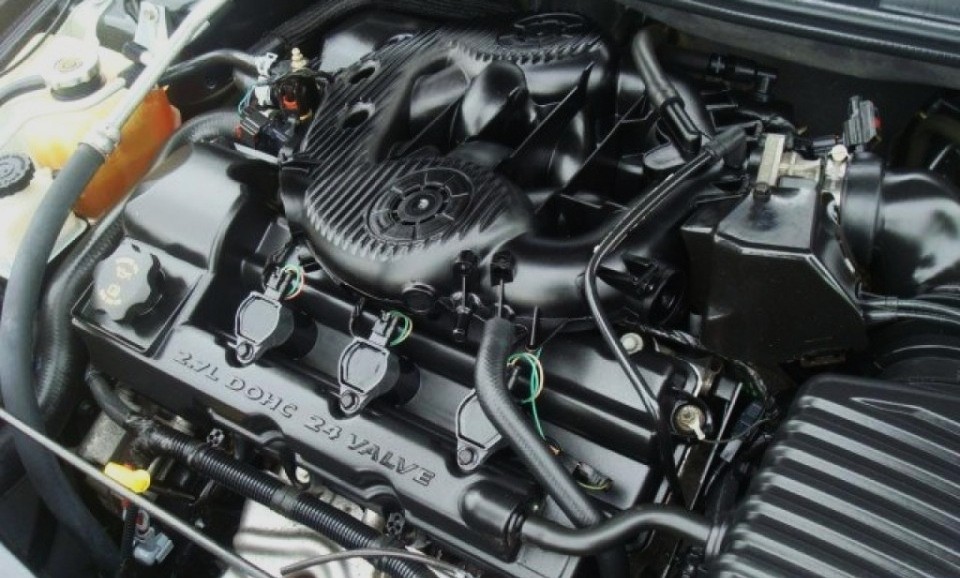
Built with an emphasis on smoothness and dependability, the 2.7L V6 featured a Dual Overhead Camshaft (DOHC) setup and lightweight aluminum construction. These design choices not only enhanced performance but also improved the engine’s weight-to-power ratio.
Capable of producing a respectable amount of horsepower, the engine was well-suited for everything from daily commuting to long highway drives.
The 2.7L V6 powered a wide range of Chrysler group vehicles during its lifespan. Some of the most notable applications included:
- Chrysler 300M – Introduced in 1998, this full-size sedan offered the 2.7L V6 as standard equipment, blending performance with a touch of luxury.
- Dodge Intrepid – Produced from 1993 to 2004, this mid-size sedan prominently featured the 2.7L, appealing to buyers who valued comfort and space.
- Plymouth Prowler – Famous for its retro-inspired design, this distinctive roadster also relied on the 2.7L V6, adding performance to its bold styling.
- Chrysler Concorde – Positioned alongside the Intrepid, the Concorde offered the 2.7L engine as an option for those wanting a roomy, comfortable sedan.
- Dodge Stratus – Available as both a compact sedan and coupe, the Stratus gained extra appeal with the more powerful 2.7L V6 option.
- Chrysler Town & Country – In the minivan category, the 2.7L provided the Town & Country with sufficient strength to handle passengers and cargo, making it a practical choice for families.
5. GM 2.4L Ecotec (Pre-2015 Versions)
The 2.4L Ecotec, used widely in Chevy Equinoxes, Malibus, and GMC Terrains, had a nasty habit of burning oil excessively. Timing chain issues also plagued the design.
Owners often complained about engines seizing or requiring major work before hitting 100,000 miles. In the U.S. used market, these cars are often avoided unless they’ve had a replacement engine.
General Motors introduced its modern Ecotec engine lineup in 2000, starting with a 2.2-liter inline-four that produced 147 horsepower.
This engine made its debut in the Opel Astra, back when Opel was still a GM subsidiary, as well as in Saturn’s L-series cars.
A few years later, GM upgraded the 2.2-liter with direct injection, but it wasn’t until 2006 that the company rolled out the larger 2.4-liter Ecotec, which powered models like the Chevrolet Cobalt and Pontiac G6.
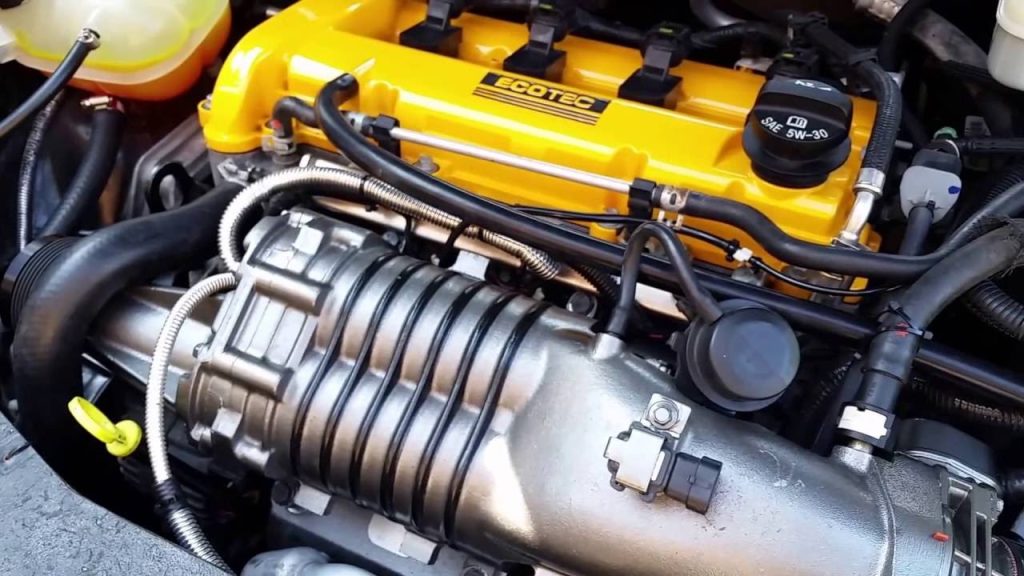
The 2.4-liter Ecotec was developed from the foundation of the 2.2-liter unit, carrying over some of its key features while adding advancements like camshaft phasers, which are central to variable valve timing. GM engineers also reinforced the engine’s construction to handle the increased displacement and output.
This engine saw its prime years between 2006 and 2013, appearing across a broad range of GM vehicles. It was offered in multiple versions, including hybrid-ready, flex-fuel capable, and direct-injection variants.
Although GM eventually transitioned to a 2.5-liter inline-four, the 2.4-liter remained in use in certain models, such as the Buick Regal, until its final phase-out in 2017.
In the U.S., four-cylinder engines power everything from entry-level sedans to family crossovers.
Some, like Toyota’s 2.4L and Honda’s K24, are practically unbreakable, proving that conservative engineering still pays off. Others, like Hyundai’s Theta II or Volkswagen’s 2.0T, show what happens when cutting-edge design outpaces long-term durability.
For buyers looking at used vehicles, knowing which engines are truly dependable can mean saving thousands in repairs. The right four-cylinder can last decades, while the wrong one can leave you stranded before 100,000 miles.
