When it comes to buying a truck, most shoppers focus on horsepower, towing capacity, or off-road toughness. But there’s another factor that deserves just as much attention: resale value.
A pickup might look like a smart buy at first, but its true worth is revealed years later when it’s time to sell or trade in. Some models manage to hold their value remarkably well, giving owners a stronger return on investment. Others, however, lose thousands of dollars almost instantly, making them a less appealing choice in the long run.
In today’s market, where trucks are not only workhorses but also lifestyle vehicles, depreciation is a key part of the ownership experience. Whether you’re shopping for a capable daily driver, a rugged off-road rig, or a full-size family hauler, knowing how different models perform in resale value can save you from unexpected financial loss.
This guide highlights five trucks that consistently retain strong resale value, backed by brand reputation, reliability, and buyer demand, alongside five that struggle to hold their worth, often due to aging designs, oversupply, or weaker brand presence. By comparing these two groups, you’ll gain a clearer picture of which trucks protect your money and which ones might cost you more than expected.
5 Trucks That Keep Their Resale Value
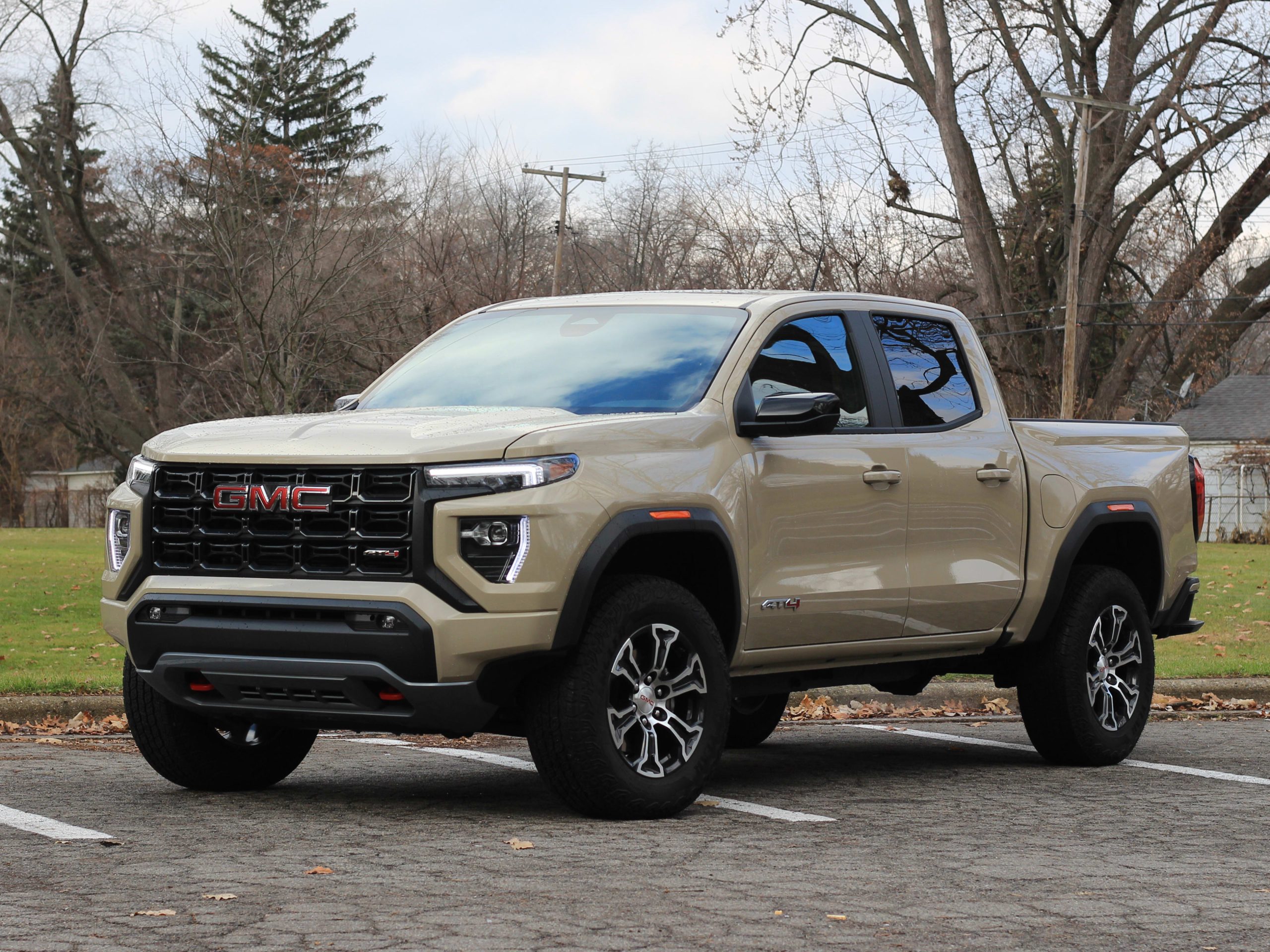
1. GMC Canyon: A Capable Yet Premium-Priced Midsize Truck
The GMC Canyon shows an average depreciation of 38.1%, which is moderate for its segment. With a base MSRP of $22,200, the average resale value sits around $23,794, translating to an average loss of about $14,644.
While not immune to depreciation, the Canyon holds its value slightly better than its corporate cousin, the Chevrolet Colorado. The key reasons include its distinct styling, premium positioning, and strong brand identity.
At its core, the Canyon is a rebadged Colorado, sharing the same powertrains and trims. However, GMC distinguishes itself with unique exterior and interior design touches and a broader appeal toward buyers seeking a more premium feel. Unlike the Colorado, the Canyon did not have a direct competitor to Chevy’s ZR2 Bison variant, but it offered trims such as the AT4 and AT4X, tailored for off-road enthusiasts.
The Canyon’s design integrates ruggedness with refinement. Its lifted suspension, knobby tires, and available four-wheel drive make it trail-ready right from the base, while the AT4 trim builds upon that capability with features like skid plates, beadlock tires, and a two-speed transfer case.
Pricing, however, is noticeably higher about 20% more than the Colorado with top trims like the Denali reaching beyond $50,000, edging into full-size pickup territory.
On the road, the Canyon is one of the better-handling midsize pickups. Its turbocharged four-cylinder engine offers robust acceleration, though performance varies by trim.
The AT4X’s heavier suspension and wheels reduce acceleration, clocking a 0–60 mph time of 8.2 seconds, whereas lighter trims achieve closer to six seconds. Steering is well-weighted and confidence-inspiring on highways. Off-road, trims like the AT4X perform impressively on rocky trails and rough terrain, giving buyers a truck that feels ready for adventure.
The Canyon strikes a solid balance between firmness and comfort. Its suspension absorbs bumps smoothly, and AT4X models, despite their rugged hardware, ride even more composed on both city streets and highways. Seats, however, are a weak point flat cushions and limited thigh support make them less comfortable than those of rivals.
Climate control stands out as a strength, with efficient air conditioning, effective heated seats, and simple physical knobs and buttons for adjustments. Rear passengers also benefit from dedicated vents, while cabin noise remains low, which makes long drives more pleasant.
Inside, the Canyon mirrors the Colorado’s functional layout, with clear controls and plenty of physical buttons. Oddly, some basics like light controls are touchscreen-based, which may frustrate traditionalists. Passenger space is decent, though entry and exit can be tricky due to its height and the lack of a driver-side grab handle.
Technology is a highlight. Standard Apple CarPlay and Android Auto work wirelessly, complemented by wireless charging. GMC’s Google-based infotainment system syncs seamlessly with contacts, maps, and calendars, and responds well to voice commands. Advanced driver aids include adaptive cruise control, lane-keeping assist, blind-spot monitoring, and even an underbody camera for off-road use.
The Canyon is available exclusively as a crew cab with a 5-foot bed. While tall bed sides can make loading from the side difficult, capacity is impressive. Payload tops out at 1,700 pounds, and maximum towing reaches 7,700 pounds, both among the best in its class.
Interior storage, however, lags behind rivals like the Toyota Tacoma and Ford Ranger. Limited bins and pockets reduce practicality, though the small under-seat storage compartment adds some utility. Fuel economy ranges from 16 to 20 mpg combined, with more off-road-capable trims sacrificing efficiency for performance.
GMC markets the Canyon as a premium midsize pickup, justifying its higher price tag compared to direct competitors. While fit and finish are solid, the interior doesn’t quite outshine rivals in luxury. Buyers may be paying extra for the GMC badge and off-road enhancements rather than true premium refinement.
Warranty coverage includes a three-year/36,000-mile basic warranty, a five-year/60,000-mile powertrain warranty, five years of roadside assistance, and one year of free maintenance. These benefits enhance long-term ownership confidence.
2. Jeep Gladiator: A Lifestyle Truck With Unique Appeal
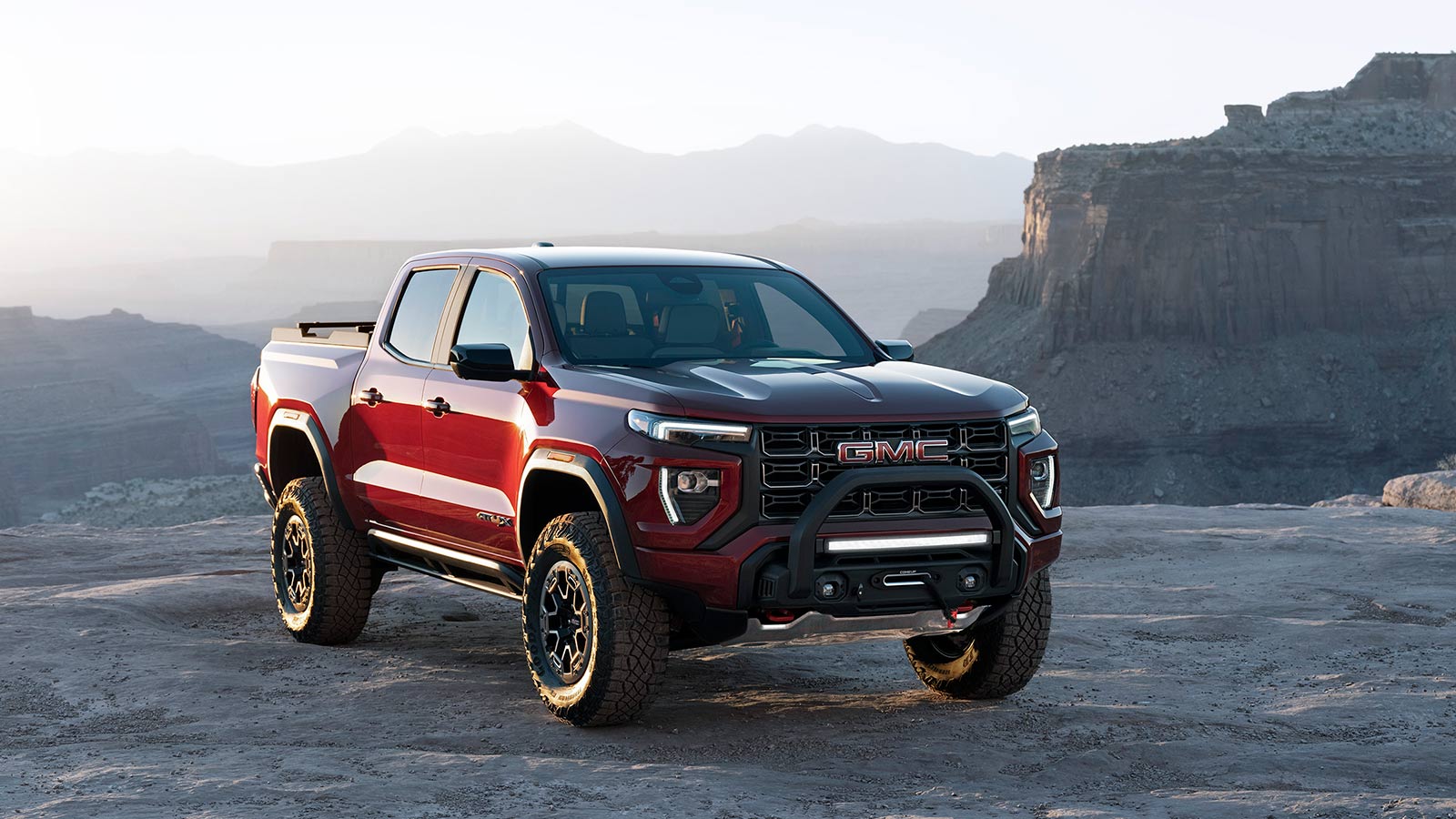
The Jeep Gladiator shows an average depreciation of 35.6%, which is slightly better than most midsize trucks. With a base MSRP of $33,545, the average resale value sits around $24,525, equating to a loss of about $13,558. Its stronger value retention is largely tied to brand loyalty and its niche role as the only pickup truck that offers the Wrangler’s spirit in a bed-equipped form.
Introduced in 2020, the Gladiator carved out a new lane for Jeep enthusiasts. Like the Wrangler, it features removable doors and roof panels, letting owners experience open-air driving while retaining the practicality of a truck.
Jeep positions it less as a traditional workhorse and more as a lifestyle choice, and that positioning has helped it attract a faithful following. Buyers drawn to its character and off-road prowess are often less concerned with towing capacity or daily refinement.
The Gladiator is less about specs and more about individuality. Compared to rivals, it may fall short in traditional metrics such as payload and handling, but nothing else combines Wrangler DNA with truck utility in quite the same way.
On-road performance is serviceable but not standout. The Rubicon model recorded a 0–60 mph time of 8.5 seconds, which is slower than most midsize competitors. That said, the V6 engine provides steady acceleration, and the automatic transmission delivers prompt shifts. For everyday driving, the Gladiator feels capable enough, though crosswinds and road ruts reveal its off-road bias.
Where the Gladiator shines is off pavement. The Rubicon trim has the clearance and traction to handle demanding trails with confidence, while the Mojave trim is tuned for desert running. The long wheelbase makes it slightly less agile than a Wrangler, but capability remains high.
Despite its rugged underpinnings, the Gladiator offers more comfort than expected. The seats are firm yet supportive, and long drives don’t leave passengers fatigued. Space is decent in both rows, with headroom being particularly generous. Still, some compromises come with the design.
Legroom is average, and the cabin is noisy due to its removable bodywork. Large tires also mean stepping into the truck requires effort, and rear-seat access can be awkward because of small door openings and protruding latches.
The Gladiator’s interior is functional, with plenty of physical switchgear that feels appropriate for an off-road truck. However, storage is limited, with a small glovebox, compact center console, and basic net-style door pockets.
On the tech side, the 12.3-inch touchscreen stands out for its clarity and intuitive Uconnect 5 system. Wireless Apple CarPlay and Android Auto come standard, and multiple USB ports provide charging flexibility. Unfortunately, the system’s response time lags at startup, and features like wireless charging or phone-as-key aren’t available, showing its age compared to newer rivals.
The Gladiator has a thoughtfully designed truck bed with low sides and a power-locking tailgate. Towing capacity depends on configuration: some versions rival class leaders, with the Rubicon offering strong ratings for an off-road-focused model.
The Sport trim, when paired with the 4.10 axle ratio, delivers the best payload capacity, while other trims manage closer to 1,000 pounds. Though respectable, this trails competitors like the Ranger Raptor and Tacoma TRD Pro.
Inside, clever storage solutions such as a split-fold rear seat and lockable bins add flexibility, though rivals still offer more in-cabin space.
Fuel efficiency is modest. Every V6-powered Gladiator is rated at 19 mpg combined (17 city/22 highway). Real-world results often dip lower; testing revealed around 15 mpg during mixed driving. This figure is comparable to off-road-oriented competitors but underscores the truck’s thirst relative to its modest performance numbers.
The Gladiator is not a budget-friendly midsize truck. Prices climb steeply with higher trims, with top versions reaching nearly $70,000, yet many features focus on off-road upgrades rather than luxury. Traditional truck buyers may see it as sparsely equipped, while Jeep enthusiasts value its personality and off-road readiness above all else.
Warranty coverage includes a three-year/36,000-mile basic warranty and a five-year/60,000-mile powertrain warranty, standard for the segment.
Few trucks possess as much character as the Gladiator. Its Wrangler-inspired looks, removable body panels, and undeniable charm give it a unique place in the market. Yes, it’s expensive, noisy, and less refined than rivals, but the Gladiator’s personality makes buyers overlook many of its flaws. For those who want a truck that doubles as an adventure toy, the Gladiator offers something unmatched by any other midsize pickup.
3. Ford Ranger: A Strong Blend of Power and Refinement
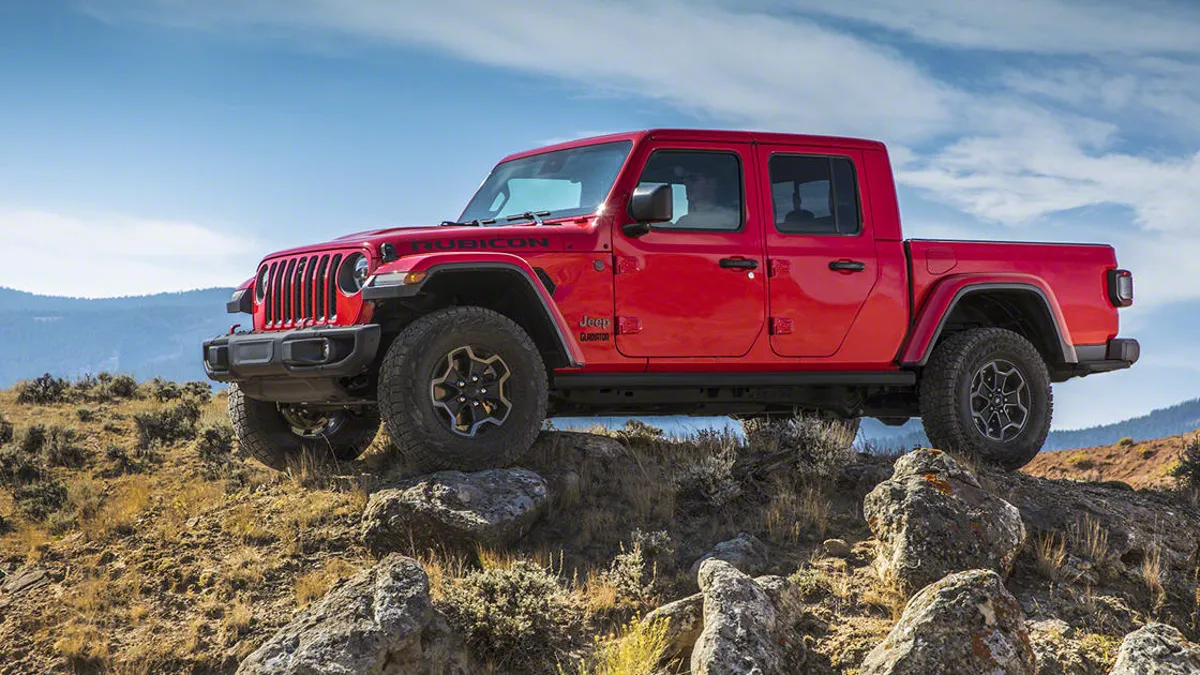
The Ford Ranger has an average depreciation rate of 34.7%, placing it among the better performers in the midsize truck category. With a base MSRP of $24,110, it retains an average resale value of $21,591, meaning the typical owner experiences about $11,472 in lost value.
Buyers are attracted to the Ranger for its brand recognition, robust powertrain, and road manners, which has helped it hold onto its value in the used market.
When Ford reintroduced the Ranger to the U.S. market in 2019, the design was already nearly a decade old globally. Yet, its blend of affordability, performance, and recognizable styling allowed it to remain competitive.
Many buyers even preferred the look of this version compared to the newer generation. Combined with Ford’s strong reputation in the truck world, the Ranger quickly became a solid seller, particularly for those seeking a midsize pickup with a balance of utility and comfort.
The Ranger stands out for its powertrain choices. The standard turbocharged four-cylinder engine produces impressive performance for its size. In testing, a four-wheel-drive Ranger Lariat reached 0–60 mph in 6.7 seconds, beating the Toyota Tacoma by a full second. The optional V6 engine shaved that time down to 6.2 seconds, although it did not significantly improve towing or payload ratings.
At low speeds, the truck can feel a little sluggish, but acceleration is strong when merging or passing. Handling is another strong point, with well-weighted steering and a stable, controlled feel in corners. It’s easy to drive on highways, and its maneuverability in tighter spaces is better than many rivals.
The Ranger impresses with a ride that’s smooth and more composed than most midsize competitors. Front seats are supportive for long trips, and the Raptor variant takes comfort up another notch with additional bolstering. Noise is one area where the Ranger shows some weakness the engine sounds coarse under heavy throttle but this is a common trait among trucks with turbocharged four-cylinder engines.
Inside, the Ranger provides plenty of room for front passengers. The driver’s seat and steering wheel offer wide adjustment ranges, making it easy to find a comfortable driving position. Visibility is strong, aided by a low hood design. Rear seating is tighter compared to models like the Honda Ridgeline or Jeep Gladiator, though it’s adequate for children or short trips with adults.
The interior layout is practical, with frequently used controls placed within easy reach. The touchscreen is straightforward, though some climate controls buried in menus can be distracting. Tech features are a highlight: Apple CarPlay and Android Auto connect wirelessly, and the infotainment system offers natural speech recognition, though not quite as advanced as Google-based systems in competitors.
Driver assistance systems set the Ranger apart. Features like adaptive cruise control and lane-keeping assistance are available, while the optional surround-view camera provides crisp visuals, including forward-facing guidance lines that make off-road driving or trailer maneuvering easier.
Though offered only in a single cab-and-bed configuration, the Ranger’s design is clever. The short bed is widened to provide 4 feet of space between the wheelwells, enough to accommodate sheets of plywood flat. Payload capacity is impressive at 1,805 pounds, and trailer towing tops out at 7,500 pounds, just shy of the Colorado’s 7,700-pound maximum.
The Ranger also introduces innovative towing tech. The Pro Trailer Backup Assist system allows drivers to use a console-mounted knob to control trailer direction while reversing, greatly simplifying a typically difficult task. A step integrated into the frame, rather than the bumper, also adds convenience for bed access.
Efficiency is competitive. The four-cylinder version achieves 22 mpg combined (city and highway), which aligns with EPA estimates in real-world driving. The V6 version drops slightly to 20 mpg combined, a small trade-off for the additional performance it delivers.
The Ranger tends to cost a bit more per trim level than the Chevrolet Colorado, but its better build quality and refinement help justify the premium. Compared to the Toyota Tacoma, it feels much more modern and polished. For buyers, this makes the Ranger a smart value proposition slightly pricier upfront, but rewarding in comfort, technology, and drivability.
4. Toyota Tundra: A Reliable Full-Size Truck With Modern Power
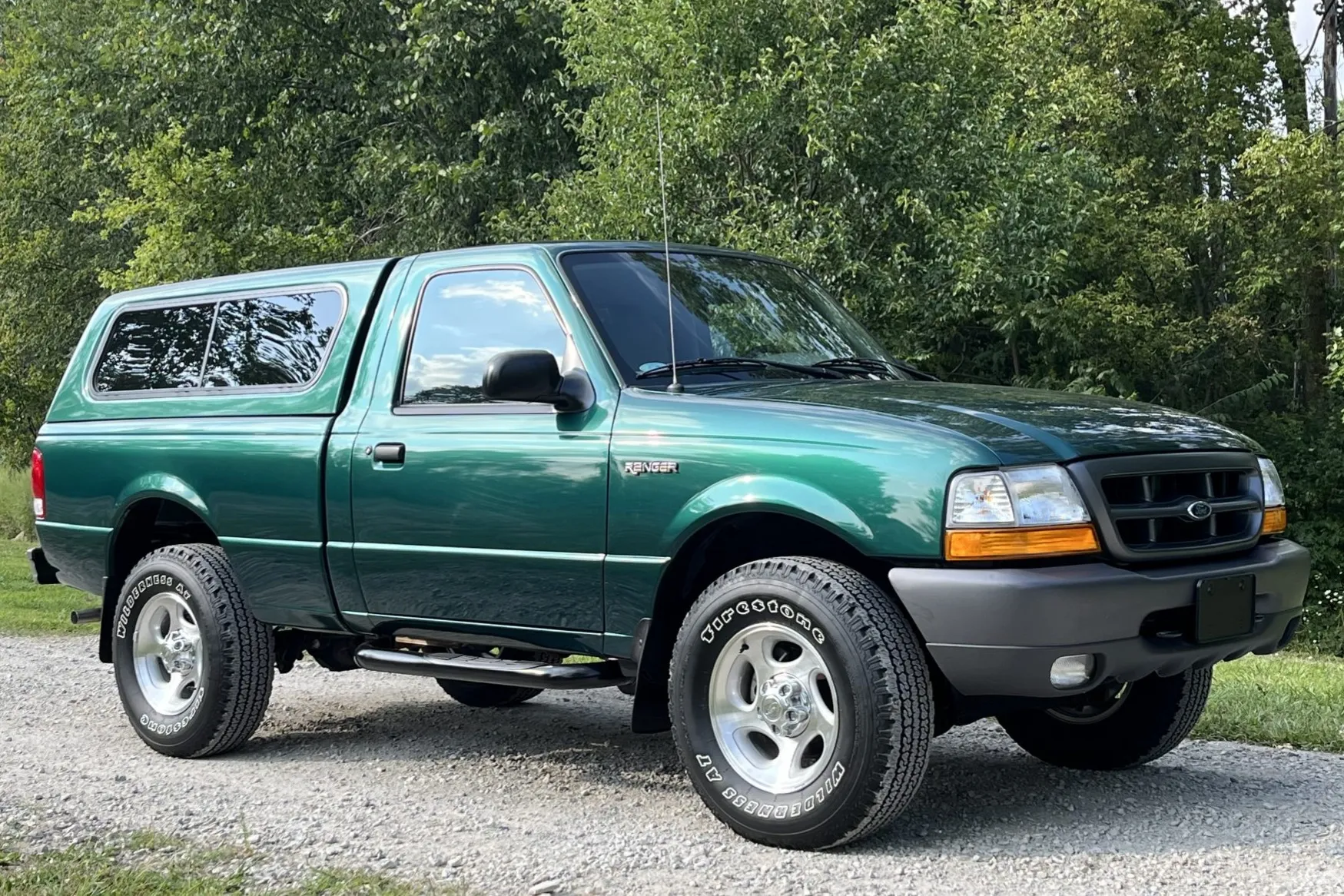
The Toyota Tundra secures one of the best positions in resale value among full-size trucks. With an average depreciation rate of 29.1%, it loses only about $11,659 off its $33,575 MSRP, retaining a strong resale value of $28,408.
This is no surprise given Toyota’s reputation for dependability, which makes the Tundra a consistent favorite on the used market. Even after 15 years with minimal updates, the previous generation continued to attract buyers who valued its longevity over flashy updates.
Historically, the Tundra offered just one powertrain: a robust V8 that was powerful but thirsty on fuel. Toyota has since introduced a more modern setup. The i-Force Max hybrid system pairs a twin-turbocharged 3.4-liter V6 with an electric motor, producing a combined 437 horsepower and 583 lb-ft of torque. This hybrid setup delivers torque early at 2,400 rpm, making it particularly useful for towing heavy loads.
In testing, a 4WD Tundra accelerated from 0–60 mph in 6.6 seconds, which is quick for a full-size truck. The 10-speed automatic transmission shifts smoothly and enhances drivability. Braking performance is reassuring too, with a panic stop from 60 mph in 131 feet, even on rugged off-road tires. Steering is light yet accurate, making the Tundra easier to handle on tight roads than its size might suggest.
Off-road capability depends on trim. The TRD Off-Road package adds features like a locking rear differential and terrain modes, but the truck’s long wheelbase and size limit agility on demanding trails. Buyers seeking more off-road prowess will find the TRD Pro the better choice.
The latest Tundra is a noticeable leap forward in comfort. Seats are supportive for long drives, and both rows offer ample space, especially in the CrewMax configuration. Cabin noise is much better controlled than in older models, giving the truck a refined highway character. While the Ram 1500 remains the benchmark for ride comfort, the Tundra is composed and smooth across most surfaces.
Climate controls are straightforward, with large knobs and buttons that are easy to operate, though some labels can be hard to read in bright light. Compared to the old V8, the V6 doesn’t sound as muscular, but it still provides a satisfying growl under heavy throttle.
Inside, the Tundra balances functionality with a touch of modern flair. The optional 14-inch touchscreen dominates the dashboard, delivering crisp graphics and an intuitive interface. The driving position feels commanding, and visibility is mostly strong, though thick windshield pillars can create blind spots on narrow roads. The available surround-view camera helps make parking and tight maneuvers much simpler.
Technology is another highlight. Apple CarPlay and Android Auto are standard, while the native interface is smooth enough that some users may prefer it to their smartphones.
Audio quality from the standard stereo is good, though an upgraded JBL system is available. Driver-assist features, most of which come standard, performed reliably in testing. The lane-keeping system was less effective, struggling to keep the large truck centered, but adaptive cruise control and forward collision warning worked as intended.
When properly equipped, the Tundra can tow up to 11,120 pounds, placing it among the stronger players in the segment. Payload capacity is also respectable, and every model comes with a reinforced composite bed that’s both durable and resistant to rust.
The CrewMax’s generous cabin also offers good in-cabin storage, with underseat compartments and various bins, though rivals like Ford and Ram provide more cleverly organized spaces.
Fuel economy is a weak point. The EPA rates the 4WD Tundra at 19 mpg combined, competitive on paper. However, real-world testing revealed numbers closer to 15–17 mpg, which lags behind rivals. For buyers prioritizing efficiency, the hybrid version may soften this drawback.
The Tundra delivers strong build quality. Panels and trim align precisely, and even mid-level trims feel well put together. While it may lack the luxurious finishes of some competitors, it avoids feeling barebones or utilitarian.
Warranty coverage is typical for the class: three years/36,000 miles bumper-to-bumper and five years/60,000 miles powertrain. Toyota adds a slight edge with two years/25,000 miles of free maintenance, giving it an advantage in long-term ownership costs.
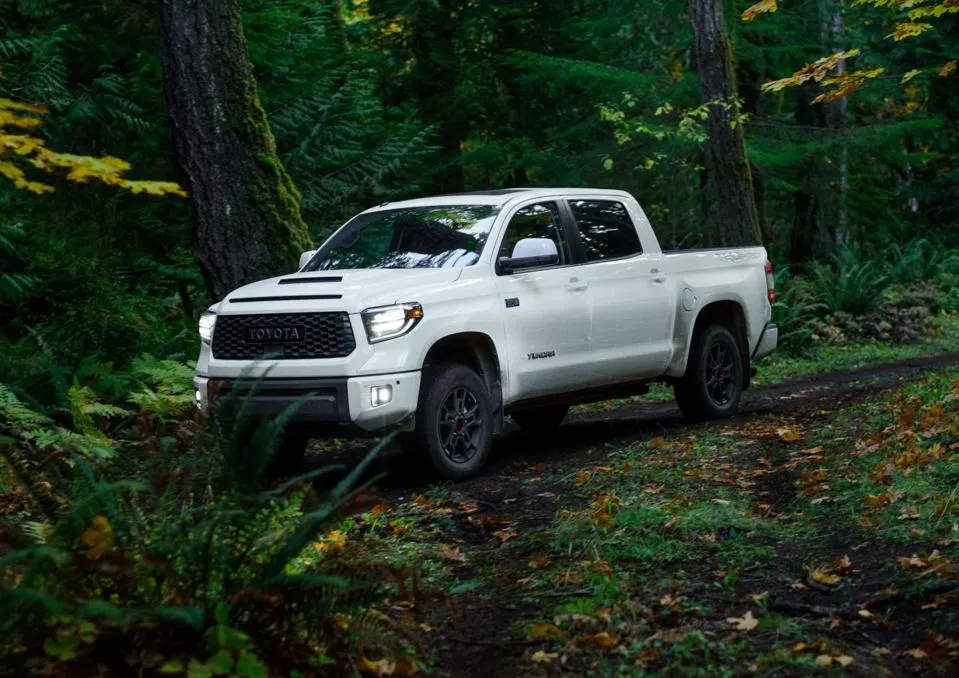
5. Toyota Tacoma: The Leader in Resale and Reliability
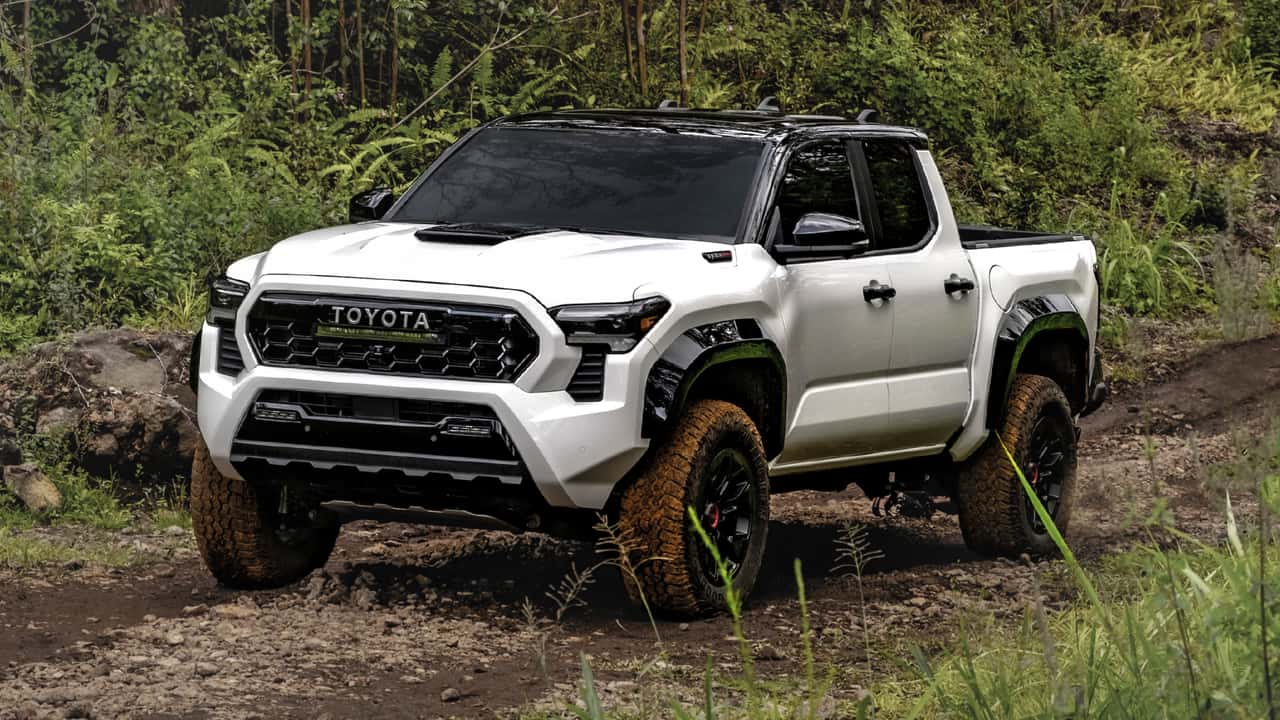
The Toyota Tacoma tops the list of pickup trucks with the lowest depreciation, and the margin isn’t even close. With an average depreciation rate of just 26.0%, it loses about $8,217 from its original $26,050 MSRP, leaving a strong $23,387 average resale value.
This remarkable performance stems from Toyota’s reputation for reliability, the Tacoma’s loyal fan base, and the third-generation model’s proven track record. In fact, demand for these trucks is so strong that prices for used models remain high, and values are unlikely to soften anytime soon.
The Tacoma has long been known for rugged reliability, and its available 278-hp V6 cemented that reputation. In testing, a TRD Sport with the V6 reached 0–60 mph in 7.6 seconds, while the TRD Pro equipped with the i-Force Max hybrid system managed 7.4 seconds. The hybrid setup offers more power, but its extra weight and off-road equipment offset the performance gains.
Regardless of the powertrain, the Tacoma delivers consistent performance. The automatic transmission shifts smoothly and doesn’t hunt unnecessarily for gears, even on hilly terrain. Braking is another highlight. The pedal provides good feedback and progressive stopping force, allowing precise control. Steering is light and accurate, and the truck feels composed on highways across trim levels.
Off-road ability depends on the model. Lower trims can be limited by features like a removable front air dam, but higher trims, especially the TRD Pro, bring specialized shocks and traction control systems that allow the Tacoma to excel in challenging conditions.
Comfort varies depending on trim. Base models ride stiffly, feeling more like traditional work trucks, while higher trims benefit from advanced suspension systems that smooth out the bumps.
Front seats are wide and relatively flat, accommodating a variety of body types. Cloth upholstery feels durable but can be coarse compared to available synthetic leather. Rear seats are tighter, a common trait in midsize trucks, and taller passengers may find them uncomfortable for long trips.
One quirk worth noting: the TRD Pro’s IsoDynamic seats, designed for extreme off-road use, reduce rear seat legroom significantly. Still, climate controls are intuitive across trims, with large, glove-friendly knobs and buttons.
The Tacoma’s interior emphasizes durability and practicality, accented by a rugged design. The most eye-catching feature is the center touchscreen, an 8-inch unit is standard, while a 14-inch screen is optional.
The larger screen offers sharp resolution and enhances features like the surround-view camera. Importantly, Toyota retains physical knobs and switches for many functions, avoiding the frustrations of touchscreen-only systems.
Driver comfort is aided by a tilt-and-telescoping steering wheel and generous headroom. Accessing the rear seats in the Double Cab can be a bit tight, but once inside, the foldable seatbacks and flip-up cushions add useful storage flexibility.
Technology is robust. Wireless Apple CarPlay and Android Auto are standard, as are multiple USB-C ports. Wireless charging pads are available, though their upright angle makes it easy for phones to slide out of place.
Standard driver-assist features include adaptive cruise control, automatic emergency braking, and lane departure warning. These systems are tuned well helpful without being overly intrusive.
The Tacoma balances functionality with thoughtful design. It offers two bed sizes, plus a 400-watt power outlet (boosted to 2,400 watts in hybrid versions) for powering tools or small appliances. Interior storage is generous, with plenty of cubbies in the doors, a deep center console, and a handy tray above the glovebox.
Payload capacity is strong at 1,710 pounds, but towing capability tops out at 6,500 pounds, trailing some rivals like the Chevrolet Colorado’s 7,700-pound max. Still, the Tacoma can comfortably handle small to midsize trailers and most recreational towing needs.
The Tacoma posts respectable efficiency for a midsize truck. A 4WD TRD Sport we tested returned 22.6 mpg, slightly better than Toyota’s 21 mpg estimate. The hybrid powertrain provides more muscle without sacrificing fuel economy, though it doesn’t necessarily improve efficiency either. Unlike some rivals, the Tacoma doesn’t require premium gasoline, which keeps running costs manageable.
The Tacoma’s wide range of trims caters to different buyers, from budget-conscious shoppers to off-road enthusiasts. Base models can feel barebones, with empty switch blanks hinting at missing features, and competitors like the Colorado feel more refined at similar prices. Still, higher trims deliver more sophistication and technology while maintaining durability.
Warranty coverage is typical: three years/36,000 miles bumper-to-bumper and five years/60,000 miles powertrain. Toyota also includes two years of free maintenance and roadside assistance, which is a perk not every rival offers.
Also Read: 5 Cars That Rarely Need Repairs and 5 That Constantly Break Down
5 Trucks That Instantly Lose Resale Value
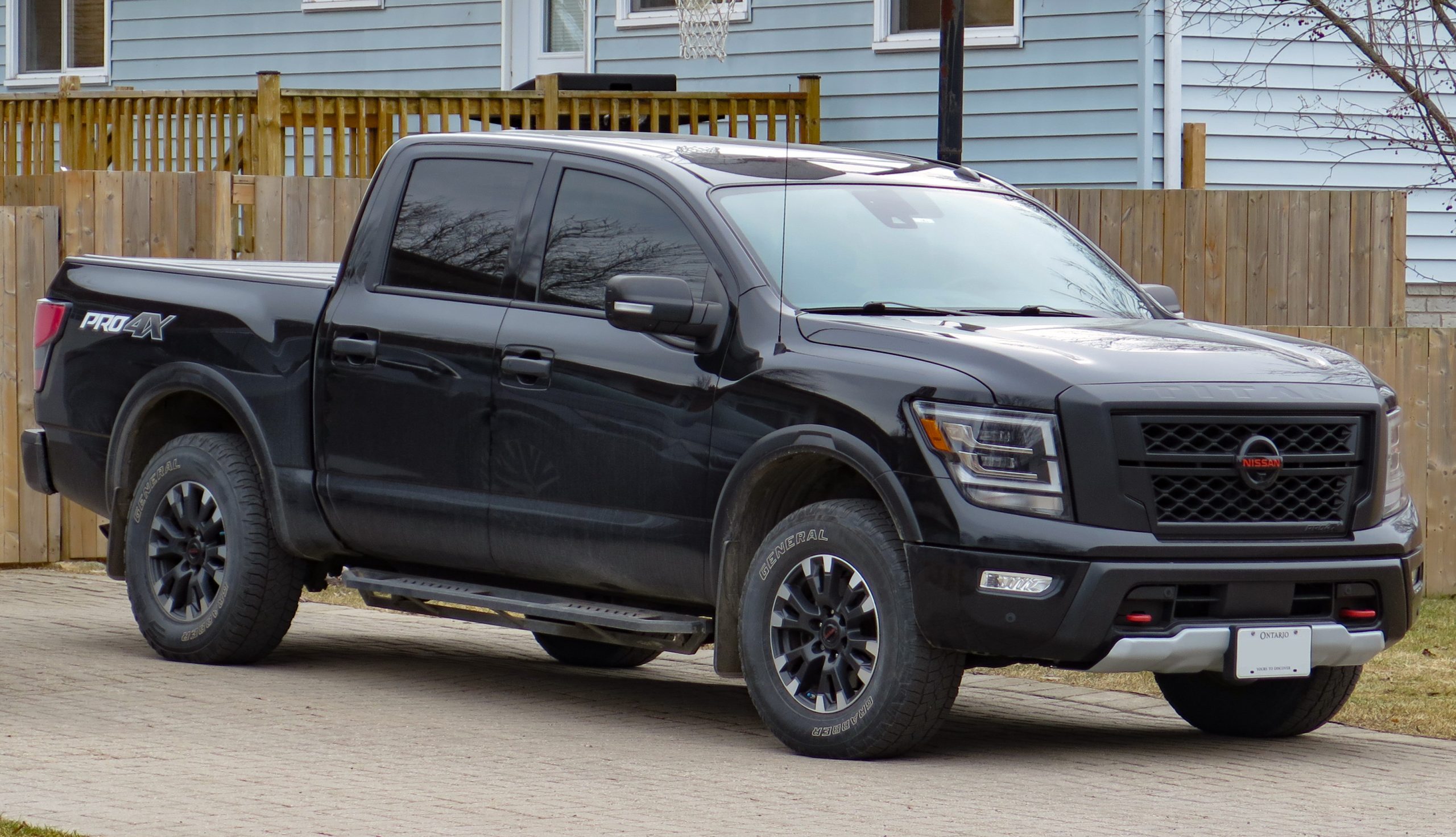
1. Nissan Titan: High Depreciation and Fading Market Presence
The Nissan Titan suffers one of the steepest depreciation rates in the truck segment, losing an average of 48.1% of its value roughly $22,459 after five years. Despite offering a strong V8 engine, solid towing capacity, and a roomy cabin, it fails to compete with dominant full-size trucks from Ford, GM, and Toyota.
One of the Titan’s biggest challenges is low demand. It lacks the brand loyalty and widespread recognition enjoyed by its rivals, resulting in consistently lower sales volumes.
This is compounded by an aging platform largely unchanged since 2017 and the absence of a meaningful redesign. Where competitors provide multiple engine options, including efficient V6s and hybrids, the Titan sticks with just one V8, limiting its appeal to a broader audience.
Perceived quality issues also play a role. Reviewers have criticized the Titan’s interior for cheap materials and subpar fit and finish, further hurting its competitive standing.
And with the truck’s discontinuation after the 2025 model year, resale values are expected to dip even further, as buyers shy away from a model no longer supported by future development. Ultimately, the Titan’s shortcomings in brand strength, variety, and longevity make it one of the weakest investments in its class.
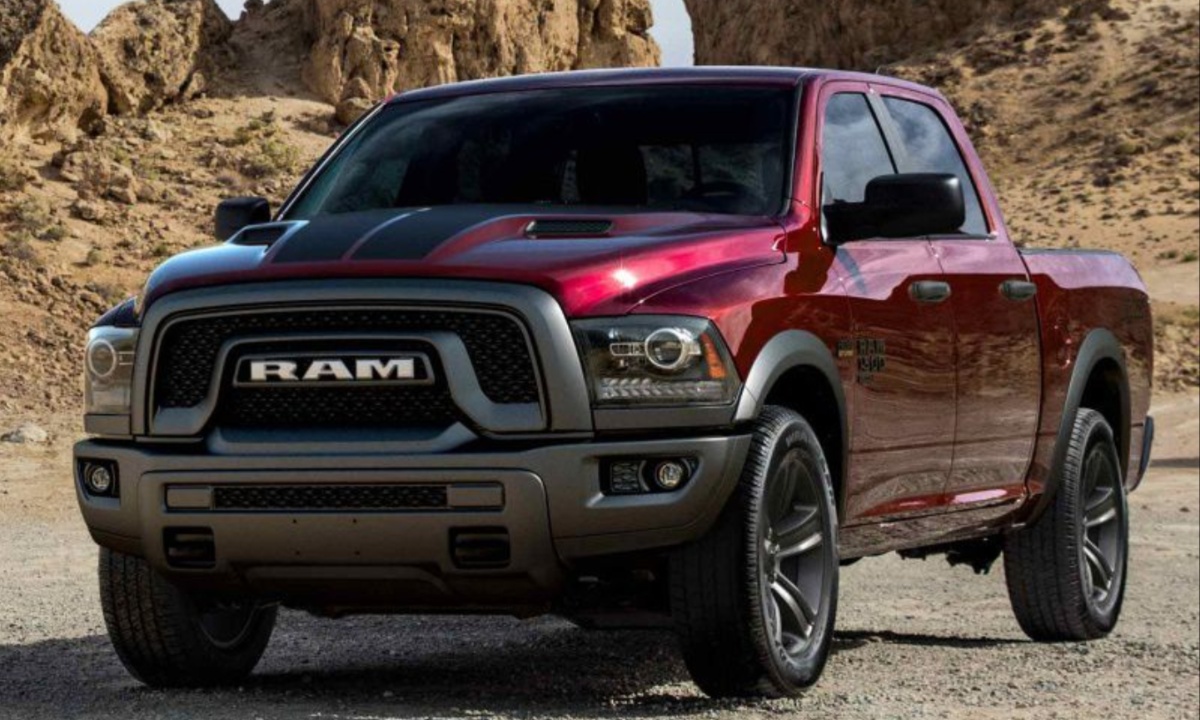
2. Ram 1500 Classic: Budget-Friendly but Fast-Depreciating
The Ram 1500 Classic remains on sale as a low-cost alternative to the newer Ram 1500, but its affordability comes at a price. With an average five-year depreciation of 48.1%, or about $18,634 in lost value, the Classic is among the weakest full-size trucks in terms of resale performance.
The main reason lies in its aging platform. The Classic is essentially a previous-generation Ram 1500 kept in production after the debut of the redesigned model. While this strategy makes it attractive to fleet buyers and bargain hunters, it leaves the truck looking dated against competitors.
Its interior technology is behind the times, offering fewer advanced features than the latest Ram 1500 or rivals from Ford and GM, which hurts its desirability on the used market.
Another factor is competition within its own brand. Buyers comparing the Classic to the modern Ram 1500 will find more refined cabins, better ride quality, and advanced safety and infotainment systems in the newer truck. This makes the Classic feel like a stopgap choice rather than a long-term investment.
Although the Ram 1500 Classic serves its purpose as a budget-friendly workhorse, its faster depreciation highlights the trade-off between upfront savings and long-term value.
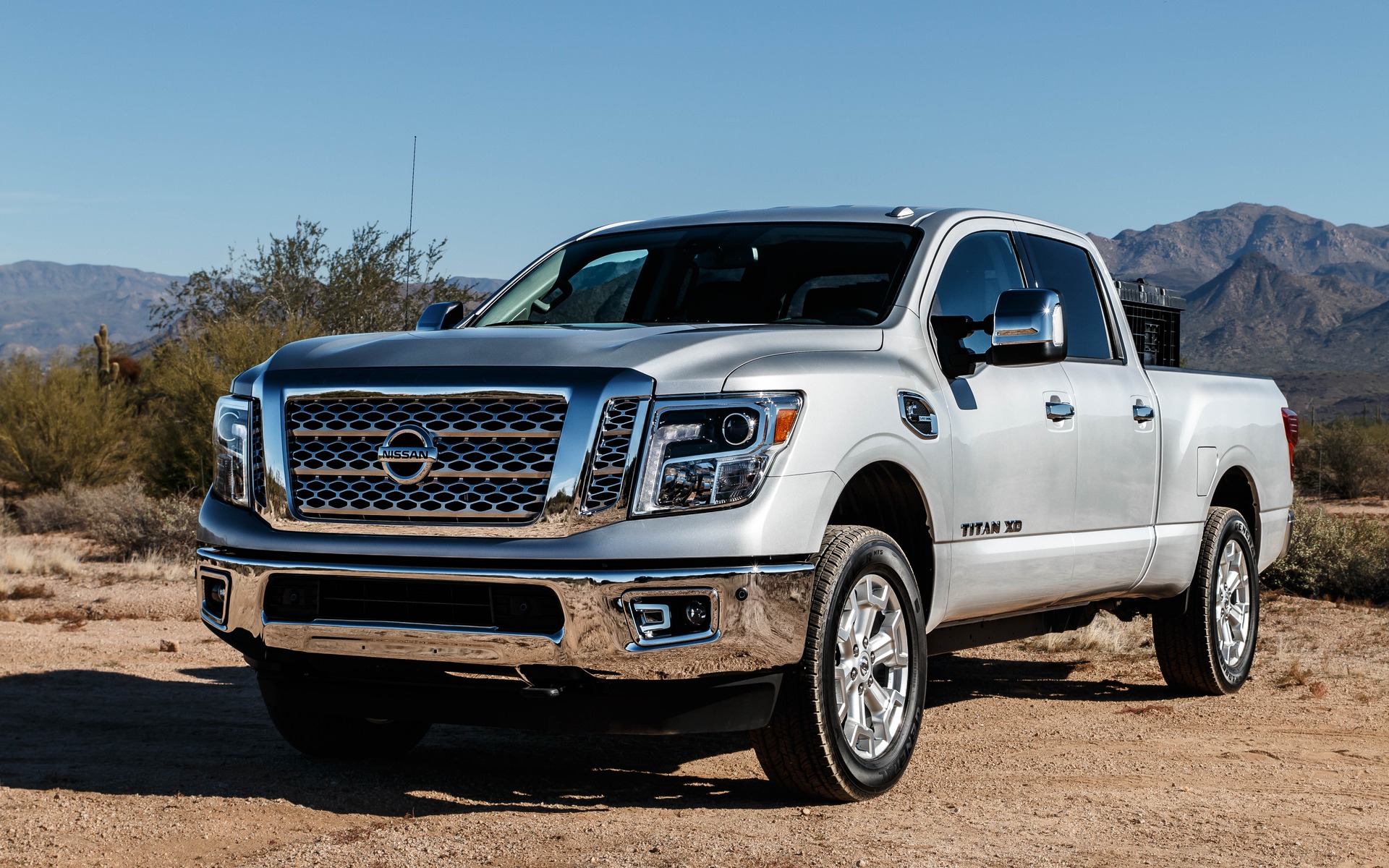
3. Nissan Titan XD: A Middle Ground That Failed to Hold Value
The Nissan Titan XD was designed to bridge the gap between half ton and heavy-duty pickups, offering more towing capability without stepping into three-quarter-ton territory. On paper, it seemed like a smart compromise. In reality, buyers never fully embraced it. With 47.9% depreciation over five years about $25,306 in lost value the Titan XD ranks among the worst trucks for resale.
A major blow to its long-term value is the discontinuation of the Titan lineup after 2024, signaling Nissan’s retreat from the full-size truck market. Without future product support or updates, resale confidence plummets. The Titan XD also faced low demand from the start, with sales lagging far behind leaders like the Ford F-150 and Chevrolet Silverado. That weak market interest translates into depressed used-truck values.
Other issues compounded its decline. The Titan XD’s aging platform and outdated features left it behind competitors offering advanced safety, infotainment, and hybrid options. Nissan’s lack of brand loyalty in the truck segment further hurt its ability to compete. While it boasted a powerful V8, its towing and payload ratings often fell short compared to rivals, eroding its appeal.
In short, the Titan XD’s unclear positioning and lack of competitive edge sealed its fate as a poor resale performer.
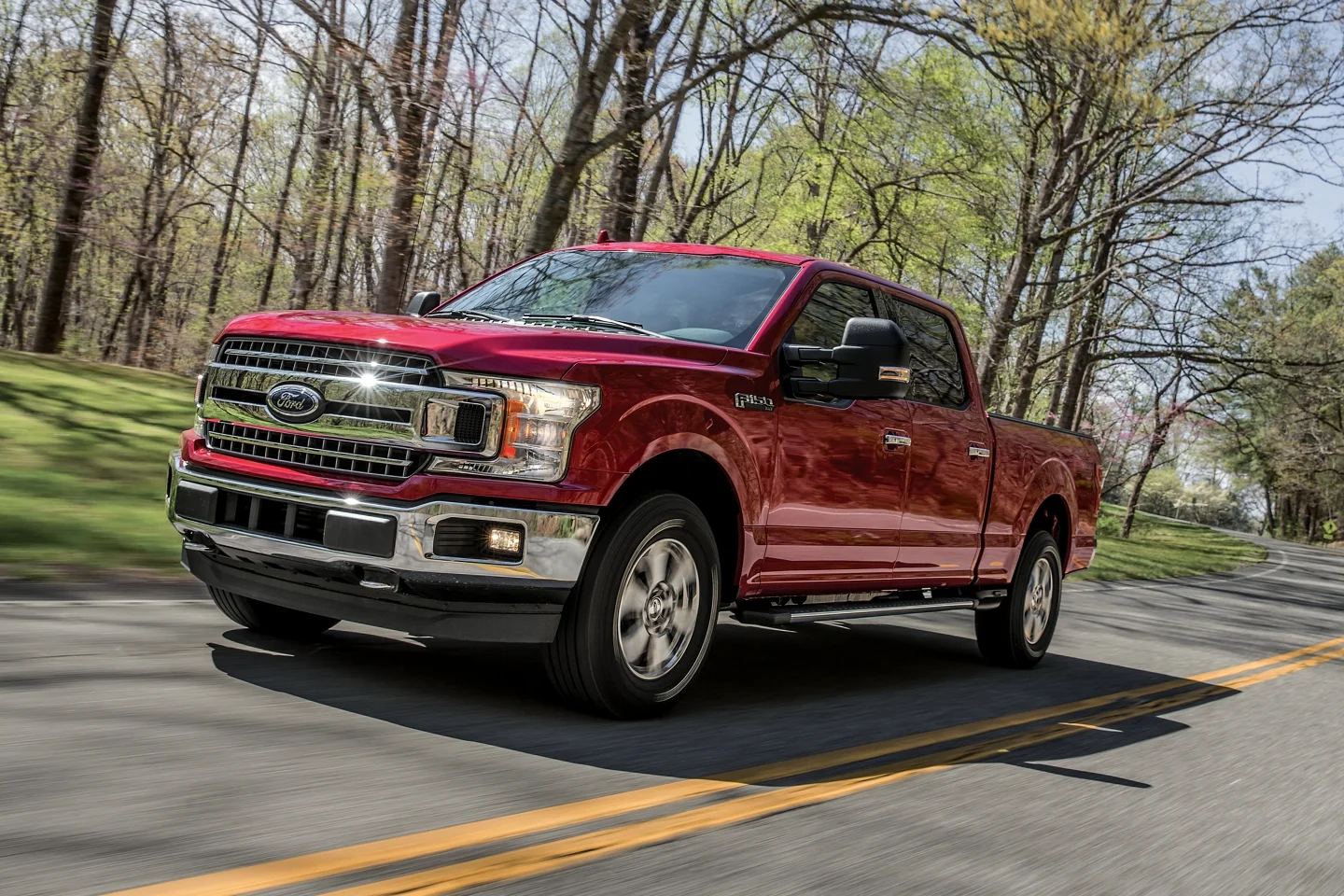
4. Ford F-150: Best-Selling Truck, but Not the Best at Holding Value
The Ford F-150 is America’s best-selling vehicle and a perennial leader in the pickup market, but even its popularity doesn’t shield it from depreciation. On average, an F-150 loses 43.4% of its value over five years, or about $16,236, which is worse than the truck segment’s 40.4% average.
One of the biggest factors is supply. With millions of F-150s sold annually, the used market is flooded with them, which drives down resale prices.
This is especially true for base trims like the XLT, which are produced in high volumes and depreciate faster than rare or high-end versions. The F-150’s extensive fleet sales also impact its resale value, as many of these trucks return to the market with high mileage, further saturating supply.
While it depreciates more quickly than competitors like the Toyota Tundra, the F-150 still offers strong appeal thanks to its wide range of trims, engines, and configurations, which allow buyers to tailor it to work or luxury needs, its loyal following ensures demand remains steady, even if resale values take a hit. For buyers who plan to keep their truck long-term, the F-150 remains a versatile and practical choice, despite steeper depreciation.
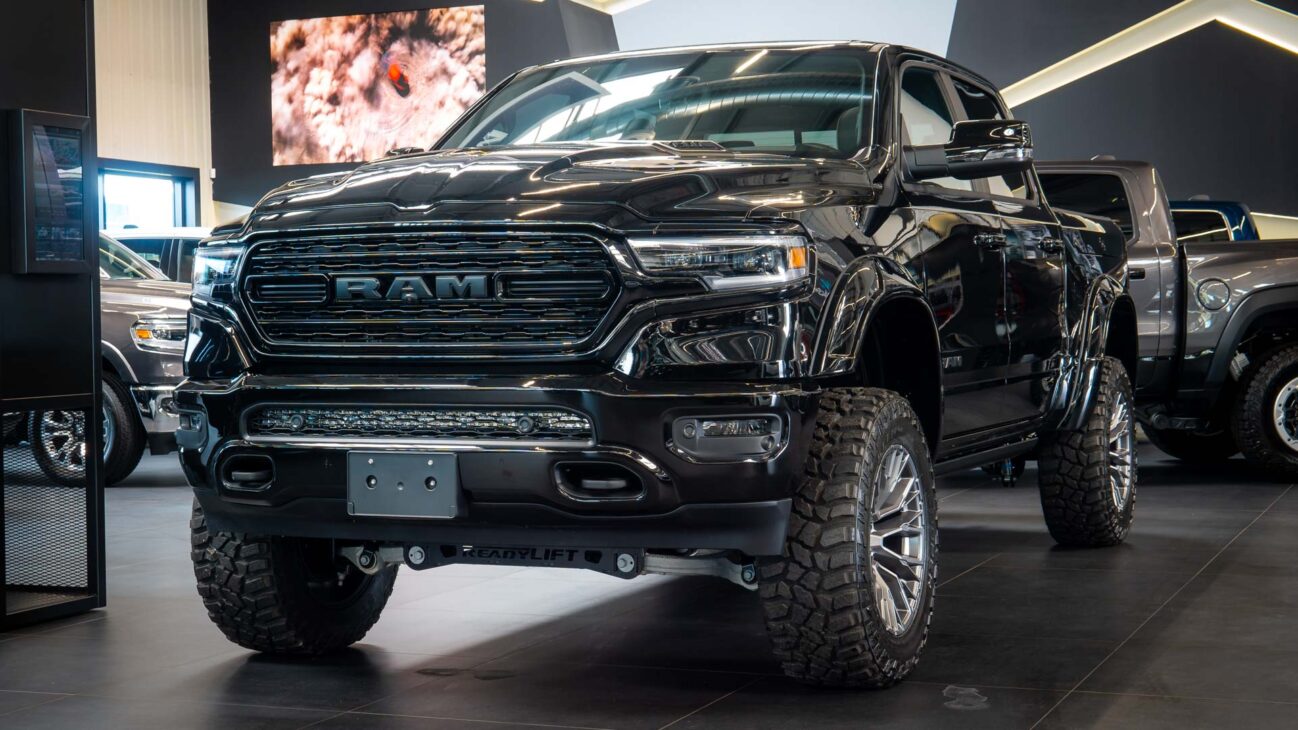
5. Ram 1500: Comfortable and Refined, but Resale Lags
The Ram 1500 earns consistent praise for its plush interior, smooth ride, and upscale feel, setting it apart from rivals in the full-size pickup segment. However, those strengths don’t translate into class-leading resale value. After five years, the Ram 1500 depreciates by 42.8%, or about $17,241, which is slightly worse than the industry average and behind segment leaders like the Toyota Tundra.
A key factor is its higher starting price, which means even average percentage depreciation results in larger dollar-value losses compared to some rivals. The truck’s design and technology are also aging, with its last major redesign dating back to 2019. Against fresher competitors like the Ford F-150 and Toyota Tundra, the Ram can feel a step behind in features and updates.
Brand perception plays a role, too. While Ram is well-regarded for its heavy-duty trucks, the 1500 struggles with long-term reliability perception, and its resale is affected by lingering doubts, even as recent reports show improvement. Lower sales volume compared to Ford and Toyota also means there’s less demand on the used market, which softens resale prices.
The Ram 1500 remains an excellent daily driver, but buyers should be aware that its luxury-oriented strengths don’t guarantee lasting value.
Ultimately, choosing the right truck isn’t just about capability on the road or comfort in the cabin it’s also about long-term financial sense. Trucks like the Toyota Tacoma and Toyota Tundra prove that a reputation for dependability and strong demand can keep resale values among the highest in the segment.
Others, such as the Jeep Gladiator and Ford Ranger, show that distinct appeal and balanced engineering help limit losses for owners.
On the opposite side, models like the Nissan Titan or Ram 1500 Classic demonstrate how limited demand, dated platforms, or brand struggles can cause values to drop quickly. Even the Ford F-150, despite being America’s best-seller, suffers from heavy supply in the used market, which pushes prices down faster than some rivals.
For truck buyers, the message is simple: don’t just look at the sticker price. Think about what the truck will be worth five years from now. A model that retains its value can save you thousands when it’s time to upgrade, trade in, or sell privately.
By paying attention to resale trends, you can make a choice that delivers both the performance you need today and the financial protection you’ll appreciate tomorrow.
Also Read: 5 Cars That Look Cheap But Last Long and 5 That Don’t