
When Americans talk about keeping a car long-term, the conversation usually circles around reliability and repair costs. But one factor that often gets overlooked is comfort.
After all, it doesn’t matter if your sedan, SUV, or truck can survive 300,000 miles if by mile 150,000 the seats feel like bricks, the suspension makes every pothole feel like an earthquake, and the interior is rattling itself to pieces.
Comfort longevity is a real consideration, especially for US drivers who regularly rack up highway miles on commutes, road trips, and family travel.
Some vehicles are engineered to stay pleasant and supportive well into their twilight years, while others age quickly, leaving you sore and frustrated no matter how tough the engine might be.
Below, we’ll look at five old cars that remain comfortable well past 300k miles if cared for and contrast them with five that often fail to deliver comfort as they age, even if they can still run reliably.
Old Cars That Stay Comfortable for 300k Miles
hen it comes to long-term ownership, not all cars are created equal. Some vehicles begin to show their age well before the odometer hits triple digits, leaving owners with constant repairs and diminishing comfort.
But there are standout models that seem to defy time, continuing to provide a smooth, comfortable ride even after 300,000 miles or more. In this article, we’ll highlight the old cars that stay comfortable for 300k miles, exploring why these vehicles endure and what makes them a joy to drive, even as they rack up the miles.
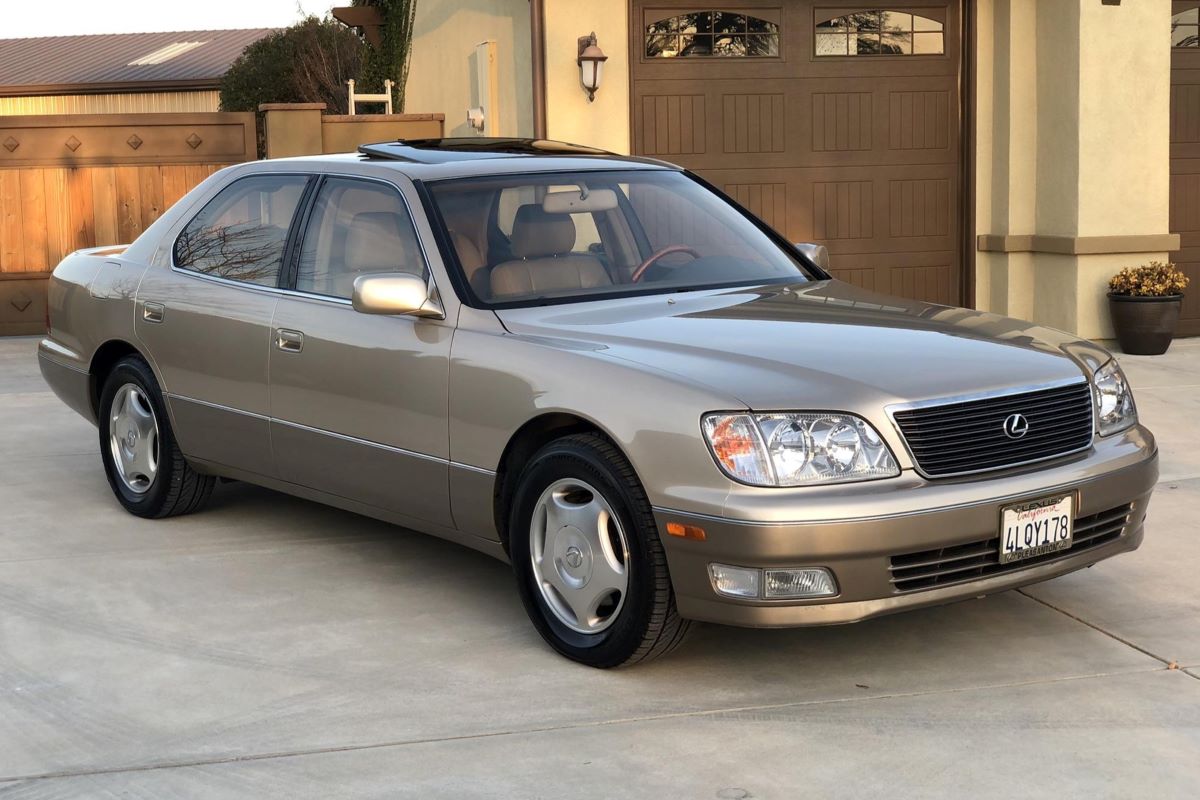
1. Lexus LS400 (1990s–early 2000s)
The original LS400 was Toyota’s moonshot into the luxury world, and it remains a benchmark for long-lasting comfort. Even when odometers climb past 300,000 miles, these sedans often feel surprisingly serene.
Credit goes to overbuilt suspension components, thick insulation, and seats that were engineered to mimic high-end lounge chairs rather than stiff racing buckets.
Owners frequently praise how quiet these cars remain, even when worn. While repairs on aging electronics can be pricey, the overall comfort experience doesn’t deteriorate nearly as quickly as in rival German sedans of the era.
Stepping into the world of Lexus, the LS 400 immediately impresses with its sleek design and silky-smooth ride, enveloping you in a realm of comfort and sophistication. Yet beneath its luxurious exterior lies a story of both triumph and challenge.
You’re about to explore the best and worst years of this iconic sedan, and the insights may very well reshape how you view this legendary luxury vehicle.
The 3rd generation LS (2000–2006) stands out for its exceptional quality and reliability, with the 2006 model year earning a remarkable 95 rating.
Models from 1995 to 1997 are regarded as the strongest and most dependable, reflecting significant improvements over earlier years. Conversely, the 1990–1994 models are considered the most problematic, plagued by issues such as poor headlights, making them the least desirable years to pursue.
The 1998–2000 LS models remain solid choices, with minimal differences among them, and the 1998 model benefiting from a mid-cycle refresh that introduced notable upgrades. When shopping for an LS, it’s crucial to prioritize a clean title, thorough maintenance records, and a careful review of the car’s options and features.
When Lexus introduced the LS 400 in 1989, it made a dramatic statement in the luxury sedan segment, challenging the long-standing dominance of European brands.
What many may not realize is that the first-generation LS underwent an exhaustive development process, accumulating over 1.7 million test miles and involving 2,300 technicians who built 450 prototypes to ensure unparalleled quality and reliability.
The result was a supremely refined cabin, where designers spent two full years meticulously selecting the finest woods and leathers. Thanks to its timeless styling and robust engineering, the LS 400 has aged gracefully, remaining a highly coveted option on the used-car market even today.
2. Toyota Avalon (mid-2000s)
The Avalon has long been considered Toyota’s “American Lexus” in disguise. The 2005–2012 generation, in particular, is known for its sofa-like seating and soft suspension tuning.
Unlike some sporty sedans that become punishing over time, the Avalon’s comfort-first design ages gracefully. Even past 250k miles, these cars keep their highway composure, with minimal wind and road noise.
Leather interiors often hold up surprisingly well, and the cabin remains roomy, making it a favorite among retirees and long-distance commuters alike.
Toyota introduced the third-generation U.S.-built Avalon in 2005, sharing its fundamental underpinnings with the well-known Camry.
Built on the same K-Platform as its Camry counterpart, the Avalon aimed to appeal to drivers seeking a more powerful vehicle. While the Camry continued to offer a four-cylinder engine as standard, the Avalon came exclusively with V6 powertrains, signaling a shift away from its reputation as a favorite among older buyers.
Although the Avalon retained a classic overall silhouette, it adopted a more dynamic appearance. Its HID headlights featured a swept-back design that refreshed the car’s image. Depending on trim level, the Avalon sported either a body-colored or chrome-plated grille above the aerodynamically styled bumper.
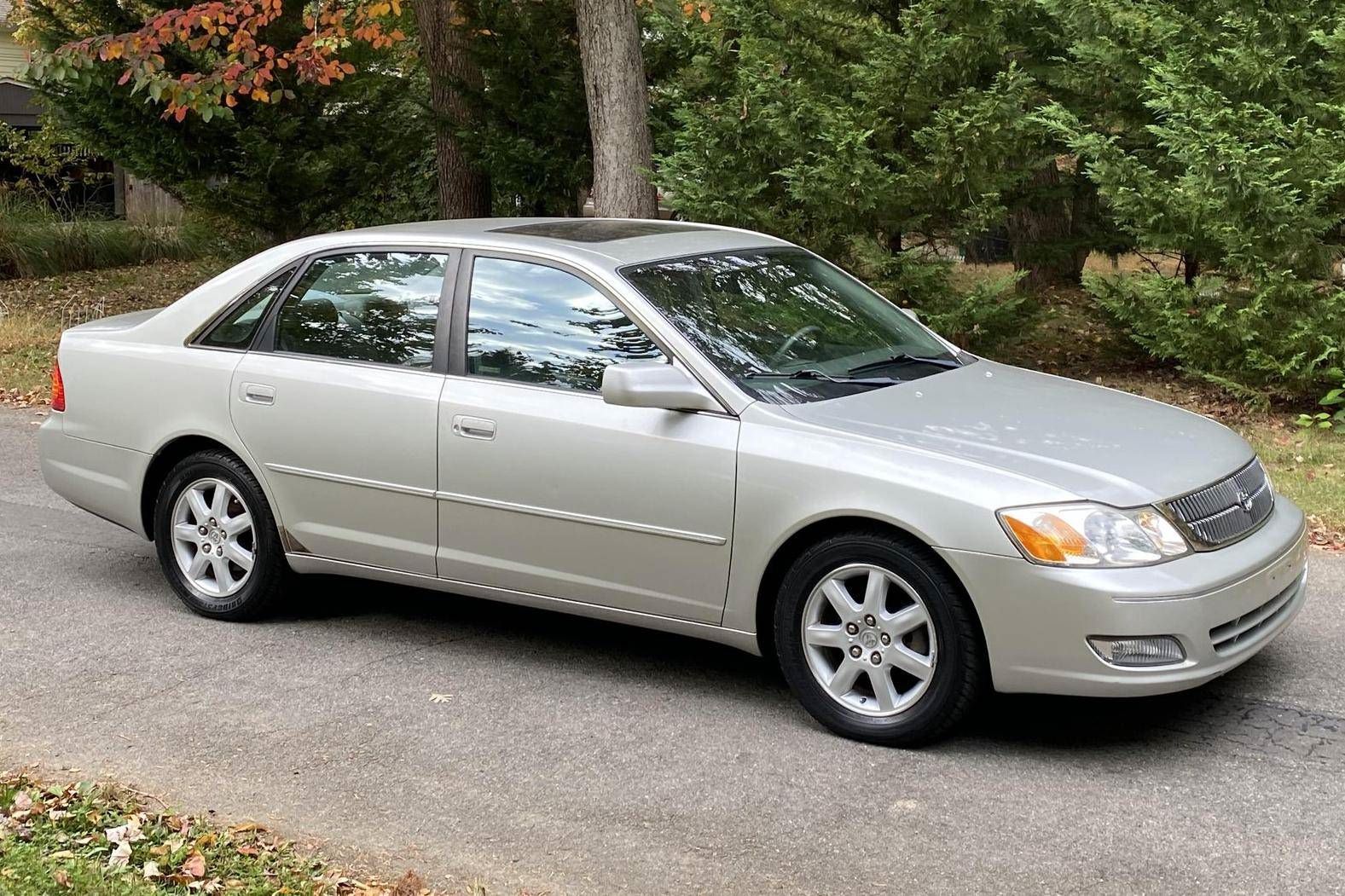
A narrow, trapezoidal grille was positioned on the apron between side scoops housing the fog lights, and turn signals were integrated into the door mirrors. At the rear, the taillights echoed Lexus-inspired styling, complemented by dual exhaust outlets beneath the bumper.
Inside, the Avalon offered a more upscale experience than the Camry. A wide instrument cluster spanned the dials and the navigation screen above the center stack. To preserve a clean dashboard appearance, most controls were hidden behind covers, leaving only the climate control buttons exposed.
Storage compartments in the console and radio featured spring-loaded covers. The steering wheel tilt and reach controls used an unusual dual-lever system. Rear seating was spacious, comfortably accommodating three passengers.
Under the hood, the Avalon housed a robust V6 engine paired with a six-speed automatic transmission. While it wasn’t designed as a sporty sedan, it delivered a more refined and quicker driving experience compared to the Camry, emphasizing luxury and performance in equal measure.
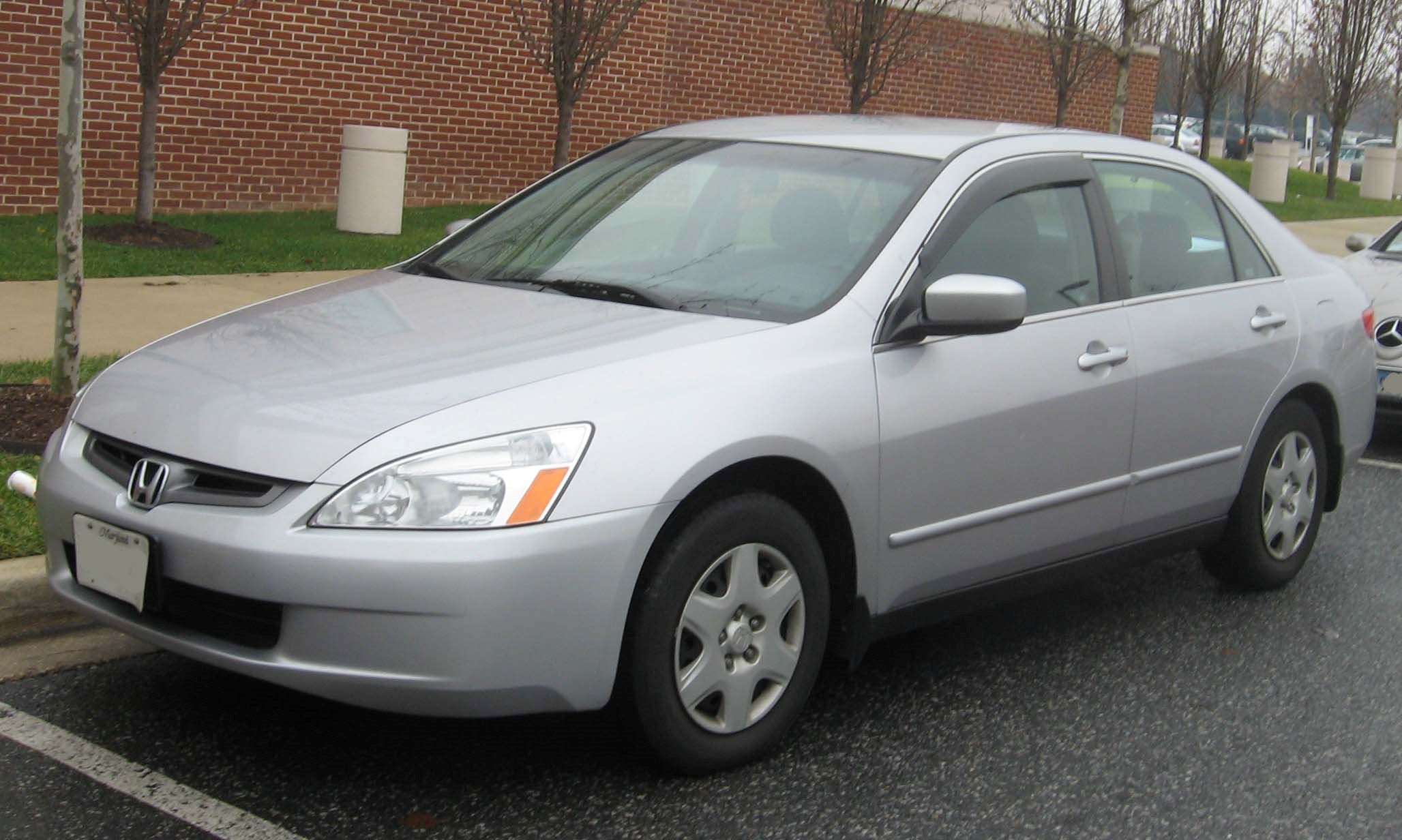
3. Honda Accord (2003–2007 generation)
While not marketed as luxury, the 7th-gen Accord struck a perfect balance of durability and comfort. The seats were supportive enough for long drives, and Honda’s suspension tuning was forgiving without feeling mushy.
More importantly, these cars resist the creaks, rattles, and harshness that plague many older sedans once they hit 200,000 miles.
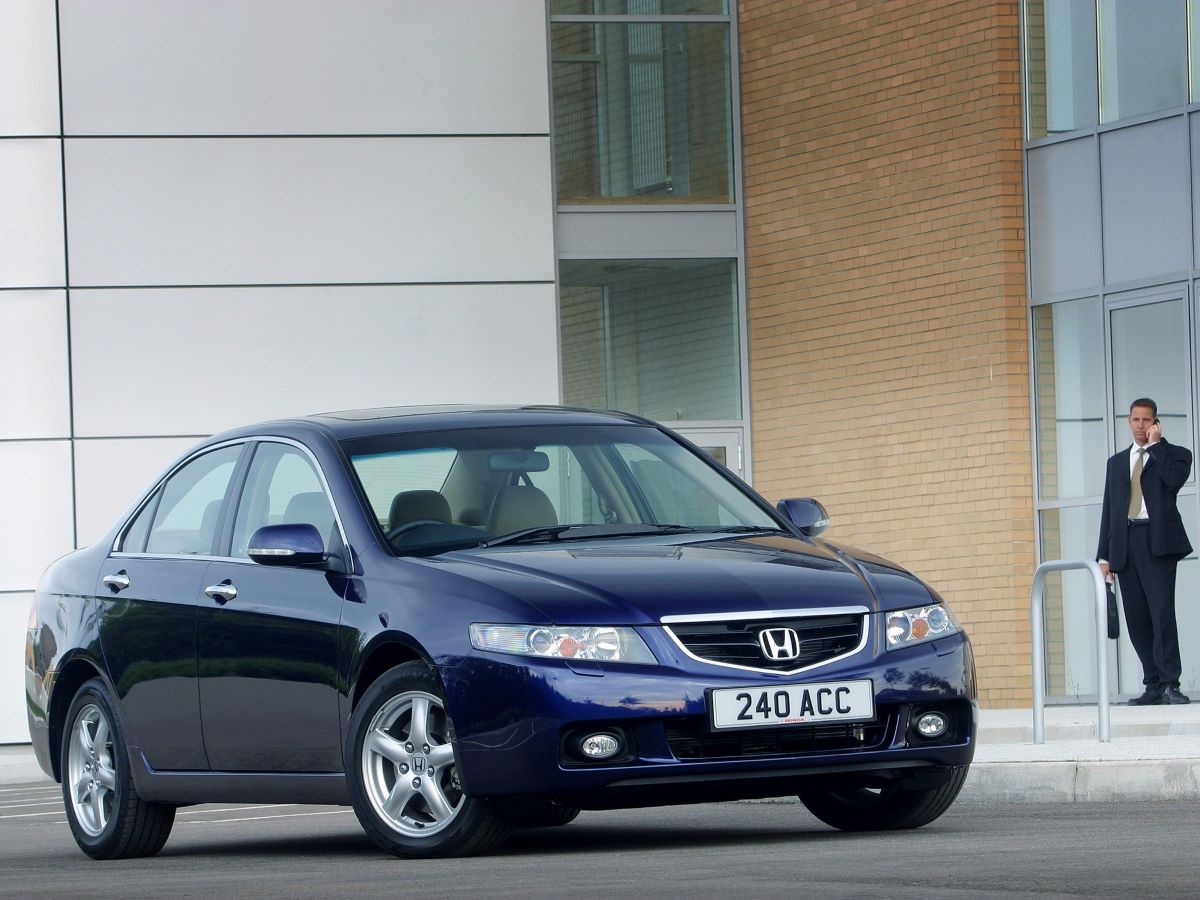
Even base trims aged gracefully, while higher trims with leather and dual-zone climate control still feel modern today. Many owners who have kept these Accords for 300k miles or more will tell you the comfort factor is a big reason they never traded them in.
4. Buick Park Avenue (1990s–early 2000s)
If American comfort cruisers have a poster child, it’s the Buick Park Avenue. Built when Buick was still synonymous with plush luxury, the Park Avenue prioritized ride comfort above all else.
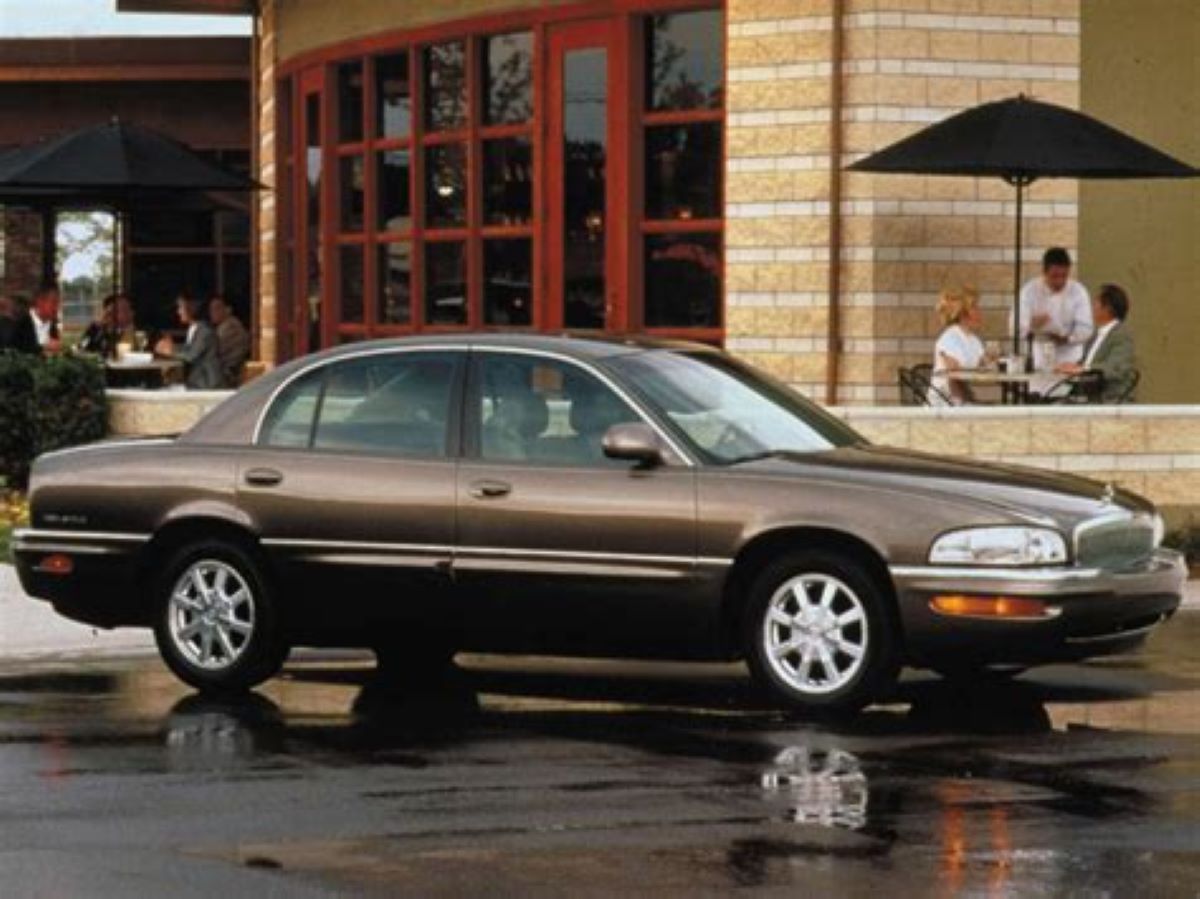
Its cushioned seats, soft suspension, and whisper-quiet interior aged much better than many of its peers. Even older models, with mileage well north of 200k, can still float down the highway like a living room on wheels.
Reliability of the 3800 V6 adds to its appeal, meaning these cars can reach 300k miles without becoming unbearable to drive.
5. Volvo 240/940 (1980s–1990s)
Volvo’s boxy sedans and wagons were famous not just for durability, but for ergonomic design. The Swedish brand built seats with orthopedic precision, and owners consistently say they remain some of the most comfortable chairs ever put in a car.
The Volvo 240 series has long been a subject of spirited debate among enthusiasts, and for good reason. While opinions vary, the 1991 and 1992 models are widely regarded for their reliability and the rare factory-applied undercoating, making them standout choices in the series. Meanwhile, the 1993 model is highly sought after for its unique features, though it remains difficult to find.
The 1985–1989 models offer options such as factory turbos and manual transmissions, but buyers should be wary of biodegradable wiring harness issues.
The 1990–1991 models saw engine and body improvements, enhancing their overall appeal. Conversely, the 1986 model year is particularly prone to wiring harness deterioration, which can cause electrical gremlins and compromise reliability.
Under the hood, the Volvo 240 featured a range of engines over its production run, including the B21F, B23F, and B230F. The wiring harnesses were neatly organized, simplifying repairs and routine maintenance. These engines were robust, with the B21F producing 100 horsepower and the B230F delivering 114 horsepower.
Turbocharged variants, such as the B21FT, add a layer of complexity but still maintain the 240’s reputation for straightforward mechanics, making the series a favorite among DIY enthusiasts. Turbocharged models affect the driving experience differently than their non-turbo counterparts.
While turbo engines can be enticing, they exhibit turbo lag and an on/off power delivery, particularly noticeable in city driving. Non-turbo models provide smoother power delivery and better low-end torque.
The B21FT, introduced in 1981, increased output by 25 horsepower and delivered 150 lb-ft of torque, compared to the non-turbo B21F. However, potential buyers should exercise caution with turbo models, as the turbocharger can sometimes mask underlying engine issues, making proper inspection essential.
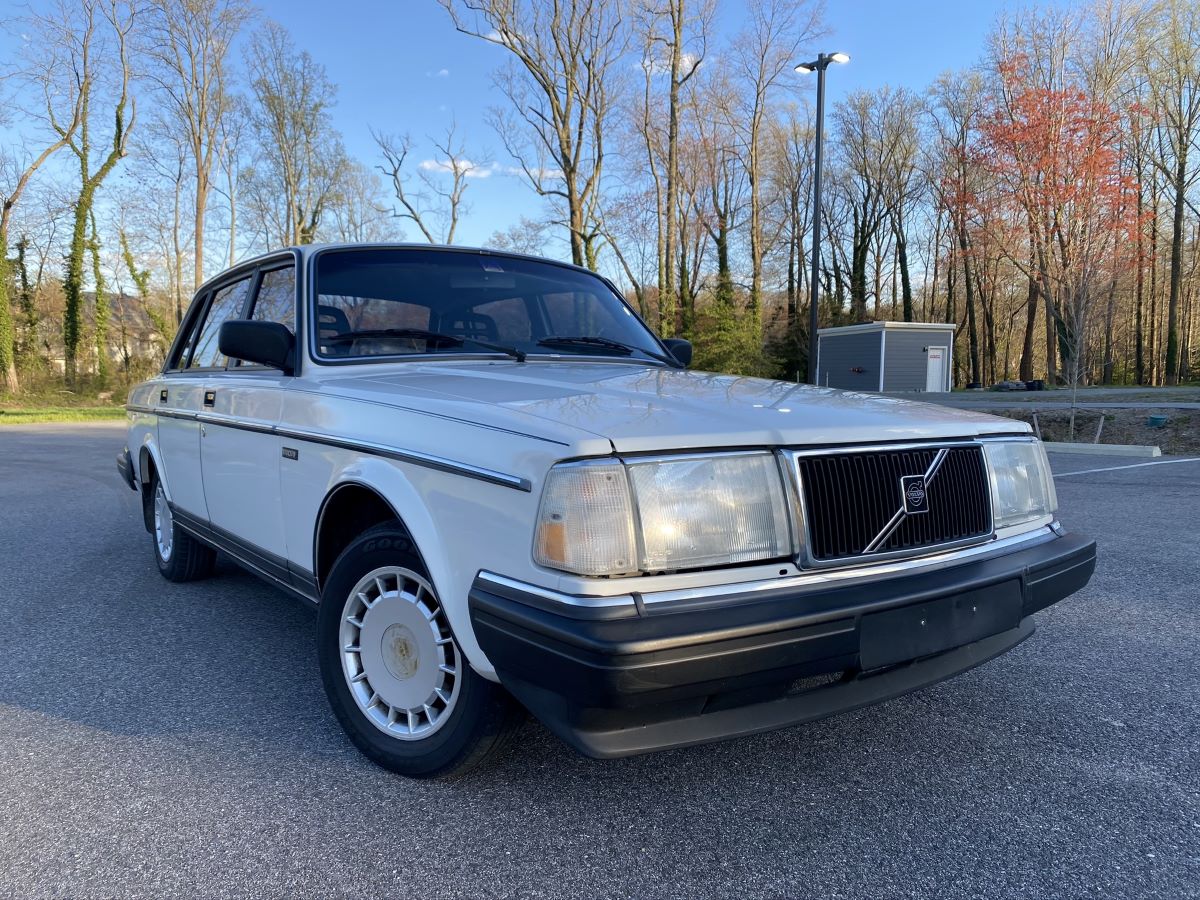
Unlike many rivals, these Volvos don’t develop major squeaks or rattles even when heavily used. Add in a suspension tuned for stability rather than harshness, and you have a vehicle that can remain both reliable and comfortable even when the odometer spins past 300,000 miles.
The Volvo 240 series has long been a subject of spirited debate among enthusiasts, and for good reason. While opinions vary, the 1991 and 1992 models are widely regarded for their reliability and the rare factory-applied undercoating, making them standout choices in the series. Meanwhile, the 1993 model is highly sought after for its unique features, though it remains difficult to find.
The 1985–1989 models offer options such as factory turbos and manual transmissions, but buyers should be wary of biodegradable wiring harness issues.
The 1990–1991 models saw engine and body improvements, enhancing their overall appeal. Conversely, the 1986 model year is particularly prone to wiring harness deterioration, which can cause electrical gremlins and compromise reliability.
Under the hood, the Volvo 240 featured a range of engines over its production run, including the B21F, B23F, and B230F. The wiring harnesses were neatly organized, simplifying repairs and routine maintenance. These engines were robust, with the B21F producing 100 horsepower and the B230F delivering 114 horsepower.
Old Cars That Don’t Stay Comfortable for 300k Miles
Not every car is built to endure the test of time. Some models start to lose their comfort and refinement long before the odometer reaches 300,000 miles, leaving owners with worn-out suspensions, sagging seats, and a less-than-smooth ride.
In this article, we’ll take a closer look at the old cars that don’t stay comfortable for 300k miles, highlighting the models that tend to falter with age and explaining the factors behind their decline in long-term comfort.
1. Jeep Wrangler (TJ and JK generations)
Wranglers are legendary for off-road toughness, but long-term comfort is not their strong suit. Even when new, the ride was bouncy and noisy compared to most SUVs.
As these vehicles age past 150k miles, squeaks, rattles, and worn-out suspension bushings magnify the roughness. Seats lack the support needed for extended drives, and wind noise only gets worse with time.
Wranglers can last 300k miles mechanically, but few drivers would call them comfortable companions at that stage.
Since its debut in 1986, the Jeep Wrangler has maintained its legendary off-road prowess and unmistakable design, which has changed very little over the years.
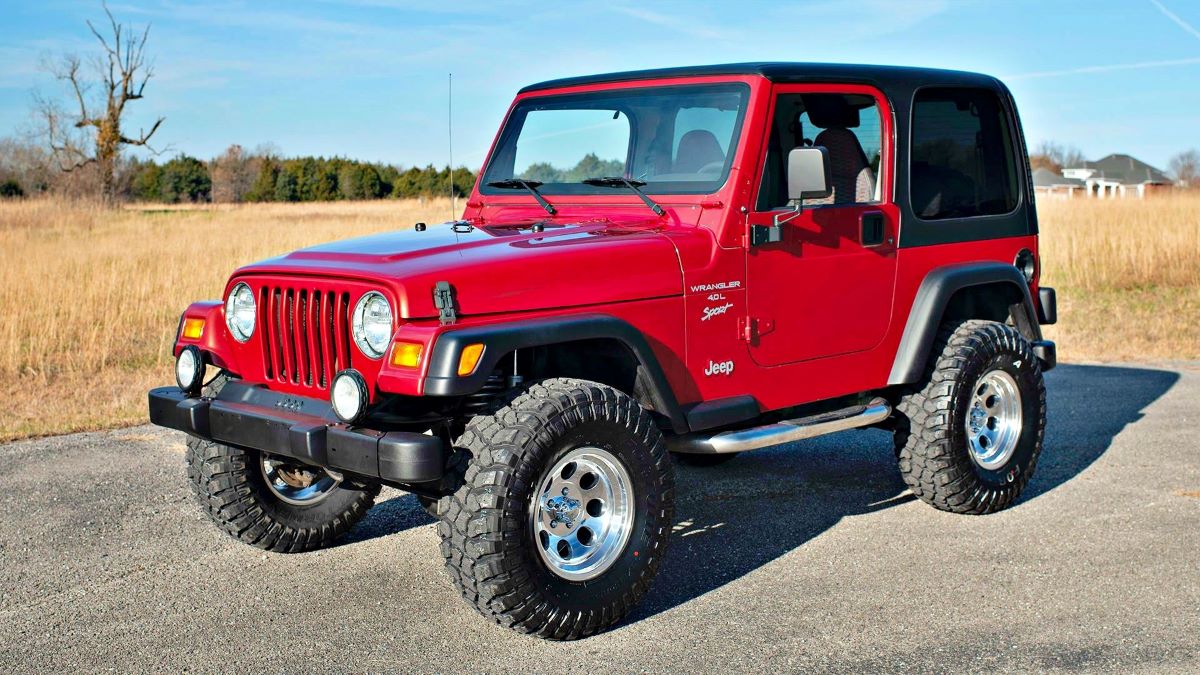
With a typical model life cycle of around ten years, each Wrangler redesign has marked a significant evolution, enhancing on-road performance, adding more features and safety equipment, while staying true to the vehicle’s rugged roots.
The first generation of the Wrangler dates back to 1986, a period when Renault still controlled the company, shortly before Chrysler assumed ownership.
For the 1997 model year, the Jeep Wrangler received an all-new generation that introduced coil suspension for the first time and debuted the long-wheelbase Unlimited model.
The 2007 MY JK represented the Wrangler’s first full clean-sheet redesign, bringing in modern conveniences such as navigation and electronically disconnecting stabilizer bars.
The most recent JL generation, launched for the 2018 model year, expanded engine options, added an eight-speed automatic transmission, enhanced safety features, and introduced the Gladiator truck variant, all while retaining the rugged, mountain-goat capability that Wrangler enthusiasts have come to expect.
2. Chevrolet Cavalier (1990s–2000s)
The Cavalier was built as a budget commuter, not a long-term comfort cruiser. After 100k miles, the interior plastics often rattle, the seats flatten, and suspension harshness becomes noticeable.
The Chevy Cavalier was discontinued after the 2005 model year and succeeded by the Chevrolet Cobalt. Several factors likely influenced this decision.
First, market demand played a role. Introduced in 1982 as a front-wheel-drive compact, the Cavalier aimed to meet North American buyers’ desire for smaller, fuel-efficient vehicles.
Over time, however, consumer preferences and market trends shifted, creating the need for a more modern and competitive compact in Chevrolet’s lineup.
Second, competition was a key factor. The Cavalier faced stiff rivalry from other compact cars such as the Honda Civic and Toyota Corolla. To remain competitive, Chevrolet needed a new model capable of better challenging these established competitors.
Third, the Cavalier’s design had become outdated. By the mid-2000s, its styling and technology lagged behind newer models, making a redesign necessary to meet evolving consumer expectations.
Finally, the Chevrolet Cobalt replaced the Cavalier, offering a more contemporary design, enhanced performance, and updated features, making it a stronger contender in the compact segment.
It’s worth noting that discussions about reviving the Cavalier nameplate have surfaced, with General Motors filing for new trademarks on the Cavalier name in 2019. However, as of March 2024, no official announcements have been made regarding its return.
Overall, the decision to discontinue the Chevy Cavalier was likely driven by the need for a more modern, competitive compact car in Chevrolet’s lineup, coupled with shifting market demands and intensified competition.
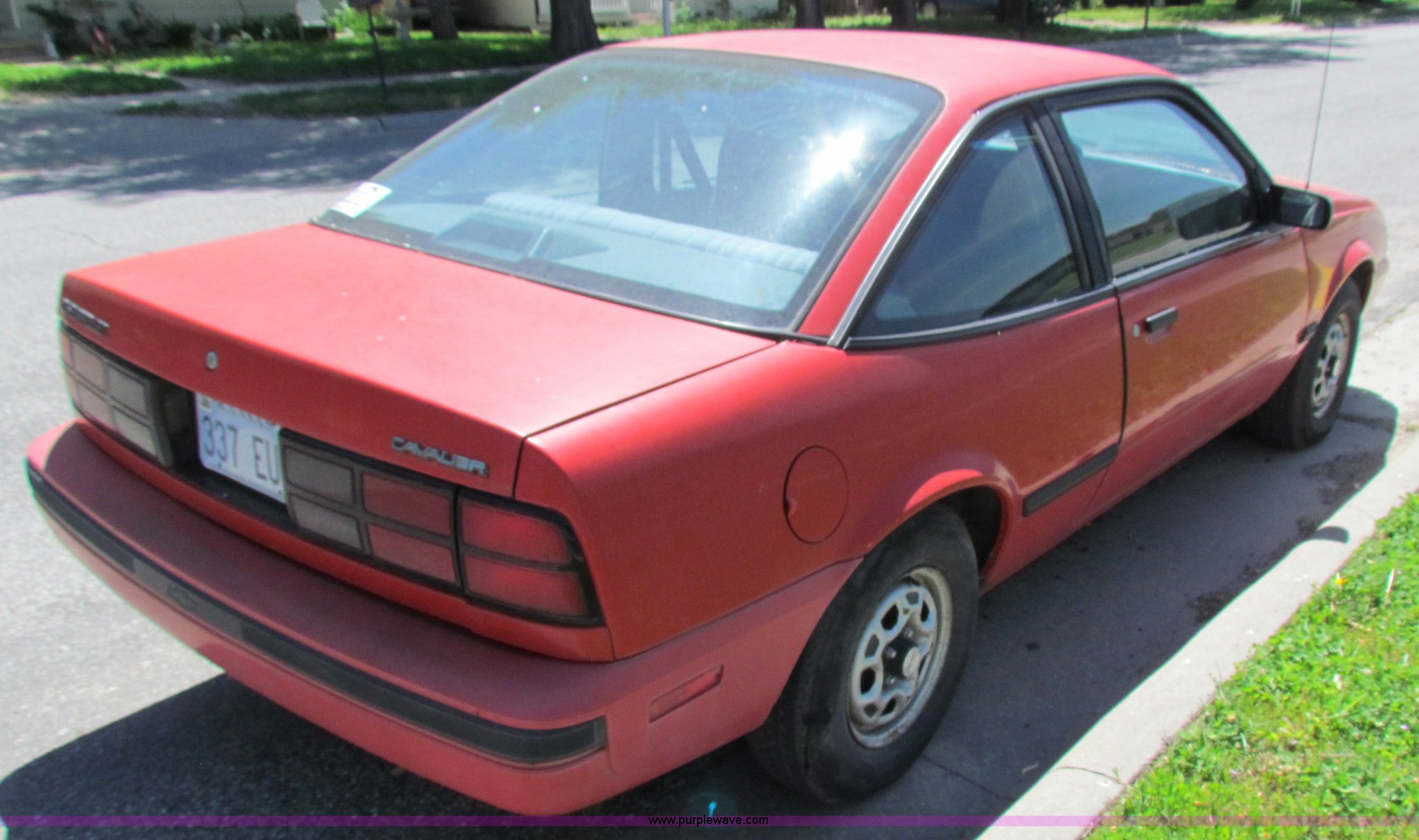
By the time you approach 200k or more, the car may still run but will feel outdated and tiring to drive. Road noise seeps in heavily, and fatigue sets in quickly on longer trips.
Compared to vehicles like the Accord or Avalon, the Cavalier shows how economy-focused engineering doesn’t translate well into comfort longevity.
3. Ford Ranger (1990s–mid-2000s)
The old compact Ranger earned respect for rugged simplicity, but comfort was never a highlight. Extended use only makes matters worse. Seats are narrow and lack support, while road and wind noise are unrelenting on the highway.
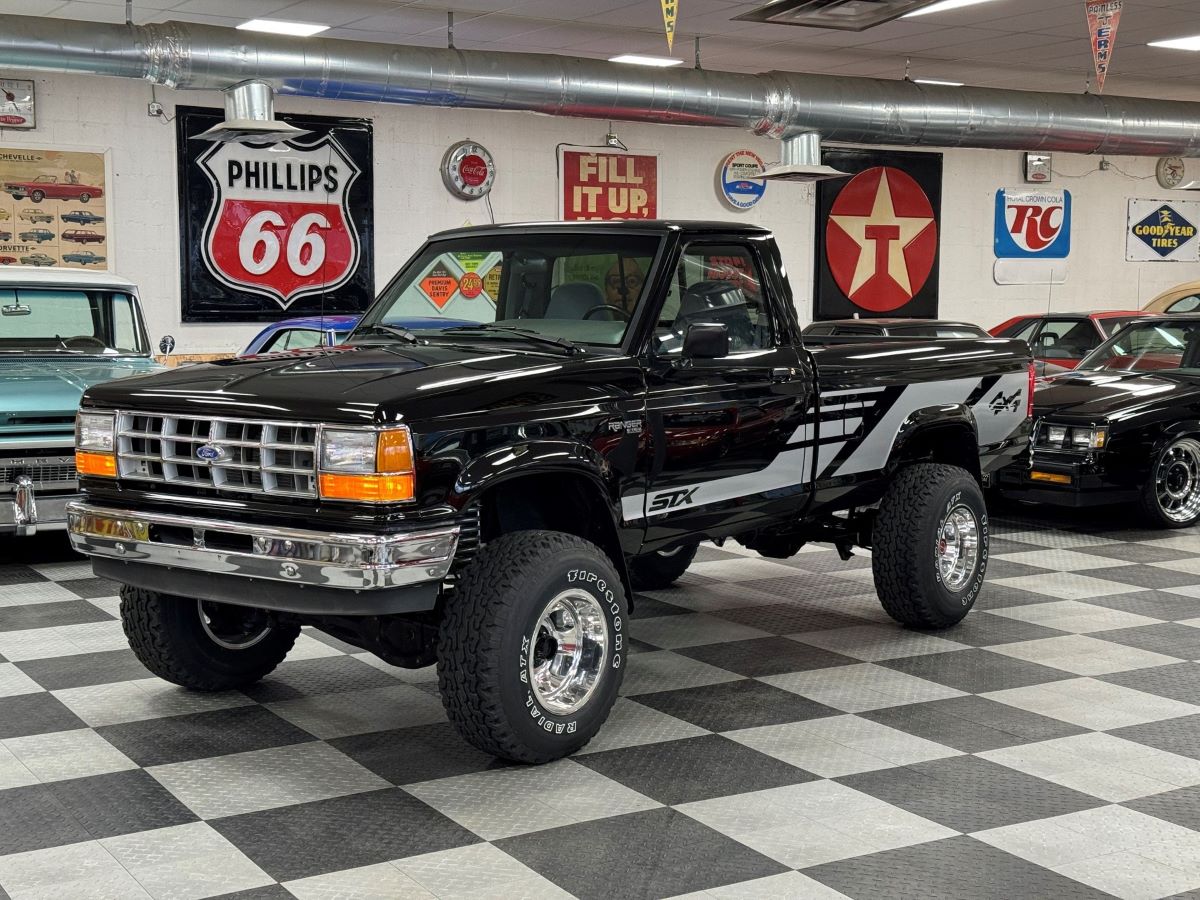
Many high-mileage Rangers still run well thanks to their tough drivetrains, but at 250k miles, most owners admit they’re not enjoyable daily drivers. For work trucks, toughness mattered more than comfort, and it shows in how they age.
The 2019 Ford Ranger isn’t entirely a brand-new creation. While Ford withdrew the Ranger from the U.S. market in 2011, production and sales continued in other regions.
That same year, customers outside North America could purchase an all-new, larger midsize Ranger developed by Ford Australia. This global-market Ranger received a facelift in 2015, and it is that iteration that serves as the foundation for the 2019 model.
Many aspects of the Ranger will feel familiar to anyone who has spent time in its larger sibling, the F-150. Inside, the Ranger features Ford’s Sync 3 technology, along with optional amenities such as smartphone connectivity, blind-spot monitoring, and in-car Wi-Fi. Advanced safety features are also plentiful, including forward collision mitigation and lane-keeping assist.
Under the hood, the 2019 Ranger comes with a single engine option: a turbocharged 2.3-liter four-cylinder producing 270 horsepower.
While a broader range of powertrains would be preferable, this engine delivers a spirited performance, providing ample acceleration and towing capability. Maximum towing capacity reaches an impressive 7,500 pounds.
In other respects, however, the 2019 Ranger does not fully meet the expectations of a newly reintroduced model. Both the chassis and the interior design feel like carryovers from earlier years, rather than components specifically crafted to meet the demands of U.S. buyers in the competitive midsize truck segment.
4. Mini Cooper (early 2000s models)
Charming and fun to drive when new, early Minis don’t age well in terms of comfort. Their sporty suspension tuning, while enjoyable for corner carving, becomes punishing as components wear.
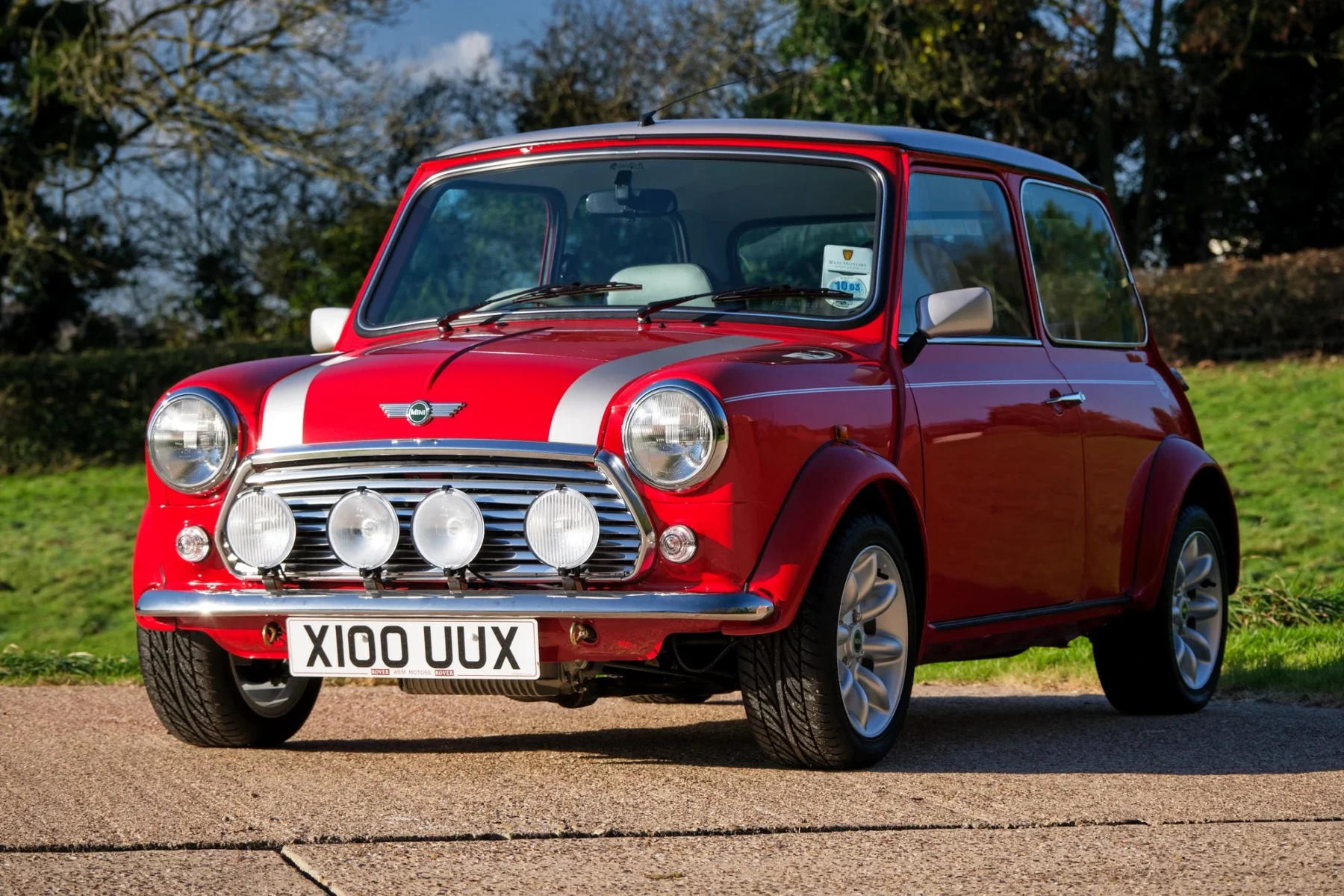
Road noise creeps in, seats lose cushioning, and the firm ride can feel downright harsh after 150k miles. Even if you keep one running to 300k, it won’t provide the kind of comfort that long-distance commuters or families would appreciate.
5. Dodge Neon (1990s–2005)
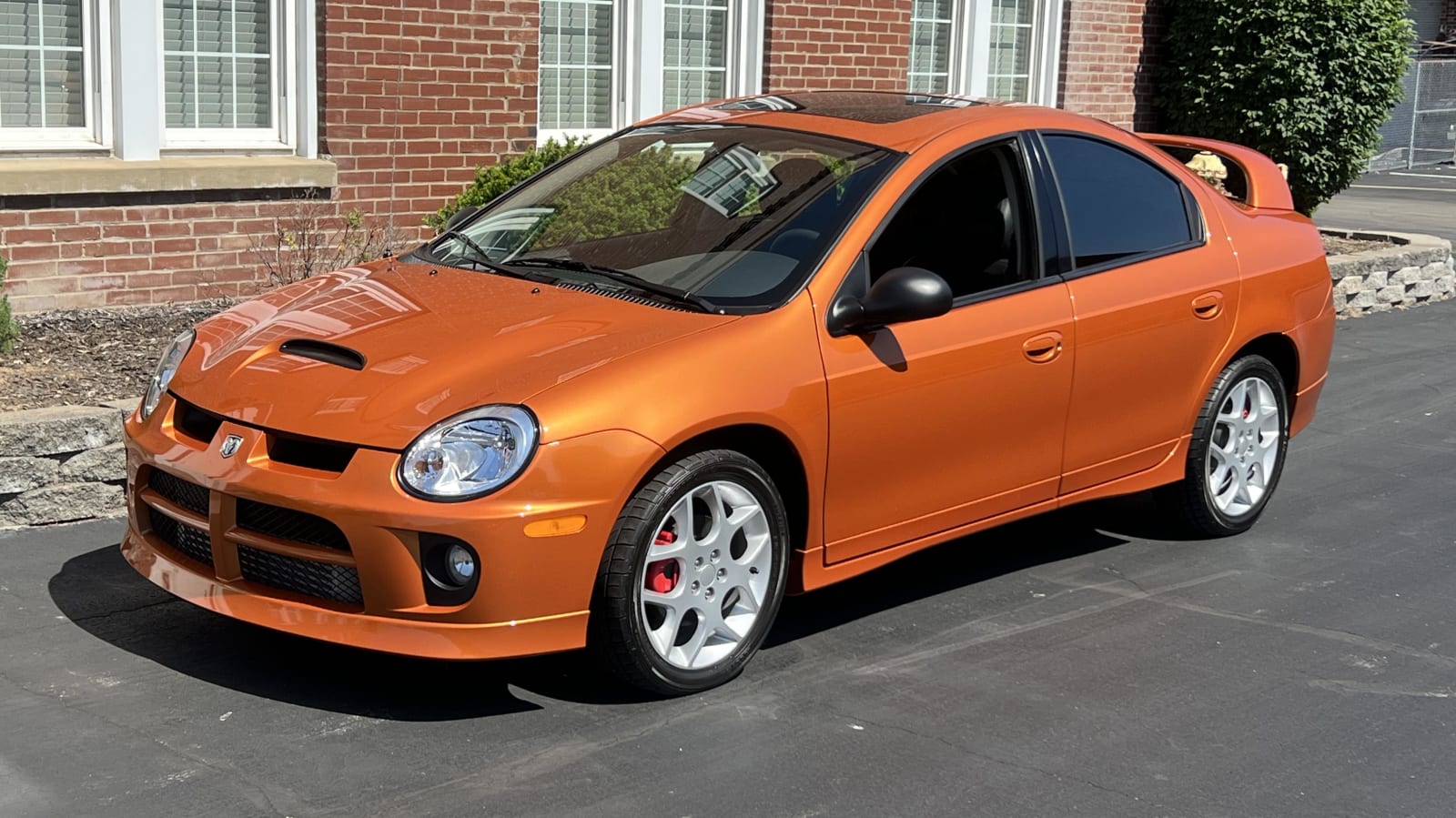
The Neon was another affordable compact built with budget buyers in mind. While it offered decent performance for the price, comfort quickly faded with age. Interiors wore down fast, seats became unsupportive, and suspension systems struggled to absorb bumps as miles piled up.
By the time these cars passed 150k, most felt rough, noisy, and fatiguing to drive. Even if mechanically they could hang on, Neons rarely provided the comfort needed for drivers to keep enjoying them past 200k, let alone 300k.
When considering a car to keep for the long haul, Americans often focus on whether it will last mechanically but comfort longevity is just as important.
After a slow start in the market, Chrysler introduced the second generation of the Neon in 1999 as a 2000 model year, just four years after the first Neon rolled off the assembly line.
The concept of an economical, sporty, and youthful sedan from Chrysler for the American market was promising, but the execution fell short of expectations. Competing against top-selling models like the Honda Civic, Toyota Corolla, Volkswagen Jetta, and the recently upgraded Nissan Sentra, the Dodge/Plymouth Neon struggled to gain traction.
The exterior received updates, including a new pair of larger headlights and a narrow grille beneath the hood, accented by a slim horizontal chrome line connecting the internally mounted turn signals.
A wide lower grille on the bumper, intended to resemble a smiling face, often came across as more of a grimace. One of the first generation’s appealing features, frameless windows, was replaced with framed ones beginning with the 2000 model year.
Inside, Chrysler installed a visually decent dashboard, with an instrument cluster that started above the center stack and extended to the door panel.
Regardless of trim level, rear power windows were not standard, though they were available as options. Another drawback was the quality of materials; the dash, door panels, center stack, and other surfaces were all constructed from hard plastic.
Under the hood, Chrysler offered a 1.6-liter engine, the same unit found in the first-generation Mini, along with two versions of a 2.0-liter engine. Power was delivered to the front wheels via a 5-speed manual or a 4-speed automatic transmission.
Cars like the Lexus LS400, Toyota Avalon, Honda Accord, Buick Park Avenue, and Volvo 240 prove that with the right engineering, a vehicle can remain a pleasant place to spend time even past 300,000 miles.
On the other hand, models like the Jeep Wrangler, Chevrolet Cavalier, Ford Ranger, Mini Cooper, and Dodge Neon show that even if the engine keeps going, declining comfort can make you want to hand over the keys long before the odometer reaches those heights.
If your goal is not just to keep a car alive but to enjoy every mile, choosing one with a proven track record of comfort durability makes all the difference.
