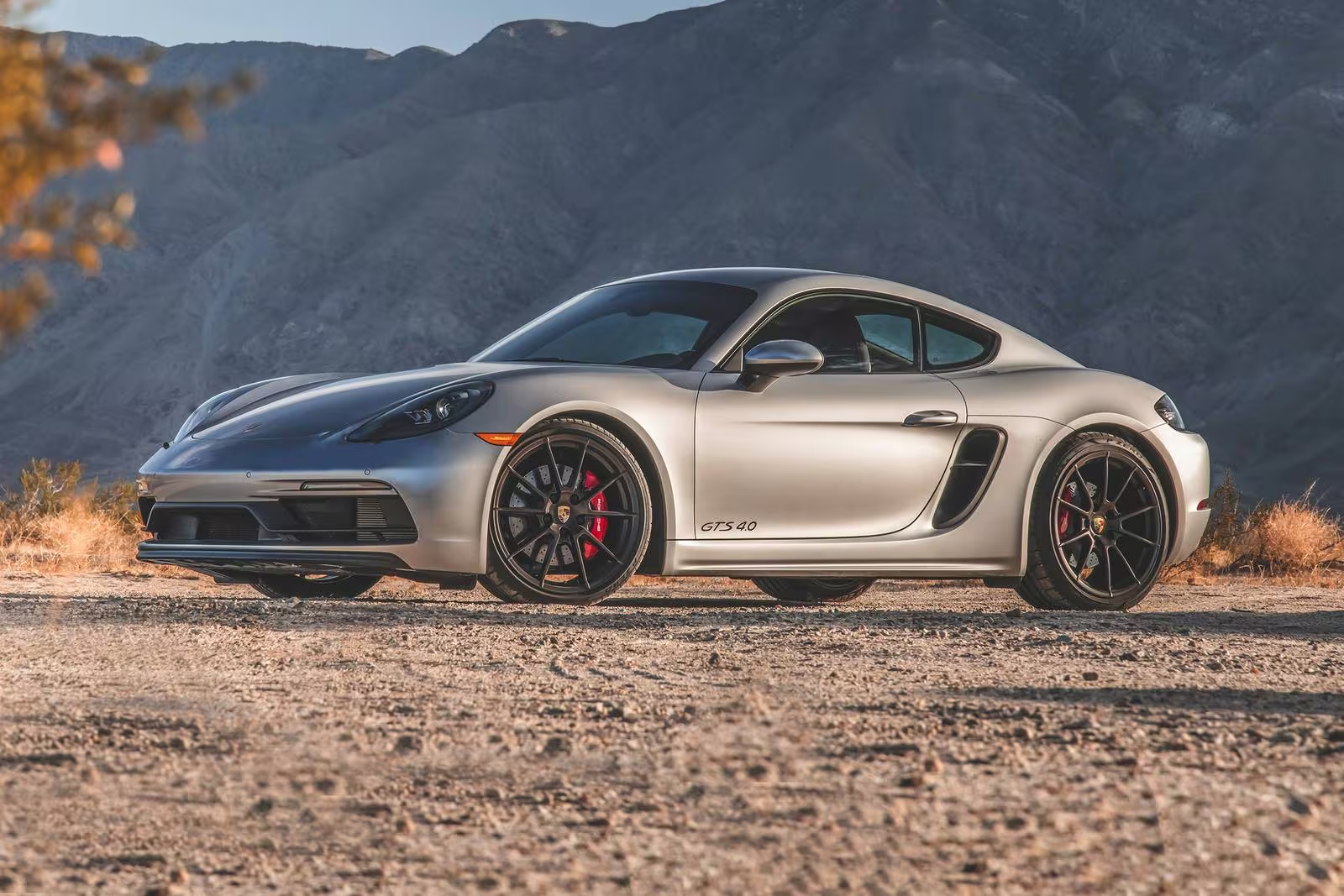
When people talk about a car, they often mention speed, power, or design. But one of the most important things that makes a car truly enjoyable is its handling. Handling is how well a car responds to the driver.
A car with great handling feels balanced and smooth, even at higher speeds. It turns into corners with confidence and stays stable on rough roads. This gives the driver more control and makes driving safer and more enjoyable.
Good handling is not only about fun. It also adds safety. A car that can react quickly helps the driver avoid accidents and feel confident in different road conditions. This is why handling is often more important than raw speed.
Some cars are built with handling as their main focus. They are designed to be light, balanced, and responsive. These cars make driving feel like a connected experience, where the car and driver move together in perfect control.
5 Cars With Great Handling
Sports cars are often known for handling, but not all good-handling cars are expensive. Many affordable models also offer sharp steering and stable suspension. This means drivers of different budgets can enjoy a car that feels solid on the road.
Car companies spend years testing suspension, steering systems, and weight balance to create the perfect feel. The goal is always the same: a car that makes driving natural, smooth, and exciting, no matter the situation.
Also read: 5 Cars With Misleading Marketing Claims and 5 That Deliver
1) Mazda MX-5 Miata
The Mazda MX-5 Miata is one of the most popular sports cars in the world. It is small, light, and simple in design, but it delivers driving fun that many larger and more expensive cars cannot match.
One of the biggest strengths of the Miata is its lightweight body. Because it is so light, the car feels agile and quick to respond. This makes it easy to control, especially on winding roads and sharp corners.
The balance of the Miata is another reason drivers love it. Mazda carefully designed its weight distribution so that the car feels stable. Whether speeding up, slowing down, or turning, it stays smooth and predictable for the driver.
The steering in the Miata is sharp and precise. When you turn the wheel, the car reacts instantly, giving a connected feeling between the driver and the road. This is something many car lovers look for in sports cars.
Another reason the Miata is admired is its simplicity. Unlike heavy, complicated cars, the Miata avoids unnecessary technology that can make driving feel distant. Instead, it focuses on pure driving fun with manual controls and a natural driving experience.
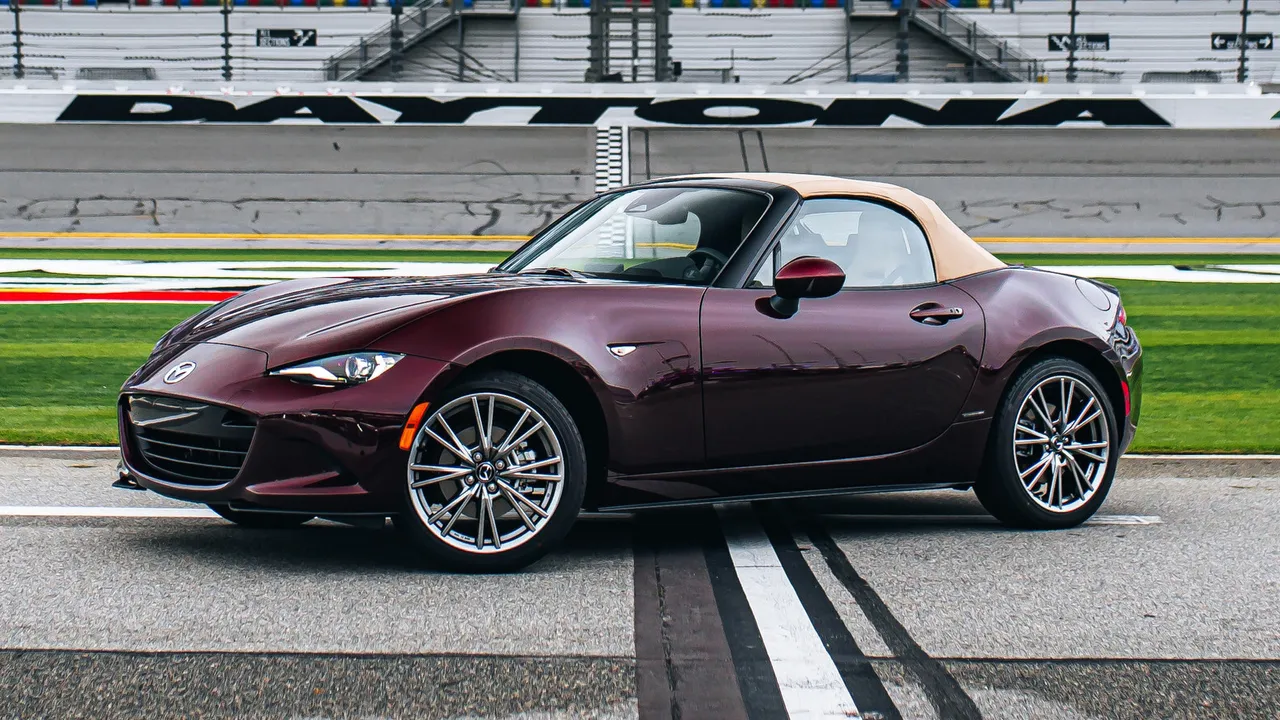
The Miata is also affordable compared to many sports cars. Drivers get great handling and excitement without paying luxury prices. This has helped the Miata become a favorite for both young drivers and experienced car lovers around the world.
Comfort is not forgotten either. While the Miata is a small two-seater, it has supportive seats and a well-designed interior. The convertible roof also lets drivers enjoy open-air driving, which adds to the fun of owning the car.
Over the years, Mazda has updated the Miata to keep it modern while still protecting its core spirit. Each generation has improved performance, safety, and efficiency, but the soul of the car has always stayed the same lightweight and fun.
The Mazda MX-5 Miata proves that you don’t need huge power to enjoy driving. With its balance, responsiveness, and playful spirit, it continues to be one of the best-handling sports cars ever built, loved by drivers everywhere.
2) BMW 3 Series
The BMW 3 Series is famous for combining comfort, power, and precise handling. It is a mid-size luxury car that feels sporty on the road, giving drivers confidence in corners and stability on highways at high speeds.
One key strength of the 3 Series is its balance. BMW engineers carefully tune the suspension and weight distribution so that the car feels connected to the road. Drivers can enjoy sharp steering and predictable reactions in every situation.
The steering is another highlight. It is precise, responsive, and smooth, letting drivers feel exactly what the tires are doing. This connected feeling makes driving enjoyable, whether on city streets, mountain roads, or highways.
The engines in the 3 Series add to the driving experience. With turbocharged power, acceleration is quick but controlled. Even with higher speeds, the car stays stable and confident, showing why BMW is known for driving dynamics.
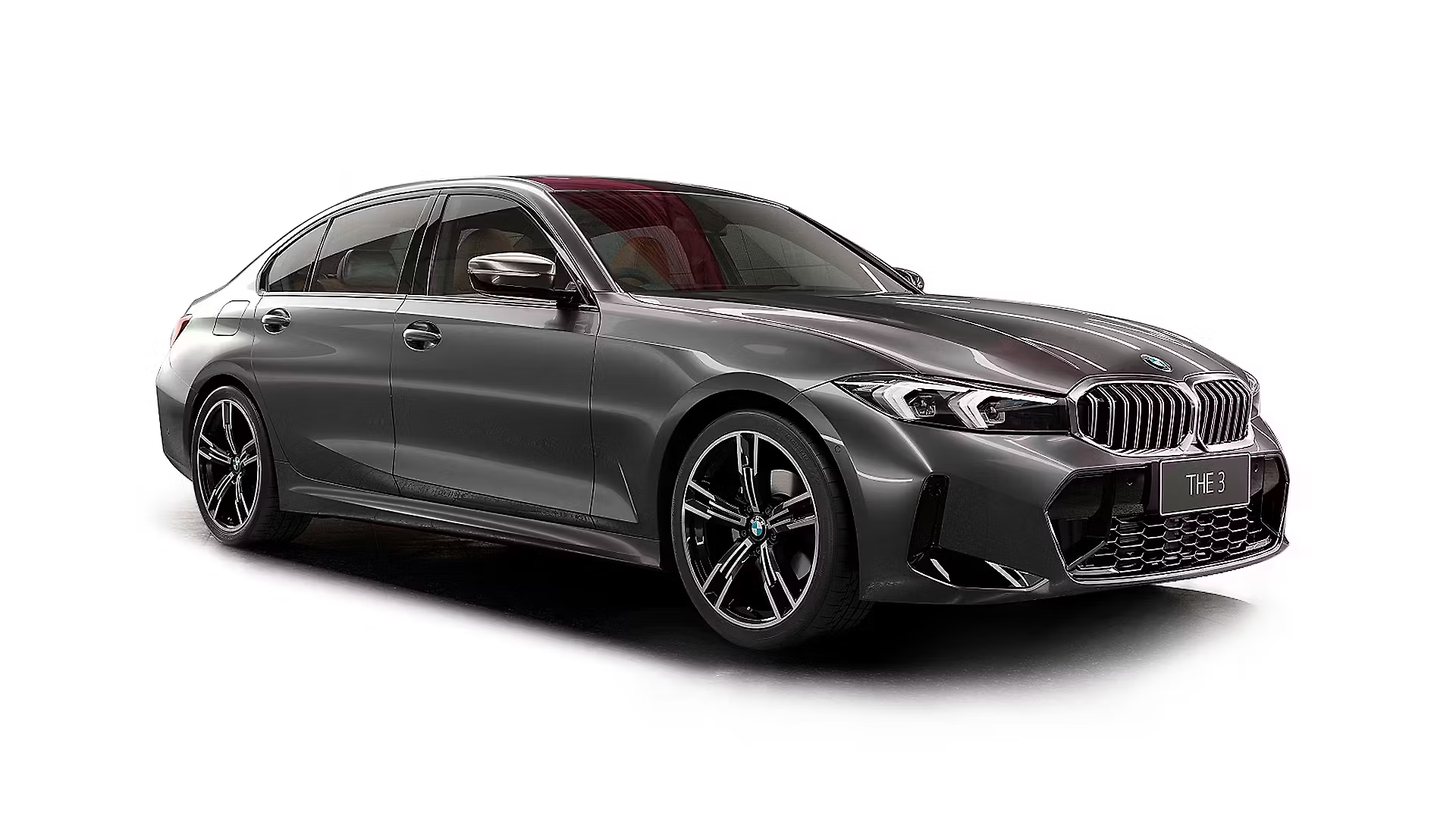
Inside, the 3 Series combines luxury and focus. Comfortable seats, quality materials, and an intuitive layout allow the driver to concentrate on the road. Everything is designed to enhance both comfort and control.
Over the years, BMW has refined the 3 Series to improve handling even further. Newer models offer adaptive suspension and advanced technology, yet the core experience remains: a sporty, balanced, and precise driving feel.
Whether in daily driving or spirited weekend runs, the BMW 3 Series proves itself as one of the best-handling cars in its class. It continues to set the standard for those who want driving pleasure and stability together.
3) Porsche 911
The Porsche 911 is one of the most iconic sports cars ever made. Known for its unique rear-engine layout and sleek design, it delivers unmatched stability and control, making it a favorite for both professional racers and everyday drivers.
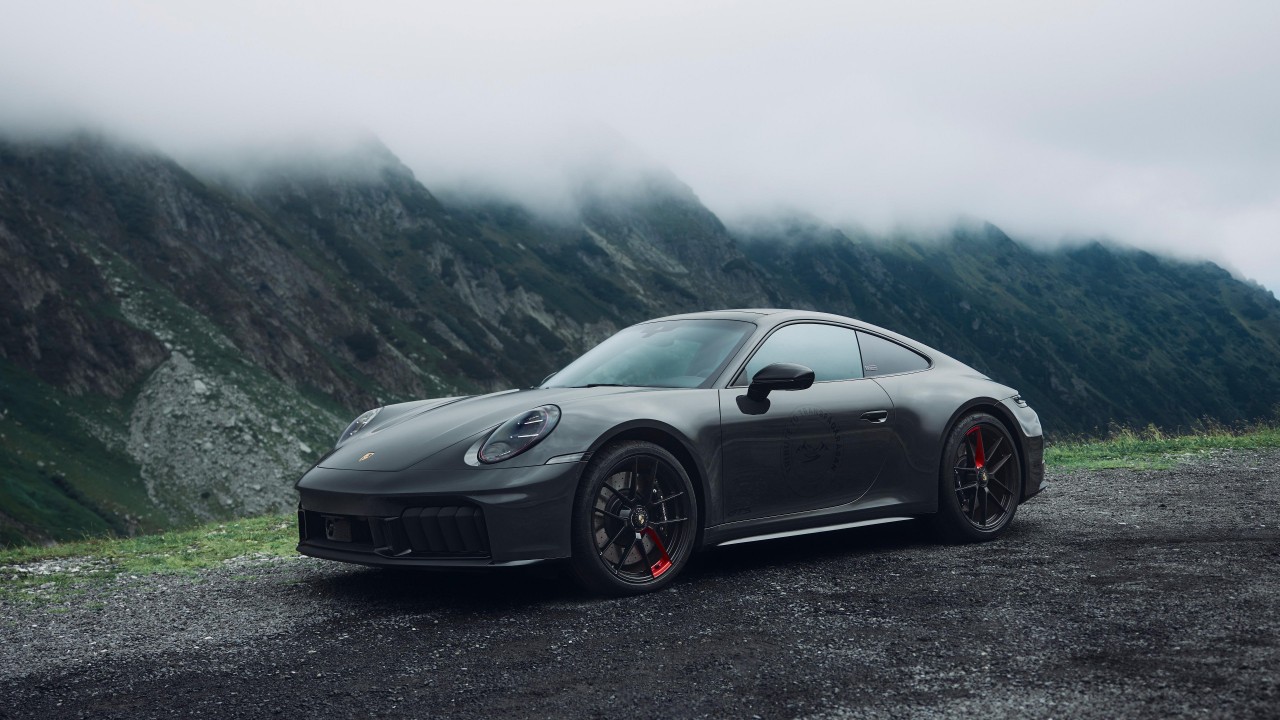
One of the key reasons for its legendary handling is its advanced suspension system. The 911 grips the road tightly, allowing smooth cornering at high speeds. Drivers feel secure and connected, even when pushing the car to its limits.
The steering in the 911 is precise and responsive. Every movement of the wheel translates directly to the road. This makes the car feel alive, giving drivers confidence whether they are cruising highways or racing on winding tracks.
Over the years, Porsche has continuously improved the 911 while protecting its driving spirit. New models include modern technology, but the car’s balance, stability, and sharp control remain the same. This is why the 911 has kept its global reputation.
The Porsche 911 shows how engineering and passion create one of the best-handling sports cars in history. It remains a dream car for enthusiasts who want excitement, control, and smooth driving in one legendary package.
4) Honda Civic (Sport Models)
The Honda Civic is one of the most popular compact cars in the world. While known for reliability, the sport models stand out for their excellent handling. They prove that everyday cars can also be sharp, balanced, and fun to drive.
The Civic Sport models have a tuned suspension that makes cornering more controlled. Drivers notice how the car feels steady on different roads, whether in the city, on highways, or during fast turns on country roads.
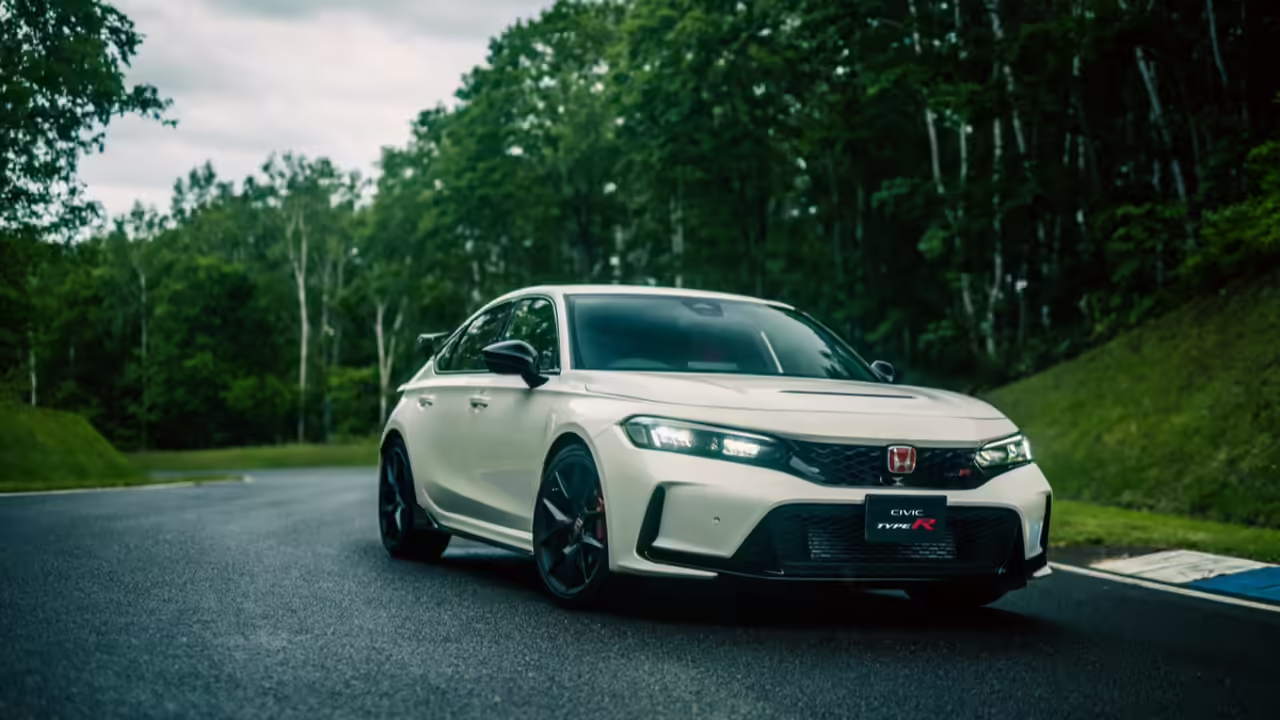
The steering is another strength. It is light yet precise, giving drivers confidence when making quick movements. This makes the Civic Sport not just safe but also enjoyable for those who love a connected driving experience.
Affordability is also an advantage. Unlike many sports cars, the Civic Sport offers good handling without high prices. This makes it a favorite among younger drivers who want excitement along with reliability and fuel efficiency.
With its mix of comfort, safety, and sporty handling, the Honda Civic Sport proves that even everyday cars can feel exciting. It is an excellent choice for drivers who want both practicality and fun on the road.
5) Subaru BRZ / Toyota 86
The Subaru BRZ and Toyota 86 are twin sports cars created with one goal in mind—handling. They are light, balanced, and responsive, giving drivers the pure feeling of control without needing extreme horsepower or expensive performance features.
One of their greatest strengths is low weight. Because these cars are not heavy, they feel agile and quick to react. This makes them perfect for winding roads, where sharp turns feel smooth, stable, and fun for the driver.
The steering in the BRZ and 86 is very direct. When drivers turn the wheel, the cars respond instantly. This connected feeling is highly valued by enthusiasts who want to enjoy every moment behind the wheel.
Their low center of gravity adds even more stability. Both cars sit close to the ground, which reduces body roll in corners. This makes them feel planted and predictable, even when drivers push them harder during spirited driving.
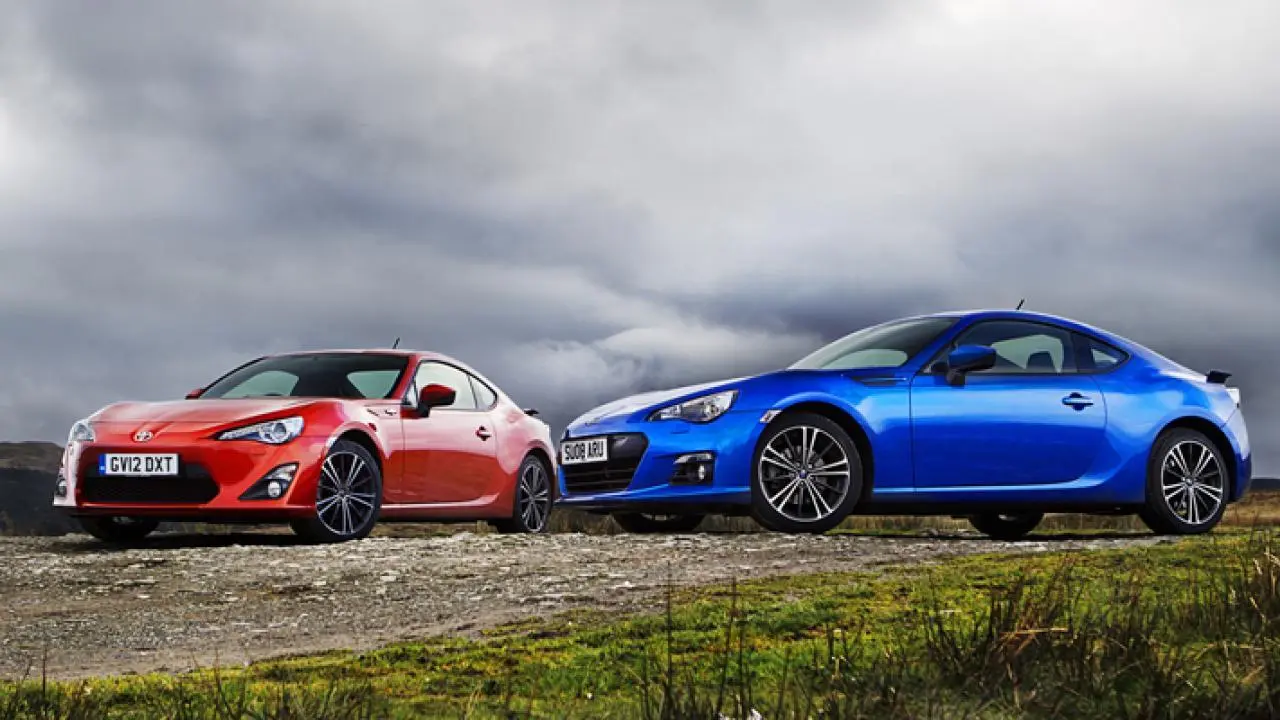
Affordability is another reason for their popularity. These cars provide excellent handling at a price much lower than that of luxury sports cars. They offer a thrilling experience for drivers who want fun and control without spending too much money.
Together, the Subaru BRZ and Toyota 86 prove that handling matters more than raw power. They show how smart engineering, light weight, and balance can create cars that deliver pure driving joy for enthusiasts all around the world.
Also read: 5 Trucks With Zero Depreciation and 5 That Tank Instantly
5 That Shake Apart
When people buy a car, they often look at style, features, or engine power. But one of the most important things is handling. A car with good handling feels stable, smooth, and safe, while a poorly handling car feels shaky.
Handling is about how a car reacts to the driver. It includes steering, suspension, and balance. A well-handling car gives confidence on curves and highways. A bad one may rattle, bounce, or feel unsafe, especially as it gets older.
Some cars are famous for their sharp and responsive handling. They make driving exciting and safe at the same time. On the other hand, some cars earn a poor reputation because they feel unstable, cheap, or badly built, especially after years.
In this article, we will look at both sides. First, we’ll highlight five cars known for great handling. Then, we’ll discuss five cars that often disappoint drivers because of their shaky and unstable performance on the road.
1) Jeep Wrangler
The old Jeep Wrangler has always been a symbol of adventure. Built for off-road trails, mountains, and rough paths, it delivers a rugged performance few vehicles can match. However, on normal roads and highways, it often shows its weaknesses.
One of the biggest issues with old Wranglers is stability on highways. The tall design and short wheelbase make the vehicle feel wobbly at higher speeds. This can cause body roll in corners, leaving drivers and passengers feeling unsettled.
The suspension of older Wranglers is stiff, which works well for rocky and uneven off-road conditions. But on city streets and highways, this stiffness makes the ride uncomfortable. Passengers often complain about constant bouncing, shaking, and vibrations inside the cabin.
Noise is another problem. The boxy design and removable roof panels create a lot of wind noise at higher speeds. Combined with engine and road noise, long drives in an old Wrangler can feel loud and tiring compared to modern SUVs.
Daily driving is not where the old Wrangler shines. Maneuvering through traffic, parking, or long commutes can feel stressful because of the heavy steering and lack of smooth handling. Drivers often need extra effort to control it on busy roads.
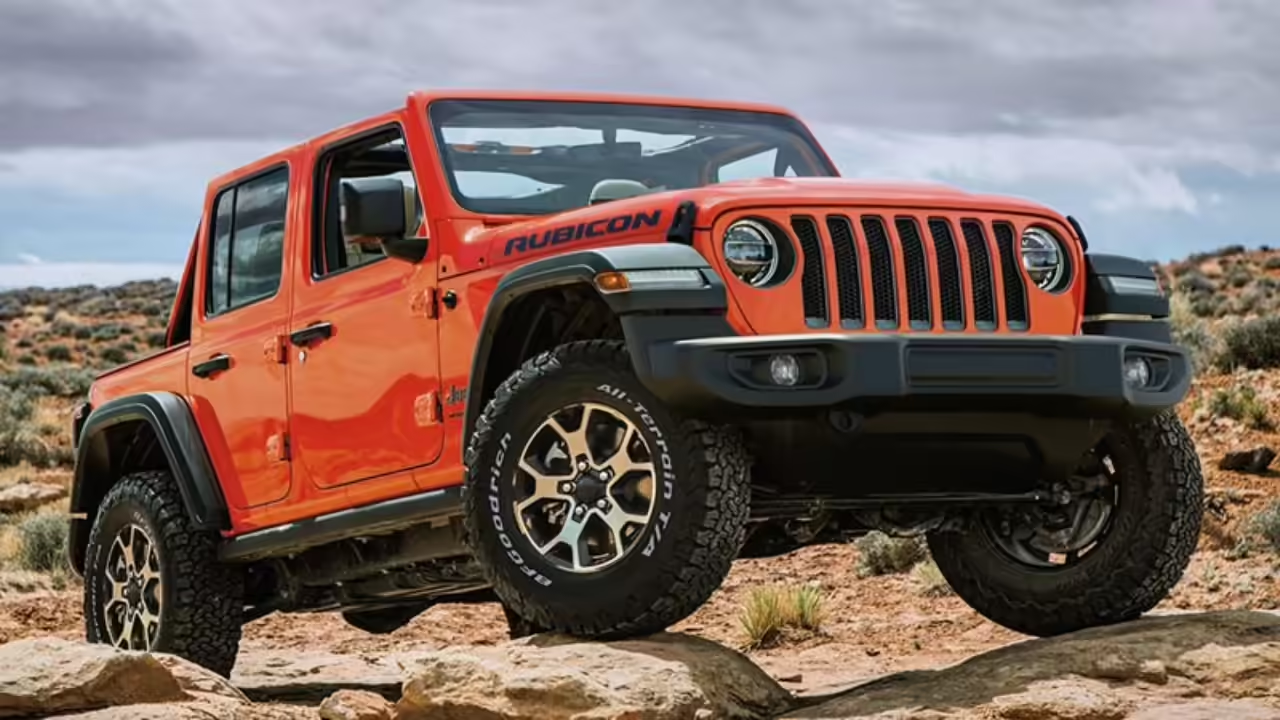
Despite these issues, the Wrangler’s off-road strength cannot be ignored. It handles mud, snow, rocks, and steep trails with confidence. The four-wheel-drive system and high ground clearance make it one of the most capable adventure vehicles ever built.
Owners who buy old Wranglers usually value adventure more than comfort. They enjoy taking the vehicle into the wild where its strengths shine. But for families or people who mostly drive on highways, the old Wrangler feels rough and unstable.
Over the years, newer Wranglers have improved handling and comfort, but the older models remain popular among off-road fans. They are tough, dependable, and adventurous, though they are not the best choice for smooth and quiet daily driving.
In the end, the old Jeep Wrangler is a specialist vehicle. It is perfect for off-road lovers who enjoy rough trails and outdoor adventures. But for those wanting stability, quiet rides, and comfort, it can feel shaky and tiring on roads.
2) Dodge Journey
The Dodge Journey was introduced as a mid-size family SUV, offering space and affordability. At first, it looked appealing for families who wanted comfort and utility. However, over time, the Journey developed a reputation for poor handling and weak quality.
One of the main issues with the Dodge Journey is its suspension. The ride often feels soft and unsettled, especially on highways. Instead of feeling stable, the car sways and leans during turns, giving drivers little confidence at higher speeds.
Steering is another weakness. It often feels slow and unresponsive, which makes maneuvering harder in tight spaces. For drivers, this means less control and a disconnected feeling, especially when quick reactions are needed in traffic or during sudden lane changes.
Interior build quality is also disappointing. Many owners complain about rattles, squeaks, and loose fittings after only a few years. Instead of feeling solid and reliable, the cabin often feels cheaply made, which adds to the sense of poor durability.
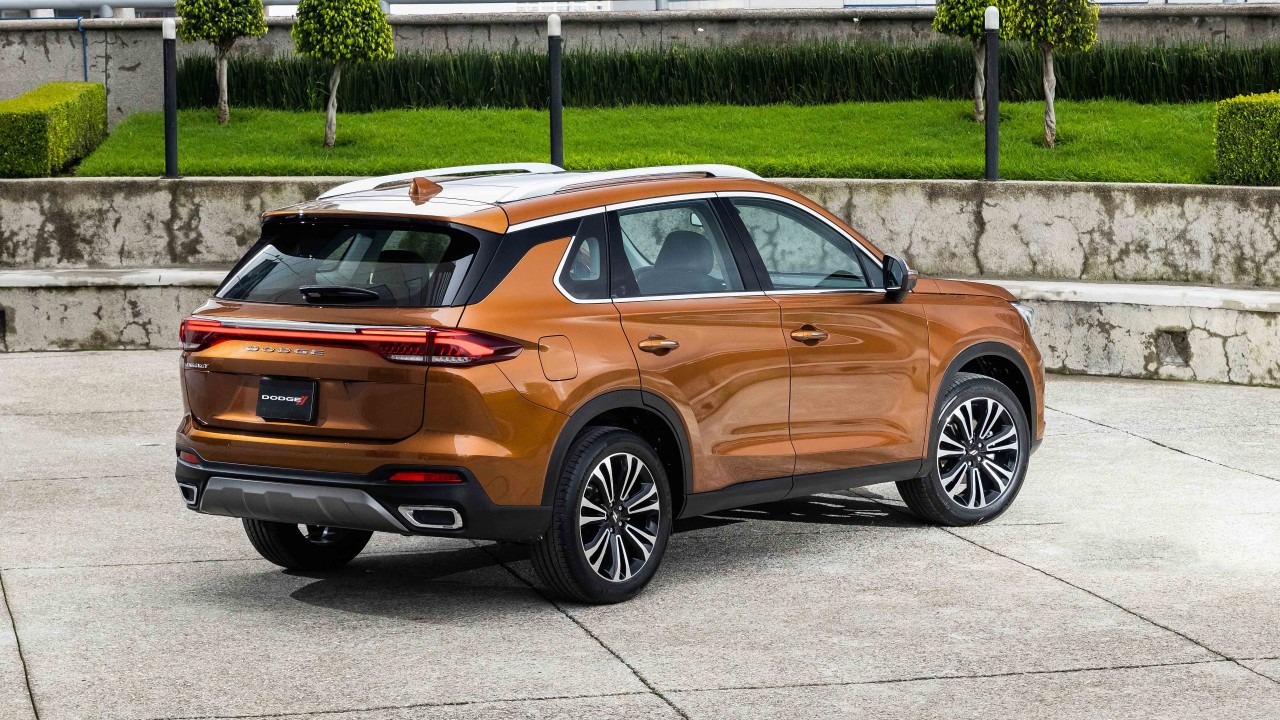
Daily driving the Dodge Journey can become frustrating. Families who expected comfort often discovered that long trips were tiring because of noise, vibrations, and the unsettled ride. While it had space for passengers, the driving experience itself failed to meet expectations.
Reliability is another concern. Owners have reported mechanical problems, from transmission issues to electrical faults. Combined with weak handling and comfort, these problems made the Journey one of the least recommended SUVs in its class by many experts and drivers.
The Dodge Journey may have been affordable, but the low cost came at the price of quality. While it offered space and practicality on paper, in real driving it often felt unstable, cheaply built, and far less reliable than competitors.
Over the years, the model’s reputation declined sharply. Dodge eventually stopped producing the Journey, as demand fell. It serves as a reminder that families need more than space they need stability, safety, and handling they can trust in daily use.
In the end, the Dodge Journey shows that affordability alone does not make a good family car. With weak handling, poor build, and reliability issues, it became a shaky SUV that many families regretted choosing for daily driving.
3) Mitsubishi Mirage
The Mitsubishi Mirage is one of the most affordable cars in the world. It is small, lightweight, and fuel-efficient, making it attractive to budget buyers. However, while it saves money, it sacrifices comfort, stability, and handling quality on the road.
One of the biggest weaknesses of the Mirage is its suspension. The suspension feels soft and poorly tuned, which makes the car bounce over bumps. Instead of absorbing rough roads, it passes every shake and vibration directly to the passengers.
The steering is another disappointment. It feels light and vague, which means the car does not respond quickly to driver inputs. On highways, this lack of precision creates an unstable feeling, making the driver work harder to stay in control.
At higher speeds, the Mirage struggles badly. Its small three-cylinder engine lacks power, and combined with weak suspension, the car feels nervous. Crosswinds, uneven roads, or sudden turns easily unsettle it, leaving both drivers and passengers feeling unsafe and uncomfortable.
Noise is also a major issue. Road noise, wind noise, and engine buzz are always present inside the cabin. Long drives become tiring because the Mirage never feels quiet or stable, making it a poor choice for highway or family trips.
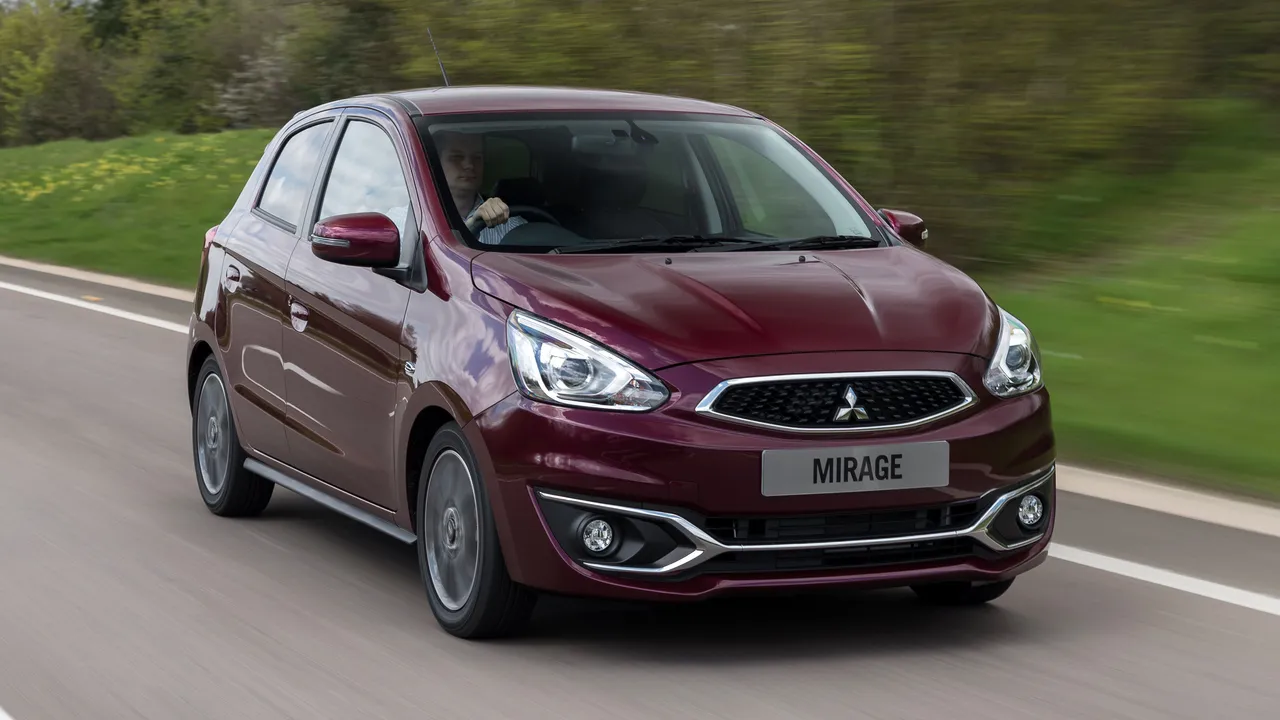
Build quality is another problem. Many owners report rattles, squeaks, and loose fittings even after a few years. The lightweight body helps with fuel economy but makes the car feel flimsy. Over time, this adds to the sense of poor durability.
While the Mirage is affordable and fuel-efficient, these positives cannot hide its handling problems. Drivers looking for stability, comfort, and confidence often end up disappointed. The shaky driving feel makes it more of a compromise than a practical everyday car.
For city driving at low speeds, the Mirage can manage short trips. But once it leaves city limits, its weaknesses quickly appear. On highways or rough roads, it feels out of place, with little stability or comfort to support the journey.
In the end, the Mitsubishi Mirage proves that low cost often comes with big sacrifices. While it may save fuel and money, it cannot deliver safe, stable, or enjoyable handling. For most drivers, it feels cheap, shaky, and underwhelming.
4) Chevrolet Aveo
The Chevrolet Aveo was introduced as an affordable small car for budget-conscious buyers. At first, it attracted attention for its low price and compact design. However, as owners quickly discovered, the Aveo struggled with handling, build quality, and long-term reliability.
One of the biggest issues with the Aveo is its suspension. It feels weak and poorly tuned, leading to a bumpy ride on rough roads. Instead of staying planted, the car often shakes and bounces, reducing comfort and driver confidence.
Handling is another weakness. The Aveo’s steering is vague and unresponsive, especially at higher speeds. Drivers often report a lack of control during sharp turns or sudden lane changes. This makes it feel unstable and unsafe in real driving conditions.
Noise inside the Aveo is also a constant problem. Engine buzz, road noise, and rattles from the interior make the cabin feel cheap. Passengers often describe long rides as tiring because the car fails to deliver smoothness or quietness.
Build quality is disappointing. Many owners experienced loose fittings, squeaks, and other signs of poor durability after only a few years. Instead of aging well, the Aveo feels worn out quickly, which adds to its shaky and fragile driving character.
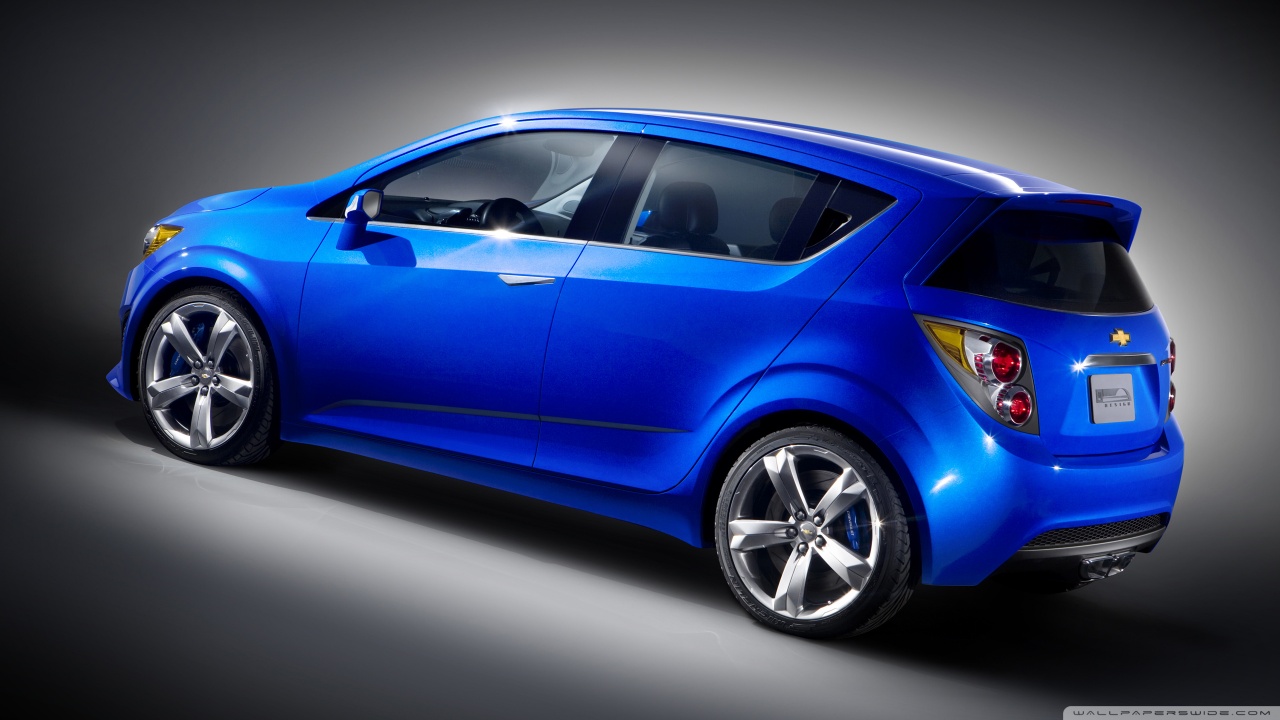
Reliability also falls short. Reports of frequent mechanical issues, from transmission problems to electrical faults, made the Aveo costly to maintain over time. This was a major drawback for buyers who originally chose it for affordability and fuel economy.
On highways, the Aveo struggles even more. Its small engine and weak suspension leave it feeling underpowered and unstable. Crosswinds, uneven surfaces, or sudden movements unsettle it easily, making the car feel unsafe for long or fast journeys.
While it may have offered affordability, the Aveo showed how cutting corners in design affects real-world performance. Owners who wanted a dependable daily car often found themselves dealing with noise, discomfort, and reliability issues far sooner than expected.
In the end, the Chevrolet Aveo became known more for its cheap build than for being a trustworthy car. Its shaky performance, weak handling, and poor long-term quality made it a disappointing choice for many budget-minded drivers.
5) Ford EcoSport
When the Ford EcoSport was first released, it caught attention with its compact SUV design and stylish looks. Buyers expected a practical and smooth city SUV. However, early models soon showed that looks were stronger than performance, especially in handling and comfort.
One of the biggest weaknesses of the early EcoSport is its suspension. Instead of absorbing bumps, the suspension made the ride bumpy and unsettled. On rough roads, passengers often felt uncomfortable because the car passed every shake and vibration directly inside.
Handling was also disappointing. The steering felt inconsistent and lacked precision, especially during quick maneuvers. Drivers often found the car nervous at higher speeds, with poor stability in corners. This made it feel unsafe compared to competitors in the compact SUV class.
Noise was another problem in early EcoSport models. Road noise, engine buzz, and rattles from the cabin were noticeable even at moderate speeds. Long drives often became tiring, as the car failed to deliver the quiet and smoothness buyers expected.
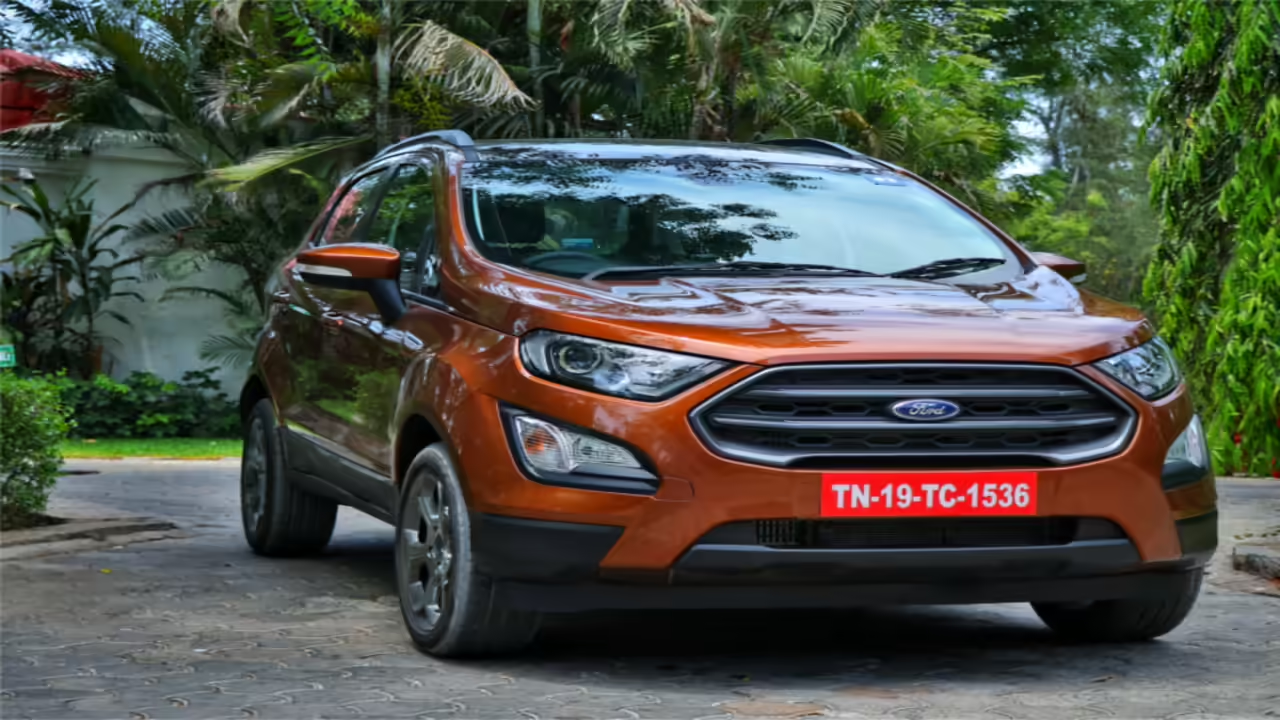
Build quality added to the frustration. Many owners reported squeaks, vibrations, and loose fittings after a few years of use. Instead of feeling solid and durable, the EcoSport often felt cheaply put together, which hurt its long-term reliability and reputation.
On highways, the weaknesses became more obvious. At higher speeds, the EcoSport felt unstable and easily unsettled by wind or rough surfaces. For a car marketed as a city SUV, it lacked the smooth stability needed for safe and confident daily driving.
Later versions of the EcoSport improved in handling and comfort, with better suspension tuning and higher build quality. But the first-generation models already left a poor impression, and many drivers remained disappointed with their shaky and unsettled driving experience.
The EcoSport showed how important engineering is beyond design. While the car looked stylish and modern, its poor handling, noisy ride, and weak suspension made it less appealing for buyers who wanted comfort, stability, and peace of mind in their SUV.
In the end, the early Ford EcoSport became known as a shaky SUV that looked better than it drove. Buyers who wanted style over substance may have enjoyed it, but most found it disappointing compared to stronger competitors.
Also read: 5 Cars That Last With Minimal Maintenance vs 5 That Demand Constant Care