Smooth driving dynamics define the SUV experience, turning long journeys into comfortable, enjoyable trips and highlighting the difference between quality engineering and a frustrating ride.
Many SUVs offer space, style, and powerful engines, but not all deliver the composure and comfort drivers need on highways, city streets, or uneven terrain. Models like the Kia Telluride and Subaru Outback excel with well-tuned suspensions, precise steering, and quiet, thoughtfully designed cabins that keep passengers relaxed and confident.
On the flip side, some vehicles, despite attractive features or strong brand names, fall short, with harsh rides, inconsistent handling, or reliability issues that can detract from the experience. Understanding which SUVs prioritize smooth driving performance versus those that compromise on comfort is crucial for buyers.
This guide highlights five SUVs that maintain refined driving dynamics, excelling in comfort, stability, and responsive handling, alongside five SUVs were ride quality, reliability, or cabin experience may leave drivers wishing for more.
Whether planning family road trips, daily commutes, or weekend adventures, choosing an SUV with composed driving characteristics ensures every journey is safer, more comfortable, and more satisfying.
5 SUVs That Maintain Smooth Driving Dynamics
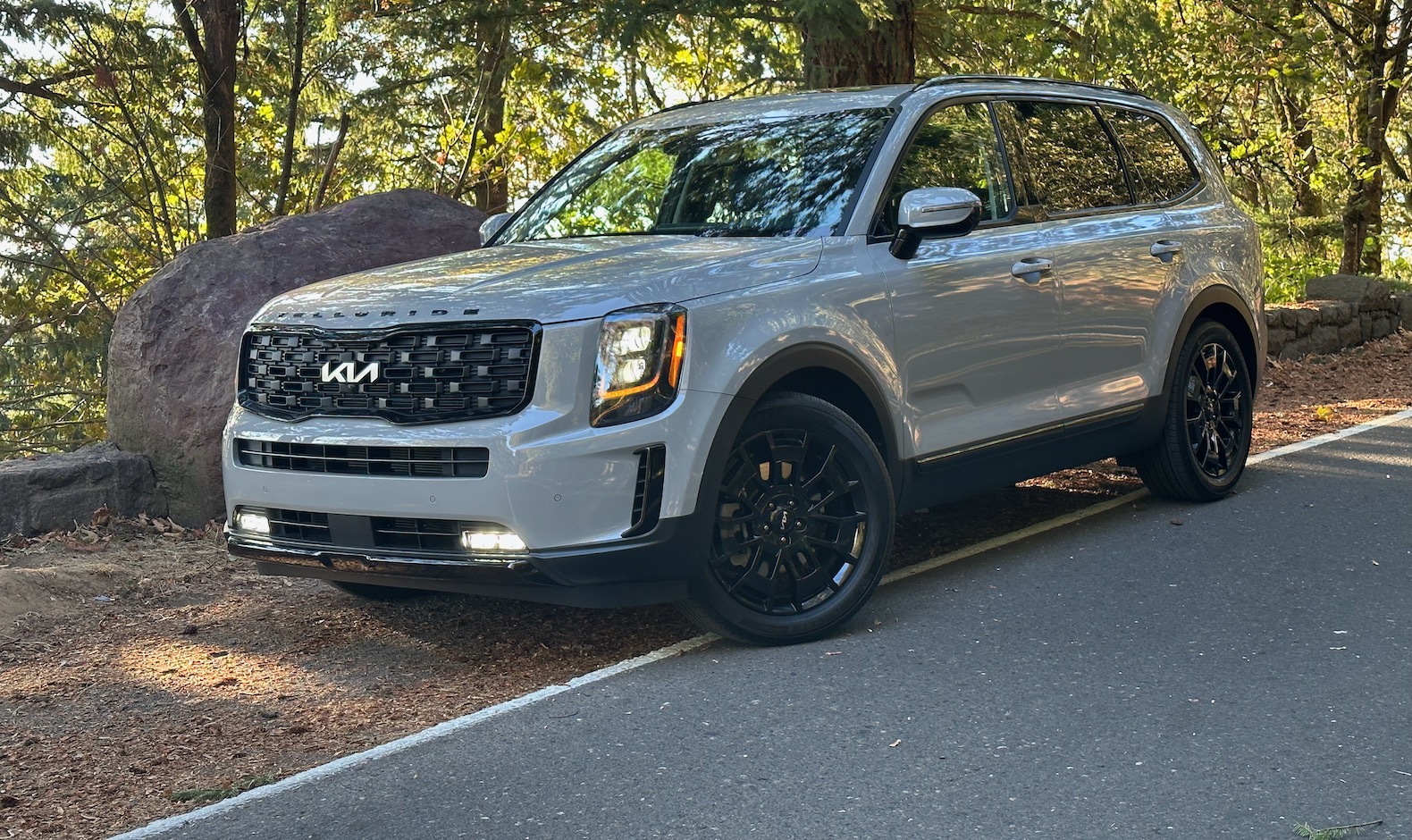
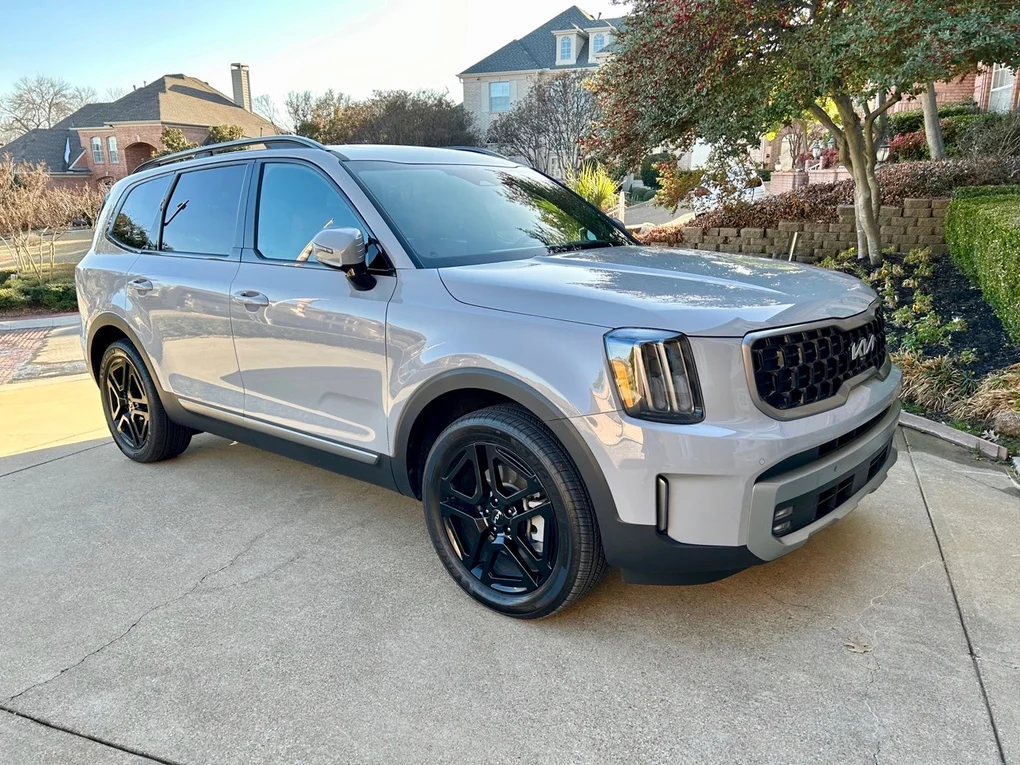
1. Kia Telluride: Spacious, Stylish, and Family-Ready
The Kia Telluride is a three-row SUV that combines practicality, comfort, and a touch of luxury. It can seat up to eight passengers, with a third row spacious enough for adults, making it ideal for family trips. The interior is thoughtfully designed with high-quality materials and a choice between synthetic or genuine leather upholstery.
Pricing starts at $36,190, while the top-of-the-line SX Prestige X-Pro trim reaches $53,385, offering heated and ventilated second-row seats, dual 12.3-inch infotainment screens, and a Harman Kardon premium sound system.
Since its 2020 debut, the Telluride has distinguished itself from competitors like the Toyota Highlander, Honda Pilot, and Subaru Ascent. It quickly became a leader in its class, thanks to a striking design, roomy interior, smooth ride, and impressive storage options.
The Telluride is powered by a 3.8-liter V6 engine delivering 291 horsepower, paired with an 8-speed automatic transmission. The ride is smooth and composed, including in the off-road-focused X-Pro trims.
While acceleration is adequate rather than thrilling for a three-row SUV, the brakes are strong and easy to modulate, and the steering adjusts naturally from light handling in parking lots to more weighted feel during turns.
Some minor quirks include occasional rough transmission upshifts under heavy acceleration and gear hunting on inclines, but these do not detract from the driving experience.
Visibility is excellent for a vehicle of this size, and the available surround-view camera system enhances maneuvering in tight spaces. Adaptive cruise control, which can execute lane changes when prompted, adds convenience and confidence during highway driving.
The Telluride prioritizes passenger comfort with a quiet, well-insulated cabin. Engine noise is present but unobtrusive, and seats are supportive with pillow-like headrests for long-distance comfort.
Access to the third row is facilitated by low step-in height and movable second-row captain’s chairs, though car seat installation in the third row is limited to the driver’s side LATCH anchors.
Climate control is effective across all three rows, and heated and ventilated seats are available for first- and second-row passengers in higher trims. Physical controls are intuitive, making adjustments quick and simple, while the cabin layout ensures every passenger enjoys a comfortable ride.
The Telluride’s infotainment system is functional but slightly dated. Dual 12.3-inch screens are easy to navigate, though wireless Android Auto and Apple CarPlay are absent. USB-C ports in most trims are for charging only, with a single USB-A port handling data.
Higher trims feature six USB ports, including five Type-C, as well as a wireless charging pad. Despite these limitations, the system is user-friendly and reliable, and a future update is expected with the next redesign.
Cargo space is generous, offering 21 cubic feet behind the third row and 87 cubic feet with both rear rows folded. A wide hatch opening and underfloor compartment make loading and organizing large items convenient.
The Telluride can tow up to 5,500 pounds, matching other SUVs in its class. Small-item storage is somewhat limited, but the SUV’s design emphasizes passenger space and cargo flexibility.
The all-wheel-drive Telluride achieves an EPA-estimated 20 mpg combined, slightly below average for three-row SUVs. Real-world testing shows approximately 23 mpg, and the V6 engine runs efficiently on regular gasoline, unlike some competitors that require premium fuel for full performance.
The Telluride delivers exceptional value by combining comfort, practicality, and near-luxury features at a competitive price.
Standard and optional amenities enhance the driving experience, while Kia’s five-year/60,000-mile basic and ten-year/100,000-mile powertrain warranties provide confidence. The SUV’s design channels a “baby Land Rover” aesthetic without feeling like a copy, making it stand out among family-oriented SUVs.
The Kia Telluride offers a spacious, stylish, and capable package that makes family travel comfortable, tech-friendly, and enjoyable while maintaining a refined, upscale feel that exceeds expectations for its price point.
2. Subaru Outback: Versatile and Off-Road Ready
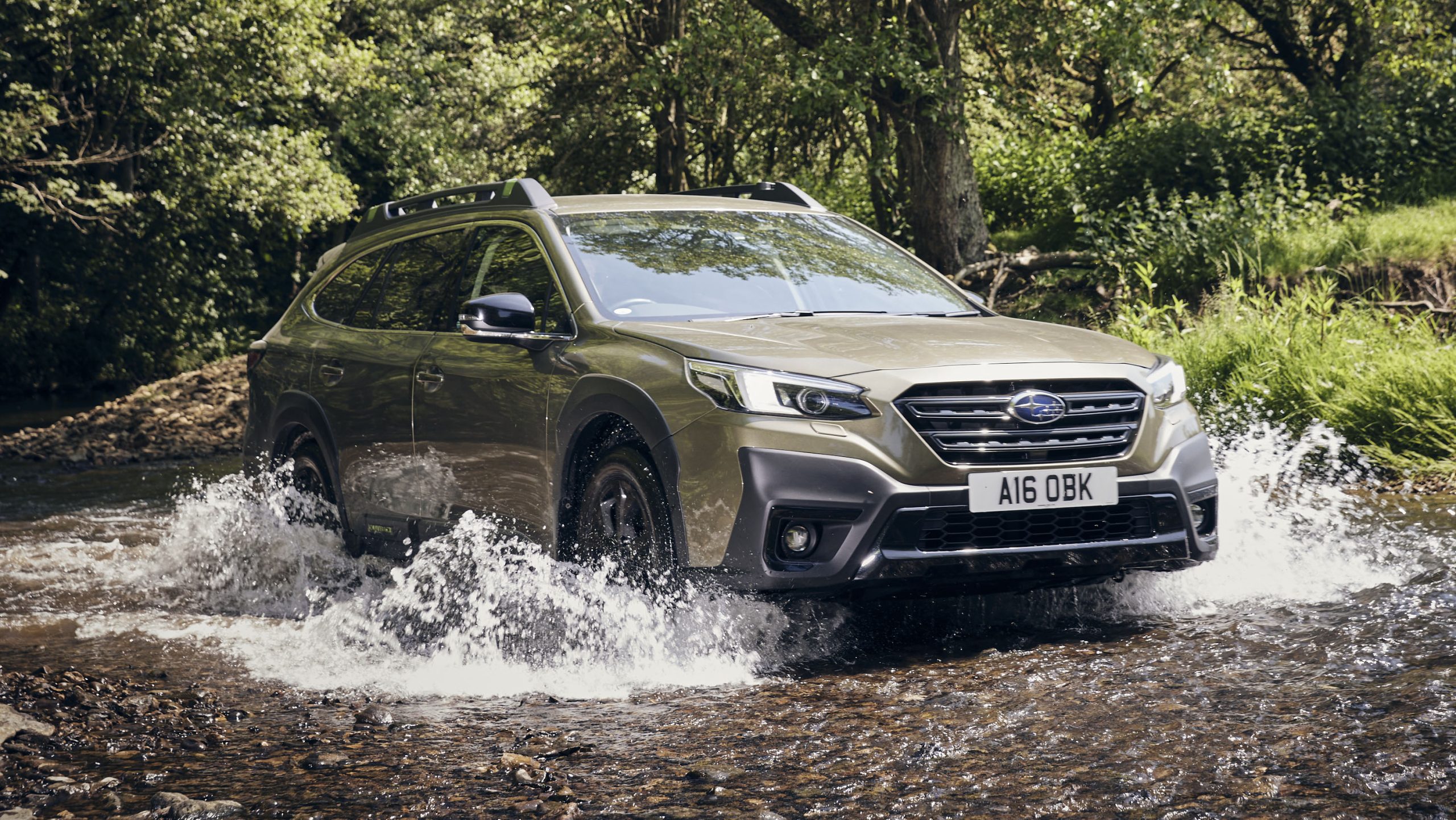
The Subaru Outback is a midsize crossover SUV that blends practicality, comfort, and off-road capability. With a ground clearance of 8.7 inches, passengers can enter and exit the vehicle easily, while the well-tuned suspension ensures a smooth ride on a variety of terrains.
Pricing begins at $28,895, making the Outback an affordable choice for those seeking a versatile SUV. Standard all-wheel drive, supportive seating, and a reputation for safety reinforce its appeal for families and adventure-seekers alike.
The Outback offers two engine options: a 182-hp naturally aspirated 2.5-liter four-cylinder as the base model or a 260-hp turbocharged 2.4-liter engine available in higher trims.
Since its introduction in 1996 as one of America’s first crossovers, the Outback has maintained its unique position by combining car-like handling with SUV versatility. The Wilderness trim enhances off-road capability with 9.5 inches of ground clearance, copper accents, rugged wheel arches, all-terrain tires, and water-resistant interior materials.
On the road, the turbocharged Outback accelerates from 0 to 60 mph in 6.5 seconds, offering a noticeable improvement over the base engine. While it can handle most terrains with ease thanks to its all-wheel drive and higher ground clearance, the Outback exhibits some body roll in turns, and the steering feels slow, requiring larger steering inputs in tight spaces.
Subaru’s advanced safety features, including lane-keeping assistance and automatic emergency braking, are present but not perfectly tuned. Drivers may experience unnecessary alerts or overly sensitive interventions, which can be distracting. Nevertheless, the Outback can navigate challenging conditions that some competitors cannot, making it a strong choice for those who venture off the beaten path.
The Outback prioritizes passenger comfort with a smooth, cushioned ride that handles potholes, speed bumps, and uneven terrain with ease. Front seats are supportive and adjustable, suitable for long drives, and feature optional heated and ventilated functions. Climate control is effective, but the touchscreen interface controlling many functions is slow and sometimes distracting.
Rear passengers benefit from generous space and easily accessible seat anchors, simplifying car seat installation. While some may prefer a more upright SUV-like seating position, the Outback offers ample adjustability and comfort for everyday driving and long road trips.
The Outback’s infotainment system emphasizes touchscreen controls to reduce physical buttons, but the screen can be slow to respond and frustrating to use. Apple CarPlay and Android Auto are available, though they can lag or disconnect. Positive aspects include physical volume and tuning knobs, a quality audio system, and multiple charging ports, which help balance the shortcomings of the display.
Cargo capacity is slightly limited compared to traditional SUVs, but the low, flat floor makes loading and unloading convenient. Roof rails are easily accessible for transporting larger items. Cabin storage is functional but modest, with a small center console, seatback pockets, door bottle holders, and a phone shelf. Despite these limitations, the Outback accommodates families and outdoor gear efficiently.
The base Outback delivers practical features and all-wheel-drive capability at an affordable price. Adding luxury and technology upgrades still keeps it competitively priced versus rival SUVs. The XT turbo models, however, approach prices of more conventional SUVs. Warranty coverage is average for the segment, and while the materials are well-made, they do not stand out as premium.
EPA estimates suggest the turbocharged Outback achieves 25 mpg combined, which aligns with real-world testing. Its fuel economy is reasonable given its all-wheel-drive system and off-road capability.
The Subaru Outback excels in versatility, offering a comfortable ride, off-road capability, and practical design. It is an ideal choice for those who occasionally explore rough terrain but can tolerate its quirks, such as sensitive driver-assist features and outdated technology. The Outback remains a dependable, well-rounded option for families and outdoor enthusiasts who value capability and reliability.
3. 2025 Chevrolet Suburban: The Ultimate Large Family SUV
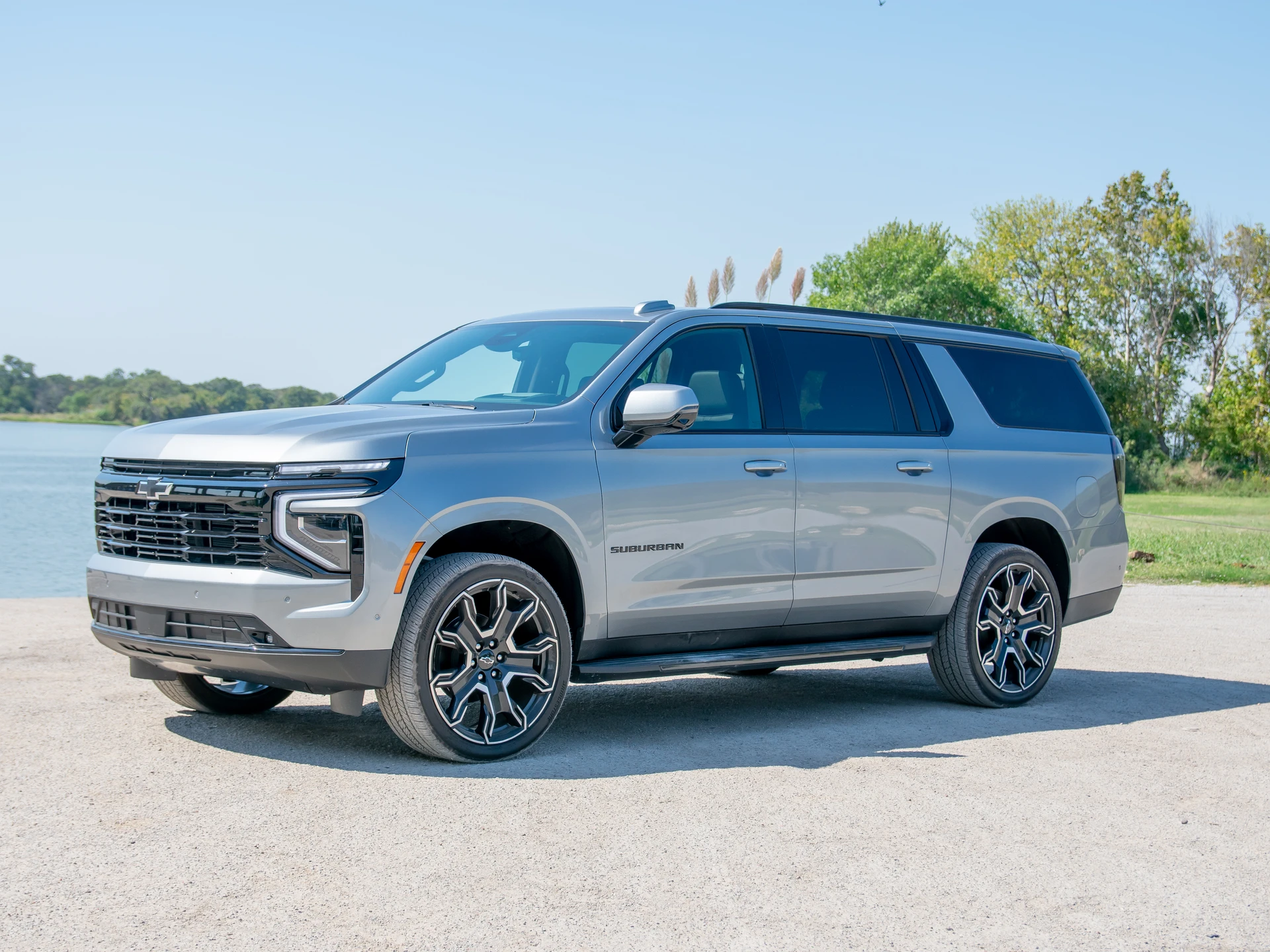
The Chevrolet Suburban has long been an icon of large SUVs in the U.S., with continuous production since 1935. The 2025 model, now in its 12th generation, offers seating for up to nine passengers and more cargo space than its sibling, the Tahoe. It is a compelling choice for buyers who need maximum passenger and cargo capacity, impressive towing capabilities, and a commanding road presence.
Buyers can choose from three engines: a 5.3-liter V8 with 355 hp, a 6.2-liter V8 producing 420 hp, or a revised 3.0-liter Duramax turbo diesel delivering 305 hp. All engines pair with a smooth 10-speed automatic transmission. The refreshed Suburban features updated suspension for better body control, with upper trims offering Air Ride Adaptive Suspension and optional Magnetic Ride Control.
Equipped with the 6.2-liter V8, the Suburban accelerates from 0 to 60 mph in 6.7 seconds, comparable to other large SUVs like the Ford Expedition. Its brakes are strong, and the ride quality is refined, especially with the optional adaptive suspension systems. On curvy roads, the Suburban’s size is noticeable, and steering feedback is limited, but the SUV remains stable and composed.
The vehicle handles bumps and uneven surfaces with ease, providing a smooth and controlled ride. Safety aids, including adaptive cruise control and lane-keeping assistance, enhance confidence when driving such a large SUV, although some controls require practice to master. The Suburban’s size makes it less agile in tight spaces, but it excels on highways and open roads.
The Suburban offers a cavernous cabin, with generous headroom and legroom in all three rows. Front seats are wide, leather-trimmed, and available with power lumbar adjustment, though some may find them flatter and less supportive than expected. Entry is easier with optional power running boards, but the high seating position can still be a challenge for some passengers.
Rear seating is spacious, accommodating adults comfortably, while the third row can handle adults for shorter trips or smaller passengers. Child seats are easily installed with accessible LATCH points, and rear entertainment monitors are available for long drives. The interior emphasizes space and functionality, though front-row controls can feel distant due to the Suburban’s vast cabin dimensions.
The 2025 Suburban received significant tech upgrades, including a 17.7-inch infotainment touchscreen and 11-inch digital instrument clusters. The system supports wireless Apple CarPlay and Android Auto and features a smartphone-style app layout, making navigation intuitive.
USB-C ports and a wireless charging pad are standard, though occasional system resets may be needed. Optional rear-seat entertainment keeps passengers engaged on long trips.
Cargo space is a highlight, with 41.5 cubic feet behind the third row and 93.8 cubic feet with seats folded. The Suburban offers significant towing capacity, up to 8,300 pounds, although some towing assistance features require additional packages. In-cabin storage is less generous, with smaller cupholders and a modest center console, but the vehicle’s size makes up for these minor limitations.
Base models of the Suburban provide strong value with generous space, power, and towing capability. Top-tier trims like the High Country can become expensive, and interior materials may feel less luxurious relative to the price. Warranty coverage includes three years/36,000 miles basic and five years/60,000 miles powertrain, along with six years/100,000 miles rust protection and roadside assistance.
The 6.2-liter V8 4WD Suburban matches its EPA estimate of 16 mpg combined, achieving 18.7 mpg in real-world testing thanks to cylinder deactivation technology. The engine requires premium fuel, which increases operating costs but delivers strong performance and efficiency for its class.
The Suburban is defined by its imposing size, immense interior space, and powerful engine options. It excels in family road trips, towing, and hauling cargo, offering versatility few SUVs can match. While its size makes it cumbersome in tight spaces, the Suburban rewards drivers with comfort, capability, and a commanding presence on long journeys or outdoor adventures.
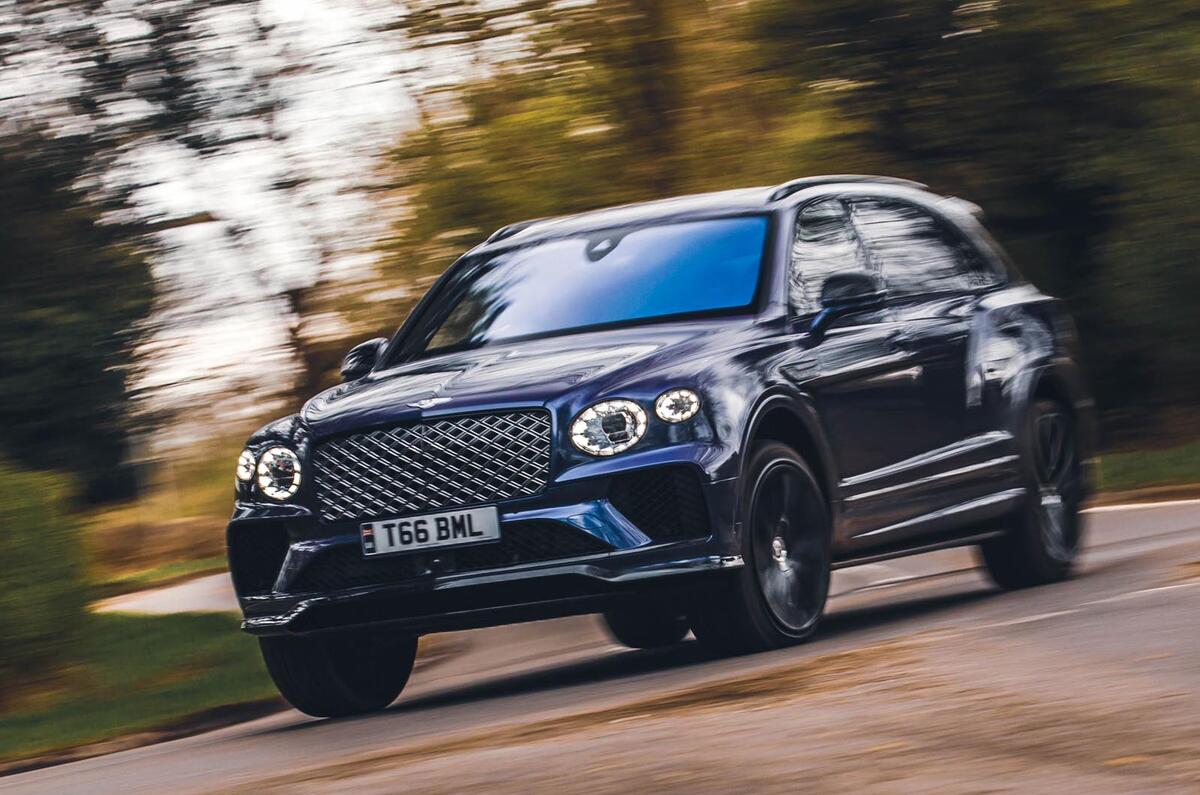
4. Bentley Bentayga EWB: Ultra-Luxury on Wheels
The Bentley Bentayga Extended Wheelbase (EWB) represents the pinnacle of luxury SUVs, offering an experience akin to first-class air travel. With seven additional inches of rear legroom compared to the standard Bentayga, the EWB prioritizes rear-seat comfort, particularly with the optional “Airline Seat Specification.”
These highly adjustable seats feature 22 electric motors, temperature and heat sensors, and extensive testing to ensure optimal comfort for passengers of all sizes.
Pricing for the base Bentayga starts at $208,050. Engine choices include a 4.0-liter twin-turbo V8 producing 542 hp, exclusive to the EWB, and a 3.0-liter plug-in hybrid V6 available in the standard model. All powertrains are paired with an 8-speed automatic transmission.
Customization is extensive, with 23 leather colors, 14 wood trims, multiple stitching and color-split options, up to 13 wheel designs, and a range of brake-caliper colors. Exterior paint options include solid, metallic, satin, or even bespoke shades, ensuring that nearly every Bentayga is unique.
The V8 Bentayga accelerates from 0 to 60 mph in just 3.8 seconds, delivering effortless power with an impressive engine soundtrack. Braking and handling are competent, though some pedal grabbiness and limited feedback may affect smooth city driving.
Multimode terrain settings and an air suspension system enable respectable off-road performance, though on-road tires and the absence of limited-slip differentials limit extreme off-road capability.
Bentley prioritizes comfort above all else. The front seats are supportive, supple, and ideal for long journeys, while cabin noise is exceptionally low, creating a serene environment at highway speeds.
Rear seating in the EWB is unmatched, particularly with the airline-spec seats, though the standard rear bench may feel less plush. Air suspension smooths out rough surfaces, though 22-inch wheels can transmit some road imperfections.
Entry and exit are straightforward due to a moderate ride height and wide doors. Interior ergonomics allow passengers and drivers to find perfect seating positions, complemented by excellent forward visibility over the broad hood.
The Bentayga’s tech has been significantly modernized. A 10.9-inch infotainment touchscreen, handwriting recognition, and responsive voice controls create a user-friendly experience. Apple CarPlay and Android Auto are supported wirelessly, while front and rear USB ports and a large wireless charging pad ensure connectivity.
The optional Naim audio system delivers an extraordinary listening experience. Most driver assistance systems work well, although hands-free lane-keeping can feel awkward at times.
Cargo capacity is adequate for an SUV of this size, with split-folding rear seats allowing transport of larger items like bicycles. While interior storage is practical and secure, it is not as opulent as the cabin’s seating or trim. Wide doors and relatively low ride height simplify the installation of child safety seats. The Bentayga’s towing capacity is advertised at 7,716 pounds, though U.S.-standard verification is lacking.
The V8 Bentayga is not efficient, with an EPA estimate of 18 mpg combined. Real-world testing suggests typical driving can yield only around 10 mpg, highlighting the cost of performance and luxury. Bentley offers a hybrid alternative, though it is limited in availability.
Bentley excels in craftsmanship, customization, and exclusivity, with exceptional leather, stitching, and trim quality throughout the cabin. Service and customer care are high-end, supported by a three-year unlimited-mileage warranty covering both bumper-to-bumper and powertrain components. While the Bentayga comes with a steep price, it delivers unmatched luxury, attention to detail, and status.
The Bentayga EWB is about exclusivity, comfort, and performance in equal measure. Few SUVs offer this combination of craftsmanship, speed, and presence. Even in a crowded luxury SUV market, the Bentayga stands apart, rewarding owners with a first-class experience, commanding road presence, and the satisfaction of ultimate customization.
5. Volvo XC90: Scandinavian Luxury and Safety
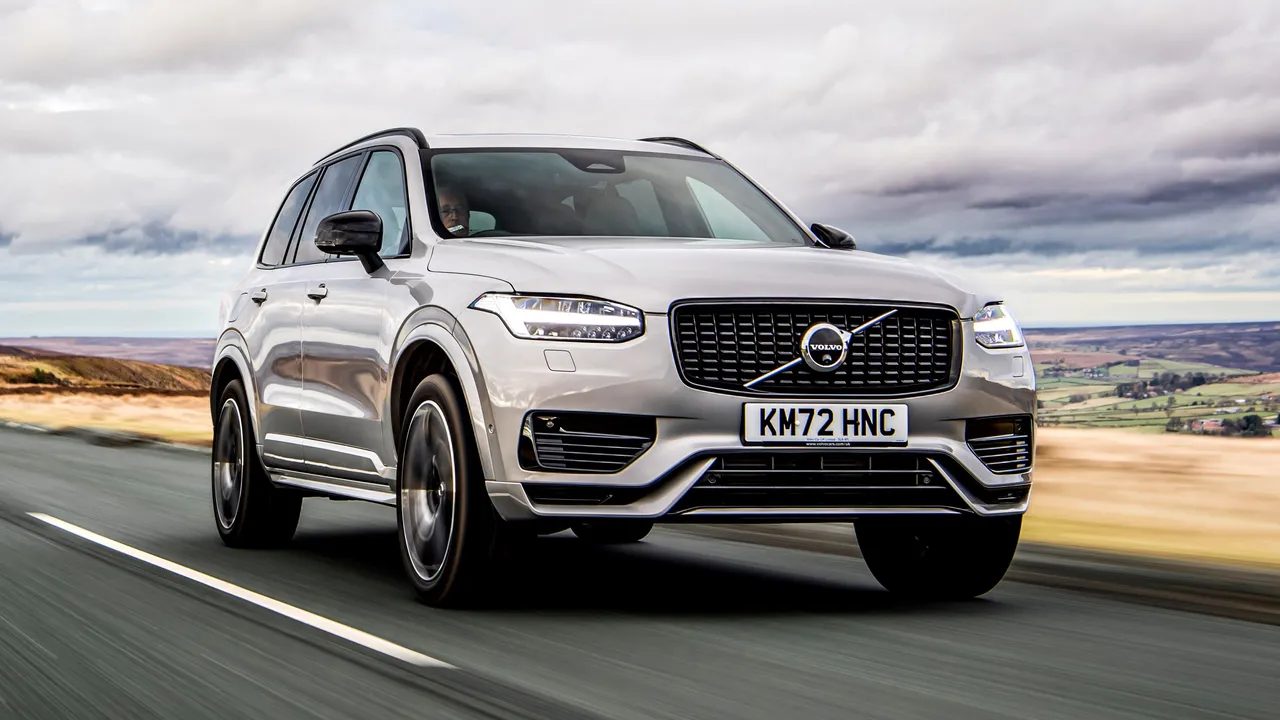
The Volvo XC90 offers three engine choices catering to a range of priorities. The base 2.0-liter four-cylinder mild hybrid produces 247 hp, while the supercharged 2.0-liter mild hybrid boosts output to 295 hp. For maximum performance, the plug-in hybrid delivers a combined 455 hp with 563 lb-ft of torque, propelling the 5,110-pound SUV from 0 to 60 mph in 5.2 seconds.
Acceleration is smooth, aided by an eight-speed automatic transmission. The XC90’s air suspension (optional on upper trims) enhances ride quality, soaking up bumps and road imperfections effectively. Steering is precise, though high-performance tires can limit agility, and braking falls behind some German rivals, requiring longer stopping distances under heavy braking.
The XC90 received a subtle mid-cycle refresh, featuring restyled headlights, a new grille with angular strakes, and improved aerodynamic touches. These updates refine its elegant, understated presence without straying from Volvo’s Scandinavian design ethos. Large windows provide excellent outward visibility, and despite its size, the XC90 remains approachable for daily driving.
Volvo emphasizes passenger comfort and practicality. The front seats are adjustable and supportive, while second-row captain’s chairs slide and recline for optimal space. Headroom and legroom are generous in the first two rows, but the third row is best suited for children or occasional use.
Entry is facilitated by the XC90’s relatively low ride height. The cabin feels luxurious thanks to premium materials such as natural wood trim, wool-based upholstery, and soft-touch plastics. Air suspension improves comfort over uneven roads, though larger 21- or 22-inch wheels can slightly compromise ride smoothness. Storage is abundant, with large door pockets, center compartments, and bins spread throughout the cabin.
The XC90 features an 11.2-inch central touchscreen running Google-based software, paired with a 12.3-inch digital instrument cluster. Apple CarPlay and Android Auto are standard, but wired connections are required, and wireless charging is limited to the front seats. While the infotainment graphics are sharp, responsiveness can lag, and occasional software dropouts require a reboot.
Volvo maintains a strong focus on safety, with automatic emergency braking, lane-keeping assist, blind-spot monitoring, and adaptive cruise control. Cameras surrounding the vehicle make maneuvering in tight spaces easier, though resolution could be improved.
Cargo capacity is one of the XC90’s strengths. Both second- and third-row seats fold flat, providing up to 85.7 cubic feet of space for larger items. The air suspension allows the rear end to lower for easier loading. While towing capacity is limited to 5,000 pounds, the XC90 excels as a family SUV for urban and suburban driving.
The plug-in hybrid T8 AWD Ultra struggles to meet EPA estimates. Real-world testing achieved 21.2 mpg combined versus the rated 27 mpg, and electric-only range is capped at 32 miles. Recharging is slow, and the battery does not automatically charge while running on gasoline, which may limit its appeal for users without easy access to charging stations.
The Volvo XC90 combines Scandinavian luxury with practicality and safety. Its cabin materials, comfort, and thoughtful layout make it feel high-end, while plug-in hybrid performance provides ample power and smooth delivery.
Cargo space and second-row flexibility make it ideal for families, and optional air suspension ensures a pleasant ride. Challenges include third-row tightness, infotainment lag, and limited towing capability, but these are minor compared to the vehicle’s refinement and appeal.
Also Read: 5 Cars That Run Quietly After 300k vs 5 That Don’t Last Half As Long
5 SUVs That Don’t Maintain Smooth Driving
1. Ford Explorer: Popular Yet Problematic
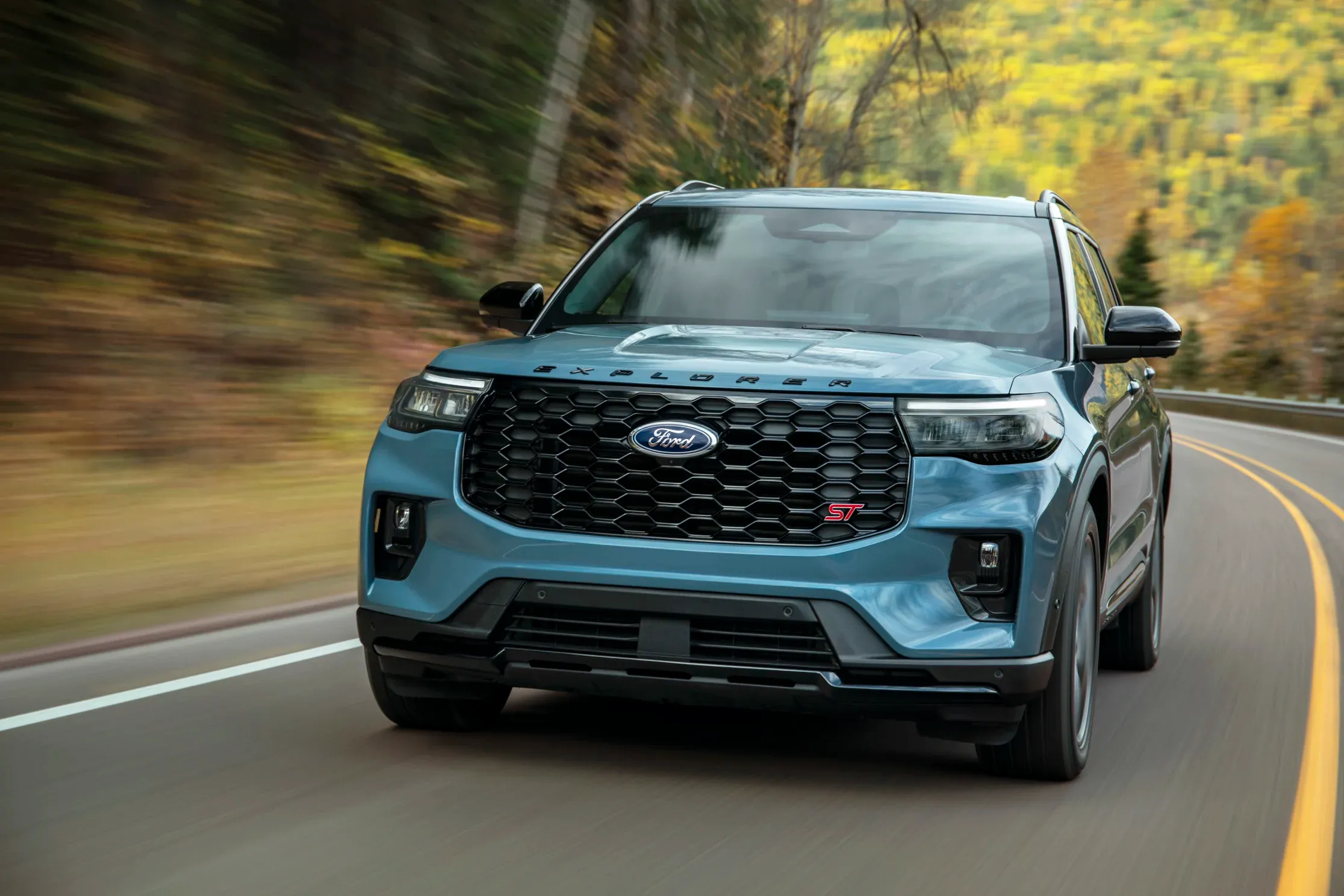
The 2023 Ford Explorer is one of America’s most recognizable SUVs, historically celebrated for its spacious interior, powerful engine options, and family-friendly versatility. Its longstanding reputation as a dependable mid-sized SUV makes the current generation’s issues particularly concerning.
Consumer Reports assigns the 2023 model a predicted reliability rating of just 1/5, reflecting serious concerns for potential buyers. Frequent stalling and mechanical breakdowns have been reported by owners, often traced to minor oil leaks that can escalate into major problems if not addressed.
These leaks have resulted in recalls due to the risk of engine fires caused by overheating in combination with combustible materials. Beyond stalling, issues with transmission performance, suspension, and in-car electronics have been documented, highlighting a pattern of recurring maintenance needs.
RepairPal estimates the average annual maintenance cost at $732, while CarEdge projects ten-year maintenance expenses reaching $9,017, indicating that ownership can become financially burdensome.
Used vehicle buyers should exercise caution, particularly with the 2016 model year, which is widely regarded as the worst due to widespread problems including water leaks, paint deterioration, suspension wear, power steering failures, and electronic malfunctions.
Despite these challenges, the Explorer continues to offer appealing features such as multiple engine options, advanced infotainment systems, and a roomy interior suitable for families or long trips.
Buyers seeking a practical SUV with strong brand recognition may be drawn to its nameplate and available features, but the frequency of mechanical failures and the potential safety risks associated with engine fires demand careful consideration.
The combination of extensive recalls, recurring electronic issues, and high long-term maintenance costs suggests that the 2023 Ford Explorer may be a high-risk choice for drivers who prioritize dependability and low repair expenses.
The vehicle’s historic reputation cannot fully compensate for the reliability challenges present in this generation, requiring prospective buyers to weigh the trade-offs between features, comfort, and the likelihood of mechanical or safety-related problems during ownership.
2. Nissan Pathfinder: Strong Performance, Weak Reliability
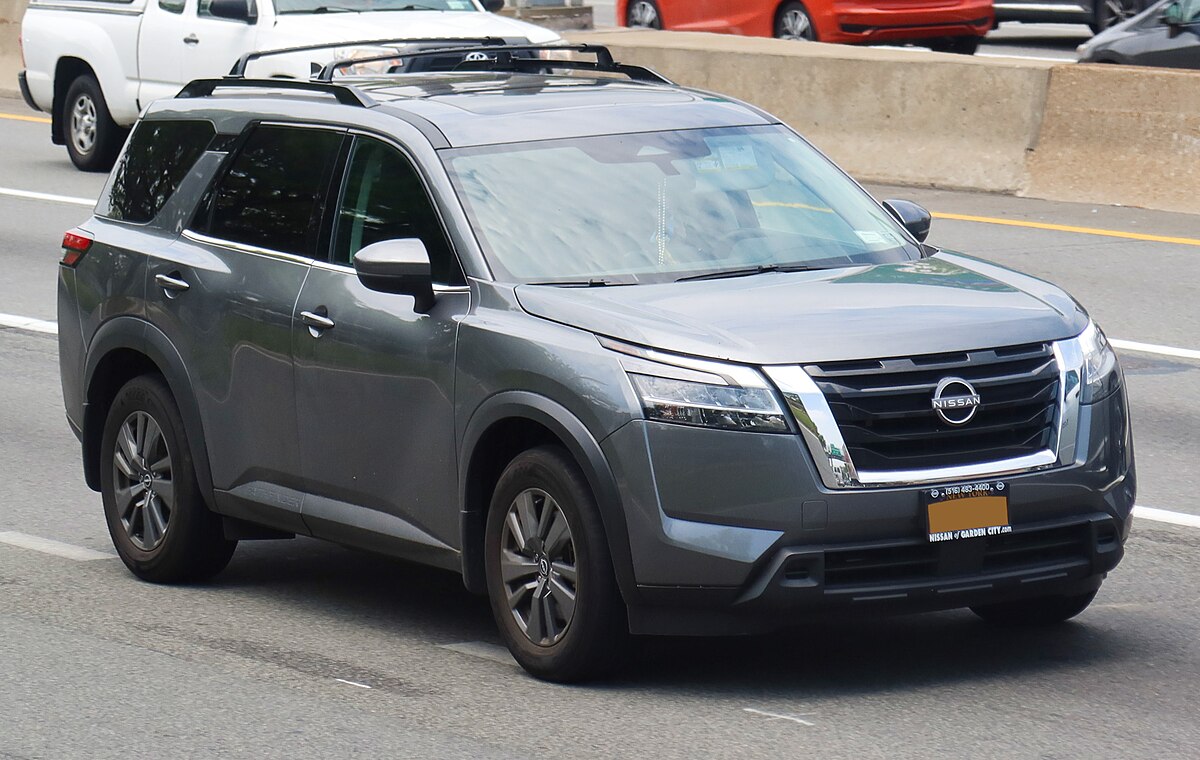
The 2023 Nissan Pathfinder delivers sharp handling, distinctive styling, and an interior designed to balance functionality and comfort. Unlike many modern SUVs with rounded, aerodynamic shapes, the Pathfinder adopts a boxier design reminiscent of SUVs from the 1980s and 1990s, appealing to buyers who prefer a retro-inspired aesthetic.
Its driving dynamics have been praised, with precise steering, minimal body roll, and a stable ride that makes it suitable for both urban commuting and highway travel. While the interior may not match the luxury of higher-end competitors, Nissan offers options like the SL package, which enhances comfort and adds premium materials and features to the cabin.
Despite these strengths, reliability remains a significant concern. Consumer Reports gives the Pathfinder a predicted 1/5 rating, highlighting recurring issues with the transmission and drivetrain, sometimes causing the SUV to stop moving unexpectedly a critical safety problem.
Owners have also reported malfunctions in infotainment systems, control screens, and other electronics, which can impair functionality and driver convenience. RepairPal estimates average yearly maintenance costs at $542, with ten-year expenses projected at $7,558, reflecting that while routine maintenance is affordable, major repairs can be expensive and disruptive.
For used buyers, the 2015 Pathfinder is particularly problematic, exhibiting failures in the transmission, drive system, suspension, steering, engine cooling, brakes, and electrical system. These issues underscore the importance of caution when considering pre-owned models from certain production years.
While the 2023 Pathfinder excels in driving performance, unique styling, and available technology, its low predicted reliability rating indicates that buyers may face frequent repairs and unexpected costs, which could diminish the SUV’s appeal for those prioritizing long-term dependability and safety.
The trade-off between strong driving dynamics and low reliability makes the Pathfinder a vehicle that requires careful evaluation before purchase.
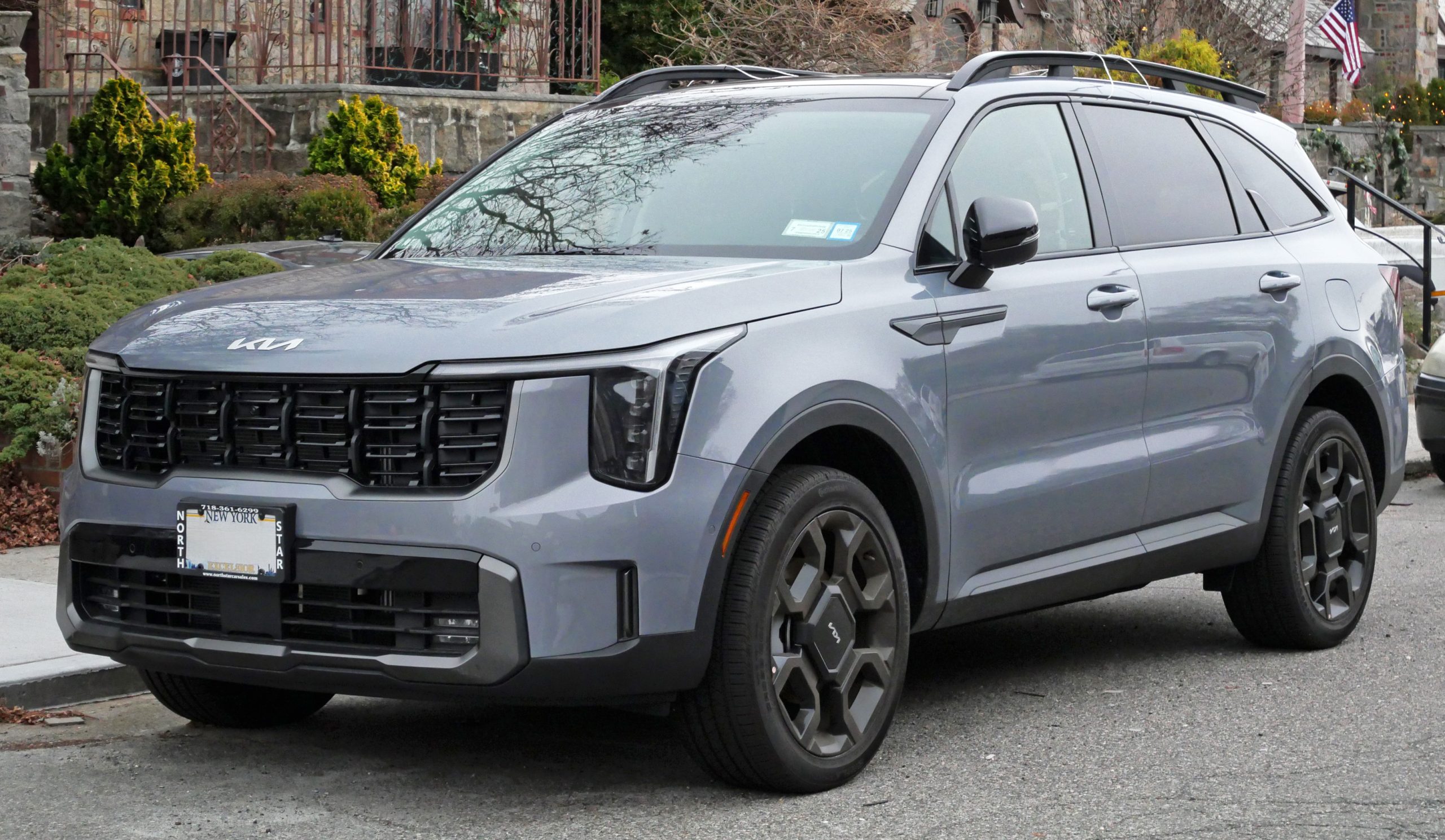
3. Kia Sorento: Modern Features, Reliability Challenges
The 2023 Kia Sorento reflects the growing demand for mid-sized, three-row SUVs, combining modern styling, advanced technology, and a comfortable driving experience.
Its exterior design emphasizes contemporary aesthetics, while the interior incorporates intuitive technology and convenience features, including driver assistance systems and infotainment options that enhance usability.
The Sorento offers multiple engine choices, including hybrid variants, ensuring that performance and efficiency align with various buyer preferences. Ride quality is smooth, handling is responsive, and cabin space is ample for families or drivers who need three-row seating.
Despite these positives, reliability concerns are significant. Consumer Reports predicts a 1/5 reliability rating, emphasizing issues that affect both safety and functionality. Recurring problems include forward collision warning system malfunctions, lane departure assistance failures, and electronic glitches in infotainment and in-car systems.
These issues can compromise visibility and driver awareness, making attentive driving essential to compensate for technological inconsistencies. RepairPal estimates average annual maintenance at $533, with ten-year projected costs of $7,953, suggesting that while routine maintenance may be manageable, unexpected electronic or safety-related repairs could increase expenses.
The Sorento has also experienced three recalls related to backover prevention, equipment, and trailer hitches, highlighting ongoing safety concerns. Among used vehicles, the 2016 model year is considered the worst, with documented issues in the engine, brakes, electrical systems, and power equipment.
Buyers considering the Sorento must weigh the SUV’s modern features, comfortable ride, and stylish design against the likelihood of encountering safety, electronic, and mechanical issues during ownership.
For families and drivers seeking dependable long-term performance, these reliability challenges make the Sorento a riskier choice, despite its technological appeal and flexible interior configurations.
4. Lincoln Aviator: Luxury with a Cost
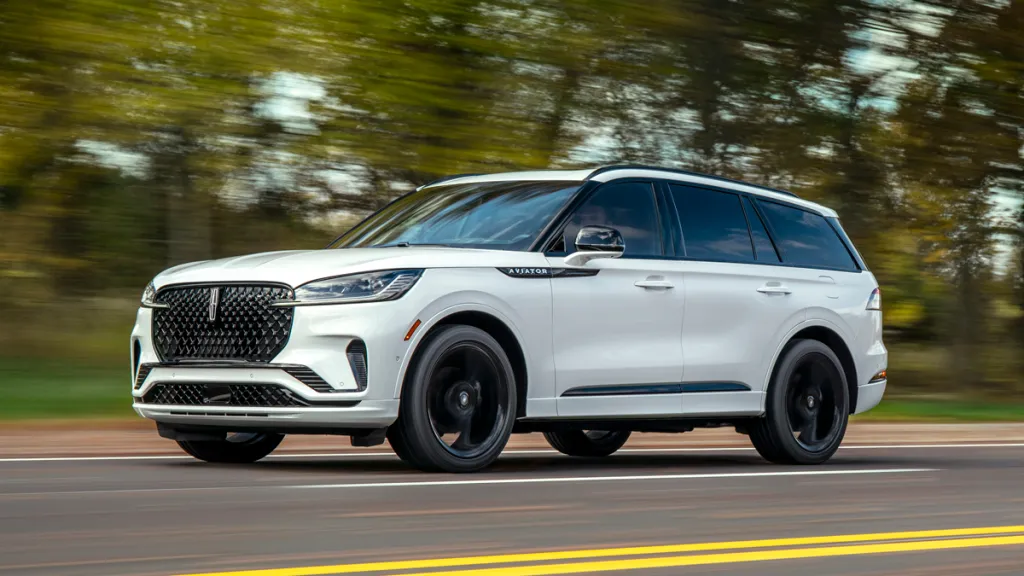
The Lincoln Aviator presents a luxury-oriented mid-sized SUV experience, blending sophisticated styling, high-end interior materials, and strong performance. Its aerodynamic design, refined curves, and commanding presence appeal to buyers seeking elegance and functionality in a three-row SUV.
Under the hood, a turbocharged 3.0-liter V6 engine delivers 0 to 60 MPH acceleration in just 5.4 seconds, while upper trims offer additional torque and performance enhancements for a more dynamic driving experience.
Inside, Lincoln emphasizes comfort and craftsmanship, incorporating leather seating, wood accents, chrome finishes, and advanced infotainment options. Technology features include high-end audio systems, driver assistance tools, and safety-oriented monitoring systems.
Despite these strengths, reliability remains a significant drawback, with Consumer Reports predicting a 1/5 rating. Key issues involve drivetrain malfunctions, recurring electronic system failures, and paint or trim deterioration, the latter of which is a recurring problem across Ford’s luxury lineup.
Maintenance costs are high, averaging $626 per year, with ten-year projections reaching $11,691, reflecting the expense associated with maintaining a premium SUV prone to mechanical and electronic problems.
The Aviator has undergone five recalls, covering backover prevention, powertrain, and seat belt issues, which further highlight the SUV’s susceptibility to safety-related problems.
For used buyers, the 2021 model year has been flagged for electronics, suspension, steering, and paint/trim failures, making it a particularly risky year to purchase.
While the Aviator delivers an attractive blend of performance, luxury, and technology, potential owners must carefully evaluate whether the premium driving experience justifies the risk of recurring mechanical and electronic problems and the associated high maintenance costs over time.
The combination of luxury and low reliability presents a challenging ownership scenario, especially for those seeking a dependable, worry-free SUV.
5. GMC Yukon: Popular Yet Expensive to Maintain
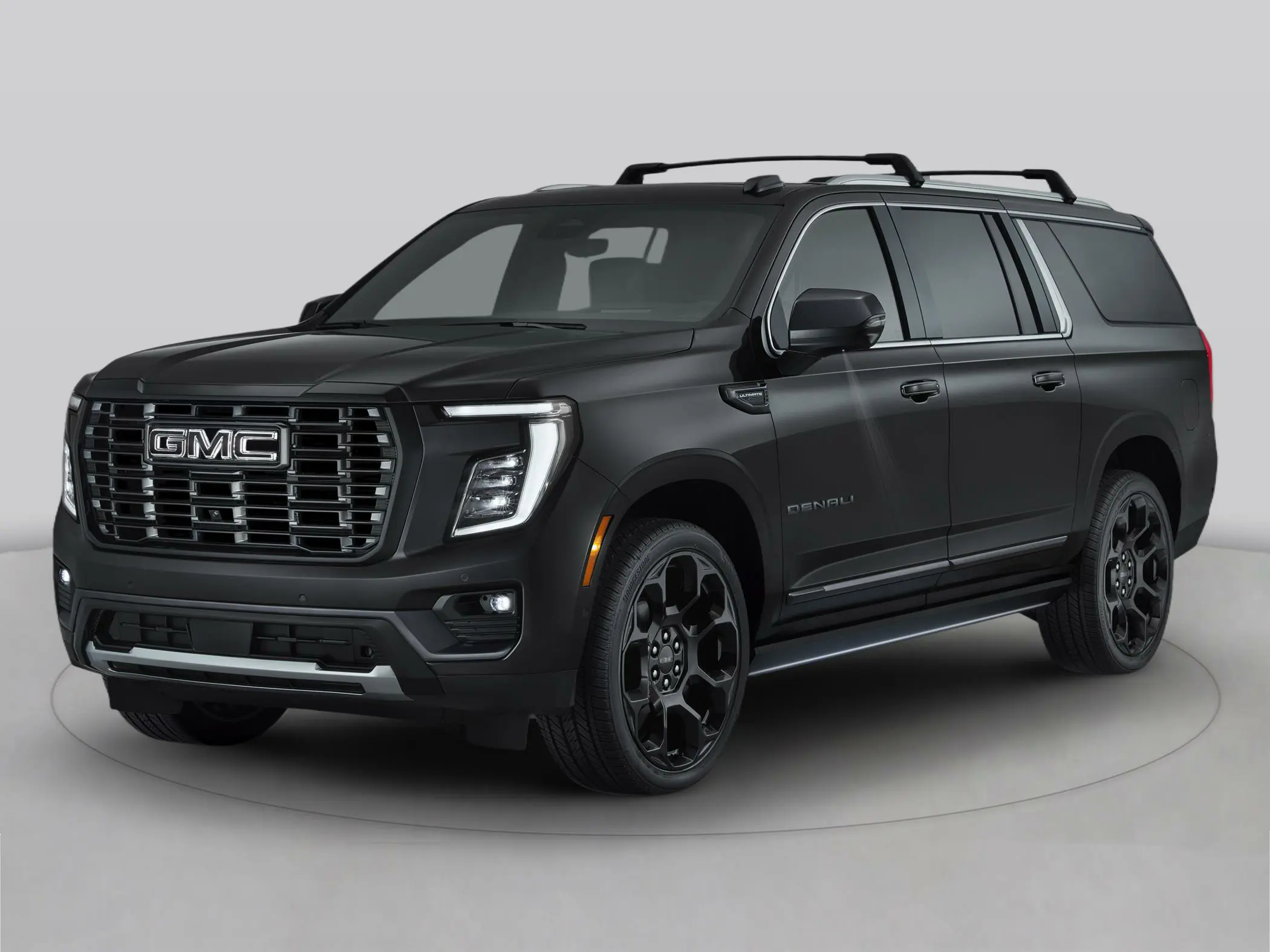
The 2023 GMC Yukon is a full-sized SUV recognized for its commanding size, rugged styling, and versatile performance capabilities. It appeals to buyers needing substantial interior space, towing capacity, and a strong road presence.
The Yukon offers a variety of trims and features that enhance comfort, safety, and convenience, including advanced infotainment, driver assistance systems, and premium interior materials.
Despite its popularity and strong performance, the Yukon has faced reliability issues that affect ownership costs and long-term value. Consumer Reports predicts a 2/5 reliability rating, highlighting frequent problems with suspension, transmission, climate control, and in-car electronics.
These recurring issues can reduce both convenience and safety while increasing maintenance expenditures. RepairPal estimates annual maintenance costs at $747, with ten-year projections totaling $8,300, demonstrating that ownership can become expensive when mechanical failures occur.
Poor reliability also impacts resale value, making the Yukon a financially challenging investment for buyers seeking a vehicle with strong long-term dependability.
The SUV has experienced one recall for exterior lighting, but used buyers should be cautious with the 2016 model year, which exhibits extensive failures affecting electronics, climate control, suspension, transmission, engine, drive systems, and body hardware.
While the Yukon provides excellent utility, impressive size, and strong performance, its predicted reliability score and high maintenance costs present significant risks for owners seeking a dependable SUV.
Buyers should weigh the benefits of the Yukon’s capabilities against the probability of frequent repairs, unexpected costs, and reduced resale value, as these factors can diminish the vehicle’s appeal despite its widespread popularity on American roads.
The combination of size, performance, and low reliability creates a complex ownership scenario that requires careful consideration.
Driving dynamics are a key factor in determining how enjoyable an SUV is on the road. Models that maintain smooth, composed performance from the family-oriented Kia Telluride to the ultra-luxurious Bentley Bentayga EWB show that comfort, stability, and responsive handling can coexist with style, technology, and power.
These vehicles provide quiet cabins, supportive seats, and well-tuned suspensions that absorb bumps, reduce fatigue, and instill confidence in the driver. Conversely, SUVs like the Ford Explorer, Nissan Pathfinder, and Lincoln Aviator illustrate how rough rides, unreliable electronics, or recurring maintenance issues can undermine even the most attractive designs.
Buyers who value smooth driving should carefully consider these differences, weighing performance, comfort, and dependability before making a choice. Selecting an SUV that excels in driving dynamics enhances every journey whether it’s a daily commute, a weekend getaway, or a long-distance road trip.
By prioritizing vehicles with refined handling, stable suspensions, and a composed ride, drivers can enjoy every mile with comfort and confidence, avoiding surprises and making each trip a satisfying, stress-free experience.
Also Read: 5 Cars That Rarely Need Electrical Repairs vs 5 That Constantly Do