
For many American families, SUVs strike the perfect balance between space, versatility, and everyday comfort. But one of the biggest challenges with buying an SUV, new or used, is whether it will still feel pleasant to drive after years of ownership.
Some vehicles age gracefully, offering supportive seating, smooth rides, and durability long after their odometers have crossed six figures. Others, unfortunately, wear out faster, leaving owners with stiff rides and tired interiors.
The good news is that a handful of affordable SUVs are well-known for maintaining their comfort and practicality even after 15 years on the road.
For budget-conscious buyers who want a dependable and enjoyable driving experience, these 12 models continue to deliver long after most rivals have lost their shine.
1. Toyota Highlander
The Toyota Highlander has been a staple in the midsize SUV segment for decades, and one of the reasons it has aged so well is its focus on comfort.
Even older Highlanders provide supportive seats, a quiet cabin, and a smooth suspension setup that absorbs rough pavement gracefully.
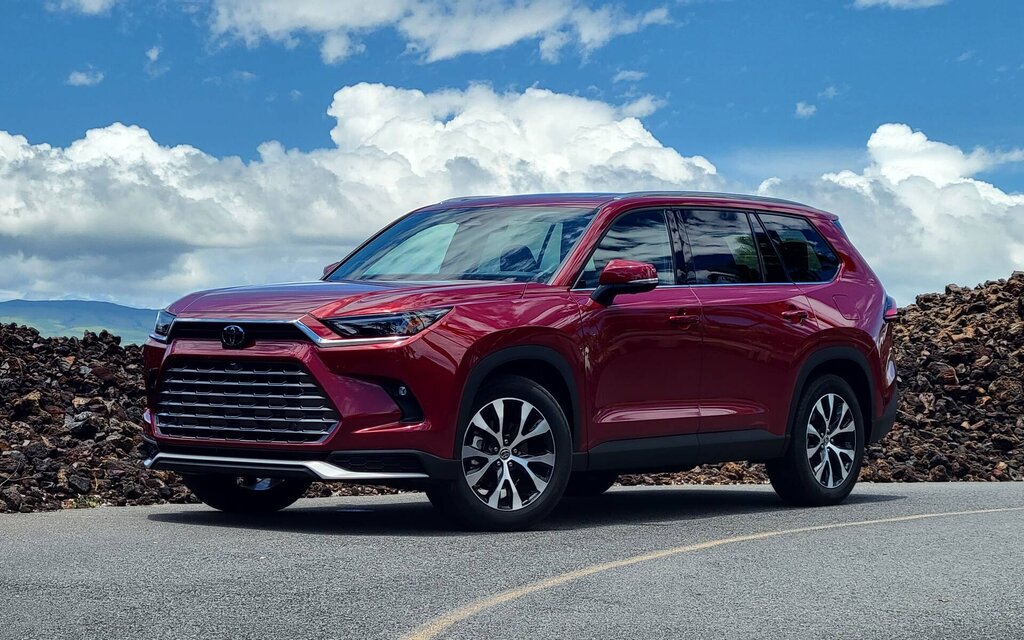
Toyota’s reliability reputation also ensures that many 15-year-old Highlanders are still on the road, making it a smart pick for families who value both durability and comfort.
2. Honda CR-V
Compact SUVs usually prioritize practicality over comfort, but the Honda CR-V has managed to deliver both.
Its roomy interior and car-like ride make it one of the most user-friendly SUVs in its class.
Older CR-Vs still feel easy to drive and comfortable on long trips, thanks to clever seat design and excellent visibility. Even as a budget-friendly option on the used market, a 15-year-old CR-V often feels surprisingly modern inside.
The 2026 Honda CR-V continues to hold its spot as one of the most sought-after compact SUVs in the United States. Not only is it a favorite among buyers, but it also ranks highly with our test team’s recommendations. If you decide to get behind the wheel of one, chances are you’ll be satisfied.
The CR-V stands out for its smooth driving experience, spacious and comfortable interior, and excellent fuel economy. When equipped with the optional hybrid powertrain, it can achieve up to 40 mpg, making it one of the most efficient vehicles in its class.
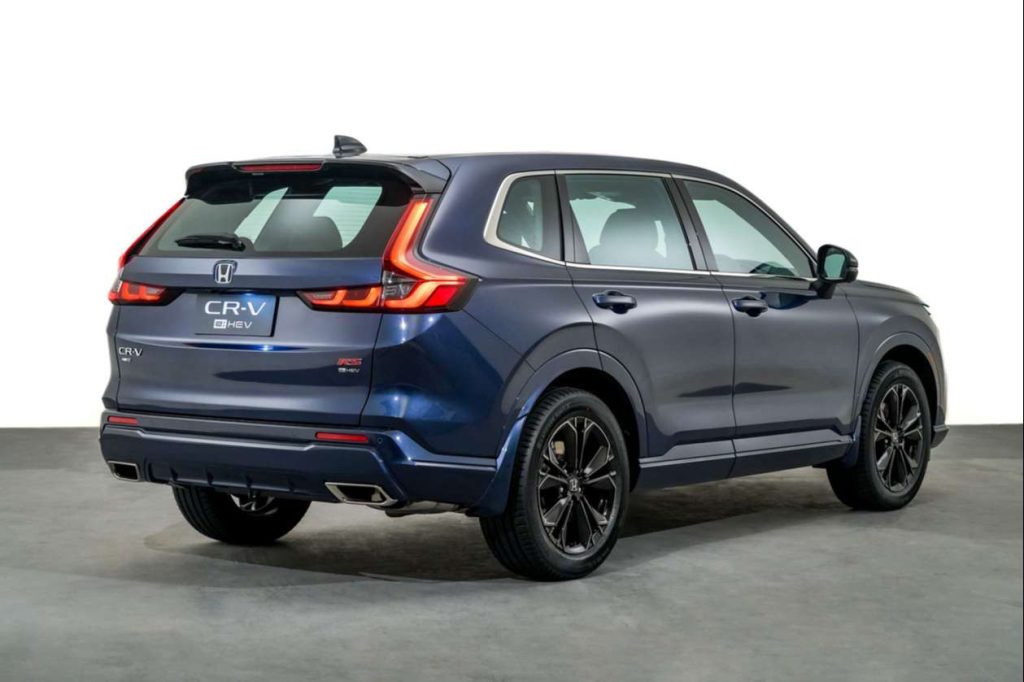
For the 2026 model year, the CR-V remains largely the same as the previous year, though Honda has added a few more standard features along with a fresh trim level known as the TrailSport.
For 2026, Honda introduces the TrailSport trim to the CR-V lineup. This version emphasizes a tougher, more adventurous appearance. It sports redesigned front-end styling, blacked-out exterior accents, and gray-painted wheels, giving it a more rugged vibe.
It also includes all-terrain tires that may deliver improved grip on loose or uneven surfaces. However, aside from the tires, the TrailSport doesn’t bring much in terms of real off-road capability.
Unlike the Subaru Forester Wilderness, for instance, the CR-V TrailSport does not feature increased ground clearance or additional hardware designed for trail use. In essence, while the TrailSport certainly looks more adventurous than a standard CR-V, it’s best suited for light-duty use and shouldn’t be mistaken for a serious off-roader.
Also Read: 5 SUVs With the Least Expensive Wheel Straightening and 5 That Will Empty Your Wallet
3. Lexus RX
Though technically a luxury crossover, the Lexus RX often sells for surprisingly affordable prices on the used market. Owners praise it for its cushioned ride, quiet cabin, and high-quality materials that hold up well even after years of use.
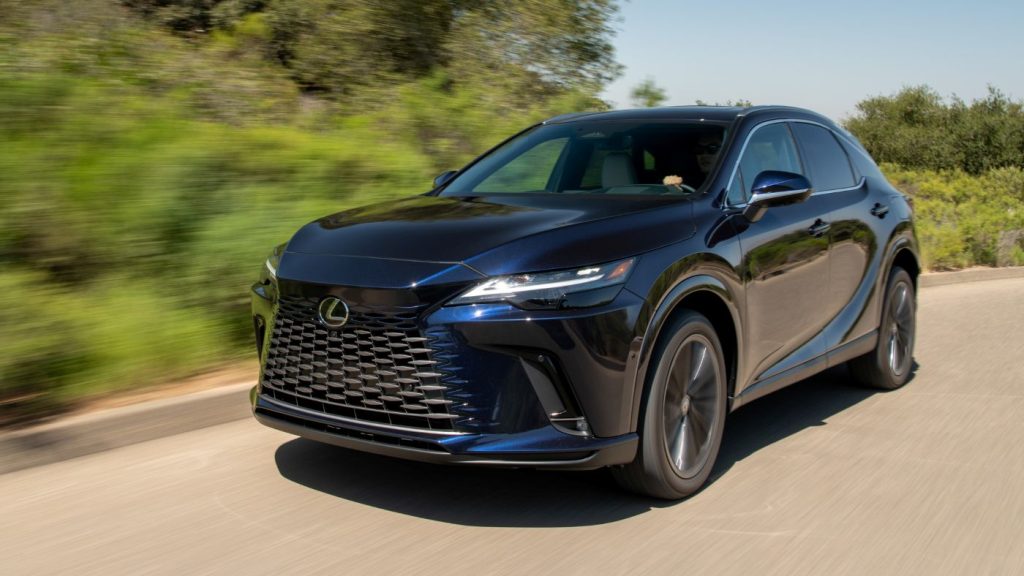
Unlike many luxury SUVs that suffer from expensive upkeep, the RX benefits from Toyota’s engineering, making it one of the rare premium vehicles that remains affordable to own, and comfortable to drive, after 15 years.
4. Subaru Forester
The Subaru Forester combines standard all-wheel drive with a reputation for comfort and visibility. Its upright seating position and large windows make it easy to live with, while its suspension tuning has always leaned toward comfort rather than stiffness.
Even older Foresters feel roomy and relaxing, especially for commuters in snowy climates where all-wheel drive adds an extra layer of peace of mind.
The 2023 Subaru Forester stands out as a solid and practical choice in the used SUV market, offering a well-balanced mix of comfort and year-round usability. Inside, it features a roomy two-row cabin with generous space for both passengers and cargo, making it a smart pick for families as well as outdoor adventurers.
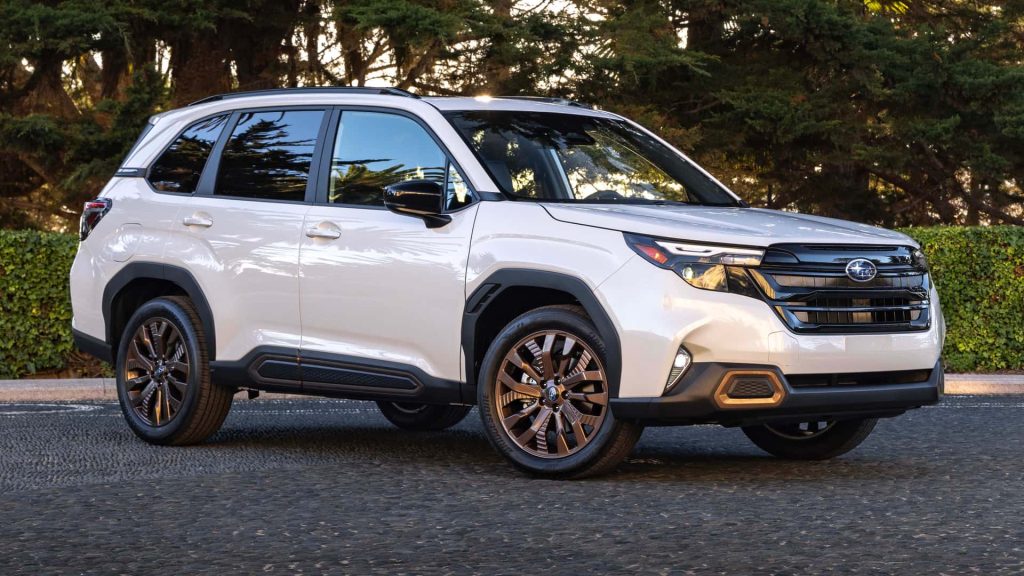
Standard all-wheel drive ensures confident traction in poor weather conditions, while the suspension is tuned to provide a smooth, composed ride. Fuel efficiency is another strength, though the Forester’s four-cylinder engine can feel somewhat lacking during highway merges or when overtaking.
Adding to its appeal are an intuitive infotainment system, a comprehensive set of safety technologies, and relatively low projected ownership costs, making it one of the more budget-friendly all-wheel-drive compact SUVs.
Buyers who want a bit more excitement behind the wheel may prefer the Mazda CX-50, which delivers sharper handling and a more refined interior, though typically at a higher price point than the Subaru.
Meanwhile, the Ford Bronco Sport caters to those prioritizing rugged off-road capability, but it does so at the expense of ride comfort and fuel economy.
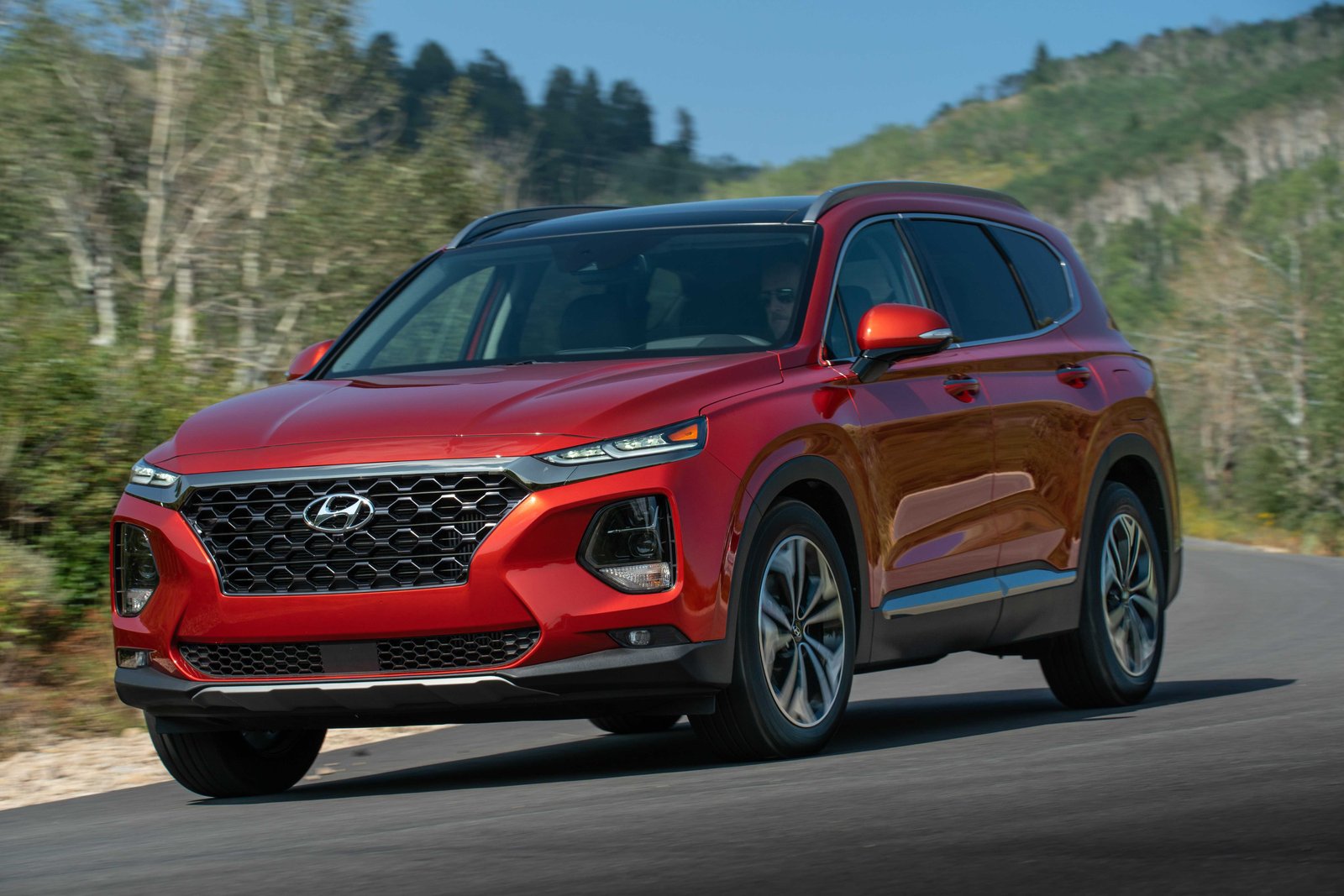
5. Hyundai Santa Fe
Hyundai’s reputation has grown dramatically in the last 20 years, and the Santa Fe is one of its success stories. Fifteen-year-old models are still praised for their quiet cabins, user-friendly layouts, and smooth rides.
While it may not have the prestige of Toyota or Honda, the Santa Fe delivers surprising long-term comfort, making it a smart pick for used SUV shoppers looking for affordability without sacrificing quality.
The latest Hyundai Santa Fe distinguishes itself from the previous generation with a boxier, more truck-inspired exterior, but it’s the cabin details that truly make a lasting impression.
Standout touches include a center console lid that can open from either the front or rear, a dedicated climate control zone for the third row, side-by-side wireless phone chargers, and USB ports neatly built into the seatbacks.
Hyundai also cleverly integrates its signature H-themed design cues throughout both the exterior and interior, giving the SUV a cohesive and modern look.
When comparing the two powertrains, the Santa Fe Hybrid may not feel as lively as the gas-only version, but its transmission shifts more smoothly than the one in the gasoline model. Neither variant is particularly quick, yet both provide enough power to merge and pass with confidence in daily driving.
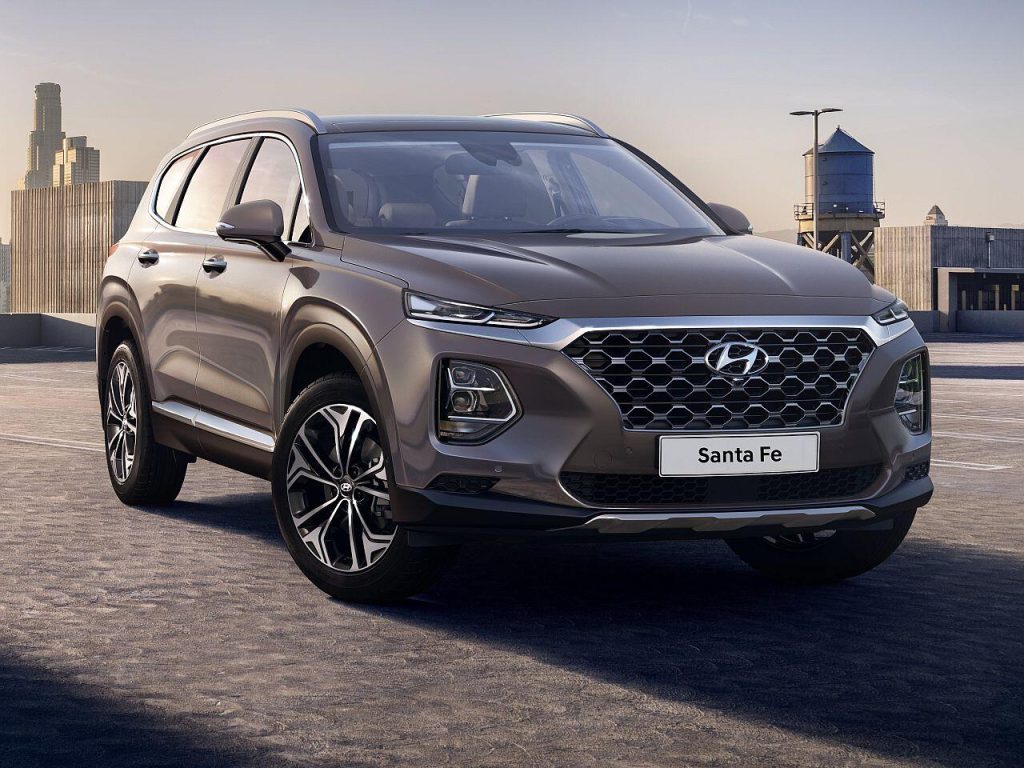
At higher speeds, some wind noise becomes noticeable, though the ride remains comfortable and body motions are well controlled. Handling isn’t as sharp as some rivals, but overall the Santa Fe delivers an appealing package: a midsize SUV with plenty of tech features, standard third-row seating, and competitive pricing.
Hyundai revises the gas powertrain for 2026 to improve driving dynamics. The primary setup remains the 2.5-liter turbocharged four-cylinder engine, now paired with a traditional eight-speed automatic instead of the previous dual-clutch transmission.
Power output continues at 277 horsepower and 311 lb-ft of torque. Fuel economy is expected to remain close to 20/29 mpg city/highway with standard front-wheel drive, or 20/28 mpg with available all-wheel drive. The more rugged XRT off-road trim comes in slightly lower at 19/26 mpg.
On the hybrid side, the gas-electric powertrain carries over unchanged for 2026. It still produces 232 horsepower and 271 lb-ft of torque, with buyers able to select either FWD or AWD.
Fuel economy remains a highlight, topping out at 36/35 mpg city/highway with front-wheel drive and 35/34 mpg with all-wheel drive for 2025, with similar figures expected this year.
6. Nissan Murano
When the Nissan Murano debuted, it stood out with its sleek design and car-like driving dynamics. What’s impressive is that even older Muranos still feel smooth and composed on the road.
The seats are known for their comfort, often compared to lounge chairs, and the interior quality has held up well over the years. For shoppers seeking an affordable midsize SUV that doesn’t feel harsh or outdated after 15 years, the Murano is a strong contender.
A staple in Nissan’s lineup since 2003, the midsize Murano has long been recognized for its distinctive styling and comfortable seating for five passengers.
The current generation, introduced in 2015, is well past the point when most vehicles would typically see a full redesign. Yet, the Murano continues largely unchanged from last year, with no indication that a replacement is on the horizon. For now, Nissan seems content to keep producing its aging SUV.
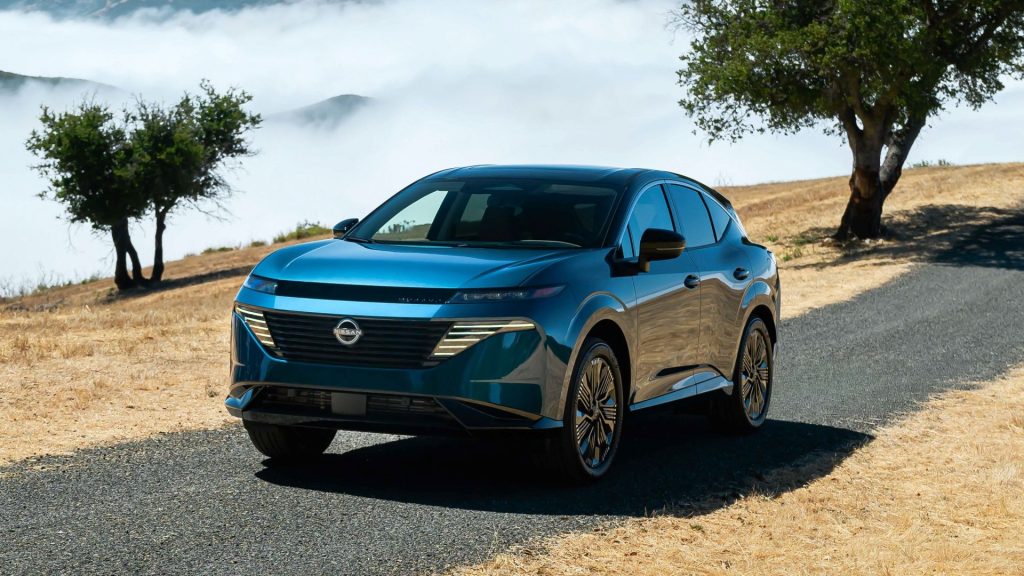
While Nissan has given the smaller Rogue, the larger Pathfinder, and the similarly sized all-electric Ariya substantial updates, the Murano is beginning to feel, and look outdated.
The Rogue, for instance, now provides just as much passenger legroom as the Murano, along with greater cargo capacity and a fresher interior with more advanced technology.
On the other end of the spectrum, the Pathfinder adds three rows of seating, higher towing capability, and Nissan’s most modern cabin features. Meanwhile, the Ariya, though more expensive, is nearly identical in size to the Murano yet represents a more forward-looking, fully electric direction for the brand.
Also Read: 10 Affordable Cars That Refuse to Quit in College Parking Lots
7. Toyota RAV4
The Toyota RAV4 has consistently been one of the best-selling SUVs in the U.S., largely because it balances practicality with comfort. Fifteen-year-old RAV4s still deliver supportive seating, good fuel economy, and a forgiving ride quality.
While not flashy, the RAV4’s cabin remains functional and easy to use, and Toyota’s reputation for dependability means these SUVs are still going strong well past the 200,000-mile mark.
As one of the pioneering compact crossovers, the Toyota RAV4 continues to play a major role in shaping the segment. Toyota has designed it with broad appeal in mind, offering a wide range of trim levels along with hybrid and plug-in hybrid powertrains.
The current fifth-generation RAV4 debuted in 2019, and for 2023 it benefits from several technology updates following a light refresh the previous year. All models now come with a more capable infotainment system, and the standard touchscreen grows to 8.0 inches while premium trims feature a larger 10.5-inch display.
The standard gauge cluster expands to 7.0 inches, with a 12.3-inch fully digital option also available. Wireless Apple CarPlay and Android Auto are now standard across the lineup, and the brand has made minor improvements to driver assistance technology.
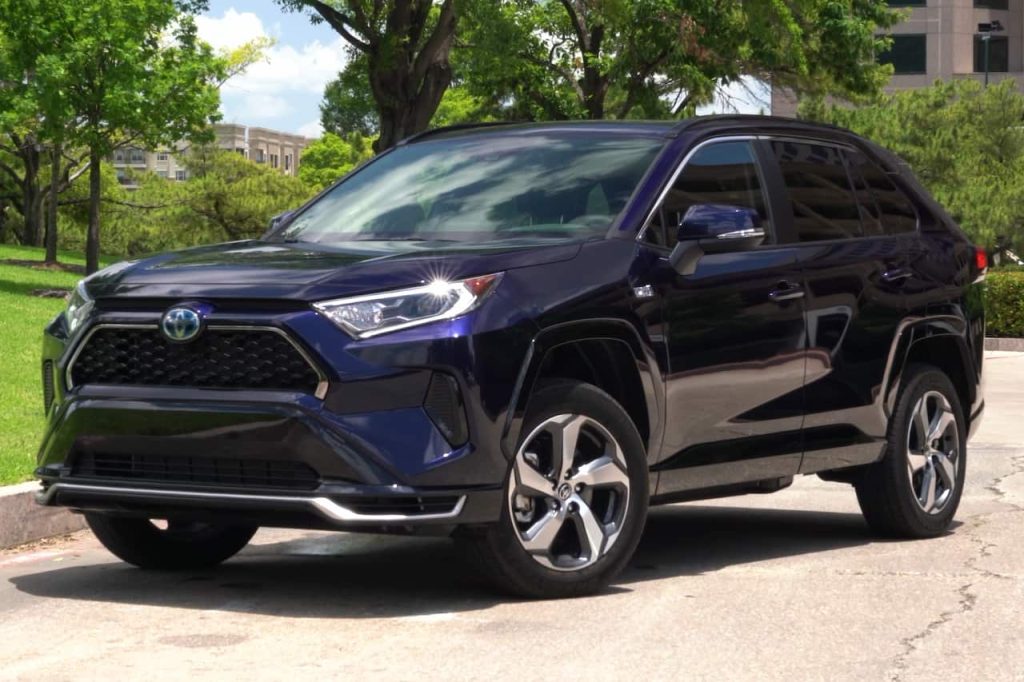
A new RAV4 Hybrid Woodland Edition also joins the range, equipped with a TRD-tuned suspension, rugged tires, and distinctive bronze-colored wheels.
As a daily driver, the RAV4 is effective: it has a roomy interior, strong fuel economy, a full suite of driver assistance systems, and newly added tech features for 2023. The cabin layout is intuitive, controls are straightforward to use, and large side mirrors provide excellent outward visibility.
Still, when it comes to the driving experience, Jack, er, the RAV4, doesn’t inspire much excitement. While it’s competent, sluggish and coarse acceleration makes the standard gas model less appealing than the quicker, smoother RAV4 Hybrid.
Ride quality can feel firm and somewhat bouncy, and although it corners with confidence, it never comes across as sporty.
Overall, the RAV4 remains a practical and sensible choice, which explains its enduring popularity as one of Toyota’s best-sellers. Toyota has had decades to refine the RAV4 formula, and the result is an SUV that delivers dependability and balance.
Still, if you want something that stands out more in styling, efficiency, or driving dynamics, it may be worth exploring some of the RAV4’s numerous competitors. Choose one of those, and the naming rights are all yours.
8. Ford Escape
The Ford Escape may not always be the first SUV that comes to mind for long-term comfort, but its balance of car-like handling and roomy seating has made it a favorite among U.S. families.
Older Escapes remain affordable on the used market, and many continue to feel pleasant to drive even after 15 years. Its simplicity and wide parts availability also make ownership more budget-friendly compared to some rivals.
The Ford Escape sits in the highly competitive compact SUV segment, going head-to-head with some of the most popular, and best, small SUVs on the market today.
While the Escape is a practical and capable option, it falls short when it comes to driving excitement and interior refinement compared with many rivals. It checks the boxes for what the average SUV buyer is looking for, but it doesn’t deliver the kind of thrill or upscale feel found in other models at a similar price and size.
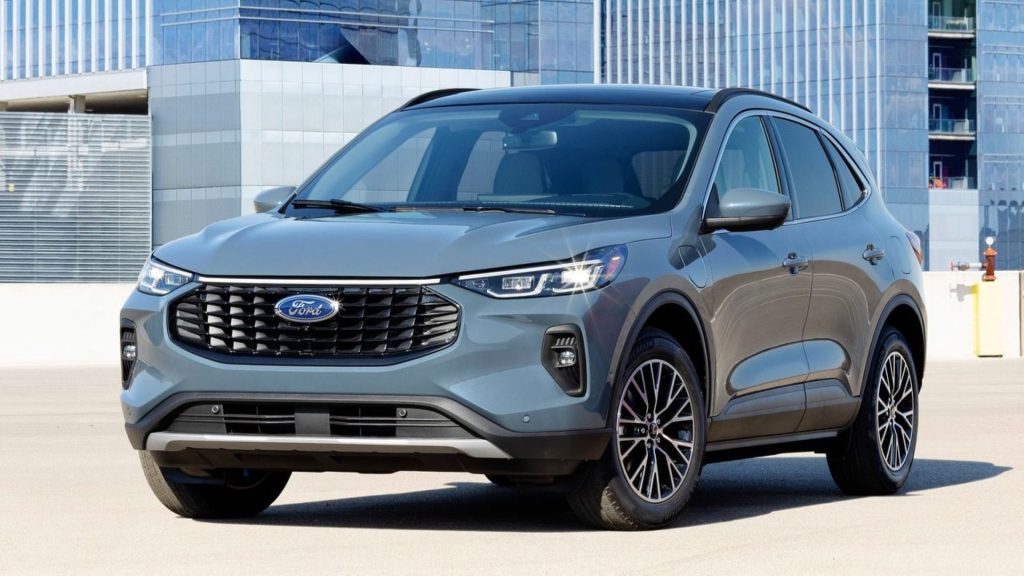
For 2025, the Escape gives buyers a wide range of powertrain options. The standard setup is a turbocharged 1.5-liter engine producing 180 horsepower, paired with front-wheel drive, with all-wheel drive available as an option.
Moving up the lineup, midlevel trims feature a turbocharged 2.0-liter engine that delivers 250 horsepower and comes standard with all-wheel drive. The Escape Hybrid combines a 2.5-liter four-cylinder engine with two electric motors, creating 192 total system horsepower, and it too can be had with optional all-wheel drive.
At the top of the range is the plug-in hybrid (PHEV), which uses the same 2.5-liter hybrid setup but adds the ability to drive an estimated 37 miles on electric power alone. The PHEV is available exclusively with front-wheel drive. Read our Expert Rating for the full breakdown.
9. Mazda CX-7
Mazda’s CX-7 may not have been a sales leader when new, but it has aged surprisingly well. Known for its sporty handling, the CX-7 still manages to deliver a smooth, comfortable ride for daily driving.
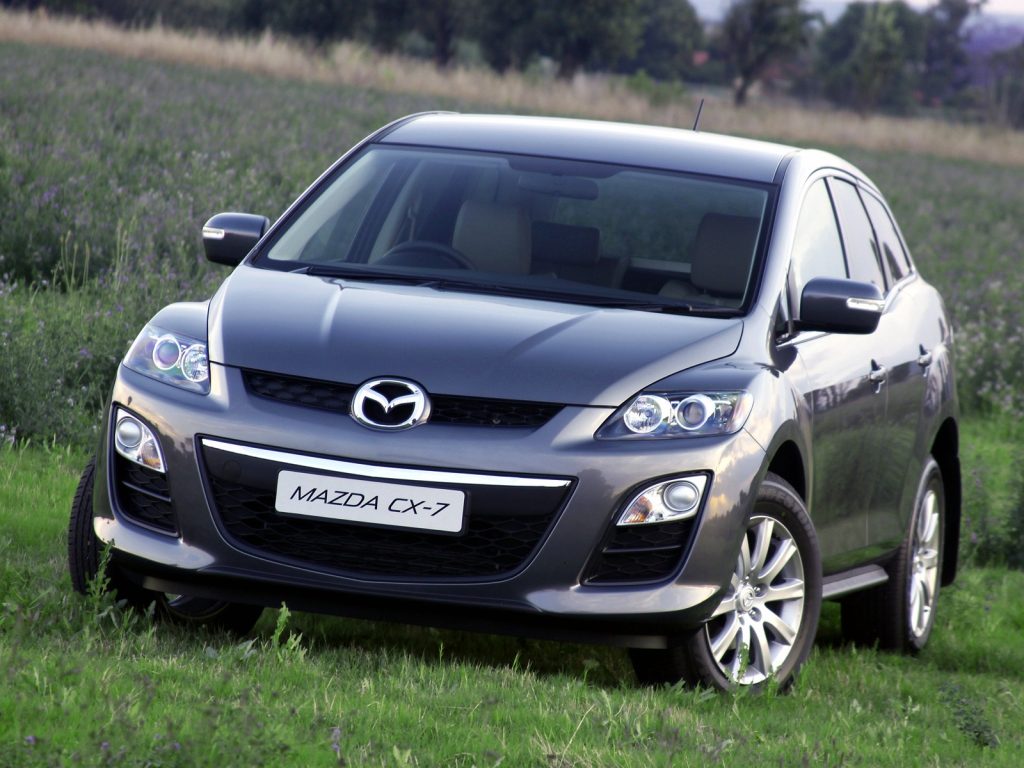
The cabin materials were above average for its time, which means even 15 years later, the interior holds up nicely. For shoppers seeking a lesser-known but affordable SUV that doesn’t compromise comfort, the CX-7 is a hidden gem.
10. Chevrolet Equinox
The Chevrolet Equinox has been a reliable choice for U.S. buyers looking for a roomy yet affordable SUV. While not the flashiest option, older Equinox models continue to impress with their wide, comfortable seating and smooth driving dynamics.
Fifteen years on, many still provide a quiet and relaxed ride, making them attractive for families who want a budget-friendly, comfortable option without sacrificing space.
Electric vehicles often force buyers to choose between an affordable starting price or a competitive driving range, but rarely both. The Chevrolet Equinox EV manages to deliver on both fronts, with an MT-tested 262 miles of range for under $35,000 before incentives on the base model.
The compromise comes with performance, as its 0–60 mph time of 7.4 seconds feels a bit on the slow side for an EV. Opting for the more powerful all-wheel-drive version remedies that, offering the quick acceleration most buyers expect from an electric SUV.
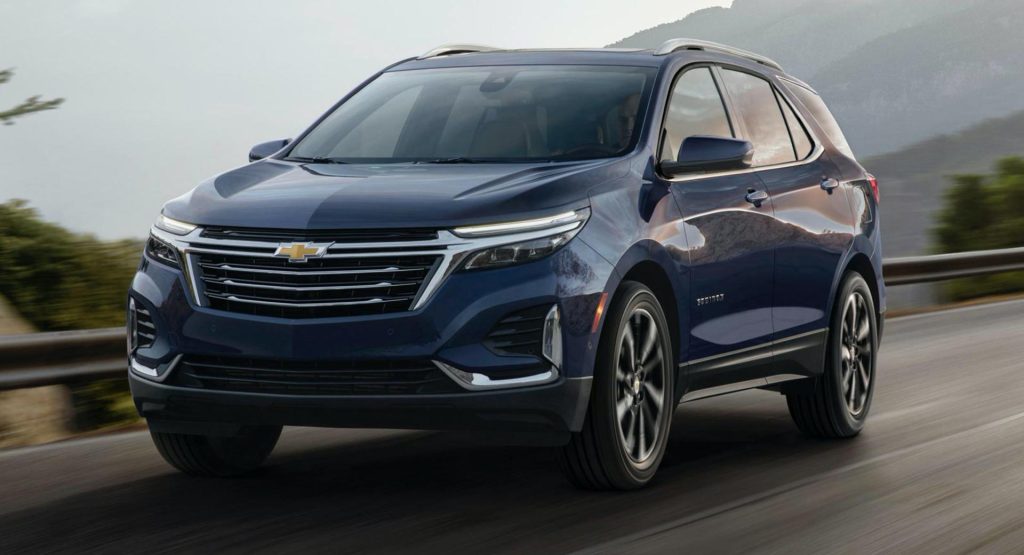
On the road, the driving character strikes a middle ground, not overly sporty, yet not overly soft either. For those regularly traveling on rougher pavement, the 19-inch wheels are a better choice than the larger 21s.
Inside, the Equinox EV provides a roomy cabin that fosters comfort on daily drives. The large digital displays are a highlight, though Chevrolet has omitted Apple CarPlay and Android Auto.
Instead, drivers will eventually be required to subscribe to a data service for access to apps such as Spotify or Google Maps. Even after applying the federal tax credit, it’s possible to spend $40,000 and still go without features like dual-zone climate control or a sunroof.
Based on our early driving impressions, the Equinox EV shows strong potential with its range, design, road manners, and interior spaciousness, making it competitive among compact electric SUVs.
However, once we tested the AWD version under instrumented conditions, shortcomings in braking performance and cornering grip became apparent.
The value proposition also diminishes at the top RS trim, raising questions about its pricing. Looking ahead, we hope the next-generation Bolt, expected in 2025, will arrive with a sharper focus on affordability and competitiveness.
11. Kia Sorento
The Kia Sorento often flies under the radar, but it deserves recognition for its comfortable ride and family-friendly features. Fifteen-year-old Sorentos still offer decent seating space, solid reliability, and suspension tuning that leans toward comfort.
For drivers on a budget, it’s an SUV that remains practical and easy to live with, even after years of use.
If you’re in the market for a small SUV but occasionally need to carry six or more passengers, the 2023 Kia Sorento should be high on your list.
It’s one of the few compact SUVs available with third-row seating. Positioned between the smaller, five-passenger Sportage and the larger, three-row Telluride, the Sorento is a well-balanced option that can accommodate up to seven people when necessary.
Like most models in Kia’s lineup, the Sorento comes generously equipped with standard features. Wireless Apple CarPlay and Android Auto integration are included, along with lane keeping assistance and multiple USB charging ports.
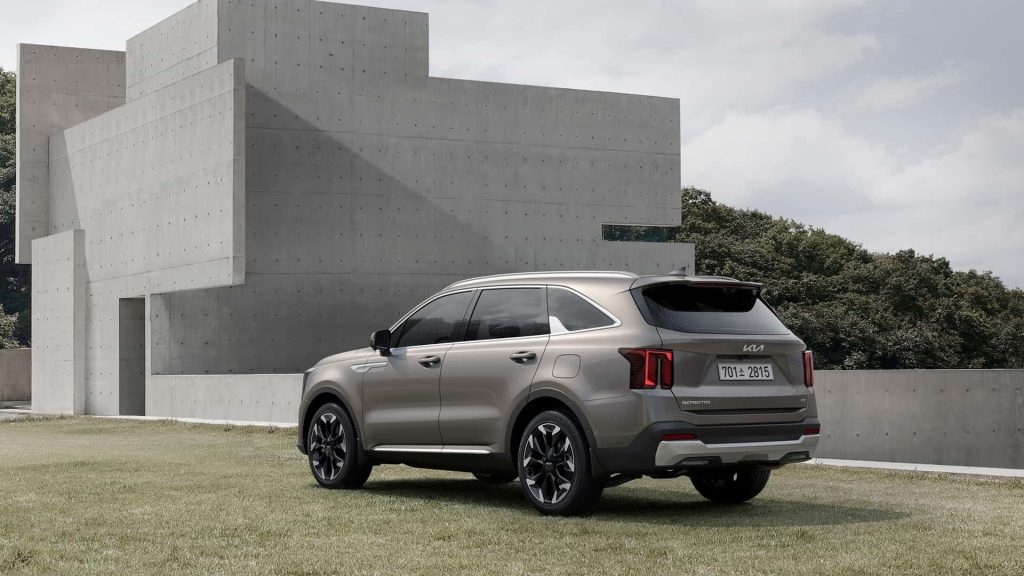
You might expect that fitting in three rows would compromise comfort in the second, but the Sorento’s middle bench is surprisingly roomy. Even the third row offers reasonable space for adults, though climbing back there can be a bit of a squeeze.
Under the hood, buyers can choose between two traditional engines: a base four-cylinder or an optional turbocharged four-cylinder. The turbo option delivers strong power, making the Sorento one of the quicker vehicles in its class.
Beyond that, Kia also offers hybrid and plug-in hybrid versions of the Sorento. The cabin quality is another standout, materials feel upscale, and higher trims can approach near-luxury comfort levels.
For 2023, changes are subtle but strengthen Kia’s value-oriented reputation. The base LX trim now adds a suite of driver assistance technologies, including blind-spot warning, rear cross-traffic warning, and safe exit assist, which prevents rear passengers from opening a door into oncoming traffic.
Upper trims also receive additional standard features that were previously optional on 2022 models. At the top of the lineup, the SX Prestige trim now comes standard with all-wheel drive.
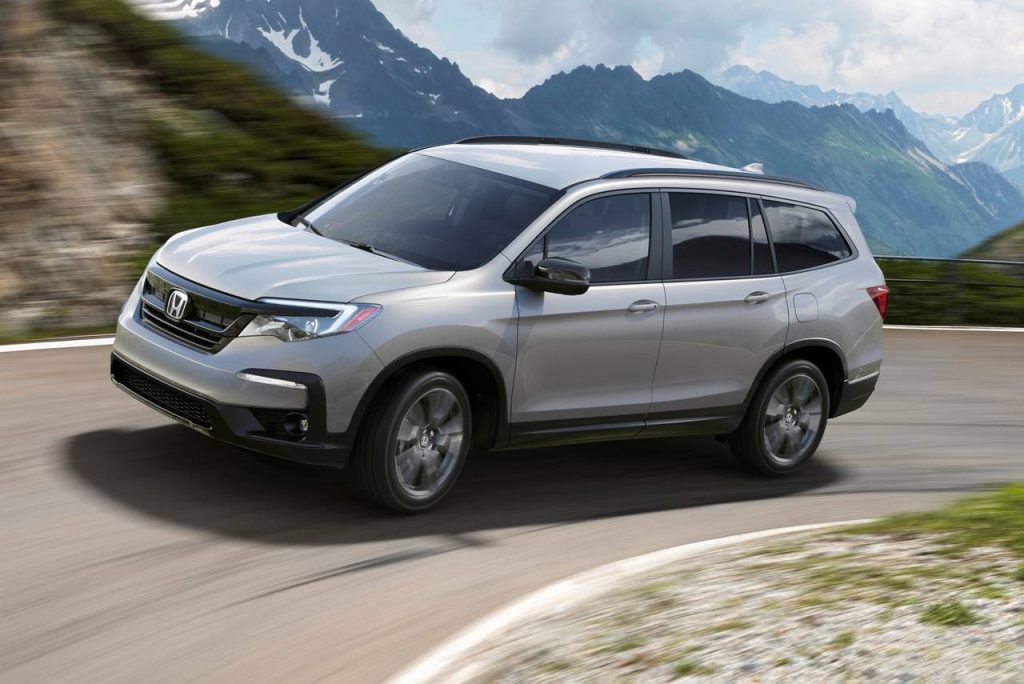
12. Honda Pilot
For families needing three rows, the Honda Pilot has been a go-to choice for years. What makes it impressive is how well older models age.
A 15-year-old Pilot often still feels spacious, with supportive seating and a smooth ride quality that rivals newer SUVs.
Its reliability record means many are still running strong today, making it one of the most comfortable and affordable three-row options on the used market.
Not all SUVs are created equal when it comes to long-term comfort. The models above succeed because of thoughtful design, durable components, and suspension tuning that prioritizes smoothness over sportiness.
Brands like Toyota and Honda are well-known for reliability, but even underrated options from Nissan, Hyundai, Kia, and Mazda have proven they can deliver years of comfort at an affordable price.
Buying an older SUV doesn’t have to mean giving up comfort. The 12 models on this list prove that with the right choice, drivers can enjoy a smooth ride, supportive seats, and family-friendly practicality well into the 15-year mark.
For U.S. shoppers on a budget, these SUVs offer a way to stretch every dollar while still enjoying comfort for years to come.
