
In the rapidly evolving automotive world where technology advances at breakneck speed and new models emerge annually, finding a vehicle that maintains its relevance, desirability, and functionality after two decades is increasingly rare.
Yet, certain automobiles transcend the typical depreciation curve, becoming timeless classics that owners cherish long after their warranty periods expire.
These exceptional vehicles represent the pinnacle of automotive engineering, design excellence, and enduring appeal that makes them worth owning even twenty years later.
The concept of long-term automotive ownership has gained renewed significance in recent years as consumers become more environmentally conscious and economically savvy.
Rather than following the traditional cycle of frequent vehicle replacement, many car enthusiasts and practical buyers alike are recognizing the wisdom in investing in automobiles that age gracefully.
These enduring machines offer something that newer models often struggle to match: a perfect harmony of reliability, character, and timeless design that improves with age rather than deteriorating.
What separates these automotive legends from the countless models that fade into obscurity? The answer lies in a combination of factors that create automotive immortality.
Superior build quality forms the foundation, ensuring that mechanical components continue functioning reliably long after lesser vehicles have succumbed to wear and tear.
Timeless design philosophy plays an equally crucial role, as vehicles with classic proportions and understated elegance avoid the fate of looking dated or obsolete.
Additionally, these cars often represent watershed moments in automotive history, introducing innovations or achieving performance benchmarks that established new standards for their respective categories.
The following nine vehicles represent the cream of the crop in terms of long-term desirability, each earning its place through a unique combination of engineering excellence, design brilliance, and enduring appeal that makes them as compelling today as they were during their respective debuts.
1. Toyota Land Cruiser (1998-2007, 100 Series)
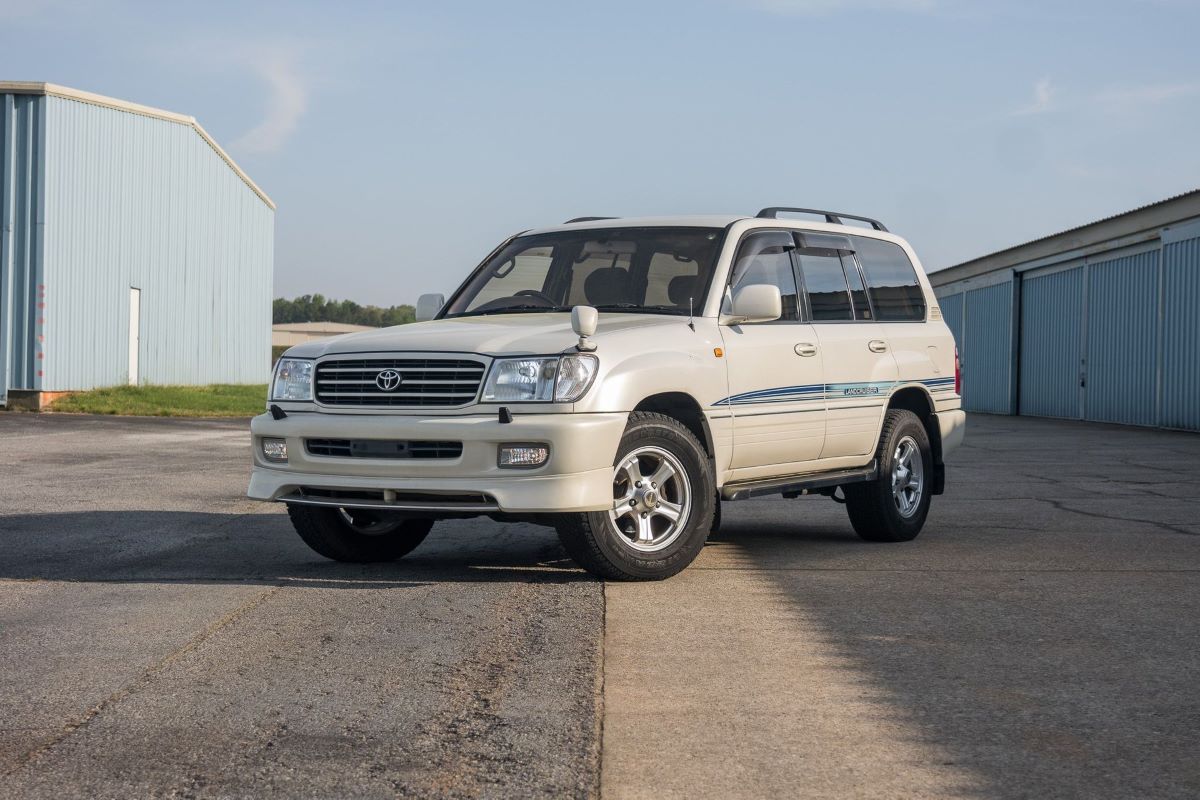
The Toyota Land Cruiser 100 Series stands as an monument to automotive durability and engineering excellence that becomes more impressive with each passing year.
Introduced in 1998 and produced until 2007, this generation of Land Cruiser represents the perfect evolution of Toyota’s legendary off-road capability combined with unprecedented luxury and refinement for a vehicle of its class.
After twenty years, the 100 Series has not only maintained its reputation but has actually enhanced its standing among automotive enthusiasts who recognize its unique position in automotive history.
What sets the 100 Series apart from its contemporaries and successors is its remarkable balance of capability and comfort.
Built on Toyota’s robust ladder frame chassis with independent front suspension and a solid rear axle, this Land Cruiser was engineered to handle the most demanding off-road conditions while providing sedan-like comfort on paved roads.
The 4.7-liter V8 engine, producing 235 horsepower and 320 lb-ft of torque, delivers smooth, reliable power that has proven virtually indestructible over decades of service.
This powertrain, combined with Toyota’s sophisticated full-time four-wheel-drive system, creates a capability package that remains relevant and competitive even by today’s standards.
The build quality of the 100 Series represents Toyota at its absolute peak of manufacturing excellence.
Every component was over-engineered for longevity, from the robust transmission and transfer case to the premium interior materials that continue to look and feel luxurious after two decades of use.
The attention to detail is evident in elements like the solid thunk of the doors, the precise operation of switches and controls, and the way the vehicle ages gracefully without the creaks, rattles, and premature wear that plague lesser vehicles.
From a design perspective, the 100 Series achieved timeless proportions and styling that avoided the trendy elements that would have dated it. Its clean, purposeful lines communicate strength and capability without resorting to aggressive styling cues that might appear dated in later years.
The interior design followed a similar philosophy, prioritizing functionality and quality materials over flashy design elements that would quickly become obsolete.
Today, well-maintained 100 Series Land Cruisers command premium prices in the used vehicle market, often selling for significant percentages of their original MSRP despite their age.
This value retention reflects not just their reputation for reliability, but also the growing recognition that vehicles of this caliber are increasingly rare in today’s automotive marketplace.
Modern SUVs, while technologically advanced, often sacrifice the robust construction and long-term durability that made the 100 Series legendary.
2. Honda S2000 (1999-2009)
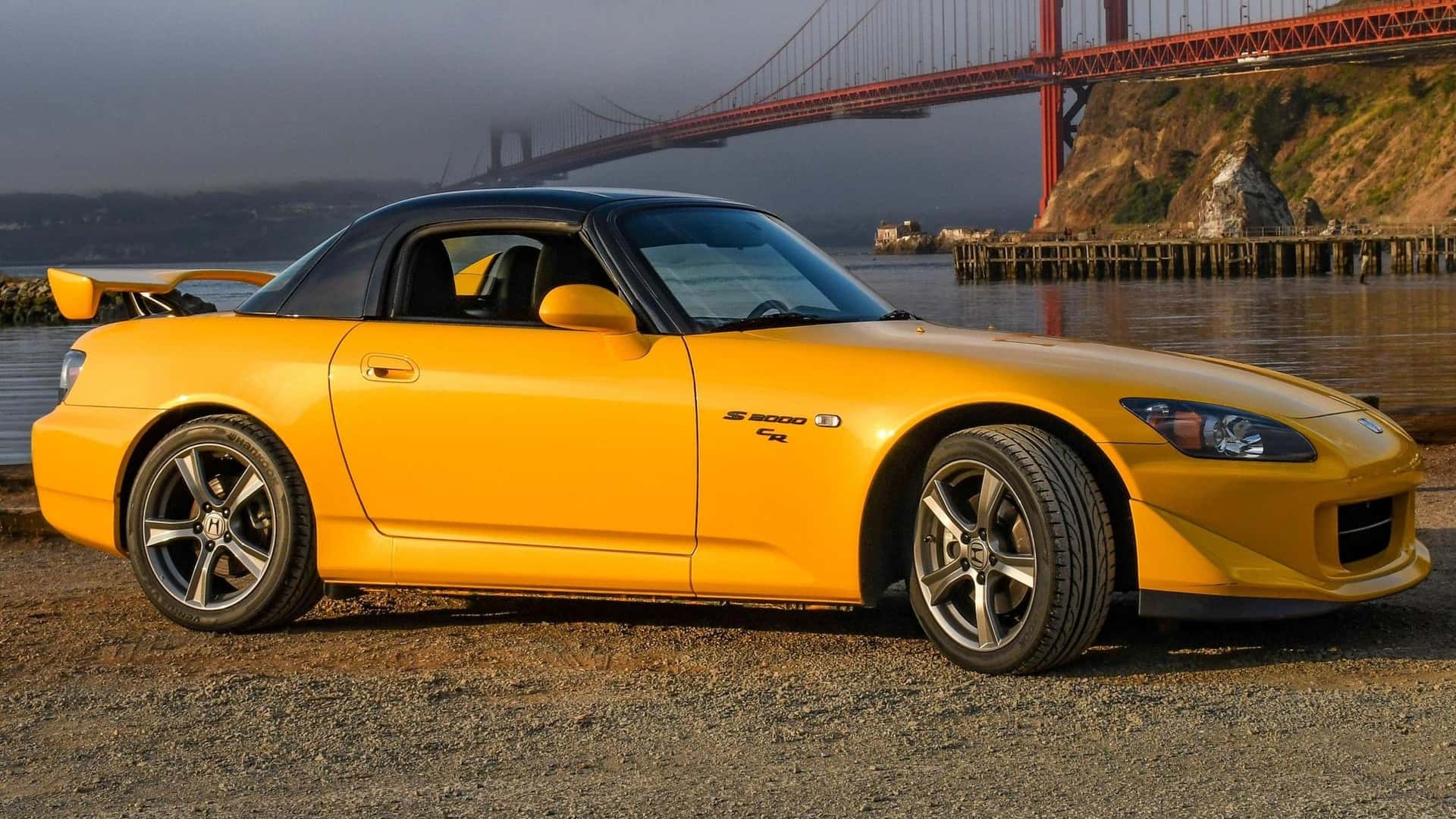
The Honda S2000 represents the culmination of Honda’s sports car engineering philosophy and remains one of the most rewarding driving experiences available in any era.
Produced from 1999 to 2009, this rear-wheel-drive roadster embodied Honda’s commitment to naturally aspirated performance and precise engineering in ways that seem almost anachronistic in today’s turbocharged, electronically assisted automotive world.
Twenty years later, the S2000 has not only maintained its reputation but has achieved legendary status among driving enthusiasts who recognize it as perhaps the last pure analog sports car from a major manufacturer.
At the heart of the S2000’s enduring appeal lies its extraordinary F20C and later F22C1 engines, naturally aspirated four-cylinder powerplants that represent some of the finest internal combustion engineering ever achieved.
The original F20C produced an astounding 240 horsepower from just 2.0 liters of displacement, achieving 120 horsepower per liter without forced induction a specific output that remains impressive even by contemporary standards.
This engine’s 9,000 RPM redline created a powerband unlike anything else in its class, rewarding enthusiastic drivers with a linear, immediate throttle response that modern turbocharged engines, despite their superior torque curves, cannot replicate.
The S2000’s chassis engineering demonstrates Honda’s understanding of fundamental sports car dynamics. The 50/50 weight distribution, achieved through careful component placement and the rear-mounted transmission, creates handling characteristics that remain benchmark-worthy two decades later.
The double-wishbone suspension front and rear, combined with precise steering geometry and carefully tuned damping, delivers a driving experience that communicates road conditions directly to the driver without overwhelming them with harshness or noise.
This level of chassis sophistication, combined with the car’s relatively light 2,800-pound curb weight, creates performance that feels immediate and involving in ways that heavier, more powerful contemporary sports cars often struggle to match.
From a design standpoint, the S2000 achieved timeless proportions that have aged gracefully. Its long hood, rear-set passenger compartment, and clean body lines communicate classic sports car DNA without resorting to aggressive styling elements that might appear dated.
The interior, while spartan by luxury standards, perfectly reflects the car’s performance-oriented mission with its driver-focused layout and high-quality materials that have proven durable over extended ownership periods.
The S2000’s manual transmission deserves special recognition as one of the finest examples of the art ever produced.
The precise, short-throw shifter connects directly to Honda’s robust six-speed gearbox, creating a mechanical interaction that has become increasingly rare in an era of automated transmissions and electronic driving aids.
This direct mechanical connection between driver and machine represents a driving experience that newer sports cars, despite their superior performance metrics, often cannot provide.
Market dynamics have been exceptionally kind to S2000 values over the past decade. As enthusiasts have recognized the car’s significance and rarity Honda produced relatively few examples during its ten-year production run prices have appreciated substantially.
Well-maintained examples now command prices approaching or exceeding their original MSRP, with particularly desirable variants and low-mileage examples reaching premium territory.
This appreciation reflects not just nostalgia, but genuine recognition of the S2000’s objective excellence and its position as possibly the last naturally aspirated, manual-transmission sports car from Honda.
3. BMW E39 M5 (1998-2003)
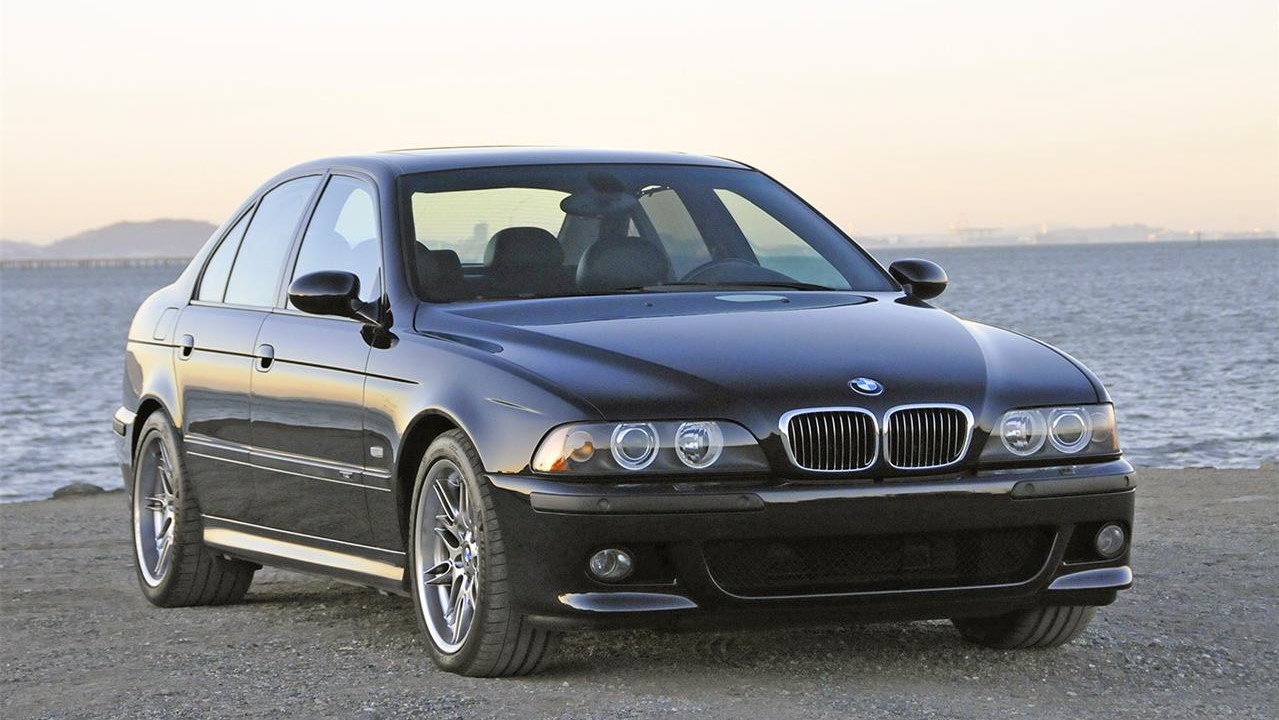
The BMW E39 M5 represents the absolute pinnacle of the naturally aspirated sports sedan era and stands today as perhaps the most perfect execution of BMW’s “Ultimate Driving Machine” philosophy.
Produced from 1998 to 2003, this generation of M5 combined a hand-built S62 V8 engine with chassis dynamics that established the template for high-performance sedans that manufacturers still strive to match.
Twenty years after its introduction, the E39 M5 has transcended its original role as BMW’s flagship performance sedan to become a genuine automotive icon whose reputation continues to grow among enthusiasts and collectors.
The heart of the E39 M5’s enduring appeal lies in its magnificent S62 V8 engine, a naturally aspirated masterpiece that produces 394 horsepower and 369 lb-ft of torque through sophisticated engineering rather than forced induction.
This hand-assembled powerplant, built by skilled technicians at BMW’s M division, incorporates individual throttle bodies for each cylinder, creating throttle response that feels immediate and organic in ways that modern turbocharged engines, despite their superior torque delivery, cannot replicate.
The S62’s linear power delivery and intoxicating sound signature create an emotional connection between driver and machine that has become increasingly rare in contemporary high-performance sedans.
The E39 M5’s chassis engineering represents BMW at its absolute peak of dynamic excellence. The car’s suspension, featuring specially tuned springs, dampers, and anti-roll bars, along with M-specific geometry, creates handling characteristics that perfectly balance comfort and performance.
The steering, hydraulically assisted and precisely weighted, provides feedback and accuracy that has become legendary among driving enthusiasts.
This combination of chassis sophistication and steering precision creates a driving experience that feels both effortless and engaging, allowing the car to change direction with minimal effort while communicating exactly what the tires are doing through the steering wheel.
From a design perspective, the E39 M5 achieved perfect proportions and subtle aggression that have aged exceptionally well.
Its understated bodywork, featuring slightly flared fenders, discrete spoilers, and quad exhaust outlets, communicates performance capability without resorting to the overtly aggressive styling that characterizes many modern performance sedans.
The interior strikes an ideal balance between luxury and sportiness, with supportive seats, high-quality materials, and an driver-focused layout that prioritizes functionality over flashy design elements.
The E39 M5’s technological package, while advanced for its era, remains refreshingly analog by contemporary standards.
The lack of electronic stability systems (beyond ABS and traction control) means that the car’s dynamics are determined primarily by physics and driver skill rather than electronic intervention.
This creates a driving experience that rewards competent drivers with exceptional performance while demanding respect and attention in challenging conditions.
For enthusiasts who appreciate the direct connection between input and output, this analog character has become increasingly precious as modern performance cars incorporate ever more sophisticated electronic systems.
Market appreciation for the E39 M5 has been substantial and consistent over the past decade. As enthusiasts have recognized the car’s significance as potentially the last naturally aspirated M5 and certainly the last with purely analog dynamics, values have appreciated dramatically.
Well-maintained examples with proper service history now command premium prices, often approaching or exceeding their original MSRP.
This market recognition reflects not just nostalgia for a bygone era, but genuine appreciation for the E39 M5’s objective excellence and its unique position in automotive history as the perfect balance of performance, luxury, and driver engagement.
4. Porsche 911 Turbo (996 Generation, 2000-2005)
The Porsche 996 Turbo represents a pivotal moment in 911 evolution and stands today as one of the most undervalued yet exceptional sports cars of its era.
Produced from 2000 to 2005, this generation marked Porsche’s transition to water-cooled engines while maintaining the fundamental character and performance that made the 911 Turbo legendary.
Twenty years later, the 996 Turbo has emerged from the shadow of initial controversy surrounding its styling to be recognized as a remarkably capable and reliable sports car that offers supercar performance with everyday usability.
At the core of the 996 Turbo’s appeal lies its revolutionary Mezger flat-six engine, a water-cooled evolution of Porsche’s air-cooled legacy that proved both more powerful and more reliable than its predecessors.
The twin-turbocharged 3.6-liter engine produces 415 horsepower in base form and 444 horsepower in the later S variant, delivering performance that remains impressive by contemporary standards.
What sets this powerplant apart from modern turbocharged engines is its character the lag and subsequent surge of power delivery creates an emotional engagement that linear power delivery cannot match.
The Mezger engine’s legendary reliability has been proven over two decades of service, with properly maintained examples accumulating hundreds of thousands of miles without major mechanical issues.
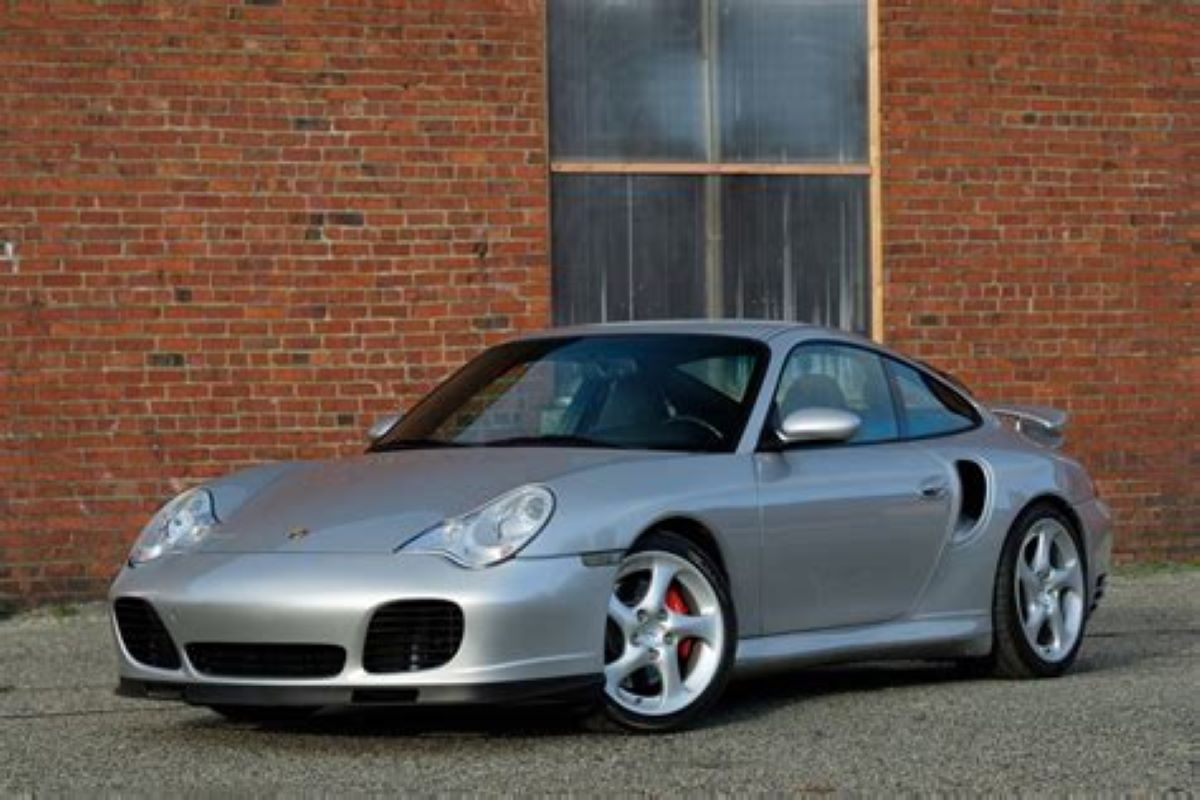
The 996 Turbo’s chassis and suspension system represented a significant advancement over previous generations while maintaining the essential 911 character.
The all-wheel-drive system, sophisticated for its era, could vary torque distribution between front and rear axles based on driving conditions, providing both the security of four-wheel traction and the engaging dynamics of rear-wheel drive when conditions permitted.
The suspension, featuring specially tuned springs and dampers along with Porsche’s innovative suspension management system, delivered a remarkable balance of comfort and performance that allowed the car to serve equally well as a daily driver or track-day weapon.
From an aesthetic standpoint, the 996 Turbo’s design has aged far better than initial critics predicted.
The water-cooled engine allowed Porsche designers to create cleaner, more aerodynamically efficient bodywork that, while controversial when new, now appears refreshingly clean and purposeful compared to the increasingly complex styling of contemporary sports cars.
The Turbo-specific wide body, with its distinctive air intakes and rear spoiler, creates a presence that communicates serious performance capability without resorting to overwrought styling elements.
Market dynamics for the 996 Turbo have been fascinating to observe. Initially depreciated significantly due to styling controversy and concerns about water-cooled engines, values have recovered substantially as enthusiasts have recognized the car’s objective excellence and growing historical significance.
Today, well-maintained 996 Turbos command strong prices in the used market, reflecting growing appreciation for their unique combination of performance, reliability, and relative accessibility within the 911 Turbo lineage.
Also Read: 10 Cars Mechanics Say Will Easily Hit 400k Miles
5. Lexus LS 400 (1990-2000, First Generation)
The original Lexus LS 400 stands as one of the most significant automotive achievements of the late 20th century and remains a masterclass in luxury sedan engineering that continues to impress three decades after its introduction.
Launched in 1990 as Toyota’s ambitious entry into the luxury car market, the first-generation LS 400 didn’t just compete with established German luxury sedans it fundamentally redefined expectations for refinement, reliability, and value in the premium segment.
Today, well-maintained examples of this pioneering luxury sedan continue to provide an ownership experience that rivals vehicles costing many times their current market value.
The LS 400’s legendary 1UZ-FE V8 engine represents one of the finest powerplants ever developed for luxury sedan duty. This all-aluminum, quad-cam V8 produces 250 horsepower and 260 lb-ft of torque through engineering so sophisticated that it established new benchmarks for smoothness and refinement.
The engine’s balance and vibration characteristics were so exceptional that Lexus famously demonstrated its smoothness by balancing champagne glasses on the running engine.
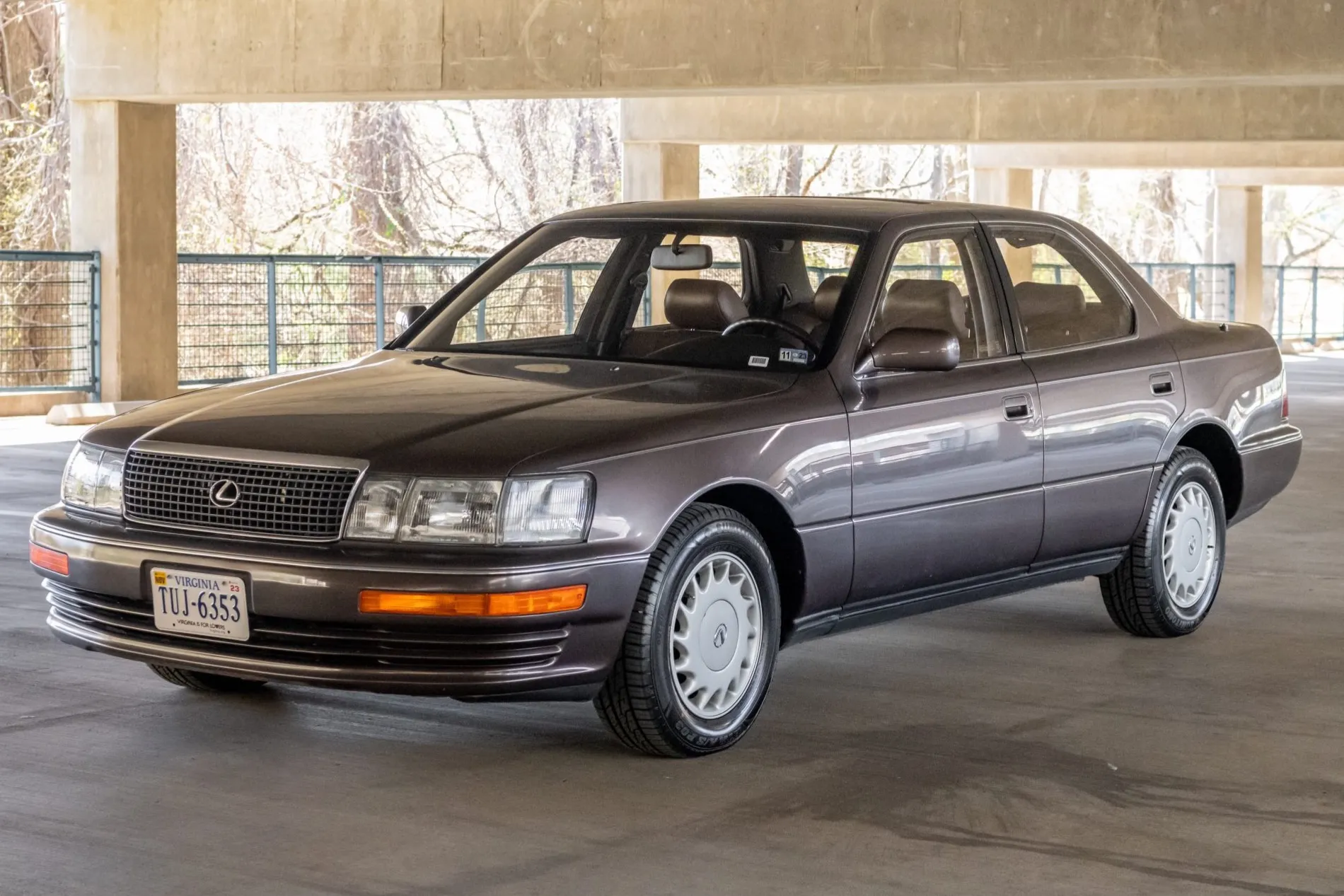
More importantly for long-term ownership, this powerplant has proven virtually indestructible, with properly maintained examples routinely accumulating 300,000 to 500,000 miles without major mechanical issues.
The engine’s sophisticated engineering, including features like continuously variable valve timing and electronic throttle control, was advanced for its era and contributes to both performance and efficiency that remain respectable by contemporary standards.
The ownership experience of a well-maintained LS 400 continues to be remarkably satisfying twenty years later. The car’s legendary reliability means that maintenance costs remain reasonable, particularly compared to German luxury sedans of similar vintage.
Parts availability through Toyota/Lexus dealer networks ensures that necessary components remain accessible, and the car’s reputation for longevity has created a community of enthusiasts who share knowledge and resources for maintaining these vehicles in excellent condition.
6. Subaru Impreza WRX STI (2004-2007, Blobeye)
The 2004-2007 Subaru Impreza WRX STI, affectionately known as the “Blobeye” generation for its distinctive headlight design, represents the perfect evolution of Subaru’s rally-bred performance philosophy and stands today as one of the most engaging and capable all-weather sports cars ever produced.
This generation marked Subaru’s serious entry into the North American performance market with a vehicle that brought genuine World Rally Championship technology to public roads.
Twenty years later, the Blobeye STI has not only maintained its reputation but has achieved legendary status among driving enthusiasts who recognize it as possibly the most authentic and uncompromised performance car of its era.
At the heart of the STI’s enduring appeal lies its legendary EJ257 turbocharged boxer engine, a 2.5-liter flat-four that produces 300 horsepower and 300 lb-ft of torque through sophisticated engineering that prioritized character and engagement over outright refinement.
This engine, derived directly from Subaru’s rally program, delivers power in a way that feels immediate and organic, with turbo lag that builds anticipation followed by a surge of acceleration that rewards patient throttle application.
The boxer configuration’s low center of gravity and distinctive sound signature create an emotional connection that has become increasingly rare in contemporary turbocharged engines.
While the EJ257 requires more careful maintenance than some competitors, properly cared for examples have proven capable of reliable high-performance service over extended periods.
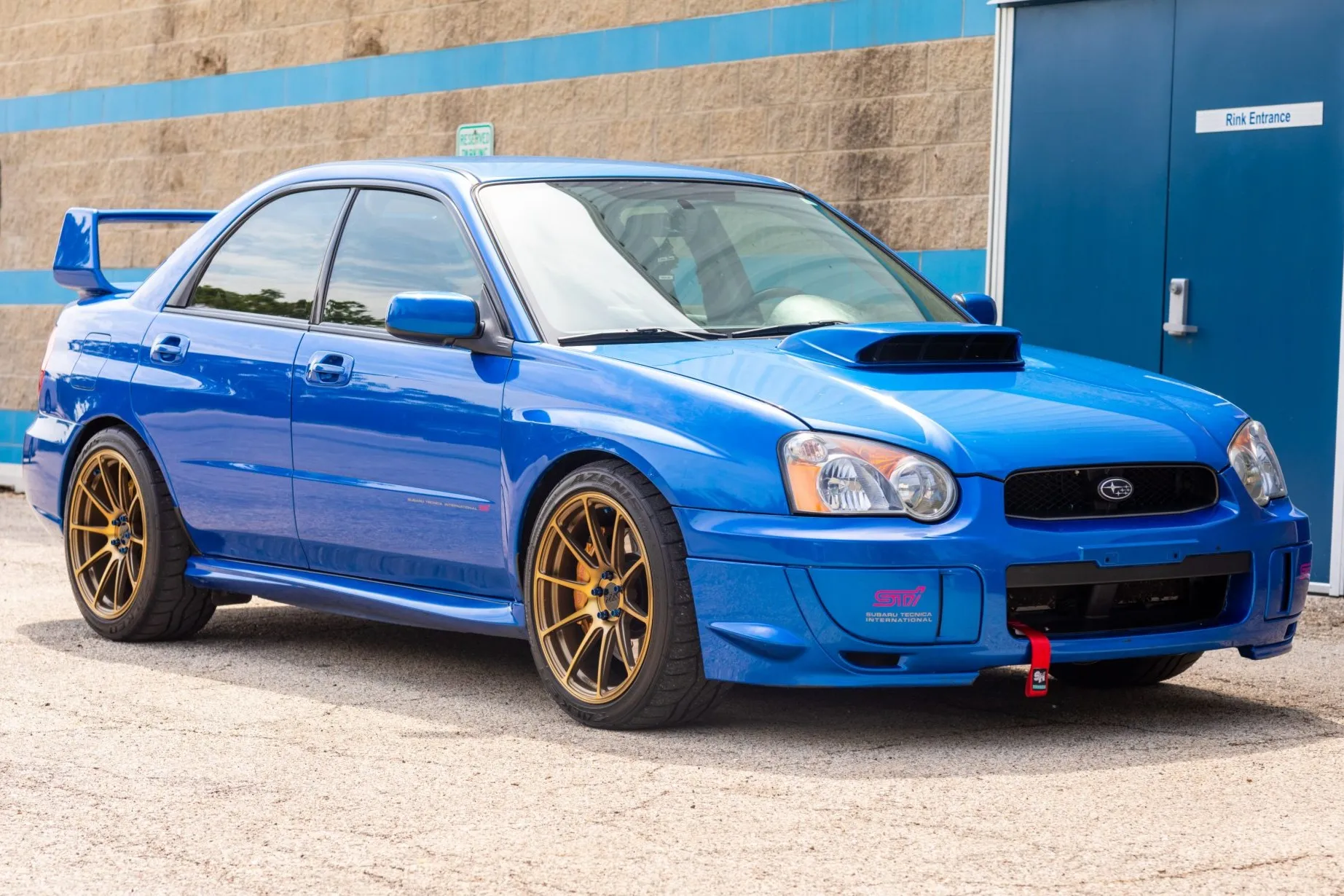
The STI’s symmetrical all-wheel-drive system represents one of the most sophisticated and effective implementations of four-wheel traction ever developed for road use.
The system’s ability to continuously vary torque distribution between front and rear wheels, combined with limited-slip differentials at both ends, creates traction and stability in challenging conditions that remains unmatched by contemporary all wheel drive systems.
This capability, combined with the car’s relatively light weight and low center of gravity, allows the STI to maintain remarkable composure and forward progress in snow, rain, and loose surface conditions where other performance cars struggle or become unusable.
Market dynamics have been exceptionally favorable for well-maintained Blobeye STI examples. As enthusiasts have recognized the car’s significance and relative rarity Subaru never produced these vehicles in huge numbers values have appreciated substantially over the past decade.
Clean, unmodified examples now command premium prices, often approaching their original MSRP despite their age. This appreciation reflects not just nostalgia, but genuine recognition of the STI’s objective performance and its position as one of the last uncompromised, manual-transmission performance cars from a major manufacturer.
7. Mercedes-Benz W124 E-Class (1984-1995)
The Mercedes-Benz W124 E-Class represents the absolute pinnacle of traditional German engineering excellence and stands today as perhaps the most over-engineered and durable luxury sedan ever mass-produced.
Built from 1984 to 1995, this generation of E-Class embodied Mercedes-Benz’s philosophy of building vehicles to last indefinitely with proper maintenance, incorporating levels of structural integrity, material quality, and mechanical sophistication that have never been equaled in subsequent generations.
Thirty years later, well-maintained W124 models continue to provide a luxury ownership experience that rivals contemporary vehicles while demonstrating reliability and longevity that has become legendary among automotive enthusiasts worldwide.
The W124’s engineering philosophy centered on durability and longevity rather than planned obsolescence, resulting in construction that was substantially over-engineered for its intended service life.
The body structure, built from thick, high-quality steel with extensive rust protection, was designed to maintain structural integrity for decades of service in challenging climates.
The paint system, applied in multiple coats with meticulous attention to surface preparation, has proven remarkably durable, with well-maintained examples retaining their original luster after thirty years.
Panel gaps and fit and finish quality were executed to tolerances that established new standards for precision assembly, creating vehicles that continue to feel solid and refined even after hundreds of thousands of miles of service.
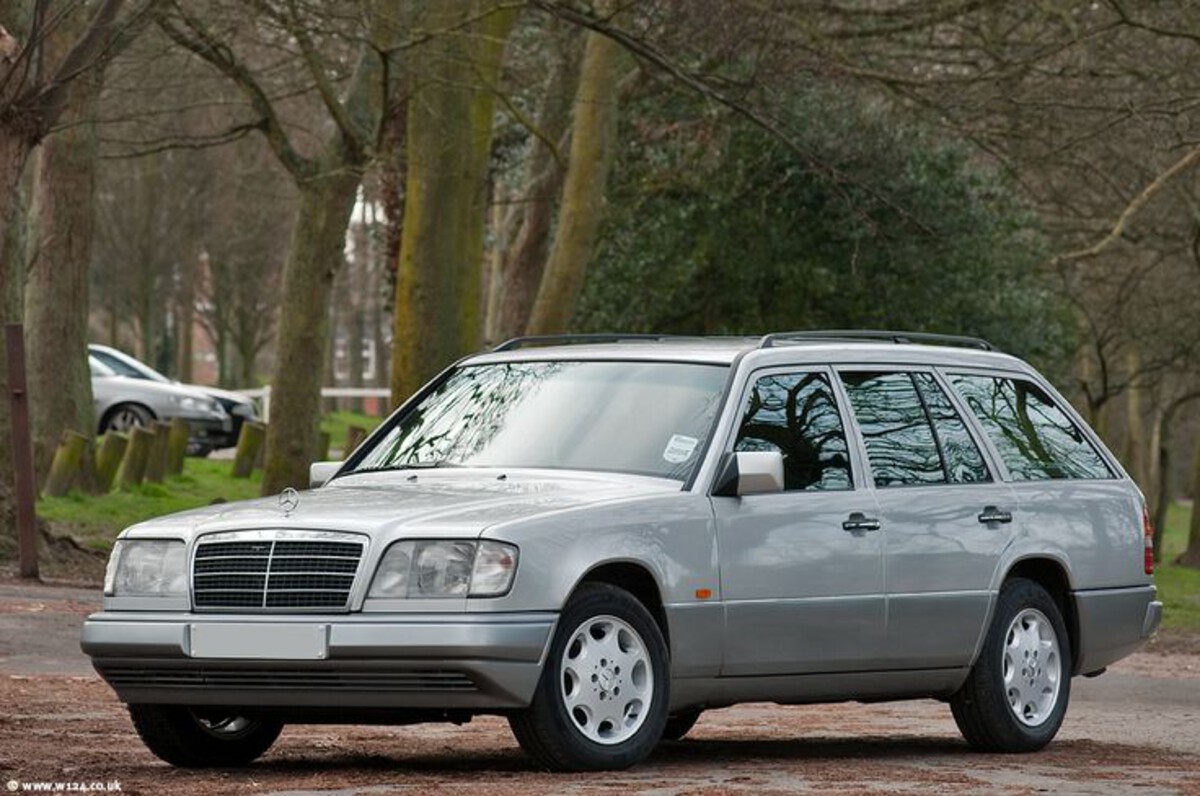
The W124’s engine lineup included some of the finest powerplants Mercedes-Benz ever developed, with particular recognition deserved by the inline-six and V8 options that combined smooth power delivery with exceptional longevity.
The legendary M104 inline-six engine, available in various displacements, represents one of the smoothest and most reliable engines ever produced, routinely accumulating 300,000 to 500,000 miles with only basic maintenance.
These engines were designed with generous bearing clearances, robust internal components, and sophisticated lubrication systems that ensured decades of reliable service.
The V8 options, while less common, provided similar durability with additional smoothness and power that made them ideal for luxury sedan duty.
Perhaps most remarkably, the W124’s ownership experience continues to be highly satisfying for those who appreciate traditional luxury car values. The vehicle’s legendary reliability means that maintenance, while requiring attention to detail, remains predictable and cost-effective compared to contemporary luxury vehicles.
Parts availability through Mercedes-Benz’s global dealer network and a thriving aftermarket ensures that necessary components remain accessible, and the car’s reputation for longevity has created a worldwide community of enthusiasts who share knowledge and resources for maintaining these vehicles in excellent condition.
8. Acura NSX (1990-2005, First Generation)
The original Acura NSX stands as one of the most significant sports car achievements in automotive history and remains today a masterclass in precision engineering that fundamentally changed expectations for exotic car reliability and usability.
Developed from 1990 to 2005 with input from Formula One legend Ayrton Senna, the NSX represented Honda’s ambitious challenge to established European supercars, proving that exotic performance could be combined with Japanese reliability and everyday usability.
Twenty years after the end of production, the original NSX has not only maintained its reputation but has achieved iconic status as possibly the most perfect expression of the naturally aspirated, mid-engine sports car formula ever created.
At the heart of the NSX’s enduring appeal lies its extraordinary C30A and later C32B V6 engines, naturally aspirated powerplants that represent some of the finest internal combustion engineering ever achieved.
The original 3.0-liter C30A produces 270 horsepower through sophisticated technology including VTEC variable valve timing, individual throttle bodies, and titanium connecting rods, exotic materials and technologies that were virtually unheard of in production vehicles of that era.
The engine’s 8,000 RPM redline and linear power delivery create an experience that rewards enthusiastic driving while maintaining the reliability that has become legendary among NSX owners.
The later 3.2-liter C32B, introduced in 1997, added displacement and refinement while maintaining the character that made the original engine special.
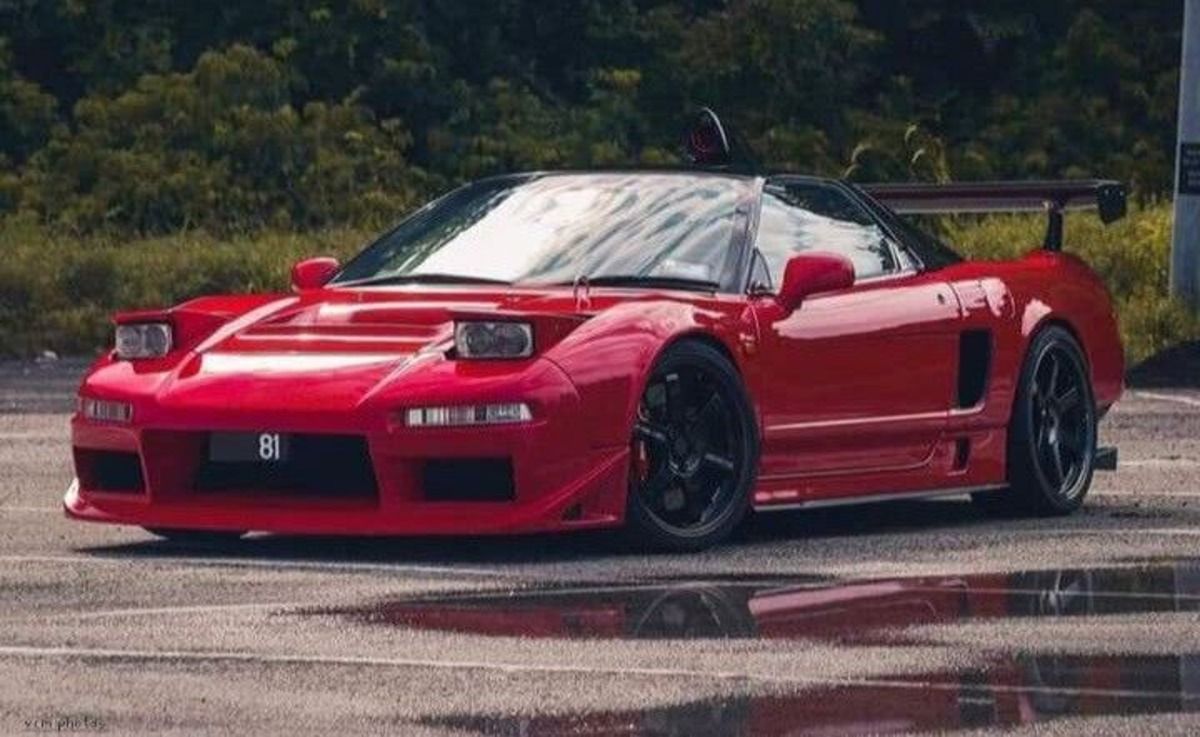
The NSX’s chassis engineering represents Honda’s absolute mastery of mid-engine dynamics and lightweight construction.
The all-aluminum space frame, revolutionary for its era, achieved exceptional rigidity while maintaining relatively light weight that contributes directly to the car’s dynamic excellence.
The suspension, featuring sophisticated double-wishbone designs front and rear, provides handling characteristics that remain benchmark-worthy nearly thirty years later.
The steering, free of power assistance to maximize feedback and precision, communicates road conditions directly to the driver while requiring minimal effort thanks to the car’s excellent weight distribution and suspension geometry.
Market appreciation for the NSX has been remarkable over the past decade. As collectors and enthusiasts have recognized the car’s significance as possibly the last naturally aspirated, manual-transmission mid-engine exotic from Honda, values have appreciated dramatically.
Well-maintained examples now command prices that often exceed their original MSRP, with particularly desirable variants and low-mileage examples reaching six-figure territory.
This market recognition reflects not just nostalgia for a bygone era, but genuine appreciation for the NSX’s objective excellence and its unique position in automotive history as the perfect balance of exotic performance and everyday usability.
9. Jeep Wrangler TJ (1997-2006)
The Jeep Wrangler TJ represents the perfect evolution of the iconic Wrangler formula and stands today as the ideal balance between traditional Jeep capability and modern refinement that makes it equally suitable for daily driving and serious off-road adventure.
Produced from 1997 to 2006, the TJ generation addressed many of the comfort and handling limitations of its predecessor while maintaining the essential character and capability that made Wrangler legendary.
Twenty years later, the TJ has achieved cult status among off-road enthusiasts and collectors who recognize it as possibly the last Wrangler to perfectly balance authenticity, simplicity, and capability without excessive complexity or compromise.
At the core of the TJ’s enduring appeal lies its robust mechanical design that prioritizes durability and serviceability over sophistication. The available 4.0-liter inline-six engine, shared with other Jeep products, represents one of the most reliable and long-lasting powerplants ever installed in an off-road vehicle.
This naturally aspirated engine produces 190 horsepower and 235 lb-ft of torque through proven technology that emphasizes torque delivery and reliability over peak power output.
The engine’s cast-iron construction and conservative design parameters ensure that properly maintained examples routinely accumulate 200,000 to 300,000 miles without major mechanical issues, while the simple design makes field repairs and maintenance straightforward even in remote locations.
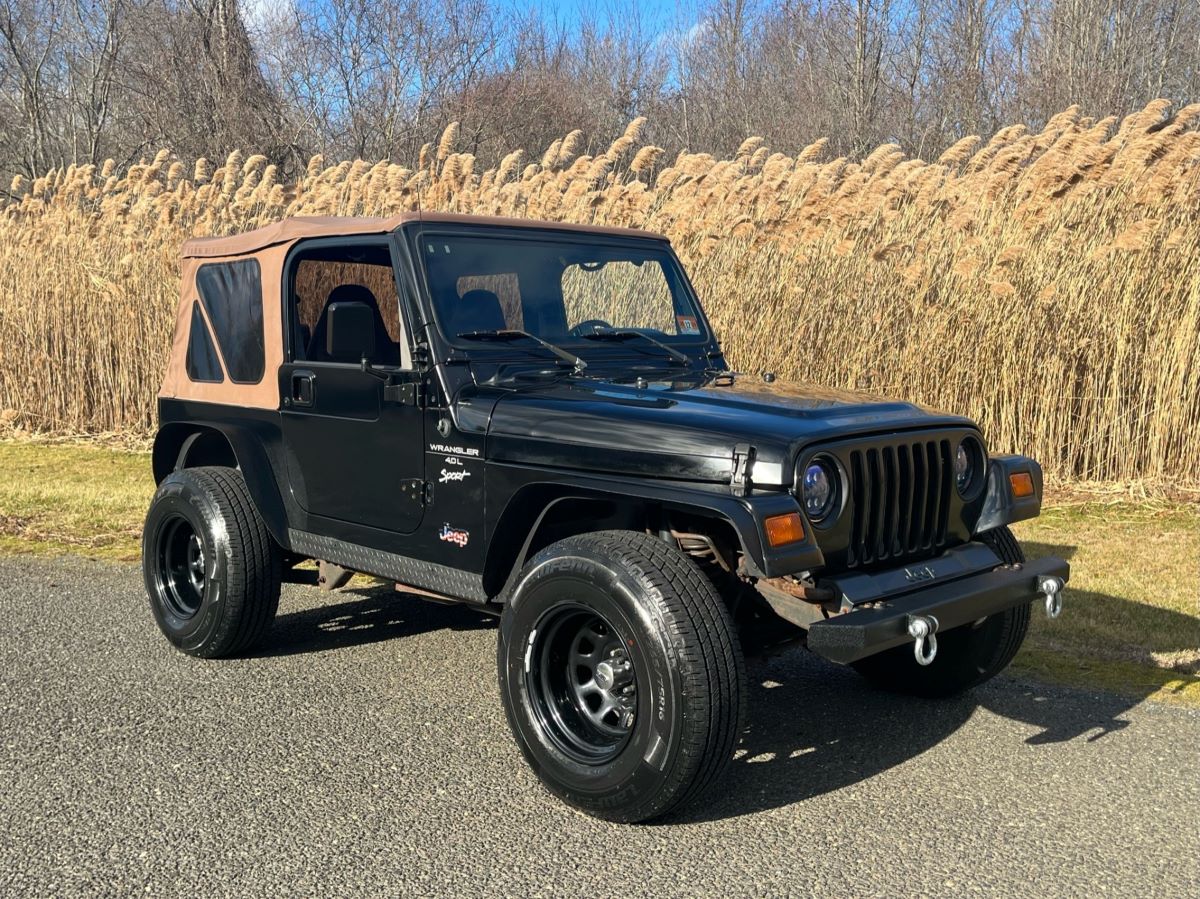
The TJ’s chassis and suspension system represents a significant advancement over previous Wrangler generations while maintaining the solid axle configuration that provides maximum durability and capability in challenging terrain.
The coil spring suspension, replacing the leaf springs of earlier models, dramatically improved ride quality and handling characteristics without compromising ground clearance or articulation capability.
The solid Dana axles front and rear, combined with robust transfer case and transmission options, create a drivetrain package that can handle extreme off-road conditions while providing decades of reliable service with basic maintenance.
The ownership experience of a well-maintained TJ continues to be uniquely satisfying for those who appreciate authentic capability and simplicity. Unlike modern vehicles that cocoon occupants from the driving environment, the TJ provides direct connection to road conditions and driving dynamics that creates genuine engagement.
The removable top and doors allow for an open-air experience that connects occupants directly with their environment in ways that conventional vehicles cannot provide.
This combination of capability, simplicity, and authentic character ensures that the TJ will remain desirable and relevant for decades to come, representing the pinnacle of honest, functional automotive design that prioritizes substance over style.
Also Read: 10 Trucks That Mechanics Say Are Built Like Tanks
