
The automotive world has undergone a revolutionary transformation over the past two decades, with hybrid technology emerging as a compelling solution for cost-conscious consumers seeking both environmental responsibility and financial prudence.
While many potential car buyers remain skeptical about the initial investment required for hybrid vehicles, the reality is that numerous hybrid models now offer superior long-term value compared to their traditional gasoline counterparts.
The economics of hybrid ownership extend far beyond the sticker price displayed on dealership lots. When evaluating the true cost of vehicle ownership, savvy consumers must consider a comprehensive array of factors including fuel efficiency, maintenance requirements, insurance premiums, depreciation rates, and available incentives.
Hybrid vehicles excel in most of these categories, creating a compelling financial case that becomes increasingly attractive as fuel prices fluctuate and environmental regulations tighten.
Modern hybrid technology has matured significantly since the early days of the Toyota Prius, with manufacturers now offering hybrid variants across virtually every vehicle segment.
From compact sedans to full-size SUVs, today’s hybrid vehicles deliver impressive fuel economy without sacrificing performance, comfort, or reliability.
Advanced battery management systems, regenerative braking technology, and sophisticated power management have eliminated many of the early concerns about hybrid durability and maintenance costs.
As we examine the following ten hybrid vehicles, each represents a compelling case study in how modern hybrid technology can deliver superior total cost of ownership compared to traditional gasoline alternatives.
These vehicles span multiple segments and price points, demonstrating that hybrid savings are accessible to a wide range of consumers regardless of their specific transportation needs or budget constraints.
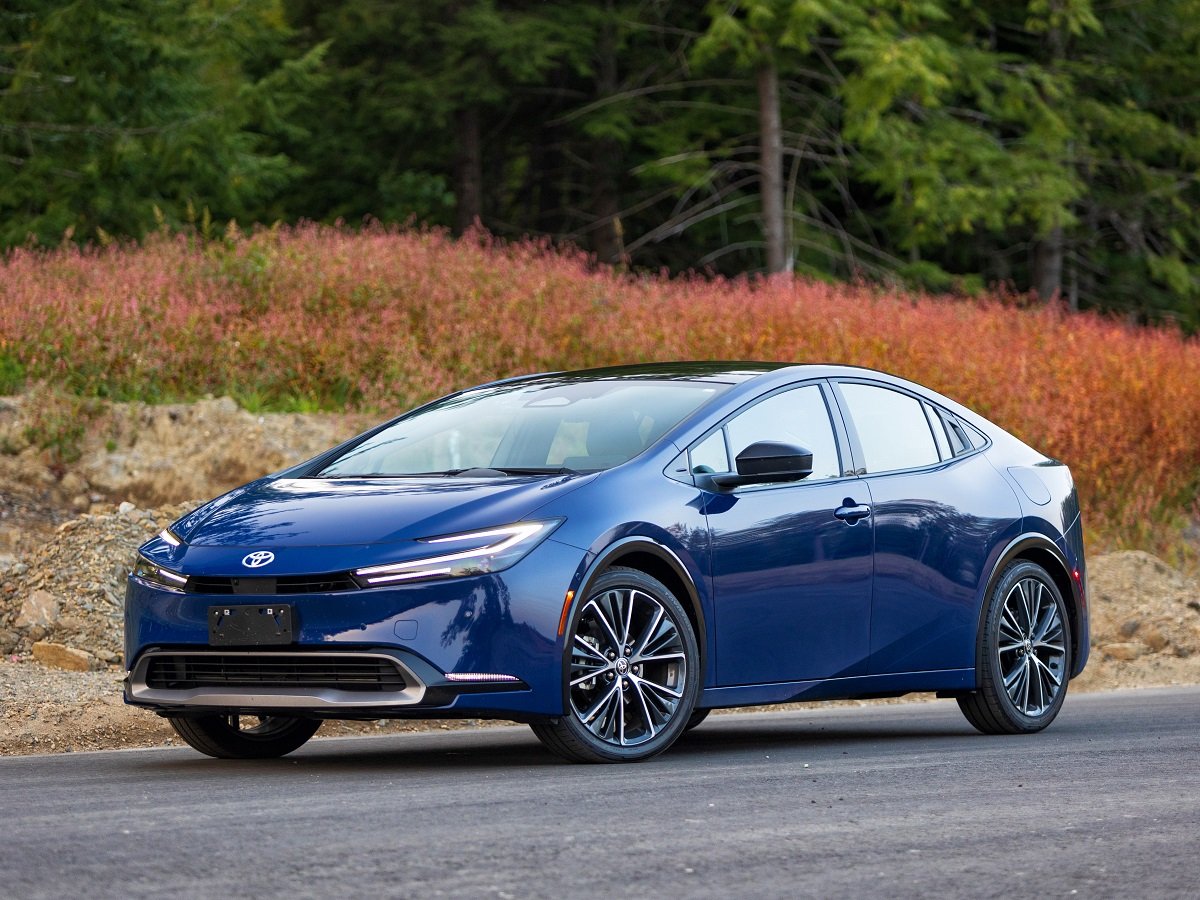
1. Toyota Prius (2024)
The Toyota Prius remains the gold standard for hybrid efficiency and cost-effectiveness, continuing to set benchmarks that competitors struggle to match.
With its latest redesign, the 2024 Prius delivers an impressive EPA-estimated 57 mpg in the city and 56 mpg on the highway, representing a significant improvement over most comparable gasoline vehicles that typically achieve 28-32 mpg in combined driving conditions.
From a pure fuel cost perspective, the financial advantages are immediately apparent. Consider a driver who covers 15,000 miles annually with current fuel prices averaging $3.50 per gallon.
A comparable gasoline vehicle achieving 30 mpg would consume 500 gallons annually, resulting in fuel costs of $1,750. The Prius, achieving approximately 56 mpg combined, would consume only 268 gallons, costing just $938 in fuel an annual savings of $812.
Beyond fuel efficiency, the Prius benefits from Toyota’s legendary reliability reputation, which translates to lower maintenance costs over the vehicle’s lifespan.
Toyota’s hybrid system has been refined over more than two decades, resulting in proven durability and minimal hybrid-specific maintenance requirements.
The regenerative braking system significantly extends brake pad life, while the electric motor reduces stress on the gasoline engine, contributing to longer engine life and fewer mechanical issues.
Insurance costs for the Prius are typically lower than comparable vehicles due to its excellent safety ratings and the generally cautious driving habits of hybrid owners
The Insurance Institute for Highway Safety has consistently awarded top safety ratings to the Prius, and insurance companies reflect this in their premium calculations.
The resale value of the Prius has historically remained strong, with hybrid technology becoming increasingly desirable in the used car market. As fuel prices continue to fluctuate and environmental consciousness grows, demand for efficient used hybrids has remained robust, helping to preserve the vehicle’s value over time.
Tax incentives further enhance the Prius’s value proposition, with many buyers eligible for federal tax credits of up to $7,500, depending on battery capacity and manufacturer production volumes.
State and local incentives can add additional savings, making the effective purchase price highly competitive with traditional gasoline alternatives. The total cost of ownership calculation becomes even more favorable when considering the Prius’s impressive longevity.
Many first-generation Prius vehicles from the early 2000s remain on the road today with minimal hybrid system issues, suggesting that current models should provide reliable service for well over 200,000 miles with proper maintenance.
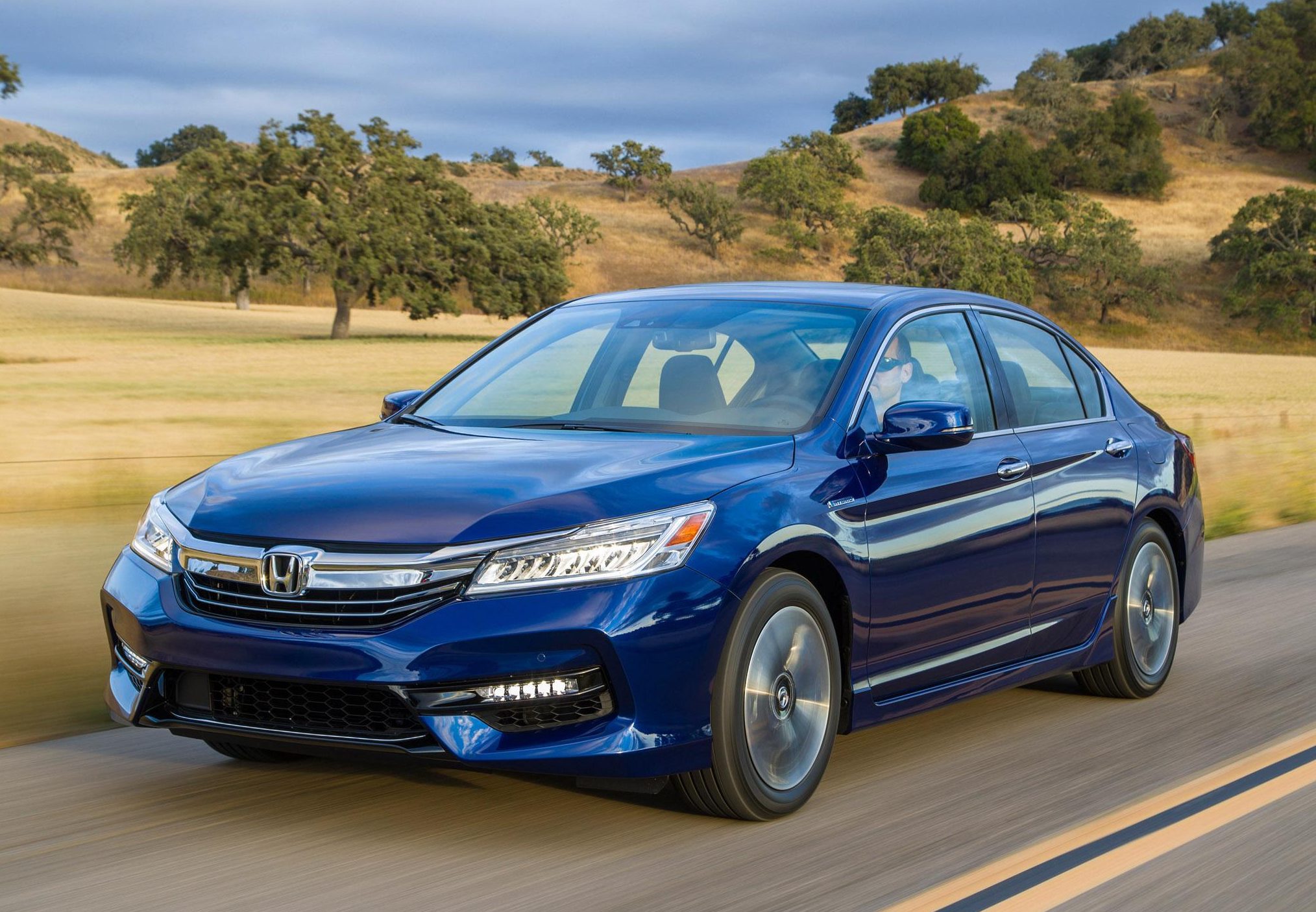
2. Honda Accord Hybrid
The Honda Accord Hybrid represents a perfect synthesis of mainstream appeal and hybrid efficiency, offering midsize sedan buyers the opportunity to enjoy premium comfort and performance while achieving exceptional fuel economy.
With an EPA rating of 48 mpg city and 47 mpg highway, the Accord Hybrid significantly outperforms its gasoline counterpart, which achieves approximately 32 mpg combined.
Honda’s innovative two-motor hybrid system, known as i-MMD (Intelligent Multi-Mode Drive), provides a uniquely smooth and responsive driving experience while maximizing efficiency.
Unlike some hybrid systems that feel disconnected or sluggish, the Accord Hybrid delivers immediate torque and refined power delivery that actually surpasses the performance characteristics of the standard gasoline Accord in many driving situations.
The financial benefits extend beyond simple fuel savings. The Accord Hybrid’s sophisticated powertrain reduces wear on traditional mechanical components through intelligent power management and regenerative braking.
The electric motors provide substantial assistance during acceleration, reducing the workload on the gasoline engine and potentially extending its service life. This translates to fewer oil changes, reduced engine wear, and lower long-term maintenance costs.
Insurance costs for the Accord Hybrid are typically favorable due to Honda’s strong safety reputation and the vehicle’s comprehensive suite of Honda Sensing safety features, which come standard across the lineup.
These advanced safety systems, including collision mitigation braking, road departure mitigation, and adaptive cruise control, help prevent accidents and reduce insurance premiums.
The Accord Hybrid’s resale value benefits from Honda’s reputation for reliability and the growing acceptance of hybrid technology in the mainstream market.
Unlike some alternative powertrains that may face uncertain resale markets, the Accord Hybrid appeals to a broad range of used car buyers who value both efficiency and conventional sedan practicality.
For business users and fleet operators, the Accord Hybrid presents particularly compelling economics. The combination of low operating costs, professional appearance, and reliable performance makes it an ideal choice for high-mileage applications where fuel savings compound rapidly.
Many corporate fleets have reported significant cost reductions when transitioning from gasoline Accords to hybrid variants.
The hybrid system’s warranty coverage provides additional peace of mind, with Honda offering extended coverage on hybrid components beyond the standard vehicle warranty. This protection helps mitigate concerns about potential hybrid system repair costs and reinforces the vehicle’s long-term value proposition.
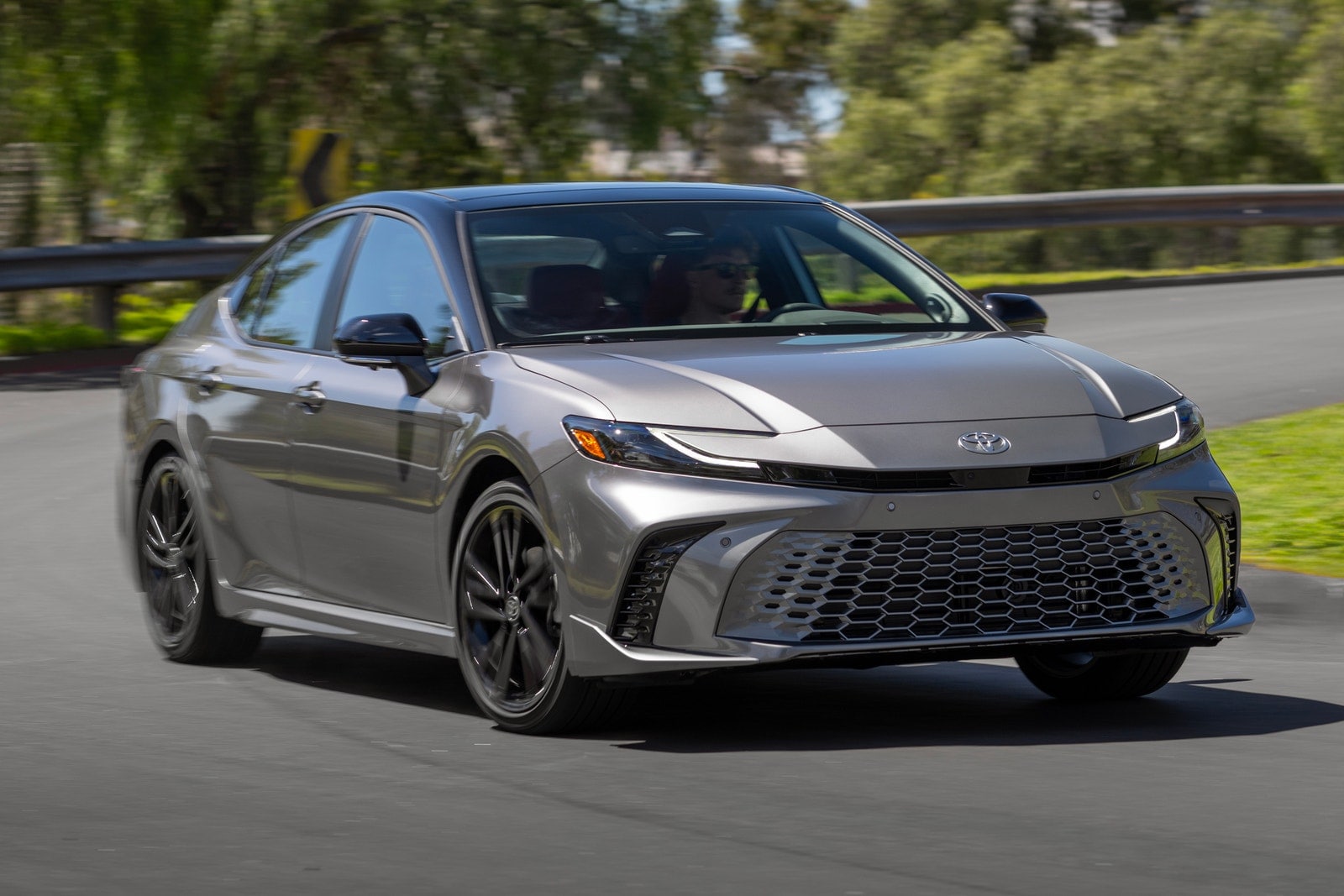
3. Toyota Camry Hybrid
The Toyota Camry Hybrid stands as one of the most compelling arguments for hybrid adoption in the competitive midsize sedan segment, delivering an exceptional balance of performance, efficiency, and value that surpasses traditional gasoline alternatives.
With EPA ratings of 51 mpg city and 53 mpg highway, the Camry Hybrid achieves nearly double the fuel efficiency of typical midsize sedans while maintaining the spacious interior and trunk capacity that buyers expect.
Toyota’s latest Hybrid Synergy Drive system in the Camry combines a 2.5-liter Atkinson-cycle four-cylinder engine with two electric motors, producing a total system output of 208 horsepower.
This powertrain configuration provides surprising performance capabilities, with the electric motors delivering immediate torque that creates a responsive and engaging driving experience often superior to conventional gasoline engines.
The economic advantages become particularly evident in mixed driving conditions where the Camry Hybrid excels.
Urban driving scenarios, typically challenging for gasoline engines due to frequent stop-and-go conditions, become opportunities for the hybrid system to maximize efficiency through regenerative braking and electric-only operation. Highway driving benefits from the system’s ability to optimize engine operation and provide electric assistance during passing maneuvers.
Maintenance costs for the Camry Hybrid are generally lower than comparable gasoline vehicles due to several factors. The regenerative braking system significantly extends brake pad and rotor life, while the electric motors reduce the frequency and severity of engine load conditions.
The Atkinson-cycle engine operates more efficiently and with less stress than traditional engines, potentially contributing to longer service intervals and reduced wear-related repairs.
Toyota’s commitment to hybrid reliability is demonstrated through extensive warranty coverage and proven durability. The hybrid system components carry an 8-year/100,000-mile warranty in most states, with some states offering coverage up to 10 years/150,000 miles.
This extended coverage provides significant financial protection and reflects Toyota’s confidence in the technology’s longevity. The Camry Hybrid’s strong resale value is supported by Toyota’s brand reputation and the increasing demand for efficient vehicles in the used car market.
Historical data shows that Toyota hybrids retain their value better than most conventional vehicles, with the fuel efficiency benefits becoming increasingly attractive to second and third owners as vehicles age and fuel costs accumulate.
Fleet applications represent another area where the Camry Hybrid demonstrates superior economics. Corporate buyers and rental companies have embraced the model for its combination of low operating costs, mainstream appeal, and proven reliability.
The reduced fuel consumption directly translates to lower operational expenses, while the professional appearance and comfortable accommodations meet the expectations of business users.
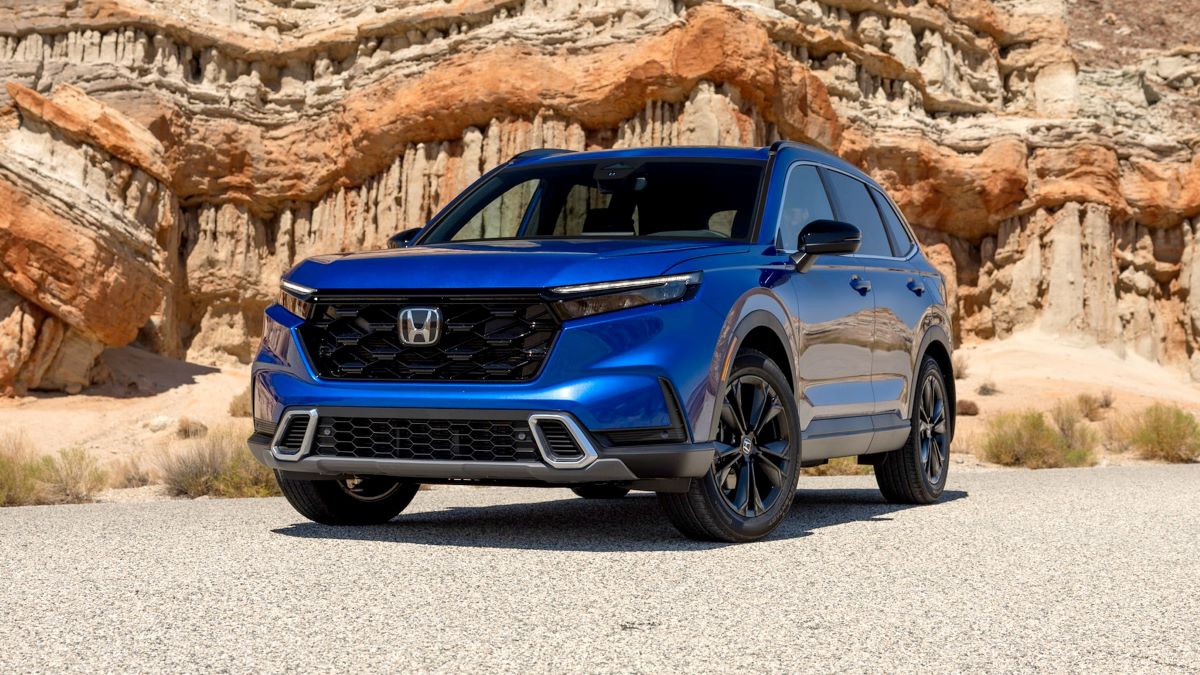
4. Honda CR-V Hybrid
The Honda CR-V Hybrid addresses one of the fastest-growing vehicle segments while delivering impressive efficiency gains over traditional gasoline compact SUVs.
With EPA ratings of 40 mpg city and 35 mpg highway, the CR-V Hybrid provides substantial fuel savings compared to non-hybrid compact SUVs that typically achieve 25-28 mpg combined, while maintaining the raised seating position, cargo capacity, and all-weather capability that SUV buyers demand.
Honda’s two-motor hybrid system in the CR-V operates differently from many competitors, utilizing the electric motors as the primary drive source in most situations while the gasoline engine serves primarily as a generator.
This configuration allows for exceptionally smooth operation and impressive low-speed efficiency, particularly beneficial in urban driving conditions where SUVs traditionally struggle with fuel economy.
The CR-V Hybrid’s all-wheel-drive system adds another dimension to its value proposition. Unlike mechanical all-wheel-drive systems that typically reduce fuel economy by 2-4 mpg, the CR-V Hybrid’s electric rear motor provides all-wheel traction without significantly impacting efficiency.
This represents a substantial advantage for buyers in regions with challenging weather conditions who would otherwise sacrifice fuel economy for traction capabilities.
Insurance costs for the CR-V Hybrid benefit from Honda’s strong safety ratings and the comprehensive Honda Sensing suite of safety technologies.
The vehicle’s excellent crash test results and advanced driver assistance features help reduce accident rates and insurance premiums. The CR-V’s popularity also means that replacement parts are readily available and reasonably priced, contributing to lower repair costs.
The resale market for the CR-V Hybrid is particularly strong due to the high demand for efficient SUVs and Honda’s reputation for reliability. Compact SUV buyers increasingly prioritize fuel efficiency without sacrificing utility, creating a robust market for used CR-V Hybrids.
The combination of SUV practicality and sedan-like fuel economy appeals to a broad range of consumers, supporting strong resale values. For families and active individuals, the CR-V Hybrid offers the perfect combination of efficiency and capability.
The spacious interior accommodates passengers and cargo comfortably, while the hybrid powertrain reduces the financial impact of higher-mileage driving associated with family activities, weekend adventures, and daily commuting.
The CR-V Hybrid’s maintenance requirements are generally simplified compared to traditional all-wheel-drive systems. The absence of a mechanical transfer case and rear differential reduces complexity and potential maintenance issues.
The regenerative braking system extends brake life significantly, while the hybrid system’s intelligent operation reduces stress on engine components.
Also Read: 10 Trucks That Mechanics Say Are Built Like Tanks
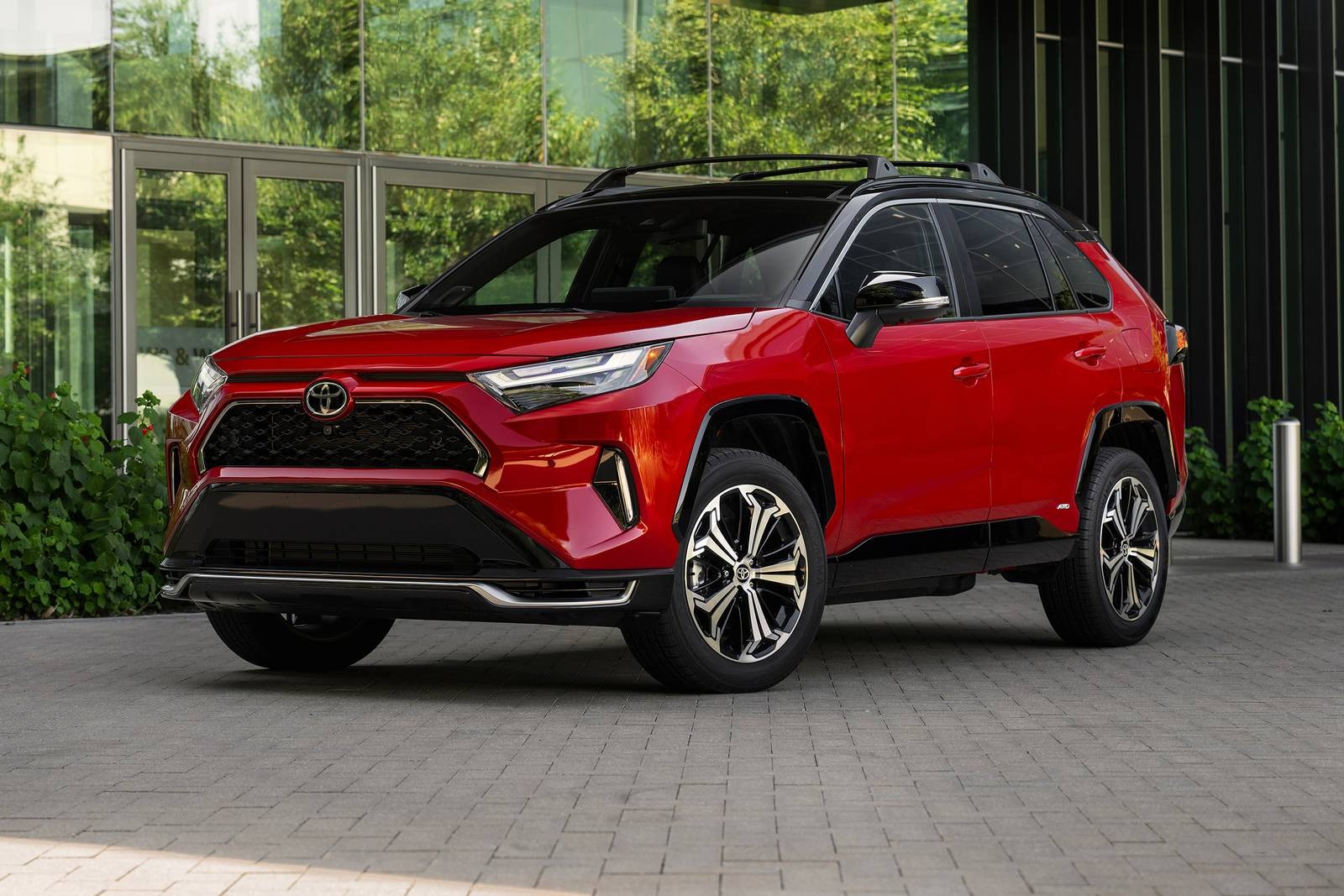
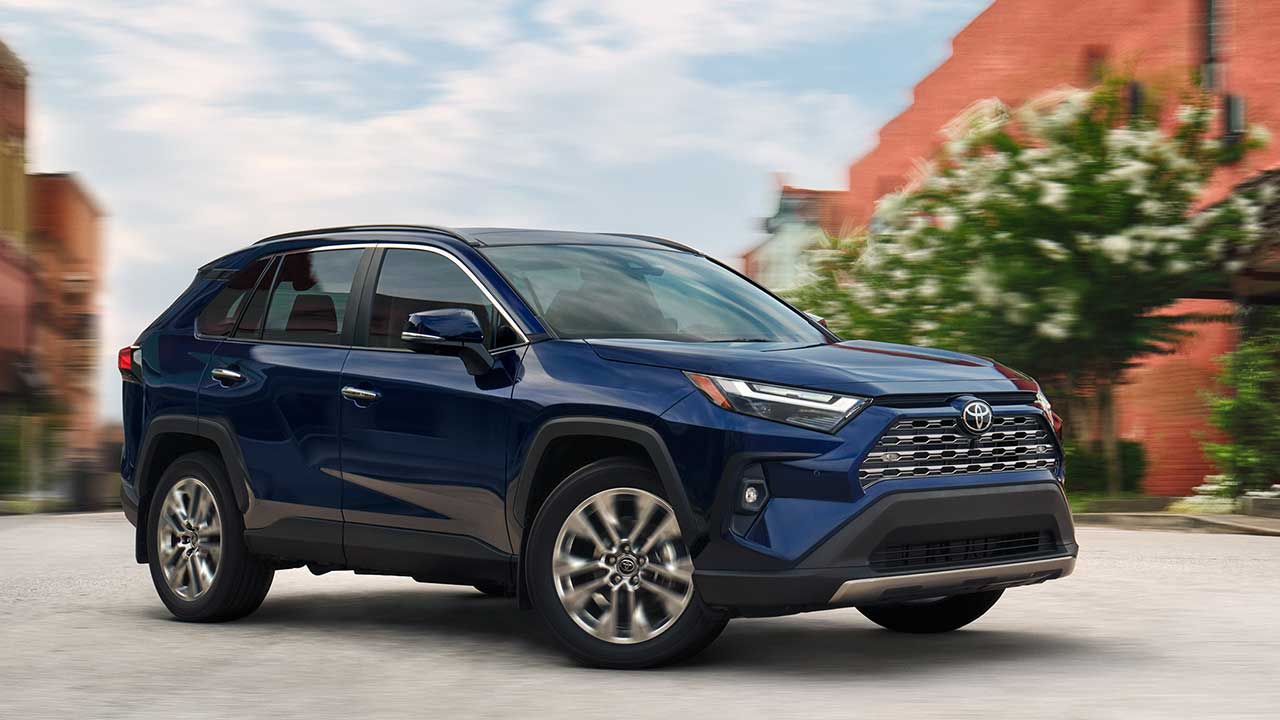
5. Toyota RAV4 Hybrid
The Toyota RAV4 Hybrid has revolutionized the compact SUV segment by demonstrating that buyers don’t need to sacrifice capability for efficiency.
With impressive EPA ratings of 41 mpg city and 38 mpg highway, combined with standard all-wheel drive and 219 total system horsepower, the RAV4 Hybrid delivers a compelling combination of performance, capability, and fuel economy that surpasses virtually all conventional gasoline competitors.
Toyota’s hybrid all-wheel-drive system in the RAV4 represents a technological achievement that provides superior traction without the fuel economy penalty typically associated with mechanical all-wheel-drive systems.
The rear electric motor delivers instant torque to the rear wheels when needed, while the sophisticated control system optimizes power distribution for maximum efficiency and traction in all conditions.
The economic advantages of RAV4 Hybrid ownership extend well beyond fuel savings. The hybrid system’s 219 horsepower output exceeds that of the base gasoline RAV4, providing superior acceleration and passing performance while achieving significantly better fuel economy.
This performance advantage eliminates the need to consider more expensive trim levels or engine options, allowing buyers to enjoy enhanced performance while saving money on fuel.
Maintenance costs for the RAV4 Hybrid are typically lower than comparable gasoline SUVs due to the hybrid system’s protective effects on mechanical components.
The electric motors provide substantial assistance during acceleration and hill climbing, reducing stress on the gasoline engine and transmission. The regenerative braking system significantly extends brake pad and rotor life, while the all-wheel-drive system requires minimal maintenance due to its electric rear motor design.
The RAV4 Hybrid’s resale value is exceptionally strong, consistently ranking among the best in the compact SUV segment. The combination of Toyota’s reliability reputation, the desirability of hybrid technology, and the practical benefits of all-wheel drive create a compelling package for used car buyers.
Many RAV4 Hybrids retain their value so well that lease residual values are higher than many luxury vehicles. Adventure enthusiasts and outdoor recreation participants find particular value in the RAV4 Hybrid’s combination of capability and efficiency.
The all-wheel-drive system provides confidence on unpaved roads and in challenging weather conditions, while the excellent fuel economy reduces the cost of reaching distant destinations. The 37.6 cubic feet of cargo space accommodates camping gear, sports equipment, and other recreational necessities.
Toyota’s comprehensive warranty coverage provides additional financial protection, with hybrid system components covered for 8 years/100,000 miles in most states. This extended coverage, combined with Toyota’s extensive dealer network and proven reliability, reduces long-term ownership risks and supports the vehicle’s strong resale value.
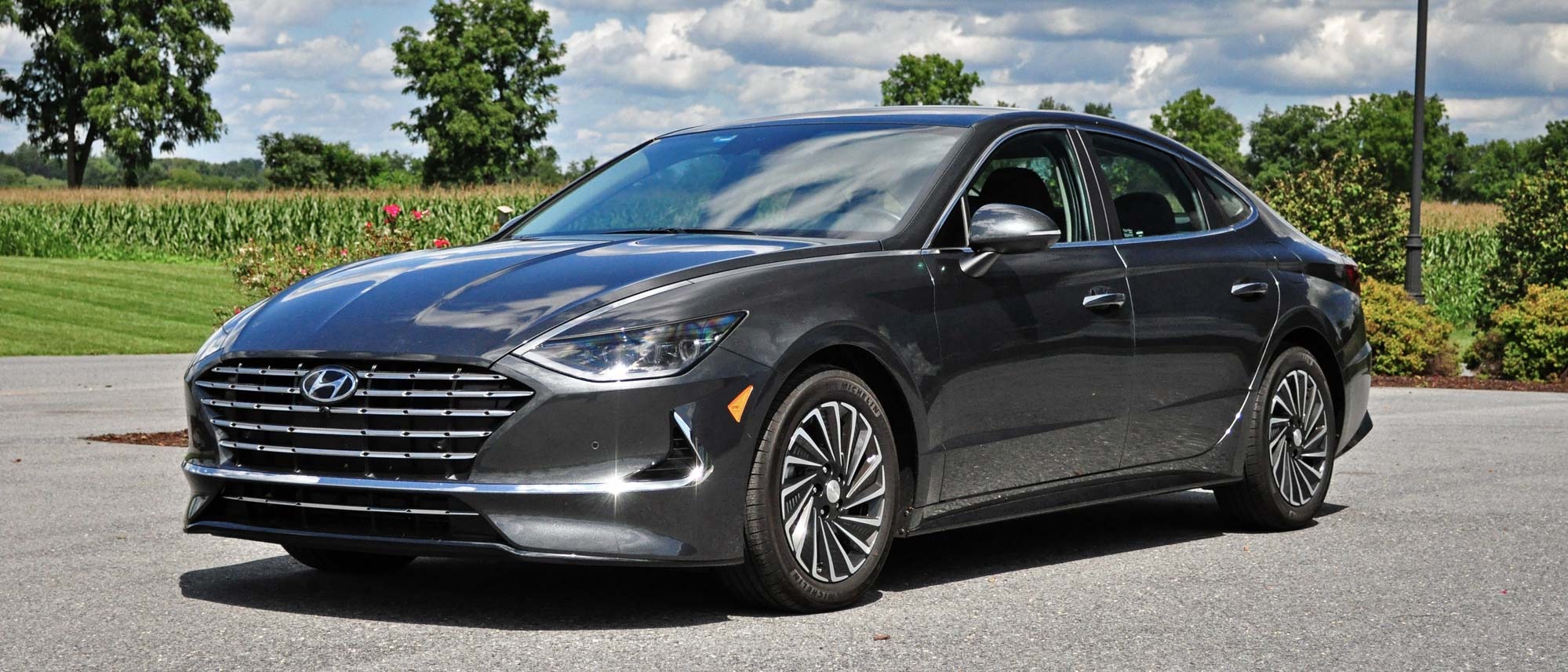
6. Hyundai Sonata Hybrid
The Hyundai Sonata Hybrid represents exceptional value in the midsize sedan segment, combining advanced hybrid technology with an extensive warranty package and competitive pricing that often makes it less expensive to own than comparable gasoline sedans from the outset.
With EPA ratings of 45 mpg city and 51 mpg highway, the Sonata Hybrid delivers impressive efficiency while offering a spacious interior, advanced technology features, and striking design.
Hyundai’s hybrid system in the Sonata utilizes a 2.0-liter Atkinson-cycle four-cylinder engine paired with an electric motor and lithium-ion battery pack, producing 192 total system horsepower.
The smooth integration of electric and gasoline power provides a refined driving experience with excellent responsiveness, particularly in city driving conditions where the electric motor’s instant torque delivery enhances performance.
The financial advantages begin with Hyundai’s competitive pricing strategy, which often positions the Sonata Hybrid at or below the price of comparable non-hybrid midsize sedans from other manufacturers.
This pricing approach, combined with available incentives and rebates, can result in a lower initial purchase price while providing superior fuel economy and advanced technology features.
Hyundai’s industry-leading warranty coverage provides exceptional long-term value and peace of mind for Sonata Hybrid buyers. The 10-year/100,000-mile powertrain warranty and 8-year/125,000-mile hybrid system warranty exceed the coverage offered by most competitors, providing significant financial protection against unexpected repairs.
The comprehensive warranty coverage also supports strong resale values by transferring confidence to subsequent owners. Insurance costs for the Sonata Hybrid are typically favorable due to Hyundai’s improving safety reputation and the standard inclusion of Hyundai SmartSense safety features.
The advanced driver assistance technologies help prevent accidents and reduce insurance claims, resulting in lower premiums for owners. The vehicle’s strong safety ratings from both NHTSA and IIHS further contribute to competitive insurance costs.
The Sonata Hybrid’s technology features provide additional value that extends beyond simple transportation.
The standard infotainment system, smartphone integration, and advanced connectivity features rival those found in luxury vehicles, while the hybrid powertrain’s sophisticated energy management system includes informative displays that help drivers optimize their efficiency and reduce fuel costs.
Maintenance requirements for the Sonata Hybrid are generally reduced compared to conventional gasoline sedans. The regenerative braking system extends brake component life significantly, while the electric motor’s assistance reduces wear on engine components during acceleration and hill climbing.
Hyundai’s extensive dealer network ensures that service and parts availability remain convenient and affordable throughout the ownership experience.
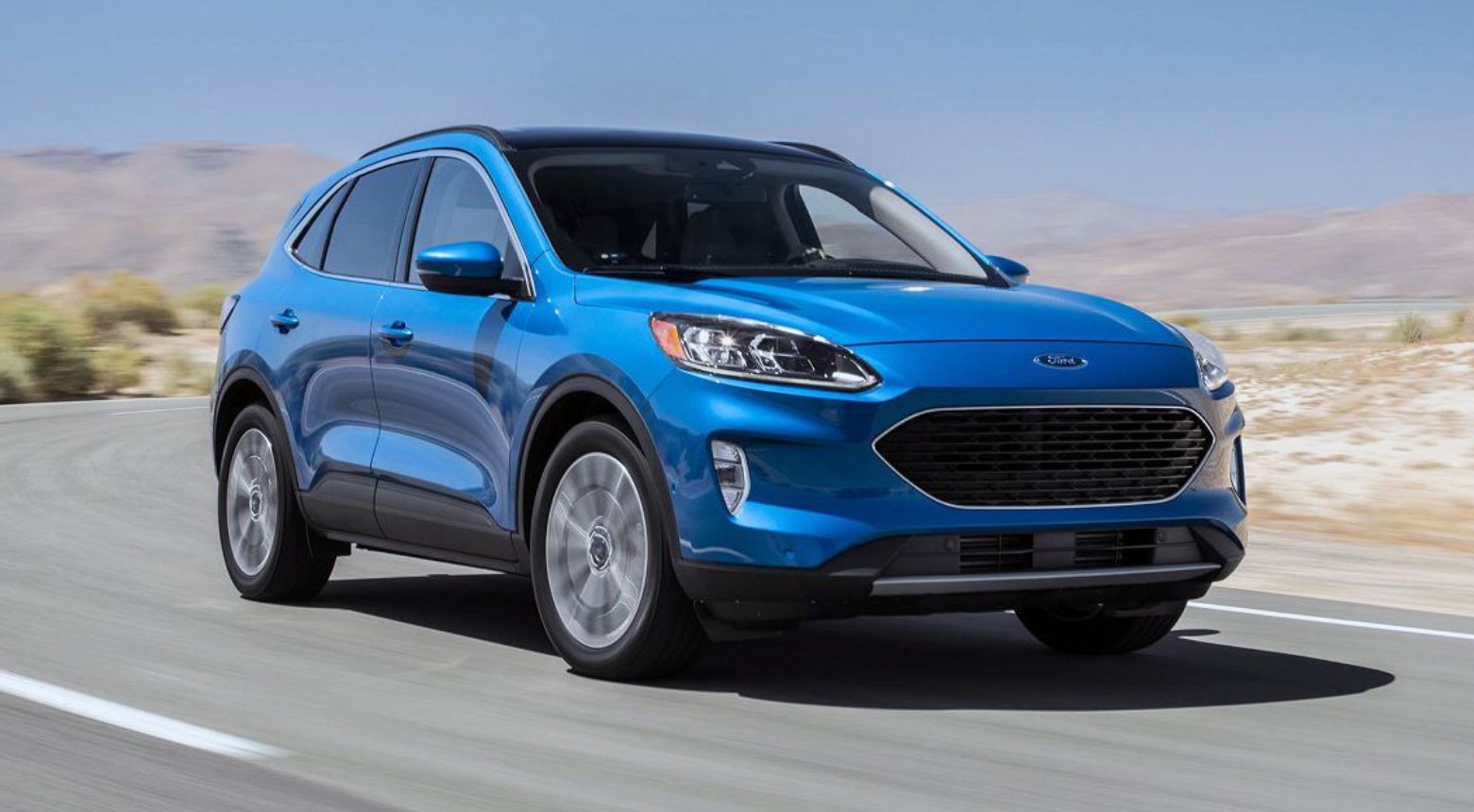
7. Ford Escape Hybrid
The Ford Escape Hybrid marks Ford’s successful return to the hybrid compact SUV market, offering buyers an efficient alternative to traditional gasoline SUVs without sacrificing the utility and capability that make compact SUVs increasingly popular.
With EPA ratings of 40 mpg city and 36 mpg highway, the Escape Hybrid achieves impressive efficiency while maintaining the raised seating position, cargo capacity, and confident driving dynamics that SUV buyers expect.
Ford’s hybrid system in the Escape combines a 2.5-liter Atkinson-cycle four-cylinder engine with an electric motor and lithium-ion battery pack, producing 191 total system horsepower.
The powertrain delivers smooth operation with excellent low-end torque from the electric motor, creating a responsive driving experience that often feels more refined than conventional turbocharged engines commonly found in competing SUVs.
The economic benefits of Escape Hybrid ownership become particularly evident when compared to turbocharged gasoline alternatives that require premium fuel for optimal performance.
The Escape Hybrid operates efficiently on regular gasoline while delivering comparable performance to premium-fuel turbocharged competitors, resulting in additional savings beyond the improved fuel economy.
Ford’s co-pilot360 suite of standard safety features contributes to lower insurance costs and enhanced peace of mind. The comprehensive array of driver assistance technologies, including pre-collision assist, blind spot monitoring, and lane-keeping assist, help prevent accidents and reduce insurance claims.
The Escape Hybrid’s strong safety ratings further support competitive insurance premiums. The maintenance advantages of hybrid ownership are particularly pronounced in the Escape, where the hybrid system reduces stress on traditional mechanical components.
The electric motor provides substantial assistance during acceleration, reducing turbocharger dependence and potentially extending engine life.
The regenerative braking system significantly reduces brake wear, while the hybrid system’s intelligent operation optimizes engine efficiency and reduces emissions-related component stress.
Ford’s extensive dealer network and commitment to hybrid technology training ensure that service and maintenance remain convenient and affordable.
The company’s investment in hybrid technology development and production suggests long-term support for the platform, providing confidence in parts availability and service expertise throughout the vehicle’s lifespan.
The Escape Hybrid’s cargo capacity and interior space make it particularly valuable for families and active individuals who require utility without excessive fuel consumption.
The 33.5 cubic feet of cargo space accommodates daily needs and recreational equipment, while the efficient powertrain reduces the cost impact of longer drives and frequent use.
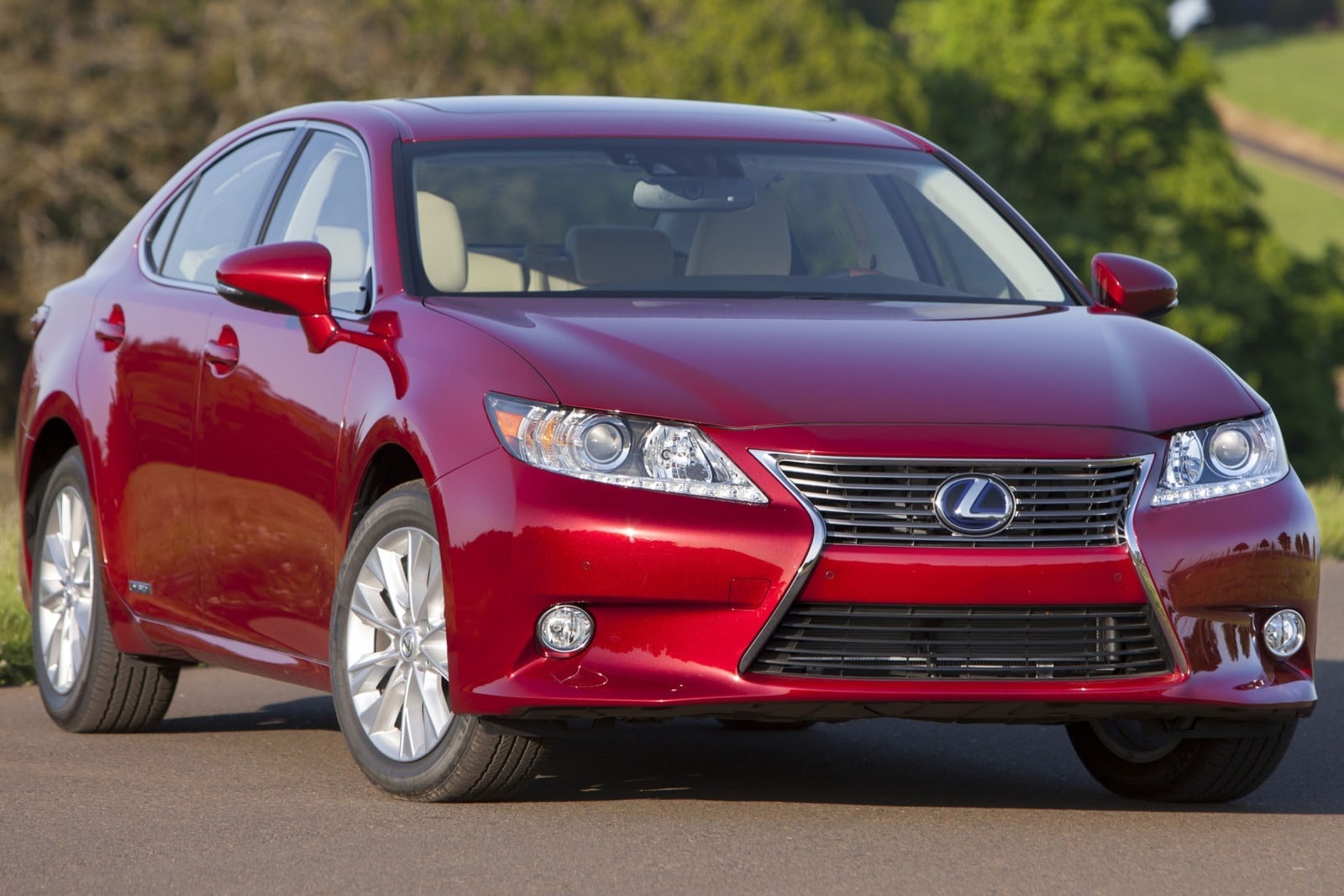
8. Lexus ES 300h
The Lexus ES 300h represents luxury hybrid ownership at its finest, demonstrating that premium comfort and refinement can coexist with exceptional fuel efficiency and lower operating costs.
With EPA ratings of 43 mpg city and 44 mpg highway, the ES 300h achieves remarkable efficiency for a luxury sedan while providing the quiet operation, smooth ride quality, and premium amenities that Lexus buyers expect.
The ES 300h’s hybrid system combines a 2.5-liter Atkinson-cycle four-cylinder engine with an electric motor, producing 215 total system horsepower while delivering fuel economy that surpasses many compact cars.
The sophisticated power management system operates seamlessly, with transitions between electric and gasoline power virtually imperceptible to occupants. The result is a driving experience that feels both powerful and refined while achieving exceptional efficiency. Luxury car ownership typically involves higher operating costs, making the ES 300h’s efficiency particularly valuable for premium buyers.
The fuel savings compared to conventional luxury sedans can amount to thousands of dollars annually for high-mileage drivers, while the hybrid system’s smooth operation and reduced vibration actually enhance the luxury experience rather than compromising it.
The ES 300h benefits from Lexus’s reputation for exceptional reliability and build quality, factors that translate directly into lower long-term ownership costs.
Lexus consistently ranks among the most reliable luxury brands, and the hybrid system adds an additional layer of durability through reduced engine stress and sophisticated component protection systems. The extensive warranty coverage, including 8 years/100,000 miles on hybrid components, provides additional financial security.
Insurance costs for the ES 300h are often lower than comparable luxury sedans due to the safety-conscious demographic attracted to hybrid vehicles and the comprehensive suite of Lexus Safety System+ features.
The advanced driver assistance technologies help prevent accidents and reduce insurance claims, while the vehicle’s excellent safety ratings contribute to competitive premium calculations.
The resale value of the ES 300h remains exceptionally strong in the luxury market, where efficiency and environmental consciousness are increasingly important factors for discerning buyers.
The combination of Lexus reliability, luxury appointments, and hybrid efficiency creates a compelling package for used luxury car buyers, supporting strong residual values throughout the ownership cycle.
Maintenance costs for the ES 300h are typically lower than conventional luxury sedans despite the premium service environment.
The hybrid system reduces wear on engine components, extends brake life through regenerative braking, and operates with fewer mechanical stresses than traditional powertrains. Lexus dealers provide specialized hybrid service expertise, ensuring optimal performance and longevity.
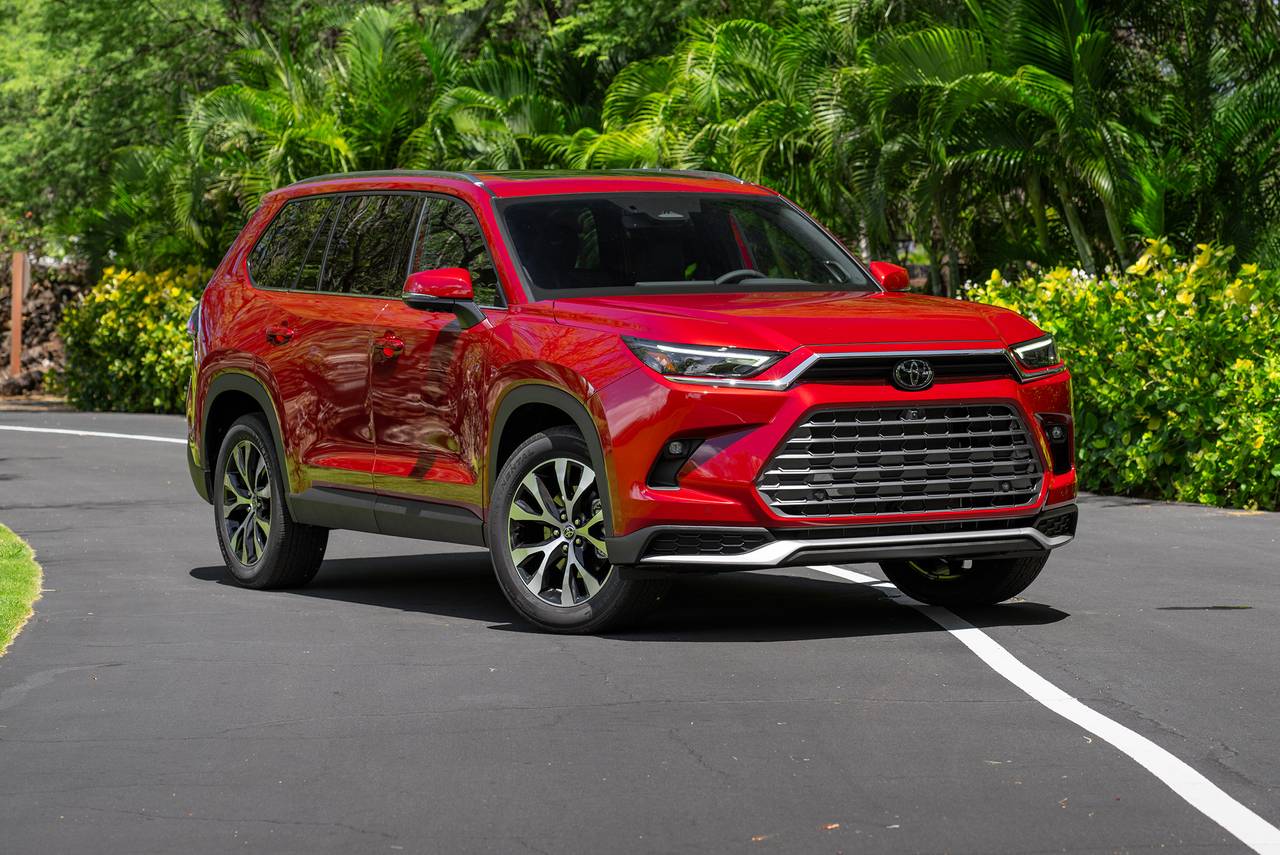
9. Toyota Highlander Hybrid
The Toyota Highlander Hybrid addresses the needs of larger families and those requiring three-row SUV capability while delivering fuel efficiency that dramatically reduces the operating costs typically associated with larger vehicles.
With EPA ratings of 36 mpg city and 35 mpg highway, the Highlander Hybrid achieves nearly double the fuel economy of comparable three-row gasoline SUVs while providing seating for up to eight passengers and 84.3 cubic feet of cargo space.
Toyota’s hybrid system in the Highlander represents a scaled-up version of the technology proven in smaller vehicles, combining a 2.5-liter four-cylinder engine with three electric motors (including one dedicated to the rear wheels) to produce 243 total system horsepower.
The sophisticated all-wheel-drive system provides excellent traction and capability while maintaining impressive efficiency, eliminating the traditional compromise between capability and fuel economy.
The economic advantages of Highlander Hybrid ownership are particularly compelling for families with higher annual mileage requirements. Large SUVs are typically used for family trips, daily school runs, and activities that generate substantial mileage, making fuel efficiency a critical factor in total ownership costs.
The Highlander Hybrid’s ability to achieve over 35 mpg in real-world driving can result in fuel savings of $1,500 or more annually compared to conventional three-row SUVs.
Maintenance costs for the Highlander Hybrid benefit from Toyota’s hybrid system maturity and the reduced mechanical stress provided by electric motor assistance.
The regenerative braking system significantly extends brake component life, particularly important for a larger vehicle where brake replacement costs are typically higher.
The hybrid all-wheel-drive system requires minimal maintenance compared to mechanical systems, reducing long-term service expenses. For families requiring maximum utility with minimum fuel consumption, the Highlander Hybrid represents an ideal solution.
The spacious interior accommodates growing families comfortably, while the substantial cargo capacity handles everything from groceries to vacation luggage. The efficient powertrain ensures that the larger size doesn’t translate to proportionally larger fuel bills.
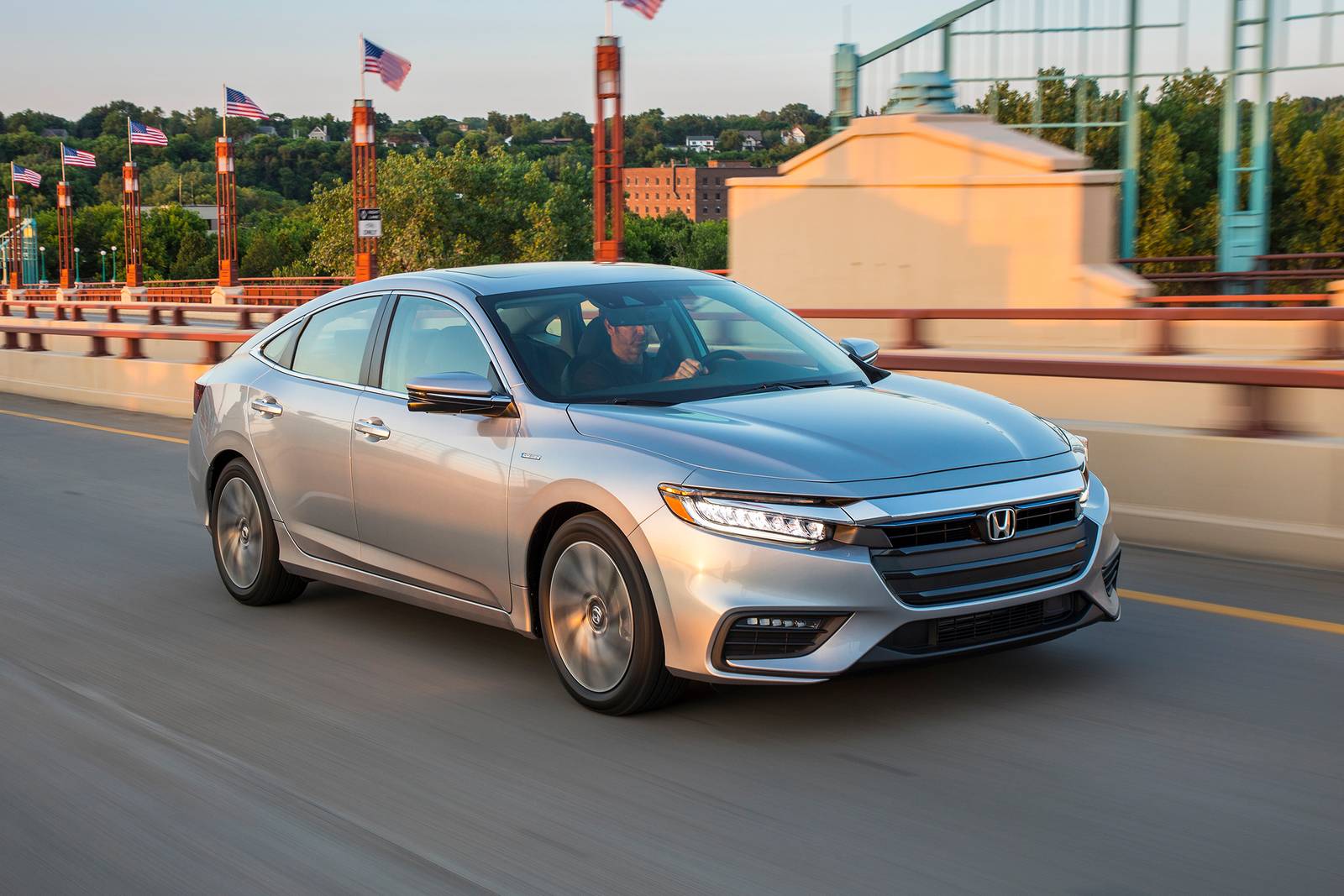
10. Honda Insight
The Honda Insight represents the most affordable entry point into hybrid ownership while delivering exceptional value through impressive fuel efficiency and Honda’s renowned reliability.
With EPA ratings of 55 mpg city and 49 mpg highway, the Insight achieves fuel economy comparable to the Toyota Prius while offering a more conventional sedan appearance and competitive pricing that often makes it less expensive than comparable gasoline compact sedans.
Honda’s two-motor hybrid system in the Insight operates with the electric motors serving as the primary drive source in most situations, while the 1.5-liter Atkinson-cycle gasoline engine primarily functions as a generator.
This configuration provides exceptionally smooth operation and impressive efficiency, particularly in city driving conditions where the electric motors can operate independently for extended periods.
The Insight’s value proposition begins with its competitive purchase price, which is often lower than similarly equipped gasoline sedans from other manufacturers.
This pricing strategy, combined with available incentives and Honda’s reputation for reliability, creates an immediate cost advantage that compounds over time through fuel savings and lower maintenance requirements.
Insurance costs for the Insight are typically very competitive due to Honda’s safety reputation and the comprehensive Honda Sensing suite of safety features that comes standard across all trim levels.
The vehicle’s excellent safety ratings and advanced driver assistance technologies help prevent accidents and reduce insurance premiums, while the modest performance characteristics appeal to safety-conscious drivers who typically receive favorable rates.
The Insight’s fuel efficiency makes it particularly valuable for high-mileage drivers, commuters, and anyone seeking to minimize transportation costs.
The combination of excellent fuel economy, competitive pricing, and Honda reliability creates a compelling ownership experience that demonstrates how hybrid technology can enhance value rather than compromise it.
For budget-conscious buyers seeking maximum efficiency, the Insight represents one of the most cost-effective transportation solutions available.
