
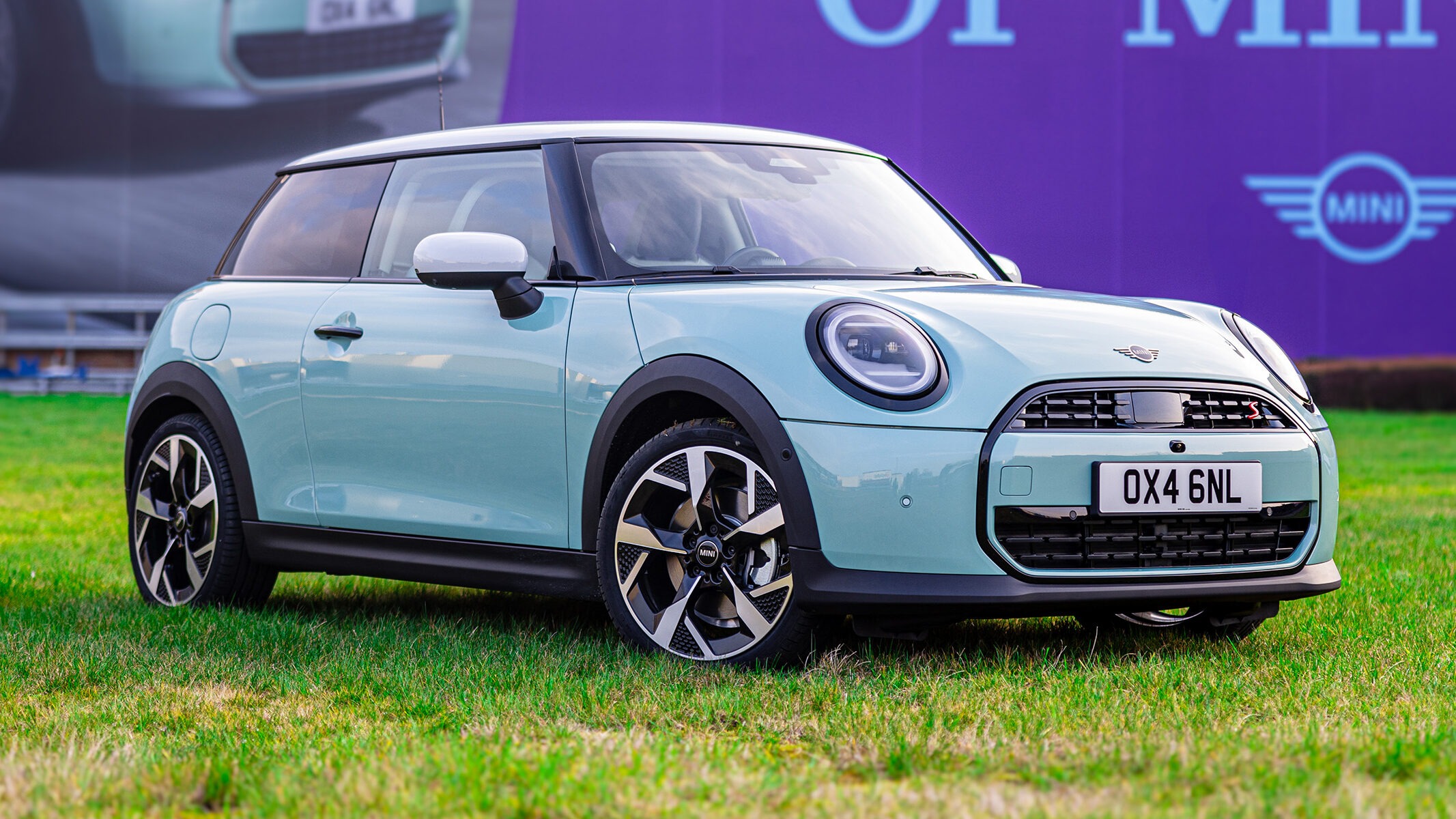
Repair costs and maintenance complexity are part of car ownership, but some vehicles seem to test the patience of even the most skilled mechanics.
Over the years, certain models have gained a reputation for being difficult to service due to cramped engine bays, overly complicated electronic systems, or parts that are hard to source.
These cars may look stylish, deliver strong performance, or have luxury features that attract buyers, but when it comes time to fix them, they can turn ownership into an exhausting experience.
The issue often comes down to design choices. Some manufacturers prioritize aesthetics and performance over serviceability, leaving little room for mechanics to access vital components.
Others rely heavily on specialized technology, which can become a nightmare once those systems age. Labor times climb higher, repair bills soar, and many owners find themselves regretting what initially seemed like a smart purchase.
What could be a simple repair on a different car like replacing spark plugs or changing a timing belt, becomes an all-day project on these models.
That does not mean these vehicles are poorly built or undesirable. Many of them are admired for their engineering, styling, and driving experience.
The frustration comes from how complex they become once maintenance is required. Owning one of these cars often means building a relationship with a specialist mechanic, investing in expensive tools, or facing higher-than-average repair bills.
This list highlights nine vehicles that have consistently been flagged as difficult to repair. Each one offers insight into the challenges of ownership, ranging from overly packed engine compartments to fragile electronics and unusual design quirks.
While these cars may deliver thrills on the road, they remind us that practicality often matters just as much as performance when choosing a long-term vehicle.
Also Read: 10 Hybrids That Are Cheaper to Own Than Gas Cars
1. Audi A8
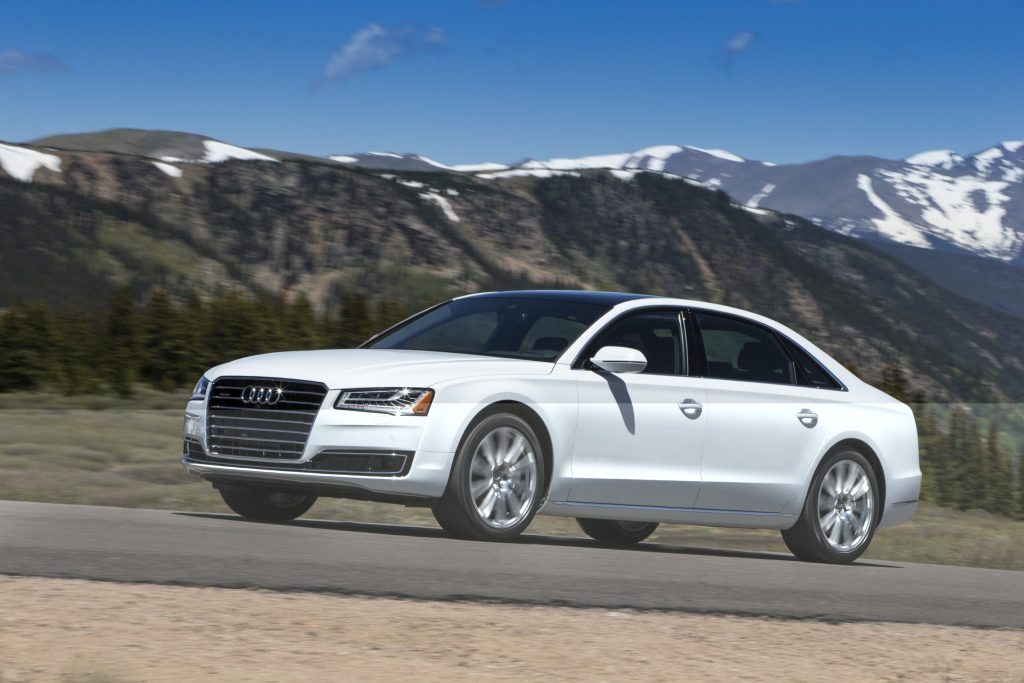
The Audi A8 has long been admired as a flagship luxury sedan, but its reputation in repair shops is far less flattering. Owners quickly discover that beneath its elegant styling and high-tech features lies a car that can be a nightmare to maintain.
Much of the frustration stems from its complicated electrical systems, which were advanced for their time but prone to failure as the vehicle ages.
From malfunctioning infotainment units to issues with adaptive suspension and climate control, diagnosing and fixing these problems requires specialized equipment and knowledge that few independent garages possess.
The engine bay adds another layer of difficulty. Packed tightly with high-performance components, simple jobs like replacing spark plugs or timing belts require significant labor.
In some cases, the front bumper and radiator must be removed just to reach basic service points. This design dramatically increases repair costs, often leaving owners with bills that far exceed expectations.
Even routine maintenance can be frustrating. For example, oil changes and transmission servicing involve procedures that are far more time-consuming than those on simpler vehicles.
Replacement parts are expensive, and the use of proprietary components means aftermarket alternatives are often unavailable. Many owners report that finding qualified technicians is almost as challenging as the repairs themselves.
Despite these issues, the A8 continues to attract buyers who are drawn to its luxurious features, refined driving dynamics, and cutting-edge technology. However, those who own older models often find themselves paying as much in repairs as the car’s resale value.
The Audi A8 highlights the downside of complexity: while it delivers comfort and performance, its design sacrifices ease of maintenance.
For anyone considering ownership, it is less about affordability and more about accepting that repair bills will be steep and patience will be tested.
2. Jaguar XJ
The Jaguar XJ has long been admired for its styling and refined driving experience, but its reputation for repair headaches is equally legendary.
While it looks like a car built for comfort and prestige, many owners find themselves struggling with endless service issues that make the ownership experience far less elegant.
One of the main challenges with the XJ is its reliance on complex electrical systems. Malfunctions with window regulators, climate controls, and suspension electronics are common, and diagnosing the cause can take hours.
Mechanics often describe working on the XJ as a test of patience, since access to components is limited and wiring harnesses are notoriously delicate.
The engine bay compounds these difficulties. Tight packaging makes even basic tasks complicated. Replacing spark plugs or repairing cooling system leaks often requires partial engine disassembly.
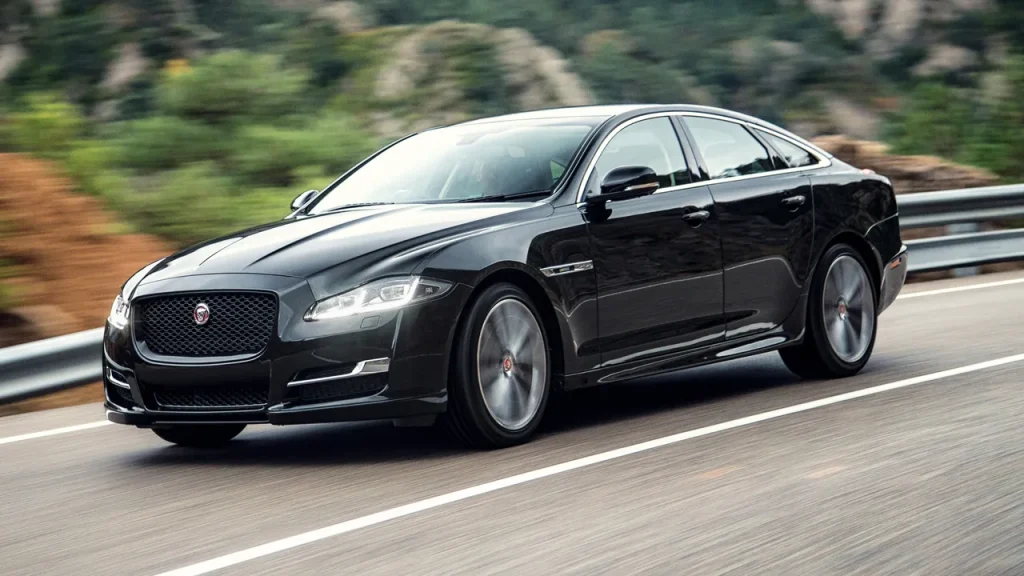
In some models, removing the engine itself is necessary for certain repairs, turning what should be straightforward service into a costly and time-consuming ordeal.
Parts availability adds another layer of frustration. While Jaguar has improved its supply chain in recent years, older XJ models suffer from limited aftermarket support.
Replacement components can be expensive and sometimes require long wait times for shipping from overseas suppliers. This increases downtime and repair costs, further frustrating owners.
Yet, the XJ remains desirable because of its timeless design and smooth performance. Many enthusiasts are willing to tolerate the repair difficulties for the driving experience it provides.
However, potential owners should approach with caution, knowing that maintenance is rarely straightforward.
The Jaguar XJ demonstrates how luxury and complexity can often come at the cost of practicality. While it offers elegance on the road, it can just as easily create stress and financial strain in the repair shop.
3. BMW 7 Series
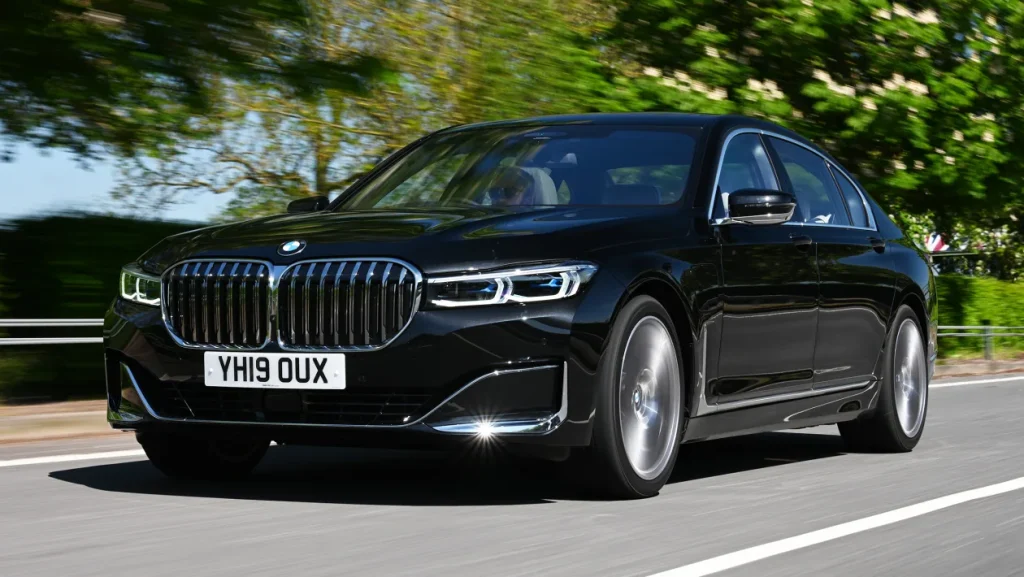
The BMW 7 Series is often praised for its advanced technology, comfort, and performance, but those same qualities make it one of the most frustrating cars to repair.
As BMW’s flagship sedan, it has consistently introduced cutting-edge features before they filter down to other models. While impressive when new, these systems frequently create complications as the vehicle ages.
A major pain point lies in the electronic systems. From adaptive suspension to iDrive controls, owners often encounter failures that are difficult to diagnose without specialized BMW software.
Independent mechanics sometimes refuse to work on 7 Series models because of the time and complexity involved in resolving electronic faults.
The engine bay is another challenge. BMW designed the car with a focus on performance, which means a tightly packed engine compartment with minimal access for maintenance.
Replacing simple components such as water pumps, alternators, or valve cover gaskets often requires hours of labor. Timing chain issues on certain models can also demand extensive engine work, adding to already high costs.
Routine services are no less complex. Battery replacements require electronic registration with the car’s computer, oil changes involve specialized tools, and coolant system repairs often uncover a chain of failing components. For owners, this translates into higher-than-average repair bills and frequent visits to specialized workshops.
Despite these frustrations, the 7 Series remains appealing to buyers seeking luxury and performance. Its handling, comfort, and advanced features continue to draw attention.
However, ownership comes with the understanding that repairs are both expensive and complicated. Those who buy one often learn quickly that the cost of driving a luxury sedan extends far beyond the showroom.
The BMW 7 Series proves that while advanced technology enhances driving experience, it also creates lasting headaches for those tasked with keeping the car running.
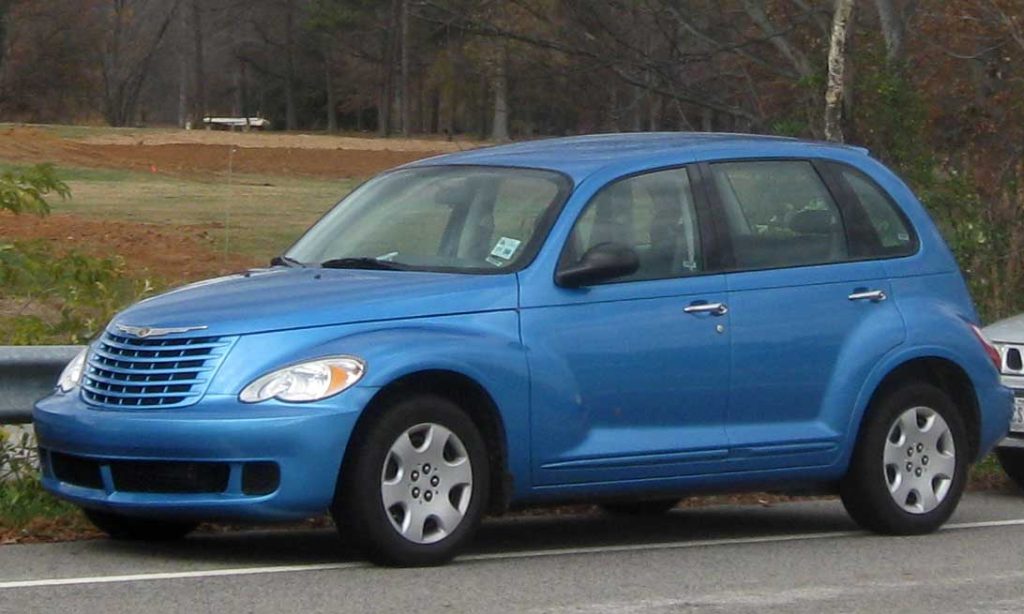
4. Chrysler PT Cruiser
The Chrysler PT Cruiser drew plenty of attention when it debuted due to its retro styling, but over time it became known more for repair frustrations than charm.
One of the biggest complaints among mechanics is the layout of the engine bay. The cramped design leaves little room to work, making even basic repairs unusually difficult.
Tasks like changing spark plugs, which are typically straightforward, often require removing other components first, leading to longer repair times and higher labor costs.
Cooling system issues are also common. Radiator and thermostat replacements can be especially frustrating, since accessing these parts involves navigating around tightly packed components.
Owners frequently report overheating problems, which not only require significant labor to fix but also risk causing further engine damage if not addressed quickly.
The PT Cruiser’s electrical systems create additional headaches. Problems with sensors, power windows, and dashboard displays occur often, and tracing the root cause can be a time-consuming process.
Unlike more conventional vehicles, the PT Cruiser’s layout makes it hard for mechanics to reach wiring harnesses without removing interior panels or other systems, complicating repairs further.
Parts availability has improved since the car went out of production, but quality varies between aftermarket suppliers, adding another challenge for owners. Repairs that should be straightforward often become costly because of poor access and design quirks.
Despite these frustrations, some drivers remain fond of the PT Cruiser for its unique look and versatile interior space. However, from a mechanic’s perspective, the car is among the least enjoyable to service.
Its design prioritizes style over practicality, and that decision shows every time a repair is needed. The PT Cruiser illustrates how a vehicle can win attention for its appearance yet earn notoriety in the repair bay.
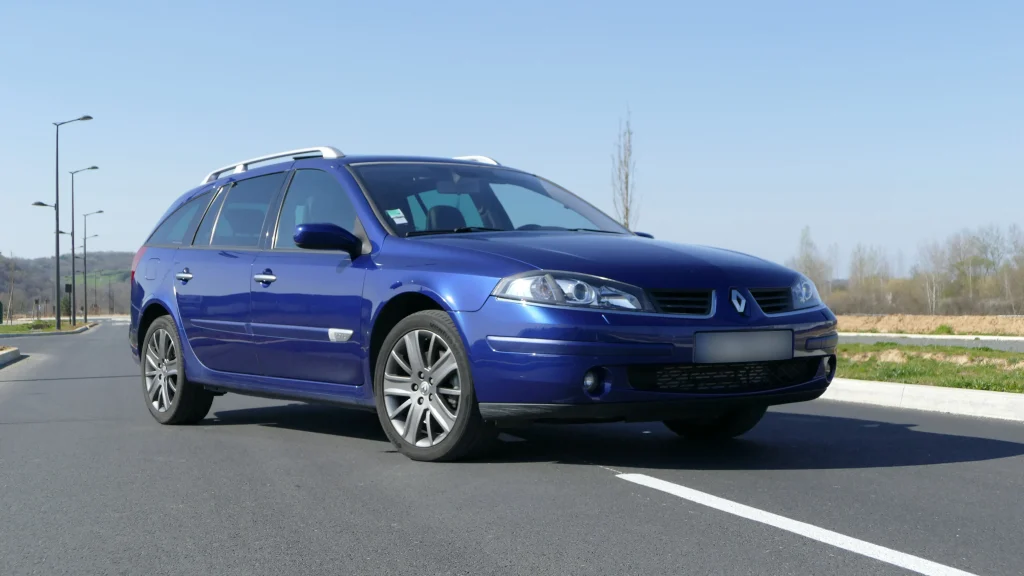
5. Renault Laguna
The Renault Laguna, particularly the second-generation models, is infamous for repair difficulties. Its reputation for frustrating service work is tied largely to its overreliance on electronic systems.
Owners often face issues with ignition cards, electronic handbrakes, and complex dashboard systems that fail without warning. Diagnosing these problems requires specialized equipment, and repairs can be both costly and time-consuming.
Access to mechanical components is another weak point. The compact engine bay was not designed with mechanics in mind, and common jobs such as timing belt replacements can take significantly longer than on comparable vehicles.
In some cases, removing the front bumper or significant portions of the engine assembly is required to complete relatively simple maintenance tasks.
Electrical wiring further complicates matters. Many owners report repeated failures with window regulators, central locking, and dashboard electronics.
Finding the source of these problems often means hours of labor tracing wiring through cramped spaces. Independent garages sometimes avoid Lagunas entirely due to the time commitment required for seemingly minor issues.
Parts supply is not always consistent, especially for older models. Genuine Renault components can be expensive, and aftermarket alternatives are limited.
This creates a situation where even when the issue is diagnosed, resolving it may still involve long wait times and high costs.
Drivers may appreciate the Laguna’s comfortable ride and sleek styling, but these positives are often overshadowed by the frustration of ownership.
Mechanics frequently list the Laguna among the most difficult cars to service, citing both poor design choices and unreliable components. It remains a cautionary example of how advanced electronics and compact layouts can lead to lasting repair headaches.
6. Mini Cooper (Early 2000s Models)
The Mini Cooper revived the brand with fun styling and spirited handling, but for many owners, it also became associated with expensive and difficult repairs. Early 2000s models, in particular, are notorious among mechanics for their cramped engine compartments.
Simple jobs such as replacing a thermostat or water pump can require removing multiple components, adding hours of labor to tasks that should be quick and inexpensive.
The cooling system is a frequent source of trouble. Water pumps, thermostats, and radiator hoses are known to fail, and the tight packaging makes these repairs particularly frustrating.
Overheating can cause further engine damage, making neglected repairs even more costly. The transmission, especially in automatic models, is another common weak point that often requires full replacement rather than repair, driving up expenses.
Electrical issues also plague these Minis. Power steering pumps, window regulators, and dashboard electronics frequently fail, and diagnosing the root cause can be challenging.
Accessing wiring harnesses or modules often requires disassembly of interior panels or other systems, complicating what should be routine fixes.

Parts availability is not as much of a problem, but prices are often high. Since many components are proprietary, aftermarket options are limited, leaving owners with few affordable alternatives.
Even regular maintenance tasks like clutch replacements can become major jobs due to the design of the drivetrain and lack of working space.
Despite these frustrations, the Mini Cooper remains popular for its charm, styling, and fun-to-drive personality. Enthusiasts often accept the high repair costs as part of the ownership experience.
However, for those unprepared for the complexity, the Mini can quickly become a financial burden. Its repair challenges highlight how compact design and advanced features can create headaches long after the initial excitement of ownership fades.
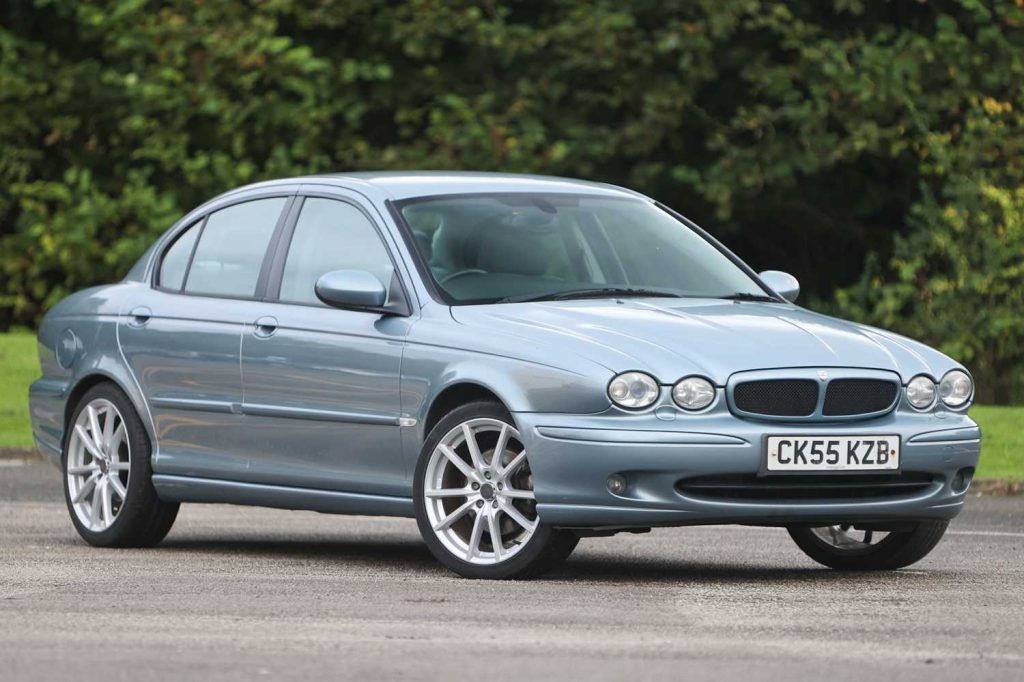
7. Jaguar X-Type
The Jaguar X-Type was introduced as an entry-level luxury sedan, aiming to bring the brand’s prestige to a wider audience.
Unfortunately, it quickly became known for its repair headaches. One of the biggest frustrations lies in its mechanical layout, heavily based on the Ford Mondeo but with added complexity. The inclusion of Jaguar-specific components made many systems more difficult to service.
The all-wheel-drive system, while designed to provide better traction, is a major point of failure. Transfer case issues, driveshaft problems, and rear differential wear are all common and can be extremely costly to repair.
Access to these components often requires significant labor, with mechanics needing to remove other parts before even reaching the source of the problem.
Electrical failures also plague the X-Type. Malfunctions with window regulators, ignition modules, and dashboard electronics are common, and finding the root cause can be time-consuming.
Jaguar’s proprietary diagnostic systems add another challenge, as independent garages often lack the tools or expertise to service these vehicles efficiently.
Rust adds yet another frustration, particularly on older models. Wheel arches, sills, and underbody sections are prone to corrosion, and repairs require both labor and expense to keep the car roadworthy.
Combined with mechanical and electrical issues, corrosion compounds the difficulty of maintaining these cars over time.
Parts availability is mixed. While some components are shared with Ford models, others are unique to Jaguar, which means owners may face high prices and limited supply options. This blend of complexity and scarcity frustrates both owners and mechanics.
The Jaguar X-Type may still appeal to buyers seeking a luxury badge at an affordable price, but ownership often brings unexpected challenges.
Its repair record stands as a reminder that combining mainstream platforms with premium branding does not always produce an easy-to-maintain vehicle.
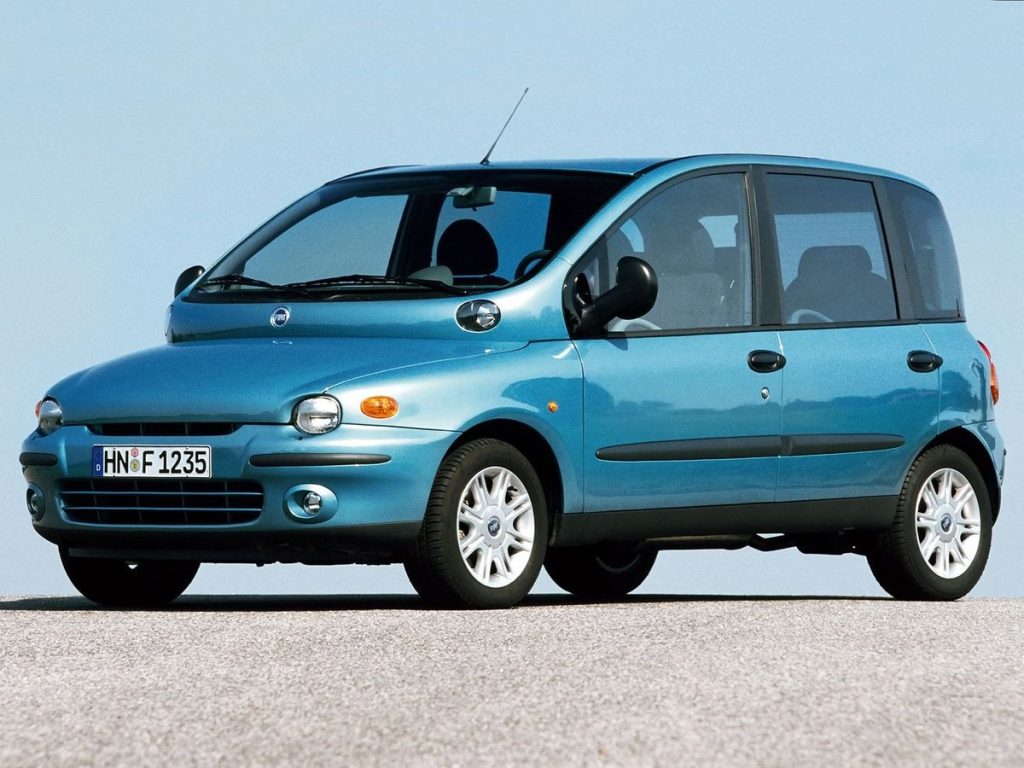
8. Fiat Multipla
The Fiat Multipla is remembered for its unconventional styling, but its quirks extend far beyond appearance. When it comes to repair and maintenance, this vehicle frustrates even seasoned mechanics.
The engine bay layout is particularly problematic. Basic jobs like changing spark plugs or replacing belts can require the removal of multiple components, extending repair times considerably.
Electrical issues are one of the most persistent complaints. Problems with the multiplex wiring system, central locking, and dashboard displays are common.
Diagnosing these failures often requires specialized tools, and even then, pinpointing the exact cause can be difficult. Mechanics frequently report spending more time on diagnosis than the actual repair.
The suspension system is another source of trouble. Bushings, control arms, and shock absorbers wear prematurely, and replacements can be labor-intensive due to awkward placement.
Owners often find themselves facing repeated suspension work over the lifetime of the vehicle, adding to costs and frustration.
Parts availability also complicates matters. While some components are shared with other Fiat models, many Multipla-specific parts are hard to source, especially in markets outside Europe. This can result in long wait times and higher expenses for owners.
Despite these flaws, the Multipla remains an interesting vehicle because of its six-seat layout and practical interior. Families appreciated its versatility, but the ownership experience was often overshadowed by constant maintenance headaches.
Many mechanics rank it among the most irritating cars to service, not only for its odd design but also for the volume of recurring issues.
The Fiat Multipla shows how unique design and engineering decisions can sometimes result in unintended consequences for maintenance, leaving both owners and technicians struggling to keep it on the road.
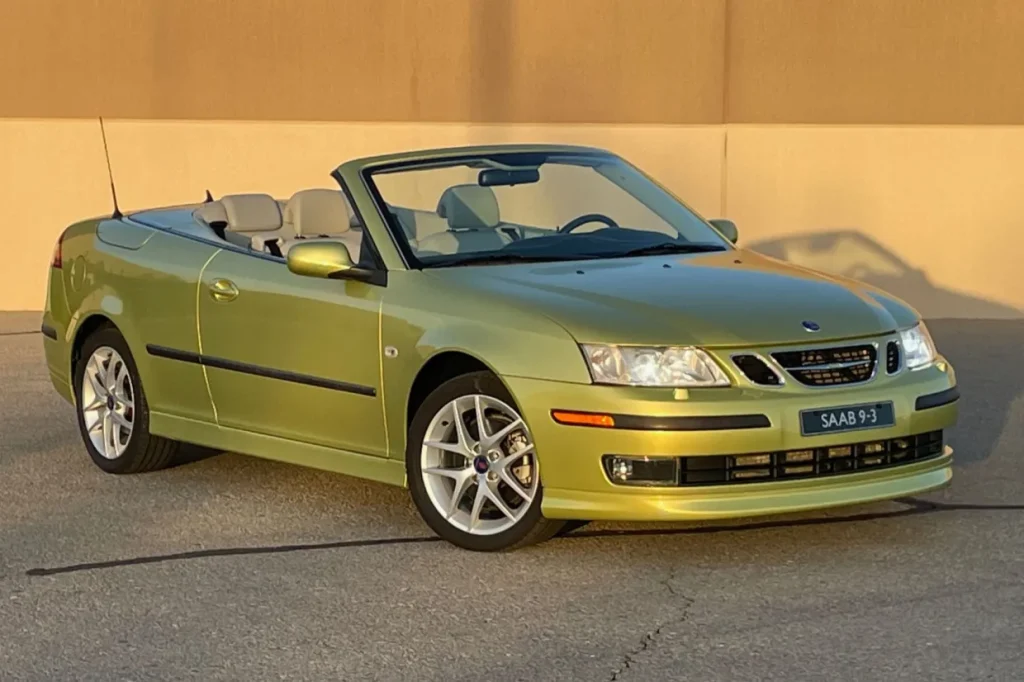
9. Saab 9-3
The Saab 9-3 carries the charm of Scandinavian engineering, but its repair record has frustrated many owners and mechanics alike. One of the main issues with the 9-3 lies in its electrical system.
Problems with the ignition switch, central locking, and dashboard electronics are frequent, and diagnosing the source of these failures often requires extended time with specialized equipment.
Engine issues are also common, particularly with oil sludge buildup in earlier turbocharged models. This problem can lead to catastrophic engine damage if not caught early, and repairs are both expensive and labor-intensive.
Accessing the turbo system, for example, requires removing several surrounding components, turning what could be a moderate job into a lengthy process.
Transmission problems further complicate ownership. Automatic gearboxes on certain models are known for premature failure, often requiring complete replacement rather than repair. Clutch replacement on manual models is also a time-consuming job, as it requires significant disassembly due to the drivetrain layout.
Parts availability has become increasingly difficult since Saab ceased operations. While some aftermarket suppliers exist, certain components are rare and costly. Owners sometimes resort to sourcing parts from overseas or relying on specialist Saab breakers, adding time and expense to even minor repairs.
Despite these challenges, Saab fans remain loyal due to the brand’s unique styling and driving dynamics. However, mechanics often list the 9-3 as one of the most frustrating cars to maintain because of its electrical complexity, engine vulnerabilities, and dwindling parts supply. It is a vehicle that reflects both the strengths and weaknesses of niche manufacturers, offering individuality but demanding patience and money when repairs are needed.
Cars often carry reputations not only for their performance and styling but also for the experience they bring to ownership. Some models from various brands are admired when new but later prove frustrating once repairs are required.
This list of nine cars demonstrates how design complexity, tight engine bays, fragile electronics, and scarce parts can turn even simple jobs into drawn-out challenges.
Models such as the Mini Cooper, Audi A4, and BMW 7 Series highlight how advanced engineering often sacrifices serviceability.
Meanwhile, luxury vehicles like the Mercedes-Benz S-Class and Jaguar X-Type add to the challenge with sophisticated electronics that are prone to failure, demanding specialist attention.
The Fiat Multipla and Renault Laguna showcase how unusual layouts and weak components can overwhelm even routine maintenance, while the Saab 9-3 struggles due to both mechanical issues and shrinking parts availability after the brand’s collapse.
Each of these cars has loyal fans and undeniable appeal, but ownership requires far more patience and financial commitment than average vehicles.
They demonstrate that while innovation and luxury can enhance the driving experience, practicality in repair design is equally critical for long-term satisfaction.
Also Read: 10 Cars With The Best Resale Reliability vs 10 That Drop Quickly
