
When people invest in a new or nearly new car, they expect it to last long enough to justify the cost. Unfortunately, some vehicles carry reputations for expensive problems that show up far too early, often well before the odometer reaches 100,000 miles.
For owners, this can mean repair bills that pile up faster than they can handle, turning what seemed like a dream purchase into a financial nightmare.
While regular maintenance is part of owning any vehicle, there is a big difference between routine costs like oil changes and brake pads and the shock of premature engine or transmission failures.
Certain cars are notorious for components that fail much earlier than expected, sometimes because of poor design, other times because manufacturers used parts that couldn’t stand up to long-term stress.
Owners often discover these flaws after warranties expire, leaving them with the full burden of paying thousands of dollars to keep their cars running. The frustration isn’t just about money; it’s about broken trust in a product that should have been more dependable.
This list highlights ten cars that have left many owners drained financially before even reaching the 100,000-mile mark.
From engines that seize without warning to transmissions that require complete replacement, these vehicles are well-documented examples of how costly ownership can become. Each car has specific problem areas that make it a risky purchase for anyone who values reliability.
By breaking down why these cars often cause financial headaches, this guide provides a warning for buyers who want to avoid pouring money into constant repairs.
While some might still love these models for their style or performance, the repair records tell a story that every car buyer should pay attention to.
Also Read: 12 Toyotas That Refuse to Give Up After Prolonged Use
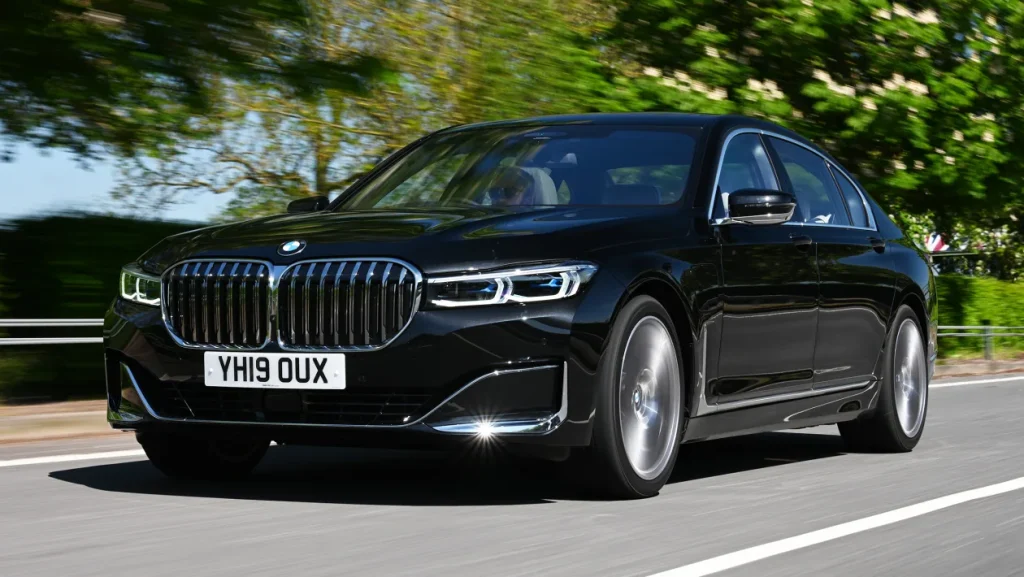
1. BMW 7 Series (E65/E66, 2002–2008)
The BMW 7 Series has long been considered the flagship of the brand, but the early to mid-2000s versions have a reputation for draining wallets well before hitting 100,000 miles.
At first glance, the car impresses with its technology, luxury features, and performance. However, many of those very features that made it appealing are also the root cause of its downfall when it comes to long-term costs.
The iDrive system, for example, was groundbreaking at the time but is notoriously prone to failure, requiring expensive repairs or replacements. Electrical issues run deep, from malfunctioning sensors to control modules that need replacement far sooner than expected.
One of the most expensive problems lies with the transmission. Owners report that units can fail as early as 70,000 miles, and replacing them costs several thousand dollars.
The V8 engines in this generation also suffer from oil leaks, valve stem seal issues, and even complete engine failures in severe cases. These problems are not just occasional; they are common enough to put the car on the radar of reliability surveys as one to avoid.
Adding to the frustration, many repairs require specialized tools and knowledge, meaning a trip to a BMW dealer or a high-end specialist shop. Independent mechanics can rarely take on the complexity of these vehicles, which only increases costs.
Even something as simple as replacing batteries or programming new keys can result in hundreds of dollars spent.
Owners who purchase these vehicles used, often attracted by a low resale price, quickly learn that the initial bargain comes with hidden expenses that multiply rapidly.
In short, the BMW 7 Series from this era can offer a luxurious ride but at a heavy financial cost. For those unlucky enough to encounter the major issues early, it is not unusual for repair bills to stack so high that the car becomes uneconomical to keep on the road.
This makes it one of the clearest examples of a car that can bankrupt its owner well before the 100,000-mile milestone.
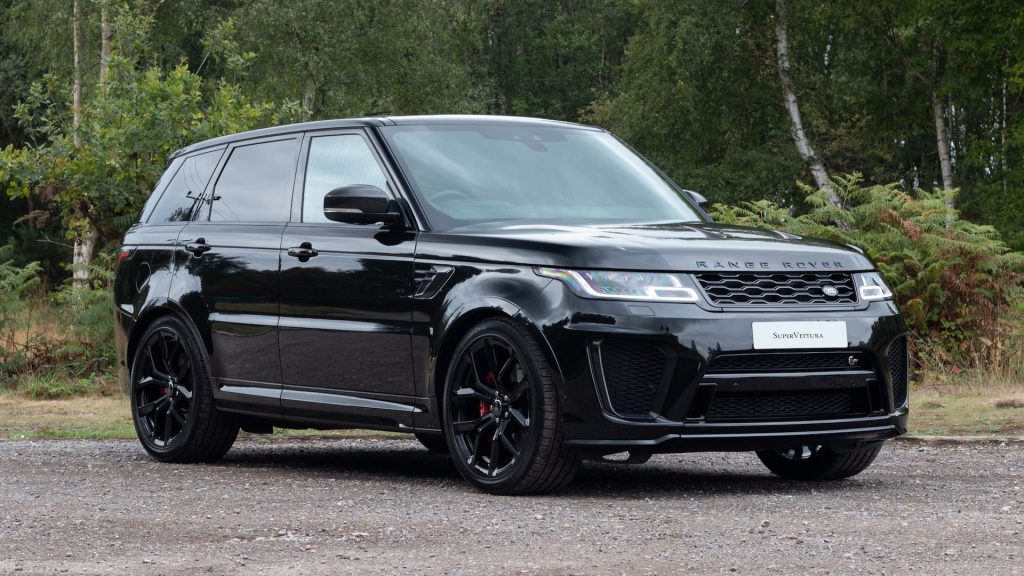
2. Range Rover (2003–2012)
Few vehicles carry the same prestige and status as a Range Rover, but that reputation comes at a staggering price when it comes to ownership.
The 2003–2012 models, in particular, are notorious for mechanical and electrical issues that emerge long before hitting 100,000 miles.
Owners often walk into the purchase expecting an unmatched blend of off-road capability and luxury, only to be met with endless trips to the repair shop.
Air suspension failure is among the most common and costly issues, and when the system goes, the bill for parts and labor can easily exceed $3,000.
Electrical gremlins plague nearly every part of these vehicles. Infotainment units, power seats, and window regulators are just a few of the many features known to fail.
Unfortunately, these issues are not isolated; they often stack on top of one another, creating an avalanche of expenses. Beyond electronics, the transmission is another weak point.
Many owners report complete failures between 60,000 and 90,000 miles, with replacement costs in the $5,000 to $7,000 range.
The V8 engines used during these years are also far from bulletproof. Oil leaks, coolant system failures, and timing chain problems can arrive much sooner than expected. Combined with the vehicle’s poor fuel economy, ownership costs quickly spiral out of control.
Even something as straightforward as brake replacement costs significantly more than on most other SUVs because of the premium parts and labor involved.
What makes matters worse is the resale value. Once these vehicles develop issues, their value plummets, leaving owners unable to recoup their investment.
Many used Range Rovers can be found on the market for surprisingly low prices, but that’s precisely because of their track record of expensive failures.
Buyers are often tempted by the luxury badge and comfortable interior, but the reality of constant repairs quickly overshadows the prestige.
For many owners, the Range Rover’s charm fades long before the 100,000-mile point, leaving them with a vehicle that costs far more to keep than it’s worth.
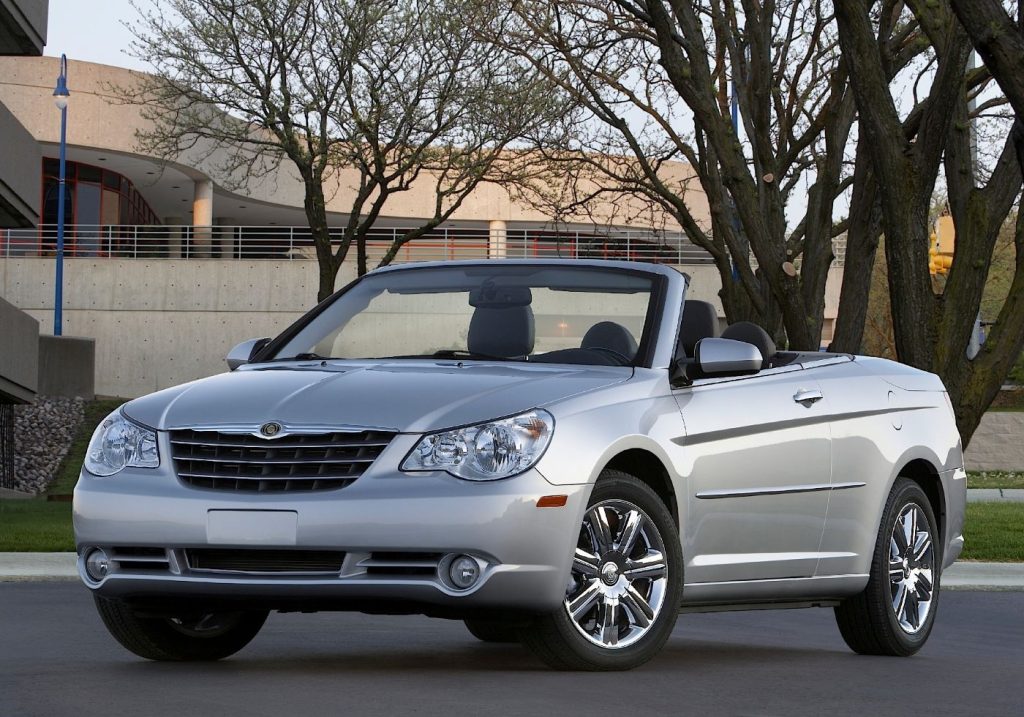
3. Chrysler Sebring (2007–2010)
The Chrysler Sebring was marketed as an affordable midsize sedan, but it turned out to be one of the most financially draining vehicles of its time.
While it may not carry the luxury badge of a BMW or Range Rover, the Sebring is a prime example of how even an everyday car can bankrupt owners with constant repairs and early failures.
The biggest complaints center around the engines offered during this period, particularly the 2.7-liter V6. This engine has a history of oil sludge buildup, which leads to catastrophic failures often well before 100,000 miles.
Many owners who kept up with maintenance still faced blown engines, with replacement costs far exceeding the value of the car itself.
Transmission problems also plague these models. Harsh shifting, slipping gears, and premature failure were common issues, often requiring complete transmission replacements.
Repairing or replacing the transmission in a Sebring could cost several thousand dollars, a bill few expect from a budget-friendly sedan.
To make matters worse, electrical issues were widespread. From malfunctioning instrument clusters to problems with power windows and locks, owners often found themselves dealing with one repair after another.
The Sebring’s interior quality was another source of frustration. Cheap materials wore out quickly, and features like seat mechanisms and trim pieces frequently broke.
While cosmetic issues don’t always affect drivability, they contribute to the overall feeling of owning an unreliable car. Combined with the poor resale value, many owners felt trapped in a cycle of spending more on repairs than the car was worth.
Although the Sebring was intended to compete with popular midsize sedans, its long-term costs made it one of the least desirable cars of its era.
Many vehicles in this segment can easily surpass 150,000 miles with proper care, but the Sebring often struggled to make it to 100,000 without major and costly setbacks.
For owners, this made it less of a family car and more of a financial burden, cementing its reputation as a vehicle to avoid on the used market.
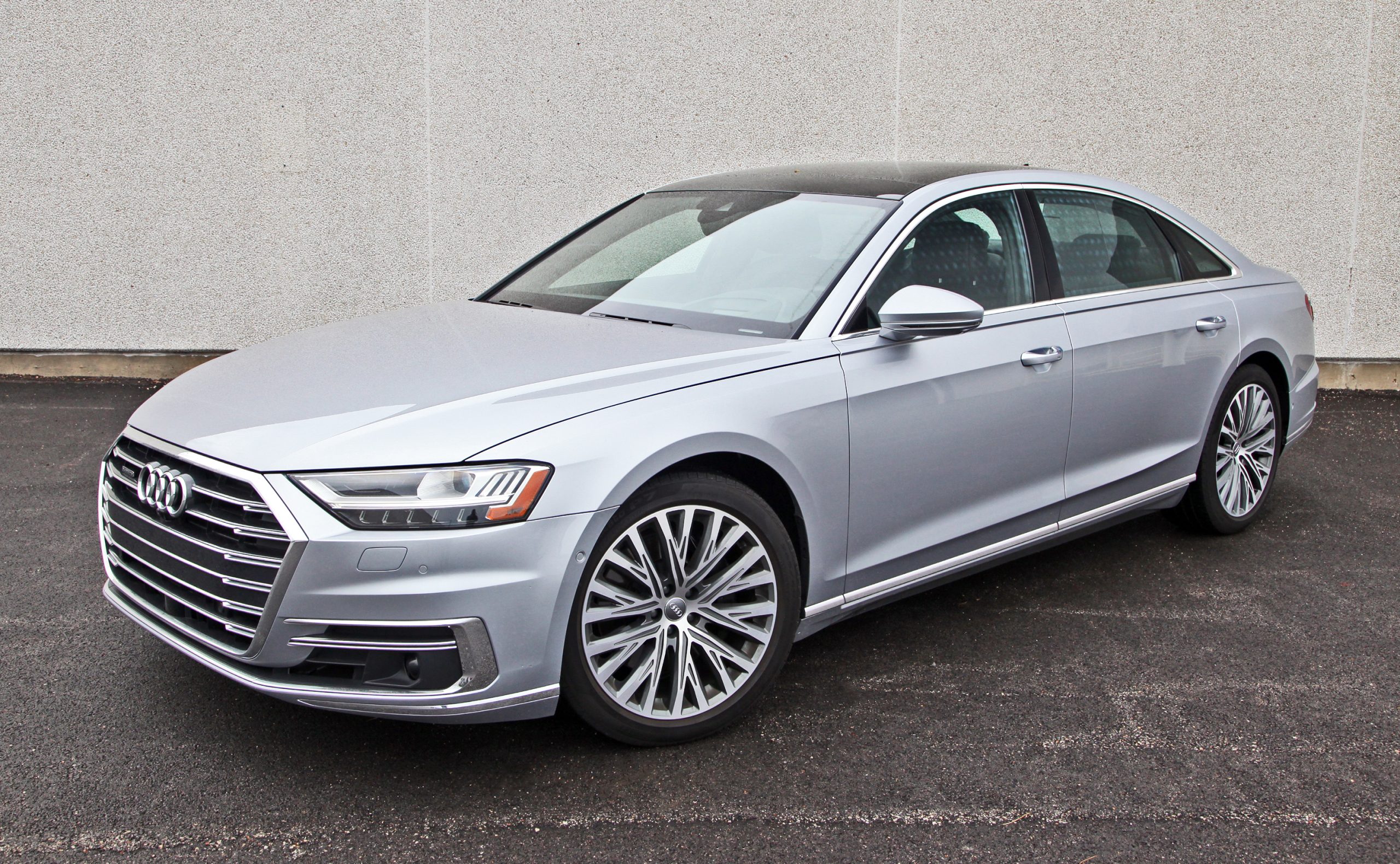
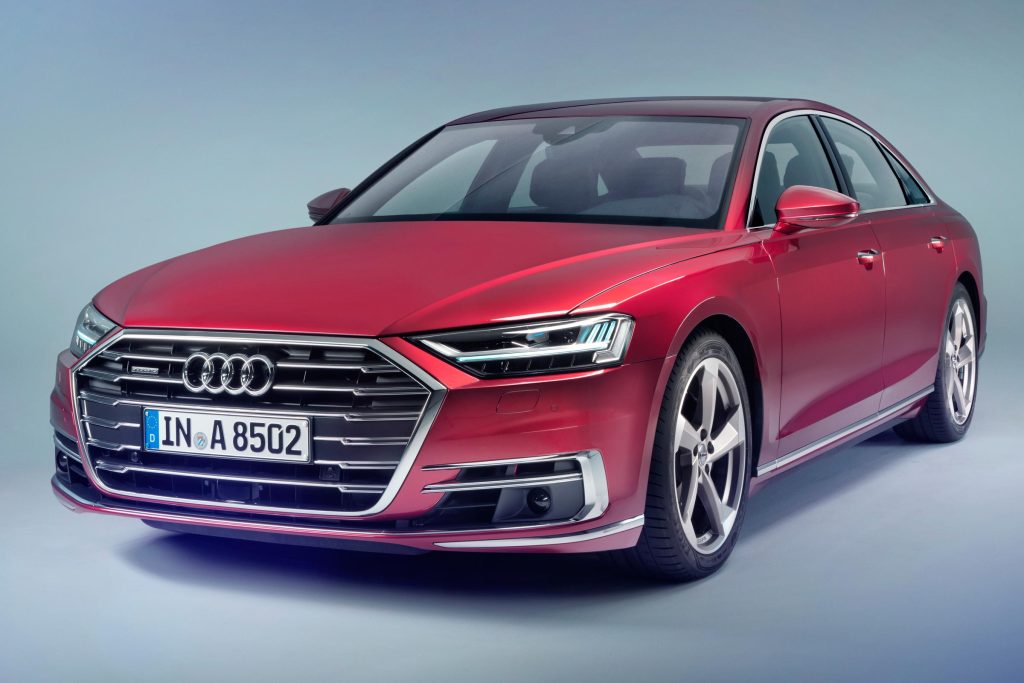
4. Audi A8 (2004–2010)
The Audi A8 from the mid-2000s was designed to compete directly with luxury flagships like the Mercedes S-Class and BMW 7 Series.
While it certainly delivered a sleek design, high-end features, and advanced technology for its time, ownership costs quickly overshadowed the driving experience. One of the primary issues lies with its complex all-wheel-drive system paired with air suspension.
These components often wear out well before 100,000 miles, and replacing them is neither simple nor affordable. Suspension repairs can easily cross the $4,000 mark, and when combined with drivetrain problems, the bills climb steeply.
The transmission in these models is another notorious weak point. Failures or harsh shifting can appear as early as 70,000 miles, and complete replacements often cost more than many buyers expect to spend on a used car.
Electrical malfunctions are also widespread. From malfunctioning infotainment systems to unreliable sensors and warning lights, many owners find themselves in repair shops constantly addressing electronic issues that never seem to fully resolve.
The engines themselves, while powerful, bring their own problems. The timing chain system is located at the back of the engine, making even routine maintenance an expensive undertaking.
Oil leaks, coolant system failures, and carbon buildup in the intake system add to the headaches. These issues may not always cause total engine failure but do require repeated costly interventions.
What compounds the pain of owning an A8 is the rapid depreciation. Buyers are often lured by how affordable these once-six-figure cars seem on the used market, but they quickly learn why the prices are so low.
Few mechanics outside of specialized shops can handle their complexity, so labor rates stay high. Combined with the need for premium parts, the Audi A8 becomes a financial drain far earlier than expected.
For many unlucky owners, the experience of luxury fades quickly, replaced by a series of bills that make the car more of a liability than a joy to drive.
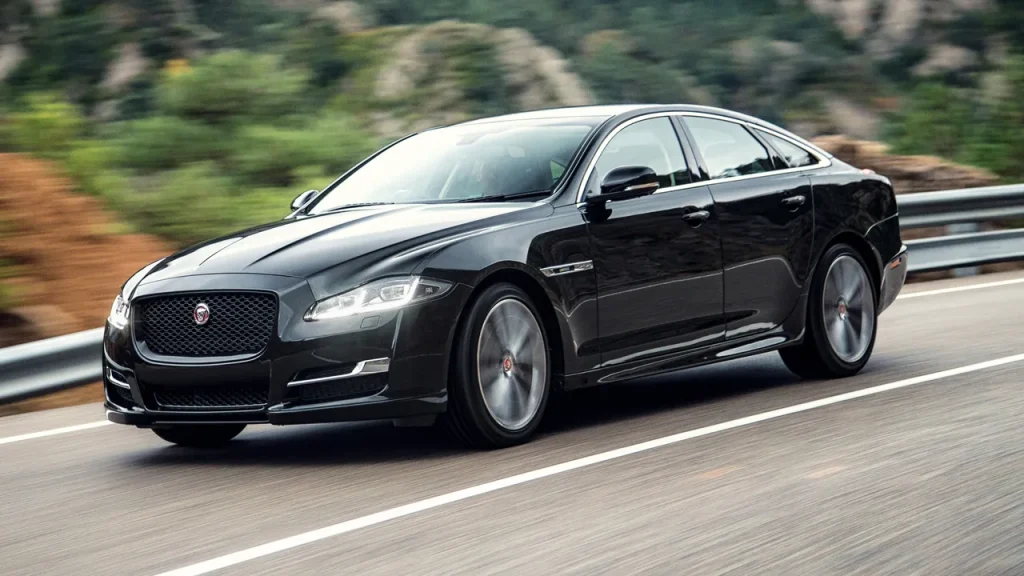
5. Jaguar XJ (2003–2009)
The Jaguar XJ has always been synonymous with British elegance, but the 2003–2009 generation proved costly for owners trying to keep them running smoothly before reaching 100,000 miles.
While the aluminum body structure was innovative, the car’s reliability was anything but solid. Air suspension failure is among the most common issues, and repairs to this system are almost always expensive, often surpassing $3,000.
Because the suspension is tied to the vehicle’s handling and ride comfort, ignoring it isn’t an option.
Engines also caused major headaches. The V8s of this era were plagued with timing chain tensioner failures and cooling system issues. A broken tensioner could lead to catastrophic engine damage, sometimes occurring well before 80,000 miles.
The repair, when possible, was costly, and complete engine replacement could easily push repair bills into five-figure territory.
Cooling system leaks, particularly from plastic components, were another common issue that could lead to overheating and severe engine damage if not addressed quickly.
Electronics also contributed heavily to ownership costs. The electrical system often failed in frustrating ways, including dashboard malfunctions, faulty sensors, and climate control problems. Repairs weren’t cheap, and parts were not always readily available.
Transmission issues, while not as common as engine or suspension problems, still appeared frequently enough to add another layer of expense for unlucky owners.
What made matters worse for the XJ was its resale value. While stylish and luxurious when new, these cars depreciated heavily once their reputation for costly repairs became widespread.
Owners often found themselves in a position where their repair bills were higher than the market value of the car.
Despite its charm and luxury, the Jaguar XJ from this period is remembered by many as a car that delivered financial pain long before reaching the kind of mileage other sedans handle with ease. For buyers tempted by low used prices, the risks far outweigh the reward.
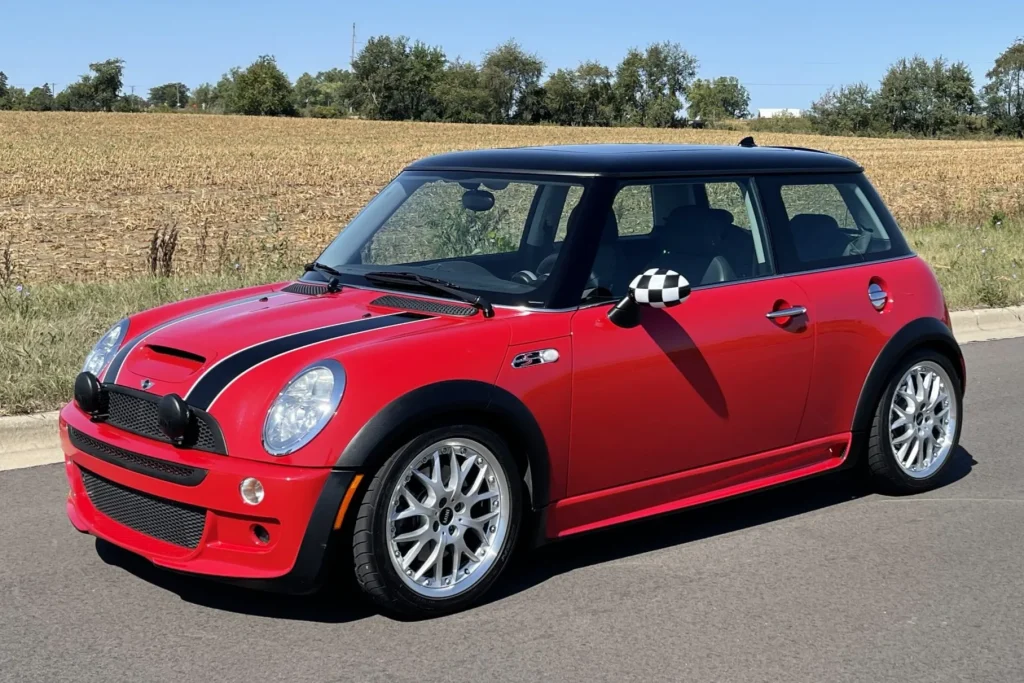
6. Mini Cooper S (2007–2011)
The Mini Cooper S is beloved for its quirky design and fun-to-drive character, but owners of the 2007–2011 models often found themselves overwhelmed with repair bills before reaching 100,000 miles.
The biggest culprit was the turbocharged engine, which suffered from widespread issues with the timing chain tensioner. A failing tensioner could cause rattling noises at first, but if left unaddressed, it often led to catastrophic engine failure.
Replacing the chain system was costly, but replacing the entire engine was even worse, with bills often exceeding the value of the car itself.
Another notorious problem was the water pump and thermostat housing, which failed far earlier than expected. These cooling system issues often resulted in overheating, leading to further engine damage if not repaired promptly.
Owners also complained about carbon buildup on the intake valves, a common issue in direct-injection engines. This problem required labor-intensive cleaning, adding another expensive maintenance task.
Transmission failures were also common, particularly in automatic versions. Some units failed well before the 80,000-mile mark, leaving owners with repair bills that sometimes reached $5,000.
On top of that, electrical issues such as malfunctioning power windows, central locking problems, and faulty sensors added to the list of expenses. Even basic maintenance tasks often cost more than expected because of the Mini’s compact and complex design, which made labor more intensive.
Many buyers were drawn to the Cooper S for its affordable entry price and sporty handling, but the reality of ownership was sobering. Resale values dropped sharply once issues became widespread, leaving owners with cars that weren’t worth repairing.
While the Cooper S provided fun on the road, it also delivered some of the most painful ownership experiences when it came to unexpected costs.
For many, the joy of driving it was short-lived once the repair bills started piling up well before hitting 100,000 miles.
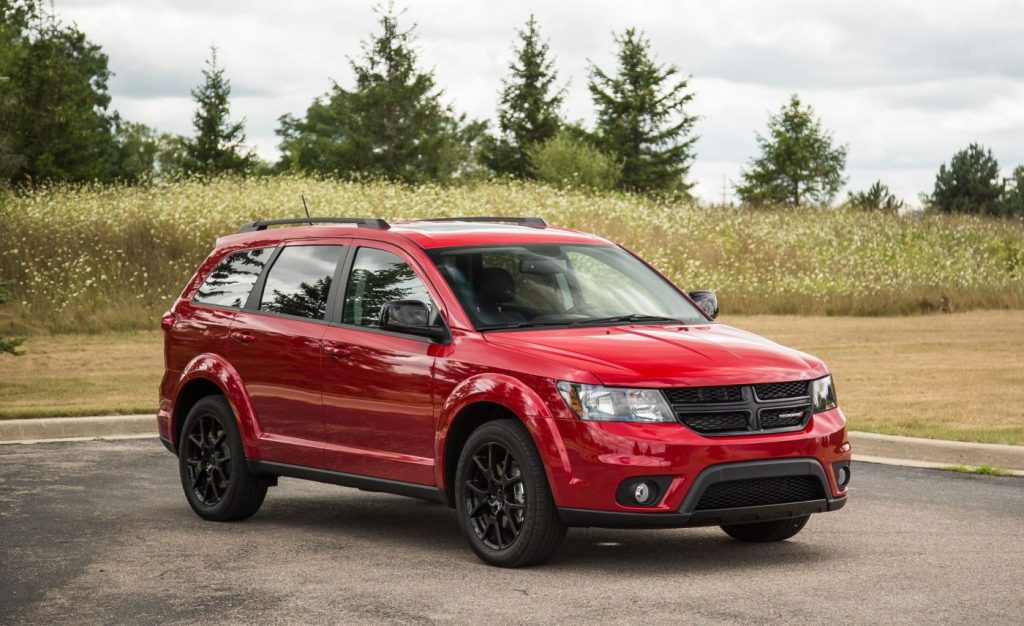
7. Dodge Journey (2009–2015)
The Dodge Journey was marketed as an affordable midsize crossover with seating for the family, but it quickly developed a reputation as one of the least reliable vehicles in its class.
Owners who expected this SUV to handle daily driving for years without issue often found themselves stuck with repair bills before even hitting 100,000 miles. The most notorious problem centered around the transmission.
Many units experienced premature failure, with rough shifting, slipping gears, or total breakdowns occurring as early as 60,000 miles.
Replacing or rebuilding the transmission typically cost several thousand dollars, wiping out any savings buyers thought they gained with this budget-friendly SUV.
Engines were another weak point, particularly the 2.7-liter V6, which suffered from oil sludge problems similar to those seen in other Chrysler products of the time. These issues could result in sudden engine failure, often without much warning.
Cooling system components, such as water pumps and radiators, were also prone to early failure, which could lead to overheating and additional engine damage if not caught quickly.
Electrical problems compounded the ownership headaches. From malfunctioning key fobs to issues with the power locks, windows, and infotainment systems, owners often faced one electrical issue after another.
These may not have always immobilized the vehicle, but they added significant frustration and expense. The air conditioning system was another well-documented failure point, with compressors and evaporators giving out far too soon.
Adding insult to injury, the Journey’s resale value dropped steeply once reliability issues became widely known. Many owners reported being unable to sell their vehicles for even a fraction of what they had invested in repairs.
While the Dodge Journey offered space and versatility on paper, its poor track record for durability and costly problems made it a financial trap for many families who simply wanted a dependable vehicle.
For those unlucky enough to purchase one used, the repair bills often piled up long before the 100,000-mile mark, leaving them with little more than regret.
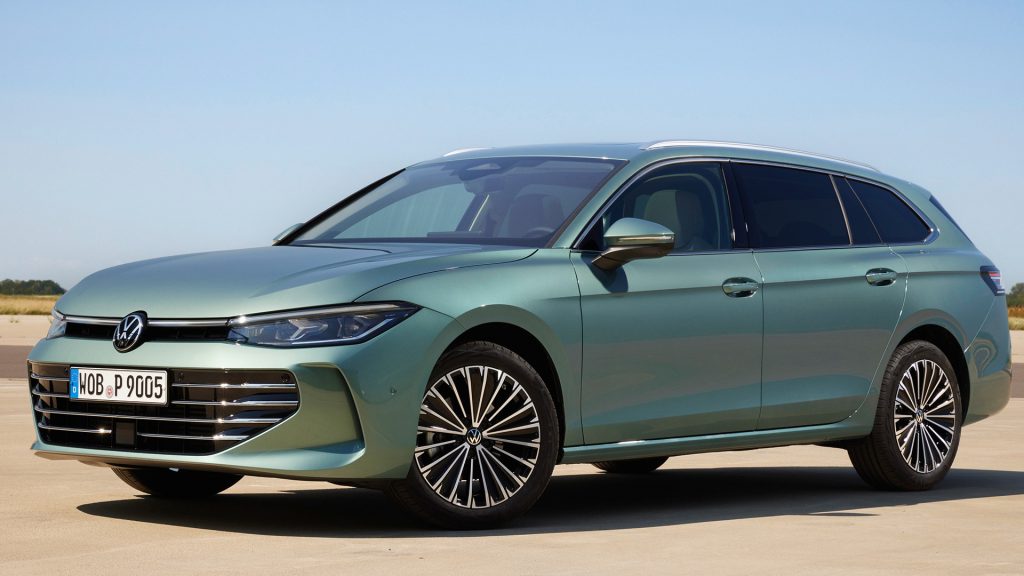
8. Volkswagen Passat (2006–2010)
The Volkswagen Passat has always appealed to buyers seeking a stylish European sedan without the price tag of a luxury brand.
However, the 2006–2010 models demonstrated how that affordability could vanish quickly once costly problems began appearing well before 100,000 miles. The most troublesome aspect of these cars was the 2.0-liter turbocharged engine.
While fun to drive, it suffered from a notorious oil consumption issue. Owners often had to add a quart of oil every few hundred miles, and in many cases, complete engine rebuilds or replacements were required.
Timing chain tensioner failures were another catastrophic problem, often leading to engine destruction when they failed unexpectedly.
The transmission, particularly the DSG automatic, was another financial burden. While praised for its quick shifts when new, it required specialized servicing that was expensive, and many units experienced premature failure.
Replacing or repairing the DSG could easily cost $4,000 or more, often catching owners by surprise when the car had fewer than 90,000 miles.
Electrical gremlins were another common headache. Problems with power windows, ignition coils, and central locking systems left owners with frequent repair visits. The high-pressure fuel pump was also a known weak point, often failing early and leaving drivers stranded.
On top of these issues, the Passat’s interior, while stylish, suffered from parts that wore quickly, including peeling trim and malfunctioning seat adjustments.
The appeal of the Passat often came from its European driving dynamics at an accessible price, but the ownership experience was far less appealing.
Resale values dropped quickly, and many buyers who thought they were getting a deal on a used model found themselves paying repair bills larger than car payments.
While it might have looked like a smart alternative to higher-priced German sedans, the Passat from this era became infamous for draining wallets well before reaching 100,000 miles, proving that not all bargains are worth the risk.
9. Cadillac SRX (2010–2014)
The Cadillac SRX was a stylish crossover aimed at bringing luxury features to the midsize SUV segment, but for many owners, it became a financial sinkhole before hitting 100,000 miles.
One of the most frequent complaints involved the timing chain system on the 3.6-liter V6 engine. Failures in this system could lead to catastrophic engine damage, and the repairs were not cheap.
Even when caught early, fixing the issue cost thousands, making it one of the most dreaded repairs associated with this vehicle.
Transmission problems were another recurring theme. Many SRX models experienced rough shifting, slipping, or complete transmission failures well before the 100,000-mile mark.
Replacement costs were high, especially given the premium labor rates associated with Cadillac vehicles.
Electrical issues were also widespread, with problems ranging from faulty sensors to failing infotainment units. Owners reported that even after repairs, the same issues often resurfaced, creating a cycle of frustration and expense.
The SRX also had trouble with its sunroof system, which could leak or stop functioning properly, leading to both costly repairs and interior water damage.
Suspension components, particularly control arms and bushings, wore out faster than expected, adding to the repair tally. These issues often emerged together, meaning owners faced stacked repair bills rather than isolated costs.
Resale value dropped significantly once the SRX developed these issues, and many owners found themselves upside down financially, with repair bills that exceeded the car’s worth.
While Cadillac promoted the SRX as a reliable luxury crossover, the reality was far different for many buyers. Instead of a comfortable family SUV, they ended up with a vehicle plagued by mechanical and electrical failures that arrived too early and cost too much.
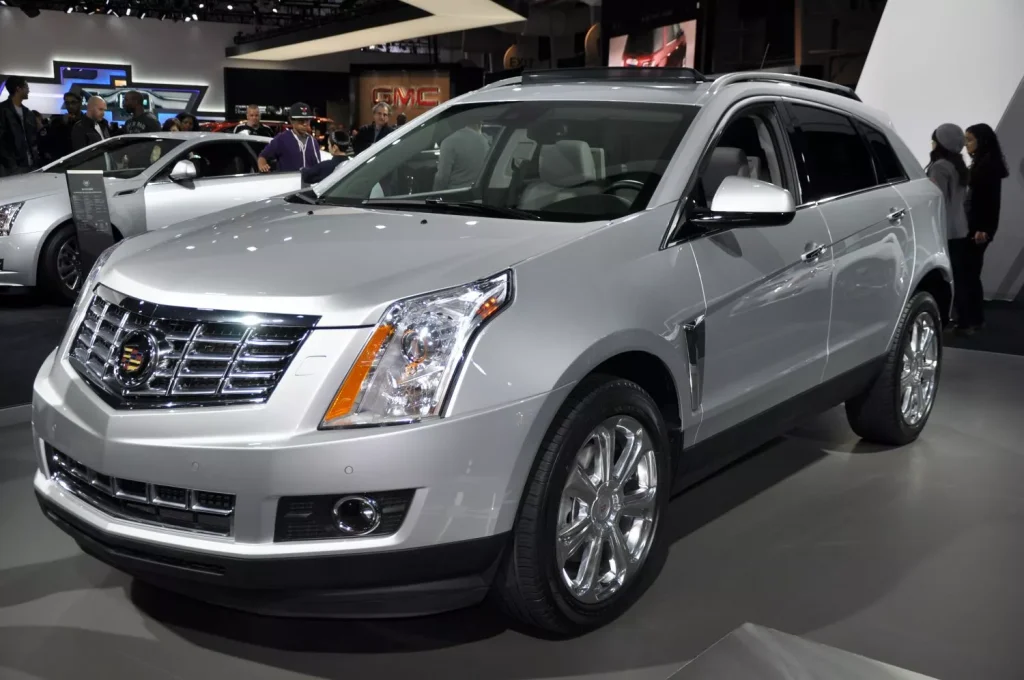
For those unlucky enough to buy one, the SRX became a prime example of how luxury branding does not always translate into dependable ownership.
10. Fiat 500 (2012–2016)
The Fiat 500 charmed buyers with its retro styling and compact size, but beneath its playful image lay a series of problems that often bankrupted owners before reaching 100,000 miles.
One of the biggest issues was the automatic transmission, which was not only jerky but also prone to complete failure.
Many owners reported needing full replacements before hitting 70,000 miles, with repair bills often exceeding $3,500. This was a staggering cost for a car that was marketed as affordable and practical for city driving.
Engine problems also played a role in its poor reputation. The 1.4-liter engine suffered from oil leaks, overheating, and head gasket failures, which could easily result in major repairs.
In some cases, the engines failed entirely, requiring replacement long before most buyers expected such a catastrophic issue. The cooling system was another weak point, with water pump and radiator failures common across these models.
Electrical issues further added to ownership costs. Problems with the power windows, infotainment system, and warning lights were frequent complaints.
While some might consider these inconveniences, they often required costly dealership repairs due to the Fiat’s limited support network and parts availability.

The suspension system also wore out prematurely, leading to clunking noises and expensive repairs for shocks and struts.
Adding to the frustration, Fiat’s dealer network was relatively small in many markets, meaning parts took longer to arrive and labor rates were steep.
Resale values dropped quickly once the car’s issues became widely recognized, leaving owners with vehicles worth very little on the used market.
While the Fiat 500 looked fun and affordable at first glance, the reality for many buyers was a car that demanded more in repairs than it was worth to keep.
For a small city car, it proved surprisingly capable of delivering financial strain well before the 100,000-mile milestone.
