
Some cars are timeless. They arrive with a design and engineering so well balanced that they continue to impress drivers without needing major updates or complete redesigns.
While most vehicles go through multiple generations to stay relevant, a select few maintain their charm, performance, and appeal across decades.
These cars demonstrate that when form and function are executed correctly from the start, a redesign is not necessary to keep them competitive or desirable.
Durability and consistent performance are central to this phenomenon. Cars that never needed a redesign often combine reliable engineering, intuitive controls, and a design that remains aesthetically pleasing over time.
Drivers enjoy them because they deliver predictable handling, strong powertrains, and a comfortable ride year after year.
Reliability reduces repair headaches and maintenance costs, which also contributes to their enduring popularity. The longevity of these vehicles proves that innovation does not always require constant overhauls.
Another factor is the timeless appeal of their design. Instead of following trends or trying to imitate competitors, these cars establish their own identity. Their interiors, ergonomics, and exterior styling continue to feel relevant even as new technologies emerge.
Features like well-placed controls, efficient engines, and user-friendly infotainment systems contribute to a satisfying ownership experience that rarely becomes outdated.
This article highlights twelve cars that never required a redesign to remain great. Each of these vehicles has earned a loyal following because of their consistency, durability, and ability to deliver a satisfying driving experience year after year.
From sedans and hatchbacks to SUVs and sports cars, these vehicles prove that solid engineering and thoughtful design can transcend generations.
By understanding what makes these cars exceptional, drivers can appreciate the importance of a strong foundation and why some models achieve longevity without needing to reinvent themselves.
Also Read: 10 Cars With The Best Resale Reliability vs 10 That Drop Quickly
1. Porsche 911 (1964–Present)
The Porsche 911 is a rare example of a sports car that has remained iconic without needing a fundamental redesign.
Since its introduction in 1964, the 911 has maintained its signature silhouette, rear-engine layout, and driver-focused design, all while adapting subtly with incremental improvements.
Its timeless appeal stems from consistent engineering excellence and the company’s commitment to retaining the essential character of the car.
One of the reasons the 911 remains relevant is its outstanding performance. Porsche has continually upgraded engines, transmissions, and suspension systems without altering the core design philosophy.
The handling remains precise, the steering responsive, and the braking exceptional. These characteristics provide a driving experience that appeals to enthusiasts regardless of the model year, showing that the 911’s original formula was nearly perfect from the start.
Another aspect of the 911’s enduring success is its build quality. The engines are robust, electronics are well-integrated, and the materials used in construction have always been premium.
Even early models remain collectible and driveable decades later, which is a testament to the car’s longevity.
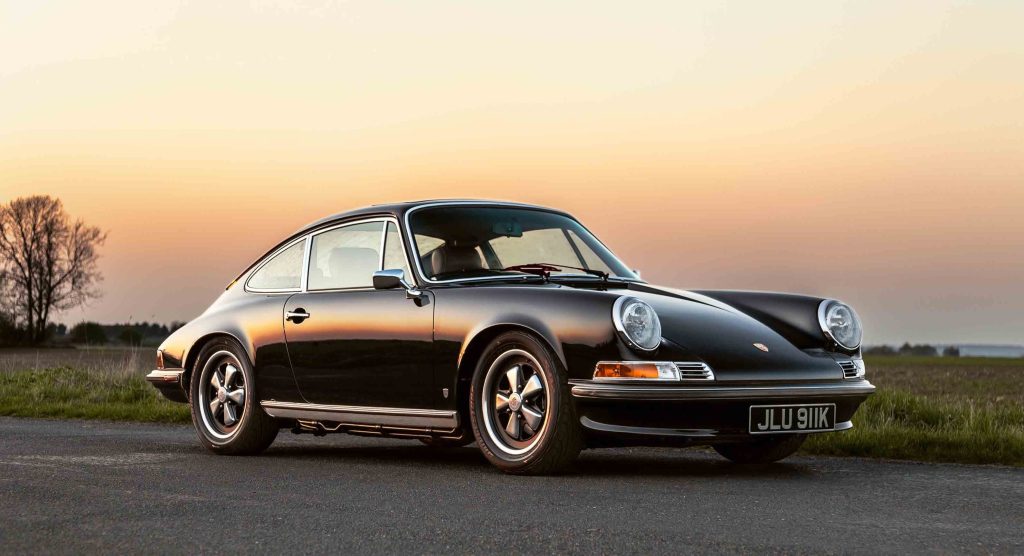
The interior layout, focused on the driver with intuitive controls and minimal distractions, has changed only subtly, proving that clever design does not require frequent overhauls.
Porsche has also ensured that safety and emissions compliance are updated through careful engineering rather than complete redesigns.
This approach allows the 911 to remain competitive with modern sports cars without losing its heritage. Owners can enjoy the car for years without feeling it has become outdated or obsolete.
In essence, the 911 demonstrates that a car can remain relevant across generations by maintaining its core identity, performance, and design integrity. It is a prime example of a vehicle that has achieved timeless greatness without the need for radical redesigns.
2. Jeep Wrangler (1987–Present)
The Jeep Wrangler is another vehicle that has rarely needed a redesign to remain successful. Known for its rugged off-road capability and unmistakable boxy styling, the Wrangler maintains the look and feel of the original Jeep CJ while improving performance, comfort, and safety over the years. Its enduring popularity stems from a design that blends simplicity, functionality, and iconic style.
Mechanically, the Wrangler has always prioritized durability and off-road performance. Solid axles, high ground clearance, and four-wheel-drive systems have been retained and refined rather than replaced, which allows it to tackle challenging terrains without frequent mechanical failures.
Incremental improvements in engines, transmissions, and suspension systems have enhanced capability while keeping the foundational design intact.
The Wrangler’s interior has also evolved gradually. While modern models feature improved infotainment, climate control, and seating comfort, the basic driver-focused layout has remained recognizable.
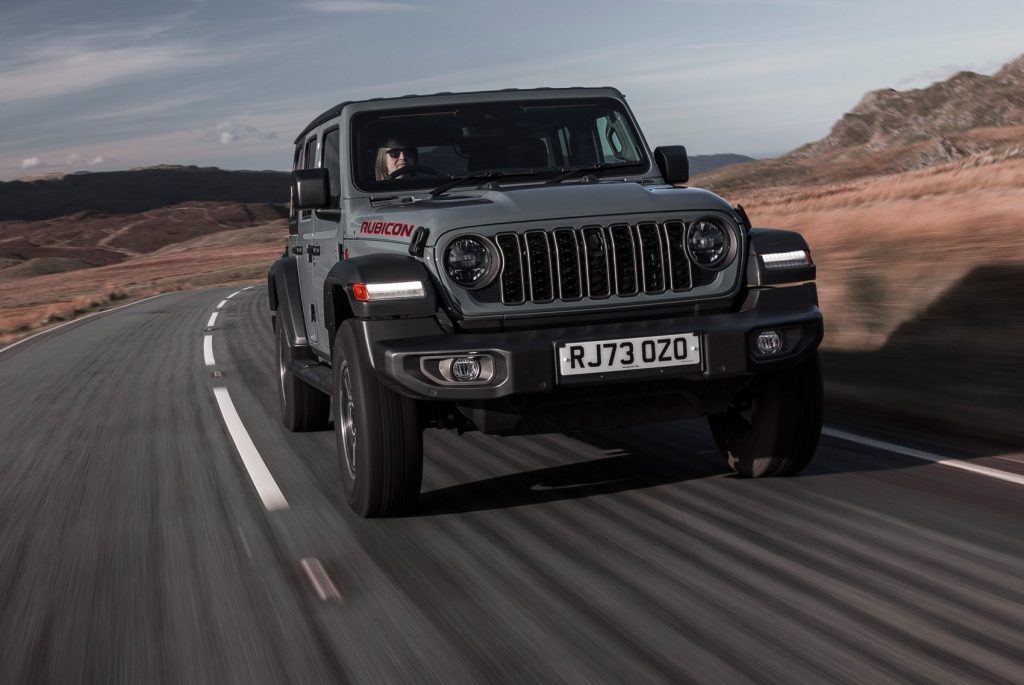
This continuity allows drivers to appreciate the vehicle’s heritage while benefiting from modern technology. Additionally, the modular design removable doors and roof has always appealed to adventure seekers and off-road enthusiasts, a feature that did not require reinvention.
Jeep’s approach to the Wrangler demonstrates that maintaining a recognizable identity can be more powerful than frequent aesthetic changes. Its classic design continues to attract new buyers while retaining loyal fans.
The Wrangler’s iconic status proves that vehicles built around a strong concept can succeed for decades with careful updates rather than full redesigns.
3. Ford Mustang (1964–Present)
The Ford Mustang is a legendary American muscle car that has remained largely consistent in concept since its debut in 1964.
Its long hood, short rear deck, and aggressive stance have become synonymous with the Mustang name, creating an instantly recognizable profile that appeals across generations.
Rather than undergoing radical changes, the Mustang has evolved through refinements in performance, handling, and technology.
The powertrain has always been central to the Mustang’s identity. From inline-six engines to V8s and modern turbocharged options, Ford has consistently focused on delivering strong performance while maintaining reliability.
Suspension and chassis improvements over the years have enhanced ride comfort and handling without altering the overall character. The Mustang demonstrates that engineering evolution can occur without changing the fundamental appeal of a vehicle.
Interiors have also seen measured upgrades. Driver-focused layouts, supportive seating, and intuitive controls remain priorities.
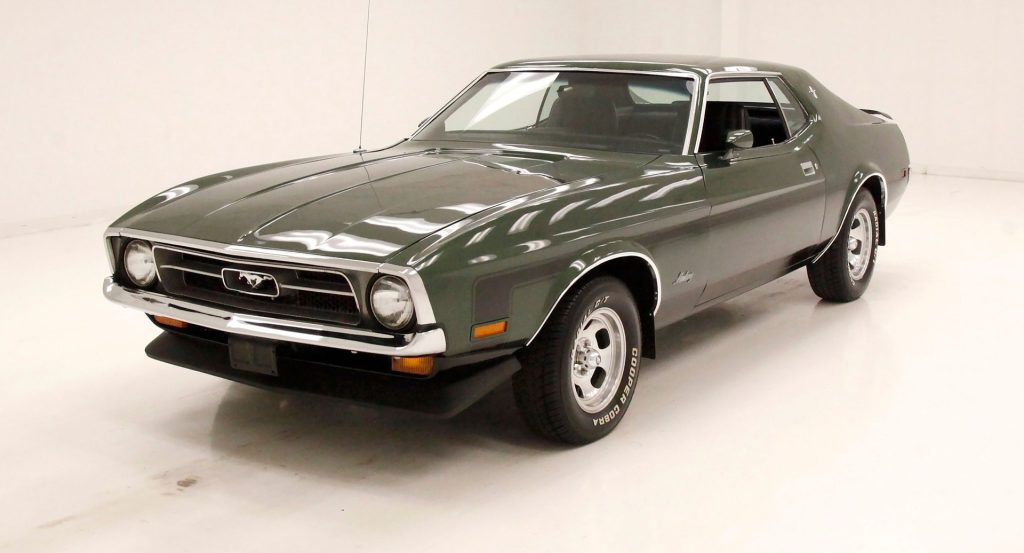
Infotainment systems, safety features, and comfort options have been added over time, but the basic layout retains a sense of familiarity for long-time fans. This careful balance ensures that the Mustang stays modern while honoring its heritage.
The Mustang’s styling demonstrates the value of a timeless design. Minor adjustments to headlights, grilles, and body lines keep the car contemporary without losing its original identity.
This continuity has helped the Mustang remain a popular choice for enthusiasts and new buyers alike, proving that some vehicles do not require complete redesigns to stay relevant.
4. Chevrolet Corvette (C1–C8)
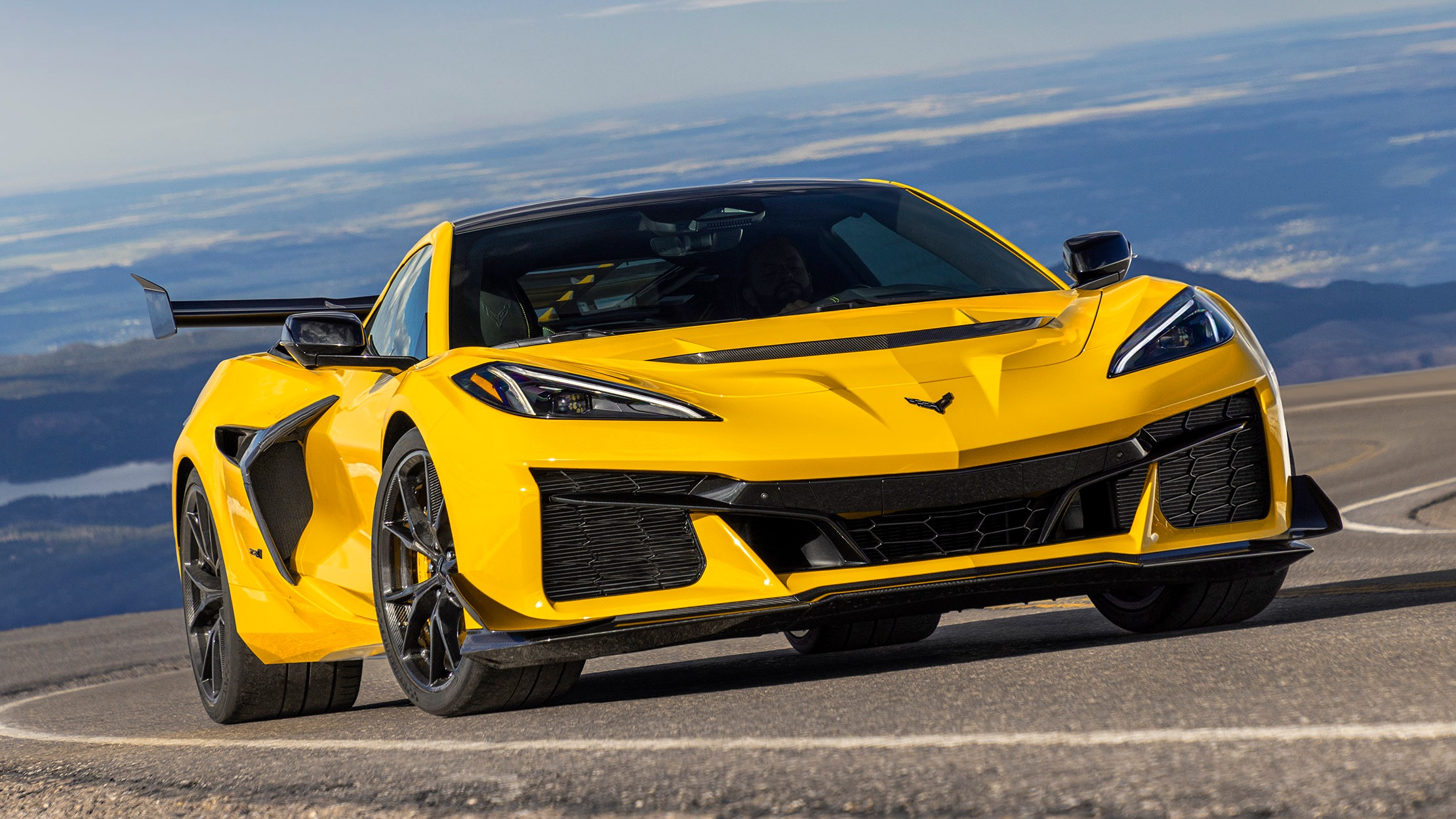
The Chevrolet Corvette has remained America’s sports car icon without frequent radical redesigns that compromise its identity.
From the C1 introduced in 1953 to the current C8, the Corvette has evolved while retaining its focus on high performance, aerodynamic styling, and driver-centered engineering. Its longevity is rooted in its ability to refine rather than reinvent.
The Corvette’s engines and drivetrains exemplify engineering consistency. V8 powertrains, increasingly sophisticated transmissions, and advanced suspension systems allow the car to deliver exhilarating performance while maintaining reliability.
Each generation introduces improvements in power, handling, and efficiency, yet the core philosophy of lightweight construction paired with robust power remains intact.
Aerodynamic design and exterior styling have evolved subtly. Each generation maintains the low-slung stance, long hood, and wide rear proportions that make the Corvette instantly recognizable. Interior updates have focused on comfort, visibility, and technology integration without compromising the driver-centric cockpit that defines the car.
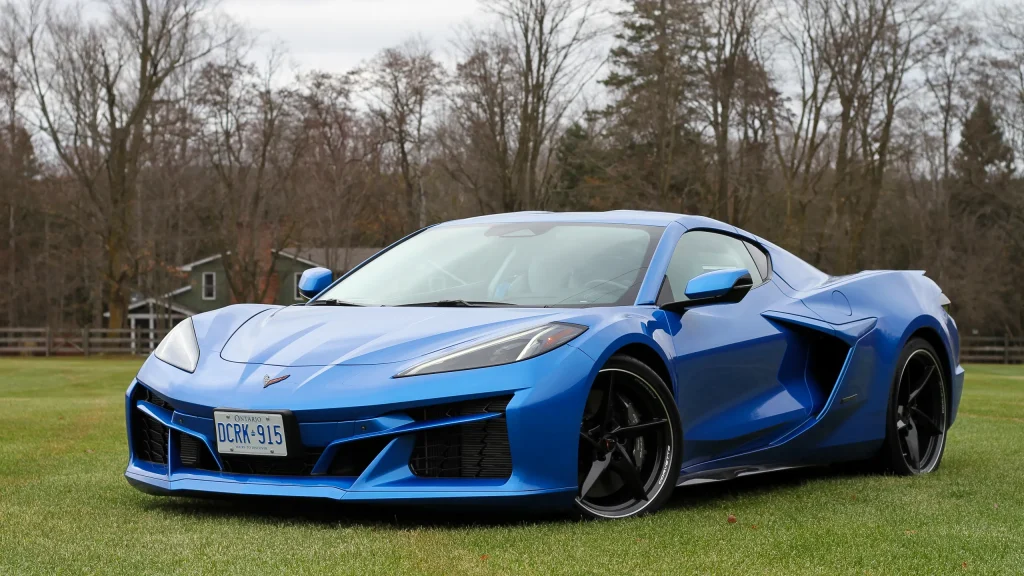
The Corvette demonstrates that incremental improvements in technology, safety, and materials can keep a vehicle competitive without the need for full redesigns.
Its consistent performance, combined with timeless styling, ensures it remains desirable to collectors and everyday drivers alike. The Corvette proves that a solid foundation can sustain a vehicle’s reputation across decades without losing its original appeal.
5. Volkswagen Beetle (1938–2003)
The Volkswagen Beetle is one of the most recognizable cars in history, largely because its design remained consistent for decades.
From its original introduction in 1938 through the early 2000s, the Beetle maintained its rounded, compact shape, simple layout, and rear-engine configuration.
Its enduring popularity demonstrates that a car with a strong, iconic design does not require frequent redesigns to remain desirable.
Mechanically, the Beetle was remarkably straightforward. Air-cooled engines were simple, reliable, and easy to maintain, which contributed to the car’s long lifespan and low maintenance costs.
This simplicity allowed generations of owners to repair and maintain their vehicles without needing specialized equipment, fostering a loyal following worldwide. The consistent engineering minimized mechanical failures, giving the car a reputation for dependability.
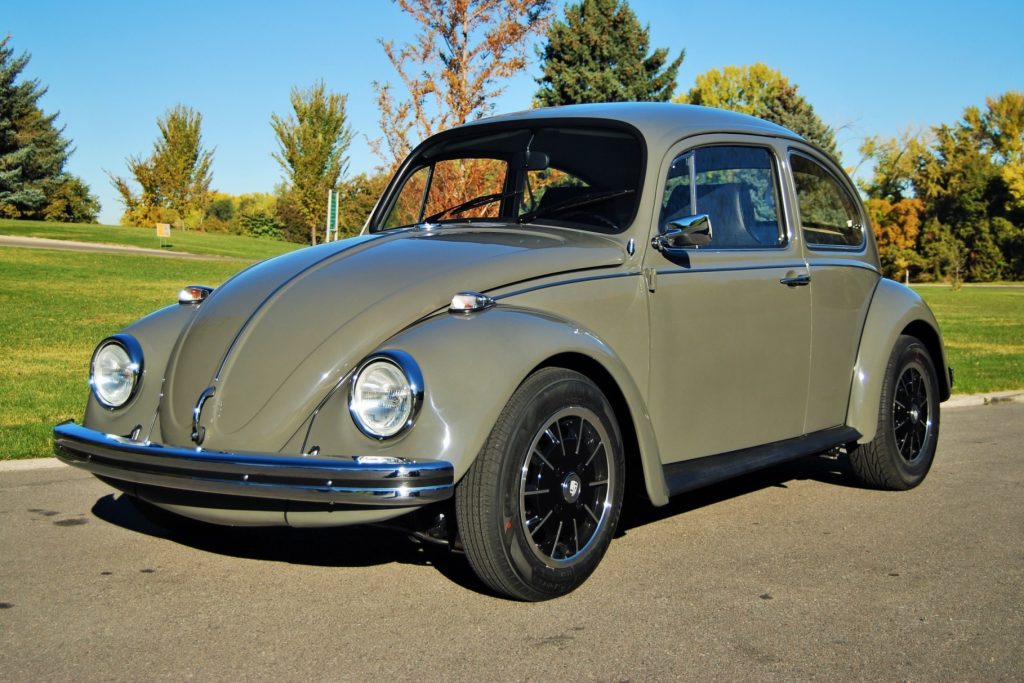
The Beetle’s interior was equally practical. Its minimalist dashboard, straightforward controls, and functional seating provided the essentials without unnecessary complexity.
Over the decades, Volkswagen updated safety features and comfort slightly, but the overall design remained remarkably unchanged. This approach preserved the car’s identity while ensuring it remained suitable for modern driving.
The Beetle’s cultural impact also stems from its timeless shape. Its friendly, rounded exterior became iconic, and its silhouette was instantly recognizable, making it a car that appealed to a wide audience.
Volkswagen’s careful balance of performance, reliability, and distinctive design allowed the Beetle to remain relevant across generations without the need for radical redesigns, proving that a strong original concept can endure with only incremental updates.
6. Mercedes-Benz G-Class (1979–Present)
The Mercedes-Benz G-Class is a rare example of a luxury SUV whose basic design has remained virtually unchanged since its introduction in 1979.
Its boxy exterior, high ground clearance, and robust construction have made it a favorite among off-road enthusiasts and urban drivers alike. Rather than undergoing a major redesign, Mercedes has focused on refining engines, suspension, and interior comfort.
Mechanically, the G-Class is built for durability. Its ladder-frame chassis, solid axles, and all-wheel-drive system ensure reliable off-road performance while also providing a smooth on-road experience.
Engines and transmissions have been upgraded over time, enhancing power, efficiency, and emissions compliance, but the fundamental layout has stayed consistent. This continuity allows the G-Class to maintain its iconic status and enduring appeal.
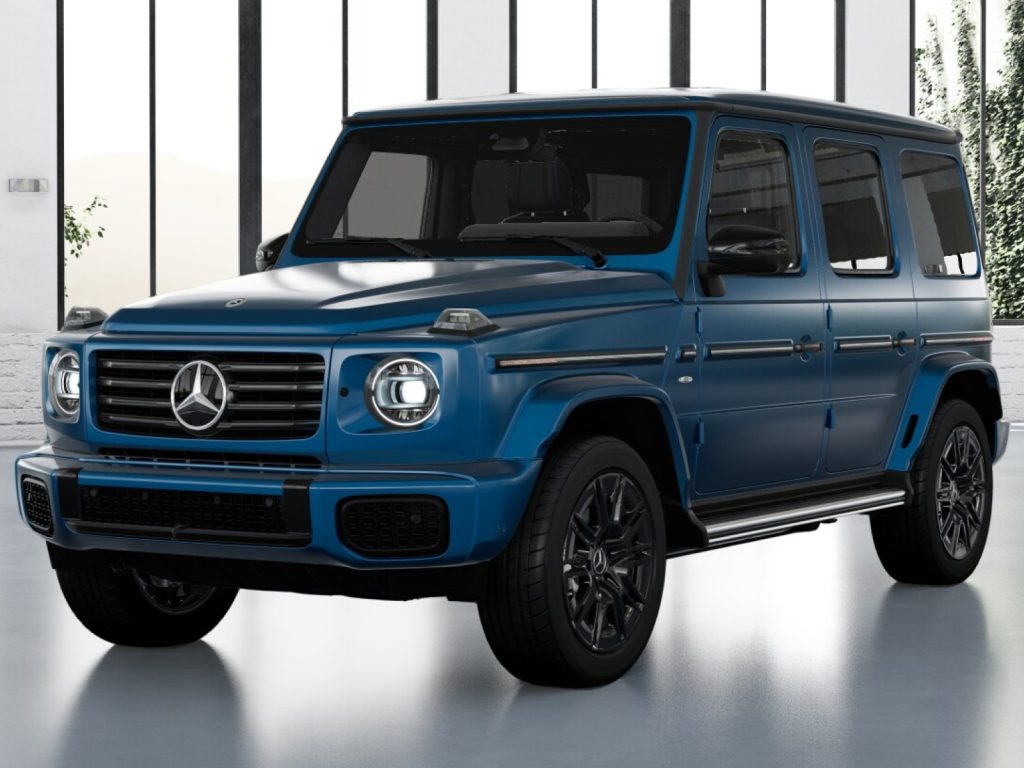
Inside, Mercedes has modernized comfort and technology while preserving a driver-focused layout. Updates include advanced infotainment, climate control, and safety systems, yet the interior maintains a familiar feel for long-time owners.
The combination of rugged engineering and luxury amenities makes the G-Class versatile and desirable without requiring a complete overhaul.
The G-Class’s design has become timeless. Its unmistakable shape is a symbol of capability and prestige. Mercedes’ approach shows that a vehicle can remain highly relevant and desirable with careful updates rather than full redesigns.
The G-Class demonstrates that consistency in design, coupled with thoughtful engineering enhancements, can sustain popularity across generations.
7. Honda Accord (1976–Present)
The Honda Accord has remained one of the most dependable sedans for decades without needing a radical redesign to stay relevant. Since its debut in 1976, the Accord has focused on practicality, reliability, and comfort, consistently appealing to a wide range of buyers.
Its evolution has been gradual, ensuring improvements in performance and technology while maintaining the vehicle’s core identity.
The Accord’s engines and transmissions have been engineered for durability. Reliable four-cylinder and V6 options, paired with manual or automatic transmissions, provide smooth and consistent performance.
Major mechanical failures are uncommon, and routine maintenance is straightforward, making it a vehicle that remains trouble-free for many miles.
The interior has evolved subtly. Comfortable seating, a functional layout, and user-friendly controls have been enhanced with modern infotainment and safety features, yet the basic design principles remain intact.
Drivers benefit from a familiar, intuitive environment, demonstrating that gradual evolution can preserve usability without requiring complete redesigns.
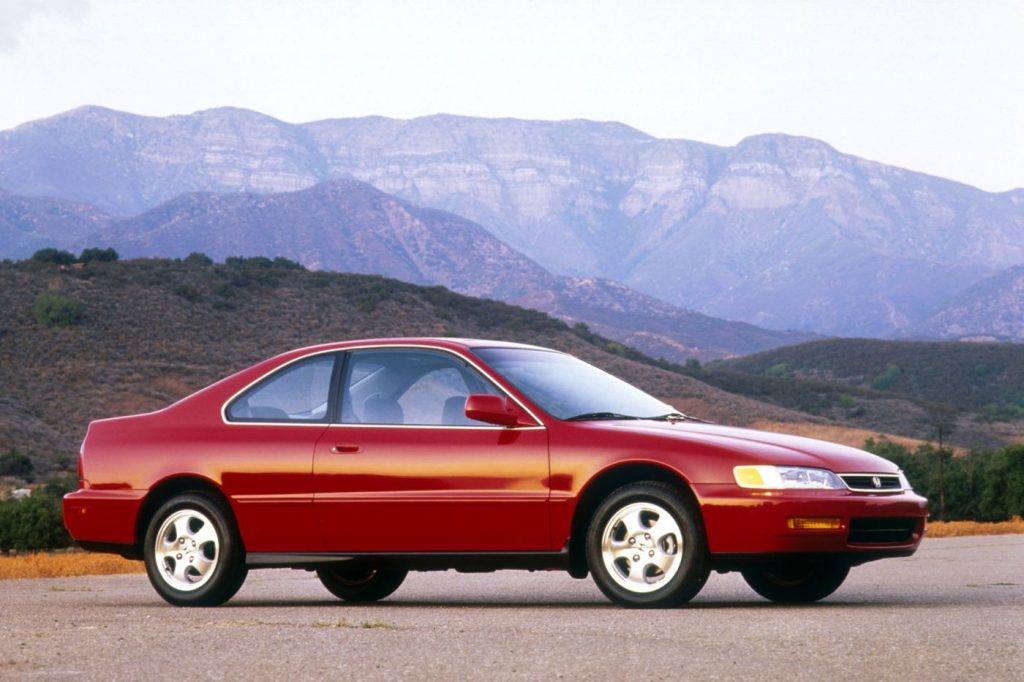
Exterior styling changes over the years have been modest, focusing on subtle refinements rather than radical transformations. The Accord’s overall shape and proportions remain recognizable across generations, contributing to its lasting appeal.
This consistency, combined with mechanical reliability and practical design, allows the Accord to maintain a strong reputation as a dependable and desirable sedan without frequent major redesigns.
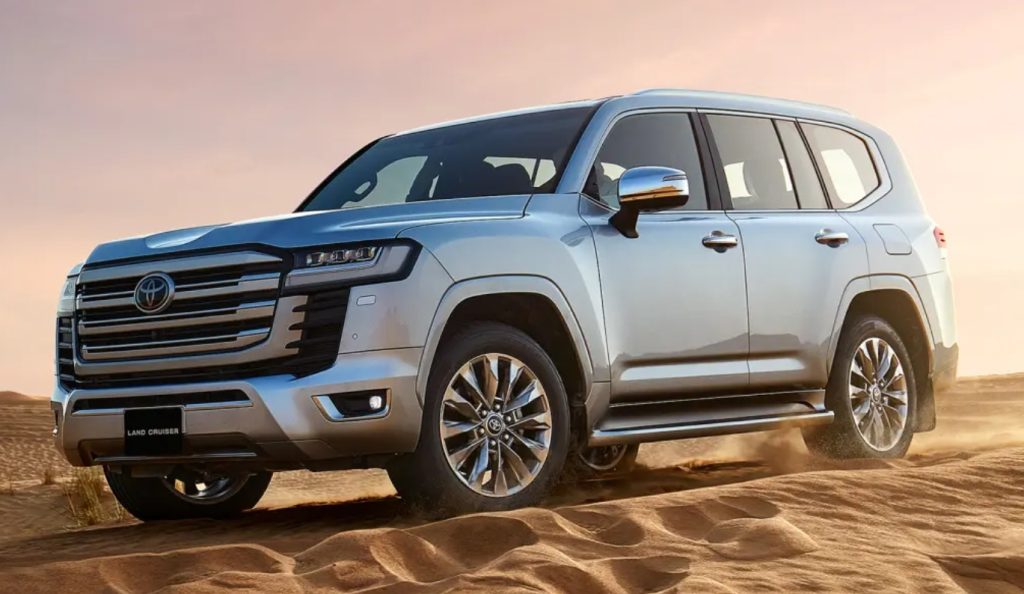
8. Toyota Land Cruiser (1951–Present)
The Toyota Land Cruiser has become synonymous with durability and longevity. From its early utility models to the modern luxury SUV versions, the Land Cruiser has maintained its core identity while improving comfort, performance, and safety.
Its reputation as a vehicle that can handle any terrain has allowed it to remain relevant without radical redesigns.
Mechanically, the Land Cruiser is engineered for toughness. Its robust chassis, reliable engines, and solid drivetrain components are designed to last hundreds of thousands of miles with minimal issues.
Regular maintenance is usually sufficient to keep the vehicle operational under extreme conditions, reducing the need for expensive repairs. This mechanical consistency is a key reason it continues to be a preferred choice for off-road enthusiasts and families alike.
The interior has gradually evolved to provide more comfort and convenience. Modern Land Cruisers feature advanced infotainment, climate control, and seating options while maintaining the functional, driver-oriented layout that has defined the model for decades.
Incremental updates have improved usability without sacrificing the vehicle’s practicality or core identity.
The Land Cruiser’s exterior design remains instantly recognizable. Its boxy, commanding shape conveys reliability and capability, qualities that have appealed to buyers across generations.
Toyota’s approach to refining rather than redesigning ensures that the Land Cruiser retains both performance credibility and timeless appeal, proving that thoughtful engineering can sustain relevance for decades without a complete overhaul.
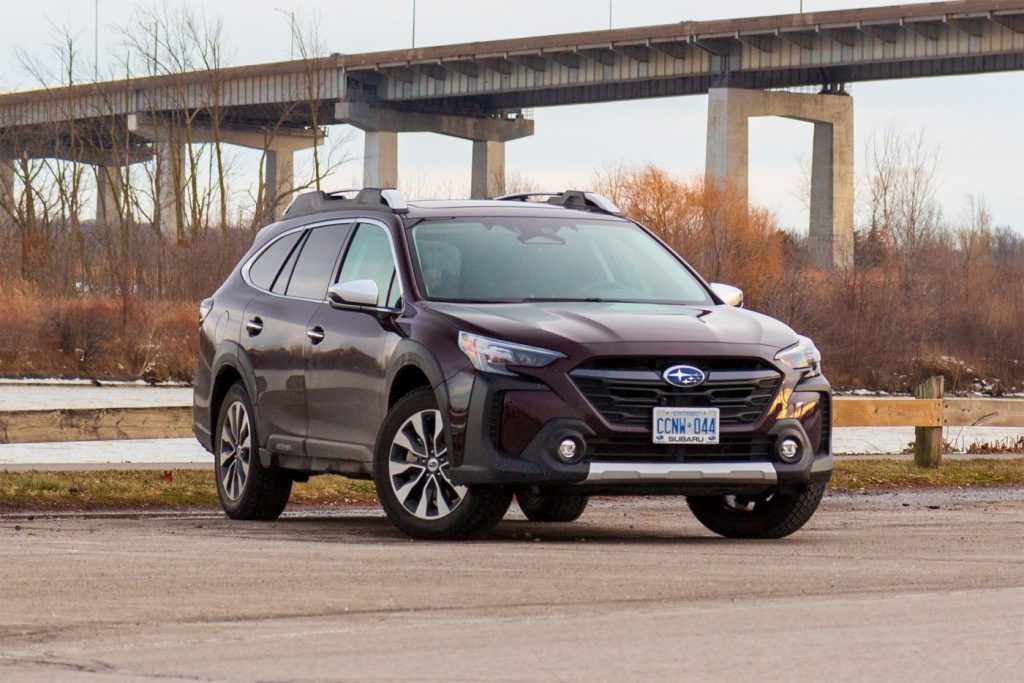
9. Subaru Outback (1995–Present)
The Subaru Outback has built a reputation as a reliable and versatile wagon-SUV hybrid without needing a radical redesign.
Since its introduction in 1995, it has retained its core design philosophy: combining all-wheel-drive capability, practicality, and a comfortable ride. Its consistent appeal has made it a favorite among families and outdoor enthusiasts alike.
Mechanically, the Outback is engineered for longevity. The flat-four “boxer” engine paired with Subaru’s symmetrical all-wheel-drive system ensures dependable performance in a wide range of conditions.
Major failures are uncommon, and routine maintenance such as oil changes, brakes, and tire rotations is usually sufficient to keep the vehicle in top shape. Subaru’s emphasis on reliability reduces the likelihood of costly repairs, allowing owners to enjoy the Outback for many years.
The interior has evolved gradually, with modern safety, comfort, and infotainment features integrated over time.
Despite these updates, the basic layout remains familiar and user-friendly, emphasizing practicality and visibility. Drivers benefit from thoughtful ergonomics and intuitive controls without losing the Outback’s original character.
Exterior styling has also changed incrementally. While headlights, grille, and body lines have been updated, the overall silhouette remains recognizable and appealing.
The combination of functional design, mechanical reliability, and minimal visual changes has allowed the Outback to stay relevant across decades without requiring a full redesign.
Its enduring popularity proves that a strong original concept can succeed through careful evolution rather than radical reinvention.
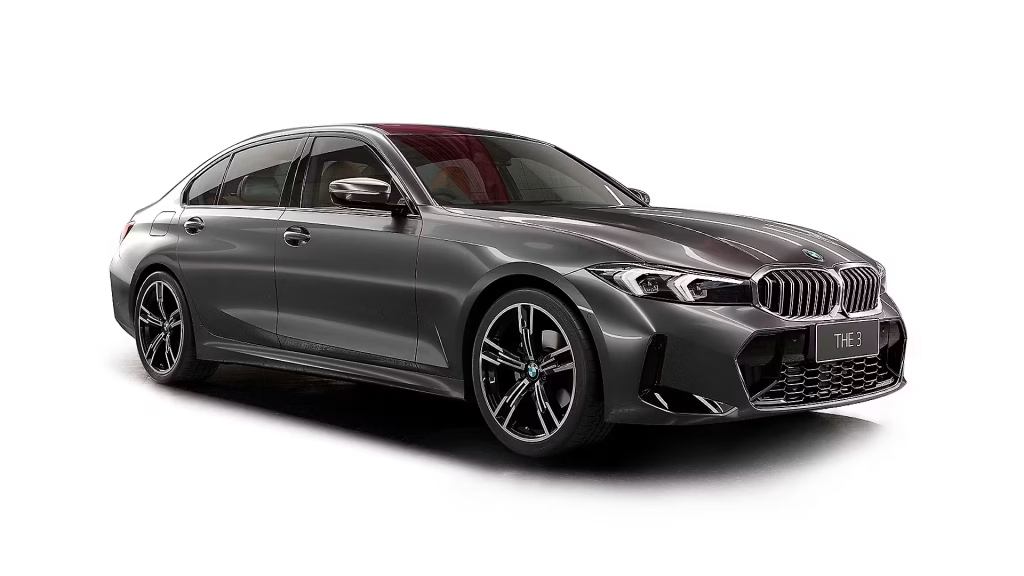
10. BMW 3 Series (1975–Present)
The BMW 3 Series has been a benchmark for compact executive sedans since its debut in 1975. Over multiple generations, it has maintained its core identity: a driver-focused layout, balanced handling, and sporty yet practical performance.
Incremental updates rather than full redesigns have kept the 3 Series relevant, ensuring that each generation improves upon the previous one while retaining the essence that made it successful.
The 3 Series’ engines and transmissions are central to its reliability. Inline-four and six-cylinder engines, paired with manual or automatic gearboxes, deliver consistent performance across decades.
Mechanical failures are relatively rare, and routine service ensures longevity, which is a major reason buyers remain loyal. Suspension systems are tuned for both comfort and agility, and they typically wear gradually, requiring minimal repairs.
Interior updates over the years have focused on comfort, technology, and usability. Controls remain driver-centric, with intuitive layouts that maintain the 3 Series’ reputation for practicality.
Infotainment, safety, and climate systems have been integrated seamlessly without altering the basic experience, allowing the car to remain contemporary without a complete overhaul.
Design changes have been evolutionary rather than revolutionary. Headlights, taillights, and body lines have been refreshed, but the signature proportions and stance are instantly recognizable.
The BMW 3 Series demonstrates that thoughtful engineering, gradual enhancements, and a strong original design can sustain a vehicle’s appeal for decades.
11. Nissan GT-R (2007–Present)
The Nissan GT-R has remained an extraordinary performance car without requiring a complete redesign. Since the R35 generation launched in 2007, the GT-R has kept its aggressive styling, advanced all-wheel-drive system, and twin-turbo V6 engine.
Despite incremental changes in technology and performance, the car’s fundamental design and driving experience have stayed consistent.
Mechanically, the GT-R is engineered for durability and high performance. Its twin-turbo engine and six-speed dual-clutch transmission deliver remarkable acceleration while remaining reliable with proper maintenance.
Suspension and drivetrain components are robust, handling both daily driving and track use without frequent failures. This consistency has made the GT-R a favorite among enthusiasts who value performance without compromise.
The interior has evolved with technology, offering modern infotainment, improved seating, and driver aids, but the cockpit remains driver-focused and functional.
Controls are intuitive, and the overall layout continues to prioritize performance over unnecessary complexity. These updates allow the GT-R to feel modern while retaining its classic identity.
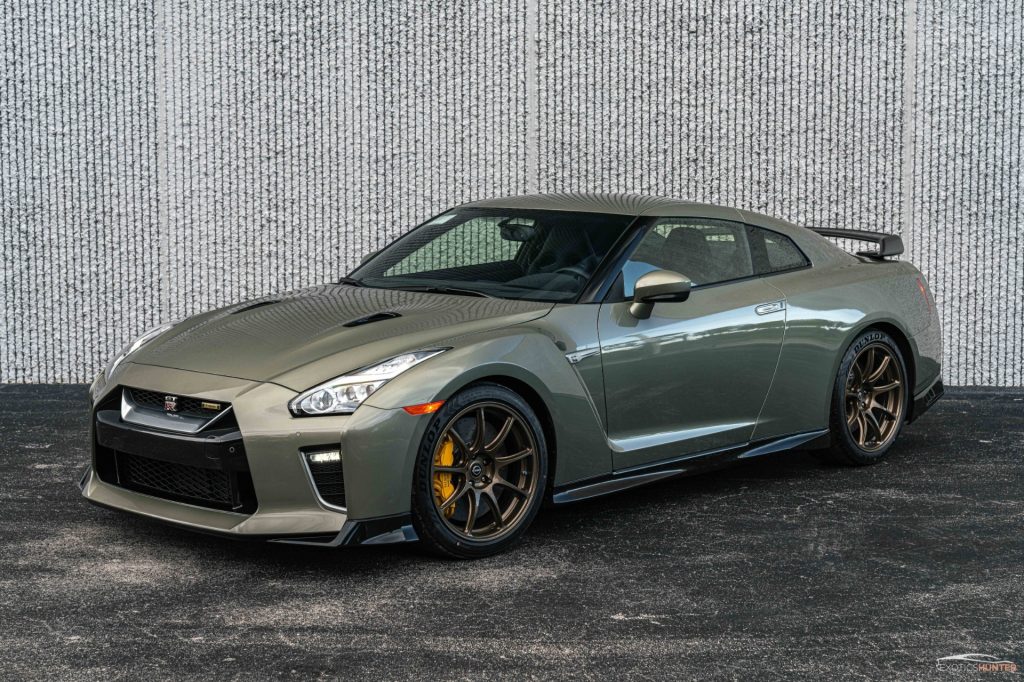
Exterior updates have been subtle, improving aerodynamics and aesthetics without altering the unmistakable aggressive profile. The car’s silhouette, wide stance, and signature features make it instantly recognizable.
The Nissan GT-R demonstrates that even a high-performance vehicle can maintain relevance and desirability without full redesigns, relying on refinement and technological updates rather than radical changes.
12. Toyota Camry (1983–Present)
The Toyota Camry has long been a benchmark for reliable midsize sedans. Since its debut in 1983, the Camry has consistently combined practicality, fuel efficiency, and comfort, earning a reputation for low-maintenance ownership.
Its design philosophy has remained largely consistent, relying on gradual improvements to maintain competitiveness without requiring radical redesigns.
The Camry’s engines and transmissions have been engineered for durability. Four-cylinder and V6 engines paired with reliable automatic gearboxes offer predictable performance and long-term reliability.
Major mechanical failures are rare, and routine maintenance is generally sufficient to keep the car in excellent condition. This approach minimizes unexpected repairs, making the Camry a sensible choice for families and commuters alike.
Interior updates have been gradual. Modern Camrys feature enhanced infotainment, safety systems, and seating comfort, but the cabin layout remains practical and user-friendly.
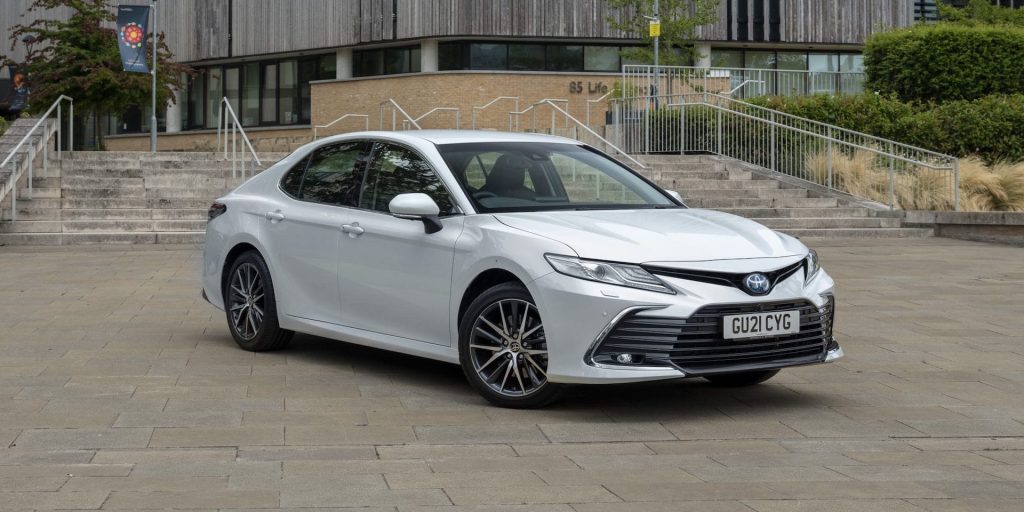
Controls are intuitive, visibility is excellent, and the interior has consistently focused on function over unnecessary complexity, helping the Camry retain its wide appeal.
Exterior styling has evolved incrementally, refreshing headlights, grilles, and body lines without straying from the recognizable midsize sedan profile. Toyota’s strategy of careful evolution ensures the Camry remains relevant, efficient, and desirable.
The vehicle demonstrates that a strong original design combined with reliable engineering can sustain popularity across decades without full redesigns.
