

Valve jobs are one of the more expensive repairs an engine can face. When valves and valve seats wear out, compression drops, performance suffers, and the repair involves significant labor and cost.
While many engines eventually require this kind of work, certain designs hold up much longer than average.
These engines are built with durable materials, efficient cooling, and strong lubrication systems, allowing their valve trains to last for hundreds of thousands of miles with proper maintenance.
Manufacturers that prioritize longevity often design engines with hardened valve seats, reliable camshaft profiles, and strong rocker arm assemblies. These choices reduce wear and maintain consistent sealing between the valves and combustion chambers.
Engines with efficient cooling and oil circulation also help minimize stress on the valve system, making premature wear less likely. In many cases, these engines not only avoid valve jobs but also maintain good compression and power well into high mileage.
For drivers, owning one of these engines means fewer costly repairs and greater confidence in long-term reliability. They can handle daily commuting, towing, or performance driving without requiring frequent attention to their valve systems.
The examples highlighted here cover a mix of Japanese, American, and European designs that have proven themselves on the road. Many of these engines are still praised in enthusiast circles and by mechanics who appreciate how rarely they require valve-related repairs.
What follows is a closer examination of twelve engines renowned for their resilience against valve problems. These engines have earned a reputation for staying strong even after years of use, with owners reporting impressive mileage before requiring any top-end work.
Also Read: 10 Classic Cars That Have Aged Like Fine Wine
1. Toyota 2UZ-FE V8
The Toyota 2UZ-FE is a 4.7-liter V8 that has built a strong reputation for reliability, particularly in SUVs and trucks like the Land Cruiser, Sequoia, and Tundra. One of its most impressive qualities is the durability of its valve train.
This engine uses hardened valve seats, strong camshafts, and robust valve springs, which allow it to avoid common wear that plagues other engines at high mileage.
A key reason the 2UZ-FE rarely needs valve jobs is its conservative engineering. It was built for durability rather than high-revving performance, which reduces stress on the valves. With a cast-iron block and aluminum heads, it maintains excellent thermal stability.
The cooling system is efficient, keeping temperatures consistent across cylinders, which helps the valves maintain proper sealing and prevents excessive heat damage.
The lubrication system also plays a role in longevity. The 2UZ-FE circulates oil effectively across the camshafts and valve components, reducing friction and preventing premature wear.
Regular oil changes with quality fluids further extend its life, and owners who follow factory maintenance schedules often report engines lasting well past 300,000 miles without requiring top-end work.
Another factor is Toyota’s precise machining. The valve guides and seats are designed for long-term alignment and sealing.
Unlike engines that develop valve recession or excessive play, the 2UZ-FE holds tolerances extremely well. Even after decades of use, many engines still retain factory compression levels.
Drivers appreciate the engine’s smooth performance, quiet operation, and resistance to major repairs. While timing belt replacements and other routine services are necessary, the valves themselves remain dependable.

For owners of Land Cruisers and Tundras, this means fewer expensive trips to the mechanic and greater confidence in using their vehicles for both daily driving and long-distance travel.
Overall, the Toyota 2UZ-FE proves that careful engineering and robust materials can create an engine where valve jobs are rarely part of the ownership experience.
2. Honda K24 Inline-4
Honda’s K24 engine, a 2.4-liter inline-4 found in vehicles such as the Accord, CR-V, and Element, is renowned for its resilience. Among its strongest qualities is how rarely it requires a valve job, even at very high mileage.
The K24 benefits from Honda’s attention to detail in valvetrain design and materials, which allows it to maintain strong compression over hundreds of thousands of miles.
The K24’s use of roller rocker arms, durable camshafts, and well-machined valve seats helps reduce wear in the upper engine. Honda engineered the combustion chambers to be highly efficient, which improves airflow and reduces valve stress.
The hardened valve seats maintain a consistent seal with minimal wear, even when engines are run hard or subjected to highway driving for long periods.
One of the reasons the K24 is so dependable is its oiling system. The engine delivers lubrication precisely where it is needed, preventing dry spots and ensuring the valves, camshafts, and rocker arms remain well-protected. This reduces friction and delays the onset of valve guide or seat wear.
Cooling also contributes to its durability. The K24 maintains steady operating temperatures, minimizing heat-related stress on valves and preventing warping or cracking. Owners who keep up with coolant changes and radiator maintenance find their K24 engines maintain excellent health in the long term.
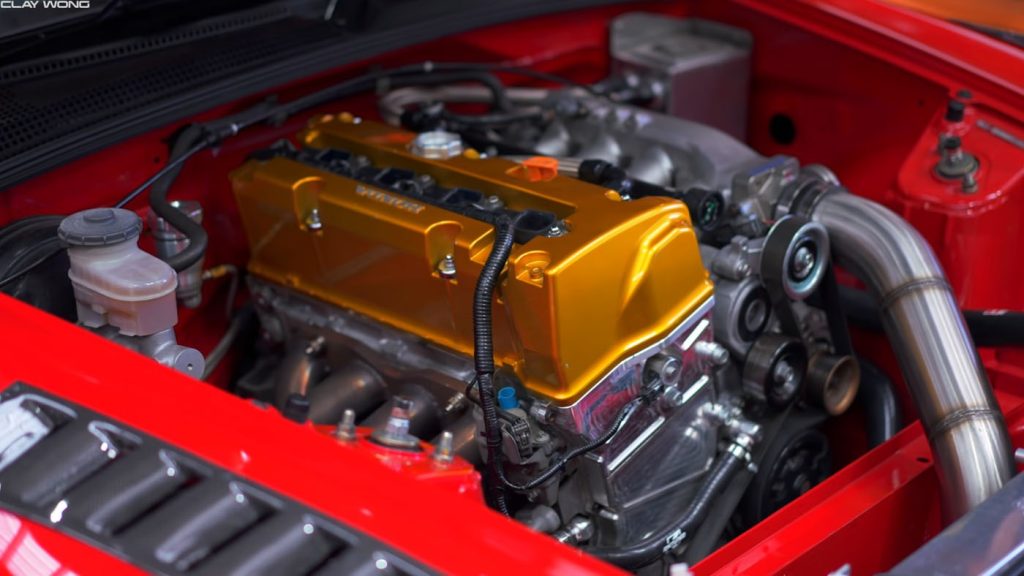
Many K24 engines have been documented surpassing 250,000 miles without needing valve jobs, and some continue even further with only routine adjustments.
The simplicity of the engine design also helps; fewer complicated parts could accelerate wear or introduce problems.
Drivers appreciate not only the reliability but also the smooth performance of the K24. It offers a good balance of efficiency and power, which makes it versatile for sedans and SUVs alike. For those seeking an engine that rarely encounters top-end problems, the K24 stands out as one of Honda’s finest achievements.
3. Ford Modular 4.6L V8
The Ford Modular 4.6-liter V8, used extensively in vehicles such as the Ford Mustang, F-150, and Crown Victoria, is a standout example of an engine that rarely requires valve jobs.
Produced for nearly two decades, this engine is known for its combination of durability, efficiency, and ease of maintenance. Its valvetrain design is one of the reasons it can operate for so long without major repairs.
The 4.6L V8 employs overhead camshaft technology with strong valve springs and durable cam profiles. The aluminum heads are well-machined with hardened valve seats, ensuring long-term sealing and minimal wear.
Unlike engines that suffer from valve seat recession, the Modular V8 holds its tolerances effectively, maintaining compression even under heavy use.
A big part of the engine’s resilience is its lubrication and cooling systems. Oil circulation is consistent, reaching all critical valvetrain components to prevent metal-on-metal contact.
The cooling system is designed to keep cylinder heads at optimal temperatures, protecting valves from heat-related stress. These systems work together to extend the lifespan of valve guides and seats.
The engine’s design philosophy also contributes. Ford engineered the Modular V8 with a focus on long service life rather than peak performance. This means the valves operate under less stress compared to high-strung engines, reducing the likelihood of needing a valve job.
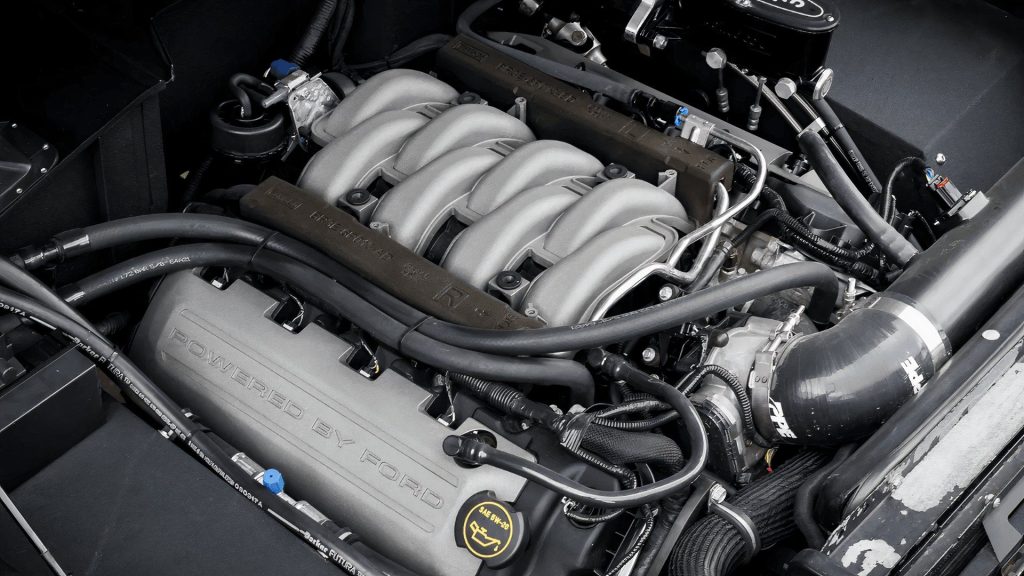
Fleet vehicles such as police cars and taxis equipped with this engine have proven it can withstand years of demanding use without significant valve wear.
Owners often report their 4.6L engines surpassing 300,000 miles with original valves intact. Routine oil changes, timing chain service, and spark plug maintenance are usually sufficient to keep the engine healthy. The result is fewer expensive repairs and greater confidence in the vehicle’s longevity.
For drivers seeking a proven V8 with a reputation for reliability, the Ford Modular 4.6L stands as a clear example of an engine that avoids the costly need for valve jobs.
4. GM LS3 6.2L V8
The GM LS3, a 6.2-liter V8, is one of the most respected modern pushrod engines. Found in vehicles like the Chevrolet Corvette, Camaro SS, and Pontiac G8, it is known for delivering high horsepower while also maintaining impressive reliability.
A standout trait of the LS3 is its ability to avoid frequent valve jobs, thanks to its strong design and high-quality materials.
The LS3’s valvetrain benefits from GM’s years of experience with the small-block V8 lineage. It uses lightweight valves, durable valve seats, and precision-machined cylinder heads.
The hardened seats resist wear, maintaining a consistent seal even under high-performance conditions. This minimizes the chances of compression loss or valve failure, which are common reasons engines require valve jobs.
Another contributor to longevity is the engine’s efficient oiling system. Lubrication reaches critical valvetrain components quickly, protecting camshafts, lifters, and rocker arms from excessive friction.
Combined with regular oil changes, this ensures valves remain well-protected throughout the engine’s life. The LS3 also benefits from a straightforward pushrod design, which reduces complexity and points of failure compared to some overhead cam systems.
The LS3’s cooling system helps it maintain stable operating temperatures. Even under track use or towing stress, cylinder head temperatures remain consistent, protecting valves from warping or heat damage. Owners who maintain the cooling system find the LS3 can go well past 200,000 miles without significant top-end work.

What makes the LS3 remarkable is that it achieves both performance and durability. Drivers can enjoy strong acceleration and power delivery without sacrificing reliability.
Enthusiasts frequently modify these engines, yet even in modified form, valve jobs are rarely required until extremely high mileage.
Owners appreciate the LS3 not only for its power but also for its low maintenance needs. Its durability makes it a favorite among performance car fans who still want an engine they can rely on daily. The LS3 proves that a high-output V8 can also be long-lasting, avoiding the costly valve work that many engines face.
5. Nissan VQ35DE V6
The Nissan VQ35DE is a 3.5-liter V6 that powered vehicles such as the Nissan Maxima, Altima, 350Z, and Infiniti G35.
Known for its smooth power delivery and balance of efficiency and performance, the VQ35DE has also earned a reputation for needing very few major repairs over its lifetime. One of its most impressive traits is how rarely it requires valve jobs.
The durability of the VQ35DE’s valvetrain comes from its strong construction. It uses aluminum cylinder heads with hardened valve seats, ensuring long-term sealing between the valves and combustion chambers.
This prevents premature wear and reduces the likelihood of compression loss. The valves themselves are lightweight yet strong, allowing for high RPM operation without excessive stress.
Another advantage is the engine’s oiling system. Oil reaches the valvetrain components efficiently, providing lubrication to camshafts, valve guides, and rocker arms.
This reduces friction and delays the onset of wear that can necessitate valve jobs. Combined with regular oil changes, the system keeps the upper engine clean and well-protected.
The cooling system also contributes to longevity. The VQ35DE maintains stable temperatures across its cylinders, protecting valves from heat damage.
This is especially important since the engine is often used in performance-oriented cars that may see aggressive driving. The combination of cooling and lubrication ensures the valves stay in good condition for extended mileage.
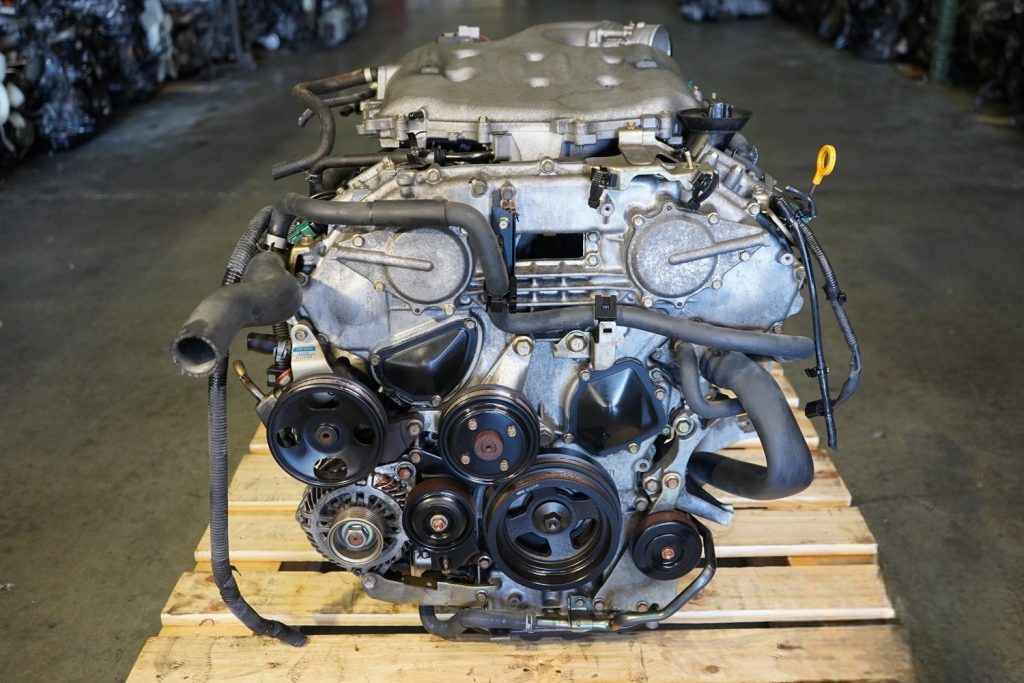
Owners frequently report their VQ35DE engines surpassing 200,000 miles without top-end issues. Some vehicles used in fleet or high-mileage conditions continue to perform strongly with original valves intact. Routine maintenance, such as timing chain care and fluid changes, is usually sufficient to keep the engine reliable.
Drivers value the VQ35DE for its blend of power and dependability. It is not uncommon to see these engines in older Nissan and Infiniti vehicles still performing smoothly.
The design proves that even performance-oriented V6 engines can achieve long-term reliability without the need for costly valve repairs.
6. BMW M54 Inline-6
The BMW M54, a 2.5 to 3.0-liter inline-6 engine used in models like the 325i, 530i, and Z3, is admired for its smooth operation and durability. Despite BMW’s reputation for higher maintenance costs, the M54 stands out as a reliable engine that rarely requires valve jobs, provided it is maintained properly.
The M54’s valvetrain is built with hardened valve seats, durable camshafts, and precise machining, which keeps compression strong even at high mileage.
The lightweight valves are designed for efficient airflow while resisting wear. Many engines continue to run well past 200,000 miles without needing valve-related repairs.
Lubrication plays a big role in this longevity. The M54 circulates oil effectively to the camshafts and valves, minimizing friction and protecting critical components. When owners stick to regular oil changes with quality fluids, the valves remain well-lubricated and free of deposits that could cause sticking or wear.

The cooling system is another strength. Although BMW cooling components require periodic replacement, the system itself does an excellent job of maintaining consistent temperatures. This stability prevents heat-related stress on valves and keeps them sealing properly over time.
Another factor is the M54’s design philosophy. It is a naturally aspirated engine that emphasizes smooth power rather than extreme output.
This reduces stress on the valvetrain compared to turbocharged or high-strung engines. As a result, the valves and seats experience less wear, allowing them to last longer.
Owners of M54-powered cars often report impressive longevity, with engines surpassing 250,000 miles without requiring valve jobs.
Issues tend to be related to gaskets or sensors rather than the valvetrain itself. Enthusiasts appreciate not only the engine’s smooth character but also its ability to remain dependable over decades of use.
The BMW M54 proves that with solid engineering and proper care, even a European engine known for performance can deliver long-lasting reliability without frequent valve-related repairs.
7. Mercedes-Benz OM617 Diesel Inline-5
The Mercedes-Benz OM617 is one of the most legendary diesel engines ever produced, used in models like the 240D, 300D, and 300SD from the 1970s through the 1980s.
Known for its bulletproof design, this 3.0-liter inline-5 is widely considered nearly indestructible, and part of its reputation comes from how rarely it requires valve jobs.
The OM617 was built for endurance rather than speed. Its valves, seats, and guides are designed to handle immense stress over decades of use.
The hardened valve seats resist recession, while the camshaft and rocker arms are constructed with materials meant for long service life. As a result, many OM617 engines operate well past 400,000 miles with their original valves still intact.
One of the reasons for this durability is the engine’s low-stress operation. With modest horsepower and torque figures, the valves never endure excessive loads. Combined with diesel combustion characteristics, the wear on the valvetrain is minimal compared to higher-revving gasoline engines.
Lubrication plays an equally important role. The OM617 has a robust oiling system that ensures the camshaft and valve train remain well lubricated even under prolonged operation. Owners who maintain regular oil changes find that the valves rarely experience sticking or premature wear.
The cooling system also contributes. These engines maintain stable operating temperatures, reducing the risk of heat-related valve damage. With proper maintenance, overheating is rare, which helps extend valve life.
Drivers around the world still operate OM617-powered vehicles daily. Many of these engines have crossed half a million miles without a valve job, requiring only occasional adjustments. Fleet use, taxis, and long-distance travel have all demonstrated the engine’s remarkable reliability.

The OM617 stands as a testament to old-school engineering, where simplicity and overbuilt components created engines that last for generations. Valve jobs are seldom part of the ownership experience, proving why this engine is still admired today.
8. Toyota 1FZ-FE Inline-6
The Toyota 1FZ-FE is a 4.5-liter inline-6 that powered Land Cruisers through the 1990s. Built for rugged use and extreme reliability, it has become a favorite among off-road enthusiasts and those seeking long-term durability.
One of its most impressive traits is its resistance to valve problems, with many engines running for decades without needing a valve job.
The 1FZ-FE uses strong cylinder heads with hardened valve seats designed to handle heavy loads and high operating temperatures.
The valvetrain components are overbuilt compared to many engines of its era, ensuring long-term durability even under off-road stress. Owners often remark that valve wear is almost never an issue, even past 300,000 miles.
The lubrication system is a critical factor. Oil is delivered effectively to the camshafts, lifters, and valves, reducing friction and extending component life. Routine oil changes keep the valvetrain clean and prevent the buildup of deposits that could accelerate wear.
Cooling is another strength. Land Cruisers equipped with the 1FZ-FE are often driven in extreme climates, yet the engine maintains consistent operating temperatures. This protects valves from heat stress and warping, helping them seal properly for longer.
Another reason for the engine’s resilience is its conservative design. It prioritizes low-end torque and durability rather than high-revving performance, which reduces strain on the valves. Combined with Toyota’s precise machining and build quality, the result is an engine that rarely experiences valve-related issues.

Owners of 1FZ-FE-powered Land Cruisers often report vehicles surpassing 300,000 or even 400,000 miles without a valve job. The few issues that arise are typically related to gaskets or ignition components rather than the valvetrain.
For those who demand reliability in remote locations, the 1FZ-FE has proven itself repeatedly. Its durable design ensures that valve jobs are seldom required, making it a trusted engine for long journeys and heavy-duty use.
9. Chrysler 3.6L Pentastar V6
The Chrysler 3.6-liter Pentastar V6, introduced in 2011, has become one of the most widely used engines across Chrysler, Dodge, Jeep, and Ram vehicles.
Known for combining power, efficiency, and dependability, the Pentastar has also earned a reputation for avoiding valve jobs, even in high-mileage applications.
The Pentastar’s valvetrain uses hardened valve seats, lightweight valves, and durable camshafts. Its precision machining ensures that valves seal consistently over long periods, minimizing wear and the need for top-end repairs.
The engine also employs modern variable valve timing, but the design is robust enough to avoid premature valve issues seen in other variable systems.
Oil circulation is a strong point. The Pentastar’s lubrication system delivers oil efficiently to the cylinder heads and valve components, reducing friction and protecting against wear. Owners who follow regular oil change intervals with the recommended fluids rarely face valve-related problems.
Cooling is another advantage. The Pentastar uses advanced cooling passages in the block and heads to maintain consistent temperatures. This helps protect valves from heat-related damage, particularly in SUVs and trucks that see towing or off-road use.
Another reason the Pentastar rarely requires valve jobs is its balance of performance and efficiency.
With strong midrange torque and smooth power delivery, it avoids placing extreme stress on the valvetrain. Unlike high-revving engines, the Pentastar’s design allows it to perform reliably without overworking its valves.
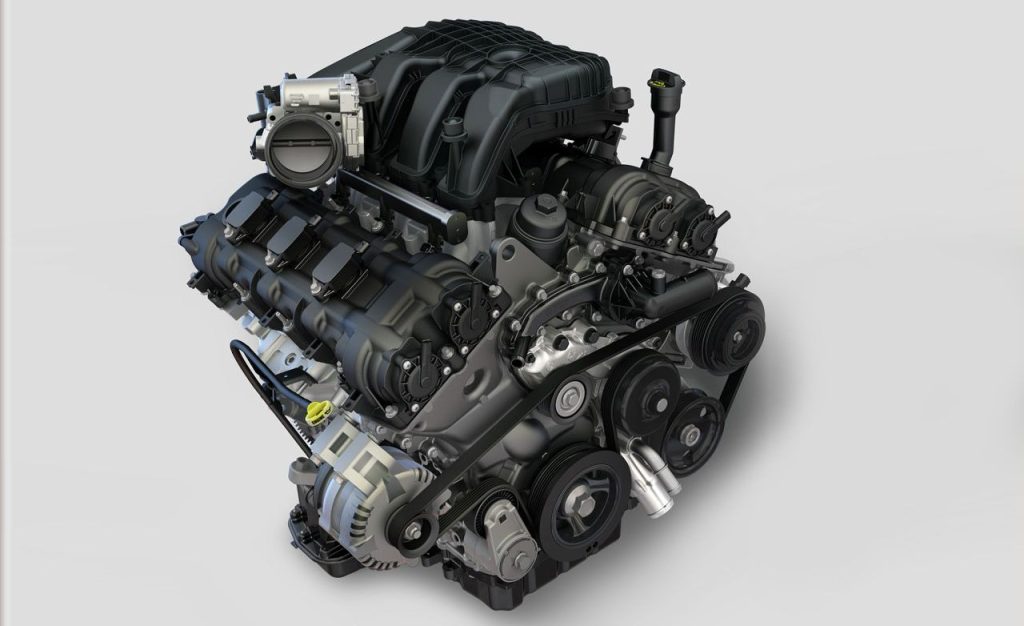
Millions of these engines are now on the road, and high-mileage examples regularly surpass 200,000 miles with original valves intact. While some early engines had issues unrelated to the valves, the core valvetrain has proven remarkably durable.
For drivers of Jeeps, minivans, or Ram trucks, the Pentastar offers confidence in long-term ownership. Its design ensures that valve jobs are not a common maintenance concern, reinforcing its reputation as a dependable modern V6.
10. GM LS3 V8
The GM LS3 is a 6.2-liter V8 that has built its reputation on performance and durability. Found in the Chevrolet Corvette, Camaro SS, and various performance cars and trucks, it is widely respected for requiring minimal top-end maintenance, including valve jobs.
Part of this strength comes from its valvetrain design. The LS3 uses lightweight valves with high-quality seats and strong rocker arms that keep everything in proper alignment even at high RPM. Precision machining ensures that valves seal efficiently and consistently, reducing wear over time.
The LS3’s lubrication system is highly effective, keeping oil flowing to the camshaft, lifters, and valve train under aggressive driving conditions. Combined with excellent cooling management, the valves avoid heat-related issues that often shorten component life in other engines.

Owners often report LS3 engines surpassing 200,000 miles while still running their original valves without problems. Its balance of power and reliability makes it one of GM’s most trusted modern V8s.
11. Subaru EJ22 Inline-4
The Subaru EJ22, produced from the late 1980s through the late 1990s, is widely regarded as one of Subaru’s most reliable engines.
Used in models like the Legacy, Impreza, and early Outback, this 2.2-liter flat-four developed a reputation for simplicity and endurance. One of its most impressive qualities is that it rarely requires valve jobs, even in high-mileage examples.
The EJ22’s strength lies in its conservative engineering. It features a non-interference design in its early versions, meaning that even if a timing belt breaks, the valves are unlikely to be damaged. The valve seats are hardened, and the overall design avoids the kinds of stress that often cause wear in other engines.
Lubrication is robust and ensures that oil reaches the cylinder heads consistently, protecting valves and camshafts from friction damage. The engine also runs relatively cool, further extending the lifespan of the valve components.

Owners often report EJ22 engines running past 300,000 miles without needing a valve job. In fact, many failures in these cars are related to body rust long before the engine requires major top-end work.
For drivers seeking a dependable Subaru motor, the EJ22 remains one of the most trusted and trouble-free options, particularly when it comes to valve reliability.
12. Ford 2.7L EcoBoost V6
The Ford 2.7L EcoBoost V6, used in the F-150 and other models, combines turbocharging with durability. Despite producing strong torque and horsepower, it has proven reliable in long-term use, with valve jobs being rare.
The engine features robust cylinder heads with durable valves and seats designed to handle turbocharged pressures. Ford engineered the valvetrain for strength, using lightweight components that reduce stress while maintaining efficiency.
Cooling technology plays a major role in its longevity. The 2.7L EcoBoost uses integrated cooling passages and oil jets to manage heat, protecting the valves during towing and high-load driving. Its oiling system is equally effective, keeping the valve train well lubricated.
High-mileage examples of the 2.7L EcoBoost often reach 200,000 miles without valve issues. Owners who maintain regular oil changes and use high-quality fuel find the valves remain in excellent condition.
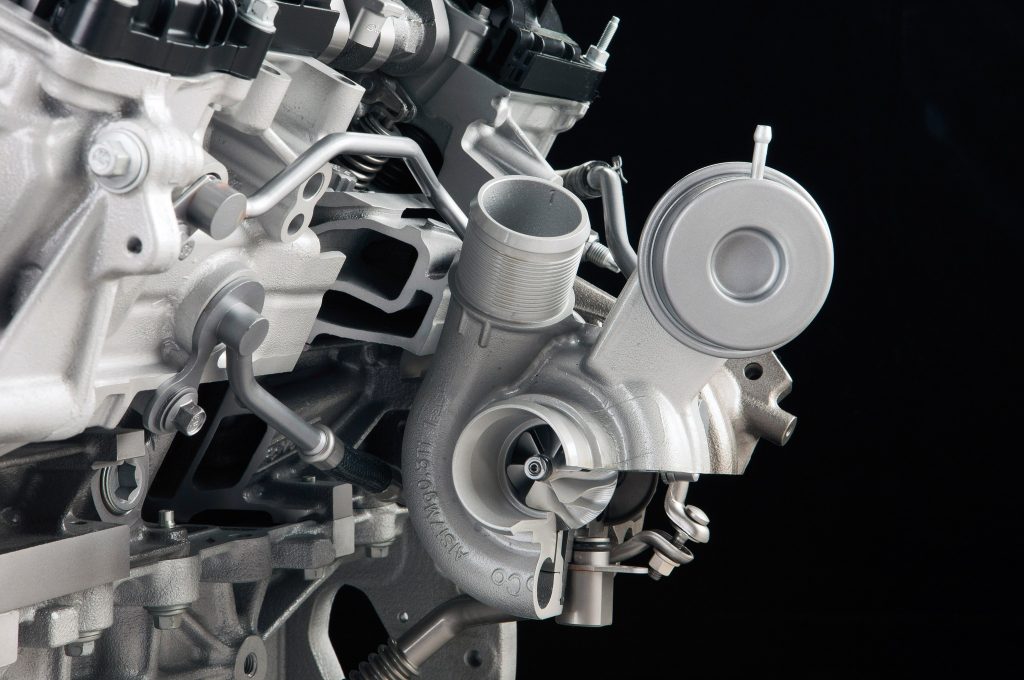
For truck owners who need both performance and reliability, this engine has proven that modern turbocharged designs can remain dependable without frequent top-end repairs.
Also Read: 7 EVs That Are Proving More Reliable Than Expected
