
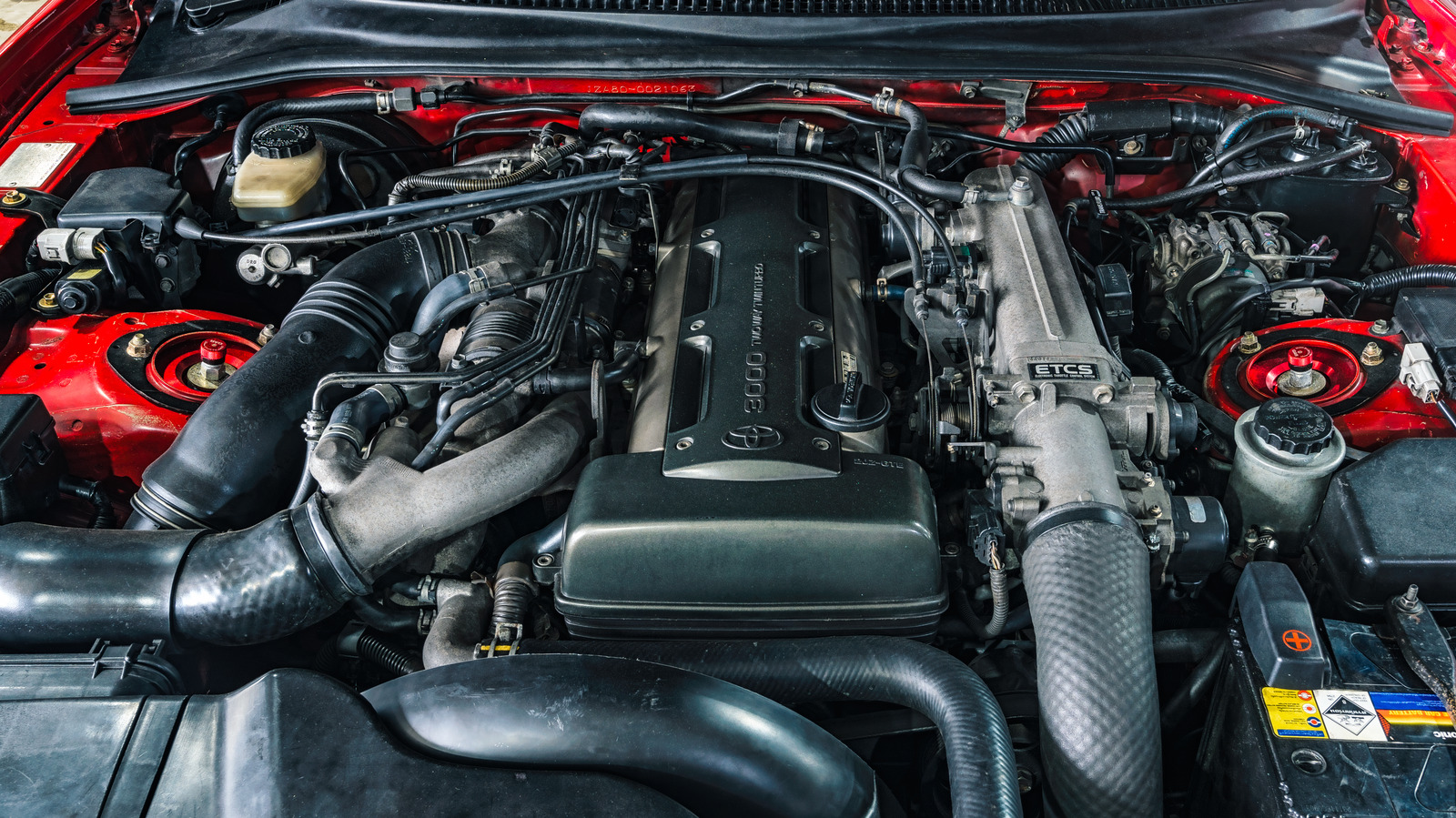
Since its inception in 1989, Lexus has pursued automotive excellence with a focus on relentless engineering, luxury, and reliability.
The brand’s first flagship, the LS400, stunned the world with its whisper-quiet 1UZ-FE V8 and uncompromising build quality, setting a new benchmark for refinement and durability.
Lexus soon expanded its lineup with sedans, coupes, and SUVs, each equipped with an engine tailored to that model’s luxury or performance aspirations.
Throughout its history, Lexus has fielded everything from smooth V6s and robust V8s to advanced V10s and hybrid systems, continually raising expectations for the luxury segment.
Lexus’s early years were focused on creating a reputation for bulletproof reliability an ethos best exemplified by engines like the 1UZ-FE and later, the 3.5-liter 2GR-FKS V6 that powers many current models.
However, while these engines are lauded for longevity and low maintenance, collectors and enthusiasts are often searching for something that offers both durability and a spark of untapped potential.
Also Read: 10 Trucks That Still Feel Bulletproof in 2025
Engines of Distinction: A Brief Overview
To understand why certain Lexus engines have attained cult status, it’s helpful to look at some of the brand’s most important powerplants over the decades:
-
1UZ-FE 4.0L V8: A marvel of 1990s Japanese engineering, renowned for smoothness, toughness, and nearly silent operation.
-
2GR-FKS 3.5L V6: The workhorse of Lexus’s bread-and-butter sedans and crossovers, balancing efficiency and power.
-
1LR-GUE 4.8L V10: The heart of the LFA supercar, famous for its F1-inspired howl and high-revving capability, but produced in minuscule numbers.
-
5.0L V8 (RC F, LC 500, IS F, GS F): Modern classics that merge old-school displacement with new technology, prized for sound and linearity, but less common in the heart of tuning culture.
-
3.0L 2JZ-GE/GTE inline-six: The secret superstar powering multiple Lexus and Toyota models through the 1990s and 2000s.
Each of these engines tells a story some of proven quality, others of peak performance, but only one has truly electrified the imagination of both collectors and tuners worldwide.
The Collector’s Perspective: Power, Durability, and Legacy
Collectors are drawn to engines that offer not just historical significance and reliability but also a certain “X factor” tuning potential, race history, or cultural impact.
While the 1UZ-FE and 2GR families set the gold standard for trouble-free motoring, the needs of the collector’s market are unique: they prize versatility, the ability to withstand significant horsepower increases, and a legacy that includes iconic vehicles and motorsport.
This brings the discussion to the 2JZ family the series of inline-six engines that, while designed alongside others in Toyota’s lineup, would rise to international fame thanks to their indestructibility and unlimited power potential.
The Rise of the 2JZ: From Toyota to Lexus
The 2JZ story begins in the early 1990s, in the height of Japan’s engineering boom. Toyota’s engineers, fresh from the era of the M-series inline-sixes, wanted a replacement that retained the smoothness of an inline configuration but radically improved strength and flexibility.
In 1990, the first JZ-family engine the 1JZ, arrived. By 1991, the engine was “stroked” to 3.0 liters to become the now-famous 2JZ.
The 2JZ was initially launched under the hood of the Toyota Aristo (Japan’s name for the Lexus GS), instantly impressing with its robustness and linear power delivery.
In the Lexus GS300, the 2JZ-GE brought a level of refinement and responsiveness that blended perfectly with luxury aspirations while offering tuning headroom for those wanting more.
In naturally aspirated form (2JZ-GE), the engine found its way into Lexus icons including:
-
Lexus GS300 (first and second generation)
-
Lexus SC300 (coupes aimed at luxury GT buyers)
-
Lexus IS 300 (the sport compact that captured a younger, enthusiast crowd)
These cars combined the smooth, high-revving character of a straight-six with Lexus’s hallmark comfort, quietly accumulating a following among those in the know.
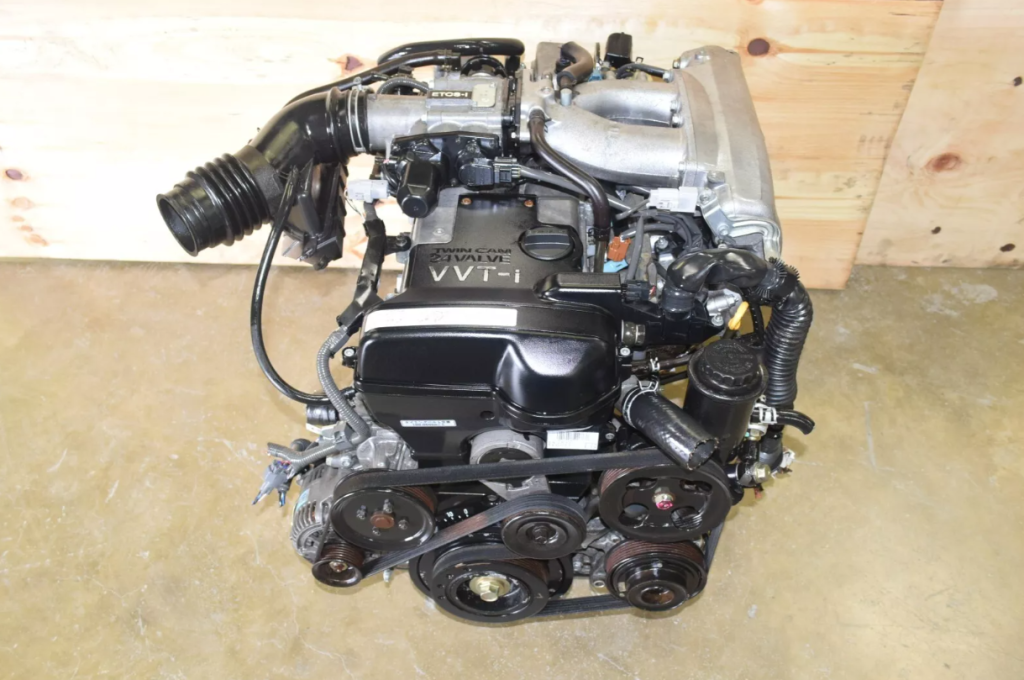
The crown jewel for collectors, however, is the turbocharged 2JZ-GTE a performance powerhouse that went on to superstar status in the Toyota Supra MK4, but whose technology and basic architecture deeply informed the design ethos and reputation of its Lexus siblings.
What Makes an Engine Collectible?
Here are five factors that generally determine why an engine like the 2JZ achieves collectability:
-
Mechanical Strength: The cast-iron block and forged internals of the 2JZ are famously overbuilt, allowing for extreme power upgrades sometimes to four-digit horsepower with factory reliability.
-
Smoothness and Refinement: The inline-six layout delivers inherent mechanical balance, silent operation, and low vibration, which made even the luxury models feel eager and responsive.
-
Aftermarket Ecosystem: No other Japanese straight-six enjoys the aftermarket support and parts availability of the 2JZ, making it possible to source upgrades, repairs, and tuning products worldwide.
-
Motorsport and Pop Culture: From racing in JGTC, drifting in D1GP, to starring in Hollywood’s The Fast and the Furious franchise, the 2JZ earned its badge as a legend both on and off the track.
-
Long-Term Reliability: Many factory-built 2JZ engines have logged more than 300,000 miles, and even heavily modified examples are known for staying together under extreme duress.
While the V10 LFA’s engine is a technological marvel, it is far too rare and expensive to enter enthusiast circulation. The early V8s and V6s, meanwhile, while dependable, have never inspired tuning scenes or collector resale booms on the level of the 2JZ.
Lexus’s Lasting Legacy
Even as Lexus moves toward turbocharged V6s and advanced hybrid powertrains in its modern lineup and the engine bay of the latest LS500 and LC500 look radically different from the machines of the past, the 2JZ remains a touchstone for what made Japanese engineering the envy of the world.
Owning or swapping a 2JZ into a Lexus has become a symbol of ultimate automotive enthusiasm.
In the next part, the article will dive into the technical mastery of the 2JZ, dissecting its design, features, and buildup of its legendary reputation within both the Lexus and wider automotive communities.
The Legendary 2JZ
Origins and Engineering Philosophy
The Toyota 2JZ engine entered production in 1991, marking the culmination of decades of Japanese inline-six tradition.
Conceived as a replacement and advancement over the preceding M-series engines, Toyota’s design brief for the 2JZ was clear: create a robust, technically advanced engine that could embody both luxury refinement for Lexus and high output for Toyota’s performance models.
From day one, the 2JZ’s engineering prioritized reliability, balance, and a platform capable of handling immense stress, which would later mark it as a tuner’s dream and collector’s gold.
The JZ family of engines includes three main variants: the 1JZ (2.5L), the 2JZ (3.0L), and the rarest, the 3JZ (seen mostly in concept and limited production).
Among these, the 2JZ with its combination of large displacement and intelligent design would go on to power vehicles destined for a passionate following around the globe, including some of Lexus’s most beloved models.
The genius of the 2JZ engine lies in its architecture and over-engineered components, designed from the start for longevity and strength beyond the demands of daily driving.
Key Features and Materials
Block and Construction: The 2JZ’s iron block is both a symbol and instrument of its strength. Unlike lighter alloy blocks, the iron construction resists flex and can cope with enormous cylinder pressures.
This means the engine can be pushed far beyond its stock performance envelope ideal for both motorsport and high-power builds.
Forged Internals: While most stock engines use cast parts for cost, the 2JZ delivers factory-forged steel connecting rods (especially robust in the GTE versions).
These resist deformation at high RPM and under boost, granting the engine an extraordinary lifespan even under duress.
Dual Overhead Camshafts (DOHC): Both the 2JZ-GE and -GTE feature advanced DOHC setups that allow precise control of valve timing, high engine speeds, and smooth airflow at all revs.
Sequential Multiport Fuel Injection: This was high-tech at the time and ensured smooth, efficient combustion, crisp throttle response, and adaptability to both luxury and performance tuning.
Naturally Aspirated vs Turbocharged
2JZ-GE: The naturally aspirated version most commonly found in Lexus models like the GS300, SC300, and IS300. It produces between 215 and 230 horsepower, is buttery smooth, and renowned for its bulletproof nature.
It features slightly lower compression and simpler intake setups compared to the turbocharged sibling, but its solid construction means it’s still a favorite for tuners seeking to add their own turbo setups.
2JZ-GTE: The performance legend, found in the famed Toyota Supra MK4 and Japanese-market Toyota Aristos.
With factory sequential twin turbos, oil squirters for cooling pistons, and higher-flow heads, the 2JZ-GTE set the benchmark for factory muscle and aftermarket headroom easily handling double, triple, or even quadruple its original 276-320 horsepower figures without internal upgrades.
Inline Six Perfection
The straight-six configuration provides perfect primary and secondary engine balance. This means minimal vibration, a silky delivery of power, and a sound that has become instantly recognizable among enthusiasts.
For luxury vehicles like the Lexus GS and SC, this smoothness translated directly to a refined cabin feel, with no compromise on driving joy for those looking to unleash extra horsepower.
Features That Make the 2JZ Unique
Aftermarket and Tuning Potential: More than almost any other Japanese engine, the 2JZ has been embraced by the global aftermarket.
Turbo swaps, standalone engine management, forged internals, and external upgrades have turned these powerplants into thousand-horsepower monsters at both drag strips and street circuits around the world.
This adaptability has only fueled collector demand, with original units especially low-mileage and unmodified examples, fetching premium prices.
Serviceability and Parts Availability: Simple, robust designs and global popularity ensure that spare parts, documentation, and expert knowledge are in abundant supply.
For collectors, an engine that can be rebuilt, refreshed, or modified using readily available parts is an asset, not a liability.
Legendary Reliability: Tales of 2JZ engines exceeding 300,000 miles without major overhauls are common, with even modified examples showing little sign of fatigue. The confidence this inspires among tuners and collectors has only added to its mystique.
Versatility Across Applications: Unlike niche motors found only in supercars or halo models, the 2JZ powered an array of vehicles luxury sedans, coupes, and sports cars meaning there’s a broad base of vehicles available for restoration, modification, or daily enjoyment.
Cultural Legacy and Motorsport Triumphs
The reputation of the 2JZ was built not just on road manners or factory performance, but also on decades of motorsport and media exposure. In Japan, the engine became a drift king, propelling D1 Grand Prix competitors to victory.
In the U.S. and worldwide, the Fast & Furious franchise immortalized its tuning legacy, with the 2JZ-powered Supra starring in high-octane street racing scenes.
Drag racers soon demonstrated the engine could hold together at 1000+ horsepower with stock internals further feeding demand as a “blank canvas” for performance projects.
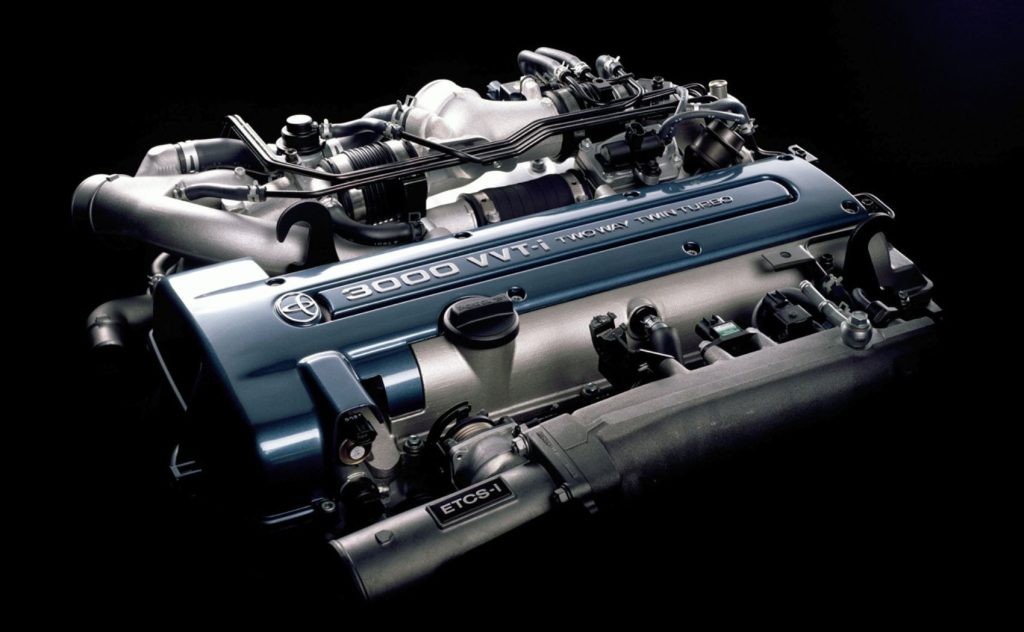
For Lexus, this engine meant that everyday luxury cars could be quietly transformed into world beaters something very few luxury rivals could offer.
Tuners and purists flocked to Lexus 2JZ-powered models because they provided understated exteriors with limitless performance potential underneath.
The Collector’s Take: Why the 2JZ Reigns Supreme
The value of the 2JZ today is the sum of its strengths: a perfect storm of mechanical strength, technical advancement, a mountain of cultural credibility, and unlimited tuning possibilities.
For collectors, this is the dream a readily available, endlessly modifiable, historically significant engine that transcends the simple requirements of luxury motoring and enters the vortex of automotive legend.
Lexus Models Powered by the 2JZ
The 2JZ engine didn’t just elevate Toyota’s sports car lineup it also played a defining role in Lexus’s evolution as both a luxury and performance brand.
Lexus’s use of the naturally aspirated 2JZ-GE meant the brand benefited from world-class reliability, silken power delivery, and enormous tuning possibilities.
Let’s examine the significant Lexus models that carried the 2JZ badge and how these vehicles have impacted the collector scene.
Lexus GS 300 (1991–2005)
The GS 300 was the first Lexus car fitted with the 2JZ engine, debuting in 1993 in Japan as the Toyota Aristo and in the United States as the GS 300.
The initial GS 300 featured the 2JZ-GE, delivering up to 227 horsepower and 210 lb-ft of torque a substantial figure for luxury sedans at the time.
Later versions benefited from updates and variable valve timing (VVT-i), further enhancing smoothness and efficiency, while maintaining nearly indestructible mechanicals.
The GS platform’s marriage with the 2JZ meant buyers got a luxury sedan with the rhythm and excitement of a sports car.
While not as outright quick as the turbocharged Supra or Aristo, the GS 300’s subtle appearance made it an underground favorite for both stealth builds and refined daily use.
Enthusiasts began to swap turbo setups into GS bodies, creating “sleepers” capable of astonishing acceleration yet retaining Lexus luxury appointments.
Lexus SC 300 (1992–2000)
Lexus’s grand tourer, the SC 300, captured imaginations with its sleek coupe lines and a chassis engineered for athletic comfort. Under the hood, the 2JZ-GE powered the SC 300 into a class of its own among luxury two-doors, producing up to 225 horsepower.
Its flexible nature allowed owners to enjoy relaxed cross-country trips, autocross outings, and, for those with the ambition, serious engine upgrades for raw speed.
The SC 300 became a favorite among the swap and drift communities because it shared its basic platform with the Toyota Supra MK4.
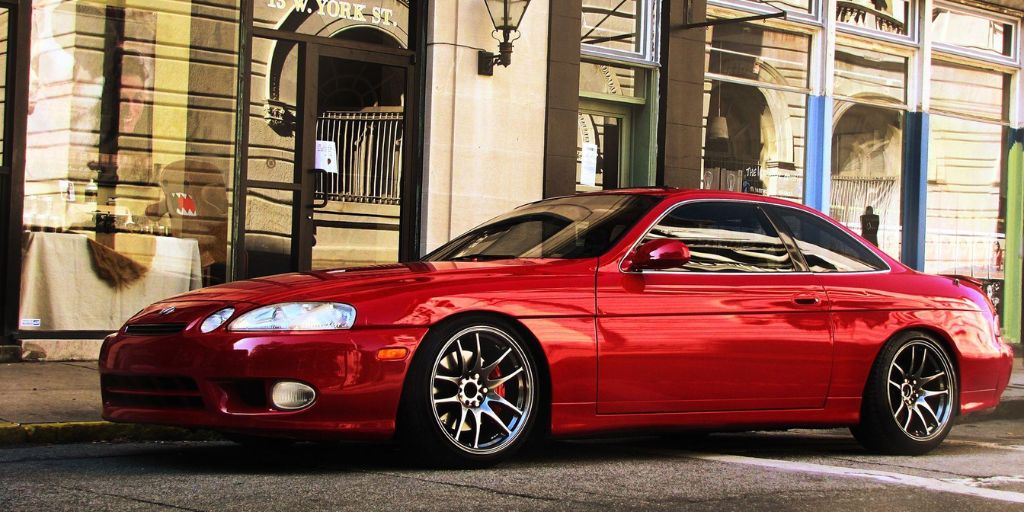
As a result, many owners converted SCs to turbo power or used the model as the basis for full performance builds while enjoying typical Lexus reliability and comfort. Today, clean SC 300s with original engines are hot commodities in collector circles, especially as Supra prices soar.
Lexus IS 300 (1999–2005)
Positioned as Lexus’s answer to sport sedans like the BMW 3 Series, the IS 300 arrived with the 2JZ-GE a welcome surprise to North American enthusiasts familiar with the Supra’s reputation.
The IS 300 was offered in both sedan and SportCross settings, the latter being a wagon variant that increased practicality without compromising performance.
With 217 horsepower and 218 lb-ft of torque, this compact, rear-drive platform provided exceptional drivability, smoothness, and balance, with the straight-six engine at its heart.
Over the years, the IS 300 has grown in status among younger enthusiasts and collectors who wanted a “Supra engine” in a more accessible, daily usable form.
Manual transmission models command significant premiums, and the car’s presence in racing, drifting, and modification circles has only increased the interest in stock, well-maintained examples.
Other 2JZ Lexus Connections and Rarities
Some lesser-known Lexus-adjacent models include rare international market vehicles and imported Toyota Aristos (the Japanese version of the GS, sometimes fitted with the turbocharged 2JZ-GTE).
While the turbo engine was never fitted to Lexus-branded cars in the US, it remains a sought-after swap for owners and a key part of the JDM collector market.
The natural overlap between Toyota’s performance and luxury engineering meant that some Toyota-branded vehicles such as the Soarer sold as the SC 300 in the US, expand the roster of “Lexus” 2JZ platforms.
These vehicles serve as fertile ground for swaps, restorations, and collector investment, further increasing the engine’s reputation in luxury circles.
What Makes 2JZ Lexus Models Desirable to Collectors?
Legendary Reliability and Low Maintenance
All Lexus models powered by the 2JZ feature hallmark build quality: well-assembled exterior panels, thick insulation, and interiors capable of withstanding decades of use.
Combined with the 2JZ’s robust construction (iron block, forged internals, low-stress factory tune), these vehicles deliver stunning longevity and daily usability rare in older performance cars.
Collectors increasingly seek original low-mileage examples, but even high-mileage cars with good maintenance histories are respected in the enthusiast market.
Tuning and Swap Potential
The richness of the 2JZ’s aftermarket is a centerpiece of its allure. Stock Lexus models equipped with 2JZ-GE engines are often upgraded to turbocharged setups, sometimes rivaling the power of much more expensive supercars.
Because the 2JZ shares much of its architecture with the Supra and has vast support from global tuning suppliers, owners can tailor their cars for drag racing, drifting, or refined daily power.
Restoration shops and swap specialists target the GS 300, SC 300, and IS 300 for both originality and modification, elevating their value and broadening their appeal.
The Quiet Collector’s Gem
Unlike flashy supercars or models widely recognized as instant classics, Lexus 2JZ cars fly under the radar. This subtlety is part of their collector magic owners know they’re sitting on a legendary power plant that, to the uninitiated, seems just another luxury sedan or coupe.

This has fueled a sense of community among collectors, with events, online forums, and clubs sharing restoration techniques, swap stories, and rare part sources.
Market Trends and Value Appreciation
Rising Prices and Investment
Original Lexus 2JZ models, especially those with clean ownership histories and desirable specifications (manual transmissions, low miles, original paint), represent increasingly solid investments.
As the Supra’s value exploded throughout the 2010s and 2020s, adjacent models such as the SC 300 and GS 300 began to see substantial appreciation especially in markets where younger collectors desire tuner-friendly platforms but cannot afford Supra premiums.
IS 300 manuals are similarly tracked by investment guides and enthusiast communities, with prices rising yearly for clean, unmodified examples.
Export restrictions and JDM market rarity have heightened demand for imported Aristos and Toyota Soarer/Lexus SC coupes, creating an expanding global collector ecosystem centered around the 2JZ.
Restoration and Preservation Boom
Restoration shops are reporting increased interest in bringing 2JZ Lexus cars back to factory-fresh specifications.
Collector values have increased alongside the general rise in classic Japanese vehicle appreciation, with owners prioritizing genuine parts, original paint and interiors, and documentation tracing the entire car’s history.
Restored examples regularly command premiums at auction and in private sales, as the community places a premium on authentic cars that showcase both luxury and mechanical perfection.
Swap Culture and Customization
If the Supra and turbo Aristos ignited Japan’s performance legacy, it was the Lexus 2JZ cars that enabled the democratization of high-output swaps and custom builds.
GS and SC 300 chassis serve as basis for drag specials, drift cars, and street “sleepers” vehicles with stock appearance but wild performance, built for events and magazine features.
The abundance of swap kits, turbo conversion guides, and expert tuners has made these cars accessible to new generations, further boosting long-term collector interest.
The Enduring Legacy: Cultural and Technological Impact
In Motorsports and Tuning Scene
Drift teams have long relied on the 2JZ for its ability to withstand high-rpm, high-temperature abuse. Drag racers exploit the iron block and robust internals for thousand-horsepower builds. Restoration specialists trust its reliability for long-term, worry-free projects.
For luxury car fans, Lexus offers a platform to enjoy power, comfort, and prestige, while still engaging with the purist engine culture.
Pop Culture and Media
The 2JZ’s legacy in movies, especially the Fast & Furious franchise, made “2JZ swap” a household term among automotive enthusiasts and casual fans alike. Lexus models benefit indirectly from this exposure.
Forums, clubs, and car shows devoted to retro JDM builds often highlight 2JZ Lexuses as “hidden gems,” helping increase awareness, demand, and prices.
Video content, articles, and comparison reviews routinely place Lexus 2JZ models among top recommendations for collectible Japanese luxury and performance vehicles.
What the Future Holds
With each passing year, original and tastefully modified Lexus 2JZ models become scarcer on the market.
Increasing values, new ownership trends among younger collectors, and a sustained global interest in “experience first” motoring mean these cars will continue gaining traction in the classic and collector scene.
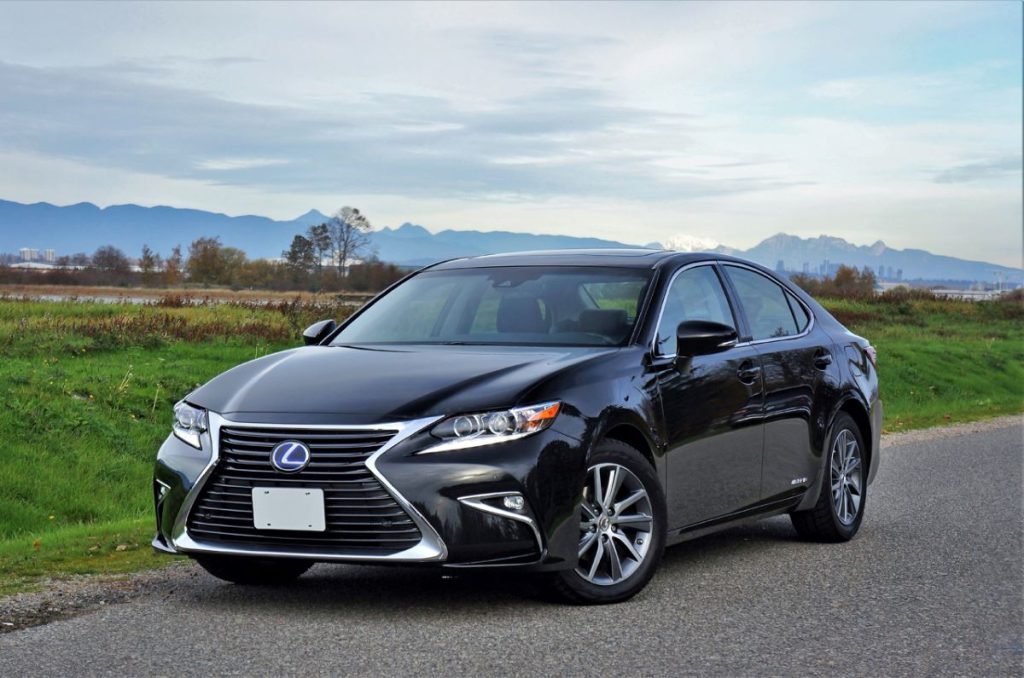
As electrification and turbocharged smaller engines become the norm for new vehicles, the analog precision of the 2JZ Lexus era stands as a monument to mechanical ingenuity and enthusiast culture.
The Heartbeat of Lexus Collecting
For collectors, enthusiasts, restorers, and tuners, 2JZ-powered Lexus cars offer the perfect synthesis of luxury, reliability, performance, and limitless potential.
GS 300s, SC 300s, and IS 300s not only provide daily comfort and engineering confidence but also connect their owners to a global community of fans, technicians, racers, and historians united by the unbreakable legend of the 2JZ engine.
Whether restored to showroom perfection, modified for drag strips, or quietly enjoyed for decades of worry-free luxury motoring, the 2JZ Lexus models have left a lasting mark on the automotive landscape.
As they continue to be discovered, restored, and cherished, these cars will only strengthen the reputation of the 2JZ as the engine collectors are most desperate to own a badge of both technical mastery and enthusiast spirit.
Also Read: 10 Trucks That Outperform Modern SUVs in Durability
