
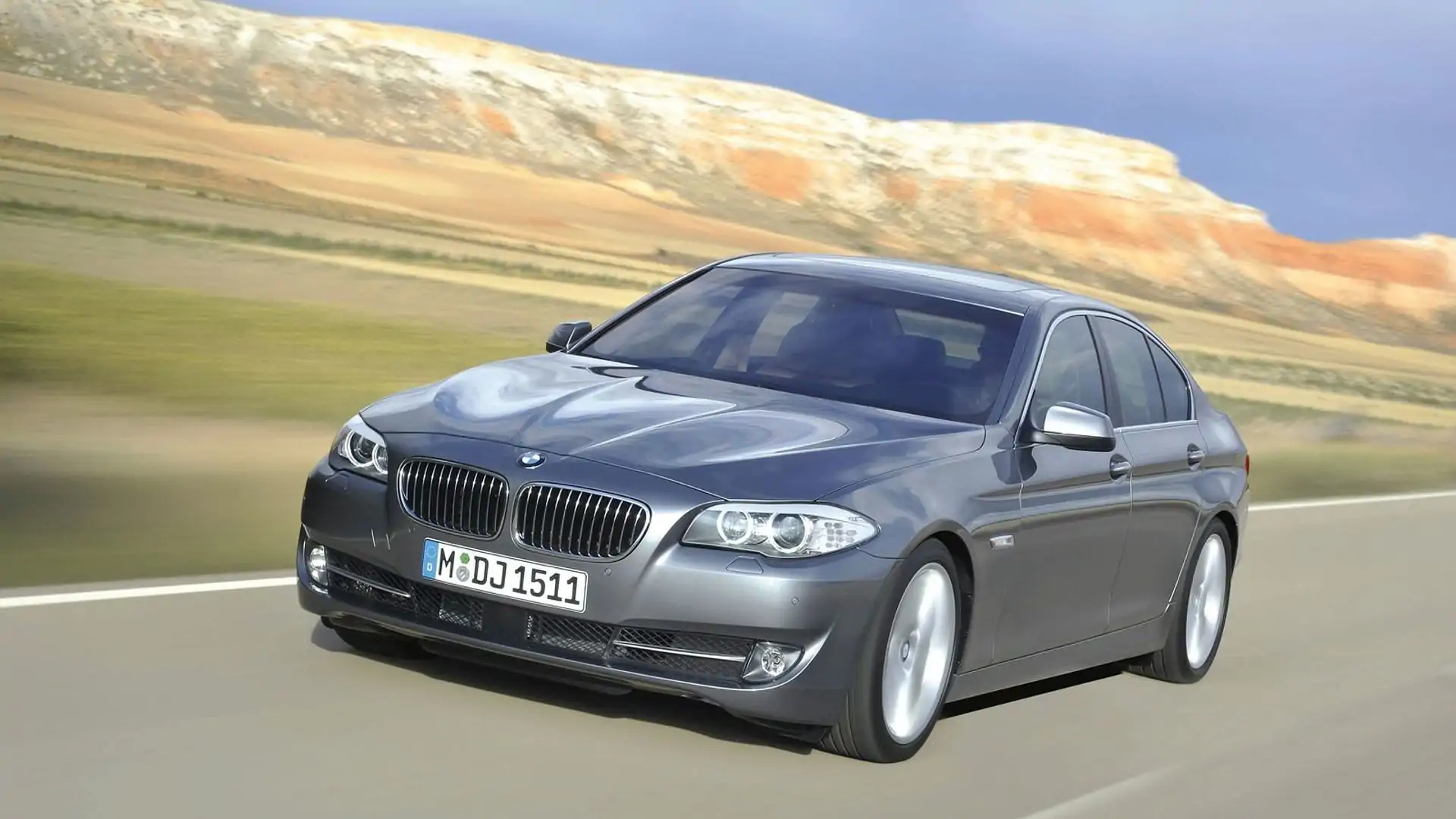
BMW has long carried a reputation as a brand synonymous with performance, luxury, and engineering precision. Yet, it is also often stereotyped as a manufacturer whose vehicles demand frequent repairs and come with high maintenance costs.
While this reputation has some basis in reality, not every BMW fits the mold of costly upkeep or persistent mechanical issues. Certain models, instead, have shown resilience, reliability, and long-term durability that contradict these common assumptions.
Understanding which BMWs defy these stereotypes is not merely about choosing a vehicle with low repair bills; it is about recognizing the balance between engineering innovation and practical longevity.
Some BMW models have benefited from refined engines, well-tested components, and design improvements that have allowed them to remain dependable even as they age.
Drivers who select these models often enjoy the brand’s driving dynamics and luxury features without being burdened by the recurring mechanical failures that give other models a poor reputation.
Additionally, reliability does not exist in isolation. Factors such as regular maintenance, driving habits, and even regional climate can influence how well a BMW performs over the years.
However, certain models stand out because they were engineered with robust components, simplified electronics, or proven drivetrain designs that tend to outlast expectations.
These vehicles serve as examples that BMW can produce cars that are not only thrilling to drive but also capable of providing many trouble-free years of ownership.
This guide highlights ten BMW models that consistently defy the brand’s reliability stereotypes.
Each entry explains why the car has earned a reputation for durability, what specific features contribute to its long-term performance, and what potential owners should know to maintain its dependability.
Whether you are a BMW enthusiast or a practical buyer, this list offers insight into models that combine luxury, performance, and peace of mind.
Also Read: 5 BMW Models That Surprise Owners With Reliability vs 5 That Don’t
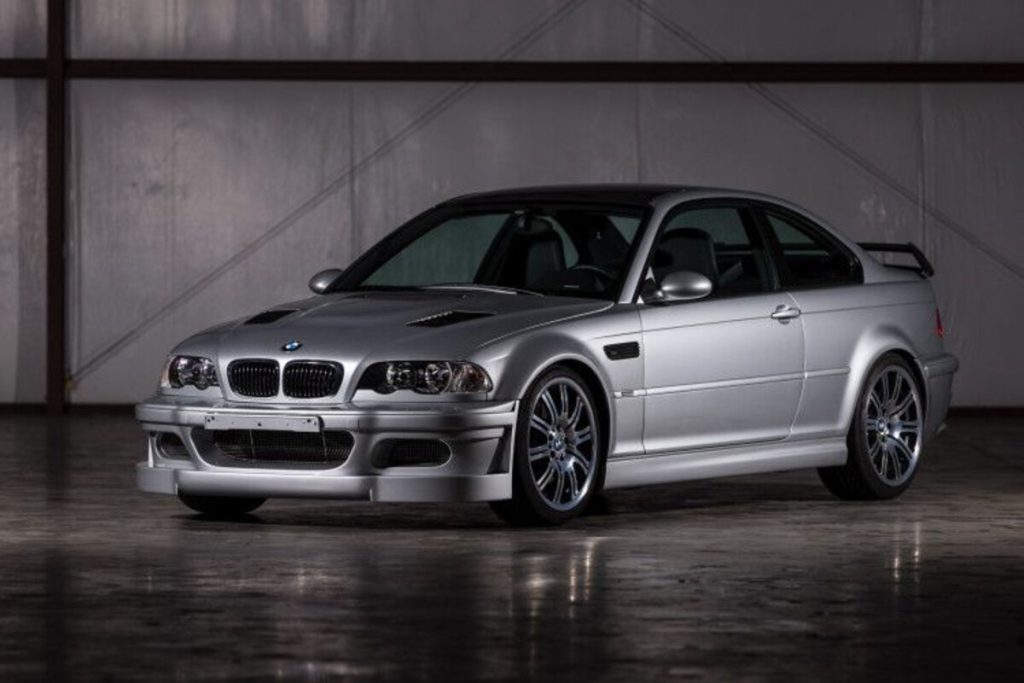
1. BMW E46 3 Series (1998–2006)
The E46 3 Series is often celebrated for its blend of driving dynamics, build quality, and long-term reliability, making it one of the standout models in BMW’s history.
Unlike some later 3 Series generations, the E46 combined mechanical simplicity with well-engineered components, resulting in a vehicle that could remain dependable with proper care.
Many drivers report that these cars can exceed 200,000 miles when routine maintenance is performed, which includes oil changes, cooling system servicing, and suspension checks.
One of the key factors in the E46’s reliability is its engine design. The M54 inline-six engines, particularly in models like the 330i, are known for their smooth performance and relatively low maintenance needs.
These engines feature solid construction, fewer electronic components compared to modern BMWs, and a straightforward layout that simplifies repairs.
Even the four-cylinder variants, such as the 318i, have proven durable when oil changes and timing chain inspections are kept up to date.
Transmission options in the E46 also contribute to its longevity. The automatic transmissions are robust when fluid changes are performed at regular intervals, and the manual gearboxes are particularly durable, offering enthusiasts a reliable, engaging driving experience.
Suspension components, while subject to wear, can be replaced cost-effectively, which helps maintain the car’s handling and overall reliability.
Another advantage of the E46 is the simplicity of its electronics. While it features features like iDrive in later years, the early models rely on less complex systems, reducing the risk of electrical issues that can plague newer BMWs.
Interior quality, although typical for a luxury vehicle of its era, holds up well, especially when seats and trim are cared for.
Overall, the E46 3 Series demonstrates that BMW can produce vehicles that combine dynamic performance with dependable engineering.
With attention to routine maintenance, this model stands out as an example of a BMW that challenges the brand’s stereotype for high upkeep costs and frequent mechanical problems.
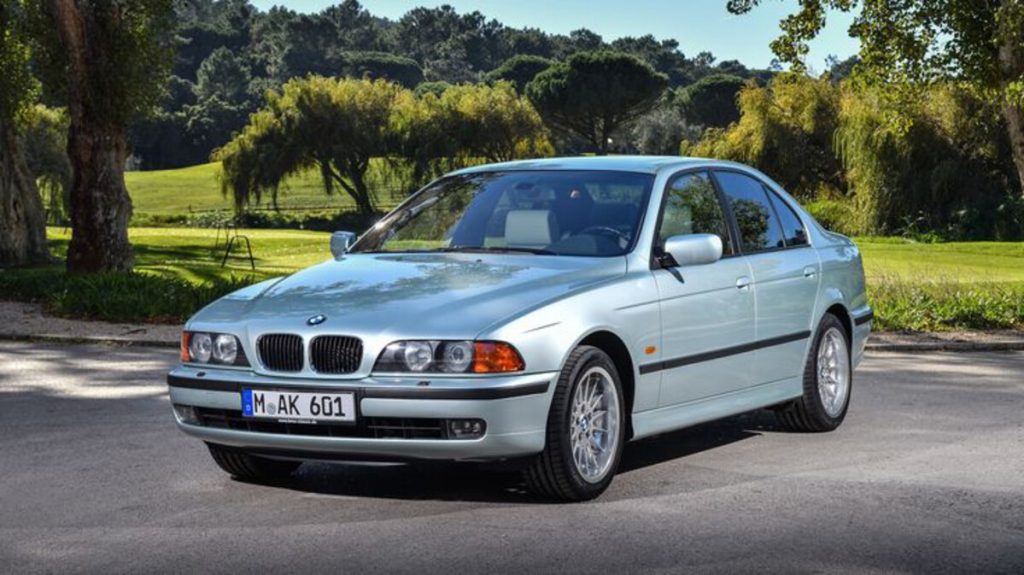
2. BMW E39 5 Series (1996–2003)
The E39 5 Series is widely regarded as one of BMW’s most balanced mid-size sedans, blending refinement, performance, and durability.
This generation proved that the 5 Series could be more than a luxury statement; it could be a reliable daily driver that withstands the test of time. Owners frequently report that with proper maintenance, these cars reach over 250,000 miles without major issues.
A major contributor to the E39’s reliability is its engine lineup. The M52 and later M54 engines, especially the 525i and 530i models, are known for smooth operation and robust construction.
These engines benefit from solid metallurgy, well-designed cooling systems, and fewer complex electronics compared to modern engines, which reduces the potential for costly failures. Diesel variants, such as the 530d, also offer strong longevity when serviced according to BMW’s recommendations.
The E39’s chassis and suspension are another highlight. With well-designed multi-link rear suspension and a sturdy front setup, the vehicle maintains composure over long distances.
While bushings and shocks may wear over time, replacements are generally straightforward, allowing the car to retain handling performance without excessive repair costs. Steering components are also known for their reliability, contributing to a vehicle that feels precise even after many miles.
Interior quality plays a role in the E39’s long-term appeal. The cabin uses high-quality materials that resist wear, while electronics are relatively simple, avoiding the complex systems that often trouble newer BMWs. Routine checks of sensors and modules are usually sufficient to prevent issues.
In summary, the E39 5 Series stands as a model that disproves reliability concerns about BMW.
Its combination of durable engines, solid chassis, and thoughtfully engineered components makes it a standout choice for buyers seeking a balance between luxury, performance, and dependable long-term ownership.
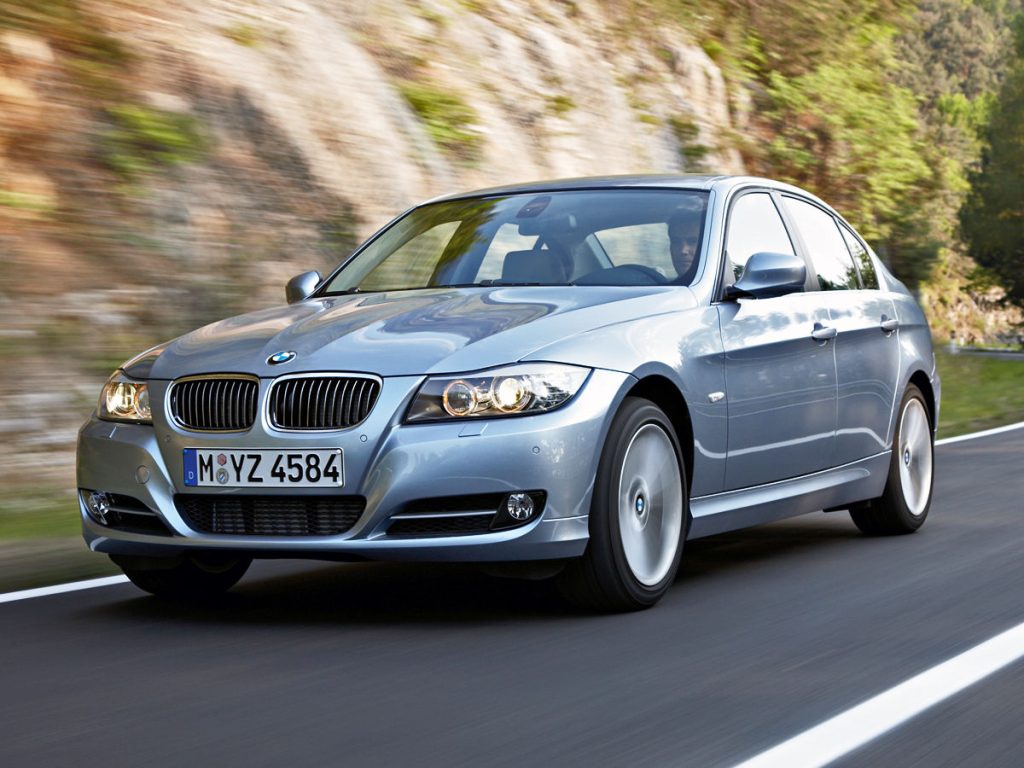
3. BMW E90 3 Series (2005–2013)
The E90 3 Series represents a generation of BMWs that successfully balances modern technology with dependable performance.
Unlike its reputation for expensive repairs in later years, many E90 models are noted for their robustness, especially the naturally aspirated engines. Models such as the 328i with the N52 inline-six engine offer strong reliability when maintenance schedules are followed carefully.
The N52 engine is particularly durable because it avoids forced induction, has a reliable cooling system, and uses well-tested components.
While some E90s include turbocharged engines, these are generally dependable as long as oil changes and cooling system maintenance are performed.
Timing chain guides and valve cover gaskets are known service items, but they do not significantly affect overall durability. Four-cylinder options, including the 320i, are also resilient, providing buyers with reliable performance without excessive upkeep.
Transmission options in the E90 further contribute to its longevity. The manual gearboxes are known for lasting well over 200,000 miles when properly driven, and the automatic transmissions, especially the ZF six-speed units, offer smooth operation with periodic fluid changes.
Suspension components are durable, and while control arms may require replacement over time, the parts are readily available and relatively affordable.
The E90 also benefits from refined electronics. Unlike newer BMWs with highly complex iDrive systems, the E90 combines modern convenience with simpler modules, reducing the frequency of electrical problems.
Interior materials, while showing minor wear, generally retain their quality for many years, enhancing overall ownership satisfaction.
Overall, the E90 3 Series stands out as a model that challenges the stereotype of BMWs being high-maintenance vehicles.
With careful maintenance, robust engines, and well-engineered mechanical components, this generation demonstrates that a modern BMW can deliver both driving enjoyment and dependable long-term ownership.
4. BMW E60 5 Series (2003–2010)
The E60 5 Series is often recognized for its bold styling and advanced technology, but it also offers models that defy the typical BMW reliability concerns.
While some versions gained a reputation for electronic quirks, certain engine variants have shown remarkable durability over the years.
Models equipped with naturally aspirated engines, such as the 525i with the M54 or N52 inline-six, are particularly dependable when routine maintenance is observed.
One reason for the E60’s resilience is its engine design. The M54 and N52 engines benefit from solid construction, reliable oiling systems, and straightforward layouts that simplify repairs.
These engines avoid unnecessary complexity, and their parts are widely available, which helps maintain long-term serviceability.
Common service items, including valve cover gaskets, cooling components, and water pumps, are manageable and predictable, making ownership more straightforward than some newer BMWs.
Transmission choices further enhance the E60’s reliability. Manual transmissions are robust, and the automatic six-speed ZF units are known for smooth performance and long lifespans if fluid changes are performed at recommended intervals.
Suspension components, while complex, are durable, and worn bushings or control arms are relatively simple to replace. The car maintains its composure and handling even after many miles, preserving the driving experience BMW is known for.
Interior quality is another factor contributing to long-term ownership satisfaction. While electronics can occasionally be a source of minor issues, they are generally simpler than in later generations. High-quality materials for seats, trim, and dashboards resist wear, keeping the cabin comfortable and attractive over time.
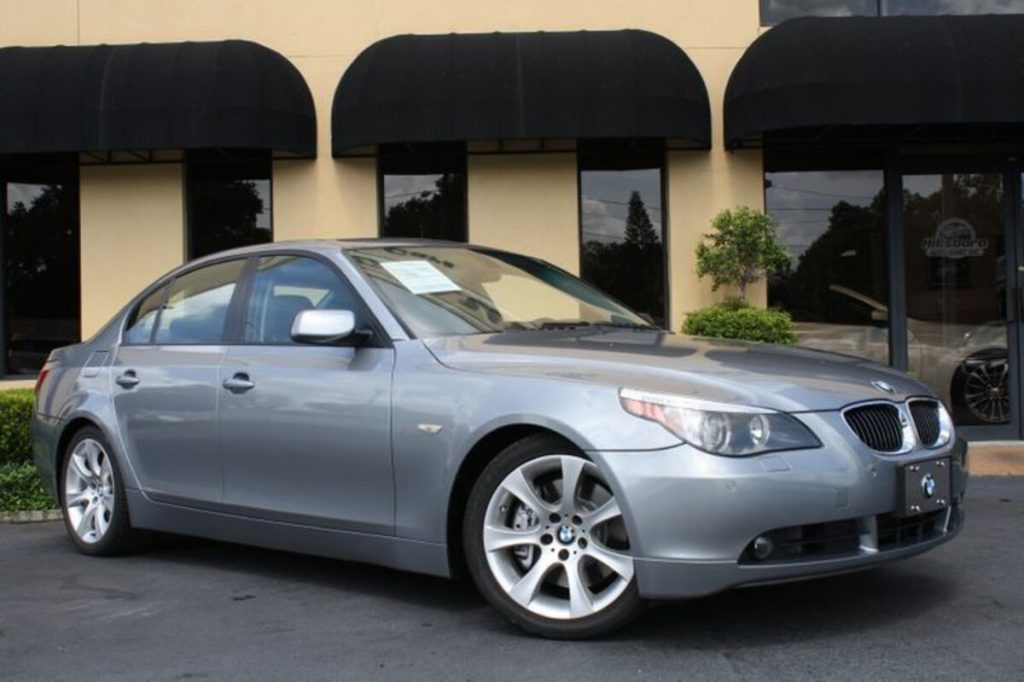
The E60 5 Series demonstrates that BMW’s mid-size luxury sedans can combine advanced features with dependable engineering.
Proper maintenance, careful attention to routine service items, and selecting naturally aspirated engine models allow drivers to enjoy a vehicle that delivers both performance and longevity. For those seeking a BMW that balances technology, comfort, and reliability, the E60 remains a compelling choice.
5. BMW F10 5 Series (2010–2016)
The F10 5 Series represents a refinement in BMW’s approach to engineering reliability while delivering modern luxury and performance.
This generation corrected many issues seen in earlier models, making it one of the more dependable mid-size sedans in the brand’s lineup.
Owners often report strong longevity, especially with naturally aspirated six-cylinder engines like the N53 and N55 variants, which remain resilient when serviced properly.
The engine design is a key factor in the F10’s reliability. Naturally aspirated engines feature fewer forced induction components, simpler electronics, and robust internal components, reducing potential points of failure.
Even turbocharged variants, such as the 535i’s N55 engine, have proven durable when oil changes, cooling system checks, and minor service items are kept up to date. Components like water pumps and valve cover gaskets are expected maintenance but do not indicate fundamental weaknesses.
Transmission reliability is another advantage of the F10. The ZF eight-speed automatic transmission offers smooth shifting and long-term durability when fluids are serviced at recommended intervals.
Manual transmissions, though less common, maintain the brand’s reputation for solid gearboxes with long lifespans. Suspension components are engineered for comfort and performance while lasting well over 100,000 miles with regular inspections.
The interior and electronics reflect BMW’s attention to longevity. While the F10 introduced more sophisticated features, the modules are generally well-integrated and less prone to failure than earlier generations.
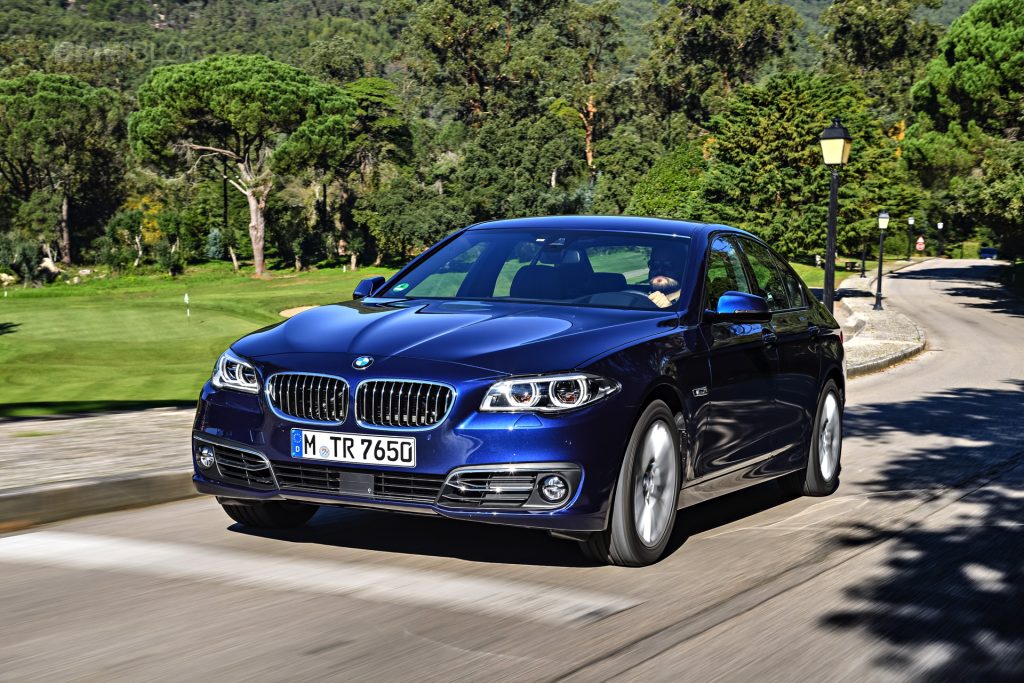
Materials for seats, dashboards, and trim resist wear, contributing to a vehicle that maintains a premium feel even after several years.
In essence, the F10 5 Series shows that modern BMWs can offer a reliable ownership experience without compromising luxury or performance.
Selecting well-maintained examples, particularly with naturally aspirated engines, allows buyers to enjoy decades of driving enjoyment with minimal unexpected repairs.
6. BMW E53 X5 (2000–2006)
The first-generation BMW X5, the E53, established BMW as a serious contender in the luxury SUV segment while also proving that SUVs from the brand could achieve reliability beyond stereotypes.
While some early luxury SUVs are known for high maintenance costs, the E53 stands out because certain engines and drivetrain configurations have shown long-term durability when maintained properly.
The inline-six engines, such as the M54 and later variants, are particularly reliable. These engines feature proven construction, efficient cooling systems, and fewer complex electronics compared to turbocharged models, making them easier to service and maintain over time.
With routine oil changes, coolant system servicing, and attention to minor items like valve cover gaskets, the engines can remain robust for more than 200,000 miles. V8 options, such as the 4.4-liter M62, also provide strong performance with reasonable reliability when maintenance is observed.
Drivetrain and suspension systems contribute significantly to the E53’s dependability. The xDrive all-wheel-drive system is robust, offering both stability and traction without frequent mechanical issues.
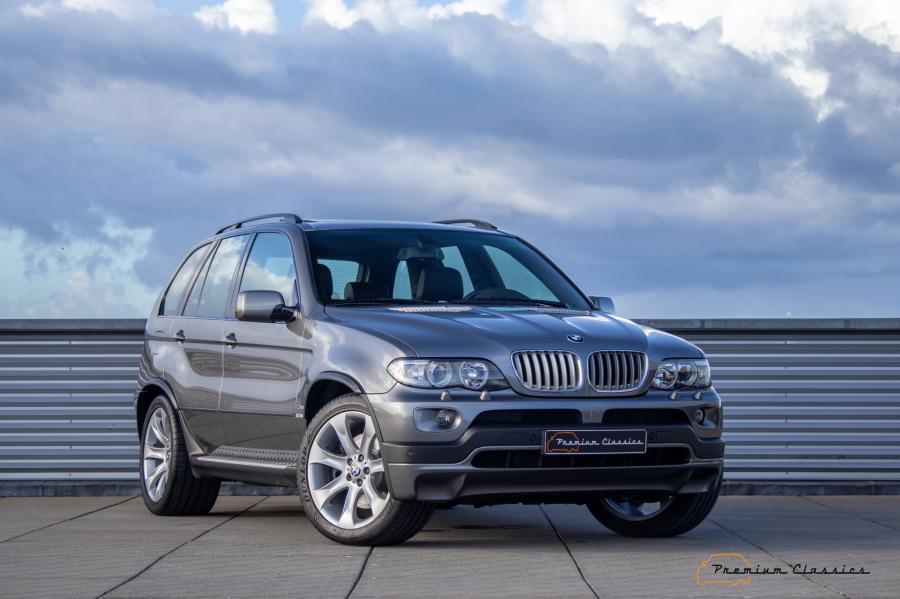
While suspension components like bushings and control arms may wear, replacements are accessible and straightforward. Steering and braking systems are similarly durable, contributing to a confident driving experience.
The interior demonstrates thoughtful engineering. Seats, dashboards, and trim are built with high-quality materials that withstand long-term use.
Electronics are more complex than the E46 or E39, but the systems are well-integrated, and common issues can be addressed through routine maintenance.
The E53 X5 defies expectations for a luxury SUV from its era, proving that BMW could produce vehicles that deliver performance, comfort, and reliability.
With proper care and attention to service intervals, this SUV offers long-term ownership satisfaction, making it an appealing choice for buyers seeking both luxury and durability.
7. BMW F30 3 Series (2011–2019)
The F30 3 Series brought a balance of modern technology, fuel efficiency, and BMW’s traditional driving dynamics while maintaining reliability in certain configurations.
Models equipped with naturally aspirated engines, like the 328i with the N52 or N20 engines, are particularly well-regarded for their longevity when regular maintenance is performed. These engines combine proven engineering with simplified electronics, reducing the likelihood of major failures.
One reason for the F30’s durability is its engine construction. Naturally aspirated engines offer predictable performance, minimal turbo-related stress, and straightforward components.
Even the turbocharged four-cylinder N20 engine, when serviced carefully with timely oil changes and cooling system checks, has shown dependable performance.
Common service items, such as valve cover gaskets or water pumps, are manageable and rarely affect overall reliability.
Transmission options also support the F30’s long-term performance. The ZF eight-speed automatic is smooth, reliable, and widely regarded as a strong performer when fluid changes are performed on schedule.
Manual gearboxes retain the same durability expected from BMW, allowing enthusiasts to enjoy both performance and reliability. Suspension components, including control arms and bushings, wear gradually and can be replaced with accessible parts to maintain handling characteristics.
Interior quality and electronics in the F30 contribute to ownership satisfaction. While more advanced than earlier generations, the electronics are generally stable, and minor issues can often be addressed with routine service.
Materials such as leather, trim, and dashboard surfaces hold up well, keeping the cabin comfortable and attractive even after extended use.
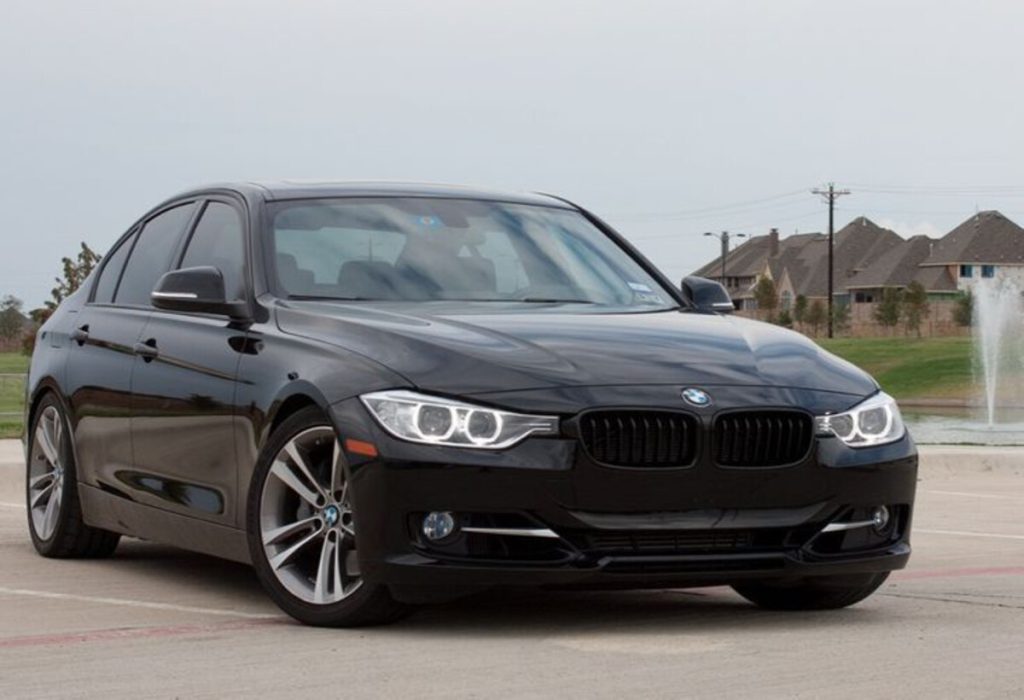
The F30 3 Series demonstrates that modern BMWs can maintain reliability while incorporating technological advancements.
Selecting models with naturally aspirated engines and maintaining routine service schedules ensures a vehicle that can provide years of driving enjoyment. It challenges the perception that modern BMWs are overly expensive to maintain or prone to frequent failures.
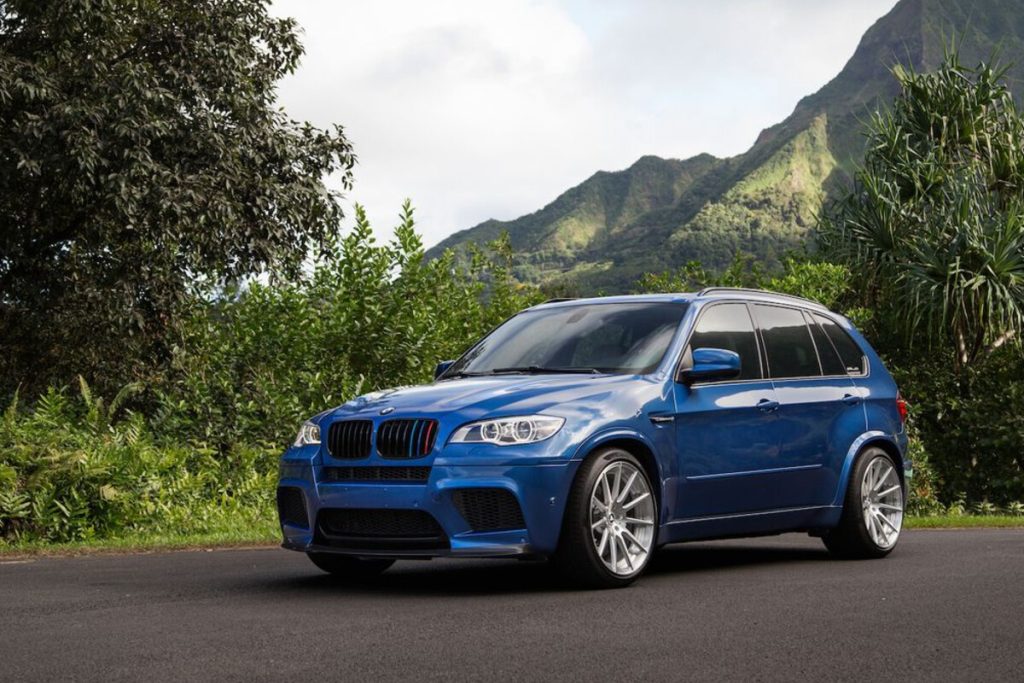
8. BMW E70 X5 (2006–2013)
The second-generation BMW X5, the E70, improved upon its predecessor with better engineering, updated technology, and proven engine reliability.
While some luxury SUVs face high maintenance costs, certain E70 models, particularly those equipped with naturally aspirated inline-six engines, are capable of lasting over 200,000 miles with proper care.
The N52 and N55 inline-six engines are central to the E70’s reliability. These engines feature solid construction, efficient cooling systems, and fewer complex components than turbocharged variants, simplifying long-term maintenance.
Common service items, such as water pumps, valve cover gaskets, and cooling components, are predictable and manageable, allowing the vehicle to maintain robust performance over time. V8 models, including the 4.8i, can also be reliable if maintenance is performed diligently.
The xDrive all-wheel-drive system, paired with durable suspension and steering components, contributes to the E70’s long-term dependability.
While control arms, bushings, and shocks may wear over time, replacements are straightforward, ensuring the vehicle retains handling and ride quality. Brakes are robust and generally maintain performance with routine servicing.
Interior materials are another factor in ownership satisfaction. Seats, trim, and dashboard components are made of high-quality materials that resist wear and retain their appearance over time.
Electronics, while more complex than earlier X5s, are generally stable when updates and maintenance are performed according to BMW’s recommendations.
The E70 X5 demonstrates that a luxury SUV can combine performance, comfort, and reliability.
Choosing well-maintained examples with naturally aspirated engines or responsibly serviced turbocharged variants allows drivers to enjoy a capable and durable vehicle without excessive maintenance concerns.
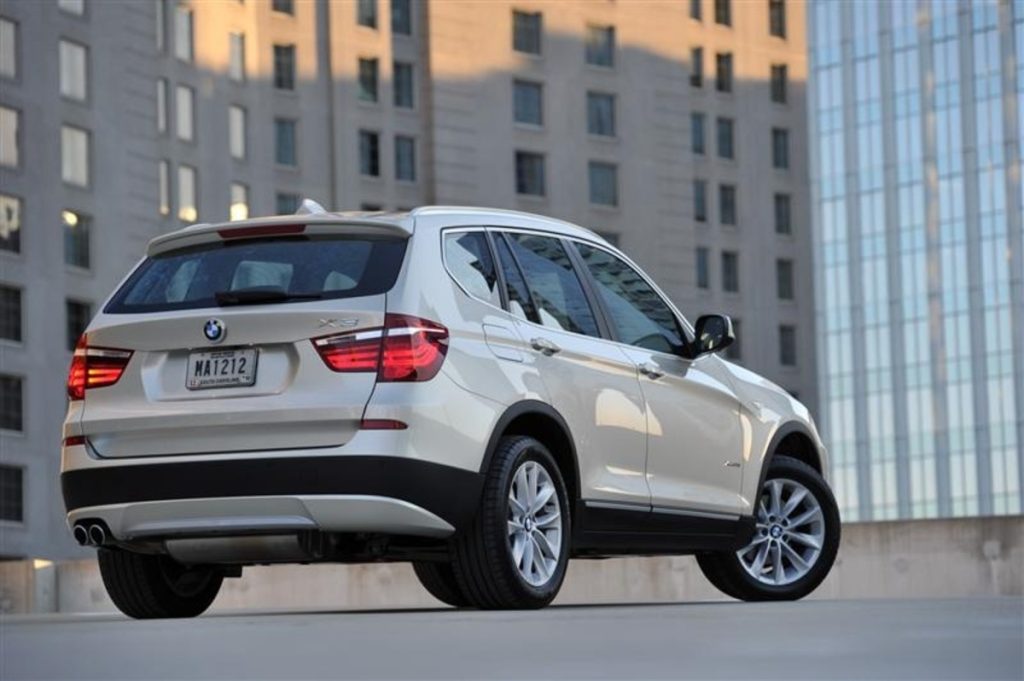
9. BMW F25 X3 (2010–2017)
The F25 X3 represents a compact SUV that successfully combines performance, versatility, and long-term reliability.
Many models, particularly those equipped with naturally aspirated engines, have proven dependable over time when routine maintenance is followed. This generation demonstrates that BMW’s smaller SUVs can provide both driving enjoyment and longevity.
Engine options, including the N52 and N20 engines, are among the most reliable in the F25 lineup. Naturally aspirated engines benefit from fewer stress points, simpler electronics, and robust cooling systems.
Turbocharged four-cylinder engines are also reliable when serviced carefully with timely oil changes and coolant system maintenance. Common wear items like valve cover gaskets, water pumps, and minor suspension components are predictable and manageable.
Transmission reliability is another advantage. The ZF six- and eight-speed automatics provide smooth shifting and long-term durability with routine fluid changes.
Manual gearboxes retain the typical BMW robustness for those preferring an engaging driving experience. Suspension components, while subject to normal wear, can be replaced easily, maintaining handling and ride quality.
The F25 interior offers high-quality materials that withstand extended use. Electronics, while modern, are generally reliable, and maintenance of software or minor modules helps prevent issues. The cabin retains comfort and practicality, making the X3 suitable for both daily commuting and long-distance driving.
Overall, the F25 X3 stands as a BMW SUV that challenges common reliability concerns. Its combination of robust engines, well-engineered drivetrain, and durable interior materials ensures a vehicle that is enjoyable to drive and maintain over the years.
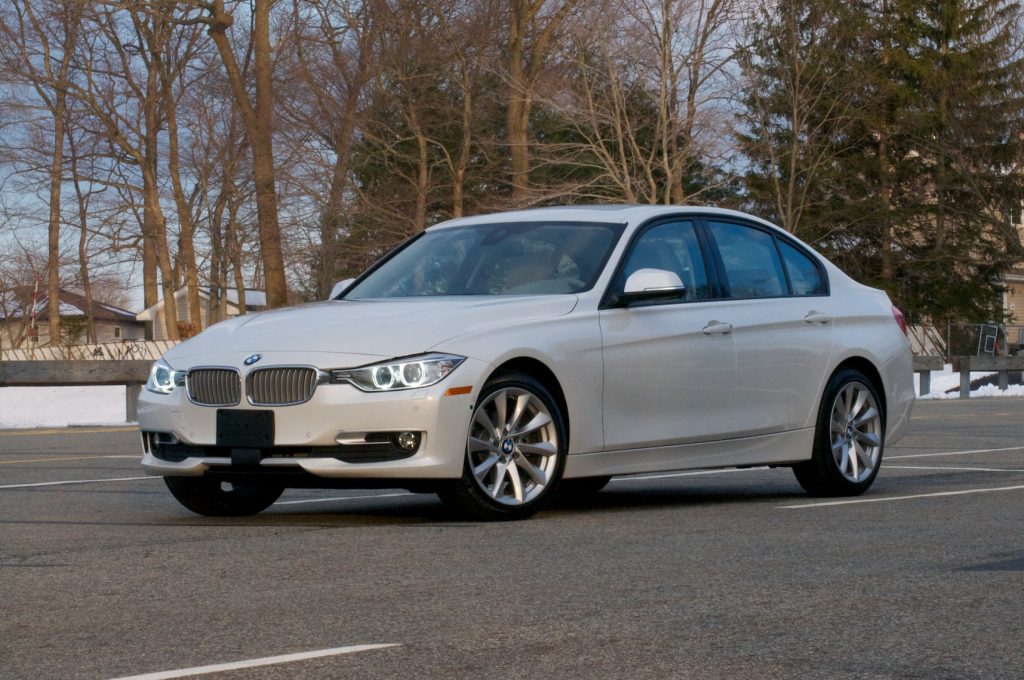
10. BMW F30 328d Diesel (2013–2019)
The F30 328d represents a diesel-powered option in the 3 Series lineup that offers both efficiency and long-term reliability. Diesel engines, particularly BMW’s four-cylinder N47 units, have a reputation for longevity when maintained properly.
The 328d combines this engine with a well-designed chassis and durable components, creating a vehicle that disproves stereotypes of BMWs as high-maintenance.
The N47 diesel engine is durable when routine maintenance is observed. Oil changes, fuel filter replacements, and attention to timing chain tensioners are crucial, but the engine itself is robust.
With proper care, these engines can surpass 250,000 miles, making them some of the most reliable options in the F30 range. Turbochargers are also engineered for longevity, and with clean fuel and timely servicing, failures are uncommon.
Transmission options in the 328d enhance long-term dependability. The six-speed manual is durable, while the ZF eight-speed automatic offers smooth performance when fluids are serviced according to recommendations.
Suspension and steering components are resilient, requiring only routine checks to maintain handling and comfort.
The interior of the F30 328d benefits from high-quality materials and well-integrated electronics. Leather seats, trim panels, and dashboards remain durable over years of use, while infotainment and module systems are generally reliable with minor updates.
This model demonstrates that BMW’s diesel offerings can provide both efficiency and long-term reliability.
Drivers seeking a 3 Series that combines fuel economy, driving enjoyment, and durable engineering find the 328d to be a compelling choice.
Proper maintenance ensures that this diesel sedan continues to defy stereotypes of BMWs as overly high-maintenance vehicles.
Also Read: 5 BMW Models That Age Well vs 5 That Don’t
