
When a car is built to last, owners find little reason to part with it. While new models arrive every year filled with fresh features and flashy styling, some vehicles continue to hold their place in garages across generations.
The reason is simple: reliability. When a car starts every morning, runs smoothly with minimal repairs, and keeps maintenance costs manageable, many drivers see no need to upgrade. Instead, they stick with the vehicle they know and trust, sometimes keeping it long past when others might have traded in.
Automakers that prioritize dependable engines, sturdy transmissions, and durable interiors often end up with models that develop loyal followings. These cars are not just about getting from point A to point B; they represent peace of mind.
Drivers feel comfortable investing in routine maintenance because they know the vehicle will reward them with years, even decades, of dependable service.
This loyalty often translates into owners holding onto the same car until it has hundreds of thousands of miles on the odometer.
Throughout automotive history, certain models have built such strong reputations for dependability that they discourage upgrades altogether.
Whether it’s a sedan, SUV, or compact, the common thread is consistency. Owners appreciate the fact that these cars rarely leave them stranded, often outlasting trendier rivals.
This article highlights thirteen cars that have earned reputations for reliability so strong that their owners simply never feel the urge to replace them.
From legendary imports to domestic workhorses, these vehicles demonstrate what happens when engineering quality and longevity combine to create true loyalty.
Also Read: 10 Cars With The Most Reliable AWD Systems vs 10 That Fail Often
1. Toyota Corolla
The Toyota Corolla has become one of the most reliable cars ever produced, and for many owners, it feels almost timeless.
Since its introduction in the 1960s, it has gained a reputation for being a practical, fuel-efficient, and low-maintenance option that can easily last decades with routine care.
For many people, buying a Corolla is the last car purchase they ever make because it delivers everything they need without demanding constant attention.
One of the main reasons the Corolla holds onto its owners is its durability. Engines are designed for longevity rather than extreme power, which reduces strain and helps them clock up hundreds of thousands of miles.
Even with age, these engines remain steady and easy to maintain, especially since Toyota has always ensured parts are affordable and widely available.
The car’s design philosophy has always been about simplicity and function. While competitors chase luxury or aggressive styling, the Corolla has remained focused on being dependable.
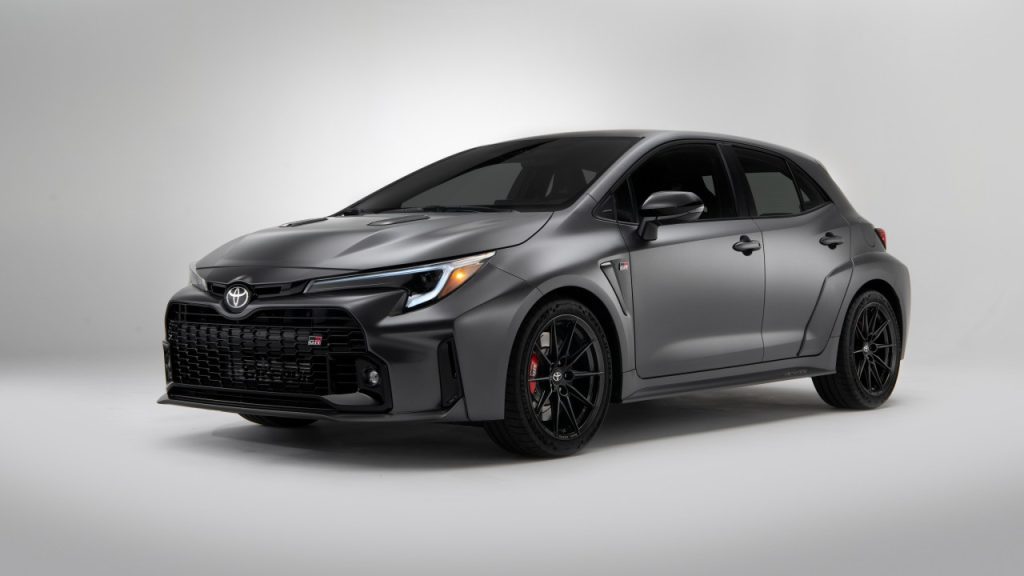
Owners know it will start reliably in all weather conditions and that even after years of daily driving, major breakdowns are rare.
This consistency means that many families pass Corollas down through generations rather than trading them in.
The loyalty it inspires is not built on excitement or flash, but on the simple confidence that it will keep working. For countless drivers, that is all the reason needed to avoid upgrading.
2. Honda Civic
Few cars command as much loyalty as the Honda Civic. Known for its excellent build quality, the Civic blends efficiency with durability, making it a car that people often keep far longer than expected.
From its early days in the 1970s to the modern versions still on the road today, the Civic has built a reputation for being a dependable companion rather than a disposable purchase.
Owners hold onto their Civics because the car consistently delivers affordable maintenance, outstanding fuel economy, and an engine that seems reluctant to quit.
Many Civics easily pass the 200,000-mile mark, and stories of 300,000-mile examples are common. This makes the cost of ownership incredibly low, encouraging drivers to keep their cars rather than upgrade.
Another reason for Civic loyalty is versatility. Whether in sedan, hatchback, or coupe form, the Civic balances practicality with a comfortable ride.
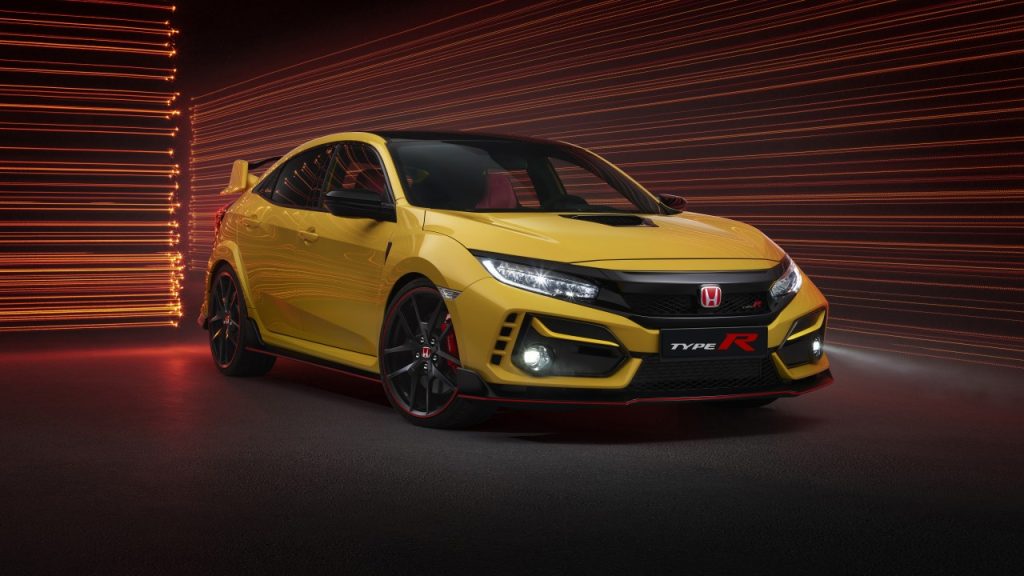
It may not be the flashiest car, but its combination of efficiency and resilience is hard to beat. Its simple mechanics, especially in older models, also mean repairs are often straightforward and affordable.
For many, the Civic becomes more than just transportation; it becomes a trusted partner in daily life. Owners who depend on its reliability rarely feel the urge to replace it.
Instead, they invest in regular care, confident that the car will keep giving back for years. The Honda Civic has earned its place among cars that people simply never want to give up.
3. Toyota Camry
The Toyota Camry has long been regarded as one of the most dependable midsize sedans available, and its reputation has only grown stronger with time.
For many households, the Camry is not just a car but an institution, often staying in the family for decades without being replaced. It has struck a perfect balance between comfort, efficiency, and reliability, creating a car that owners see little reason to upgrade from.
One of the Camry’s biggest strengths is its conservative engineering. Toyota consistently prioritized durability over experimental designs, resulting in engines and transmissions that outlast expectations.
Many Camrys easily cross the 300,000-mile milestone with only routine maintenance. Owners appreciate the fact that their vehicles start every morning without hesitation and rarely require expensive repairs.
The Camry also offers a comfortable and quiet driving experience, which makes it suitable for long commutes and road trips.
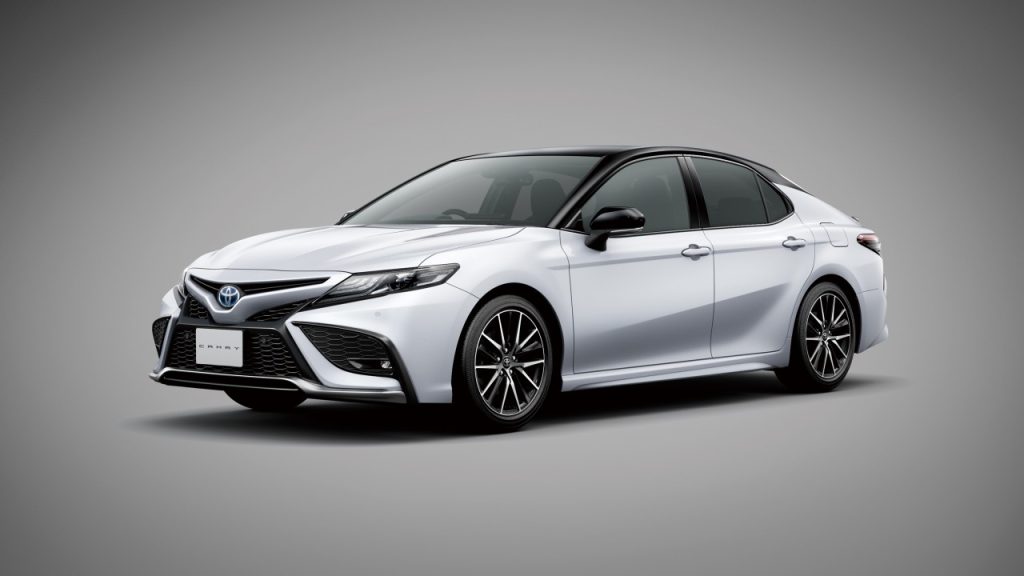
Its interior materials hold up well to years of use, meaning the car continues to feel solid even after a decade or more on the road. The combination of comfort and mechanical reliability explains why people are reluctant to trade theirs in.
Toyota’s reputation for affordable parts and widespread service options further strengthens the case for holding onto a Camry.
Drivers who have invested in keeping theirs in top shape often decide that no newer car offers a better return. For many owners, once they settle into a Camry, they simply do not feel the need to upgrade to anything else.
4. Honda Accord
The Honda Accord is another sedan that has earned a reputation for inspiring long-term ownership. Known for blending dependability with a more engaging driving experience than some of its competitors, the Accord is a car that satisfies both practical and emotional needs.
Owners often find themselves attached to their Accords, keeping them for decades rather than moving on to newer models.
One of the Accord’s greatest strengths is its powertrain reliability. Engines are built to withstand high mileage with minimal issues, and transmissions are equally long-lived when serviced properly.
It is not unusual to see Accords on the road with odometers reading 250,000 miles or more. Because maintenance costs are generally modest, many drivers find little reason to replace their vehicles.
Beyond reliability, the Accord provides a sense of refinement that many other long-lasting cars lack. Comfortable seating, balanced handling, and strong safety records make it a practical choice for families as well as commuters.
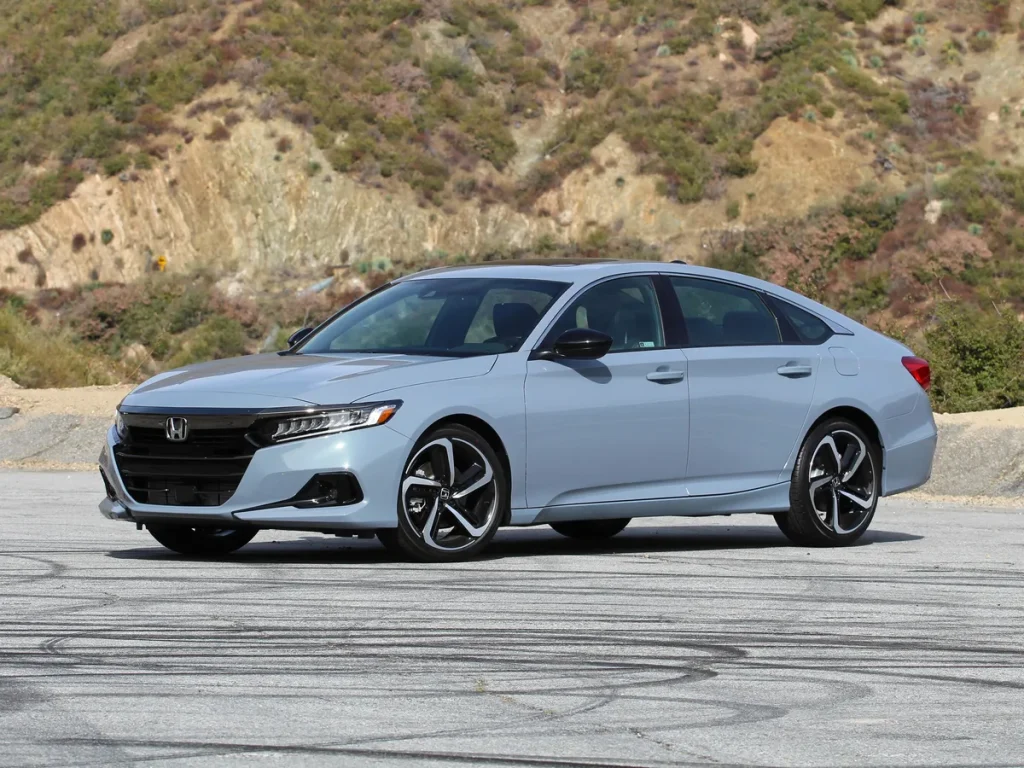
Owners often remark that their Accords still feel solid and dependable long after the initial excitement of buying a new car has faded.
The Accord has also benefited from a strong aftermarket and easy parts availability. This makes it more affordable to keep an older model running, further discouraging upgrades.
In the end, the Accord represents a car that fulfills nearly every need without complaint, leading owners to simply keep driving them for years upon years.
5. Subaru Outback
The Subaru Outback is well known for its durability, versatility, and ability to handle a wide range of conditions. Introduced as a rugged wagon alternative to SUVs, it has developed a loyal following among drivers who prize long-term dependability.
Many owners keep their Outbacks for well over a decade, often surpassing 250,000 miles before even considering a replacement.
The Outback’s reliability begins with its drivetrain. Subaru’s signature boxer engine and symmetrical all-wheel-drive system provide a combination of balance and traction that holds up under varied driving conditions.
While some engines required attention in earlier generations, owners who keep up with routine maintenance often see them run for hundreds of thousands of miles.
Another factor that keeps people loyal to the Outback is its practicality. It offers the cargo capacity of a small SUV with the driving feel of a car.
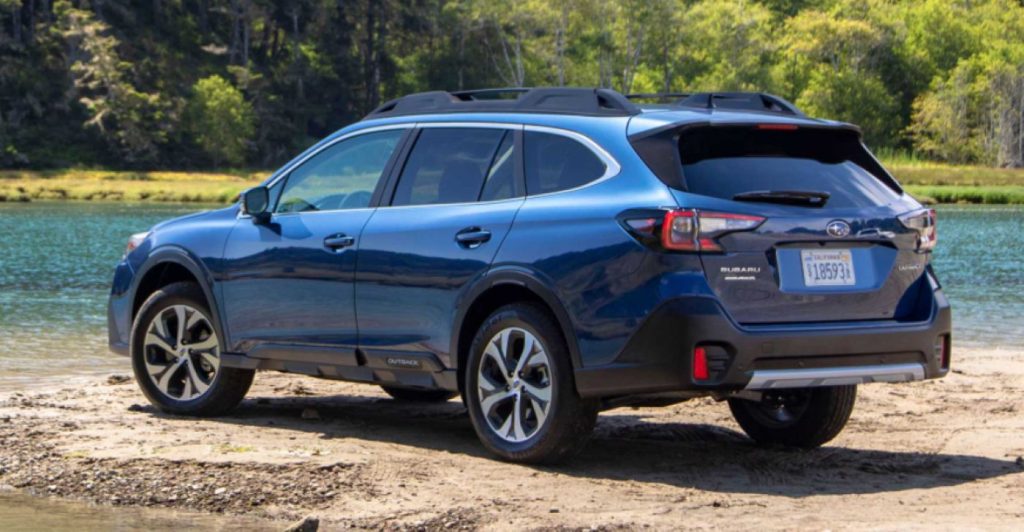
Families appreciate its ability to handle daily errands, road trips, and outdoor adventures with equal ease. Because it is so versatile, owners often find themselves deeply attached and unwilling to part with it.
The Outback also benefits from a reputation for safety and solid resale value, though many owners never test that value because they hold onto the car.
For drivers who want something that lasts, provides utility, and can weather years of use, the Subaru Outback consistently proves to be a keeper.
6. Lexus LS
The Lexus LS is one of the finest examples of a luxury sedan built with longevity in mind. Since its debut in 1989, it has represented Toyota’s commitment to combining high-end comfort with remarkable durability.
Many owners hold onto their LS models for decades, refusing to part with them even after hundreds of thousands of miles, because the car continues to feel solid and refined.
One of the main reasons the LS inspires loyalty is the unmatched quality of its engineering. The engines are smooth, powerful, and capable of lasting for decades when properly maintained.
Unlike some luxury brands that struggle with long-term reliability, Lexus designed the LS with a conservative approach to technology, avoiding overcomplication and focusing on proven components.
The interior of the LS also holds up impressively over time. High-quality materials, quiet cabins, and carefully crafted details mean that even after years of use, the car retains much of its original luxury feel.
This makes owners reluctant to replace it with something newer, especially when maintenance is often less expensive than the cost of upgrading.
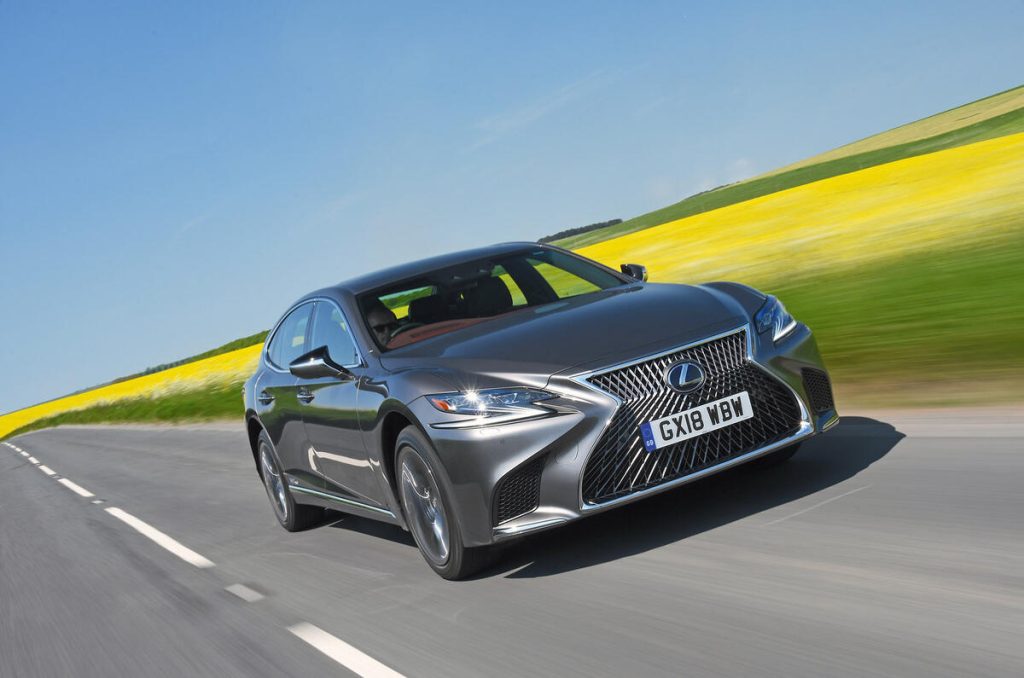
Additionally, Lexus’ reputation for excellent customer service and strong parts availability makes keeping an LS on the road a smooth experience.
Many families treat their LS as a long-term investment rather than a temporary car. For these reasons, the Lexus LS is not only admired for its luxury but also cherished as a vehicle that stands the test of time without losing its appeal.
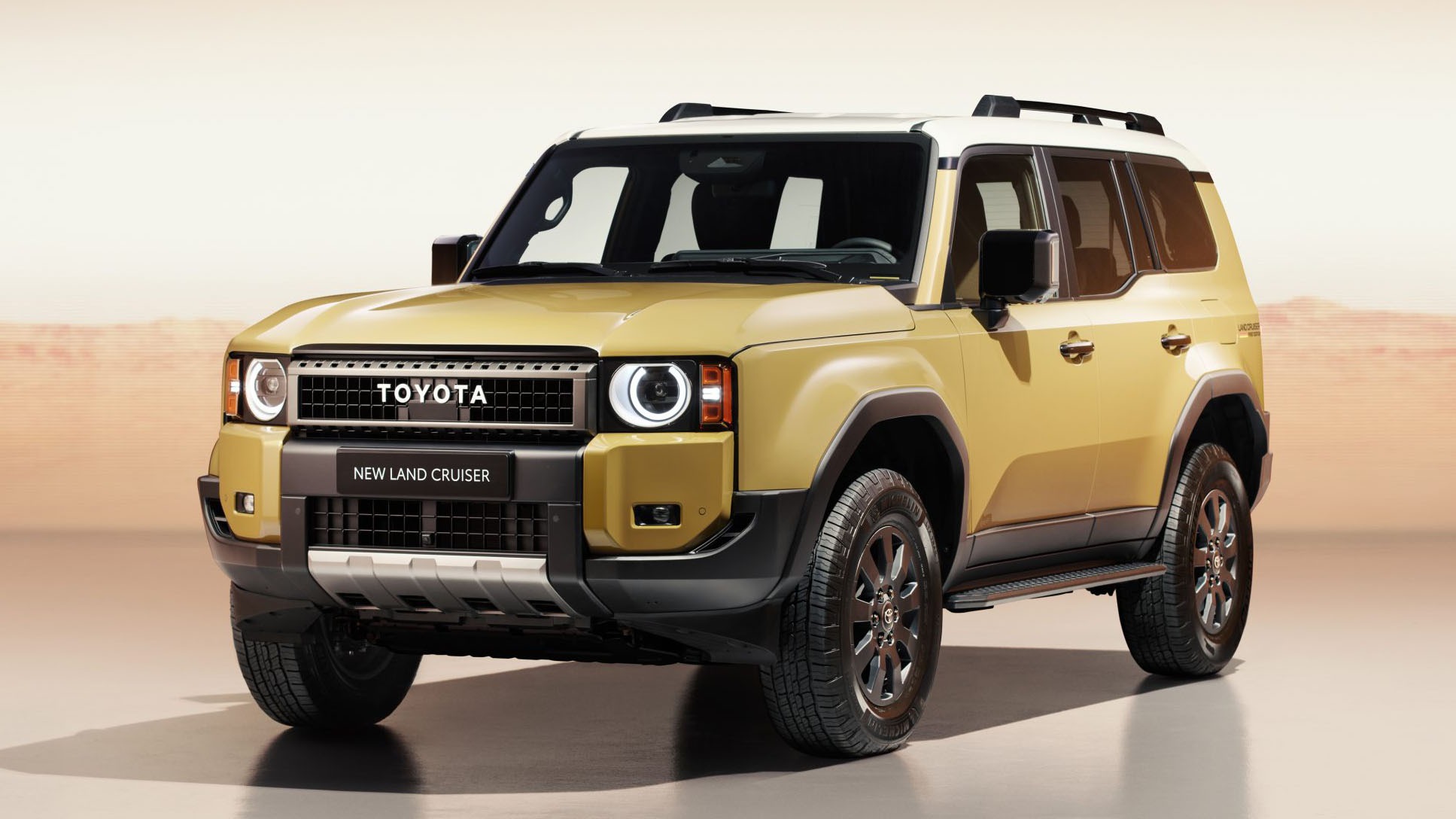
7. Toyota Land Cruiser
Few vehicles can match the Toyota Land Cruiser’s reputation for longevity and toughness. Designed as a rugged off-road machine that can also serve as a comfortable family hauler, the Land Cruiser has built a global following based on its ability to endure harsh conditions and high mileage.
Owners rarely sell them, often keeping them in service for decades and passing them down through generations.
The Land Cruiser’s durability begins with its overbuilt design. Engines are engineered to handle extreme stress, whether crossing deserts, climbing mountains, or enduring daily commutes.
Transmissions and drivetrains are equally robust, built to withstand conditions that would wear out most competitors. With routine care, many Land Cruisers easily surpass 300,000 miles.
Another reason for its staying power is its versatility. It provides off-road ability comparable to dedicated 4x4s while offering a comfortable, refined ride on highways.
This combination means owners rarely feel the need to replace it with something newer, since the Land Cruiser fulfills multiple roles at once.
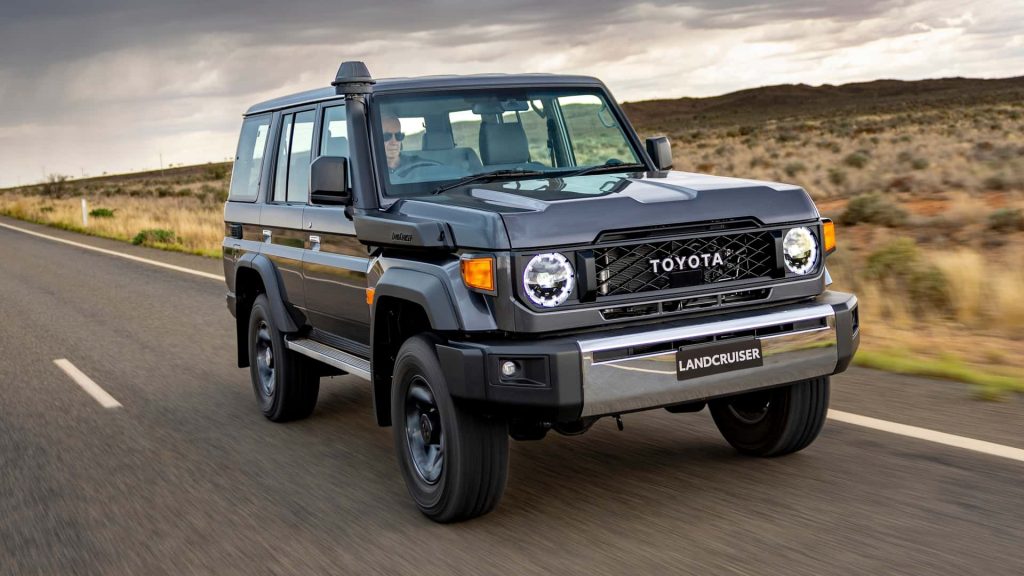
The vehicle’s strong resale value also discourages owners from parting with it, but in many cases, loyalty outweighs financial considerations. Families grow attached to their Land Cruisers because of the memories made during long trips and outdoor adventures.
For many, it becomes more than a car it is a trusted companion built to last. This mix of strength, comfort, and heritage makes the Toyota Land Cruiser a vehicle people almost never want to give up.
8. Volvo 240
The Volvo 240 has become an icon of durability and practicality. Produced from the mid-1970s through the early 1990s, this boxy sedan and wagon series earned a reputation as a car that simply refuses to die.
Even decades after production ended, many 240s remain on the road, cherished by loyal owners who value their simplicity and reliability.
The main reason for the 240’s staying power is its straightforward engineering. Volvo built it to last, with engines and drivetrains that are famously overbuilt.
With proper maintenance, these cars can easily exceed 400,000 miles, and stories of half-million-mile examples are not uncommon. Because of this, owners often see little reason to part with them.
Safety was another defining feature. The Volvo 240 set benchmarks for crash protection, earning a reputation as one of the safest cars of its era.
Families became especially loyal, holding onto theirs for decades because of the confidence it inspired. This trust extended well beyond safety, as the car also proved inexpensive to maintain and repair.
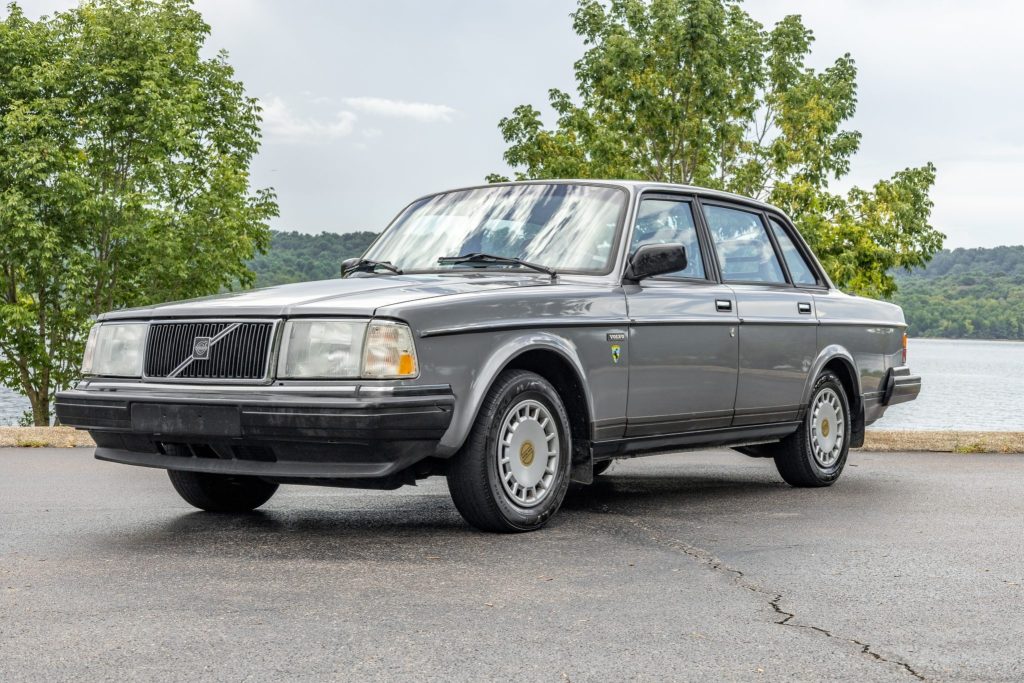
Its timeless, simple design also adds to its charm. While not stylish by modern standards, the 240’s boxy lines and straightforward controls make it easy to drive and maintain.
Owners often form strong emotional bonds with their cars, appreciating how it just keeps going no matter the age. For many, the Volvo 240 is not just a car it is a dependable family member that becomes impossible to give up.
9. Mercedes-Benz E-Class (W124)
Among Mercedes-Benz vehicles, the W124 E-Class stands out as a model that owners rarely let go. Produced between 1984 and 1996, this generation has earned a reputation as one of the most reliable and over-engineered sedans ever built.
Known as the “million-kilometer car,” the W124 is still prized today by those who value both luxury and durability.
The W124 was designed during a period when Mercedes prioritized engineering excellence above cost-cutting. Engines and transmissions were built with extreme longevity in mind, and many examples continue running strong after 300,000 or even 500,000 miles.
This durability, paired with classic styling, means owners often choose to maintain theirs indefinitely rather than trade up.
Beyond its mechanical strength, the W124 offers a refined driving experience. Comfortable seats, strong suspension, and timeless interior quality make it feel more solid than many modern luxury cars. This lasting quality explains why owners form long-term attachments to their vehicles.
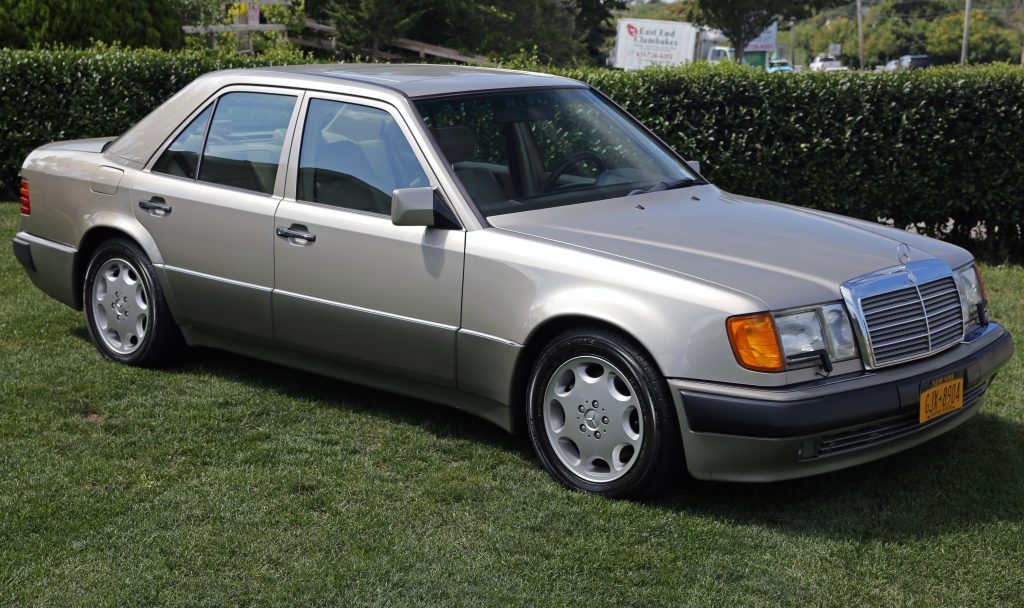
Parts availability and a dedicated enthusiast community further encourage ownership retention. Even though newer models offer more technology, they rarely match the W124’s reputation for unshakable dependability.
For many owners, this generation represents the golden age of Mercedes engineering, and they see little reason to give it up. As a result, the W124 E-Class is one of the most iconic examples of a car people hold onto for life.
10. Ford Crown Victoria
The Ford Crown Victoria may not have the elegance of a luxury sedan, but it has built a reputation as one of the toughest and longest-lasting American cars.
Produced from the early 1990s through 2011, the Crown Vic became famous as a police car, taxi, and fleet vehicle. Its durability in demanding roles helped cement its image as a car that simply refuses to quit.
Owners who buy retired Crown Victorias often keep them for years because of their simple yet nearly indestructible engineering.
The body-on-frame construction, paired with the reliable 4.6-liter V8 engine, makes it capable of withstanding high mileage and heavy use. Many examples easily exceed 300,000 miles, especially those maintained to fleet standards.
Another factor that keeps owners loyal is the car’s comfort and spaciousness. With a roomy interior and smooth ride, it serves well as a daily driver even after years of service.
Parts are inexpensive and widely available, making upkeep simple and affordable compared to modern vehicles.
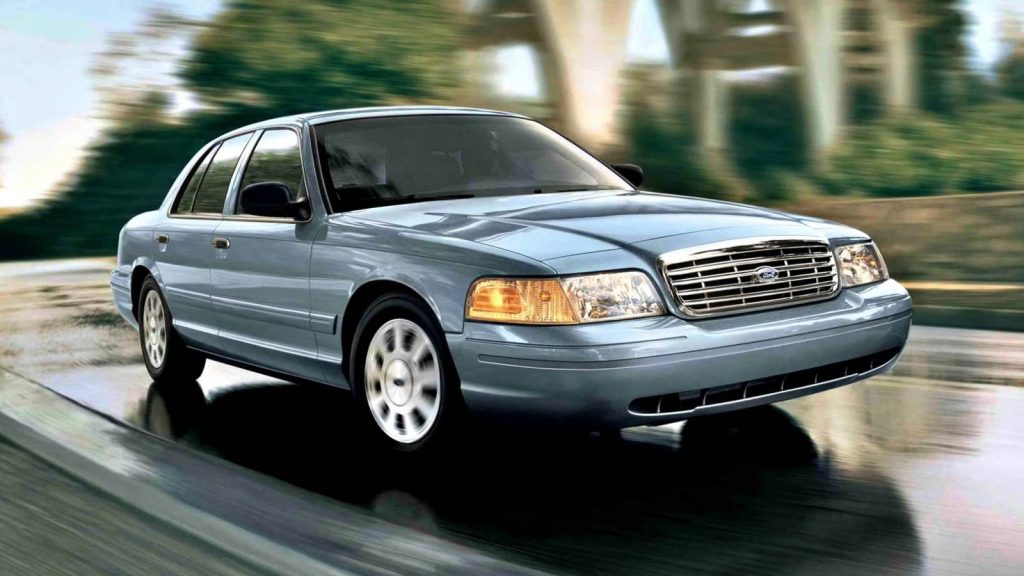
Crown Victorias also carry a certain nostalgic charm. Their association with law enforcement and taxi fleets makes them recognizable icons of American roads.
Enthusiasts and practical drivers alike often buy them intending to use them temporarily, only to realize they have a dependable workhorse they do not want to give up.
For many, the Crown Vic proves that durability and simplicity can inspire long-term ownership in ways that modern cars rarely do.
11. Jeep Cherokee (XJ)
The Jeep Cherokee XJ, produced from 1984 to 2001, is one of the most enduring SUVs ever built. Known for its rugged design and reliable drivetrains, it has a reputation for lasting well beyond typical vehicle lifespans.
Owners often keep their XJs for decades, using them for commuting, off-road adventures, and family duties without feeling the need to replace them.
At the heart of the Cherokee XJ’s durability is its legendary 4.0-liter inline-six engine. This powerplant is renowned for running hundreds of thousands of miles with minimal trouble.
Its simplicity makes it easy to maintain, and parts are widely available, encouraging owners to repair rather than replace. Combined with a strong automatic transmission, the drivetrain is one of the most dependable of its era.
The XJ’s unibody construction, while innovative at the time, proved remarkably tough. It gave the Cherokee a balance of strength and lighter weight compared to body-on-frame SUVs, which contributed to both efficiency and longevity.
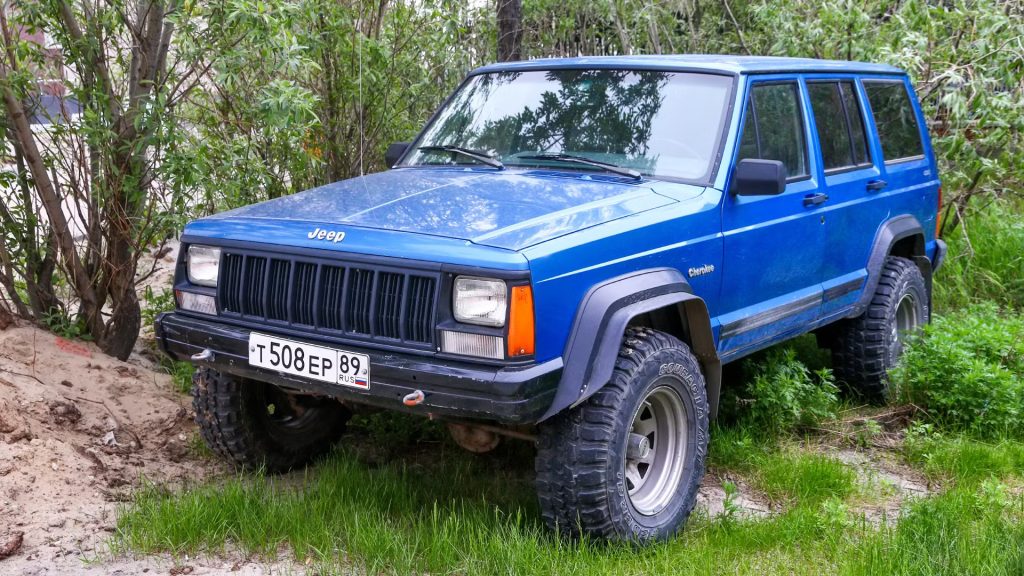
Owners appreciated how it could handle rough trails one day and city commutes the next, all without feeling worn out.
Another factor in its lasting appeal is its classic design. The boxy styling has aged gracefully, and enthusiasts still regard it as one of Jeep’s best models. Many XJs remain on the road today not just because they are durable, but because owners form strong attachments.
For countless drivers, the Cherokee XJ is irreplaceable, a dependable workhorse that continues to earn loyalty long after production ended.
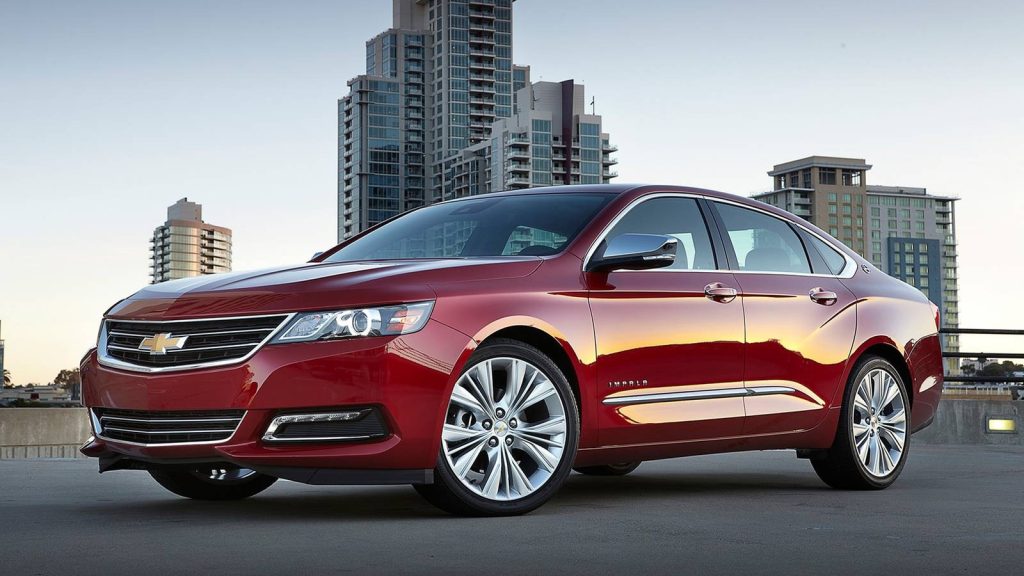
12. Chevrolet Impala (9th Generation)
The Chevrolet Impala, particularly the ninth-generation model produced from 2006 to 2016, is a car that many owners hold onto for years without hesitation.
Built with simplicity and strength in mind, the Impala earned a reputation for being a reliable daily driver capable of handling high mileage with ease.
Many families who purchased them as commuter cars or road-trip sedans still have them in service today, well past 200,000 miles.
One of the major factors behind the Impala’s staying power is its powertrain. The 3.5-liter and 3.9-liter V6 engines, along with the 3.6-liter introduced later, are known for their durability.
Paired with sturdy automatic transmissions, they provide consistent performance over long lifespans. Owners appreciate that these engines rarely suffer from catastrophic failures when maintenance is kept up.
Comfort also plays a role in why drivers keep their Impalas. With spacious interiors, smooth rides, and large trunks, the Impala makes an excellent family car or long-distance cruiser.
It offers just enough convenience features without the overly complex technology that can become a headache in newer vehicles.
Affordability of upkeep is another advantage. Parts are inexpensive and widely available, and many independent mechanics know these cars inside and out.
Owners often conclude that it is cheaper and more rewarding to keep their Impalas running than to buy something new. For these reasons, the Chevrolet Impala remains a dependable classic that people rarely feel motivated to trade in.
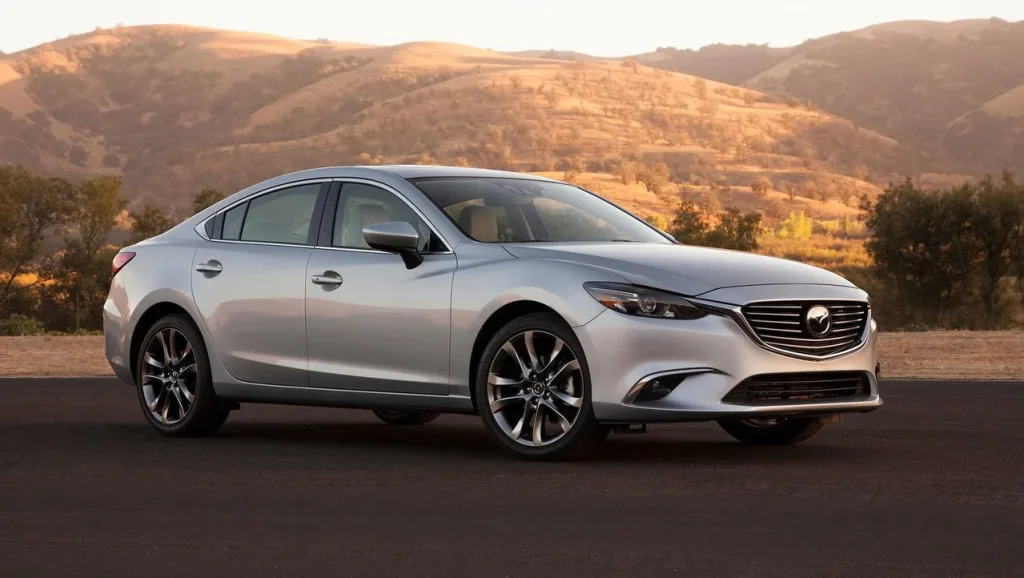
12. Mazda6 (First and Second Generations)
The Mazda6, particularly the first two generations produced between 2002 and 2013, has gained a loyal following among owners who value both reliability and driving enjoyment.
Unlike many midsize sedans that feel purely utilitarian, the Mazda6 blended sporty handling with long-term dependability, which helped it become a car people hang onto for years.
Owners appreciate the Mazda6 because it offers more personality than most rivals in its class while still being dependable. The available four-cylinder and V6 engines are known to be long-lasting, often surpassing 250,000 miles when properly serviced.
Paired with solid transmissions and a well-balanced chassis, the Mazda6 provides both practicality and fun, making it harder for owners to consider replacing.
Interior durability also plays a role in its long-term appeal. Seats, dashboards, and controls hold up well over years of use, and the car provides enough comfort to handle long commutes or road trips with ease.
At the same time, it remains affordable to maintain, with parts and service costs generally lower than many competitors.
Another reason owners keep their Mazda6 models is the emotional connection they develop. This is not just a reliable sedan but one that delivers a rewarding driving experience.
People often say their Mazda6 still feels enjoyable even after years of ownership, which discourages them from upgrading to something newer but less engaging.
For many, the Mazda6 strikes the perfect balance between everyday reliability and genuine driving pleasure, making it a long-term keeper.
