
Electric vehicles have often faced skepticism about their long-term reliability, largely due to their relatively recent emergence and reliance on complex battery technology.
However, recent data and owner experiences indicate that many EVs are performing better than expected, challenging early assumptions about durability and maintenance costs.
Modern EVs are not only delivering impressive driving ranges and efficiency but are also proving resilient in real-world use, with fewer mechanical failures compared to traditional internal combustion vehicles.
One of the primary advantages of EVs is their simplified mechanical design. With fewer moving parts in the drivetrain, no traditional transmission, and limited reliance on complex fuel systems, there are fewer components prone to wear and tear.
As a result, maintenance is often easier and less frequent. Owners have reported that vehicles continue performing well even after tens of thousands of miles, with battery health remaining stable and electronic systems functioning reliably.
Advances in battery management systems, thermal regulation, and software updates have also enhanced longevity. Manufacturers now incorporate safeguards to prevent battery degradation and maintain charging efficiency over the life of the vehicle.
Combined with robust chassis and suspension design, these improvements contribute to the unexpectedly high reliability of several EV models.
This article highlights seven electric vehicles that are demonstrating remarkable durability and reliability.
Each section examines what makes these vehicles dependable, the technology that supports their long-term performance, and why owners are increasingly confident in keeping them for years.
These EVs showcase that electric mobility can be both innovative and trustworthy, offering a compelling choice for drivers who value reliability as much as efficiency and performance.
Also Read: 10 Legendary Jeeps That Actually Last Forever
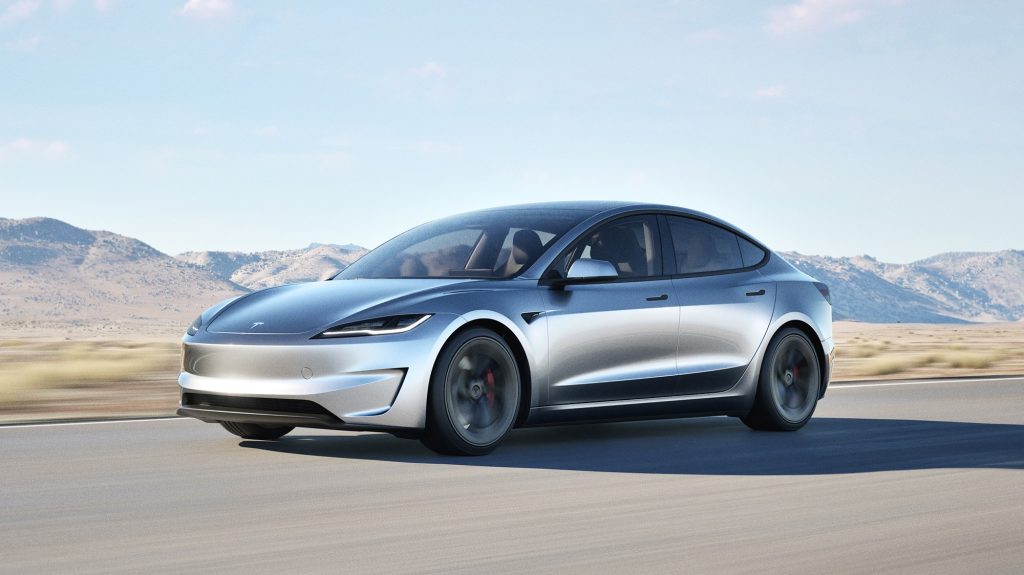
1. Tesla Model 3
The Tesla Model 3 has quickly become one of the most popular electric vehicles worldwide, not just for its performance and range but also for its surprising reliability.
Early concerns about battery longevity and complex electronics have largely been alleviated by owner reports and real-world data.
Many Model 3s are now surpassing 150,000 miles with minimal issues, demonstrating that the combination of electric drivetrain simplicity and advanced battery management can result in long-term dependability.
One of the key reasons for the Model 3’s reliability is its streamlined mechanical design. Unlike traditional internal combustion vehicles, it has no multi-speed transmission, no fuel injectors, and far fewer moving parts in the drivetrain.
This reduces the likelihood of mechanical failures and simplifies maintenance. Routine servicing primarily involves tire rotations, brake fluid checks, and cabin air filter replacements, which are relatively straightforward and inexpensive compared to traditional vehicles.
Battery performance is another area where the Model 3 excels. Tesla employs sophisticated battery management systems and active thermal management to maintain optimal operating temperatures.
This ensures that cells degrade slowly over time, preserving range and performance even after many years of use. Owners have reported minimal loss in capacity, with many vehicles retaining more than 90% of their original range after significant mileage.
The Model 3’s software-driven systems also contribute to reliability. Regular over-the-air updates address minor issues, optimize performance, and even improve efficiency.
While early production models had occasional quality-control concerns, Tesla has steadily improved assembly processes, resulting in fewer defects in newer vehicles.
Suspension and chassis components in the Model 3 have also shown resilience. Despite a sporty ride height and firm handling, parts like control arms, bushings, and shocks generally last longer than expected, particularly when paired with mindful maintenance and careful driving. This durability further enhances the overall longevity of the vehicle.
In conclusion, the Tesla Model 3 demonstrates that a modern EV can offer both innovation and long-term reliability.
Its mechanical simplicity, robust battery design, and software-driven maintenance make it a vehicle that owners can confidently drive for many years without the constant worry of unexpected breakdowns or expensive repairs.
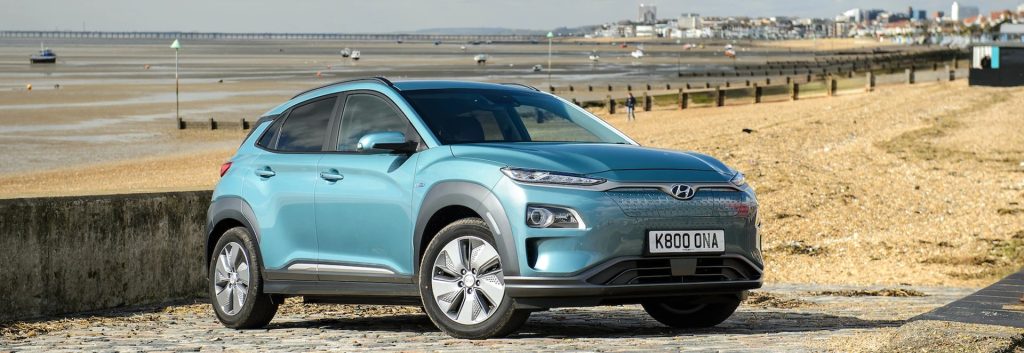
2. Hyundai Kona Electric
The Hyundai Kona Electric has established itself as one of the most dependable compact EVs on the market. Combining a well-engineered powertrain with high-quality components, it has earned a reputation for reliability that exceeds expectations for vehicles in its segment.
Many owners report minimal issues even after 100,000 miles, highlighting the advantages of thoughtful engineering and robust electric systems.
At the core of the Kona Electric’s dependability is its electric drivetrain. With a single-speed transmission and fewer moving components compared to internal combustion vehicles, there is less to wear out or fail.
The motor, inverter, and battery pack are designed for longevity, and Hyundai’s stringent quality control ensures that these critical elements meet high standards before leaving the factory.
Battery longevity is a notable strength of the Kona Electric. The 64 kWh battery pack features a sophisticated thermal management system that keeps temperatures within optimal ranges during charging and driving.
This reduces degradation and maintains range over time. Many owners report little to no noticeable loss in battery capacity after several years of regular use, making it a dependable choice for long-term ownership.
The vehicle’s suspension, brakes, and steering components also demonstrate durability. While compact and sporty, the Kona Electric handles daily driving conditions with ease, and routine wear items such as bushings and control arms tend to last longer than expected.
Hyundai’s careful material selection and attention to design tolerances contribute to the vehicle’s resilience.
Interior and electronic systems further enhance the Kona’s reliability. Infotainment screens, climate control units, and driver-assistance sensors are robust and have few reported failures.
Over-the-air software updates occasionally improve performance and efficiency, further extending the vehicle’s practical lifespan.
Overall, the Hyundai Kona Electric shows that a compact EV can deliver both performance and consistent reliability.
Its efficient electric drivetrain, strong battery design, and resilient mechanical systems make it a model that owners can trust, providing confidence in long-term ownership and minimal unexpected repairs.
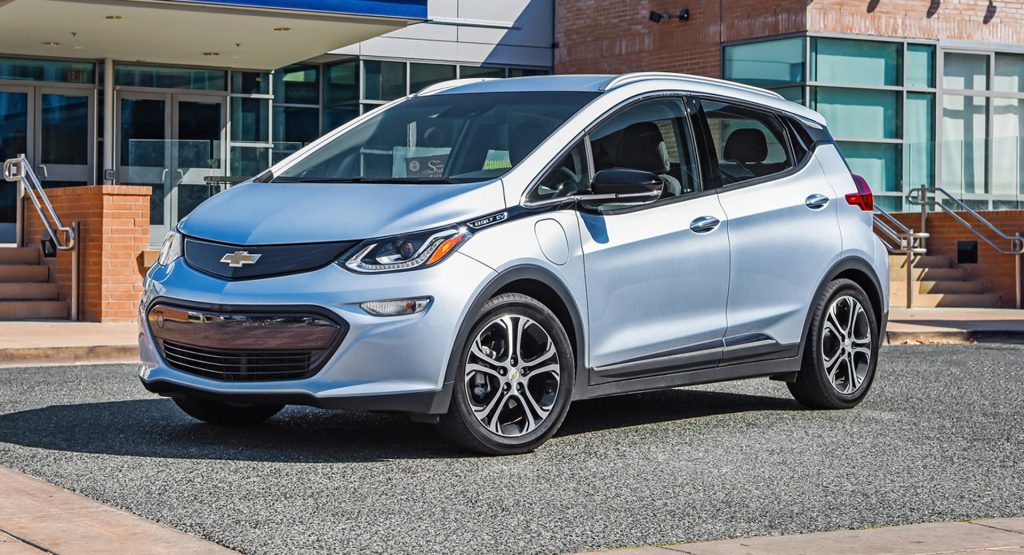
3. Chevrolet Bolt EV
The Chevrolet Bolt EV has gained recognition as a practical, affordable electric vehicle that also demonstrates remarkable reliability.
Despite initial concerns about battery performance and long-term durability, many Bolts on the road today continue to deliver dependable service, with owners reporting strong battery retention and minimal mechanical issues.
A primary reason for the Bolt’s dependability is its simple electric drivetrain. With a single-speed transmission and fewer mechanical components than a traditional gasoline-powered car, there are fewer points of failure.
Electric motors in the Bolt are robust and designed to last, while the inverter and associated electronics are engineered to endure a wide range of operating conditions.
Battery management in the Bolt EV is highly effective. The 66 kWh battery pack incorporates thermal management and sophisticated software to minimize degradation over time.
While early models required careful monitoring and occasional updates, later versions have proven more resilient, with many vehicles maintaining over 90% of their original capacity after extensive mileage.
The Bolt’s suspension and chassis systems also contribute to reliability. Control arms, bushings, and shock absorbers generally withstand years of daily use, even in varied driving conditions.
Hyundai and Chevrolet design their EVs with component durability in mind, and many owners report few unexpected repairs outside standard maintenance.
Electrical systems and interior components are similarly robust. Infotainment screens, climate systems, and driver-assistance features function reliably over time, with software updates occasionally adding improvements.
While early reports noted some recalls and minor component issues, proactive servicing has kept vehicles performing well and reduced long-term repair concerns.
In practical terms, the Chevrolet Bolt EV demonstrates that affordable EVs can match or exceed expectations for durability.
Its simple yet effective drivetrain, resilient battery, and robust mechanical systems make it a reliable choice for long-term ownership, reassuring drivers that electric vehicles can be both innovative and dependable.
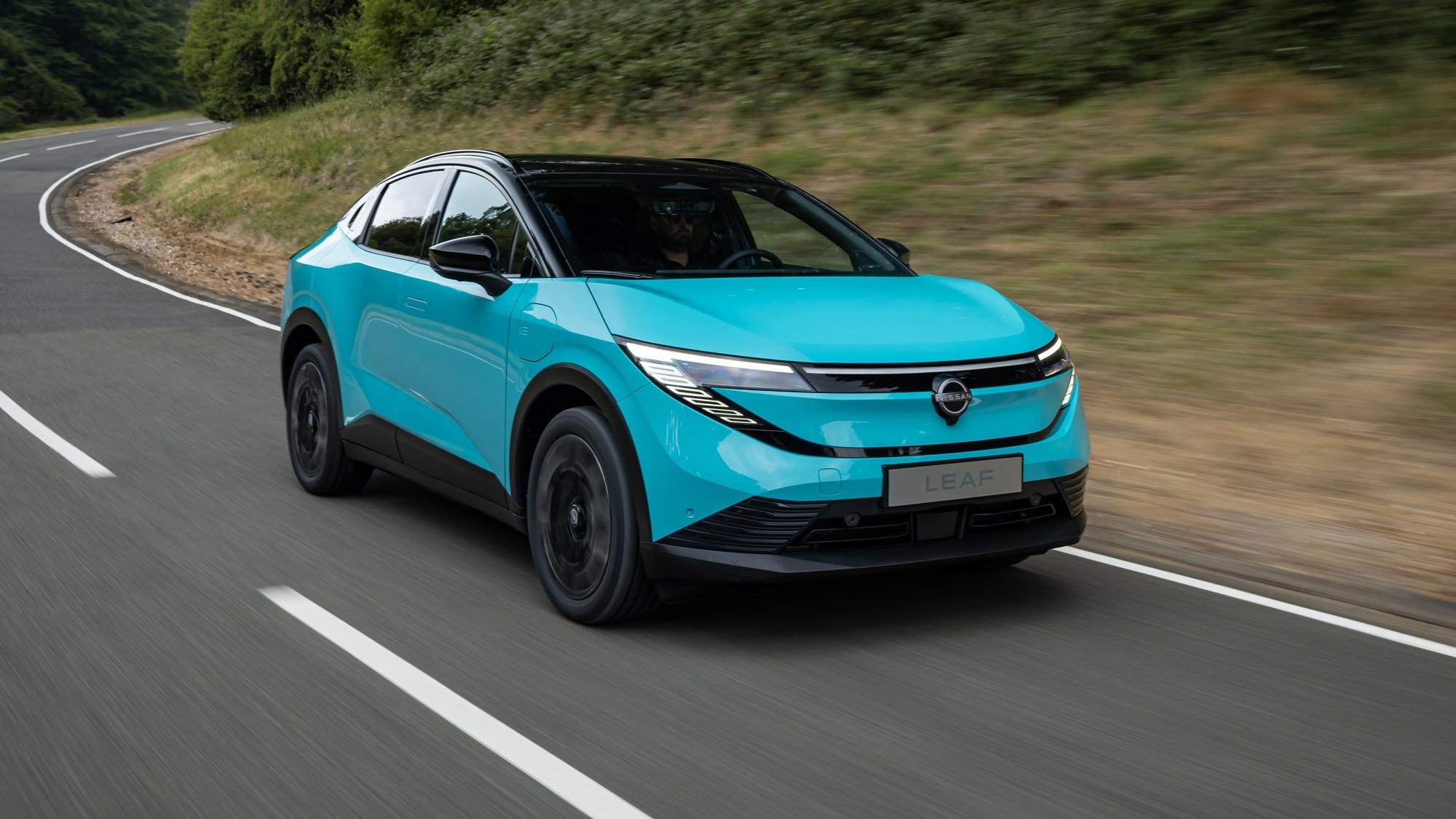
4. Nissan Leaf
The Nissan Leaf, first introduced in 2010 and now in its second generation, has established a strong reputation for reliability, particularly considering its early position in the EV market.
Many Leafs on the road have surpassed 100,000 miles without significant issues, demonstrating that early concerns about battery longevity and electrical systems are often overstated when owners follow recommended maintenance and charging practices.
One of the Leaf’s key advantages is its straightforward drivetrain. With a single electric motor, a compact power inverter, and no traditional transmission, the number of moving parts is dramatically reduced compared to internal combustion vehicles.
This simplicity translates into fewer mechanical failures and lower maintenance requirements. Brake wear is minimized thanks to regenerative braking, and routine service primarily involves tire rotations, cabin filter changes, and fluid checks, keeping long-term ownership costs relatively low.
Battery performance has improved significantly over the Leaf’s generations. While earlier models experienced gradual capacity loss in hot climates, the introduction of improved thermal management systems in later models has minimized degradation.
Many owners report maintaining 80–90% of original battery capacity after several years of use, which allows consistent driving range and reduces the likelihood of unexpected replacements.
Nissan’s emphasis on robust battery management software helps ensure that cells remain balanced and charging cycles remain efficient, extending battery life.
The Leaf’s suspension and chassis systems also demonstrate resilience. Front struts, control arms, and bushings generally perform well over time, particularly when paired with mindful driving.
Unlike high-performance EVs with stiff suspensions, the Leaf’s design favors comfort and longevity, which reduces wear and tear on components that often fail in more aggressive vehicles.
Interior electronics and features are equally dependable. Infotainment systems, climate control, and power accessories rarely malfunction, and software updates can enhance functionality over time.
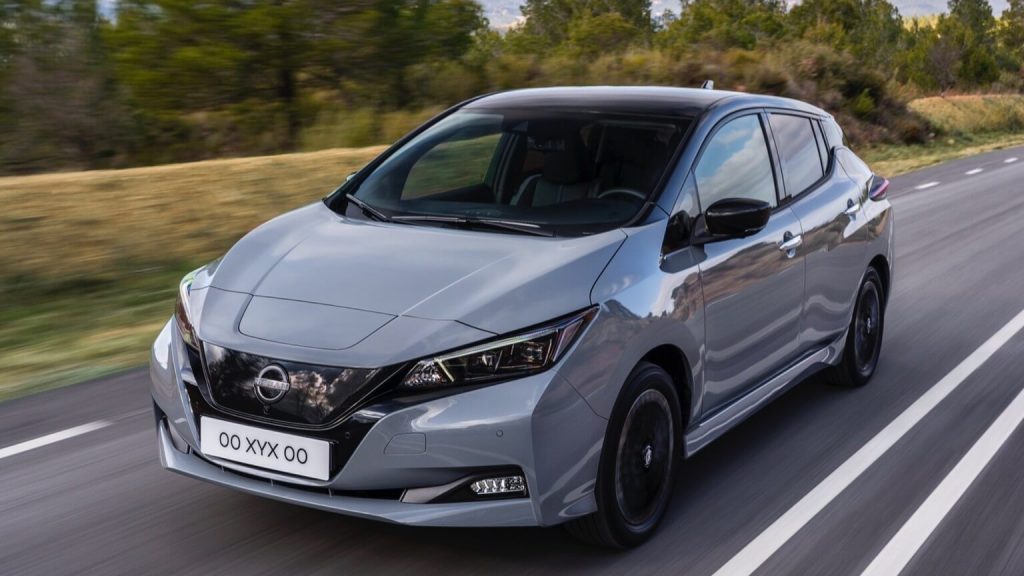
These factors contribute to overall reliability, making the Leaf a trusted choice for commuters and daily drivers who prioritize dependability.
Overall, the Nissan Leaf shows that even early-generation EVs can provide long-term reliability.
Its simple drivetrain, improved battery technology, and robust mechanical systems make it a practical and dependable choice for drivers seeking an affordable and trouble-free electric vehicle.
5. Kia EV6
The Kia EV6 is one of the newest EVs to demonstrate exceptional reliability, combining innovative design, advanced technology, and robust engineering.
Despite being a relatively recent entry in the EV market, owner reports and early data indicate that the EV6 performs consistently well, with minimal mechanical or electrical issues even after extended use.
At the heart of the EV6’s dependability is its electric drivetrain. The vehicle utilizes a single or dual motor setup depending on the configuration, paired with a single-speed transmission.
Fewer moving parts in this system compared to traditional vehicles reduce the potential for mechanical failure, while regenerative braking lowers wear on brake components.
The drivetrain’s design emphasizes both performance and longevity, contributing to its unexpected reliability.
Battery management is a standout feature in the EV6. The long-range 77.4 kWh battery employs advanced thermal management and software monitoring to maintain optimal cell performance.
Early owners report that range and battery capacity remain consistent over time, with minimal degradation even under frequent fast charging. These measures help ensure that the EV6 remains a reliable daily driver for years.
Suspension and chassis components are also built for durability. Control arms, bushings, and shock absorbers are engineered to withstand regular driving conditions without premature wear. The EV6’s handling remains precise while maintaining comfort, which reduces strain on mechanical components.
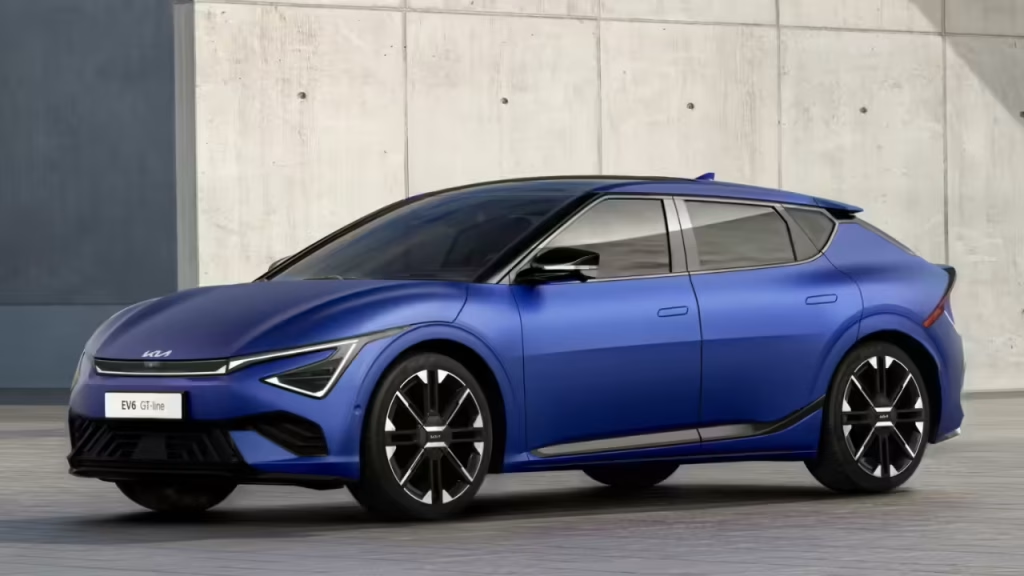
Interior systems, including infotainment screens, climate control, and driver-assistance features, have proven robust. Over-the-air software updates improve performance and functionality, further enhancing reliability.
Owners rarely report failures in small electronic systems, which are often the source of high maintenance costs in other vehicles.
Overall, the Kia EV6 shows that modern EVs can combine advanced features with surprising reliability.
Its efficient drivetrain, durable battery, and resilient mechanical systems make it a compelling choice for drivers seeking an innovative yet dependable electric vehicle for long-term ownership.
6. Ford Mustang Mach-E
The Ford Mustang Mach-E has rapidly established itself as a reliable and well-engineered electric SUV.
Combining the Mustang’s sporty heritage with modern EV technology, the Mach-E delivers a dependable driving experience and robust performance, proving that electric vehicles can meet high expectations for both excitement and long-term durability.
A key factor in the Mach-E’s reliability is its simplified electric drivetrain. The vehicle uses either a single-motor rear-wheel-drive setup or dual-motor all-wheel drive, paired with a single-speed transmission.
Fewer moving parts reduce mechanical failure points, while regenerative braking minimizes wear on the braking system.
Routine maintenance is straightforward, mainly consisting of tire rotations, brake inspections, and cabin air filter replacements, keeping overall ownership costs lower than a comparable internal combustion SUV.
Battery longevity is another strength. The Mach-E’s 68 kWh or 88 kWh battery packs feature sophisticated thermal management systems that maintain optimal temperatures, ensuring that cells degrade slowly over time.
Owners have reported minimal reduction in range even after tens of thousands of miles, which is particularly impressive for an EV with performance-oriented driving capabilities.
Ford also provides over-the-air software updates that optimize energy efficiency, improve performance, and address minor issues, further supporting reliability.
Suspension and chassis components are designed to handle both spirited driving and everyday use. Control arms, bushings, and shock absorbers demonstrate durability over extended periods, even under aggressive driving conditions.
The Mach-E’s handling remains consistent, and its overall build quality minimizes long-term wear on key components.
Interior systems also contribute to the Mach-E’s dependable reputation. Infotainment screens, climate control modules, and driver-assistance features are robust and rarely fail. Even the more advanced features, such as adaptive cruise control and lane-keeping assist, function reliably without frequent intervention.
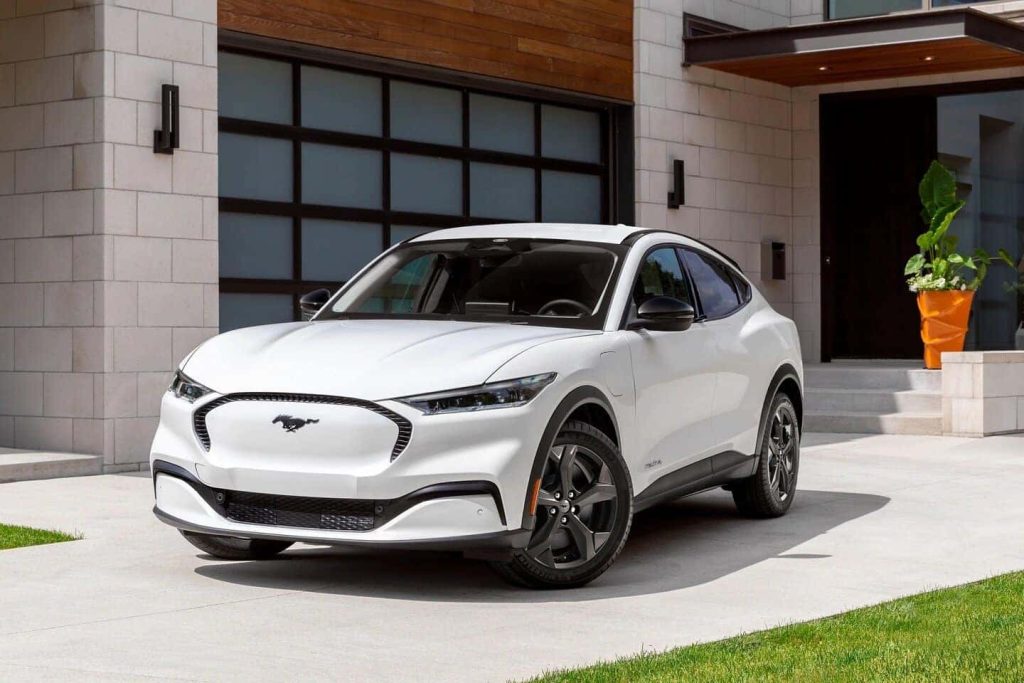
Overall, the Mustang Mach-E combines modern technology with proven reliability. Its efficient drivetrain, resilient battery, and durable mechanical systems allow owners to enjoy a high-performance electric SUV without frequent concerns about maintenance or unexpected repairs.
The Mach-E demonstrates that EVs can provide both innovation and dependability in a single package.
7. Porsche Taycan
The Porsche Taycan, a high-performance electric sedan, has exceeded expectations for reliability in the luxury EV segment.
While many anticipated that a performance-oriented EV with complex electronics would face frequent issues, the Taycan has proven robust, with well-engineered systems and high-quality components that ensure long-term durability.
A primary reason for the Taycan’s reliability is its drivetrain. Equipped with one or two electric motors and a two-speed transmission on the rear axle, the system is engineered for both performance and longevity.
With fewer moving parts than a traditional engine, the potential for mechanical failures is reduced. Regenerative braking reduces stress on the braking system, further enhancing durability.
Battery management is particularly sophisticated. Porsche uses a liquid-cooled 79.2 kWh or 93.4 kWh battery pack, paired with software that actively balances cell performance and monitors thermal conditions.
This ensures minimal degradation over time, even under aggressive driving or frequent fast charging. Owners report consistent range and battery efficiency after many miles of use.
The Taycan’s suspension and chassis systems are engineered for precision and durability. Multi-link suspension components, control arms, and bushings maintain performance while withstanding the stresses of spirited driving.
Porsche’s attention to build quality ensures that these mechanical parts last longer than expected for a high-performance vehicle.
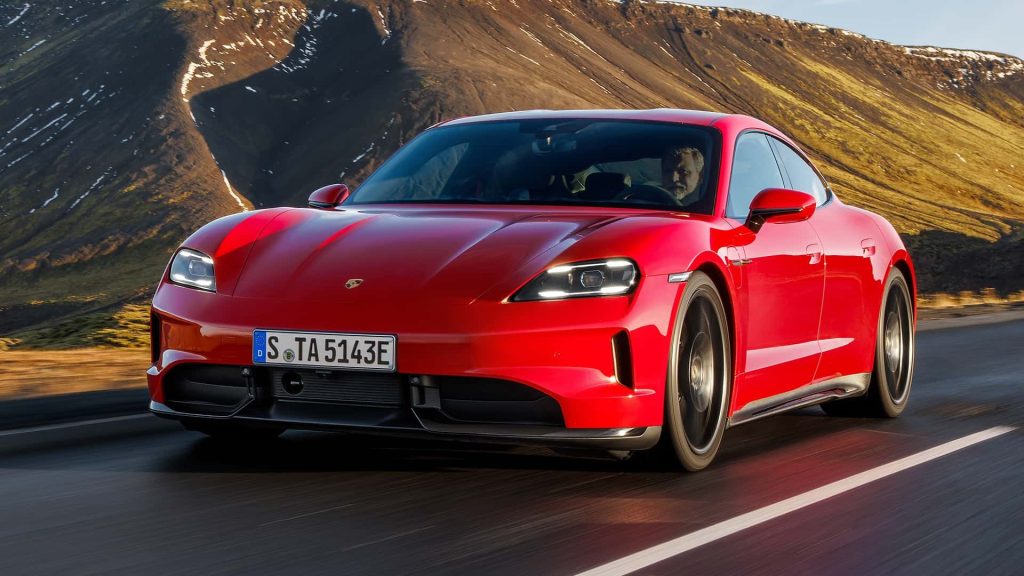
Interior electronics and infotainment systems are equally reliable. Touchscreens, climate control, and advanced driver-assistance systems function consistently, and over-the-air updates further optimize performance and reliability.
Even complex features such as adaptive cruise and lane-assist systems have minimal reported failures.
Overall, the Porsche Taycan demonstrates that a high-performance luxury EV can deliver both exhilaration and reliability.
Its robust drivetrain, well-managed battery system, and durable chassis and electronics allow owners to enjoy Porsche performance with confidence, making it a standout example of a dependable modern electric vehicle.
Electric vehicles are increasingly proving that they can be both innovative and reliable, challenging early skepticism about long-term durability.
The seven models highlighted in this article ranging from compact cars to luxury performance sedans, demonstrate that advances in engineering, battery technology, and software management have made modern EVs surprisingly dependable.
While traditional concerns focused on battery degradation, complex electronics, and unfamiliar maintenance requirements, real-world data and owner experiences reveal that these vehicles can withstand years of use with minimal issues.
A major contributor to EV reliability is the simplicity of their drivetrains. With fewer moving parts compared to internal combustion engines, EVs have a reduced risk of mechanical failures.
Single-speed transmissions, absence of fuel systems, and limited reliance on traditional engine components mean fewer points of wear.
Vehicles like the Tesla Model 3 and Chevrolet Bolt EV exemplify this advantage, offering smooth operation over many thousands of miles while requiring only minimal routine maintenance, such as tire rotations and cabin air filter replacements.
Battery performance is another critical factor in long-term dependability. Modern EVs, including the Hyundai Kona Electric, Nissan Leaf, and Kia EV6, incorporate advanced thermal management systems and sophisticated battery monitoring.
These systems regulate temperature, balance cells, and optimize charging cycles to minimize degradation over time.
As a result, owners consistently report retaining a high percentage of the original battery capacity, even after extensive use, ensuring consistent driving range and reliable performance for years.
Suspension and chassis design also play a significant role. Models such as the Ford Mustang Mach-E and Porsche Taycan maintain durable control arms, bushings, and shock absorbers, which sustain performance under both daily driving and spirited use.
Careful engineering and material selection reduce premature wear, contributing to overall longevity. Additionally, regenerative braking systems lower stress on brakes, further enhancing durability.
Interior electronics and software-driven systems are increasingly robust in these EVs. Infotainment screens, climate control modules, and advanced driver-assistance systems operate reliably, with many models offering over-the-air updates that optimize performance and address minor issues without requiring a visit to the service center.
This combination of reliable hardware and adaptable software reduces the likelihood of small, costly repairs, which have historically been a concern for vehicles with complex electronics.
Overall, the reliability of these seven electric vehicles demonstrates that modern EVs are a viable long-term choice for a wide range of drivers.
Their simplified drivetrains, durable battery systems, resilient suspension components, and robust electronics allow owners to enjoy both innovative technology and dependable performance.
By choosing vehicles with proven reliability, drivers can confidently adopt electric mobility without worrying about unexpected breakdowns or excessive maintenance costs.
These models show that electric vehicles can offer peace of mind alongside efficiency, sustainability, and driving enjoyment, making them an increasingly practical and attractive option for long-term ownership.
