When it comes to road trips, your choice of sedan can make or break the experience. Long stretches of highway, unpredictable weather, and hours behind the wheel demand a car that delivers comfort, dependability, and efficiency.
The last thing you want is to be stranded on the side of the road because your vehicle couldn’t handle the journey. While some sedans are engineered to excel in these conditions, offering smooth rides, fuel economy, safety, and durability, others reveal their flaws the moment you put them to the test.
In this guide, “5 Sedans That Can Handle Road Trips vs 5 That Fall Apart,” we’ll highlight two sides of the spectrum. On one hand, you’ll find well-rounded models like the Subaru Legacy, Toyota Corolla, and Honda Accord cars praised for their reliability, value, and long-distance comfort.
On the other hand, we’ll shine a light on sedans such as the Chrysler Sebring and Dodge Avenger, which have earned reputations for mechanical issues, cheap interiors, and costly breakdowns.
Whether you’re planning your next cross-country adventure or simply looking for a sedan that won’t let you down over time, this breakdown will help you separate the road-trip warriors from the pretenders.
5 Sedans That Can Handle Road Trips
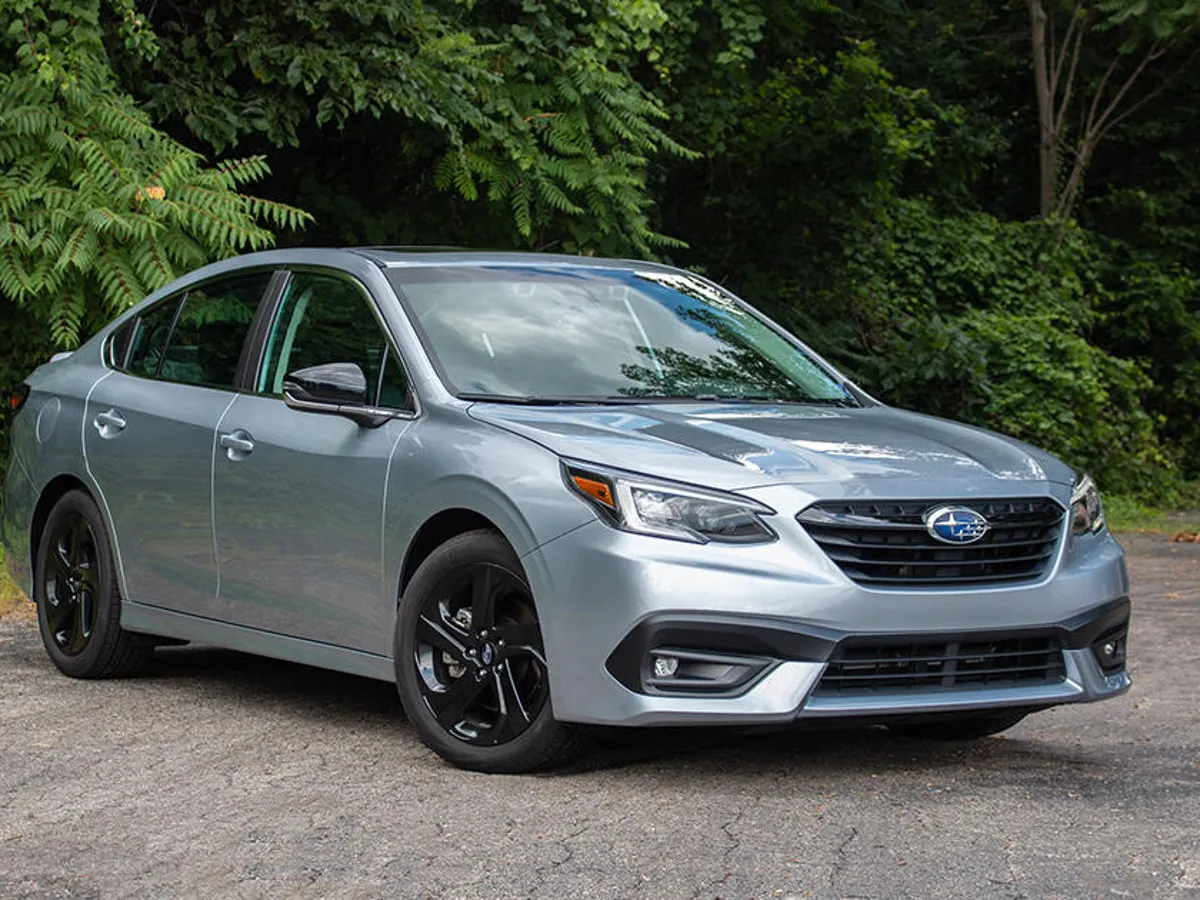
1. 2020 Subaru Legacy: Redesigned Midsize Sedan with Standard All-Wheel Drive
The 2020 Subaru Legacy is a midsize sedan that competes with top-selling models such as the Toyota Camry and Honda Accord. Unlike its rivals, which come standard with front-wheel drive, the Legacy offers all-wheel drive on every trim, providing superior traction in snow or rain.
Additionally, the Legacy has a lower starting price than its competitors, beginning at under $23,000, which is roughly $2,000 less than a base Camry and about $1,000 less than a base Accord. This combination of affordability and all-weather capability helps the Legacy stand out in a crowded midsize segment.
For 2020, the Legacy underwent a complete redesign, marking the seventh generation of the model in the U.S. The new styling is smoother and less cluttered while maintaining similar proportions to its predecessor.
Beneath the surface, the car rides on a much stiffer chassis, which improves safety, handling, and ride quality. The enhanced body rigidity contributes to a quieter, more composed ride and allows the suspension to better absorb bumps while offering more precise cornering.
The Legacy offers two four-cylinder “boxer” engine options. The base engine is a 182-horsepower 2.5-liter unit with horizontally opposed pistons, lowering the center of gravity to improve handling without compromising ride comfort.
The optional engine is a 2.4-liter turbocharged version producing 260 horsepower, providing a stronger driving experience for those seeking more acceleration.
Both engines pair with a Continuously Variable Transmission (CVT) that delivers power efficiently to all four wheels while maintaining the engine in its optimal power range. Fuel economy is rated at 27 mpg city and 35 mpg highway with the base engine, and 24 mpg city and 32 mpg highway with the turbocharged option.
The 2020 Legacy is available in six trim levels, ranging from the base model to the Touring XT. Even the base model comes well-equipped, featuring automatic LED headlights, adaptive cruise control, paddle shifters, keyless entry, dual USB ports, eight cup holders, and Subaru’s STARLINK infotainment system on a seven-inch display.
Safety features are extensive, including automatic high beams, a rearview camera, pre-collision braking, lane departure and sway warning, and lane keep assist. Higher trims offer increasingly luxurious touches.
The Premium trim adds alloy wheels, heated side mirrors, a 10-way power-adjustable driver’s seat, heated front seats, dual-zone climate control, a leather-wrapped steering wheel, and an 11.6-inch touchscreen.
The Sport trim adds larger wheels, LED fog lights, integrated turn signals, a trunk spoiler, and cloth upholstery with contrasting stitching. Limited and Limited XT trims add leather-trimmed seats, adaptive headlights, power-adjustable front seats, heated rear seats, blind-spot detection, rear cross-traffic alert, reverse automatic braking, and a premium 12-speaker Harman/Kardon audio system.
At the top, the Touring XT adds auto-folding mirrors, ventilated front seats, Napa leather upholstery, a 180-degree front-view monitor, and a CD player.
The Legacy’s driving performance is competent but not particularly sporty. The CVT feels responsive, though acceleration is modest, with a 0-60 mph time of 8.5 seconds.
The sedan grips the road well and handles turns naturally, though body roll is noticeable in tighter corners. Steering is well-weighted and precise, but braking produces some nosediving, and the auto stop-start system can be abrupt.
Ride comfort is strong, with supportive front seats and sculpted rear seating that offers generous legroom and headroom. Wind and road noise are slightly more pronounced than in some competitors, and the climate control system, while effective, has a small learning curve.
The interior is spacious and inviting, with large windows providing excellent visibility. Storage is practical, including a 15.1-cubic-foot trunk that accommodates bulky items, and rear seats fold flat for additional cargo capacity, although the center seat belt can be slightly obstructive. The cabin features multiple compartments for small items, including a two-tier console and door pockets.
Technology is abundant, with Apple CarPlay and Android Auto standard, multiple USB ports, and Subaru’s EyeSight suite of driver-assistance systems. However, the infotainment system can be slow to respond, and voice commands are inconsistent. Certain driving aids, such as forward collision warning and adaptive cruise control, can feel overly sensitive or abrupt, requiring careful adjustment by the driver.
Fuel efficiency is solid for an all-wheel-drive sedan, with a combined rating of 30 mpg. While slightly lower than front-wheel-drive competitors, it compares favorably to other AWD options in the segment. The Legacy’s value is reinforced by a strong combination of safety features, comfort, and interior quality, making it a compelling choice for buyers who prioritize security and all-weather capability in a midsize sedan.
The 2020 Subaru Legacy balances practicality, safety, and comfort, offering a redesigned interior, refined ride, and the standard benefit of all-wheel drive. With multiple trims and engine choices, it accommodates a range of preferences while maintaining competitive pricing, making it a noteworthy contender in a highly competitive midsize sedan market.
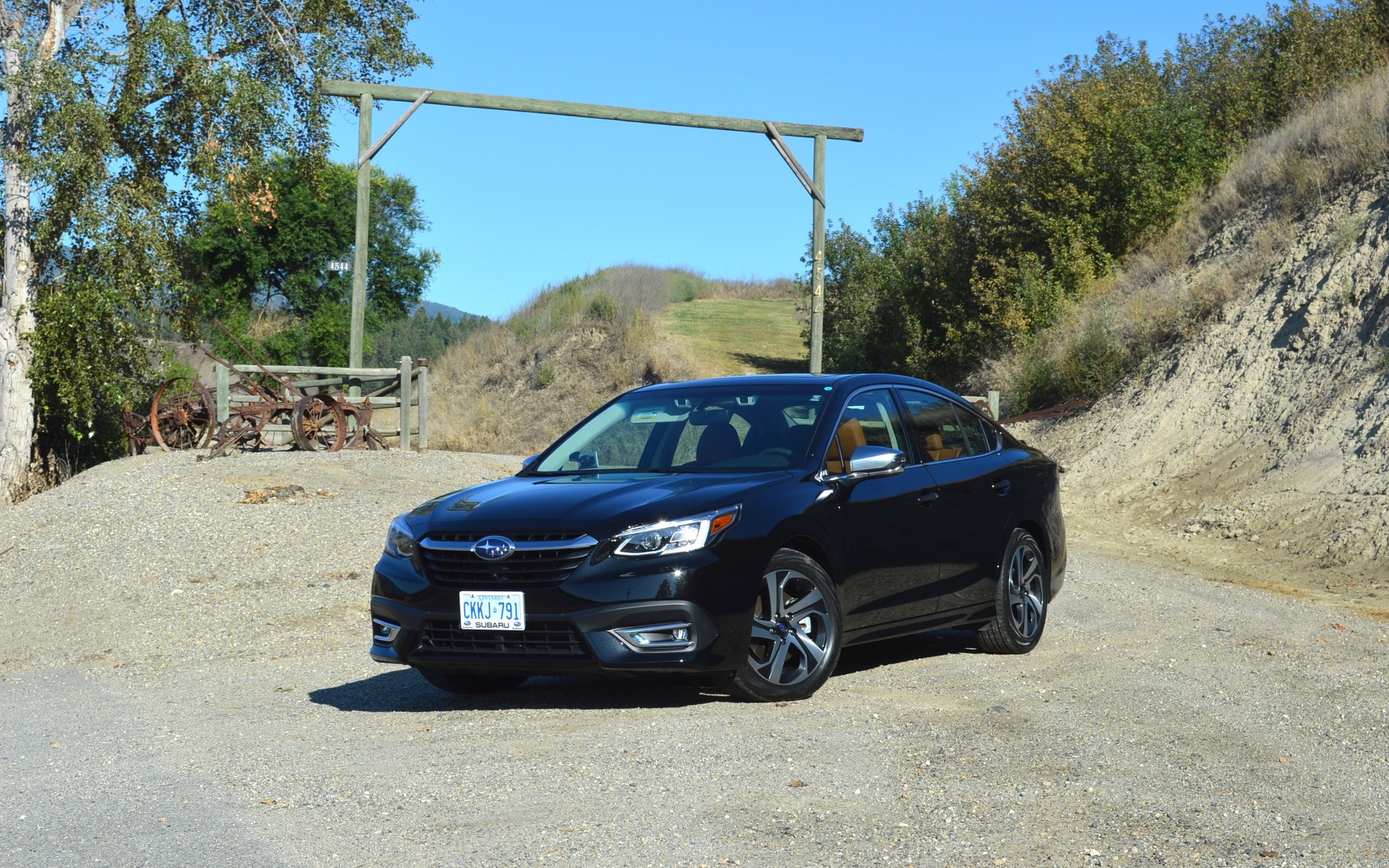
2. 2020 Toyota Corolla: Reliable, Efficient, and Value-Driven
The 2020 Toyota Corolla continues to deliver the strong value proposition that has made it a best-seller for over five decades. Starting at under $20,000, the Corolla provides essential features for daily driving without overcomplicating ownership.
Despite its affordability, the Corolla offers a variety of modern amenities, safety systems, and infotainment options that give it a more upscale feel. Even the top-tier XSE trim remains well-priced at just over $25,000, demonstrating that value exists across the entire lineup.
The Corolla is available in five main trim levels, with sub trims offering additional drivetrain and equipment configurations. The base L trim is powered by a 1.8-liter 4-cylinder engine producing 139 horsepower, driving the front wheels through a continuously variable transmission (CVT), a first for this generation.
A hybrid variant is available in the LE trim, pairing a gasoline engine with an electric motor to deliver impressive fuel economy, with a combined rating of 52 mpg.
The sportier SE and XSE trims are equipped with a new 2.0-liter 4-cylinder engine producing 169 horsepower, offering a more engaging driving experience and slightly improved efficiency over the 1.8-liter engine. The SE is also offered with a six-speed manual transmission for enthusiasts seeking a more connected driving experience.
Standard features on the base L trim include LED headlights, taillights, and daytime running lights, an integrated backup camera, Wi-Fi, Amazon Alexa connectivity, Toyota’s Lane Tracing Assist system, a seven-inch touchscreen with Apple CarPlay, and the Toyota Safety Sense 2.0 suite.
This safety suite provides pre-collision braking, dynamic radar cruise control, lane departure warning with steering assist, automatic high beams, road sign assistance, and blind-spot monitoring.
The LE trim adds alloy wheels, automatic climate control, remote keyless entry, an eight-inch touchscreen, and premium fabric seats for only a modest increase in price. The SE trim introduces sport-oriented styling with larger 18-inch wheels, a rear spoiler, LED grille accents, sport mode, and the upgraded 2.0-liter engine.
The XLE focuses on comfort and convenience, offering SofTex-trimmed heated front seats, a premium audio system, a power tilt-and-slide sunroof, a seven-inch multi-information display, and a three-year subscription to Toyota Connected Services.
At the top, the XSE blends the sporty exterior of the SE with the luxury features of the XLE, and optional packages enhance connectivity with SiriusXM satellite radio, additional USB ports, voice recognition, and Siri Eyes Free functionality. Even with all available options, the Corolla remains under $30,000.
Performance is adequate but not thrilling. Acceleration is modest, with a 0-60 mph time of approximately 8.8 seconds, requiring extra planning when merging onto highways or passing slower traffic.
The XSE trim, while marketed as sporty, exhibits body lean in turns and tires that provide limited grip. Despite this, the Corolla functions effectively as a daily driver, offering predictable handling and stable performance under routine conditions.
The Corolla delivers a smooth and comfortable ride. Front seats provide good support and adjustability, accommodating drivers of different sizes. Road noise increases on rough asphalt, and wind noise is noticeable at higher speeds, though neither is disruptive.
The cabin layout is clean and logical, with controls easily accessible and grouped in a sensible manner. Passenger space is ample in the front, while rear seating is somewhat tighter, particularly regarding headroom for taller adults.
The 2020 Corolla incorporates a more refined infotainment system than previous generations, though it still lags behind some competitors in visual appeal and intuitiveness.
Apple CarPlay is standard and functions reliably, while Android Auto is unavailable. The Toyota Safety Sense 2.0 suite of features is generally unobtrusive and effective, although lane departure warning can feel overly sensitive. Adaptive cruise control performs smoothly, contributing to comfortable highway driving.
Trunk capacity is slightly smaller than that of some rivals, but it is still adequate for everyday use. The rear seatbacks do not fold flat, which can limit the transport of longer items.
Cabin storage is minimal, offering space for personal items like phones and small accessories. The vehicle is practical for families, however, with clearly marked car seat anchors that simplify installation.
Fuel efficiency is one of the Corolla’s key strengths. The 2.0-liter engine paired with the CVT delivers a combined 34 mpg, while the base 1.8-liter engine achieves 33 mpg. The hybrid version of the Corolla significantly boosts economy, making it an excellent choice for those prioritizing efficiency.
The 2020 Toyota Corolla offers a strong combination of affordability, reliability, and features. The cabin is well-constructed and presents a more upscale feel than earlier generations.
With a long-standing reputation for dependability, a generous suite of standard safety features, and two years of complimentary scheduled maintenance, the Corolla remains a highly competitive choice in the compact sedan segment. Its balance of efficiency, comfort, and technology ensures it remains appealing to a wide range of buyers.
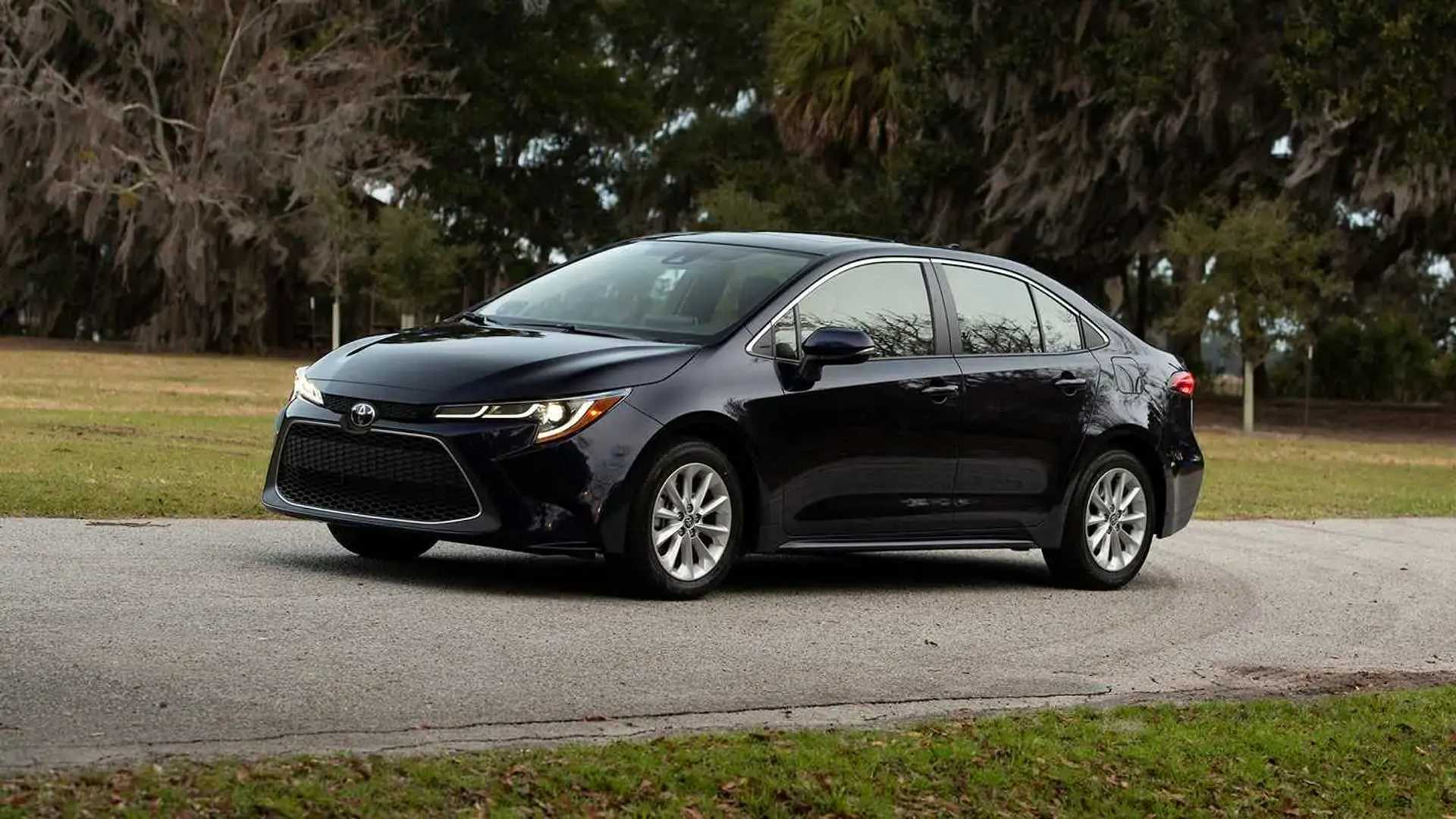
3. 2019 Honda Accord: Engaging, Spacious, and Well-Rounded
The 2019 Honda Accord, part of the tenth generation introduced in 2018, continues to set a high standard in the midsize sedan segment. Competing with long-time rivals like the Toyota Camry, the Accord delivers a blend of practicality, comfort, and driving enjoyment that makes it a standout choice.
For 2019, the main update is that the Touring trim no longer offers the 1.5-liter engine, while the remainder of the lineup remains unchanged. The Accord provides a roomy interior, excellent ergonomics, and ample storage, all while retaining the engaging driving dynamics that set it apart from many other midsize sedans.
The Accord offers three drivetrain options. The base engine is a 1.5-liter turbocharged 4-cylinder producing 192 horsepower, available with either a six-speed manual or a continuously variable transmission (CVT). The larger optional engine is a 2.0-liter turbocharged 4-cylinder producing 252 horsepower, replacing the previous V6.
This engine delivers more torque than the old V6 while improving fuel efficiency and remains paired with either a 10-speed automatic or a six-speed manual. The hybrid variant combines a 2.0-liter non-turbo engine with two electric motors to optimize fuel economy, providing front-wheel drive with minimal gasoline consumption.
Trim levels include LX, Sport, EX, and Touring. The LX trim, available with the hybrid or 1.5-liter engine, features 17-inch wheels, LED daytime running lights, dual-zone climate control, a rearview camera on a seven-inch display, Bluetooth connectivity, USB ports, and push-button start.
Sport trims add larger 19-inch wheels, aluminum pedals, an eight-inch touchscreen, Apple CarPlay, and Android Auto, along with sportier styling and available heated front seats, a power moonroof, blind-spot monitoring, SiriusXM radio, and remote start for higher-powered versions.
The EX adds more convenience features, while the Touring trim, available only with the 2.0-liter engine, includes ventilated front seats, adaptive suspension dampers, a premium 10-speaker audio system, full LED headlights, navigation, a heads-up display, wireless phone charging, and additional sound insulation.
The Accord provides confident and engaging performance. Acceleration is competent, with a 0-60 mph time of roughly eight seconds for the base 1.5-liter engine. The drivetrain responds quickly, and power delivery feels smooth around town and on the highway.
The 2.0-liter engine, especially when paired with the Touring trim’s adaptive suspension, enhances driving enjoyment with more responsive handling, reduced body roll, and a planted feel through turns. Steering is accurate, though it can feel somewhat artificial, lacking feedback from the front wheels.
Braking is strong and predictable, instilling confidence during everyday driving and emergency stops. The CVT automatic is tuned to balance fuel efficiency and responsiveness, ensuring that power is available when needed while maintaining smooth operation.
The Accord’s interior offers excellent comfort for both front and rear passengers. Front seats provide good support with adjustable headrests and backrests, though the leather cushions in some trims have less padding than desired for extended trips.
The cabin is quiet, with effective insulation against traffic noise, although tire noise is noticeable at highway speeds. The adaptive suspension in the Touring trim smooths out larger bumps, while the standard suspension still provides a composed ride. Climate controls are straightforward and easy to adjust, and seat cooling in the Touring trim is moderately effective.
The interior is modern, featuring quality soft-touch materials and a logically arranged infotainment system. Controls are accessible and easy to use, and taller drivers may need to check seating positions for legroom near the dashboard trim.
The Accord offers generous storage, including a large center console, roomy door pockets, and a spacious glovebox. The trunk measures 16.7 cubic feet, easily accommodating luggage, groceries, or other items, and 60/40-split folding rear seats expand the cargo area for longer items. LATCH anchors are clearly marked, making child seat installation straightforward.
The Accord incorporates an upgraded infotainment system that integrates well with the gauge cluster and heads-up display. Apple CarPlay and Android Auto are standard, with smooth functionality and easy integration for navigation and media. The premium audio system produces strong volume but average sound quality.
Honda’s suite of active safety features is extensive, with adaptive cruise control, forward collision warning, lane-keeping assist, blind-spot monitoring, and rear cross-traffic alert included on most trims. Voice commands work but require precise phrasing, and some functions, like switching audio sources, may still require manual input.
The 2019 Honda Accord combines practicality, technology, and driving enjoyment in a single package. Its spacious interior, large trunk, and versatile storage options meet the needs of families, commuters, and long-distance travelers.
The combination of turbocharged engines, responsive handling, and a well-tuned suspension ensures a driving experience that remains engaging, while the advanced safety features and user-friendly infotainment system make it convenient and safe.
This balance of performance, comfort, and utility makes the Accord a strong contender in the midsize sedan segment, appealing to buyers seeking both value and driving satisfaction.
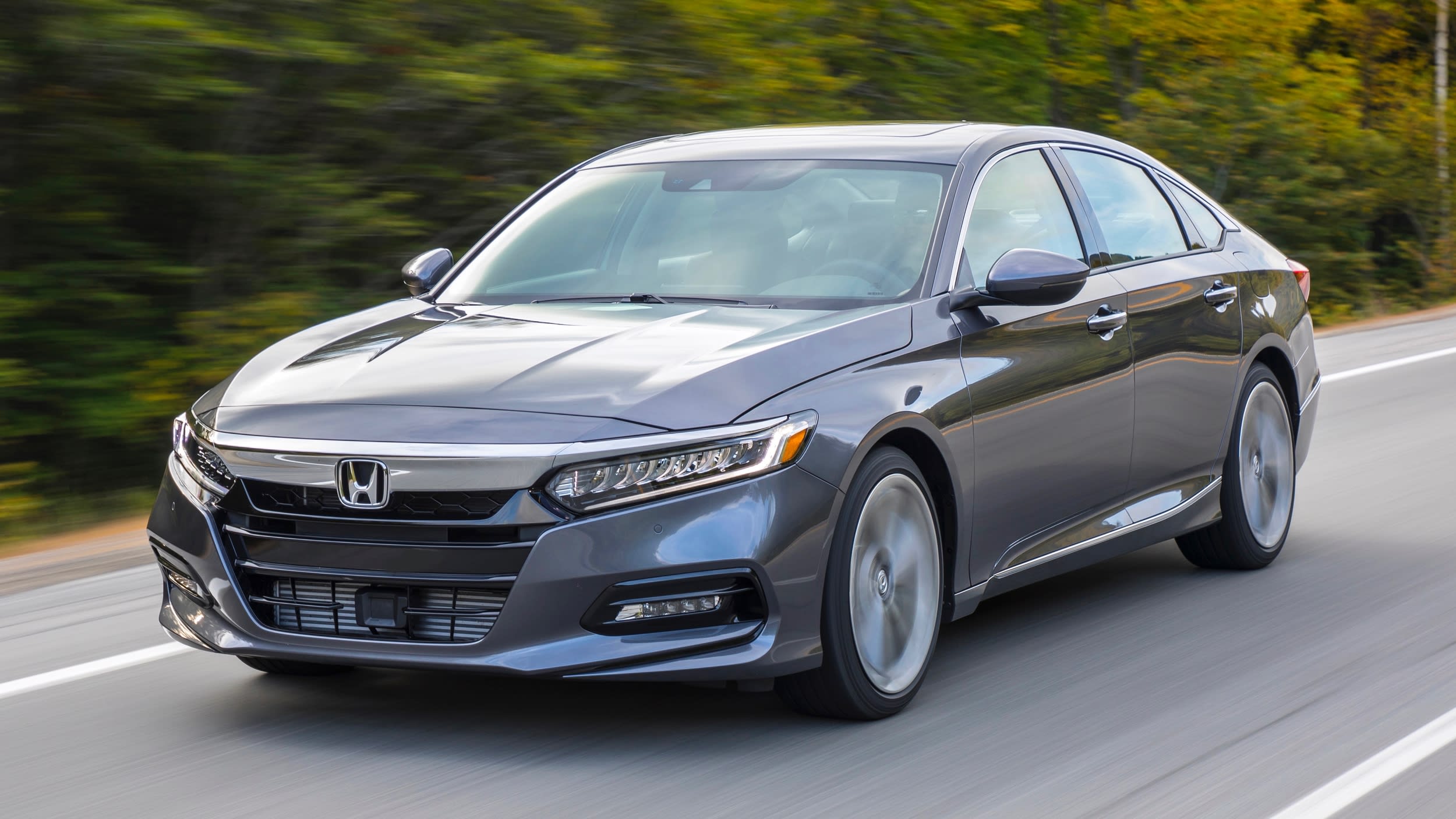
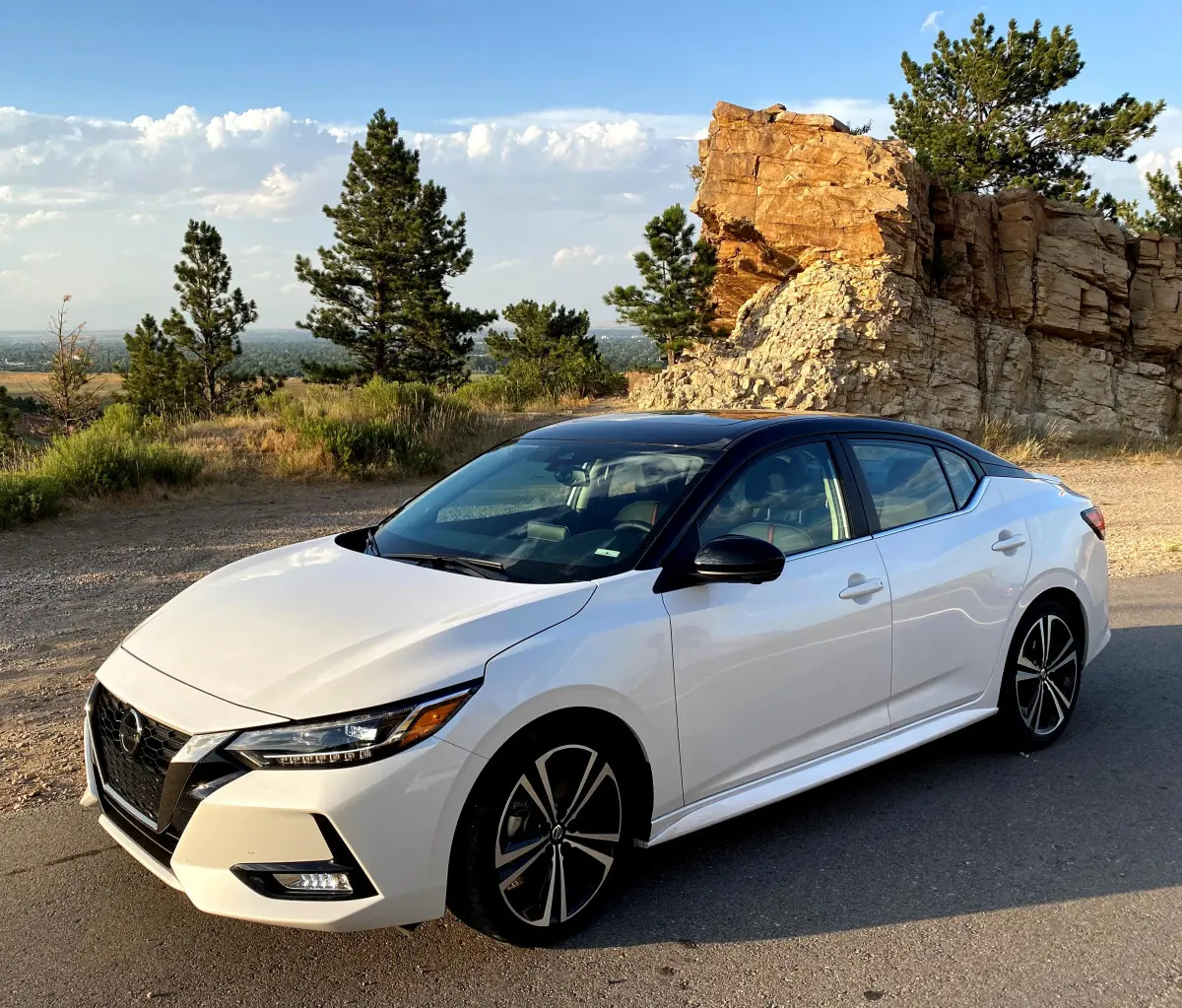
4. 2020 Nissan Sentra: Redesigned Compact Sedan with Refined Style
The 2020 Nissan Sentra marks a major redesign for the eighth generation of the compact sedan, adopting a wider and lower platform that enhances both appearance and handling.
The new exterior design is sharper and more distinctive, featuring a large V-motion honeycomb grille, angular LED headlights, and an optional blacked-out roof for a sportier presence.
Inside, the Sentra has been significantly upgraded with a more upscale and comfortable cabin, a comprehensive suite of standard technology, and thoughtful design touches that improve the driving experience.
Rear independent suspension and electric-assisted steering give the Sentra a more athletic and responsive feel than previous generations, while its 2.0-liter engine provides 20 percent more power without sacrificing fuel efficiency.
Traditionally positioned as a budget-friendly option in the compact sedan segment, the Sentra now offers a driving experience that rivals its more expensive Japanese competitors, such as the Honda Civic, Toyota Corolla, and Mazda3.
Nissan has also made advanced driver-assistance systems standard across the lineup through its Safety Shield 360 suite, which includes forward and rear collision warning, automatic emergency braking, blind-spot monitoring, and lane departure warning. These enhancements help the Sentra maintain a strong appeal for safety-conscious buyers.
The 2020 Sentra is offered in three trims: S, SV, and SR. Power comes exclusively from a 2.0-liter 4-cylinder engine producing 149 horsepower and 146 pound-feet of torque, paired with an Xtronic continuously variable transmission (CVT) designed to simulate conventional gear shifts.
The base S trim includes essentials such as air conditioning, cruise control, power windows and locks, a 4.2-inch driver information display, a 7-inch touchscreen, Bluetooth, USB connectivity, remote keyless entry, and push-button start.
The mid-level SV adds 16-inch alloy wheels, dual USB ports plus a USB-C port, an 8-inch touchscreen, Apple CarPlay and Android Auto compatibility, upgraded cloth seats, and adaptive cruise control, as well as enhanced interior conveniences.
The top-tier SR trim builds on the SV, adding 18-inch alloy wheels, LED headlights and daytime running lights, LED fog lights, and dark chrome trim.
A Premium package adds heated front seats, a heated steering wheel, simulated leather upholstery, a power sunroof, a surround-view parking camera system, and an eight-speaker Bose audio system. Standard safety features include anti-lock brakes, traction and stability control, and a total of ten airbags.
The Sentra offers competent but not thrilling acceleration, achieving 0-60 mph in roughly 8.8 seconds, which is slightly below the segment average. The CVT is smooth and unobtrusive during routine driving, though it lacks engine braking, requiring more reliance on the brake pedal when slowing down.
Braking performance is adequate for everyday use, but emergency stopping distances of 131 feet from 60 mph are longer than the class average of 123 feet. Steering and handling are competent but unremarkable, providing adequate control for most drivers without engaging driving dynamics.
Comfort is one of the Sentra’s strongest attributes. The ride is smooth and absorbs road imperfections effectively, though the soft suspension can feel floaty at higher speeds. Road noise is present but manageable, and the cabin remains quiet enough for pleasant conversation.
Front seats are supportive and well-cushioned, while rear seats are surprisingly comfortable and provide generous space for two adults. Climate control coverage is sufficient, though rear vents are not included on many trims. The interior layout is intuitive, with easily accessible controls and a large, readable touchscreen.
The Sentra comes with a comprehensive technology package, though some limitations exist. Apple CarPlay and Android Auto are available starting with the SV trim, while the base S lacks smartphone integration. The infotainment system can be slow to respond and the graphics appear dated, and navigation is not offered.
Safety technology is a highlight, with Nissan Safety Shield 360 providing standard active driver aids. Minor glitches were noted during testing, such as a false forward collision warning and occasional backup camera issues, but the suite generally enhances confidence and security.
The Sentra’s trunk offers 14.3 cubic feet of cargo space, slightly above average for a compact sedan. Rear seats fold in a 60/40 configuration, though the release mechanism is accessible only from the rear seat, and the folded seats do not create a fully flat surface.
Interior storage is adequate for small items, though rivals provide more options for organizing personal belongings. Child seat installation is feasible, though the cushions can slightly impede access to LATCH anchors.
Fuel efficiency is competitive for the segment, with an EPA-estimated 33 mpg combined (29 city/39 highway). During testing, the Sentra averaged 28.7 mpg across three tank fills, with a peak of 32 mpg, reflecting typical real-world performance for a 2.0-liter engine with a CVT.
The redesigned Sentra provides strong value with its upgraded interior, refined ride quality, comprehensive standard safety technology, and competitive pricing. While it is slightly more expensive than previous generations, it now delivers a more desirable driving experience and a cabin that rivals more expensive competitors.
Standard warranty coverage includes three years/36,000 miles for basic coverage, five years/60,000 miles for the powertrain, and three years/36,000 miles of roadside assistance, consistent with class norms for non-luxury sedans. The 2020 Nissan Sentra combines comfort, technology, and affordability in a modern, well-rounded compact sedan.
5. 2019 Toyota Camry: Reliable and Refined Midsize Sedan
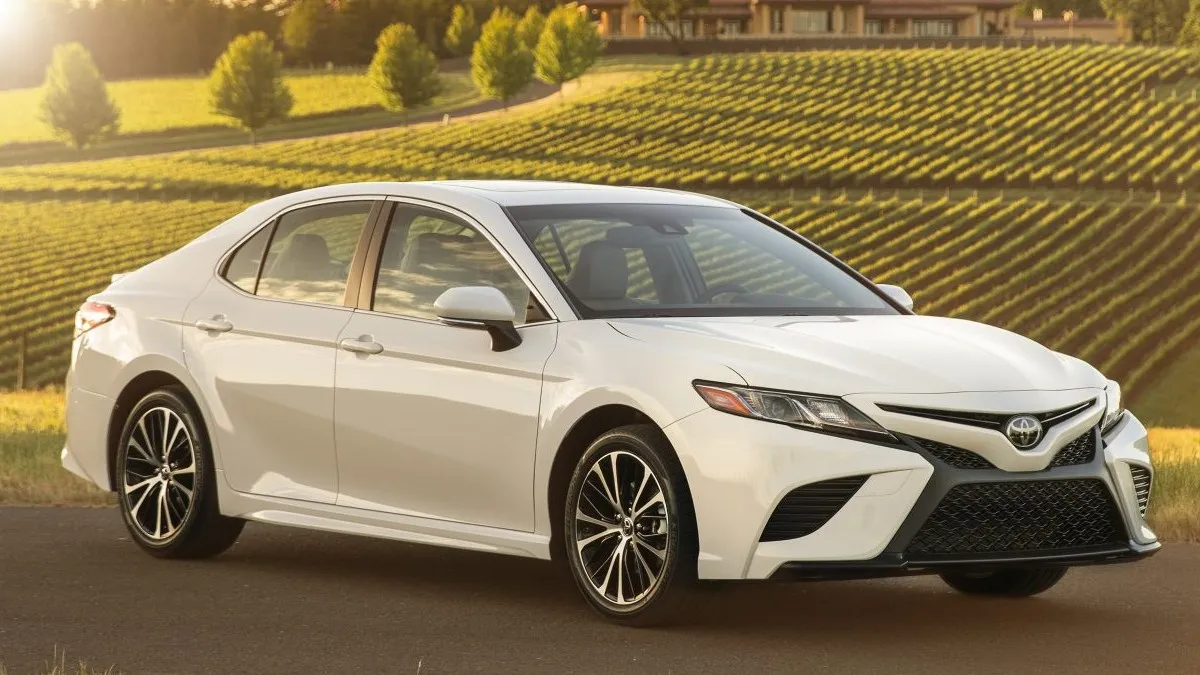
The 2019 Toyota Camry continues the momentum of its recent redesign, offering a spacious, fuel-efficient, and feature-rich midsize sedan. While largely unchanged from the previous model year, the addition of Apple CarPlay and Amazon Alexa enhances the infotainment experience.
The Camry has long been a symbol of reliability and value in the midsize sedan segment, providing a comfortable, well-equipped, and practical vehicle at a base price under $24,000.
Its large cabin accommodates adults comfortably, and the thoughtful design ensures easy maneuverability and efficient use of interior space without the bulk of larger luxury sedans. Toyota’s reputation for durability further strengthens its appeal, assuring buyers of long-term dependability.
The 2019 Camry comes with three engine options across five trims: L, LE, SE, XLE, and XSE. The base 2.5-liter 4-cylinder engine produces 206 horsepower and delivers impressive fuel economy, rated at 29 mpg city and 41 mpg highway.
The optional 3.5-liter V6 engine generates 301 horsepower for those seeking stronger acceleration and effortless passing power. Hybrid power is available with a 2.5-liter 4-cylinder engine paired with two electric motors, producing a combined output of 208 horsepower.
All non-hybrid models are equipped with an 8-speed automatic transmission driving the front wheels, while hybrids use a continuously variable transmission.
The base L trim comes with standard features including Toyota’s Entune system with Apple CarPlay and Amazon Alexa, a backup camera, Bi-LED headlights, a 4.2-inch multi-information display, LED daytime running lights, remote keyless entry, and the Toyota Safety Sense Plus suite of driver-assistance systems.
LE models add 17-inch alloy wheels, an 8-way power-adjustable driver’s seat, and a 60/40-split folding rear seat. SE models sport 18-inch machine-finished alloy wheels, a blacked-out front grille, chrome exhaust tips, a rear spoiler, and SofTex-trimmed front seats with a leather shift knob and steering wheel.
XLE trim upgrades to a 7-inch multi-information display, dynamic radar cruise control, blind-spot monitoring, LED headlights and taillights, wood interior trim, 18-inch wheels, heated front seats, leather seating, and multiple USB ports. The XSE combines sporty exterior cues with a refined interior and features a sport-tuned suspension system.
The 2019 Camry drives with confidence and composure. The 2.5-liter 4-cylinder engine accelerates adequately, reaching 0-60 mph in approximately 7.9 seconds, while the V6 provides more spirited performance.
The eight-speed automatic transmission shifts smoothly and responsively, contributing to a pleasant and predictable driving experience. Braking is easy to modulate, with a firm pedal and an average stopping distance of 122 feet from 60 mph.
Steering is well-weighted and direct, offering a good on-center feel, although Sport mode increases resistance, which can feel unnecessary for casual driving. Handling is well-mannered, with moderate body roll on twisting roads and slight vertical movement over bumps, but SE versions deliver sportier control without sacrificing ride quality.
The Camry excels in comfort, with wide, supportive front seats and a well-cushioned rear bench. Long-distance trips are comfortable, and the cabin remains spacious even for taller passengers, though headroom may be slightly limited for those over six feet.
The ride is smooth and absorbs most road imperfections, though some bumps can produce vertical motion. Engine, wind, and road noise are noticeable at higher speeds but do not overwhelm cabin conversation. Climate control is effective and quiet, with controls that are easy to understand and operate.
Entry and exit are straightforward, aided by light doors, wide openings, and low sills. The driver’s seat, steering wheel, and pedal layout offer a comfortable driving position for a broad range of body types.
The Camry’s cabin is functional and thoughtfully designed, with intuitive controls and clear gauge displays. Storage includes a generous trunk with a 60/40-split folding rear seat and sufficient small-item compartments, making the car practical for daily use and family needs.
Infotainment is accessible through the Entune system, which now integrates Apple CarPlay and Alexa, though navigation requires a paired smartphone and approved apps.
Standard driver aids include adaptive cruise control, automatic emergency braking, lane-keeping assist, and a pre-collision system, though lane-departure warnings can be overly sensitive. Voice commands are reliable through the Entune interface or Siri Eyes Free, allowing for hands-free control of music and basic functions.
The 2019 Toyota Camry offers a compelling blend of comfort, practicality, technology, and reliability. It provides a large, well-thought-out interior, strong fuel economy, and an extensive suite of standard safety features.
With its proven reputation for durability, competitive pricing, and available hybrid and V6 options, the Camry remains a top contender in the midsize sedan segment for buyers seeking a dependable, well-rounded vehicle.
Also Read: 10 Cars With Legendary Durability In Snow vs 10 That Fail In Winter
5 Sedans That Fall Apart
1. Chrysler Sebring: Mechanical and Build Challenges
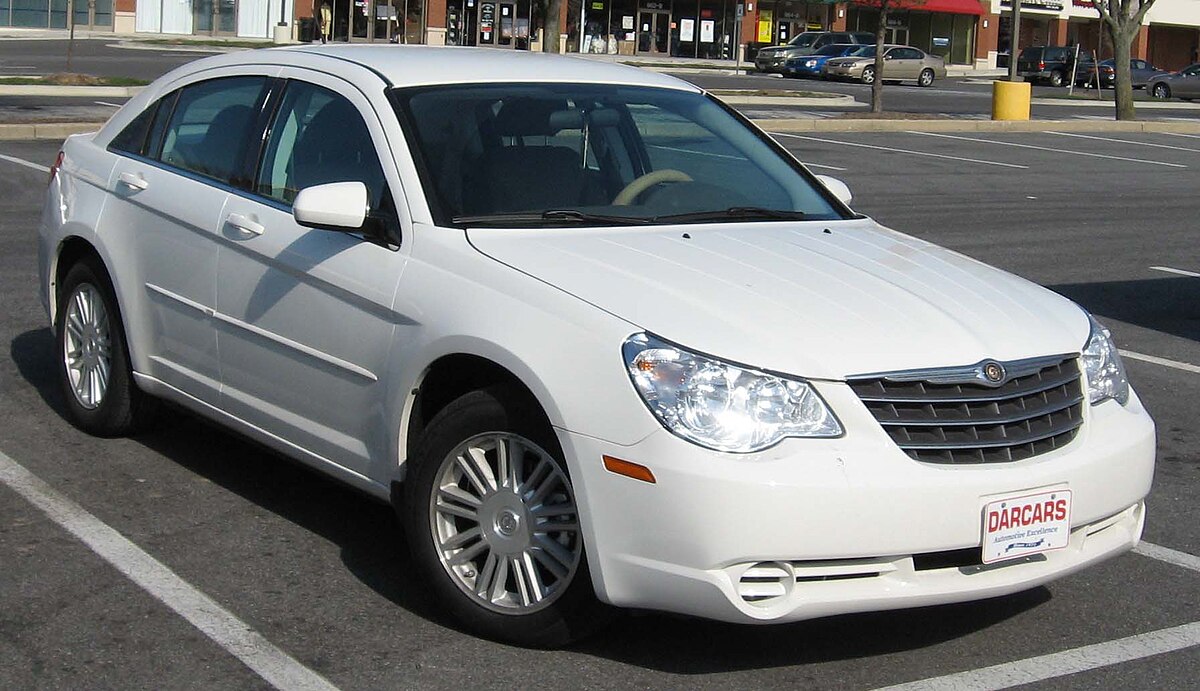
The Chrysler Sebring, particularly models from the early to mid-2000s, became notorious for a host of mechanical and electrical failures that frustrated owners seeking reliable daily transportation.
The engine frequently suffered from overheating issues, which in severe cases led to warped cylinder heads or blown gaskets, creating costly repair bills. Transmission problems were equally common, with many drivers reporting slipping, hesitation, and complete failure after relatively low mileage.
These persistent mechanical issues rendered the Sebring a poor choice for anyone expecting dependable performance. Compounding these problems, the car’s electrical system was prone to faults, ranging from malfunctioning power windows to faulty instrument clusters, further reducing the vehicle’s functionality and user satisfaction.
Inside, the Sebring’s interior failed to inspire confidence in its durability. Plastics throughout the cabin were brittle and prone to cracking, while fabric and leather seats often sagged or wore out quickly.
Panels and trim were susceptible to rattling or loosening, suggesting subpar assembly quality and contributing to a sense of cheapness. Externally, body panels were prone to rust, particularly in areas exposed to moisture or road salt, and paint frequently chipped or faded prematurely.
Although the design was initially stylish, it aged poorly, leaving the Sebring looking dated and worn faster than competitors. The combination of interior degradation, exterior flaws, and mechanical unreliability contributed to the vehicle’s rapid depreciation.
Financially, Sebring owners faced high repair costs and above-average insurance premiums, further diminishing its appeal. The poor resale value reflected the market’s perception of a car that was neither durable nor cost-effective, solidifying its reputation as a vehicle that fell apart quickly and failed to provide long-term value.
2. Ford Fusion (Early Models): Transmission and Interior Issues
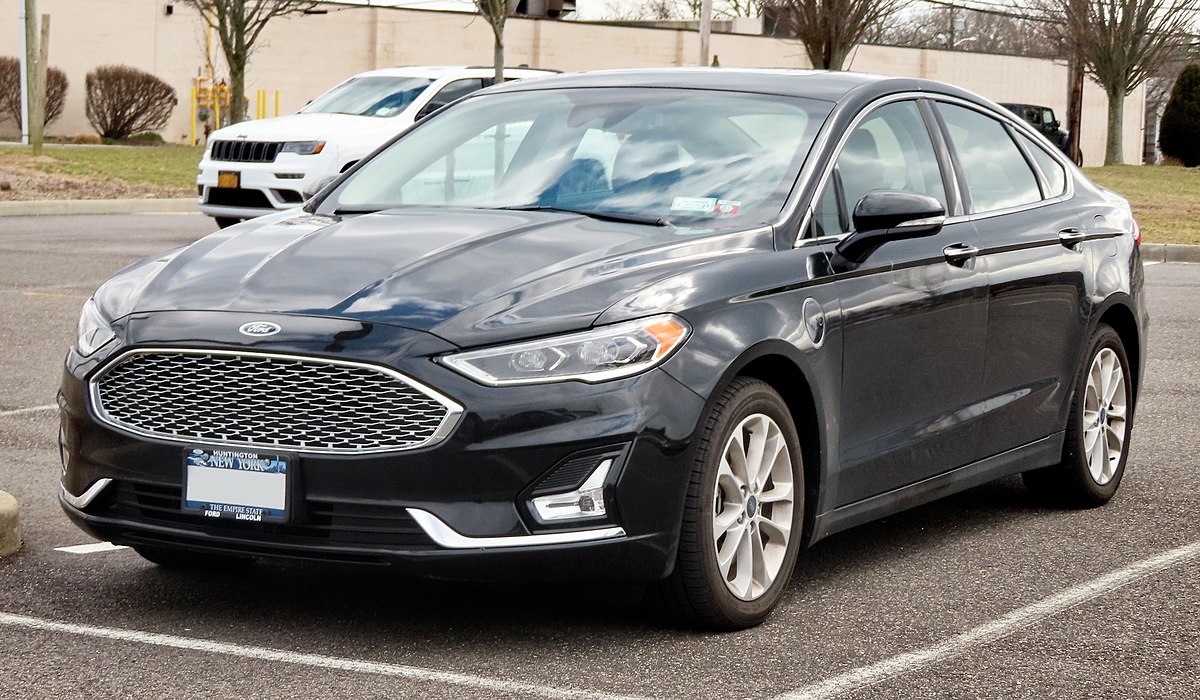
Early Ford Fusion models, produced between 2006 and 2012, initially drew attention for their styling and feature set, but soon became infamous for reliability problems. Chief among these were transmission failures, which manifested as hard shifting, slipping, or hesitation.
In many cases, the transmission required full replacement or costly rebuilds, placing a significant financial burden on owners. Engines also presented challenges, including overheating, oil leaks, and malfunctioning sensors, which contributed to unexpected breakdowns and shortened engine life. These recurring mechanical issues quickly overshadowed the Fusion’s early appeal as an affordable, stylish sedan.
The interior quality of early Fusions left much to be desired. Dashboard and door panel plastics became brittle over time, cracking easily and giving the cabin a cheap feel. Buttons, switches, and other controls frequently malfunctioned or detached, frustrating drivers and reducing usability.
Seat cushions lost firmness rapidly, creating discomfort during extended trips. Exterior-wise, although the Fusion’s styling initially attracted buyers, the body panels were prone to rust, especially in regions with road salt exposure. Paint fading and peeling were common, which, coupled with suspension wear, reduced ride comfort and handling precision.
Financially, early Fusion ownership was expensive. Frequent repairs and poor resale value made long-term ownership difficult, discouraging potential buyers in the used car market. Despite improvements in later generations, early Fusion models remain emblematic of vehicles that deteriorate quickly, failing to deliver sustained value, comfort, and reliability over time.
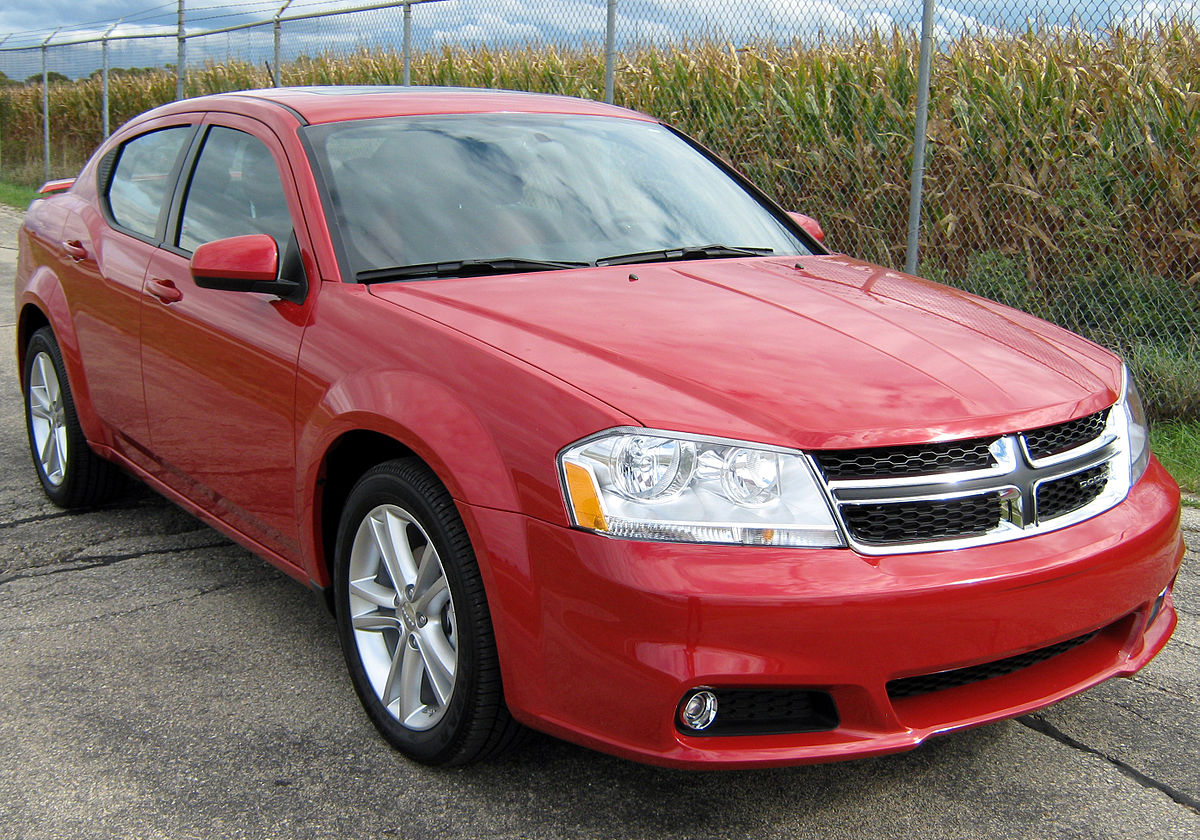
3. Dodge Avenger: Mechanical Failures and Interior Shortcomings
The Dodge Avenger, produced between 2007 and 2014, suffered from widespread mechanical unreliability that undermined its appeal. Owners frequently reported engine stalling, misfires, and power loss, while automatic transmissions were prone to slipping and harsh shifting, often failing well before the vehicle reached midlife.
These mechanical shortcomings made the Avenger a source of frustration, as repair costs quickly mounted and reliability remained uncertain. The car’s suspension components also wore out faster than expected, leading to degraded ride quality and handling, further contributing to the perception that the vehicle fell apart too quickly.
Internally, the Avenger was criticized for cheap materials and poor build quality. Plastics cracked or warped under heat, seats lost cushioning prematurely, and interior panels rattled or loosened over time. Dashboard layouts were uninspired, with awkwardly positioned controls that detracted from convenience and comfort.
Externally, the Avenger’s styling lacked timelessness and deteriorated rapidly, with paint fading, rust formation, and panels prone to dents and scratches. These flaws not only affected aesthetics but also lowered resale value, making it difficult for owners to recoup investments.
The combination of frequent mechanical issues, interior degradation, and exterior wear contributed to the Avenger’s reputation as a vehicle that failed to age well, rendering it a poor choice for buyers seeking long-term reliability and a durable sedan.
4. Chevrolet Malibu (Early Models): Reliability and Depreciation Concerns
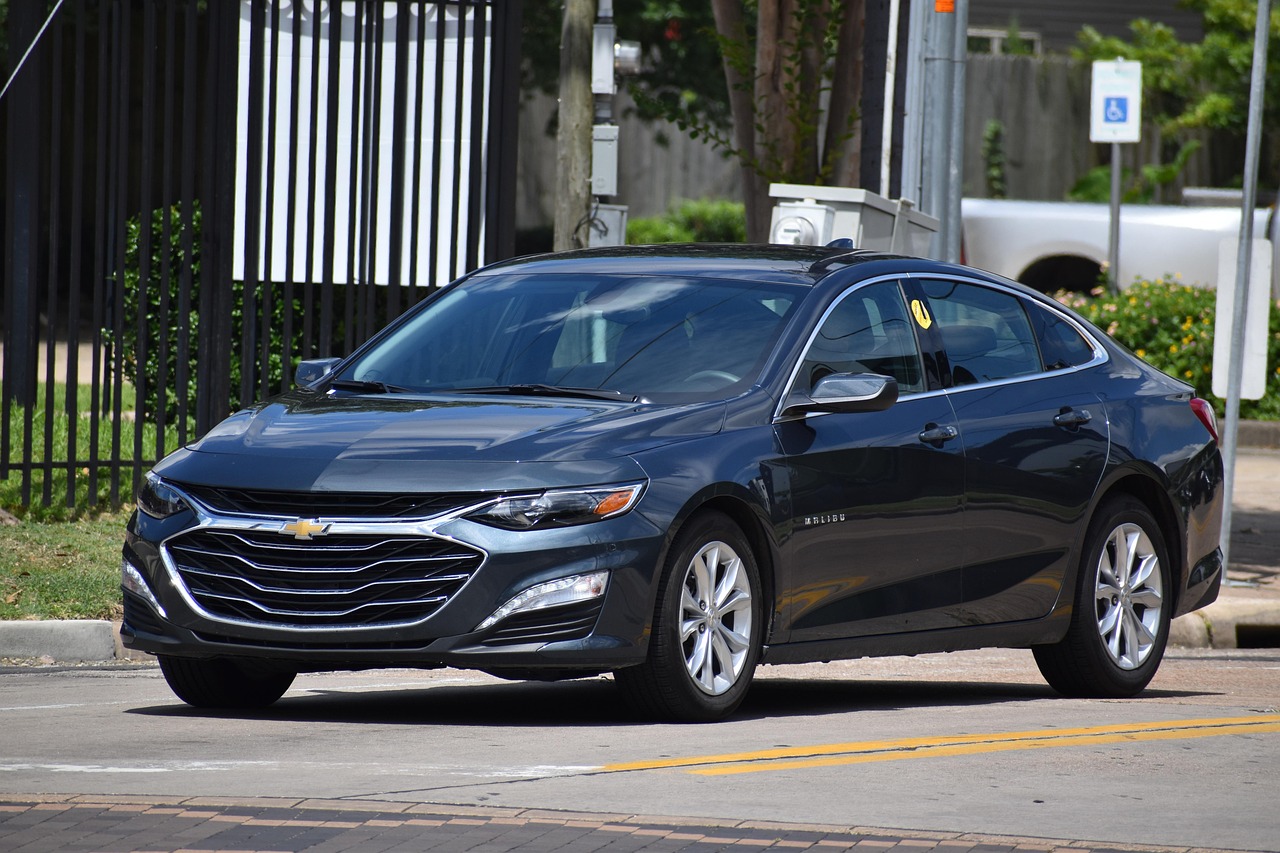
Early Chevrolet Malibu models, spanning from the early 2000s through the early 2010s, were often criticized for poor reliability and declining quality over time. Mechanically, these vehicles suffered from engine overheating, transmission malfunctions, and electrical failures.
Cooling system issues, such as radiator leaks and thermostat problems, led to frequent overheating, while transmission problems ranged from rough shifting to complete failure. Electrical faults affected everything from power windows to lighting, adding to owner frustration and increasing repair expenses. These mechanical weaknesses significantly impacted the Malibu’s reputation as a durable midsize sedan.
The interior quality also left much to be desired. Plastics were prone to scratching and fading, seats lost support quickly, and door handles and switches often broke. Rattles and squeaks became common, giving the cabin a prematurely aged feel and diminishing the sense of comfort.
Externally, paint degradation and rust were recurring issues, particularly in regions with harsh weather or road salt. Body panels are sometimes misaligned, further lowering the car’s aesthetic appeal. Suspension components wore out faster than expected, affecting ride comfort and handling stability.
Financially, these factors resulted in high maintenance costs and rapid depreciation, making the early Malibu a challenging vehicle for long-term ownership. While later models improved in quality, the early generations remain notorious for falling apart quickly and deterring cost-conscious buyers seeking reliability and longevity.
5. Nissan Altima (Early 2000s): Engine and Interior Vulnerabilities
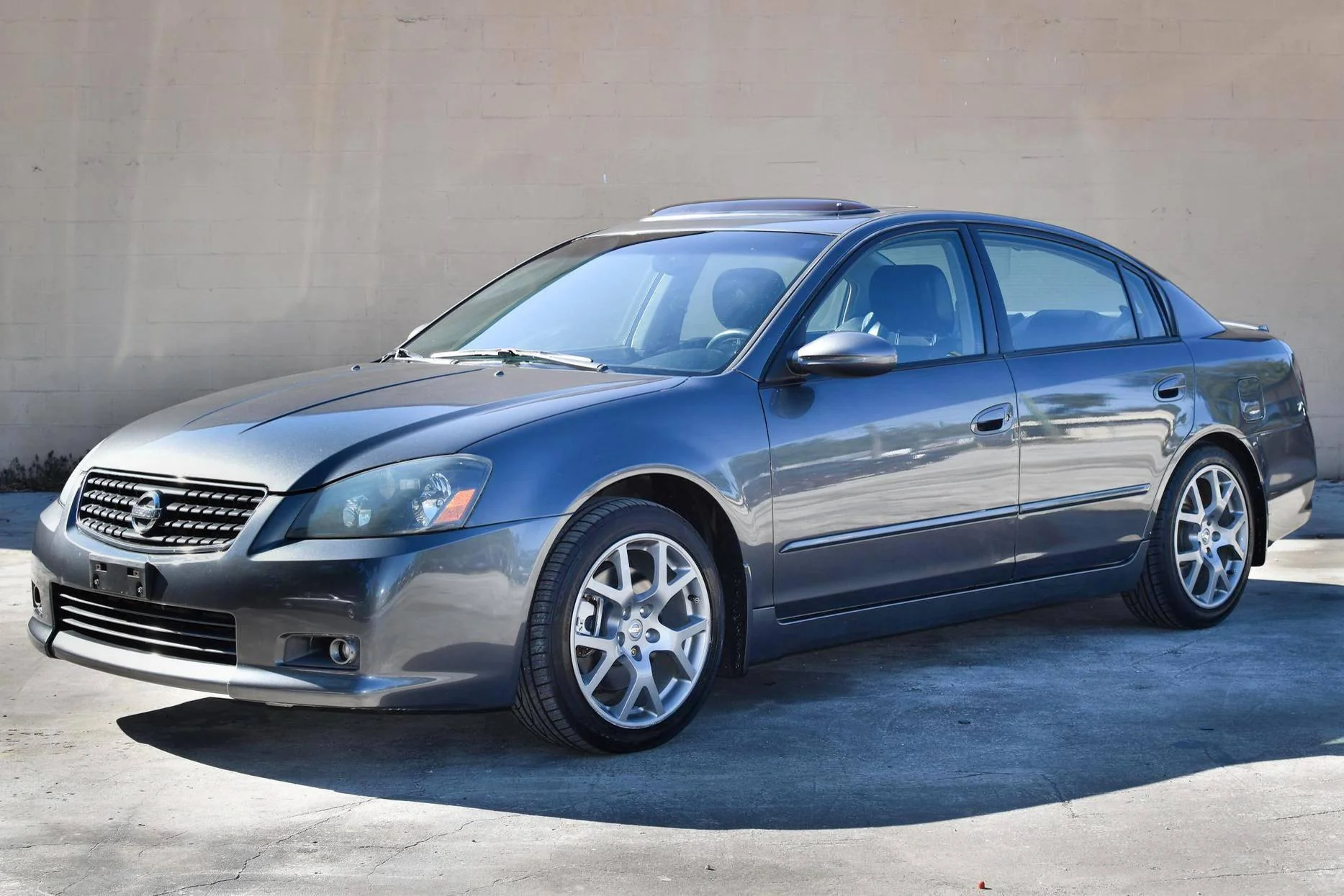
Nissan Altima models from 2000 to 2006 developed a reputation for serious mechanical and build quality issues. One of the most significant problems was head gasket failure, which led to coolant leaks, overheating, and potential engine damage.
Additional engine issues included excessive oil consumption, valve cover gasket leaks, and timing chain problems, all of which increased maintenance needs and reduced engine longevity.
Automatic transmissions were also unreliable, prone to slipping, harsh shifting, and early failure, requiring expensive repairs to maintain operability. These recurring problems created a perception of the Altima as a vehicle that deteriorated rapidly under normal use.
The interior also showed its age quickly. Seats lost cushioning and shape within a few years, while dashboard and door plastics cracked or warped under heat exposure. Loose trim pieces and rattling panels further undermined the cabin’s quality, creating a less comfortable and visually appealing environment over time.
Externally, paint fading, chipping, and rust, especially on wheel arches and undercarriage areas, gave the Altima a prematurely neglected look. Suspension wear added to ride harshness and diminished handling capabilities, signaling accelerated physical deterioration.
Financially, frequent repairs and high maintenance costs led to poor resale values, discouraging long-term ownership. Despite improvements in later generations, early 2000s Altimas remain notorious for rapid aging, mechanical fragility, and high ownership costs, making them a cautionary example for buyers seeking longevity in a mid-size sedan.
At the end of the day, not all sedans are created equal, especially when road trips are part of the equation. Some models, like the Toyota Camry and Honda Accord, prove their worth with years of dependable performance, spacious interiors, and fuel-efficient drivetrains that make every mile more enjoyable.
These are the kinds of vehicles that not only survive long journeys but enhance them, turning hours on the road into a smooth and stress-free experience.
On the flip side, sedans like the Chrysler Sebring, Dodge Avenger, or early-generation Nissan Altima serve as reminders that flashy styling or low sticker prices don’t always translate into long-term satisfaction. Mechanical failures, poor build quality, and high repair bills can quickly turn what should be a fun trip into an expensive headache.
For anyone considering a sedan as their go-to travel companion, it’s worth weighing not just the initial price but also the long-term reliability, comfort, and maintenance track record. Road trips are about freedom, exploration, and creating memories, not about calling roadside assistance. Choosing wisely between these two groups of sedans could be the difference between enjoying the open highway and regretting every mile.
Also Read: 5 Cars That Rarely Need Electrical Repairs vs 5 That Constantly Do