All-wheel drive (AWD) is one of the most valuable features in today’s cars, giving drivers extra traction, stability, and confidence in a wide range of conditions. Whether it is icy highways, heavy rain, or light off-road use, a dependable AWD system can transform how safe and capable a vehicle feels.
The challenge is that not every AWD system is built to the same standard. Some are engineered to deliver long-lasting reliability with minimal issues, while others are known to break down too often and result in costly repairs.
If you are considering a car with AWD, it helps to know which models consistently perform well and which ones often disappoint their owners. In this guide, we will look at 10 cars with some of the most reliable AWD systems and compare them with 10 cars that have gained a reputation for frequent AWD failures.
10 Cars With The Most Reliable AWD Systems
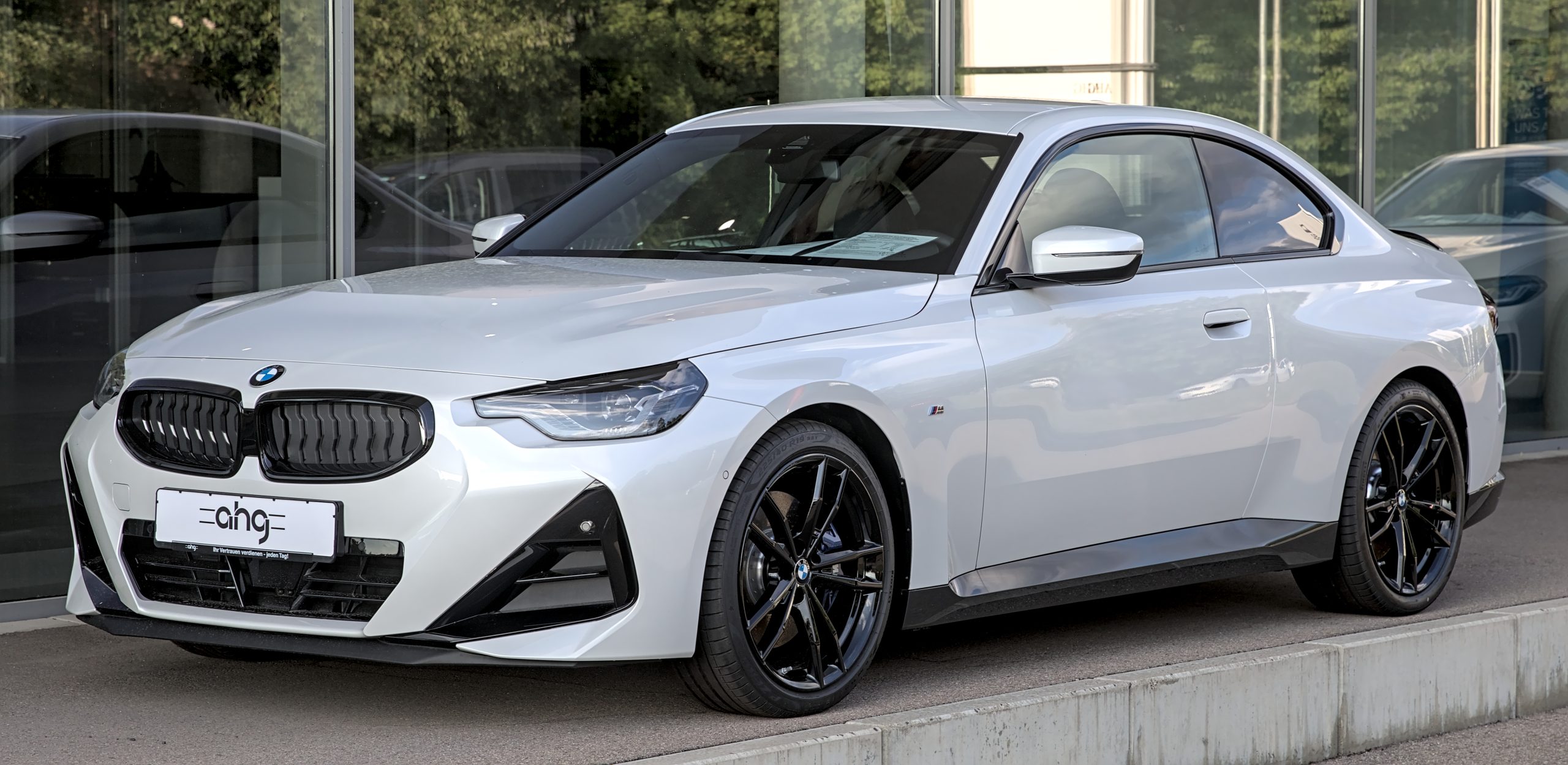
1. BMW 2 Series: A Purist’s Compact Luxury Coupe
The 2025 BMW 2 Series continues to be a benchmark for compact luxury coupes, earning a strong score of 9.2 from MotorTrend. Unlike the front-wheel-drive 2 Series Gran Coupe, the standard 2 Series remains faithful to BMW tradition with a rear-wheel-drive platform and engaging driving dynamics.
Offered in trims such as the 230i and M240i, both equipped with turbocharged engines, the 2 Series combines driving excitement, premium features, and a more attainable price point than larger BMW coupes.
For the new model year, BMW focused on refining the cabin. The coupe now integrates two large digital displays within a single glass panel, one serving as the instrument cluster and the other as the infotainment touchscreen.
The interface has been reworked for easier access to frequently used functions, while a permanent climate control bar has been added for convenience. Heated front seats are now standard equipment, and buyers can choose from new interior trims and ambient lighting effects around the central air vents. Exterior changes are minimal, with a few fresh color options available.
Driving character is where the 2 Series shines. The 230i, fitted with M Sport suspension, brakes, steering, and a rear differential, delivers quick acceleration, reaching 60 mph in just 5.5 seconds. This places it ahead of direct rivals such as the Audi A3 and Mercedes-Benz CLA 250.
The turbocharged four-cylinder engine provides strong low- and midrange thrust, although it tapers off at higher revs. The M240i, powered by a turbocharged inline-six, targets performance-oriented models like the Audi S3, RS 3, and AMG CLA variants.
Braking performance is excellent, with the 230i coming to a stop from 60 mph in only 107 feet. Handling precision is enhanced by the M Sport suspension, which keeps body roll well contained while allowing controlled slides when pushed. The steering offers accurate weighting but lacks meaningful road feedback, leaving drivers wanting a clearer sense of front tire grip.
Ride quality in the 2 Series balances sporty responsiveness with daily usability. The firmer M Sport suspension emphasizes agility yet avoids being punishing on most roads. Front seats are supportive and adequately padded, though adjustment options are somewhat limited.
Heated front seats and an available heated steering wheel enhance comfort during colder months, while noise insulation and cabin refinement meet expectations for a premium compact coupe.
Inside, the 2 Series emphasizes driver engagement. Controls are logically arranged, and the seating position feels natural, creating a strong sense of connection between car and driver. Visibility is surprisingly good thanks to upright windows and thin roof pillars.
Space in the front row is generous for a coupe, with ample headroom and legroom. The back seat, however, is extremely cramped and difficult to access, making it unsuitable for adult passengers. Interestingly, the previous-generation 2 Series offered more usable rear seating despite being a slightly smaller car.
The 2 Series infotainment system is loaded with features but requires some acclimation. The touchscreen layout appears cluttered, though customization is possible.
Voice recognition helps by allowing drivers to adjust climate and audio settings, performing reliably even if not as advanced as systems in Mercedes or Google-based platforms. The optional Harman Kardon audio system delivers excellent clarity and punchy bass, elevating the entertainment experience.
With 10 cubic feet of trunk capacity, the 2 Series lags behind the Audi A3 and Mercedes CLA but remains usable for everyday needs. Interior storage is adequate, with a decent-sized armrest bin and door pockets.
The wireless charging pad is awkwardly placed, partially blocked by the gear selector. While rear car seat anchors are included, installing and using a child seat is difficult given the tight cabin space. Families seeking practicality will likely find the layout restrictive.
Efficiency is another strong point. The rear-wheel-drive 230i achieves an EPA-estimated 30 mpg in combined driving, a figure confirmed during real-world testing with 31 mpg on a mixed 115-mile route. This performance places it among the most fuel-efficient models in its class.
The 2 Series occupies a unique niche. Larger luxury coupes such as the Audi A5, Lexus RC, and BMW 4 Series cost significantly more, while cars like the Toyota GR Supra or Porsche Cayman eliminate rear seats entirely. American options such as the Ford Mustang and Chevrolet Camaro come closer in price but lack the refinement of the BMW.
BMW backs the 2 Series with a four-year/50,000-mile basic and powertrain warranty, four years of unlimited roadside assistance, and three years/36,000 miles of complimentary maintenance coverage that surpasses what many competitors provide.
The BMW 2 Series captures the spirit of classic BMW coupes by offering sharp handling, refined powertrains, and a premium cabin in a compact package. With meaningful interior updates, strong fuel economy, and a compelling balance of value and performance, it stands out in the segment.
While cramped rear seating and muted steering feedback present drawbacks, the 2 Series remains one of the most rewarding small luxury coupes available.
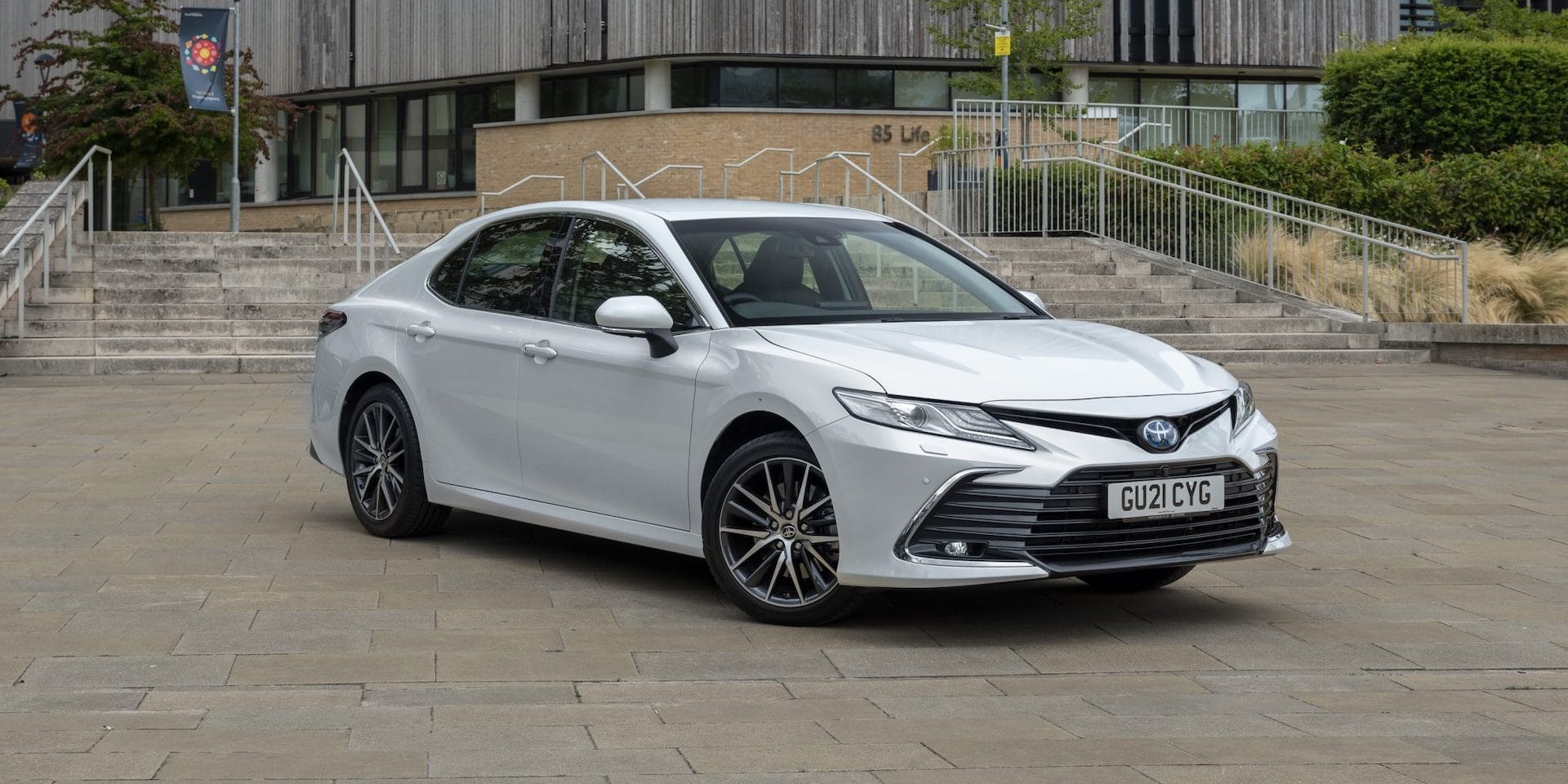
2. Toyota Camry: Hybrid Power for America’s Favorite Sedan
The Toyota Camry has long been America’s bestselling passenger car, and the redesigned 2026 model reinforces its reputation with smart upgrades rather than radical reinvention.
The ninth-generation Camry embraces a standard hybrid drivetrain across all trims, enhanced suspension and braking systems, and new technology features. Buyers can choose between front-wheel drive and an optional all-wheel-drive system, the latter adding a third electric motor for extra traction and slightly more power.
With a spacious interior, strong efficiency, and family-friendly practicality, the Camry positions itself as one of the most balanced midsize sedans on the market.
Styling changes remain evolutionary, sticking close to the previous generation’s profile. The biggest news is Toyota’s decision to make every Camry a hybrid, eliminating non-electrified options entirely.
Power comes from a 2.5-liter four-cylinder engine paired with hybrid components, producing 225 horsepower with front-wheel drive or 232 hp with all-wheel drive. Efficiency remains a strong selling point, with some trims achieving up to 51 mpg combined.
A notable addition for 2026 is the Nightshade Edition, which brings sporty aesthetics through blacked-out trim on the grille, mirrors, and door handles, a rear spoiler, and 19-inch black wheels. It also benefits from the sport-tuned suspension found in SE and XSE trims, adding a sharper edge to its driving character.
The Camry hybrid delivers confident and accessible performance. Tested in XSE trim, the sedan accelerated from zero to 60 mph in 7.8 seconds, a figure that edges out hybrid rivals such as the Honda Accord and Hyundai Sonata. Acceleration is smooth and effortless, making highway passing and city commuting stress-free.
Handling benefits from precise steering and a well-tuned chassis, particularly in trims with the sport suspension. The Camry feels planted and stable when cornering, while the braking system provides strong, consistent stopping power. Although not a sports sedan, it inspires confidence and composure behind the wheel.
Comfort is a core strength. Ride quality is tuned to absorb bumps and road imperfections without becoming floaty or disconnected. The cabin remains quiet at cruising speeds, with wind and road noise well managed. The main drawback lies in the powertrain’s sound; the engine can become gritty and unrefined when pushed hard.
Front seats feel firm at first, though they provide good support during long drives. Climate control is effective, with strong fan output and intuitive automatic settings, keeping occupants comfortable regardless of conditions.
The cabin design reflects an upgrade over the previous generation, offering both functionality and style. Physical knobs and switches for climate control sit beneath the central touchscreen, providing easy, distraction-free access. Steering wheel controls may seem complex initially, but are intuitive once learned.
The driving position is slightly upright, lending the Camry a taller, more commanding feel compared to some rivals. Both front and rear passengers enjoy generous space, with ample legroom and headroom thanks to the car’s flat roofline. This practicality makes the Camry more family-friendly than smaller hybrids like the Prius, while maintaining a sleek sedan profile.
Technology integration is a highlight of the Camry. Upper trims such as XLE and XSE come with a 12.3-inch touchscreen, while all models feature wireless Apple CarPlay and Android Auto. The wireless charging pad works reliably, avoiding issues seen in some competitors. An optional JBL audio system improves sound quality over older Toyota systems, though it doesn’t quite match the best offerings from Bose-equipped rivals.
Toyota also equips the Camry with advanced driver assistance features. Lane centering, adaptive cruise control, and Traffic Jam Assist, allowing hands-free driving at speeds up to 25 mph, demonstrate Toyota’s commitment to safety and convenience. These systems function seamlessly, giving the Camry a cutting-edge advantage in its class.
The Camry provides 15.1 cubic feet of trunk space, sufficient for road trips or weekly errands, though slightly smaller than what the Sonata and Accord offer. Interior storage is excellent, with multiple compartments for phones, wallets, and bottles.
LATCH anchors for child seats are well designed, with clear labeling and easy access. The wide rear bench accommodates multiple seats without difficulty, though taller passengers may need to duck when entering due to the roofline.
Efficiency is one of the Camry’s strongest points. Depending on configuration, combined EPA ratings range from 44 to 51 mpg. In real-world testing, a front-wheel-drive XSE achieved 45.9 mpg, slightly under Toyota’s estimate but still better than a hybrid Accord. This performance underscores Toyota’s hybrid expertise and makes the Camry one of the most fuel-efficient midsize sedans available today.
Toyota’s decision to make hybrid standard across the Camry lineup sets it apart from competitors that reserve electrification for higher trims. Buyers can select from a wide variety of configurations without sacrificing efficiency. Pricing remains competitive, and the feature set is generous for the segment.
Warranty coverage includes two years/25,000 miles of complimentary maintenance, two years of roadside assistance, and eight years/100,000 miles on hybrid components. While the basic warranty matches industry norms, the hybrid coverage provides peace of mind for long-term ownership.
The Toyota Camry blends tradition with innovation, offering a hybrid-only lineup, strong efficiency, a spacious cabin, and advanced driver assistance technology.
Its slightly firm seats and coarse engine note are small trade-offs in an otherwise well-rounded package. For buyers seeking a family-friendly sedan with excellent fuel economy and Toyota’s reputation for reliability, the Camry remains one of the best options on the road.

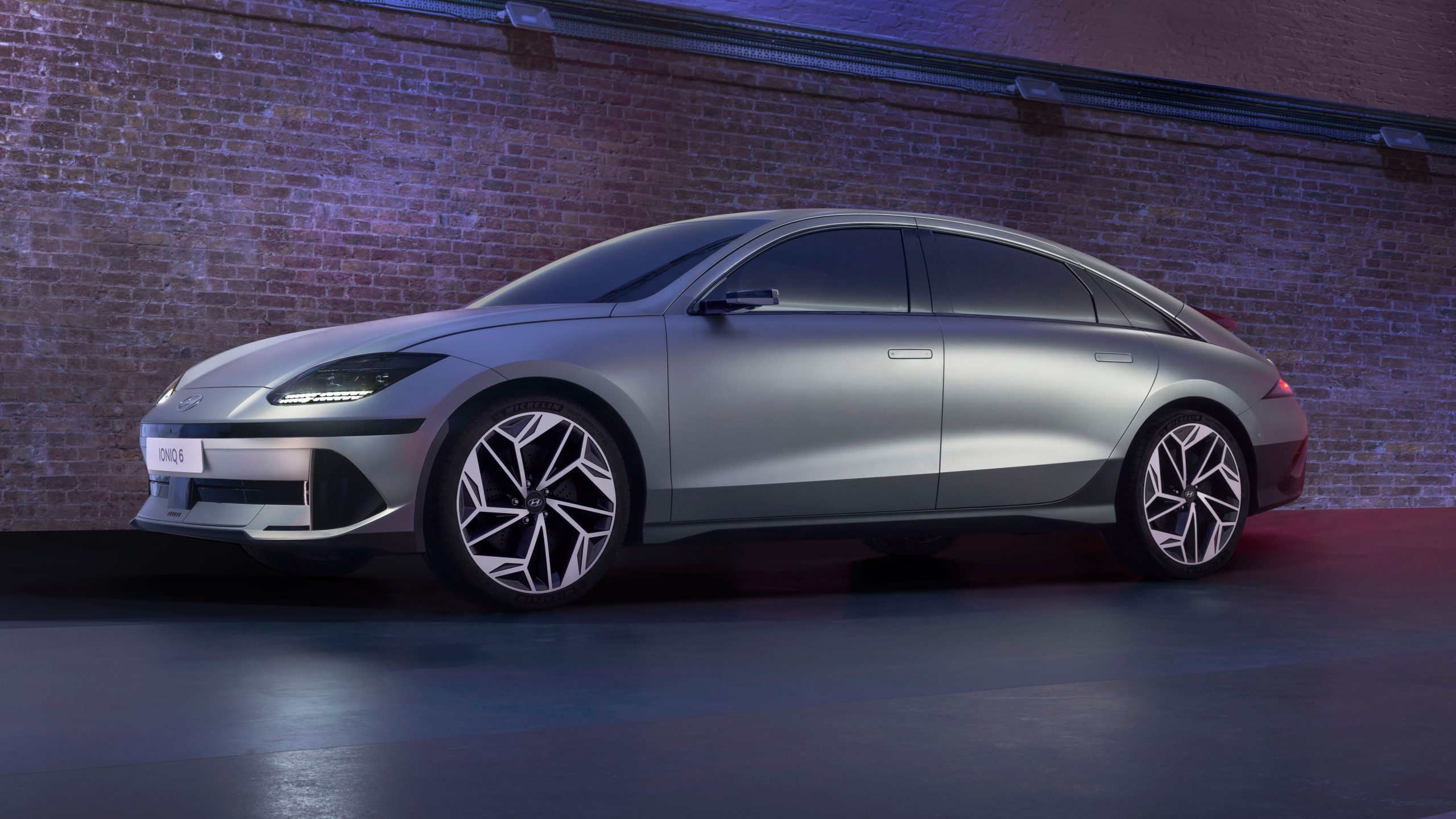
3. Hyundai Ioniq 6: Style, Speed, and Efficiency in a Sleek EV Sedan
Hyundai continues to prove its strength in the EV market with the Ioniq 6, a sleek sedan that complements the Ioniq 5 SUV while taking aim at the Tesla Model 3 and BMW i4. Its styling divides opinion, but the aerodynamic design isn’t just about standing out; it plays a critical role in efficiency.
The Ioniq 6 delivers long driving range, rapid charging capability, and refined road manners, all wrapped in a package that feels both futuristic and practical. With dual-motor all-wheel drive available and a performance-focused Ioniq 6 N on the horizon, this sedan appeals to both efficiency-minded commuters and driving enthusiasts.
The Ioniq 6 offers two battery pack options: a 53-kWh base pack and a larger 77.4-kWh unit. With rear-wheel drive and the bigger battery, the maximum EPA-estimated range reaches an impressive 361 miles. Dual-motor all-wheel-drive models are rated at 270 miles, yet in Edmunds’ real-world test, the car managed 303 miles, easily beating expectations.
Energy efficiency is another highlight. The Ioniq 6 consumed just 27.5 kWh per 100 miles in testing, placing it among the most efficient EVs available. This frugality directly contributes to its excellent range.
When it’s time to recharge, Hyundai’s 800-volt architecture allows compatibility with 350-kW DC fast chargers. Under optimal conditions, the Ioniq 6 can recharge from 10 to 80 percent in just 18 minutes, making it one of the fastest-charging EVs on the market.
On the road, the Ioniq 6 feels engaging and well-tuned. A dual-motor Limited model sprinted from zero to 60 mph in 4.6 seconds, slightly slower than a Tesla Model 3 but still quick enough to thrill. Grip and stability through corners are excellent, and the sedan’s low center of gravity enhances balance. The transition between regenerative and friction braking is seamless, allowing smooth stops in daily driving.
Ride quality strikes an ideal middle ground, cushioning bumps without feeling detached from the pavement. Highway Driving Assist 2, available on higher trims, supports automated lane changes and maintains composure in stop-and-go traffic. The only drawback is rear visibility, hampered by the narrow back window and thick roof pillars.
Cabin comfort is strong, supported by the car’s smooth ride and quiet operation. Wind noise becomes faintly noticeable at highway speeds, but the cabin otherwise remains serene. The front seats are supportive, though some may desire more lumbar and thigh adjustment.
A thick center console can intrude on knee space, and in the rear, a high floor limits thigh support for adults. Headroom also feels tight due to the sloping roofline, though legroom is generous even for taller passengers.
Entry into the back seat requires some ducking, but wide door openings make access manageable. Car seats fit with relative ease, though the LATCH anchors are buried deeper than ideal. Heating and cooling systems are highly effective, and optional ventilated front seats add comfort, though seat controls are buried in the touchscreen rather than offered as physical buttons.
The infotainment interface is clean and responsive, with intuitive menu navigation. However, the lack of wireless Apple CarPlay and Android Auto feels dated, as the connection requires a USB-A cable. Native navigation works, but makes it difficult to plan charging stops along a route, and without that integration, battery preconditioning for fast charging is less convenient.
Onboard tech does redeem itself with features like a reliable wireless charging pad and Highway Driving Assist 2, which adds confidence and convenience during long drives.
Trunk space measures 11.2 cubic feet, smaller than rivals like the Tesla Model 3 or even a Honda Civic. Yet in real-world luggage testing, the Ioniq 6 matched the Model 3 in usable space thanks to a deep, well-shaped trunk. Inside the cabin, storage options are better, with a large center bin, door pockets, and additional nooks near the wireless charging pad.
Though priced similarly to the more practical Ioniq 5, the Ioniq 6 sedan makes up ground with premium build quality and refined driving dynamics. Cabin materials are attractive even if some plastics remain, particularly on the doors.
Hyundai’s industry-leading warranty strengthens its appeal, covering the battery and powertrain for 10 years/100,000 miles, with five years/60,000 miles of basic coverage and three years/36,000 miles of complimentary maintenance. Buyers also get two years of free 30-minute fast-charging sessions through Electrify America.
Beyond the numbers, the Ioniq 6 brings personality. Its polarizing design sets it apart, but the rewarding driving experience seals the deal. With sharp handling, quick acceleration, and one of the most efficient drivetrains in the EV segment, the Ioniq 6 proves that a modern electric sedan can be both practical and fun.
The Hyundai Ioniq 6 is a standout among electric sedans, combining range, speed, and comfort in a distinctive package. Its charging speeds rival the best in the industry, while ride quality and cabin refinement make it a strong daily companion. Although rear-seat headroom and cargo space are limited, the Ioniq 6’s efficiency, technology, and strong warranty support ensure it remains a compelling alternative to Tesla and other rivals.
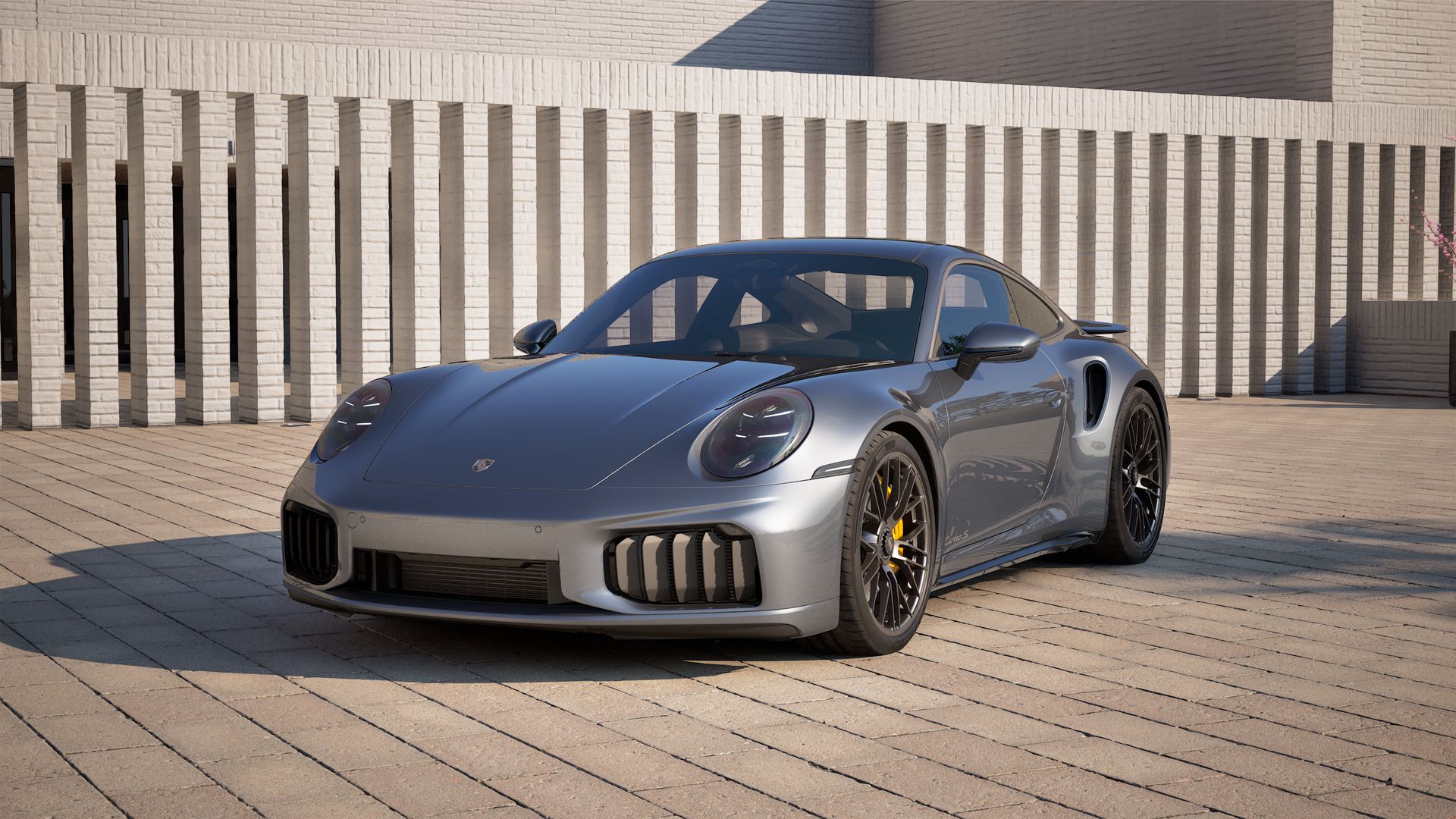
4. Porsche 911 Turbo S: Hybrid Power Meets Supercar Speed
Porsche’s 911 has long been a benchmark for performance cars, and the refreshed 992.2 generation brings bold updates that stir both excitement and debate. With fewer manual transmission options and the addition of hybrid power in certain trims, Porsche risks alienating purists. Yet the 911 Turbo S proves the brand still knows how to blend raw speed with everyday usability.
The highlight of the latest Turbo S is its new hybrid drivetrain. Building on the GTS’ T-Hybrid system, the Turbo S combines a 3.6-liter twin-turbocharged flat-six engine with a 1.9-kWh battery pack.
The hybrid setup isn’t about fuel savings it’s about performance. The battery assists initial acceleration and fills power gaps during hard driving, pushing total output to 701 horsepower, up 61 hp from the previous model. Torque remains steady at 590 lb-ft.
The result is blistering acceleration. Porsche claims the Turbo S rockets from 0 to 60 mph in just 2.4 seconds, shaving 0.2 seconds off its predecessor. Knowing Porsche’s habit of under-promising, the real-world figure could edge closer to 2 seconds flat. Top speed remains near 200 mph, ensuring this 911 is still one of the fastest cars you can buy.
Despite weighing 3,829 pounds about 180 more than before the Turbo S hasn’t lost agility. Porsche reports that a prototype lapped the Nürburgring Nordschleife in 7 minutes, 3.92 seconds, a staggering 14 seconds quicker than the last generation.
Wider 325/30-series rear tires, an updated active aerodynamics package, and Porsche’s Dynamic Chassis Control all contribute to the newfound pace and stability. Massive carbon-ceramic brakes, the largest ever fitted to a 911, ensure the car can rein in its colossal speed reliably.
Inside, the Turbo S balances performance with grand touring luxury. Standard equipment includes 18-way power-adjustable sport seats and the latest Porsche infotainment system.
A two-seat layout is standard, though small rear seats are optional on coupe models. The Cabriolet, by contrast, comes with four seats as standard. While the Turbo S isn’t as hardcore as the track-focused GT3, it offers the comfort and refinement that make it usable as a daily driver.
Such performance comes at a steep cost. The 2026 911 Turbo S starts at $272,650, a dramatic increase over the $204,850 launch price of the 2020 model. The convertible version stretches to $286,650 before options. First customer deliveries are expected next spring following the car’s debut at the IAA Munich auto show.
With its hybrid-assisted powertrain, record-setting lap times, and trademark Porsche polish, the 911 Turbo S pushes the sports car icon into a new era. Faster, sharper, and still surprisingly livable, it reaffirms Porsche’s ability to evolve without losing the essence of the 911.
5. Audi A5: Style, Comfort, and Everyday Practicality
The Audi A5 may be approaching a full redesign, but the current model continues to offer a compelling blend of style, comfort, and utility. Once available as a coupe and convertible, the A5 now comes exclusively as a four-door Sportback, which combines sleek fastback styling with the practicality of a hatchback.
While it doesn’t deliver the razor-sharp thrills of its S5 and RS5 siblings, the A5 strikes a balance between premium refinement and everyday usability.
Under the hood, the updated A5 Sportback is powered by a turbocharged 2.0-liter four-cylinder engine producing 268 horsepower and 295 lb-ft of torque—healthy increases over the outgoing model.
Power delivery is smooth, but acceleration feels more like a confident push than a neck-snapping rush. The seven-speed dual-clutch automatic transmission is capable but occasionally hesitant, whether you’re working the paddle shifters or demanding quick response with your right foot.
On the road, the A5 shows off its composure. The suspension soaks up imperfections gracefully, and the car maintains its poise even when driven briskly. Highway cruising is particularly pleasant, with road and wind noise kept to a minimum aside from some faint tire roar at higher speeds.
Inside, Audi delivers the premium experience buyers expect. High-quality materials, intuitive controls, and a well-insulated cabin create a serene atmosphere. Rear passengers now benefit from slightly more legroom, making the A5 more versatile as a family car. Cargo capacity is also generous thanks to the hatchback layout, adding practicality to the stylish exterior.
While not the sportiest option in its segment, the Audi A5 remains a strong choice for those who prioritize refinement, design, and usability in one attractive package. It bridges the gap between sportiness and sophistication, making it an appealing all-rounder in the luxury sedan space.
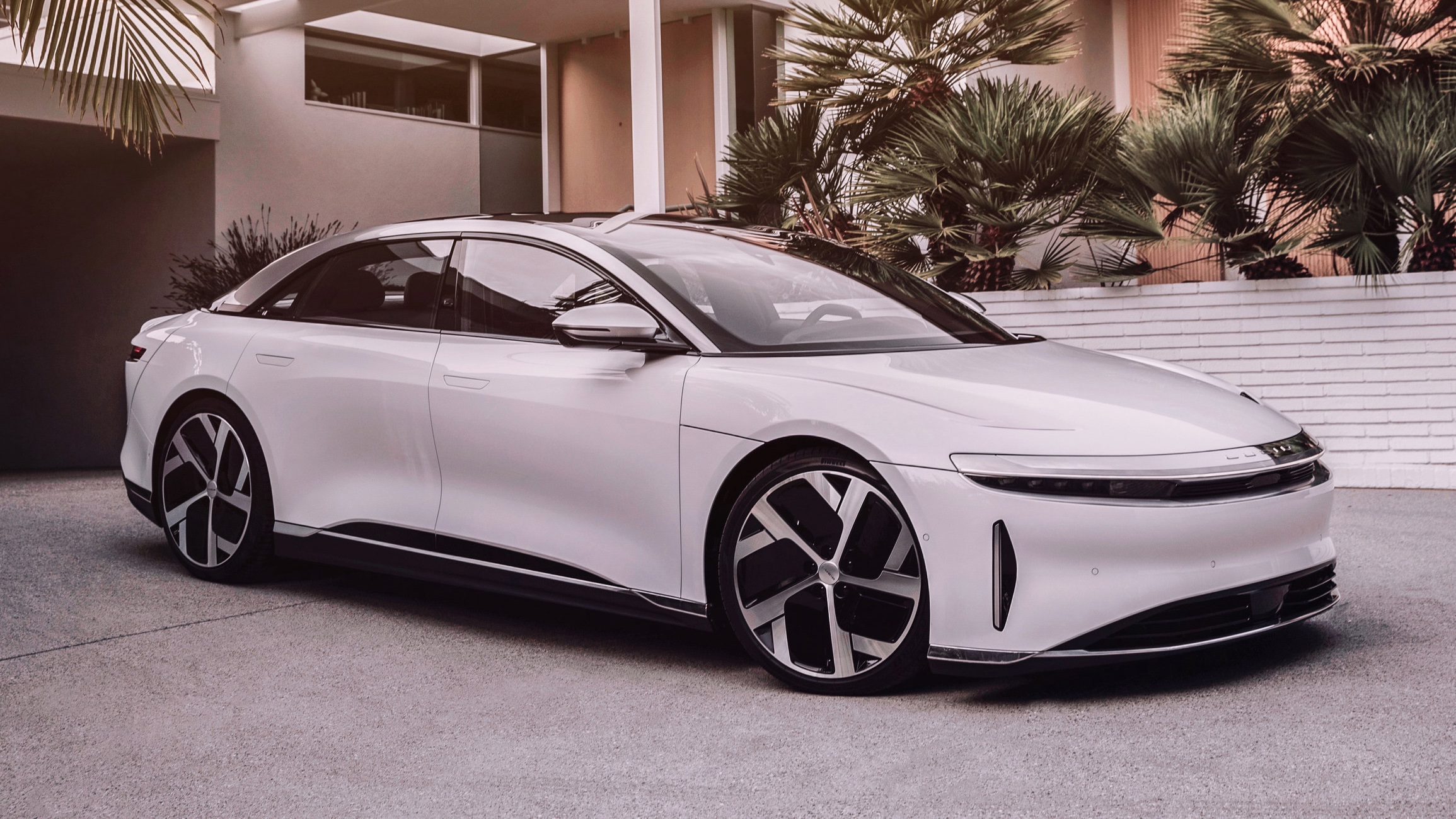
6. Lucid Air: The EV Range Champion Refined
Since its debut in 2022, the Lucid Air has stood out as a bold entry from a startup automaker. While it launched with impressive range numbers and striking performance, early models showed weaknesses in build quality and technology. Fast-forward to 2025, and Lucid has addressed many of those concerns.
With improved refinement, updated infotainment hardware, added features, and competitive pricing, the Air cements itself as one of the most compelling luxury EVs available.
No competitor can match the Lucid Air’s driving range. Even the base Pure trim surpasses 400 miles according to EPA estimates, while higher trims can exceed 500 miles in real-world driving.
Edmunds’ long-term testing confirms that the Air consistently falls short of its lofty EPA targets, but it still outperforms rivals like the Tesla Model S and Mercedes EQS. Consumption ranges between 23 and 30 kWh per 100 miles, making it one of the most efficient EVs on the road.
Acceleration across the lineup is impressive. The Air Pure sprints to 60 mph in just 4.6 seconds, while mid-tier trims cut that down to about 3 seconds. The flagship Sapphire model takes things into supercar territory with a jaw-dropping 2.2-second 0–60 time.
Yet despite this performance, the Air remains comfortable and composed in everyday driving. Braking is strong, steering is quick, and regenerative braking can be set aggressively enough to bring the car to a stop without touching the pedal. It’s a rare EV that feels equally at home on winding roads and city streets.
The Air’s ride is smooth and compliant, particularly on the highway, though some competitors better absorb small bumps. Seats provide generous adjustments but could offer more support for long drives. Climate controls impress with physical buttons for fan speed and temperature, while strong fans can be noisy at maximum output.
Step inside the Lucid Air and space is abundant. Both rows offer generous headroom, legroom, and shoulder room, with rear passengers especially well accommodated. Wide-opening doors and a low step-in height aid entry, though the low ride height could challenge some.
The cabin is dominated by multiple screens, but Lucid executes them thoughtfully, minimizing menu-diving and presenting clear, accessible controls. Visibility is good, thanks to large windows and an array of cameras, though camera resolution lags behind premium rivals.
Lucid’s early struggles with tech have largely been resolved. Infotainment now responds quickly and operates glitch-free. Wireless Apple CarPlay and Android Auto are standard, and USB-C charging ports are available in both rows.
One standout feature is the ability to charge other EVs using an accessory cable, turning the Air’s massive battery into a mobile power source. Driver-assist systems are well-calibrated, with adaptive cruise control and lane-keeping showing fewer false alerts than earlier versions.
The Air shines in practicality, boasting a combined 26.1 cubic feet of cargo space split between a 16.2-cubic-foot trunk and a 9.9-cubic-foot frunk larger than those in the Tesla Model S or Porsche Taycan.
Interior storage is clever, with sizable door bins, a versatile center console, and even a hidden compartment behind the retractable lower screen. Installing child seats is straightforward thanks to accessible anchors and abundant rear space.
Pricing for the Air has dropped since its launch, positioning it more competitively against luxury EV rivals. The best value lies in the Pure trim, which still delivers class-leading range and strong performance.
Warranty coverage includes four years/50,000 miles of basic protection and eight years/100,000 miles for the powertrain, plus roadside assistance. Build quality, once a major weakness, has improved to the point where it no longer undermines the Air’s appeal, though it still falls short of German rivals.
The Lucid Air blends world-beating range, blistering performance, and genuine practicality into a sleek luxury sedan. With constant refinements and competitive pricing, it’s no longer just a promising newcomer it’s a serious contender that sets the standard for long-range EVs.
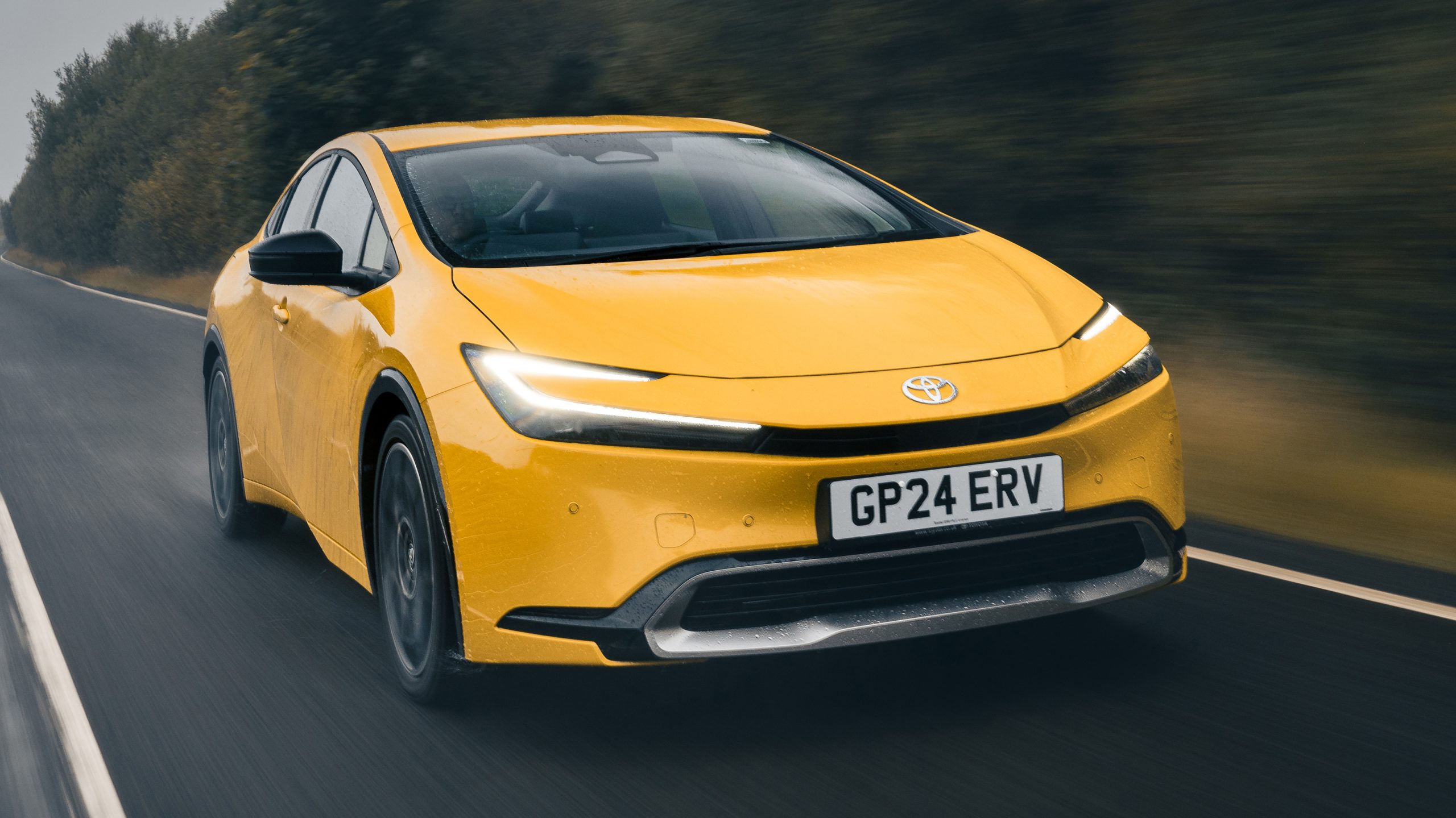
7. Toyota Prius: Stylish Efficiency Meets Everyday Usability
Long the poster child for hybrid efficiency, the Toyota Prius has undergone a remarkable transformation in its fifth generation. No longer just a frugal choice, the Prius now combines sleek styling, improved performance, and advanced technology while still delivering the outstanding fuel economy that made it famous.
For 2025, changes are minimal aside from the addition of a new Nightshade Edition package, but the 2023 redesign continues to carry the model forward with fresh appeal.
The latest Prius is quicker and more responsive than ever. A front-wheel-drive model reaches 60 mph in 7.7 seconds faster than rivals like the Kia Niro Hybrid, though still trailing the Honda Civic Hybrid.
The car feels smooth and capable in everyday driving, whether pulling away from traffic lights, merging onto highways, or tackling long grades. While its economy-oriented tires limit cornering grip, the chassis hints at untapped athleticism that could shine with stickier rubber. Hybrid power transitions between electric and gasoline are seamless, maintaining a refined feel around town.
Inside, the Prius balances comfort with practicality. The front seats are supportive for longer trips, and the rear seats, though fixed, provide decent comfort for passengers. Ride quality is smooth, easily absorbing bumps and rough pavement, but intrusive tire, wind, and engine noise under acceleration prevent the Prius from delivering a truly serene experience.
Single-zone climate control is standard across trims, though amenities like heated front seats are widely available, with ventilated front seats reserved for the Limited trim.
The Prius’ cabin design is more traditional than before, with well-placed physical controls and an intuitive dashboard layout. However, the digital instrument cluster draws criticism for its cluttered display and awkward placement, often obscured by the steering wheel depending on seating position.
Rear-seat access can be tricky due to small openings and a low roofline, which also reduces headroom for taller occupants. Visibility out the back is limited by thick roof pillars and a sharply raked rear window, though front and side visibility remain good.
Technology is a highlight in the new Prius. Higher trims feature a 12.3-inch touchscreen with a clean interface, quick responses, and Google-powered navigation. Wireless Apple CarPlay and Android Auto come standard, and six USB-C ports ensure charging is accessible for all passengers.
However, the wireless charging pad can overheat devices during extended use. Driver-assist features impress, with effective adaptive cruise control, lane-keeping assist, and Toyota’s innovative Proactive Driving Assist. This subtle system helps ease daily driving by prompting gentle braking or acceleration cues based on traffic flow, all without feeling intrusive.
With 20.3 cubic feet of space behind the rear seats, the Prius offers more cargo room than a traditional sedan but trails some rivals, including the Kia Niro. Its hatchback design aids usability, though the raised cargo floor limits underfloor storage and makes fitting longer items, like golf clubs, a challenge.
Up front, a deep center console, rubberized cubby beneath the dash, and oversized cupholders add convenience, while the wireless charging pad sits conveniently beside the shifter.
Efficiency remains the Prius’ signature strength. The base LE trim delivers an EPA-estimated 57 mpg combined, while XLE and Limited trims return 52 mpg.
All-wheel-drive models sacrifice about 3 mpg but still impress. In real-world testing, a Limited FWD Prius returned 52.3 mpg, essentially matching its EPA rating. This balance of improved power and sustained efficiency ensures the Prius retains its reputation as a leader in fuel economy.
The Prius continues to offer excellent long-term value, with Toyota backing hybrid components for eight years/100,000 miles and the battery for up to 10 years/150,000 miles. Two years of complimentary maintenance further sweeten the deal.
While higher trims and AWD variants edge into pricing territory occupied by hybrid SUVs and midsize sedans, the Prius remains appealing thanks to its efficiency and technology. Cabin quality has improved with fewer cheap plastics, though some trim pieces still feel lightweight compared to pricier competitors.
The Toyota Prius proves that efficiency no longer requires compromise in style or driving enjoyment. With its sleek design, modern tech, and hybrid reliability, it appeals to drivers who want to save fuel without sacrificing desirability.
Though rear headroom, noise insulation, and cargo flexibility leave room for improvement, the Prius is now more than just a sensible choice it’s a car people genuinely want to own.
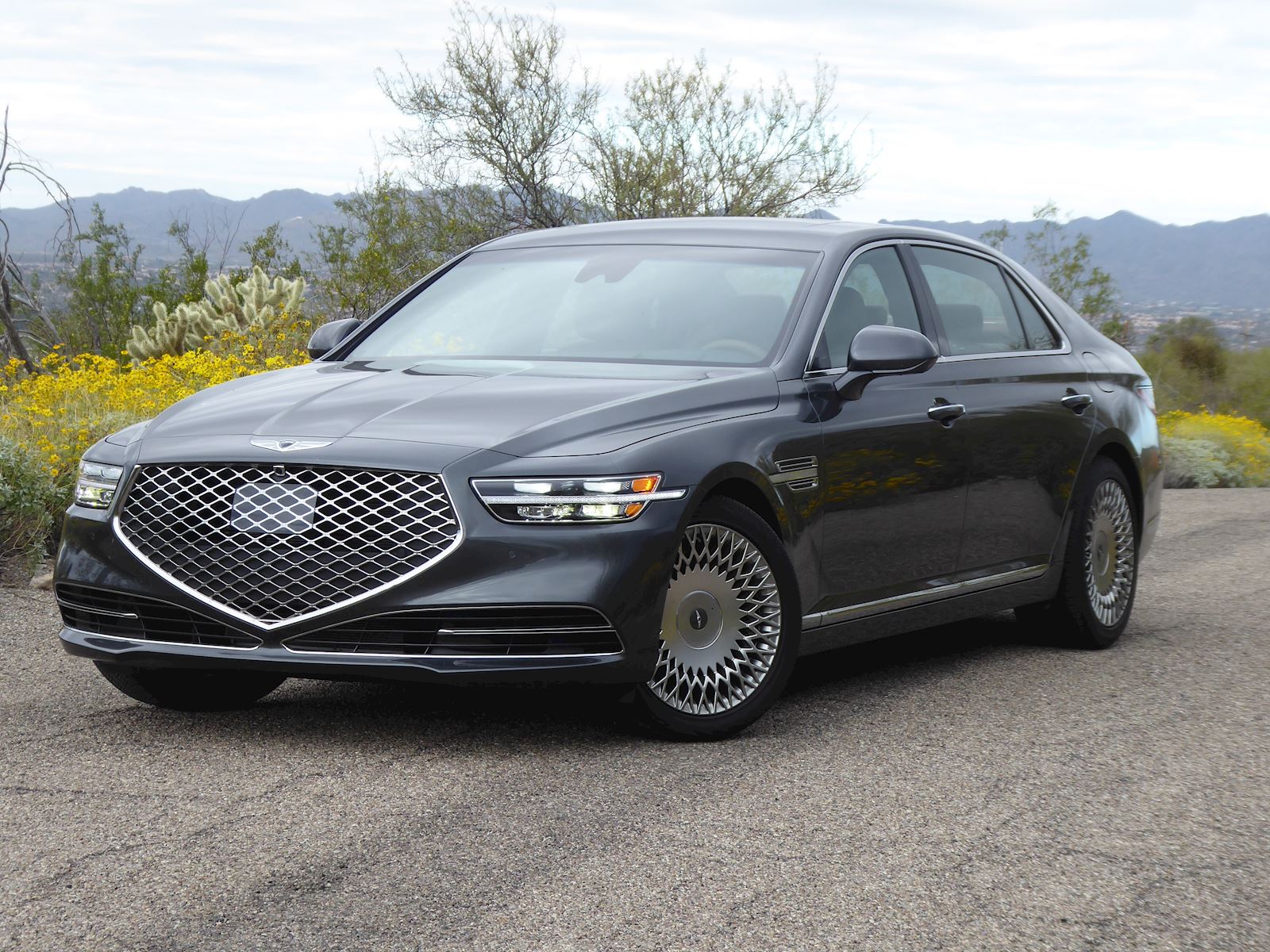
8. Genesis G90: Quiet Luxury with a Value Edge
The Genesis G90 continues to stand out as a flagship sedan that delivers elegance, comfort, and advanced features at a price that significantly undercuts its German and Japanese rivals.
After a full redesign in 2023, which earned it MotorTrend’s Car of the Year, the 2025 G90 carries forward largely unchanged. Even so, it remains a strong choice for buyers who value refinement, craftsmanship, and comfort above high-performance aspirations.
The G90 captures attention with its Bentley-inspired silhouette, refined roofline, and premium interior finishes. From the two-tone cabin palette to the soft-close doors, every detail emphasizes luxury.
Genesis positions the G90 as a serene and sophisticated sedan rather than attempting to disguise it as a performance car. This clear focus helps it excel at providing a calm and indulgent driving experience.
Performance is adequate for a car of its size and purpose. The mild-hybrid version recorded a 0 to 60 mph time of 5.4 seconds during testing. While not nearly as quick as performance-oriented BMW 7 Series or Mercedes-Benz S-Class models, it offers more than enough power for daily driving and effortless highway passing.
Steering is light with slightly more resistance in Sport mode, though feedback is minimal. Body roll is present during quick turns, but the car’s strengths lie in straight-line cruising and long-distance comfort.
One of the G90’s most impressive attributes is its Electronically Controlled Suspension with Road Preview. A forward-facing camera scans the road ahead and adjusts dampers in real time to minimize the impact of bumps and imperfections. This proactive system delivers a remarkably smooth ride and distinguishes the G90 from many competitors that only react to surface changes after the fact.
The ride quality of the G90 is outstanding, aided by its multi-chamber air suspension. Exterior noise is almost nonexistent, allowing easy conversation between passengers at any speed. Both front and rear outboard seats are exceptionally spacious and supportive. The rear center seat is less accommodating, with a firmer cushion that is only suitable for short trips.
The interior layout balances modern technology with physical controls that are easy to use. Power-adjustable seating and steering make it simple to find an ideal driving position. Some drivers may find the touchscreen placed slightly out of reach, but the system remains highly user-friendly. Fit and finish are top-notch, matching or exceeding the craftsmanship of far more expensive rivals.
The G90 emphasizes ease of use in its infotainment system. While it lacks the extensive voice command features found in certain competitors, the interface is clear and functional.
The optional 23-speaker Bang & Olufsen 3D audio system provides an exceptional listening experience with precise clarity and deep bass. Wireless Apple CarPlay and Android Auto are now standard for 2025. The only weak point is the native navigation, which feels outdated and clunky when searching for destinations.
Practicality is not a strength of the G90. The trunk offers only 12 cubic feet in the standard version, shrinking to 10.6 cubic feet in the mild-hybrid model. This is less than many compact sedans and limits luggage capacity to a single large bag. Interior storage is similarly modest, with the center console favoring design over functionality for holding personal items like phones or wallets.
The non-hybrid G90 achieves an EPA-estimated 21 mpg combined, while the mild-hybrid version is rated at 20 mpg combined. In testing, the mild-hybrid model returned 22.5 mpg, outperforming its rating. These figures are competitive with similarly equipped rivals, though unlike BMW and Mercedes, Genesis does not yet offer plug-in hybrid or electric alternatives for the G90.
Pricing remains one of the strongest arguments for the G90. It costs significantly less than many of its direct competitors while matching them in design, comfort, and quality. Buyers who place value on badge prestige may lean toward Mercedes or BMW, but those who focus on substance will find the Genesis offers nearly everything at a more accessible price.
The Genesis G90 excels at delivering refined comfort, advanced suspension technology, and high levels of craftsmanship at a cost that makes it a standout choice among flagship sedans.
Although it trails rivals in cargo space and navigation usability, it offers a level of serenity and sophistication that is difficult to match. For buyers seeking luxury, comfort, and genuine value, the G90 is an appealing option that deserves serious consideration.
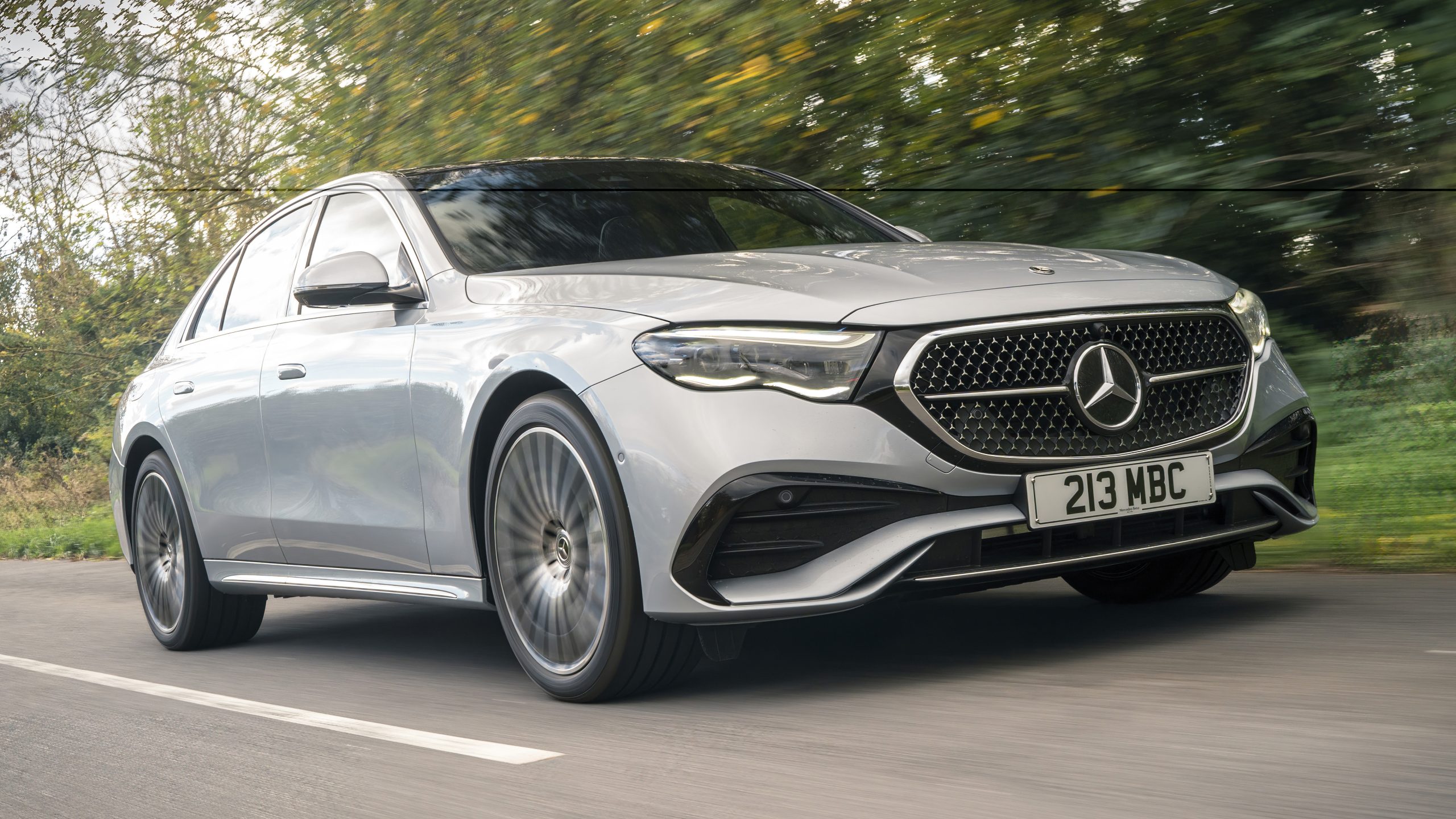
9. Mercedes-Benz E-Class: Luxury Meets Balance
The Mercedes-Benz E-Class secures its position as one of the best midsize luxury sedans by blending elegant styling, refined driving manners, and cutting-edge technology. Positioned between the compact C-Class and the flagship S-Class, it provides buyers with an ideal balance of comfort, sophistication, and practicality.
A rear-wheel-drive E 350 base model has been added for 2025, while the range also includes the performance-focused AMG E 53 plug-in hybrid and the versatile E-Class All-Terrain wagon.
Mercedes offers multiple engine choices to satisfy different needs. The E 350 uses a four-cylinder engine that feels adequate but can run out of breath at higher speeds, while the E 450 delivers stronger performance, accelerating from 0 to 60 mph in just 4.7 seconds.
Both powertrains are paired with a nine-speed automatic transmission that shifts seamlessly. The AMG E 53 is the most powerful option, combining a plug-in hybrid system with 577 horsepower and an electric range of up to 42 miles before switching to hybrid mode. This model also benefits from rear-wheel steering, a sport-tuned suspension, and upgraded brakes.
The E-Class strikes an impressive balance between comfort and agility. Handling is composed, and braking is both smooth and responsive. The optional Airmatic suspension further enhances ride quality, soaking up imperfections even on challenging roads. Buyers should avoid the optional 21-inch wheels, as they compromise comfort.
The E-Class excels at long-distance comfort. Supportive seats make extended drives relaxing, while excellent insulation keeps the cabin quiet even at higher speeds. The ride feels plush, particularly with adaptive dampers, and the suspension smooths out rough surfaces with ease. Climate control performance can occasionally lag on very hot days, but comfort remains a strong point.
Inside, the E-Class emphasizes both luxury and personalization. The driving position is highly adjustable, providing excellent ergonomics for nearly any driver. While rear passengers have sufficient space, taller individuals may feel more confined than in competitors like the BMW 5 Series. Materials and craftsmanship are superb, with a focus on premium details throughout the cabin.
Storage space is adequate, though not class-leading. The trunk can accommodate several suitcases, and folding the rear seats expands versatility for longer items. Inside, the sedan provides well-sized door pockets and compartments, although the design favors style over maximum utility. Child seat installation is straightforward, with clearly marked Isofix anchors.
Technology is a defining aspect of the new E-Class. The cabin is dominated by bright, configurable displays that can show extensive information. Navigation is intuitive and reliable, while the optional Burmester 4D surround sound system is among the best audio experiences available in the segment. Wireless Apple CarPlay and Android Auto come standard.
The MBUX infotainment system features advanced voice controls that respond to natural language. While generally effective, the system occasionally activates unintentionally during conversations or music playback. Steering wheel touch-sensitive controls also add complexity and can be distracting until fully mastered.
Driver assistance systems are plentiful, though many require optional packages. Adaptive cruise control, lane centering, and automatic lane changes all work smoothly and effectively, reinforcing the E-Class’ reputation for technological sophistication.
EPA estimates for the E 350 4Matic come in at 27 mpg combined, though real-world testing yielded slightly lower results at 25.9 mpg. Interestingly, the more powerful E 450 achieved 28.6 mpg during testing, surpassing its EPA rating of 25 mpg. This outcome suggests the smaller engine can struggle under load, reducing efficiency compared to the smoother six-cylinder.
The E-Class commands a premium price compared to rivals such as the Audi A6 and BMW 5 Series. However, its impeccable build quality, materials, and advanced features justify the expense for many buyers. Warranty coverage stands at four years or 50,000 miles for both bumper-to-bumper and powertrain protection, which is average for the segment. Maintenance and roadside assistance offerings trail some competitors.
The Mercedes-Benz E-Class blends performance, comfort, and advanced technology into a refined package that appeals to a wide range of luxury sedan buyers.
While the infotainment system has a learning curve and pricing can be steep, its ride quality, craftsmanship, and available performance options make it a standout. For those seeking a midsize luxury sedan that prioritizes both driving enjoyment and interior sophistication, the E-Class remains a top contender.
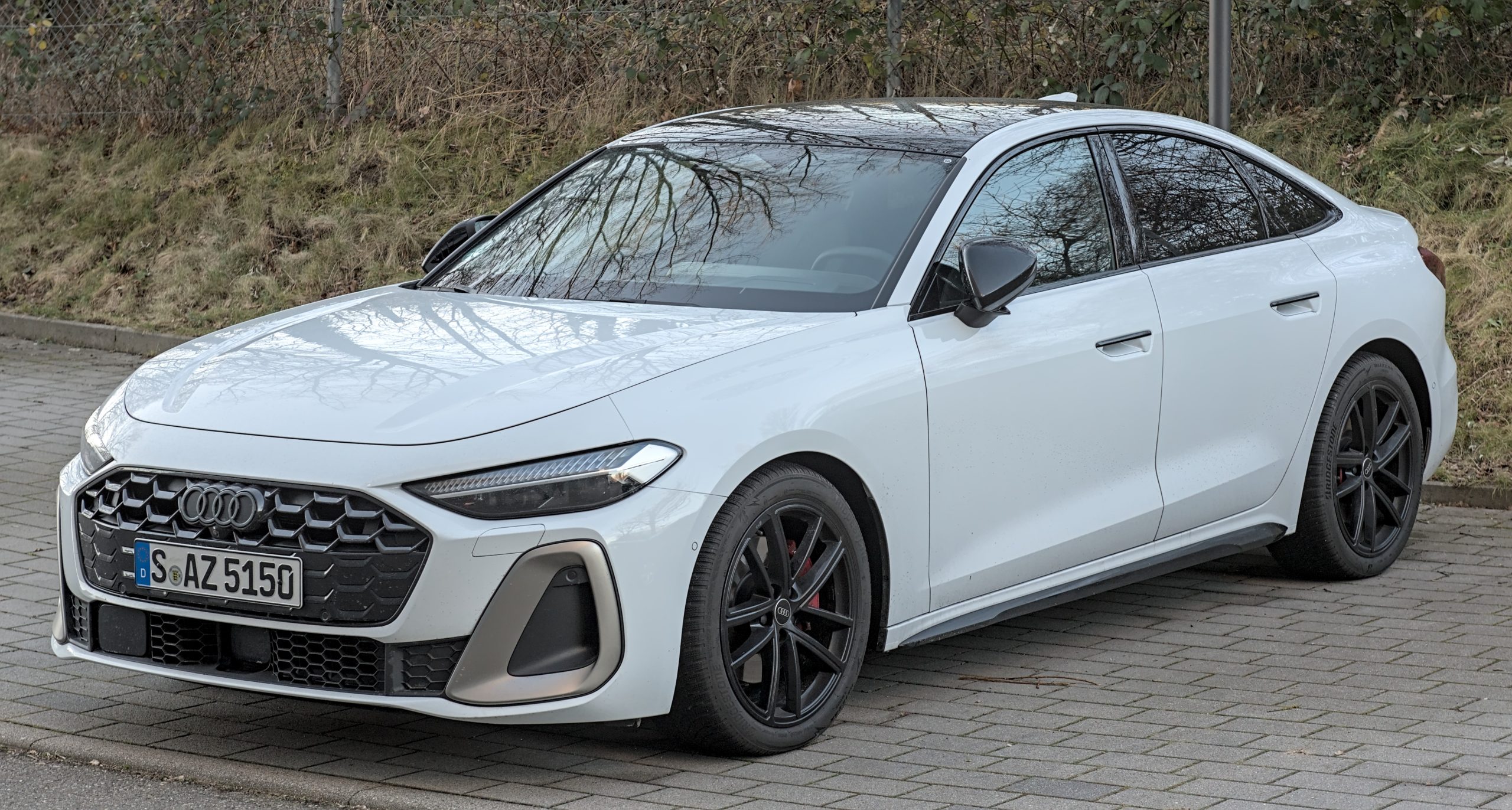
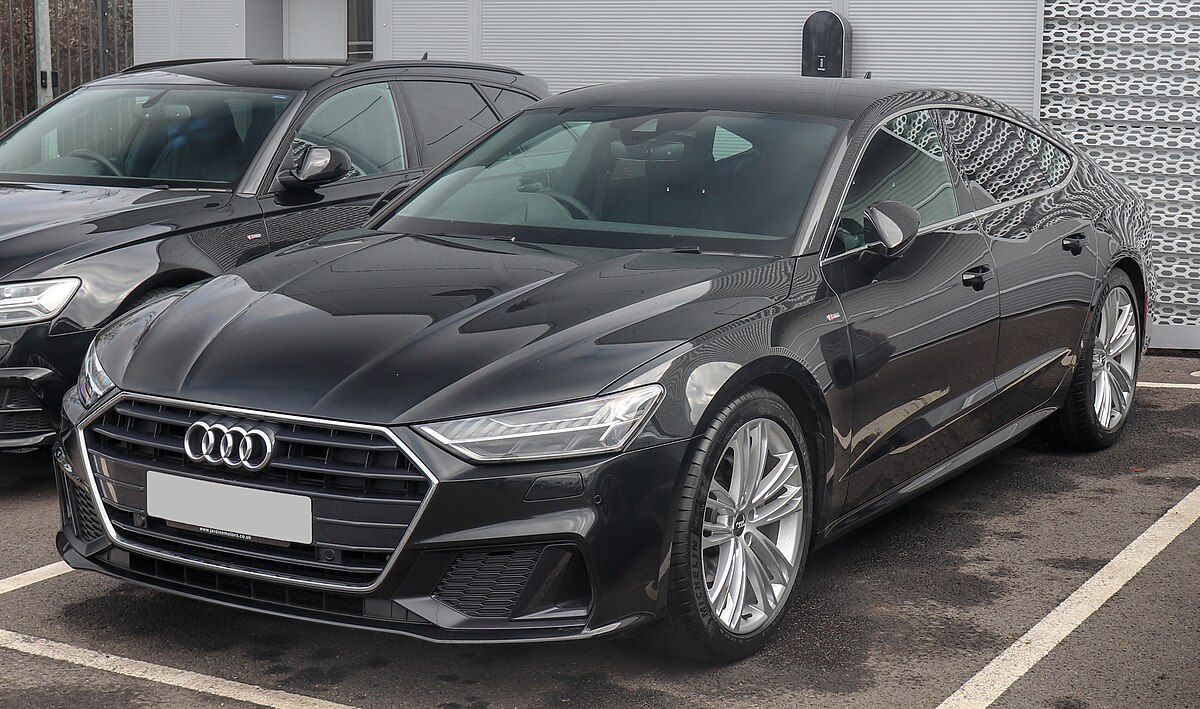
10. Audi A7: Style and Practicality in a Luxury Package
The Audi A7 continues to stand out in the luxury midsize segment by blending elegant design with impressive practicality. Positioned as the sleeker sibling of the A6 sedan, the A7 commands a higher price but rewards buyers with distinctive fastback styling and a versatile hatchback cargo layout that rivals SUVs for space.
Updates in 2024 refined its exterior design, keeping the A7 looking fresh, while its balance of performance, technology, and craftsmanship remains its strongest appeal.
Equipped with a turbocharged V6 engine, the A7 offers quick acceleration, completing the 0–60 mph run in 4.7 seconds. Braking is equally confident, aided by optional summer performance tires. Handling is sharp with the available S Line sport package, though the steering feel varies depending on the selected driving mode. Comfort mode can feel overly light, while Dynamic sometimes feels unnecessarily heavy.
Power delivery is strong, but the A7 suffers from occasional jerkiness when starting from a stop. Engaging Sport mode improves smoothness, while the automatic transmission delivers nearly seamless shifts in all conditions. These traits make the A7 both engaging for spirited driving and refined for daily commutes.
The A7 excels as a comfortable cruiser. The suspension absorbs imperfections well, providing a composed ride across different surfaces. Base seats are supportive but lack the adjustability found in some rivals, while optional massaging seats enhance long-distance comfort but add to the cost. The climate control system is effective and intuitive.
At highway speeds, the engine is barely audible, though wind and road noise are more noticeable than in some competitors. These sounds are not intrusive enough to spoil the experience, and even a low audio setting easily masks them. The occasional driveline shudder in first gear remains a minor drawback.
Inside, the A7 delivers the same high-quality materials and craftsmanship seen in the A6, paired with a more stylish layout. The sweeping roofline provides a dramatic silhouette but limits rear headroom and complicates entry and exit for taller passengers. Despite its shape, visibility is better than expected, with good sight lines all around.
Audi’s dual-panel MMI touchscreen infotainment system dominates the center console, giving the cabin a sleek, high-tech appearance. However, it demands attention while driving, with layered menus that can be cumbersome to navigate. Firm, deliberate presses are often required, which reduces ease of use on the move.
The A7 features Audi’s standard 12.3-inch Virtual Cockpit digital instrument cluster, which is crisp, configurable, and easy to read. The infotainment screens also offer sharp graphics and quick responses, though their learning curve is steep.
Driver assistance features work effectively in most situations. Adaptive cruise control works smoothly, while lane keeping performs well in gentle corners but struggles in tighter ones. Rear cross-traffic braking is overly sensitive at times. Despite these quirks, the A7’s suite of technology enhances both convenience and safety.
The hatchback design is one of the A7’s standout advantages. Behind the rear seats, it offers 24.9 cubic feet of cargo space, which is more than the A6 sedan and generous compared to most rivals. The cargo area is wide, flat, and practical, with side pockets, tie-down rings, and LED lighting. The 40/20/40-split rear seats fold nearly flat without requiring the front seats to be moved forward.
Interior storage is less impressive. Like the A6, the A7 offers limited small-item storage, so drivers may need to keep clutter to a minimum. Installing child seats is straightforward, thanks to accessible anchors.
The EPA estimates the A7 at 25 mpg in combined driving, which is slightly above the class average. In real-world testing, it delivered 27.5 mpg, showing that buyers can expect efficiency close to or better than official figures.
The A7’s appeal lies in its combination of sleek styling, hatchback practicality, and luxury appointments. Build quality is excellent, though minor issues such as overly bright chrome trim and a rattling speaker in one test car slightly detracted from the premium feel.
Pricing is on the higher side, and buyers seeking maximum space may find better value in Audi’s Q8 SUV. Warranty coverage matches the luxury segment average but does not exceed it.
The Audi A7 is ideal for buyers who want both style and utility in a luxury sedan. Its fastback design creates SUV-like practicality without compromising on performance, comfort, or premium quality. While its infotainment system can frustrate and rear headroom is limited, the A7’s blend of refinement, versatility, and strong driving dynamics make it one of the most desirable midsize luxury cars available.
Also Read: 10 Cars With Reliable Suspension vs 10 That Constantly Wear Out
10 Cars With AWD Systems That Fail Often
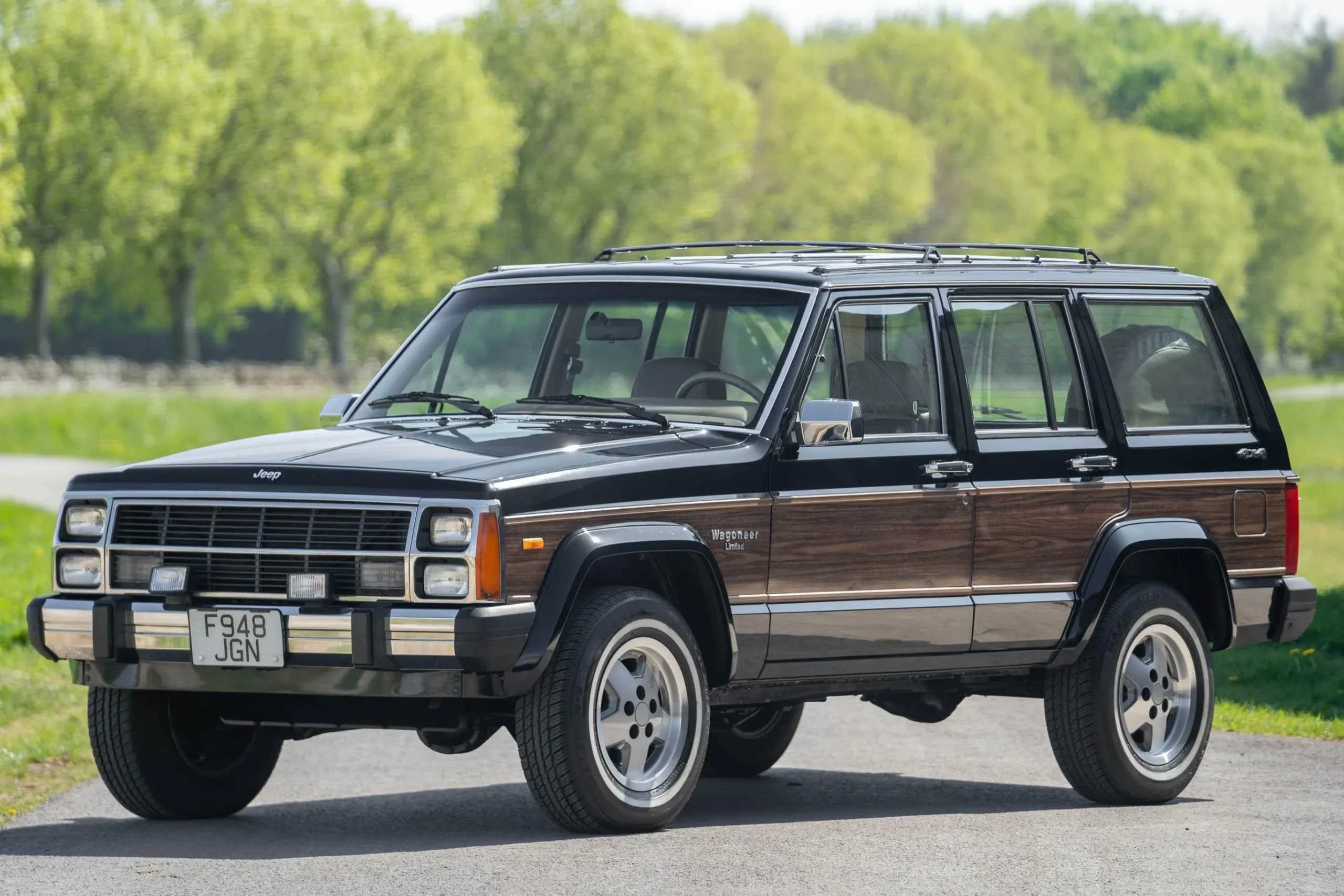
1. 1980s Jeep Cherokee: Flawed Foundations of a Future Icon
The Jeep Cherokee of the 1980s was a significant step in the evolution of modern SUVs, but it was far from perfect. While today’s Grand Cherokee is celebrated for capability and refinement, its earlier counterpart struggled with both design and reliability.
Owners often reported steering that felt overly light, making the SUV difficult to control, along with frequent blown fuses and a less polished all-wheel-drive system than modern equivalents.
The Cherokee’s biggest troubles stemmed from its transfer cases, specifically the New Process Gear NP228 and NP229. Both suffered from inadequate support, as they were mounted directly to the transmission without sufficient reinforcement. This often led to stress fractures and cracks under off-road conditions.
The NP229 introduced a viscous coupler to enable full-time four-wheel drive, but the component was notoriously fragile. Over time, the fluid inside could degrade, causing binding in turns or, conversely, complete traction loss when the coupler failed.
Maintenance issues compounded these design flaws. Mismatched tire sizes, neglected fluid changes, or broken vacuum lines often accelerated wear on the system. Problems with linkage mechanisms also made shifting between drive modes difficult or impossible.
When failures occurred, symptoms included grinding or clunking noises, difficulty engaging or disengaging four-wheel drive, vibrations at speed, and visible fluid leaks from the transfer case.
Although the 1980s Cherokee earned a reputation for unreliability, it laid the groundwork for later models. Its shortcomings pushed Jeep engineers to develop more robust systems, ultimately shaping the Cherokee and Grand Cherokee into the respected SUVs they are today.
2. Lamborghini Huracán Sterrato: The Off-Road Supercar That Breaks Convention
The Lamborghini Huracán Sterrato is one of the most unconventional supercars ever produced. With just 1,499 examples built and a price tag of $284,000, it blends Lamborghini’s high-revving V10 performance with rugged, rally-inspired engineering.
Top Gear aptly described it as a “jacked-up, armored, off-road psychopath,” but its purpose remains divisive: a nearly $300,000 machine designed for dirt roads rather than racetracks.
Its all-wheel-drive system is a modern electro-hydraulic unit specially tuned for off-road use, and unlike older mechanical systems, it is not known for frequent failures. Instead, most complaints are tied to driver expectations and design trade-offs.
For instance, its bespoke Bridgestone all-terrain tires perform exceptionally on loose surfaces but reduce grip on pavement compared to other Huracáns. Similarly, while the suspension has been raised, travel and ground clearance remain limited, making rock crawling or extreme trails impractical. When pushed beyond its design, loud suspension impacts can sound like failures but are usually just the system reaching its limit.
The AWD programming itself is tuned for playful, rear-biased dynamics in Rally mode. This allows more wheel slip and driver involvement, but someone expecting total traction control may misinterpret this as a flaw. True reliability concerns are similar to those found in other Lamborghinis: electrical glitches, accelerated wear on brakes and suspension, and risks of environmental damage from gravel or water.
Ultimately, the Huracán Sterrato is not a practical off-roader but a statement piece. It thrives on unique driving experiences, proving that Lamborghini remains unafraid to push boundaries.

3. Hummer H2: Heavyweight with Weak Foundations
The Hummer H2 was launched in the early 2000s as a follow-up to the military-inspired H1, but it failed to live up to its rugged image. Weighing nearly 7,000 pounds, the H2 struggled off-road despite its size and presence.
It could handle light trails, but serious terrain often left it bogged down. Fuel economy was abysmal, averaging only 9 mpg combined, and sales reflected growing disappointment dropping from over 34,000 units in 2003 to just 1,500 by 2009.
A key weakness was its all-wheel-drive system. While marketed as robust, the H2’s part-time 4WD setup suffered from frequent failures. The electronic transfer case shift actuator, responsible for switching drive modes, often wore out or corroded, leaving the SUV stuck in gear.
Corroded wiring and malfunctioning Transfer Case Control Modules (TCCM) were also common, triggering “Service 4WD” warnings and failed engagements. Mechanical issues plagued the transfer case as well, including stretched chains, stuck shift forks, and fluid leaks that accelerated internal wear.
The front differential and axle components were another sore spot. CV axle boots frequently tore, leading to premature joint failure, while the front axles themselves often proved too weak for the H2’s weight during off-road use. Differential leaks compounded the problem, risking gear and bearing damage.
Ultimately, the H2’s troubles stemmed from mismatched engineering. Its sheer mass put immense strain on components adapted from lighter GM trucks, while complex electronics introduced new failure points. The result was a flashy SUV with limited capability and high maintenance costs.

4. Lamborghini Cheetah: A Flawed Military Experiment
The Lamborghini Cheetah, developed in the late 1970s, was intended as a response to a U.S. military contract for a new all-terrain vehicle. Despite Lamborghini’s reputation for exotic supercars, the company had no off-road experience, and the Cheetah quickly revealed deep design flaws that doomed it to failure.
The most critical issue was its rear-mounted Chrysler V8 engine. This unconventional layout gave the vehicle extreme rear-weight bias, making the front end too light and the handling dangerously unstable.
Off-road, the imbalance produced a “see-saw” effect, with the front end lifting and the rear squatting. This instability not only made the Cheetah difficult to control but also prevented its AWD system from functioning properly, as too little weight sat over the front axle to generate meaningful traction.
The engine itself was underwhelming. It lacked the power necessary to move the Cheetah’s heavy frame, leaving it with a poor power-to-weight ratio. Compounding matters, overheating was common, a recurring issue for Lamborghini engines of the era. Even if handling had been stable, performance was far below military requirements.
The drivetrain also suffered from constant stress due to the flawed weight distribution. Without advanced traction aids standard in modern AWD systems the primitive system could not compensate for the inherent design weaknesses.
Ultimately, the U.S. military passed on the Cheetah without serious testing and chose the AM General Humvee instead. Though a commercial failure, the Cheetah paved the way for the later LM002, which corrected its flaws with a front-mounted V12 and true off-road capability.

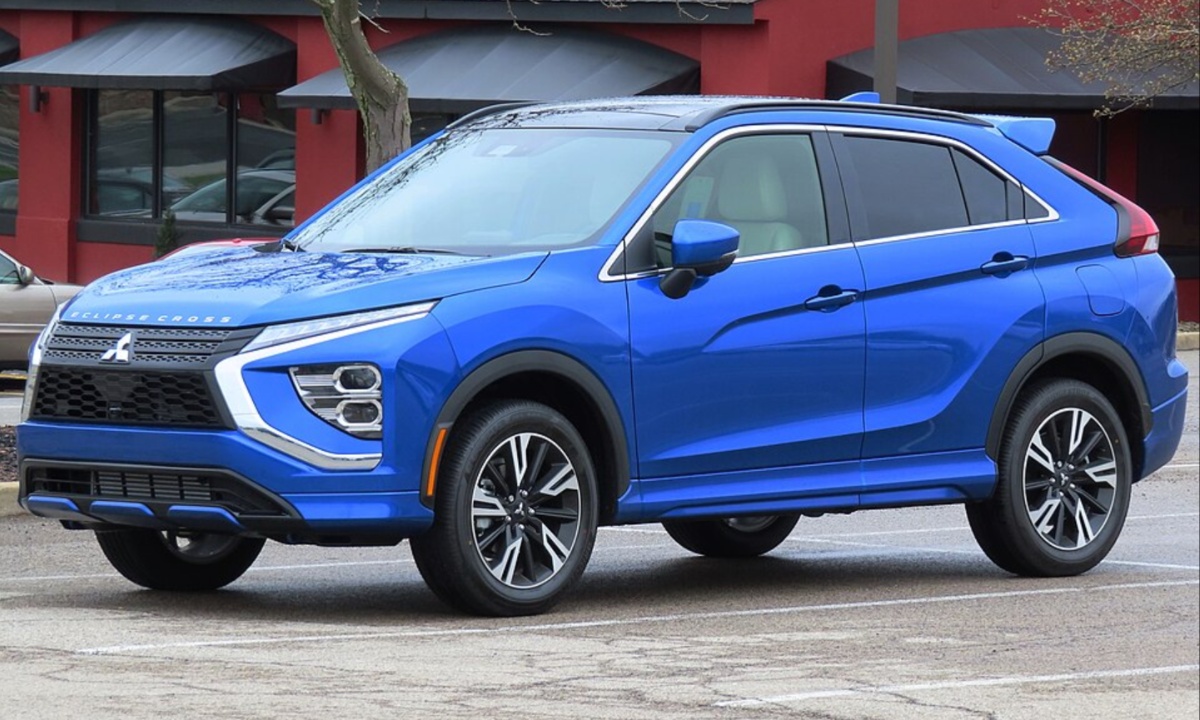
5. Mitsubishi Eclipse Cross: Misunderstood AWD or Performance Shortfall?
The Mitsubishi Eclipse Cross, introduced in 2017, revived the Eclipse name but traded its sports coupe heritage for compact SUV practicality. This decision disappointed many enthusiasts, and while the styling is attractive, performance quickly became a sticking point. With a modest 148 hp base engine and a maximum of 175 hp in higher trims, the Eclipse Cross struggles to move its nearly 4,300-lb frame, especially in plug-in hybrid form.
Much of the criticism directed at the Eclipse Cross centers on its underpowered 1.5-liter turbo engine and Continuously Variable Transmission (CVT). These components deliver sluggish acceleration and uninspiring driving dynamics, which some drivers mistakenly attribute to failures in the Super All-Wheel Control (S-AWC) system. In reality, the AWD system is functional but designed for stability in daily driving, not off-road performance.
Reports of problems are often misdiagnosed. For example, engine overheating after a tire change, dead batteries, or electrical faults can affect the sensors tied to the S-AWC system, leading to warnings or erratic behavior that resemble AWD malfunctions. Brake system recalls related to Forward Collision Mitigation also raised concerns, but these issues were not inherent flaws in S-AWC.
The system itself is a reactive electronic setup, meant to improve traction on slippery pavement rather than conquer rugged trails. Most consumer reviews describe it as adequate, if not remarkable. True failures are rare, but owners should monitor for red flags like fluid leaks, rough shifting, or dashboard warning lights, which often stem from transmission or electrical problems rather than the AWD hardware itself.
6. Lada Niva: Rugged but Demanding 4×4 Classic
The Lada Niva, introduced in 1977, remains one of the longest-running off-road vehicles still in production in its original form. Praised for its simplicity, affordability, and surprising off-road ability, it has sold more than 650,000 units worldwide. Yet, when measured against modern SUVs, its shortcomings become clear: underpowered engines, poor refinement, and a notoriously fragile all-wheel-drive system.
Unlike modern on-demand AWD setups, the Niva uses a full-time 4×4 system that constantly engages the drivetrain. This design ensures strong off-road traction but creates ongoing stress on components such as the transfer case, driveshafts, and differentials.
Excessive vibration at highway speeds is a well-known issue, often traced to poorly manufactured universal joints, under-lubricated driveshafts, or worn transfer case bushings.
Factory parts were not built for longevity, with many owners reporting premature wear or inadequate lubrication straight from the factory. Some vehicles even left assembly lines with U-joints lacking proper grease, leading to rapid failure. Rust further complicates long-term durability, especially on the undercarriage.
Maintenance demands are higher than average. Frequent lubrication, inspections, and part replacements are essential to keeping the Niva roadworthy. Neglect accelerates wear, with gearboxes sometimes failing within as little as 10,000–20,000 km if not properly maintained.
Despite these flaws, the Niva thrives in its niche. Its rugged, mechanical simplicity means repairs are straightforward and inexpensive, especially in regions where parts are plentiful. For owners willing to tolerate its quirks and frequent upkeep, the Niva delivers affordable, go-anywhere capability few modern crossovers can match.

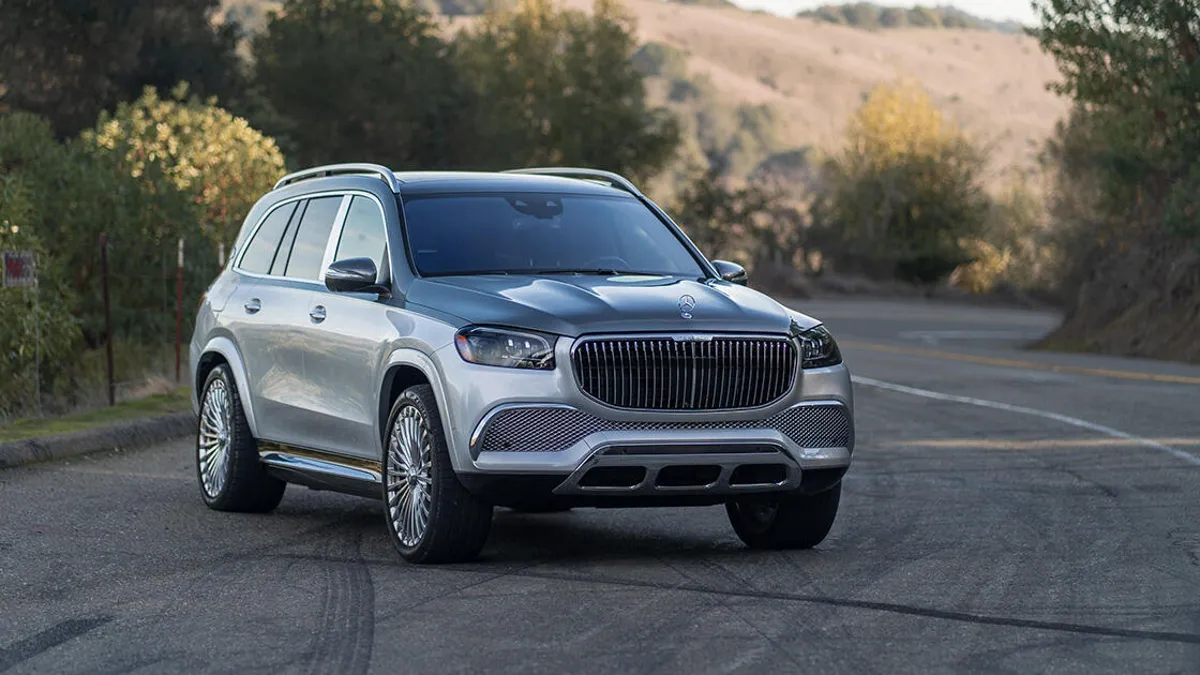
7. Mercedes-Maybach GLS: Luxury SUV with AWD in Name Only
The Mercedes-Maybach GLS sits at the top of Mercedes’ SUV range, carrying a starting price well over $160,000. With a twin-turbocharged 4.0-liter V8 producing 550 hp, it delivers effortless power, opulent comfort, and an imposing presence.
Yet, despite featuring all-wheel drive, this SUV is not designed for rugged adventures. Few buyers would risk scratching its paint or damaging its delicate trim in off-road conditions. For most owners, it will spend its life cruising city streets or tucked away in a climate-controlled garage.
The all-wheel-drive system itself is reliable, but the GLS platform shared with the Maybach variant has experienced other issues. Transmission-related recalls have been issued for 2020–2023 GLS 450 models, with reports suggesting the Maybach GLS 600 could also be affected.
A faulty Transmission Control Unit (TCU) software bug could cause the engine to stall in certain conditions. Additionally, the 48V electrical system has been subject to recalls due to a poorly secured ground cable that risks overheating.
Earlier GLS generations suffered from transfer case chain wear when maintenance was neglected, but this issue has not been widely reported in the Maybach GLS. Instead, the complexity of modern electronics presents the greater concern. A single malfunctioning sensor or control module can impact multiple vehicle systems, including all-wheel drive.
While the Maybach GLS offers prestige and comfort in abundance, its AWD setup is more a marketing feature than a true off-road tool. Owners seeking luxury without the burden of rugged expectations will find it better suited to urban boulevards than mountain trails.
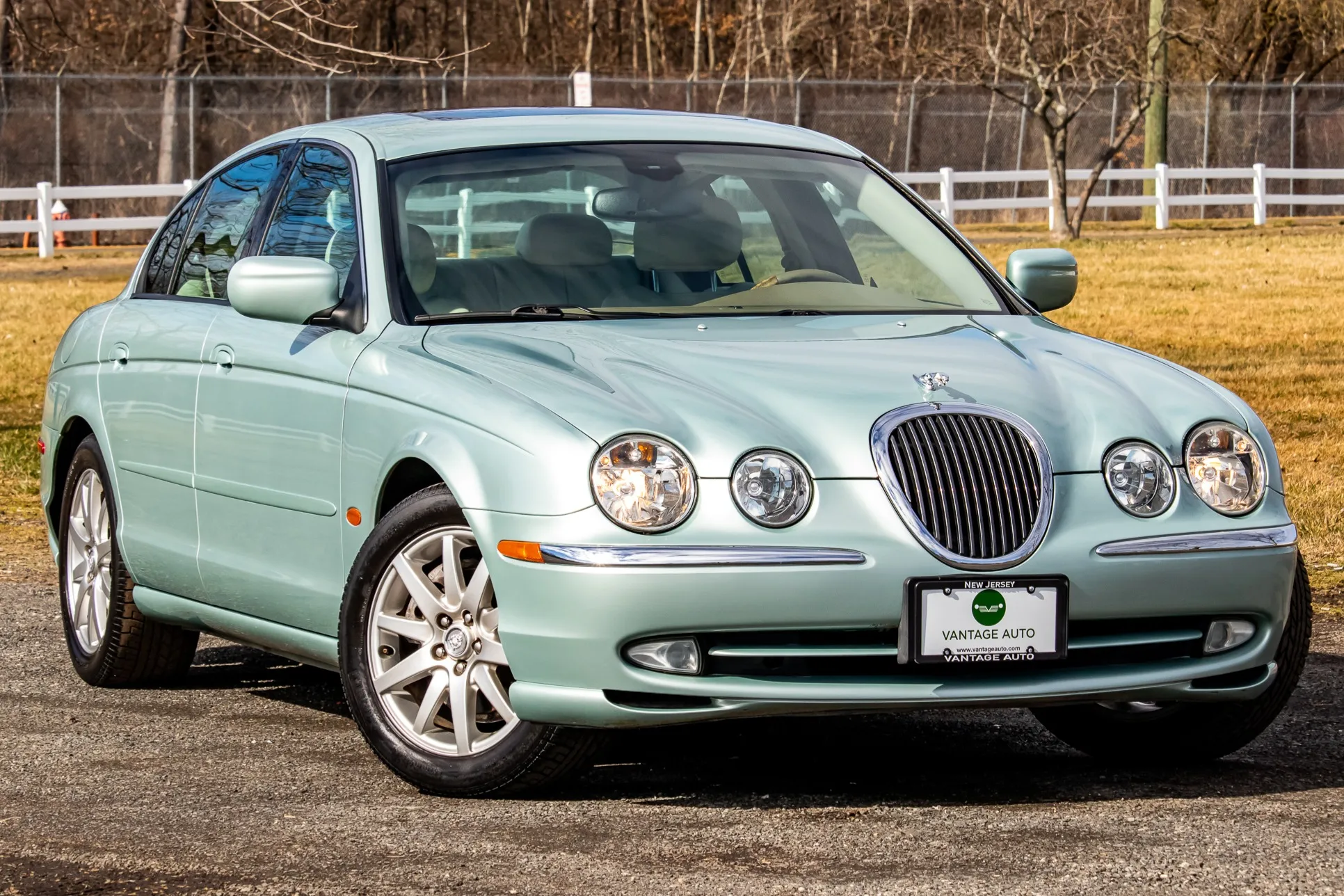
8. 2001 Jaguar X-Type: Luxury Sedan with a Fragile AWD System
The 2001 Jaguar X-Type was introduced as a compact luxury sedan to rival the BMW 3-Series and Mercedes-Benz C-Class. At launch, it was offered exclusively with all-wheel drive, built on Ford’s Mondeo platform.
While it looked sharp on the outside, the engineering compromises quickly became apparent. The AWD system, combined with poor fuel economy and reliability issues, gave the X-Type a reputation as one of Jaguar’s weakest efforts.
The transfer case was the most frequent point of failure. Jaguar initially claimed it used “sealed for life” fluid, which meant no scheduled changes. In practice, the fluid broke down over time, starving gears and bearings of lubrication.
This caused premature wear, howling noises, and eventual drivetrain failure. Leaking seals were also common, often triggered by a clogged breather vent that forced fluid past gaskets until the case ran dry.
Early models also used a viscous coupling to split power between axles. These were prone to binding during tight turns, especially if the car had already been running with low or degraded fluid. Later models phased this out, but replacements were not interchangeable without creating new issues.
The JATCO automatic transmission paired with the AWD system was equally fragile. Failures could appear as early as 30,000 miles, with symptoms such as rough shifts, delayed acceleration, or clunking. Transmission damage often accelerated wear in the transfer case, making repairs costly.
With regular fluid changes, inspections, and leak prevention, some owners managed to extend the system’s life. But for many, the AWD setup was a ticking time bomb that tarnished Jaguar’s ambitions in the compact luxury market.
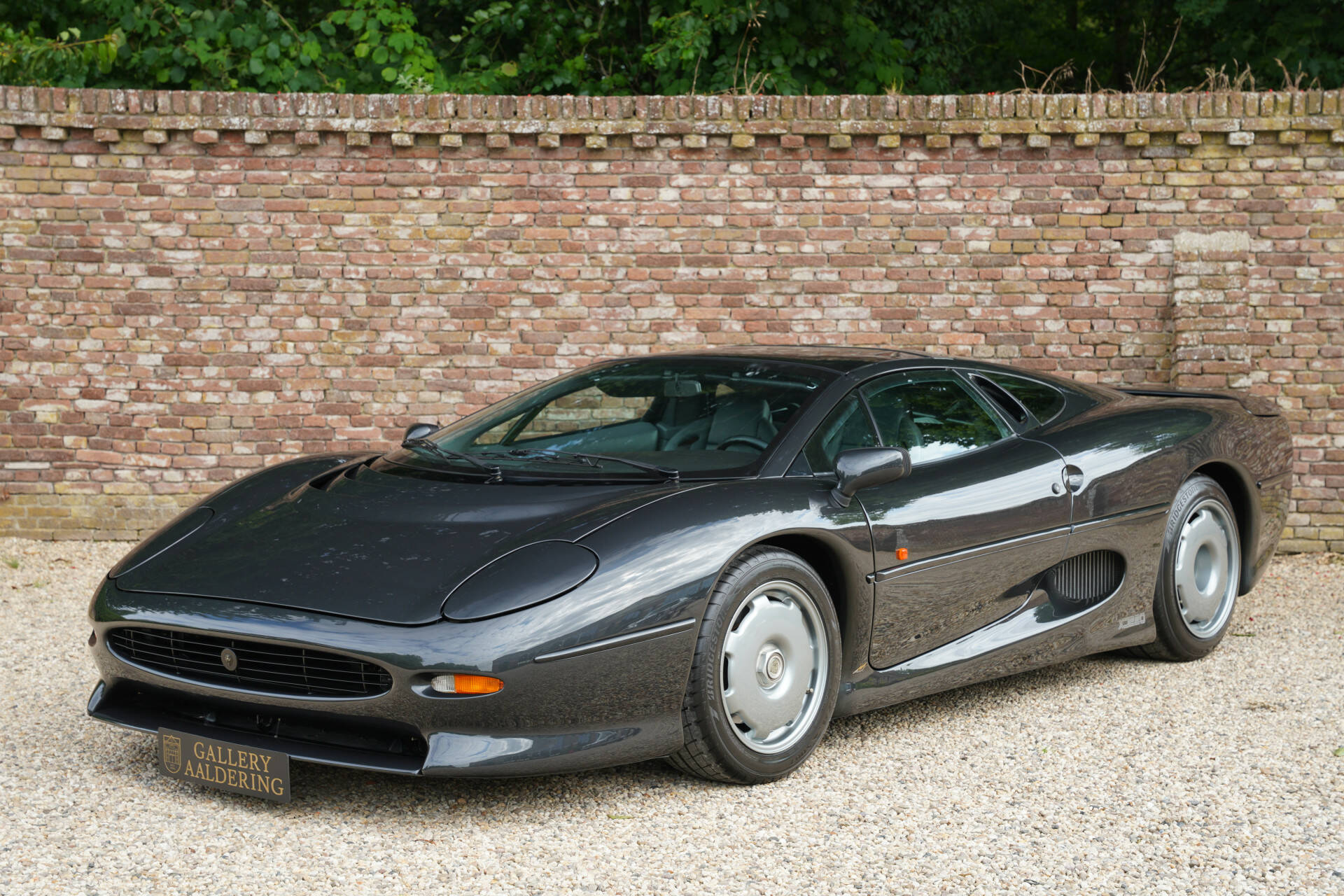
9. Jaguar XJ220: The AWD Supercar That Never Was
The Jaguar XJ220 is remembered as both a groundbreaking supercar and one of the most controversial projects in Jaguar’s history. When the concept debuted in 1988, it promised everything enthusiasts could dream of: a 6.2-liter V12 engine, an advanced all-wheel-drive system engineered with FF Developments, and a futuristic design. Jaguar’s so-called “Saturday Club” of engineers had crafted a vision that instantly captured public imagination, and hundreds of eager customers placed deposits.
Yet by the time the production car arrived in 1992, the dream had changed dramatically. The V12 was gone, replaced with a lighter, twin-turbocharged 3.5-liter V6 producing 542 horsepower. More significantly, the all-wheel-drive system was abandoned altogether in favor of a simpler rear-wheel-drive layout.
The reasoning came down to practicality: the AWD setup added too much weight and complexity, and packaging it alongside a massive V12 made the cabin uncomfortably cramped. The AWD hardware also created durability concerns that would have been costly to resolve.
Regulatory pressures sealed the fate of the original design. The V12 couldn’t meet tightening emissions standards, forcing Jaguar and Tom Walkinshaw Racing to adopt the smaller turbocharged engine. Ironically, the switch resulted in a faster, lighter, and more agile car, but it also alienated the very buyers who had fallen in love with the AWD-equipped concept.
Customer backlash was severe. Many who had placed deposits demanded refunds, arguing that Jaguar had failed to deliver on its promises. Combined with a global recession, sales never reached expectations. Despite setting a world record as the fastest production car of its era, the XJ220 became known as a car defined by what it lacked rather than what it achieved.
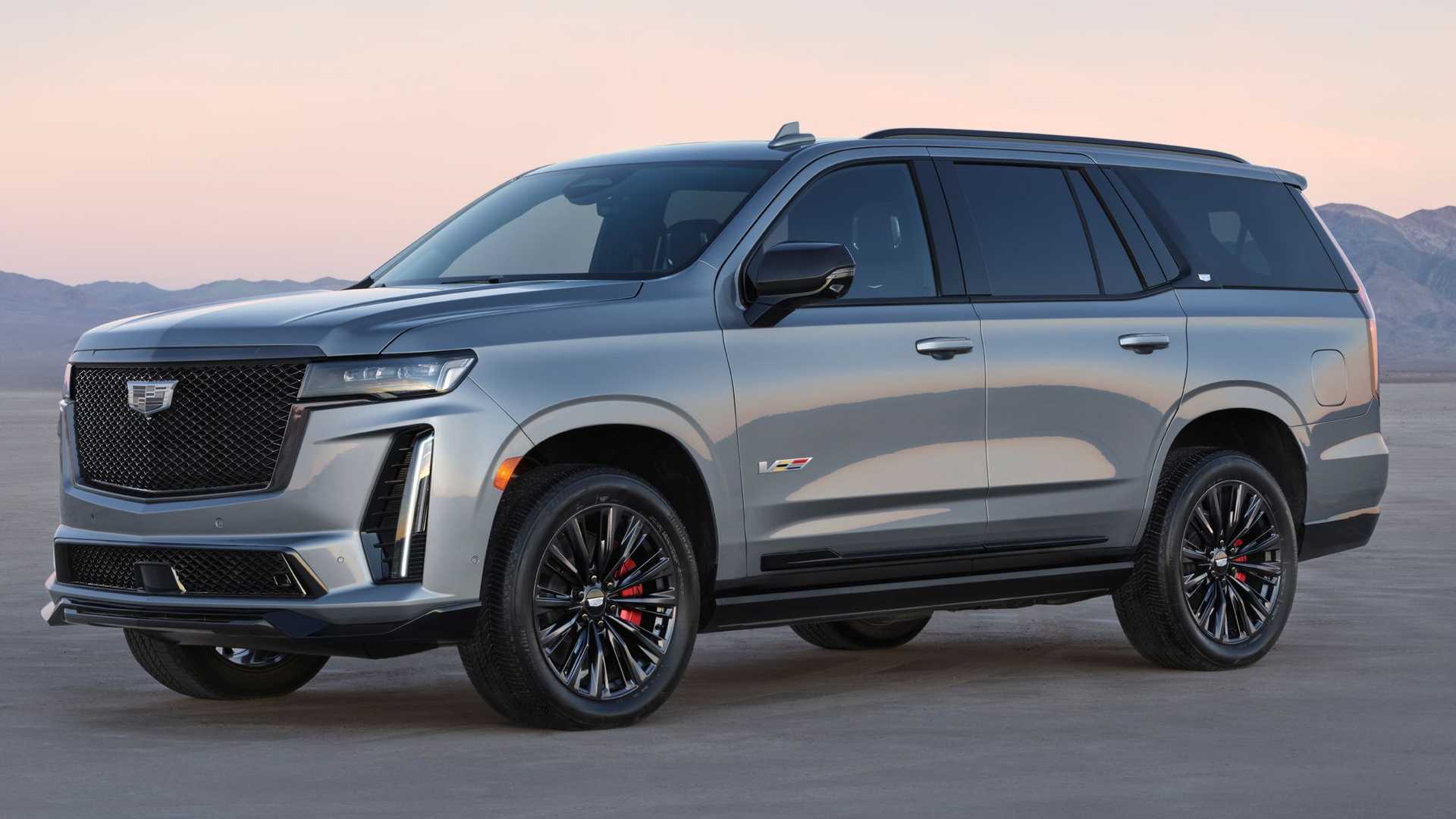
10. Cadillac Escalade V AWD: Luxury Muscle With Fragile Foundations
The Cadillac Escalade V AWD represents the extreme end of the luxury SUV market. With its supercharged 6.2-liter V8 producing 682 horsepower and a base price over $150,000, it combines lavish comfort with astonishing straight-line speed. Yet for all its performance, the Escalade V AWD is one of the least practical and most problematic SUVs in its class.
From an environmental standpoint, it ranks among the worst. The American Council for an Energy-Efficient Economy gave it an Environmental Damage Index score of just 2.57, placing it near the bottom of the market. Fuel economy is abysmal at 11 mpg in the city and 16 mpg on the highway, making it more wasteful than many older SUVs it was designed to replace.
Mechanical reliability raises even greater concerns. Like other Escalades, the AWD system can suffer from faulty wheel speed sensors, malfunctioning transfer case actuators, and differential wear, all of which affect drivability. Transmission complaints are also common, with reports of harsh shifting and premature failures, including a documented case of a rebuild at just 33,000 miles.
The most damaging issues, however, come from the engine itself. Owners of 2021–2024 Escalade V models have reported catastrophic failures of the 6.2-liter V8 at extremely low mileage, sometimes within days of purchase.
GM has attributed these failures to defective crankshaft and connecting rod components, prompting a massive recall affecting more than 700,000 vehicles. Some buyers have even pursued buybacks due to repeated breakdowns.
The Escalade V AWD was designed to be Cadillac’s ultimate luxury performance SUV, but its combination of poor efficiency, fragile components, and widely publicized engine failures makes it a flawed flagship.
AWD can add real value to a car by providing peace of mind in different driving situations, from winter roads to wet conditions and rougher surfaces. Choosing a vehicle with a proven and dependable AWD system means you get consistent performance and avoid unexpected repair bills.
On the other hand, vehicles that struggle with AWD reliability can quickly become more of a burden than a benefit. By reviewing both the most dependable and the least dependable AWD setups, you now have a clearer picture of what to expect before making a decision.
The key is to balance your driving needs with proven track records of reliability so that you end up with a vehicle that offers traction, safety, and long-term confidence. With the right choice, AWD can truly deliver the strength and security it was designed to provide without unnecessary complications.
Also Read: 10 Cars With Legendary Durability In Snow vs 10 That Fail In Winter