
Working on your own car can be fun, save money, and give you a sense of accomplishment. Some cars are designed in a way that makes basic maintenance and repairs much easier for the average car owner.
On the other hand, there are vehicles packed with advanced technology and tightly packed engine bays that require special tools and professional knowledge. Knowing which cars are DIY-friendly and which are not can help you decide whether to take the job on yourself or leave it to the experts.
Also read:10 Cars With The Most Reliable AWD Systems vs 10 That Fail Often
Cars With DIY-Friendly Repairs
For many car owners, maintenance and repairs can feel like a daunting and expensive task, often requiring trips to the mechanic for even minor issues.
However, not all vehicles are created equal when it comes to do-it-yourself (DIY) friendliness. Some cars are designed with accessibility and simplicity in mind, allowing owners to perform routine maintenance and even minor repairs without specialized tools or advanced technical skills.
From easy-to-access engine components to straightforward electrical systems, these vehicles can save both time and money while giving owners a sense of satisfaction and control over their own cars.
In this article, we explore a selection of cars that make DIY repairs not only possible but genuinely convenient, helping enthusiasts and everyday drivers alike tackle maintenance tasks with confidence.
1) Honda Civic
The Honda Civic has been one of the most popular cars in the world for many years. It is loved not only for its fuel efficiency and reliability but also for how easy it is to repair and maintain.
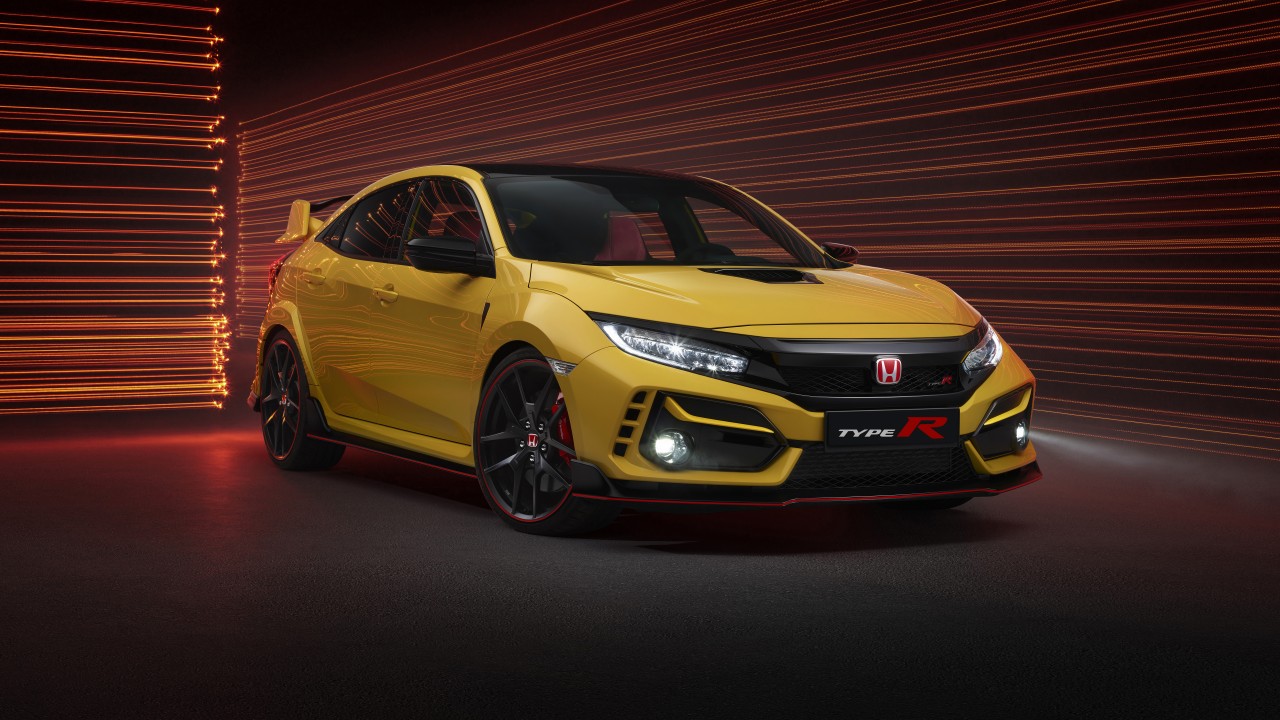
Another great thing about the Civic is the large community of car enthusiasts. Online forums, videos, and step-by-step guides make it simple for beginners to learn. Many Civic owners enjoy sharing their repair tips and helping others save money.
Because the Honda Civic is so dependable, repairs are not needed as often compared to some other cars. When problems do come up, they are usually small and affordable to fix. This adds to the car’s reputation as a great choice for everyday drivers.
2) Toyota Corolla
The Toyota Corolla is one of the best-selling cars of all time, trusted by millions of drivers worldwide. Its success comes from a mix of reliability, low running costs, and a simple design that makes it easy for anyone to maintain.
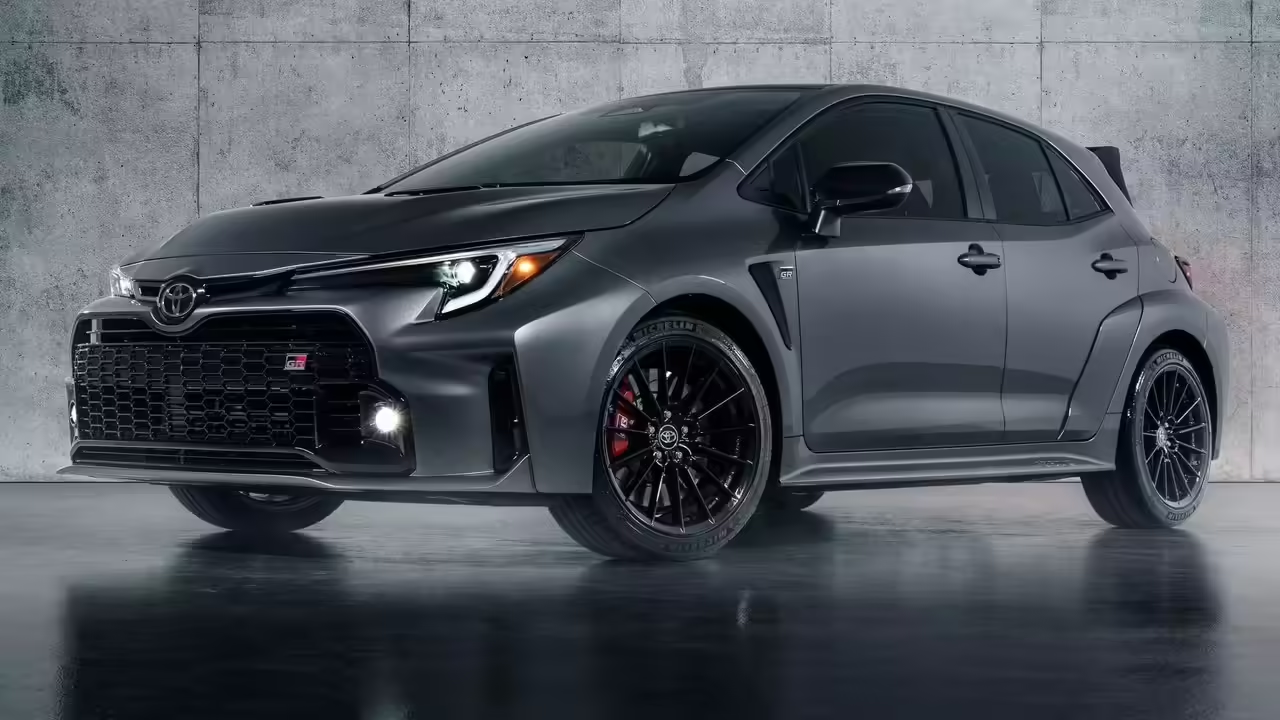
The engine design in the Corolla is also simple and reliable. Regular maintenance tasks like changing oil, replacing air filters, or swapping brake pads are easy to handle at home. Owners often learn these skills quickly, saving money on mechanic visits.
Another benefit of owning a Corolla is the strong support community. There are countless guides, forums, and videos online to help owners. Whether you are a beginner or experienced, the shared knowledge makes tackling repairs much less intimidating.
3) Jeep Wrangler
The Jeep Wrangler has always been a favorite for people who love adventure. Known for its rugged design and off-road strength, the older Wrangler models also stand out for being easy to repair. Their simple build makes them perfect for DIY car owners.

Another great feature is the availability of replacement parts. Since Wranglers are very popular, parts can be found almost anywhere, both new and used. This makes it easy for owners to find affordable options for keeping their vehicles in good working condition.
Many Wrangler owners enjoy modifying and upgrading their vehicles. The design of older Wranglers supports this well, with a large aftermarket full of accessories. Whether it’s suspension upgrades, lighting, or performance parts, DIY mechanics enjoy working on these vehicles with ease.
4) Ford F-150
The Ford F-150 has been one of America’s most trusted trucks for decades. Older models are especially popular among DIY mechanics because of their simple design. With roomy engine bays and straightforward systems, they make repairs and maintenance much easier to handle.
One of the best things about older F-150s is their tough build. These trucks were designed for hard work, which means many parts are strong and long-lasting. When repairs are needed, they usually involve simple components that are easy to reach and fix.
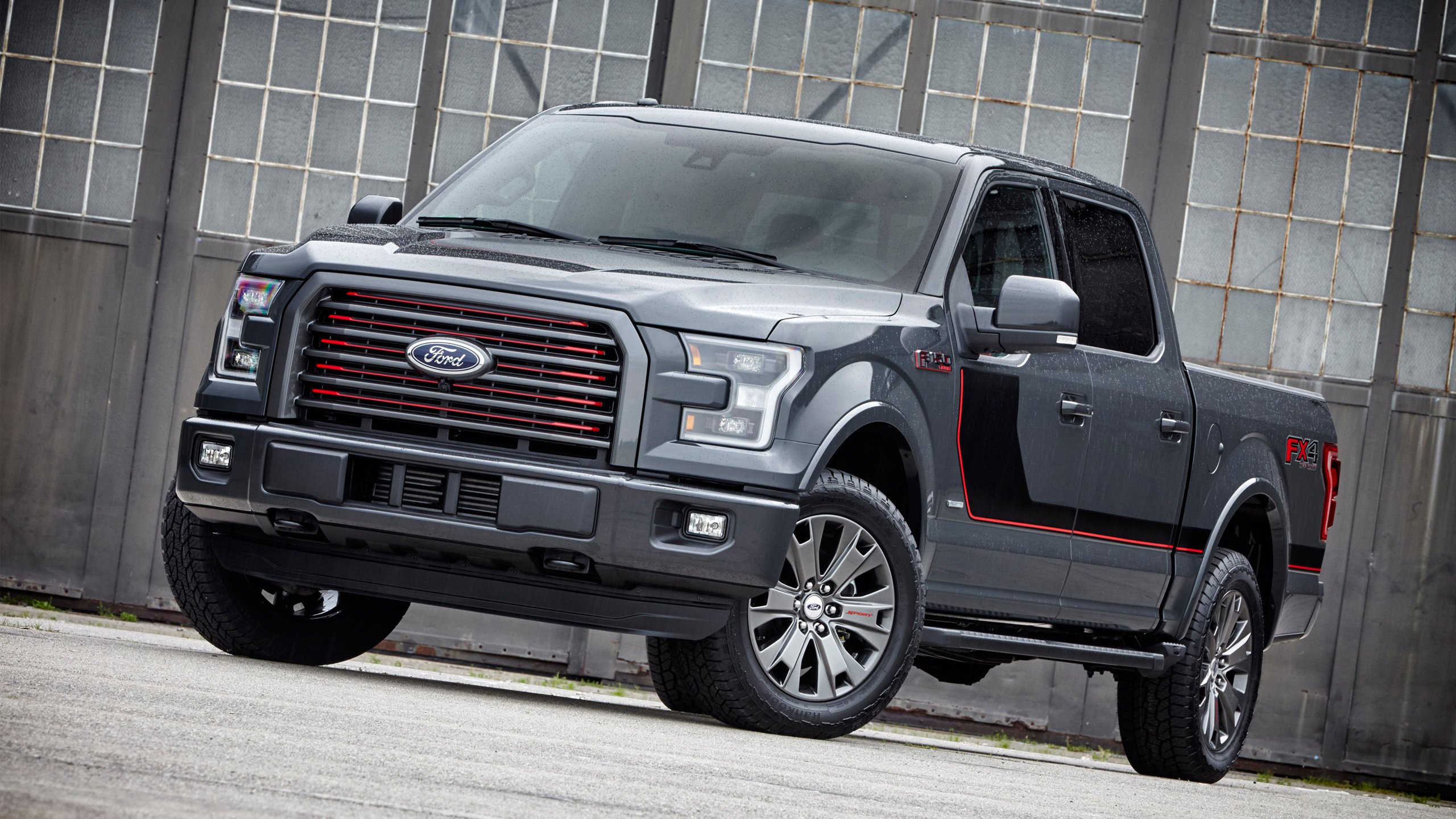
Another advantage is the large space under the hood. Unlike smaller cars where everything is tightly packed, the F-150 gives you room to work comfortably. This extra space makes even slightly bigger repairs less intimidating for someone working at home.
5) Mazda MX-5 Miata
The Mazda MX-5 Miata is one of the most beloved sports cars in the world. Beyond its fun-to-drive nature, it is also highly DIY-friendly. Its simple design, accessible engine, and lightweight body make it ideal for beginners learning car maintenance.
Parts for the Miata are also widely available and reasonably priced. Because it has a large enthusiast following, owners can quickly find replacement parts, whether new or used. This makes maintaining and repairing the car more affordable and convenient.

The Miata community is very active, with countless online guides, videos, and forums. Owners share step-by-step instructions for repairs and upgrades, helping newcomers tackle tasks that might seem intimidating at first. This support is invaluable for DIY enthusiasts.
6) Volkswagen Beetle
The classic Volkswagen Beetle is one of the most iconic cars ever made. Beyond its unique shape, it is also highly DIY-friendly. Its simple mechanics and easy-to-understand engine design make it a favorite among beginners and hobbyist car owners.
Replacement parts for the Beetle are widely available. Since millions of these cars were sold worldwide, owners can find affordable components easily. This makes keeping a classic Beetle running well much simpler and cheaper than many other vintage cars.

The Beetle’s engine bay is compact but well-organized. Key components are accessible, which makes routine tasks like oil changes, spark plug replacements, and belt adjustments relatively easy. Beginners can learn quickly and gain confidence in their repair skills.
The Beetle also has a passionate community of owners. Online forums, step-by-step guides, and video tutorials provide plenty of information. This community support is invaluable for first-time mechanics looking for guidance and practical advice on repairs and maintenance.
7) Chevrolet Silverado
The Chevrolet Silverado has long been a favorite among truck owners. Older models are especially popular for DIY repairs. Their simple mechanical design, roomy engine bays, and strong build make them ideal for owners who enjoy maintaining their trucks at home.
The engine and mechanical systems in older Silverados are simple and reliable. Tasks like changing oil, replacing filters, or swapping brake pads are straightforward. Beginners can quickly learn to perform basic repairs, saving money on professional services.
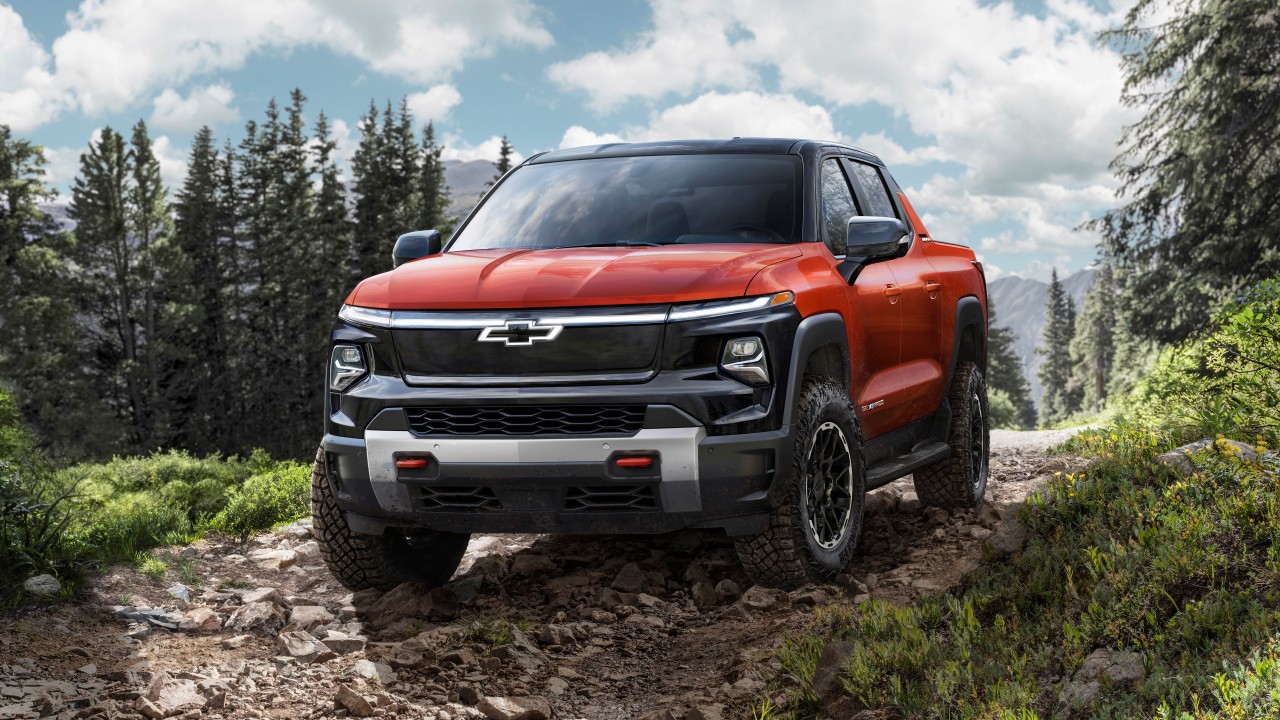
The truck’s minimal electronics compared to modern vehicles is another advantage. Older Silverados rely on mechanical systems rather than complex computers. This simplicity makes diagnosing issues easier for owners and reduces the need for expensive specialized tools.
8) Toyota Camry
The Toyota Camry is one of the most popular sedans in the world. Known for its reliability and low maintenance costs, it is also a great car for DIY enthusiasts. Its simple design and accessible components make home repairs easier.
One of the Camry’s strengths is its straightforward engine layout. Unlike many modern cars with tight, complex engine bays, the Camry provides easy access to most parts. This makes tasks like oil changes, air filter replacements, and spark plug swaps simple for beginners.

Older Camry models are particularly beginner-friendly. They have fewer electronics and simpler mechanical systems. This simplicity allows DIY enthusiasts to understand how the car works and perform repairs without needing specialized tools or advanced technical knowledge.
9) Honda Accord
The Honda Accord is one of the most trusted sedans for drivers worldwide. Known for reliability, comfort, and affordability, it is also very DIY-friendly. Its simple design and accessible components make it a great choice for owners who enjoy working on their own cars.
Replacement parts for the Honda Accord are easy to find and affordable. With millions of Accords sold globally, components such as belts, brakes, and filters are widely available. This ensures that DIY owners can quickly repair their car without spending too much money.
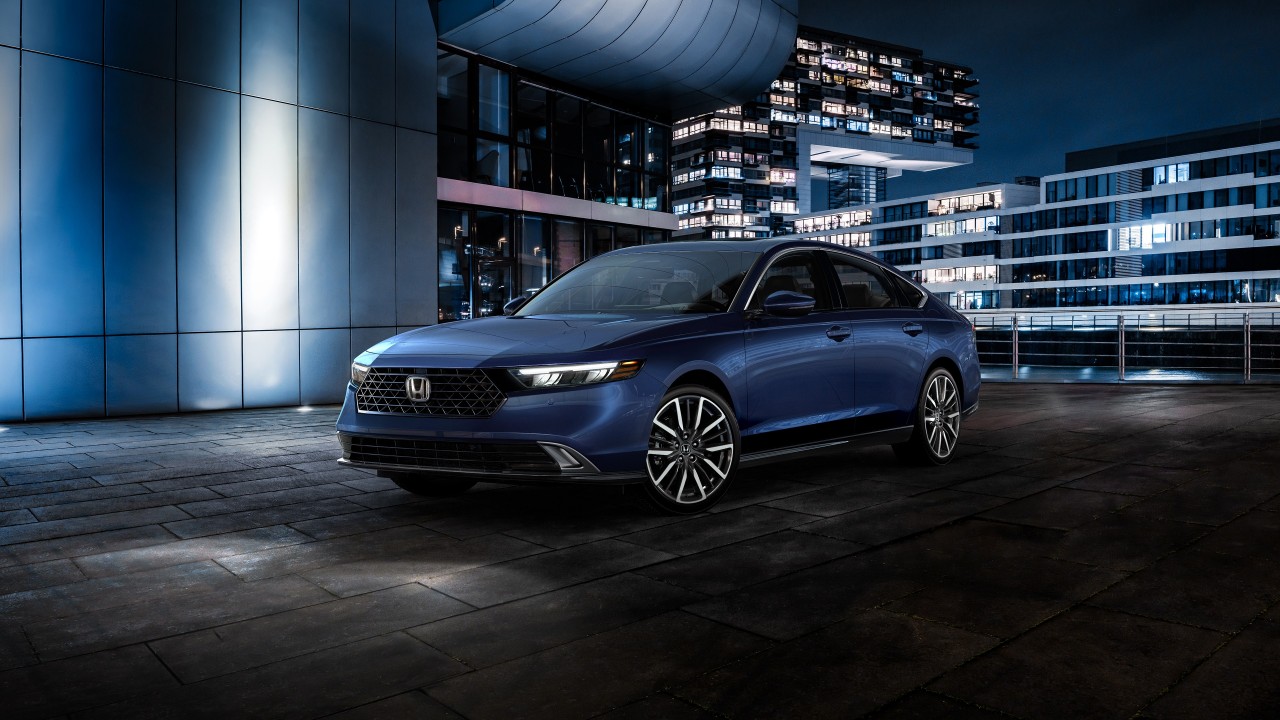
The Accord’s engines are known for their durability and long lifespan. With regular care, these cars often reach well over 200,000 miles. This reliability makes it ideal for beginners who want to learn maintenance and repair without frequent major repairs.
10) Subaru Outback
The Subaru Outback is known for being a versatile and dependable vehicle. Older models, in particular, are popular among DIY mechanics because of their straightforward design. With simple systems and accessible components, they make it easier for owners to handle repairs themselves.
One of the main strengths of the older Outback is its simple engine layout. While newer models use advanced electronics, the older ones rely more on mechanical systems. This makes diagnosing and fixing problems less complicated for beginners learning car maintenance.

Parts for the Subaru Outback are easy to find thanks to its popularity. Replacement components such as brakes, filters, and belts are widely available and reasonably priced. DIY owners can save money by purchasing parts and performing repairs at home.
The Outback is also known for its reliability. With regular maintenance, these cars can last for hundreds of thousands of miles. Most repairs are manageable and do not require advanced tools, making it a practical choice for those who enjoy DIY projects.
Also read:10 Cars That Age Gracefully Without Looking Old
Cars That Need Special Tools
Some cars are a joy to drive but a nightmare to maintain. Unlike vehicles designed with DIY repairs in mind, certain models require specialized tools and equipment just to perform basic maintenance.
From proprietary engine components to unique fasteners and diagnostic systems, these cars can turn a simple oil change or brake replacement into a complex task that’s nearly impossible without the right gear.
In this article, we’ll explore cars that demand special tools, highlighting why professional service is often unavoidable and what challenges owners should be aware of before taking on repairs themselves.
1) BMW 7 Series
The BMW 7 Series is one of the most luxurious sedans in the world. While it offers comfort, technology, and performance, it is not a DIY-friendly car. Its advanced systems and complex design often require professional service and specialized tools.
One of the main challenges with the BMW 7 Series is its tightly packed engine bay. Everything is designed for precision, but this makes it hard to access parts without the right equipment. Even simple repairs like spark plug changes can be complicated.
The 7 Series also relies heavily on electronics. From its advanced suspension systems to its computerized engine controls, many functions are managed by onboard computers. Diagnosing problems often requires dealer-level diagnostic tools that are not available to most DIY mechanics.

Replacement parts for the BMW 7 Series are expensive compared to standard cars. Many components are specially designed and not easily found at local stores. Owners often need to purchase parts directly from dealerships, which raises both costs and repair difficulty.
Another factor is the advanced comfort features built into the car. Systems like climate control, seat adjustment, and entertainment are highly integrated. If one system fails, it can affect others, making repairs more complex and requiring specialized knowledge to solve.
2) Mercedes-Benz S-Class
The Mercedes-Benz S-Class is often considered the flagship of luxury sedans. It represents elegance, comfort, and advanced technology. However, these same qualities make it very difficult for DIY mechanics. The car’s complex systems and specialized parts require professional tools and expertise.
The engine bay in the S-Class is also tightly packed. While it hides powerful and efficient engines, the compact layout makes even basic tasks difficult. Repairs such as changing spark plugs or belts often require removing multiple components first, complicating simple jobs.

Replacement parts for the S-Class are expensive and highly specialized. Unlike common vehicles, many parts are designed specifically for Mercedes models. This limits the availability of affordable options and often forces owners to buy parts directly from authorized dealerships.
The advanced safety and comfort systems in the S-Class add to the complexity. Features like adaptive cruise control, advanced driver assistance, and active suspension are integrated deeply into the car’s design. Any failure usually requires expert handling and special tools.
3) Audi A8
The Audi A8 is a luxury sedan built with cutting-edge technology and refined engineering. While it delivers a smooth and powerful driving experience, it is not DIY-friendly. Its tightly packed design and advanced electronics require special tools and expertise for most repairs.
One of the biggest challenges with the A8 is its engine bay. Everything is designed compactly to fit powerful engines and advanced systems. As a result, even simple jobs like changing a battery or replacing spark plugs become complicated for DIY mechanics.
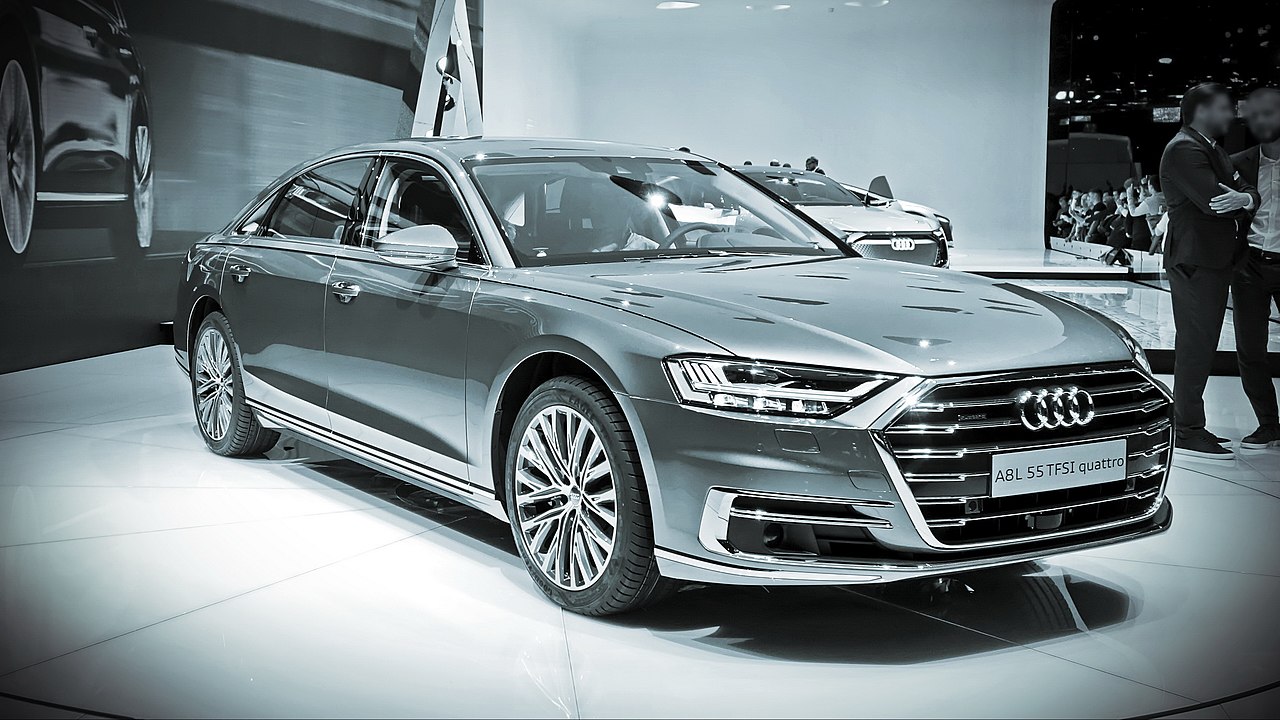
The A8 also depends heavily on electronic systems. From its adaptive suspension to its advanced driver assistance features, many functions are controlled by software. Diagnosing issues requires professional diagnostic tools that are not accessible to most car owners.
Replacement parts for the Audi A8 are costly and often not widely available outside authorized dealers. This makes it difficult for owners to find affordable solutions. Even when parts are available, installing them usually requires specific procedures and professional-grade tools.
4) Jaguar XJ
The Jaguar XJ is a luxury sedan admired for its elegant design, powerful performance, and smooth ride. However, while it offers comfort and sophistication, it is not DIY-friendly. Its complex engineering and advanced systems often demand professional tools and expertise.
One of the main challenges with the Jaguar XJ is its compact engine layout. Everything is tightly fitted, making it difficult to access parts without removing multiple components first. Even simple repairs such as changing spark plugs can become time-consuming and complicated.

The XJ also relies heavily on advanced electronics. From suspension and steering systems to climate and entertainment features, most functions are managed by computer controls. Diagnosing these issues requires specialized diagnostic equipment, which is not available to everyday DIY mechanics.
Luxury features in the XJ, such as adaptive suspension, advanced safety systems, and integrated electronics, add to the difficulty. When one system malfunctions, it can affect several others, making the repair process more complicated than with simpler, DIY-friendly cars.
5) Tesla Model S
The Tesla Model S is one of the most advanced electric cars in the world. Known for its speed, long range, and cutting-edge features, it has changed the auto industry. However, it is not DIY-friendly and requires professional tools for repairs.
One of the main reasons the Model S is difficult for DIY mechanics is its electric powertrain. Unlike traditional engines, it uses high-voltage batteries and electric motors. Working on these systems without the right training or equipment can be dangerous and complicated.

Replacement parts for the Model S are also tightly controlled. Tesla does not sell parts as freely as other carmakers, meaning owners cannot easily find affordable components. Repairs often must be done at Tesla service centers, which adds cost and inconvenience.
6) Land Rover Discovery
The Land Rover Discovery is known for its strong off-road abilities and luxurious comfort. It is built to handle tough terrain while still offering refinement. However, when it comes to repairs, the Discovery is not DIY-friendly and often requires specialized tools.
One challenge with the Discovery is its complex engineering. The SUV is designed with advanced suspension, four-wheel drive systems, and electronic controls. These systems are tightly connected, making it difficult for DIY mechanics to perform even simple maintenance without the right equipment.

Its engine bay is also packed with components. Accessing spark plugs, belts, or hoses often requires removing several other parts first. What might be an easy task on other cars can take hours on the Discovery, adding frustration for beginners.
Another difficulty comes from the heavy use of electronics. The Discovery uses computer-controlled systems for suspension, braking, and even steering. Diagnosing or repairing these issues requires professional diagnostic tools, which are not easily available to everyday car owners.
7) Porsche 911
The Porsche 911 is an iconic sports car, admired for its speed, handling, and engineering. While exciting to drive, it is not DIY-friendly. Its precision design, tightly packed engine, and advanced systems demand professional tools and expert knowledge for most repairs.
One of the main challenges is the rear-engine layout. While this design enhances performance, it makes accessing engine components difficult. Tasks that are simple on other cars, like spark plug replacement or belt changes, become complex for DIY mechanics.

The 911 also relies heavily on electronics and performance systems. From traction control to active suspension, many functions are computer-controlled. Diagnosing issues requires specialized Porsche diagnostic tools that are not available to most home mechanics.
8) Cadillac Escalade
The Cadillac Escalade is a large luxury SUV known for comfort, style, and advanced features. While it offers a smooth driving experience, it is not DIY-friendly. Its complex electronics and tightly packed components make professional tools necessary for most repairs.
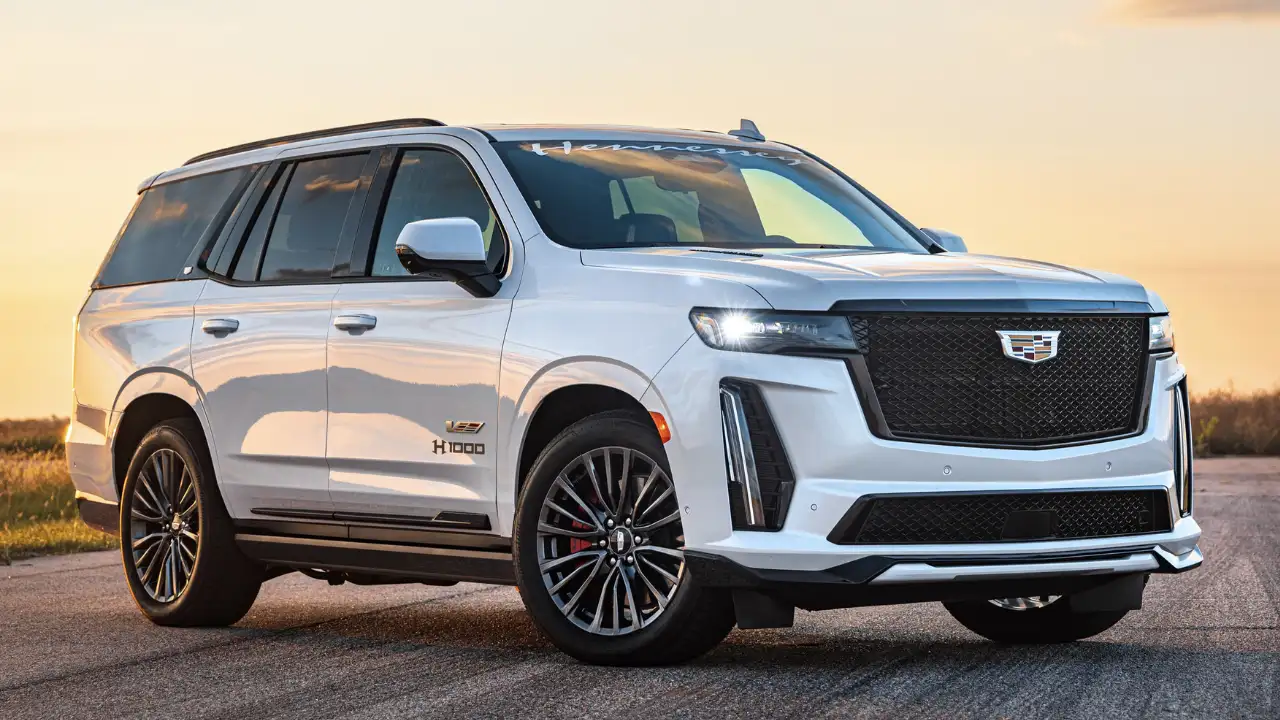
The Escalade also relies heavily on electronics. Systems like adaptive suspension, infotainment, and advanced safety features are integrated throughout the vehicle. Diagnosing or fixing these issues typically requires specialized tools and software not available to most car owners.
Replacement parts for the Escalade are often expensive and sometimes difficult to source. Many components are specifically designed for Cadillac, limiting affordable aftermarket options. This makes repairs both complicated and costly for DIY owners.
9) Mini Cooper
The Mini Cooper is a stylish, fun-to-drive car, but it is not very DIY-friendly. Its compact design, tight engine bay, and advanced electronics make even simple repairs challenging, often requiring specialized tools and professional expertise.

The Mini Cooper also relies heavily on electronics. Features such as turbocharged engines, variable valve timing, and electronic throttle controls are all computer-managed. Diagnosing problems requires specialized diagnostic tools that most DIY owners do not have.
Replacement parts for the Mini Cooper can be expensive and sometimes hard to find. Many components are specific to Mini and may only be available through authorized dealers, which increases the cost and complexity of repairs for owners attempting DIY fixes.
10) Volvo XC90
The Volvo XC90 is a luxury SUV known for safety, comfort, and advanced technology. While it provides a smooth and secure driving experience, it is not DIY-friendly. Its complex systems and tightly integrated components require professional tools and expertise for repairs.
One of the main challenges with the XC90 is its engine and electronic layout. The engine bay is compact, with components closely packed together. Accessing parts like belts, spark plugs, or sensors is difficult, making even simple repairs complicated for DIY mechanics.
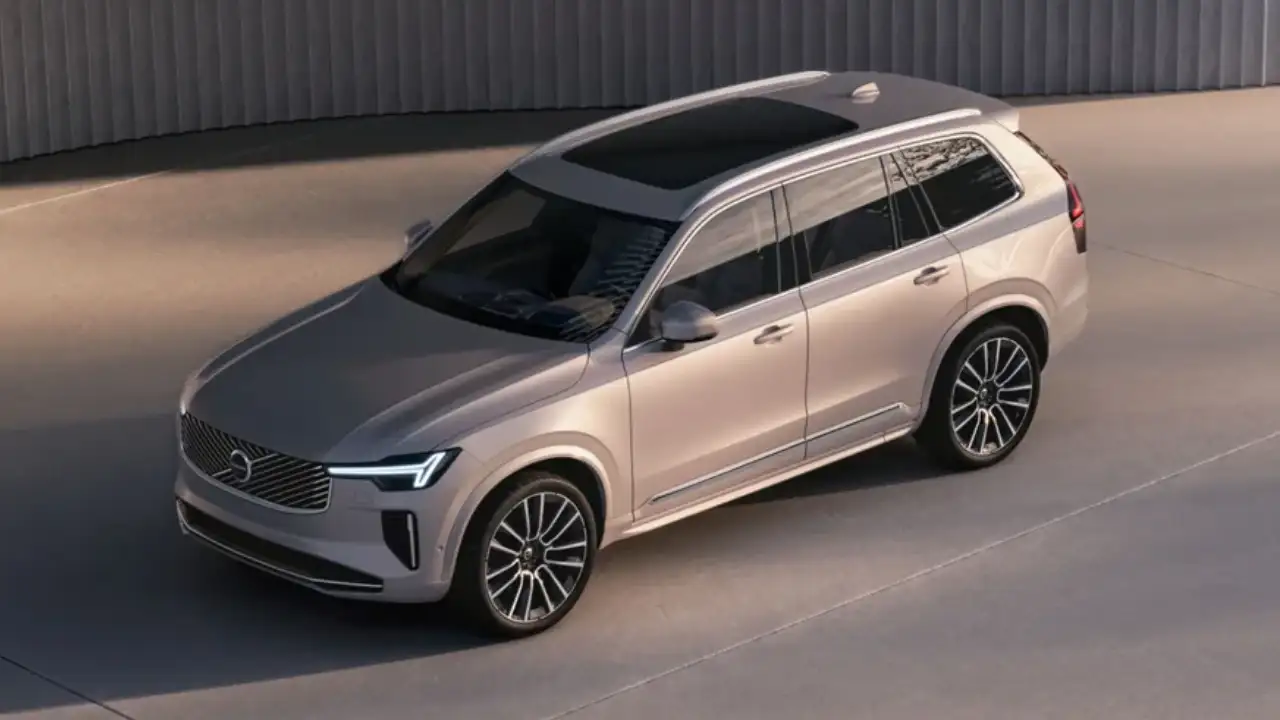
The XC90 also relies heavily on electronics. Safety features, infotainment systems, and driver assistance technologies are all computer-controlled. Diagnosing or fixing problems often requires specialized Volvo diagnostic tools, which are unavailable to most home mechanics.
Replacement parts for the Volvo XC90 are often expensive and sometimes hard to source. Many components are unique to Volvo, and finding aftermarket options is limited. This makes DIY repairs both challenging and costly for owners attempting to fix their vehicles.