When it comes to cars, durability isn’t just about the engine, suspension, or mileage; the exterior plays a major role in how a vehicle stands the test of time. A car’s paint protects it from the elements and shapes the way it looks for years.
Some cars keep a showroom shine long after purchase, while others begin to fade, peel, or dull far too quickly, affecting both resale value and owner satisfaction. In this article, we explore 10 cars with long-lasting paint quality that maintain their vibrant appearance for years, alongside 10 vehicles whose paint fades too soon.
By comparing these extremes, we aim to give car enthusiasts, buyers, and casual drivers a clear view of which models retain their beauty and which require extra care. If you value a car that looks great today and years from now, understanding paint quality can make all the difference.
10 Cars With Long-Lasting Paint Quality
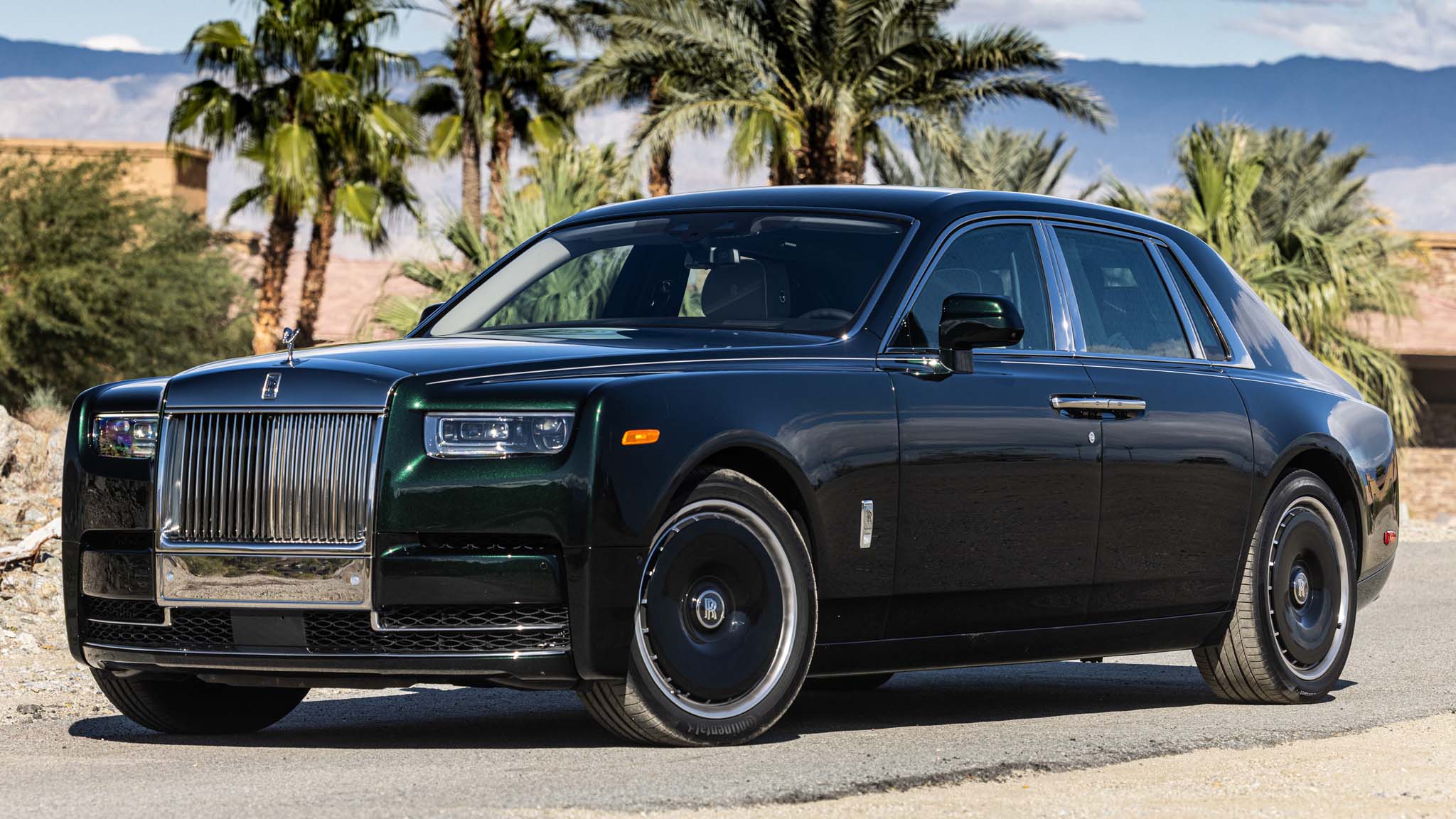
1. Rolls-Royce Phantom: The Pinnacle of Bespoke Luxury
The Rolls-Royce Phantom is the epitome of automotive luxury, combining craftsmanship, opulence, and personalization. Each Phantom undergoes an extraordinary painting process, with dedicated specialists applying five layers of paint and a clear coat, hand-sanded between layers to achieve flawless smoothness.
The brand’s bespoke program allows nearly unlimited color options, with some clients commissioning shades inspired by personal preferences, such as a favorite flower.
As Rolls-Royce’s most expensive and exclusive model, the Phantom leads a lineup that includes the Ghost sedan, the Spectre electric coupe, and the Cullinan SUV.
Available in both standard and long-wheelbase Extended versions, it caters to the world’s wealthiest clientele. Unlike many modern luxury vehicles, the Phantom retains a powerful V12 engine and features iconic reverse-hinged “coach doors,” reinforcing its status as a symbol of refined elegance.
Customization extends far beyond exterior paint. The Phantom offers a wide selection of wheels, hand-painted coachlines, and umbrella colors.
Inside, owners can choose dashboard (Gallery) designs, wood veneers, key fob colors, door panel materials, and interior stitching, piping, monograms, and embossments. Even smaller details, such as doorsill plates, clocks, and rear seat configurations, can be tailored to individual preferences.
The Phantom’s optional features provide unparalleled comfort and convenience. The Shooting Star headliner, rear refrigerated compartment, elevated footrests for backseat passengers, “picnic tables,” rear entertainment screens, curtains, and lambswool floor mats are among the bespoke amenities available. These options showcase Rolls-Royce’s dedication to creating a unique driving and riding experience for every client.
The Rolls-Royce Phantom is more than a car; it is a statement of wealth, taste, and individuality. Its combination of handcrafted artistry, advanced engineering, and limitless personalization ensures that each vehicle is a one-of-a-kind masterpiece, delivering a level of luxury, comfort, and exclusivity that remains unmatched in the automotive world.
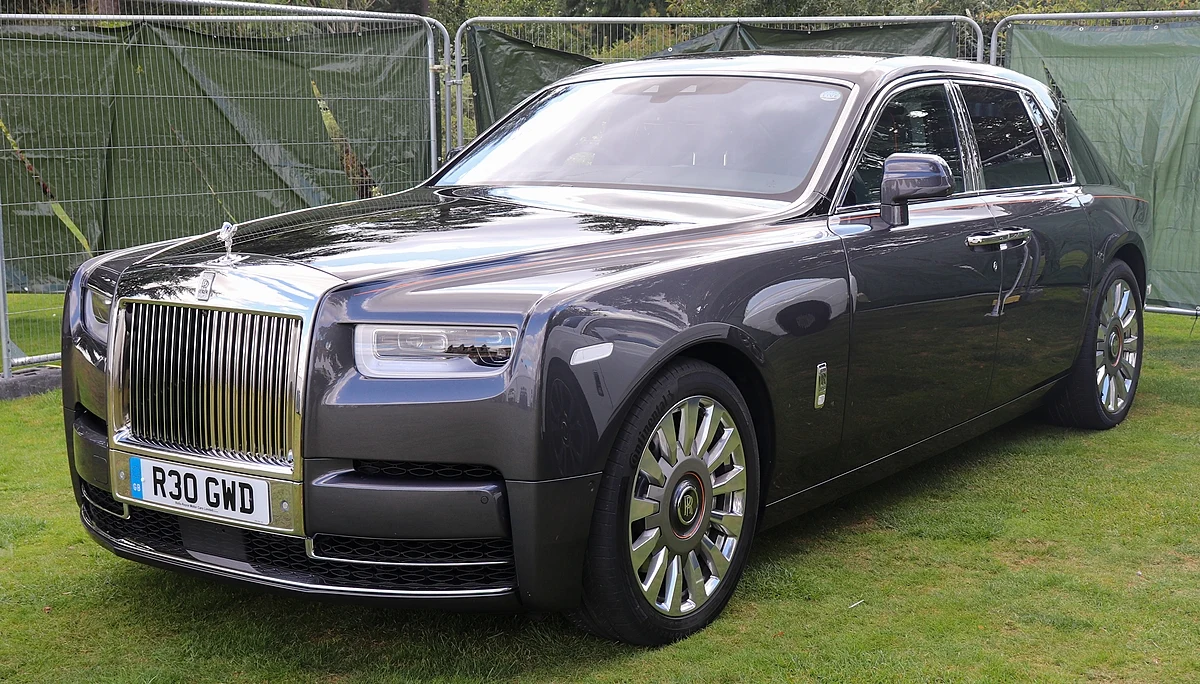
2. Lexus LC 500: A Luxurious Grand Tourer with Distinctive Style
The Lexus LC 500 stands out for its striking design and meticulous craftsmanship. Its signature Structural Blue color contains no traditional pigments; instead, specialized nano-structures reflect only blue light. Applying this paint involves 15 layers and 12 hours of work per vehicle, with each panel hand-sanded between coats, reflecting Lexus’ dedication to precision and visual impact.
While the LC 500 doesn’t match the raw performance of some similarly priced sports cars, it excels as a grand-tourer a balance of power, comfort, and luxury. The 5.0-liter V8 engine delivers a satisfying roar, particularly at high revs, making each drive engaging.
Acceleration, however, is modest for the segment, achieving 0-60 mph in 4.9 seconds according to Edmunds’ testing, compared with a Porsche 911 Carrera S’s 3.2 seconds. The LC 500 is less agile on tight, twisty roads but feels composed on sweeping backroads, reinforcing its character as a long-distance cruiser.
The LC 500’s suspension provides an effective blend of sportiness and comfort, absorbing both large bumps and minor road imperfections even with 21-inch wheels fitted.
Cabin insulation keeps road and wind noise low, though some tire and wind noise can be noticeable at highway speeds. Optional sport seats are supportive but can feel overly firm with limited lumbar adjustment, slightly reducing comfort on longer drives.
Visibility is better than expected for a low-slung coupe, though bulky rear pillars can obscure sightlines. The rear seats are very small and best used for storage rather than passengers. Entry and driving position are comfortable, offering a snug and commanding feel.
However, the infotainment system, which now includes Apple CarPlay and Android Auto, remains hindered by a distracting touchpad interface. Voice commands are functional and allow control over media, navigation, and climate.
Standard driver aids include traffic-adaptive cruise control and lane-keeping assist, with parking sensors and a backup camera compensating for the absence of a surround-view system.
The LC 500 has limited usable storage. The 5.4-cubic-foot trunk, while slightly larger than a Porsche 911’s, is shallow with a high liftover. Small-item storage is minimal, and rear seats offer the most practical stowage, though access is challenging. Car-seat installation is possible but awkward, emphasizing that the LC is effectively a two-person vehicle.
EPA estimates of 19 mpg combined (16 city/25 highway) are realistic, with test drives achieving 21 mpg. Despite its high price, the LC 500 provides exceptional build quality, with leather, suede, and premium materials throughout the cabin.
Though some technology feels outdated, the car’s robust V8, long powertrain warranty, and refined engineering make it a compelling choice for buyers seeking a luxurious grand tourer with distinctive style and comfort.
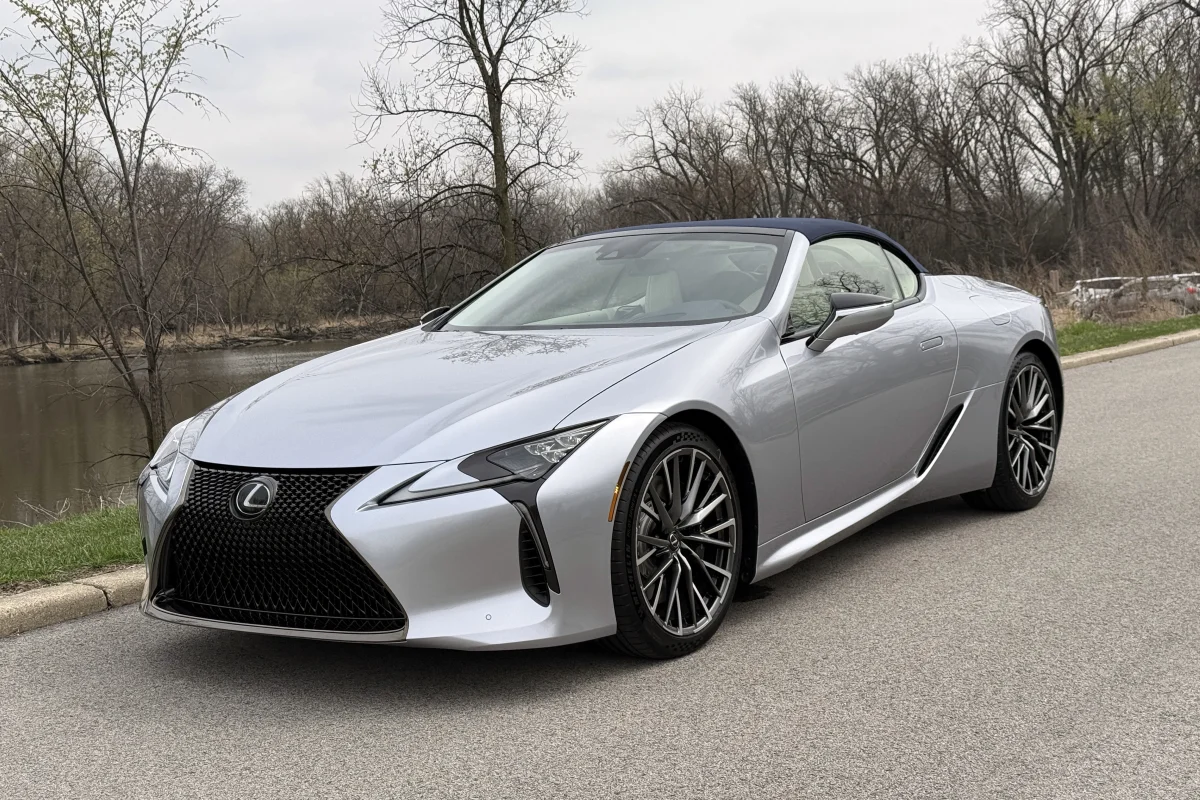
3. Porsche 911: A Legendary Sports Car with Timeless Performance
The Porsche 911 is an icon in the sports car world, celebrated for its performance, style, and refinement across generations. Its build quality is enhanced by advanced production techniques: Porsche’s Zuffenhausen paint shop employs robotic technology to apply precisely 10 milligrams of paint per square centimeter with only a 1% variation, while curing ovens at 392°F (200°C) create exceptionally strong chemical bonds. These methods contribute to the 911’s renowned durability and enduring finish.
The 911 continues to impress as a versatile sports car, offering both exhilarating acceleration and precise handling. The 2025 base Carrera coupe accelerates from 0 to 60 mph in 3.5 seconds and completes a quarter mile in 11.7 seconds.
Launch control ensures consistent performance, while the eight-speed dual-clutch automatic transmission shifts smoothly and intelligently. Manual transmissions remain available for those seeking a more connected experience.
Handling is a hallmark of the 911, with its rear-engine layout providing excellent traction and weight distribution. Steering is quick and responsive, offering precise feedback, and braking is strong enough for confident, short stops. Porsche’s adaptive suspension balances comfort and control, allowing the 911 to serve as both a track-capable machine and a daily driver.
The 911’s seats are supportive, and the cabin is reasonably quiet, though engine growl is always noticeable. Adaptive suspension smooths out imperfections in the road, making long drives enjoyable without sacrificing handling.
While the car is compact, forward visibility is excellent, and the low driving position gives a commanding feel. Rear seats, optional in newer models, are mostly suitable for children or additional storage rather than passengers.
The interior blends physical controls with touchscreen functionality. The fully digital instrument cluster displays configurable gauges or navigation maps, integrating Apple CarPlay and Android Auto, both wirelessly.
While the infotainment system is generally responsive, minor connectivity issues were noted. Porsche offers optional driver aids, including adaptive cruise control and parking assist, though many safety features come at extra cost.
Cargo space is limited, with a 4.6-cubic-foot front trunk and minimal interior storage. Rear seats offer additional space but are impractical for passengers. Cupholders, pockets, and bins are small, making the 911 better suited for two occupants rather than family use. Child-seat installation is challenging due to the compact rear space.
The base 911 Carrera coupe achieves an EPA-estimated 21 mpg combined, competitive for its class. Pricing starts high, and many features are optional, but customization options are extensive. Build quality is excellent, with tight tolerances and no noticeable flaws. Porsche provides a four-year/50,000-mile warranty, along with roadside assistance, giving reassurance to buyers investing in this iconic sports car.
The Porsche 911 remains a benchmark for sports cars, offering exhilarating performance, precise handling, and a level of refinement that few competitors can match, all while retaining its timeless appeal.
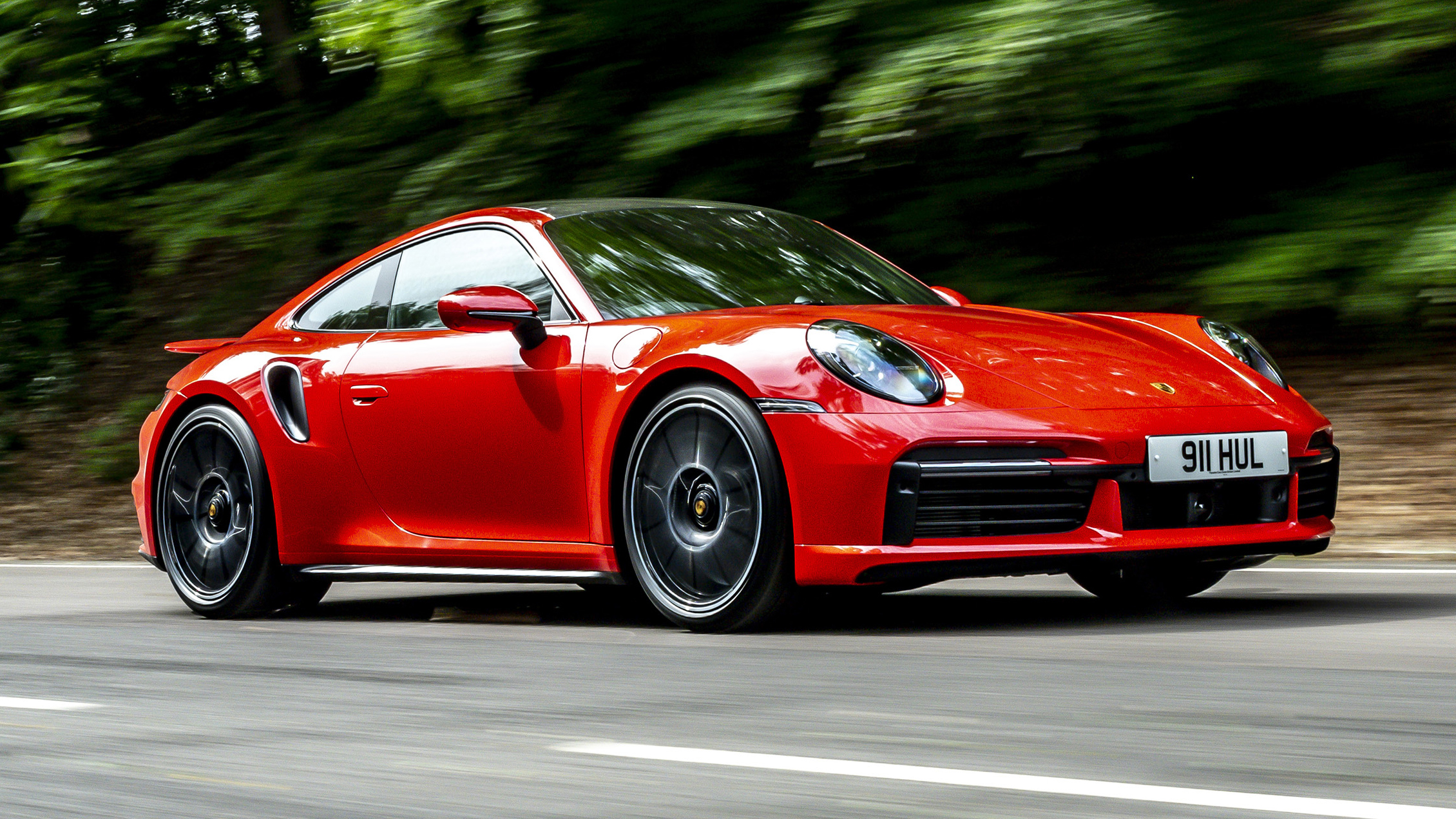
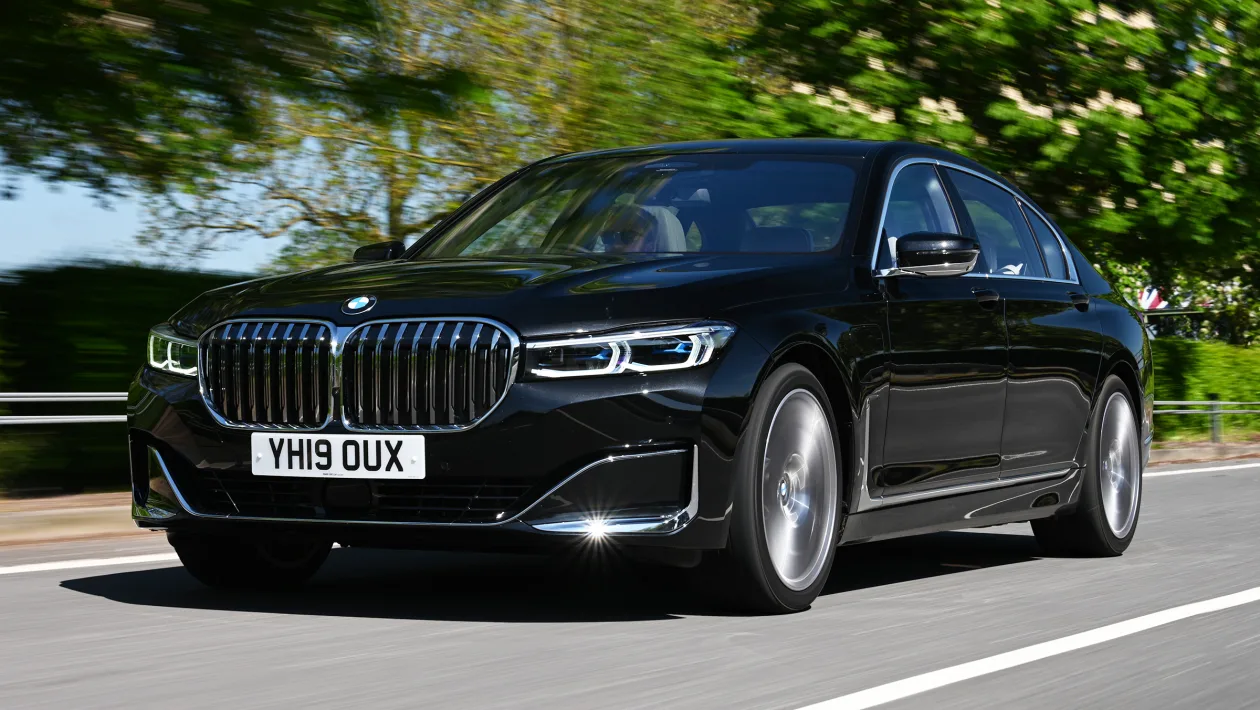
4. BMW 7 Series: The Flagship Luxury Sedan with Cutting-Edge Technology
The BMW 7 Series represents the pinnacle of BMW’s luxury sedan lineup, combining advanced technology, refined craftsmanship, and powerful performance. Its paintwork showcases the automaker’s meticulous attention to detail, using a “three-wet” painting process that allows layers to bond at a molecular level.
Each vehicle receives an electrostatic charge during painting, ensuring microscopic particles coat every curve. Self-healing resins in the paint help minor scratches disappear when warmed by sunlight, enhancing durability. Buyers can also take advantage of BMW Individual, a personalization program that offers nearly limitless paint color options.
The 7 Series offers multiple powertrains, including a turbocharged 3.0-liter six-cylinder, a 4.4-liter V8, a plug-in hybrid 3.0-liter, and the fully electric i7. The top-of-the-line 760i xDrive produces 536 horsepower, accelerating from 0 to 60 mph in 3.8 seconds.
While city driving can feel somewhat lethargic at low speeds, the 7 Series is surprisingly agile for its size, with powerful braking and responsive handling.
Available rear-wheel steering further improves maneuverability, reducing turning radius and enhancing lane-change precision. Adaptive air suspension and a road-preview system help the sedan handle bumps and uneven surfaces, though the ride feels most composed once underway.
The 7 Series excels in comfort for both driver and passengers. Front and rear seats are supportive, and the Rear Executive Lounge Seating package allows rear passengers to recline almost fully while controlling heating, ventilation, and massage functions via touchpads.
The cabin offers four-zone climate control, and while the vents occasionally feel underpowered, the interior heats or cools quickly. Large windows provide good visibility, though the rear window is somewhat short and can be blocked by the optional 31-inch 8K theater screen for backseat passengers.
Inside, the 7 Series blends traditional luxury with futuristic technology. The driver-facing touchscreen and centralized wheel controller manage a wide array of menus, supplemented by an excellent voice recognition system.
Rear passengers benefit from their own displays and the optional 8K theater screen with Amazon Fire TV and HDMI connectivity. BMW’s Highway Assistant enables hands-free driving up to 85 mph, while a high-resolution surround-view camera system helps drivers handle tight spaces with ease. Materials, finishes, and design details, such as crystalized trim and glass controls, reinforce the vehicle’s premium character.
The 7 Series offers ample trunk space for luggage or golf clubs, but interior storage is limited, with small door bins and center console compartments. Installing a child safety seat is possible but cumbersome due to the wide headrests.
The 740i achieves an EPA-estimated 28 mpg combined (27 mpg with all-wheel drive), while the V8 760i xDrive is rated at 20 mpg, with real-world testing averaging 24 mpg. The plug-in hybrid 750e offers the best fuel economy of the lineup.
While prices are high, the 7 Series delivers exceptional luxury, cutting-edge features, and a driving experience worthy of its flagship status. BMW’s warranty coverage is in line with other luxury competitors, providing additional reassurance for buyers.
5. Audi A8: Comfort-Focused Luxury with Advanced Engineering
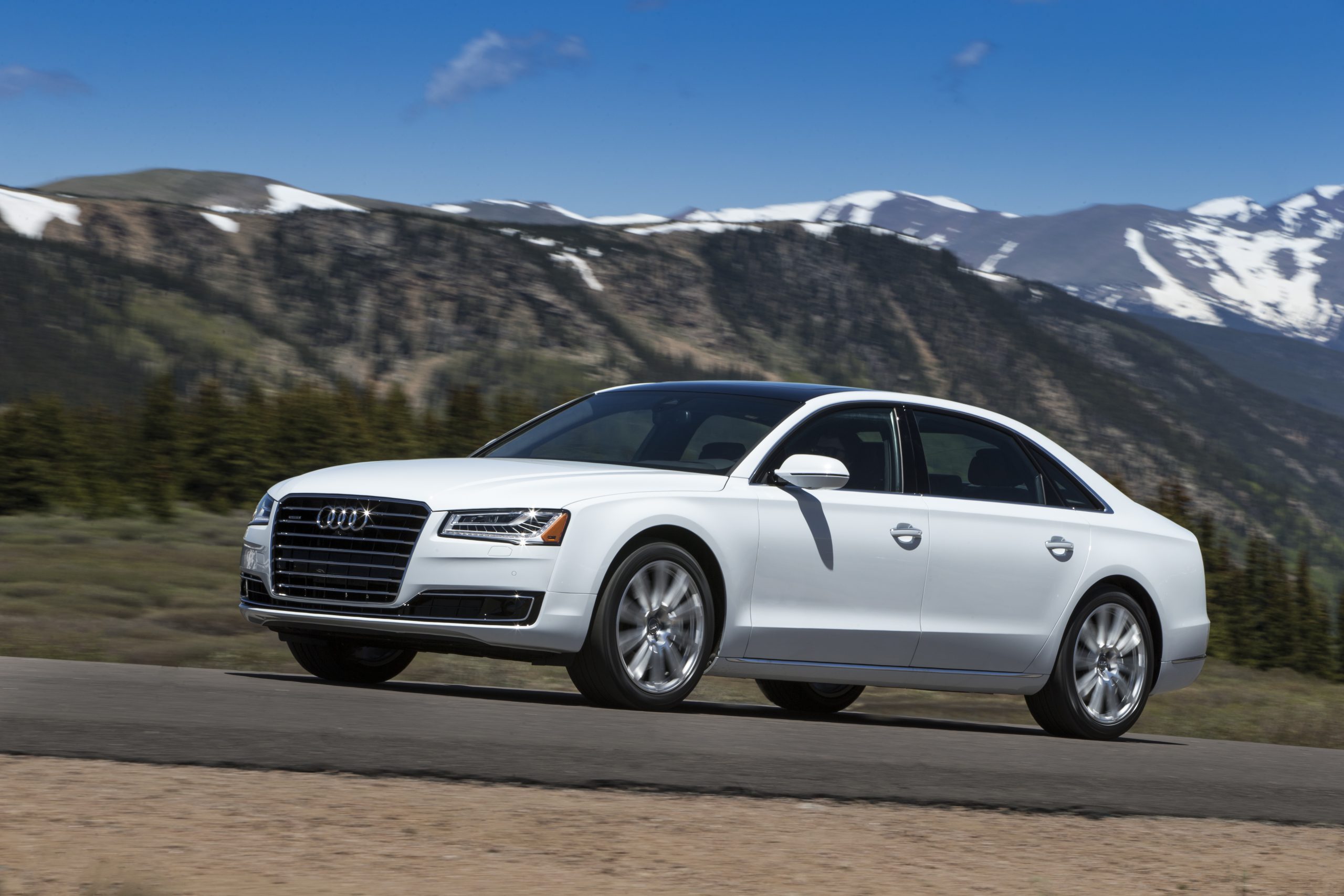
The Audi A8 exemplifies comfort-oriented executive sedans, blending advanced engineering with refined craftsmanship.
Its paintwork benefits from meticulous processes including thermal imaging to ensure uniform thickness within 2 microns, zirconium pre-coating for superior adhesion, and specialized ceramic particles that resist stone chips. Combined with a lightweight aluminum body, these features reinforce durability while maintaining a polished finish.
The A8’s performance is competent but understated for a luxury sedan of its size. It delivers adequate acceleration and braking, though some drivers may notice a slight numbness and lack of responsiveness in certain driving scenarios.
Panic-stop tests showed strong braking performance, but the pedal can feel jumpy in normal traffic, and the automatic transmission occasionally downshifts slower than expected. While not slow, the A8 emphasizes smooth, comfortable motion over aggressive sportiness, aligning with its focus on passenger comfort rather than driving thrills.
Passenger comfort is a core strength of the A8. The Comfort Rear Seat package enhances outboard rear seating with heating, ventilation, and massage functions, providing a first-class experience for backseat occupants. Front seats are equally supportive, and the cabin maintains spaciousness even for taller passengers.
Ride quality, however, can vary depending on road conditions: dips and crests may produce wallowy body motions, while potholes can feel overly firm. Climate control requires extra effort in extreme conditions, and road and engine noise can be more noticeable than expected in a car of this status.
The interior prioritizes space and visibility, aided by large windows and thin roof pillars. Audi’s dual-screen MMI infotainment system, while comprehensive, has a steep learning curve and can appear smudged with use. The digital instrument cluster is clear and modern, offering a strong visual presence.
Audi equips the A8 with a Bang & Olufsen audio system and Google Earth-based navigation. Voice and handwriting recognition systems function well, though adaptive cruise control and other driver-assistance features can feel slow to respond in traffic.
Storage is limited due to the A8’s streamlined design. The trunk accommodates a few large suitcases, and interior storage for small items is minimal, requiring occupants to manage personal belongings carefully. Despite this, the car’s generous interior space, especially for rear passengers, compensates for cargo limitations.
EPA-estimated fuel economy is 22 mpg combined, competitive within its segment, though real-world results may fall slightly short. Pricing is high, but the A8 delivers strong build quality, comfort, and advanced technology.
Audi provides a standard warranty typical for the class and four years of roadside assistance with unlimited mileage. While some rivals offer more comprehensive coverage, the A8 remains a compelling choice for buyers prioritizing comfort, engineering refinement, and executive-class luxury.
6. Mercedes-Benz S-Class: The Benchmark of Luxury Sedans
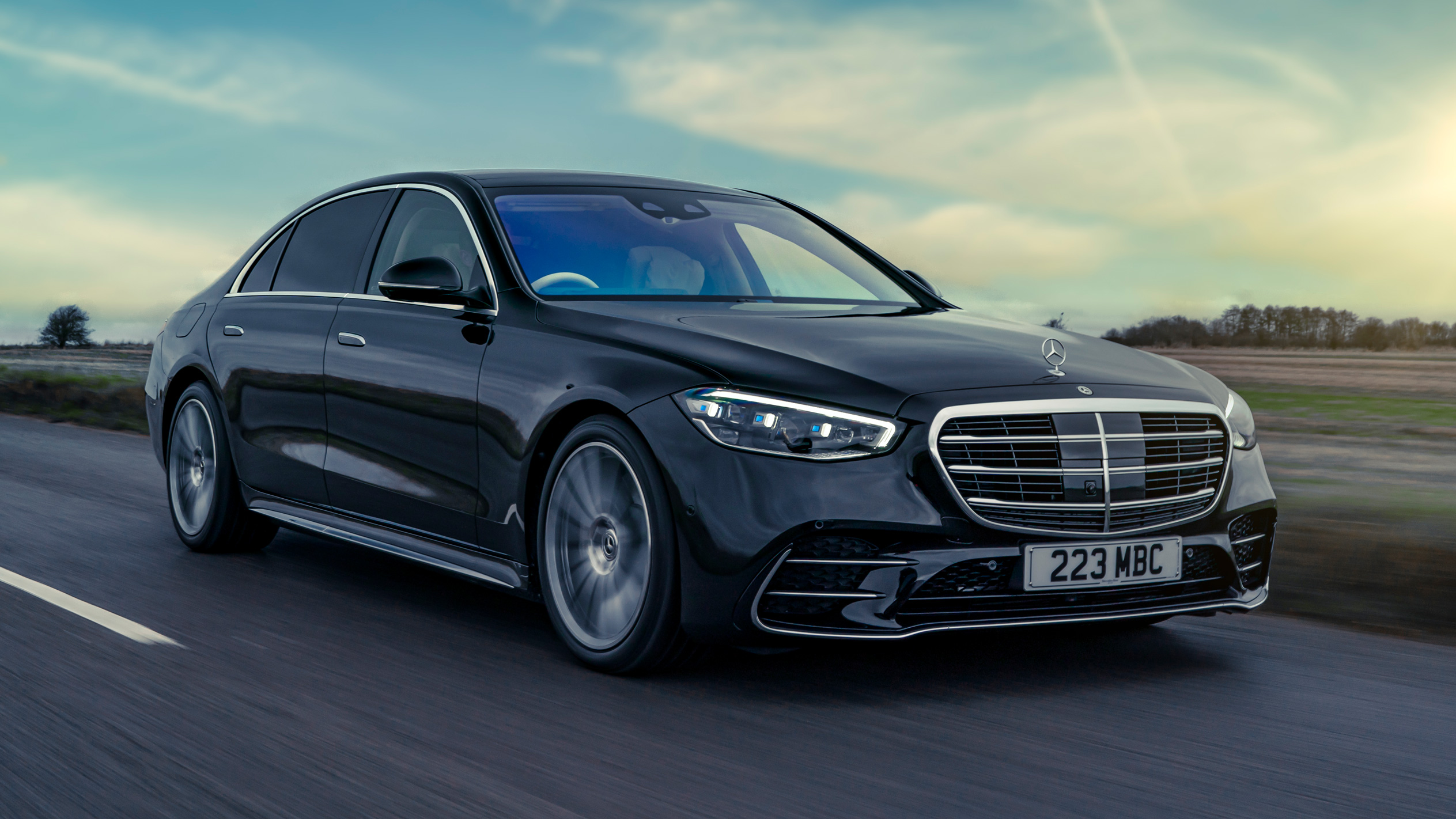
The Mercedes-Benz S-Class stands as a benchmark for full-size luxury sedans, combining craftsmanship, technology, and performance in a refined package. Its paintwork undergoes nine quality inspections at the Sindelfingen facility using laser reflection technology.
The ceramic-infused finish, enhanced with synthetic diamond particles, provides exceptional scratch resistance and hardness, keeping the car’s surface pristine even against bird droppings and tree sap.
The S-Class is designed for comfort and composure rather than outright sportiness, though the latest generation has made strides in driving dynamics. The tested S 580, powered by a V8 engine, accelerates from 0 to 60 mph in 4.7 seconds, delivering smooth and effortless performance.
Low-end torque ensures easy highway passing without requiring heavy acceleration. Air suspension contributes to a composed ride around corners, while optional rear-axle steering improves high-speed stability and makes parking easier. In Sport+ mode, the suspension lowers the car slightly to enhance handling, demonstrating a balance between athleticism and luxury.
Passenger comfort is a core strength of the S-Class. Standard heated and massaging front seats are highly supportive, while optional rear packages offer fully adjustable, heated, ventilated, and massaging seats with footrests. Four-zone climate control and heated armrests enhance comfort for all occupants. The cabin remains quiet and refined at all speeds, isolating road and wind noise to create a serene environment.
The S-Class interior blends elegance with advanced technology. The MBUX infotainment system features a large touchscreen that consolidates many vehicle controls, while menus remain intuitive despite the depth of functions. Apple CarPlay and Android Auto are standard, wireless, and complemented by multiple USB-C ports.
The Burmester audio system provides top-tier sound quality. Advanced driver-assistance systems offer a wide range of aids, although hands-free driving is not available. Voice commands understand natural language, enhancing usability. Visibility is strong for a large sedan, and the cabin provides generous legroom, headroom, and shoulder room.
The S-Class offers 12.9 cubic feet of trunk space, less than some rivals like the BMW 7 Series, but the cargo area is deep and accessible. Interior storage is well thought out, with compartments for small items, water bottles, and personal electronics. Rear seating allows for relatively easy installation of child safety seats due to the generous door openings and spacious cabin.
The S 580 4Matic is EPA-rated at 20 mpg combined, with real-world testing achieving 23.7 mpg, competitive for a V8 luxury sedan. Pricing is high, typically exceeding the cost of an Audi A8, BMW 7 Series, or Lexus LS 500, but the quality of materials, finish, and technology justify the expense.
Mercedes offers a four-year/50,000-mile basic, powertrain, and rust warranty, along with four years of roadside assistance, though no included service visits are provided.
The S-Class continues to set the standard for luxury sedans, offering unparalleled comfort, advanced technology, and a refined driving experience that few competitors can match.
7. Mazda CX-5: A Compact SUV That Balances Style, Fun, and Practicality
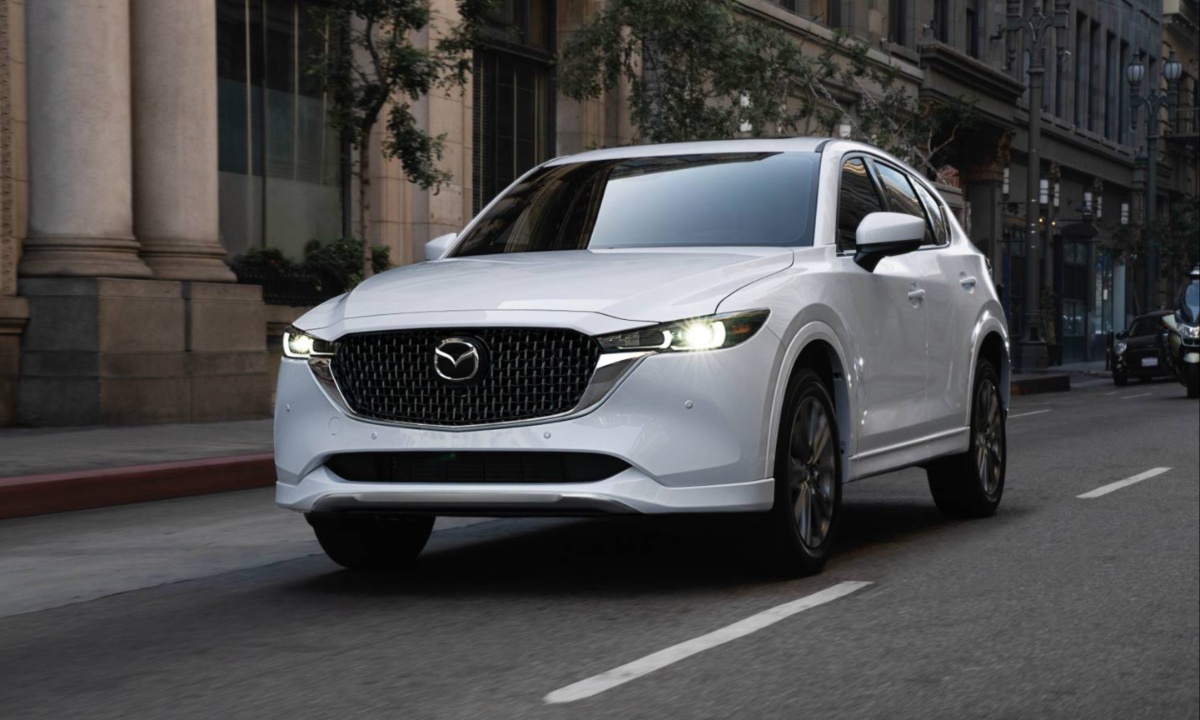
The Mazda CX-5 remains the brand’s best-selling vehicle, blending a refined design, engaging driving dynamics, and an upscale feel at a competitive price. Its paintwork uses Mazda’s signature Soul Red Crystal, featuring aluminum flakes precisely positioned to create gem-like light reflection.
The Takuminuri “paint by master craftsman” process involves a three-stage application, with technicians undergoing 8,000 hours of training to achieve certification. This attention to detail gives the CX-5 a premium look comparable to more expensive vehicles.
The CX-5 offers two engine options: a standard 187-horsepower engine and a turbocharged 256-hp unit. All-wheel drive comes standard, ensuring confident handling in most conditions.
The turbo engine accelerates from 0 to 60 mph in 6.6 seconds, providing ample power for highway passing. Steering is precise, and the suspension remains controlled, making the vehicle enjoyable to drive without compromising passenger comfort.
The ride is slightly firmer than some rivals, but this contributes to sportier handling and more engaging road feedback. Visibility is excellent thanks to large windows, and upper trims add a surround-view camera system for easier maneuvering in tight spaces.
Driver-assistance features are comprehensive but feel somewhat outdated, with lane-keeping and adaptive cruise control responding slower than some competitors.
Front seats are well-shaped and supportive, with plenty of adjustments and memory functions on higher trims. Entry and exit are easy thanks to large doors, and physical controls provide intuitive operation. Rear seating is narrower than expected and less supportive, which may make longer trips slightly less comfortable, especially for adults.
Rear-facing car seats fit but can be a tight squeeze due to limited space. The cabin remains reasonably quiet at speed, though the turbo engine can be loud under full throttle. Climate control functions effectively, with rear vents providing comfort for backseat passengers.
The CX-5’s technology feels slightly dated compared with newer competitors. A 10.25-inch infotainment screen is controlled primarily via a rotary knob, which is tactile and precise but limits touchscreen usability while driving. Apple CarPlay and Android Auto are standard but only wireless on mid-tier trims and higher.
Placement of features like the wireless charging pad can be inconvenient, and many controls require learning for optimal use. Despite these limitations, the CX-5 delivers a user-friendly interface for essential functions.
Cargo space measures 29.1 cubic feet, smaller than many rivals, but it accommodates two large suitcases without obstructing rear visibility. The liftgate’s opening is slightly lower than competitors, and interior storage is adequate for small items like water bottles and personal belongings.
The non-turbo four-cylinder engine achieves nearly 29 mpg in real-world testing, close to the EPA estimate of 28 mpg combined. The turbo engine is rated at 24 mpg combined but may achieve closer to 19 mpg under spirited driving. Value is mixed: the CX-5 offers upscale materials, fun-to-drive handling, and standard all-wheel drive, but top trims are pricey relative to the compact SUV segment.
The CX-5 stands out for driving enjoyment, delivering engaging dynamics that are rare in its class. While compromises exist in rear-seat space and cargo capacity, its combination of style, craftsmanship, and fun behind the wheel makes it a compelling choice for those who value driving experience alongside practicality.
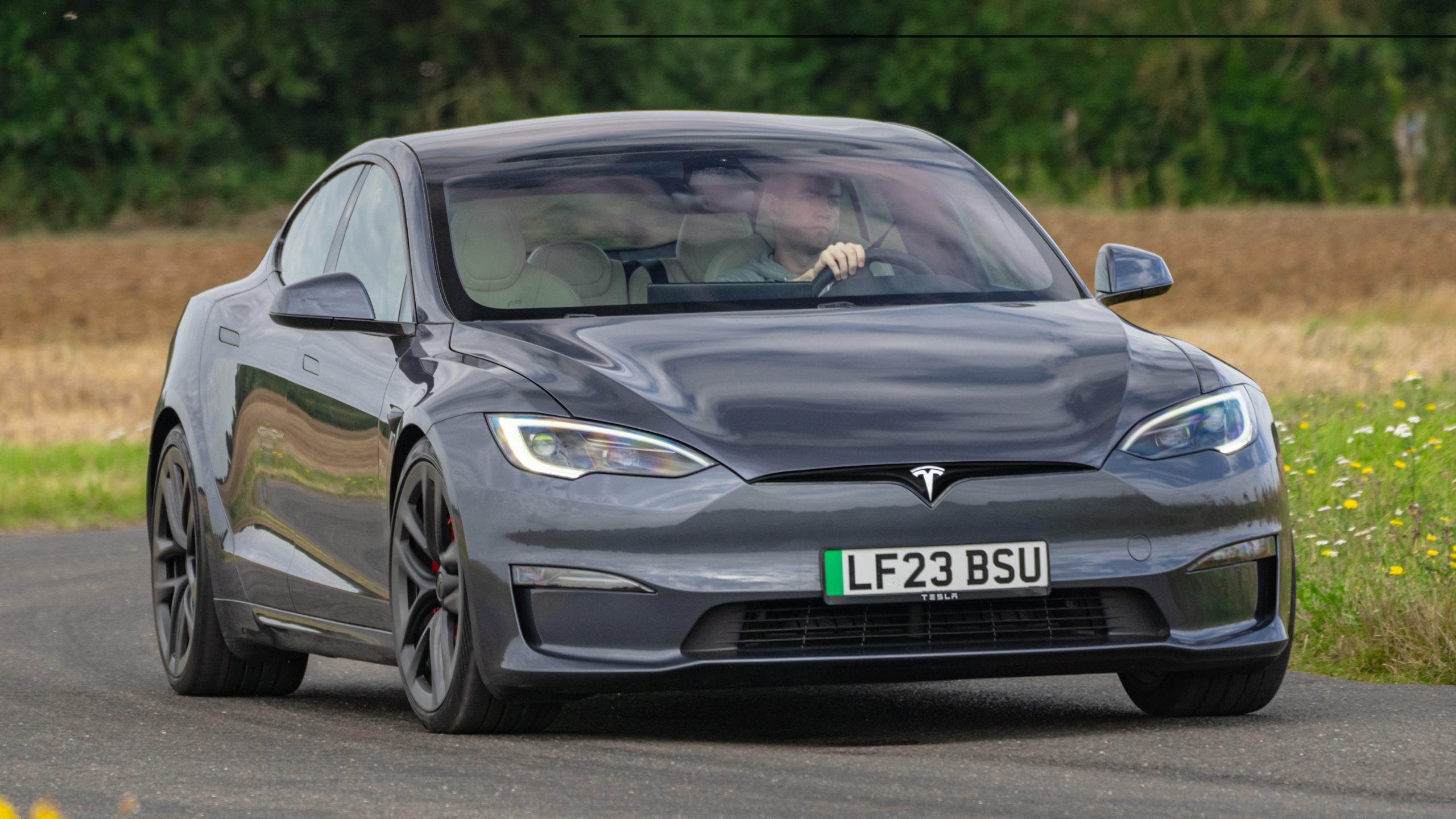
8. Tesla Model S: The High-Performance Electric Sedan
The Tesla Model S combines groundbreaking electric performance with practical features for everyday driving. Tesla addressed past paint concerns by introducing advanced electrodeposition and a water-based primer that improves adhesion by 30% while remaining eco-friendly. Each Model S is carefully color-matched with spectrophotometers, ensuring consistency within 0.2 delta units, producing a flawless finish.
The Model S Plaid is the pinnacle of Tesla’s performance lineup, featuring a tri-motor setup that produces over 1,020 horsepower. In testing, it rockets from 0 to 60 mph in just 2.3 seconds and covers a quarter-mile in 9.4 seconds at 150 mph, placing it among the fastest production vehicles in the world.
The Track package upgrade includes high-performance Goodyear Eagle F1 SuperCar 3R tires and carbon-ceramic brakes, providing exceptional stopping power and endurance. The traditional steering wheel option improves control over the controversial yoke, and Track mode allows drivers to adjust handling balance and torque vectoring, making the car more engaging in corners.
Despite its extreme performance, the Model S Plaid maintains ride comfort suitable for daily driving, commuting, or long road trips. The adaptive air suspension smooths out most road imperfections, and tri-zone climate control with ventilated and heated seats enhances passenger comfort.
However, the seats lack significant lateral support for aggressive driving, and rear seating positions are slightly upright with a high floor, reducing legroom. The cabin is quiet due to the absence of an internal combustion engine, though minor noise from the electric motors and road is noticeable.
Tesla’s interior takes a minimalist approach but introduces some usability challenges. The steering yoke and touch-sensitive controls replace traditional stalks, making certain tasks like lane changes momentarily distracting. The large 17-inch touchscreen handles most functions, including navigation via Google Maps and media controls.
Apple CarPlay and Android Auto are not supported, but the vehicle offers multiple USB ports and four wireless chargers. The 22-speaker sound system delivers rich, immersive audio. Autopilot remains Tesla’s flagship driver-assistance system, functioning well in stop-and-go traffic but occasionally confused by unclear or obstructed road markings.
The Model S features a hatchback design with generous rear cargo space and a front trunk, along with split-folding rear seats for expanded capacity. Front compartments offer improved organization, although cupholders still lack anti-tip design. Installing a car seat is straightforward, though the rear floor height and slightly limited headroom may present minor challenges.
The Model S Plaid achieves an EPA-estimated range of 348 miles with 21-inch wheels, and real-world testing confirmed 345 miles on a full charge. Electricity consumption was measured at 32.1 kWh/100 miles, making it highly efficient for a performance EV. Fast-charging capability adds convenience, delivering an average of 523 miles of range per hour of charging, slightly outperforming other high-end electric competitors.
The Model S Plaid offers unmatched acceleration, advanced EV technology, and a large driving range at a relatively lower cost than comparable high-performance vehicles. While some interior choices remain controversial and tech usability can be challenging, the combination of speed, efficiency, and practicality makes the Model S Plaid a compelling electric performance sedan.
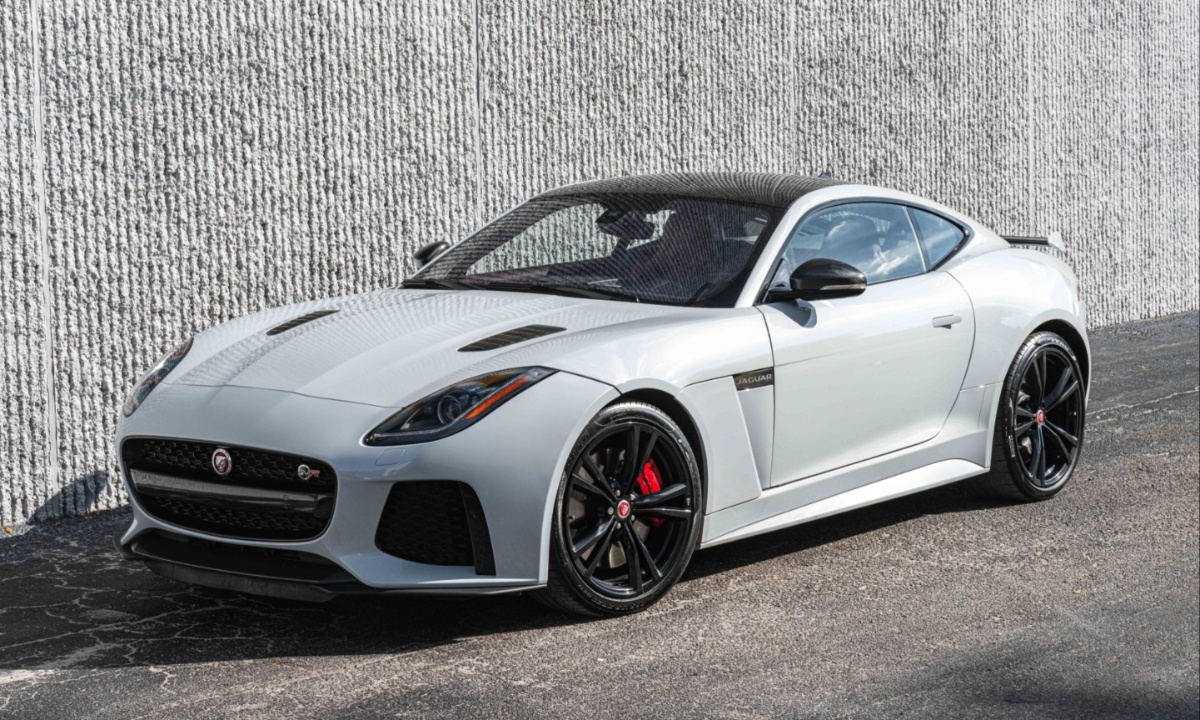
9. Jaguar F-Type: A Stylish but Uneven Sports Coupe
The Jaguar F-Type blends striking design with a powerful V8 engine, but it doesn’t quite achieve the same driving finesse as some of its luxury sports car rivals.
Jaguar applies meticulous care to the F-Type’s paint, using a plasma electrolysis treatment on its aluminum body for stronger bonding and flexibility with temperature changes, preventing cracking. Each car spends six hours in the paint shop, twice the typical time for comparable vehicles, producing a high-quality, resilient finish.
The F-Type R delivers raw acceleration with its all-wheel-drive V8 setup, reaching 0 to 60 mph in 3.6 seconds. While this is undeniably fast, the car struggles with handling under aggressive driving. Midcorner bumps and less-than-perfect pavement upset its balance, making the F-Type feel disconnected from the road despite capable traction.
Around town, however, it is smooth and manageable, with a quick-shifting transmission and unobtrusive engine stop-start system. Braking performance is adequate, but an uneven pedal makes precise stops more challenging until drivers acclimate.
Comfort in the F-Type is mixed. Sport seats provide good back, thigh, and lumbar support, along with effective seat ventilation, but they are thinly padded.
Ride quality is stiff, even in the softest comfort setting, resulting in noticeable road noise and a less composed ride over rough surfaces. The car prioritizes driver engagement and sporty handling, so passengers may find long trips less relaxing compared to luxury-focused rivals.
The F-Type’s cabin is average for its class. Drivers can generally find a comfortable seating position, though taller occupants may struggle with seat height limitations. Controls are mostly well-placed, and the climate system features dedicated knobs and buttons.
Visibility suffers due to sleek body lines and a narrow rear window partially blocked by the active spoiler. The infotainment system is functional but falls behind class leaders in usability and interface refinement.
The F-Type offers standard tech like Apple CarPlay and Android Auto, alongside lane-keeping assistance and blind-spot monitoring. The infotainment system is generally responsive, with improved reliability compared to previous models. The Meridian sound system performs adequately, but bass depth and clarity decline at higher volumes, particularly with the top down.
Cargo capacity is one of the F-Type’s strengths, with a wide and deep trunk suitable for carry-on luggage or groceries. Front storage is limited, with small door pockets, glovebox, and center console. Cupholders are shallow but accessible, while phone storage is minimal.
The V8-powered F-Type R has an EPA-estimated 18 mpg combined (16 city/24 highway). Real-world testing showed 20.3 mpg over a 115-mile mixed-driving route, respectable for a high-performance V8 coupe.
The F-Type offers solid build quality and a well-finished interior, though it is not as refined or precise as a Porsche 911. Standard features are plentiful, and optional upgrades are relatively affordable compared to rivals.
Jaguar’s five-year/60,000-mile basic and powertrain warranty, along with equivalent roadside assistance and scheduled maintenance, make ownership convenient and reassuring, giving it a unique value proposition in the luxury sports car segment.
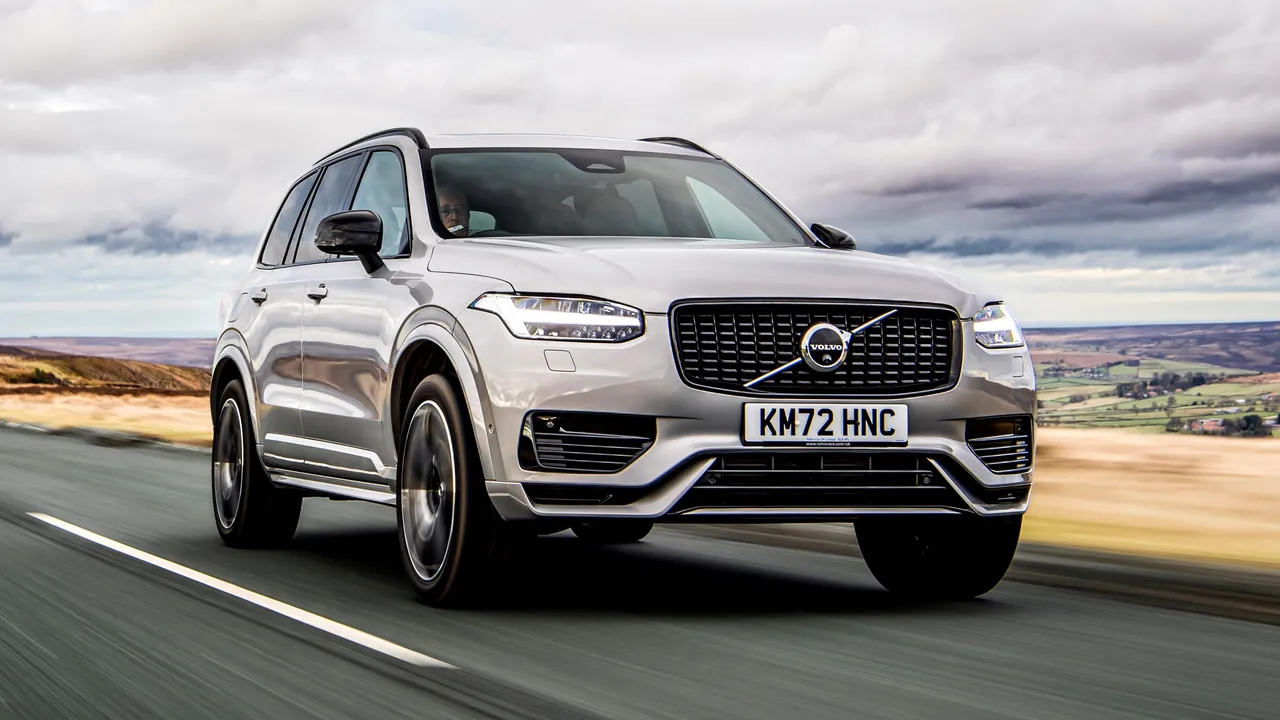
10. Volvo XC90: Spacious, Safe, and Sophisticated
The Volvo XC90 remains a strong contender in the luxury three-row SUV segment, combining Scandinavian design, advanced safety, and hybrid efficiency.
Painted with precision at Volvo’s Torslanda factory, each XC90 receives a charged primer that attracts paint particles to minimize overspray, along with UV-resistant coating to prevent interior fading. Every vehicle is tested with pH-balanced artificial rain to ensure long-term durability.
Despite its size and weight, the XC90 impresses in straight-line acceleration. The plug-in hybrid T8 Ultra trim delivers 455 horsepower and 563 lb-ft of torque, reaching 60 mph in just 5.2 seconds. Power delivery is smooth, thanks to the well-calibrated transition between electric and gasoline modes, while the eight-speed automatic shifts seamlessly.
Handling, however, is a weak point; optional air suspension struggles with body motions in corners, and the Pirelli Scorpion tires limit agility. Braking is subpar, requiring 130 feet to stop from highway speeds well behind rivals like BMW, Audi, and Mercedes-Benz.
Comfort is a highlight of the XC90. Front seats offer ample adjustability and support, while the six-seat configuration with second-row captain’s chairs provides excellent space for adult passengers. Legroom and headroom in the second row are generous, but the third row is cramped and challenging to access.
The cabin height is low enough to facilitate easy entry and exit for the first two rows, and the interior includes numerous storage options, from large door pockets to small bins. Despite these strengths, the cabin can be affected by road vibrations, and many controls require touchscreen interaction, which can complicate usability.
The 11.2-inch central touchscreen runs Google-based software with high-resolution graphics, though response times can be slow and occasional reboots are necessary. A 12.3-inch digital cluster is standard, but its graphics appear dated.
Apple CarPlay and Android Auto are included but require a wired connection, and there is no wireless charging or USB-C support in the third row. While the system has a learning curve, it does include safety and convenience features that enhance the driving experience.
The XC90 excels in cargo space, offering up to 85.7 cubic feet when second- and third-row seats fold flat more than any plug-in hybrid rival. The air suspension allows the rear end to squat, easing the loading of larger items. Interior storage is generous, with door pockets and small compartments throughout. Towing capacity, however, is modest at 5,000 pounds.
The EPA rates the XC90 T8 AWD Ultra at 27 mpg combined, but real-world testing returned 21.2 mpg. The electric-only range is limited to 32 miles, and battery recharge is slow compared with competitors, making it best suited for owners with easy access to charging.
With an as-tested price of $88,695, the XC90 is a luxury SUV with a premium price tag, yet it offers a high level of build quality and craftsmanship. Interior materials include leather, wood, fabric, and metal accents, creating a tactilely rich and visually appealing environment.
While its driving dynamics are not best-in-class, the combination of safety, space, and refined design makes the XC90 a compelling choice for families seeking luxury, practicality, and Scandinavian style.
Also Read: 10 Cars With Legendary Durability In Snow vs 10 That Fail In Winter
10 Cars With Paint That Fade Too Soon
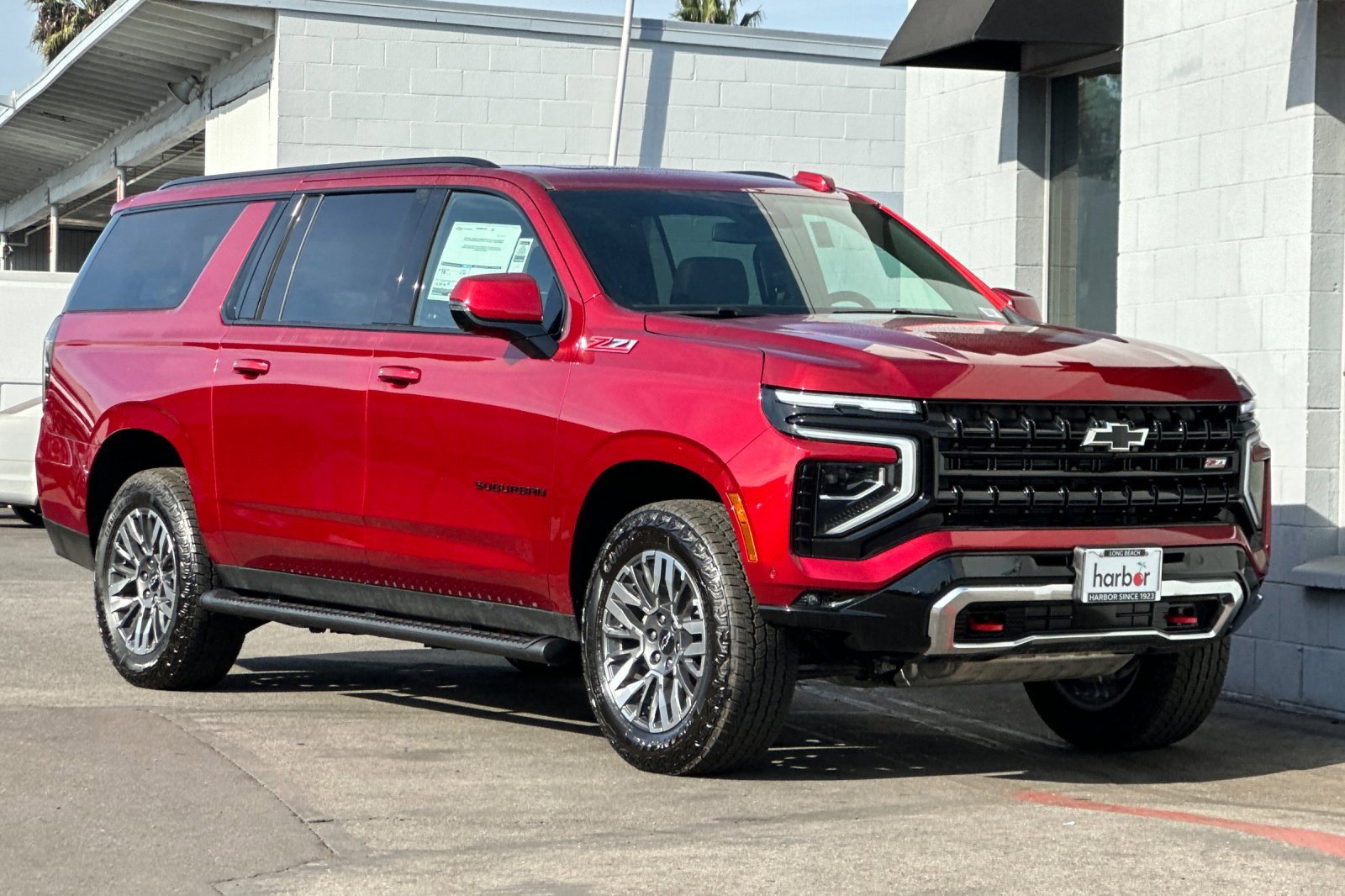
1. Chevrolet Suburban Paint Issues: Defective Clearcoat and Environmental Factors
The 2015–2016 Chevrolet Suburban faced unexpected problems with paint durability, particularly on the hood and roof. Owners reported peeling, chipping, and flaking, prompting widespread complaints on GM forums. Investigations and a class-action lawsuit pointed to a defective factory-applied clearcoat as the main culprit.
The lawsuit claims that the clearcoat was chemically incompatible with the underlying paint, preventing proper bonding and leaving the paint vulnerable. This defect led to bubbling, peeling, fading, and delamination, affecting 2015–2020 Suburban models. Despite visible damage, GM dealers often declined repairs under warranty, leaving owners frustrated.
Beyond manufacturing defects, common environmental and maintenance factors also contribute to paint deterioration. Prolonged sun exposure causes ultraviolet (UV) rays to break down clearcoat bonds through oxidation, resulting in dull, chalky finishes and faded underlying colors.
Extreme temperatures both hot and cold can cause paint to expand and contract, creating microscopic cracks that allow moisture and pollutants to damage the surface.
Chemical contaminants such as bird droppings, tree sap, acid rain, and road salt further accelerate corrosion. Improper washing techniques, including harsh detergents or abrasive sponges, can scratch the clearcoat, making it more susceptible to fading and oxidation.
In response to the lawsuits and widespread complaints, General Motors upgraded its Arlington, Texas, paint shop for the 2021 model year Suburban and Tahoe. The improvements included new processes and expanded facilities to enhance finish quality and corrosion resistance, aiming to prevent similar issues in future models.
The Suburban’s paint problems highlight the combined impact of manufacturing defects and environmental wear, emphasizing the importance of both factory quality control and proper vehicle maintenance.
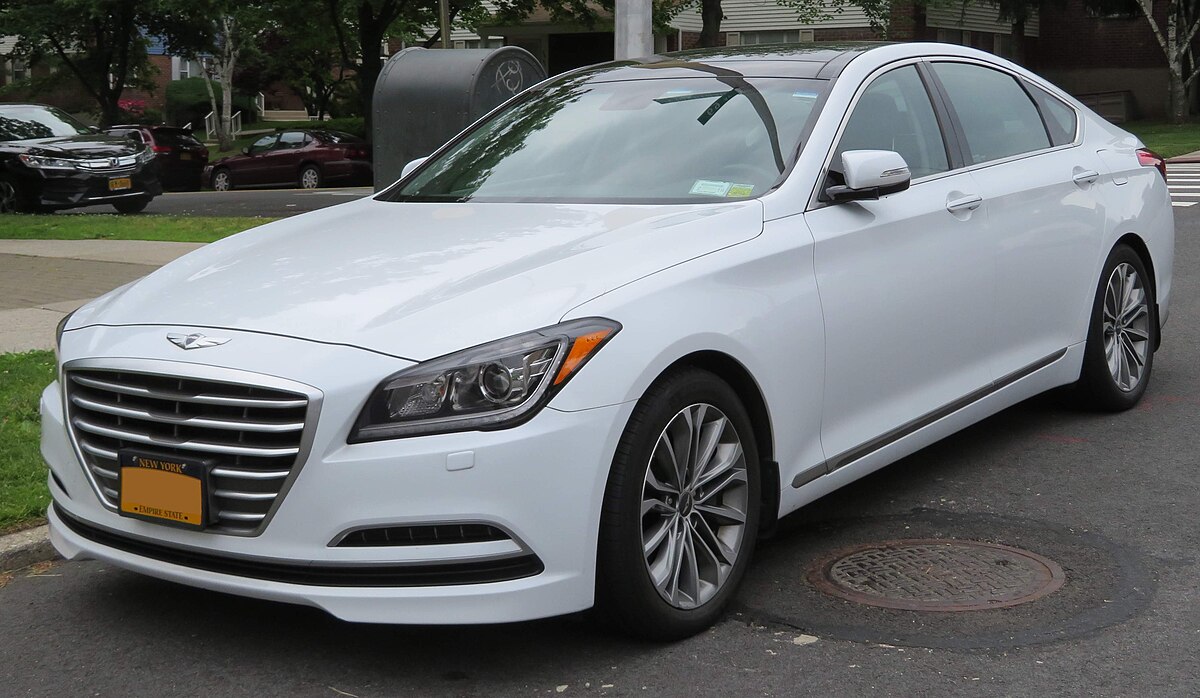
2. Hyundai Genesis Paint Issues: Delamination and Defective Clearcoat
The Hyundai Genesis sedan, particularly models from 2008–2016, has faced significant paint durability issues. Owners of the 2015 Genesis reported extensive fading and peeling, often around wheel wells and door edges, within just a couple of years.
Internal acknowledgment from Hyundai confirmed the problem, though public statements were limited. Investigations, consumer reports, and class-action lawsuits suggest that the root cause lies in manufacturing defects, though environmental factors like UV exposure and weather can accelerate the damage.
The primary manufacturing issue is delamination, where the paint layers primer, basecoat, and clearcoat fail to bond properly. A defective clearcoat often deteriorates first, turning dull, milky, or yellow before peeling away in large flakes.
This exposes the underlying color coat, which fades rapidly. Premature oxidation has been reported to begin in as little as two to three years, making the defect particularly noticeable on white-painted vehicles.
Affected vehicles include the original Hyundai Genesis line (2008–2016) and certain Genesis Coupe models from 2010 and 2013, with severe chipping and flaking observed on the bumpers, hood, and roof.
In response, Hyundai extended the paint warranty for many affected vehicles from 3 years/36,000 miles to 10 years/unlimited miles, addressing complaints about peeling white paint. Class-action lawsuits in the U.S. and Canada further pressured the company to improve coverage, though some claims were initially handled on a case-by-case basis.
Owners can take preventative measures to protect the paint, including regular washing and waxing, using ceramic coatings for added durability, and parking in shaded areas to reduce UV exposure. These steps help mitigate oxidation and slow the progression of paint damage, preserving both appearance and resale value.
3. Ford Explorer Paint Problems: Bubbling and Aluminum Panel Corrosion
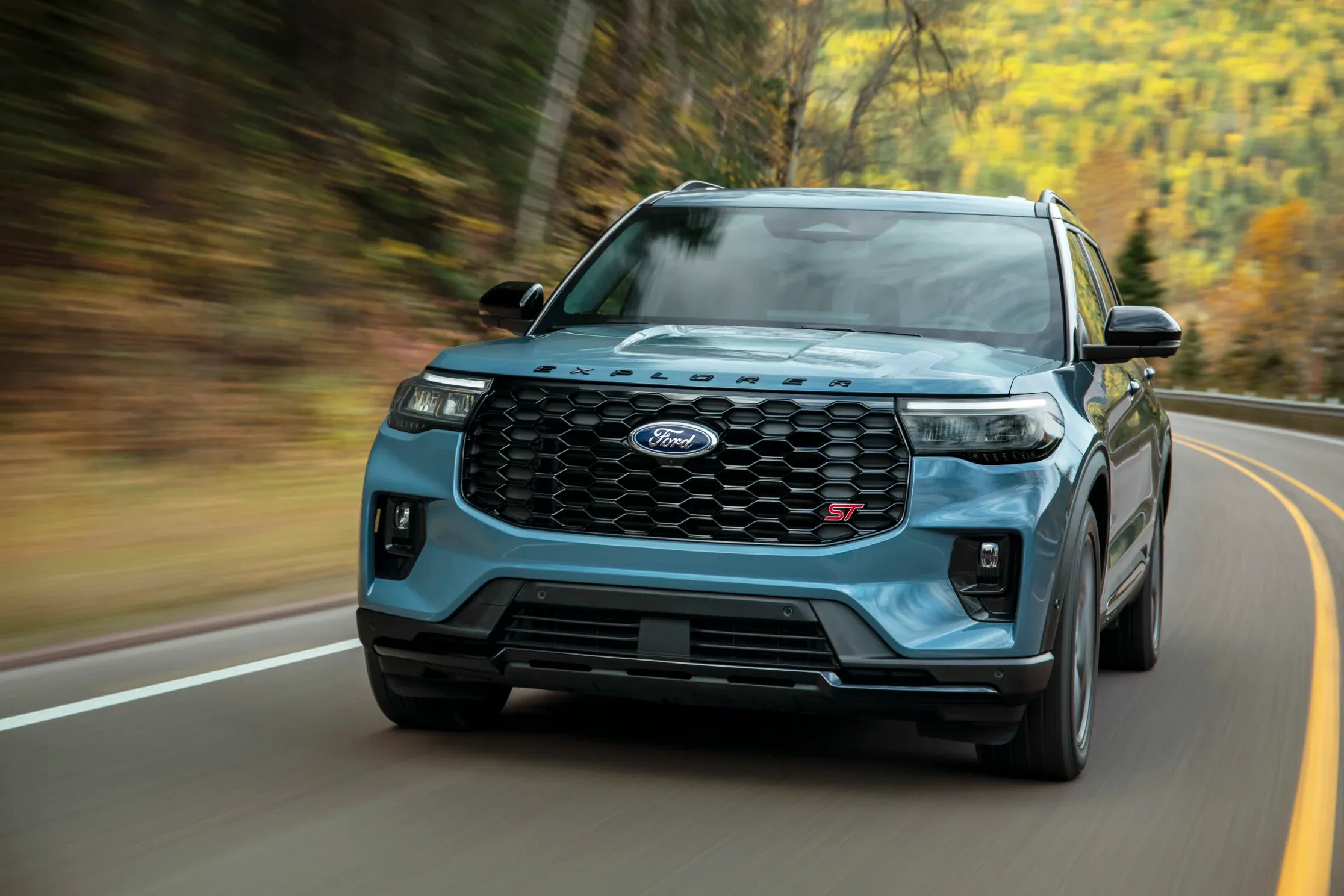
Owners of Ford Explorer models from 2014–2020 have reported paint bubbling, peeling, and blistering, particularly on aluminum body panels. The root cause combines manufacturing defects with material-specific challenges.
Aluminum panels, used extensively in these models, can corrode when moisture becomes trapped between the paint and the metal, causing the surface to bubble and peel. Unlike steel, aluminum does not rust, but corrosion can still weaken the bond between the paint and the body. A 2022 lawsuit highlighted defective aluminum hoods, alleging poor sealing that allowed water infiltration.
Manufacturing issues also contribute to the problem. Poor primer application or adhesion failures can cause the color coat to lift from the anti-corrosion primer.
Additionally, low-quality paint or improperly applied clearcoat can result in early peeling. Historical reports suggest that meeting stricter environmental regulations posed challenges to maintaining consistent paint quality, further exacerbating these issues.
Environmental factors accelerate paint deterioration on any vehicle, especially when the factory clearcoat is thin or defective. Prolonged exposure to UV rays can degrade paint polymers, causing oxidation, fading, and a dull, chalky appearance. Moisture, road salts, acid rain, bird droppings, and tree sap can also damage the clearcoat. Trapped moisture beneath the paint contributes to further corrosion on aluminum surfaces.
Ford’s response to paint problems has varied. While historical “secret warranty” programs addressed specific color-related paint issues in older models, modern Explorers typically rely on standard bumper-to-bumper warranties.
If defects like bubbling are identified, affected parts may be replaced, though claims are often denied if environmental exposure is cited. Despite widespread complaints, no formal recall has been issued for premature paint failure or aluminum panel corrosion in recent Explorer models.
The Explorer’s paint issues highlight a combination of aluminum panel vulnerabilities, factory primer and adhesion defects, and environmental wear, emphasizing the importance of both manufacturing quality and ongoing maintenance.
4. Toyota Tundra Paint Problems: Durability Challenges and Environmental Impact
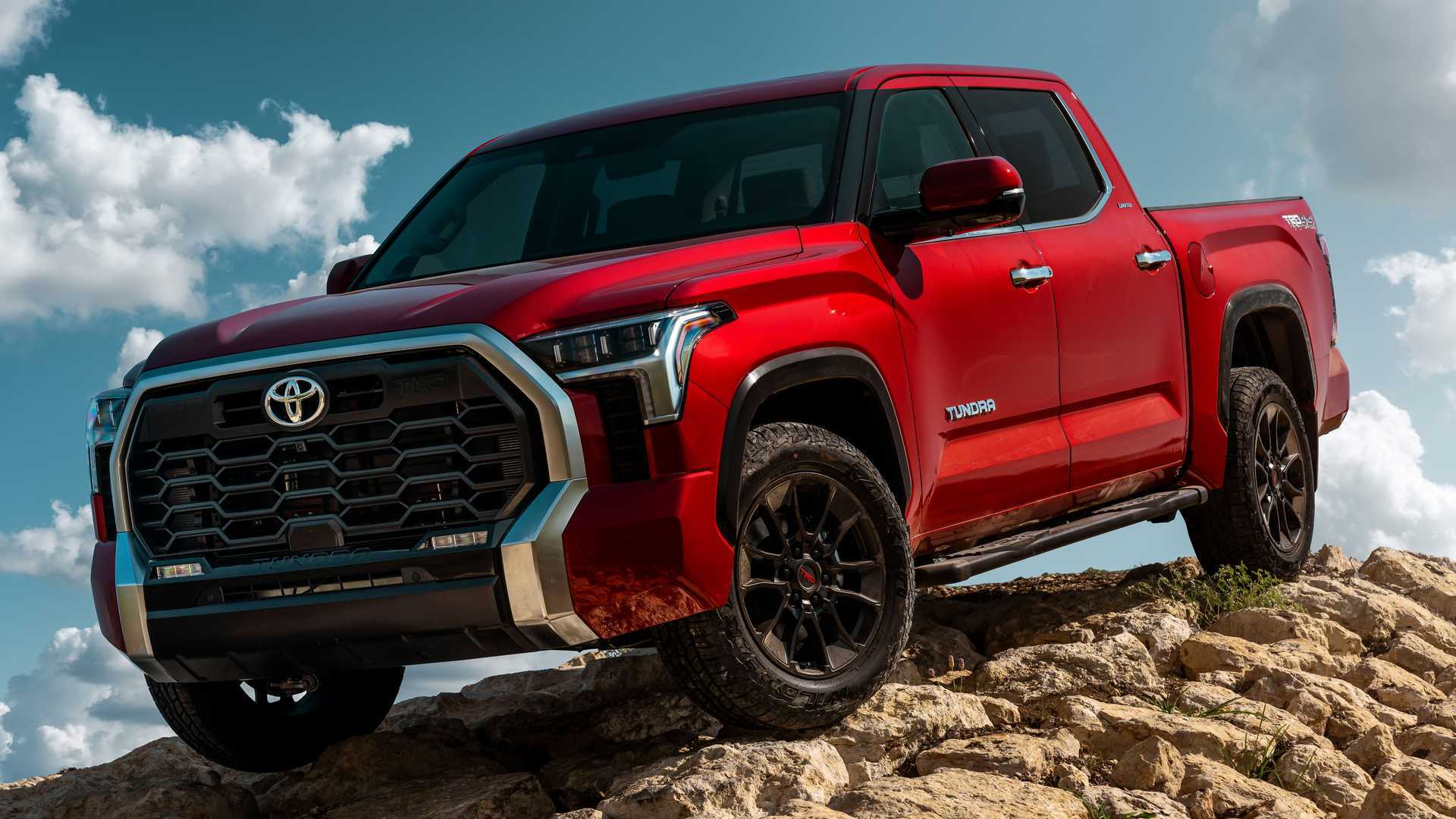
Despite Toyota’s reputation for reliability, the 2022–2023 Tundra has shown notable paint durability issues. Owners reported chipping, flaking, and uneven finishes, particularly on Lunar Rock and Army Green models, sometimes after very little use.
The transition to water-based paints, while more environmentally friendly, appears to have reduced the long-term resilience of the finish. The primary cause is sunlight weakening the bond between the paint primer and the metal body panels, resulting in peeling and premature deterioration.
In response to numerous complaints, Toyota established a voluntary customer support program that offers repaints for affected vehicles, particularly in Super White and Blizzard Pearl, although coverage often excludes bumpers.
Paint quality varies by factory and model year, with some trucks showing minimal issues while others experience significant fading and flaking.
Environmental factors can accelerate paint damage. Extended exposure to ultraviolet (UV) radiation from sunlight breaks down the clearcoat, leading to oxidation, loss of gloss, and a chalky appearance. Harsh climates, including extreme heat or cold, heavy rain or snow, and salted roads, further contribute to faster deterioration.
Chemical contaminants such as bird droppings, tree sap, bug splatter, and industrial pollutants can etch the clearcoat if not cleaned promptly. Inadequate maintenance, including infrequent washing and waxing, allows dirt and corrosive substances to embed in the paint, making damage more severe over time.
Owners have also reported bubbling, peeling, and blistering of the paint, as well as rough, sandpaper-like textures and deterioration of rubber gaskets. Protective measures, such as parking in shaded areas or garages, regular washing and waxing with pH-balanced products, and applying professional ceramic coatings or paint protection films, can slow fading and help maintain the truck’s finish.
While the Tundra continues to perform reliably, these paint concerns emphasize the importance of careful maintenance and proactive protection to preserve its appearance.
5. Tesla Model X Paint Issues: Thin Coatings and Environmental Vulnerability
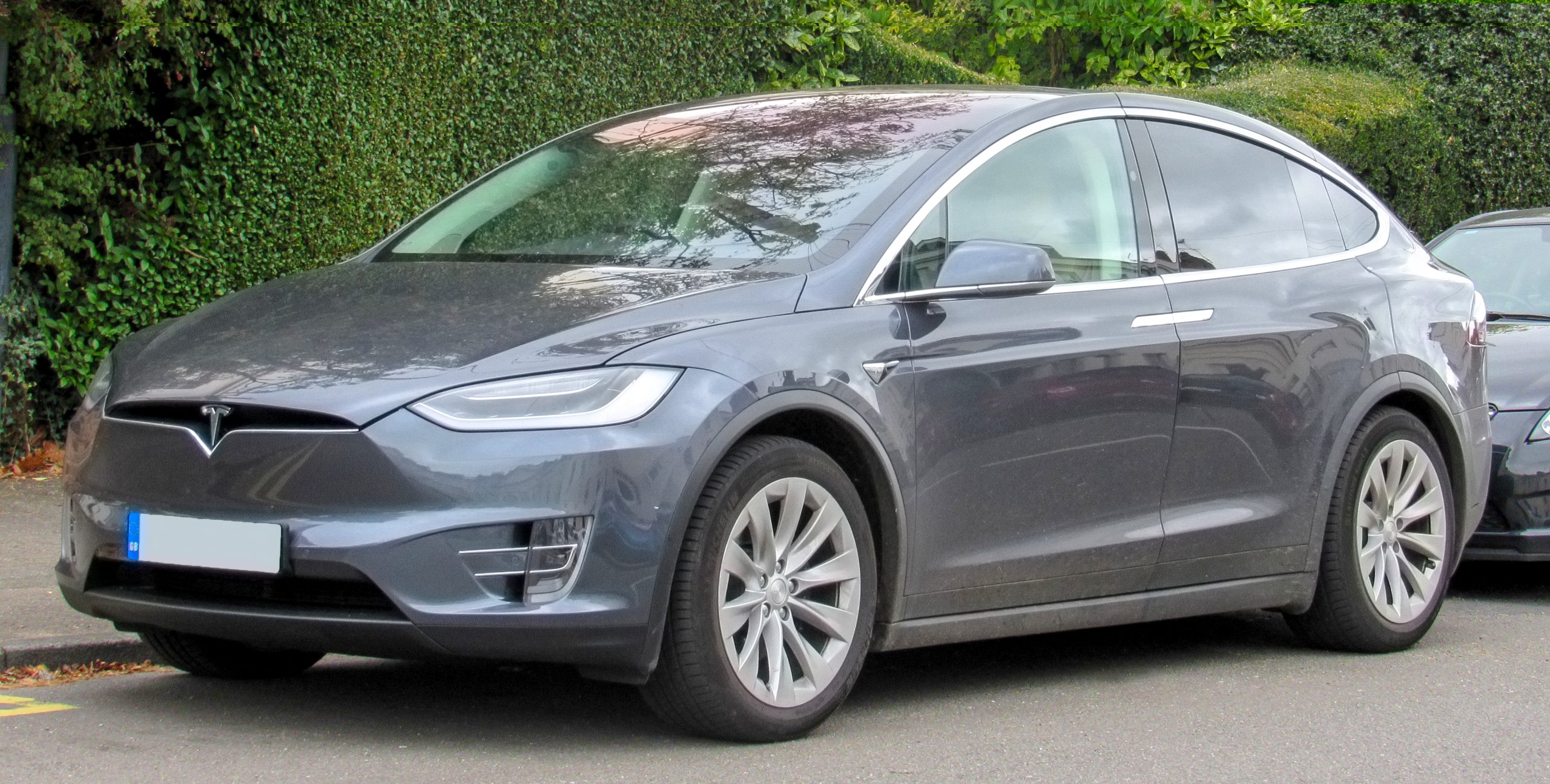
Tesla’s Model X, particularly the 2018 and 2022 models, has faced paint durability concerns linked to both manufacturing processes and environmental exposure. Owners frequently report that the thin paint application cracks or chips easily, even from minor road debris. Industry analysts suggest that Tesla’s accelerated production schedules may have shortened critical paint-curing processes, contributing to these issues.
The paint formulation itself plays a key role. To comply with strict environmental regulations, particularly at Tesla’s Fremont, California factory, the company uses softer, water-based paints with low volatile organic compounds (VOCs).
While environmentally friendly, this paint is more prone to scratches, chips, and swirl marks compared with the more durable solvent-based paints used by many other manufacturers.
Inconsistent paint application has also been reported, with some vehicles exhibiting thin coatings or uneven finishes that leave the clearcoat more vulnerable to wear. Periods of rapid production expansion have been associated with a higher frequency of paint defects.
Environmental factors can further accelerate paint deterioration. Prolonged exposure to ultraviolet (UV) rays breaks down the chemical bonds in the clearcoat, reducing gloss and vibrancy over time.
Acidic substances such as bird droppings, tree sap, and acid rain can etch the paint if not cleaned promptly, causing fading or discoloration. Additionally, automatic car washes with abrasive brushes may create micro-scratches and swirl marks in the soft paint.
Tesla owners often take protective measures to preserve the finish. Applying paint protection film (PPF) creates a durable barrier against chips and scratches, while ceramic coatings bond with the paint to provide hydrophobic protection against UV rays and contaminants.
Regular hand washing with non-abrasive products and parking in garages or shaded areas help reduce damage from environmental exposure. These steps are essential for maintaining the appearance and value of a Model X, given the sensitivity of its paint to both manufacturing and environmental factors.
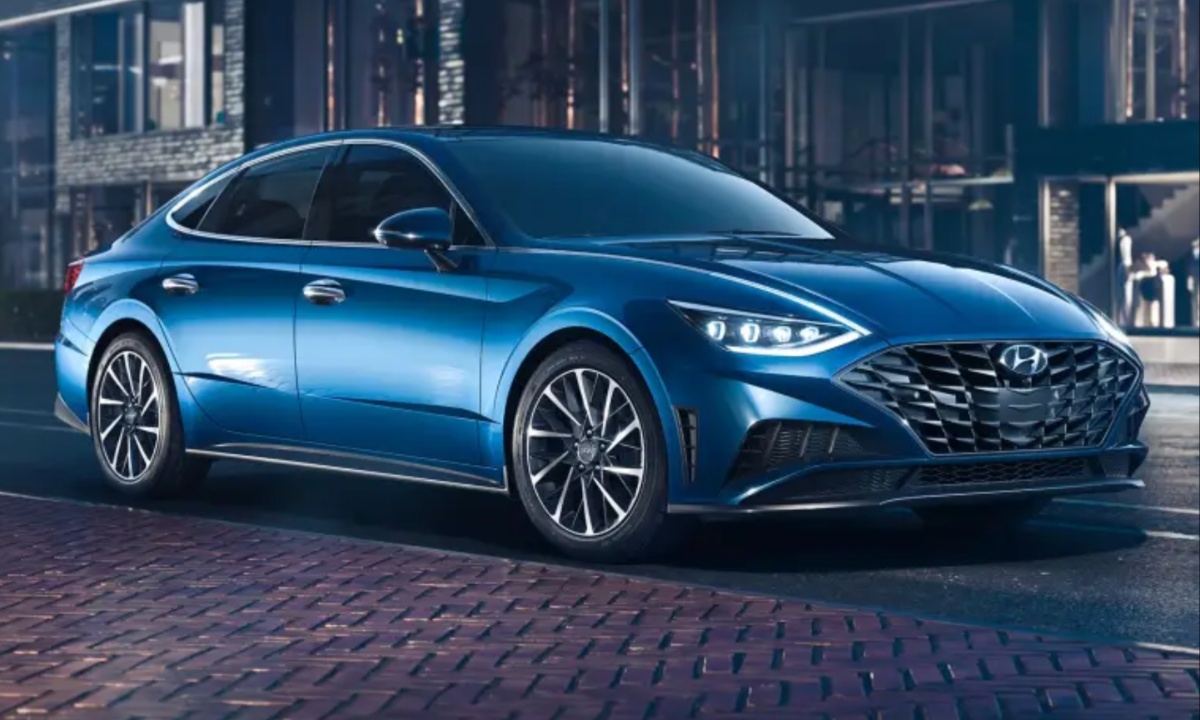
6. Hyundai Sonata Paint Defects: Delamination and Sun Damage
Between 2014 and 2018, the Hyundai Sonata became notable for recurring paint problems, despite its reputation for reliability. Owners frequently reported peeling and fading paint on horizontal surfaces such as the hood, roof, and trunk.
The issue was particularly severe in hotter climates, where prolonged exposure to ultraviolet (UV) rays accelerated clearcoat breakdown and paint deterioration. Hyundai’s internal investigations, combined with technical service bulletins and widespread customer complaints, revealed a pattern of defective factory paint application that affected many vehicles.
The root cause of the problem lies in poor adhesion between the paint layers, a condition known as delamination. Automotive paint consists of an electrocoat, primer, colored base coat, and protective clearcoat. On affected Sonata models, improper formulation or application prevented these layers from bonding effectively.
The clearcoat often separated first, leaving the base color exposed to environmental damage and causing peeling in large sections. White and pearl-white vehicles appeared most vulnerable, suggesting that specific paint formulations were prone to early failure.
Environmental factors worsened the condition. UV radiation breaks down the chemical bonds in the clearcoat, causing oxidation, loss of gloss, and chalky textures, while exposure to heat further accelerates the process. Although normal wear and tear affects any vehicle, the delamination observed in many 2015–2019 Sonatas exceeded typical environmental damage and was primarily a manufacturing defect.
In response, Hyundai extended the paint warranty for affected vehicles, offering coverage for up to ten years with unlimited miles, applicable to both original and subsequent owners.
Owners experiencing paint peeling or fading are encouraged to verify eligibility using their Vehicle Identification Number on Hyundai’s website and schedule a service appointment with a dealership. Prompt inspection and repair under the extended warranty ensure that the defect is addressed, helping preserve the vehicle’s finish and value.
7. Ford Taurus Paint Problems: Bubbling, Delamination, and Primer Defects
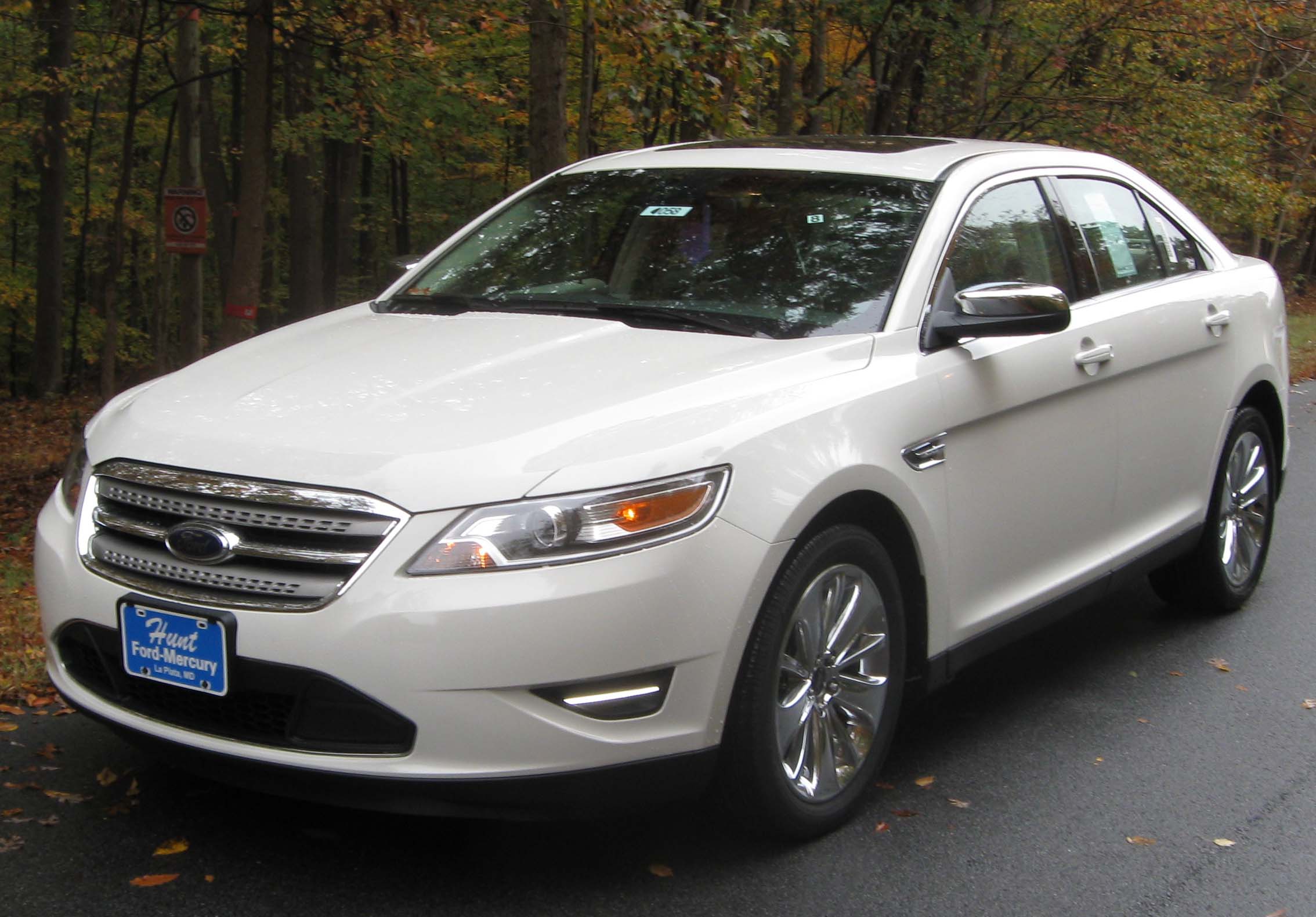
The Ford Taurus, particularly the 2014 model, has experienced paint bubbling that often indicates underlying corrosion issues. That year, changes in the paint formulation by Ford’s supplier reduced adhesion to metal surfaces, leaving rear quarter panels and the trunk lid especially vulnerable. Owners have noted that these problems often appear just as the standard five-year paint warranty expires.
Earlier generations of the Taurus, especially models from the late 1980s through the 1990s and early 2000s, were widely affected by paint and clearcoat failures, a problem common to many American-made vehicles of the era. The primary causes included defective primer, insufficient ultraviolet (UV) protection, and delamination.
In the late 1980s, manufacturers switched to environmentally friendly water-based primers supplied by companies such as DuPont. These primers did not adhere properly to the color coat, especially on metallic blue, gray, and silver vehicles.
At the same time, the clearcoat lacked adequate UV inhibitors, and the color coat was not sufficiently weather-resistant. Prolonged exposure to sunlight allowed UV rays to penetrate the clearcoat, break down the paint underneath, and cause delamination.
The colored paint would lift from the anti-corrosion primer, often first appearing on horizontal surfaces like the hood and roof, eventually peeling in large sheets.
Ford responded to consumer complaints with quiet repainting programs under “policy adjustments” or “secret warranties” in the early 1990s.
Some class-action lawsuits in the mid-1990s further pressured the company to offer partial reimbursement for repainting costs. The Center for Auto Safety also lobbied the Federal Trade Commission to mandate recalls, citing potential safety hazards from peeling paint impairing driver vision.
Newer Taurus models do not exhibit the same systemic paint issues. While environmental exposure and lack of maintenance can still cause fading, the inherent manufacturing defects that plagued older generations have largely been eliminated, making modern Taurus paint far more durable and reliable.
8. Ford Mustang Paint Issues: Aluminum Panels, Environmental Exposure, and Factory Defects
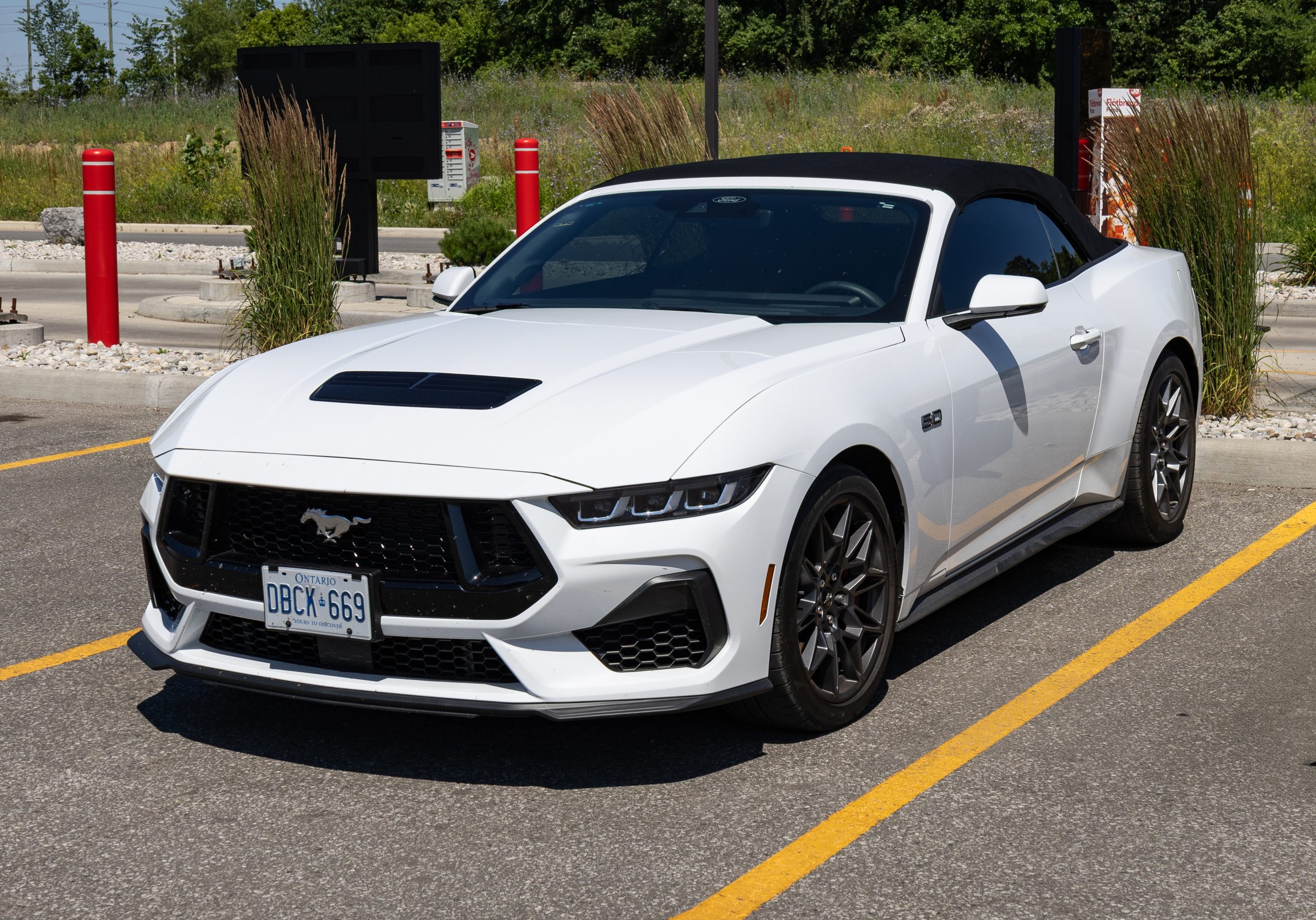
The Ford Mustang, particularly models from 2014, 2016, 2018, and 2020, has experienced recurring paint durability challenges. Aluminum body panels used on these vehicles are more prone to adhesion problems than steel, making the finish susceptible to bubbling and blistering.
Paint issues are especially noticeable in coastal regions, where high salt exposure accelerates corrosion and fading. Environmental factors such as prolonged ultraviolet (UV) exposure, extreme temperatures, humidity, and temperature fluctuations contribute to the breakdown of the clearcoat.
Over time, UV rays weaken chemical bonds in the paint, causing dullness and oxidation, while rapid temperature changes create microscopic cracks that allow moisture and pollutants to penetrate. Acid rain, tree sap, bird droppings, and airborne chemicals can further etch the clearcoat if not cleaned promptly.
In addition to environmental causes, certain factory issues have contributed to paint deterioration on Mustangs. Early 2000s aluminum panels faced corrosion due to iron particle contamination during manufacturing, resulting in bubbling and blistering.
Recent observations from professional detailers indicate that some 2024 Mustangs exhibit sanding marks, drips in the clearcoat, chips, and even missing paint directly from the factory, suggesting declining quality control on the production line.
Historical vulnerabilities, including subpar paint application in the 1980s and 1990s, led to class-action lawsuits over peeling on Ford trucks and other models, demonstrating a longstanding challenge with paint adhesion on horizontal surfaces.
Preventive measures can help protect a Mustang’s finish. Regular washing with pH-neutral soap and waxing every few months adds a protective layer against UV rays and contaminants. Professional-grade paint protection films or ceramic coatings provide a stronger barrier against environmental damage.
Parking in shaded areas or garages minimizes exposure to sunlight and extreme temperatures, and addressing minor chips, bubbles, or imperfections promptly can prevent more extensive damage and fading. Proper care and timely intervention are essential to maintain the Mustang’s appearance and value.
9. Hyundai Elantra Paint Concerns: Manufacturing Defects and Layer Separation
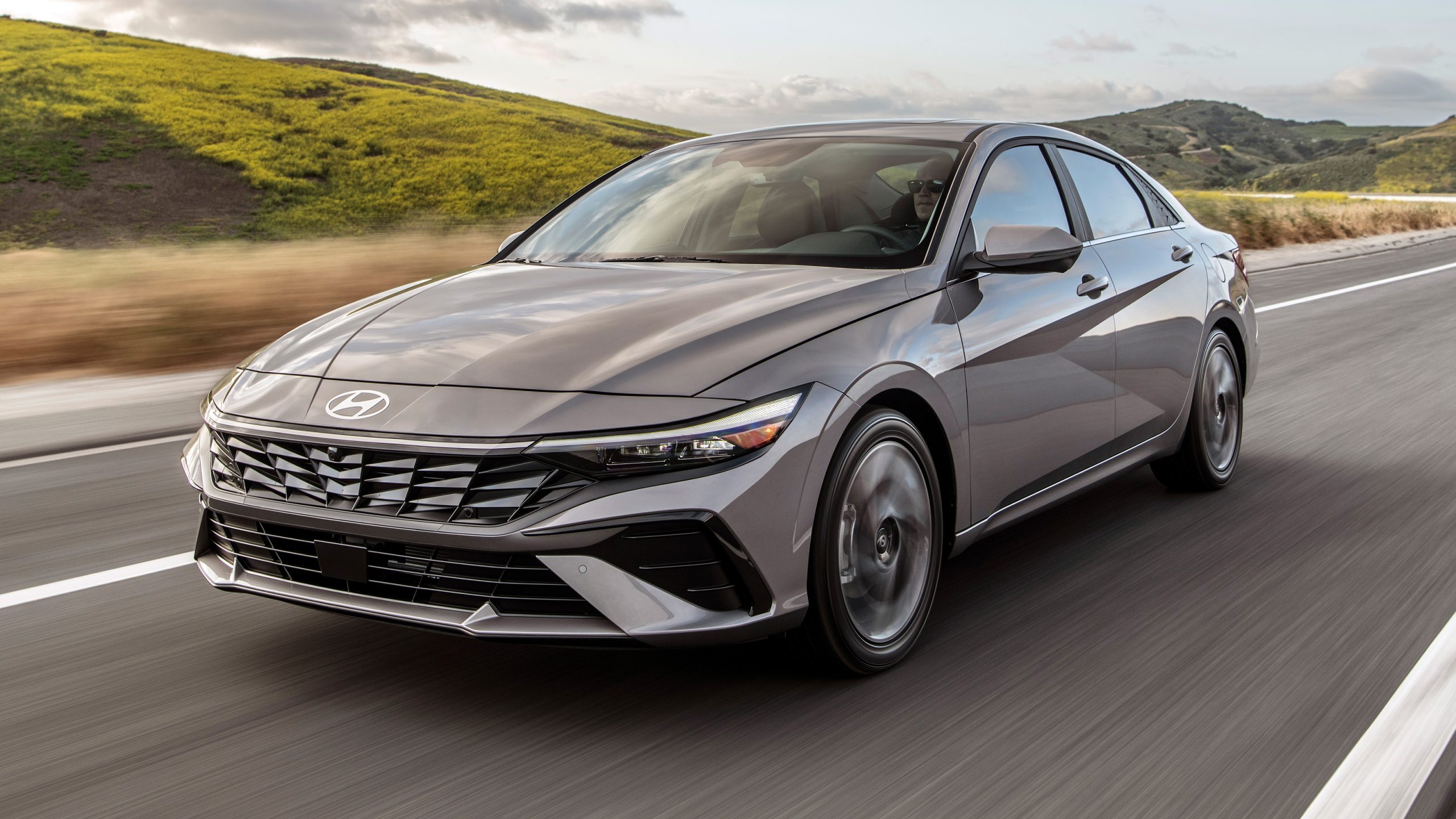
The Hyundai Elantra, particularly models produced between 2014 and 2019, has faced persistent paint problems that have surprised many owners. The peeling often begins at panel edges and is most pronounced on white and pearl-white vehicles.
The underlying cause is a manufacturing defect resulting in poor adhesion between the multiple paint layers.
This condition, known as delamination, occurs when the electrocoat, primer, colored basecoat, and clearcoat fail to bond correctly, causing the top layers to lift or peel away from the vehicle’s surface. Improper application during production and shortened drying times between paint layers likely exacerbated the issue.
Owner reports, media investigations, and online forums have documented the widespread nature of the problem. Large sheets of paint have been reported peeling off from the hood, roof, and fenders, often even with minimal environmental stress or washing.
In response to the complaints, Hyundai extended the warranty for affected white paint on certain Elantra, Sonata, and Santa Fe models. Proposed class-action lawsuits in both the United States and Canada further highlight the scale and severity of the defect.
Owners affected by peeling paint are advised to first check their vehicle’s eligibility through Hyundai’s VIN validation tool. Those covered by the warranty can contact their local dealer or Hyundai’s customer care to initiate repairs. For vehicles outside the warranty extension, documenting the peeling and connecting with other affected owners can provide additional leverage for support or potential resolutions.
The Elantra’s paint problems illustrate how a seemingly minor manufacturing defect can lead to significant and visible deterioration over time. Proper documentation, timely warranty claims, and proactive engagement with the manufacturer are essential steps to address the issue and maintain the vehicle’s appearance and value.
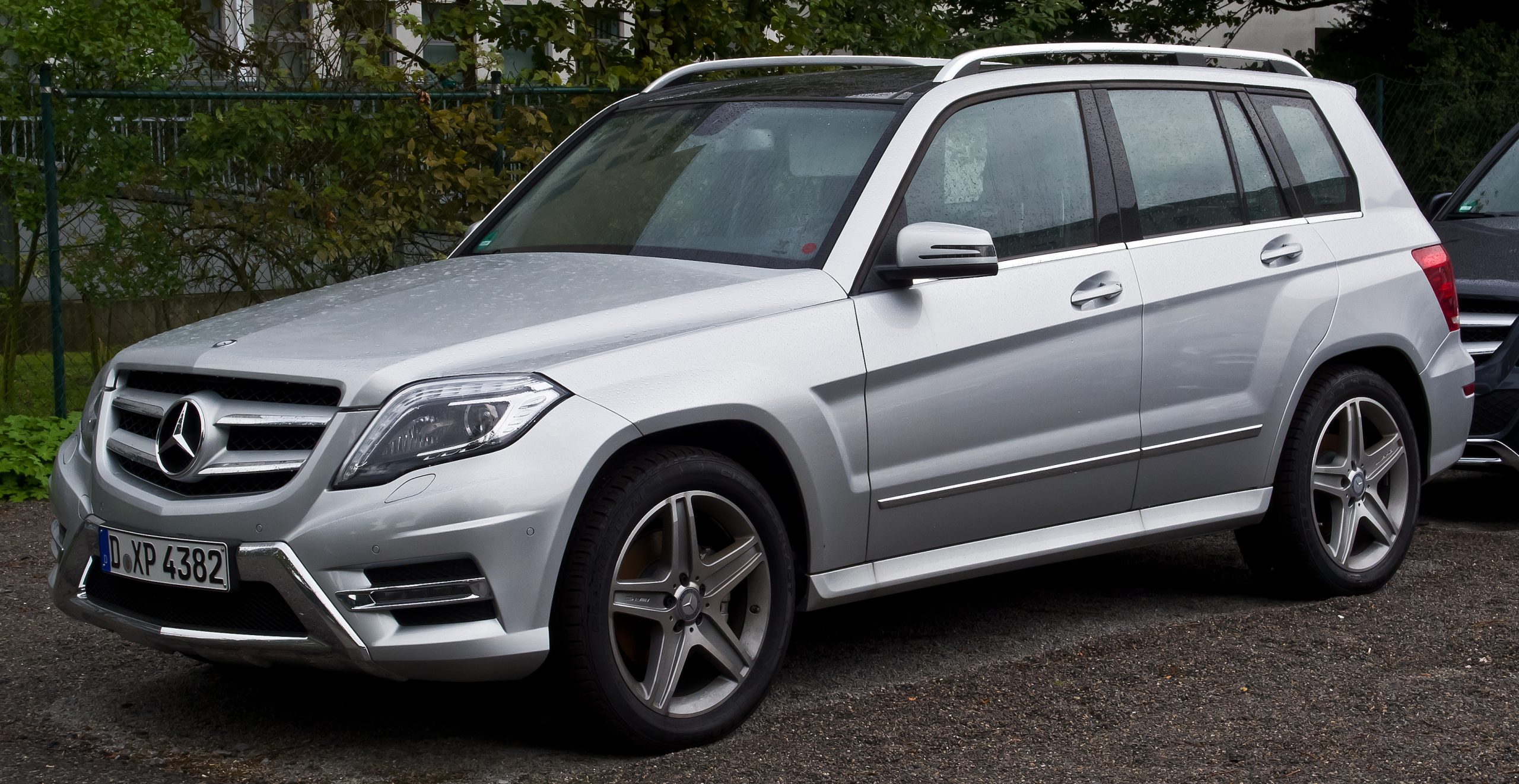
10. Mercedes-Benz GLK Paint Concerns: Mars Red Defect and Environmental Vulnerability
The Mercedes-Benz GLK, particularly the 2014–2015 models, experienced clearcoat peeling that affected horizontal surfaces like the hood and roof. This issue emerged during a period when Mercedes transitioned to environmentally compliant paint systems, which resulted in thinner clearcoat layers on some vehicles.
Professional detailers have observed that this reduced thickness made the finish more prone to damage from everyday wear and environmental exposure.
A significant factor in the GLK’s paint problems was a manufacturing defect affecting vehicles painted in “Mars Red” (paint code 590). This color, used across multiple Mercedes models from 2004 to 2018, suffered from poor adhesion between the clearcoat and the underlying color coat.
Owners reported premature bubbling, flaking, and peeling, particularly on horizontal panels. The defect prompted a class-action lawsuit, leading Mercedes-Benz to reimburse owners for past repairs and provide an extended warranty for qualifying future repairs. The settlement specifically included 2010–2015 GLK-Class vehicles painted in Mars Red.
For GLK models with other colors, paint fading is typically caused by common environmental factors rather than a manufacturing defect. Ultraviolet (UV) radiation from sunlight breaks down the clearcoat through oxidation, leading to a dull, chalky appearance.
Chemical contaminants such as bird droppings, tree sap, and acid rain can etch the protective layer if not promptly cleaned. Improper washing using harsh detergents or abrasive cloths can damage the finish, while skipping regular maintenance leaves the paint unprotected. Vehicles frequently parked outdoors experience faster degradation, whereas shaded or indoor parking slows deterioration.
The GLK’s paint issues illustrate how both specific manufacturing defects and routine environmental exposure can impact even luxury vehicles. Awareness of manufacturer programs, such as the Mars Red settlement, combined with proactive maintenance, including washing, waxing, and careful parking, is essential for preserving the vehicle’s appearance and long-term value.
A car’s paint is more than a visual feature; it reflects the quality of manufacturing, materials, and care. Some vehicles keep their finish glossy and vibrant for years, resisting fading, chipping, and discoloration, while others show wear quickly despite careful maintenance.
By looking at 10 cars with long-lasting paint alongside 10 that fade too soon, we highlight how paint durability affects satisfaction and value. Cars with strong, enduring finishes not only look attractive but also protect their owners’ investment, saving time and money on touch-ups and repainting.
Understanding which models maintain their paint well allows buyers to make informed decisions and enjoy a vehicle that continues to impress. Paying attention to paint quality can help ensure that a car stays beautiful and eye-catching for years, providing pride and confidence in every drive.
Also Read: 10 Cars With The Most Reliable AWD Systems vs 10 That Fail Often