
When most people go shopping for a car in the United States, they’re not just looking for a shiny paint job, high-tech infotainment screen, or quick acceleration.
Reliability is king. In a country where long commutes, road trips across several states, and even daily life can put hundreds of thousands of miles on the odometer, Americans value cars that will still crank up and run reliably after decades of service.
While some vehicles are built for luxury, and others for speed, a select few have earned a legendary reputation for being nearly indestructible.
These are the cars that seem to outlast owners, rack up mileage numbers that sound like aviation statistics, and still command respect at used car dealerships.
Mechanics know them by name, enthusiasts praise them in forums, and families keep them in the driveway because they simply refuse to quit.
Below are 12 cars that are basically immortal, known for their ability to handle abuse, neglect, and time without blinking an eye.
1. Toyota Land Cruiser
Few vehicles in automotive history have the pedigree of the Toyota Land Cruiser. Originally developed as a military-inspired off-roader in the 1950s, the Land Cruiser evolved into a global workhorse.
Farmers in Australia, desert explorers in the Middle East, and ranchers in Texas all swear by its unbreakable powertrain.
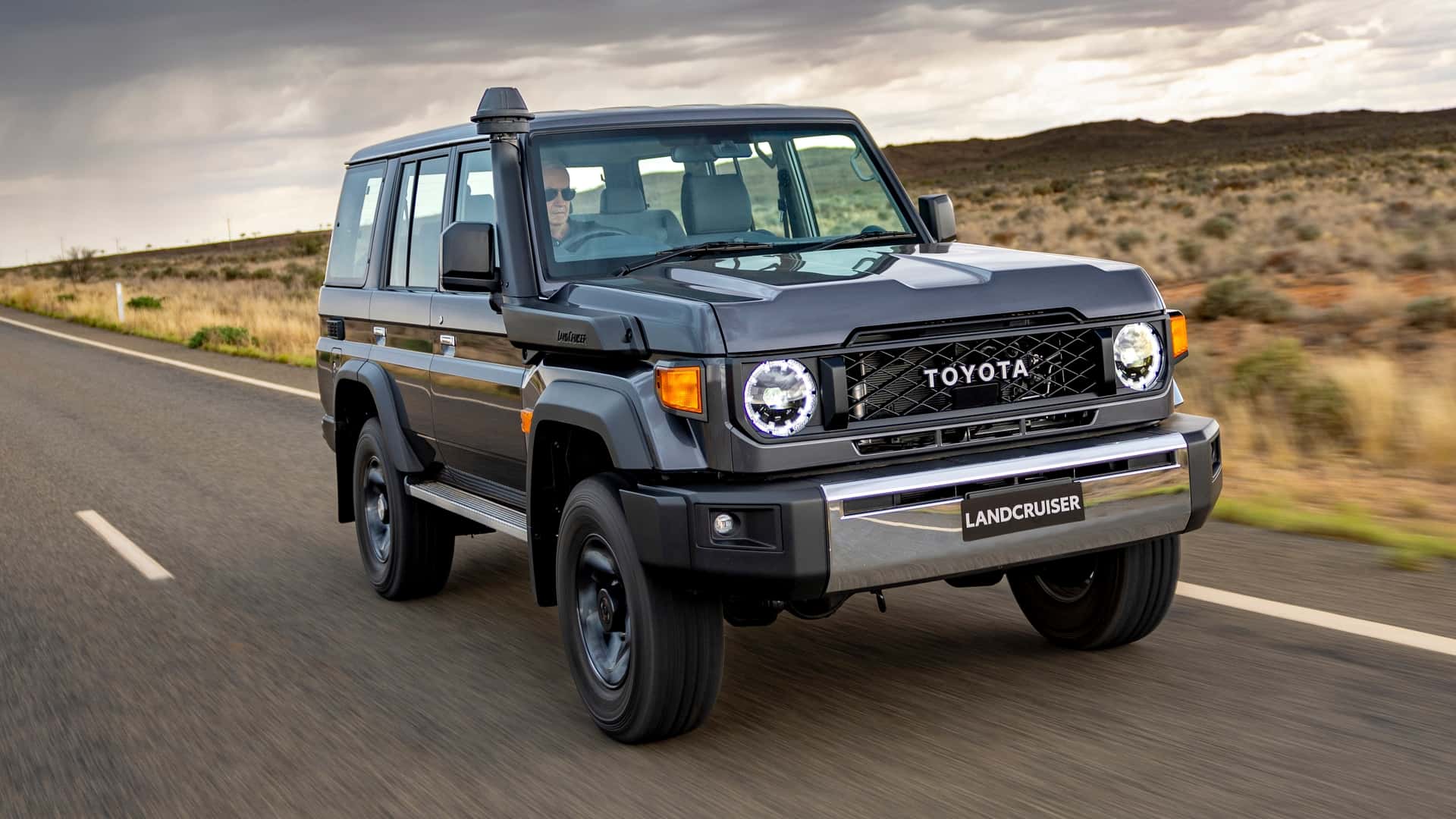
In the U.S., it became a symbol of wealth mixed with durability an SUV that could tow boats to the lake, carry kids to school, and still cross a mountain trail without worry. With proper maintenance, it’s common to see these giants run well past 400,000 miles.
2. Honda Accord
The Honda Accord isn’t flashy, but it doesn’t need to be. For nearly 50 years, it has been one of America’s most trusted sedans. Accords built in the 1990s and early 2000s are especially respected for their rock-solid four-cylinder engines and bulletproof automatic transmissions.
Owners often describe them as cars that just “refuse to die.” Many Accords from that era are still running smoothly with 300,000 or more miles, making them staples of college parking lots and suburban driveways alike.
Midsize sedans may not dominate sales like they once did, but the Honda Accord continues to hold a loyal following.
For 2023, Honda introduces the 11th generation of its flagship sedan, showcasing a bold new design, improved performance, and a simplified six-model lineup that integrates both gas and hybrid versions. Rivals include long-standing competitors such as the Toyota Camry and Hyundai Sonata.
The 2023 Accord rides on a stiffer chassis and body structure, paired with a retuned suspension for sharper handling and improved ride quality. Honda also introduces a more powerful two-motor hybrid system, while the familiar 1.5-liter turbocharged inline-four returns with updates for lower emissions and reduced noise
. Tech upgrades include a standard 10.2-inch digital gauge cluster, a 7.0-inch central touchscreen on lower trims, and a larger 12.3-inch display on upper trims.
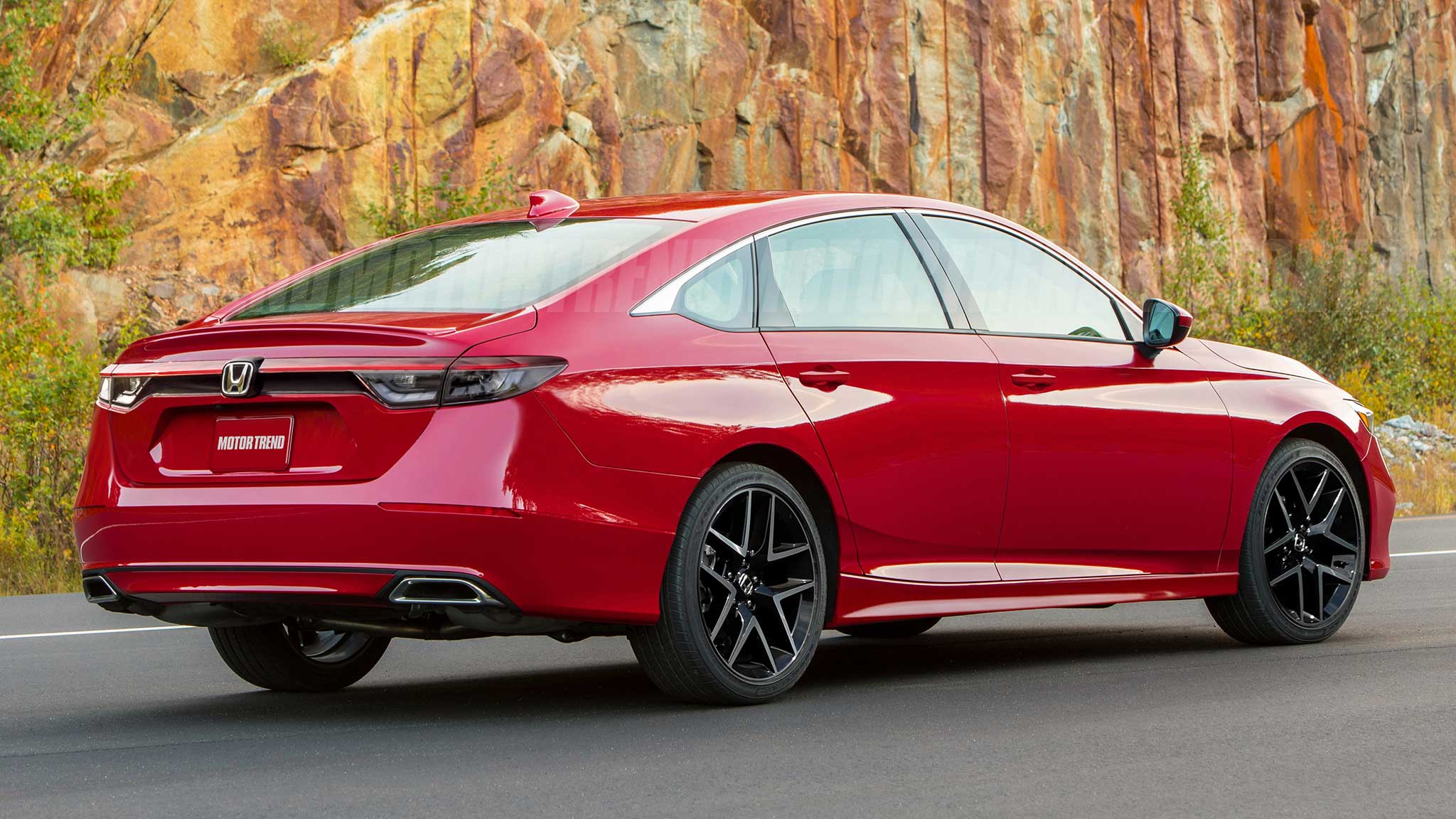
Honda faced the challenge of improving on what was already one of the best midsize sedans in its class. The outgoing Accord set a high bar for comfort, practicality, and driving enjoyment. To move the needle forward, Honda leaned on exterior styling and technology upgrades.
The new Accord’s sharper lines and bolder stance give it more presence compared to its plainer predecessor, addressing one of the few areas where rivals like the Kia K5 had the upper hand.
Inside, the cabin benefits most from the new 12.3-inch infotainment system on higher trims, a welcome improvement over the prior generation. Unfortunately, base models now come with an even smaller display than before, which feels like a step backward.
From behind the wheel, the Accord’s appeal remains familiar. Non-hybrid models may offer less outright power, but their response feels lively and well-suited for daily driving.
The steering is more direct than before, and the suspension delivers a balanced ride, even on higher-profile tires. Still, as in past generations, some road and wind noise seep into the cabin.
Performance numbers also tell a mixed story: the new Accord trails its predecessor in instrumented testing and posts slightly worse fuel economy. For buyers who prioritize distinct styling or cutting-edge design, competitors such as the Hyundai Sonata or Kia K5 may be worth a closer look.
The biggest performance gains are found in the hybrid lineup. The 2023 Accord Hybrid is offered in the Sport, EX-L, Sport-L, and Touring trims, each powered by the same 2.0-liter four-cylinder and two-motor hybrid system shared with the latest CR-V Hybrid.
Combined output is rated at 204 horsepower and 247 lb-ft of torque, down eight horsepower from the previous Accord Hybrid, but with 15 lb-ft more torque. That torque boost translates into improved real-world drivability.
In testing, the Accord Hybrid sprinted from 0 to 60 mph in 6.8 seconds, making it one of the more athletic options in the lineup. Exclusive to the hybrid trims are a “Sport” driving mode and a customizable “Individual” mode, which add extra engagement behind the wheel.
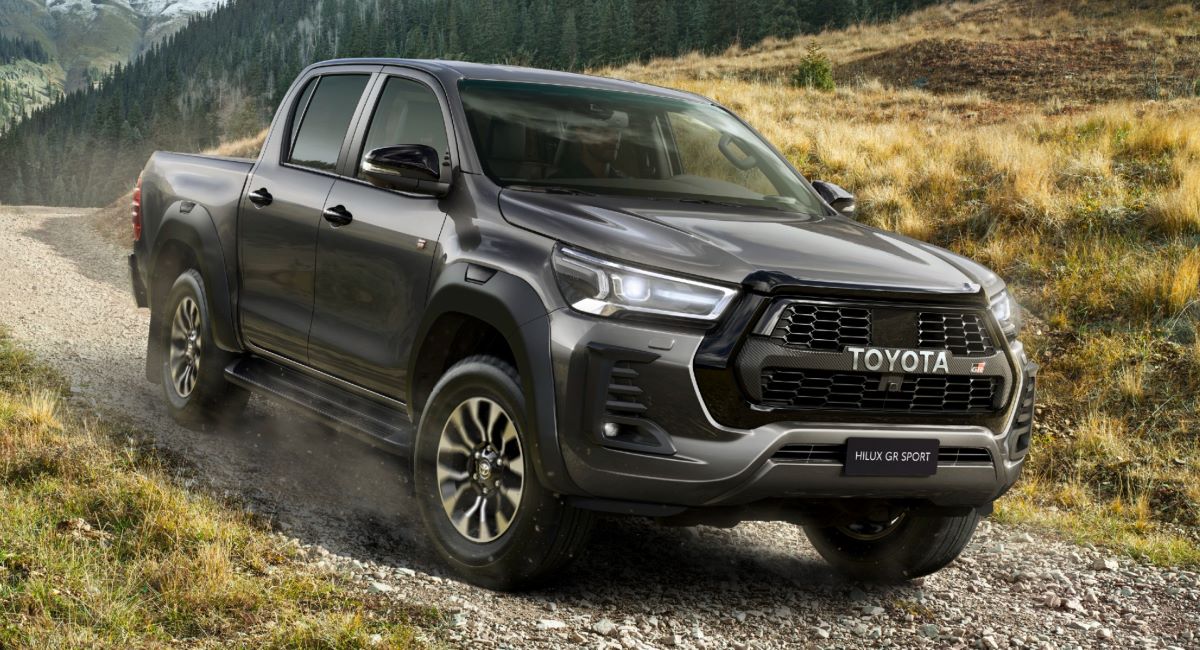
3. Toyota Hilux
Technically, the Toyota Hilux was never sold directly in the U.S. (we got its close cousin, the Toyota Tacoma). But its legend is too big to ignore.
Known worldwide for surviving war zones, desert torture tests, and even attempts by TV hosts to literally destroy it, the Hilux is the poster child of indestructibility.
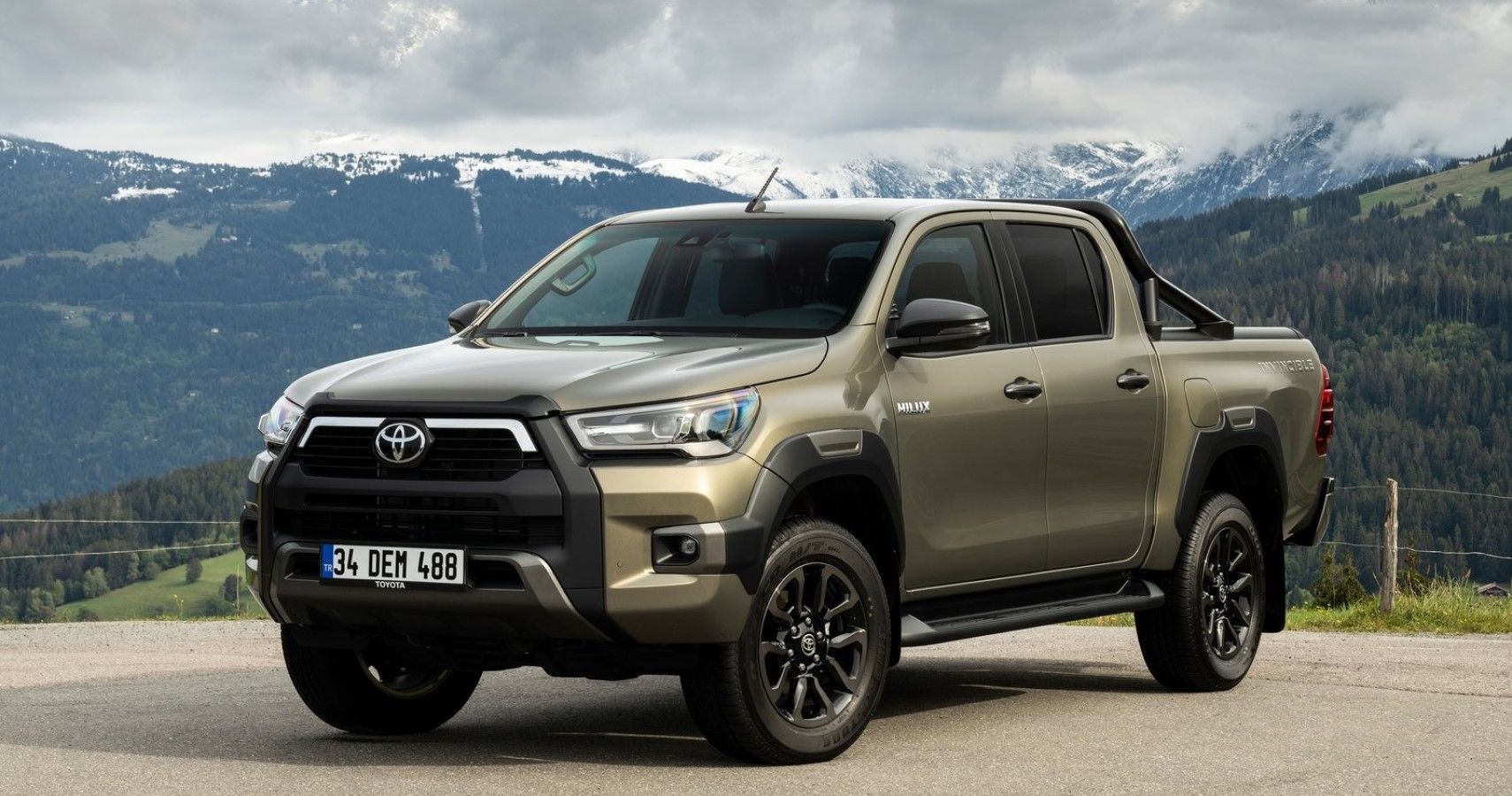
Many American buyers who want a taste of that reliability turn to the Tacoma, which inherited the Hilux’s DNA and has become one of the most trusted trucks in the States.
While Toyota has yet to confirm official details, all indications suggest the next-generation Hilux will debut in the second half of 2025 as a 2026 model.
Up front, the Hilux appears to be in line for a dramatic overhaul, adopting a sharper, more aggressive stance. Slimmer headlights are expected to flank a boxier grille, while the front bumper should gain sculpted side sections and a bold skid plate to emphasize its rugged, off-road-ready character.
The fenders will also be updated with prominent plastic cladding, and the rear will likely receive a redesigned bed, new taillights, and integrated bumper steps that add both style and utility.
Spy photos shared by Thai outlet Headlightmag provided a clearer look at the prototype. The truck displayed revised front and rear styling, though the middle section remained familiar, suggesting Toyota has retained the existing cab structure, roofline, and doors.
As before, a dual-cab configuration will be offered, but single-cab and chassis-cab variants are also expected to join the lineup.
Interior details remain scarce, but buyers can anticipate a more refined cabin, with improved materials, modernized technology, and tighter fit and finish. Toyota is likely to update the infotainment system and driver-assist features to meet growing expectations in this segment.
Beneath the skin, the new Hilux is expected to continue on an evolved version of the outgoing IMV ladder-frame platform rather than adopting Toyota’s more advanced TNGA-F architecture used in models such as the Tacoma and Land Cruiser.
This approach mirrors Toyota’s strategy with the Camry sedan and upcoming RAV4, focusing on major updates rather than a full redesign.
That said, mechanical improvements are anticipated. Toyota engineers are likely to fine-tune the suspension and steering systems to deliver a more refined driving experience.
The possible adoption of electric power steering could also allow for the integration of more sophisticated driver-assistance technologies. In addition, the next Hilux may adopt disc brakes on all four wheels across the lineup, an upgrade that would bring the truck more in line with modern rivals.
4. Volvo 240
When people think of Volvo, they think of safety. But the old Volvo 240 was more than a safe family car it was an unkillable box on wheels.
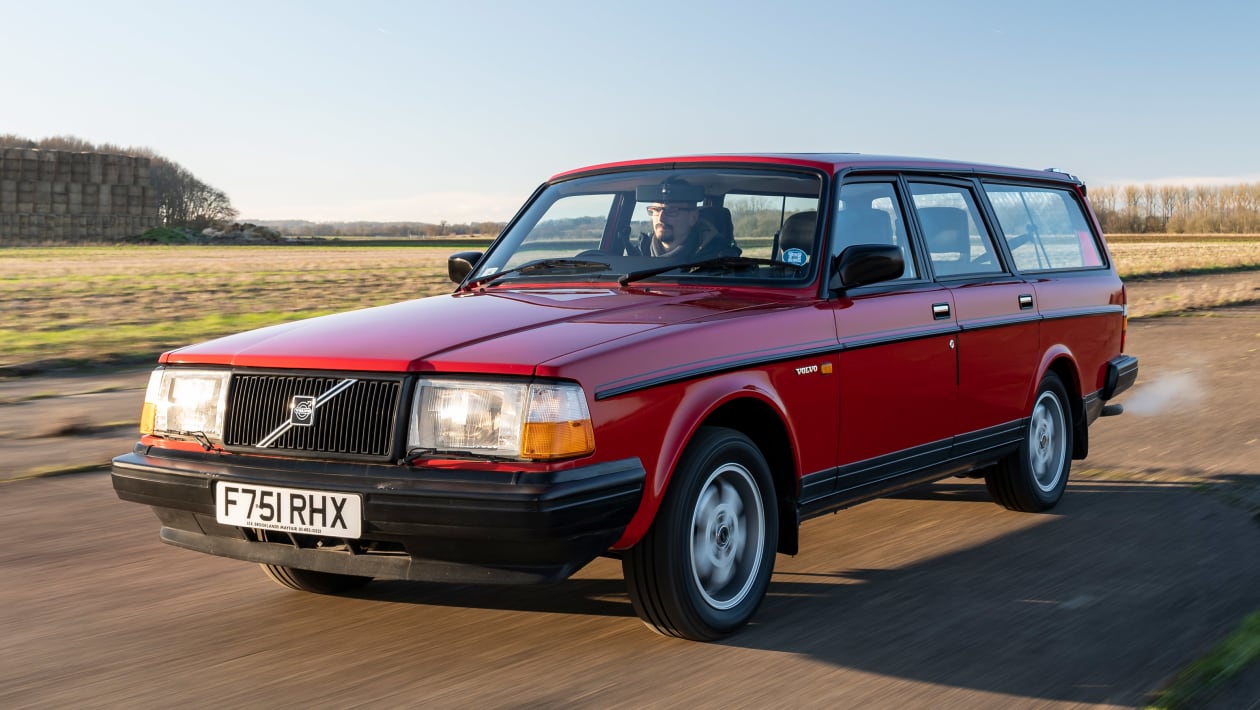
Built with simple, over-engineered parts and a reputation for durability, the 240 became a cult classic among American families in the 1980s and 1990s. Stories of 240s reaching half a million miles aren’t unusual.
While they may not be fast or stylish, they’re proof that simplicity and thoughtful engineering can outlast generations.
These days, Volvo is primarily recognized as an SUV brand, and that’s not necessarily a drawback considering how capable and well-executed its lineup of high-riding models has become.
Still, when most people hear the word “Volvo,” it’s unlikely that an SUV immediately springs to mind. More often than not, the mental image is of a boxy estate car, and in many cases, that estate is the iconic Volvo 240.
The design of the 240 is simplicity itself, yet instantly recognizable. It stands as a symbol of Volvo’s no-nonsense philosophy, a car whose square-cut proportions make it clear that practicality was always the priority. As with any Volvo, safety was also a defining factor in its creation, underpinning the entire ethos of the model.
Over the years, though, perceptions have shifted. Once seen as little more than a functional family hauler, the 240 has gained an aura of effortless cool. Its angular lines and honest approach to design now give it a charm that resonates with enthusiasts and casual admirers alike.
It certainly turned heads during our photoshoot, but while it’s easy to admire its exterior presence, the 240 deserves a closer look to truly appreciate what it represents.
The example featured here is part of Volvo UK’s heritage fleet. Registered in 1989 with an F-plate, it arrived about 15 years into the 200 Series’ production run.
Remarkably, the model would continue well into the 1990s, with Volvo ultimately ending production nearly two decades after the series first debuted. By the time it bowed out, close to three million units had been produced, a testament to its enduring appeal and practicality.
Yet despite its conservative beginnings, the 240 went on to achieve legendary status, proving that durability, safety, and practicality never go out of style.
5. Jeep Cherokee (XJ)
The Jeep Cherokee XJ, built from 1984 to 2001, is a legend in American automotive history. Its 4.0-liter inline-six engine is often described as “bulletproof,” with many examples lasting decades even with minimal care.
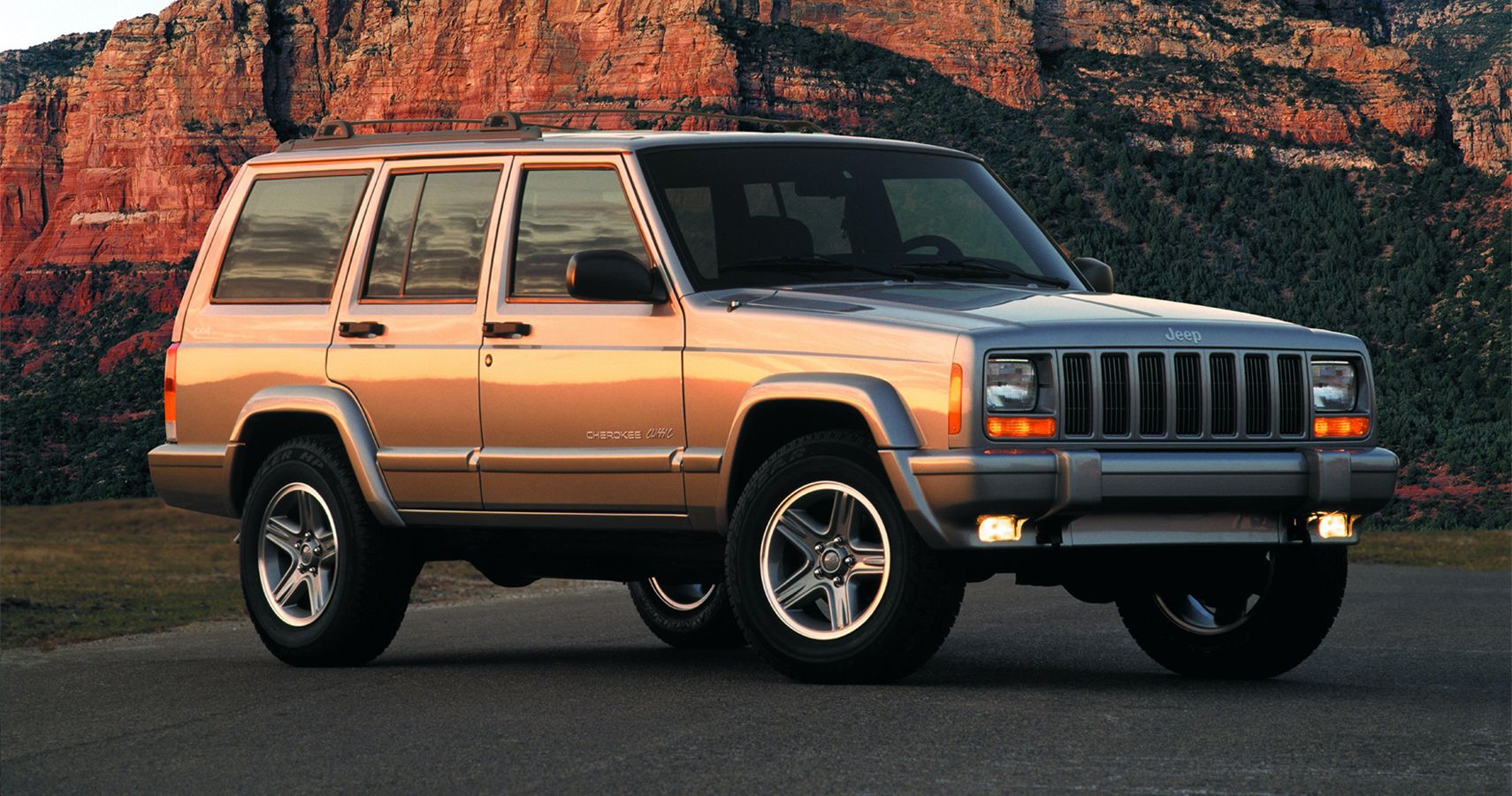
Hunters, campers, and off-road enthusiasts loved the XJ because it could take a beating on the trails and still start right up the next morning. Even today, you’ll find these boxy Jeeps still working on farms, ranches, and back roads across the country.
6. Mercedes-Benz W123
In the 1970s and 1980s, Mercedes-Benz was building cars for eternity. The W123, available as a sedan, wagon, or coupe, is arguably the most durable luxury car ever made.
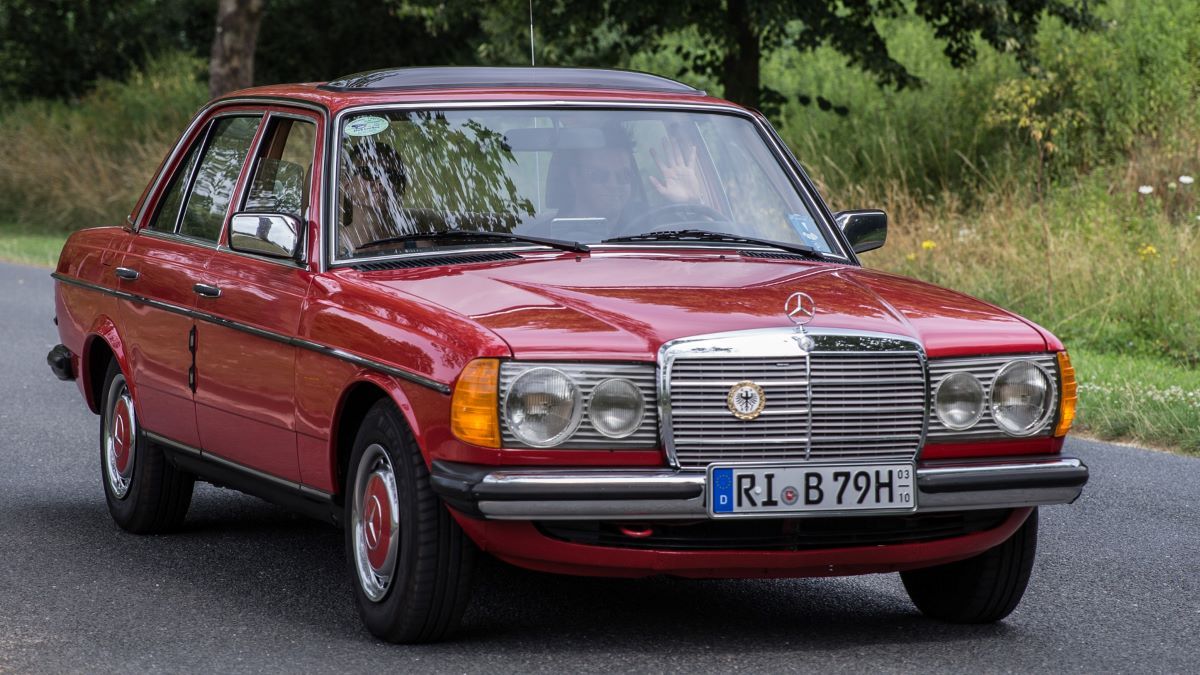
Diesel versions, in particular, are known for hitting one million miles with only routine maintenance. Taxi fleets around the world used them because they were cheap to run and nearly impossible to kill.
In the U.S., many of these cars are still cruising highways, offering a taste of classic German engineering that has aged like fine wine.
7. Subaru Outback
For Americans living in snowy states like Vermont, Colorado, or Washington, the Subaru Outback is practically a family member. Known for its symmetrical all-wheel-drive system and tough boxer engines, the Outback is beloved for its ability to handle harsh winters and rugged terrain.
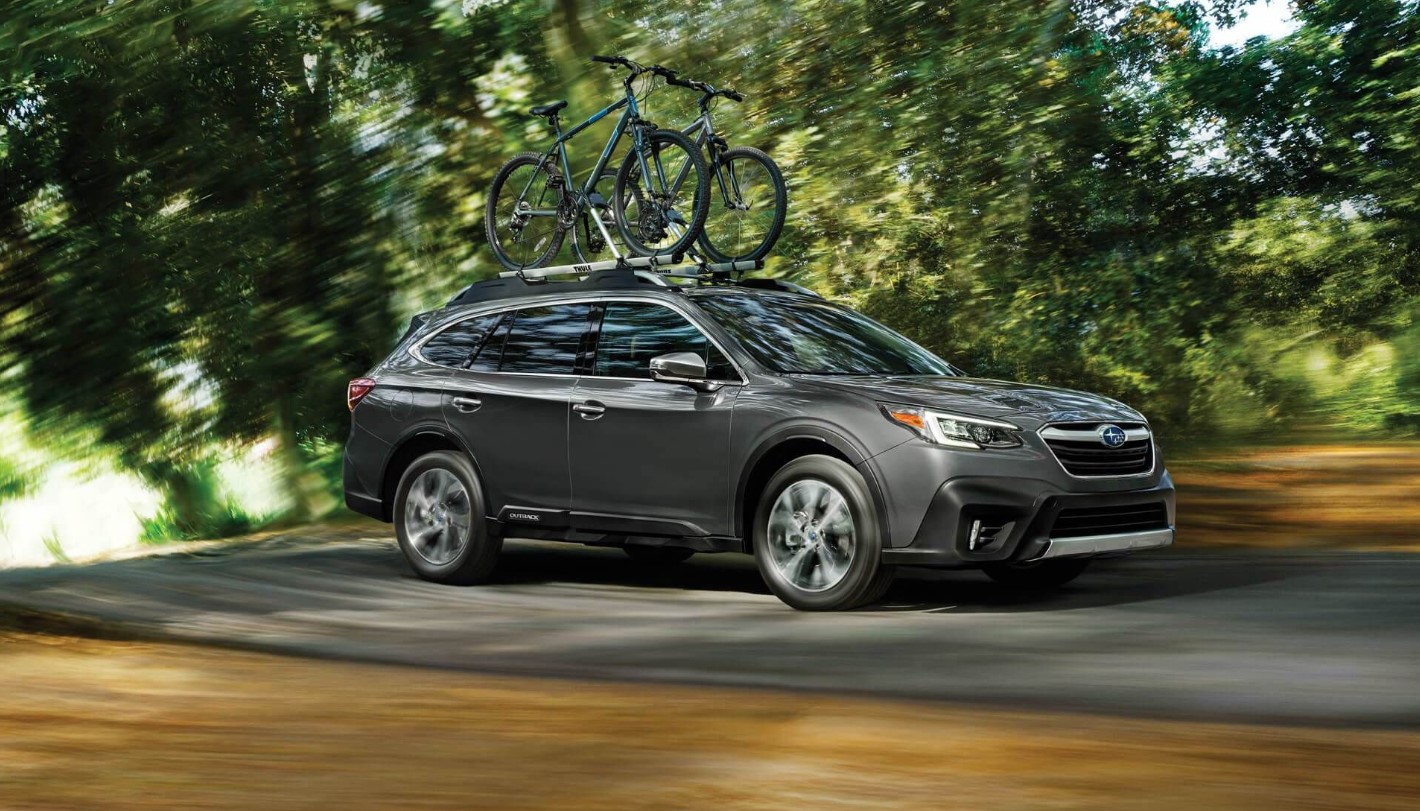
With regular oil changes, these wagons routinely push well past 250,000 miles. That explains why used Outbacks sell quickly, even when they’re decades old.
8. Ford Crown Victoria
If you ever took a taxi in New York or saw a police cruiser anywhere in the U.S., chances are it was a Ford Crown Victoria. Built on a full-size body-on-frame platform, the Crown Vic was as close as America got to a modern tank.
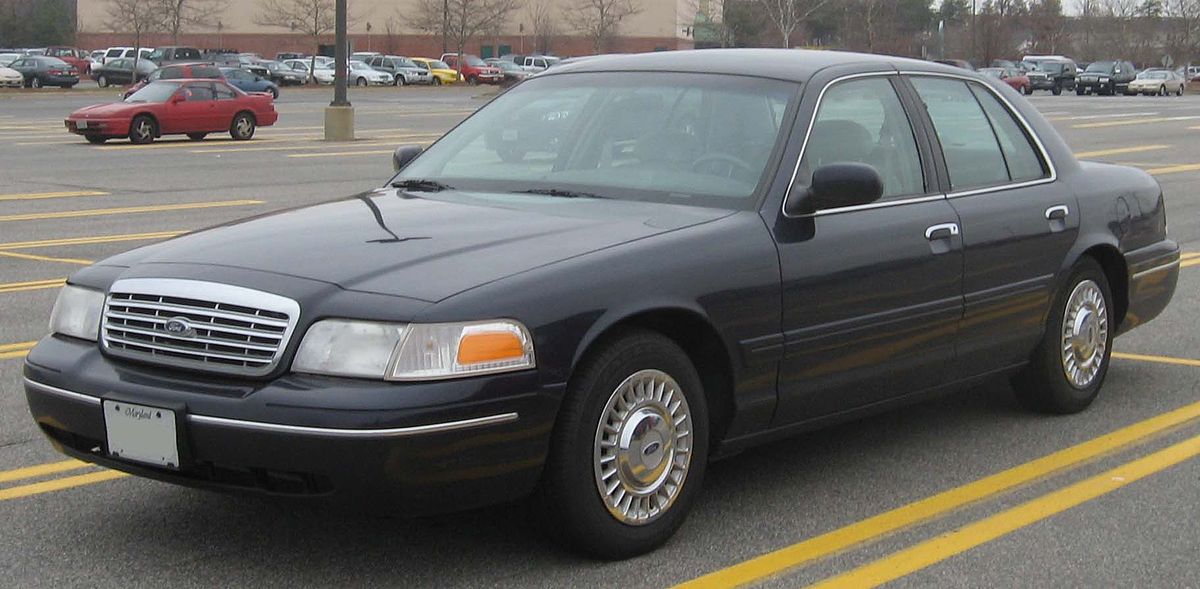
Its V8 engine and simple rear-wheel-drive layout made it cheap to maintain and almost impossible to wear out. Many former police cars have gone on to serve private owners for years, often surpassing 400,000 miles of tough city driving.
9. Toyota Corolla
If you ask a mechanic to name the most reliable car in the world, odds are they’ll say “Toyota Corolla.” Since its introduction in the 1960s, the Corolla has been the go-to choice for budget-conscious buyers who want a car that simply works.
While it’s not glamorous, the Corolla has a well-earned reputation for engines and transmissions that don’t quit. Owners frequently report reaching 300,000 miles with nothing more than basic maintenance. That’s why the Corolla remains one of the best-selling cars of all time.
The Toyota Corolla is powered by a 169-hp 2.0-liter four-cylinder engine that delivers its output to the front wheels through a continuously variable automatic transmission (CVT). This setup is standard across all hatchback models, while the sedan also offers the option of a hybrid powertrain.
In testing, both the Corolla SE hatchback and Corolla XSE sedan demonstrated solid composure around town and stability on the highway. However, acceleration demanded some patience, as hard throttle inputs led to coarse engine sounds that slightly detracted from overall refinement.
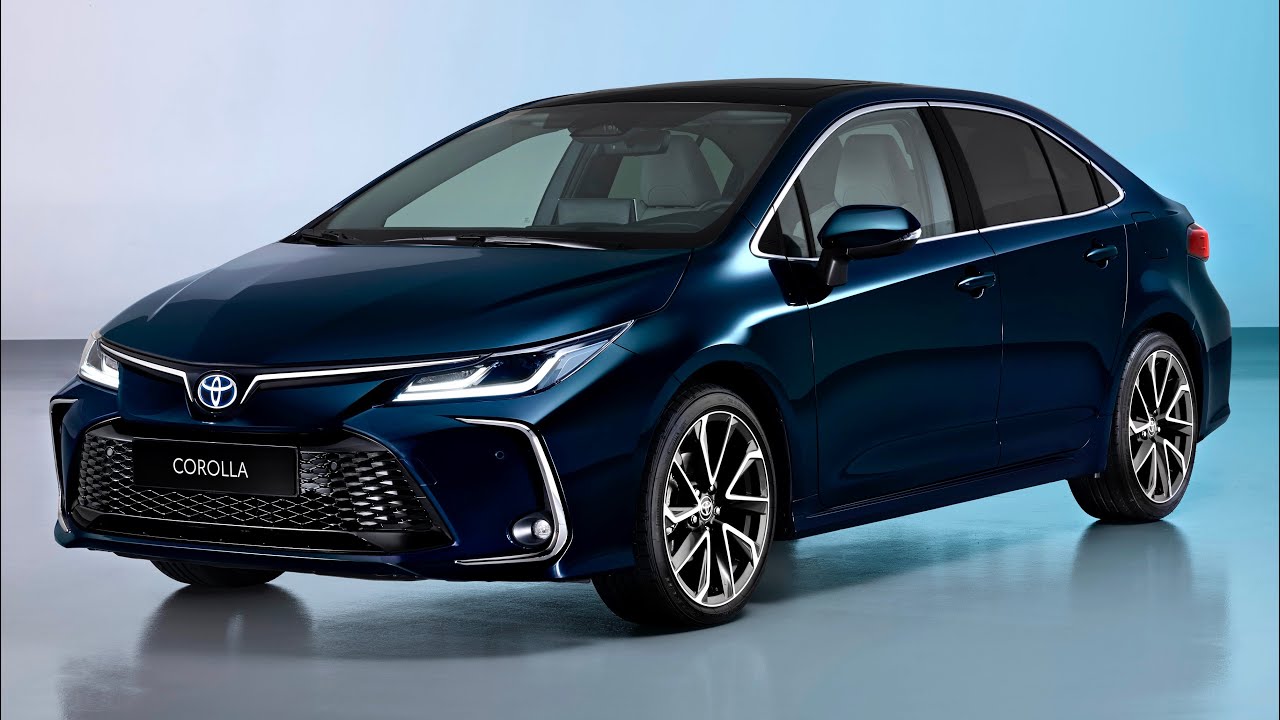
Ride quality remains a strong point, with both body styles delivering a smooth experience that effectively filters out most road imperfections. Additionally, their controlled body motions grant them a level of agility superior to earlier generations.
The SE and XSE trims distinguish themselves with sport-tuned suspensions for a firmer feel, while the XSE rides on larger 18-inch wheels compared with the 15- or 16-inch rims fitted to other versions.
Even so, when stacked against more dynamic rivals like the Mazda 3 and Honda Civic, the Corolla’s steering, while progressive and predictable, falls short of being truly engaging.
In braking tests from 70 mph, neither Corolla body style stood out, requiring between 174 and 183 feet to come to a stop. That said, both models impressed with brake pedals that delivered natural, dependable responses to driver inputs.
10. Lexus LS400
When Toyota launched its luxury division, Lexus, in 1989, the LS400 was its flagship sedan. What set it apart wasn’t just its quiet ride and luxury features but its indestructible V8 engine.
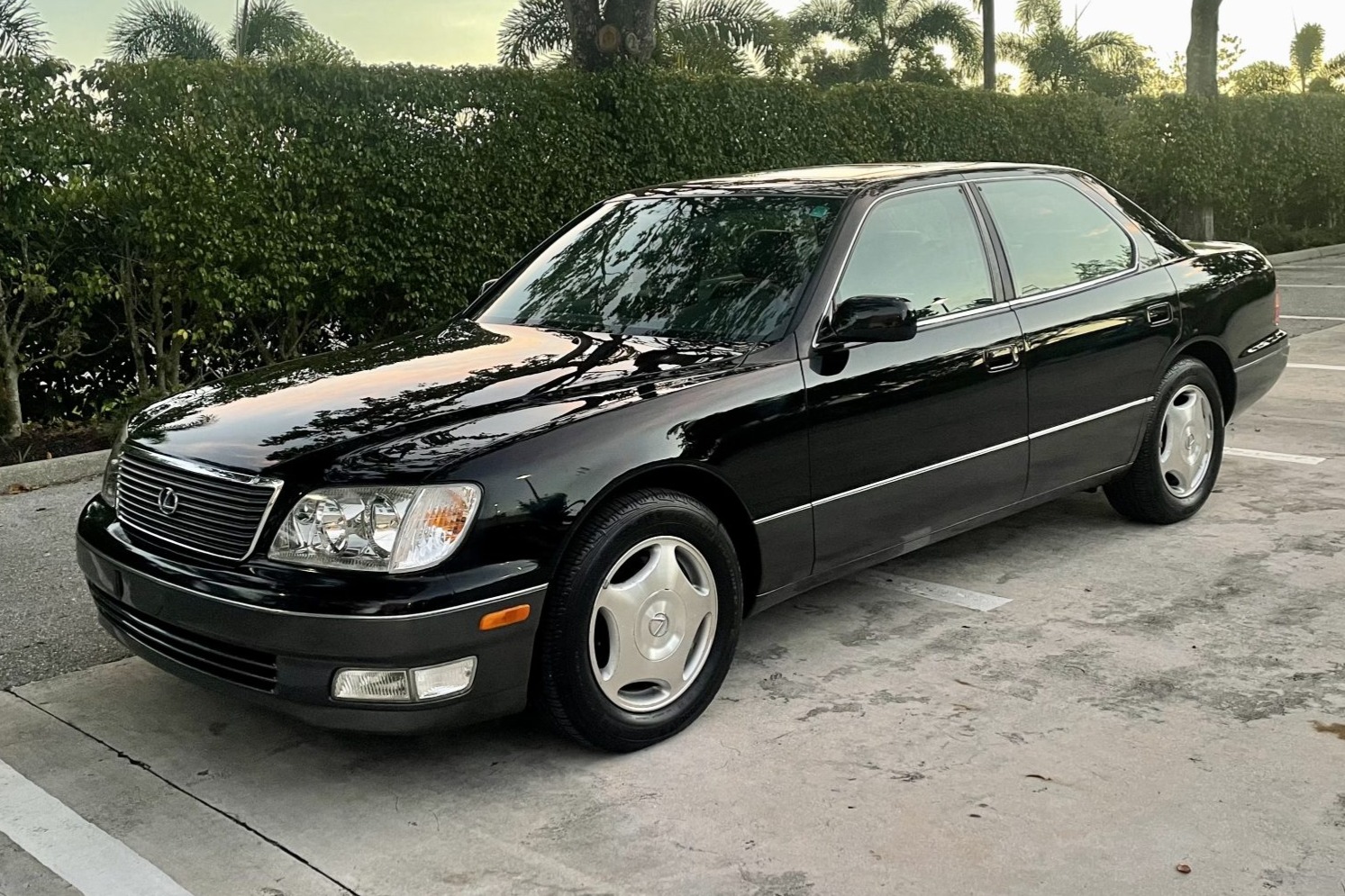
The LS400 was engineered to show the world that Japanese luxury could outlast German rivals, and it succeeded. Today, well-maintained LS400s still glide effortlessly down highways with 400,000 miles or more, proving that durability and luxury can coexist.
Lexus was created with a clear mission: to build cars as luxurious and rewarding as the Germans while offering something those brands lacked, rock-solid commuter-car reliability.
That vision materialized with the 1990 LS400 sedan, launched alongside a bold business strategy to undercut traditional luxury marques on price while providing customers with an unmatched dealership experience. The approach worked brilliantly.
The cars and, later, SUVs lived up to their promises, while Lexus dealers raised expectations industry-wide with perks like complimentary breakfasts and waiting areas that felt more like lounges than service centers. By the early 2000s, Lexus had firmly secured its place among the world’s top-tier luxury brands.
While we can’t turn back the clock and savor those croissants in a Lexus showroom, we can revisit the significance of the brand’s debut by driving an original LS400 at Toyota’s U.S. headquarters in Plano, Texas.
The company acquired this pristine example in 2006 with just 16,766 miles on the odometer, and it has accumulated fewer than 1,000 miles since. Short of stumbling across a car still wrapped in its factory plastic, this sedan is about as close as one can get to experiencing a brand-new, first-year LS400.
Despite the impact it made on the luxury market, the LS400 itself wasn’t groundbreaking in a flashy way. Its design was understated, clean, and timeless, though nearly anonymous when compared with the bold, spindle-grille-heavy styling of today’s Lexus models.
11. Chevrolet Silverado 1500
For American truck owners, the Silverado has long been a symbol of strength. Certain model years, particularly those from the late 1990s and early 2000s, earned a reputation for reliability that rivals Toyota.
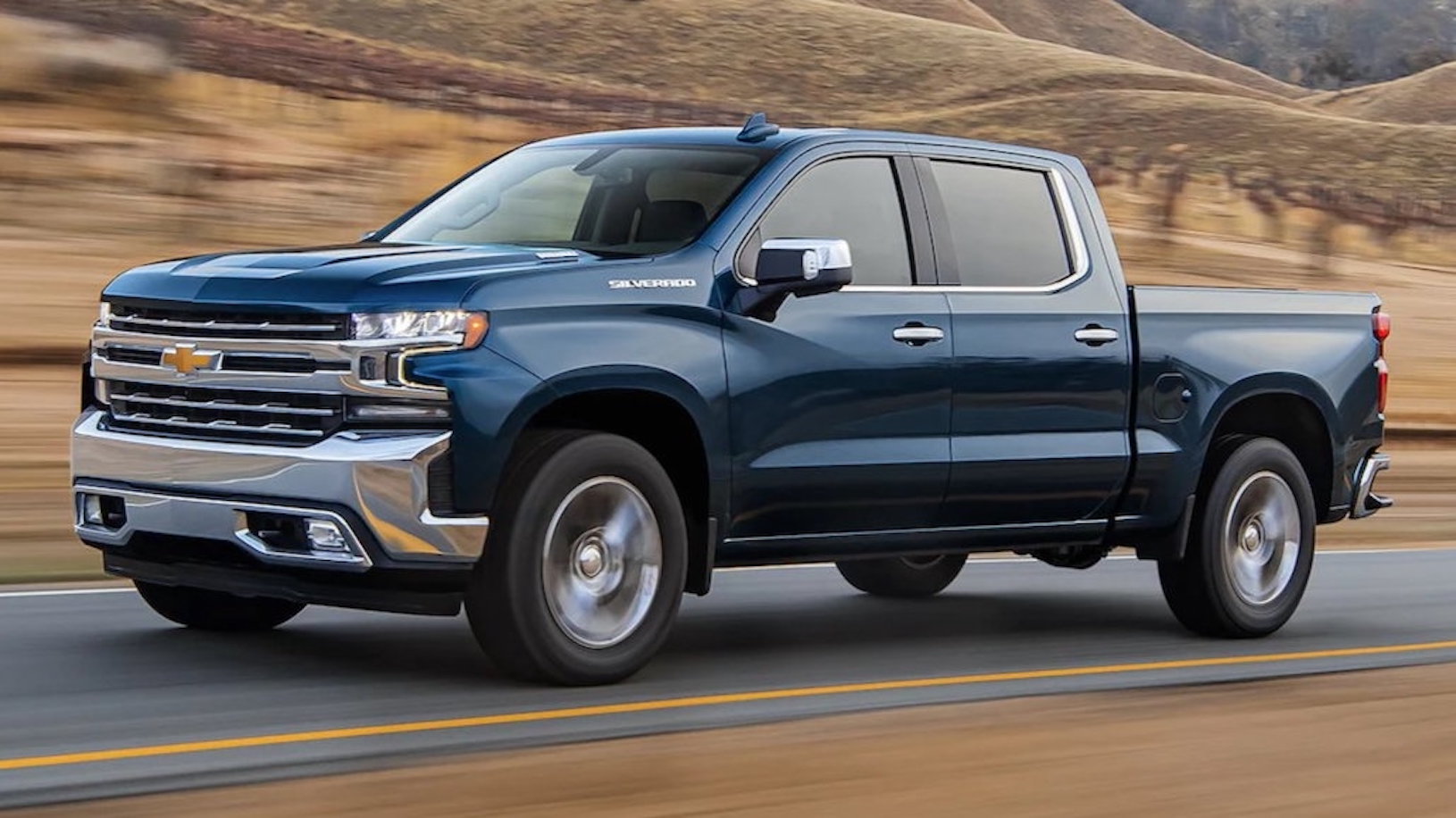
These trucks can handle punishing workloads, from hauling construction gear to towing boats, without skipping a beat. Many Silverado 1500s are still running strong past 300,000 miles, making them a cornerstone of American work culture.
The Chevrolet Silverado remains the brand’s bread-and-butter pickup, and while the 2022 model brought a significant midcycle update, including refreshed styling inside and out, the introduction of Super Cruise semi-autonomous driving, and the debut of the off-road-focused Silverado ZR2, the 2023 version receives only minor changes.
A full EV variant is also on the horizon. Competing directly with other full-size mainstays such as the Ford F-150, Ram 1500, and Toyota Tundra, the Silverado continues to be a pillar of Chevy’s lineup.
One of the Silverado’s greatest strengths lies in its versatile engine lineup. Even the entry-level 2.7-liter turbo-four provides smooth, confident acceleration, while both V-8 options and the turbodiesel inline-six deliver impressive power and efficiency.
That said, we did notice less-than-ideal throttle response in a pre-refresh Silverado equipped with the 5.3-liter V-8, and unlike rivals Ford and Ram, Chevrolet does not yet offer a hybrid option. In testing, the Silverado ZR2 powered by the 6.2-liter V-8 proved highly capable during towing, with smooth shifts and reassuring brake performance.
Utility remains another strong point. The Silverado offers exceptionally spacious bed options, practical rear bumper corner cutouts for easier access, and a versatile six-function tailgate that provides genuine functionality beyond marketing appeal.
Inside, the cabin is roomier than that of the Ford F-150, and the Silverado boasts a towing capacity of up to 13,300 pounds. Historically, the Silverado has faced criticism for its uninspired interior design and outdated infotainment technology.
Fortunately, the 2022 refresh corrected many of these shortcomings, with the exception of the lower Work Truck and Custom trims. The redesigned cabin, coupled with the availability of Super Cruise, marked a substantial improvement over earlier versions.
As with most trucks in this category, Chevrolet offers a wide selection of engines for the Silverado 1500. All four available powertrains can be paired with either rear- or four-wheel drive, and none of them disappoint.
Looking ahead, no new engines are expected until Chevrolet introduces the all-electric Silverado, which is slated to arrive as a 2024 model.
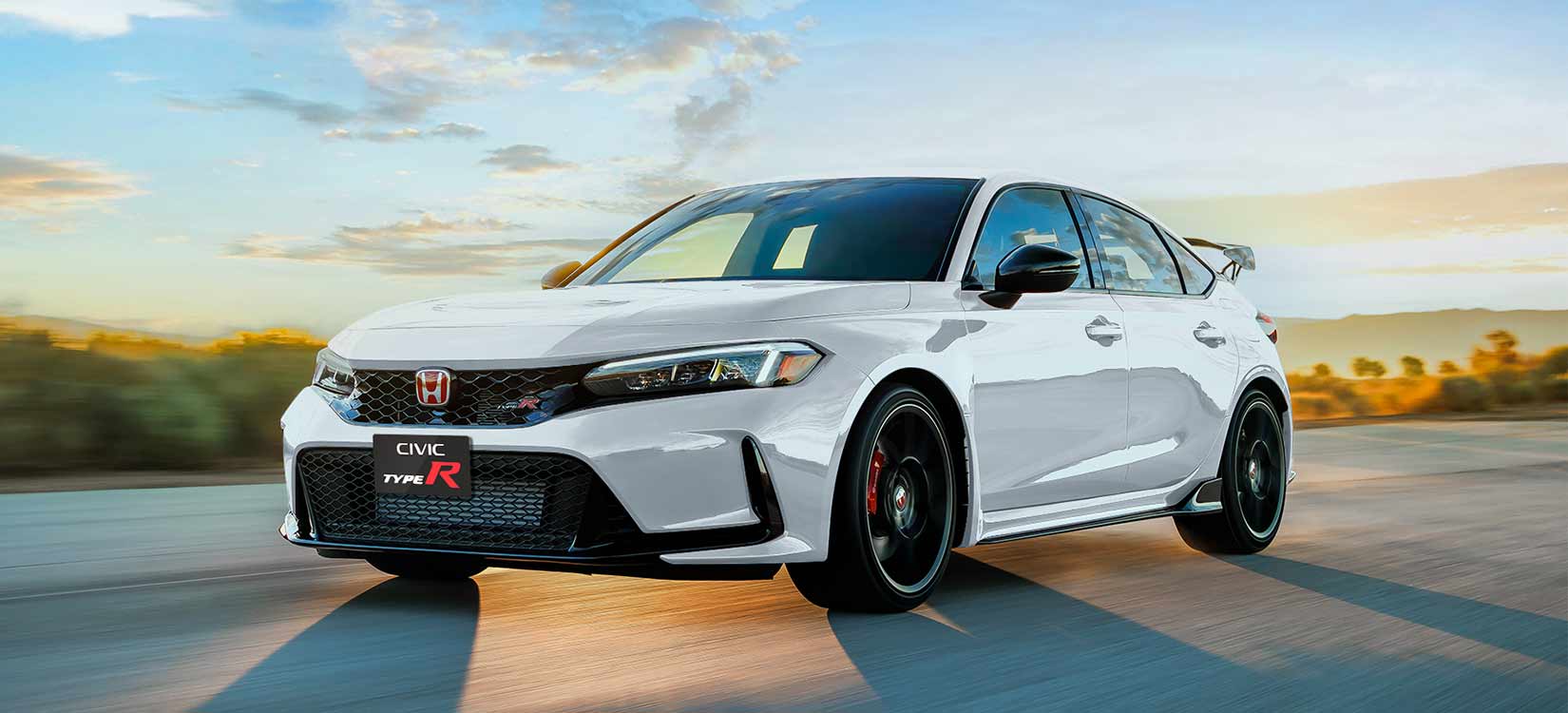
12. Honda Civic
No list of immortal cars is complete without the Honda Civic. From the early hatchbacks of the 1970s to the commuter sedans of the 2000s, the Civic has always been built with one thing in mind: longevity.
These cars are simple, efficient, and ridiculously tough. A Civic can spend years enduring teenage drivers, college road trips, and long commutes and still be ready for another hundred thousand miles.
Their engines are so reliable that Civics often find a second life in motorsports, being modified for track days and racing events long after other cars would be in the junkyard.
Cars may be machines, but certain models have earned an almost mythical reputation for being unstoppable.
From the desert-tested Toyota Land Cruiser to the city-beaten Ford Crown Victoria, these vehicles show that good engineering, simple design, and proper maintenance can give cars a second, third, and even fourth life.
In an era when many modern vehicles are crammed with fragile electronics and overly complex systems, these “immortal” cars stand as proof that sometimes, durability is the greatest luxury of all.
