
When it comes to hitting the open road, not all SUVs are created equal. Some models are built to handle long stretches of highway driving, loaded cargo, and changing terrain with ease, while others may struggle, leaving drivers frustrated or worse, stranded.
In this guide, we compare 5 SUVs that stay road trip ready with 5 that fall apart under the stress of extended journeys. From rugged off-roaders to city-friendly crossovers, we examine the engineering, comfort, performance, and reliability that define each vehicle’s suitability for long-distance travel.
Vehicles like the Toyota 4Runner, Volkswagen Atlas, and Honda CR-V Hybrid combine durability, passenger comfort, and practical cargo space, making them dependable companions on any adventure.
On the other end of the spectrum, models such as the Fiat 500, Jeep Renegade, and Mini Cooper reveal their mechanical and design limitations when pushed beyond urban streets.
Whether you’re planning a weekend getaway or a cross-country expedition, understanding which SUVs can handle the demands of the road and which are likely to disappoint is essential.
5 SUVs That Stay Road Trip Ready
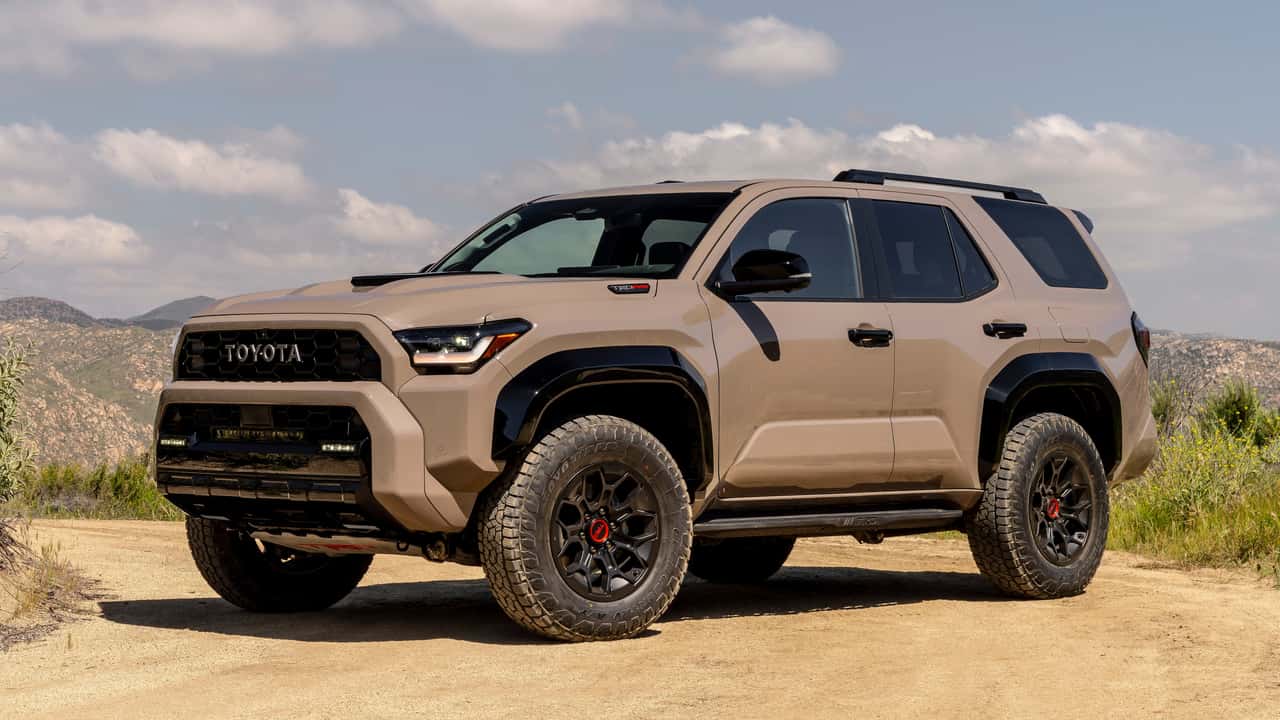
1. Toyota 4Runner: A New Era of Rugged Utility
The sixth-generation Toyota 4Runner marks a significant shift from tradition by replacing its longstanding V6 with a 2.4L turbocharged four-cylinder hybrid engine. This new setup produces 278 horsepower at 6,000 rpm and 317 lb-ft of torque at 1,700 rpm, paired with fuel economy of up to 23 mpg combined.
While official 0–60 mph times are unconfirmed, Toyota’s hybrid versions are expected to outperform the gas-only variant slightly, with test numbers around 7.7–8.2 seconds.
On-road performance is mixed. The 4Runner delivers enough strength for city and highway driving, but ride quality lags behind rivals. Body roll and a restless rear suspension reduce comfort even on smooth pavement.
Steering feels light but imprecise, requiring extra input for simple maneuvers. Compared to competitors, it’s more comfortable than the Ford Bronco and Jeep Wrangler, yet trails the Honda Passport in road refinement.
The cabin mirrors the Tacoma pickup’s layout but includes practical differences like extra storage bins. A third row is available but best suited for children due to limited space. Front seats offer comfort, though rear passengers face tighter legroom, flat cushions, and small rear doors that complicate child seat installation.
Noise isolation is adequate, but when pushed, the four-cylinder engine emits an unrefined and unpleasant tone. On the positive side, Toyota keeps climate controls simple with chunky knobs and quick heating/cooling capability.
The 4Runner’s tech package blends modern convenience with some limitations. Depending on the trim, buyers get either an 8-inch or 14-inch touchscreen, both supporting wireless Apple CarPlay and Android Auto.
Multiple USB ports and an available wireless charger enhance usability, though the charger’s grip is weak. Toyota’s native navigation is intuitive and voice-command friendly, but after a short trial, it requires a paid data plan making smartphone integration a more practical choice.
In terms of practicality, the 4Runner offers 48.4 cubic feet of cargo space behind the rear seats, with a more manageable load height compared to hybrid competitors. The third row drastically cuts capacity to just 12.1 cubic feet, limiting family-hauling potential.
On the upside, its 6,000-pound towing capacity outperforms several rivals. Interior storage solutions include door pockets, a shelf above the glovebox, and an L-shaped bin by the shifter.
Pricing varies widely across trims. Entry-level versions remain relatively affordable, but higher trims like the TRD Pro and Trailhunter push into the high $60,000s, with even non-hybrid Limited models exceeding $60,000. Despite steep pricing, the 4Runner impresses with solid build quality and quiet durability, even during off-road use.
Fuel economy depends on configuration. 2WD gas-only models deliver 22 mpg combined, while 4WD gas versions average 21 mpg. The hybrid improves efficiency slightly to 23 mpg combined, putting it ahead of off-road rivals like the Bronco and Wrangler, including the plug-in Wrangler 4xe.
Where the 4Runner truly shines is off-road. On pavement, it drives like a truck, but once in dirt, mud, or rugged trails, it comes alive. Styling cues such as the rugged Tacoma-inspired nose and retro TOYOTA grille badge further highlight its adventurous character.
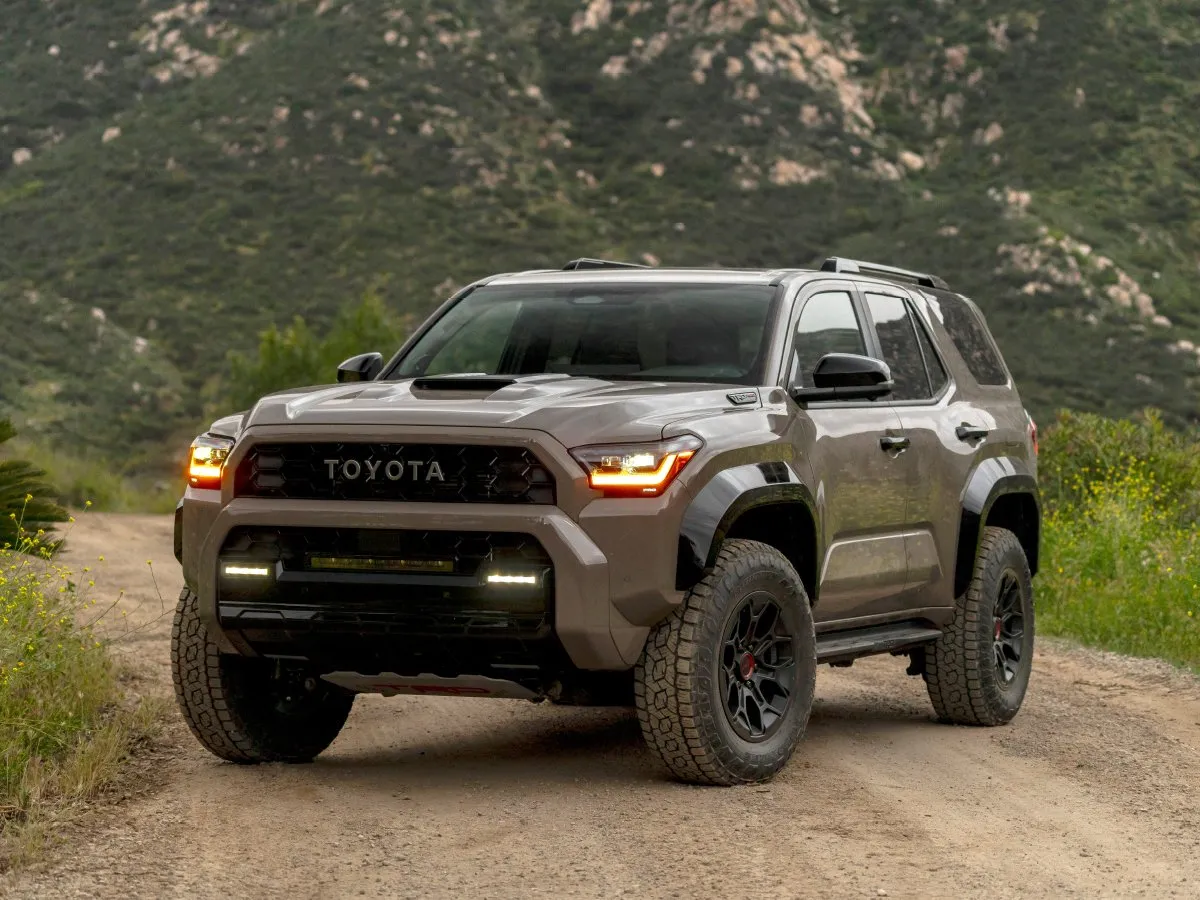
2. Volkswagen Atlas: Spacious Comfort with Subtle Refinements
The 2025 Volkswagen Atlas continues with its 2.0L turbocharged four-cylinder engine, producing 269 horsepower at 5,500 rpm and 273 lb-ft of torque at 1,600 rpm. Paired with a smooth automatic transmission, it accelerates from 0–60 mph in 6.9 seconds, making it adequately quick for a family SUV of its size. Fuel economy averages 21–23 mpg combined, a typical range for the midsize three-row SUV segment.
While the engine delivers sufficient highway passing power, low-speed response can feel uneven, especially in stop-and-go traffic or when towing. The Atlas is rated to tow up to 5,000 pounds, on par with class rivals.
Steering is precise, brakes are well-calibrated, and cornering grip is solid, though noticeable body lean prevents it from feeling sporty. Ride comfort is a highlight, striking a balance between softness and road connection without feeling floaty.
The Atlas prioritizes passenger comfort with spacious seating across all three rows. Front seats are supportive, featuring long cushions ideal for taller drivers. Higher trims even add lumbar adjustment, massaging functions, and perforated upholstery. Second-row seats, however, are too flat, while the third row, though roomy, has tall headrests that may press uncomfortably against passengers’ upper backs.
Still, the third-row entryway is among the most generous in the class, thanks to second-row seats that slide and tilt forward. This makes the Atlas one of the few midsize SUVs that can comfortably accommodate tall adults in all three rows.
Climate control impresses with a powerful three-zone system and well-placed vents, ensuring consistent comfort throughout the cabin. Noise isolation is good, with only a pleasing engine growl noticeable during hard acceleration.
The Atlas is well-equipped with tech features, headlined by a 12-inch central touchscreen. Wireless Apple CarPlay and Android Auto are standard, as are multiple USB-C ports and a wireless charging pad. The infotainment system’s menus are straightforward, but graphics look dated, and built-in navigation lags behind smartphone apps in accuracy and usability.
Where the Atlas struggles is ease of use. Touch-sensitive climate and volume sliders unlit at night can be frustrating and distracting while driving. Many drivers will wish for the return of traditional knobs and buttons.
Cargo capacity is one of the Atlas’ strongest selling points. With 20.6 cubic feet of storage behind the third row and an expansive 96.6 cubic feet with both rear rows folded flat, it offers near minivan-like versatility. The folding mechanism is manual, but both rows stow flush to the floor, maximizing space. Interior storage is generous in the front and third row, though the second row has fewer cubbies.
The Atlas is priced competitively within the midsize SUV segment. Build quality is solid, though interiors lack the polish of premium rivals such as the Kia Telluride. Volkswagen offsets this with strong warranty coverage four years/50,000 miles for both basic and powertrain, plus two years/20,000 miles of complimentary maintenance, a rarity in this class.
With real-world fuel economy near 22 mpg, the Atlas is neither a standout nor a disappointment in efficiency. Its true strengths lie in roominess, comfort, and practicality, making it an excellent family transporter. Though it lacks driving excitement, its distinctive styling particularly with the R-Line trim adds visual appeal.
Ultimately, the Volkswagen Atlas is a competent, spacious, and well-equipped SUV that shines in family utility while leaving some room for refinement in driving feel and interior usability.
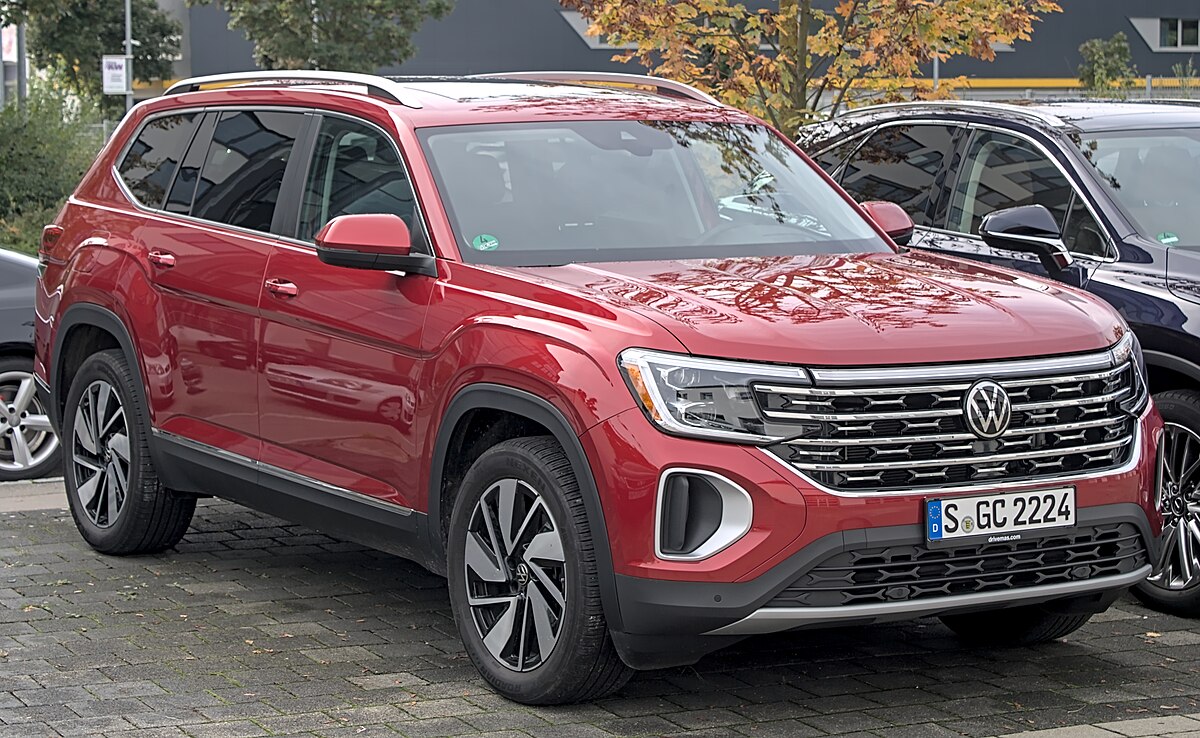
3. Hyundai Tucson: Stylish, Comfortable, and Value-Packed
The 2025 Hyundai Tucson is powered by a 2.5L naturally aspirated inline-four engine, producing 187 horsepower at 6,100 rpm and 178 lb-ft of torque at 4,000 rpm.
It achieves 26 mpg combined, making it slightly more efficient than some rivals in the compact SUV class. Despite decent fuel economy, acceleration is one of its weakest points the Tucson requires over 9 seconds to hit 60 mph, placing it among the slower crossovers available.
On the road, the Tucson delivers a comfortable and composed ride, thanks to a suspension that absorbs bumps and uneven pavement with ease. Steering is direct and responsive, and visibility is excellent due to a large windshield and slim roof pillars.
However, the lack of engine punch makes passing maneuvers and highway merges sluggish. Advanced driver aids, including adaptive cruise control, blind-spot monitoring, and parking sensors, enhance the driving experience, though the sensors’ constant alerts can be irritating in tight spaces.
Hyundai has given the Tucson an upscale interior for 2025, with high-quality materials and thoughtful design choices. Front seats are supportive, featuring plush cushions and available power lumbar adjustments. Higher trims like the Limited approach near-luxury quality in seating comfort.
Rear passengers enjoy abundant legroom, headroom, and shoulder room, with reclining seatbacks for added comfort. This spaciousness also benefits families, as bulky car seats fit with ease, aided by easily accessible LATCH anchors.
The Tucson sits slightly lower than traditional SUVs, making entry and exit simple. Cabin quietness is excellent under normal driving, though the engine becomes coarse when pushed. One drawback is Hyundai’s heavy reliance on touchscreen controls for climate and other functions, which lack tactile feedback and can frustrate drivers who prefer physical buttons.
Technology is a strong point for the Tucson. Entry-level trims feature a 12.3-inch infotainment touchscreen paired with an analog gauge cluster, while higher trims integrate a dual 12.3-inch digital instrument panel and touchscreen display. Wireless Apple CarPlay and Android Auto are standard across all trims, and Hyundai’s own navigation system is clear and easy to use.
Voice recognition is another highlight, working seamlessly without requiring overly strict prompts. A new driver drowsiness monitoring system further enhances safety. Updates for 2025 include a revised steering wheel and improved interior storage areas.
Practicality is one of the Tucson’s standout features. Behind the rear seats, it offers 38.7 cubic feet of cargo space, one of the largest in its class. Folding the seats expands storage to 74.8 cubic feet, creating a nearly flat load floor and low liftover height for easy loading. Throughout the cabin, small-item storage is plentiful, with well-sized cupholders and clever compartments for everyday use.
The Tucson is competitively priced against rivals like the Honda CR-V and Toyota RAV4, but it distinguishes itself with generous features and excellent warranty coverage.
Hyundai backs the SUV with a five-year/60,000-mile basic warranty and a 10-year/100,000-mile powertrain warranty, among the best in the industry. The upscale interior design and standard tech features make it feel more premium than its price suggests.
With an EPA-estimated 25 mpg combined in AWD models, the Tucson holds its own in real-world driving but falls slightly short of more efficient competitors. The expressive styling, hidden headlights, and advanced tech like remote-controlled parking add personality. However, the sluggish engine and occasionally clunky transmission prevent it from delivering a truly engaging drive.
In the end, the 2025 Hyundai Tucson excels in comfort, space, technology, and value, making it a smart and stylish choice for families, even if it lacks the performance edge of some competitors.
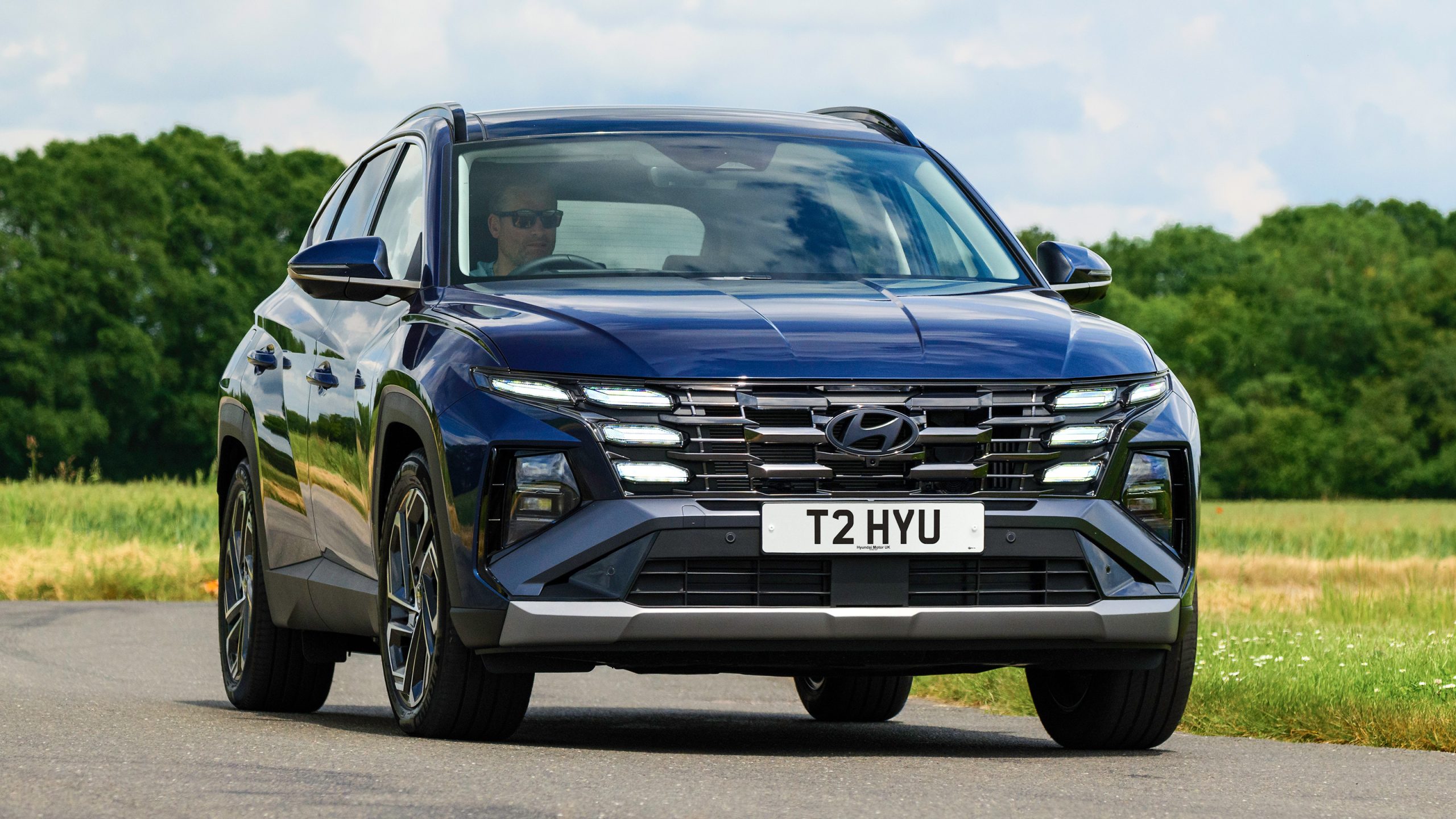
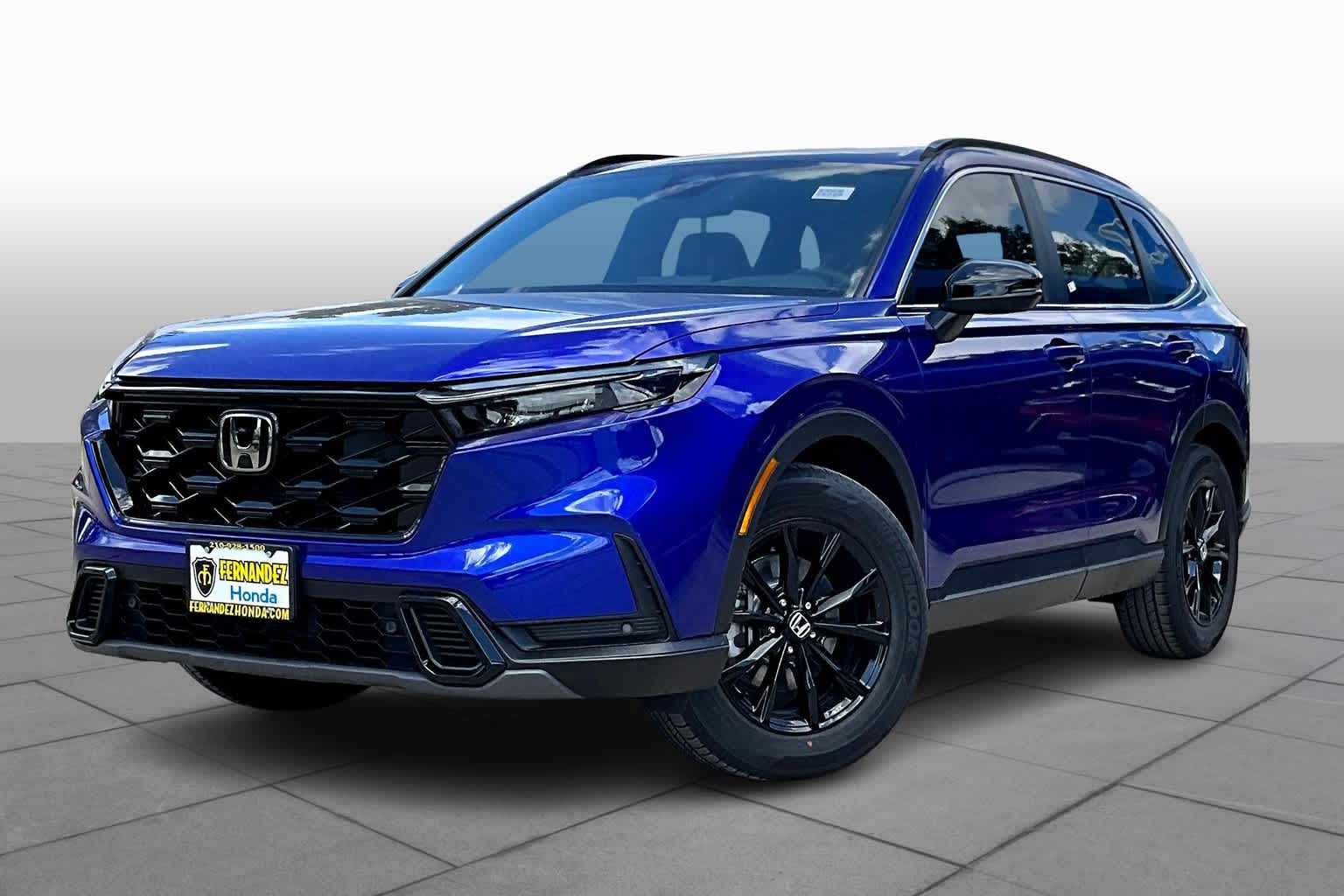
4. Volvo XC60: Scandinavian Luxury Meets Hybrid Power
The 2025 Volvo XC60 enters the model year with only minor updates, having received a more substantial refresh last year. As a compact luxury SUV, it combines Scandinavian design, advanced hybrid technology, and a strong emphasis on comfort.
Some competitors provide greater performance or interior space, but the XC60 remains a persuasive choice thanks to its refinement, fuel efficiency, and pricing that undercuts many rivals.
Two powertrains are offered: the B5 and the T8 plug-in hybrid. Both use a 2.0L turbocharged four-cylinder, with the B5 producing 247 horsepower and 266 lb-ft of torque, good for a 6.5-second 0–60 mph time. The T8 PHEV pairs the same engine with an electric motor, delivering a combined 455 horsepower and up to 35 miles of electric driving range.
The T8 version is especially impressive, sprinting from 0–60 mph in 4.7 seconds and showing strong responsiveness on the road. The hybrid system provides smooth, instant torque, though in pure EV mode acceleration is modest (11.6 seconds to 60 mph). Adaptive suspension ensures stability on winding roads, while braking performance is strong, with a 116-foot panic stop on all-season tires.
The XC60 prioritizes comfort at every level. Seats in both rows are among the best in the class, offering premium materials such as optional wool upholstery. The rear bench features an elevated cushion that provides excellent thigh support without compromising headroom.
Ride quality is composed across varied surfaces, and the climate control system performs well even on hot days. Rear passengers benefit from vents positioned at chest height in the door pillars, a design that enhances airflow distribution. Some wind noise near the mirrors and roof is noticeable, and the four-cylinder engine can transmit mild vibrations, but these factors do not detract from the sense of refinement.
Inside, the XC60 reflects minimalist Scandinavian aesthetics, with a clean cabin layout and high-grade materials. Visibility is excellent, the seating position is natural and supportive, and ingress/egress is effortless thanks to hip-level seating. Passenger space is generous both front and rear, making it well-suited for families.
One point of criticism is the joystick-style gear selector, which requires two nudges to select drive or reverse. This unconventional design introduces unnecessary complexity in daily driving.
The portrait-style central touchscreen is one of the XC60’s most debated features. It removes most physical buttons, simplifying the dashboard, but many controls such as drive mode selection are hidden in submenus. The vertical format also leaves the backup camera display looking smaller than expected.
Technology integration, however, is strong. The XC60 uses Google’s operating system, providing Google Maps, Google Assistant voice controls, and seamless Apple CarPlay (though wireless CarPlay is not yet available). Adaptive cruise control with stop-and-go functionality works smoothly, and the optional Bowers & Wilkins audio system delivers exceptional sound quality.
The XC60 offers 29.7 cubic feet of cargo space behind the second row, ample for luggage or golf bags. Folding the seats creates space for larger items. The cabin includes useful cubbies and storage bins, though door drink holders are too small for oversized bottles. A rear-facing child seat fits comfortably in the middle seat without limiting front passenger space, adding to its practicality for families.
Testing revealed an electric range of 38.9 miles, surpassing the EPA’s 35-mile estimate. Once the gas engine engaged, fuel economy measured 25.8 mpg, just short of the EPA’s 28 mpg combined figure. Considering the SUV’s 455-horsepower output, these results highlight the XC60’s ability to balance performance with efficiency.
A fully equipped XC60 T8 is priced around $70,000, positioning it below luxury competitors like the BMW X5 xDrive50e when equally outfitted. The XC60’s stylish cabin, premium materials, and refined character reinforce its appeal at this price point.
Warranty coverage includes four years/50,000 miles for both basic and powertrain, plus eight years/100,000 miles for hybrid components. Volvo also provides three years of complimentary scheduled maintenance, a benefit that many luxury brands no longer include.
The 2025 Volvo XC60 stands out with its blend of Scandinavian design, comfort, and plug-in hybrid technology. Though the touchscreen interface and gear selector could be more user-friendly, the XC60 shines with its exceptional seating, responsive performance, strong hybrid range, and premium value. For buyers seeking a stylish yet practical luxury SUV, it makes a compelling case in the segment.
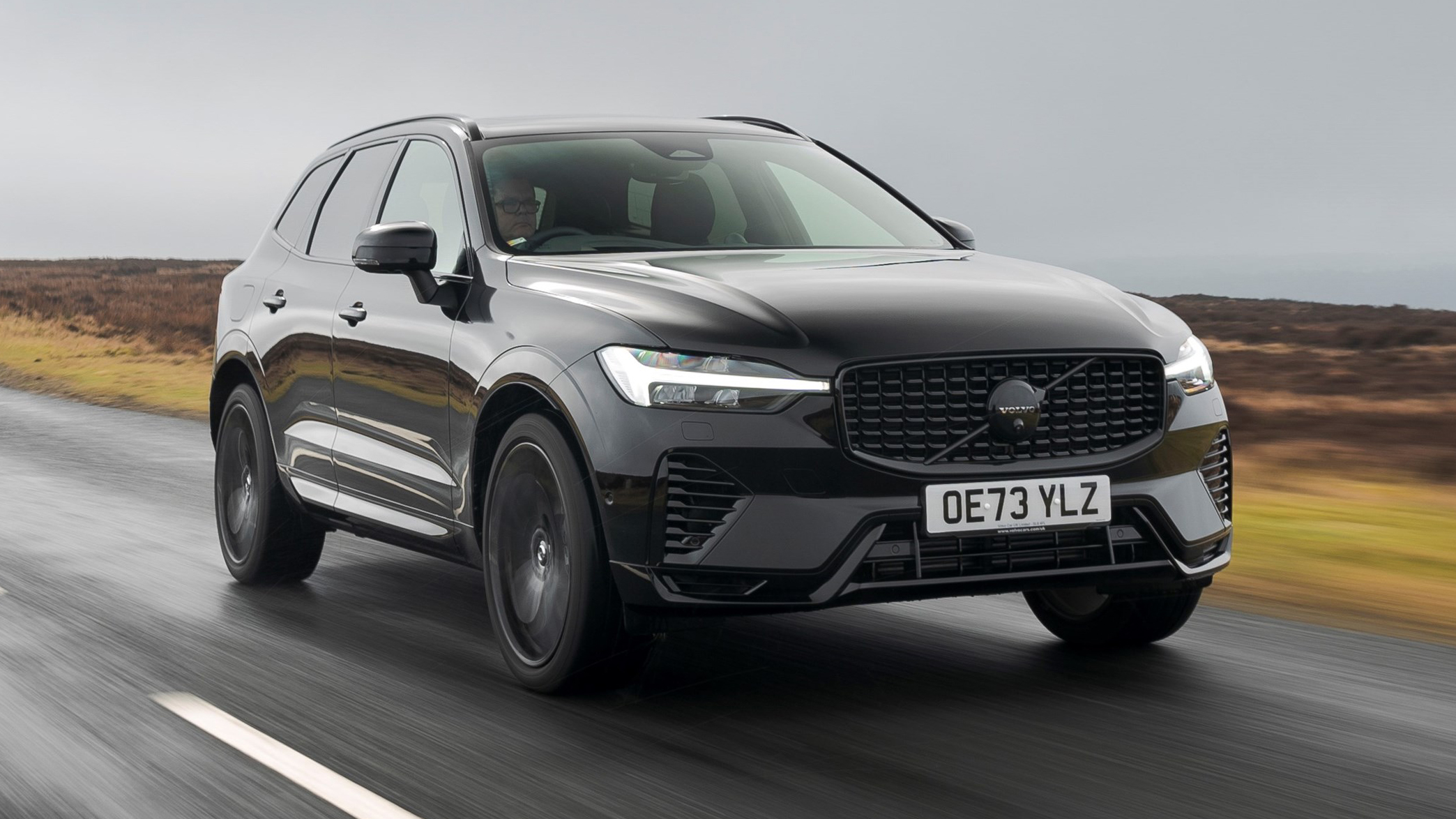
5. Honda CR-V Hybrid: Efficiency Meets Everyday Practicality
The 2025 Honda CR-V Hybrid strengthens its standing as one of the most dependable and versatile compact SUVs on the market. Equipped with a 2.0-liter naturally aspirated four-cylinder hybrid powertrain, it produces 204 horsepower and 247 lb-ft of torque while returning an impressive 37 mpg combined with all-wheel drive.
Though it avoids flashy design cues, its blend of practicality, fuel efficiency, and thoughtful engineering make it a top contender for families and long-distance drivers alike.
The CR-V Hybrid combines gasoline and electric power for a smooth, balanced drive. In Sport Touring trim, it achieved a 0–60 mph time of 8.0 seconds, squarely in line with class standards. The hybrid system transitions seamlessly between its two power sources, with simulated gear shifts that add a natural feel to acceleration.
Steering is direct and provides enough feedback for confidence, while the suspension keeps the vehicle stable through corners without harshness. Brakes perform consistently in daily use and are strong enough in emergency stops.
On long inclines, the system requires more throttle, but during typical driving conditions it remains refined and quiet. Ride comfort is a particular highlight, with the CR-V absorbing rough patches gracefully.
Visibility is mixed, with expansive front windows but limited rear sightlines. Parking cameras help compensate, and while Honda includes a solid suite of driver aids, competitors offer more advanced systems in higher trims.
Interior comfort is one of the CR-V Hybrid’s strongest qualities. The front seats provide supportive cushioning and a wide range of adjustments, while the rear seats deliver generous legroom for adults and make child-seat installation straightforward. Large door openings simplify entry and exit, and the seating position allows adults to slide in comfortably without feeling too high or low.
The cabin also feels spacious thanks to wide windows that create an open atmosphere. Honda continues to emphasize usability with physical climate controls, a welcome decision at a time when many rivals rely heavily on touchscreens for basic adjustments.
The CR-V’s infotainment system is approachable and easy to use, though it doesn’t match the sophistication of newer competitors. The 9-inch touchscreen is standard and runs smoothly, with wireless Apple CarPlay, Android Auto, and wireless charging included across trims. Multiple USB ports throughout the cabin add convenience for passengers.
While effective, the screen is noticeably smaller than systems in some rivals and lacks the modern polish found in larger displays like the Accord’s 12.3-inch unit. Still, the straightforward interface ensures that drivers can operate key features without unnecessary distraction.
Practicality extends to cargo space. The CR-V Hybrid loses some volume compared with gasoline-only models and omits a spare tire, but it remains above average in class capacity. The wide cargo opening and tall load space make it easy to transport bulky items, while folding the rear seats expands versatility for larger loads.
Interior storage is functional, with a large center console bin, dedicated phone cubbies, and sizeable door pockets. Although Honda reduced some storage solutions from past generations, the layout still serves families well.
Efficiency defines the CR-V Hybrid’s appeal. Non-hybrid trims achieve up to 30 mpg combined, while the hybrid model reaches 40 mpg with front-wheel drive and 37 mpg with all-wheel drive.
In real-world highway testing, the AWD version managed 33.3 mpg, slightly under EPA ratings but competitive compared to peers. Around-town driving often produces better results, where the hybrid system maximizes electric assistance.
Pricing for the CR-V Hybrid sits a bit higher than some rivals, yet it reflects strong build quality and thoughtful execution. The cabin uses a mix of hard plastics and softer surfaces, balanced with clean design touches that prevent it from feeling sparse. Road noise is minimal, and the absence of squeaks or rattles reinforces confidence in its construction.
Warranty coverage is standard for the segment, with three years/36,000 miles of basic coverage and five years/60,000 miles for the powertrain. Some rivals offer more extensive roadside assistance or corrosion protection, but Honda’s reputation for long-term reliability helps offset this.
The 2025 Honda CR-V Hybrid excels at delivering fuel efficiency, passenger comfort, and everyday practicality. It may not boast the largest screen or the most advanced driver aids, but its well-rounded character, dependable hybrid system, and spacious cabin make it a smart choice for families seeking reliability and efficiency in a compact SUV.
Also Read: 5 Cars That Rarely Need Alternator Replacement vs 5 That Constantly Do
5 SUVs That Fall Apart on Road Trips
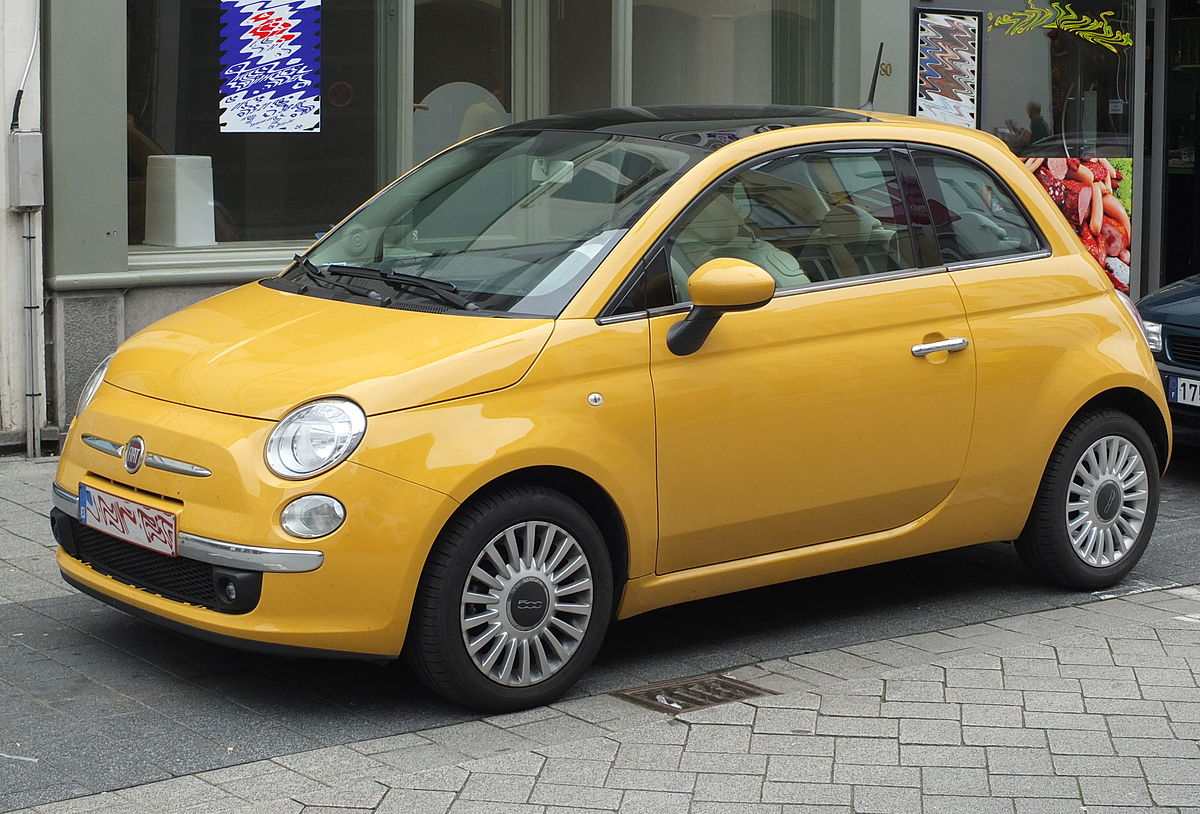
1. Fiat 500: A City Car with Road Trip Limitations
The Fiat 500 shines as a compact city car but struggles when pushed beyond urban driving. Its small engine lacks sufficient power for steep inclines, often overheating or losing performance on extended drives. Certain models also suffer from software glitches that further compromise power delivery.
Owners have reported issues with the clutch wearing prematurely, particularly on hills, and the suspension is ill-suited for rough or long-distance roads. This leads to both driver discomfort and potential long-term damage. Wheels and tires are also less durable than those of rivals, making them vulnerable under heavy use.
While the Fiat 500 is efficient, it sacrifices comfort. The ride is rough and bumpy, with noise levels that quickly become fatiguing at highway speeds. Its cramped interior, especially in the back seats, limits practicality for passengers on long journeys. Even short stretches on the highway reveal its harsh suspension and lack of refinement, making it unsuitable for family road trips.
The Fiat 500 thrives in city environments thanks to its compact size, nimble handling, and ease of parking. It is affordable upfront and fuel-efficient, but owners may face rising costs over time due to mechanical instability and limited durability.
Rather than a reliable long-distance cruiser, the Fiat 500 functions best as a budget-friendly urban commuter. For extended travel or frequent highway driving, however, buyers may find its compromises outweigh its charm.
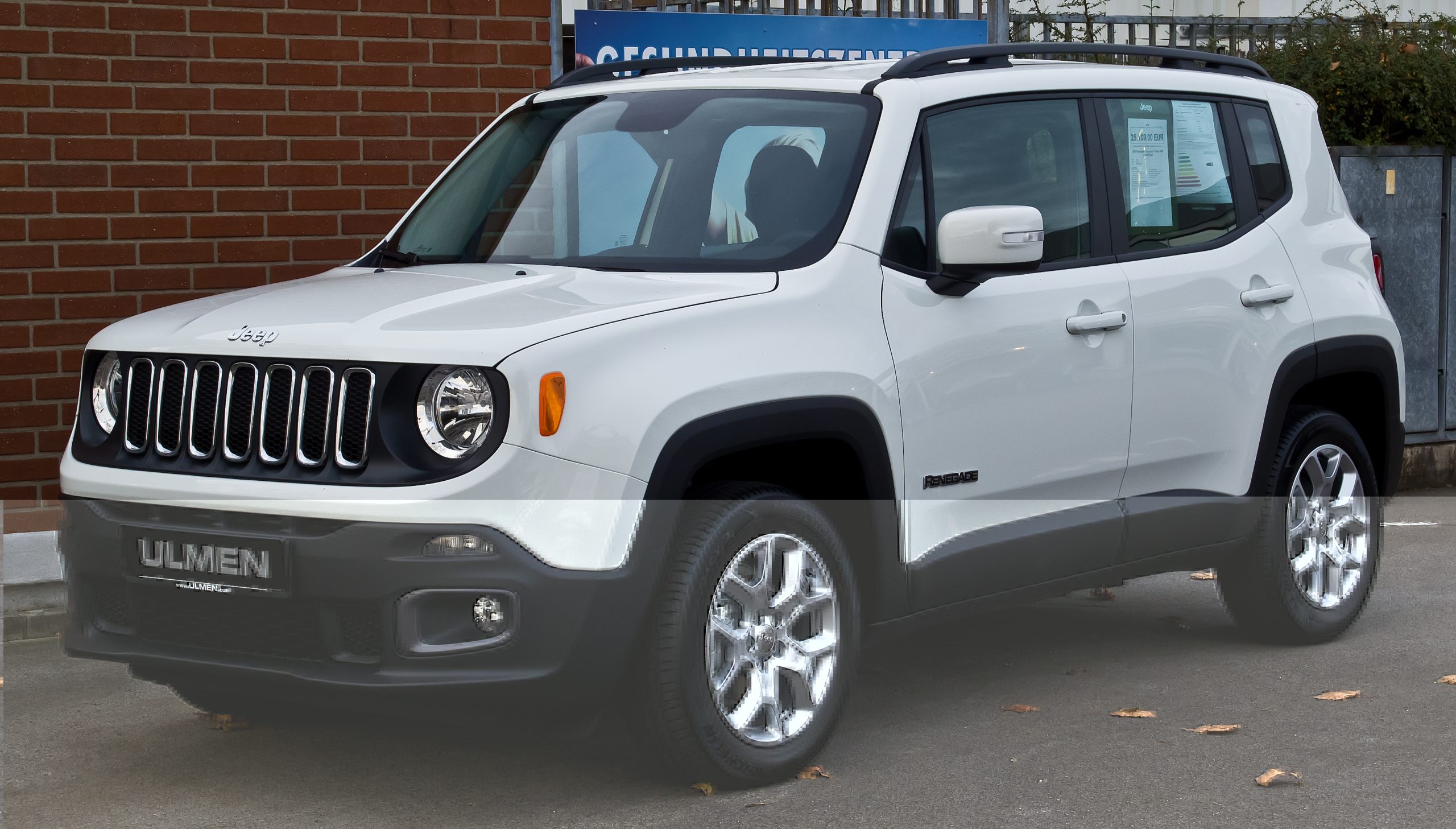
2. Jeep Renegade: Rugged Image, Reliability Concerns
The Jeep Renegade projects a tough, off-road-ready image, but long-distance driving exposes its weaknesses. The most frequent issue is with its nine-speed automatic transmission, which is prone to slipping, jerking, or unexpectedly shifting into neutral a serious hazard when merging or cruising on highways.
Engine reliability is also questionable, particularly with the 2.4L Tigershark engine found in early models, which consumes oil excessively and can even stall without warning. These problems make extended trips unpredictable and stressful.
Electrical system failures further compromise reliability. Owners report phantom warning lights, random power losses, and software glitches that affect performance.
Some models have even faced recalls for vulnerabilities in networked vehicle controls. The suspension system can also cause trouble, with early models experiencing component wear and even the infamous Jeep “death wobble,” a violent front-end shake at highway speeds.
Though the Renegade can handle short off-road bursts, its durability falters on sustained drives. Highway comfort is undermined by inconsistent performance, reduced stability, and the constant risk of breakdowns. For remote or demanding road trips, these flaws pose significant risks.
Owners of older Renegades (2015–2018) should exercise caution before travel. Regular mechanical inspections, oil checks, and recall compliance are essential to reduce the chance of failure. Newer models, particularly post-2019, are generally more reliable, but the Renegade remains better suited for short, rugged adventures rather than dependable long-haul cruising.
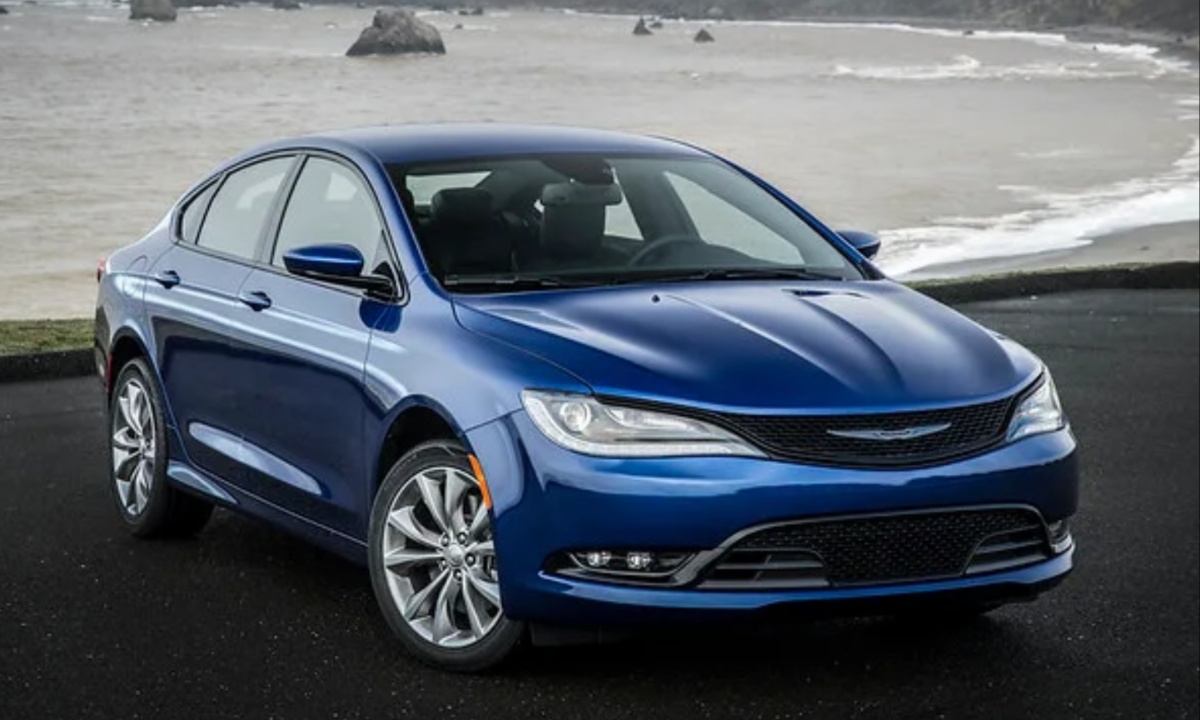
3. Chrysler 200: Stylish Design, Questionable Reliability
The Chrysler 200 pairs sleek styling with affordability, but long-distance drivers often face serious mechanical concerns. Its 9-speed automatic transmission is the most frequent failure point, prone to harsh or delayed shifting, lurching, and even complete failure under sustained load.
Poorly calibrated transmission software exacerbates the issue, especially during highway acceleration, leading to stress on components and increased risk of breakdowns.
The 2.4L Tigershark engine in early models (2015–2016) is notorious for excessive oil consumption, requiring frequent top-offs. Low oil levels can result in stalling or permanent engine damage, while warning systems may fail to alert drivers of critically low oil.
Electrical system failures, including faults in the Totally Integrated Power Module (TIPM), can leave drivers stranded or misinformed with false warning lights. The suspension system also wears prematurely, with struts, stabilizer bars, and control arms failing well before 100,000 miles. On long drives, this results in a rough, noisy ride and can cause the vehicle to sway or “dogleg” over bumps.
Despite its attractive design, the Chrysler 200 suffers from poor interior and trim quality. Door handles, dashboard panels, and weatherstripping may detach or degrade over time, while under-engine components and exterior parts can loosen or fall off at high speeds.
While the Chrysler 200 may impress on first glance, its mechanical fragility, suspension wear, and electrical issues make it an unreliable companion for long drives. It is better suited for short, urban commutes rather than extended road trips where dependability is crucial.
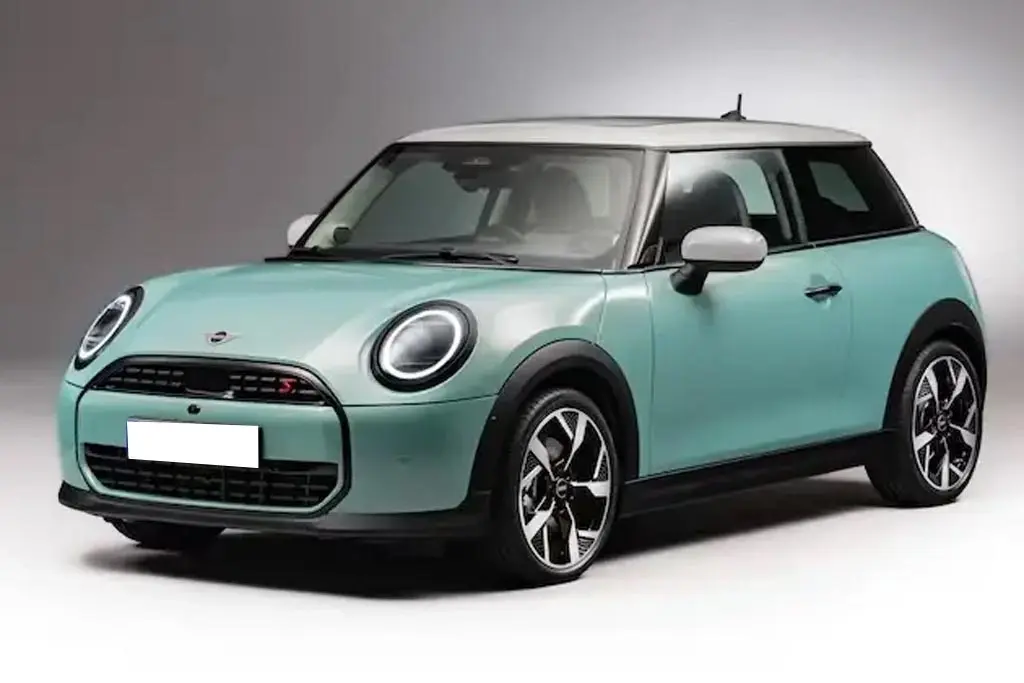
4. Mini Cooper: City Fun, Highway Limitations
The Mini Cooper delivers a lively and enjoyable ride in urban environments, but long-distance driving exposes its weaknesses. Early models, particularly first- and second-generation cars (2002–2013), are prone to engine overheating, transmission failures, and timing chain issues.
Cooling system components such as thermostats and water pumps often leak or degrade, leading to potential engine damage during extended highway use. Transmission problems, especially in automatic versions, include slipping, hard shifting, and fluid leaks.
Many Mini engines suffer from excessive oil consumption and some models lack adequate low-oil warnings, increasing the risk of engine failure on long trips. Electric power steering pumps in older models can fail suddenly, making highway maneuvers more challenging.
These issues, combined with electrical system faults affecting windows, locks, and communication with the transmission, further compromise reliability.
The Mini’s small cabin and limited cargo space make long drives less comfortable, particularly for passengers or gear-heavy trips. The suspension, while tuned for sporty city driving, can feel harsh and contribute to fatigue over sustained travel.
Extended highway driving places additional stress on older Minis, exacerbating pre-existing weaknesses in the engine, transmission, and cooling systems. Repairs can be costly, especially far from home. Later third-generation models (2014–present) are more reliable and address many of the mechanical shortcomings of earlier versions.
The Mini Cooper remains a strong choice for city driving, offering maneuverability and fun handling, but for road trips, especially in older models, its mechanical fragility and cramped design make it a risky option.
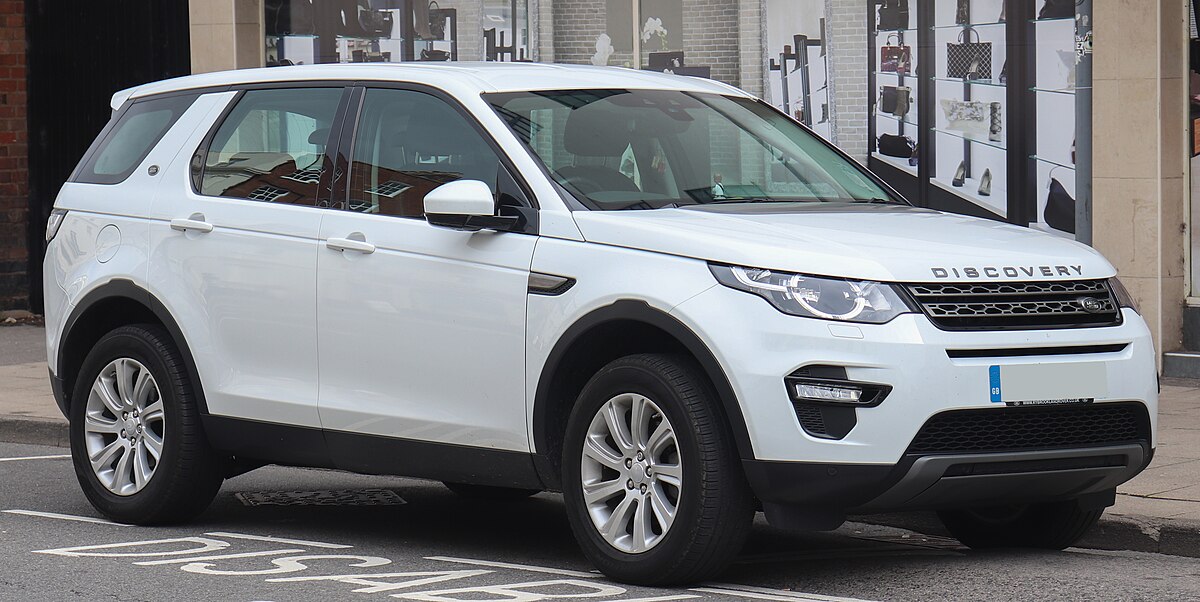
5. Land Rover Discovery Sport: Off-Road Ready, On-Road Risk
The Land Rover Discovery Sport is capable off-road, but long-distance highway reliability is a concern. Early models (2015–2018) are prone to engine issues, particularly with Ingenium diesel engines.
Common problems include timing chain wear, oil dilution from DPF regeneration, excessive oil consumption, and overheating. Sudden power loss due to turbocharger failure, blocked air filters, or faulty injectors has also been reported, increasing the risk of breakdowns during extended trips.
The ZF 9-speed automatic transmission can exhibit jerky or delayed shifting, and in some cases unexpectedly shift into neutral. Vehicles equipped with air suspension may experience airbag leaks, compressor failures, and premature wear of bushings and control arms, resulting in uneven handling and knocking noises.
Even non-air suspension models can develop early wear from road or off-road use, affecting ride quality and stability.
The Discovery Sport suffers from electrical system faults, including frozen infotainment screens, malfunctioning sensors, keyless entry issues, and power tailgate failures. Warped brake discs can cause pulsing during braking, further compromising confidence on long drives. Multiple recalls over the years highlight recurring manufacturing problems, such as engine wiring faults, fuel leaks, and defective seatbelt pre-tensioners.
While the Discovery Sport presents a rugged, premium appearance, its history of engine, transmission, suspension, and electrical issues makes it a risky choice for long-distance travel. Travelers seeking peace of mind and reliable highway performance may prefer alternatives with fewer known reliability concerns.
Choosing the right SUV for road trips means balancing comfort, capability, and reliability. The vehicles highlighted as road trip ready deliver strong engines, stable handling, and spacious interiors that make long drives enjoyable rather than stressful.
Conversely, SUVs that fall apart expose drivers to overheating engines, transmission failures, and electrical problems, making extended travel risky and inconvenient. By knowing the strengths and weaknesses of each model, drivers can make informed decisions and avoid unwelcome surprises on the highway.
From fuel efficiency to off-road capability, the right SUV ensures peace of mind, consistent performance, and a comfortable journey for passengers and cargo alike. For those seeking adventure without compromise, selecting a model designed for endurance separates a memorable road trip from a frustrating ordeal.
Also Read: 5 Cars That Rarely Need Electrical Repairs vs 5 That Constantly Do
