
In the ever-evolving automotive world, where technology advances at breakneck speed and design trends shift with each passing season, there exists a rare breed of vehicles that transcend the ordinary constraints of time and fashion.
These are the cars that don’t merely age they mature, developing a patina of sophistication that grows more compelling with each passing year.
Like fine wine or vintage watches, these automobiles possess an inherent quality that transforms the passage of time from an enemy into an ally, creating machines that become more desirable, not less, as the decades roll by.
The concept of automotive timelessness isn’t accidental. It’s the result of meticulous engineering, visionary design, and an unwavering commitment to quality that few manufacturers achieve.
These vehicles represent the pinnacle of their respective eras while simultaneously possessing the foresight to remain relevant across generations.
They are the automotive equivalent of architectural masterpieces structures that define their time while standing as eternal testaments to human creativity and craftsmanship.
The following ten vehicles represent this automotive aristocracy machines that have achieved the seemingly impossible task of growing more distinguished, more desirable, and more luxurious with each passing year.
They are proof that true luxury isn’t just about the latest technology or the newest features, but about creating something so fundamentally right that it becomes immune to the ravages of time and changing tastes.
1. Porsche 911 (1963-Present)
The Porsche 911 stands as perhaps the most compelling argument for evolutionary rather than revolutionary design philosophy in automotive history.
Since its debut in 1963, this iconic sports car has undergone countless modifications, improvements, and updates, yet its fundamental character remains as pure and recognizable today as it was six decades ago.
This consistency isn’t stubbornness it’s the recognition of something so fundamentally right that dramatic change would only diminish its essential appeal.
What makes the 911 particularly remarkable in maintaining its luxury touch is its ability to serve multiple masters simultaneously. It functions equally well as a daily driver, weekend canyon carver, track day weapon, or concours show piece.
This versatility stems from Porsche’s relentless commitment to engineering excellence and their understanding that true luxury lies not in ostentation but in capability married to refinement.
The 911’s rear-engine configuration, once considered a liability by critics, has become its defining characteristic and competitive advantage. Modern 911s have transformed what was once a challenging handling characteristic into a sophisticated dance between physics and engineering.
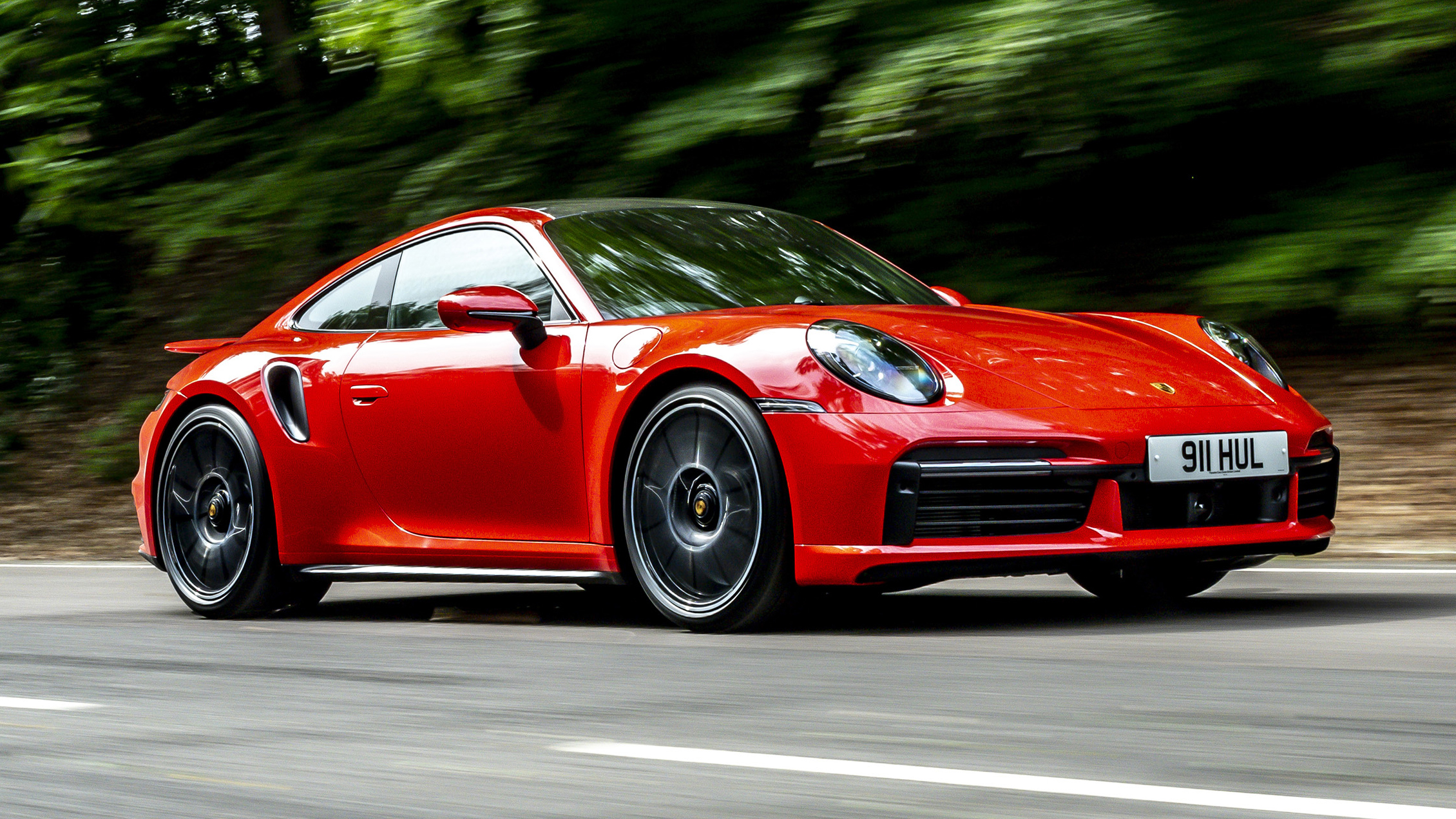
The latest generations offer all-wheel drive, advanced traction management systems, and suspension technology that makes the car more accessible to drivers of varying skill levels while never compromising the pure driving experience that enthusiasts demand.
The 911’s enduring appeal lies in its perfect balance of accessibility and exclusivity. While not the most expensive sports car available, it commands respect and admiration wherever it appears.
This combination of attainability and desirability has created a passionate global community of owners and enthusiasts who view their cars not as mere transportation but as mechanical expressions of their personalities and values.
2. Mercedes-Benz S-Class (1972-Present)
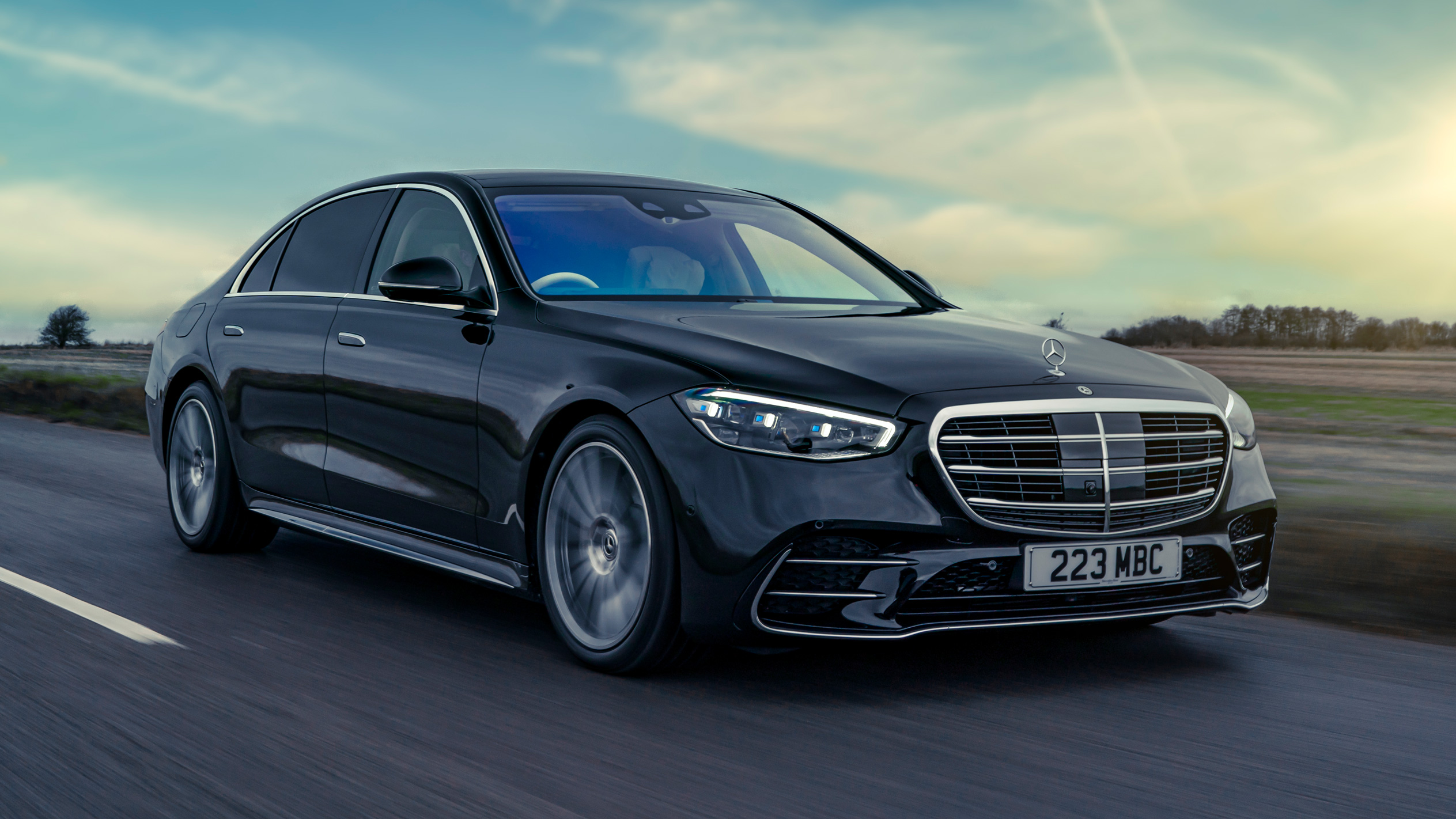
The Mercedes-Benz S-Class has long held the distinction of being the flagship sedan that defines luxury automotive standards for each generation.
Since its formal introduction as the S-Class in 1972, this remarkable vehicle has consistently pushed the boundaries of comfort, technology, and refinement, establishing benchmarks that competitors spend years trying to match.
What makes the S-Class particularly noteworthy is its ability to age gracefully while maintaining an aura of contemporary luxury that never feels outdated.
Each generation of the S-Class arrives with innovations that initially seem revolutionary but eventually become industry standards. Air conditioning, ABS brakes, airbags, electronic stability control, adaptive cruise control, and countless other technologies made their mainstream debuts in the S-Class before filtering down to lesser vehicles.
This pattern of innovation ensures that even older S-Class models possess features that were ahead of their time, helping them maintain their luxury credentials long after their production run ends.
The build quality of the S-Class has always been exceptional, reflecting Mercedes-Benz’s philosophy that their flagship sedan must represent the absolute pinnacle of their engineering capabilities.
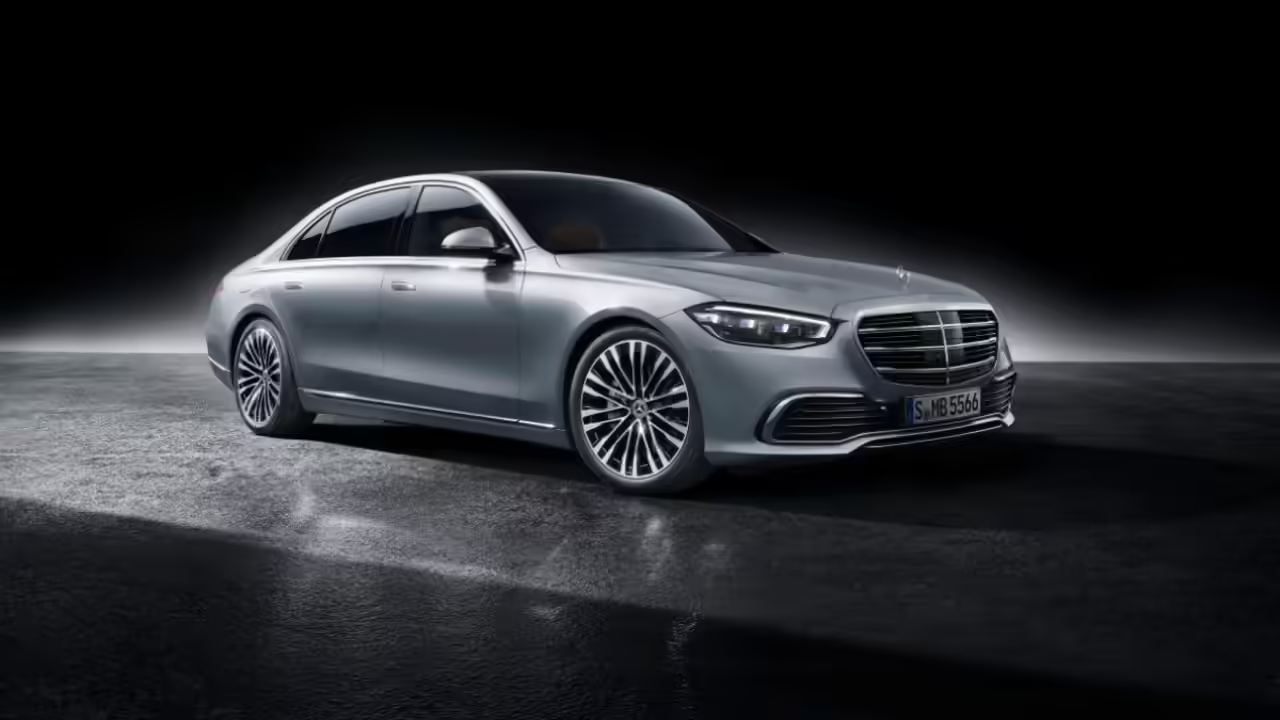
The attention to detail is extraordinary, from the precision of panel gaps to the quality of interior materials. The leather used in S-Class interiors is carefully selected and treated to age beautifully, developing a patina that enhances rather than detracts from the cabin’s ambiance.
Wood trim is genuine and beautifully finished, while metal accents possess a substantial feel that speaks to quality and permanence. Driving an S-Class, regardless of its vintage, provides an experience that exemplifies automotive luxury.
The ride quality is consistently exceptional, with suspension systems that manage to combine comfort with control in ways that seem to defy physics. Road noise is virtually eliminated, creating a serene environment that allows occupants to conduct business, relax, or simply enjoy the journey in peace.
The climate control systems are so effective and quiet that passengers often forget they’re operating, maintaining perfect comfort regardless of external conditions.
Perhaps most remarkably, the S-Class has managed to remain relevant and desirable across five decades of automotive evolution, a period that has seen dramatic changes in technology, safety requirements, environmental regulations, and consumer preferences.
This adaptability, combined with uncompromising build quality and timeless luxury, ensures that the S-Class will continue to be coveted by discerning drivers for generations to come.
3. Rolls-Royce Silver Shadow/Silver Spirit (1965-1998)
The Rolls-Royce Silver Shadow and its successor, the Silver Spirit, represent the epitome of British automotive luxury during the latter half of the twentieth century.
These magnificent machines embodied everything that made Rolls-Royce legendary: uncompromising build quality, whisper-quiet operation, and an attention to detail that bordered on the obsessive.
More than mere automobiles, they were statements of achievement and taste that continue to command respect and admiration decades after production ended.
The Silver Shadow, introduced in 1965, marked a significant departure from previous Rolls-Royce models with its modern unitary construction and sophisticated suspension system.
However, it retained all the qualities that made Rolls-Royce the standard by which all other luxury cars were measured. The famous “magic carpet ride” was achieved through an innovative hydraulic self-leveling suspension system that automatically adjusted to maintain perfect ride height regardless of load or road conditions.
This system was so advanced that it wouldn’t become commonplace in luxury cars until decades later. What truly set these vehicles apart was their extraordinary build quality and attention to detail. Each car required hundreds of hours to complete, with craftsmen spending days on individual components to ensure they met Rolls-Royce’s exacting standards.
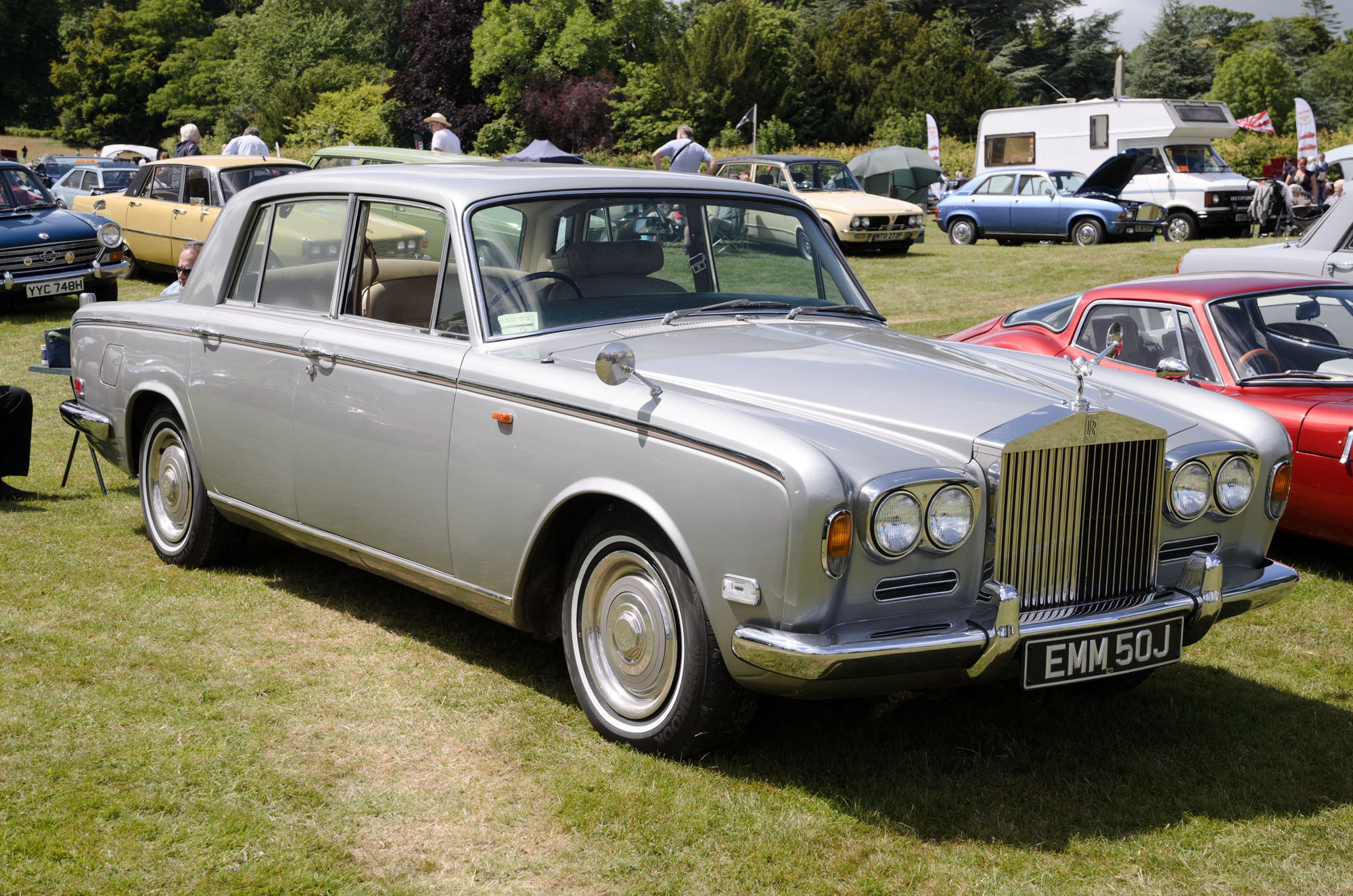
The paint process alone involved multiple coats applied by hand and meticulously polished to achieve the mirror-like finish that became synonymous with the brand.
Interior appointments were equally impressive, with hand-selected Connolly leather that was stitched by master craftsmen and genuine wood veneers that were book-matched to create perfectly symmetrical patterns.
The driving experience in a Silver Shadow or Silver Spirit was unlike anything else on the road. The famous Rolls-Royce silence was achieved through extensive sound deadening, precisely balanced engines, and meticulous attention to eliminating every possible source of noise or vibration.
The result was a cabin so quiet that passengers could conduct conversations in whispers, and the only indication of the engine running was the gentle pulse of the tachometer needle. The lasting appeal of these models lies in their timeless design and uncompromising execution.
They represent an era when luxury meant genuine quality rather than superficial features, and their ability to continue providing that same level of luxury today ensures their place among the most enduring luxury automobiles ever created.
4. Jaguar E-Type (1961-1975)
The Jaguar E-Type occupies a unique position in automotive history as a car that was revolutionary when introduced yet has managed to become even more revered and desirable with each passing decade. Enzo Ferrari himself called it “the most beautiful car ever made,” and time has done nothing to diminish the truth of that statement.
The E-Type represents the perfect marriage of stunning aesthetics, advanced engineering, and genuine performance capability that continues to raise enthusiasts more than half a century after its debut.
From the moment the E-Type was revealed at the 1961 Geneva Motor Show, it was clear that Jaguar had created something extraordinary. The car’s dramatic proportions, with its endless hood, compact cabin, and perfectly integrated lines, established a new standard for sports car design that influences automotive styling to this day.
The E-Type’s beauty wasn’t merely skin deep every curve and line served both aesthetic and aerodynamic purposes, creating a shape that was as functional as it was gorgeous.
The engineering beneath that stunning exterior was equally impressive. The E-Type featured a sophisticated independent rear suspension system that was derived directly from Jaguar’s D-Type race cars, providing handling capabilities that were years ahead of its contemporaries.
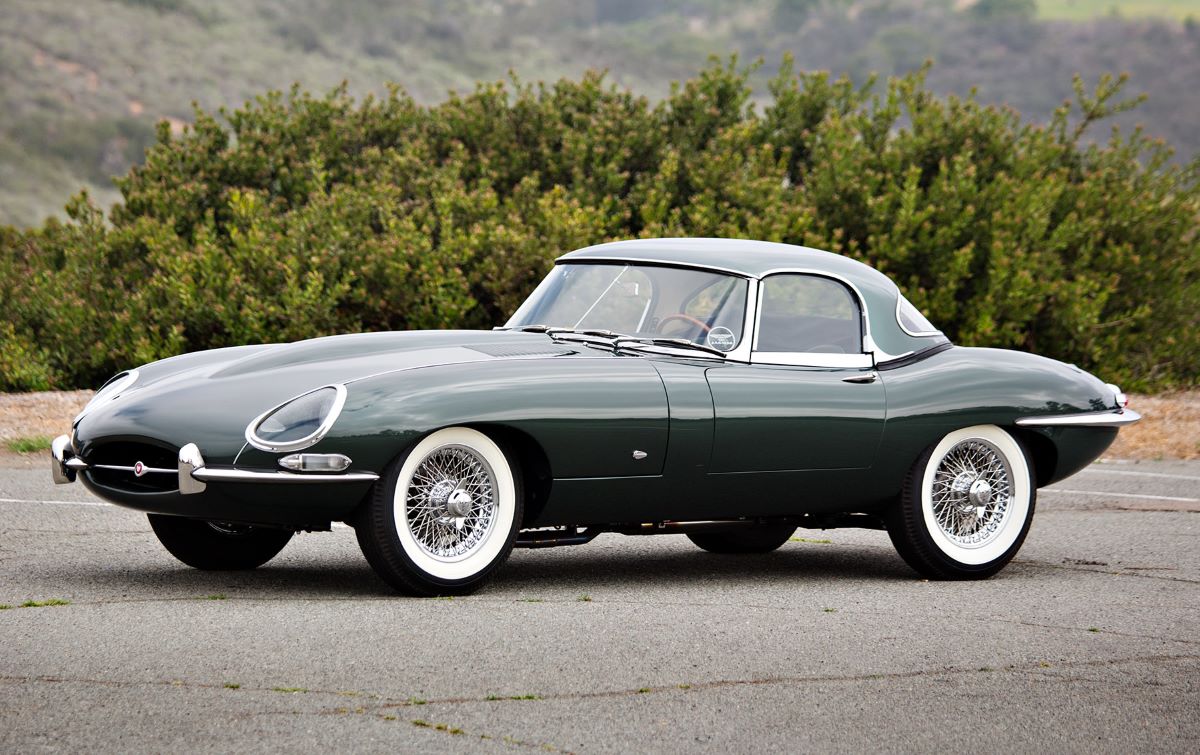
The legendary Jaguar XK inline-six engine, available in both 3.8-liter and 4.2-liter configurations, delivered impressive performance while maintaining the smooth, refined character that had made Jaguar famous.
Later V12 models pushed performance even further, offering genuine supercar capabilities in an elegantly understated package. What makes the E-Type particularly remarkable in terms of enduring luxury is its ability to provide a genuinely exotic driving experience while remaining relatively accessible and maintainable.
Unlike many of its contemporary supercars, which were temperamental and difficult to live with, the E-Type offered reliability and usability that made it suitable for both daily driving and weekend touring.
This practicality, combined with its stunning appearance and impressive performance, created a unique combination that few cars have ever matched.
Perhaps most importantly, the E-Type has achieved something increasingly rare in today’s automotive world: it has become more valuable and more desirable with age.
While many cars depreciate rapidly after their production run ends, the E-Type has experienced the opposite trajectory, with well-preserved examples commanding increasingly impressive prices at auctions and private sales. This appreciation reflects not just the car’s rarity but also its enduring appeal and significance in automotive history.
Also Read: 10 Hybrids That Are Cheaper to Own Than Gas Cars
5. BMW 7 Series (1977-Present)
The BMW 7 Series has consistently represented the pinnacle of German engineering excellence and luxury refinement since its introduction in 1977.
As BMW’s flagship sedan, the 7 Series has been tasked with challenging the established luxury sedan hierarchy while maintaining the sporting character that defines the brand.
What makes the 7 Series particularly noteworthy is its ability to combine genuine driving pleasure with limousine-like comfort, creating a unique proposition in the luxury sedan segment that continues to evolve while maintaining its core appeal.
From its earliest days, the 7 Series established itself as the thinking person’s luxury sedan. While competitors focused primarily on comfort and prestige, BMW ensured that their flagship retained the handling prowess and driver engagement that had made the brand famous.
This philosophy created vehicles that were as rewarding to drive as they were comfortable to ride in, appealing to successful individuals who refused to compromise their driving enjoyment for luxury and status.
The engineering excellence of the 7 Series has been evident from the beginning. The original E23 generation introduced technologies that would become industry standards, including sophisticated electronic engine management systems, advanced suspension designs, and comprehensive diagnostic capabilities.
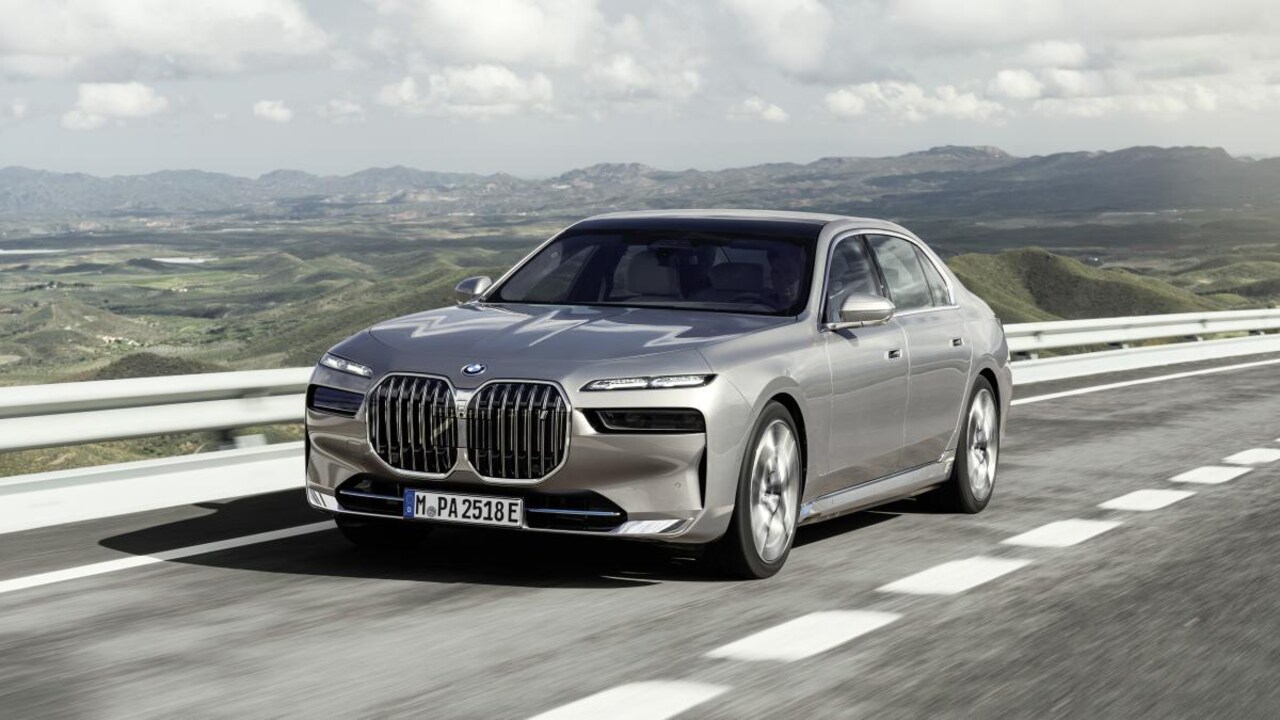
Each subsequent generation has pushed the technological envelope further, introducing innovations such as dynamic stability control, active suspension systems, and advanced driver assistance features years before competitors.
What truly sets the 7 Series apart in terms of enduring luxury is its exceptional build quality and attention to detail. BMW has always understood that true luxury lies in the quality of materials and the precision of assembly rather than simply the quantity of features.
The interior appointments have consistently featured the finest leathers, genuine wood trim, and metal accents that age gracefully while maintaining their premium appearance.
The fit and finish has been exemplary across all generations, with panel gaps measured to the millimeter and interior components engineered to operate smoothly and quietly for decades.
The driving experience in any 7 Series is immediately recognizable as distinctly BMW. The steering is precise and communicative, providing clear feedback about road conditions and vehicle dynamics.
The suspension systems manage to provide excellent ride comfort while maintaining the body control necessary for spirited driving. The engines, whether naturally aspirated sixes, smooth V8s, or the latest hybrid powerplants, deliver power in a refined yet engaging manner that encourages enthusiastic driving while never sacrificing smoothness or sophistication.
The lasting appeal of the 7 Series lies in its unique combination of luxury, performance, and technological sophistication. It represents the German approach to automotive excellence: meticulous engineering, uncompromising quality, and a refusal to sacrifice driving pleasure for comfort.
This philosophy has created a series of vehicles that remain compelling and desirable long after their production runs end, ensuring that the 7 Series will continue to be coveted by enthusiasts and luxury car buyers for generations to come.
6. Aston Martin DB Series (1948-Present)
The Aston Martin DB series represents the very essence of British automotive elegance and sporting luxury, combining breathtaking beauty with exceptional performance in a lineage that spans over seven decades.
From the original DB1 to the latest DB12, these magnificent grand tourers have consistently embodied the sophisticated spirit of their creator while evolving to meet contemporary demands without ever losing their timeless appeal.
The DB series stands as perhaps the most enduring example of how true automotive luxury transcends mere transportation to become an expression of artistry and engineering excellence.
What makes the DB series particularly remarkable is its consistent design philosophy that has remained coherent across multiple generations while allowing for individual expression and evolution.
The classic proportions long hood, short deck, elegant greenhouse have been maintained throughout the lineage, creating an instantly recognizable silhouette that commands attention and respect wherever it appears.
This design consistency has allowed each model to age gracefully, with even the earliest examples appearing contemporary and relevant decades after their introduction.
The engineering excellence of the DB series has been evident from the beginning, with each model representing the pinnacle of Aston Martin’s technical capabilities at the time of its introduction.
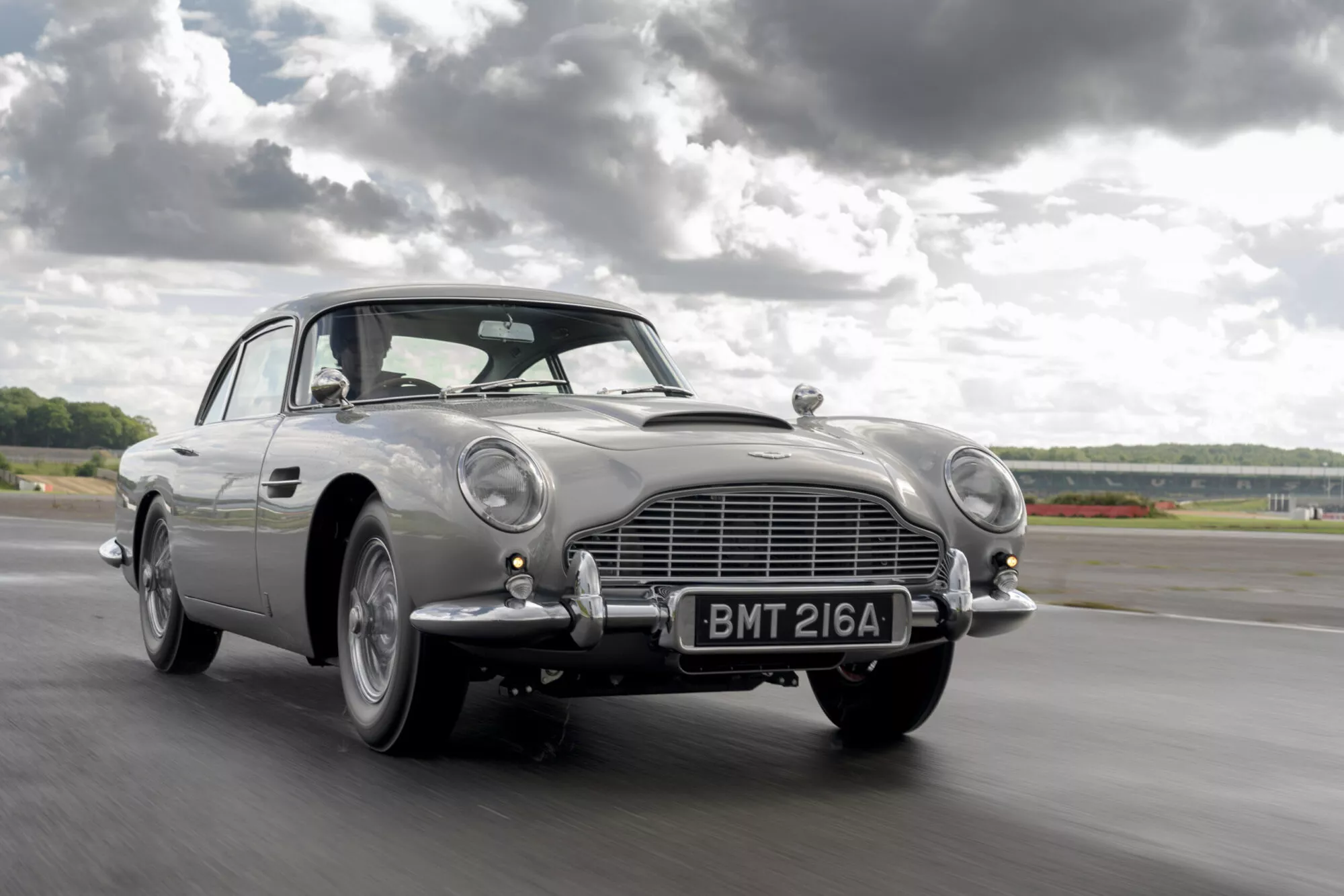
The famous straight-six engines of the early cars gave way to increasingly sophisticated V8 and V12 powerplants, each tuned to deliver not just impressive performance but also the distinctive exhaust note that has become synonymous with the Aston Martin experience.
The mechanical components have always been carefully selected and meticulously assembled, ensuring that these cars provide decades of reliable service while maintaining their performance characteristics.
Interior luxury in the DB series has always emphasized craftsmanship and quality over mere ostentation. The cabins feature hand-selected leather hides that are carefully stitched by master craftsmen, genuine wood veneers that are book-matched for perfect symmetry, and metal components that are finished to jewelry-like standards.
The result is an environment that feels both luxurious and purposeful, designed to enhance the driving experience while providing long-term comfort and durability.
These cars continue to represent the pinnacle of British automotive luxury, offering a unique combination of beauty, performance, and craftsmanship that few competitors can match.
This consistency of purpose and execution ensures that DB series Aston Martins will continue to be among the most coveted and respected automobiles for generations to come.
7. Lexus LS (1989-Present)
The Lexus LS revolutionized the luxury sedan segment when it debuted in 1989, challenging established European manufacturers with a combination of reliability, refinement, and value that seemed impossible to achieve.
The original LS400 was the result of a six-year, billion-dollar development program that aimed to create the world’s finest luxury sedan, and Toyota’s meticulous approach to engineering and manufacturing resulted in a vehicle that not only met that ambitious goal but exceeded it in ways that continue to resonate today.
What made the original LS so remarkable was its ability to match or exceed the performance and luxury of established competitors while offering superior reliability and lower ownership costs.
The development team studied every aspect of competing luxury sedans, from the Mercedes S-Class to the BMW 7 Series, then systematically improved upon each element.
The result was a car that provided Mercedes-level comfort, BMW-level handling, and Toyota-level reliability in a package that cost significantly less than its European competitors.
The engineering excellence of the LS has been evident from the beginning. The original LS400 featured a sophisticated V8 engine that was designed specifically for smoothness and refinement rather than maximum power output.
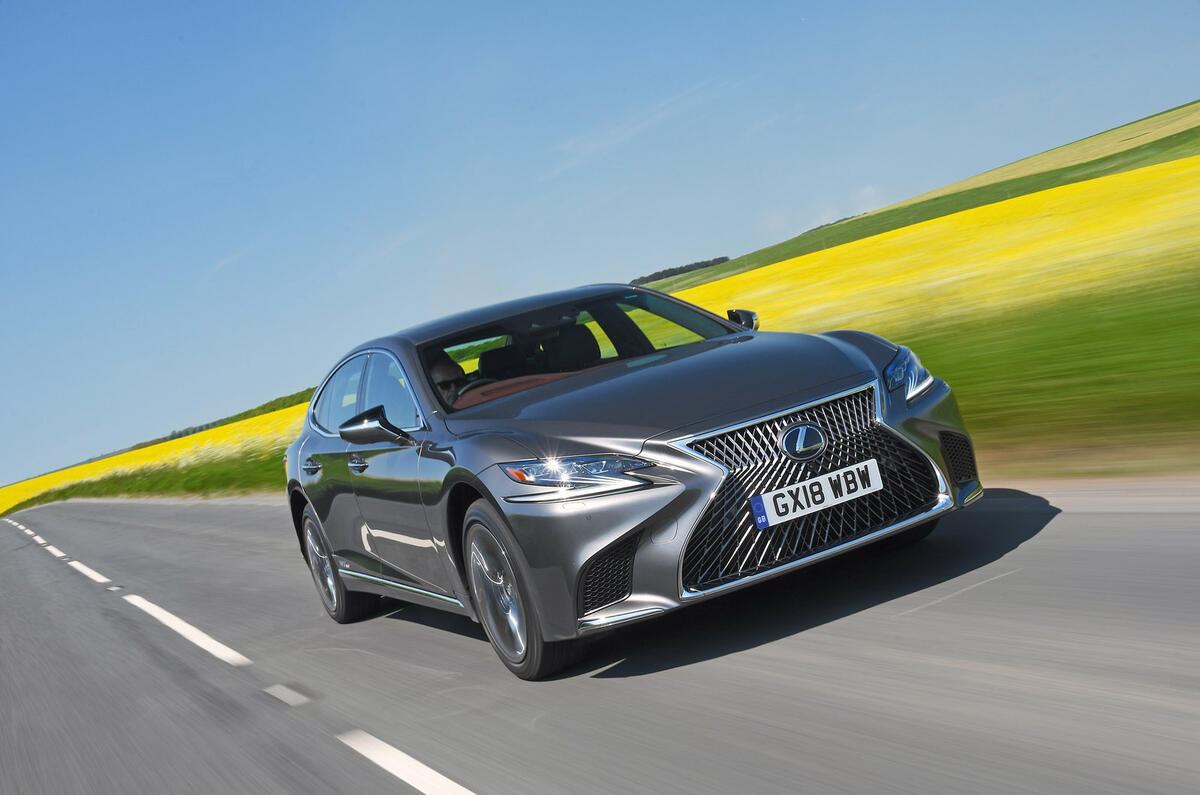
This 4.0-liter unit delivered impressive performance while operating with a level of smoothness and quietness that amazed automotive journalists and competitors alike.
The attention to detail was extraordinary, with engineers spending months perfecting the sound of the door closing and the feel of every switch and control.
Build quality has always been a hallmark of the LS, reflecting Toyota’s legendary manufacturing expertise applied to luxury car production. The fit and finish has been exemplary across all generations, with panel gaps measured to fractions of millimeters and interior components engineered to operate flawlessly for hundreds of thousands of miles.
The materials used throughout the cabin have been carefully selected for their durability and aging characteristics, ensuring that LS interiors maintain their premium appearance and feel even after decades of use.
Performance has always been more than adequate, with each generation offering impressive acceleration and high-speed capabilities while maintaining the smooth, refined character that defines the model.
The latest hybrid powertrains provide exceptional efficiency without compromising performance, demonstrating Lexus’s ability to adapt to changing environmental concerns while maintaining the luxury experience that customers expect.
8. Ferrari 275 GTB/GTS (1964-1968)
The Ferrari 275 GTB and GTS represent the absolute pinnacle of 1960s grand touring excellence, combining Enzo Ferrari’s racing heritage with Pininfarina’s design genius to create automobiles that are as breathtakingly beautiful today as they were revolutionary when introduced.
These magnificent machines embody everything that makes Ferrari legendary: stunning aesthetics, exceptional performance, and an emotional appeal that transcends mere transportation to become pure automotive poetry. More than half a century after production ended, the 275 series remains among the most coveted and valuable Ferraris ever created.
The design of the 275, penned by Pininfarina, represents one of the finest examples of automotive sculpture ever achieved. The proportions are absolutely perfect, with a long, sensuous hood flowing seamlessly into an elegant cabin and terminating in a beautifully integrated rear deck.
Every line serves both aesthetic and functional purposes, creating a shape that is not only gorgeous to behold but also aerodynamically efficient. The attention to detail is extraordinary, from the delicate chrome work to the perfectly integrated bumpers and lighting elements.
Beneath that stunning exterior lies engineering that was years ahead of its time. The 275 featured Ferrari’s first production car to use fully independent suspension, a sophisticated system that provided both exceptional handling and surprising ride comfort.
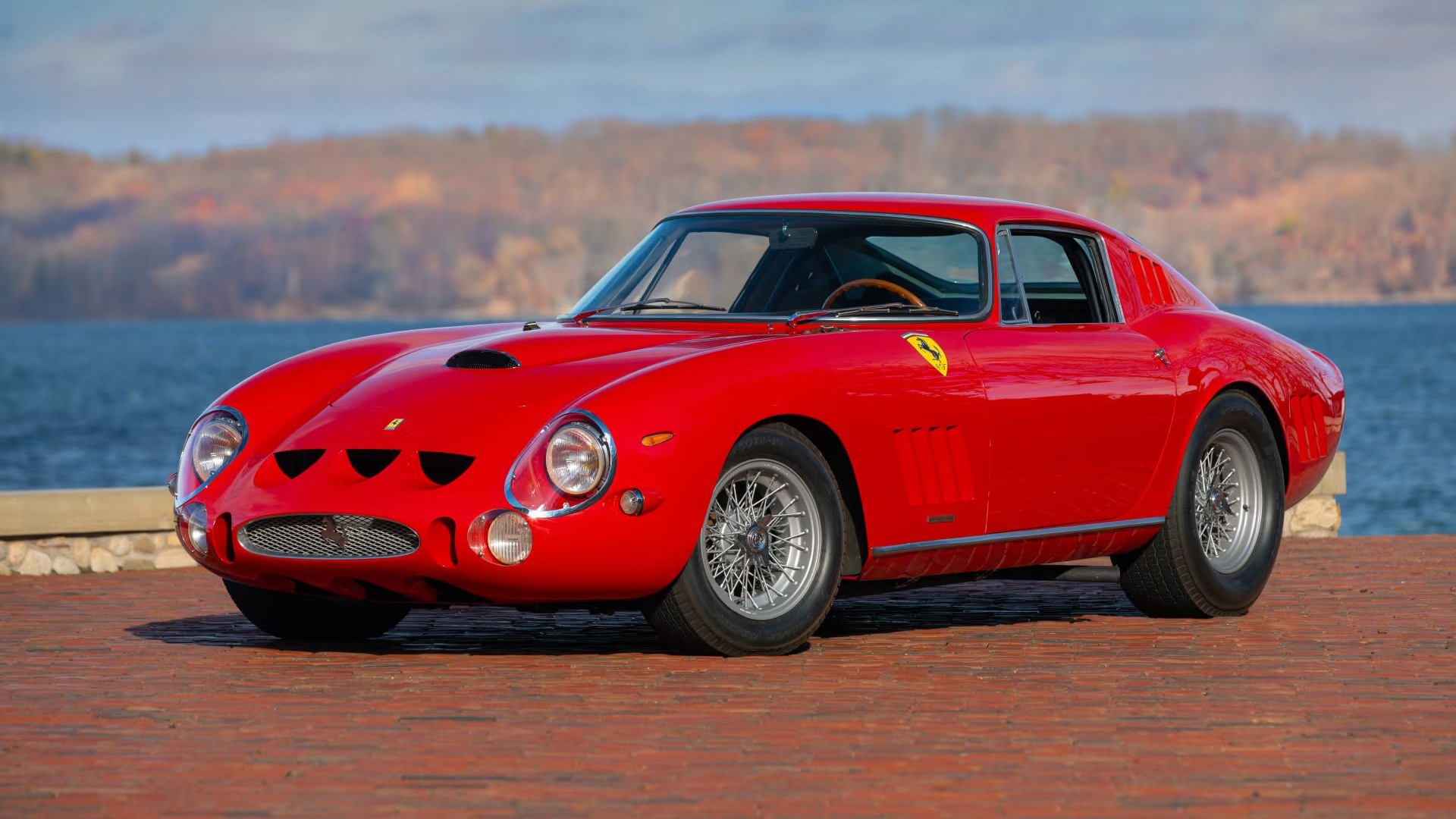
The transaxle design, with the gearbox mounted at the rear axle for optimal weight distribution, was advanced for its era and contributed significantly to the car’s outstanding dynamic balance. These engineering innovations helped establish the 275 as one of the finest-driving cars of its generation.
The heart of the 275 was Colombo’s legendary V12 engine, a masterpiece of mechanical engineering that produced not just impressive power but also one of the most intoxicating exhaust notes ever created.
The engine was available in various states of tune, from the relatively mild single-cam units to the exotic quad-cam versions used in competition models.
Regardless of specification, all versions provided the smooth, linear power delivery and distinctive sound that became synonymous with the Ferrari experience. Perhaps most importantly, the 275 possesses that indefinable quality that separates truly great cars from merely good ones.
The emotional connection between car and driver is immediate and profound, created by the combination of stunning aesthetics, exceptional performance, and mechanical character that can only come from genuine Italian craftsmanship and passion.
This connection deepens rather than diminishes over time, ensuring that the 275 will continue to be revered by enthusiasts and collectors for generations to come.
9. Range Rover (1970-Present)
The Range Rover occupies a unique position in automotive history as the vehicle that essentially created the luxury SUV segment while simultaneously redefining what a four-wheel-drive vehicle could be.
When it debuted in 1970, the Range Rover was revolutionary a sophisticated machine that combined genuine off-road capability with on-road refinement and luxury appointments that had never before been seen in a utilitarian vehicle.
More than five decades later, the Range Rover continues to set standards for luxury SUVs while maintaining the fundamental character that made it an icon.
The original concept behind the Range Rover was deceptively simple: create a vehicle that could traverse the most challenging terrain with confidence while providing the comfort and refinement necessary for daily use in urban environments.
This dual-purpose mission required innovations in suspension design, drivetrain technology, and interior appointments that were unprecedented in the four-wheel-drive vehicle segment. The result was a machine that could climb mountains in the morning and attend the opera in the evening without missing a beat.
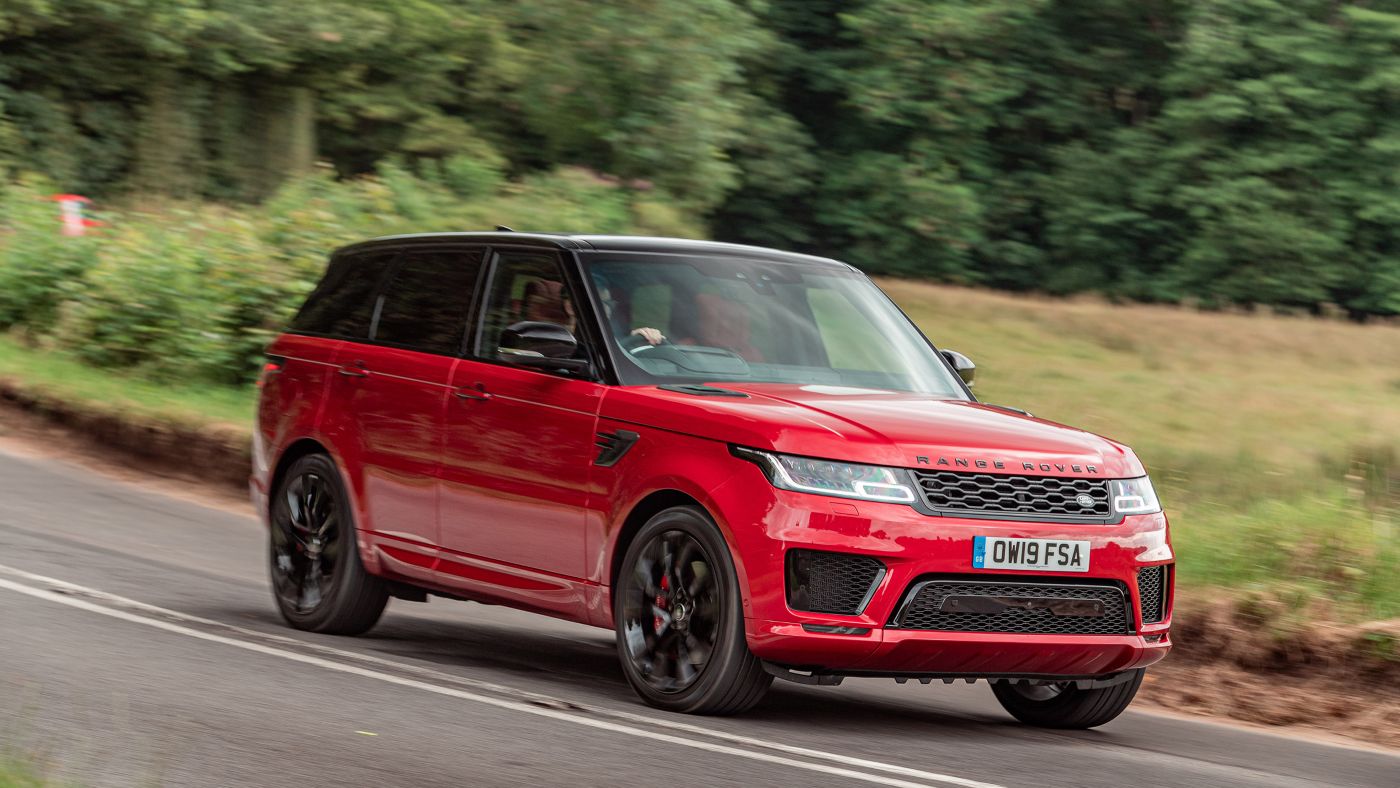
What made the Range Rover particularly remarkable was its sophisticated engineering approach to off-road capability. Rather than relying on brute force and primitive technology, Land Rover developed advanced suspension systems, precise steering geometry, and intelligent drivetrain controls that allowed the vehicle to traverse difficult terrain with minimal driver input.
The permanent four-wheel-drive system with center differential provided excellent traction in all conditions while maintaining civilized on-road behavior.
The interior luxury of the Range Rover evolved dramatically from the utilitarian cabin of early models to the sumptuous appointments of contemporary versions.
However, even the earliest Range Rovers featured materials and build quality that were superior to other off-road vehicles of the era. The seats were comfortable and supportive, the controls were logically arranged and easy to operate, and the environment was designed to remain comfortable during long journeys over challenging terrain.
The Range Rover’s enduring appeal lies in its perfect balance of capability, luxury, and exclusivity. It represents the ultimate expression of the go-anywhere, do-anything philosophy while providing the comfort and refinement that discerning buyers demand.
This combination has created a loyal following of owners who appreciate the vehicle’s unique capabilities and understand that no other vehicle can provide quite the same combination of attributes.
The result is a vehicle that has maintained its desirability and luxury credentials across five decades of production while continuing to define what a luxury SUV should be.
10. Bentley Continental GT (2003-Present)
The Bentley Continental GT marked a triumphant return to form for the storied British luxury manufacturer when it debuted in 2003, representing not just a new model but a complete renaissance of the Bentley brand under Volkswagen Group ownership.
This magnificent grand tourer successfully combined traditional Bentley luxury and craftsmanship with contemporary performance and reliability, creating a vehicle that honored the company’s illustrious heritage while establishing new standards for modern luxury automobiles.
The Continental GT’s ability to maintain its luxury appeal across two decades and multiple generations demonstrates the timeless nature of truly exceptional automotive design and engineering.
The design of the Continental GT was nothing short of revolutionary when it first appeared, successfully modernizing classic Bentley design cues while creating something entirely fresh and contemporary.
The bold, muscular proportions immediately communicated power and prestige, while subtle details like the distinctive headlight shape and prominent grille maintained clear connections to Bentley’s heritage.
The result was a design that looked both timelessly elegant and thoroughly modern, a combination that has allowed the Continental GT to age gracefully while remaining visually striking and relevant. Beneath its handsome exterior, the Continental GT featured engineering that was genuinely groundbreaking for a luxury grand tourer.
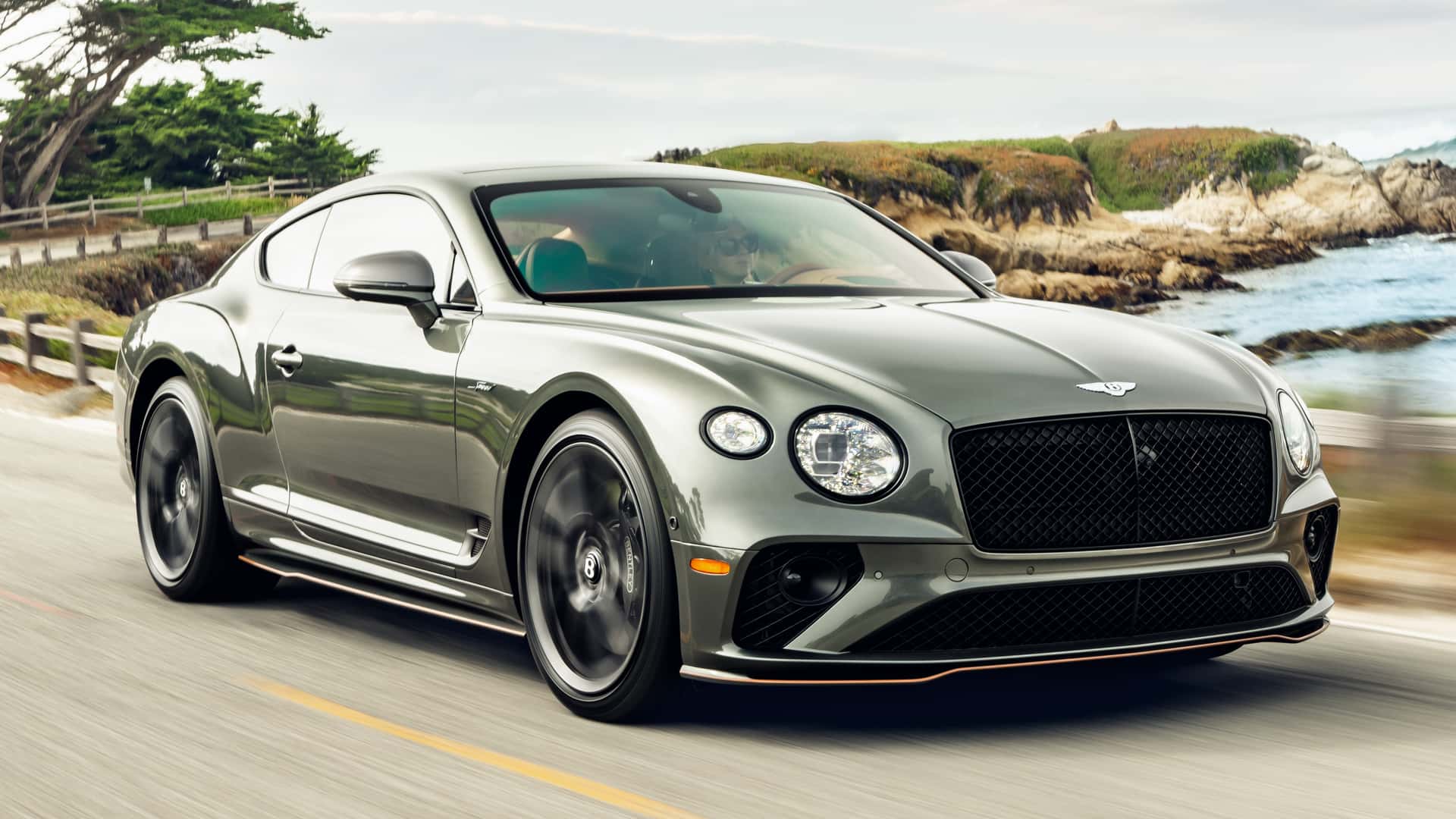
The twin-turbocharged W12 engine, derived from Volkswagen’s advanced powerplant technology, provided devastating performance while maintaining the smooth, refined character that Bentley customers expected.
The sophisticated all-wheel-drive system ensured excellent traction and stability in all conditions, while the advanced suspension systems provided both comfort and handling capabilities that were previously thought mutually exclusive in vehicles of this size and weight.
Interior luxury in the Continental GT represented the absolute pinnacle of automotive craftsmanship, combining traditional British techniques with modern manufacturing precision.
Every surface that occupants might touch was covered in the finest materials, from hand-selected leather hides to genuine wood veneers that were carefully book-matched for perfect symmetry.
The attention to detail was extraordinary, with hand-stitched upholstery, meticulously crafted metal components, and electronic systems that were seamlessly integrated into the luxurious environment without compromising the cabin’s elegant aesthetic.
The car continues to represent the pinnacle of British luxury and craftsmanship, offering a unique combination of performance, comfort, and prestige that few competitors can match.
This consistency of purpose and execution, combined with exceptional build quality and timeless design, ensures that the Continental GT will continue to be among the most coveted luxury automobiles for generations to come, proving that when luxury is executed with uncompromising attention to detail and genuine passion, the result is truly timeless.
Also Read: 12 Cars That Rarely Need Timing Belt Replacements
