
In an era where planned obsolescence seems to dominate manufacturing philosophy, certain vehicles stand as monuments to engineering excellence and durability. These automotive legends have earned their reputations not through marketing campaigns or flashy features, but through the simple, powerful testament of time and miles.
The ability to surpass 500,000 miles without major engine or transmission rebuilds represents more than mere mechanical endurance, it demonstrates a perfect storm of robust design, quality materials, and meticulous engineering that creates machines capable of serving their owners faithfully for decades.
The pursuit of ultra-high mileage vehicles reveals fascinating insights into automotive engineering principles.
These marathon machines typically share several key characteristics: conservative engine designs that prioritize longevity over peak performance, robust cooling systems that prevent thermal stress, well-engineered lubrication systems that maintain proper oil circulation even under extreme conditions, and transmission designs that handle power delivery smoothly across hundreds of thousands of gear changes.
Additionally, these vehicles often benefit from simpler electronic systems that reduce potential failure points, allowing mechanical components to be the primary determinants of longevity.
The following fifteen vehicles represent the pinnacle of automotive durability, each having proven its capability to deliver exceptional service life through real-world performance rather than theoretical projections.
These machines have earned their places in automotive history not through speed records or technological innovations, but through the far more practical, and perhaps more impressive, achievement of simply refusing to quit.
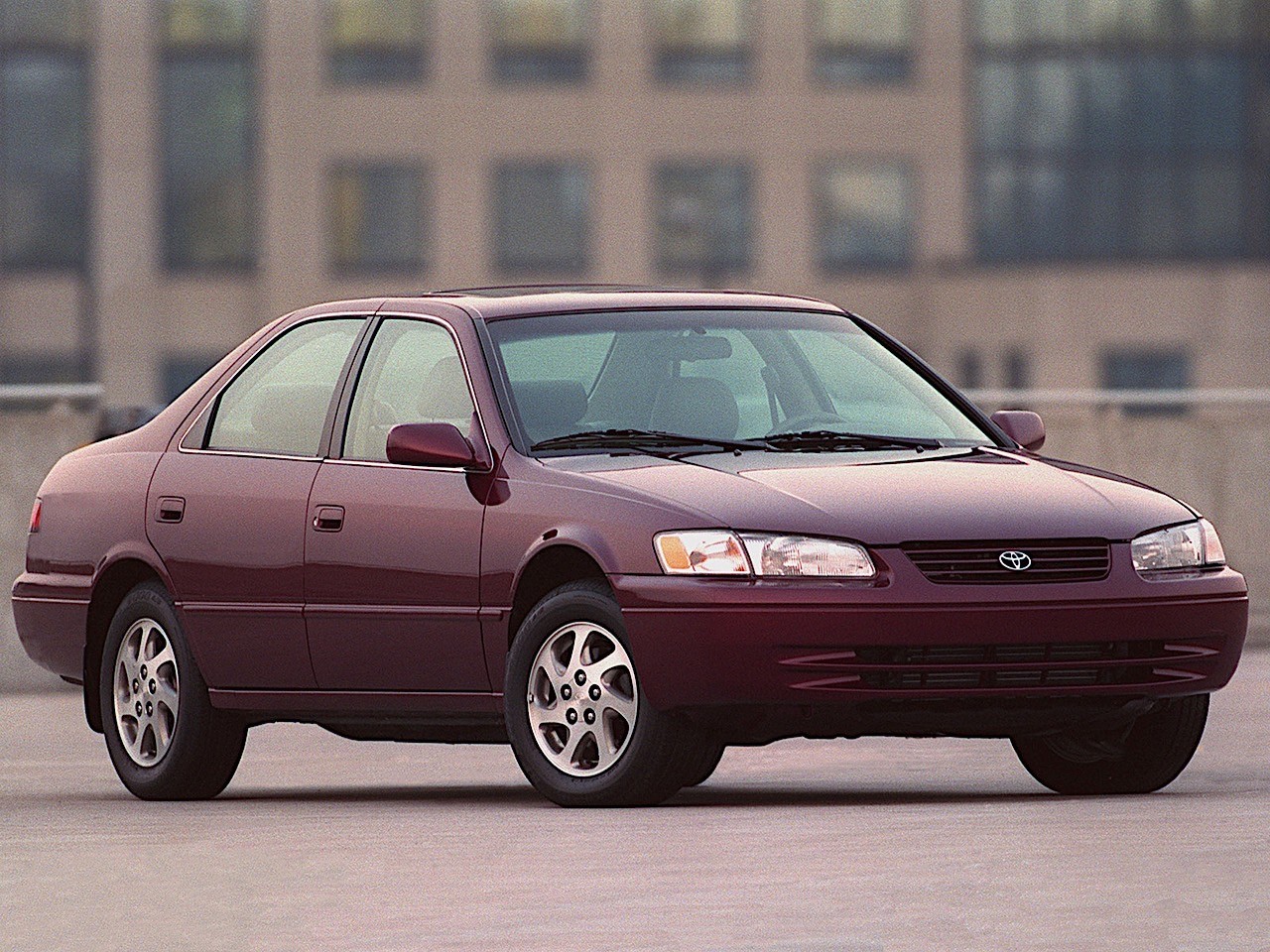
1. Toyota Camry (1997-2001)
The fourth-generation Toyota Camry represents perhaps the most reliable midsize sedan ever produced, with countless examples crossing the 500,000-mile threshold while maintaining their original powertrains.
This generation’s 2.2-liter 5S-FE four-cylinder engine became legendary for its understressed design, conservative tuning, and exceptional build quality that allowed it to run virtually maintenance-free for hundreds of thousands of miles.
The 5S-FE engine’s cast-iron block construction provided exceptional thermal stability and wear resistance, while its aluminum cylinder head offered efficient heat dissipation without sacrificing durability.
Toyota’s engineers deliberately chose conservative compression ratios, cam profiles, and fuel mapping that prioritized longevity over peak power output.
This philosophy extended to the engine’s internal components, with forged steel crankshafts, robust connecting rods, and pistons designed to withstand decades of daily driving without requiring rebuilds.
The transmission options for this generation were equally impressive in their durability. The five-speed manual transmission featured close-ratio gearing and a robust synchronizer design that could handle aggressive shifting patterns without premature wear.
More notably, the four-speed automatic transmission became renowned for its smooth operation and exceptional longevity, with many examples operating flawlessly beyond 400,000 miles without requiring major internal repairs or rebuilds.
Maintenance requirements for these vehicles remained remarkably straightforward throughout their service lives. Regular oil changes using conventional motor oil, timing belt replacements every 90,000 miles, and basic fluid services typically represented the extent of major maintenance requirements.
The engine’s timing belt design, while requiring periodic replacement, proved remarkably tolerant of slight maintenance delays, rarely resulting in catastrophic interference damage even when belts failed.
Interior durability matched the mechanical components’ exceptional longevity, with seats, dashboard materials, and trim pieces that retained their appearance and functionality long after comparable vehicles showed significant wear.
Air conditioning systems, electrical components, and accessories consistently operated reliably throughout these vehicles’ extended service lives, contributing to their reputation as virtually unbreakable transportation appliances.
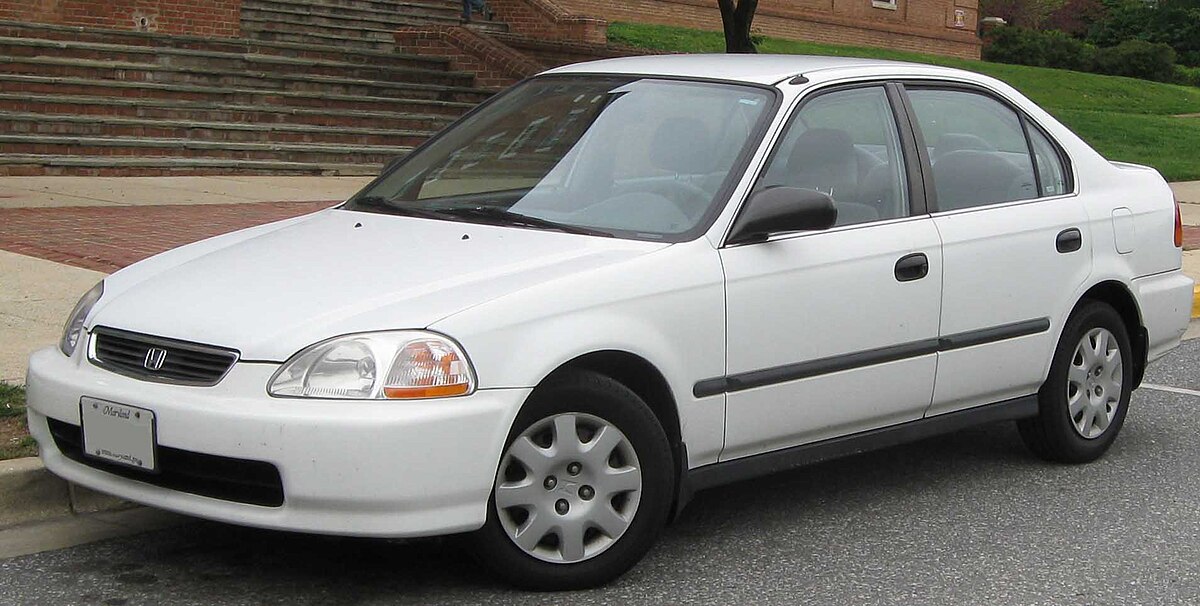
2. Honda Civic (1992-1995)
The fifth-generation Honda Civic established benchmarks for small car durability that remain unmatched decades after production ended.
These vehicles consistently demonstrate the ability to exceed 500,000 miles while retaining their original engines and transmissions, making them favorites among budget-conscious drivers seeking maximum longevity from minimal investment.
Honda’s D-series engines powered most Civic variants during this generation, with the D15B7 and D16Z6 engines becoming particularly renowned for their exceptional durability.
These aluminum-block, aluminum-head powerplants featured Honda’s VTEC technology in higher trim levels, but even the base SOHC variants demonstrated remarkable longevity.
The engines’ lightweight construction reduced internal stresses while providing excellent heat dissipation, contributing significantly to their ability to operate reliably for hundreds of thousands of miles.
The transmission options included both five-speed manual and four-speed automatic variants, each engineered for long-term reliability rather than performance.
Manual transmissions featured precise shift mechanisms and robust synchronizer designs that maintained smooth operation even after extensive use.
The automatic transmissions, while not as sophisticated as modern units, proved remarkably durable through their simple, proven designs that prioritized reliability over efficiency or quick shifts.
Maintenance requirements remained minimal throughout these vehicles’ service lives, with owners reporting that basic oil changes, timing belt replacements, and fluid services represented the majority of required maintenance.
The engines’ timing belt configuration, while requiring periodic replacement, rarely resulted in valve damage if belts failed, making these some of the most forgiving powerplants ever produced for occasional maintenance oversights.
Electrical systems remained simple but reliable, with few complex electronic components to fail over time. Air conditioning systems, when properly maintained, consistently provided reliable operation throughout these vehicles’ extended service lives.
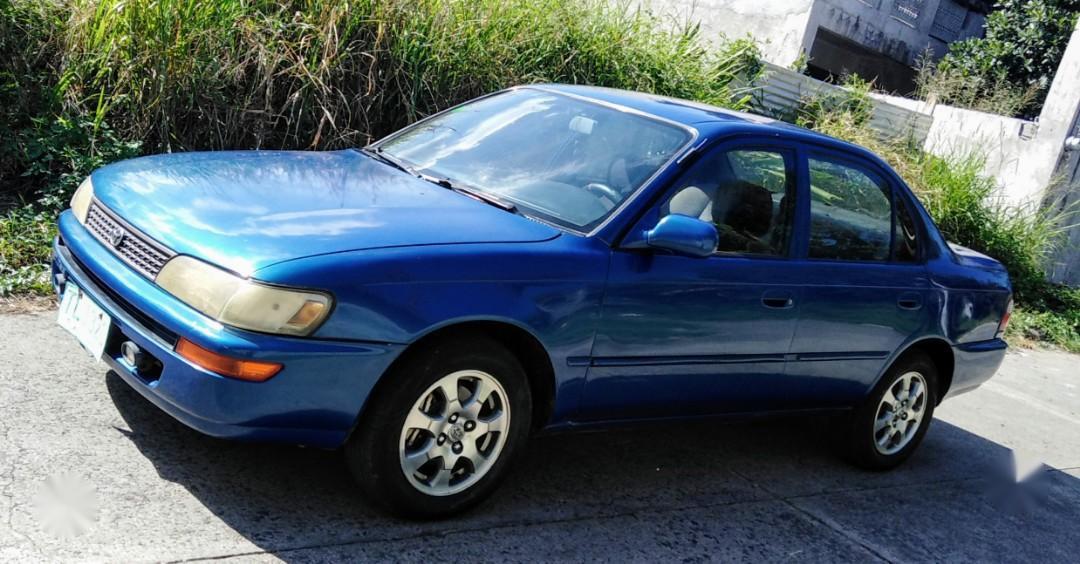
3. Toyota Corolla (1993-1997)
The seventh-generation Toyota Corolla represents compact car engineering at its finest, with thousands of examples demonstrating the ability to surpass 500,000 miles while maintaining their original powertrains.
This generation’s 1.6-liter 4A-FE engine became synonymous with reliability, offering owners decades of trouble-free transportation with minimal maintenance requirements.
The 4A-FE engine featured cast-iron block construction that provided exceptional durability and thermal stability, while its aluminum cylinder head offered efficient combustion and heat dissipation.
Toyota’s engineers designed this powerplant with conservative specifications that prioritized longevity over performance, resulting in an engine capable of operating reliably under various driving conditions without premature wear or failure.
The engine’s simple design eliminated many potential failure points while maintaining adequate power delivery for daily driving needs. Transmission options included both five-speed manual and four-speed automatic variants, each designed for exceptional durability.
The manual transmission featured precise shift mechanisms and robust internal components that maintained smooth operation even after hundreds of thousands of miles.
The automatic transmission, while technologically simple compared to modern units, proved remarkably reliable through its proven hydraulic design and robust internal construction.
Maintenance schedules for these vehicles remained straightforward throughout their service lives, with regular oil changes, timing belt replacements every 60,000-90,000 miles, and basic fluid services representing the primary requirements.
The engine’s non-interference design meant that timing belt failures rarely resulted in valve damage, making these some of the most forgiving vehicles for owners who occasionally delayed maintenance.
Chassis construction incorporated independent front suspension with MacPherson struts and a rear torsion beam design that provided excellent durability while maintaining ride comfort.
The body utilized high-quality steel with effective corrosion protection, allowing these vehicles to maintain structural integrity even in challenging environmental conditions. Electrical systems remained simple but reliable, with minimal electronic complexity that could fail over time.
Interior durability matched the mechanical components’ exceptional longevity, with seats, dashboard materials, and controls that retained their functionality and appearance throughout extended service lives.
Air conditioning systems, when properly maintained, consistently provided reliable operation well beyond typical vehicle service lives, contributing to owner satisfaction and vehicle utility.
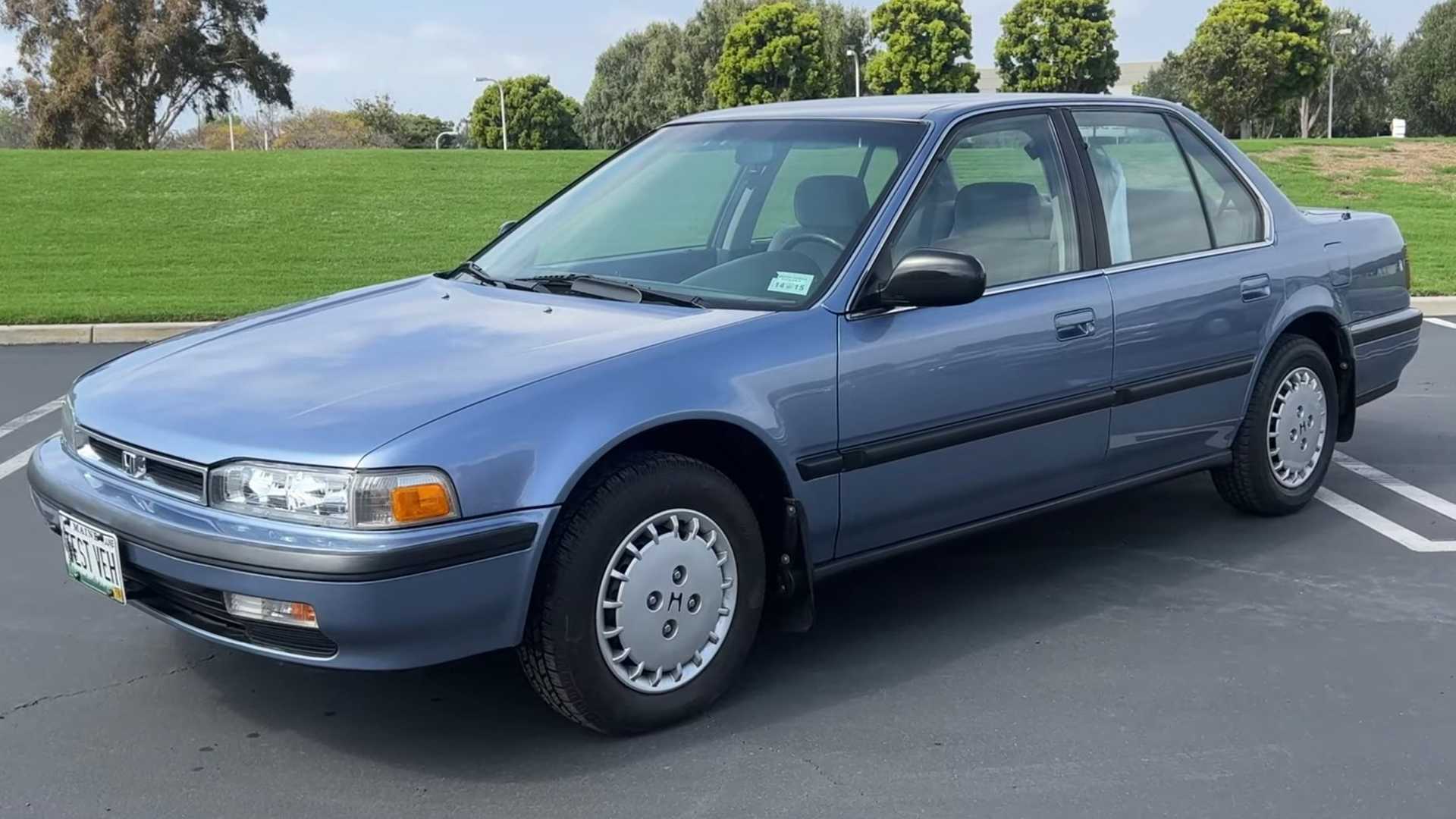
4. Honda Accord (1990-1993)
The fourth-generation Honda Accord established new standards for midsize sedan reliability, with numerous examples crossing the 500,000-mile threshold while retaining their original engines and transmissions.
This generation’s F22A series engines became legendary for their smooth operation, exceptional durability, and minimal maintenance requirements throughout their extended service lives.
The F22A engines featured aluminum block and head construction that provided excellent heat dissipation while maintaining durability through precise manufacturing tolerances and high-quality materials.
Honda’s engineering philosophy emphasized reliable operation over peak performance, resulting in engines that could operate consistently under various driving conditions without premature wear. The SOHC design simplified maintenance while providing adequate power delivery for most driving situations.
Transmission options included both five-speed manual and four-speed automatic variants, each engineered for long-term reliability. Manual transmissions featured Honda’s precise shift mechanisms and robust synchronizer designs that maintained smooth operation throughout their service lives.
Automatic transmissions, while technologically simpler than modern units, proved remarkably durable through their proven hydraulic designs and quality construction.
Maintenance requirements remained minimal for these vehicles, with owners consistently reporting that regular oil changes, timing belt replacements, and basic fluid services represented the majority of required maintenance.
The engines’ timing belt design, while requiring periodic replacement, proved tolerant of slight maintenance delays and rarely resulted in catastrophic damage when belts eventually failed.
Body construction utilized high-quality materials with effective corrosion protection, allowing these vehicles to maintain their structural integrity and appearance even after decades of use.
Interior appointments proved exceptionally durable, with seats, dashboard components, and controls that retained their functionality and appearance long after comparable vehicles showed significant wear.
Also Read: Why Owners Won’t Sell Their 300k-Mile SUVs
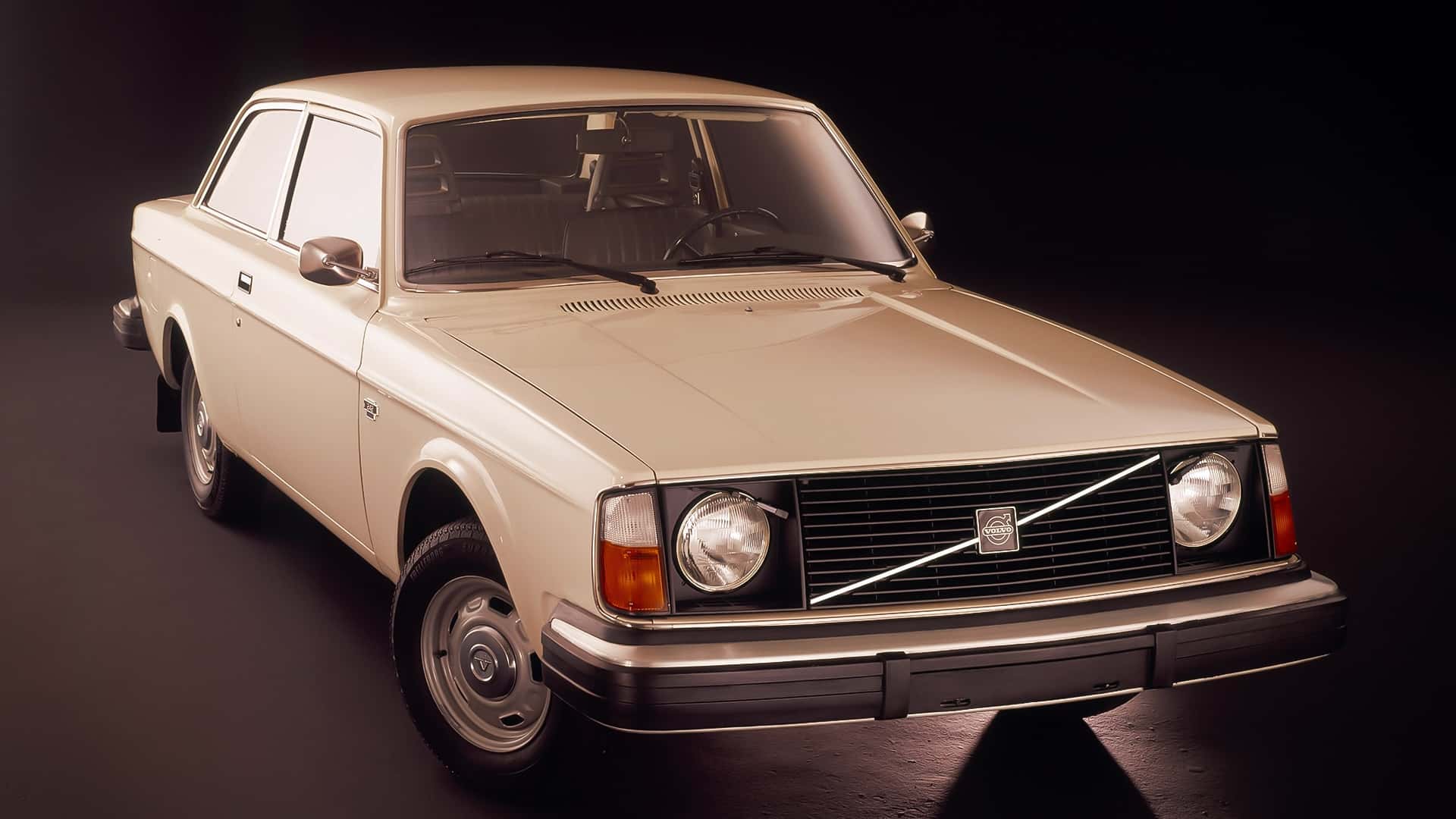
5. Volvo 240 Series (1975-1993)
The Volvo 240 series represents Swedish automotive engineering at its most practical and durable, with countless examples exceeding 500,000 miles while maintaining their original powertrains.
These vehicles became synonymous with longevity, safety, and reliability, earning devoted followings among owners who valued dependable transportation above style or performance.
The B230F four-cylinder engine powered most 240 series vehicles and became legendary for its exceptional durability and simple maintenance requirements.
This cast-iron block, aluminum-head powerplant featured conservative design specifications that prioritized longevity over performance, resulting in an engine capable of operating reliably for hundreds of thousands of miles with basic maintenance. The engine’s robust construction and understressed operation allowed it to handle various driving conditions without premature wear.
Transmission options included both manual and automatic variants, each designed for exceptional durability. The manual transmissions featured robust gear sets and synchronizer designs that maintained smooth operation throughout their service lives.
Automatic transmissions, while technologically simple, proved remarkably reliable through their proven designs and quality construction that could handle extended use without major repairs.
Maintenance schedules remained straightforward, with regular oil changes, timing belt replacements, and basic fluid services representing the primary requirements.
The engine’s non-interference design meant that timing belt failures rarely resulted in valve damage, making these vehicles particularly forgiving for owners who occasionally delayed maintenance. Parts availability remained excellent throughout these vehicles’ service lives due to Volvo’s commitment to long-term parts support.
Interior durability proved exceptional, with seats, dashboard materials, and controls that retained their functionality and appearance throughout extended service lives. Electrical systems remained relatively simple but reliable, with few complex components to fail over time.
The vehicles’ reputation for safety, combined with their exceptional reliability, made them popular choices for families seeking long-term transportation solutions.
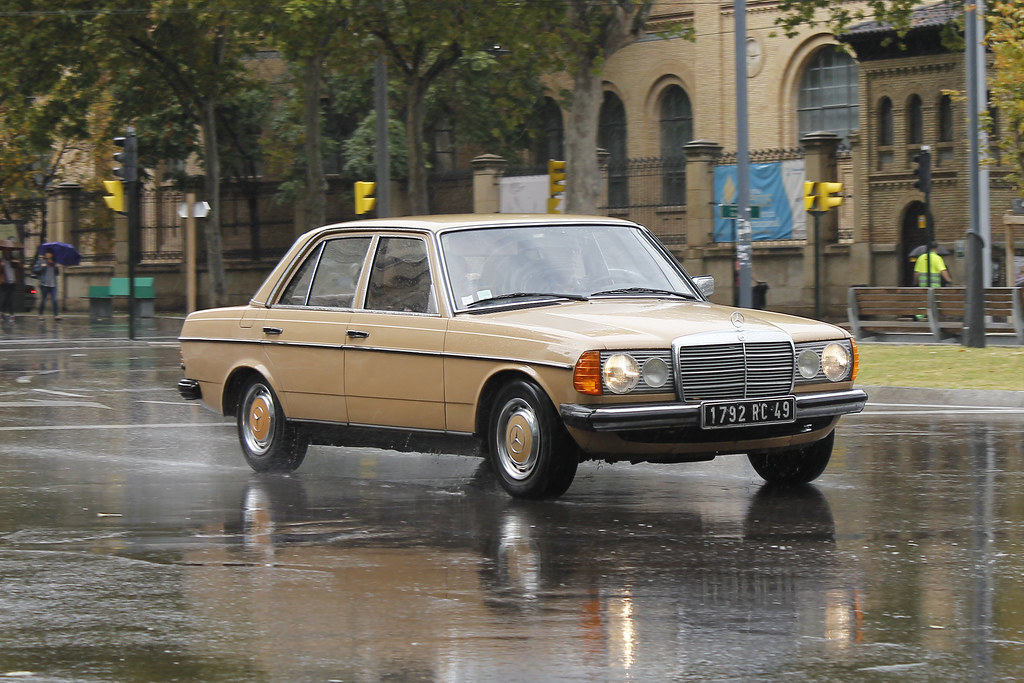
6. Mercedes-Benz W123 (1976-1985)
The Mercedes-Benz W123 series represents German over-engineering at its finest, with numerous examples demonstrating the ability to exceed 500,000 miles while maintaining their original powertrains.
These vehicles established benchmarks for luxury car durability that remain largely unmatched in modern automotive manufacturing, combining exceptional build quality with meticulous attention to detail.
The OM617 five-cylinder diesel engine became particularly renowned for its exceptional longevity, with many examples operating reliably beyond 500,000 miles without major internal repairs.
This indirect-injection diesel featured robust cast-iron construction throughout, with conservative specifications that prioritized durability over performance. The engine’s simple mechanical fuel injection system eliminated many potential failure points while providing reliable operation under various conditions.
Gasoline engine options, including the M102 and M110 series, also demonstrated exceptional durability through their conservative designs and high-quality construction.
These engines featured cast-iron blocks with aluminum heads, providing excellent thermal stability while maintaining durability through precise manufacturing tolerances and premium materials. Internal components utilized high-quality alloys and precision machining that contributed to extended service lives.
Transmission options included both manual and automatic variants, each engineered to Mercedes-Benz’s exacting standards for durability and refinement.
Manual transmissions featured precise shift mechanisms and robust gear sets that maintained smooth operation throughout their service lives. Automatic transmissions incorporated sophisticated hydraulic systems that, while complex, proved remarkably reliable when properly maintained.
Interior appointments reflected Mercedes-Benz’s commitment to quality, with leather seats, wood trim, and controls that retained their functionality and appearance throughout extended service lives.
Electrical systems, while more complex than contemporary vehicles, proved remarkably reliable through high-quality components and careful engineering that minimized potential failure points.
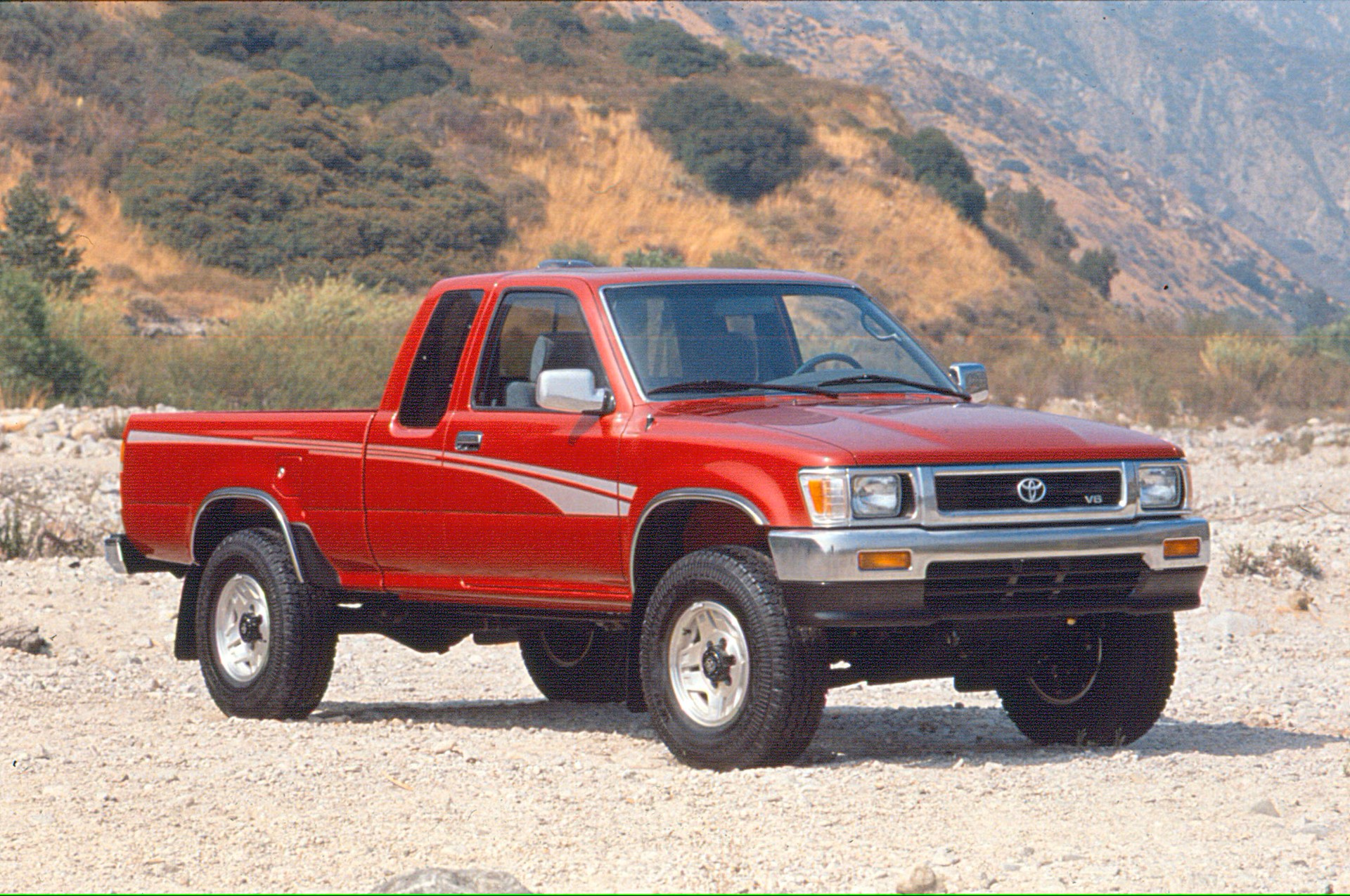
7. Toyota Pickup/Tacoma (1995-2004)
The Toyota Pickup, later renamed Tacoma, established new standards for compact truck reliability and durability, with countless examples crossing the 500,000-mile threshold while maintaining their original powertrains.
These vehicles became legendary for their ability to operate reliably under extreme conditions while requiring minimal maintenance throughout their service lives.
The 2.7-liter 3RZ-FE four-cylinder engine powered many of these trucks and became renowned for its exceptional durability and simple maintenance requirements.
This cast-iron block, aluminum-head powerplant featured conservative design specifications that prioritized longevity over performance, resulting in an engine capable of handling heavy loads, extreme temperatures, and challenging driving conditions without premature failure.
The available 3.4-liter 5VZ-FE V6 engine also demonstrated exceptional durability, offering increased power while maintaining the reliability characteristics that made Toyota trucks legendary.
Both engines featured timing chain designs that eliminated the maintenance requirements associated with timing belts while providing exceptional durability throughout their service lives.
Transmission options included both manual and automatic variants, each designed for the demanding conditions that compact trucks frequently encounter.
Manual transmissions featured robust gear sets and synchronizer designs that could handle heavy loads and aggressive use without premature wear. Automatic transmissions proved remarkably durable despite the challenging conditions these trucks often faced.
Chassis construction incorporated independent front suspension with solid rear axles that provided exceptional durability while maintaining load-carrying capacity.
The frame utilized heavy-gauge steel construction with effective corrosion protection, allowing these vehicles to maintain structural integrity even when subjected to harsh off-road conditions, heavy loads, and extreme environmental factors.
Body construction emphasized function over form, with panels and trim designed to withstand the challenging conditions that trucks frequently encounter. Interior appointments, while basic, proved exceptionally durable throughout extended service lives.
The vehicles’ reputation for reliability made them popular choices among commercial users who required dependable transportation for business operations.
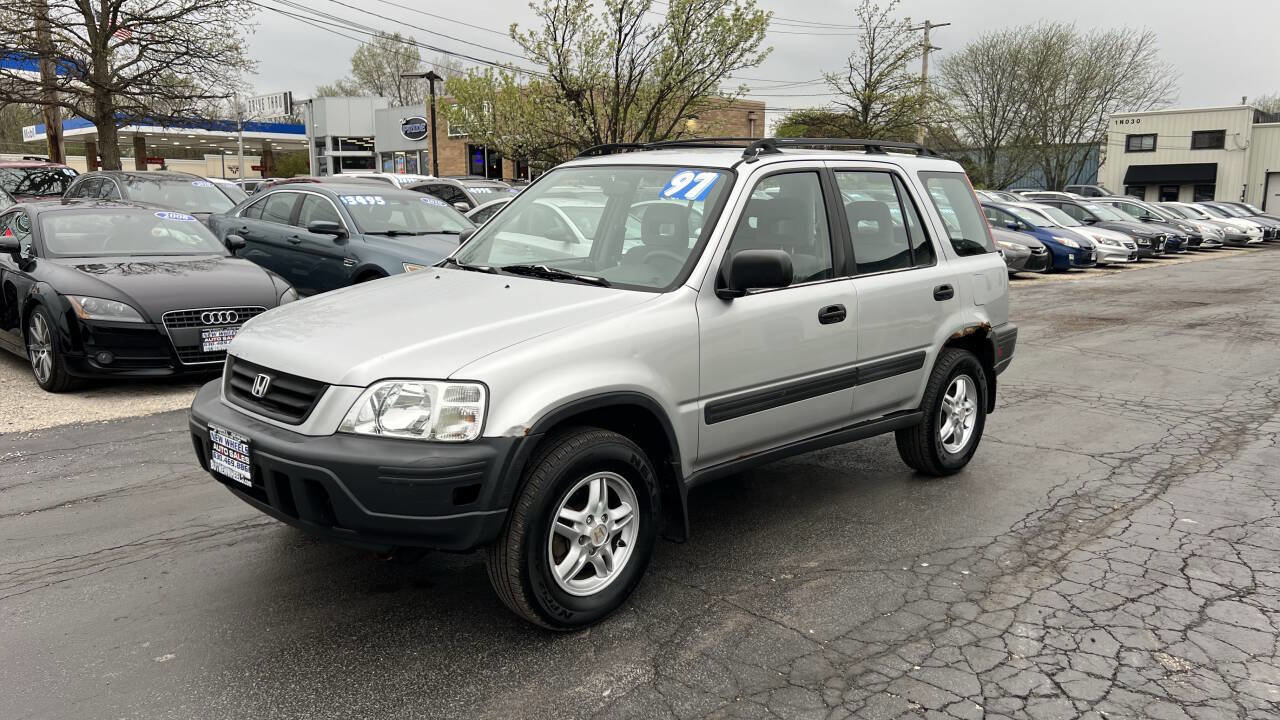
8. Honda CR-V (1997-2001)
The first-generation Honda CR-V pioneered the compact SUV segment while establishing exceptional standards for reliability and durability.
These vehicles consistently demonstrate the ability to exceed 500,000 miles while retaining their original powertrains, making them sought-after choices among buyers seeking long-term transportation solutions in a versatile package.
The B20B four-cylinder engine powered all first-generation CR-V models and became renowned for its exceptional durability and smooth operation.
This aluminum-block, aluminum-head powerplant featured Honda’s proven engineering philosophy that prioritized reliability over performance, resulting in an engine capable of operating consistently under various driving conditions without premature wear or failure.
The Real Time 4WD system provided excellent traction capabilities while maintaining simplicity and reliability.
Unlike more complex all-wheel-drive systems, Honda’s design used a simple viscous coupling that engaged rear wheels when front wheel slippage occurred, eliminating the maintenance requirements and potential failure points associated with more sophisticated systems.
Transmission options included both five-speed manual and four-speed automatic variants, each designed for the demanding conditions that SUVs frequently encounter.
The manual transmission featured precise shift mechanisms and robust synchronizer designs that maintained smooth operation throughout their service lives. The automatic transmission proved remarkably durable despite the increased loads associated with SUV operation.
Maintenance requirements remained minimal throughout these vehicles’ service lives, with regular oil changes, timing belt replacements, and basic fluid services representing the primary maintenance needs.
The engine’s interference design required careful attention to timing belt replacement intervals, but when properly maintained, these engines demonstrated exceptional longevity and reliability.
Interior durability matched the mechanical components’ exceptional longevity, with seats, dashboard materials, and controls that retained their functionality and appearance throughout extended service lives.
The versatile interior design, combined with exceptional reliability, made these vehicles popular choices for families seeking practical, long-lasting transportation.
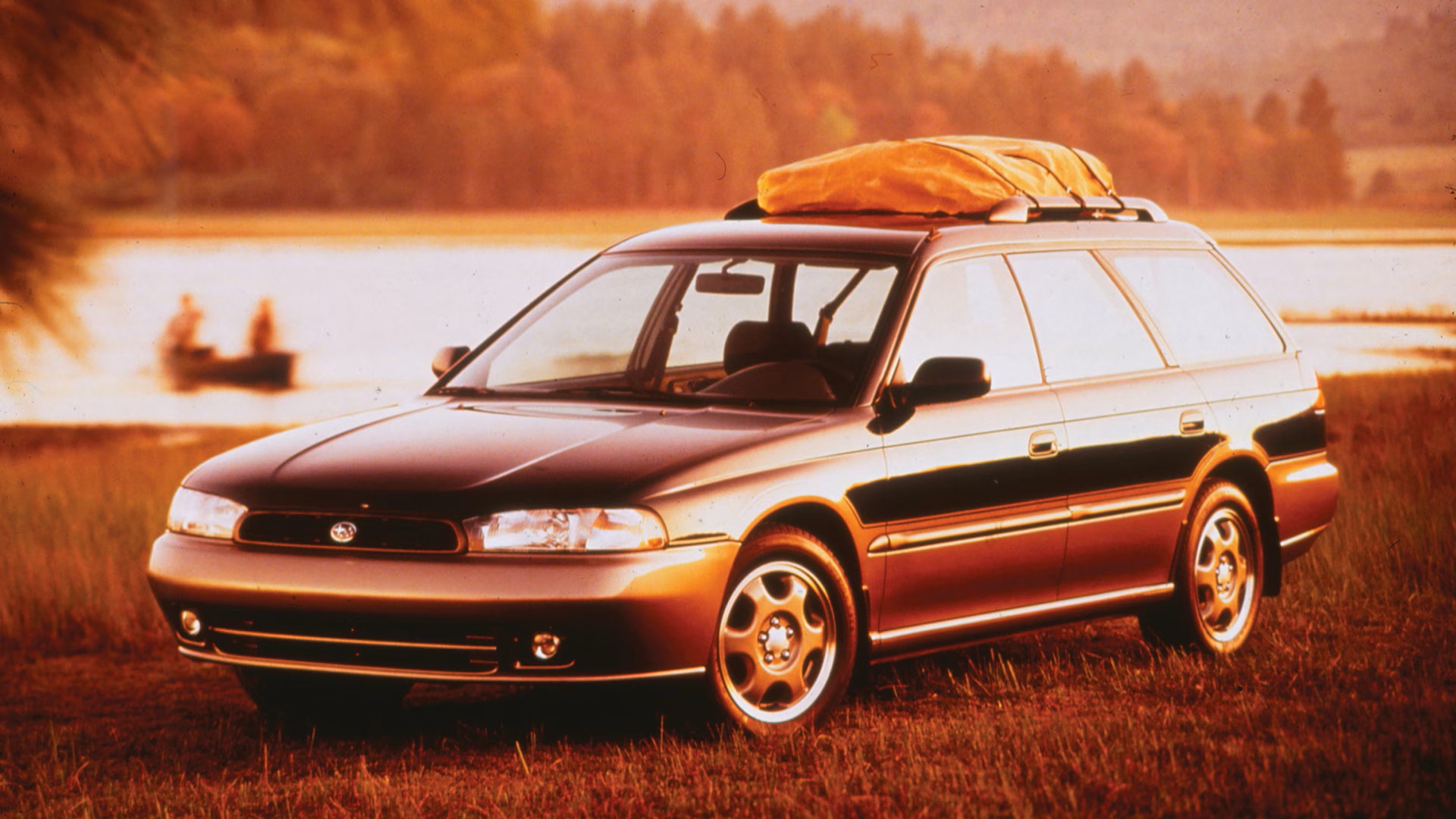
9. Subaru Legacy/Outback (1990-1999)
The first and second-generation Subaru Legacy and Outback models established exceptional reputations for durability and all-weather capability, with numerous examples crossing the 500,000-mile threshold while maintaining their original powertrains.
These vehicles combined Subaru’s signature all-wheel-drive system with robust engineering that provided exceptional longevity. The EJ22 2.2-liter flat-four engine became particularly renowned for its exceptional durability and reliability.
This aluminum-block, aluminum-head powerplant featured Subaru’s horizontally-opposed design that provided excellent balance and smooth operation while maintaining durability through conservative specifications and high-quality construction.
The engine’s design eliminated many vibration-related wear issues that affect conventional inline engines.
Subaru’s symmetrical all-wheel-drive system provided exceptional traction capabilities while maintaining relative simplicity compared to part-time systems.
The system’s full-time operation eliminated the shock loads associated with engaging and disengaging all-wheel drive, contributing to drivetrain longevity. Manual transmission models featured viscous center differentials, while automatic models used electronically controlled systems.
Transmission options included both five-speed manual and four-speed automatic variants, each designed to handle the additional stresses associated with all-wheel-drive operation.
Manual transmissions featured robust gear sets and synchronizer designs that maintained smooth operation throughout their service lives. Automatic transmissions proved remarkably durable when properly maintained with regular fluid changes.
Maintenance requirements included regular oil changes, timing belt replacements every 60,000-90,000 miles, and attention to the all-wheel-drive system’s fluid requirements
The EJ22 engine’s interference design required careful attention to timing belt replacement intervals, but when properly maintained, demonstrated exceptional longevity and reliability under various operating conditions.
Chassis construction incorporated independent suspension at all four corners, providing excellent ride quality and handling while maintaining durability.
The body utilized high-quality steel with effective corrosion protection, particularly important for these vehicles given their frequent exposure to harsh winter conditions and road salt.
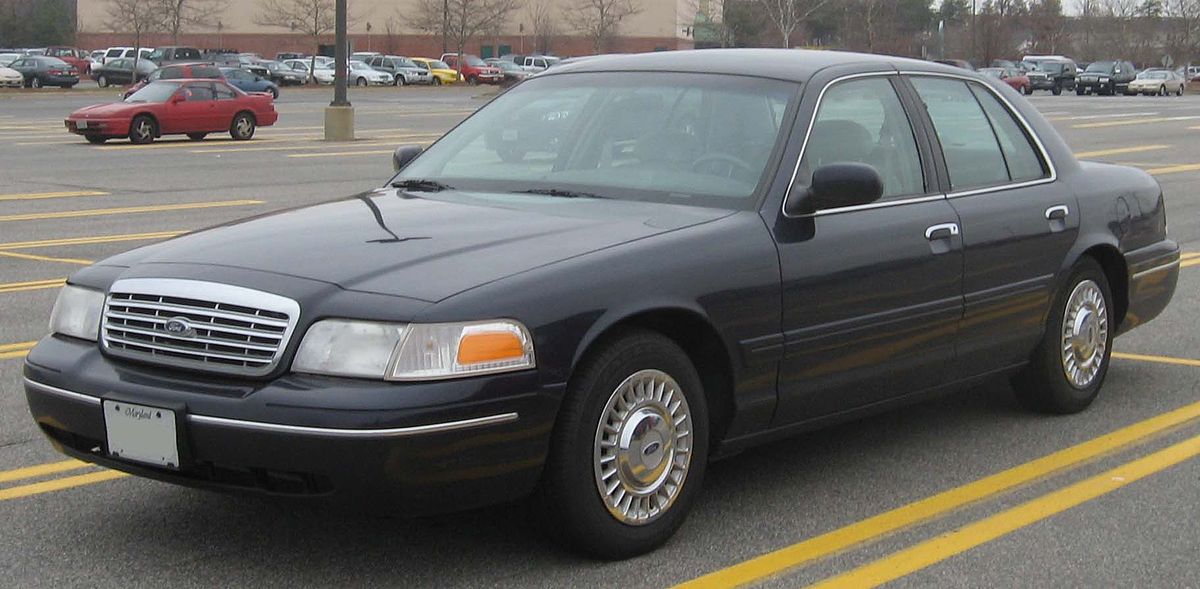
10. Ford Crown Victoria (1992-2011)
The Ford Crown Victoria represents American automotive engineering focused on durability and serviceability, with countless examples in fleet service exceeding 500,000 miles while maintaining their original powertrains.
These vehicles became synonymous with reliability in demanding applications, serving as police vehicles, taxis, and government fleet vehicles where dependability was paramount. The 4.6-liter Modular V8 engine powered most Crown Victoria models and became renowned for its exceptional durability in fleet applications.
This aluminum-head, cast-iron-block powerplant featured conservative design specifications that prioritized longevity and reliability over performance, making it ideal for vehicles that required consistent operation under demanding conditions.
The engine’s simple overhead cam design eliminated many potential failure points while providing adequate power for most applications.
Internal components utilized high-quality materials and precise manufacturing tolerances that contributed to extended service lives even under constant use. The engine’s robust construction allowed it to handle the demanding duty cycles typical of fleet applications without premature failure.
Transmission options centered around Ford’s 4R70W four-speed automatic, which proved exceptionally durable in fleet applications when properly maintained.
This transmission featured robust construction and proven hydraulic designs that could handle extended use without major repairs. The transmission’s simple design facilitated maintenance and repair when necessary.
Chassis construction incorporated independent front suspension with MacPherson struts and a solid rear axle design that provided exceptional durability while maintaining ride quality.
The body-on-frame construction utilized heavy-gauge steel that could withstand the demanding conditions associated with fleet use, including frequent passenger changes, heavy equipment installation, and constant operation.
Interior appointments emphasized durability over luxury, with seats, dashboard materials, and controls designed to withstand constant use. Electrical systems proved remarkably reliable despite the additional equipment often installed in fleet applications.
The vehicles’ reputation for reliability made them popular choices among commercial users requiring dependable transportation for business operations.
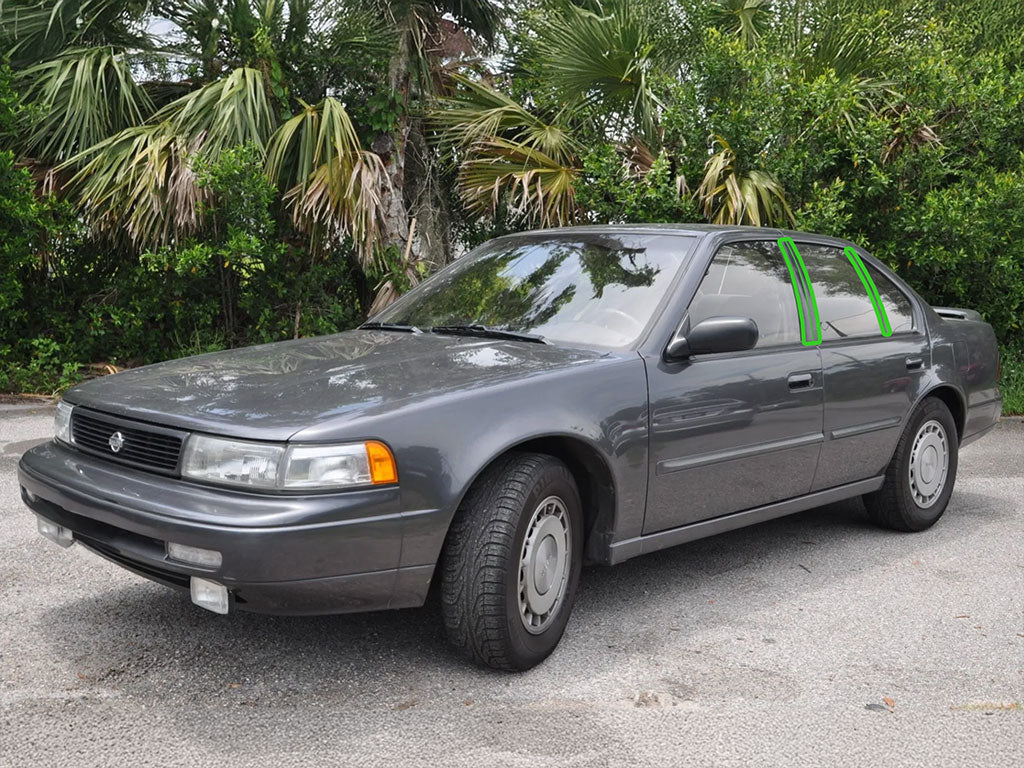
11. Nissan Maxima (1989-1994)
The third-generation Nissan Maxima established exceptional standards for luxury sedan reliability, with numerous examples demonstrating the ability to exceed 500,000 miles while maintaining their original powertrains.
These vehicles combined performance, comfort, and exceptional durability in a package that provided decades of reliable service. The VE30DE 3.0-liter V6 engine became renowned for its smooth operation, adequate power delivery, and exceptional durability.
This aluminum-block, aluminum-head powerplant featured Nissan’s proven engineering philosophy that balanced performance with reliability, resulting in an engine capable of operating consistently under various driving conditions without premature wear or failure.
The engine’s sophisticated design included features like variable valve timing and advanced combustion chamber designs that provided efficient operation while maintaining durability.
Internal components utilized high-quality materials and precise manufacturing tolerances that contributed to extended service lives. The engine’s smooth operation and refinement matched luxury vehicles costing significantly more.
Transmission options included both five-speed manual and four-speed automatic variants, each designed for the refined operation expected from luxury sedans.
Manual transmissions featured precise shift mechanisms and robust synchronizer designs that maintained smooth operation throughout their service lives. Automatic transmissions incorporated sophisticated hydraulic systems that provided smooth shifts while maintaining durability.
Maintenance requirements remained reasonable throughout these vehicles’ service lives, with regular oil changes, timing belt replacements, and basic fluid services representing the primary maintenance needs.
The engine’s interference design required careful attention to timing belt replacement intervals, but when properly maintained, demonstrated exceptional longevity and reliability.
Interior appointments reflected the vehicle’s luxury positioning, with comfortable seats, quality materials, and advanced features that retained their functionality throughout extended service lives. The combination of performance, comfort, and reliability made these vehicles popular choices among buyers seeking long-term luxury transportation.
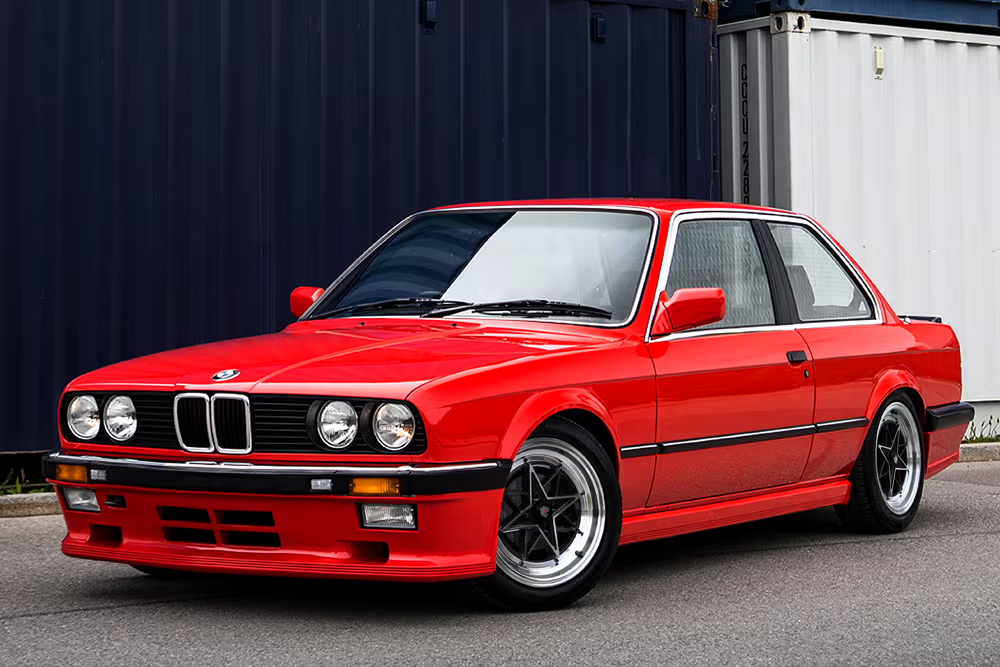
12. BMW E30 3 Series (1982-1994)
The BMW E30 3 Series represents German engineering excellence, with numerous examples exceeding 500,000 miles while maintaining their original powertrains.
These vehicles established BMW’s reputation for building driver-focused cars that combined performance with exceptional durability, creating machines that provided decades of spirited driving enjoyment.
The M20 2.5-liter inline-six engine became particularly renowned for its smooth operation, adequate power delivery, and exceptional durability. This cast-iron block, aluminum-head powerplant featured BMW’s traditional inline-six configuration that provided excellent balance and refinement while maintaining durability through conservative specifications and high-quality construction.
The engine’s sophisticated design included features like Bosch fuel injection and advanced ignition systems that provided efficient operation while maintaining reliability.
Internal components utilized high-quality German engineering and materials that contributed to extended service lives even under enthusiastic driving conditions. The engine’s character and durability made it a favorite among driving enthusiasts.
Transmission options included both five-speed manual and four-speed automatic variants, each designed to complement the engine’s characteristics while providing durability.
Manual transmissions featured BMW’s precise shift mechanisms and robust gear sets that maintained smooth operation throughout their service lives, even under aggressive driving conditions.
Maintenance requirements included regular oil changes, timing belt or chain maintenance depending on engine variant, and attention to the sophisticated fuel injection and ignition systems.
While more complex than some competitors, proper maintenance resulted in exceptional longevity and reliability. The availability of parts and specialized knowledge supported extended service lives.
Interior appointments reflected BMW’s focus on the driving experience, with supportive seats, quality materials, and controls positioned for optimal driver interaction. The combination of performance, handling, and reliability created vehicles that remained engaging and reliable throughout extended service lives.
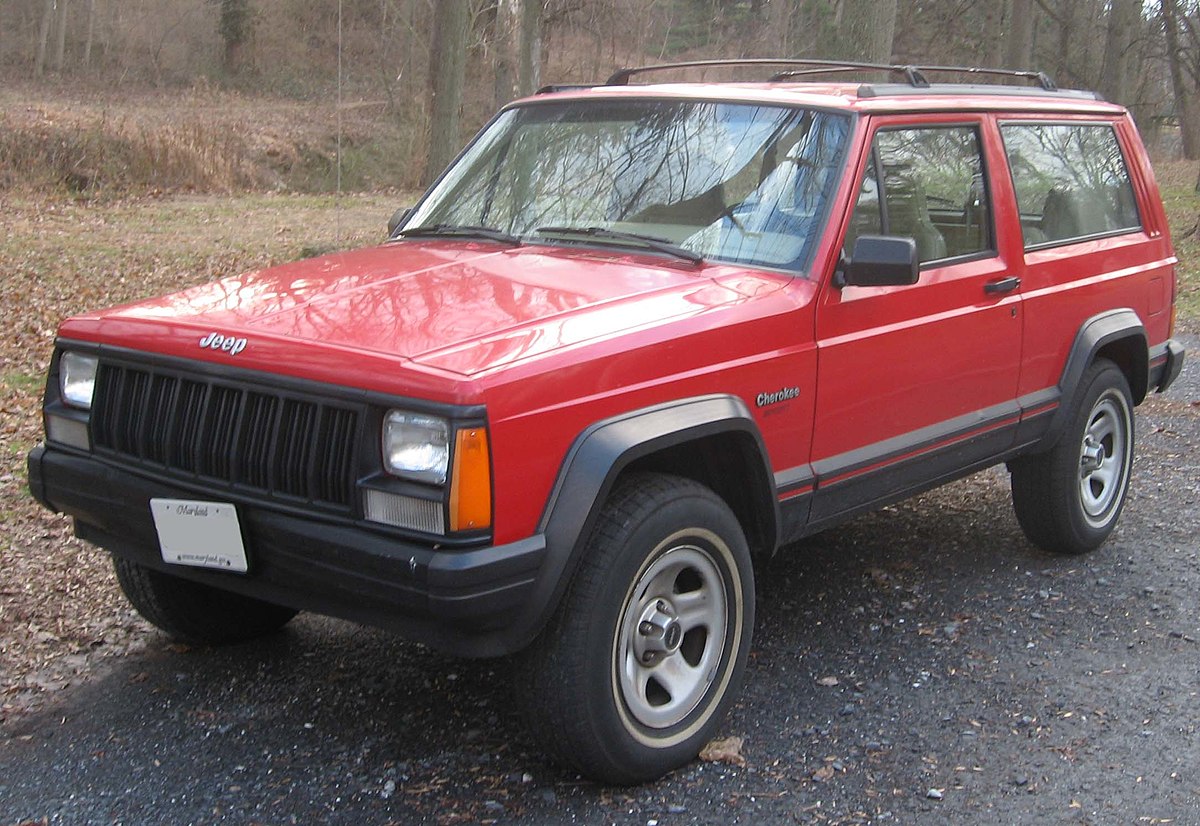
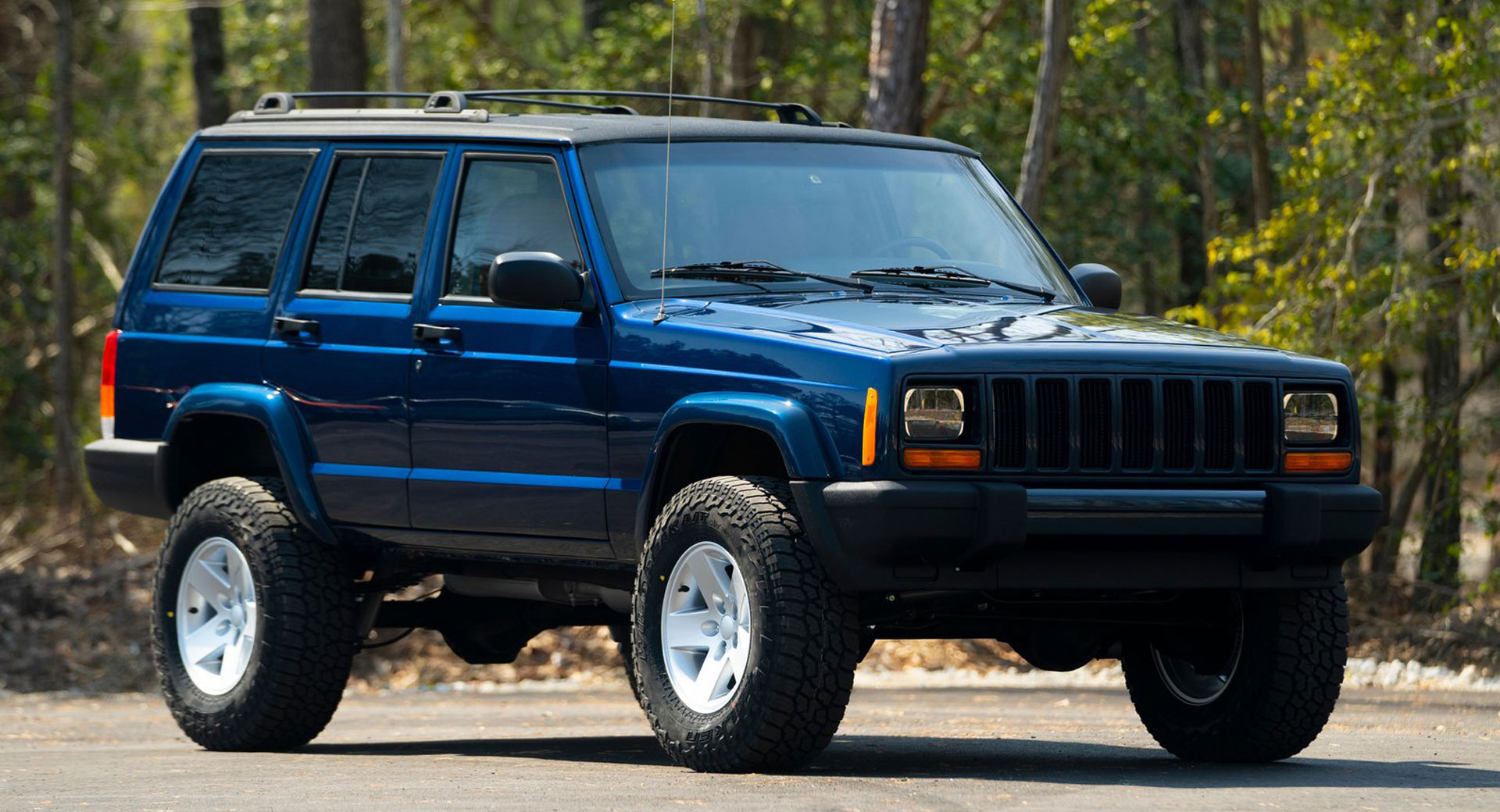
13. Jeep Cherokee XJ (1984-2001)
The Jeep Cherokee XJ revolutionized the SUV market while establishing exceptional standards for off-road durability and reliability. These vehicles consistently demonstrate the ability to exceed 500,000 miles while maintaining their original powertrains, making them legendary among off-road enthusiasts and those requiring dependable all-terrain transportation.
The 4.0-liter inline-six engine became synonymous with durability and reliability in demanding applications. This cast-iron powerplant featured conservative design specifications that prioritized longevity over peak performance, resulting in an engine capable of operating reliably under extreme conditions while requiring minimal maintenance throughout its service life.
The engine’s simple design eliminated many potential failure points while providing adequate power for most off-road and daily driving situations.
Internal components utilized robust construction and materials that could handle the demanding conditions associated with off-road use, including dust, water, extreme temperatures, and challenging terrain.
Transmission options included both manual and automatic variants designed for off-road applications. The manual transmissions featured robust gear sets capable of handling low-speed, high-torque situations without premature wear.
Automatic transmissions proved remarkably durable despite the challenging conditions these vehicles frequently encountered. The Command-Trac and Selec-Trac four-wheel-drive systems provided exceptional off-road capabilities while maintaining relative simplicity compared to modern systems.
These systems utilized proven designs that could handle extreme conditions while remaining serviceable with basic tools and knowledge. The solid front and rear axles provided exceptional durability in challenging terrain.
Interior appointments prioritized durability over luxury, with materials and construction designed to withstand the demanding conditions associated with off-road use.
The vehicles’ legendary reliability and capability made them popular choices among outdoor enthusiasts and commercial users requiring dependable off-road transportation.
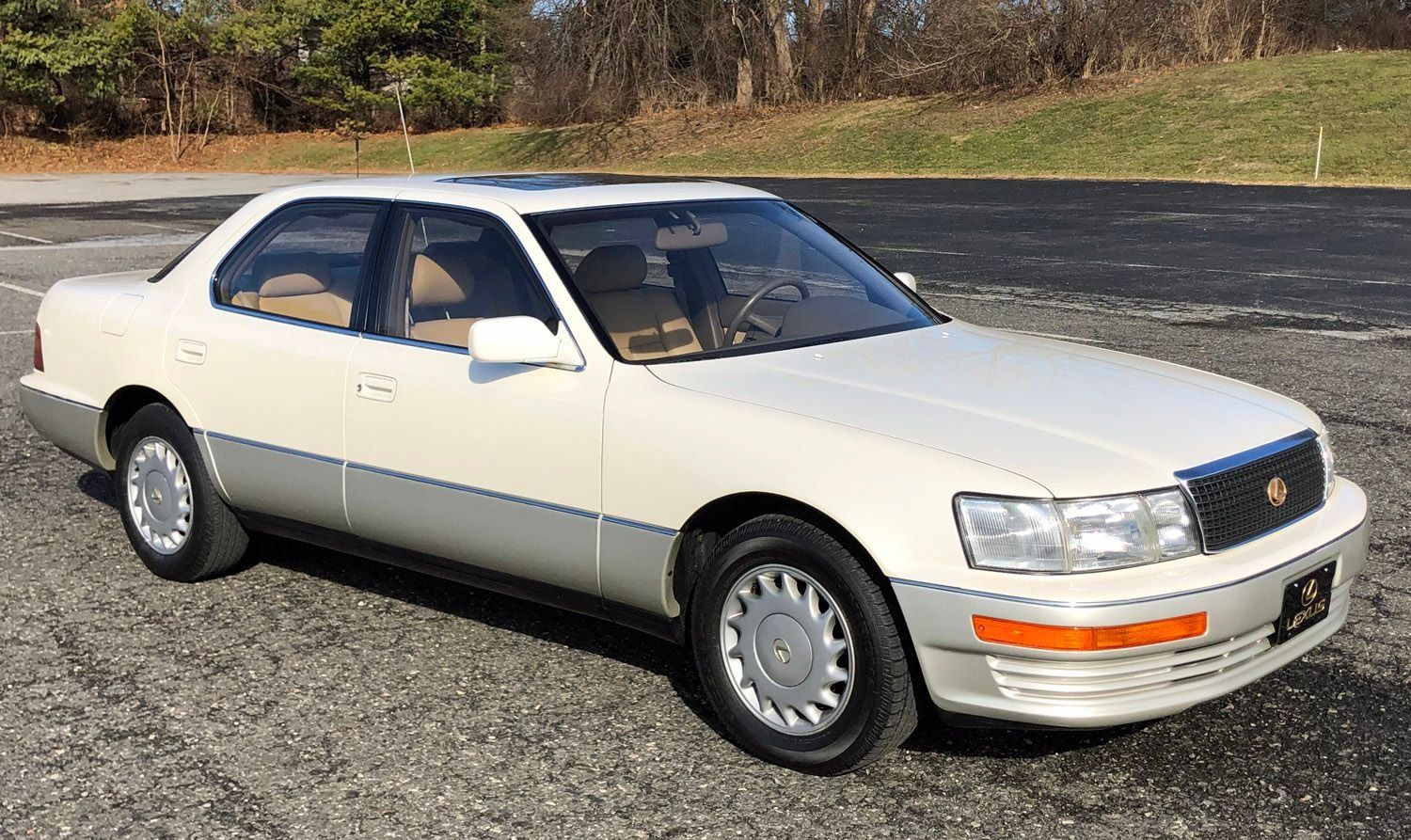
14. Lexus LS400 (1990-1994)
The first-generation Lexus LS400 established new benchmarks for luxury car reliability, with numerous examples exceeding 500,000 miles while maintaining their original powertrains.
These vehicles demonstrated that luxury and exceptional durability could coexist, creating machines that provided decades of refined, reliable transportation. The 1UZ-FE 4.0-liter V8 engine became legendary for its smooth operation, refinement, and exceptional durability.
This aluminum-block, aluminum-head powerplant featured Toyota’s meticulous engineering and manufacturing quality applied to luxury car specifications, resulting in an engine that operated with remarkable smoothness while maintaining durability throughout extended service lives.
The engine’s sophisticated design included features like variable valve timing, advanced engine management systems, and premium internal components that provided exceptional refinement while maintaining reliability. The engine’s character combined the smoothness expected from luxury vehicles with the durability that made Toyota products legendary.
Transmission options centered around a sophisticated four-speed automatic that provided smooth, refined operation while maintaining durability. This transmission incorporated advanced hydraulic controls and quality construction that could handle extended use while maintaining the smooth operation expected from luxury vehicles.
Maintenance requirements remained reasonable despite the vehicle’s sophisticated systems, with regular oil changes, timing belt replacements, and fluid services representing the primary needs.
The engine’s interference design required attention to timing belt intervals, but proper maintenance resulted in exceptional longevity and reliability.
Interior appointments reflected Lexus’s commitment to luxury and quality, with leather seats, wood trim, and advanced features that retained their functionality and appearance throughout extended service lives. The combination of luxury, performance, and reliability established Lexus as a serious competitor to established European luxury brands.
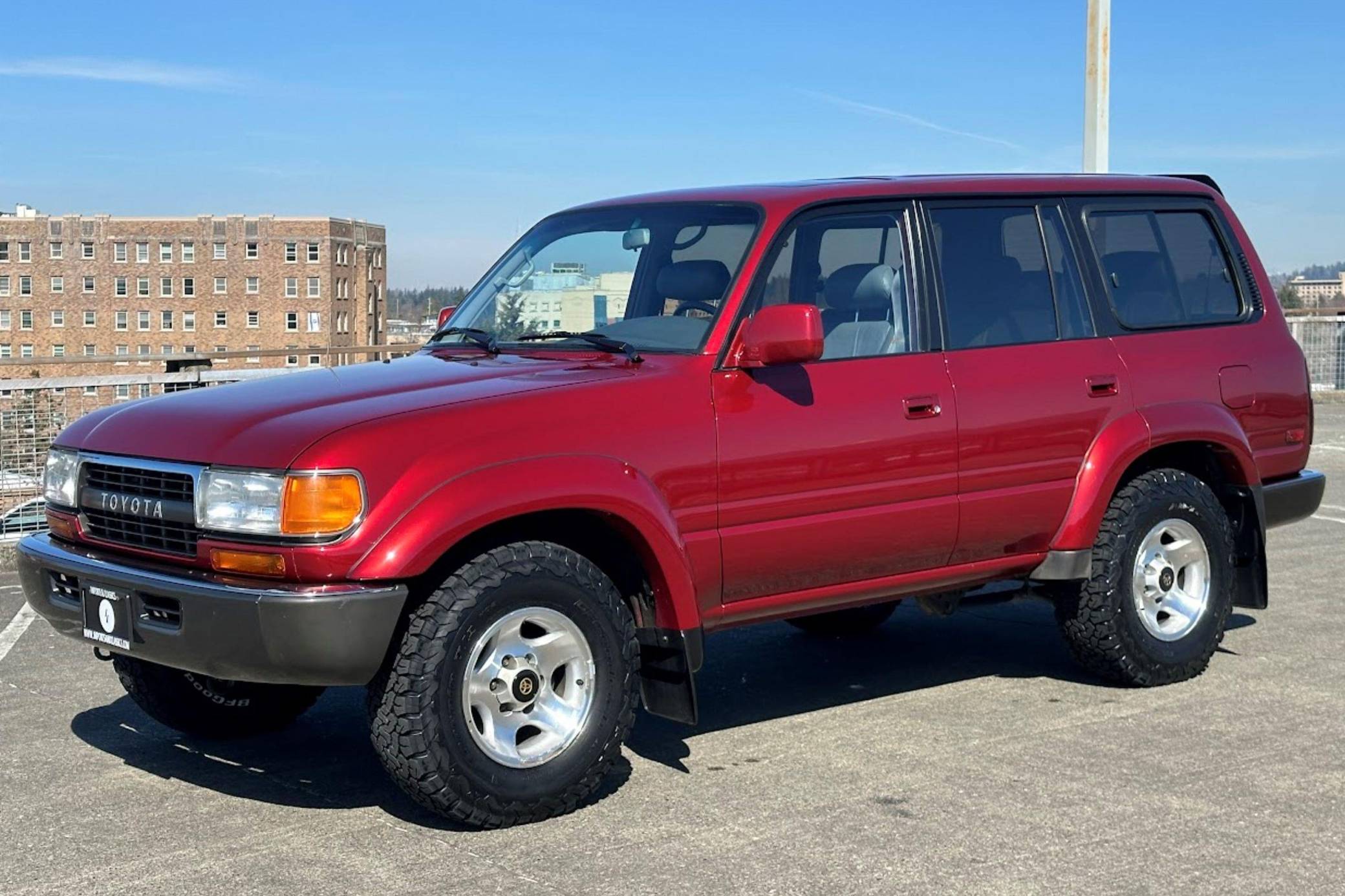
15. Toyota Land Cruiser (1991-1997)
The Toyota Land Cruiser FJ80 series represents the pinnacle of off-road vehicle durability and reliability, with countless examples exceeding 500,000 miles while maintaining their original powertrains.
These vehicles established benchmarks for capability and longevity that remain largely unmatched in modern SUV manufacturing. The 1FZ-FE 4.5-liter inline-six engine became legendary for its exceptional durability under extreme conditions.
This cast-iron powerplant featured conservative design specifications that prioritized reliability over performance, resulting in an engine capable of operating consistently under the demanding conditions that Land Cruiser owners frequently encountered.
The engine’s robust construction included features like a cast-iron block, aluminum head, and internal components designed for extended service under challenging conditions.
The engine’s simple design eliminated potential failure points while providing adequate power for off-road use, heavy towing, and demanding applications where reliability was paramount.
Transmission options included both manual and automatic variants designed for off-road applications. The manual transmission featured robust gear sets capable of handling low-speed, high-torque situations without premature wear.
The automatic transmission proved remarkably durable despite the challenging conditions these vehicles frequently encountered, including steep grades, heavy loads, and extreme temperatures.
The full-time four-wheel-drive system with locking center differential provided exceptional off-road capabilities while maintaining on-road manners.
This system utilized proven mechanical designs that could handle extreme conditions while remaining serviceable with basic tools and knowledge. The solid front and rear axles provided exceptional durability and capability in challenging terrain.
Interior appointments prioritized functionality and durability over luxury, though comfort levels remained adequate for extended travel. The vehicles’ legendary reliability and capability made them essential equipment for expeditions, commercial operations, and anyone requiring absolutely dependable transportation in challenging environments.
