
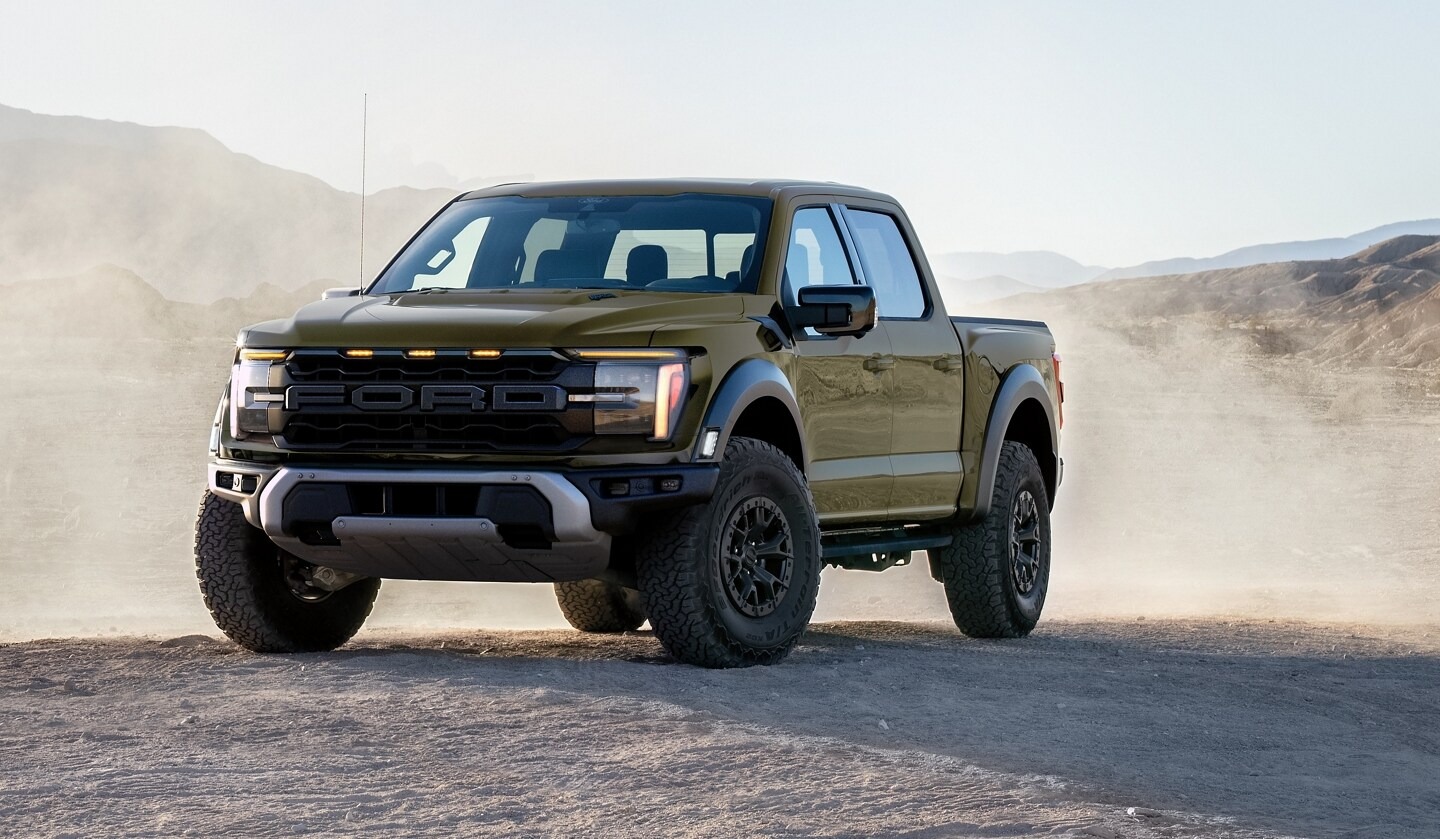
When it comes to pickup trucks, longevity is more than just a selling point it’s a testament to engineering excellence, build quality, and the ability to withstand decades of demanding use.
In an era where planned obsolescence seems to dominate the automotive world, certain pickup trucks have risen above the rest, proving their worth through hundreds of thousands of miles and years of faithful service.
The concept of a truly long-lasting pickup truck encompasses more than just reaching high mileage numbers. It involves consistent reliability, maintainability, parts availability, and the ability to continue performing essential tasks even as the odometer climbs well beyond what most vehicles would consider their operational lifespan.
These trucks become more than mere transportation; they become trusted partners in work, recreation, and daily life, often passed down through generations as family heirlooms that still retain their utility and dependability.
Recent studies by automotive research organizations have revealed fascinating insights into which pickup trucks are most likely to surpass the 250,000-mile milestone a benchmark that separates truly durable vehicles from the merely adequate.
Whether measured by their ability to reach quarter-million-mile milestones, their continued presence on used car lots at advanced ages, or their reputation among mechanics and fleet managers, these twelve pickup trucks represent the pinnacle of automotive longevity and reliability.
1. Ram 3500 Heavy Duty
The Ram 3500 stands as the undisputed champion of pickup truck longevity, earning its position through a combination of robust engineering, proven powertrains, and a construction philosophy that prioritizes durability above all else.
In a recent study by iSeeCars.com, the Ram 3500 had a 42.6% chance of lasting over 250,000 miles, topping the list of longest-lasting pickup trucks in the industry.
This impressive statistic reflects not just theoretical reliability, but real-world performance validated by hundreds of thousands of owners who have pushed these trucks to their limits and beyond.
The foundation of the Ram 3500’s exceptional longevity lies in its heavy-duty construction approach. Unlike lighter-duty trucks that may compromise on certain components to reduce costs or weight, the 3500 is built with commercial-grade durability as a primary design criterion.
The truck’s frame utilizes high-strength steel construction with strategically placed reinforcements that can handle the stress of maximum payload and towing capacities repeatedly over many years.
This robust foundation ensures that even after decades of heavy use, the fundamental structure remains sound and capable of continued service. Engine options in the Ram 3500 lineup have consistently prioritized longevity and reliability.
The available Cummins 6.7-liter inline-six turbo diesel engine, in particular, has earned legendary status among truck enthusiasts for its ability to accumulate massive mileage totals while maintaining strong performance.

This powerplant features a cast-iron block, forged steel components, and conservative tuning that emphasizes durability over peak power output.
Many owners report these engines running strong well beyond 400,000 miles with proper maintenance, and some documented cases show trucks approaching or exceeding 500,000 miles while still serving in commercial applications.
The transmission systems paired with Ram 3500 trucks have also contributed significantly to their longevity reputation. Both manual and automatic transmission options are designed to handle the substantial torque outputs of the available engines while providing years of reliable service.
The heavy-duty automatic transmissions feature robust internal components, advanced cooling systems, and sophisticated electronic controls that help prevent premature wear and ensure optimal performance across varying load conditions.
The exterior body utilizes corrosion-resistant materials and coatings designed to withstand harsh environmental conditions, ensuring that these trucks maintain their structural integrity and appearance even in challenging climates.
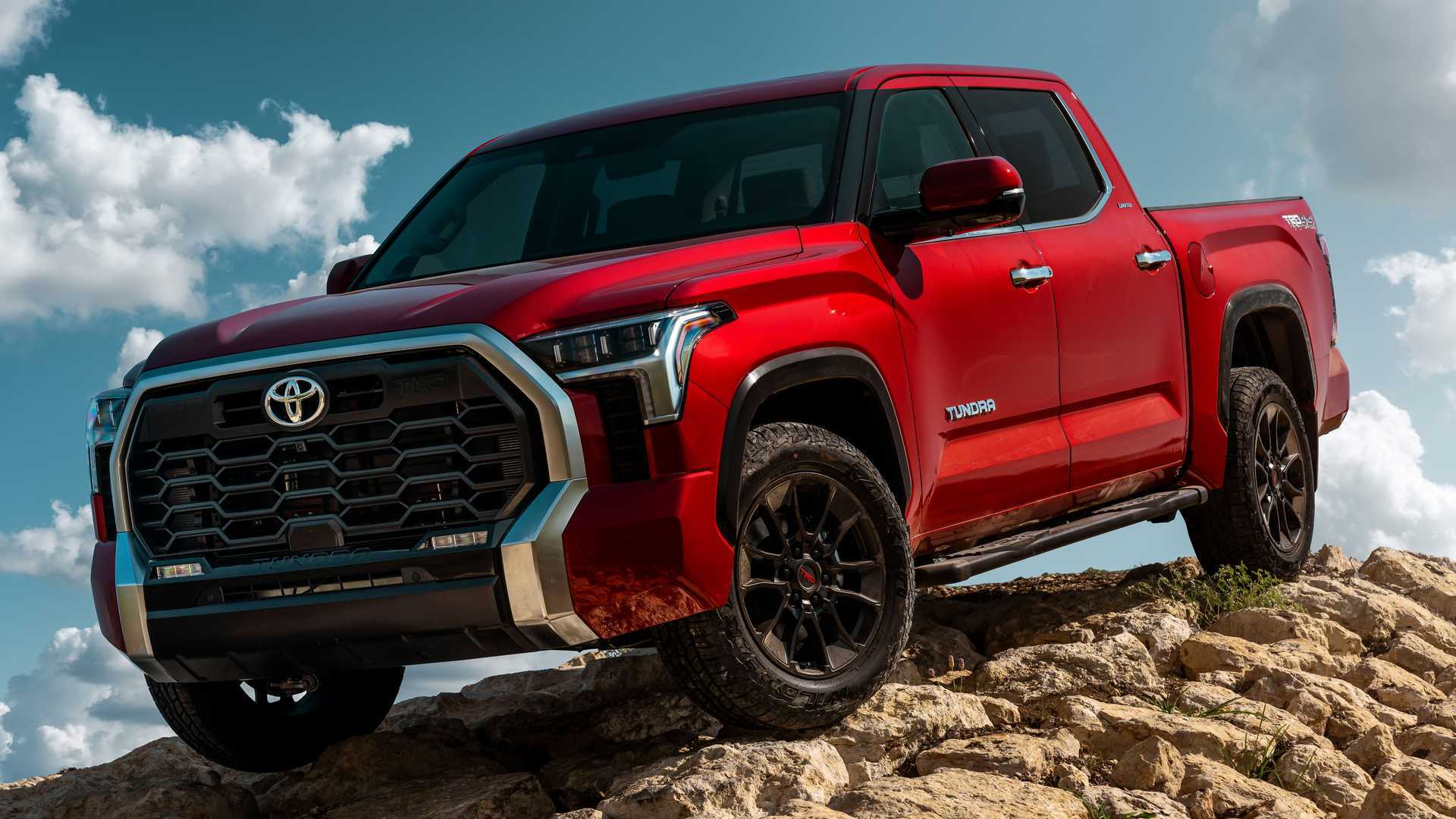
2. Toyota Tundra
The Toyota Tundra has established itself as one of the most reliable and longest-lasting pickup trucks ever produced, leveraging Toyota’s renowned reputation for building vehicles that seemingly run forever.
Coming in first on the list of longest lasting trucks is the Toyota Tundra. Not only does Toyota have a reputation for producing reliable vehicles, but the Tundra is also a great all-around truck for most consumers.
On average, 4.4% of all Toyota Tundras will last longer than 200,000 miles. This impressive longevity stems from Toyota’s manufacturing philosophy that emphasizes quality control, proven technology, and conservative engineering approaches that prioritize reliability over cutting-edge features.
The available V8 engines, particularly the 5.7-liter unit that served as the flagship powerplant for many years, have demonstrated remarkable durability in real-world applications.
These engines feature conservative tuning, robust internal components, and Toyota’s meticulous quality control processes that result in powerplants capable of delivering reliable service well beyond 300,000 miles when properly maintained.
The engine design emphasizes proven technology over experimental features, ensuring that potential failure points are minimized. Toyota’s approach to transmission reliability in the Tundra reflects the company’s understanding that this component often determines a vehicle’s longevity.
The automatic transmissions paired with Tundra engines are engineered for smooth operation and extended service life, featuring adaptive shift logic that learns driving patterns and adjusts operation to minimize wear.
The transmission cooling systems are robust, and the electronic controls are designed to prevent operation outside of optimal parameters, protecting internal components from damage that could lead to premature failure.
The Tundra’s reputation for longevity is further enhanced by Toyota’s extensive dealer network and parts availability. Even trucks that are decades old can typically be serviced at any Toyota dealership, with parts availability that ensures continued operation.
This support infrastructure is crucial for achieving maximum vehicle longevity, as the availability of quality replacement parts and knowledgeable service technicians can mean the difference between a truck that lasts 200,000 miles and one that serves reliably for 400,000 miles or more.
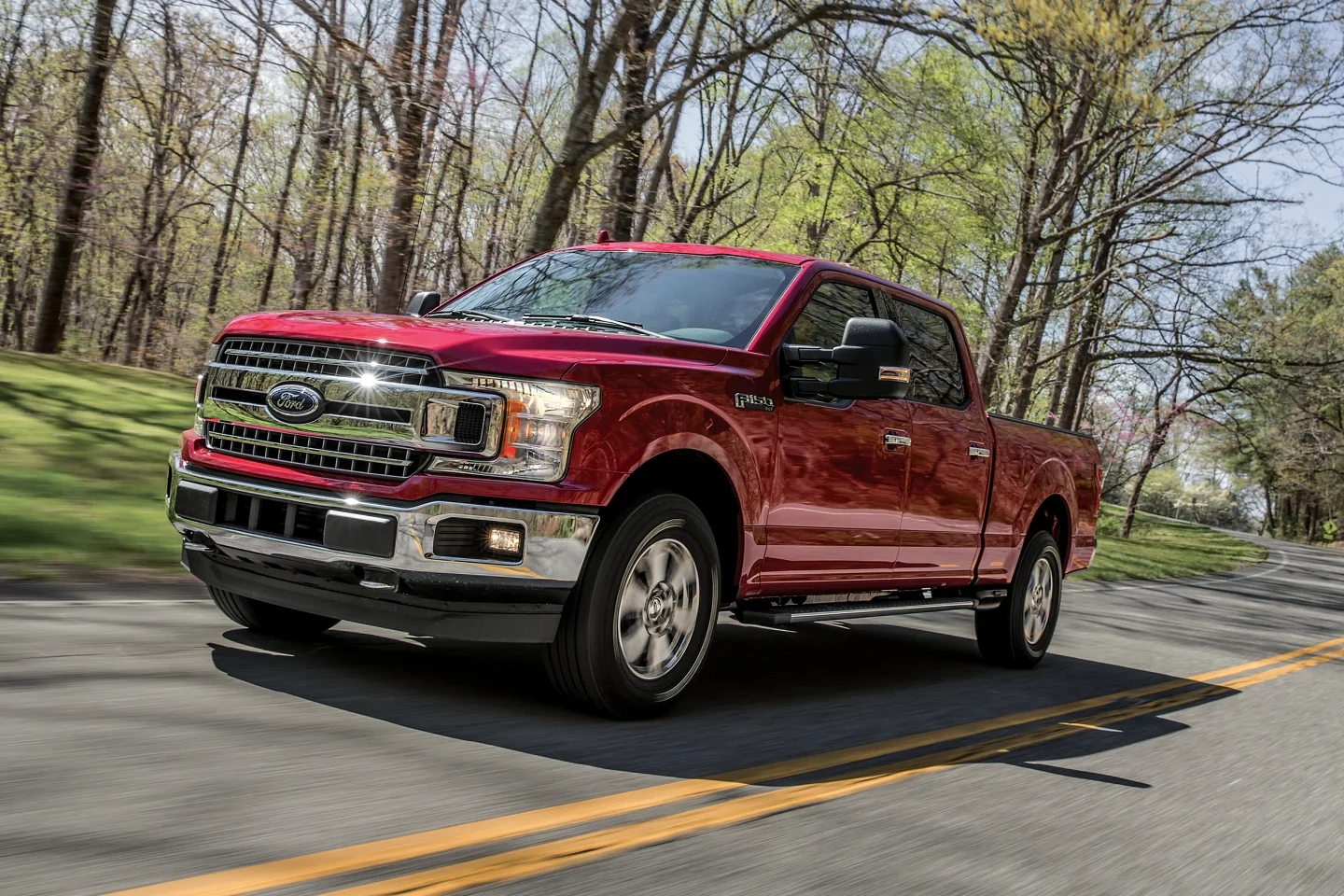
3. Ford F-150
The Ford F-150 has earned its place among the longest-lasting pickups through decades of continuous refinement, massive production volumes that ensure parts availability, and a design philosophy that balances capability with reliability.
The Ford F-150 is one of the best trucks on the market and one of the most popular vehicles. The F-150 is available in a ton of configurations and with powertrains that start out as relatively efficient and top out with some serious power.
This versatility, combined with Ford’s extensive experience in truck manufacturing, has resulted in a vehicle platform that consistently delivers long-term reliability across a wide range of applications and use cases.
The foundation of the F-150’s longevity lies in its evolutionary development approach. Rather than completely redesigning the truck with each generation, Ford has consistently improved and refined the basic design while maintaining proven components that have demonstrated reliability in real-world use.
This approach means that lessons learned from previous generations are incorporated into new models, while potential failure points are identified and addressed through engineering improvements and enhanced quality control processes.
Frame construction in the F-150 represents a balance between weight savings and durability that has proven effective for long-term reliability. The truck’s high-strength steel frame utilizes strategic reinforcements in high-stress areas while eliminating unnecessary weight in less critical sections.
This design approach results in a structure that can handle the demands of heavy use while avoiding the excessive weight that can negatively impact fuel economy and vehicle dynamics. The frame’s construction also facilitates easier repairs when necessary, contributing to the truck’s long-term serviceability.
Engine options available in the F-150 lineup have consistently emphasized proven reliability over experimental technology. The naturally aspirated V8 engines that have powered F-150s for decades have established exceptional longevity records, with many examples surpassing 300,000 miles while maintaining strong performance.
Even newer turbocharged engines have demonstrated impressive durability when properly maintained, though their long-term reliability records are still being established.
Ford’s conservative approach to engine tuning and robust cooling systems help ensure that these powerplants can deliver reliable service throughout extended operational lives.
Transmission reliability in the F-150 has improved significantly over the years, with current automatic transmissions featuring advanced electronic controls and robust internal components designed for extended service life.
The transmission cooling systems are well-designed, and the shift programming prioritizes smooth operation and component longevity over aggressive performance characteristics. This approach helps ensure that the transmission can continue operating reliably even as the vehicle accumulates high mileage totals.
The F-150’s electrical system design reflects Ford’s understanding that electrical reliability is crucial for long-term vehicle dependability. Components are typically sized conservatively for their intended applications, and wiring systems utilize high-quality materials and protective measures to prevent corrosion and damage.
The truck’s electronic modules are designed to operate reliably in challenging environmental conditions, and diagnostic systems help identify potential issues before they result in component failures.
Suspension and steering components in the F-150 are designed for durability and ease of maintenance. The front independent suspension provides good ride quality while utilizing components that can be easily serviced or replaced as necessary.
Rear suspension systems are appropriately robust for the truck’s intended payload and towing capacities, with designs that have proven their reliability through years of service in various applications. Steering systems are straightforward and reliable, contributing to the truck’s long-term dependability.
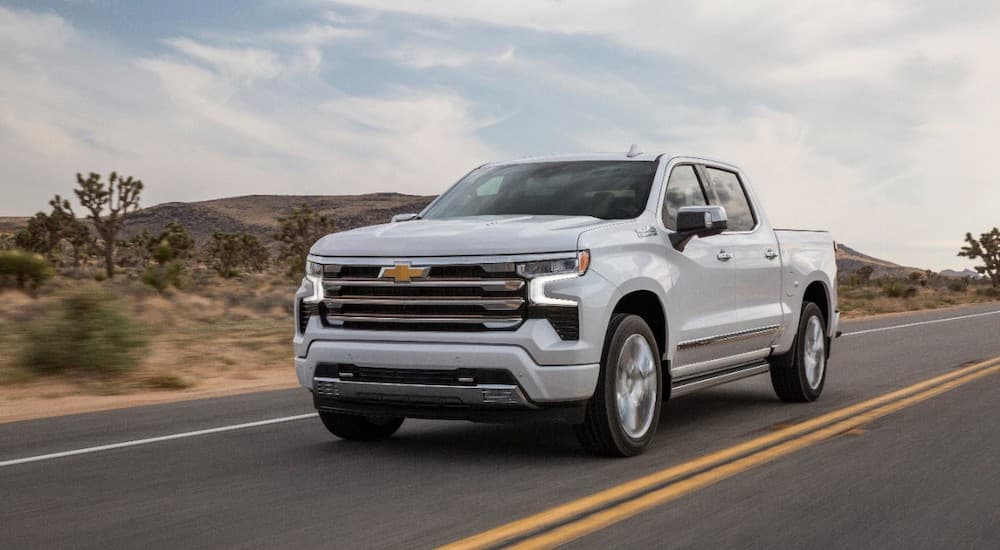
4. Chevrolet Silverado 1500
The Chevrolet Silverado 1500 has built its reputation for longevity through a combination of proven engineering, robust construction, and General Motors’ extensive experience in truck manufacturing.
The Silverado’s approach to durability emphasizes practical reliability over cutting-edge technology, resulting in trucks that consistently deliver dependable service well beyond their expected service lives.
This philosophy has created a vehicle that appeals to both commercial users who demand maximum uptime and personal owners who want trucks that will serve their families for decades.
The Silverado’s frame construction utilizes fully boxed steel construction with strategic reinforcements that provide exceptional rigidity and durability.
This robust foundation ensures that the truck can handle maximum payload and towing capacities repeatedly without experiencing structural fatigue or failure.
The frame design also incorporates features that facilitate body mounting and component attachment, reducing stress concentrations that could lead to premature failure.
This attention to structural integrity pays dividends in long-term reliability and helps ensure that high-mileage Silverados maintain their capability and safety.
Engine reliability in the Silverado lineup has been consistently strong across multiple generations, with particular praise for the small-block V8 engines that have powered these trucks for decades.
These powerplants feature conservative tuning, robust internal components, and design characteristics that prioritize longevity over peak performance.
The engines are designed to operate efficiently across a wide range of conditions, from light-duty daily driving to heavy towing and hauling applications.
Many Silverado owners report their trucks’ engines running strong well beyond 250,000 miles with proper maintenance, and documented cases exist of these powerplants exceeding 400,000 miles while still delivering acceptable performance.
Body and interior construction in the Silverado emphasizes durability and practicality, with materials selected for their ability to withstand years of regular use. Interior components utilize hard-wearing plastics and fabrics that maintain their appearance and functionality even after extended service.
The exterior body incorporates corrosion-resistant materials and coatings designed to protect against rust and environmental damage, helping ensure that these trucks maintain their structural integrity and appearance throughout their extended service lives.
Also Read: 5 V8 Engines That Run a Lifetime vs 5 That Eat Oil Fast
5. GMC Sierra 1500
The GMC Sierra 1500 shares its fundamental architecture with the Chevrolet Silverado but distinguishes itself through premium materials, enhanced refinement, and a focus on professional-grade durability that appeals to contractors, fleet operators, and discerning truck buyers who demand both capability and longevity.
This positioning has resulted in a truck that consistently delivers exceptional long-term reliability while offering features and amenities that make extended ownership more enjoyable and practical.
The Sierra’s approach to structural durability mirrors its Silverado sibling but often incorporates additional sound deadening materials and refinements that contribute to long-term comfort and functionality.
The fully boxed steel frame provides exceptional rigidity and durability, while body mounting systems are designed to minimize vibration and harshness that could lead to premature component wear.
This attention to detail in the truck’s fundamental structure helps ensure that high-mileage Sierras continue to feel solid and well-built even after years of demanding service.
Engine options in the Sierra lineup emphasize proven reliability and smooth operation, with particular attention paid to refinement characteristics that make long-term ownership more pleasant.
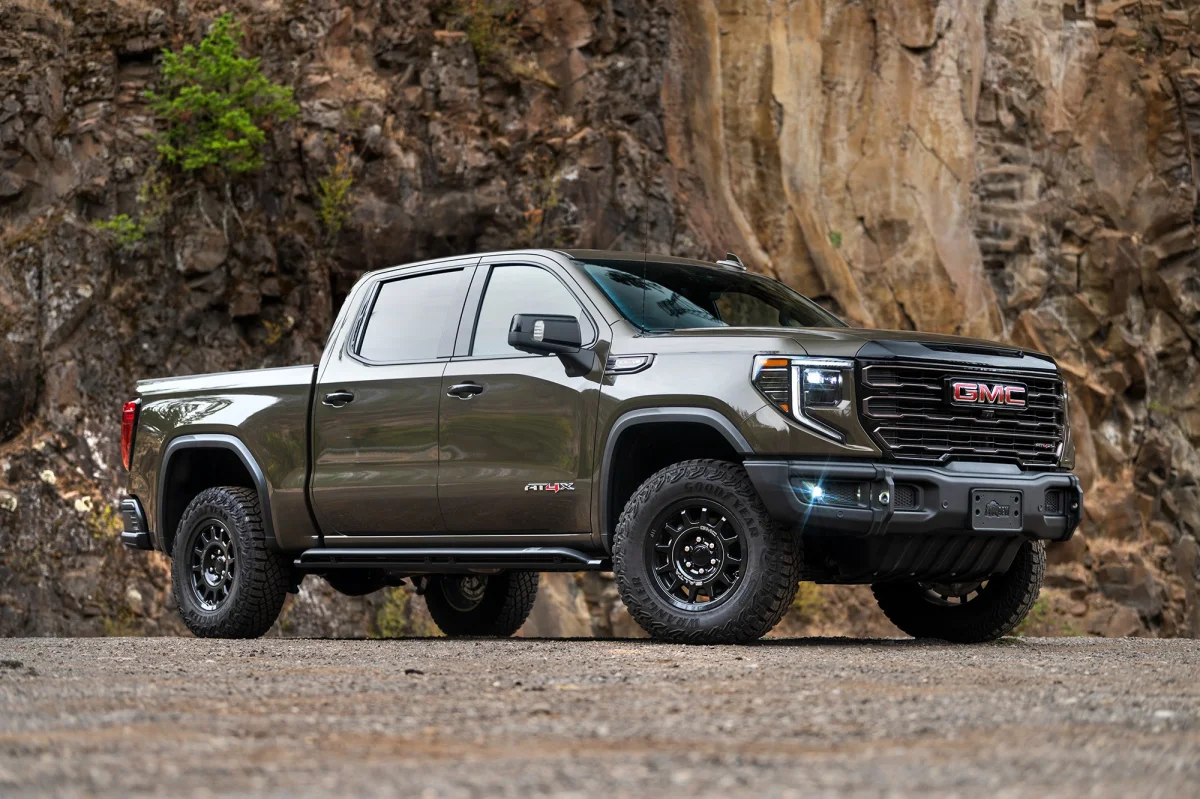
The available V8 engines feature conservative tuning that prioritizes longevity and fuel efficiency over maximum power output, resulting in powerplants that can deliver reliable service for hundreds of thousands of miles when properly maintained.
Advanced engine management systems monitor operating parameters and adjust performance to protect internal components from damage that could result in premature failure.
The Sierra’s transmission systems benefit from General Motors’ extensive experience in developing automatic transmissions for heavy-duty applications.
Current transmissions feature sophisticated electronic controls that adapt to driving patterns and operating conditions, optimizing shift points and torque converter operation to maximize component longevity.
The transmission cooling systems are robust, and protective features prevent operation outside of safe temperature and pressure ranges. This comprehensive approach to transmission reliability helps ensure that these critical components can continue operating smoothly throughout the truck’s extended service life.
Interior and exterior construction in the Sierra emphasizes both durability and premium feel, with materials and finishes selected for their ability to maintain their appearance and functionality throughout extended service lives.
Interior components utilize high-quality plastics, metals, and fabrics that resist wear and fading, while exterior finishes incorporate advanced paint systems and protective coatings designed to resist corrosion and environmental damage. This attention to material quality helps ensure that aging Sierras continue to project a professional and well-maintained appearance.
6. Ford Ranger
The Ford Ranger has earned its reputation as one of the most durable compact pickup trucks ever produced, demonstrating that longevity isn’t exclusively the domain of full-size trucks. The Ford Ranger is a compact truck that’s big on reliability.
Whether you choose the fuel-efficient four-cylinder or the more powerful V6, you’re getting a truck that’s perfect for those who don’t need a full-size pickup.
These Rangers are known for their longevity, with many surpassing the quarter-million-mile mark while continuing to provide dependable service.
This exceptional durability stems from Ford’s decision to prioritize proven technology and robust construction over cutting-edge features, resulting in trucks that consistently outlast their expected service lives.
The Ranger’s structural foundation utilizes a ladder-frame construction that, while simpler than the sophisticated frames found in full-size trucks, provides exceptional durability for its size class.
The frame design incorporates strategic reinforcements in high-stress areas while maintaining the lighter weight necessary for optimal fuel economy and handling characteristics.
This balance between strength and efficiency has proven highly effective in real-world applications, with many Rangers continuing to serve reliably even after decades of regular use in both commercial and personal applications.
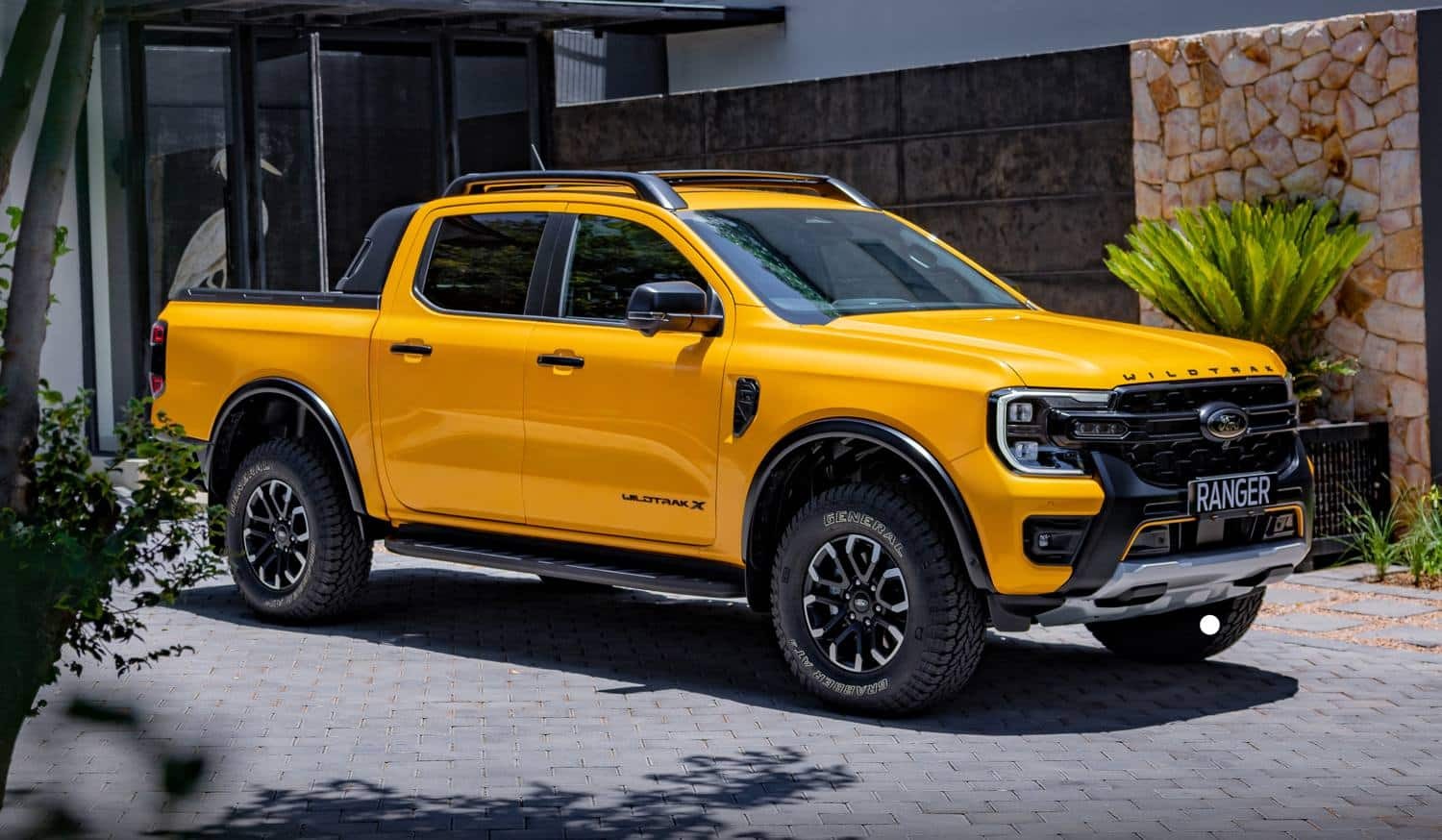
Engine reliability stands as perhaps the Ranger’s greatest asset in terms of long-term durability. The four-cylinder and V6 engine options available throughout the Ranger’s production history have consistently emphasized proven technology over experimental features, resulting in powerplants that can deliver reliable service for hundreds of thousands of miles when properly maintained.
These engines feature conservative tuning, robust internal components, and straightforward designs that minimize potential failure points while maximizing serviceability.
Many Ranger owners report their trucks’ engines running strong well beyond 300,000 miles, with some documented cases exceeding 400,000 miles while still providing acceptable performance and fuel economy.
Suspension and brake systems in the Ranger are engineered for durability and ease of maintenance, utilizing proven designs that can handle the demands of regular use while providing reasonable service intervals.
The front independent suspension offers good ride quality for a compact truck while incorporating components that can be easily serviced or replaced as necessary.
Rear suspension systems utilize simple leaf spring designs that have proven their reliability through decades of service across various applications and load conditions.
7. Honda Ridgeline
The Honda Ridgeline represents a unique approach to pickup truck design that has resulted in exceptional longevity characteristics, despite its unconventional construction and features that differentiate it from traditional body-on-frame trucks. Yes, for the sake of this study, the Honda Ridgeline is considered a truck.
And Honda has more of these vehicles reaching the 200,000-mile mark than any other auto manufacturer, by percentage sold in 2020, anyway.
This impressive achievement stems from Honda’s application of their renowned reliability engineering to the pickup truck segment, creating a vehicle that consistently outlasts expectations while providing unique capabilities and features.
The Ridgeline’s unibody construction represents a departure from traditional truck design philosophy, but this approach has proven highly effective for long-term durability in real-world applications.
The integrated body and frame structure provides exceptional rigidity while eliminating many of the potential failure points associated with traditional body-on-frame construction.
This design approach also contributes to better crash protection and reduced noise, vibration, and harshness levels that make long-term ownership more pleasant and practical.
Engine reliability in the Ridgeline reflects Honda’s decades of experience in developing powerplants that consistently deliver exceptional longevity.
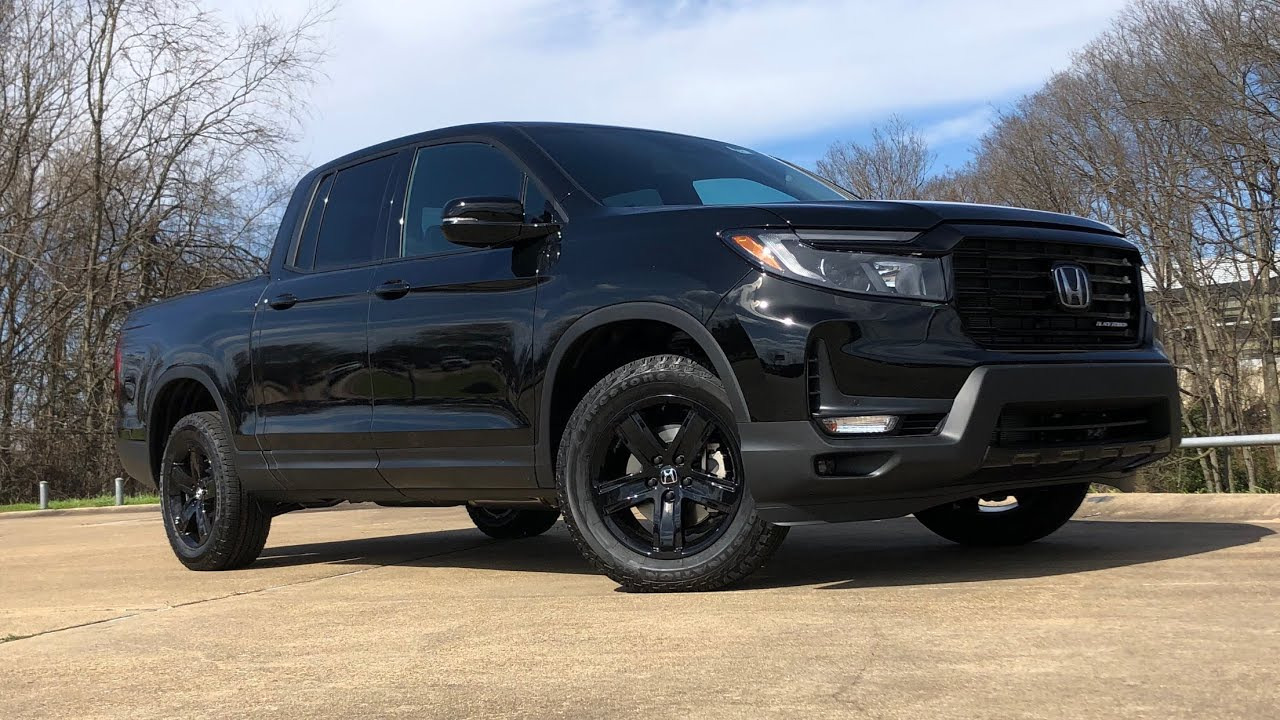
The V6 engines that have powered all Ridgeline generations feature Honda’s characteristic conservative tuning, robust internal components, and sophisticated engine management systems that protect against conditions that could cause premature wear or failure.
These engines are designed to operate efficiently across a wide range of conditions while maintaining their performance characteristics throughout extended service lives.
Many Ridgeline owners report their trucks running smoothly and efficiently well beyond 200,000 miles, with some examples approaching 300,000 miles while still providing strong performance and fuel economy.
Interior and exterior construction in the Ridgeline emphasizes both durability and premium feel, with materials selected for their ability to maintain their appearance and functionality throughout extended service lives.
Honda’s attention to detail in component selection and assembly quality helps ensure that aging Ridgelines continue to feel well-built and refined, contributing to owner satisfaction and encouraging proper maintenance practices that extend vehicle life.
8. Toyota Tacoma
The Toyota Tacoma has established itself as the gold standard for compact and mid-size pickup truck longevity, building upon Toyota’s reputation for creating vehicles that seem to run indefinitely with proper care and maintenance.
The Tacoma’s exceptional durability characteristics stem from Toyota’s conservative engineering approach, rigorous quality control processes, and design philosophy that prioritizes proven technology over cutting-edge features that might compromise long-term reliability.
This approach has resulted in trucks that consistently exceed their expected service lives while maintaining their capability and dependability. The Tacoma’s frame construction utilizes fully boxed steel design with strategic reinforcements that provide exceptional durability for a mid-size truck.
The frame is designed to handle both on-road and severe off-road conditions while maintaining structural integrity throughout extended service lives.
Toyota’s experience in building vehicles for global markets, including regions with challenging road conditions and limited service infrastructure, has informed the Tacoma’s robust construction approach.
This attention to structural durability helps ensure that high-mileage Tacomas continue to feel solid and capable even after years of demanding use.
Engine reliability in the Tacoma lineup represents some of the best examples of Toyota’s engineering excellence, with powerplants that consistently deliver exceptional longevity across various operating conditions and applications.
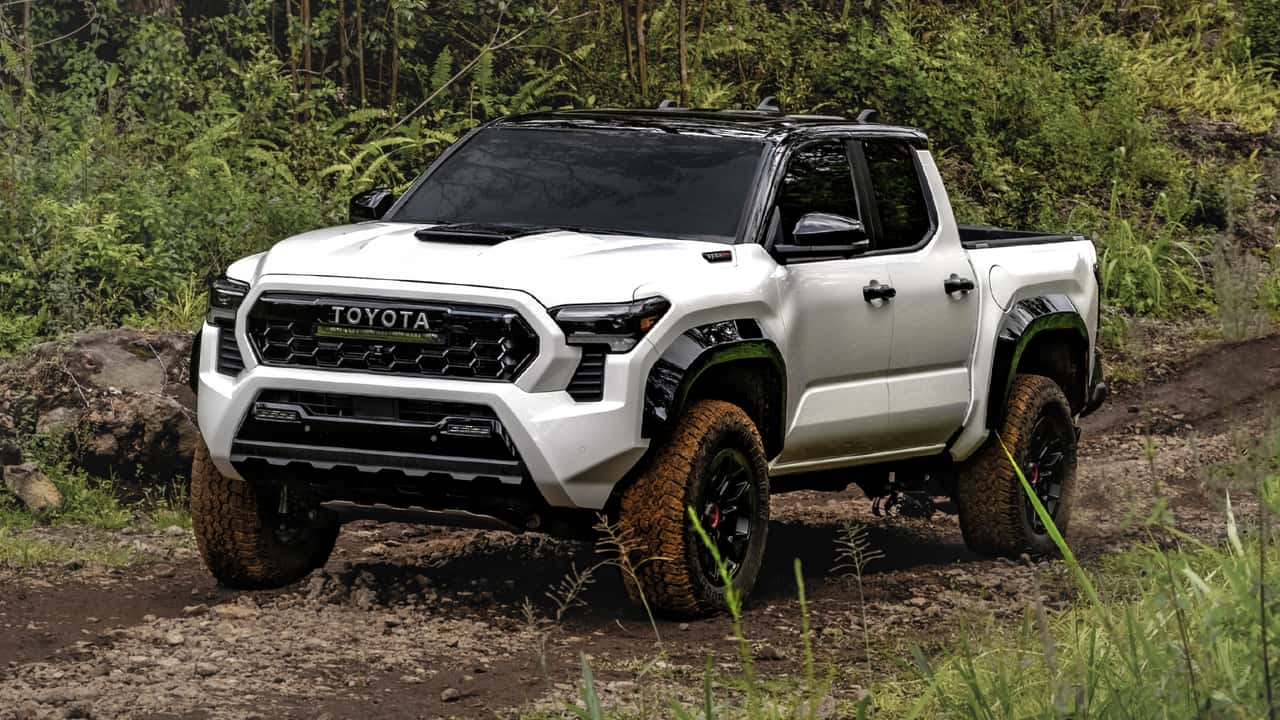
The four-cylinder and V6 engine options available throughout the Tacoma’s production history have emphasized conservative tuning, robust internal components, and sophisticated engine management systems that protect against conditions that could cause premature wear or damage.
These engines are designed to operate efficiently across a wide range of conditions, from daily commuting to heavy towing and challenging off-road applications.
Suspension and brake systems in the Tacoma are engineered for both performance and longevity, utilizing components that can handle the demands of various applications while providing reasonable maintenance intervals.
The suspension systems are designed to provide good ride quality on-road while maintaining capability and durability for off-road use. Brake systems feature appropriately sized components for the truck’s weight and intended applications, with designs that have proven their reliability through extensive testing and real-world use.
9. Ram 2500
The Ram 2500 Heavy Duty represents the sweet spot in Ram’s truck lineup for combining exceptional longevity with versatility, offering many of the durability advantages of the larger 3500 while maintaining greater practicality for users who don’t require the ultimate in payload and towing capacity.
This positioning has resulted in a truck that consistently delivers exceptional long-term reliability while offering capabilities that serve both commercial and personal users effectively. The 2500’s approach to durability emphasizes proven technology and robust construction throughout all major systems.
The Ram 2500’s frame construction utilizes the same fundamental design philosophy as its larger 3500 sibling, featuring high-strength steel construction with strategic reinforcements in high-stress areas.
The frame is designed to handle substantial payload and towing demands while maintaining the structural integrity necessary for safe operation throughout extended service lives.
The construction approach emphasizes durability over weight savings, resulting in a foundation that can continue supporting the truck’s capabilities even after hundreds of thousands of miles of demanding service.
Engine options available in the Ram 2500 have consistently emphasized longevity and reliability, with particular praise for the available Cummins diesel engines that have become legendary for their durability characteristics.
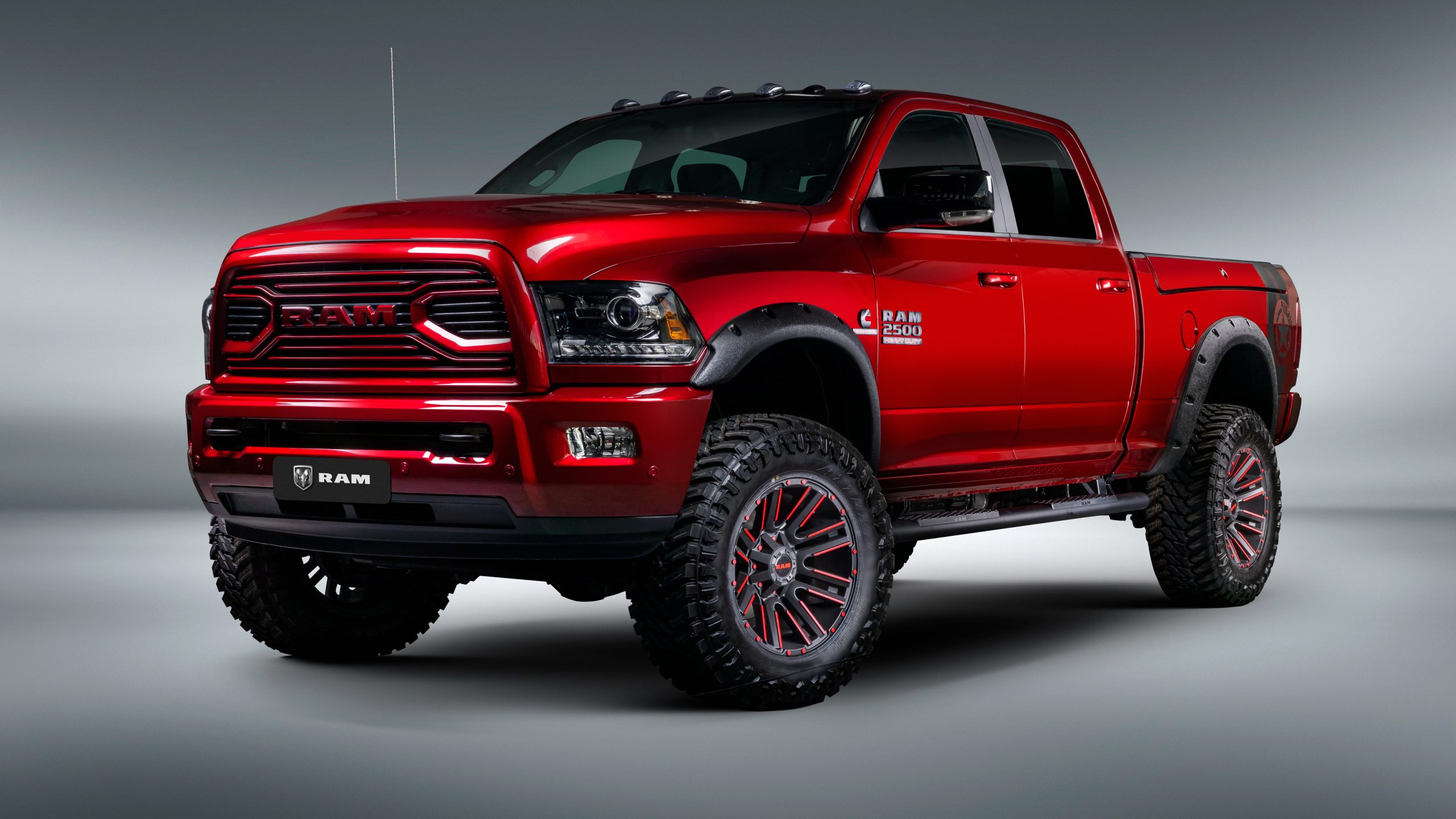
These powerplants feature conservative tuning, robust internal components, and design characteristics that prioritize longevity over peak performance output.
The engines are designed to handle both light-duty daily driving and heavy-duty commercial applications, with cooling systems and lubrication systems designed to protect internal components under varying load conditions.
Many Ram 2500 owners report their trucks’ engines delivering reliable service well beyond 300,000 miles, with some documented cases approaching or exceeding 500,000 miles while still providing acceptable performance.
The Ram 2500’s suspension systems are designed to provide appropriate ride quality while maintaining the durability necessary for heavy-duty applications.
The solid axle configurations provide exceptional strength and relatively simple maintenance requirements, while the spring and damping systems are designed to handle maximum payload capacities without compromising vehicle stability or safety.
These systems can typically be rebuilt or refurbished as necessary, contributing to the truck’s long-term serviceability and cost-effectiveness of ownership.
10. Ford F-250 Super Duty
The Ford F-250 Super Duty represents Ford’s commitment to building heavy-duty trucks that can deliver reliable service throughout extended operational lives, combining proven powertrains with robust construction and comprehensive engineering that addresses the unique demands of commercial and heavy-duty personal use applications.
The F-250’s approach to longevity emphasizes practical reliability, extensive parts support, and design characteristics that facilitate maintenance and repair throughout the vehicle’s service life.
The F-250’s frame construction utilizes high-strength steel with strategic reinforcements designed to handle the stress of maximum payload and towing capacities repeatedly over many years.
The frame design incorporates features that facilitate body mounting and component attachment while minimizing stress concentrations that could lead to structural fatigue or failure.
This attention to structural integrity helps ensure that high-mileage F-250s maintain their capability and safety characteristics even after years of demanding service in various applications.
Engine reliability in the F-250 Super Duty lineup has been consistently strong across multiple generations, with particular praise for both gasoline and diesel engine options that emphasize durability over cutting-edge performance features.
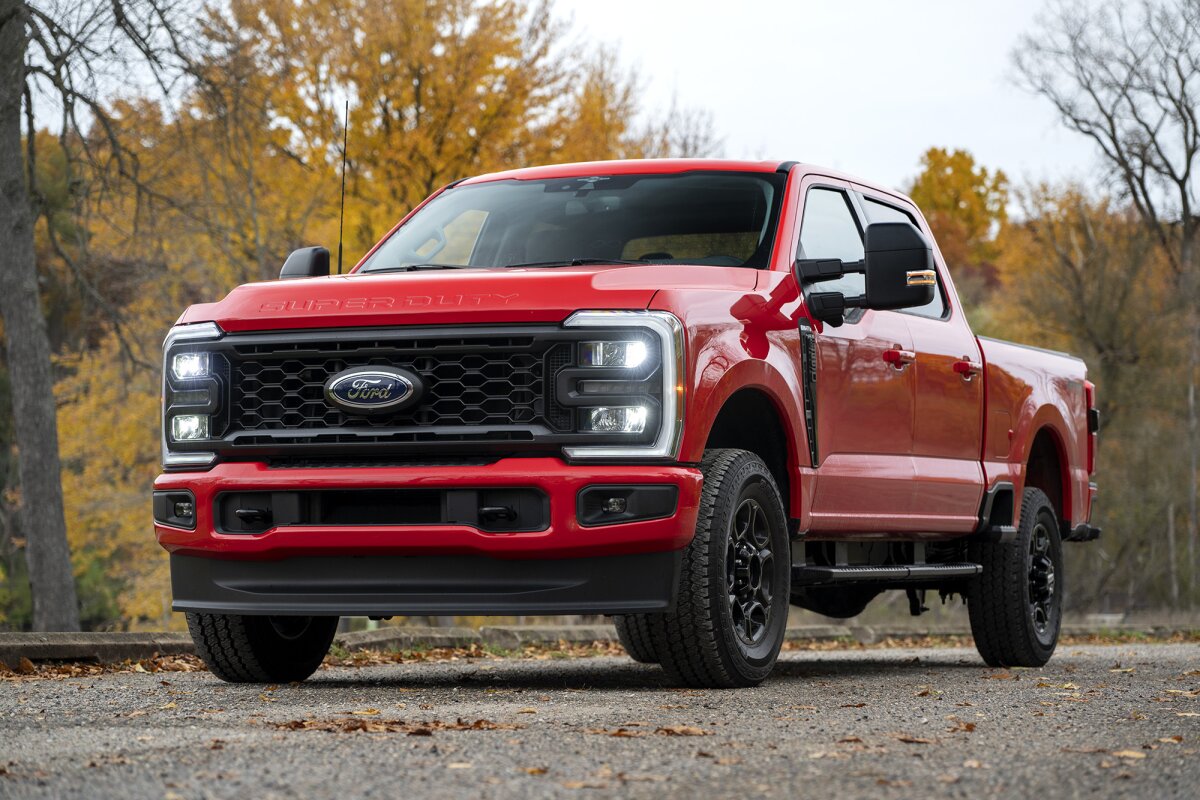
The available PowerStroke diesel engines have earned exceptional reputations for longevity, featuring robust internal components, conservative tuning, and sophisticated engine management systems that protect against operating conditions that could cause premature wear or damage.
Many F-250 owners report their trucks’ engines running strong well beyond 250,000 miles, with documented cases of diesel-powered trucks exceeding 400,000 miles while still delivering acceptable performance and fuel economy.
The F-250’s suspension systems are engineered to provide appropriate ride quality while maintaining the durability necessary for heavy-duty applications.
The solid axle configurations provide exceptional strength and relatively straightforward maintenance requirements, while spring and damping systems are designed to handle maximum load capacities without compromising vehicle stability or control. These systems have proven their reliability through extensive real-world testing and application in demanding commercial environments.
11. Chevrolet Silverado 2500HD
The Chevrolet Silverado 2500HD represents General Motors’ approach to building heavy-duty trucks that can deliver exceptional longevity while providing the capability and reliability that commercial and serious personal users demand.
The 2500HD’s design philosophy emphasizes proven technology, robust construction, and comprehensive engineering that addresses the unique challenges of heavy-duty truck applications.
This approach has resulted in trucks that consistently exceed their expected service lives while maintaining their performance characteristics and dependability.
The Silverado 2500HD’s structural foundation utilizes fully boxed steel frame construction with strategic reinforcements designed to handle the stress of maximum payload and towing operations repeatedly over extended service lives.
The frame design incorporates advanced high-strength steel in critical areas while utilizing appropriate materials throughout to balance durability with weight considerations.
This comprehensive approach to structural engineering helps ensure that the truck can continue performing its intended functions safely and effectively even after accumulating substantial mileage totals in demanding applications.
Engine options available in the Silverado 2500HD have consistently emphasized reliability and longevity, with both gasoline and diesel powerplants designed to deliver dependable service throughout extended operational lives.
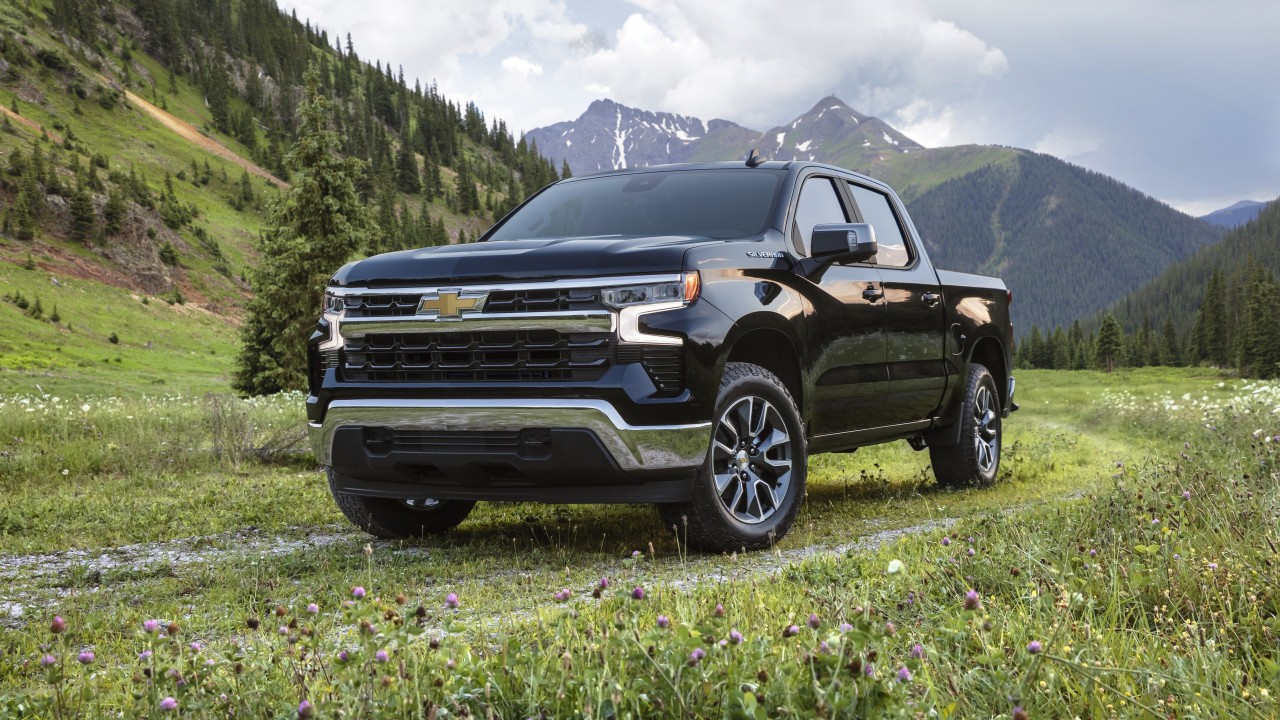
The available Duramax diesel engines, in particular, have earned exceptional reputations for durability and longevity, featuring robust internal components, conservative tuning characteristics, and sophisticated engine management systems that protect against operating conditions that could cause premature wear or component failure.
These engines are designed to handle both light-duty daily driving and maximum-capacity commercial applications while maintaining their performance characteristics throughout extended service lives.
Suspension systems in the Silverado 2500HD are designed to provide appropriate ride quality while maintaining the capability necessary for heavy-duty applications.
The solid axle configurations provide exceptional strength and durability, while spring rates and damping characteristics are tuned to handle maximum load capacities without compromising vehicle stability or safety. These systems have proven their reliability through extensive testing and real-world application in various demanding environments and use cases.
12. Nissan Titan
The Nissan Titan rounds out our list of longest-lasting pickup trucks, representing Nissan’s commitment to building full-size trucks that can compete with established competitors in terms of both capability and longevity.
While the Titan may not have the extensive production history of some other trucks on this list, it has demonstrated impressive durability characteristics and reliability that suggest it will continue serving owners faithfully for many years to come.
The Titan’s approach to longevity emphasizes proven technology, quality construction, and comprehensive engineering that addresses the demands of modern truck users.
The Titan’s frame construction utilizes fully boxed steel design with strategic reinforcements that provide exceptional rigidity and durability for its size class.
The frame is designed to handle substantial payload and towing demands while maintaining the structural integrity necessary for safe operation throughout extended service lives.
Nissan’s approach to frame engineering incorporates lessons learned from their commercial vehicle experience and global truck markets, resulting in a structure that can withstand the demands of various applications and operating conditions.
Engine reliability in the Titan has been consistently strong, with the available V8 engines emphasizing proven technology and robust construction over experimental features that might compromise long-term dependability.
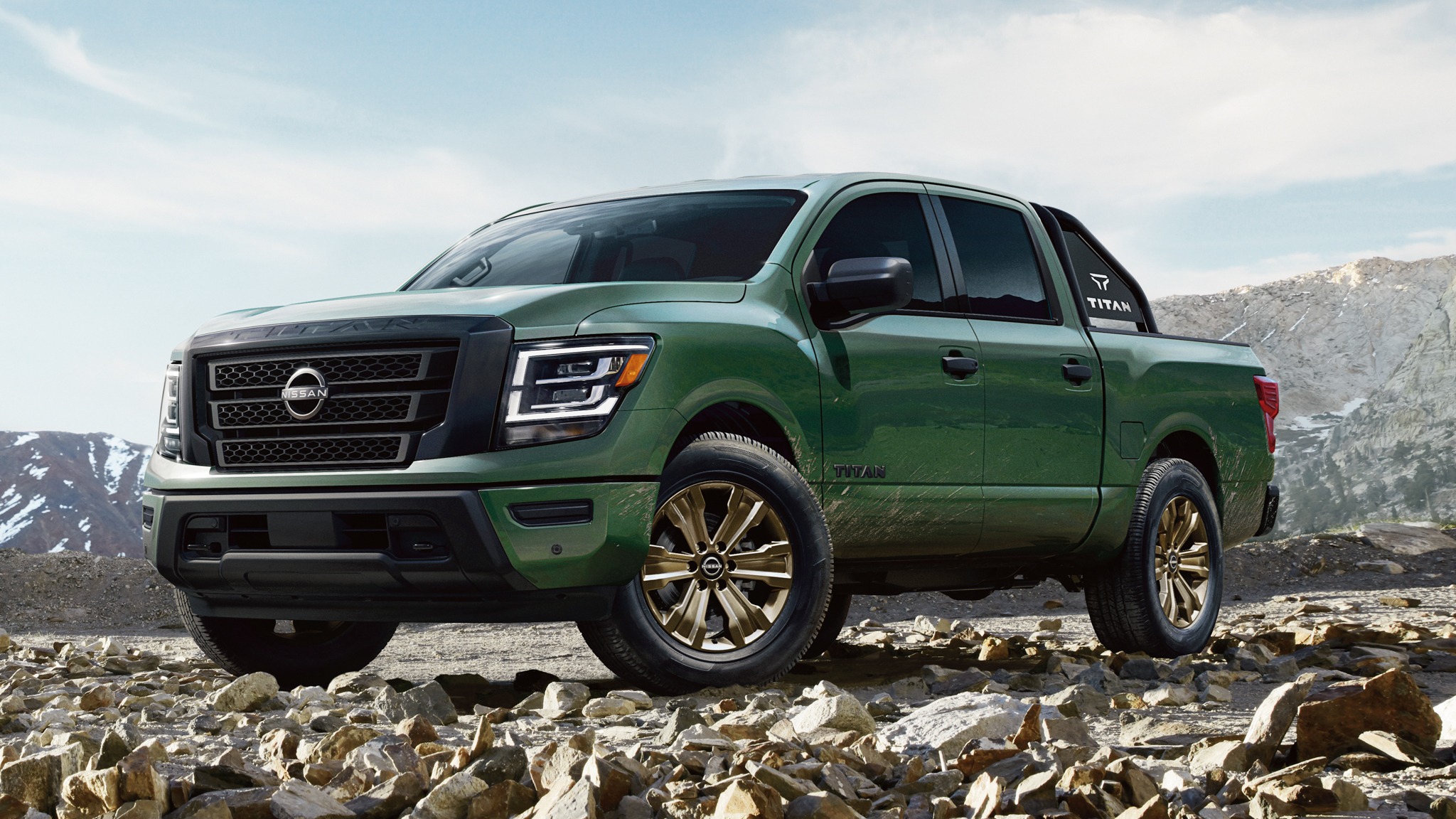
The engines feature conservative tuning characteristics, robust internal components, and sophisticated engine management systems that protect against operating conditions that could cause premature wear or damage.
The cooling and lubrication systems are designed to maintain optimal operating temperatures and provide adequate protection under varying load conditions and environmental circumstances.
The Titan’s interior and exterior construction emphasizes durability and quality, with materials selected for their ability to maintain their appearance and functionality throughout extended service lives.
Interior components utilize hard-wearing materials that resist wear and fading, while exterior finishes incorporate protective coatings designed to resist corrosion and environmental damage.
This attention to material quality and construction detail helps ensure that aging Titans continue to project a well-maintained appearance and provide comfortable, functional operation for their owners.
Also Read: 12 Cars That Constantly Drive Owners Crazy
