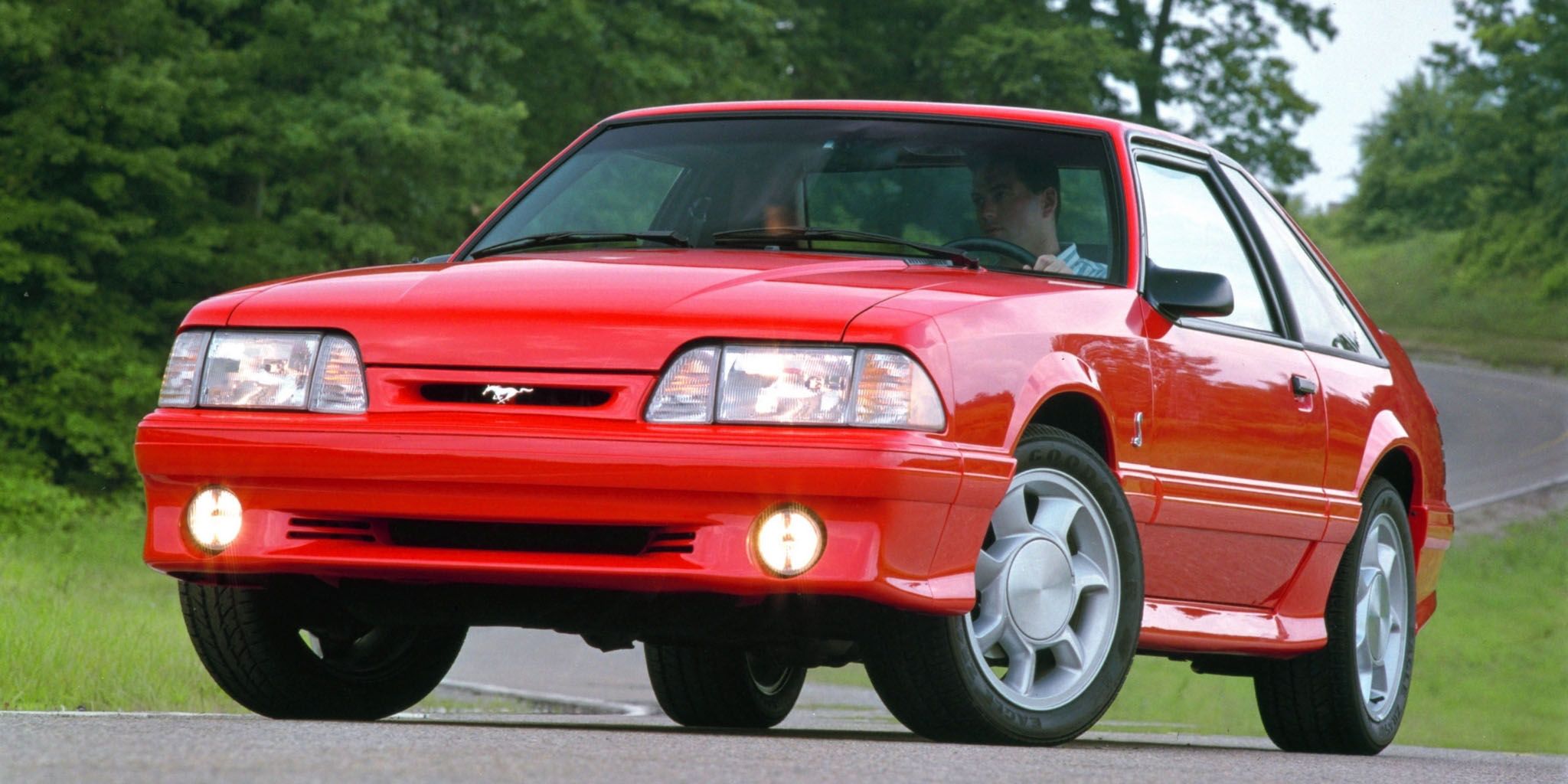
In 2025, car dealers both those specializing in classics and regular used‐car lots are increasingly willing to pay steep sums for well-preserved vehicles from the 1990s. Prices once considered outrageous are now becoming baseline for certain models.
What’s behind this surge, and what does it tell us about the auto market, collector preferences, and broader economic trends? Below are the key forces pushing up the value of ’90s cars, plus some illustrative examples, and what buyers, sellers, and dealers should watch out for.
The Drivers Behind the Boom
1. Nostalgia & Generational Wealth
One of the biggest engines of demand for ’90s cars is simply nostalgia. Many of the people who were teenagers or in their early twenties in the 1990s are now in their 40s or 50s often with stable incomes, some disposable income, and a desire to reconnect with vehicles that were iconic in their youth.
This isn’t just about remembering, but revisiting: the cars you dreamed about, couldn’t afford back then, or drove in “back then” may now be in reach, and there’s emotional value in that.
Also, that demographic shift (Gen X plus older millennials) means there’s money to spend, including on collector’s items. These people are increasingly treating select ’90s cars as lifestyle purchases, not just transportation.
2. Limited Supply & Rarity
As cars age, many are scrapped, rust out, get driven heavily, modified beyond recognition, or otherwise lost. That means the number of surviving ’90s cars in good condition is shrinking. Dealers are paying premiums for models that:
- Have low miles
- Are in good mechanical shape
- Maintain original parts (or can be restored authentically)
- Are “desirable” in terms of design, performance, or brand heritage
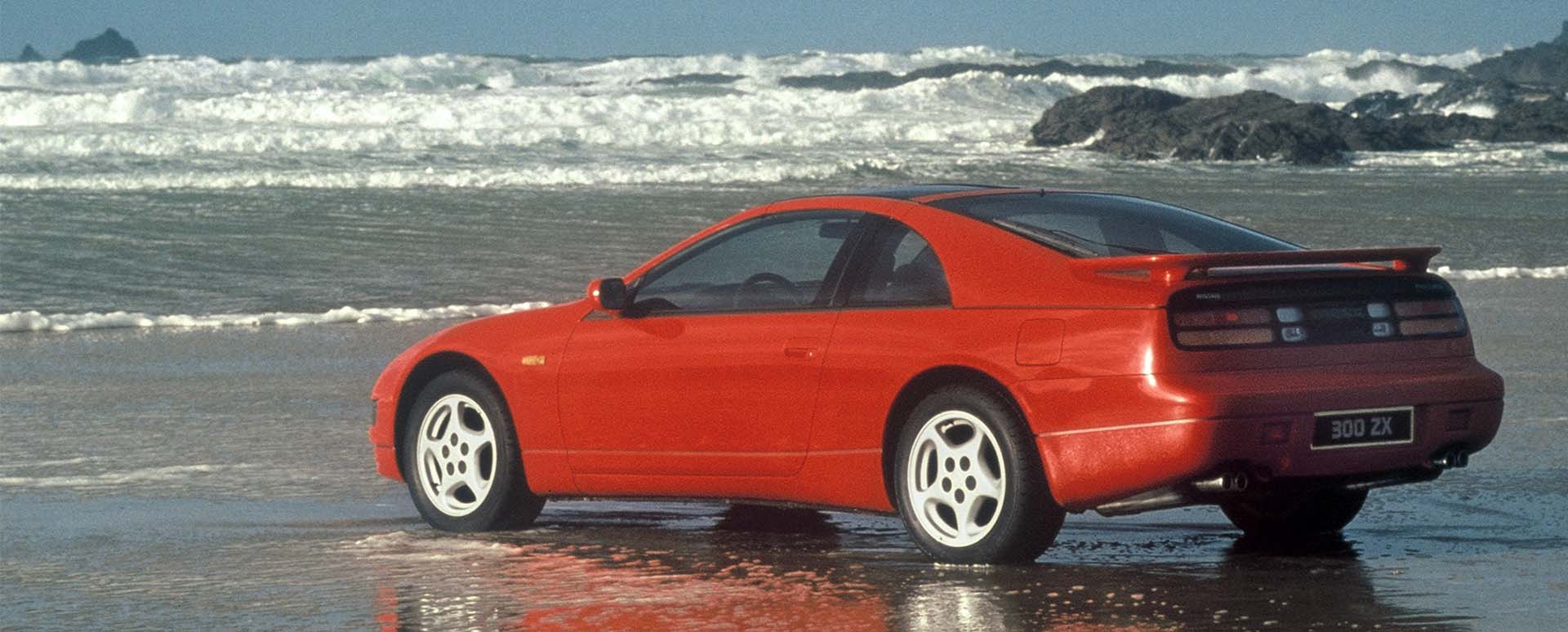
For example, certain Japanese sports cars European luxury or performance sedans, trucks, or SUVs with good specs are rare survivors. The “survivor effect” adds scarcity.
Even more, some ’90s designs are now back in style: the angles, the analog feel, the driver-involvement features that modern cars often scrub out with automation and electronics these features are increasingly appreciated.
Also Read: 5 Engines That Handle Stop-and-Go Traffic vs 5 That Break Early
3. Market Conditions in Used/New Car Segments
Several interlocking market conditions have shifted value upward:
- New car supply constraints: Disruptions in production (e.g., chip shortages, supply chain issues) have limited how many new cars are available or pushed new car prices higher.
- Interest rate environment, inflation, and cost of ownership: With inflation and high input costs (for materials, manufacturing, parts), new cars cost more. Financing costs matter. For many buyers, it feels more reasonable to buy a used car if they can find one in good condition. Dealers notice this and bid up bids for older cars that are still attractive.
- Classic / collector market normalization: The collector car market has matured: more transparent auction platforms, more data, more serious investors. Auction houses, online platforms and enthusiast networks have made it easier to find, buy, and sell these cars. That visibility raises prices.
4. Restoration Costs & Preservation Premium
Restoring or maintaining older cars is expensive. As time goes on:
- Replacement parts are harder to find, more specialized
- Labor costs for skilled restoration go up
- Materials cost more (steel, specialty interiors, etc.)
So cars that are already well preserved (minimal rust, original components, good documentation) command much higher prices: buyers are willing to pay more to avoid the risk, time, and cost of restoration. Dealers know this and are factoring that into what they’ll pay.
5. Cultural Drivers: Pop Culture, Media, Virality
Media movies, TV shows, social media content play big roles in resurrecting interest in particular models. ’90s cars are everywhere in streaming, nostalgia campaigns, influencer content.
The ones that show up in popular culture gain fanbases quickly, which becomes market demand. A car like a ’90s Toyota Supra gets legendary status thanks to Fast & Furious, initially games, etc. That raises visibility, desirability, and therefore value.
6. Investor & Speculative Interest
Some buyers see ’90s cars as alternative investments. As real estate, yield curves, and stock-market volatility fluctuate, people look to tangible assets that can appreciate, or at least hold value.
Unlike ultra-old classics (’50s, ’60s), ’90s cars are newer, often more reliable, easier to maintain, and within reach of more buyers. So speculative demand (people buying with the thought of reselling later) is part of the mix, especially for rare or iconic models.
Also Read: 10 Cars That Withstand Daily Stop-and-Go Traffic
Which ’90s Cars Are Rising Most Sharply
To illustrate how strong this trend is, here are some specific models and how their values have moved:
- Toyota Land Cruiser FJ62 (1990 model): “Good condition” examples have risen from ~$46,500 to ~$62,200 within about a year, and top-tier (concours level) examples have hovered near six-figures.
- Ferrari Mondial T (early ’90s): Also rising, with fewer good specimens left, making condition and mileage especially important.
- Acura NSX: Once undervalued, but greatly in demand now. Prices for low-mile, well-maintained ‘90s NSXs are up sharply.
What “Record Prices” Means in Context
When we say “record”, it doesn’t always mean millions. For many ’90s vehicles, it means:
- A significant increase over what similar condition cars sold for just a few years ago (50-70% or more in some cases). Hagerty reports that values for ’90s collectible cars have increased, on average, ~78% over three years.
- A narrowing of price disparity between “restored / low mile / desirable spec” examples and more common, higher-mile ones. The good ones pull away, and dealers are willing to pay up to get them.
- Auction sale records (for certain models) being broken, or “concours” finished cars selling well above prior baseline for that model.
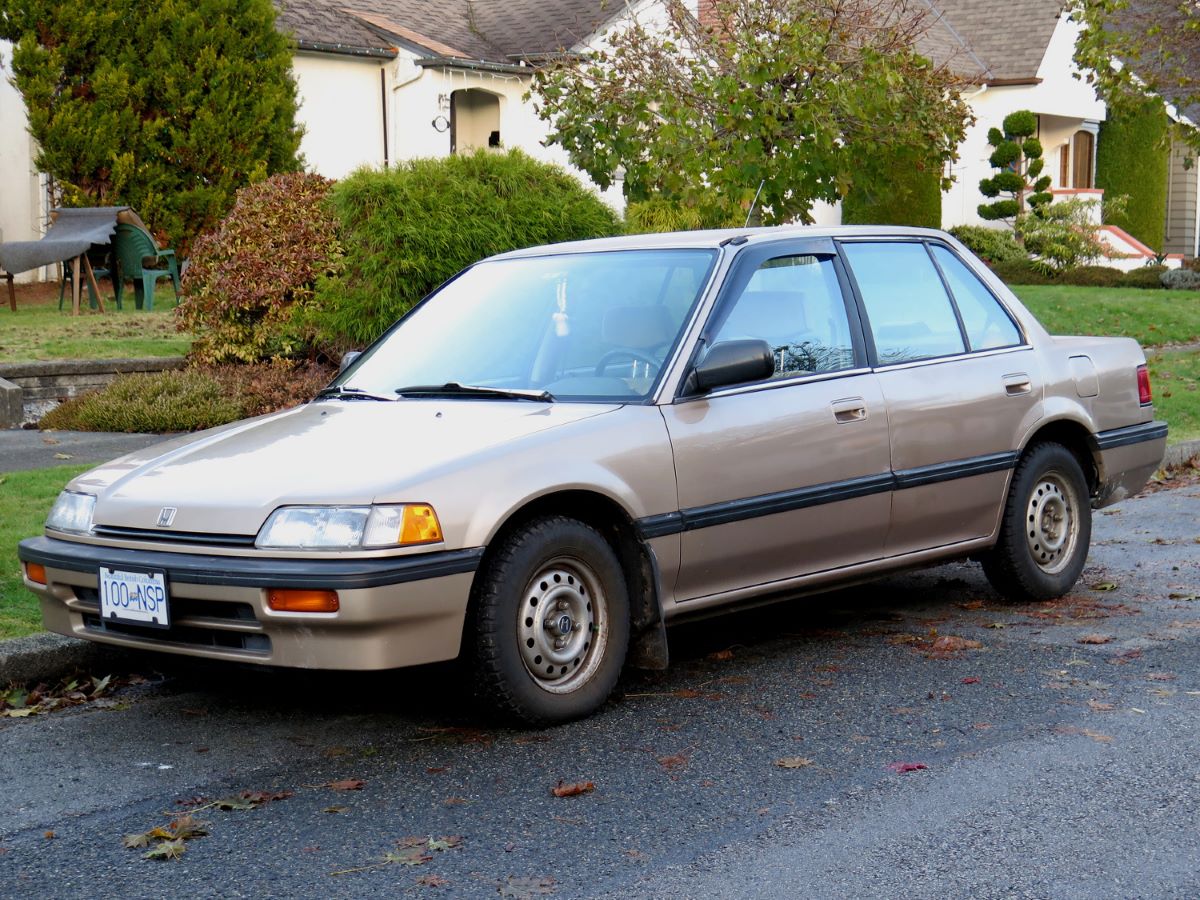
Dealers are paying record prices for ’90s cars in 2025 because they believe that these vehicles will continue to appreciate (or at least retain value), and because demand is strong now: driven by nostalgia, scarcity, visibility, and investor interest.
They don’t just see old metal they see stories, heritage, and potential returns. But it’s not risk-free. Condition, authenticity, and demand sustainability are everything.
For U.S. consumers, the message is: if you’ve got a well-cared-for ’90s car or the chance to acquire one affordably 2025 might be a good time. But do your homework. And keep your expectations realistic.
If you like, I can pull together a list of specific ’90s models with high upside, or recent auction results, to show what kinds of bargains are out there.