
Car lovers know one thing very well: some vehicles that look ordinary today can become treasures tomorrow. Many people focus on buying the newest releases, but history has shown us that cars that were once considered simple, everyday rides can later become rare collectibles.
Think about the old models you used to see on the street daily. Where are they now? Some have vanished completely, and those still around are treated like gold by their owners. That is exactly what will happen again in the coming years.
By the year 2030, several affordable cars that you can buy without breaking your budget will no longer be easy to find. These are not the luxury brands that cost a fortune. Rather, they are cars that ordinary people drove daily, the ones that did school runs, road trips, and errands to the market.
Because of age, limited production, and changing tastes, these cars are heading towards scarcity. Once they disappear, collectors will start hunting for them, and the few left will carry heavy value. This is why it is wise to look closely at which cars on the road today are quietly building their legacy.
Many of them are currently parked in garages, forgotten by people who see them only as “used cars.” Yet, a closer look reveals that these machines carry a special story. Whether it is a design that sets them apart, a unique engine option, or the way they changed motoring for their time, they deserve attention.
For car lovers who enjoy keeping something different, this list will make you see those affordable rides in another light. We are not talking about tomorrow’s hypercars or exclusive models.
These are cars anyone could once afford, but by 2030, they will become rare sights. If you ever wanted to own a piece of motoring history without spending the kind of money that luxury brands demand, then these are the names to remember.
Let us now take a closer look at 15 affordable cars that may soon disappear from everyday roads and only remain in the hands of collectors or loyal enthusiasts.
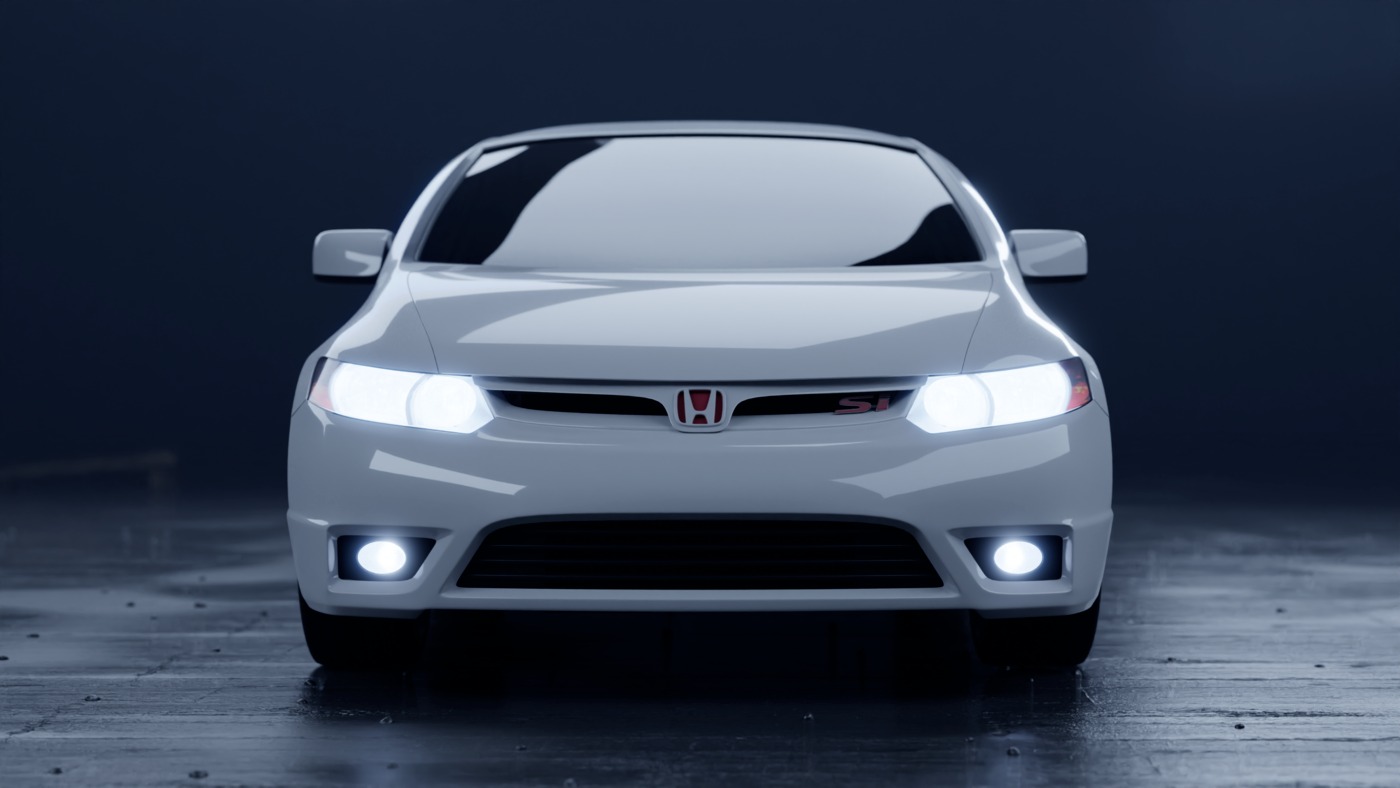
1. Honda Civic Si (2006-2011)
The Honda Civic Si has long been a favorite for young drivers, especially those who love sporty cars without paying sports car money. The 2006–2011 generation stands out because it came with a high-revving 2.0-liter i-VTEC engine, producing more than enough power to excite anyone behind the wheel.
It was a car built for fun, but it still carried Honda’s legendary reliability. This mixture of enjoyment and trustworthiness gave it a strong following. During its production years, it was quite common to see them modified with custom wheels, lowered suspension, and upgraded exhausts.
Many young owners treated the Civic Si like a blank canvas for their creativity. Unfortunately, this same culture of modification is one reason why original, stock versions are disappearing quickly. By 2030, finding a clean, unaltered Civic Si from this period will feel almost impossible.
Another reason it will become rare is that Honda later moved towards turbocharged engines, leaving behind the naturally aspirated high-revving style that made this Si unique. Enthusiasts value the feeling of pushing the RPMs close to redline without worrying about forced induction. This pure driving experience is what gives the car its charm.
At the moment, prices for these Civics remain reasonable, but collectors are already beginning to notice their potential. Those who can secure a well-kept one today will be sitting on something valuable in the coming years. For many, this Civic represents the last era of raw Honda performance before electronics and turbos took over.
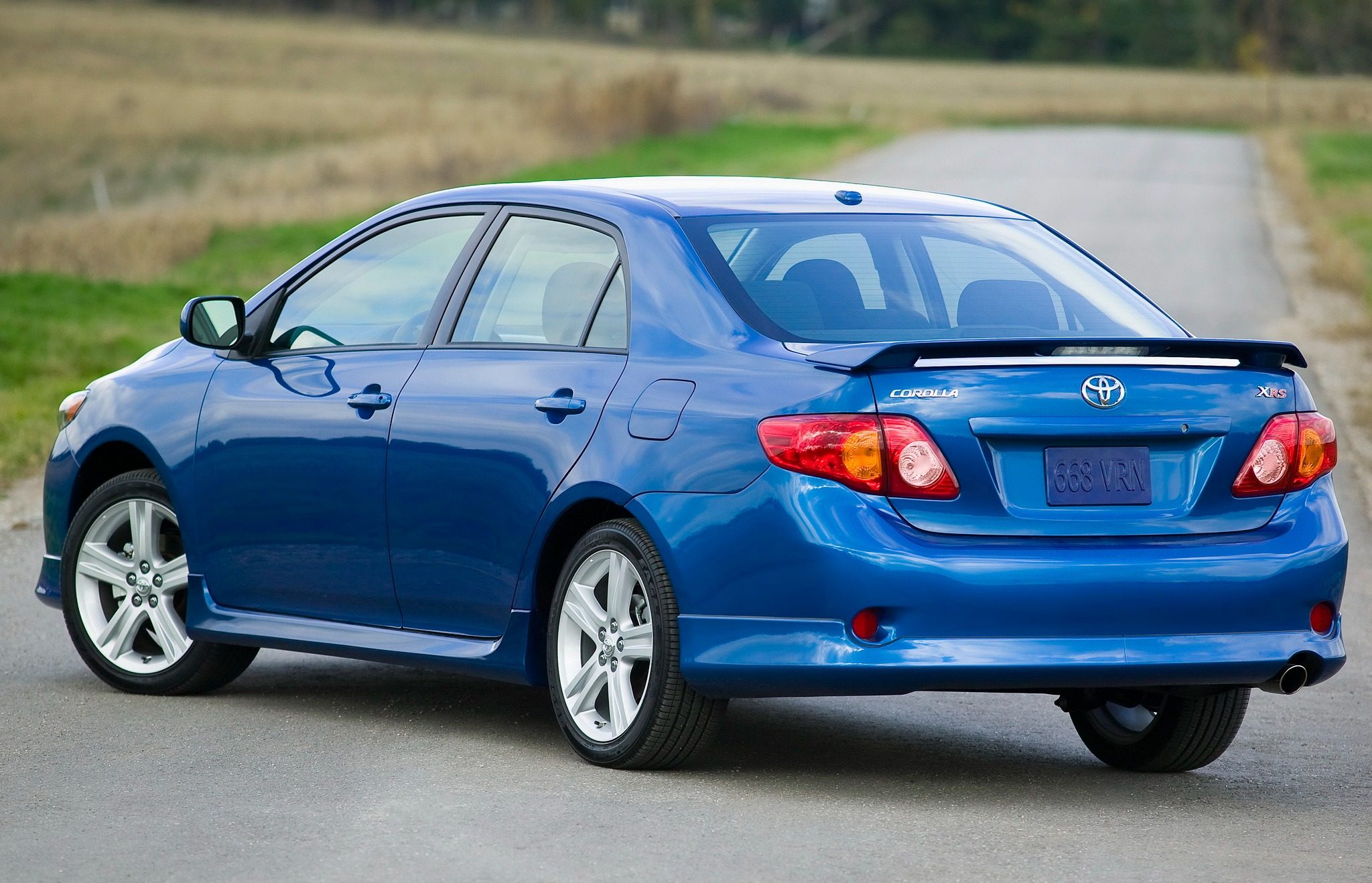
2. Toyota Corolla XRS (2005-2006)
When most people hear “Toyota Corolla,” they think of a practical, no-stress car built mainly for daily use. But between 2005 and 2006, Toyota produced something different: the Corolla XRS.
This model was fitted with the same high-revving engine found in the Toyota Celica GT-S, a 1.8-liter 2ZZ-GE that could scream up to 8,200 RPM. It also came with a six-speed manual gearbox, stiffer suspension, and larger brakes.
The Corolla XRS did not sell in large numbers because people buying Corollas usually wanted comfort, not performance. That limited production is exactly why it will become rare in the future. By mixing the dependability of a Corolla with the spirit of a sports car, Toyota created a special machine that many overlooked at the time.
As emissions laws and new technologies keep changing the car market, naturally aspirated engines with such character are disappearing. By 2030, only a few enthusiasts will still be holding onto the Corolla XRS, and those cars will be treated like family heirlooms.
It may look like an ordinary Corolla from the outside, but anyone who has driven one will tell you that it is not the same. With its unique engine, manual transmission, and limited production numbers, the Corolla XRS is a hidden gem waiting for its moment of recognition.
Also Read: 10 Cars Mechanics Call Unkillable Even After Long Service History
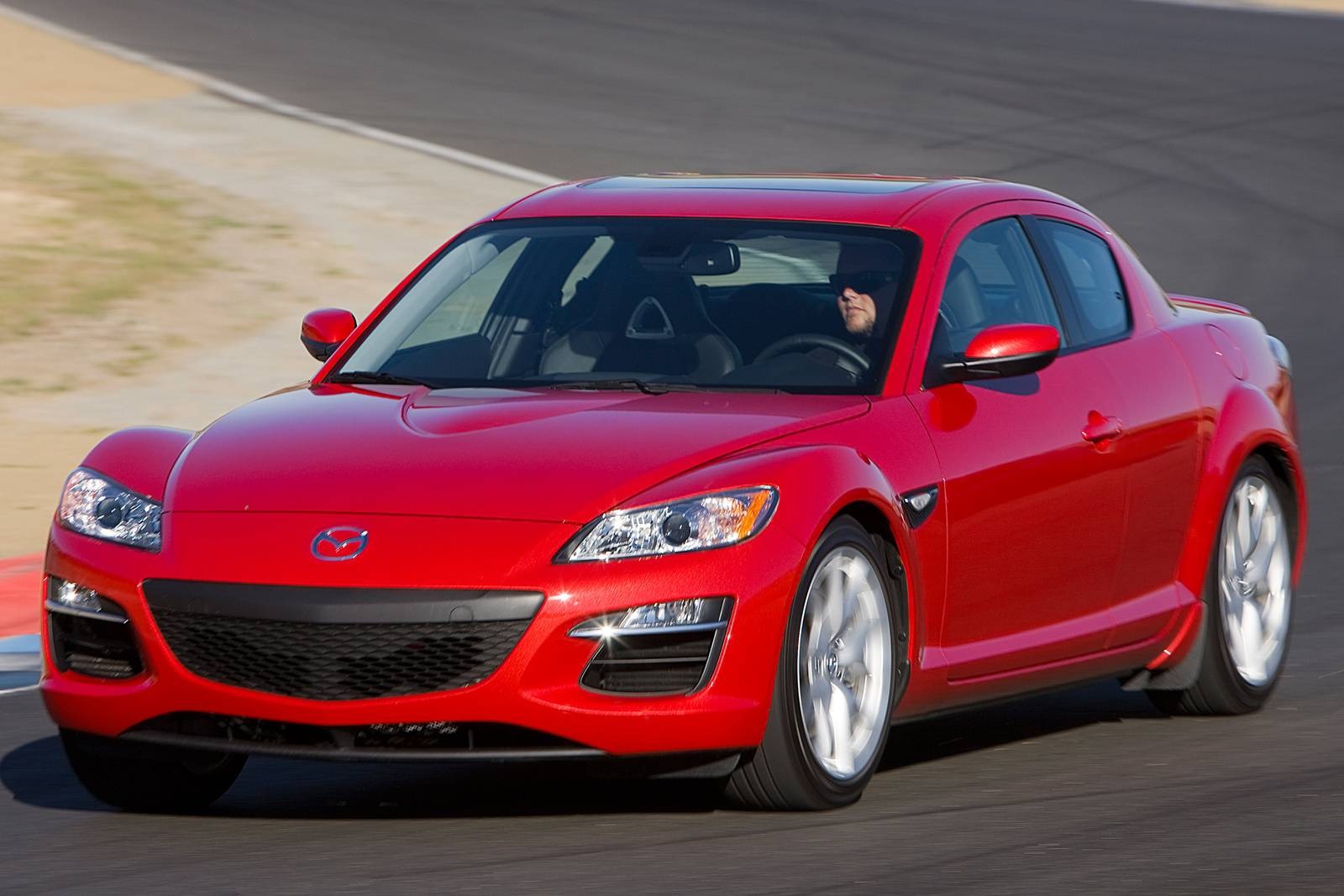
3. Mazda RX-8 (2004-2012)
Mazda has always been bold enough to do things differently, and the RX-8 proved that with its rotary engine design. While other manufacturers stuck with pistons, Mazda continued to champion the Wankel rotary.
The RX-8, with its 1.3-liter Renesis engine, produced a unique driving character that no other car in its price range could offer. It also had the distinctive “freestyle” rear doors, which gave it a practical touch while keeping the sporty look.
One big reason this car will become rare is the rotary engine itself. It required special care, and many owners who treated it like a regular piston engine ended up with problems. As a result, a large number of RX-8s have already been scrapped. Finding one in good condition is becoming more difficult each year.
Collectors appreciate cars that dared to be different, and the RX-8 fits that description perfectly. Its unusual design and engineering make it a standout. The sound, the high revs, and the lightweight handling combined into something memorable. By 2030, these cars will be considered rare artifacts of Mazda’s daring approach to motoring.
Right now, RX-8 prices remain low because of their maintenance reputation. But once the numbers shrink further, even the cost of rebuilding a rotary will not stop collectors from chasing them. This car carries a story of innovation and risk-taking that few manufacturers are brave enough to follow.
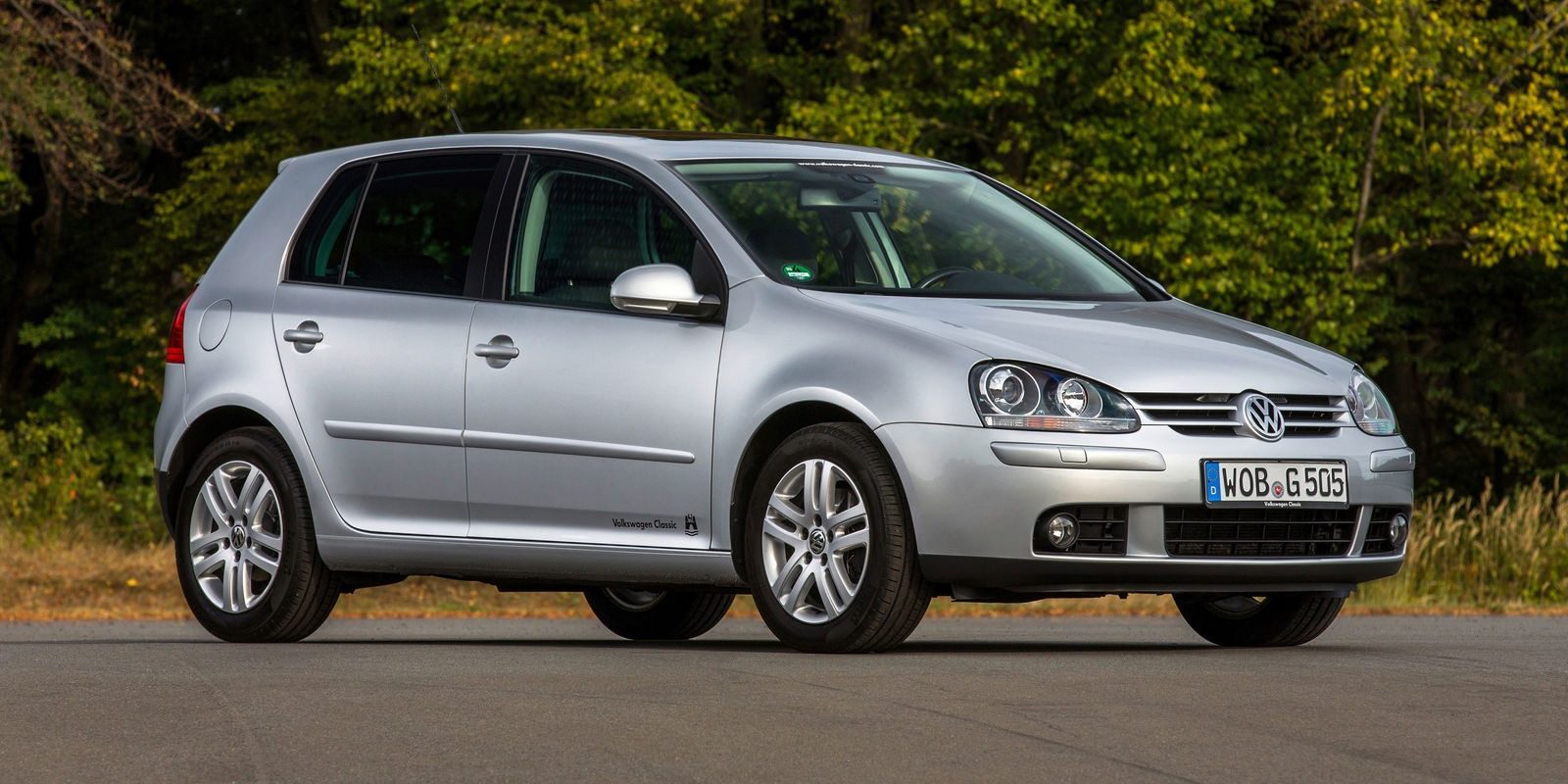
4. Volkswagen GTI Mk5 (2006-2009)
The Volkswagen GTI Mk5 brought back respect to the GTI badge after the less-loved Mk4 generation. It came with a turbocharged 2.0-liter engine that delivered strong performance while keeping fuel consumption within reason. Paired with sharp handling and a refined interior, the Mk5 GTI became the benchmark for hot hatchbacks during its time.
Unlike some of its competitors, the GTI balanced speed with comfort. It was not just a boy-racer’s car; it was a vehicle that could take you to work during the week and still provide fun on weekend drives. This dual personality is why many drivers fell in love with it.
However, many Mk5 GTIs have suffered from neglect or poor modifications, leading to engine and transmission issues. That reality means the number of good ones is dropping quickly. By 2030, only a handful of well-preserved Mk5 GTIs will remain, making them highly desirable.
For collectors, the Mk5 is important because it marked the revival of the GTI’s reputation. It set a standard for the modern hot hatch formula, blending practicality with genuine excitement. The day will come when seeing one in perfect condition will feel like spotting a rare classic.
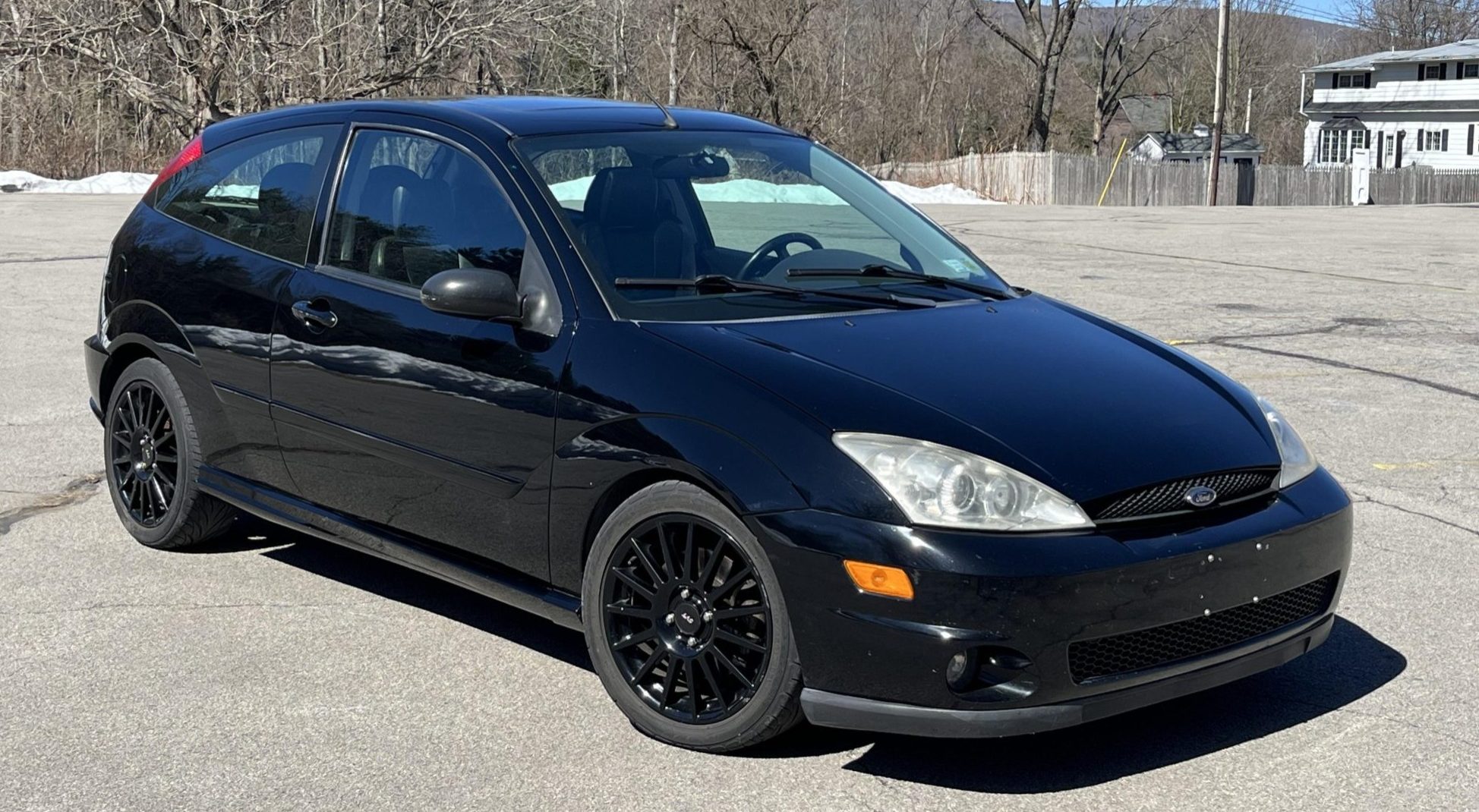
5. Ford Focus SVT (2002-2004)
Ford has had a long tradition of producing performance versions of its small cars, and the Focus SVT is one of those special efforts. Sold between 2002 and 2004, this car carried a 2.0-liter four-cylinder engine tuned for 170 horsepower, a six-speed manual transmission, and sport-tuned suspension. It was sharp, responsive, and gave drivers a true performance experience at a price that many could afford.
Unfortunately, not many were sold. The Focus SVT was more of a niche choice compared to regular Focus models. That limited production means fewer examples exist today, and many of those have been driven hard, modified, or poorly maintained.
Car enthusiasts value the Focus SVT because it represented a time when Ford was serious about competing with European hot hatches. It had the engineering input of Cosworth, which added credibility to its performance chops. By 2030, this car will be rare not only because of low sales but also because so few have survived in good shape.
Right now, the Focus SVT is affordable on the used market. But time is ticking, and once people realize how few are left, its rarity will drive demand. It is one of those cars that may not have made a big splash during its day but will earn respect as the years pass.
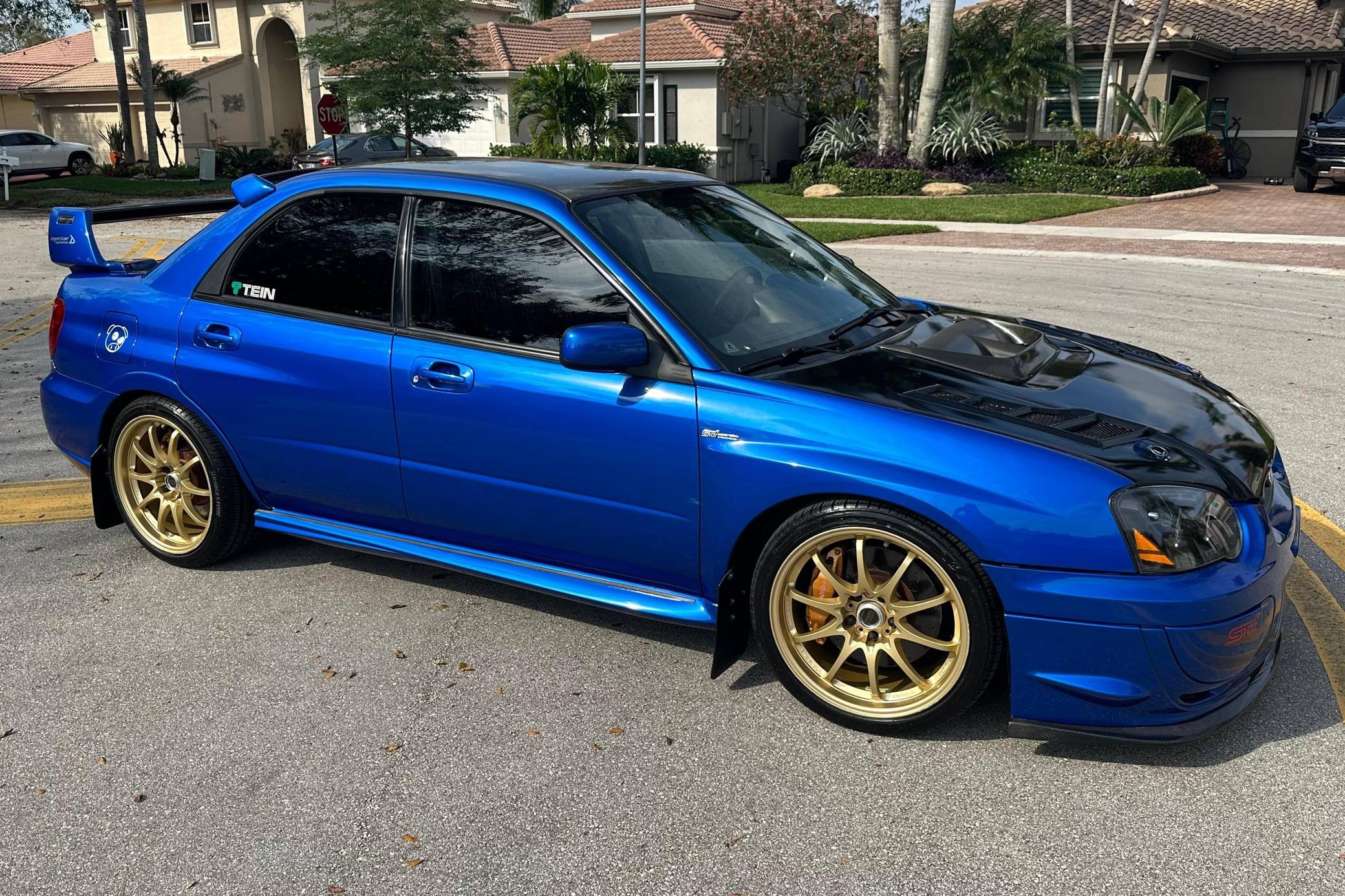
6. Subaru Impreza WRX (2002-2007)
The early 2000s Subaru Impreza WRX is a car that many young drivers dreamed about. Thanks to rally racing and video games, the WRX became a symbol of turbocharged fun at an affordable price. With its all-wheel-drive system and turbo 2.0-liter engine, it could handle rough roads as easily as city highways. It offered a type of performance that rivaled cars far more expensive.
One of the standout features of the WRX was its ability to combine everyday use with motorsport DNA. It had four doors and a practical trunk, yet it could sprint with surprising speed. That balance made it a unique offering, especially for buyers who wanted something different from the usual compact sedans.
However, these cars were often pushed hard by their owners. Many were modified for more power, and some were not treated with the care they deserved. Turbo engines demand attention, and neglect has led to many WRXs ending up in poor condition. Already, clean and original examples are becoming rare.
By 2030, finding a stock WRX from this generation will feel like hunting for treasure. Collectors will value it for its rally heritage and its role in bringing turbocharged all-wheel-drive performance to ordinary buyers. This car carried a spirit of fun and toughness that newer models with more electronics cannot quite replicate.
For car enthusiasts who want something that combines practicality, speed, and a rich history, the 2002–2007 Subaru Impreza WRX is a car worth securing now before scarcity makes it hard to find.
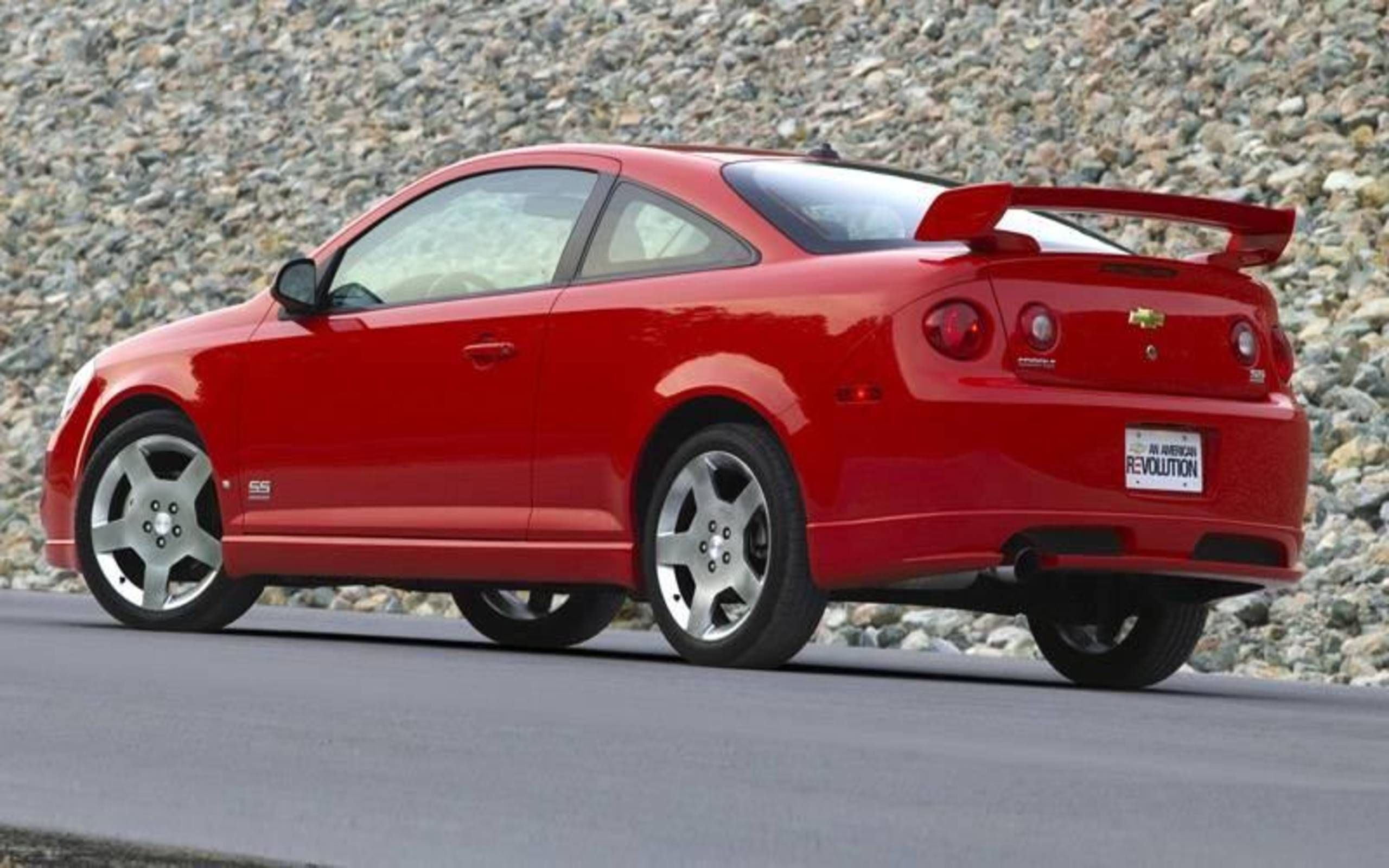
7. Chevrolet Cobalt SS Supercharged (2005-2007)
Chevrolet entered the compact performance market with the Cobalt SS Supercharged, and it quickly earned respect. Unlike the standard Cobalt, this version carried a supercharged 2.0-liter engine producing 205 horsepower, along with a sport-tuned suspension and upgraded brakes. For its price, it was one of the fastest cars you could buy new at the time.
The Cobalt SS Supercharged was not produced in massive numbers, and many were bought by younger drivers who drove them aggressively. That has left very few clean examples today. Those that remain are either heavily modified or suffering from years of wear and tear.
Its appeal lies in how it surprised people. Many did not expect a small Chevy to keep up with imports like the Civic Si or Volkswagen GTI. Yet, the Cobalt SS Supercharged could hold its own and even beat some rivals in straight-line performance.
By 2030, these cars will be rare largely because of their limited production and the way they were used. Collectors appreciate underdog cars that brought something fresh to the market, and this model fits that description perfectly. It was a genuine attempt by Chevrolet to show that American brands could compete in the sporty compact category.
At present, prices remain accessible, but they are slowly rising as enthusiasts begin to recognize its place in performance history. Anyone who manages to preserve one in stock form will own a car that carries both rarity and respect.
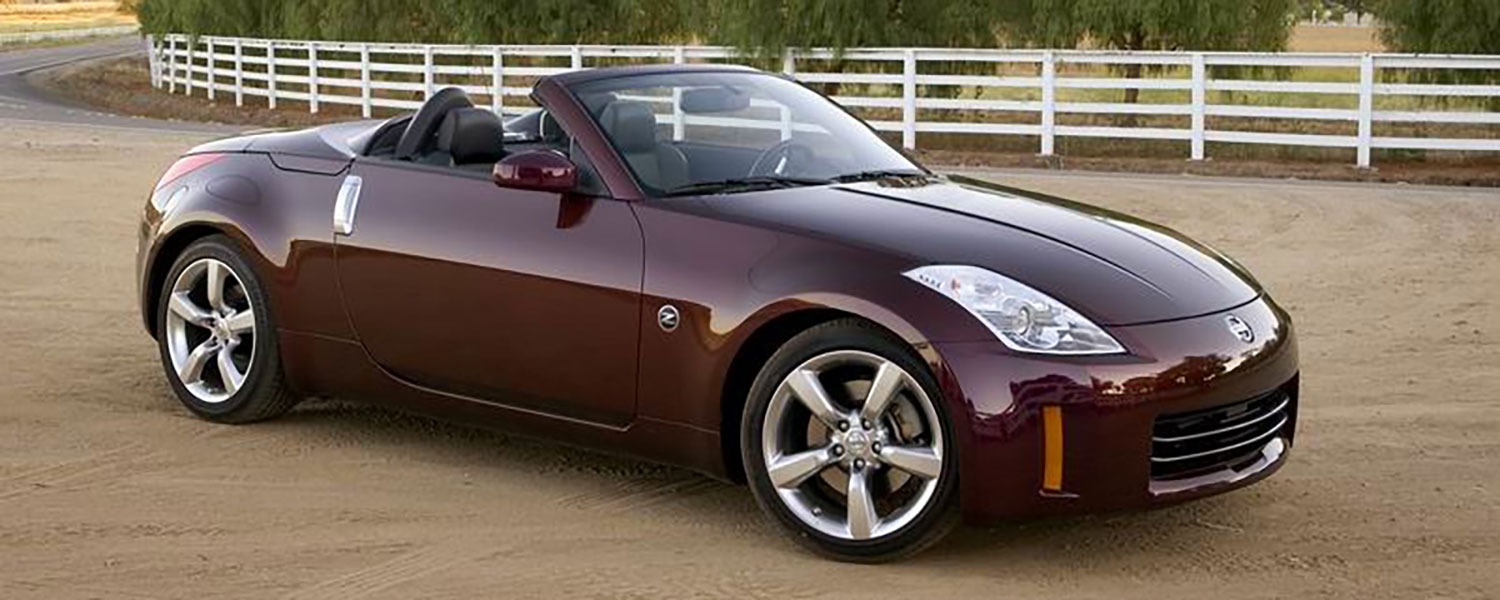
8. Nissan 350Z (2003-2008)
The Nissan 350Z revived the Z-car spirit when it launched in the early 2000s. With its bold styling, rear-wheel drive, and naturally aspirated V6 engine, it provided a true sports car experience at a reasonable price. It reminded buyers of the glory days of the Datsun 240Z while delivering modern performance.
The 350Z was loved by tuners, which means many of them were modified, raced, or drifted. As a result, stock examples are harder to find today. Cars that were not abused are already being treated with care, and those will be the ones that stand out by 2030.
Part of what makes the 350Z special is that it offered pure driving enjoyment without relying on forced induction or heavy electronic aids. It gave the driver a raw, connected feeling. This type of sports car is fading away as technology and hybrid systems become more common.
By 2030, the 350Z will be recognized as the car that brought Nissan’s Z badge back to life. Collectors will remember it as an affordable but genuine sports car that carried the DNA of the classic Z line. Already, prices for low-mileage and unmodified examples are creeping up.
If you want a car that blends heritage, performance, and rarity, the 350Z deserves a place in your garage before they vanish from the regular used market.
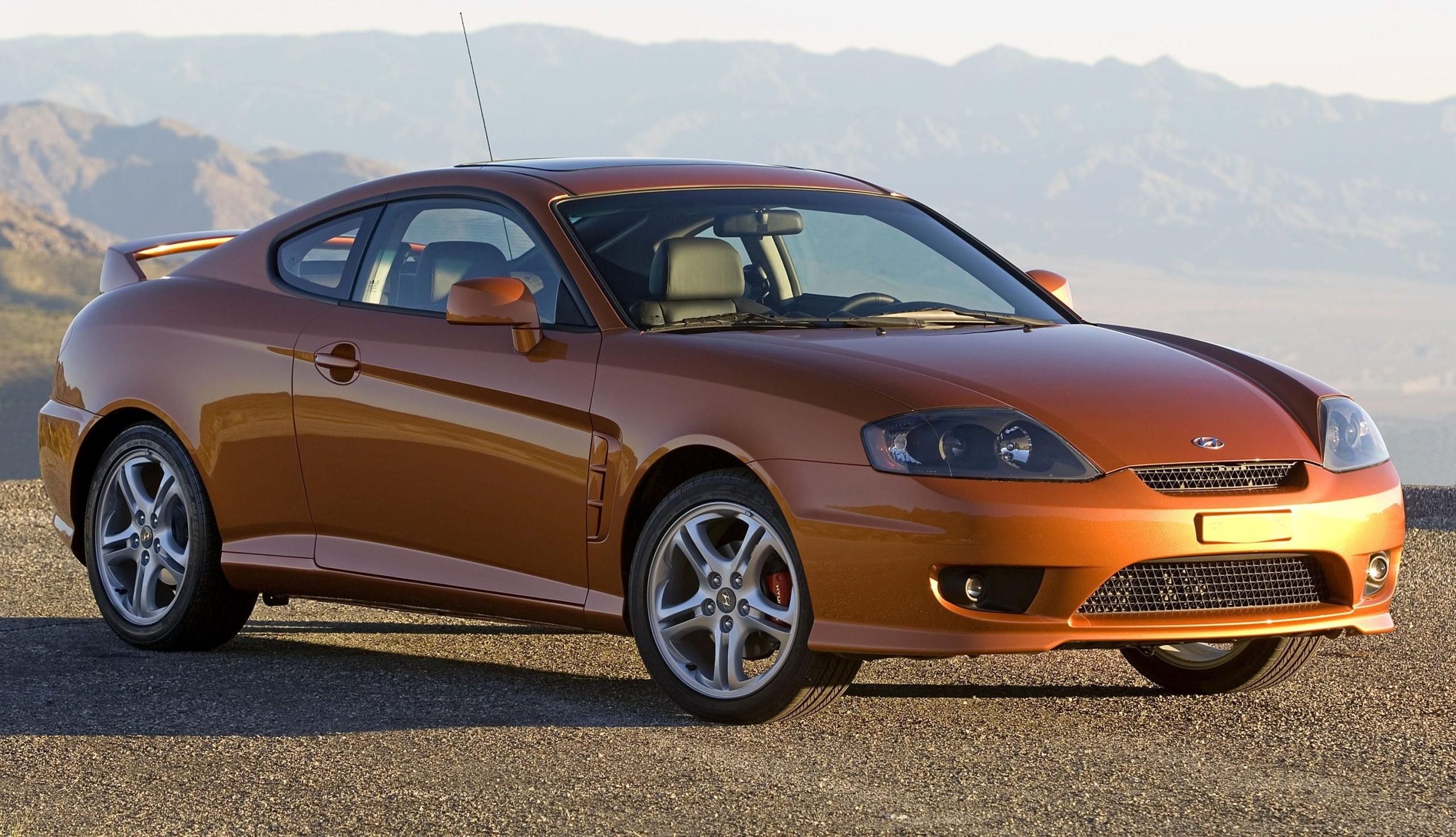
9. Hyundai Tiburon GT (2003-2008)
Hyundai may not always be the first brand people think of when talking about sporty cars, but the Tiburon GT from the mid-2000s earned a loyal following. It featured a 2.7-liter V6 engine paired with either a five- or six-speed manual transmission. The sharp styling, with its coupe body and aggressive stance, made it look more expensive than it actually was.
While it was never the fastest car in its category, the Tiburon GT offered style and driving enjoyment at a price that many young buyers could afford. Hyundai stated that they could make more than just practical sedans.
Production numbers were not very high, and many Tiburons were not preserved because owners viewed them as budget coupes rather than future collectibles. This mindset has led to a rapid decline in the number of clean, running examples.
By 2030, the Tiburon GT will stand out as a rare reminder of Hyundai’s early attempts to break into the sporty car market. It represents a chapter of ambition and growth for the company before it gained global respect with models like the Genesis.
Right now, it is still possible to find these cars at affordable prices, but their numbers are shrinking. For collectors who want something unusual and different, the Tiburon GT is a hidden treasure that will soon be difficult to find.
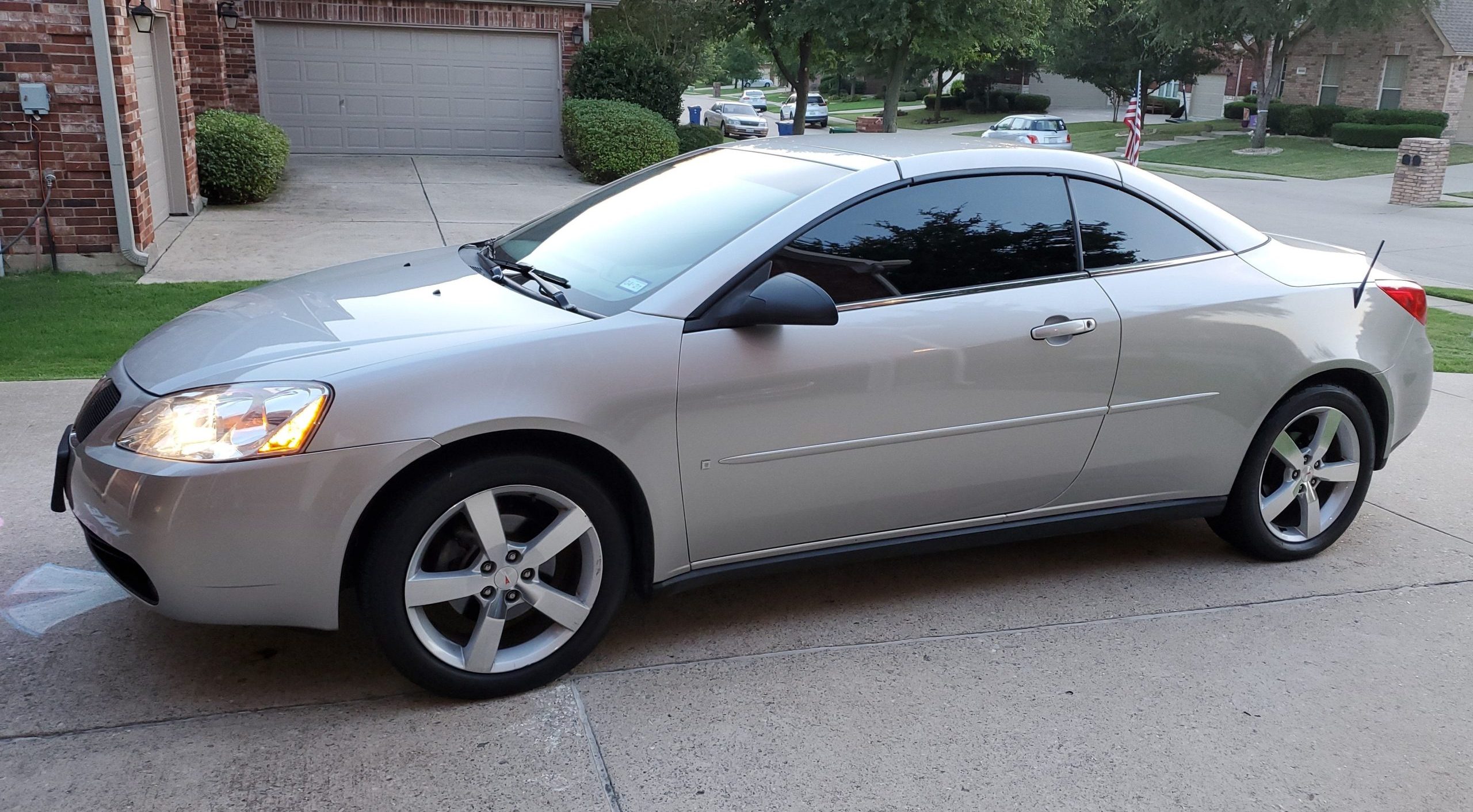
10. Pontiac G6 GTP Coupe (2006-2009)
Pontiac, as a brand, no longer exists, which already makes its cars special. Among them, the G6 GTP Coupe carries a unique appeal. It came with a 3.9-liter V6 engine producing 240 horsepower, paired with a manual transmission option. Its sleek two-door design gave it a sporty image that was quite attractive for its price range.
Because Pontiac was discontinued in 2010, models like the G6 GTP have a limited future supply. Many have been used up as daily drivers, leaving few in good condition. By 2030, surviving examples will be rare, and their connection to a discontinued brand will add to their value.
The G6 GTP also stood out for offering features not common at its price point, such as a retractable hardtop in some versions. That gave it a mix of practicality and fun. Enthusiasts remember it as one of Pontiac’s last efforts to deliver excitement before the brand disappeared.
For collectors, the G6 GTP Coupe is not just about performance. It carries the memory of Pontiac itself, a brand that once produced legendary muscle cars. Owning one in the future will feel like keeping a piece of American car history alive.
At present, prices are low because it is still seen as just another used car. But time will change that, and by 2030, the rarity of the GTP Coupe will make it sought-after.
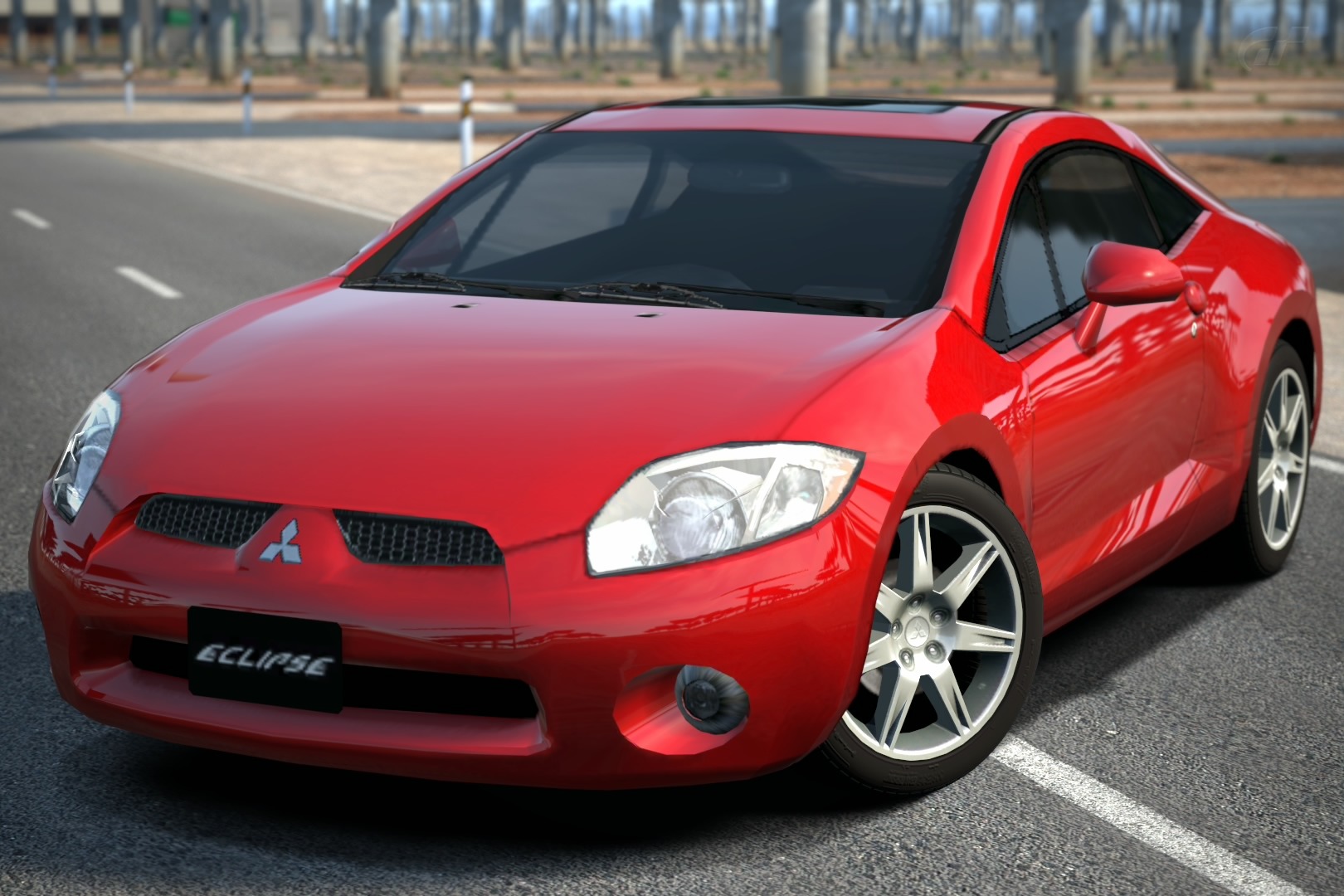
11. Mitsubishi Eclipse GT (2006-2012)
The Mitsubishi Eclipse GT from the fourth generation carried a strong 3.8-liter V6 engine and a stylish coupe design. While earlier Eclipses are more famous because of their appearances in movies and racing culture, the later GT still offered plenty of excitement.
This generation of the Eclipse sold in smaller numbers compared to the older models, partly because the market for coupes was shrinking. That limited demand means fewer cars were built, and even fewer remain today in good condition.
For enthusiasts, the Eclipse GT is attractive because it was one of the last sporty coupes Mitsubishi sold in North America. Afterward, the brand shifted focus away from performance cars. This makes the Eclipse GT a symbol of the end of an era.
By 2030, finding one that is well-maintained will be difficult. Many of these cars were owned by young drivers who did not always prioritize preservation. But those that survive will be recognized as rare gems of Mitsubishi’s performance history.
Anyone who secures one today is essentially holding onto one of the final sporty offerings from a brand once respected for rally cars and turbocharged excitement. The Eclipse GT will soon be remembered as a rare chapter of Mitsubishi’s story.
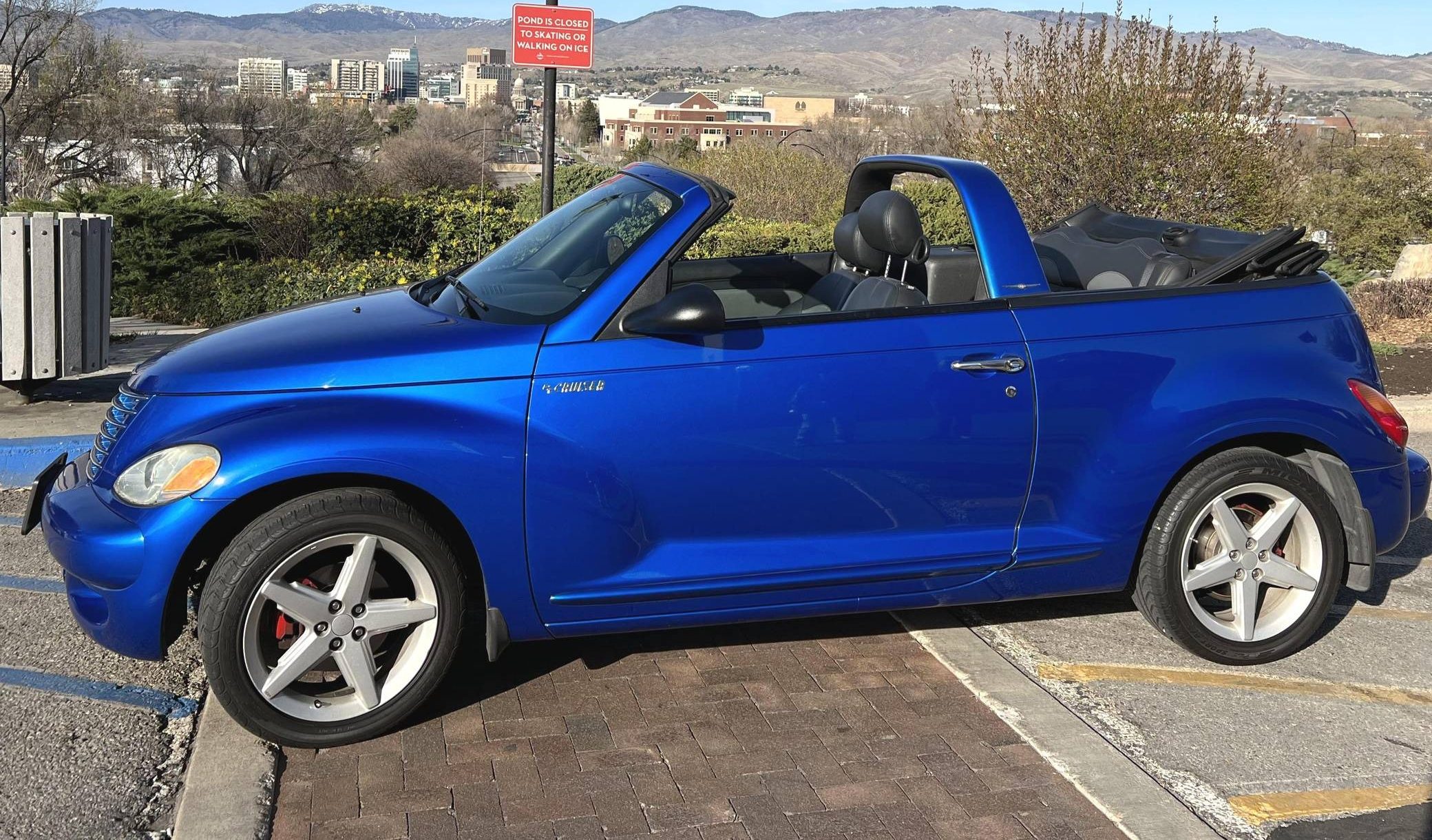
12. Chrysler PT Cruiser GT Turbo (2003-2007)
The Chrysler PT Cruiser often divides opinion with its retro styling. While the base models were not special, the GT Turbo version was a surprising performance machine. Equipped with a turbocharged 2.4-liter engine producing up to 230 horsepower, it could deliver strong acceleration while keeping the quirky design.
The PT Cruiser GT did not sell in large numbers, as most buyers were drawn to the cheaper, regular versions. That limited production means the GT Turbo is already uncommon today. By 2030, it will be extremely rare.
What makes it interesting is the combination of unusual styling and hidden performance. It is not the type of car most people expect to move quickly, and that makes it fun. Collectors often appreciate cars that carry unique character, and the PT Cruiser GT fits that description.
While some laughed at its looks, those who owned the GT Turbo knew they had something different. In the future, it will be valued as a rare and unusual creation from Chrysler. Right now, it remains affordable, but that will not last once people realize how few are left.
Also Read: 15 Cars That Remain Problem-Free Past 250k
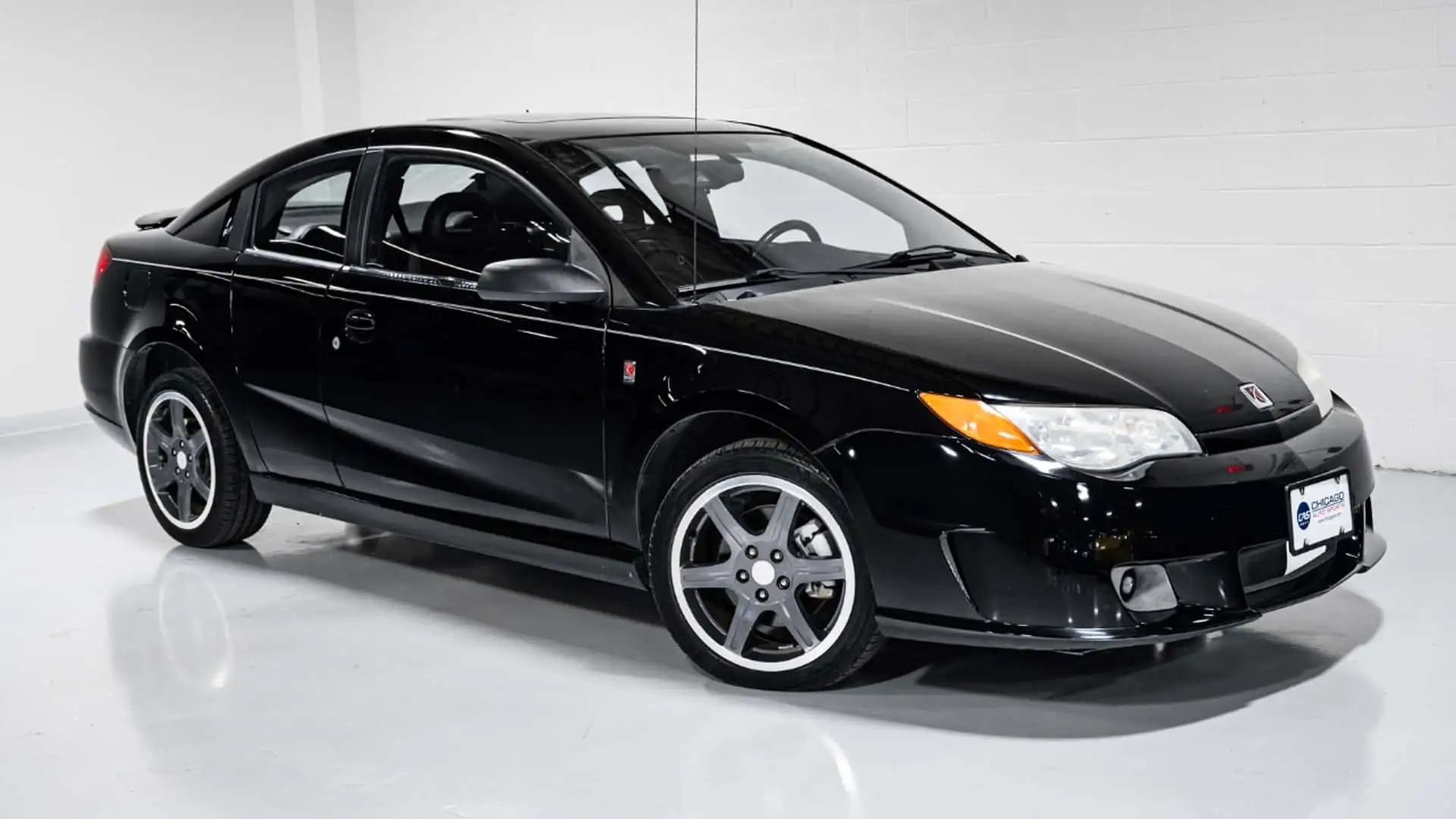
13. Saturn Ion Red Line (2004-2007)
The Saturn Ion Red Line was a compact performance car fitted with a supercharged 2.0-liter engine producing 205 horsepower. It came with a sporty suspension and a no-nonsense interior, targeting drivers who wanted speed without paying premium prices.
As Saturn no longer exists as a brand, every model from its lineup carries rarity. The Ion Red Line is especially interesting because of its performance focus. Not many were produced, and most were used heavily by young buyers.
By 2030, it will be extremely hard to find one in good condition. Collectors will appreciate it as one of the few performance cars Saturn ever made. It represents an unusual experiment by a brand that was mostly known for affordable, everyday cars.
The Ion Red Line may not have the same fame as rivals like the Civic Si, but that makes it even more special. For those who value rare, overlooked performance cars, this one will stand out in the future.
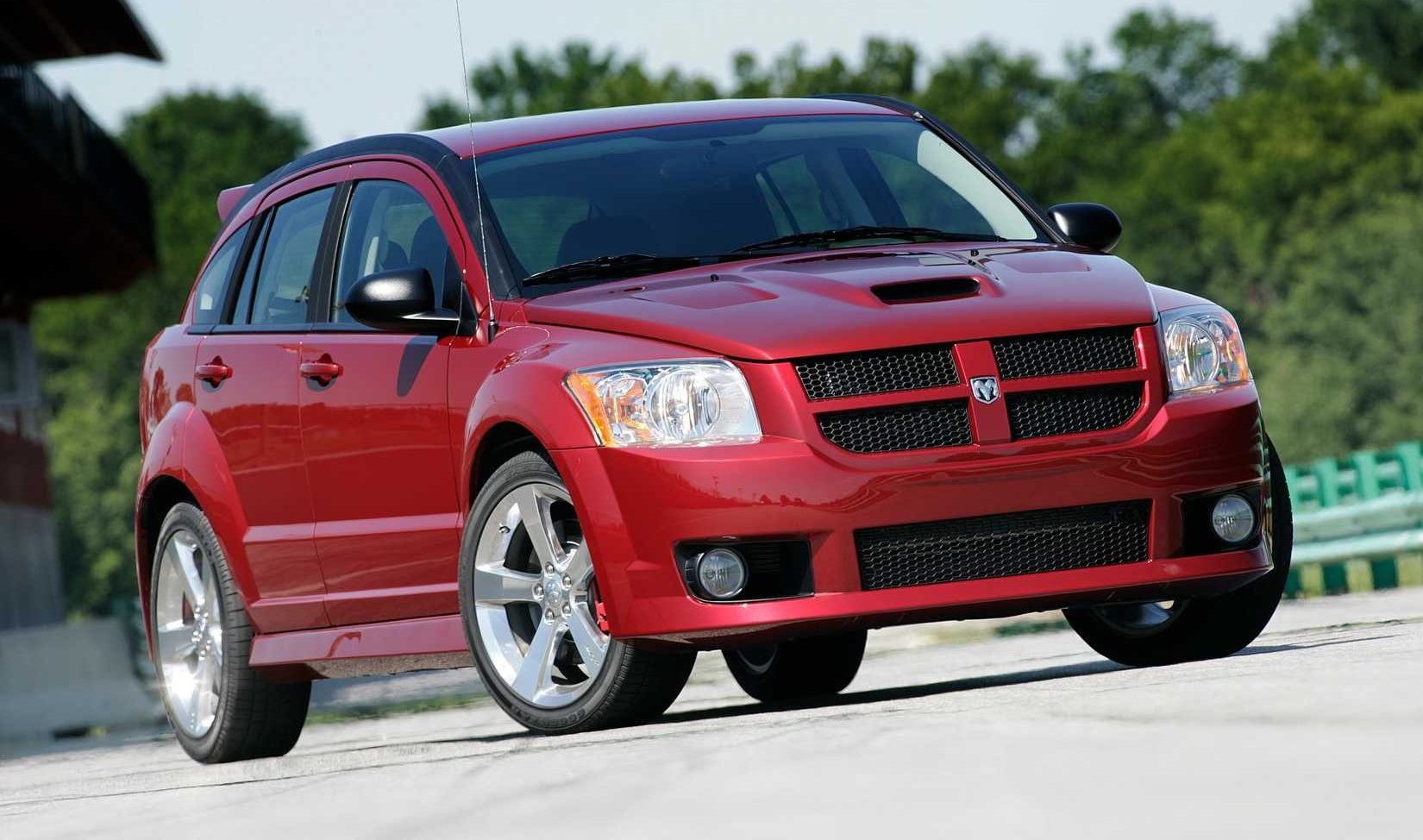
14. Dodge Caliber SRT4 (2008-2009)
The Dodge Caliber SRT4 was produced for only two years, making it rare from the start. It carried a turbocharged 2.4-liter engine producing 285 horsepower, which made it one of the most powerful compact cars of its time.
Its aggressive styling and strong performance gave it character, but many people dismissed the Caliber for its interior quality. That means not many buyers took a chance on the SRT4 version. The few who did got a surprisingly fast machine.
Because of its short production run and the way many were driven hard, clean examples are disappearing fast. By 2030, the Caliber SRT4 will be recognized as a rare performance car with unusual roots.
Collectors will value it for its power and its limited availability. While it may not have received wide praise during its production years, scarcity will give it value in the future.
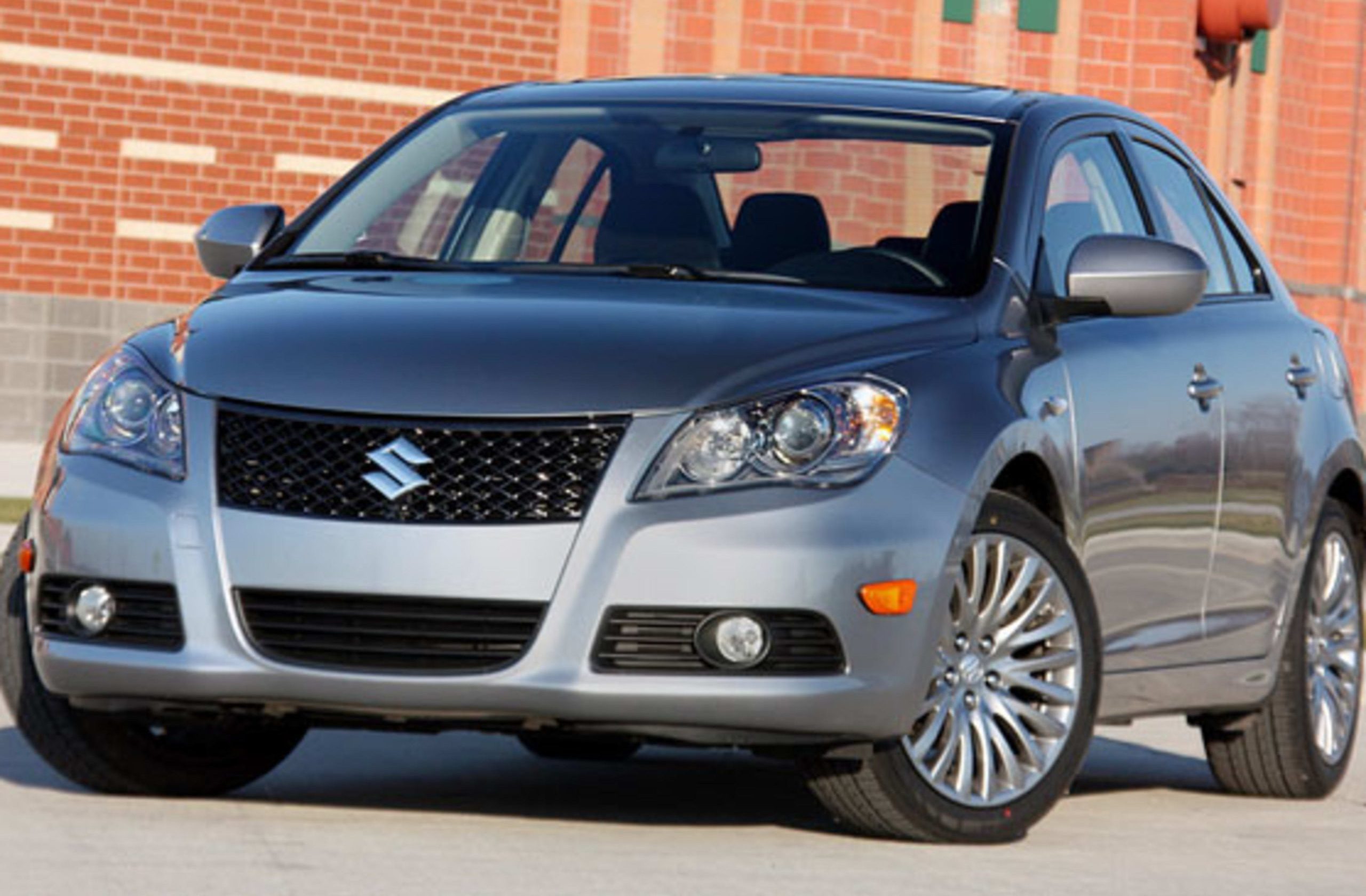
15. Suzuki Kizashi (2010-2013)
Suzuki attempted to enter the midsize sedan market with the Kizashi, and while it offered quality, performance, and a stylish design, it did not sell well. The company soon withdrew from the car market in North America, leaving the Kizashi with a short production run.
It was available with both front-wheel and all-wheel drive, and its build quality impressed those who drove it. But because the brand exited, support and recognition faded. That makes surviving examples rare even now.
By 2030, the Kizashi will be seen as one of the hidden treasures of affordable sedans. Collectors often respect cars that were good but overlooked, and this one fits perfectly. It will be a rare reminder of Suzuki’s attempt to break into a new market.
Right now, prices are still low, but rarity will soon push demand higher. The Kizashi stands as proof that even short-lived efforts can leave a lasting memory.
