SUVs remain one of the most popular choices for drivers who need versatility, durability, and everyday practicality. They serve families on long road trips, commuters who rack up daily miles, and adventurers who need a capable vehicle for weekends outdoors.
With this variety of use, it becomes clear that not every SUV is created to last. Some models begin to show wear quickly, while others consistently prove that true dependability is built into their design.
In “9 SUVs That Refuse to Break Despite Heavy Usage”, we focus on the vehicles that stand the test of time. These SUVs are not just about comfort or technology, although many deliver both. More importantly, they have earned reputations for reliability, low ownership costs, and strong long-term performance.
This list includes a wide mix of options, ranging from compact crossovers that excel in efficiency to rugged body-on-frame SUVs built for tougher challenges. No matter the category, each one delivers confidence that it will remain dependable through years of heavy usage. If you are in the market for an SUV that combines practicality with resilience, these models represent some of the strongest choices available today.
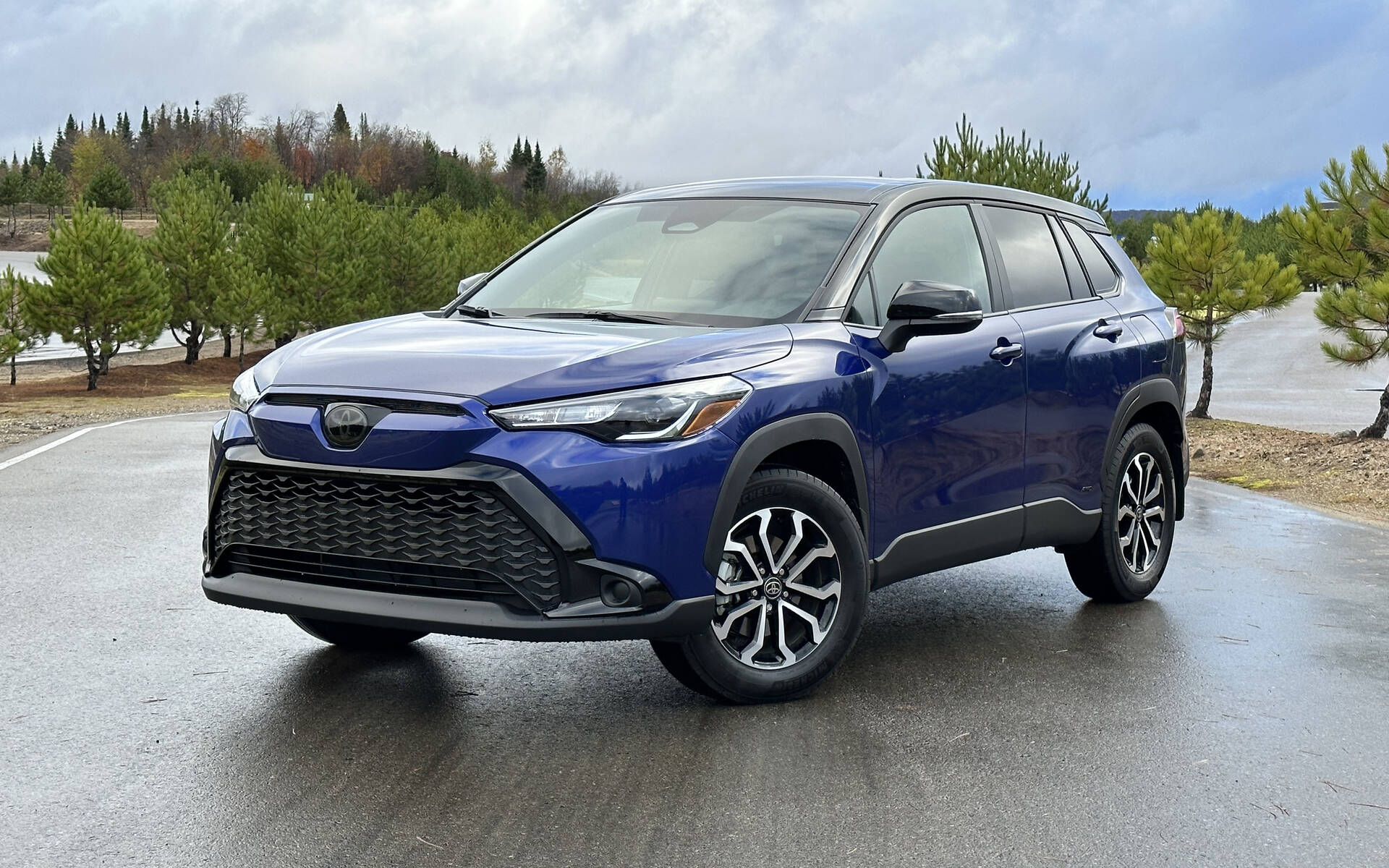
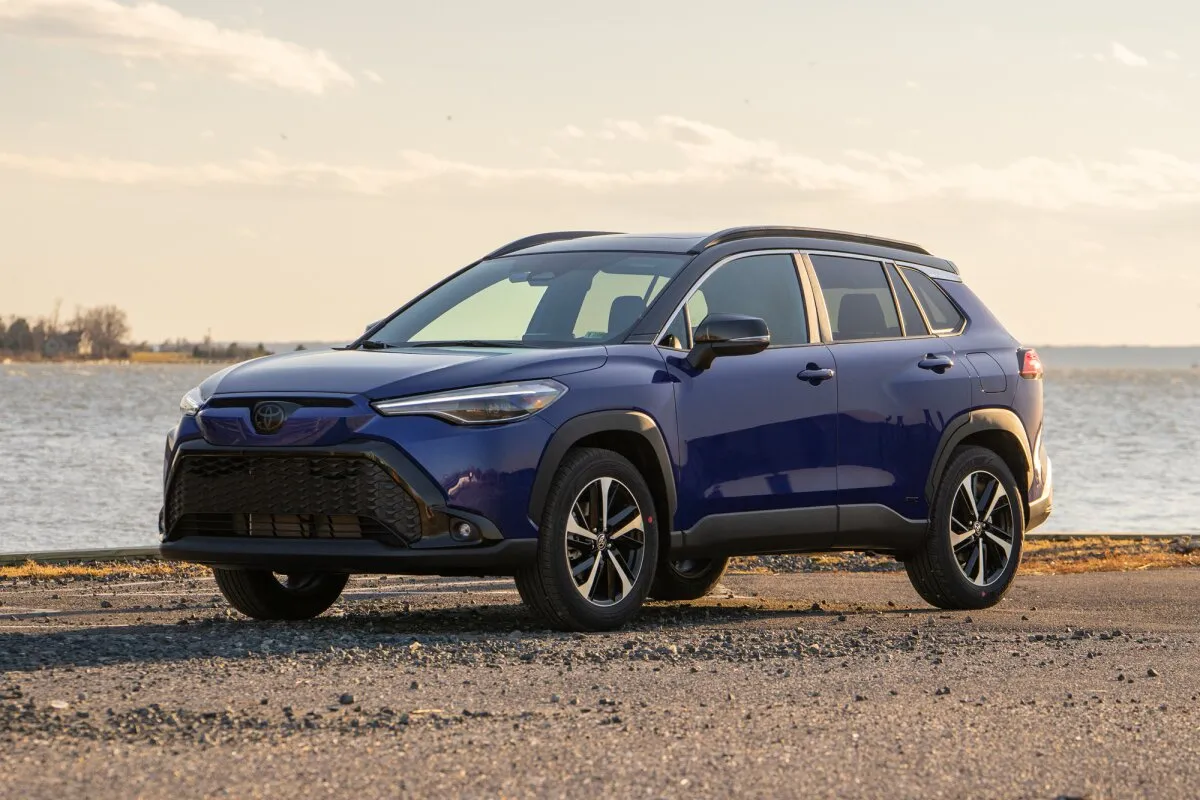
1. 2024 Toyota Corolla Cross: A Practical Small SUV
The Toyota Corolla Cross, introduced in 2022, is a small SUV positioned between the compact Corolla sedan/hatchback and the larger RAV4. It quickly gained attention for combining practicality, fuel efficiency, and Toyota’s well-known reliability. Designed for buyers seeking an affordable, versatile, and manageable-sized SUV, it has become a strong contender in the subcompact SUV market.
Consumer Reports gave the 2024 Corolla Cross a predicted reliability score of 71/100, which is solid though potentially impacted by an airbag recall the only significant issue reported so far. The hybrid variant achieves a higher 79/100 score, reflecting Toyota’s growing expertise in hybrid technology.
Although maintenance and repair cost data remain limited due to the model’s recent launch, Toyota’s historical track record suggests reasonable long-term ownership costs. The vehicle comes with three years/36,000 miles basic warranty and five years/60,000 miles powertrain coverage, plus a two-year complimentary maintenance plan with roadside assistance, enhancing its value proposition.
All models feature a 2.0-liter four-cylinder engine producing 169 horsepower, paired with either front-wheel drive (FWD) or all-wheel drive (AWD). The hybrid variant increases output to 196 horsepower through a trio of electric motors.
Performance is modest: Edmunds’ testing recorded a 0–60 mph time of 9.6 seconds for the AWD model. While highway passing requires planning, city driving is comfortable. Toyota prioritizes a smooth, calm ride over sportiness, with steering, suspension, and braking tuned for comfort.
Interior comfort is adequate but not exceptional. The suspension absorbs most road imperfections but can feel soft on rough surfaces. Front seats offer fair cushioning but limited thigh support, while taller drivers may find adjustability lacking.
Rear seat legroom is constrained, though the reclining seatbacks are a welcome touch. Noise levels, particularly from wind and road, are higher than some competitors, though the climate system performs well. Rear passengers benefit from dedicated air vents, a class-plus feature.
The interior is simple and practical, with an 8-inch infotainment touchscreen supporting Apple CarPlay and Android Auto. While rear legroom is tight, cargo space is strong, offering 25.2 cubic feet behind the rear seats in AWD models. The hatch opens wide for easy loading, though the seats don’t fold flat.
Interior storage includes ample cubbies and cupholders. Child-seat installation can be challenging due to narrow rear doors, and towing capacity is a modest 1,500 pounds.
Fuel efficiency is a key advantage: FWD models achieve 32 mpg combined, and AWD versions 30 mpg, surpassing many competitors. Edmunds’ real-world testing confirmed 33 mpg, consistent with Toyota’s reputation for reliable EPA estimates.
Lower trims deliver strong value with standard features and dependable engineering, while higher trims add premium conveniences. Some trade-offs include extensive use of plastics and limited driving engagement.
In a competitive subcompact SUV segment including the Honda HR-V, Mazda CX-30, Hyundai Kona, and VW Taos, the Corolla Cross stands out for practicality, efficiency, and reliability. While not the most thrilling or refined option, it represents a sensible, low-stress choice for those seeking a dependable everyday small SUV.
2. 2024 Lexus NX Hybrid: A Balanced Compact Luxury SUV
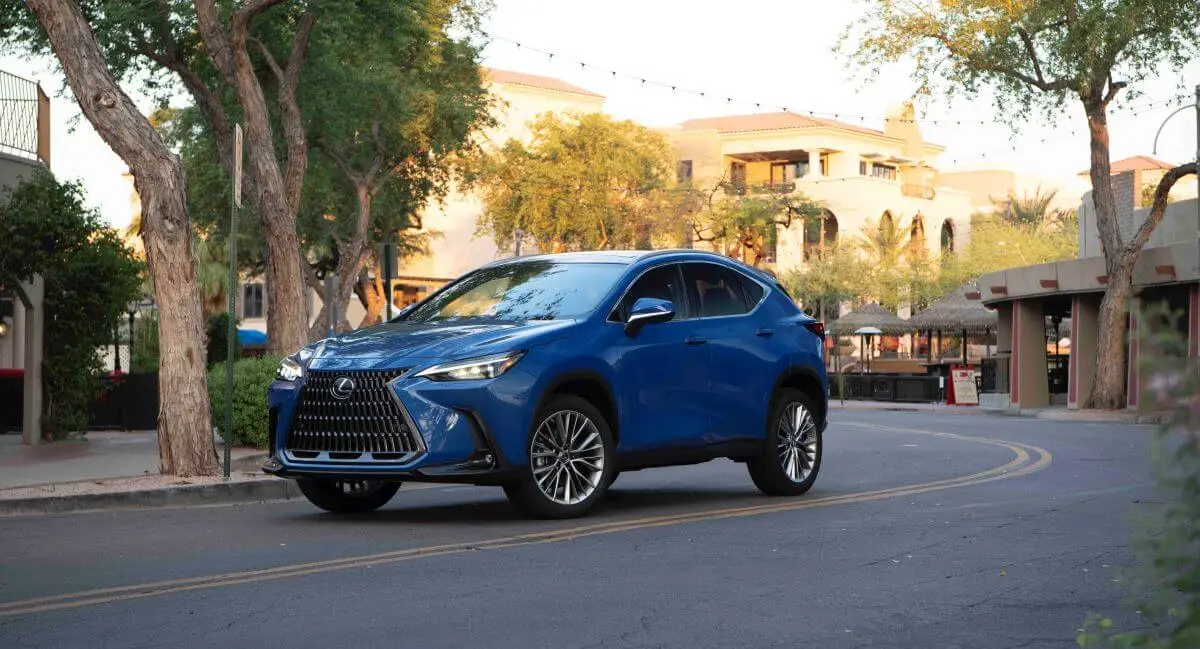
The Lexus NX Hybrid, positioned above the smaller UX, competes in the compact luxury crossover segment, offering a blend of comfort, efficiency, and upscale features.
The hybrid variant, the NX 350h, pairs a 2.5-liter four-cylinder engine with dual electric motors to produce 239 horsepower, with standard all-wheel drive. While it isn’t the most powerful in its class, the NX Hybrid prioritizes refinement and fuel efficiency over outright performance.
Consumer Reports assigns the 2024 NX Hybrid a predicted reliability score of 73/100, reflecting solid dependability, slightly below Toyota and Lexus norms. Notably, the NX has no reported recalls, providing reassurance to buyers.
Consumer Reports rates it 83/100, emphasizing its well-rounded strengths. RepairPal estimates average annual maintenance at $551, while CarEdge projects $7,136 over 10 years. Among used models, the 2021 NX is the least desirable due to engine leaks, suspension issues, and cabin noises.
Warranty coverage includes four years/50,000 miles bumper-to-bumper and six years/70,000 miles powertrain, with four years of roadside assistance and one year of complimentary maintenance.
On the road, the NX Hybrid emphasizes composure and comfort rather than sportiness. The NX 350 F Sport accelerates from 0–60 mph in 7 seconds, adequate for highway merging. Its eight-speed automatic transmission is smooth but not quick, and braking performance is strong, with a 60 mph panic stop requiring only 117 feet.
Handling is confident, particularly with the F Sport package, though the ride remains tuned for comfort over aggressive driving. The cabin strikes a balance between firmness and plushness, with supportive F Sport seats and comfortable rear seating suitable for long drives.
The interior reflects Lexus craftsmanship, featuring a refined design and a 14-inch touchscreen with sharp graphics and responsiveness. Some design choices, such as the Prius-like shift lever and unlabeled steering buttons, may hinder usability. Rear legroom is sufficient but lags behind competitors like the BMW X3 and Acura RDX.
Cabin insulation is generally strong, though tire noise is noticeable, and three-zone climate control performs well, despite lower center vents limiting airflow on hot days. The optional Mark Levinson 17-speaker audio system delivers impressive clarity and power. Wireless Apple CarPlay and Android Auto are standard, though cloud-based navigation requires a subscription after the trial period.
Safety and driver-assist features are comprehensive through Lexus Safety System+ 3.0, including adaptive cruise control, lane-keeping assist, and collision mitigation. These systems are conservative but reliable.
Cargo space is modest at 22.7 cubic feet behind the rear seats, smaller than segment leaders, though the flat load floor and optional power-folding seats aid usability. Interior storage is practical but smaller than rivals, and towing capacity is limited to 2,000 pounds.
Fuel efficiency is a key highlight. The NX 350h achieves an EPA-estimated 39 mpg combined, significantly higher than the 28 mpg of the non-hybrid NX 250, while reducing emissions and improving acceleration.
The Lexus NX Hybrid combines luxury, dependability, and efficiency. Its refined cabin, advanced technology, and smooth ride make it a strong choice for buyers prioritizing comfort and reliability over performance, even if cargo space and rear legroom are modest.
3. 2024 Toyota Highlander Hybrid: A Dependable Three-Row SUV
The Toyota Highlander Hybrid is a three-row midsize SUV that combines reliability, efficiency, and family-friendly practicality. Powered by a 2.5-liter four-cylinder engine paired with dual electric motors, the hybrid system produces 243 horsepower.
While it does not excel in outright speed, the Highlander Hybrid balances performance, comfort, and fuel efficiency, earning recognition as one of MotorTrend’s top-rated three-row SUVs for 2024.
Consumer Reports gives the 2024 Highlander Hybrid a predicted reliability score of 75/100, reflecting minor potential concerns with electronics and climate control. Still, Toyota’s strong track record for hybrid dependability bolsters confidence in long-term ownership.
The SUV also received an 85/100 rating from Consumer Reports, highlighting its appeal as a family-oriented vehicle. Maintenance costs remain reasonable, with RepairPal estimating $489 annually and CarEdge projecting $5,693 over 10 years. The 2024 model has no recalls, and Toyota offers extensive hybrid coverage: eight years/100,000 miles for hybrid components and 10 years/150,000 miles for the hybrid battery.
Performance is solid for a three-row SUV. The Highlander Hybrid accelerates from 0–60 mph in 8.2 seconds, keeping pace with some V6-powered competitors while consuming less fuel. Braking is smooth and predictable, and handling is composed rather than sporty, prioritizing confidence and ease of driving over agility. Power delivery is steady, making city commuting and highway travel equally manageable.
Ride comfort is a highlight, with the suspension providing a plush, controlled feel. Front seats are wide and supportive, and optional second-row captain’s chairs offer near-equal comfort. The third row, however, is cramped with thin padding, making it better suited for children.
Cabin insulation is effective, with minimal road and wind noise, though engine sounds can become coarse under hard acceleration. Visibility is excellent, and higher trims add luxury touches such as a camera-based rearview mirror and surround-view camera system.
The interior is practical and ergonomic, though less upscale than luxury rivals. Storage is thoughtful, with multiple shelves and USB ports for front and second-row passengers, though the third row lacks ports. The available 12.3-inch touchscreen is responsive but susceptible to glare and fingerprints.
Toyota equips the Highlander Hybrid with standard driver-assist features, including adaptive cruise control, lane departure warning, and lane centering, which work reliably, though lane centering can struggle at highway speeds.
Cargo capacity behind the third row is modest at 16 cubic feet, expanding to 48.4 cubic feet with folding seats. Child seat installation is straightforward in the second row, though third-row anchors are limited.
Fuel efficiency is a standout feature. Front-wheel-drive models achieve 36 mpg combined, while AWD variants reach 35 mpg combined. Real-world testing confirms results near EPA estimates, representing a notable 12 mpg improvement over the gas-only Highlander.
The Highlander Hybrid blends Toyota’s proven hybrid technology, fuel efficiency, and family-friendly features into a practical, dependable midsize SUV. While the third row and cargo space are limited, its comfort, reliability, and low ownership costs make it an excellent choice for most buyers seeking a versatile and efficient three-row vehicle.

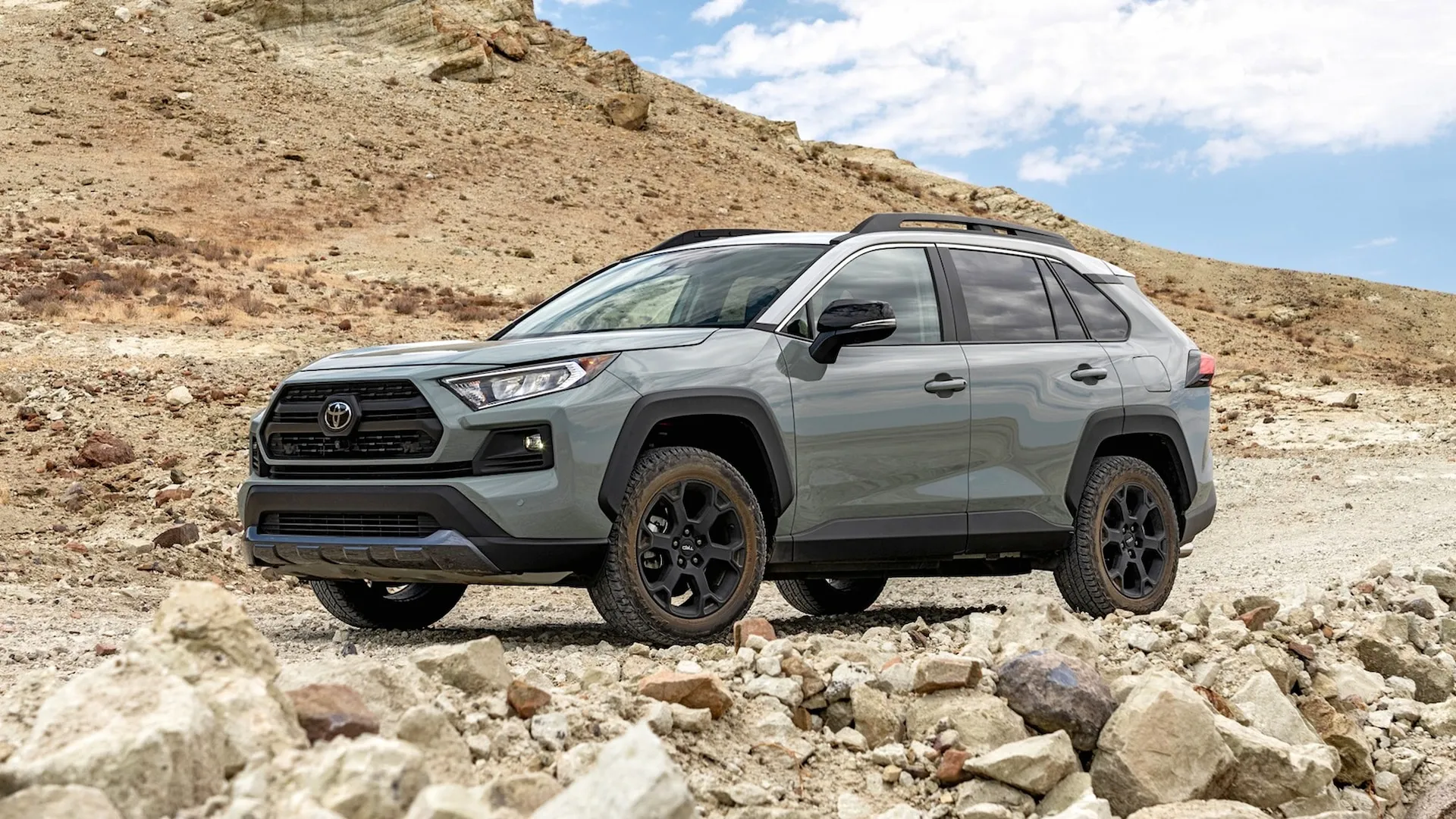
4. 2024 Toyota RAV4: A Proven Leader in the Compact SUV Class
The Toyota RAV4 remains one of the most popular and reliable compact SUVs on the market. Since its mid-1990s debut as one of the earliest unibody SUVs, it has set a benchmark for practicality, dependability, and versatility.
The 2024 RAV4 continues with its sixth generation, powered by a 2.5-liter four-cylinder engine that balances fuel efficiency and performance. While not the fastest in its class, the RAV4 offers a stress-free, capable driving experience that appeals to a wide range of buyers.
Reliability is a strong point, with a predicted 2024 score of 80/100 from Consumer Reports. The model has consistently performed well since 2022, with only minor complaints about ride comfort.
Ownership costs are reasonable: RepairPal estimates annual maintenance at $441, and CarEdge projects $5,531 over the first 10 years. The 2024 RAV4 has no recalls, and Toyota offers standard class-level warranty coverage, along with two years or 25,000 miles of complimentary maintenance.
Performance is adequate for everyday driving. Edmunds’ testing of the Adventure trim recorded 0–60 mph in 9.1 seconds, which is slower than average but sufficient for daily use. Passing and merging are manageable, though acceleration is modest.
Steering feels slightly vague at the center, though braking performance is confident, with a 126-foot stop from 60 mph. The AWD Adventure trim offers terrain modes, hill descent control, and enhanced off-road capability, setting it apart from most small SUVs.
Ride quality is well-balanced. The suspension absorbs bumps effectively, providing a composed experience on city streets and highways. Seats are supportive, though front cushions feel flat on longer trips, and most trims lack a fully adjustable passenger seat, with only the Limited trim offering this feature.
Cabin noise is minimal during steady cruising, but engine sound can become harsh under strong acceleration. Climate control performs well, with vents positioned for effective airflow to both front and rear passengers.
The interior emphasizes functionality and practicality. Driving position and outward visibility are strong, and controls are intuitive, including large knobs for climate settings. Infotainment combines touchscreen and physical buttons for ease of use.
Apple CarPlay and Android Auto are standard, though display graphics appear dated, and the touchscreen is slightly far from the driver. Passenger space is generous, and the cabin feels durable, with thoughtful storage options.
Safety and driver assistance features are extensive. Standard technology includes adaptive cruise control, lane keeping assistance, automatic emergency braking, driver drowsiness monitoring, and automatic high beams, positioning the RAV4 as a class leader in safety.
Cargo capacity is competitive, offering 37.5 cubic feet behind the rear seats and 69.8 cubic feet with the seats folded, aided by a low cargo floor and wide hatch opening. Family-friendliness is enhanced by easy-to-use child seat anchors, and certain trims can tow up to 3,500 pounds.
Fuel efficiency is solid, with EPA estimates ranging from 28 to 30 mpg combined depending on trim and drivetrain. Real-world testing confirms results close to EPA ratings, demonstrating the RAV4’s ability to deliver reliable, efficient performance.
The 2024 Toyota RAV4 combines reliability, practicality, efficiency, and strong safety features, making it one of the most well-rounded choices in the compact SUV segment. Minor drawbacks, such as steering feel, seat comfort, and dated infotainment graphics, do little to diminish its reputation for long-term value and versatility.
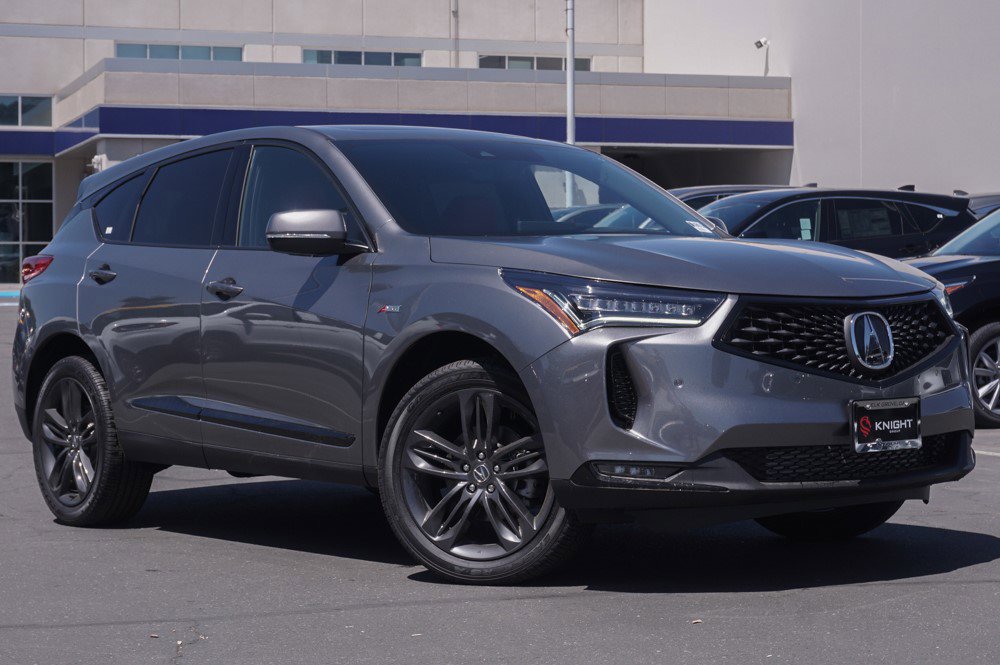
5. 2023 Acura RDX: A Balanced Luxury SUV
The 2023 Acura RDX is a compact luxury SUV that balances performance, comfort, and technology while remaining more affordable than German luxury rivals. Positioned between mainstream and high-end competitors, it offers a strong mix of features for buyers seeking a premium SUV without the high price tag.
The RDX is powered by a turbocharged 2.0-liter four-cylinder engine producing 272 horsepower, paired with a 10-speed automatic transmission. This setup delivers respectable acceleration, with a 0–60 mph time of 7 seconds, confident handling, and strong low-end torque for city driving. While it lacks multiple engine options or a hybrid variant, its single powertrain is sufficient for most buyers.
Reliability is solid, with a predicted score of 80/100 and an 81/100 rating from Consumer Reports. Most concerns involve minor in-car electronics issues, such as backup cameras, parking sensors, or occasional transmission slippage, none of which are severe.
Annual ownership costs are estimated at $497 by RepairPal and $9,610 over 10 years by CarEdge. The 2023 model has no recalls, though the 2015 model is noted as problematic for used buyers due to major engine and suspension issues.
The RDX emphasizes comfort and refinement. Heated and ventilated front seats are supportive for various body types, and the suspension absorbs road imperfections effectively while maintaining stability. Cabin noise is low, with minimal wind intrusion at highway speeds, though the engine sound is noticeable under load.
Climate control manages cabin temperatures efficiently, though airflow toward the driver’s hands may be limited. Rear seating is spacious, with ample headroom and legroom, making the SUV comfortable for adults in all positions.
Interior design mixes upscale touches with practical features. The cabin is spacious, with 31.1 cubic feet of cargo space behind the rear seats, tiered center console storage, and well-marked child seat anchors for family use.
Some design elements, such as the touchpad-based infotainment controller, small climate buttons, and unconventional shifter, may frustrate new users. Visibility is mixed, as thick front roof pillars and rear hatch hinges can limit sightlines.
Technology is a strong point. Wireless Apple CarPlay and Android Auto are standard, and the premium audio system delivers excellent clarity and power. Safety technology is comprehensive, with driver-assist features included as standard, which many rivals reserve for higher trims.
Fuel efficiency is a relative weakness. AWD models achieve 23 mpg combined, FWD 24 mpg, both requiring premium fuel, and real-world driving often drops closer to 20 mpg.
Despite this, the RDX remains competitively priced against German luxury SUVs, undercutting them by thousands while still offering luxury touches, build quality, and two complimentary service visits per 2023 model.
The Acura RDX combines power, interior space, advanced technology, and value, making it a compelling choice for buyers seeking a compact luxury SUV without the premium price.
While it may not match European rivals in refinement or fuel efficiency, it delivers a well-rounded, comfortable, and practical package that appeals to families and tech-savvy drivers alike.
Also Read: 10 Cars That Are Sure To Bankrupt Owners Before 100k Miles
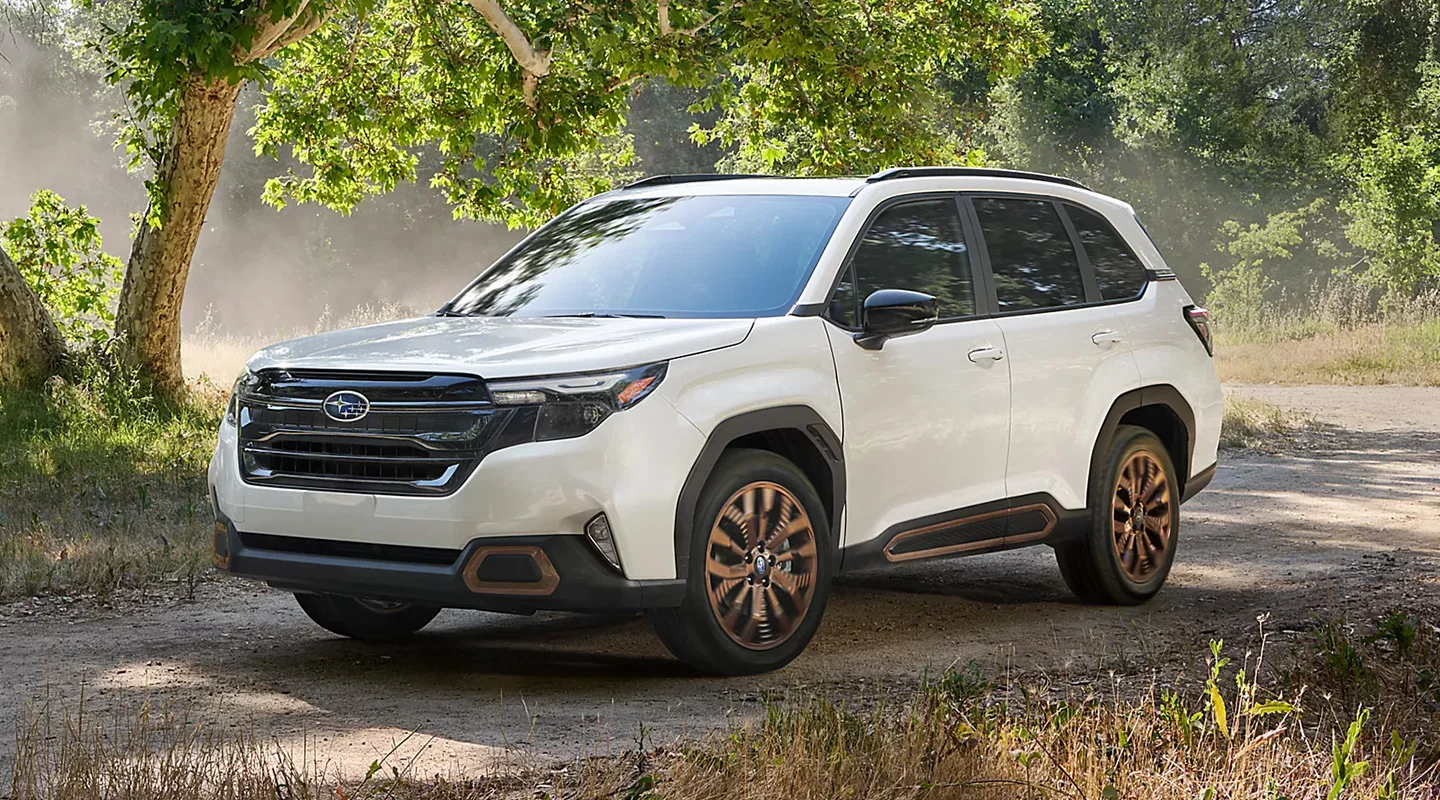
6. 2024 Subaru Forester: Dependable, Spacious, and Adventure-Ready
The 2024 Subaru Forester remains a trusted small SUV, valued for its practicality, reliability, and all-weather capability. Standard all-wheel drive, excellent visibility, and above-average off-road performance have made it a favorite among buyers who prioritize versatility and safety over raw speed.
While engine performance is modest compared with rivals, the Forester excels in stability, comfort, and user-friendly technology.
Consumer Reports awards the Forester a predicted reliability score of 82/100 and a total rating of 88/100, reflecting its long-standing dependability. Typical complaints involve in-car electronics such as cameras and sensors, which can be finicky but do not affect long-term durability.
Maintenance costs are reasonable, averaging $617 per year according to RepairPal, with CarEdge estimating $7,931 over the first decade. The 2024 model has no recalls, though buyers should avoid the 2010 model year due to major engine and drivetrain issues.
Performance is the Forester’s main weakness. Its 2.5-liter flat-four engine, paired with a continuously variable transmission, delivers slow acceleration. Edmunds recorded 0–60 mph in 9.3 seconds, trailing quicker competitors like the Honda CR-V or Mazda CX-50.
Steering and braking, however, are predictable and composed, offering confidence on paved roads and off-road. The Forester’s 8.7 inches of ground clearance, X-Mode traction program, and the available Wilderness trim with all-terrain tires and suspension upgrades enhance its off-road capability, making it one of the most capable small SUVs on trails.
Ride comfort is a strength. Front seats are supportive with lumbar adjustment, and the suspension absorbs bumps and rough surfaces effectively. Cabin noise is generally low, though wind noise is noticeable due to the tall profile. Climate control is easy to use, and heated seats are standard on most trims, adding year-round comfort.
The interior layout is simple, intuitive, and functional. The 8-inch touchscreen is responsive, and Apple CarPlay and Android Auto come standard. Passenger space is generous, accommodating four adults comfortably, with ample driver seat adjustments and excellent outward visibility.
Cargo space is slightly smaller than top competitors but made highly usable by the Forester’s tall roofline and wide hatch opening. Towing capacity is 1,500 pounds, except on the Wilderness trim, which can tow up to 3,000 pounds. Child-seat installation is less convenient, with anchors buried in the cushions and rear-facing seats potentially limiting front passenger legroom.
Safety technology is a highlight. Subaru’s EyeSight driver-assist system includes adaptive cruise control, lane-keeping assist with lane centering, and forward collision mitigation. Testing shows these features operate seamlessly without false alarms, reinforcing the Forester’s safety-focused reputation.
Fuel efficiency is strong, rated at 29 mpg combined. While aggressive throttle use reduces efficiency, careful driving brings results close to EPA estimates. With a starting price under $30,000, standard AWD, advanced safety features, and a comfortable interior, the Forester offers excellent value. Build quality is solid, with smart interior packaging and durable materials.
The 2024 Subaru Forester is not the fastest SUV in its class, but it excels in versatility, safety, and off-road capability. Its combination of reliability, comfort, and practical features makes it a strong choice for families, outdoor enthusiasts, and anyone seeking a dependable, all-weather compact SUV.
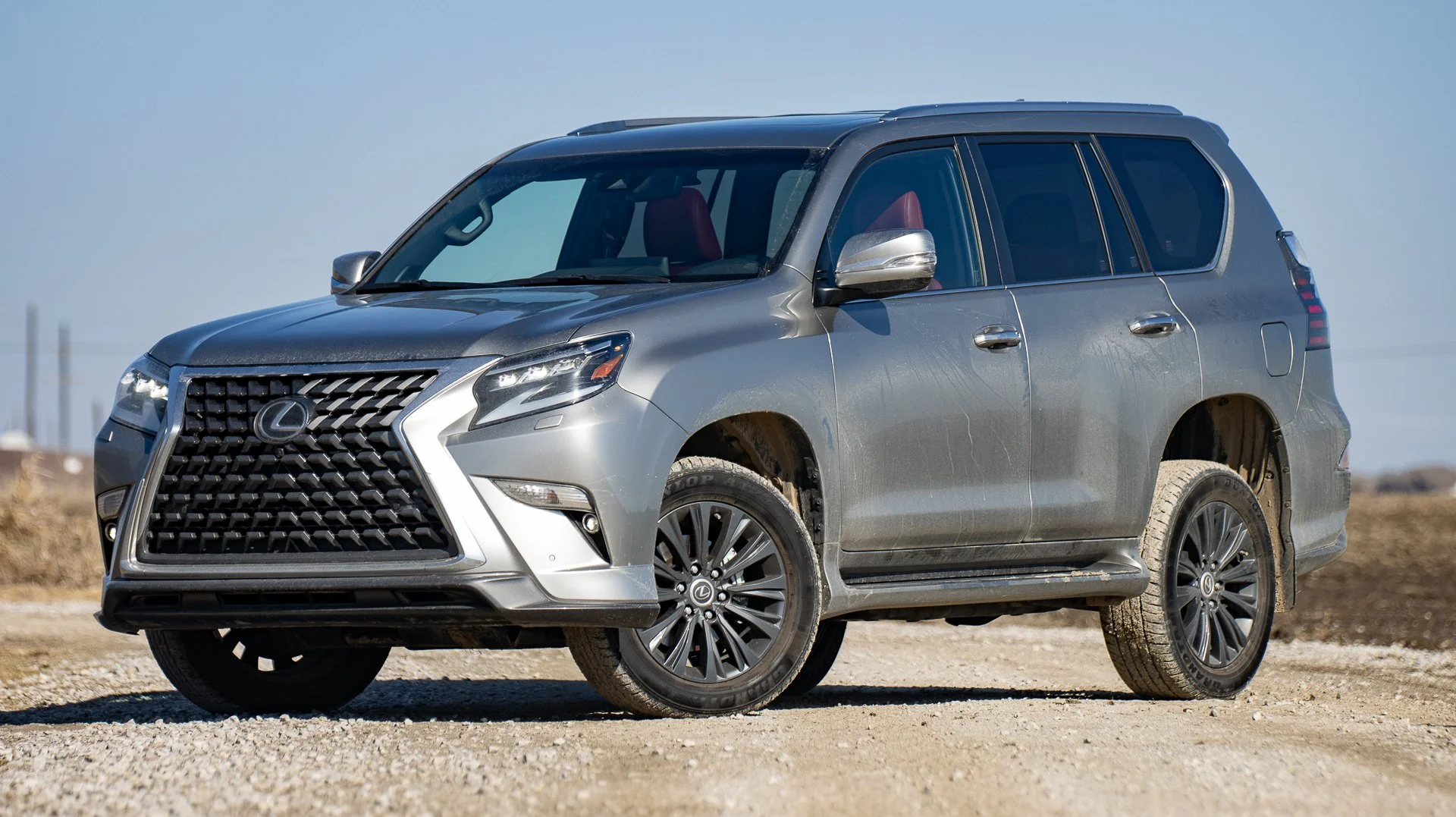
7. 2023 Lexus GX: Rugged Reliability with Old-School Charm
The 2023 Lexus GX is a midsize luxury SUV that stands out as one of the few body-on-frame vehicles remaining in its segment. This traditional construction provides durability, off-road capability, and long-term reliability, though it comes with trade-offs such as heavy weight, lower refinement on pavement, and poor fuel efficiency. For buyers prioritizing toughness, longevity, and Lexus luxury, the GX remains a compelling choice.
Reliability is a strong point, with a predicted score of 83/100 and a Consumer Reports rating of 74/100. Most reported issues involve in-car electronics, including the infotainment system, backup camera, and parking sensors, while mechanical components are highly dependable.
Annual maintenance averages $551, with 10-year costs projected at $7,652. The 2023 GX has no recalls, though buyers should avoid the 2019 model due to paint, suspension, and steering concerns.
Power comes from a 4.6-liter V8 that delivers smooth, steady output. Acceleration is modest due to the vehicle’s substantial curb weight and conservative throttle mapping, making it feel sluggish in urban driving. Braking is average, with a 60 mph stop requiring 133 feet, among the weakest in its class.
However, the GX excels off-road, featuring a low-range transfer case, lockable center differential, and KDSS suspension for improved wheel articulation. While its ground clearance and approach angles limit extreme trail use, it outperforms most luxury rivals in light to moderate off-road conditions.
The cabin prioritizes comfort and quietness. Road and wind noise are minimal, and the suspension effectively absorbs imperfections, though some rough surfaces produce mild jostling. Front seats are heated and ventilated, the second row is heated, and all three rows have dedicated vents.
Flat seat bottoms may reduce comfort on long trips, and climate controls are dated but functional. The interior layout is practical but reflects older design conventions, with a commanding seating position, excellent visibility, and a functional, though high-step, entry.
Technology is the GX’s weakest area. Even with updates in 2022, the infotainment system feels behind the times. The trackpad controller is cumbersome, map graphics are dated, and driver-assist features lack polish compared to rivals. Advanced off-road technology is either unavailable or requires expensive options.
Practicality is mixed. The second and third rows fold flat, but cargo space is limited, and the swing-out rear door and high load floor can make loading cumbersome. Towing capacity is strong at 6,500 pounds, though the hitch is dealer-installed rather than factory-integrated.
Fuel economy is poor, with an EPA rating of 16 mpg combined (15 city/19 highway), reflecting the heavy V8 and body-on-frame design. Real-world performance aligns closely with these figures.
The 2023 Lexus GX delivers exceptional durability, long-term reliability, and off-road capability, making it an appealing choice for buyers who prioritize traditional SUV toughness. However, its dated interior, inefficient drivetrain, and outdated technology leave it behind modern rivals in refinement and efficiency.
For those valuing longevity, ruggedness, and dependable performance over contemporary luxury trends, the GX remains a trustworthy and capable midsize luxury SUV.
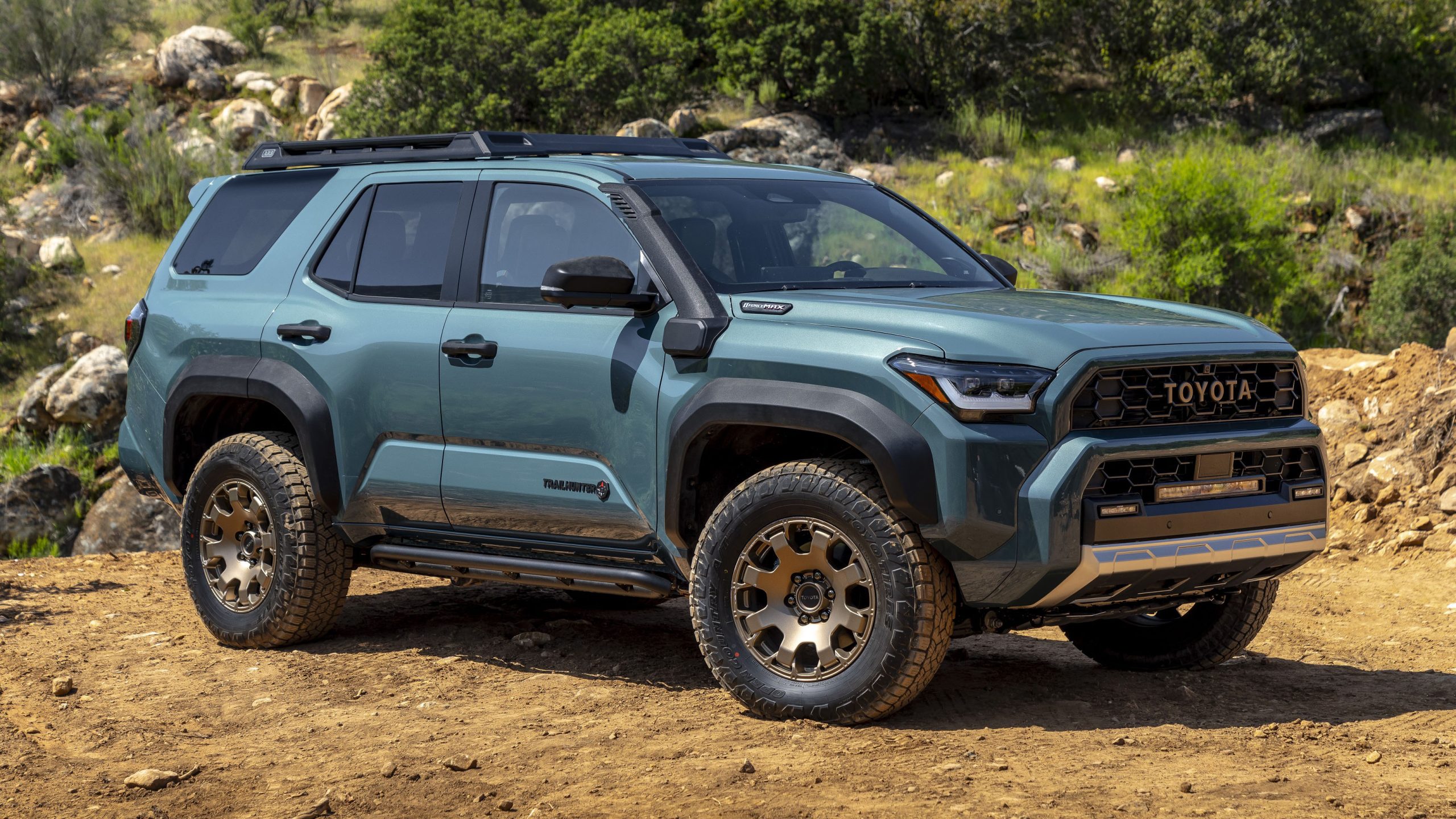
8. 2024 Toyota 4Runner: A Rugged Classic That Refuses to Quit
The 2024 Toyota 4Runner is a midsize SUV that retains a traditional truck-based, body-on-frame design, appealing to buyers who prioritize durability, off-road capability, and long-term reliability.
Unlike most competitors that have shifted to lighter, fuel-efficient crossovers, the 4Runner stays true to its rugged roots with a 4.0-liter V6 producing 270 horsepower, a five-speed automatic transmission, and a chassis designed for heavy-duty use. Its strong aftermarket support further enhances its appeal for off-road enthusiasts.
Reliability is a key strength. The 4Runner earns a predicted score of 87/100 from Consumer Reports, placing it above most midsize rivals. Consumer Reports rates it 63/100, reflecting minor complaints about paint, interior trim, and accessories, none of which are serious.
Maintenance costs remain moderate for a rugged SUV, averaging $514 annually per RepairPal, or $5,825 over 10 years. The 2024 model has had nine recalls in this generation, so potential buyers should check a used model’s history carefully. The 2015 model year, in particular, is best avoided due to body, paint, and brake issues.
On-road performance is adequate but not quick. The 4Runner’s V6 delivers smooth, reliable power, though acceleration is modest by modern standards. Braking shows some nose dive under hard stops, and the suspension’s firm setup produces a bouncy ride over highways compared to crossovers. Steering is secure, and handling is stable for a truck-based SUV, but comfort takes a backseat to ruggedness.
Off-road capability is where the 4Runner excels. TRD Off-Road and TRD Pro trims feature advanced 4WD systems, skid plates, and higher ground clearance, allowing the SUV to tackle rocky trails and off-grid adventures with confidence. Ground clearance and suspension articulation give it advantages few competitors can match in moderate off-road conditions.
The interior is spacious, functional, and durable, though dated in style. Seats are supportive and adjustable, offering great forward visibility, though the high ride height can make entry and exit challenging, especially for children. Heated and ventilated seats are available, and the cabin remains quiet despite some wind noise due to the boxy profile.
Cabin controls are large, intuitive, and glove-friendly, while technology is basic but serviceable, with Apple CarPlay and Android Auto standard. Driver-assist features include adaptive cruise control and forward collision mitigation, though advanced aids are limited compared to newer crossovers.
Practicality is solid. Cargo space benefits from flat-folding rear seats and a squared load floor, while towing capacity reaches 5,000 pounds with prewired connections, exceeding most midsize crossovers. Child seat installation is straightforward, aided by wide-opening doors.
Fuel economy is a notable drawback. The 4Runner earns an EPA rating of 17 mpg combined (16 city/19 highway), significantly lower than car-based rivals, making frequent stops necessary on long drives.
The 2024 Toyota 4Runner prioritizes toughness and capability over refinement and efficiency. While it rides firmly, consumes more fuel, and lacks modern styling and tech, its off-road readiness, towing ability, low maintenance costs, and Toyota reliability make it a durable SUV built to last.
For buyers seeking a rugged, dependable vehicle that excels in off-road conditions while remaining practical for daily use, the 4Runner remains a standout choice in its segment.
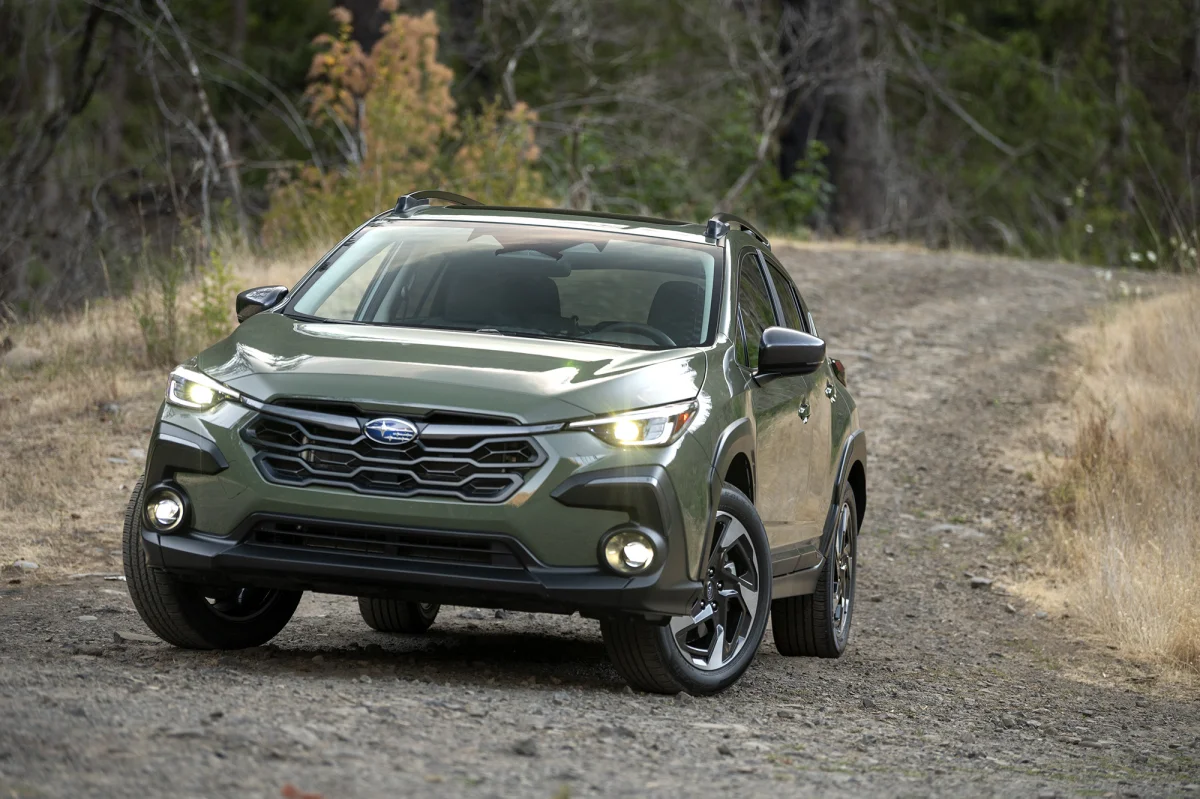
9. 2024 Subaru Crosstrek: Reliable and Adventure-Ready
The 2024 Subaru Crosstrek is a compact crossover that emphasizes rugged capability, standard all-wheel drive, and practicality, making it ideal for drivers seeking a reliable, adventure-ready vehicle.
Sharing a platform with the Impreza hatchback, it combines higher ground clearance, SUV styling, and optional hybrid powertrains to enhance both efficiency and light off-road performance. The Crosstrek appeals to buyers who prioritize dependability, outdoor versatility, and everyday usability over outright speed or luxury refinement.
Reliability is a major strength. The Crosstrek Hybrid earns a predicted reliability score of 99/100, and Consumer Reports rates the 2024 model 87/100. Major mechanical issues are rare, though minor handling complaints on rough roads exist.
Annual maintenance averages $492, and 10-year ownership costs are estimated at $7,915. The 2024 model has no recalls, though the 2016 Crosstrek should be avoided due to electronics and infotainment problems.
Performance is modest. The standard 2.0-liter engine reaches 60 mph in 9.9 seconds, making it one of the slowest in the segment. Passing on highways requires patience, while the optional 2.5-liter engine delivers more confident acceleration. Handling is adequate but not sporty, with noticeable body roll and somewhat vague steering.
Ride comfort is a highlight, aided by the raised stance and thick tire sidewalls that absorb bumps effectively. Subaru’s all-wheel-drive system provides excellent traction in poor weather, and the Wilderness trim further improves off-road capability with higher clearance, all-terrain tires, and suspension tuning. Towing capacity reaches 3,500 pounds in select trims, impressive for a subcompact SUV.
The interior is functional and practical. Controls are straightforward, with large buttons and intuitive steering-wheel controls. Passenger space is generous, with tall rooflines and wide doors easing entry and exit.
Rear seats comfortably accommodate adults, and visibility is excellent thanks to the upright design. Climate control is less effective, with underpowered fans, and wind noise can become noticeable at highway speeds. Higher trims improve comfort with better materials and seating.
Technology is serviceable but limited. An 11.4-inch infotainment screen is available on higher trims, though response can be slow. Audio quality is basic on standard models, with the upgraded system in Limited trims offering better clarity.
Driver-assist features are abundant, including adaptive cruise control, lane-keeping assist, and forward collision warning. Some calibration issues exist, with lane-keeping and collision alerts occasionally overreacting.
Cargo space is modest, at 19.9 cubic feet behind the rear seats, and small-item storage is limited. Child-seat installation is straightforward, with wide rear doors and accessible LATCH points. Fuel efficiency is respectable, with the 2.0-liter model rated at 29 mpg combined, often exceeding 33 mpg in real-world driving, keeping it competitive with other all-wheel-drive subcompact SUVs.
The 2024 Subaru Crosstrek blends reliability, practicality, and light off-road capability into a compact SUV. While it lacks speed, refinement, and premium interior materials compared with rivals, it delivers strong value, user-friendly design, and adventure-ready performance.
Its combination of dependability, standard AWD, and rugged charm makes it a standout choice for buyers who prioritize utility, safety, and everyday versatility.
In today’s automotive market, it is easy to be impressed by sharp styling or advanced infotainment systems. Yet when the miles add up and the road becomes demanding, reliability proves to be the feature that matters most. The SUVs in “9 SUVs That Refuse to Break Despite Heavy Usage” each highlight that truth. They continue to perform, year after year, without forcing owners into constant repair bills or unwanted surprises.
While their strengths vary, from fuel efficiency to luxury comfort to rugged off-road capability, they all deliver durability that extends beyond trends and flashy features.
These SUVs are built to remain dependable companions, whether used for family errands, long-distance commuting, or adventurous travel. Choosing one is not just about enjoying modern conveniences. It is about knowing your vehicle will support you reliably for the long run.
Toyota, Subaru, Lexus, and Acura all demonstrate in different ways that careful engineering and proven designs lead to long-lasting results. For buyers who value peace of mind, these SUVs provide assurance that their investment will hold up well over time. When dependability is the top priority, the models on this list remain some of the best options available.
Also read: 10 Cars That Become Expensive Nightmares After 100k