
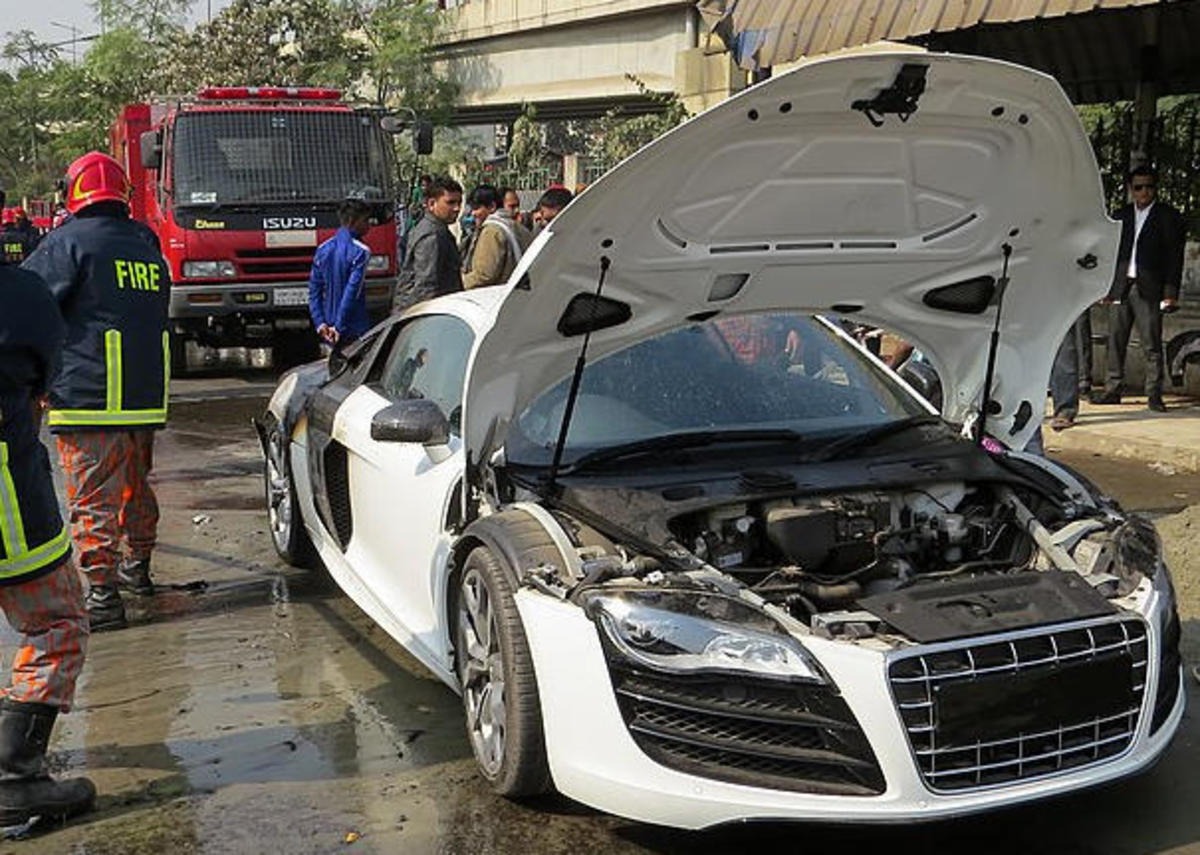
Car owners often worry about sudden engine problems, and one of the most dreaded among them is a blown head gasket. When this part fails, it usually leads to overheating, loss of compression, or mixing of oil and coolant.
Repairs are expensive and time-consuming, which makes many drivers nervous about this particular issue. But the truth is, not every car is prone to such trouble. Some manufacturers have built engines so solid that head gasket failures are rare, even after many years of use.
When you think about peace of mind behind the wheel, it is not just about comfort, fuel economy, or features. Reliability plays a very big role, especially in the heart of the engine. A well-designed head gasket, paired with proper cooling systems and durable components, ensures a vehicle can run for hundreds of thousands of miles without that kind of breakdown.
People want cars that can stand daily stress, hot summers, cold winters, and still keep running without drama. This is why some vehicles earn respect from drivers and mechanics alike.
They are not only known for strong engines but also for their ability to resist failures that bring headaches to others. Whether it is a family sedan, a compact commuter, or a full-size pickup, certain models shine when it comes to lasting power and dependable engineering.
If you are planning to buy a used car or keep your current ride for many more years, knowing which models rarely suffer from blown head gaskets is very helpful. It allows you to focus on maintenance without fearing sudden and costly surprises. Here, we will look at 11 cars that have built a solid reputation in this regard. Each one has its own strengths, and each has proven that durability is not just a promise but a reality on the road.
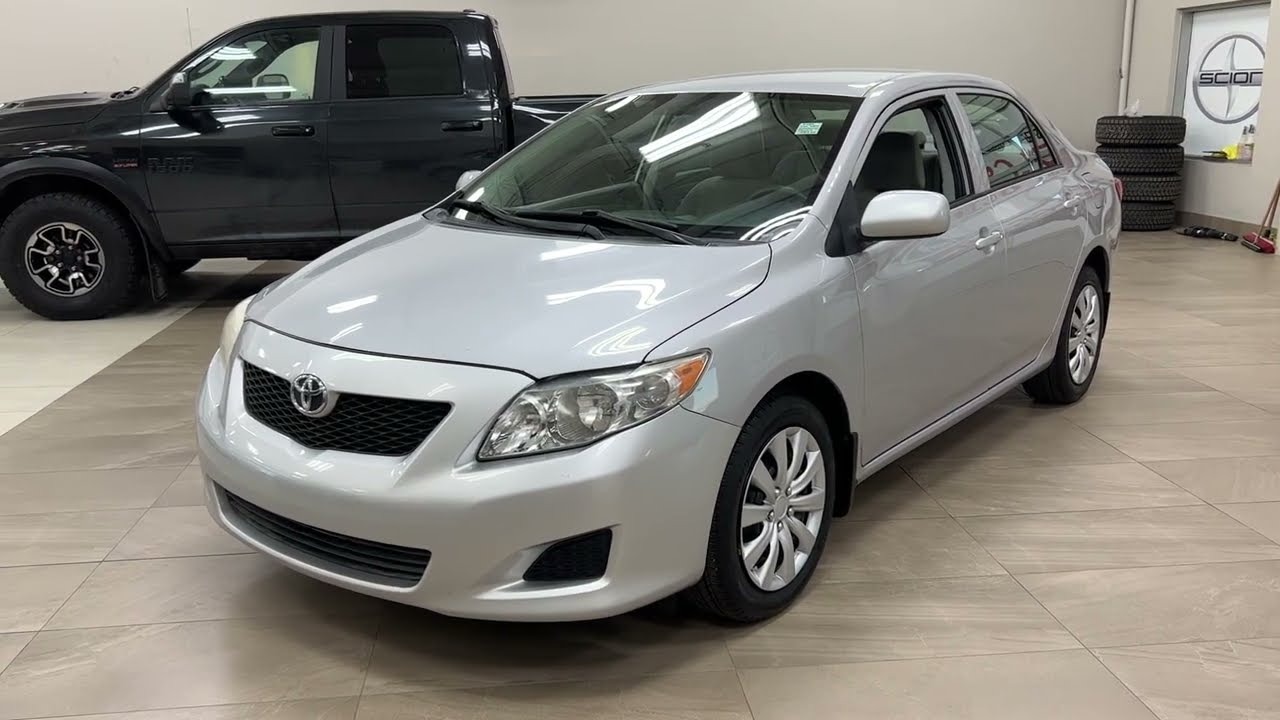
1. Toyota Corolla (2009-2019)
The Toyota Corolla has become a trusted name because it is built with a strong focus on endurance. From 2009 to 2019, the models carried engines designed with a head gasket system that stays firm under pressure.
Many drivers who used these cars for daily commuting or long-distance travel rarely reported overheating issues. The engines were crafted to handle stress without allowing coolant leaks or oil mixing, which often lead to gasket failures in other cars.
Mechanics often mention that the simplicity of the Corolla’s engine design is part of what makes it reliable. Instead of packing too much technology that may cause complications, Toyota kept the engines straightforward but efficient. That balance allows the head gasket to remain safe even under heavy mileage.
Owners often push their Corollas past 200,000 miles without any repairs linked to gasket failure, which is proof of its resilience. Another advantage lies in the cooling system. Toyota equipped this generation of the Corolla with radiators and thermostats that regulate temperature consistently.
Even when drivers push the cars in hot summers or during highway runs, the temperature balance stays steady. A stable cooling system reduces the risk of gasket breakdown, since most failures occur when engines overheat regularly.
Daily drivers appreciate that the Corolla is both affordable and easy to maintain. Replacement parts are widely available, and many owners follow simple maintenance routines like timely oil changes and coolant flushes. That basic care, when combined with Toyota’s solid engineering, creates an environment where the head gasket hardly becomes a topic of concern.
For anyone looking for a reliable compact car, the 2009–2019 Corolla stands as a trustworthy choice. It is not just about fuel economy or practicality; it is also about knowing that the engine under the hood is built to last without suffering gasket breakdowns that could ruin your budget.
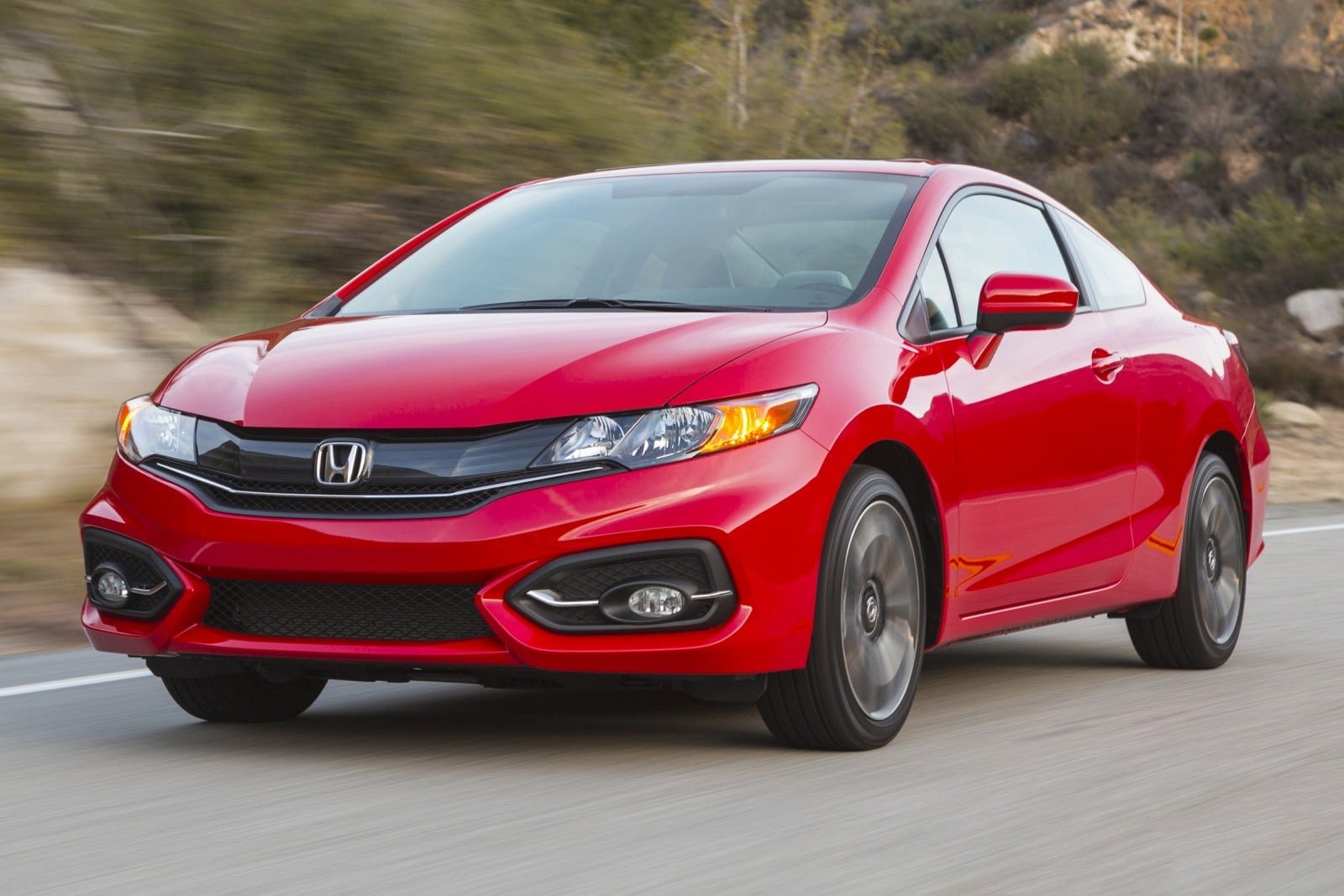
2. Honda Civic (2010-2020)
Honda’s Civic has long been praised for being tough, and the 2010–2020 models are among the most dependable. These cars come with engines that are carefully engineered, and their gaskets are designed to withstand both city and highway stresses.
Drivers often talk about how Civics continue running smoothly for years with very few serious problems. That reliability has helped the Civic remain a top choice across many markets. What makes the Civic stand out is its balance between modern design and long-lasting components.
Honda introduced fuel-efficient yet strong engines during this period, and they were built with durable seals and cooling channels that keep head gaskets safe. Even when the car is pushed hard, the gasket holds firm, avoiding the leaks and overheating that bring other vehicles down.
Owners living in hot or cold regions also report good performance. Whether exposed to freezing winters or scorching summers, the Civic’s head gasket system does not easily give way. This is because Honda developed cooling passages that circulate fluids evenly around the engine. By preventing hotspots, the company made sure the gasket remains under less stress.
Mechanics frequently recommend the Civic to people who want a compact car that can be trusted for long use. Many of these cars have crossed 250,000 miles with original gaskets still intact. Routine care like oil servicing and coolant replacement has been enough to keep the Civic running without engine breakdowns.
Affordability also plays a role in its appeal. While being dependable, the Civic does not burden drivers with high maintenance costs. Replacement parts are easy to find, and the car is designed in a way that mechanics can service it without unnecessary complications. This reduces the chances of improper repairs that could affect gasket health.
For drivers searching for a compact car with a record of lasting engine strength, the 2010–2020 Honda Civic remains one of the most reliable choices.
Also Read: 10 Cars That Become Expensive Nightmares After 100k
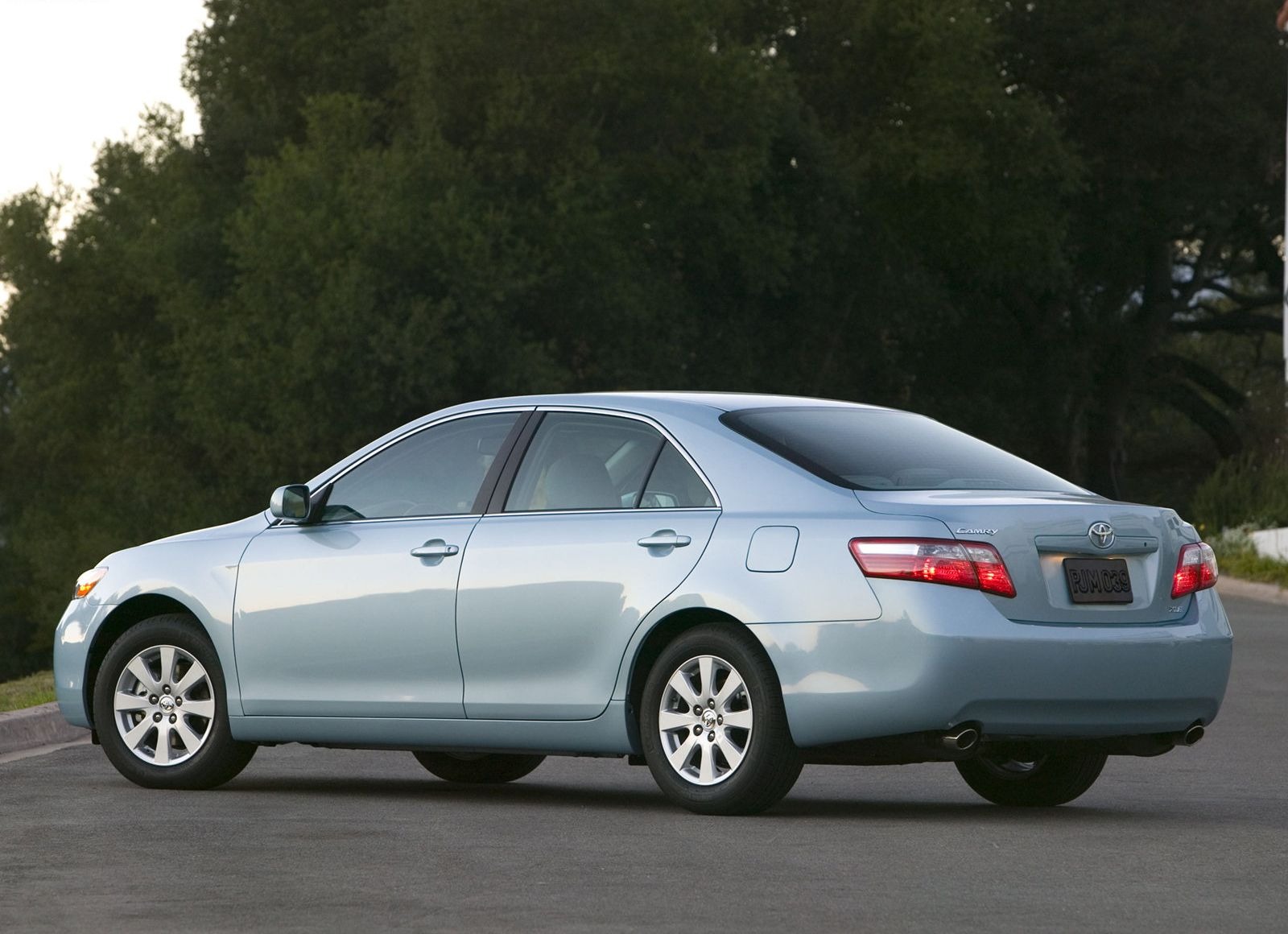
3. Toyota Camry (2007-2017)
The Toyota Camry has built a reputation as one of the most durable midsize sedans. Between 2007 and 2017, the models offered engines that rarely experienced head gasket problems. Many owners enjoyed long years of service without facing overheating or oil mixing issues. This reliability is part of why the Camry continues to be a strong contender in the used car market.
The 2.5-liter and 3.5-liter engines fitted in these models were made with thicker gaskets and strong sealing technology. This meant the engines could handle heavy stress, including highway driving and long commutes, without breaking down internally. People who relied on the Camry for family travel often found it to be a low-stress car because engine failure was hardly a concern.
Toyota also worked on the Camry’s cooling design, ensuring that heat was managed more effectively. Radiators, thermostats, and fans worked together to maintain steady temperatures, reducing the chances of overheating. Overheating is the main cause of gasket failure in many vehicles, but the Camry proved that good engineering can prevent such disasters.
Owners have consistently praised the Camry for going past 200,000 miles without major issues. Mechanics confirm that head gasket problems are rare on these models unless the car has been neglected for a very long time. Even then, simple repairs or replacements are often enough to restore the vehicle.
Apart from its engine strength, the Camry also attracts attention for being comfortable and practical. Families appreciate the space, while daily commuters enjoy the smooth handling. Yet behind all these features, the quiet durability of the engine is what makes people keep recommending it.
For someone searching for a midsize sedan that rarely leaves you stranded with gasket trouble, the 2007–2017 Toyota Camry deserves strong consideration.
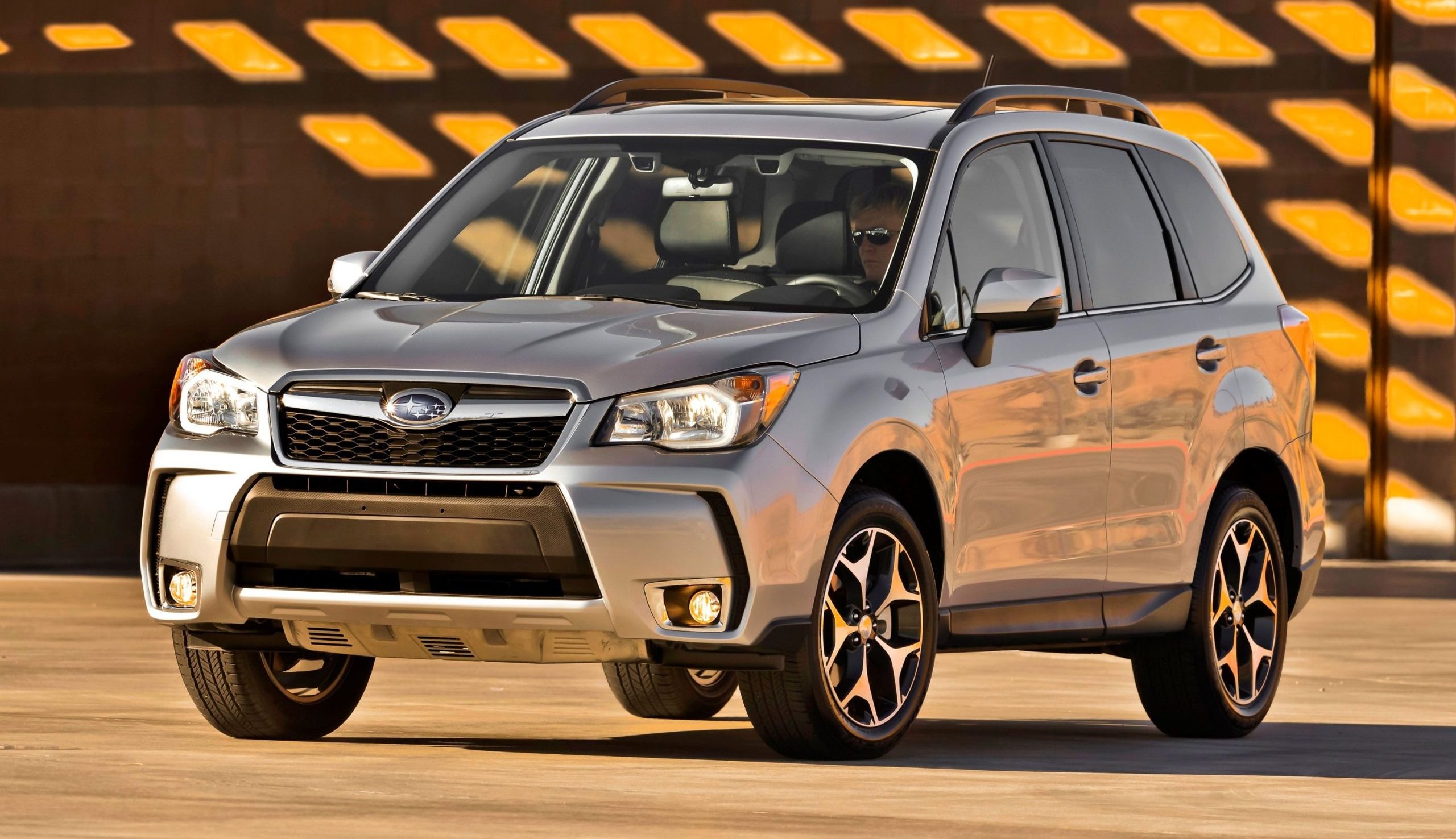
4. Subaru Forester (2014-2020)
Subaru has had a mixed history when it comes to head gaskets, but the Forester models from 2014 to 2020 corrected many of the issues from earlier years. These versions came with engines that were redesigned to handle thermal stress better, and that reduced gasket failure rates. The Forester became a more dependable choice for people who needed a reliable crossover for daily driving.
One of the main improvements was in the way Subaru sealed the combustion chambers. The gaskets used during this period were reinforced with stronger materials, which allowed them to handle higher compression without breaking down. Drivers noticed fewer complaints about overheating or coolant leaks compared to models from the early 2000s.
The cooling system was also upgraded, with better circulation channels that ensured heat did not concentrate in one area. For people who drove in mountainous regions or through rough weather, this change gave peace of mind. Subaru’s all-wheel drive system was already respected, but the stronger engine design made the Forester even more appealing.
Owners often praise these Foresters for their balance of power, fuel efficiency, and durability. Many report driving past 150,000 miles with no signs of gasket damage, as long as they kept up with regular service. Mechanics back this up, saying that Subaru addressed the weaknesses of past models and created engines that could last much longer without costly failures.
Drivers who value both safety and longevity often find the 2014–2020 Forester a satisfying option. The spacious cabin, capable handling, and durable engine design come together to make it one of the crossovers that people can depend on without worrying about sudden gasket troubles.
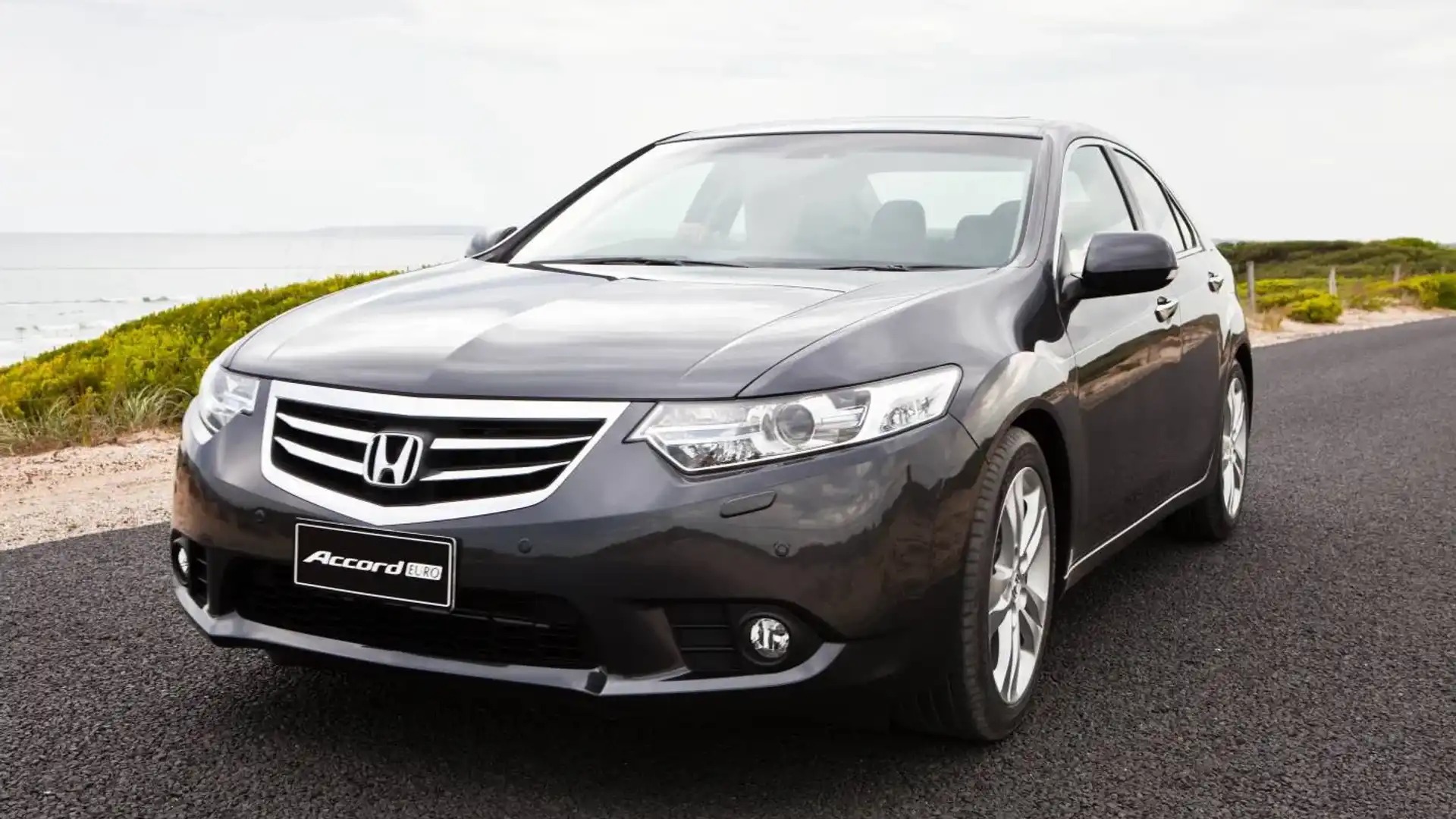
5. Honda Accord (2008-2018)
The Honda Accord is another sedan that rarely suffers from blown head gaskets. Between 2008 and 2018, the Accord came with engines that combined strong design with reliable sealing. Owners who used the car for long daily commutes or family trips often found it to be a trustworthy vehicle that kept running without serious mechanical issues.
Honda’s engineers focused on making the gasket area more secure by reinforcing the combustion chamber seals. This reduced the chances of leaks or overheating under stress. Even when the engine was pushed hard, it maintained stability that kept the gasket safe.
The Accord also benefited from a well-balanced cooling system. The radiator and water pump worked smoothly to distribute heat evenly. When an engine stays at a stable temperature, the gasket remains under less pressure and can last much longer. Many Accord owners reported driving their cars for more than 200,000 miles with no gasket concerns.
Mechanics often say the Accord is one of the easiest sedans to maintain. The availability of affordable parts and the simplicity of its design make it a good option for those who want durability without high maintenance costs. Regular servicing is usually enough to keep the Accord in good condition.
Drivers also love the Accord for its blend of comfort and performance. It is not only dependable but also enjoyable to drive. Yet, beneath those qualities, the most valuable part is the reassurance that its engine rarely faces gasket failures.
The 2008–2018 Accord stands out as a midsize sedan that balances reliability, practicality, and strength. For buyers who want an option that does not surprise them with engine repairs, this car remains a smart pick.
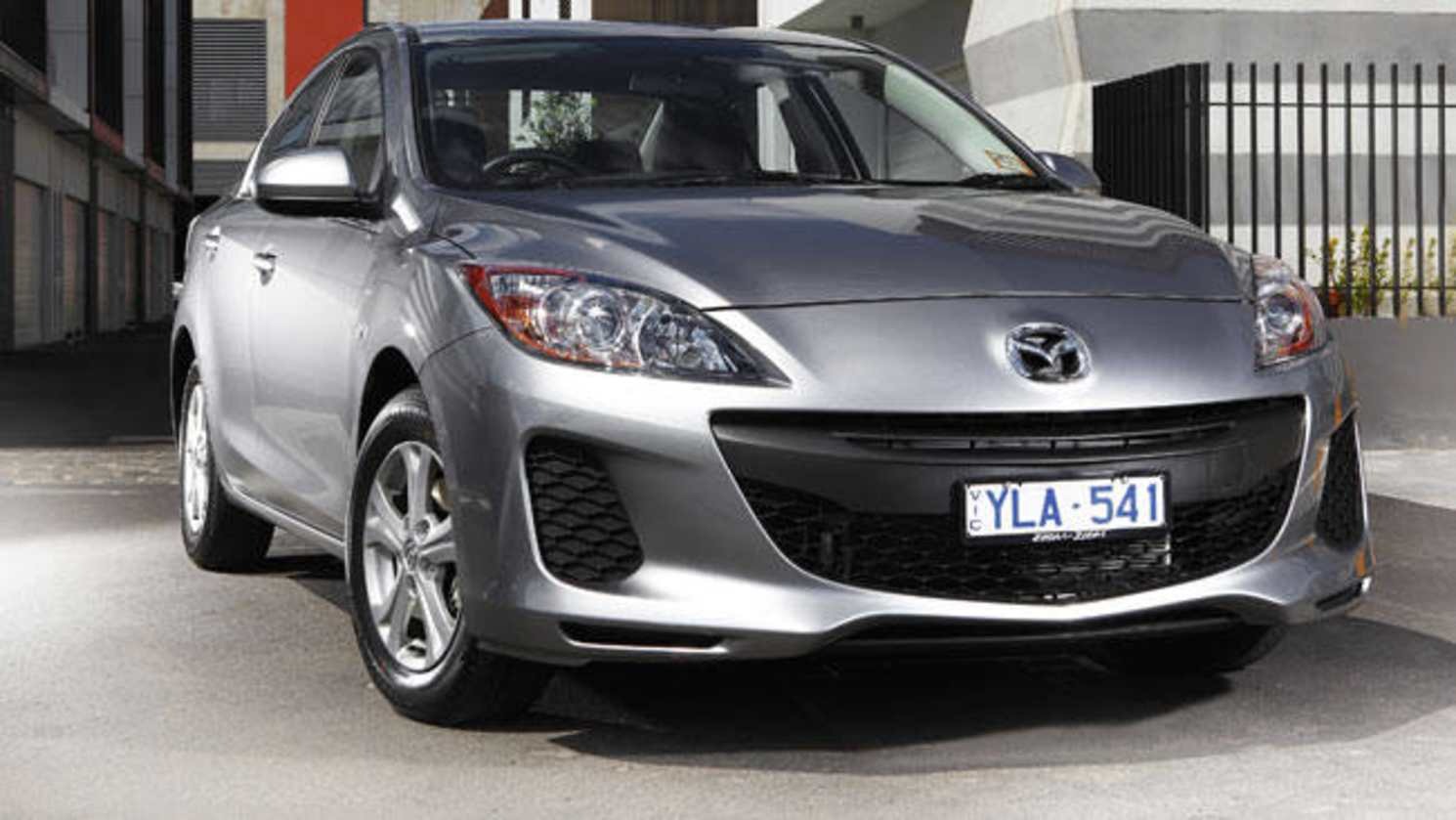
6. Mazda 3 (2010-2018)
Mazda designed the 2010–2018 Mazda 3 with a reputation for sporty driving, but hidden within its appeal is a strong engine that resists gasket breakdowns. Unlike some compact cars that struggle once the miles start climbing, the Mazda 3 continues to deliver reliable service without drivers worrying about costly head gasket repairs.
One reason is the SkyActiv engine technology, which Mazda introduced to improve efficiency while maintaining strength. The engineering behind this system meant tighter seals and better combustion control, which reduced the chances of leaks around the head gasket. Owners enjoyed both fuel economy and lasting durability in one package.
The cooling system also plays a central role. Mazda gave the 3 an upgraded radiator and better coolant pathways, which kept temperatures even during high-performance driving. This was important because many owners drove the Mazda 3 in spirited ways, yet overheating rarely became an issue. By maintaining balance, the car’s gasket remained safe year after year.
Another feature that kept the Mazda 3 dependable was its smaller but efficient design. Compact cars often face less engine stress compared to larger vehicles, and Mazda used this advantage wisely. The parts were durable enough to handle heavy mileage, but the lighter frame reduced the entire demand on the engine.
Drivers have shared experiences of keeping their Mazda 3s running smoothly well past 200,000 miles with no major gasket problems. Mechanics also confirm that gasket failures on these models are rare unless the car has been completely neglected. Basic servicing, such as oil and coolant changes, was usually all it needed to keep moving.
The Mazda 3 stands as a great example of how a compact car can combine fun driving with serious reliability. For people who want both energy on the road and long-term durability, this model proves to be one of the better choices in its class.
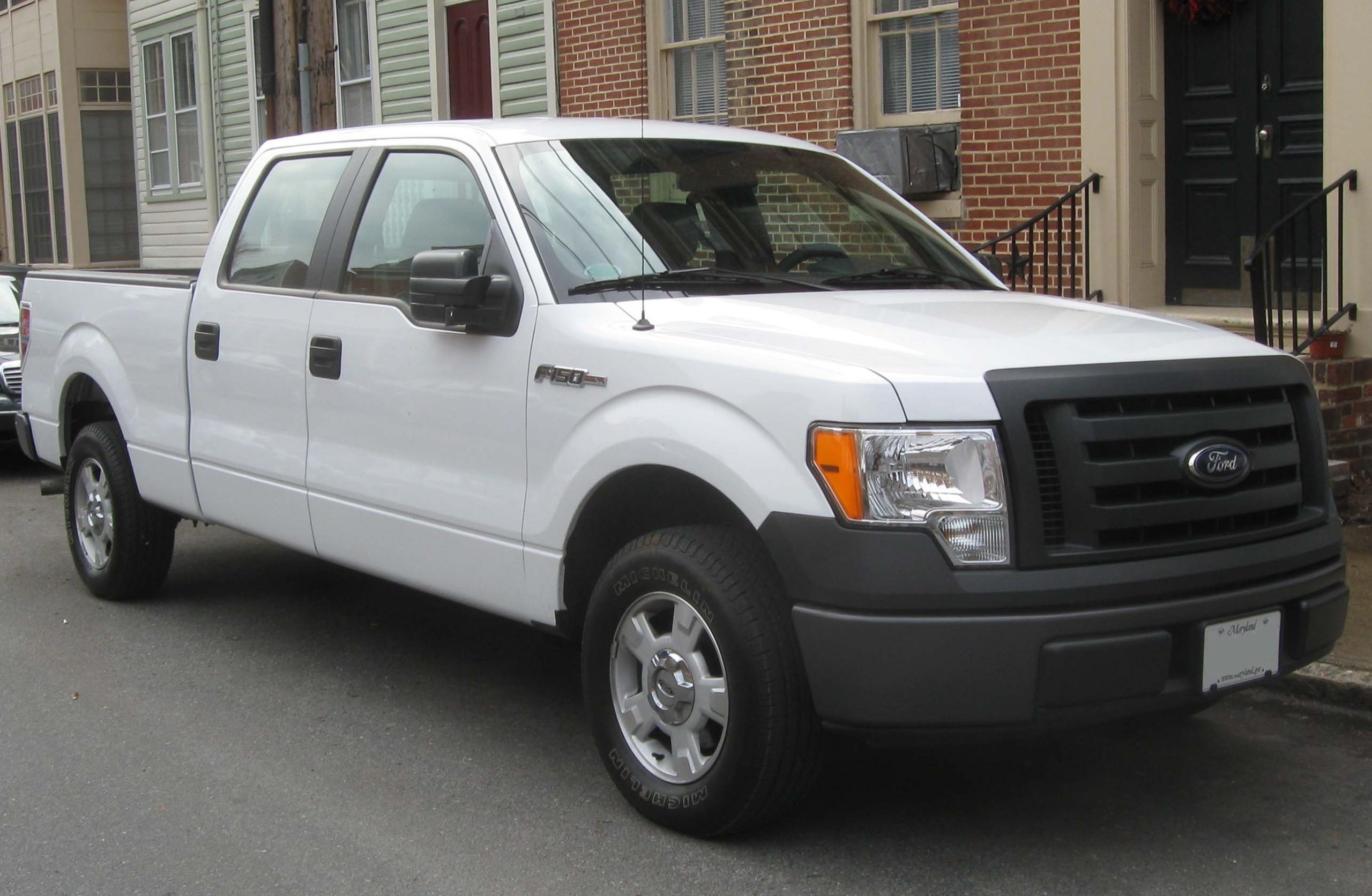
7. Ford F-150 (2011-2020)
The Ford F-150 has long been America’s best-selling truck, and part of its reputation comes from dependable engines. Between 2011 and 2020, Ford fitted the F-150 with powertrains that resisted head gasket failure, even when pushed hard by drivers who used them for towing or heavy-duty work.
The EcoBoost V6 engines, which became popular during this period, showed strong gasket resilience. Ford designed them with high-quality materials and better cooling channels, ensuring that even turbocharged pressure did not break the gasket seals. For trucks that worked in construction sites, farms, and long-distance hauling, this strength was a big relief to owners.
The larger V8 options also performed well, with robust head gasket setups that rarely gave way. Many drivers took their F-150s through cold winters and hot summers, but overheating was seldom a complaint. With proper servicing, these trucks went well past 200,000 miles without needing major engine work.
Another factor that made the F-150 stand out was its design focus on work conditions. The under-hood layout allowed cooling systems to function more effectively. Airflow across the engine kept temperatures under control, and with regular radiator maintenance, head gaskets were safe from unnecessary stress.
Mechanics frequently mention that among full-size pickups, the F-150 of this era is one of the least likely to face gasket failure. Owners confirm this through their long-term experiences, where the trucks remained dependable even after years of hard use.
For people who need a truck that not only delivers power but also holds its engine together without gasket worries, the 2011–2020 Ford F-150 has proven itself as a strong and dependable choice.
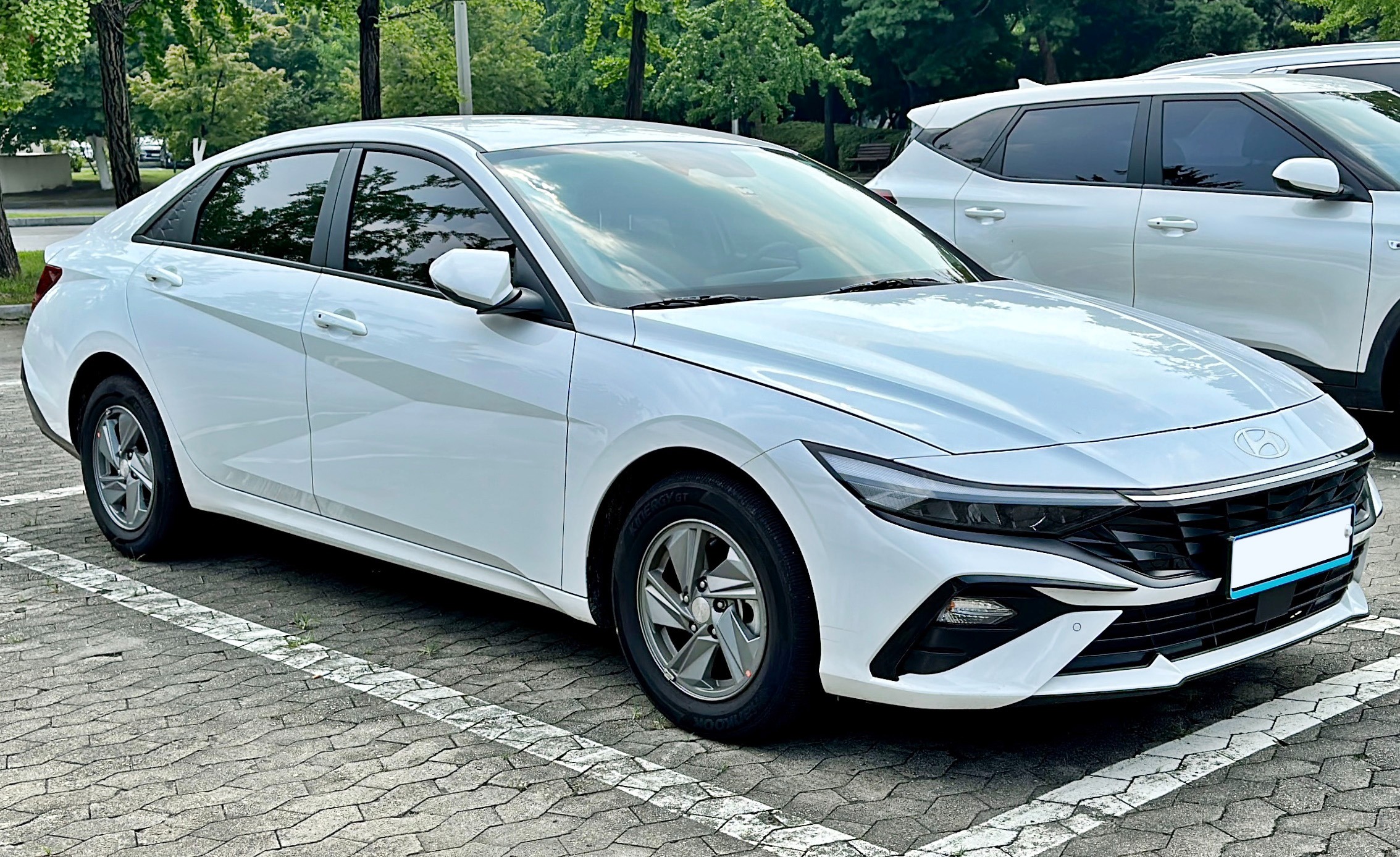
8. Hyundai Elantra (2012-2019)
The Hyundai Elantra, between 2012 and 2019, surprised many drivers with its long-lasting reliability. While Hyundai once struggled with a quality reputation, this generation of the Elantra proved the company could build dependable engines that avoid common problems like blown head gaskets.
The Elantra came with four-cylinder engines that were both efficient and durable. Hyundai improved sealing technology during this period, reinforcing the head gasket area to resist leaks. Many owners noted that overheating was rare, and coolant systems stayed reliable even with age.
One reason behind this improvement was Hyundai’s focus on designing engines with balanced compression and proper airflow. By ensuring the combustion chamber worked smoothly without excess strain, the head gasket was not exposed to unnecessary risks. The result was a car that delivered dependable daily driving without fear of sudden engine repairs.
Another advantage is affordability. The Elantra was priced for budget-conscious buyers, yet it delivered durability that matched or even surpassed some rivals. Owners often express satisfaction that such an affordable car could go for years without any major engine repairs.
Mechanics who work on these cars also confirm that gasket failures are rare. Instead, they usually see Elantras coming in for normal wear-and-tear items like brakes or suspension. This consistency builds trust among people who buy used models.
Drivers who purchased the Elantra as a commuter vehicle often kept them for long distances, sometimes over 180,000 miles, with no engine breakdowns. That kind of service proves the Elantra’s head gasket durability is not a coincidence but the result of thoughtful engineering.
The 2012–2019 Hyundai Elantra remains a solid compact sedan option for those who want affordable reliability with engines that are built to last without gasket drama.
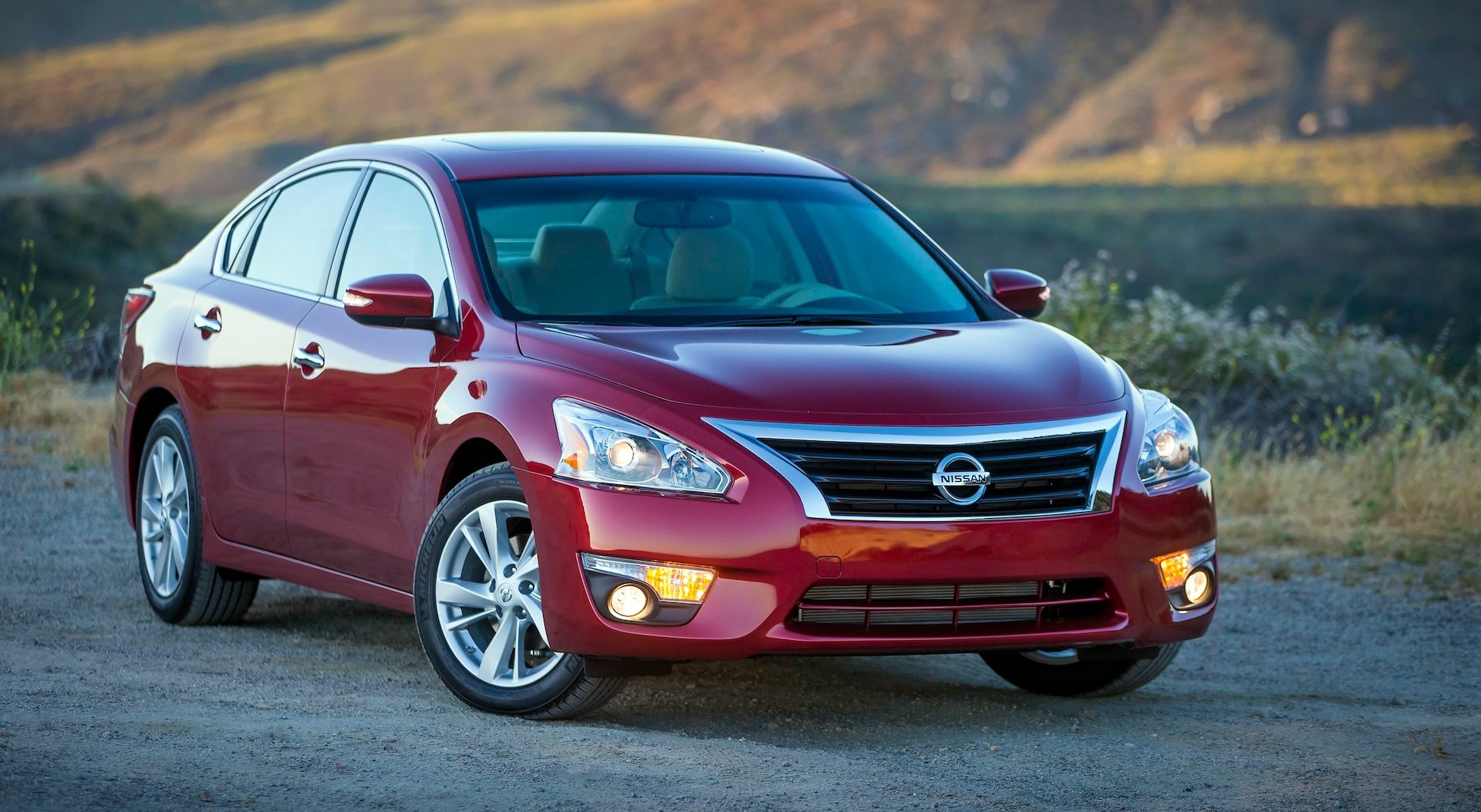
9. Nissan Altima (2013-2018)
The Nissan Altima, produced from 2013 to 2018, is another sedan that has shown resilience against gasket issues. These models came with both four-cylinder and V6 engines, and both types were praised for their ability to resist overheating and leaks that usually damage head gaskets.
Owners found that even after years of daily driving, their Altimas stayed dependable with original gaskets still holding strong. The four-cylinder version, in particular, was efficient and simple in design, which gave it fewer weak points. Simplicity often means fewer opportunities for engine parts to fail, and this was clear with the Altima.
The V6 variant, though more powerful, was also well-balanced in design. Nissan included durable sealing and cooling systems that ensured the head gasket could handle higher stress without failing. For drivers who wanted performance but also long-term reliability, this was a welcome combination.
Another reason for the Altima’s strong reputation is the focus on driver-friendly maintenance. Basic servicing kept the engines in good condition, and gasket failure was rarely reported by mechanics. Issues such as suspension or CVT transmissions might come up, but the head gasket remained dependable.
Drivers also appreciate the Altima for being comfortable and spacious. But beyond comfort, the car built trust by being mechanically strong. Many owners kept their Altimas past 200,000 miles without major engine repairs, proving how reliable they were.
When people think of dependable sedans that do not suffer from common engine problems, the 2013–2018 Nissan Altima is often recommended as one of the safer bets.
Also Read: 10 Cars That Rarely Need Cooling System Repairs
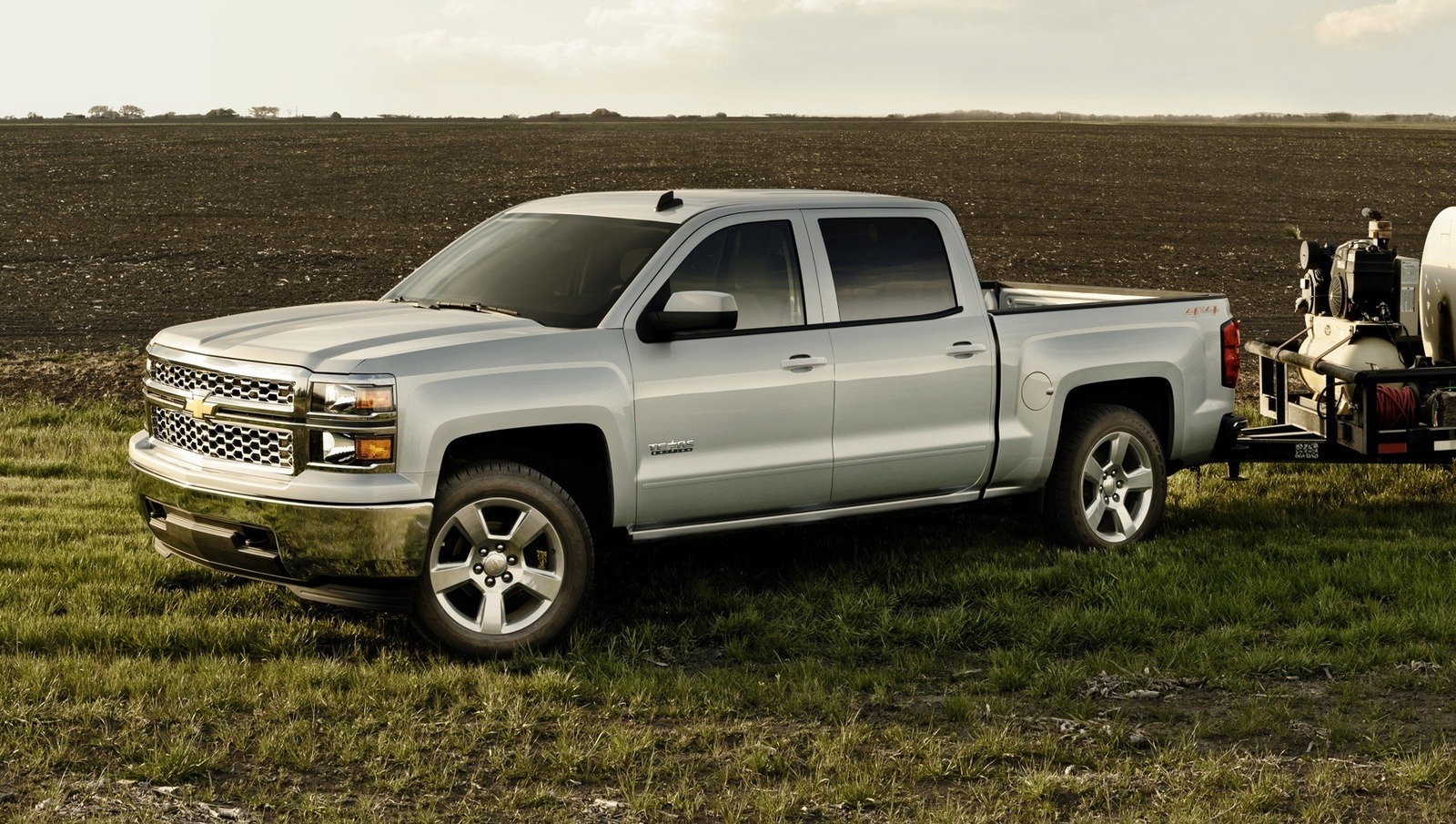
10. Chevrolet Silverado 1500 (2014-2020)
The Chevrolet Silverado 1500 has a reputation as a workhorse, and the 2014–2020 models carried engines that rarely faced gasket issues. Drivers who used these trucks for both personal and work purposes found them to be trustworthy under heavy loads.
Chevy gave these trucks V8 engines with durable sealing technology. The head gaskets were designed to withstand towing stress, off-road use, and long highway drives. Even when drivers pulled trailers or carried heavy cargo, the gasket held firm without leaks.
The cooling system was equally reliable. With larger radiators and better coolant flow, overheating was uncommon, which is critical in protecting the gasket. This allowed the Silverado to handle different climates with ease. Whether in freezing winters or hot summers, the gasket remained secure.
Mechanics who service Silverados regularly confirm that gasket problems are rare. They usually find the trucks needing service for brakes, suspension, or transmission before any engine-related issue. Owners often cross 200,000 miles without touching the gasket area, which is remarkable for full-size trucks.
Drivers who rely on the Silverado for business trust it because downtime is costly. The fact that its engines are dependable adds to its value. People continue buying used Silverados with confidence, knowing the gasket system is unlikely to fail them.
For anyone who needs a strong pickup that works hard without surprising you with costly head gasket repairs, the 2014–2020 Chevrolet Silverado 1500 remains a dependable choice.
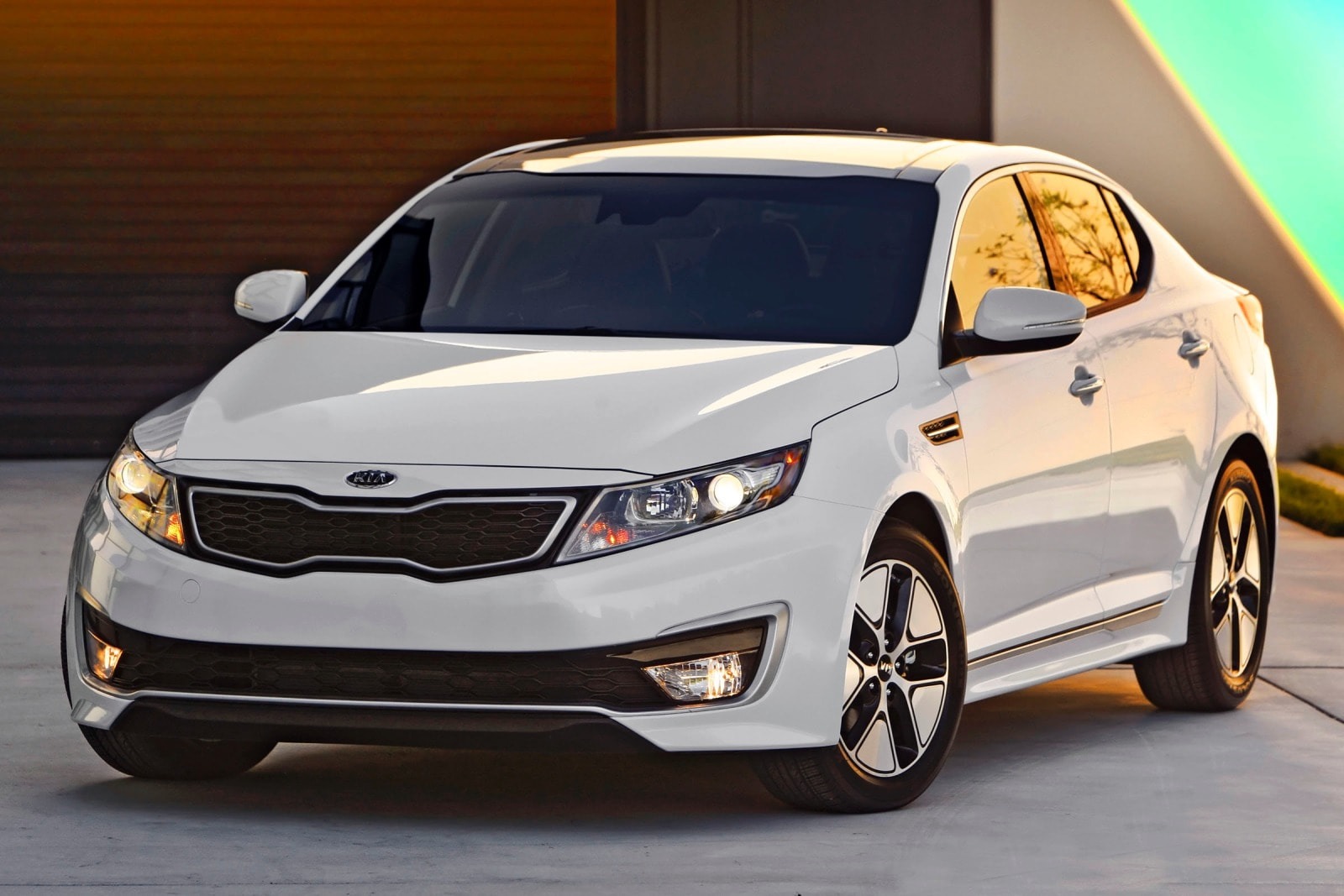
11. Kia Optima (2011-2018)
The Kia Optima, produced from 2011 to 2018, became a surprising option for reliability. Many drivers were impressed with how well the engines performed, and one of the areas that stood out was the rarity of head gasket failures.
Kia fitted these cars with four-cylinder engines that were reinforced to handle stress better than earlier generations. The head gasket was designed with improved materials, reducing the chances of leaks or overheating damage. Owners often reported years of driving without any gasket-related breakdowns.
The Optima also benefited from a redesigned cooling system. Radiators, thermostats, and water pumps were more reliable during this period, keeping the engine at stable temperatures. This balance protected the gasket and allowed the engine to perform well even during long trips or tough weather.
Affordability combined with durability made the Optima a popular choice for families and commuters. People often bought it expecting an economical sedan, only to discover it was also durable under heavy use. Many owners pushed their Optimas beyond 180,000 miles with original gaskets still in place.
Mechanics who worked on these cars found that gasket failure was rare unless the vehicle had been badly neglected. For those who maintained their cars properly, the gasket system stayed strong year after year.
The 2011–2018 Kia Optima showed that Kia had made progress in quality. It not only delivered style and comfort but also built engines with the strength to avoid common problems. Drivers seeking a dependable sedan discovered that this car could be trusted without fear of gasket breakdowns.
