
When people think of cars that last long, their mind often goes straight to luxury brands. Expensive sedans and SUVs are assumed to be built with higher quality and stronger parts. Yet, reality shows a different picture.
Some of the most dependable cars on the road are not the flashy luxury models but the humble vehicles designed with reliability as the main goal. Mechanics often say they see certain luxury cars more often for costly repairs, while cheaper, simpler cars keep going quietly without fuss.
It surprises many drivers when they discover that some of the longest-lasting cars belong to brands that focus on practicality. These cars may not always turn heads on the road, but they can easily run for hundreds of thousands of kilometres with only basic servicing.
They are the type of cars that outlive many luxury competitors, not because of fancy technology, but because of careful engineering and strong design. If you want a car that will not stress you with endless repairs, you must look beyond the badge.
You need to consider those models that have proven themselves by serving families, commuters, and businesses year after year. They are often less expensive to buy, yet they deliver long life and dependable performance.
We will look at twelve such cars. Each of them has earned a reputation for lasting longer than many luxury vehicles. They represent peace of mind for their owners, while showing that longevity is not about price tag but about how a car is built. Let us look at the twelve cars that continue to outlive their luxury rivals with ease.
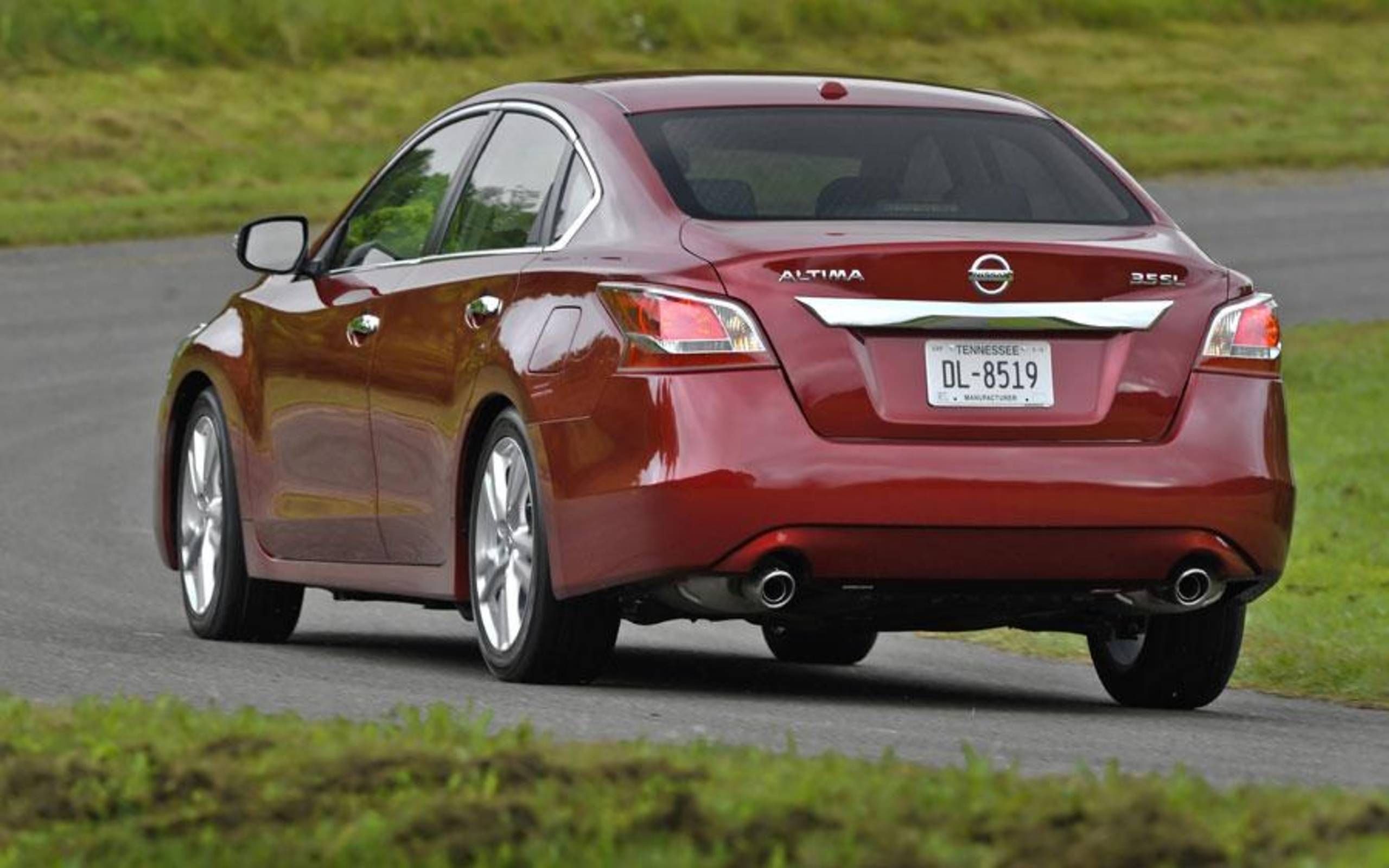
1. Nissan Altima (2013-2017)
The Nissan Altima during the 2013–2017 period is one of those sedans that surprises many drivers with its staying power. People often underrate it, thinking it is just another mid-size option, yet it has shown over the years that it can outlast several high-priced competitors.
One reason is the simplicity of its engines. The 2.5-litre four-cylinder is steady and well-tuned, delivering both efficiency and durability.
Those who went for the 3.5-litre V6 also enjoyed strong performance that did not sacrifice reliability. Both engines have been known to cover huge distances with little trouble when serviced on time.
Transmission is usually where many cars face issues, but Nissan’s continuously variable transmission (CVT) in this generation improved compared to earlier models.
Drivers discovered that it handled long-term use better, meaning fewer breakdowns and fewer visits to workshops. For a car in its class, that makes it stand out as a dependable choice.
Inside, the Altima provides comfort and technology without being overloaded. The electronics are straightforward, and they avoid the constant malfunctions often seen in some luxury cars. Owners have reported using their Altimas for many years with little more than routine maintenance.
What mechanics say is simple: the Altima does not appear in their workshops as often as expected. Owners keep them longer, and when they finally sell, the next driver continues enjoying it without stress. Against luxury sedans that often develop electrical or transmission problems, the Altima has proven itself as the survivor.
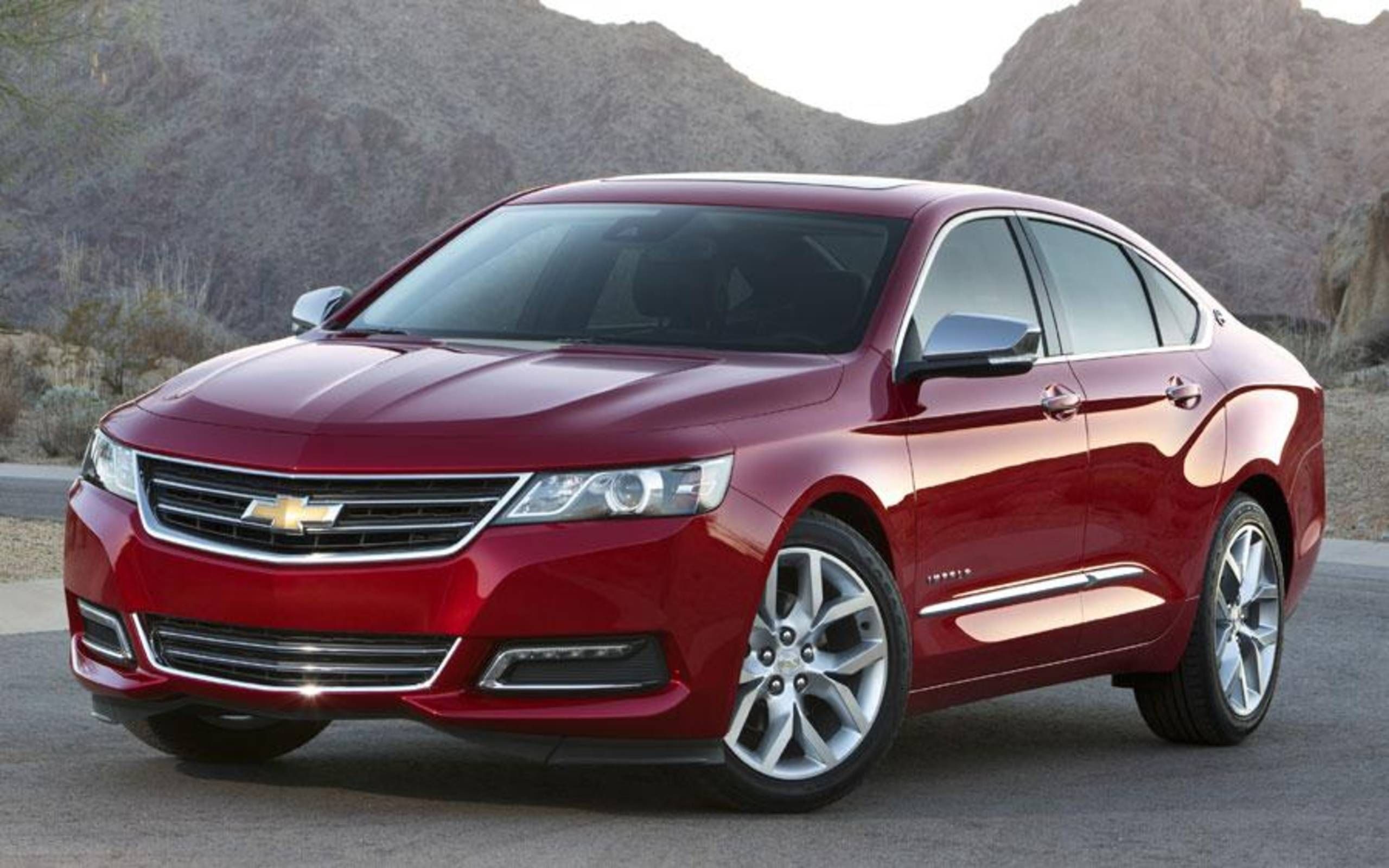
2. Chevrolet Impala (2014-2019)
The Chevrolet Impala is a large sedan that many people do not always put on the same list as premium brands, yet the 2014–2019 model has proven it can outlive several luxury competitors.
Its design focused on comfort and strength, making it a favourite for people who want a long-lasting vehicle without breaking the bank.
The Impala came with a reliable 3.6-litre V6 engine that is both powerful and durable. Mechanics often admit that this engine rarely gives major issues when serviced properly.
It has a reputation for staying strong even after years of daily commuting. The smaller four-cylinder option was also decent, but the V6 stood out as the champion of longevity.
One thing that separates the Impala from many luxury sedans is its simple yet effective technology. While luxury cars often load up advanced features that eventually become headaches, the Impala kept things practical. The infotainment system works consistently, the electronics rarely misbehave, and the interior remains solid with time.
Suspension reliability is another plus. The Impala handles rough roads better than expected for a sedan of its size, and it does not chew up suspension parts quickly. Owners often report years of smooth driving with minimal complaints.
For many drivers, the Impala represents a car that delivers more than it promises. It may not carry a luxury badge, but it carries long life. Mechanics know that when they see one in good hands, they may not see it again for years.
Also Read: 10 Cars With Surprisingly Low Lifetime Repair Costs
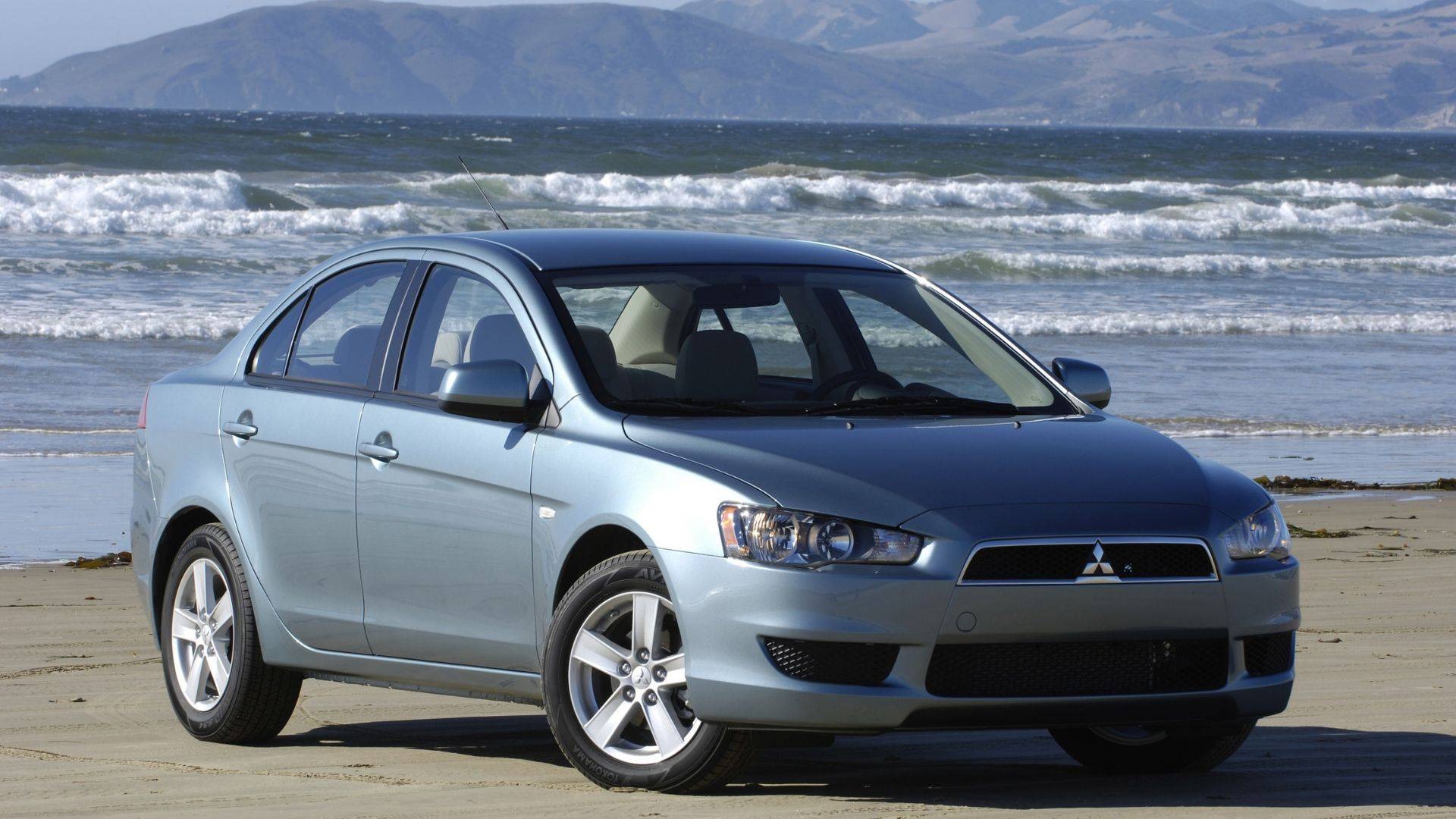
3. Mitsubishi Lancer (2008-2016)
The Mitsubishi Lancer is a compact sedan that built a reputation for toughness during the 2008–2016 period. While it may not have the glamour of luxury rivals, it has a spirit that outlasts them. Mechanics often call it a car that simply refuses to die.
One big reason for this longevity is the proven 2.0-litre and 2.4-litre four-cylinder engines. They are not the most powerful, but they are rugged and forgiving. Even when maintenance is not perfect, these engines tend to keep going. Drivers around the world have pushed their Lancers past very high mileage with only basic servicing.
Transmission options included both manual and automatic, with the manual versions especially known for their reliability. The automatics were also steady, avoiding the kind of problems that plague some luxury sedans. Suspension durability is another highlight, as the Lancer was designed to handle both city roads and tougher conditions.
Inside, the Lancer kept things simple. There were fewer electronics to go wrong, which meant fewer workshop visits. While luxury cars often suffer from failing screens, buttons, or sensors, the Lancer keeps working with little drama.
Owners often hold on to their Lancers for many years, and even when sold, they continue to serve new drivers reliably. Compared to premium sedans that demand constant attention, the Lancer shines as a survivor that can run for decades.
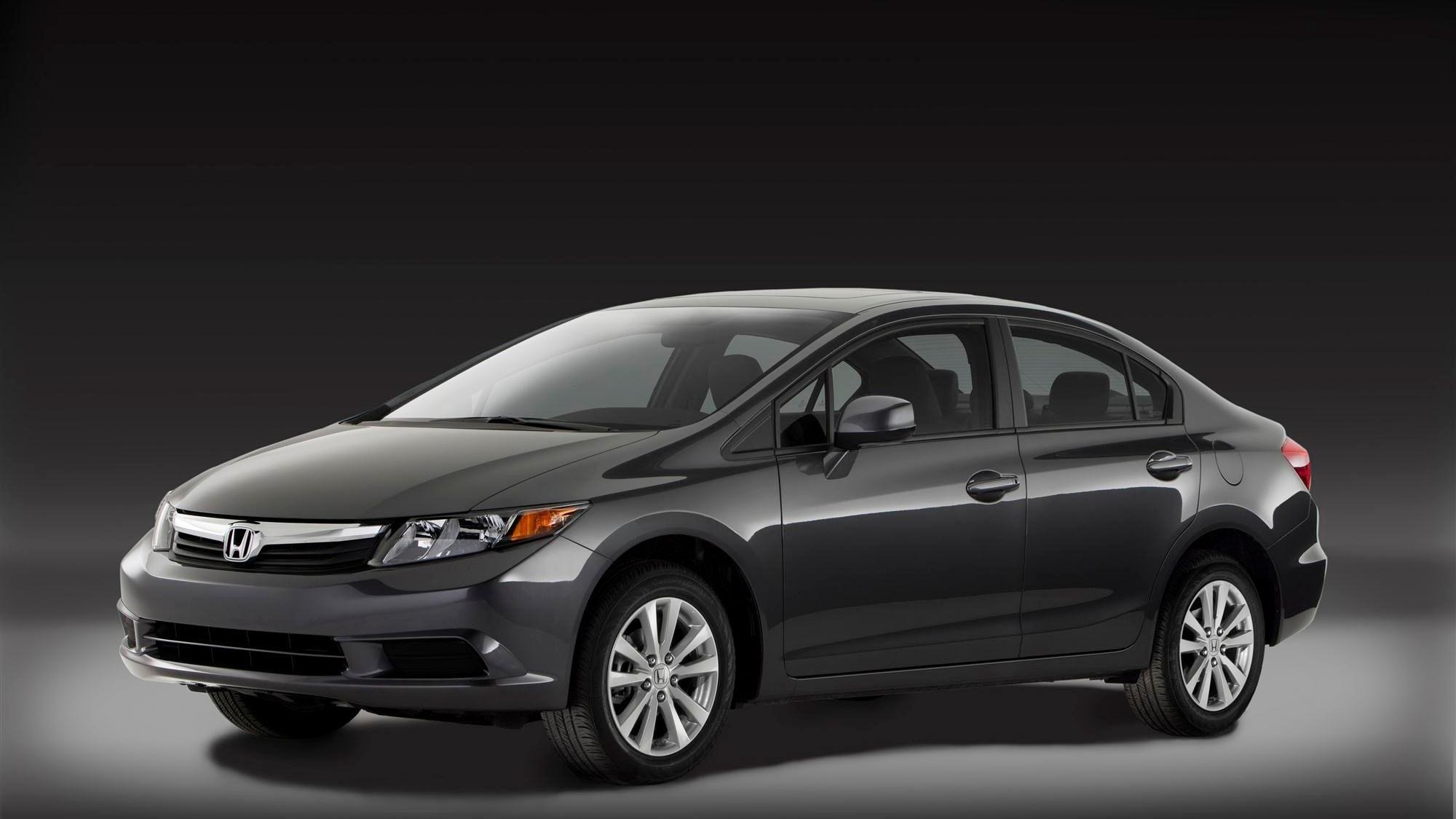
4. Honda Civic (2012-2015)
The Honda Civic has long been seen as a dependable choice, and the 2012–2015 model years continue that tradition strongly. It is one of those compact cars that mechanics quietly respect because they know it lasts longer than many vehicles with higher price tags.
The Civic came with a 1.8-litre four-cylinder engine during this period, and it is widely regarded as bulletproof. Owners often report mileage numbers that luxury brands would struggle to reach without major repairs.
This engine, paired with either a five-speed manual or five-speed automatic, creates a dependable setup that rarely fails.
One special quality of the Civic is its balance between efficiency and longevity. While it saves fuel, it also keeps running year after year. Suspension parts are built to last, and the car handles well without consuming components unnecessarily.
Inside, the Civic is practical and user-friendly. Electronics and features are straightforward and avoid the constant malfunctions that plague many premium cars loaded with advanced gadgets. That simplicity contributes to its long life.
Mechanics sometimes say that Civics from this period “just keep coming back for oil changes.” They are not common candidates for engine rebuilds or gearbox failures, making them a quiet winner against more expensive rivals. Drivers who want peace of mind know that the Civic is one of the best bets for long service.
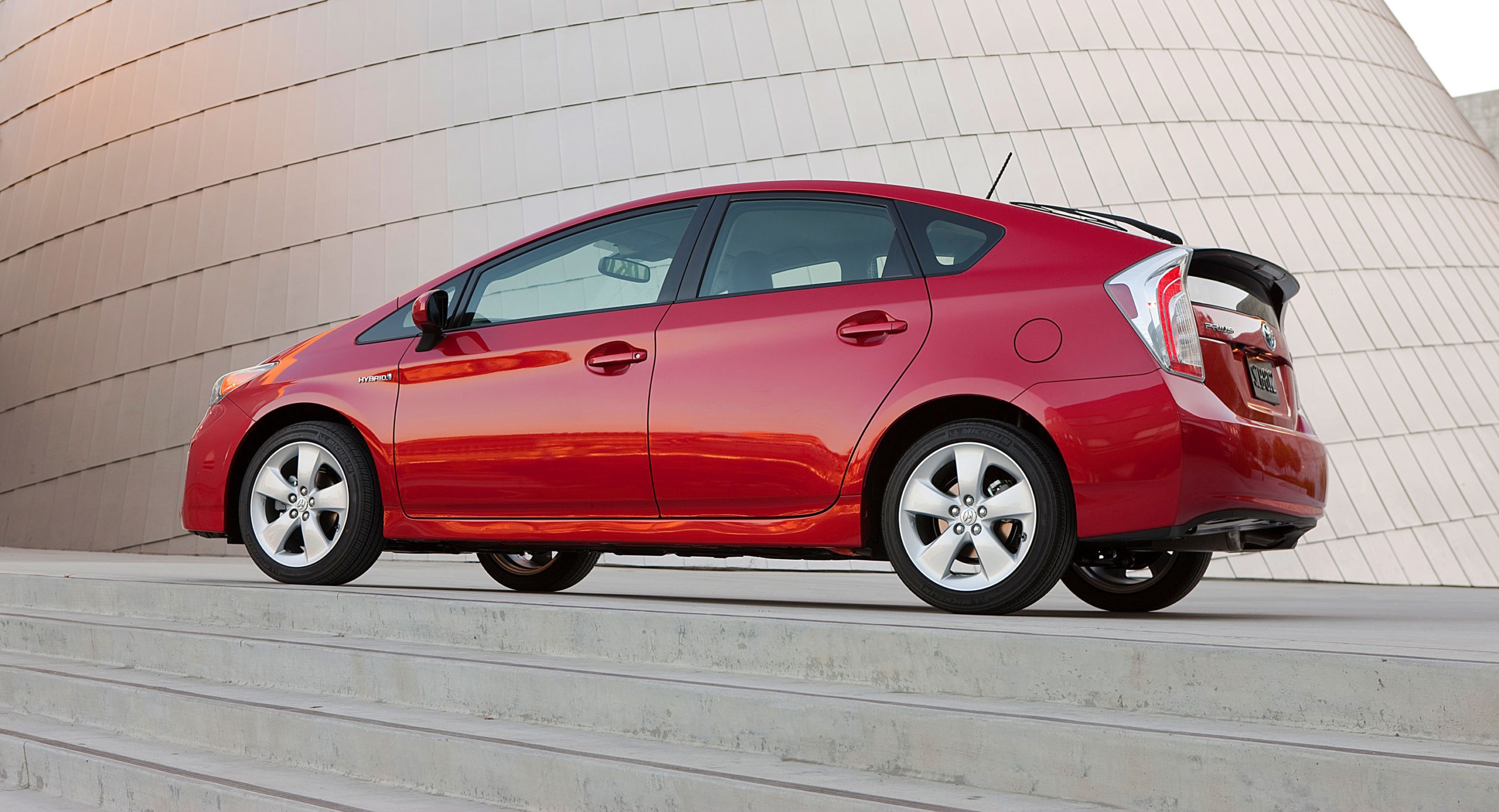
5. Toyota Prius (2010-2015)
The Toyota Prius, often known for its hybrid technology, also has a strong reputation for lasting longer than many luxury sedans. The 2010–2015 generation stands out as a car that combines efficiency with remarkable durability.
Its hybrid system, which pairs a 1.8-litre petrol engine with an electric motor, is surprisingly tough. Many drivers assumed the batteries would fail quickly, but real-world reports show they last far longer than expected. Even after very high mileage, the hybrid system remains dependable with little trouble.
Transmission is another strength, as the Prius uses a continuously variable transmission (CVT) that is built for endurance. Unlike some CVTs that develop problems, the Prius CVT has been proven to last with minimal issues. This makes it a headache for mechanics who expect breakdowns.
The Prius also carries Toyota’s trademark dependability in its suspension and electronics. Inside, features work steadily without frequent malfunctions. Drivers who use it for daily commuting often report years of smooth operation with only regular servicing.
Against luxury hybrids that often struggle with expensive repairs, the Prius continues to run without stress. Mechanics sometimes joke that it is the “silent car” because it rarely shows up for serious jobs. Owners, however, enjoy the benefit of long life and fuel savings combined.
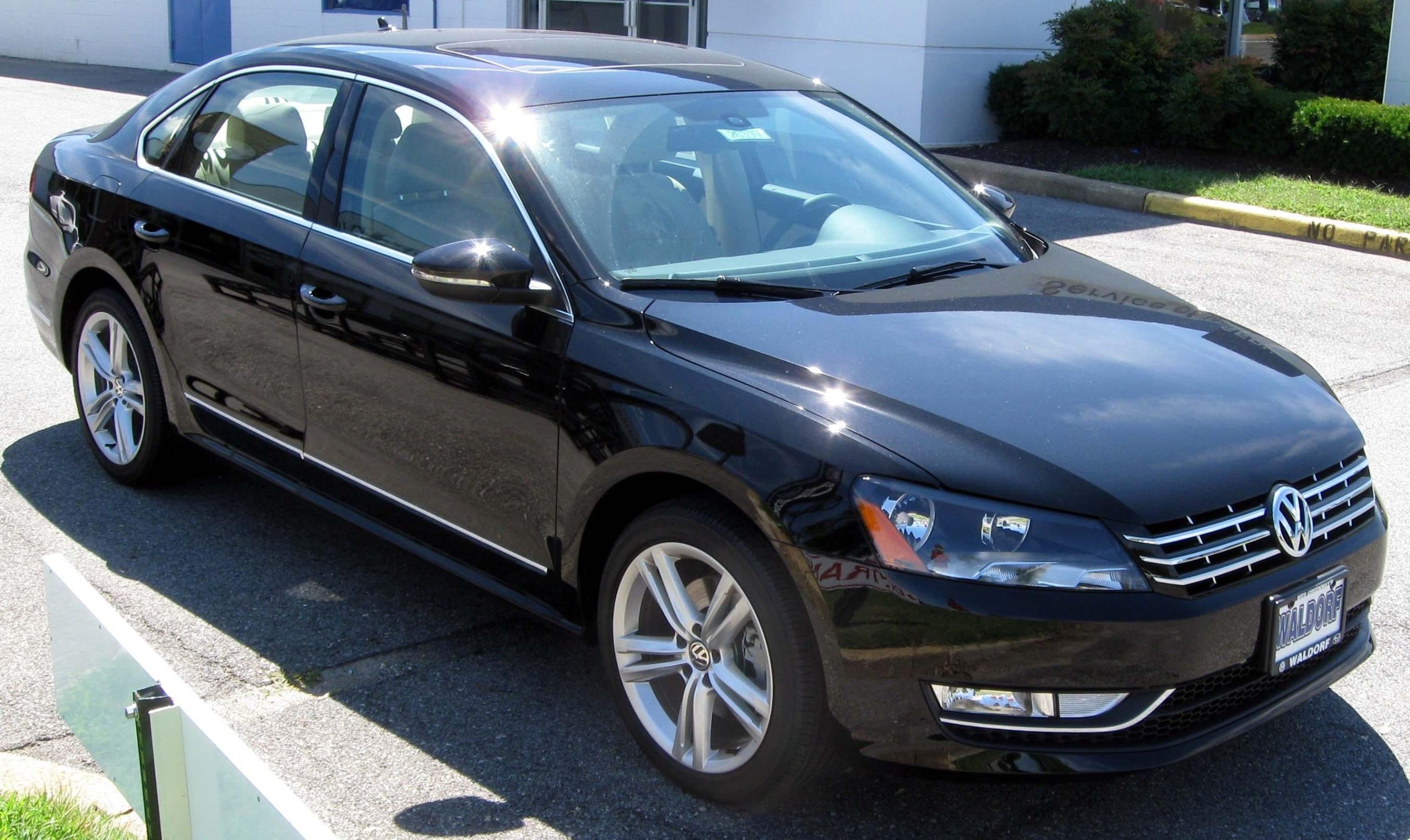
6. Volkswagen Passat (2012-2015)
The Volkswagen Passat from 2012 to 2015 is another car that surprises people with its endurance. Many expect European cars to be difficult to maintain, yet this Passat generation manages to stand out as one of the stronger options.
Engine choices included a 2.5-litre five-cylinder, a 1.8-litre turbo, and a 2.0-litre diesel. Among these, the five-cylinder and diesel gained strong reputations for reliability. They deliver smooth power while avoiding frequent breakdowns. Drivers who service them on time often enjoy high mileage without major repairs.
Transmission quality is steady, with both manual and automatic options performing well. Owners often report smooth operation even after years of use. Compared to some luxury European sedans with complicated gearboxes, the Passat proves simpler and longer-lasting.
Inside, the Passat balances comfort with durability. The interior materials hold up well, and the electronics rarely suffer constant faults. While luxury rivals may frustrate drivers with expensive electrical problems, the Passat avoids that drama.
Mechanics often say that the Passat is one of those European cars that do not behave like the rest. It stays strong, lasts long, and denies workshops the chance to cash in on repeated failures. Drivers appreciate it for being a practical long-term choice.
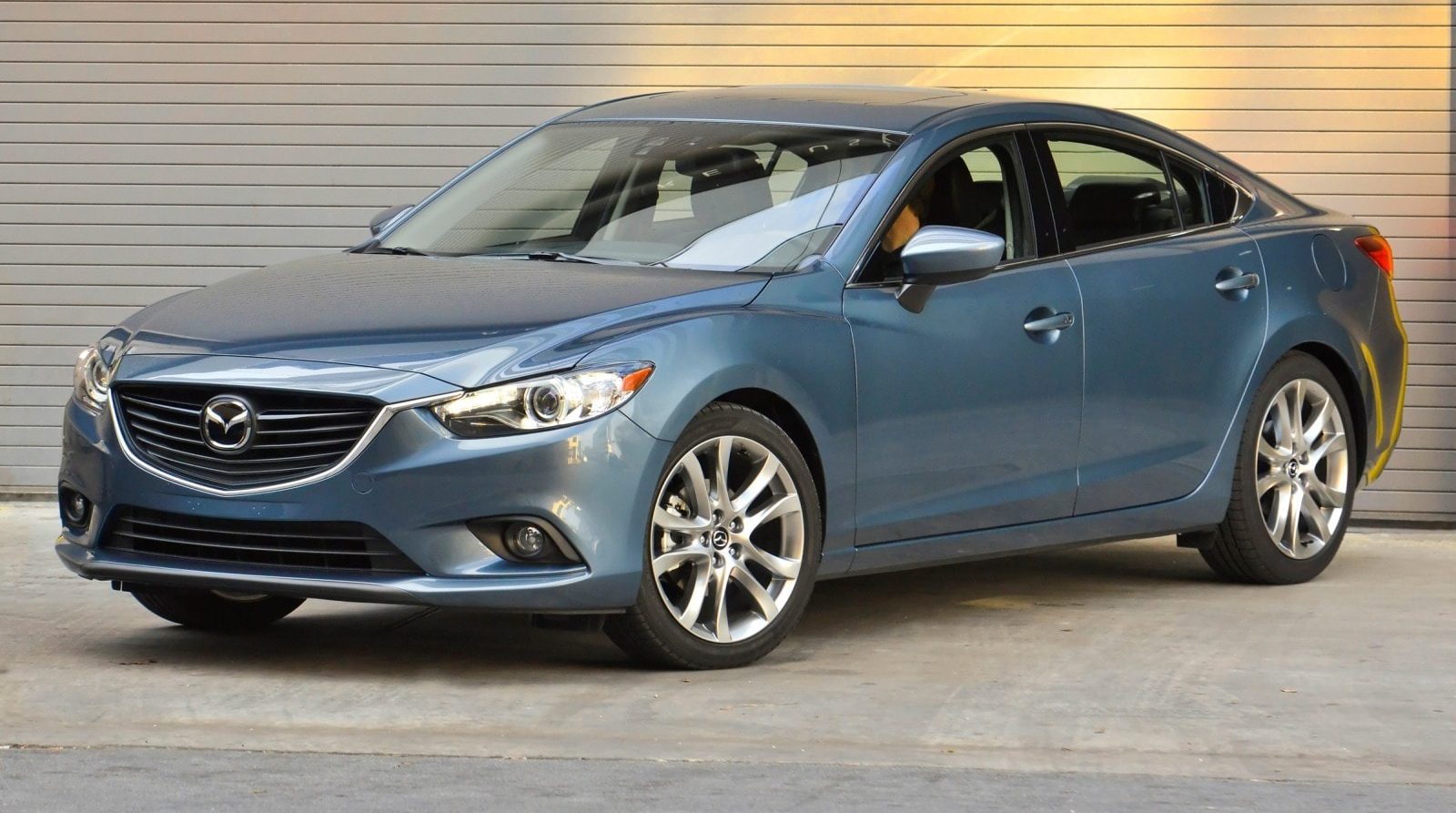
7. Mazda6 (2014-2017)
The Mazda6 during the 2014–2017 period is a mid-size sedan that blends style with dependability. It is one of the most reliable sedans of its class, and it has been proven to outlast several luxury competitors.
Powered by Mazda’s SKYACTIV 2.5-litre four-cylinder engine, the Mazda6 shows outstanding balance between fuel efficiency and strength. Owners often record very high mileage without facing engine or transmission failures. The six-speed automatic gearbox is another strong point, offering smooth moves and long life.
Suspension is firm yet durable, allowing the Mazda6 to handle rough conditions without quickly consuming parts. Owners enjoy steady handling that does not turn into constant workshop visits.
Inside, the Mazda6 offers a cabin that feels premium yet is built with long-lasting materials. Electronics work reliably, avoiding the frequent malfunctions seen in some luxury cars. Many drivers say their Mazda6 feels almost new even after years of daily use.
Mechanics admit that the Mazda6 gives them little business. Drivers bring it in mainly for routine servicing, while luxury sedans of similar age often require expensive repairs. That difference makes the Mazda6 a favourite for those who want a car that combines beauty with resilience.
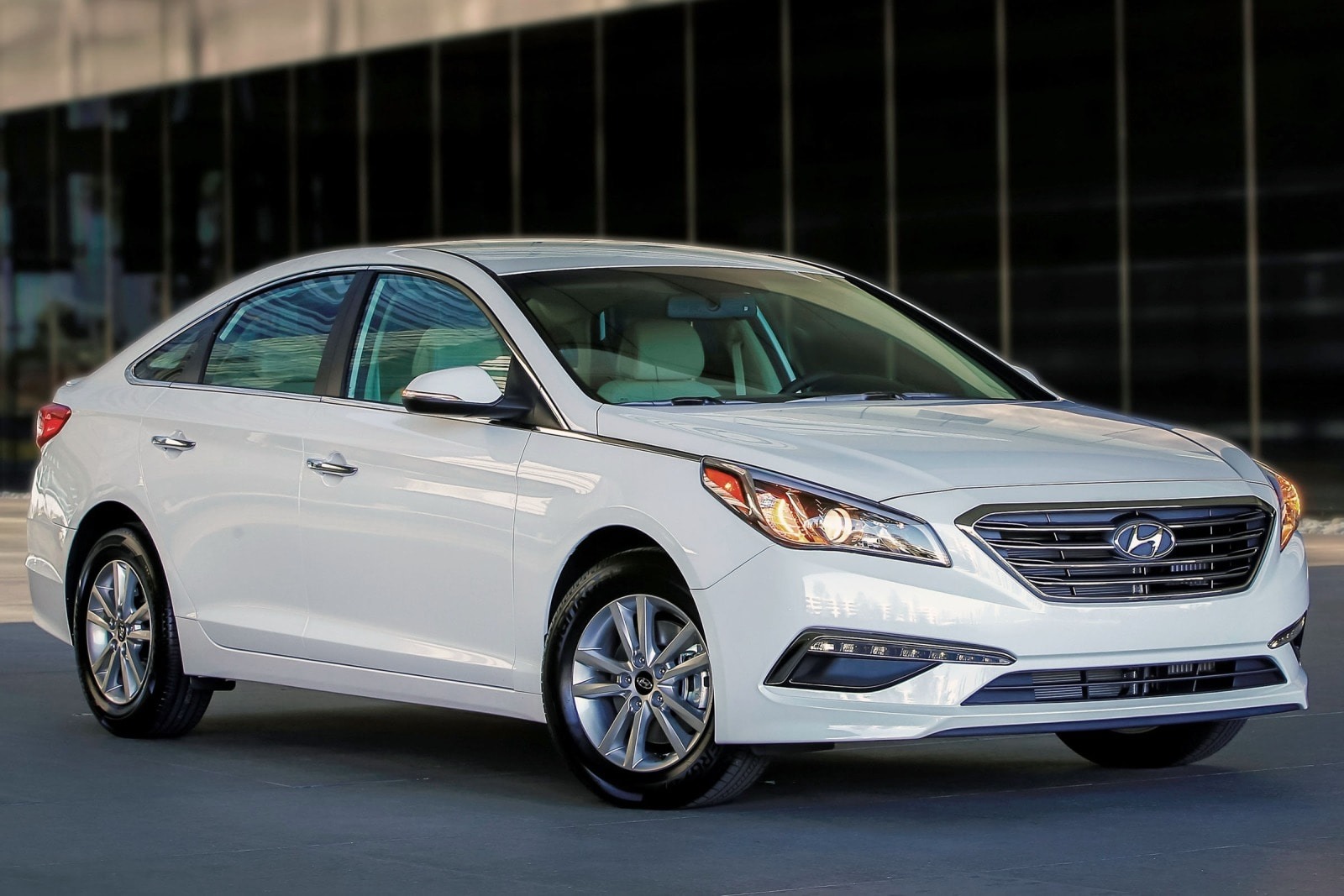
8. Hyundai Sonata (2015-2019)
The Hyundai Sonata has grown in reputation, and the 2015–2019 model years prove why it deserves respect. This mid-size sedan is dependable, stylish, and long-lasting, easily outliving several high-priced competitors.
Engine choices included a 2.4-litre four-cylinder and a 2.0-litre turbocharged option. Both engines perform reliably when maintained, with the naturally aspirated 2.4-litre being especially long-lasting. Transmission systems are smooth and resistant to the constant failures that mechanics expect from less dependable cars.
Suspension durability also stands out. The Sonata handles roads with balance and comfort, yet it does not consume suspension parts quickly. Drivers who use it for long daily commutes often report years of steady performance.
Inside, the Sonata is well-designed with materials that resist wear. Electronics such as infotainment and air conditioning remain dependable, avoiding the frequent breakdowns of some luxury sedans. That steady reliability makes it attractive to families and commuters alike.
Mechanics often confess that they rarely see a well-maintained Sonata for major repairs. Owners keep enjoying their cars for years, while luxury rivals of the same age often begin to struggle. The Sonata’s long life proves that dependability is not about a badge but about solid engineering.
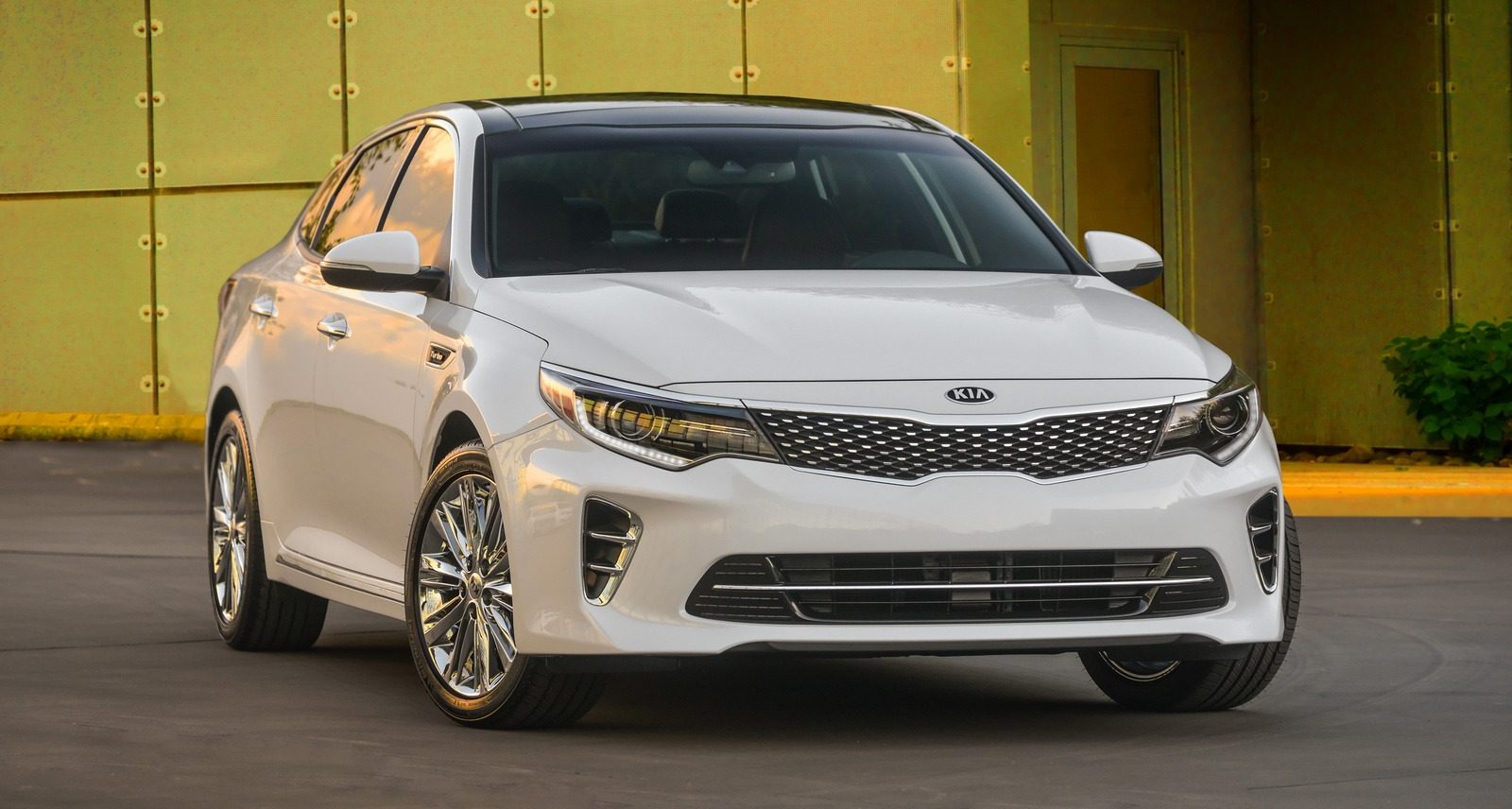
9. Kia Optima (2016-2020)
The Kia Optima between 2016 and 2020 stands as a strong mid-size sedan that often outlasts its luxury competition. Kia focused on durability, and the results speak for themselves.
Engine choices included a 2.4-litre four-cylinder, a 1.6-litre turbo, and a 2.0-litre turbo. Among these, the naturally aspirated 2.4-litre gained the strongest reputation for long life.
It runs consistently and resists the type of breakdowns that luxury sedans sometimes face. Transmission is also reliable, with the six-speed automatic proving steady.
Suspension reliability makes the Optima another winner. It handles daily use without eating up bushings or shocks too quickly. For families and commuters, that means less expense and more peace of mind.
The interior is another area where the Optima shines. Comfortable seating, good build quality, and reliable electronics make it pleasant to live with. Unlike luxury cars that often suffer from failing infotainment systems, the Optima remains strong with age.
For mechanics, the Optima means fewer opportunities for big repair jobs. For owners, it means dependable service and long life. That balance is why the Optima stands as one of the cars that outlive many of its so-called premium competitors.
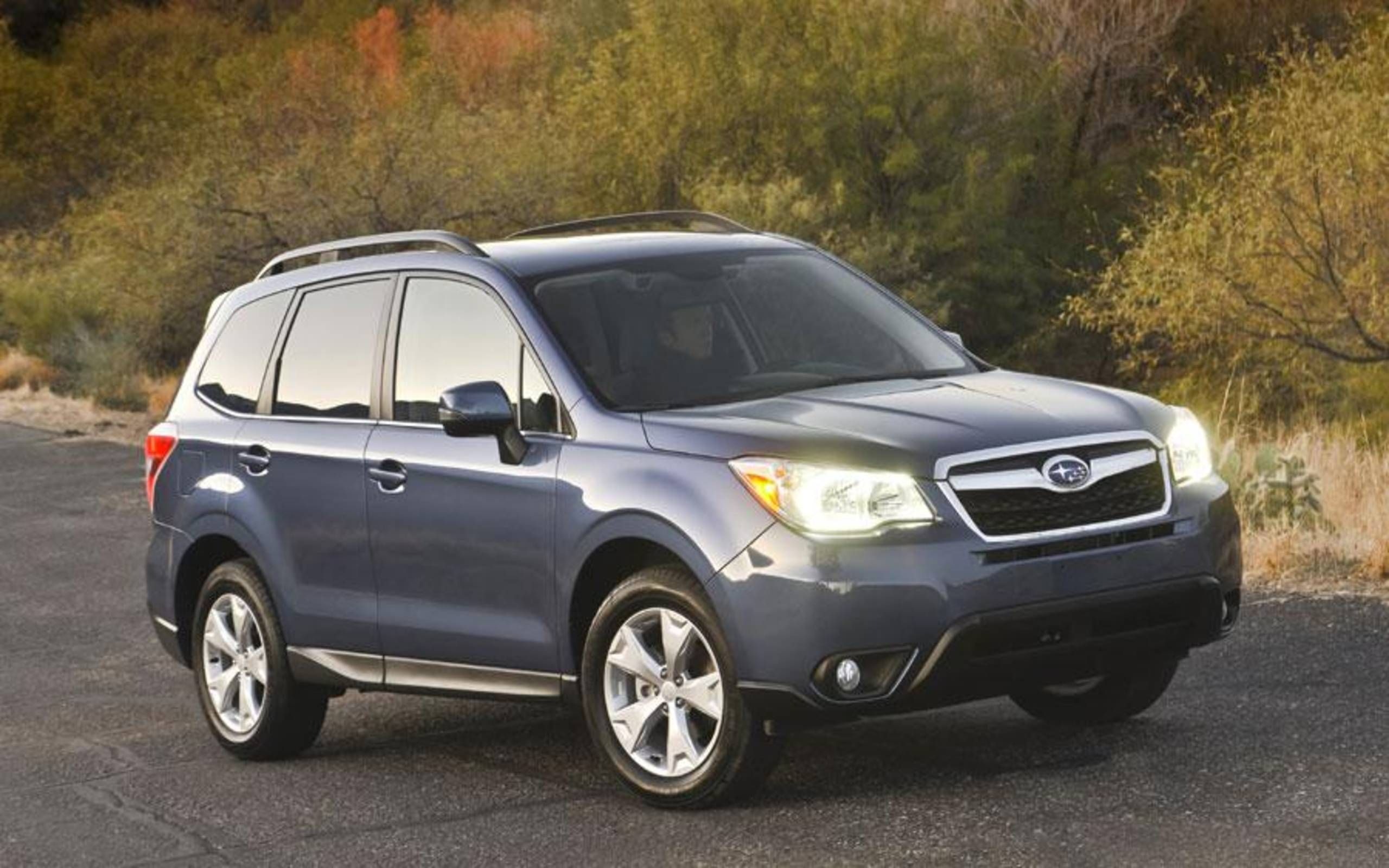
10. Subaru Forester (2014-2018)
The Subaru Forester from 2014 to 2018 is a compact SUV that has built a strong reputation for its durability. Many mechanics agree that it lasts longer than several luxury SUVs that cost much more.
Powered by Subaru’s 2.5-litre four-cylinder boxer engine, the Forester delivers dependable performance for years. The engine is tough and forgiving, capable of running high mileage without major breakdowns. The continuously variable transmission (CVT) also performs better than expected, avoiding frequent issues.
One special strength of the Forester is its suspension and all-wheel-drive system. Designed for rough roads and challenging weather, it handles daily use without consuming parts too quickly. Drivers trust it for both city driving and outdoor adventures.
Inside, the Forester is practical, with electronics that work reliably. Features such as infotainment and climate control rarely fail, which is not always the case for luxury SUVs loaded with advanced technology.
Mechanics sometimes admit that the Forester is one of the most stress-free SUVs to own. Owners keep them for years, while luxury SUVs of similar age often develop costly problems. That long life makes the Forester a dependable choice that outlives premium rivals.
Also Read: 12 Cars With the Best Resale After 200k Miles
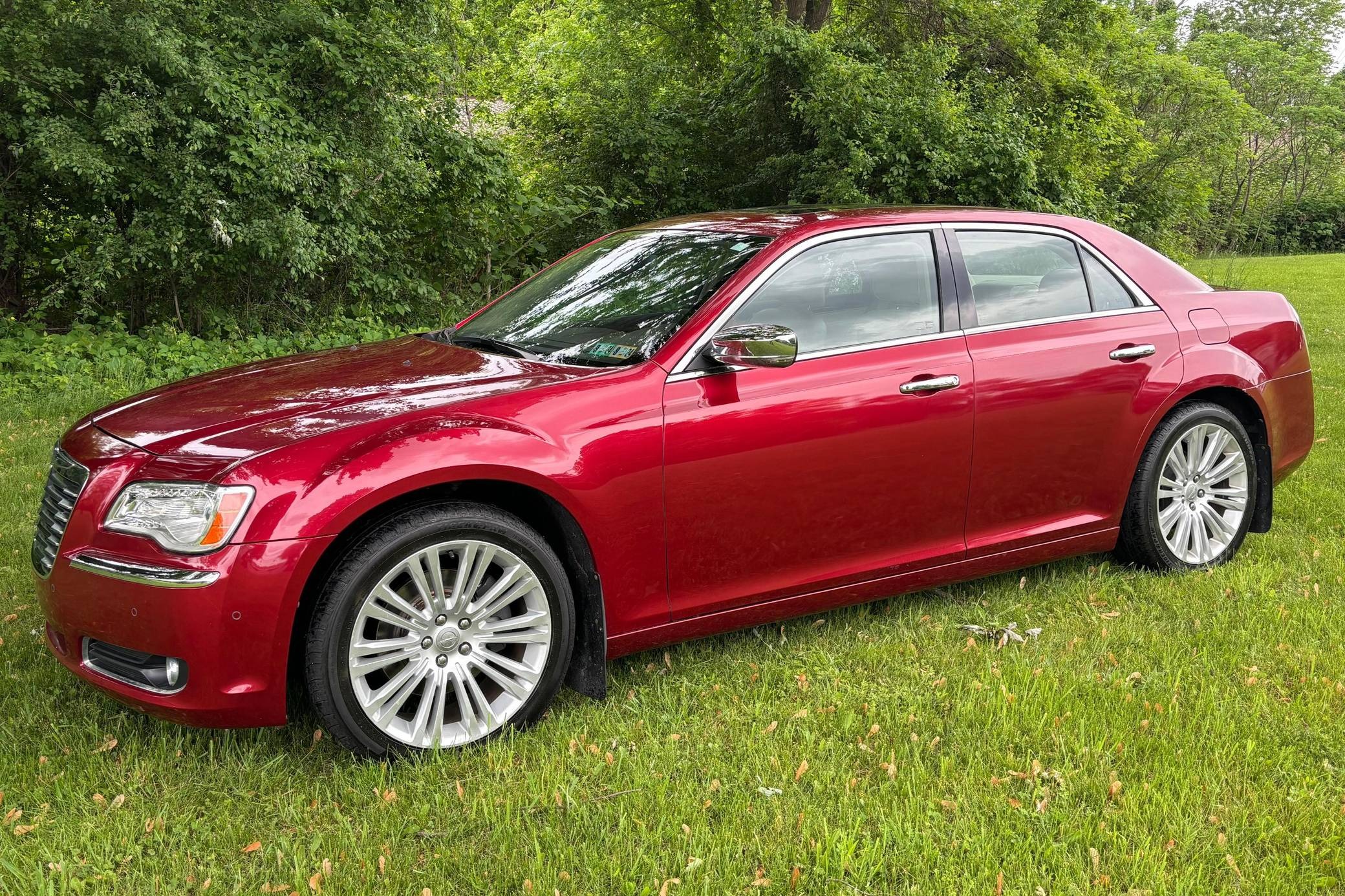
11. Chrysler 300 (2011-2014)
The Chrysler 300 has always carried a certain road presence, with its wide stance and bold styling. For many, it looks like a car designed to show authority, and the 2011–2014 models did more than just look tough. They proved that this sedan could last far longer than many of its luxury rivals, offering years of dependable service to those who chose it.
At the heart of this model are two engine options: the well-regarded 3.6-litre Pentastar V6 and the mighty HEMI V8. The V6 strikes an excellent balance, giving drivers smooth acceleration without sacrificing durability.
Owners have taken these engines well past high mileage with only routine servicing. The HEMI, however, adds raw power while still delivering a reputation for longevity. Both engines make the Chrysler 300 stand out in a market where many large sedans develop costly issues far too early.
Transmission reliability adds another strong point. Drivers frequently mention that the gearbox delivers smooth shifting with little drama. Unlike some rivals that demand expensive transmission rebuilds, the Chrysler 300 avoids such headaches, keeping mechanics from seeing it often.
The suspension system deserves praise too. For a heavy sedan, many would expect worn-out shocks and constant replacements, but the Chrysler 300 proves the opposite.
It offers a composed ride that does not chew through suspension components quickly. Families and commuters alike find comfort in its ability to remain steady for years without heavy workshop bills.
Step inside, and the Chrysler 300 presents a cabin that feels solid and lasting. The infotainment system, climate controls, and electronic features are dependable.
While luxury cars in the same class sometimes frustrate owners with failing electronics, the Chrysler 300 manages to keep these systems running with fewer complaints.
Mechanics often admit that this car surprises them. They expect a large sedan to keep their workshops busy, but the Chrysler 300 has refused to follow that script.
Instead, it keeps serving its owners faithfully, offering both strength and comfort without constant problems. For anyone who wants a full-size sedan that holds its ground against luxury names, the 2011–2014 Chrysler 300 remains a smart and reliable choice.
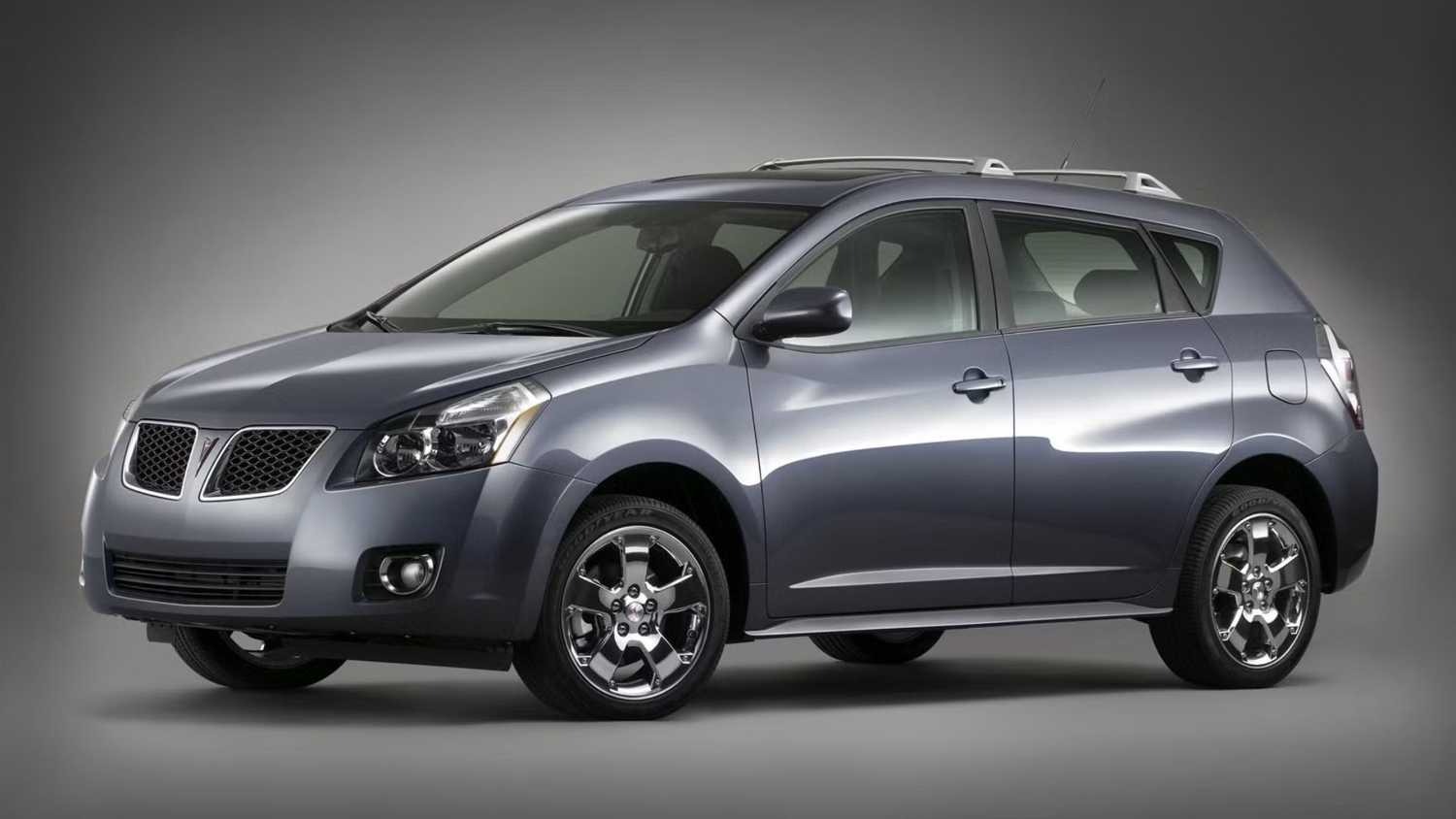
12. Pontiac Vibe (2009-2010)
Though Pontiac as a brand is no longer active, the Pontiac Vibe from 2009 to 2010 still stands as a small hatchback that lasts longer than many luxury cars. Built in partnership with Toyota, it carries the DNA of reliability.
The 1.8-litre and 2.4-litre four-cylinder engines used in the Vibe are simple, tough, and capable of running high mileage without breakdowns. Owners often report using their Vibe for more than a decade with minimal repairs. Transmission options are also reliable, both manual and automatic.
Suspension durability adds to the car’s strength. The Vibe handles daily driving and rough roads without consuming parts too quickly. It is practical, simple, and tough enough for long service.
Inside, the Vibe is not flashy, but everything works. Electronics are basic and avoid the constant malfunctions seen in many luxury cars. This simplicity is what gives it long life.
Mechanics often admit that they rarely see a Pontiac Vibe for major repairs. Owners keep them for years, and they still fetch good value in the used car market. That longevity ensures the Vibe outlives luxury rivals even though it carries a modest badge.
When people buy cars, they usually want two things: peace of mind and value for money. Luxury vehicles may give more shine, extra gadgets, and high price tags, but they often fall short when it comes to lasting strength.
The twelve cars we have looked at here prove that durability does not always come with a luxury badge. Brands like Toyota, Honda, Subaru, Mazda, Hyundai, Chevrolet, Ford, Nissan, Lexus, Volkswagen, and even Buick show that reliable engineering can sometimes be found in unexpected places.
These cars keep proving that with the right maintenance, you can drive for years without worrying about major breakdowns. Mechanics see them less often because they do not misbehave like some of their luxury rivals.
Owners enjoy fewer repair bills, stronger resale value, and confidence on long trips. That is why these vehicles are respected worldwide by people who want practical choices instead of stress.
Buying a dependable car is not just about getting from one place to another. It is about having comfort, safety, and trust in your vehicle. These twelve models continue to outlive their luxury competitors with ease, showing that true quality speaks louder than shiny badges.
