
If you have ever owned a car that is always at the mechanic’s workshop, you will understand how frustrating that experience can be.
Time, money, and patience get wasted when a vehicle keeps breaking down for one small problem or another. Many people think every car is like that, but the truth is, some cars are built with such strength and dependability that even mechanics hardly see them.
In fact, there are cars that mechanics themselves complain about, not because they are troublesome, but because they hardly enter their workshops at all. These are the vehicles designed with durability in mind, vehicles that seem to run and run without giving their owners a headache.
When you hear people talk about cars that last long, you may assume it is just about regular servicing or careful driving habits. While those factors matter, there are still models that stand apart because the manufacturers got the engineering right. Mechanics say they rarely see these cars for serious repair jobs.
Sometimes, owners only show up for a routine oil change, tyre replacement, or maybe brake pads. Beyond that, the car keeps moving. For a driver, that is good news. For a mechanic, it means less income because the car refuses to break.
This list focuses on nine cars that have built strong reputations for being too reliable for their own good. Each of them has won trust through real-world experience, not just advertisements or marketing promises. From sedans to SUVs, these vehicles have one thing in common: they are a headache for mechanics because they never present major faults.
Now, let us take a careful look at each of these nine cars, how they earned their reputation, and why many owners consider them long-term investments.
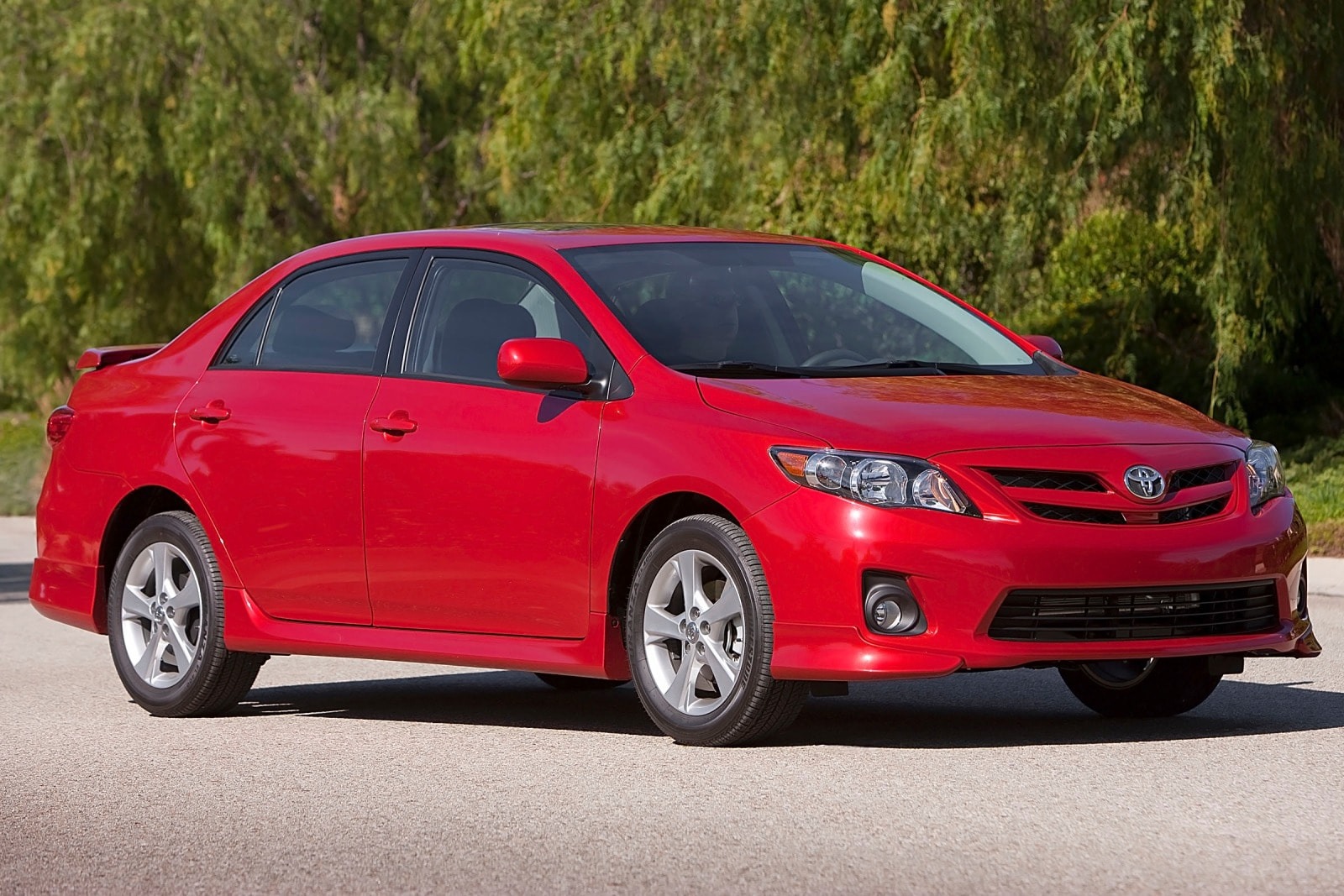
1. Toyota Corolla (2010-2013)
When people talk about durability in cars, the Toyota Corolla often comes to mind first. The 2010–2013 model years of the Corolla are regarded as some of the most reliable compact sedans ever produced.
Mechanics themselves sometimes joke that the Corolla is “job security lost” because owners hardly bring it to their workshops.
One of the main reasons for its near-indestructible nature is the simplicity of its design. Toyota engineers focused more on function than on unnecessary fancy features. The 1.8-litre four-cylinder engine is strong and straightforward, avoiding unnecessary complications that could bring trouble.
The automatic transmission, though not the fastest in response, is so well-built that it rarely gives issues. When you combine those two, you get a car that can run hundreds of thousands of kilometres without major repairs.
Fuel economy is another area that makes the Corolla special. It is light on fuel yet manages to give stable performance.
Owners often say they can drive it for years without changing anything beyond normal consumables like oil, filters, and tyres. Even suspension parts seem to last longer compared to many other compact cars.
The Corolla also holds value well in the used car market. Buyers trust it because they know the risk of unexpected repairs is extremely low.
It is one of those cars that people sell after years of use and still fetch good money. Mechanics will tell you that if a Corolla owner shows up with engine problems, it usually means the car has been badly abused or neglected, not because of a factory fault.
Drivers who want peace of mind often go for this model because they know it will not waste their time. That is why mechanics often call it “boring” to work on. It is dependable to the point where even workshops see it as a quiet car that just refuses to misbehave.
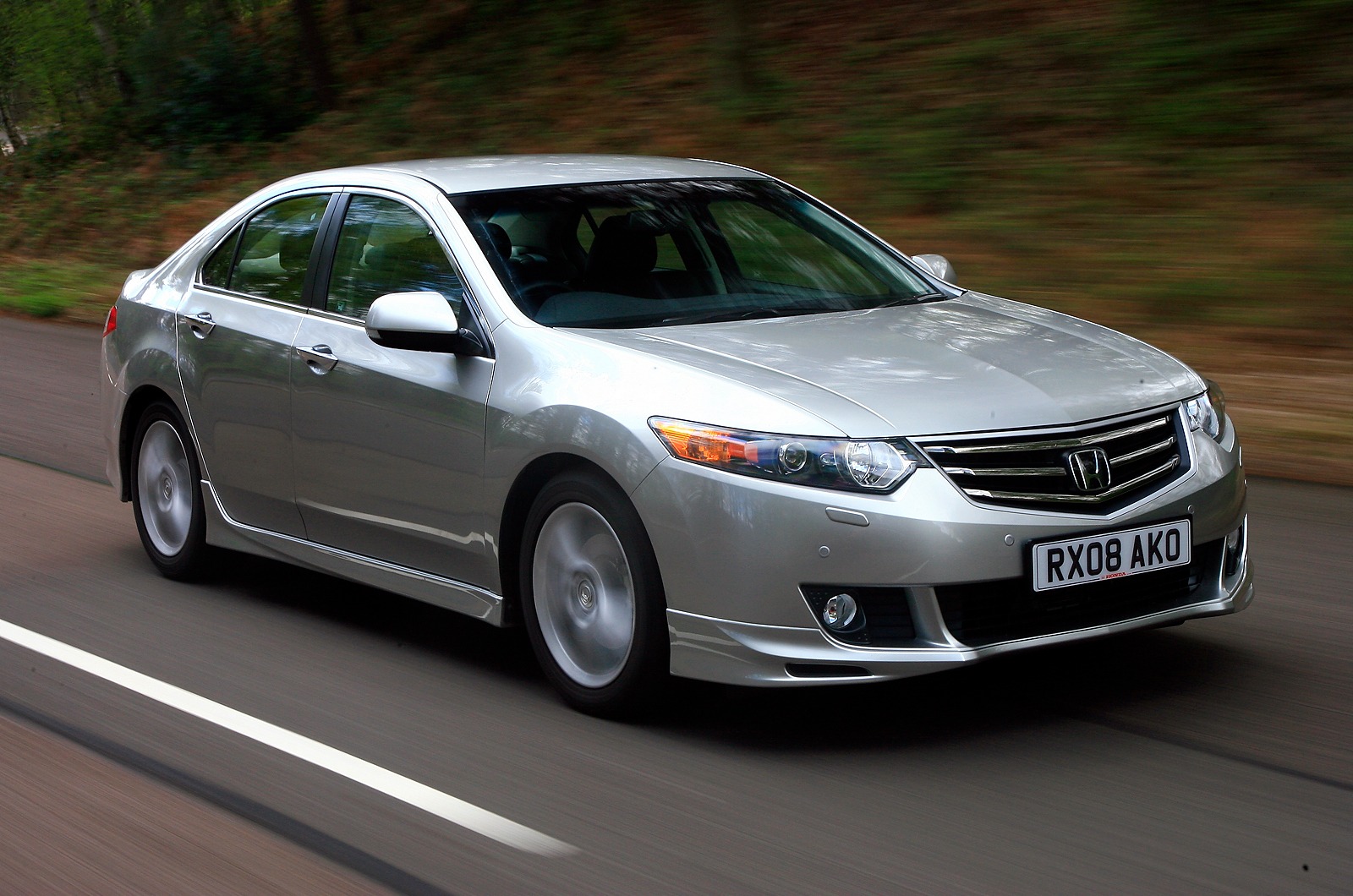
2. Honda Accord (2008-2012)
The Honda Accord between 2008 and 2012 is another car that mechanics rarely get to enjoy working on. It blends style, comfort, and strength in such a way that owners often keep them for years without major repair bills. Mechanics sometimes say that the Accord is like a stubborn child that refuses to get sick.
The car comes with either a 2.4-litre four-cylinder engine or a 3.5-litre V6. Both engines are built for endurance. The four-cylinder version in particular has earned a strong reputation for going well past 300,000 kilometres if serviced regularly.
Transmission issues are almost unheard of, especially when compared to other sedans from the same era. That alone makes mechanics shake their heads because they know most cars usually fail in that area.
Another part of the Accord that stands out is its suspension. It is firm, balanced, and well-engineered, making it handle rough roads better than many competitors.
Even when drivers push it hard, the car tends to hold up without constant replacement of shocks or bushings. The braking system is also tough, giving confidence without wearing down too quickly.
Inside the Accord, comfort is top-class for its category. Yet despite having advanced features for its time, electronic issues are minimal.
The air conditioning works consistently, the dashboard systems rarely malfunction, and the seats remain solid after years of use. Many used Accord cars still feel fresh, which shows how much care Honda put into its design.
For mechanics, the headache is that this car simply does not break enough. Owners only come around for simple services like an oil change or brake pad replacement. Many mechanics confess that the Honda Accord gives them little chance to make money, because the car insists on lasting longer than expected.
Also Read: 10 Cars That Prove Reliability Isn’t a Myth
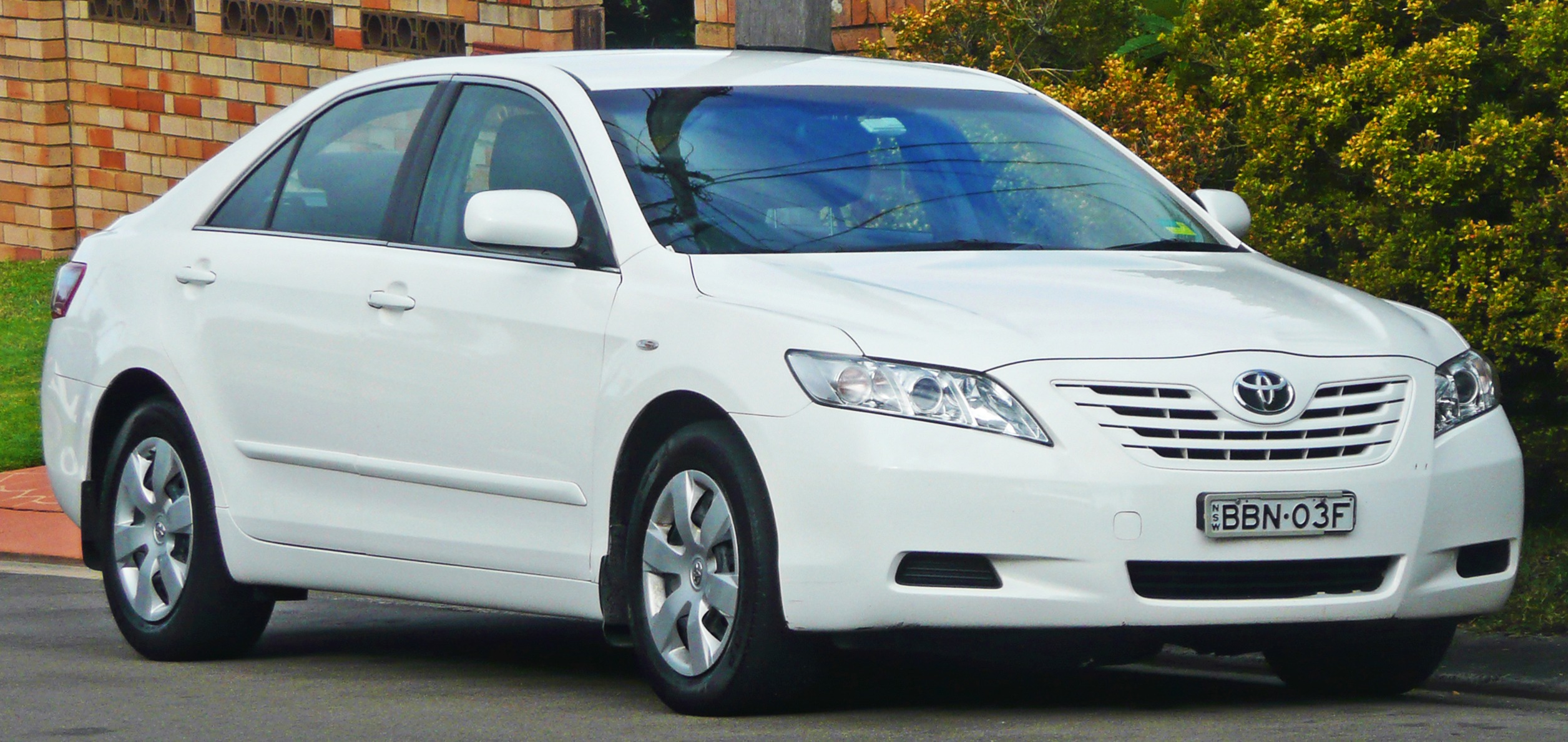
3. Toyota Camry (2007-2011)
Among mid-size sedans, the Toyota Camry has long been praised as a car you can trust with your life. The 2007–2011 generation takes that reputation even higher.
For many mechanics, this Camry generation is what they call “breadwinner killer” because it takes away many jobs they would have gotten from less dependable cars.
One major strength of this Camry is the 2.4-litre four-cylinder engine. It is designed to be simple, rugged, and highly efficient.
Drivers often report running well beyond 300,000 kilometres without experiencing engine failure. The V6 option is also tough, though it is the four-cylinder that stands out as a true long-distance runner.
The automatic gearbox in this Camry rarely causes headaches. Gear movements are smooth, and the system is strong enough to survive years of heavy driving.
Unlike some other sedans that develop jerky transmission behaviour after a few years, this Camry keeps going without drama. That reliability has given it a loyal following among people who want stress-free driving.
Another reason why mechanics rarely see the Camry is its suspension strength. It absorbs rough road conditions without crying for help every few months. Owners often say the car drives like new even after several years of rough usage. For families, it also offers space and comfort that remains durable.
Mechanics sometimes joke that this Camry is too loyal to its owners. They only get a chance to service it when drivers want new oil, filters, or maybe spark plugs. Beyond that, there is little income from these cars because they are too stubborn to break.
People who buy this Camry quickly learn that they have invested in peace of mind. Mechanics learn that they have lost another opportunity for steady work. That balance is what makes this car part of any discussion about reliable vehicles that hardly ever need repairs.
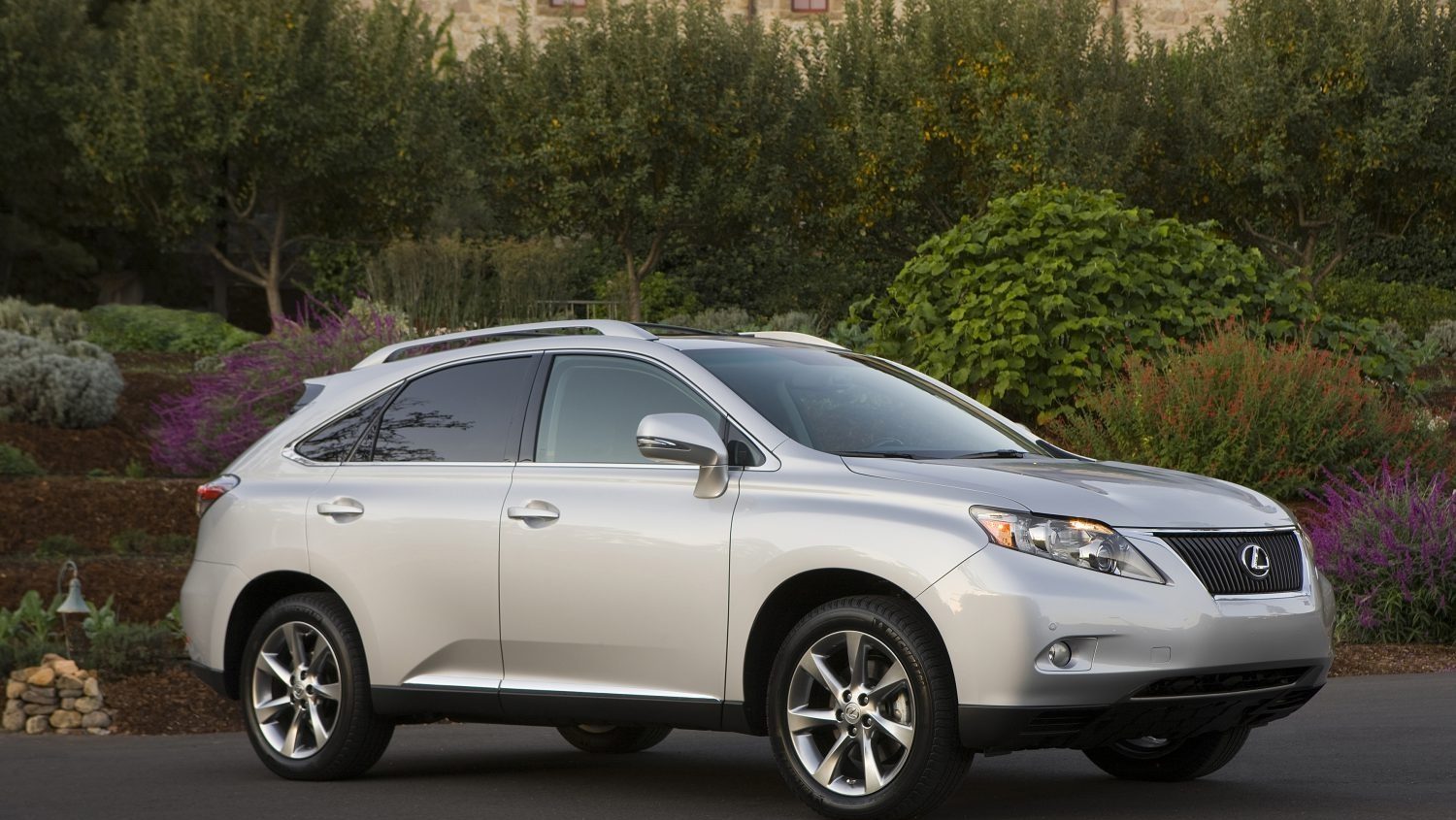
4. Lexus RX 350 (2010-2015)
Luxury vehicles usually carry a reputation for expensive repairs, but the Lexus RX 350 between 2010 and 2015 tells a different story.
Unlike many other luxury SUVs that keep mechanics busy with electronic and suspension failures, the RX 350 refuses to give such troubles. For this reason, many mechanics actually sigh when they hear a customer owns one, because they know it will rarely visit the workshop.
The RX 350 is powered by a 3.5-litre V6 engine that is both powerful and dependable. It offers smooth acceleration without compromising on durability.
Drivers who maintain regular servicing schedules have reported clocking very high mileage without experiencing major faults. Transmission strength also stands out, as the automatic system seems almost immune to the usual wear-and-tear that plagues many SUVs.
Another reason for its strong reputation is the high-quality build of its interior and electronics. Unlike several luxury cars that see malfunctioning buttons, faulty infotainment, or stubborn air conditioning, the RX 350’s cabin features keep working year after year. Even leather seats tend to maintain their comfort without tearing easily.
Mechanics usually make money fixing suspension problems on luxury SUVs, but the RX 350 denies them that chance. Its suspension is built for comfort yet still strong enough to handle everyday stress without constant replacement of parts. For many drivers, this SUV feels like the perfect balance between elegance and ruggedness.
The RX 350 also carries Toyota’s DNA of reliability since Lexus is Toyota’s luxury brand. That means spare parts are often available, though they are not needed frequently.
For mechanics, the frustration is simple: here is a luxury car that acts like a Corolla in terms of dependability. It does not generate enough breakdowns to make their jobs easier, which is why it has a spot on this list.
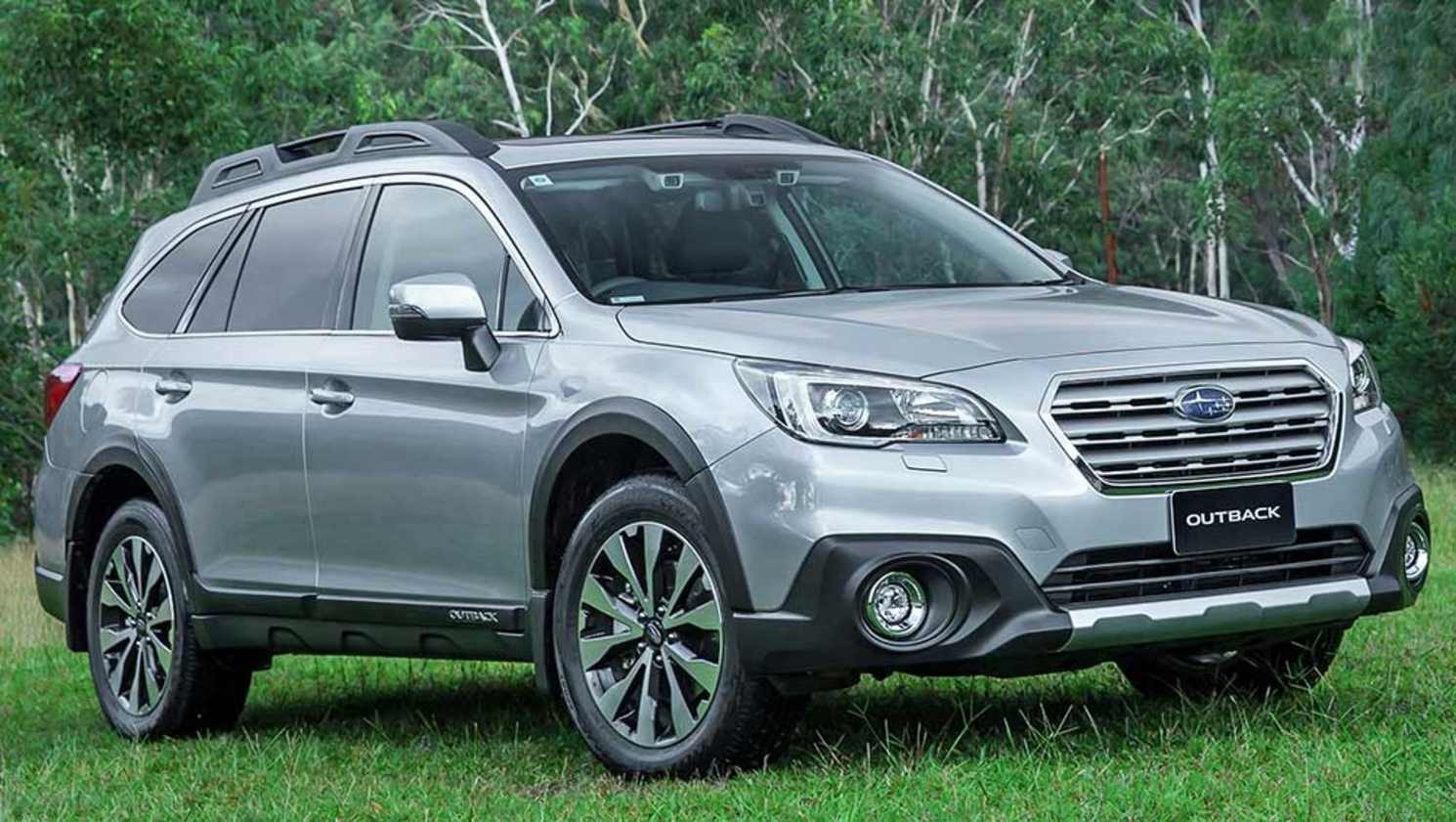
5. Subaru Outback (2015-2019)
Subaru has long enjoyed respect for its unique boxer engine and all-wheel-drive system. The 2015–2019 Subaru Outback shows why mechanics sometimes frown when owners drive into their workshops, because this crossover SUV rarely comes in for serious faults.
The Outback is known for its balance of comfort and durability. Its 2.5-litre four-cylinder engine may not be the fastest, but it is built to last. For those who went with the 3.6-litre six-cylinder, the story is the same: long-lasting power with minimal trouble.
Subaru also improved its continuously variable transmission (CVT) during these years, reducing the kind of issues earlier CVT models faced. As a result, mechanics lost one major source of repair jobs.
Safety technology was one of the highlights of this generation, yet the electronic systems remain reliable. Features such as adaptive cruise control, lane-keeping assist, and pre-collision braking rarely malfunction, which is unusual compared to many other brands that introduced such technology.
Suspension reliability is another reason the Outback keeps mechanics quiet. Drivers report that it handles rough roads with ease and does not consume suspension parts unnecessarily. For outdoor lovers, the Outback doubles as a rugged companion that never complains even during long journeys.
Mechanics sometimes admit that they would rather see a Subaru from before 2010, since those models had more frequent issues.
But once the 2015 redesign arrived, the Outback transformed into a headache for them. Drivers enjoy peace of mind while mechanics complain about lost income. That unique combination is why this model finds a place among the cars that hardly ever break down.
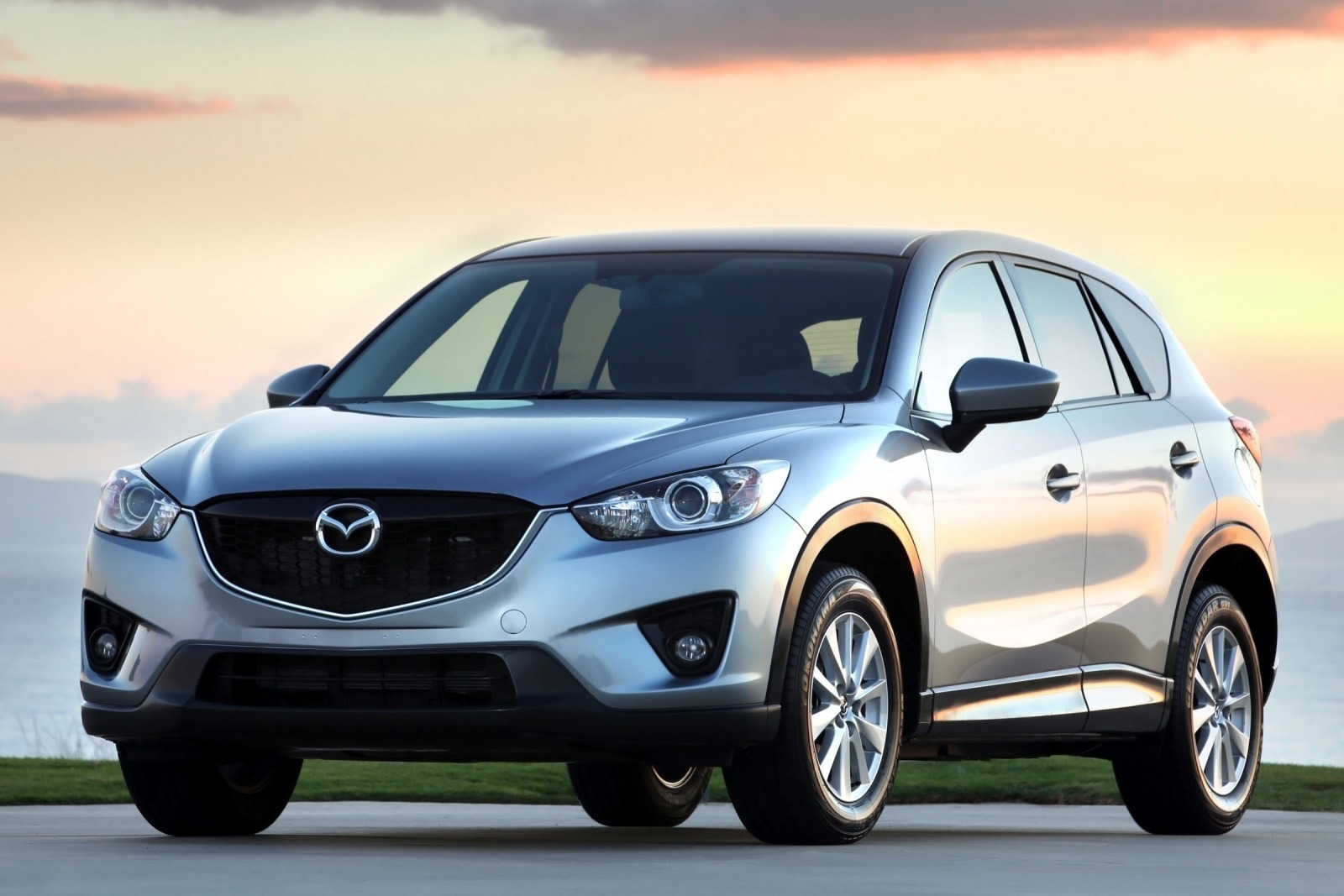
6. Mazda CX-5 (2013-2016)
Mazda’s reputation grew strongly with the CX-5, especially from 2013 to 2016. This compact crossover SUV has been described by owners as the “worry-free car” because of how dependable it is. For mechanics, that description is not so sweet, since it means fewer repair jobs coming their way.
The CX-5 introduced Mazda’s SKYACTIV technology, focusing on lighter weight, stronger build, and improved fuel efficiency.
The 2.0-litre and 2.5-litre four-cylinder engines used during these years have shown remarkable endurance. They are simple enough to maintain, yet advanced enough to deliver good performance without developing faults.
Transmission quality is another part that impresses drivers and annoys mechanics. The six-speed automatic gearbox is smooth and reliable, with few reports of breakdowns. That means mechanics lose another opportunity to repair something that usually brings money.
Inside, the CX-5 carries modern features, yet they hardly misbehave. From infotainment to climate control, everything remains steady even after several years. The seating is comfortable, and the cabin materials are strong enough to resist quick wear. Many owners describe the experience as driving a car that refuses to age.
Suspension also plays a role in its reliability. The CX-5 has responsive handling yet avoids the common problem of consuming bushings or shocks too quickly. For drivers who want a crossover that combines fun and peace of mind, it is an excellent choice. For mechanics, it is one of those models that they say “just keeps driving without problems.”
The CX-5, between 2013 and 2016, is one of the clearest examples of a modern SUV that does not spend its life in the workshop. Drivers enjoy it while mechanics shake their heads at how little it misbehaves.
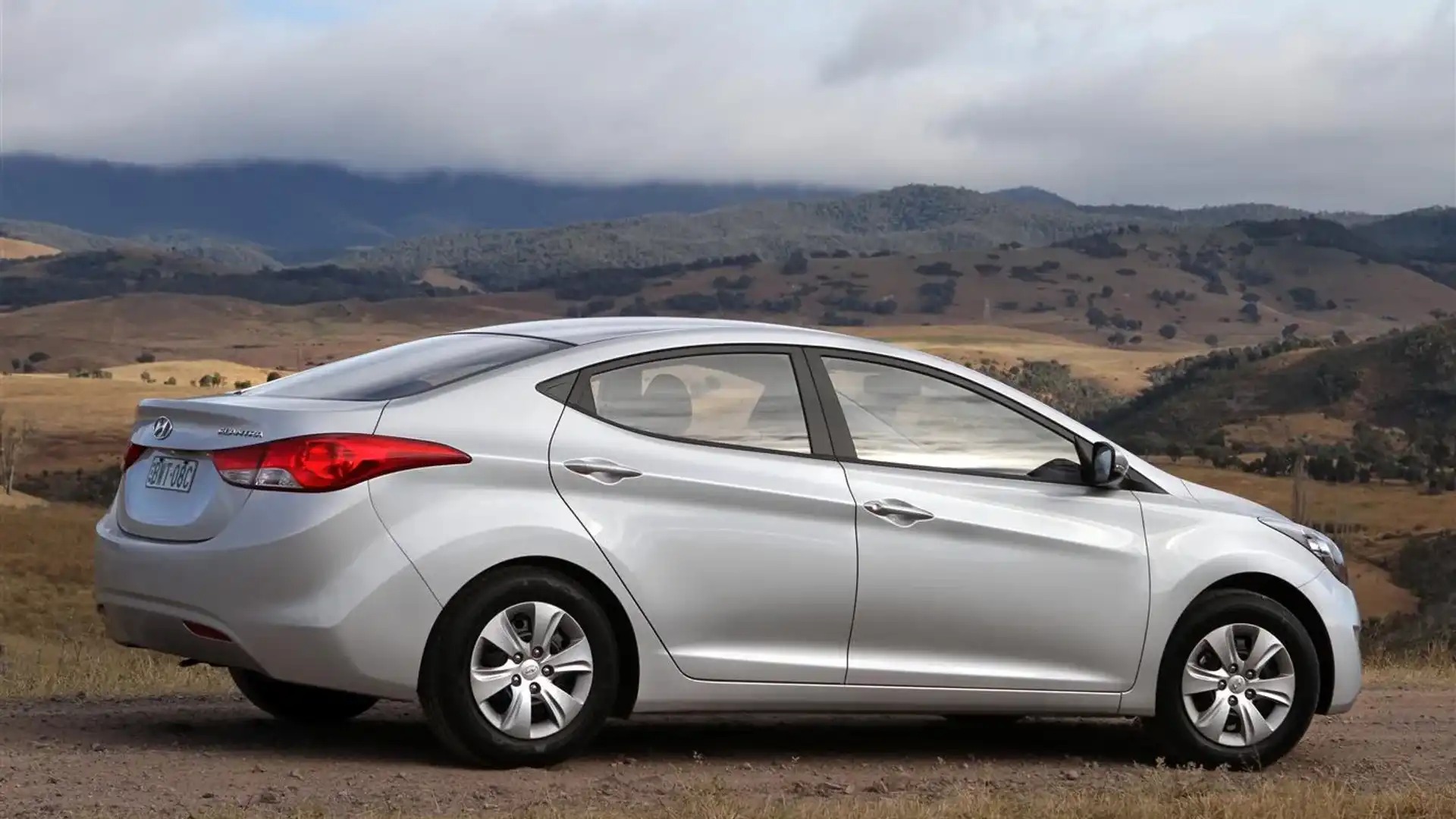
7. Hyundai Elantra (2011-2015)
The Hyundai Elantra once carried a reputation for being just another budget car, but the 2011–2015 models changed that story. These compact sedans shocked many mechanics by refusing to give them much business. Owners discovered they had bought a car that works harder than expected without constantly needing repairs.
One of the strongest features is its engine reliability. The 1.8-litre and 2.0-litre four-cylinder engines are simple, efficient, and rugged enough to survive years of use.
Mechanics who were prepared to make money from common faults were surprised that these Elantras held up strongly. Transmission systems also proved steady, giving smooth moves without developing constant issues.
The Elantra is also light on fuel, which means many drivers use it for long distances without complaints. Its suspension setup, while designed more for comfort than performance, still manages to last longer than many expected. Even in rough driving conditions, it does not eat up parts unnecessarily.
Inside, the Elantra offers a well-arranged cabin with good materials for its price. What surprised mechanics more was that electronics such as power windows, audio systems, and air conditioning remained dependable. That consistency is rare for a car positioned as affordable.
The resale value of the Elantra also improved during these years because buyers realised it does not demand expensive upkeep. For mechanics, the frustration is clear: here is a car that should have given them steady jobs, but instead it works too smoothly. That is why the Elantra earned a strong reputation among drivers looking for affordable peace of mind.
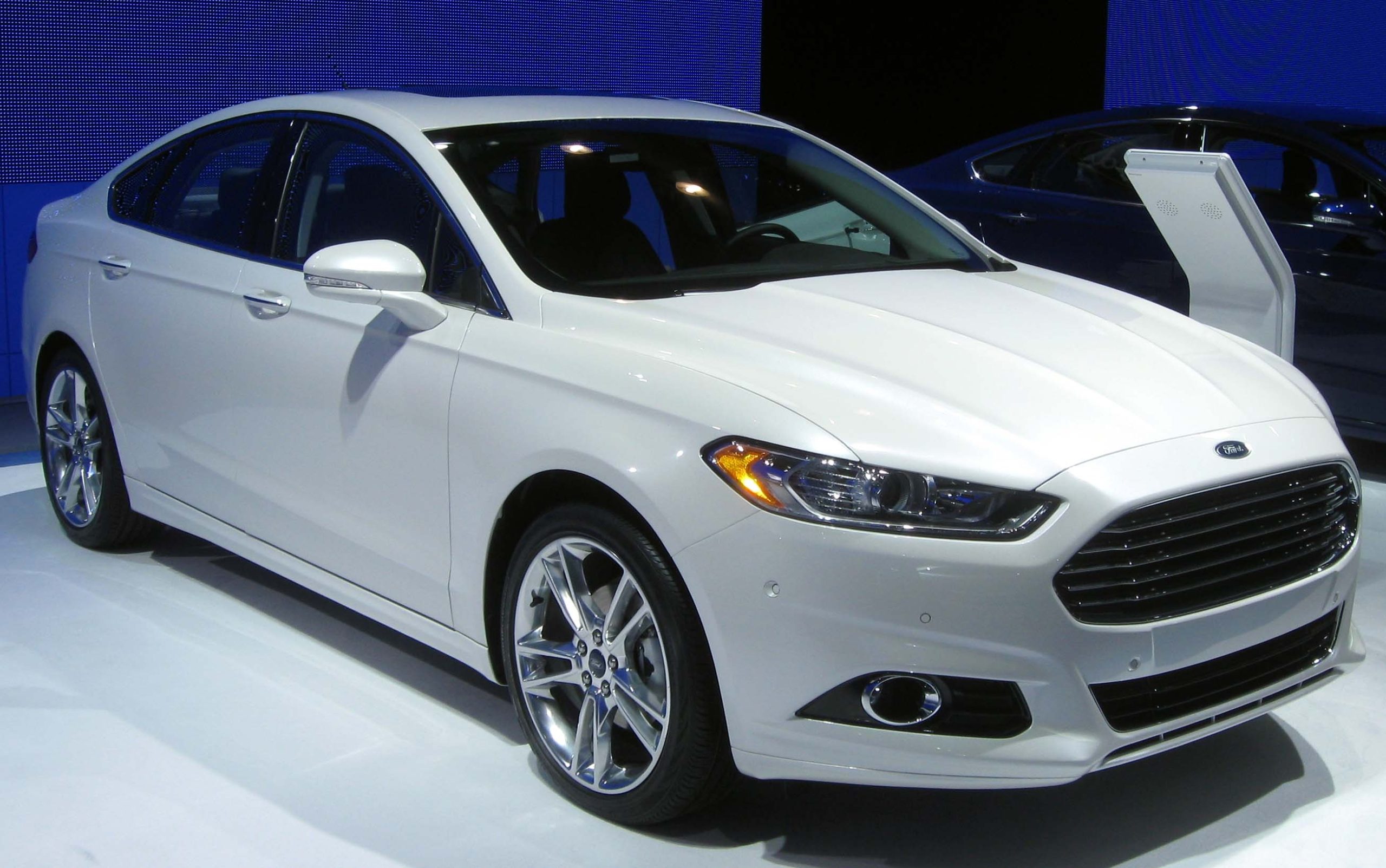
8. Ford Fusion (2013-2016)
When people discuss cars that give peace of mind, Ford is not usually the first brand that comes up. For many years, critics felt the company had too many models that kept owners visiting the workshop.
Yet, the 2013–2016 Ford Fusion changed that story. It became one of those surprising mid-size sedans that mechanics rarely see for serious problems, and it earned respect from drivers who simply wanted a dependable car.
The Fusion of this period came with several engine choices, and among them, the 2.5-litre four-cylinder gained a strong reputation as the most reliable. It is not the fastest option on the road, but what it lacks in speed, it makes up for in endurance.
It runs smoothly, responds consistently, and can easily clock very high mileage when maintained properly. Even the EcoBoost turbocharged engines, which many thought would give trouble, performed better than expected and proved that Ford could produce engines that last.
Transmission quality also saw real improvement. Older Ford sedans often faced gearbox problems, but this Fusion surprised many mechanics by keeping its moves steady. Daily users found that the transmission kept working smoothly without jerking or failing, which meant fewer visits to workshops.
Suspension strength was another highlight. The Fusion handles with balance and comfort, yet the parts are not consumed quickly. While some mid-size cars chew through shocks, bushings, and control arms, this model manages to hold up well under long usage.
Drivers who wanted something reliable for both city commuting and long-distance travel found this a strong companion.
Inside, Ford offered technology that was modern for its time. Systems like MyFord Touch had some criticism for being less user-friendly, but the good news was that these features rarely broke down.
Electronics such as air conditioning, power seats, and infotainment kept working reliably, which is something mechanics do not often see with tech-heavy sedans.
All these qualities meant that mechanics lost money on this car. Owners mostly visited for routine oil changes, brake pads, or tyres. Beyond that, the Fusion simply refused to generate the kind of faults workshops depend on.
For many drivers, this was a relief. The 2013-2016 Ford Fusion showed that even a brand not famous for long-lasting vehicles could deliver a model that truly earns the trust of its owners.
Also Read: 10 Cars That Keep Owners Happy for Life
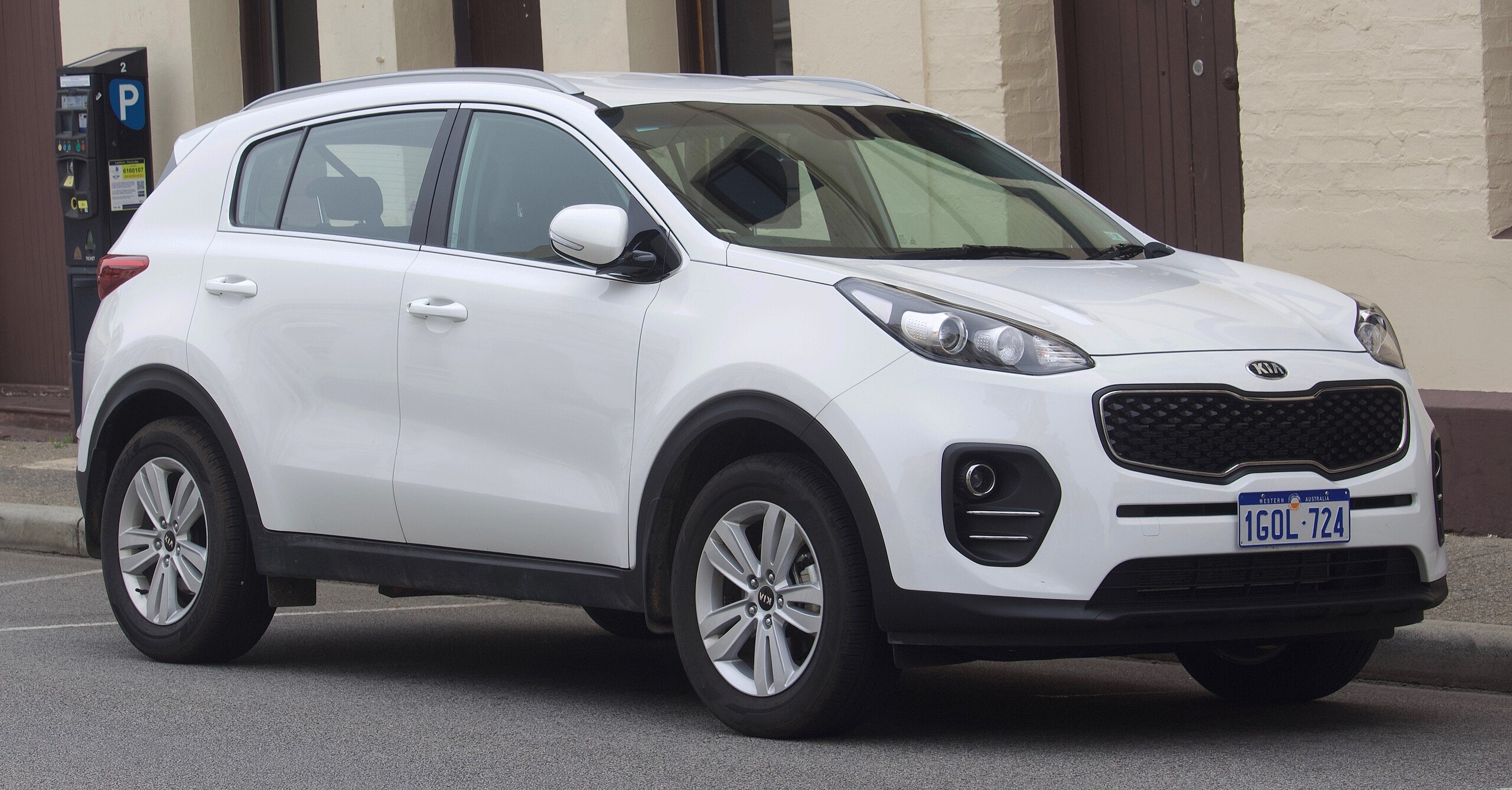
9. Kia Sportage (2017-2020)
Kia made strong progress in reliability, and the 2017–2020 Sportage stands out as one of its best achievements. This compact SUV is praised by drivers for being tough, dependable, and stress-free to maintain. Mechanics, however, sometimes grumble that it is too stubborn to give them regular work.
The Sportage during these years came with a choice of engines, including a 2.4-litre four-cylinder and a 2.0-litre turbocharged option.
Both have shown strong endurance, with the naturally aspirated 2.4-litre engine especially known for its long life. Transmission systems are also dependable, shifting smoothly without causing headaches.
One area where mechanics expected to make money was electronics, but the Sportage disappointed them by staying reliable. Infotainment, climate control, and safety features worked consistently, unlike some rivals that develop random faults. Drivers could enjoy modern features without worrying about frequent trips to the workshop.
Suspension and handling also impressed drivers. The Sportage offers a good balance between comfort and firmness, and the parts last longer than many people expect. Even after several years, the SUV still drives with strength and steadiness.
The interior build quality is another plus. Seats remain comfortable, materials resist wear, and nothing falls apart too quickly. Owners describe it as a car that simply refuses to act its age.
Mechanics often admit that when they see a Kia Sportage from this period, it is usually just for routine servicing. That reliability has made it popular among buyers who want stress-free driving. It has also given mechanics one more reason to shake their heads at cars that simply refuse to break down.
When you think about cars that can serve you without stressing your pocket or wasting your time at the workshop, the nine models we have looked at show exactly how that feels. They are machines that prove reliability is not just about luck but about good engineering, careful design, and strong materials.
Toyota, Honda, Subaru, Mazda, Hyundai, Ford, Kia, and Lexus have all shown through these particular models that drivers deserve peace of mind instead of endless mechanic visits. What makes them even more interesting is that they do not just last long, they also keep their comfort, safety, and performance for years.
Families can use them for daily commutes, long trips, or even rough roads without constant complaints. Owners discover that regular servicing is enough to keep them moving, while mechanics see less business because the cars refuse to misbehave.
For anyone planning to buy a dependable vehicle, these models remind us that some cars are truly built for endurance. They make driving less of a worry and more of an experience. Choosing one of them is like choosing fewer headaches and more years of driving joy. That is why mechanics quietly dislike them.
