
When Americans think about cars that go the distance, Honda almost always comes to mind. For decades, the Japanese automaker has earned its reputation for building vehicles that blend practicality, performance, and longevity.
It’s not unusual to see a Honda with 200,000 miles or more still running strong, and many models have gone well beyond 300,000 miles with only routine maintenance.
That kind of durability is rare in today’s automotive landscape, where technology sometimes outpaces reliability. For families, commuters, and enthusiasts alike, Hondas have become trusted workhorses that don’t just last they thrive.
What sets Honda apart is not just engineering but also consistency. Many of their engines like the famed K-series and J-series are known for withstanding years of daily use without breaking a sweat.
Transmission durability has also improved over the years, especially after the brand addressed issues in the early 2000s. On top of that, Honda parts are widely available in the U.S., and because mechanics are deeply familiar with the brand, repair costs tend to stay low.
For buyers who want a car that won’t drain their wallet with constant breakdowns, certain Honda models stand head and shoulders above the competition.
Below are 10 Hondas that truly last forever without major repairs, beloved by American drivers who demand reliability above all else.
1. Honda Accord (1990s–2010s)
The Honda Accord has been a fixture on U.S. roads for decades, and for good reason. Owners often report their Accords running smoothly well past 250,000 miles, especially models equipped with the four-cylinder engines.
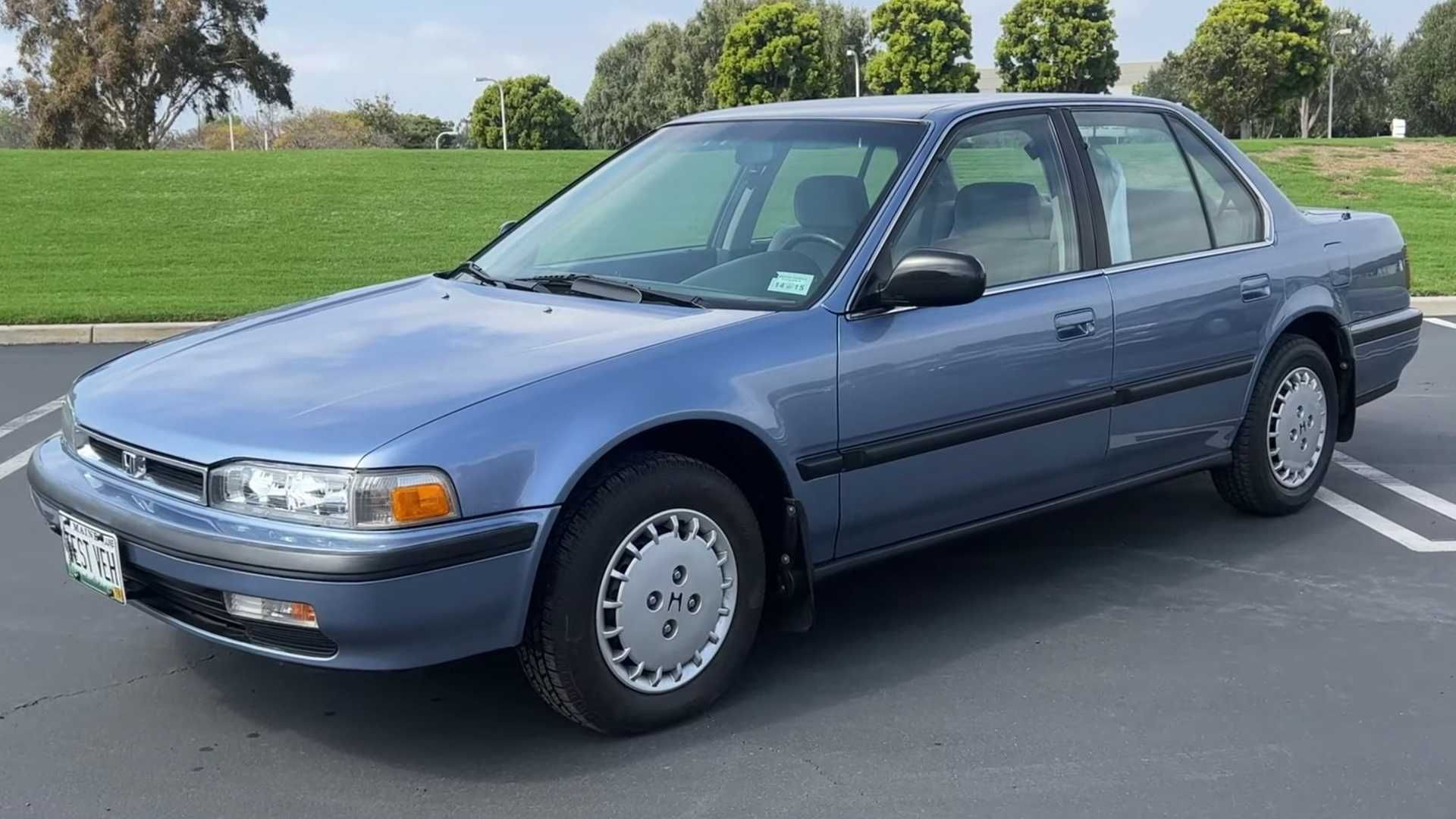
Known for their balance of comfort, fuel economy, and rock-solid dependability, older Accords from the late 1990s and 2000s in particular are praised by mechanics for being almost unkillable.
Even the V6 versions, when properly maintained, can deliver years of trouble-free service, making the Accord a top choice for anyone who values longevity.
Also Read: 12 Cars With the Best Resale After 200k Miles
2. Honda Civic (Any Generation Before 2016)
The Civic has long been the poster child for reliability in compact cars. Whether you’re talking about the fuel-sipping models of the 1990s or the efficient yet stylish options of the 2010s, Civics just keep going.
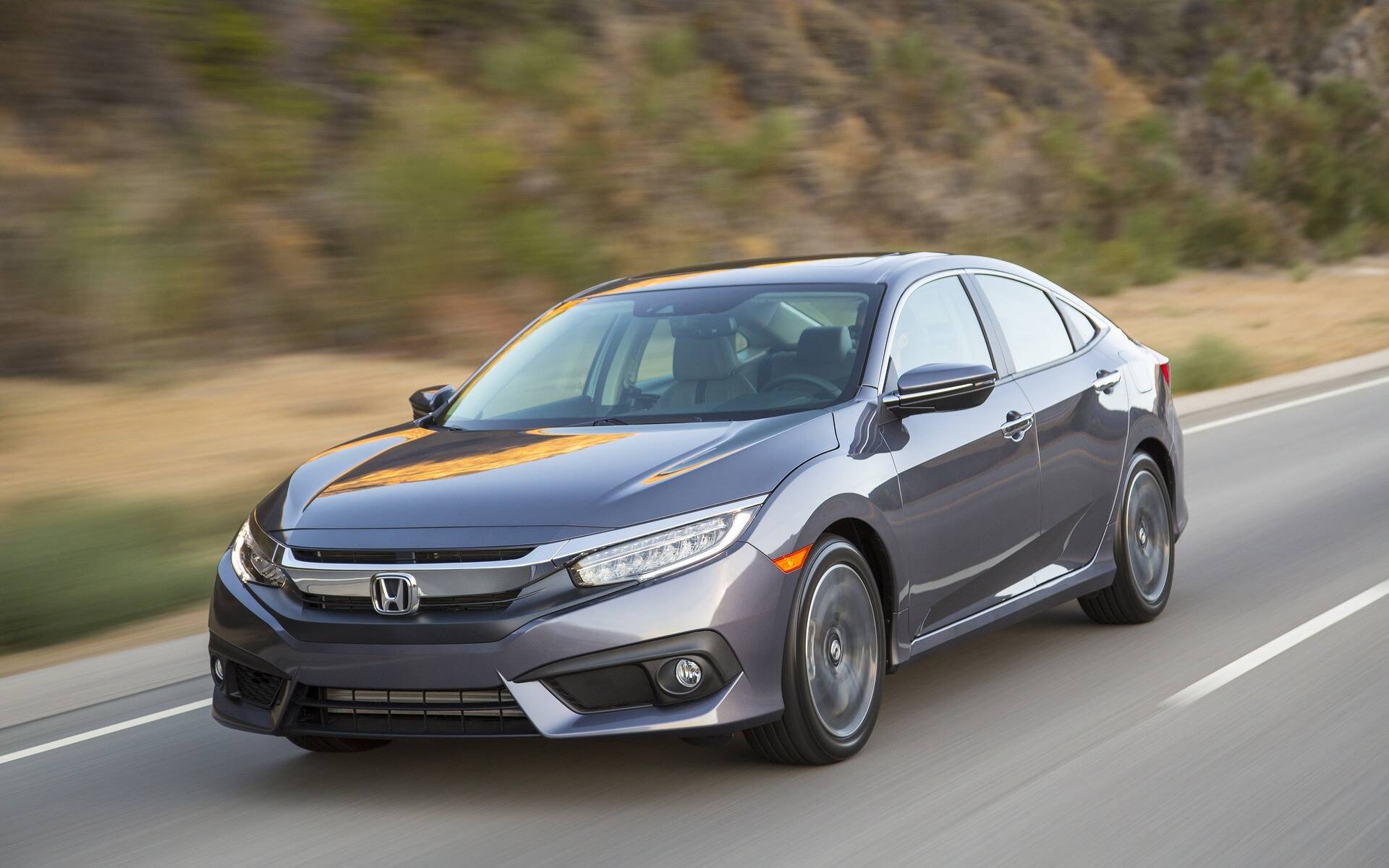
Enthusiasts love the Civic for its tunability, but everyday drivers prize it for its simplicity and durability. Many U.S. families buy a Civic as a starter car for teenagers, confident it will outlast several hand-me-downs.
With maintenance limited to oil changes, brake pads, and timing belts, Civics routinely clock 200,000 to 300,000 miles without drama.
For 2015, the Honda Civic continues to rank among the top choices in a segment filled with capable contenders.
Any model that holds a leading position must offer several strengths, and the Civic is no exception. Smooth performance paired with excellent fuel efficiency is one of its highlights. Most Civics are powered by a 1.8-liter four-cylinder engine that delivers commendable mileage, up to 35 mpg in combined driving with the HF trim.
For drivers focused on maximizing efficiency, the Civic Hybrid achieves 45 mpg, while the Civic Natural Gas version distinguishes itself as the only vehicle in its class to run on CNG. For those seeking a livelier drive, the Civic Si provides a 205-horsepower engine that delivers sportier performance.
Adding to its appeal, the Civic offers a comfortable ride, a roomy interior, and strong safety ratings. Whether commuting, handling errands, or heading out with friends, it proves to be a pleasant companion.
Honda also equips it with an array of available technology, including keyless ignition and entry, a 7-inch touchscreen interface with smartphone integration, and a blind-spot camera display.
Competition in this category is fierce, though. The 2015 Ford Focus, Kia Forte, and Mazda 3 are among the standouts. Against the Civic, the Focus and Mazda shine with their sporty driving dynamics and stylish design, while the Forte impresses with its features and overall value.
3. Honda CR-V (2002–2011)
Compact SUVs became wildly popular in the U.S., and Honda’s CR-V was one of the first models to prove that an SUV could be both durable and affordable. The second- and third-generation CR-Vs are especially known for their bulletproof reliability, powered by Honda’s legendary 2.4-liter four-cylinder.
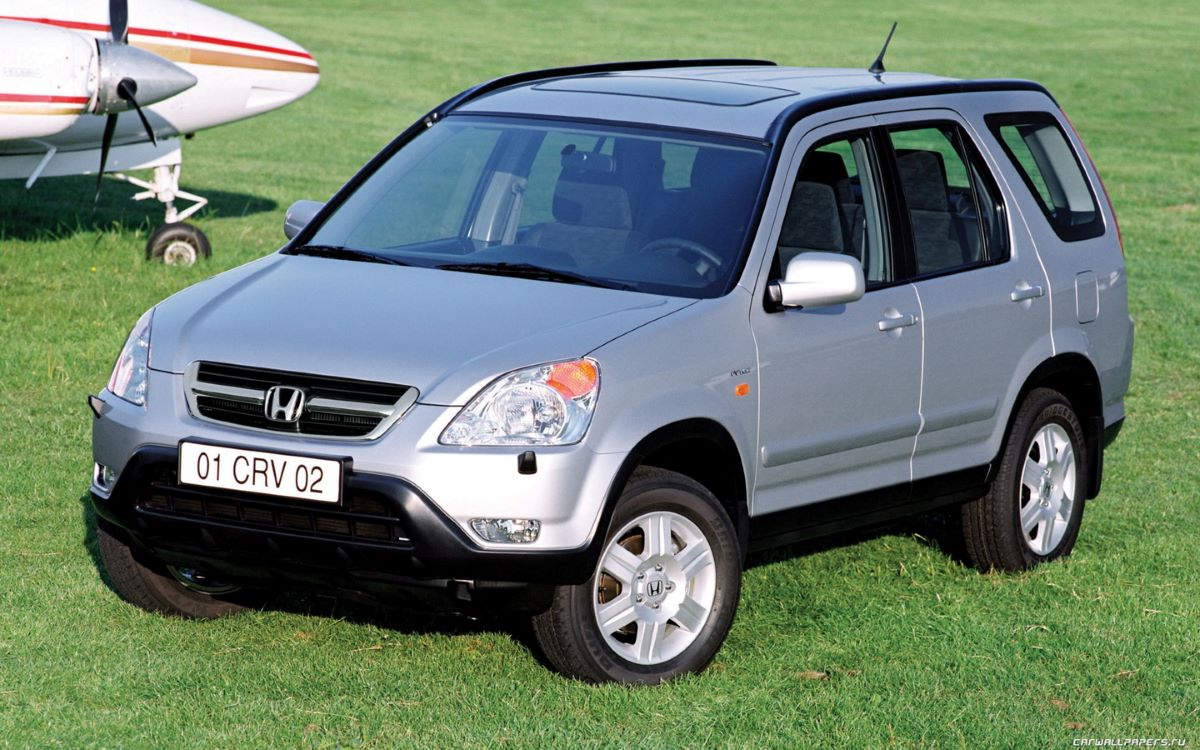
These models often run trouble-free for 15 to 20 years, with their main wear items being suspension bushings and wheel bearings small repairs compared to what other SUVs face. For American families who wanted SUV practicality without a truck’s headaches, the CR-V became a forever car.
4. Honda Odyssey (2007–2017)
Minivans don’t always get the same love as sedans or SUVs, but the Honda Odyssey has been a hero for large families across the U.S. While early 2000s models had some transmission issues, Honda refined the Odyssey into one of the most dependable family vehicles on the market.
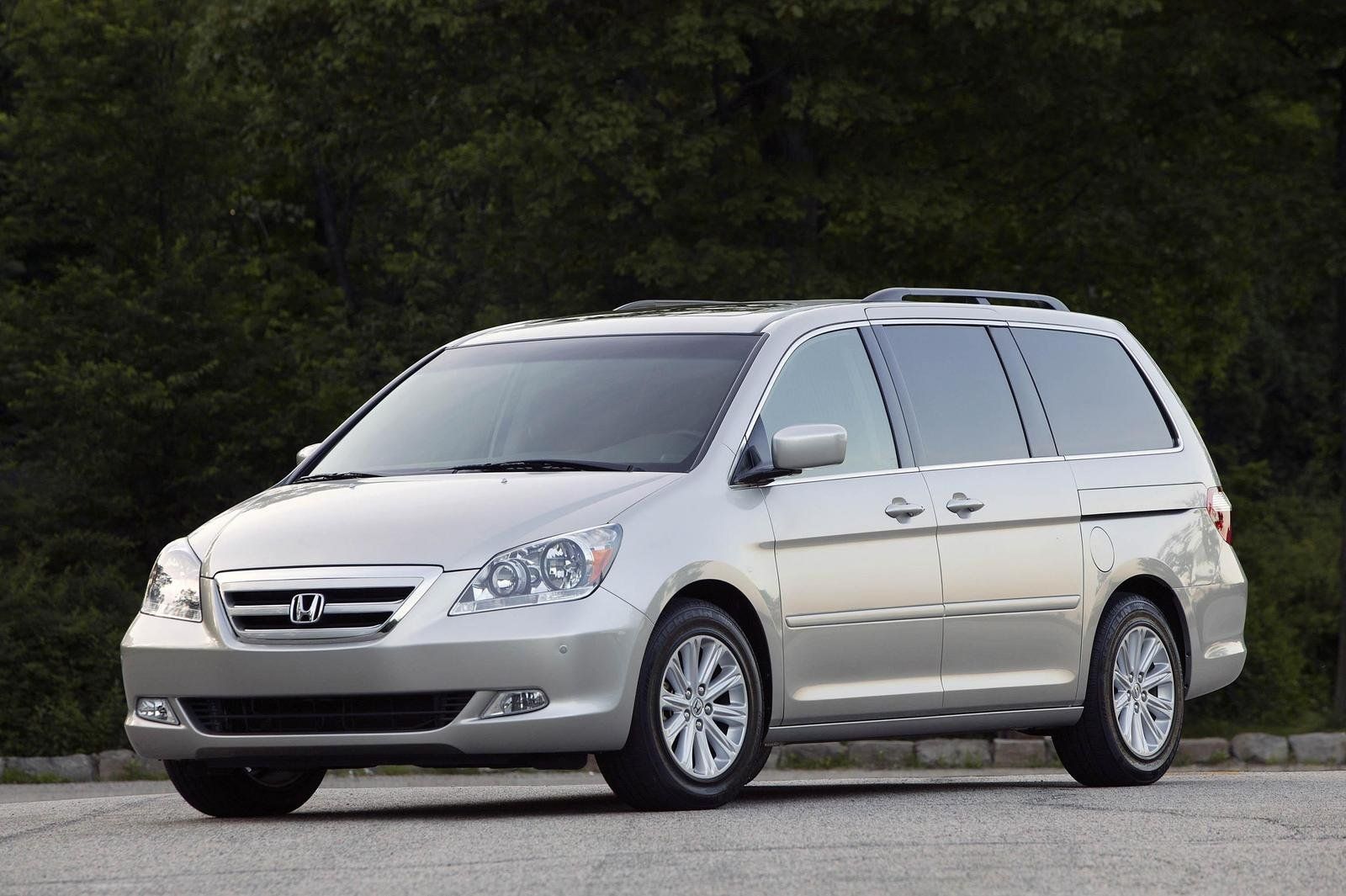
The V6 engines in the 2007–2017 models are especially durable, easily passing 200,000 miles with basic care.
Parents often keep their Odysseys for over a decade, proving that the minivan may not be flashy, but it’s one of the best examples of a Honda that just won’t quit.
Competition in the minivan segment remains intense despite the growing popularity of large three-row SUVs as the more fashionable choice for families.
Honda’s Odyssey has long been regarded as the benchmark in this category, a reputation cemented when the third generation debuted in 2011 with a sleeker design and more innovative interior features than its boxy rivals.
The current model builds on that foundation, being longer, lower, and wider than its predecessor, dimensions not often emphasized in minivan discussions.
For 2017, changes are modest but practical. Both the SE and EX-L trims now come equipped with an acoustic windshield, a feature that was once exclusive to the higher trims, while the SE also benefits from the addition of the convenient in-vehicle vacuum cleaner.
Under the hood, the Odyssey is powered by a 240-horsepower 3.5-liter V-6 featuring variable cylinder management, a system that deactivates three of the six cylinders during cruising to enhance fuel economy. The Touring and Touring Elite trims pair this engine with a six-speed automatic transmission, while the lower trims utilize a five-speed automatic, with power sent to the front wheels.
Ride quality is further improved through an independent suspension equipped with bypass-valve dampers designed to better absorb road imperfections, while a new variable-displacement power steering pump reduces steering effort, though at the expense of some feedback.
Even with these trade-offs, the Odyssey maintains its reputation as the driver’s choice in the minivan class. It may not deliver sports car excitement, but it offers a level of driving enjoyment that outshines most competitors.
5. Honda Pilot (2009–2015)
For Americans needing a three-row SUV with Honda dependability, the Pilot became the obvious choice. Mid-generation models from the late 2000s into the mid-2010s are standouts, offering reliable J-series V6 power and a rugged yet refined driving experience.
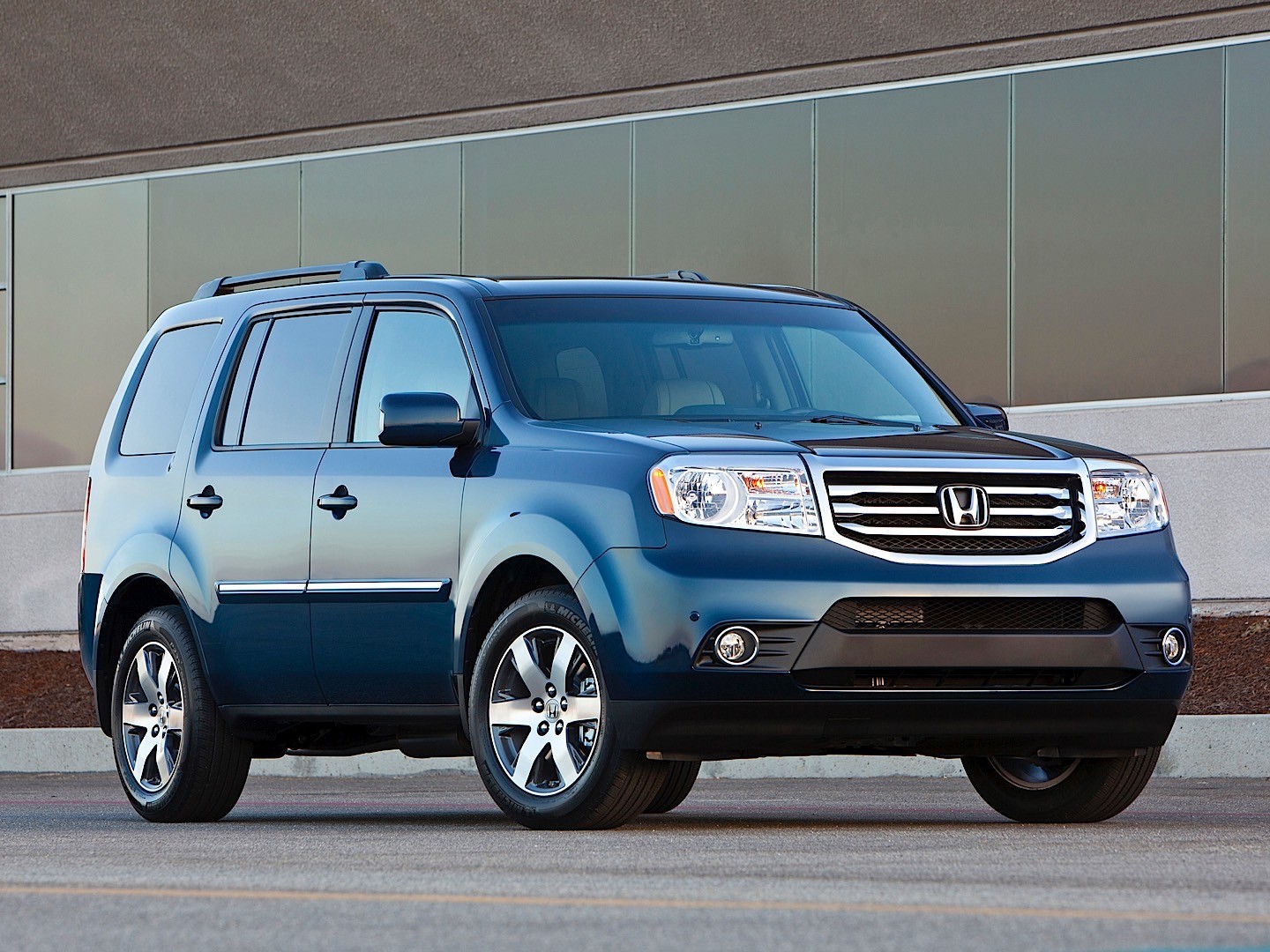
These Pilots handle long road trips and heavy family use with ease, and mechanics frequently see them with over 250,000 miles on the odometer. The fact that so many early Pilots are still on the road today speaks to Honda’s commitment to building SUVs that can withstand years of real-world use.
Also Read: 12 Honda Cars That Stay With Owners Forever
6. Honda Fit (2007–2014)
Though it’s small, the Honda Fit has proven to be one of the toughest subcompacts in the U.S. Its 1.5-liter four-cylinder is famously overbuilt, and its simple design makes repairs straightforward and cheap.
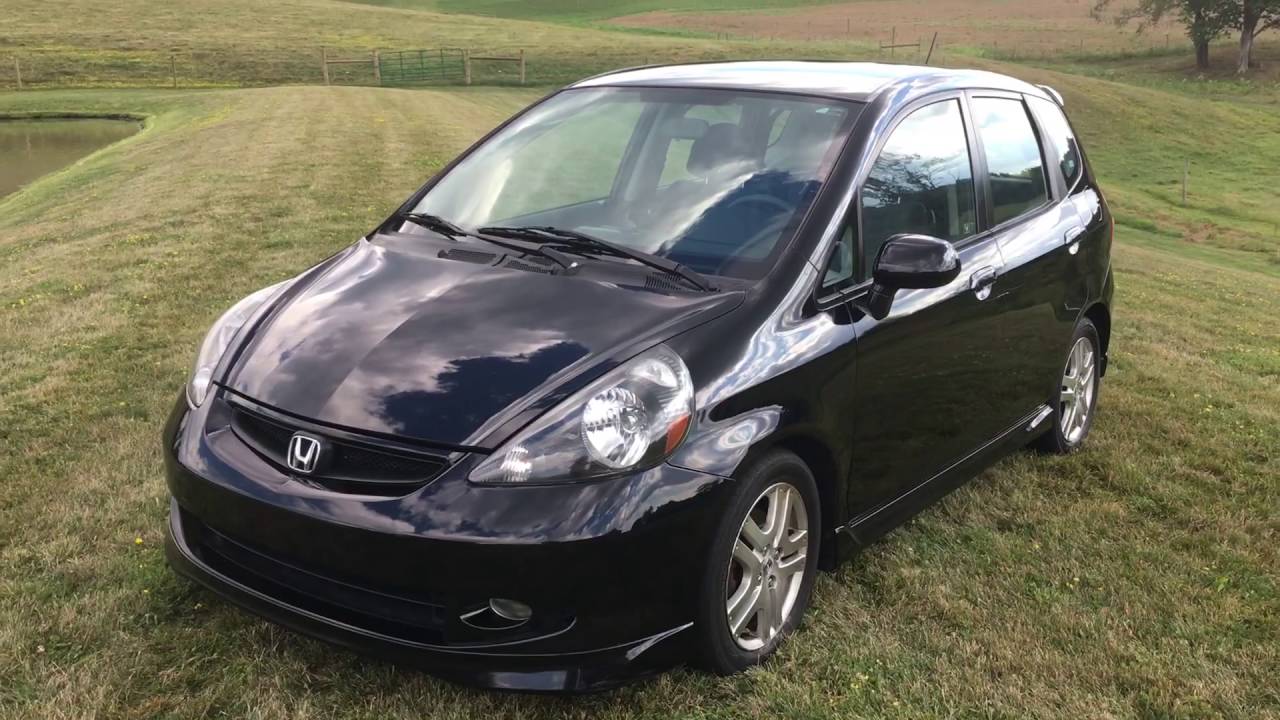
Fits from the late 2000s and early 2010s often serve as city commuters, grocery-getters, or even cross-country road trip cars.
Owners love the “Magic Seat” interior flexibility, but what they love most is that their little Fit refuses to die. For young drivers or budget-minded buyers, it’s one of the best examples of a Honda that lasts forever.
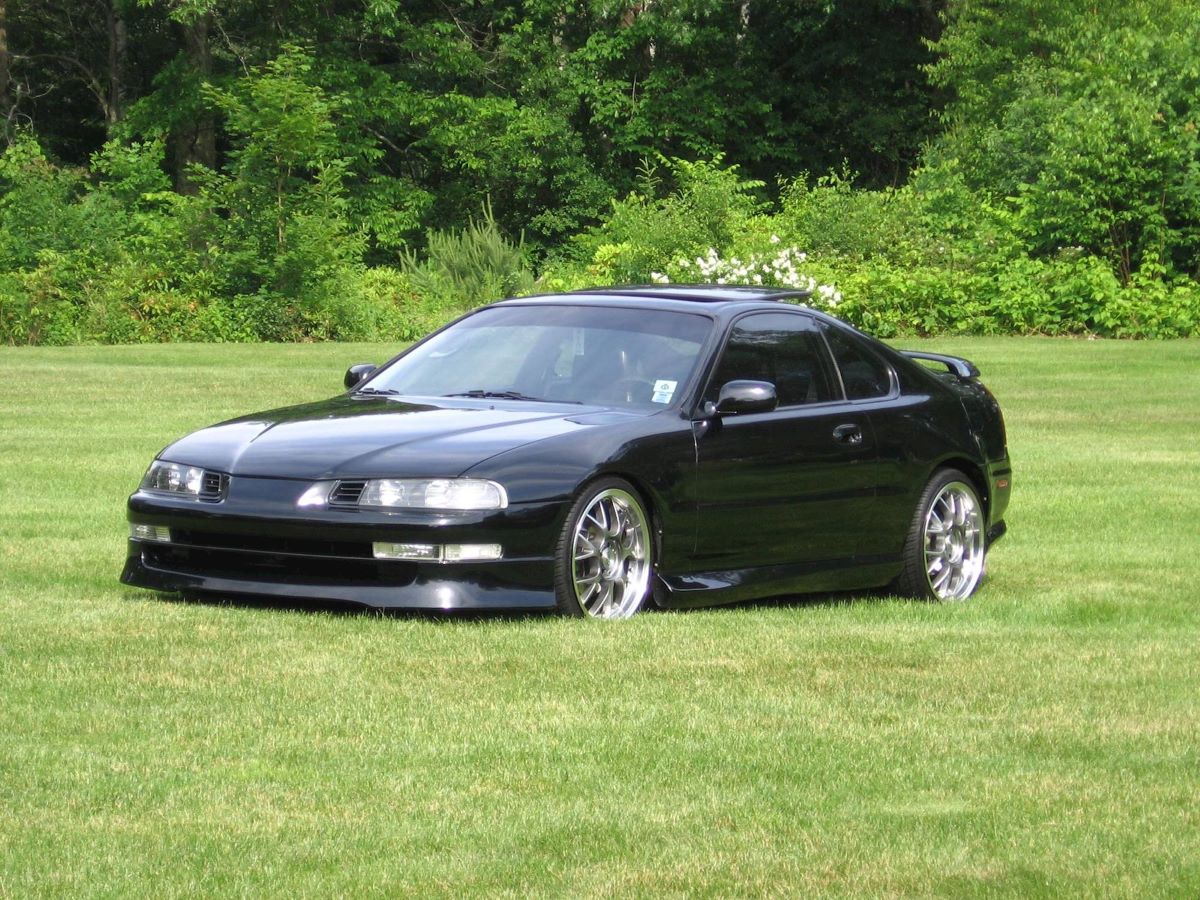
7. Honda Prelude (1992–2001)
The Prelude might not be as common as the Accord or Civic, but it’s legendary among enthusiasts. Honda engineered it with sporty handling and durable engines, particularly the H22A.
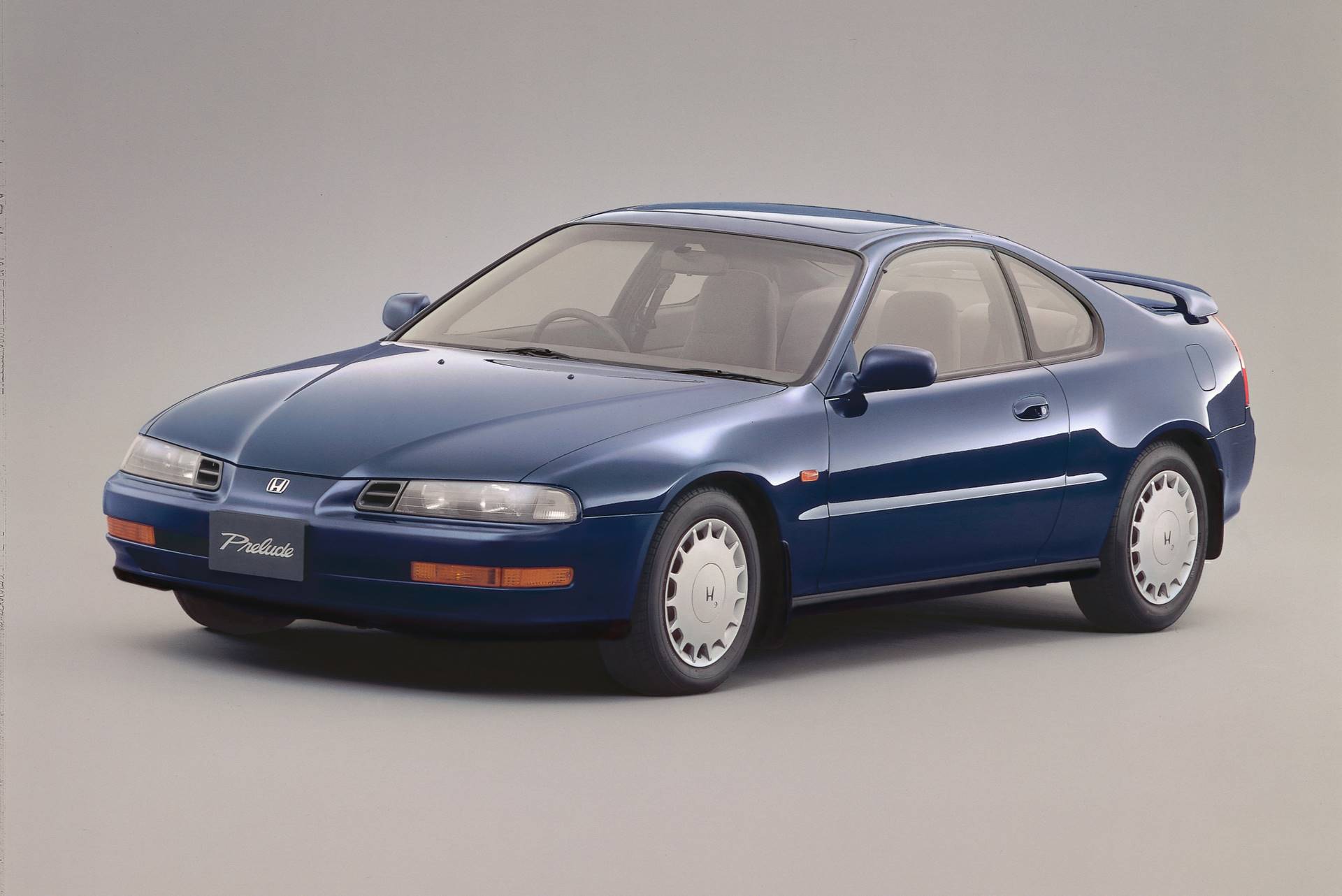
Even though it’s been out of production for over two decades, many Preludes in the U.S. are still running strong, with high-mileage examples fetching respectable prices thanks to their durability.
Unlike some sports coupes that become money pits, the Prelude managed to blend performance with longevity, proving that fun cars don’t have to come with endless repair bills.
The Honda Prelude is often overlooked when discussing the iconic Japanese sport compacts of the 1980s and 1990s, yet it remains one of the most intriguing models in Honda’s history.
Its role within Honda’s lineup can be a little tricky to define, but it’s best understood as the brand’s answer to the Toyota Celica, which had gained popularity in the late 1970s.
Over its two-decade production run, the Prelude established itself as a high-tech flagship sports coupe, celebrated for sharp driving dynamics and cutting-edge performance technology. In many ways, it was the most advanced Honda available short of the NSX.
That level of sophistication wasn’t there at the beginning. Introduced for the 1978 model year, the first-generation Prelude featured a somewhat boxy yet sleek design.
Underneath, it borrowed its suspension, brakes, and powertrain from the Accord, though these components were fitted into a smaller, dedicated chassis with a wheelbase shortened by 2.4 inches compared with the sedan.
Power came from a 1.7-liter SOHC iron-block four-cylinder engine sourced from the Accord, producing 72 horsepower and 94 lb-ft of torque.
Buyers could choose between a five-speed manual transmission or a two-speed automatic, which was later upgraded to a three-speed unit. Performance was modest even for the time, with 0–60 mph taking roughly 19 seconds.
Although it carried a strong name and benefited from Honda’s growing reputation for well-built small cars, the first-generation Prelude struggled in the marketplace.
Its relatively high price and underwhelming driving experience failed to live up to the sporty compact image Honda was aiming for, leaving it short of expectations despite its promise.
8. Honda Element (2003–2011)
When Honda introduced the boxy Element, it seemed like an oddball design but it turned out to be one of the most reliable lifestyle vehicles ever sold in the U.S. Underneath its quirky looks, the Element shared mechanicals with the CR-V, including the indestructible 2.4-liter engine.
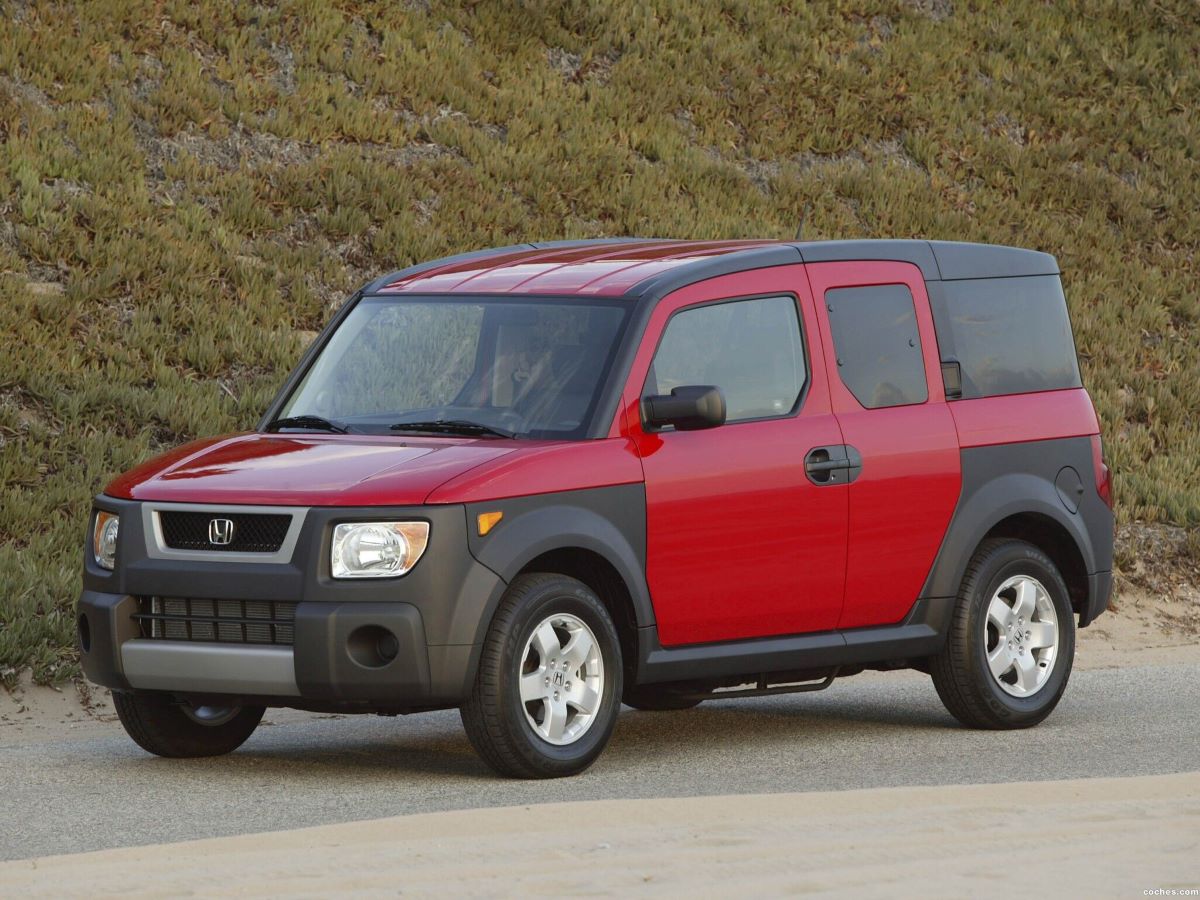
Owners often push these cars past 300,000 miles, praising them for being both practical and easy to maintain. Today, used Elements remain in high demand, not because they’re flashy, but because they’re nearly impossible to kill.
The 2011 Honda Element is a compact crossover SUV celebrated for its signature boxy styling and impressive versatility.
Designed to suit active lifestyles, it offers a highly functional and spacious interior that makes it a practical choice for a wide range of uses. Its distinct design and flexible features attract buyers who value both individuality and utility.
In its final year of production, the 2011 Element lineup was simplified with the removal of the SC trim and the optional navigation system, leaving the LX and EX trims as the core offerings. Both are powered by a 2.4-liter four-cylinder engine paired with a five-speed automatic transmission.
Inside, the Element emphasizes function and durability. Its urethane-coated utility floor is easy to clean, while the water-resistant seating surfaces make it particularly well-suited for outdoor enthusiasts.
The rear seats can be folded flat, flipped up to the sides, or removed completely, creating up to 64 different seating configurations to accommodate passengers and cargo alike.
The cabin provides ample headroom and legroom for both front and rear occupants, ensuring comfort on longer drives. Wide-opening side doors with rear-hinged rear doors simplify access, though the absence of a central B-pillar means the front doors must be opened before the rear doors can be used.
Cargo space is another strength: with all seats in place, the Element offers 25.1 cubic feet, which expands to 74.6 cubic feet when the rear seats are folded or removed. Additional compartments, such as the large overhead console found in EX models, provide convenient storage for smaller items.
With front and rear headroom measuring 43.3 inches and 38.0 inches, and legroom at 41.0 inches and 39.1 inches, it delivers superior comfort in key areas. Cargo flexibility also surpasses many competitors, ranging from 25.1 to 74.6 cubic feet depending on seat configuration.
Trim materials further highlight the Element’s practical focus. The LX trim features durable cloth seats and the easy-to-clean utility floor, while the EX trim enhances comfort with upgraded premium cloth seating and adds amenities such as a removable center console with a built-in cooler.
Buyers can also choose from a selection of exterior colors, allowing for a level of personalization to suit different tastes.
9. Honda Ridgeline (2006–2014)
Honda’s first pickup truck might not have been a traditional body-on-frame design, but that didn’t stop it from proving incredibly reliable.
The first-generation Ridgeline offered V6 power, car-like comfort, and truck-like utility. Unlike many pickups that suffer from drivetrain problems, the Ridgeline became known for lasting hundreds of thousands of miles with few major issues.
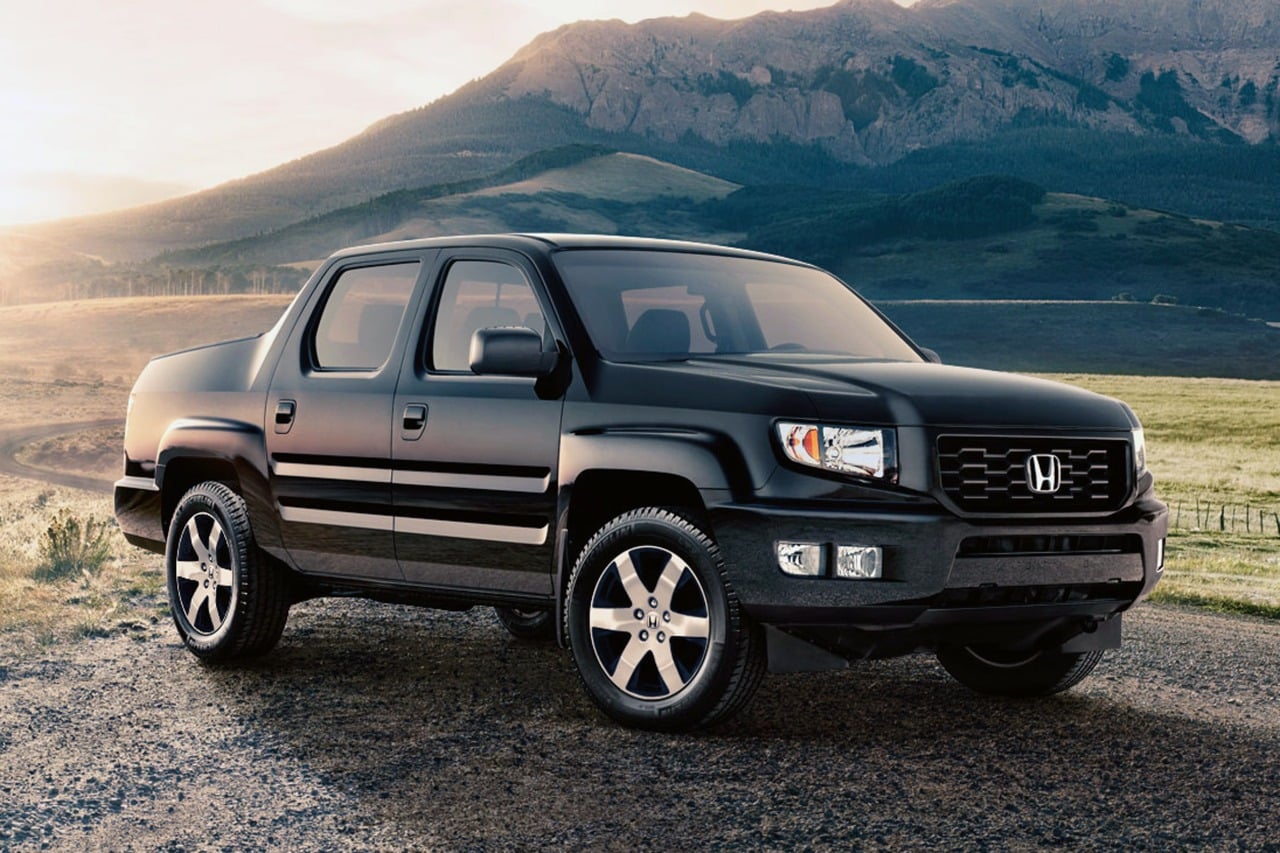
For Americans who wanted a truck for light-duty use but didn’t want to deal with the headaches of traditional pickups, the Ridgeline was the perfect balance of practicality and Honda dependability.
Pickup trucks were originally designed with utility as their primary purpose, yet nowadays it’s just as common to spot them parked at Home Depot as it is to see them hard at work on construction sites. For buyers who want a pickup that feels more domesticated, the 2012 Honda Ridgeline offers a compelling option.
What makes the Ridgeline appealing is its ability to strike a balance between the comfort of a car and the versatility of a truck.
Thanks to its unibody construction paired with independent front and rear suspensions, it genuinely delivers sedan-like ride quality and handling. Step inside, and you’ll find a cabin that is inviting and comfortable in every sense, offering generous space along with plenty of storage solutions.
While most Ridgeline owners are suburban do-it-yourselfers with lighter hauling demands than the average truck buyer, Honda equips the vehicle with a 5-foot dent-resistant bed. It also includes a unique lockable in-bed trunk beneath the floor, making it sturdy enough to tackle practical jobs when needed.
Of course, purists will point out some drawbacks. The 2012 Honda Ridgeline is sold exclusively as a crew cab, which limits body style variety compared to traditional pickups. The powertrain may also leave some buyers wanting more.
The V6 engine delivers enough power for daily use, but it isn’t as energetic and carries a lower towing rating than the V6 engines found in more rugged competitors. Additionally, without a low-range transfer case and given its relatively light suspension, the Ridgeline is built more for handling inclement weather than for conquering rough off-road trails.
For those who find these limitations significant, other models may be more fitting. In the midsize truck category, both the Nissan Frontier and Toyota Tacoma are excellent alternatives.
If you prefer a full-size option, the Ram 1500 impresses with its smooth ride and upscale interior, while the Ford F-150 is noteworthy for its strong efficiency thanks to an available turbocharged engine. Still, for many buyers, the Ridgeline’s carefully considered blend of practicality, comfort, and versatility makes it an excellent match.
The 2012 Honda Ridgeline comes with just one engine option: a 3.5-liter V6 producing 250 horsepower and 247 pound-feet of torque. This engine is paired with a five-speed automatic transmission and standard all-wheel drive.
In performance testing, the Ridgeline accelerated from zero to 60 mph in 8.3 seconds, a figure that places it slightly behind most rivals in the segment.
Fuel economy, as estimated by the EPA, is rated at 15 mpg in the city, 21 mpg on the highway, and 17 mpg combined. These numbers are average at best, especially considering the vehicle’s relatively modest output.
In terms of capability, the Ridgeline can carry a payload of up to 1,546 pounds (dropping slightly to 1,497 pounds for RTL models and 1,486 pounds for RTL versions with navigation). Towing capacity is rated at 5,000 pounds. Both its payload and towing figures trail behind the capabilities of most other midsize pickups powered by V6 engines.
10. Honda S2000 (2000–2009)
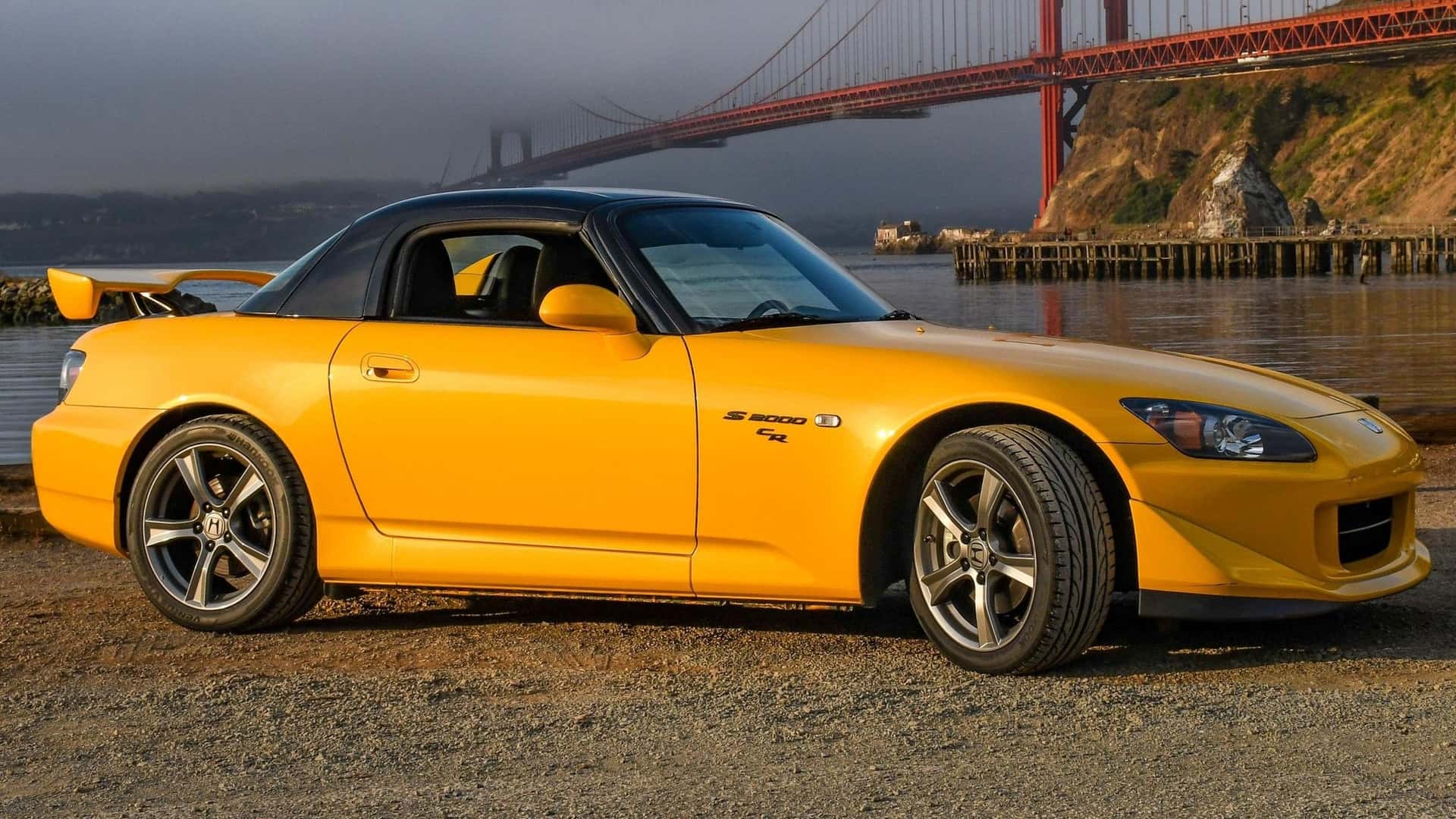
The S2000 might be Honda’s most iconic sports car, and it’s also one of the most durable. Its high-revving F20C and F22C engines are among the most celebrated four-cylinders ever built, capable of surviving repeated track use while still lasting for decades on the street.
Enthusiasts in the U.S. often marvel at how these cars can reach 200,000 miles without burning oil or suffering major engine problems, as long as they’re maintained. It’s rare to find a sports car that blends performance and reliability so seamlessly, but the S2000 manages it effortlessly.
Honda has built a legacy in the U.S. not just by selling affordable cars, but by creating machines that truly stand the test of time.
The AP2 lineup also included the S2000 CR (Club Racer), a lighter and more track-oriented variant. These models command a much higher premium, with current average prices now exceeding $75,000.
Rumors have circulated suggesting Honda is considering reviving the S2000, though nothing has been officially confirmed. Reports point to the possibility of a turbocharged 2.0-liter engine borrowed from the Civic Type R, producing around 326 horsepower, combined with lightweight carbon fiber components to preserve the spirit of the original’s nimble design.
The S2000 had a nine-year production run, with 66,549 units sold in the United States. While examples are still relatively easy to find on the used market, well-maintained cars are becoming increasingly scarce as the model ages.
The rarest version is the CR, with just 699 units produced in 2008 and 2009, making it highly sought after by collectors.
The S2000’s final model year was 2009, when it was pulled from production midway through the year.
Declining sales, the rising demand for SUVs, and the fallout from the 2008 automotive industry crisis all contributed to its discontinuation. For many buyers, a dedicated sports car became an unaffordable luxury, particularly as a third vehicle.
I never fully understood the Honda fascination in the early 2000s. Modified Civics, Preludes, and Accords were everywhere, inspired by the Fast and Furious era. Enthusiasts would point out that these models shared VTEC technology with the NSX, but the comparison felt like a stretch.
The NSX was a mid-engine, rear-wheel-drive supercar, unlike anything else in Honda’s lineup, even its badge stood apart.
But there was another car that stood closer to that exotic pedigree: the Honda S2000. Originally assembled in the same factory as the NSX, the S2000 carried its own sense of rarity and purpose. It boasted an astonishing 8,900-RPM redline, producing 124 horsepower per liter from its four-cylinder engine.
It was built on a chassis designed exclusively for this model, offered only as a convertible, and engineered with a sharp, focused character, though the cabin itself was famously tight.
Whether it’s a humble Civic, a family-hauling Odyssey, or a high-performance S2000, these vehicles have earned reputations as long-lasting companions that rarely require major repairs.
In an age where some modern cars are packed with overly complex technology, Hondas remain refreshingly straightforward, making them easier to keep on the road for decades.
For buyers looking to stretch every dollar, these 10 Hondas prove that longevity and peace of mind don’t have to come with a luxury price tag.
In fact, many of these models continue to dominate the used market, commanding higher resale values because drivers know they can rely on them. When it comes to cars that last forever, Honda has written the blueprint and these models are proof.
