
When it comes to buying a car in the United States, most people are happy if their vehicle makes it to 150,000 miles without major headaches. Some drivers consider 200,000 miles a true victory.
But for those who do their homework and pick wisely, the 2010s gave us a wave of cars that can go far beyond expectations well past 400,000 miles. That’s right: four hundred thousand miles, a number that feels more like trucking territory than family sedan or SUV.
This isn’t about wishful thinking. The cars listed below have proven themselves on American roads, with many owners reporting mileages well past 300k while still going strong.
They’re built with engines and drivetrains that prioritize reliability over flashy tech, and when maintained with oil changes, timing belt or chain service, and reasonable care, they just keep running.
For drivers who want to maximize their investment, these cars from the 2010s stand out as the ones most likely to reach that rare 400k milestone.
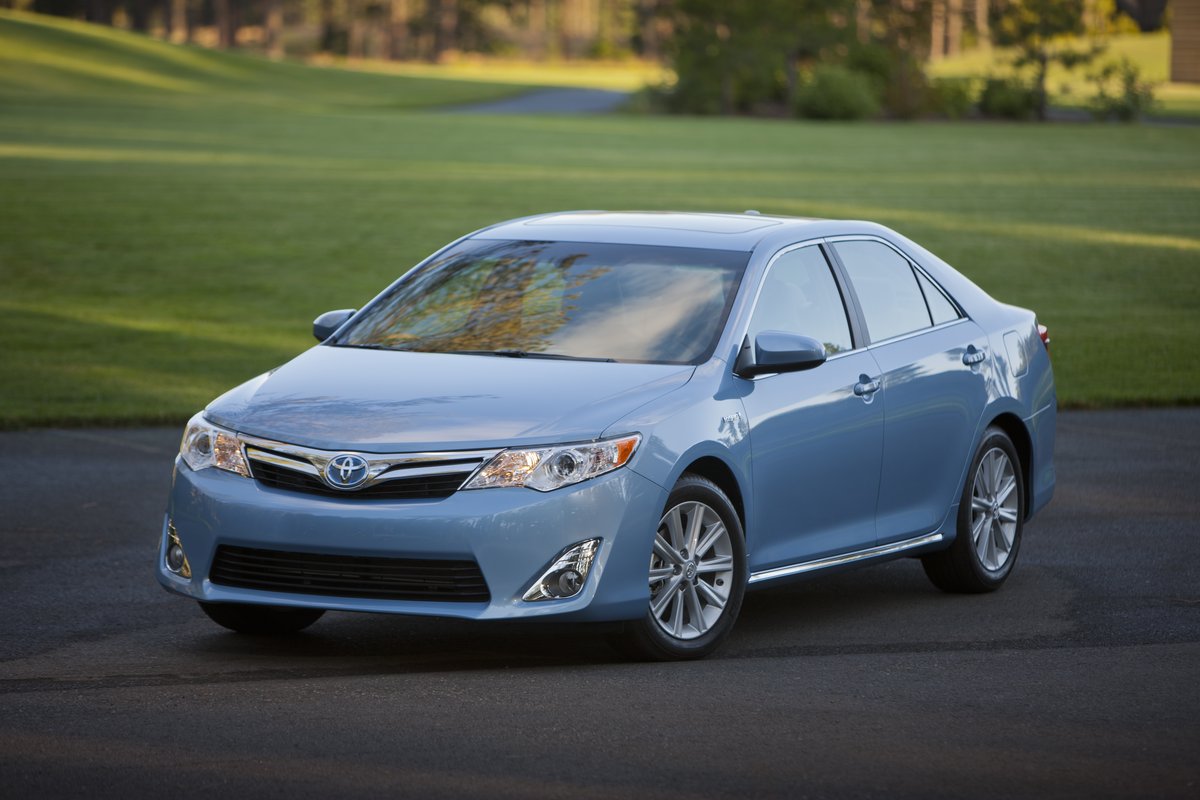
1. Toyota Camry (2012–2017)
The Toyota Camry has long been the poster child for longevity, and the 2010s generation reinforced that reputation. The 2.5-liter four-cylinder engine, paired with a straightforward six-speed automatic, is as close as you can get to “unbreakable” in the midsize sedan world.
Fleet drivers, Uber veterans, and long-haul commuters consistently report 300,000 miles with little more than basic maintenance.
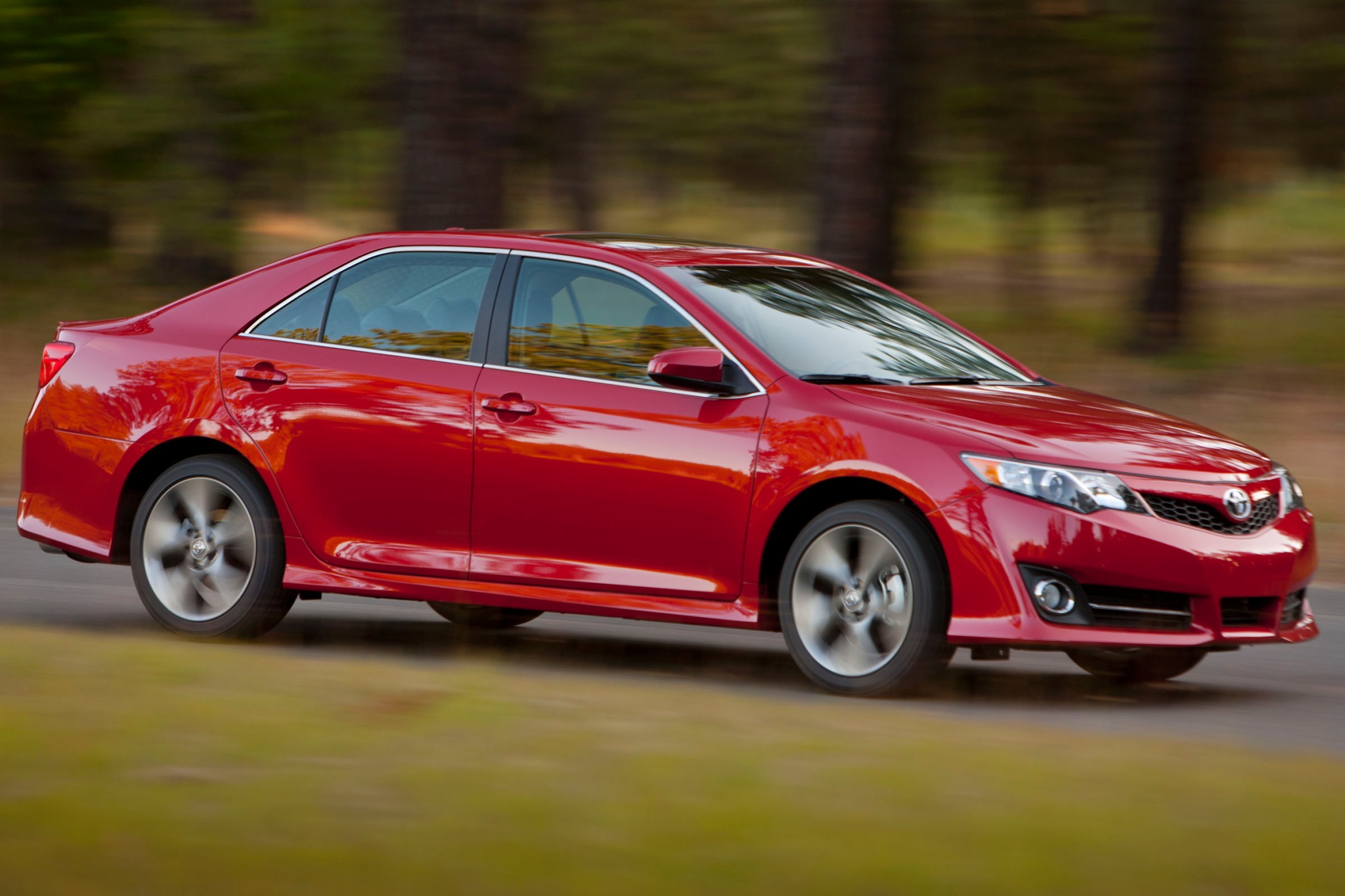
What makes the 2012–2017 Camry particularly impressive is its balance: it delivers decent fuel economy, low-cost repairs, and parts availability across the country.
The hybrid version also deserves a nod, as Toyota’s hybrid systems are known for lasting well over 300,000 miles without battery failure. For someone who wants a daily commuter that could realistically hit 400k with care, the Camry is arguably the safest bet in the entire used market.
The Toyota Camry is a midsize sedan with front-wheel drive, widely recognized for its strong reputation for reliability, comfortable cabin, and impressive fuel economy.
Buyers can choose between a 4-cylinder engine or a more powerful V6, with the V6-equipped version offering notably quick acceleration.
For those prioritizing efficiency, a Camry Hybrid is also offered. Non-hybrid models are paired exclusively with a traditional 6-speed automatic transmission.
Inside, the Camry combines style with practicality. Its wide-opening doors and slightly raised seating position make getting in and out effortless.
Standard features include both USB connectivity and Bluetooth. In addition, the Camry consistently achieves top-tier safety ratings, ranking among the best in its category.
2. Honda Accord (2013–2017)
Honda built the Accord with a “forever car” mentality. The ninth-generation Accord offered two main engines: the bulletproof 2.4-liter four-cylinder and the hearty 3.5-liter V6. While the V6 has power on its side, the four-cylinder CVT-equipped models get most of the high-mileage bragging rights.
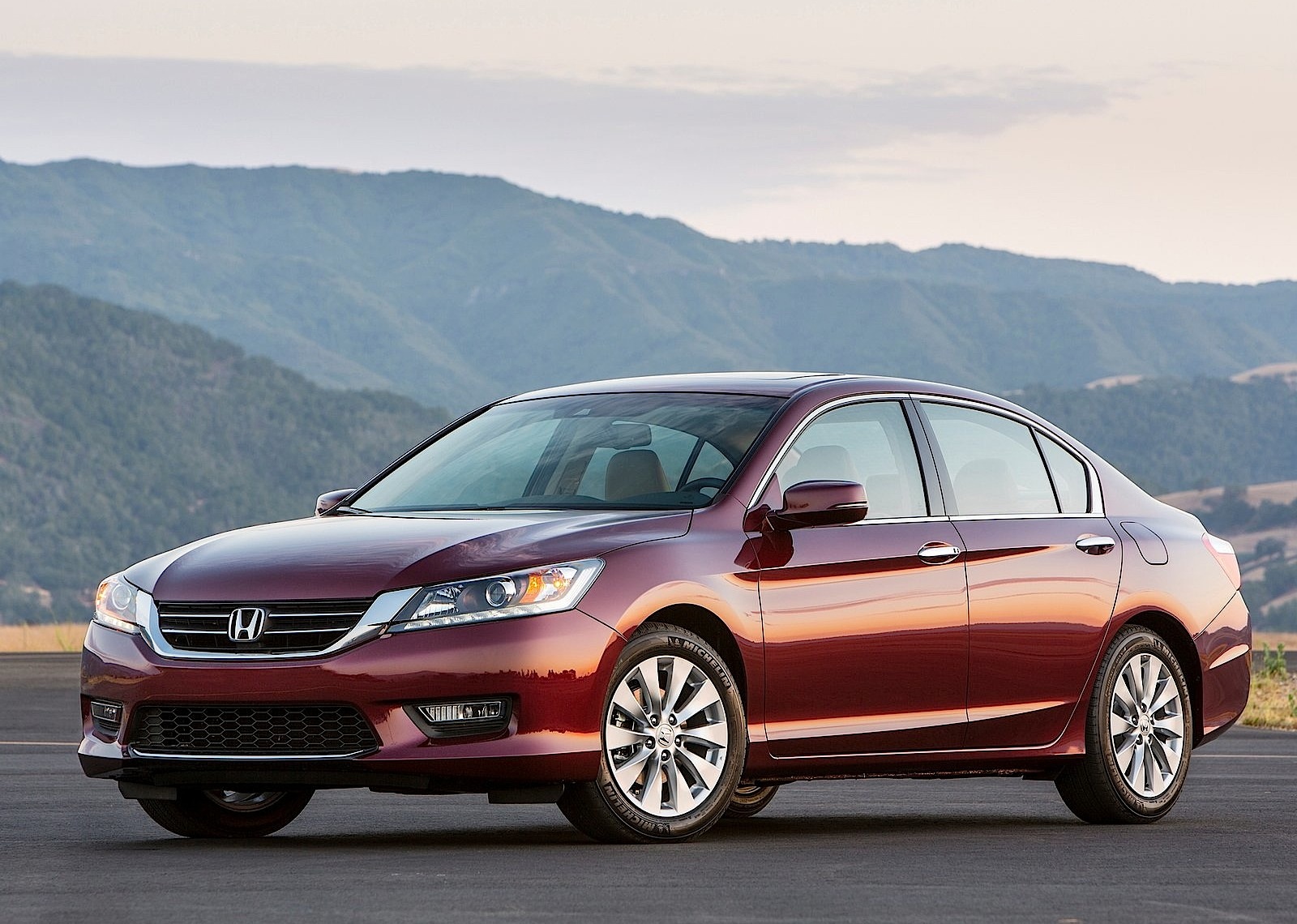
Owners have put 350,000+ miles on their Accords without needing more than suspension refreshes and routine maintenance.
One of the main reasons the Accord can push 400k is Honda’s focus on over-engineering critical components like the engine block and cooling system.
Unlike some modern cars stuffed with complex turbocharged systems, this Accord keeps things simple and that simplicity translates to extreme longevity.
It strikes a smart balance of performance, efficiency, and reliability while offering strong value when properly equipped. As a midsize family sedan, the Accord excels with generous passenger and cargo space.
With choices that include sedan and coupe body styles, three engine options, and a hybrid version, the Accord caters to a wide range of buyers in the fiercely competitive midsize segment.
After receiving a mid-cycle refresh in 2016, the Accord carries over unchanged for 2017. That prior update introduced a more rigid chassis, updated exterior styling, larger wheels for certain trims, and expanded interior feature availability.
The coupe lineup gained a new Touring trim, while Honda’s suite of driver-assistance technologies became available across the board.
The Accord’s standard engine is a 2.4-liter four-cylinder producing 185 horsepower in LX models and 189 horsepower in the Sport trim, thanks to its dual-exhaust setup.
A smooth-shifting six-speed manual transmission comes standard, while a CVT is optional. For those seeking more power, Honda offers a 3.5-liter V6 generating 278 horsepower, available in both sedan and coupe models, paired exclusively with a six-speed automatic.
The Accord Hybrid combines a 2.0-liter four-cylinder gas engine with two electric motors and a lithium-ion battery pack, delivering strong fuel efficiency.
Regardless of engine choice, the Accord feels composed and capable, offering more genuine driving enjoyment than most rivals in its class.
It’s not an outright sports sedan, but it responds eagerly to spirited driving. Ride quality is firm yet comfortable, soaking up bumps without unsettling passengers.
Inside, the Accord offers a broad range of finishes. Base LX trims feature cloth upholstery and plastic accents, while higher trims like the Touring come with leather seats, piano-black trim, and a sunroof.
Regardless of trim, the interior is well thought out and spacious, with enough room to comfortably seat four adults. Entry-level models include manual seat adjustments, while higher trims add heating and power-adjustable functions.
Notably, ventilated seating isn’t available on any version. All models come standard with dual-zone automatic climate control. The Accord also boasts a large trunk and multiple small-item storage spaces throughout the cabin.
Even base models come with solid tech features such as Bluetooth connectivity, Pandora streaming, and a USB port. Stepping up to higher trims adds navigation, Apple CarPlay, Android Auto, and a premium audio system.
The infotainment system does have drawbacks, though. The touchscreen, standard on EX trims and above, lacks redundant physical buttons, which can make navigating menus cumbersome.
Additionally, the secondary screen positioned high on the dash tends to repeat information already displayed on the main screen below it, limiting its usefulness.
3. Toyota Prius (2010–2015)
If you’re looking for real-world examples of cars breaking the 400k mark, the third-generation Toyota Prius is a proven workhorse. These hybrids have been used by taxi fleets in major cities, many of which rack up half a million miles before retiring.
The 1.8-liter Atkinson-cycle engine is understressed, the hybrid battery is engineered for long life, and the continuously variable transmission (CVT) has far fewer wear points than a traditional gearbox.
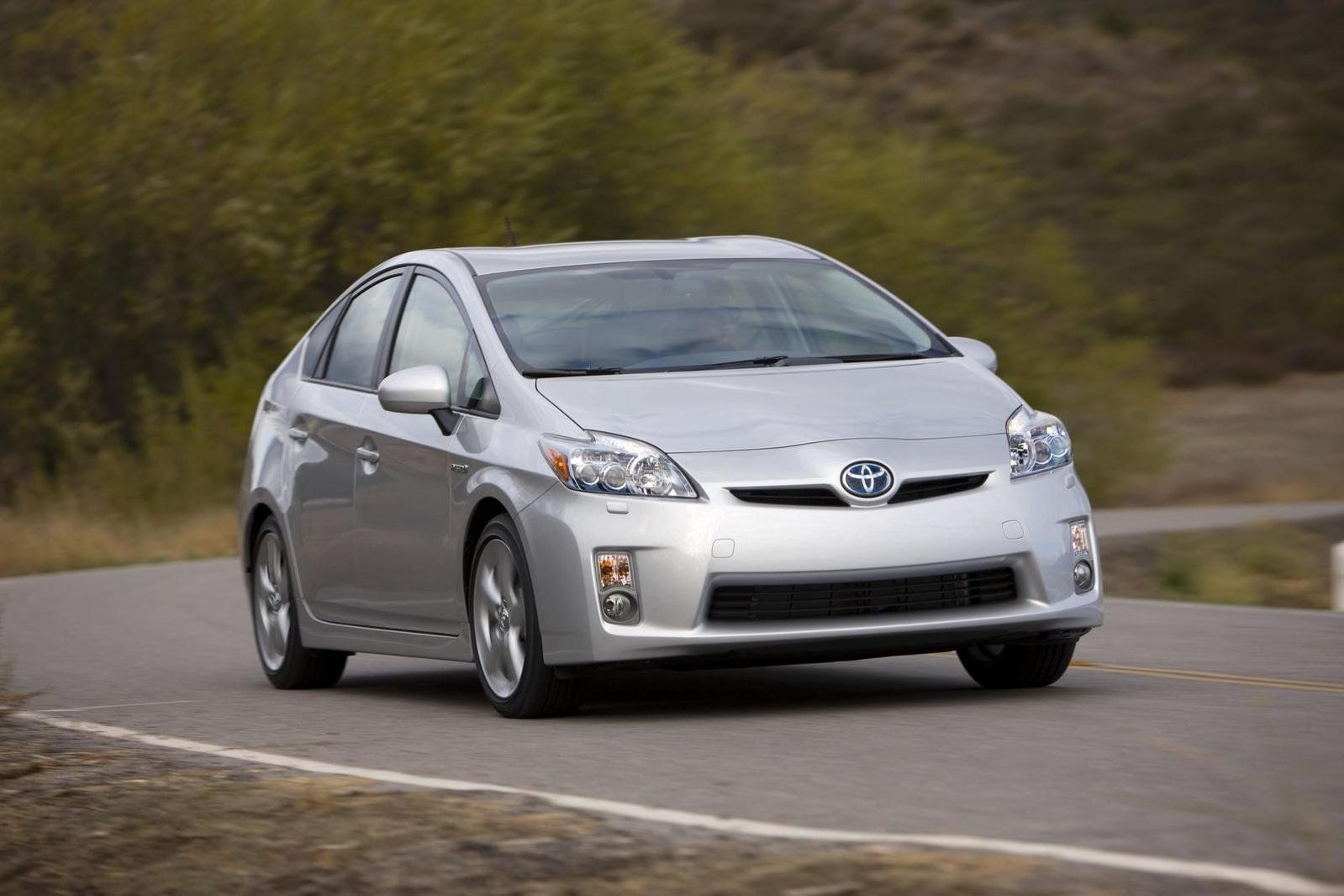
A Prius may not deliver the excitement of a sports car, but when it comes to mile-crushing dependability, it’s unmatched. For buyers who value efficiency and reliability above all else, a 2010–2015 Prius is one of the few realistic ways to aim for 400k while still averaging 45–50 miles per gallon.
The previous Toyota Prius reshaped the automotive landscape, shifting the priorities of American car buyers almost overnight.
Drawn to its exceptional fuel efficiency, practical hatchback design, and environmentally friendly image, shoppers flocked to the Prius, even when it didn’t perfectly align with their driving needs.
What began as a niche car for eco-conscious early adopters became mainstream, climbing to the 13th-best-selling vehicle in the United States by 2008.
Enter the all-new 2010 Toyota Prius, designed to continue leading the hybrid movement while incorporating refinements aimed at a broader audience.
At first glance, the 2010 Prius retains the recognizable silhouette, but it’s now a bit sleeker and carries a slightly sportier vibe. Despite appearing smaller, the dimensions have changed very little, less than an inch longer and wider compared with the outgoing model.
The interior, however, has seen minor adjustments, with headroom trimmed by a fraction of an inch. While this may seem insignificant, taller passengers in the rear may find their hair brushing the headliner, something that wasn’t an issue previously.
Powering the 2010 Prius is an updated version of Toyota’s Hybrid Synergy Drive. The gasoline engine has grown larger and more powerful, not for rapid acceleration, but to deliver smoother, more relaxed highway driving.
Meanwhile, a smaller electric motor provides reduced torque but improves efficiency. The result of these mechanical updates is a notable improvement in fuel economy: EPA estimates rise from 48 mpg city/45 highway in the prior model to an impressive 51/48 mpg.
Toyota also improved areas where the Prius previously struggled. A stronger chassis and reworked electric-assist steering system provide better feedback and stability, addressing the disconnected feel of the earlier model.
While the Prius still isn’t a car for thrill-seekers, it now feels more stable at higher speeds and overall behaves more like a conventional vehicle.
Depending on how it’s equipped, the new Prius can even mimic the feel of a compact luxury sedan.
Options include upscale features such as heated leather seating, a solar-powered sunroof that helps cool the cabin while parked, advanced navigation, radar-based adaptive cruise control, a pre-collision safety system, and a lane-departure warning system.
Toyota even offers an automated self-parking system, a feature usually associated with its Lexus lineup.
Of course, success breeds competition. The all-new Honda Insight mirrors much of the Prius formula, offering similar fuel efficiency at a lower price, though it’s smaller and less refined.
The 2010 Toyota Prius features a sophisticated gasoline-electric hybrid system. At its heart is a 1.8-liter four-cylinder engine paired with two electric motors, one dedicated to driving the wheels, the other acting as a generator, integrated through a planetary-type continuously variable transmission (CVT).
Together, the system delivers 134 horsepower. In testing, the Prius accelerated from zero to 60 mph in 10.1 seconds, comparable to the outgoing version and slightly quicker than the Honda Insight.
But the figure that matters most is fuel economy: the EPA rates the Prius at 51 mpg city, 48 mpg highway, and 50 mpg combined. This makes it the most fuel-efficient mass-market vehicle with an internal combustion engine available at the time.
4. Lexus LS 460 (2010–2017)
Luxury cars aren’t always associated with longevity, but the Lexus LS is the exception that proves the rule. Built with Toyota’s legendary obsession with reliability, the LS 460 from the 2010s used a naturally aspirated 4.6-liter V8 that was engineered to last decades.
These sedans were expensive new, but now they’re within reach on the used market, and their owners often report running them to 300k without any major failures.
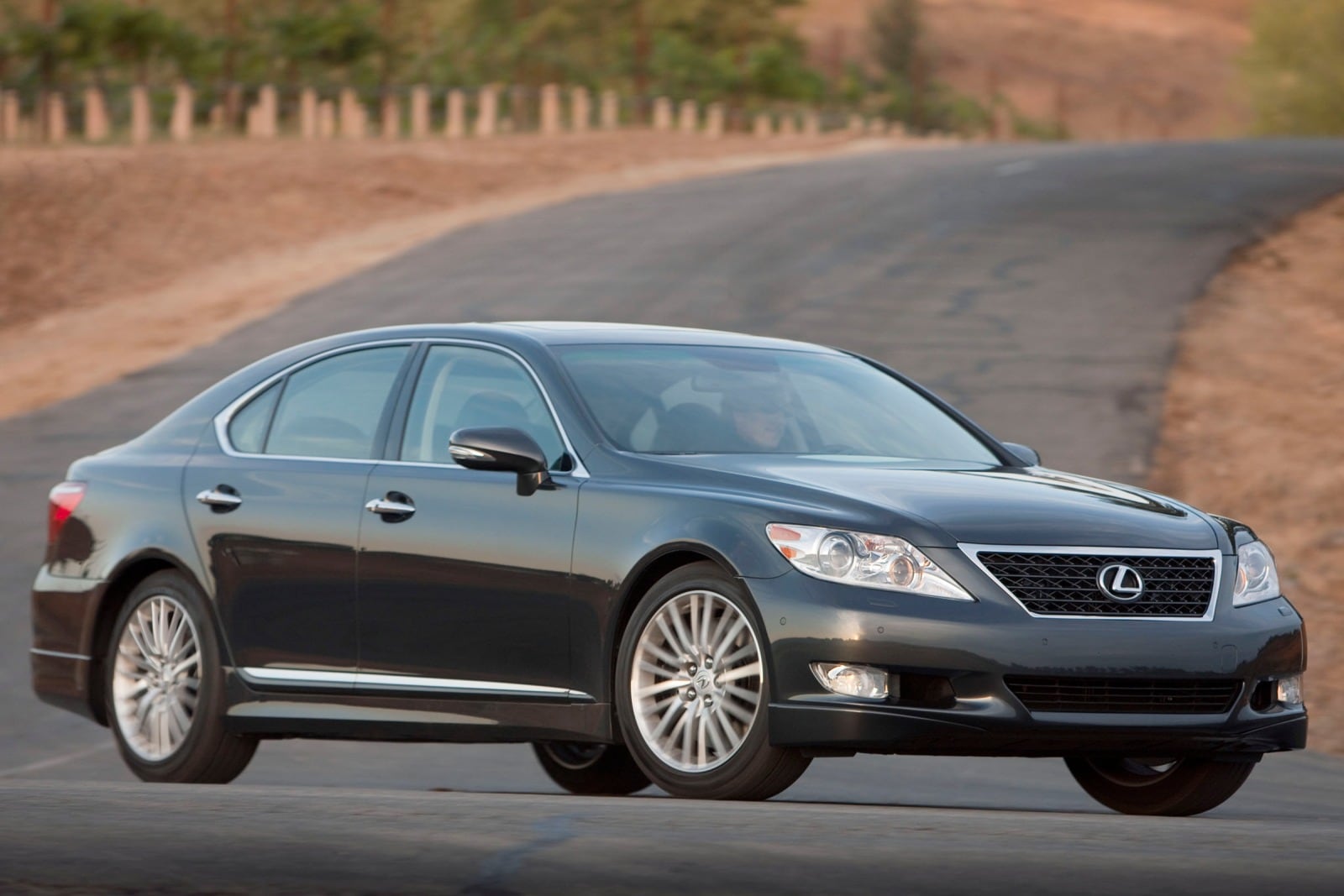
Because the LS was designed to compete with Mercedes and BMW, it’s also built like a tank. Suspension components may wear out, but the drivetrain itself is virtually indestructible.
If you maintain it properly, the LS 460 can be one of the smoothest-riding 400k-mile cars in the world.
When Lexus first entered the market more than 25 years ago, the flagship LS sedan was the model that introduced the brand. The 2017 Lexus LS 460 continues that legacy, remaining faithful to the qualities that have sustained Lexus from the start.
At its core, the LS is a refined, capable luxury sedan designed to reduce driving stress while surrounding up to five passengers in comfort.
Alongside its sleek, coupe-inspired design and powerful V8 engine, the LS 460 can be equipped with an F Sport package, which Lexus describes as delivering “a more engaging driving experience.”
A new Luxury Special Edition has been added to the lineup, showcasing a Nightfall Mica exterior, Dark Brown interior with Ecru stitching, wood trim accents, a black-and-gold metallic grille insert, 19-inch wheels, and a black Alcantara headliner.
Later in spring 2017, an F Sport Special Edition is scheduled to join as well. The LS 460 is offered in six variations, with several available option packages.
While the standard sedan appeals to most buyers, Lexus also caters to enthusiasts with the performance-focused F Sport, which brings 19-inch wheels, an upgraded suspension, and stronger brakes.
All trims are powered by a 4.6-liter V8 engine, delivering up to 386 horsepower and 367 lb-ft of torque, paired with an eight-speed automatic transmission.
Rear-wheel drive comes standard, though all-wheel drive is available. Buyers seeking additional passenger room can select the long-wheelbase “L” version, which adds five inches of rear legroom.
Fuel economy for rear-wheel-drive models is rated at 16 mpg city, 24 mpg highway, and 19 mpg combined. Opting for all-wheel drive lowers efficiency slightly to 18 mpg combined and 23 mpg on the highway.
Key available upgrades include an adaptive air suspension, blind-spot monitoring with rear cross-traffic alert, collision mitigation, adaptive cruise control, premium semi-aniline leather upholstery, and a 19-speaker Mark Levinson premium audio system.
Priced from $76,440, the all-wheel-drive model reduces engine output slightly to 359 horsepower but gains an AWD system with a Torsen limited-slip rear differential for enhanced grip.
For a sportier character, the F Sport edition sharpens performance with a sport-tuned adaptive air suspension, Brembo brakes, paddle shifters, an Alcantara headliner, aluminum trim, round fog lamps, and a unique black-surround grille.
BBS forged alloy 19-inch wheels lower the ride height by 0.4 inch. Exclusive Sport S+ and Comfort drive modes are included. The rear-wheel-drive F Sport, priced at $81,845, adds a torque-sensing limited-slip differential, while the AWD version comes in at $84,300.
For $6,300 more than the standard LS 460, the long-wheelbase “L” model provides extra rear-seat space, though the F Sport trim is not available with this configuration.
Buyers can further elevate luxury with the optional Executive Class Seating Package, which offers features like four-zone climate control, a rear-seat entertainment system, and even a Shiatsu massaging function.
5. Honda CR-V (2012–2016)
Compact SUVs became America’s favorite vehicle type in the 2010s, and the Honda CR-V proved why. It offered space, comfort, and efficiency, all backed by Honda’s reputation for longevity.
The fourth-generation CR-V used a 2.4-liter four-cylinder engine paired with either a five-speed automatic (early years) or a CVT (later years). Both combinations have shown remarkable durability when serviced regularly.
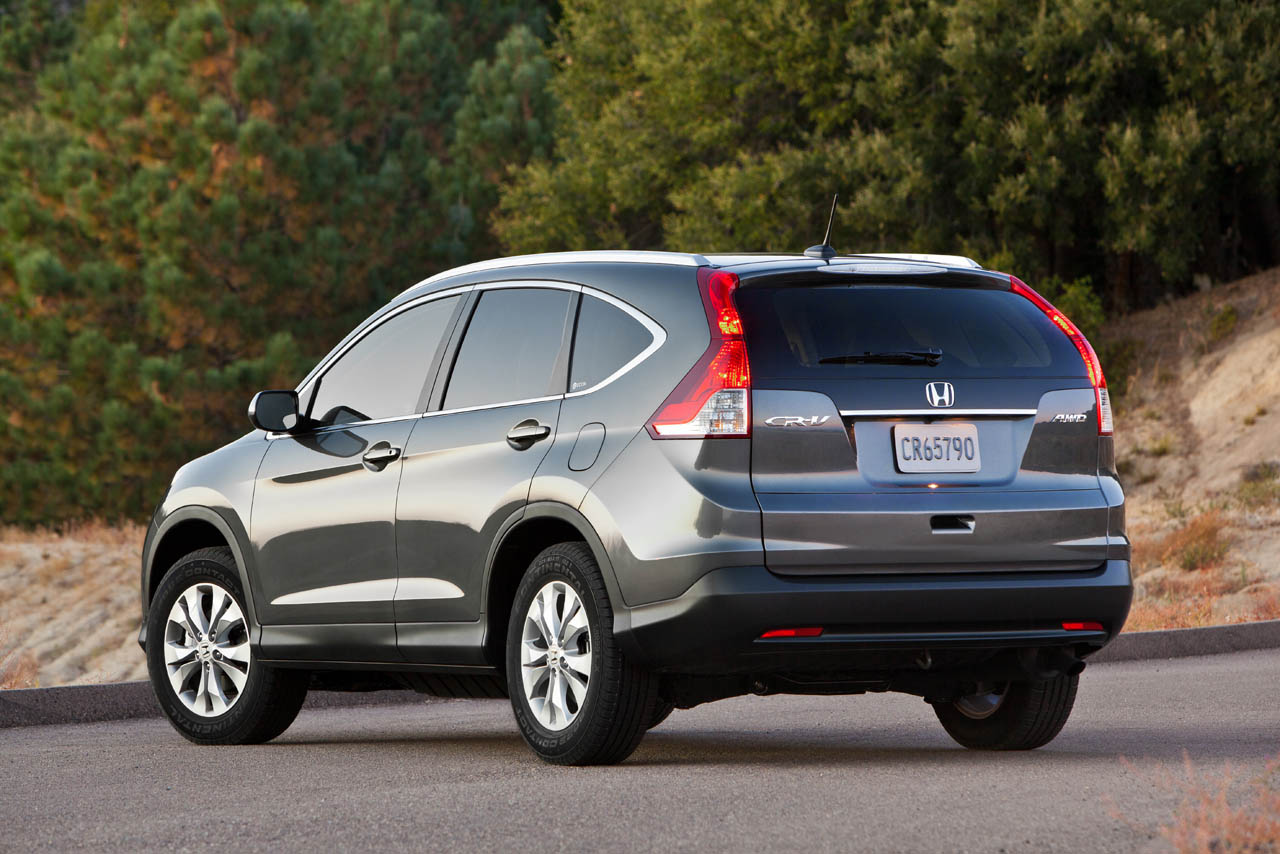
Owners often take their CR-Vs on long highway trips, logging tens of thousands of miles annually. With routine oil changes, occasional transmission fluid replacements, and suspension refreshes around 200k, this SUV can easily double that mileage.
Many CR-Vs from the early 2010s are already brushing up against 400k today, and they’re still daily drivers.
6. Toyota Land Cruiser (2010–2019)
The Toyota Land Cruiser has an almost mythical reputation in the reliability world, and the 2010s generation only solidified it.
Powered by a 5.7-liter V8, the Land Cruiser was overbuilt for both off-road abuse and highway endurance. While it’s expensive to buy and maintain, its longevity is unmatched in the SUV category.
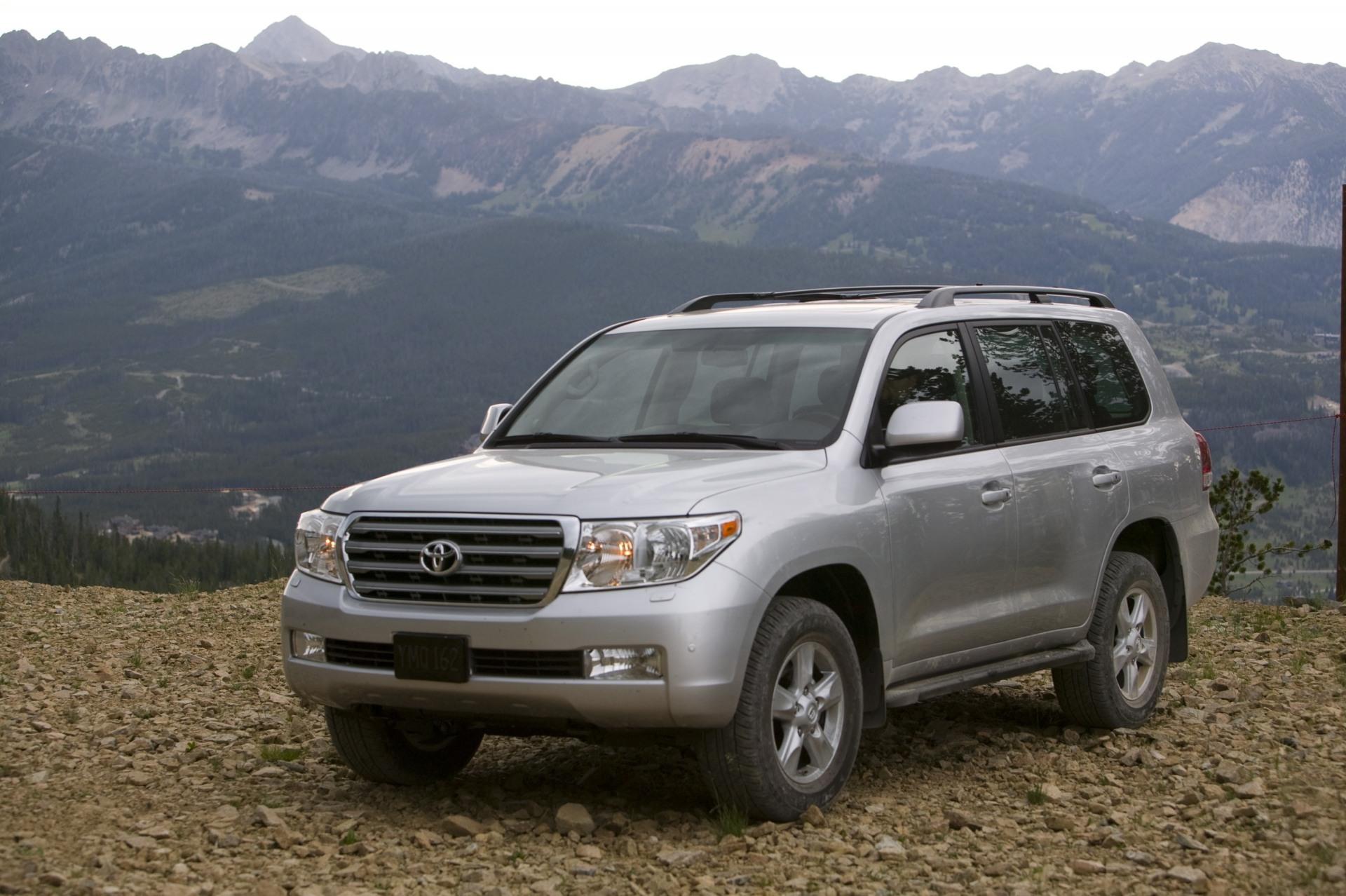
American owners often keep Land Cruisers for decades, passing them down to family members. It’s not unusual to see examples from the 2010s with 300k miles still running like new, with only routine maintenance and occasional suspension work.
If any SUV can cross the 400k threshold without drama, it’s this one. The only limiting factor for most owners is fuel cost, as the big V8 isn’t exactly frugal.
Its reputation comes not only from its unmatched ability to tackle any terrain but also from its long-lasting durability.
Owning a Land Cruiser is less about purchasing just an SUV and more about acquiring a vehicle that could easily become a family heirloom.
Sharing its foundation with the Lexus LX, the Land Cruiser utilizes a rugged body-on-frame construction. Power comes from a 5.7-liter V-8 engine paired with an eight-speed automatic transmission and a full-time four-wheel-drive system, ensuring impressive off-road strength.
Producing 381 horsepower, it managed a surprisingly quick 6.7-second sprint from zero to 60 mph during testing. Still, while acceleration is strong, handling feels far from nimble, and the steering, though precise, has a heavy feel.
The Land Cruiser competes against rivals such as the Cadillac Escalade, Lincoln Navigator, and the pricier Land Rover Range Rover, all of which deliver comparable performance and road manners.
Unlike many luxury SUVs that charge extra for amenities, Toyota equips the Land Cruiser with a wealth of standard features.
Highlights include a 9.0-inch infotainment display with built-in navigation, a premium 14-speaker JBL sound system, LED exterior lighting, a 360-degree camera system, a cooled storage compartment in the center console, a sunroof, and a comprehensive suite of driver-assistance technologies, including automated emergency braking with pedestrian detection.
Comfort is a priority as well, with seating for up to eight across three rows of leather-trimmed seats, heated and ventilated front seats, four-zone automatic climate control, and adaptive cruise control.
Beyond a few accessories, the only major optional upgrade is a rear-seat entertainment package with dual 11.6-inch screens.
7. Lexus GX 460 (2010–2019)
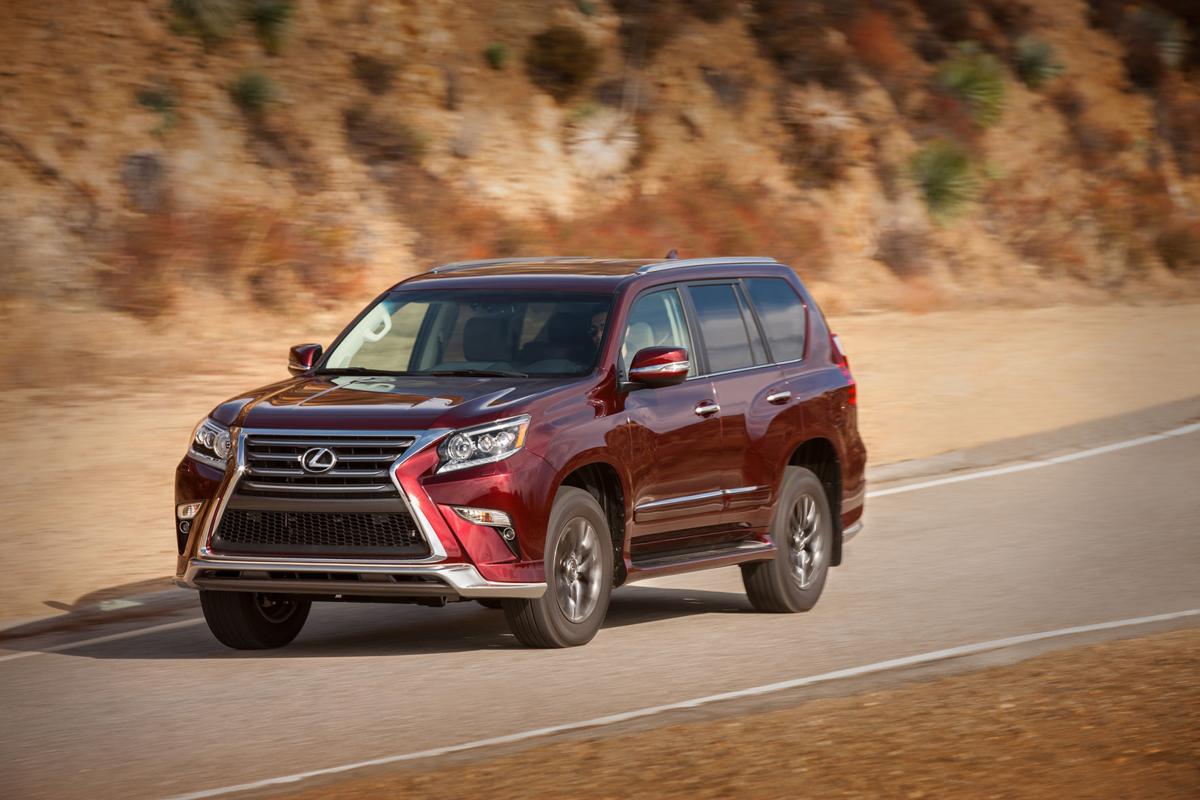
Think of the Lexus GX 460 as a luxury Land Cruiser’s smaller sibling. Built on a rugged body-on-frame design, this SUV combines Toyota’s bulletproof engineering with Lexus refinement. The 4.6-liter V8 is essentially the same engine as in the LS 460, but tuned for SUV duty.
GX 460 owners routinely report mileages north of 300k, with many examples continuing to push toward 400k with no signs of slowing down.
Because it shares its bones with the Toyota 4Runner and Prado (sold globally), parts are widely available, and mechanics familiar with Toyota SUVs can keep them running indefinitely. For families who want a luxurious yet indestructible vehicle, the GX 460 is one of the best buys from the 2010s.
Hitting 400,000 miles in a car isn’t easy it takes disciplined maintenance, careful driving, and sometimes a bit of luck. But the cars above have proven that with the right combination of engineering and care, it’s absolutely possible.
The 2019 Lexus GX 460 is designed to serve a dual purpose. On one hand, it’s engineered to take you beyond the pavement with confidence.
Built on a body-on-frame platform, it carries all the rugged hardware needed to handle challenging trails and rough terrain.
On the other hand, its exterior badging and upscale cabin touches present it as a luxury three-row SUV built for family comfort. The challenge for Lexus, however, lies in balancing these two very different missions, which results in several compromises.
Due to its traditional body-on-frame construction, the GX 460 drives more like a truck than a modern crossover. It feels rough on uneven roads, and the flat seating design does little to add comfort.
Adding to that, its powertrain shows its age. The 4.6-liter V8 produces enough strength for a 6,500-pound towing capacity, but its efficiency is lackluster with an EPA rating of 16 mpg combined (15 city/18 highway).
That said, the GX 460 has strengths that shouldn’t be overlooked. Its off-road performance is a standout, especially with the optional adaptive suspension system, which not only enhances capability off the beaten path but also improves stability on winding roads.
And although the interior styling leans toward the dated side, the layout is straightforward, with intuitive controls that make it user-friendly.
From everyday commuters like the Camry and Accord to luxury legends like the Lexus LS and GX, these vehicles represent the best of what the 2010s had to offer in long-term durability.
For American buyers in 2025 and beyond, picking one of these used models is more than just buying transportation it’s investing in a car that could realistically last longer than many new vehicles on the market today.
If your goal is to own a vehicle that refuses to quit, these seven cars are your best shot at joining the 400k-mile club.
