When buying a car, most people want something that won’t just run smoothly today but will keep going strong for years down the road. Reaching 200,000 miles is a milestone many vehicles struggle to hit without major repairs.
But some cars are built with the kind of engineering, reliability, and efficiency that allow them to keep driving well beyond that point with only routine maintenance. These models save owners money, reduce the hassle of constant repairs, and prove themselves as dependable long-term investments.
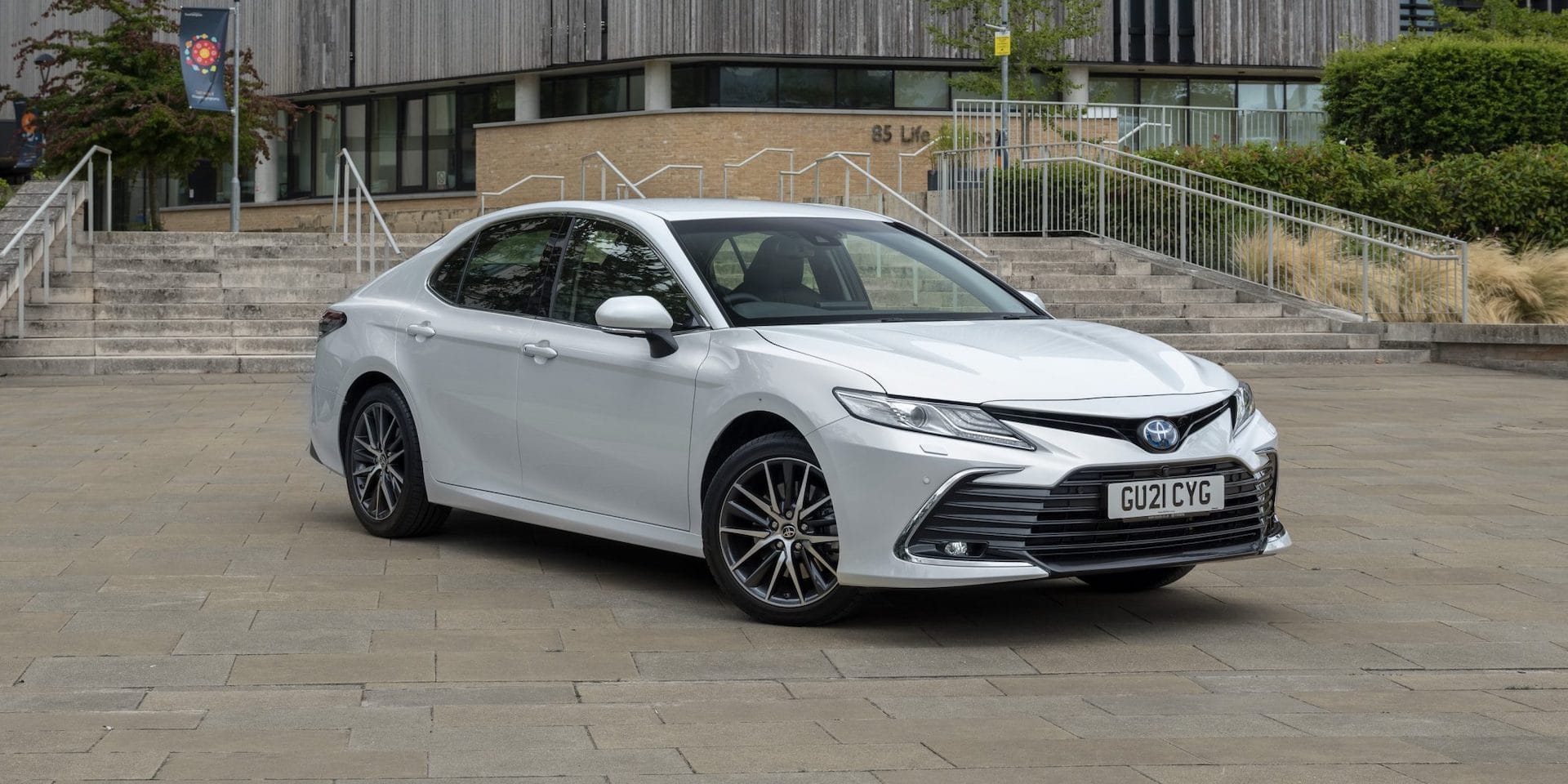
Among them, the Toyota Camry stands out as a midsize sedan that blends comfort, practicality, and impressive durability. For decades, the Camry has been one of the most trusted names in the automotive world, with owners regularly reporting mileage totals that far exceed expectations.
With its strong hybrid system, efficient fuel economy, and family-friendly design, the Camry continues to deliver value long after other vehicles have left the road.
In this list, we’ll look at seven cars that rarely require major repairs past 200,000 miles, starting with the Toyota Camry. These vehicles prove that with smart design and careful engineering, a car can remain a faithful companion for hundreds of thousands of miles.
1. Toyota Camry: A Reliable and Efficient Midsize Hybrid Sedan
The Toyota Camry has long been celebrated as one of the most dependable sedans on the market. Known for its durability, owners often report their cars reaching 300,000 miles with only routine maintenance and minor repairs.
Its wide availability of affordable parts and reputation for comfort and efficiency have made it a practical, family-friendly choice for decades. The latest Camry builds on this tradition while introducing modern hybrid technology, improved tech features, and a refreshed design.
Every 2026 Camry comes standard with a four-cylinder hybrid powertrain, producing 225 horsepower with front-wheel drive or 232 hp with all-wheel drive. Unlike older hybrids, the Camry feels responsive, capable of accelerating from 0 to 60 mph in 7.8 seconds, quicker than many of its competitors.
Steering is sharp and handling remains stable, particularly in the sport-tuned SE and XSE trims. Braking is smooth, and the ride balances comfort with control, soaking up bumps without feeling disconnected.
The Camry’s cabin emphasizes long-distance comfort. While the front seats can feel firm, they provide solid support on extended drives. Climate control is efficient, and road noise is minimal, though the engine can sound rough under hard acceleration. The ride quality feels refined, making the Camry well-suited for both city commutes and highway travel.
Inside, the Camry offers a clean layout with practical physical controls paired with a modern touchscreen interface. Passenger space is generous, with solid legroom and headroom for both rows.
Upper trims, such as the XLE and XSE, come with a large 12.3-inch touchscreen, wireless Apple CarPlay and Android Auto, and an optional nine-speaker JBL audio system. The highlight, however, is Toyota’s driver-assistance suite, which includes lane centering, adaptive cruise control, and Traffic Jam Assist, allowing limited hands-free driving in slow conditions.
The Camry provides 15.1 cubic feet of trunk space, enough for groceries or suitcases, though slightly smaller than some rivals. Clever small-item storage solutions, such as multiple phone compartments and large door pockets, enhance usability. Families will appreciate its wide rear bench and easy-to-access LATCH anchors for child seats.
One of the Camry’s strongest selling points is efficiency. Depending on configuration, it delivers between 44 and 51 mpg combined, placing it among the most fuel-efficient non-EV midsize sedans available. In real-world testing, the Camry consistently meets or surpasses Toyota’s estimates, outperforming rivals like the Honda Accord Hybrid and Hyundai Sonata Hybrid.
Toyota offers the Camry in multiple hybrid trims, ensuring flexibility across different budgets. Unlike competitors that reserve hybrids for higher-end models, Toyota makes hybrid technology standard. Warranty coverage is average but includes complimentary maintenance, roadside assistance, and extended coverage for hybrid components.
The 2026 Toyota Camry continues to prove why it remains a staple in the midsize sedan category. With reliable hybrid performance, impressive fuel economy, advanced tech features, and everyday comfort, it stands as a smart choice for drivers seeking value and longevity.
While minor drawbacks like firm front seats and engine noise exist, the Camry’s long list of strengths makes it one of the most well-rounded and dependable sedans available today.
2. Honda Accord: Blending Reliability, Efficiency, and Modern Comfort
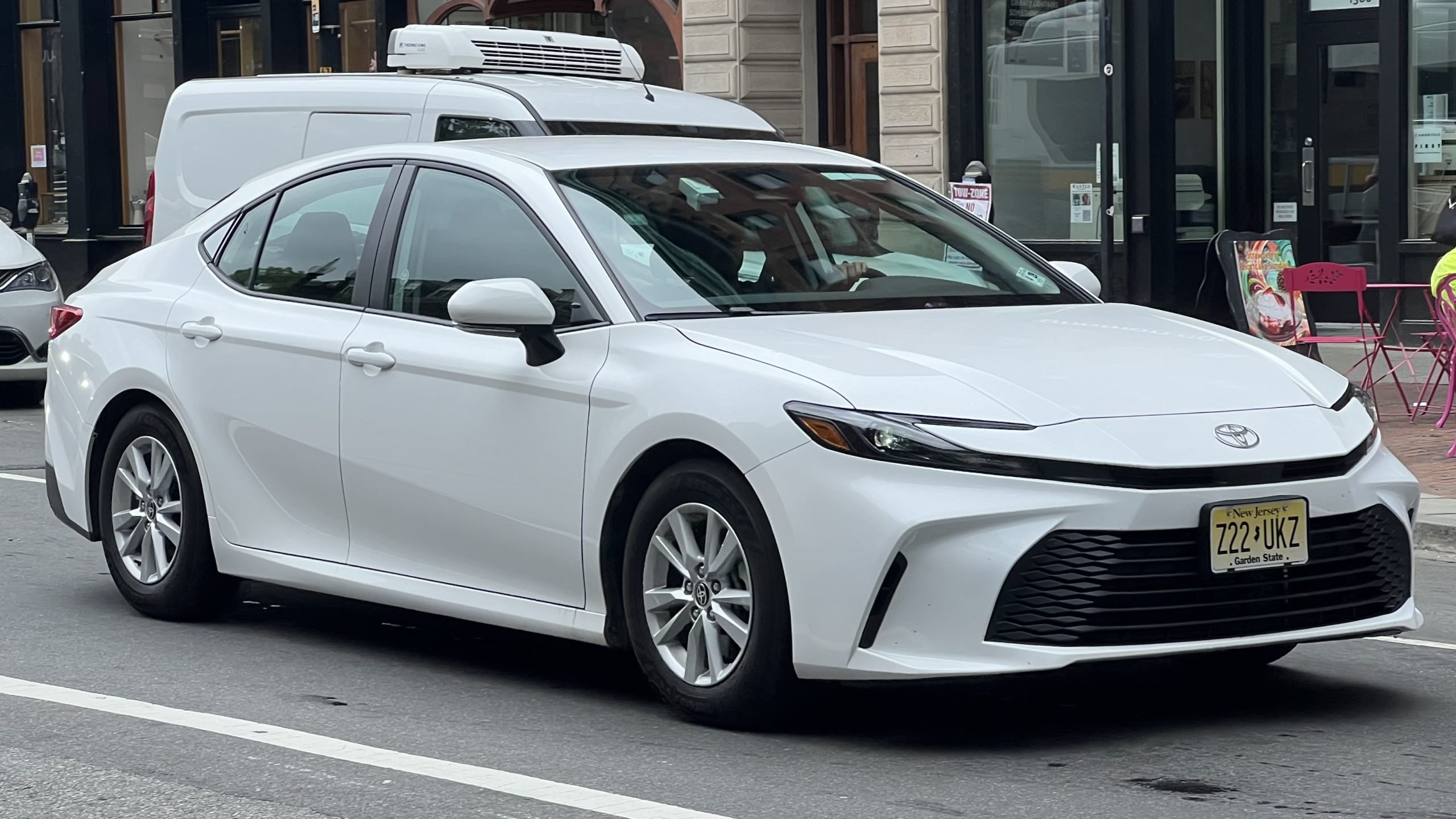
The Honda Accord has consistently proven itself as one of the most reliable midsize sedans on the road. Known for engines that last well beyond 200,000 miles, many owners enjoy years of dependable performance with relatively low maintenance costs. Unlike some rivals that prioritize comfort alone, the Accord stands out for combining longevity with a touch of driving engagement.
Its spacious interior, balanced handling, and thoughtful design continue to make it a popular choice among families and commuters alike. With the introduction of the 11th-generation model in 2023, Honda has further refined the Accord with hybrid technology, updated features, and a more efficient package.
Honda equips most of its upper trims with a 204-horsepower hybrid powertrain. The system provides excellent fuel efficiency without sacrificing real-world performance. In testing, the Accord Sport-L accelerated from 0 to 60 mph in just 7 seconds, outpacing many rival midsize hybrids.
Though it lacks the athletic character of older Accords, the sedan still handles confidently, offering solid grip and smooth steering. Honda also designed its hybrid system to mimic the feel of a traditional automatic, ensuring a familiar driving experience.
Ride quality is a highlight of the Accord. Even with the larger 19-inch wheels of the Sport-L model, it absorbed bumps and rough roads with composure. The cabin remains quiet, keeping wind and road noise to a minimum.
Seats could benefit from more cushioning, but their adjustability allows most drivers to find a comfortable position. Climate controls are simple and effective, providing steady cooling and heating.
Inside, the Accord favors a straightforward approach. Its dashboard layout is intuitive, with large physical buttons and knobs that make everyday use effortless. Passenger space is excellent, especially in the rear, where legroom is generous, though the sloping roofline slightly impacts headroom for taller passengers.
Visibility is strong thanks to thin windshield pillars and a wide rear window, though shorter drivers may find the gauge cluster harder to see when adjusting seat height.
Technology offerings are competitive. A 12.3-inch touchscreen with wireless Apple CarPlay and Android Auto comes standard on upper trims. However, some advanced features, like built-in Google integration, are reserved for the top Touring model.
Honda’s driver-assist suite, Honda Sensing, is effective, though the lane-keeping system can feel overly assertive. Adaptive cruise control is easy to engage and works smoothly, adding to the sedan’s convenience.
With 16.7 cubic feet of trunk space, the Accord leads the class in cargo capacity. Its wide openings make loading bulky items easy, while the center console provides ample room for smaller belongings.
Cupholders and storage bins are thoughtfully placed, accommodating larger bottles and everyday essentials. Families will also appreciate the spacious back seat and accessible LATCH anchors for child car seats, though the low roofline can make installation slightly tricky.
Fuel efficiency is another strong point. Depending on configuration, the Accord delivers between 32 mpg combined for the base model and up to 48 mpg for the most efficient hybrid trim. In testing, the Sport-L averaged 41.5 mpg, a bit shy of its EPA estimate but still commendable.
When it comes to value, the Accord impresses with solid build quality, refined materials, and long-term durability. However, lower trims feel light on features compared to some competitors. Warranty coverage is standard, offering three years/36,000 miles for basic coverage and five years/60,000 miles for the powertrain.
The Honda Accord cements its reputation as a dependable, efficient, and well-rounded midsize sedan. It balances fuel economy, practicality, and modern tech with Honda’s proven record of reliability. While it isn’t the sportiest Accord ever built, its refined ride and everyday usability make it a compelling choice for families and commuters seeking long-lasting value
Also Read: 10 Cars With The Best Resale Reliability vs 10 That Drop Quickly
3. Toyota Corolla: Compact Reliability with Practical Efficiency
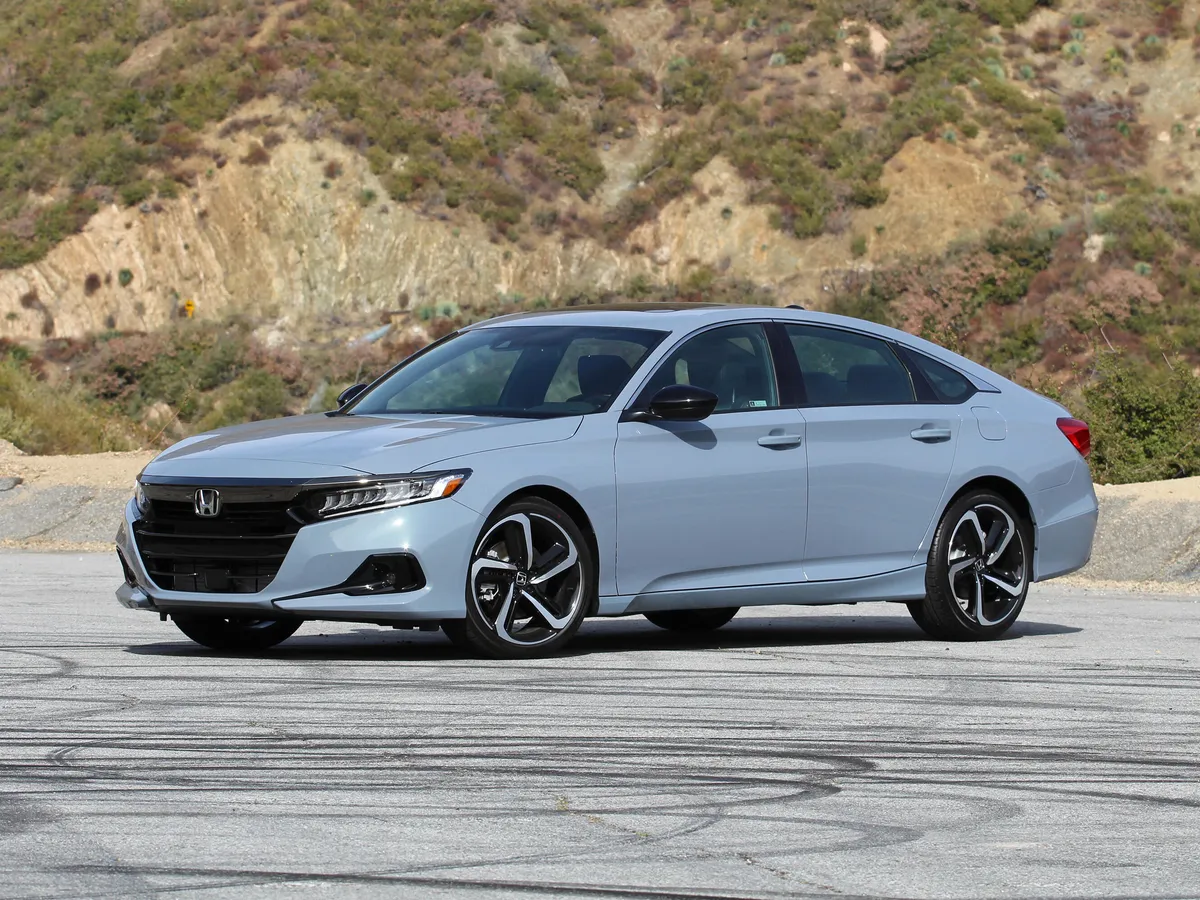
Few vehicles symbolize reliability as strongly as the Toyota Corolla. Long known for its no-frills dependability, the Corolla routinely reaches 250,000 miles with only basic maintenance, proving itself one of the most durable compact cars on the road.
Its simple design keeps running costs low, while impressive fuel economy ensures savings at the pump even as the years go by. For budget-conscious drivers or those who value hassle-free ownership, the Corolla remains one of the most practical choices available.
The Corolla prioritizes everyday usability over excitement. Powered by a 2.0-liter engine paired with a continuously variable transmission (CVT), it manages adequate acceleration, hitting 0–60 mph in 8.8 seconds. That’s slower than some rivals, but sufficient for commuting and light highway driving.
Steering and handling are predictable, though body roll is noticeable in corners. Emergency braking performance is solid, and the transmission operates smoothly with simulated shifts to minimize droning. While it isn’t a thrill-seeker’s car, the Corolla is easy to drive and maneuver around town.
Ride quality is a strength, with the suspension soaking up bumps to deliver a smooth daily drive. The seats are supportive with a wide range of adjustments, ensuring drivers of all sizes find comfort. Cloth seats offer better breathability than synthetic leather, especially in warmer climates.
On the downside, cabin noise is intrusive at highway speeds, and the engine can sound strained under heavy acceleration. Still, comfort remains respectable for the segment.
Inside, the Corolla keeps things simple with a clean, functional layout. Controls are logically arranged, easy to use, and free of unnecessary clutter. Front passengers enjoy good space and visibility, though rear headroom is tighter due to the compact dimensions. Compared to rivals like the Honda Civic, rear passengers may feel more confined.
Tech features are competitive, with an 8-inch or optional 10.5-inch touchscreen, Apple CarPlay, Android Auto, and multiple USB-C ports. The system looks modern but can be slow to respond, particularly with navigation and voice commands. Advanced driver aids are a highlight, including effective lane-keeping assistance and Toyota’s comprehensive safety suite.
However, blind-spot monitoring only offers visual alerts rather than audible warnings. The optional JBL audio system adds premium sound quality, while wireless charging and app-based features like remote start enhance convenience, though most connected services require a subscription.
Trunk capacity stands at 13 cubic feet, slightly smaller than competitors. The rear seatbacks don’t fold flat, which can complicate loading bulkier items. Personal item storage inside the cabin is modest, but there’s sufficient space for essentials. Families will appreciate easy-to-access car seat anchors, with rear seating spacious enough for child seats.
Efficiency is one of the Corolla’s biggest strengths. EPA ratings reach 34–35 mpg combined, depending on trim, and real-world testing often exceeds those figures. A tested Corolla FX returned 40.2 mpg, outperforming expectations. For maximum mileage, the Corolla Hybrid pushes fuel economy even further, rivaling many larger hybrid sedans.
The Corolla continues to deliver strong value in the compact class. Its build quality feels solid, the cabin has a refined touch, and Toyota’s reputation for dependability adds peace of mind. Buyers also benefit from two years of complimentary scheduled maintenance, a rare perk among compact sedans.
While the Corolla isn’t built to excite, it excels at the essentials: dependability, affordability, and efficiency. With strong fuel economy, modern safety tech, and proven longevity, the Corolla remains a top choice for drivers who want a trustworthy compact car that simply works, year after year.
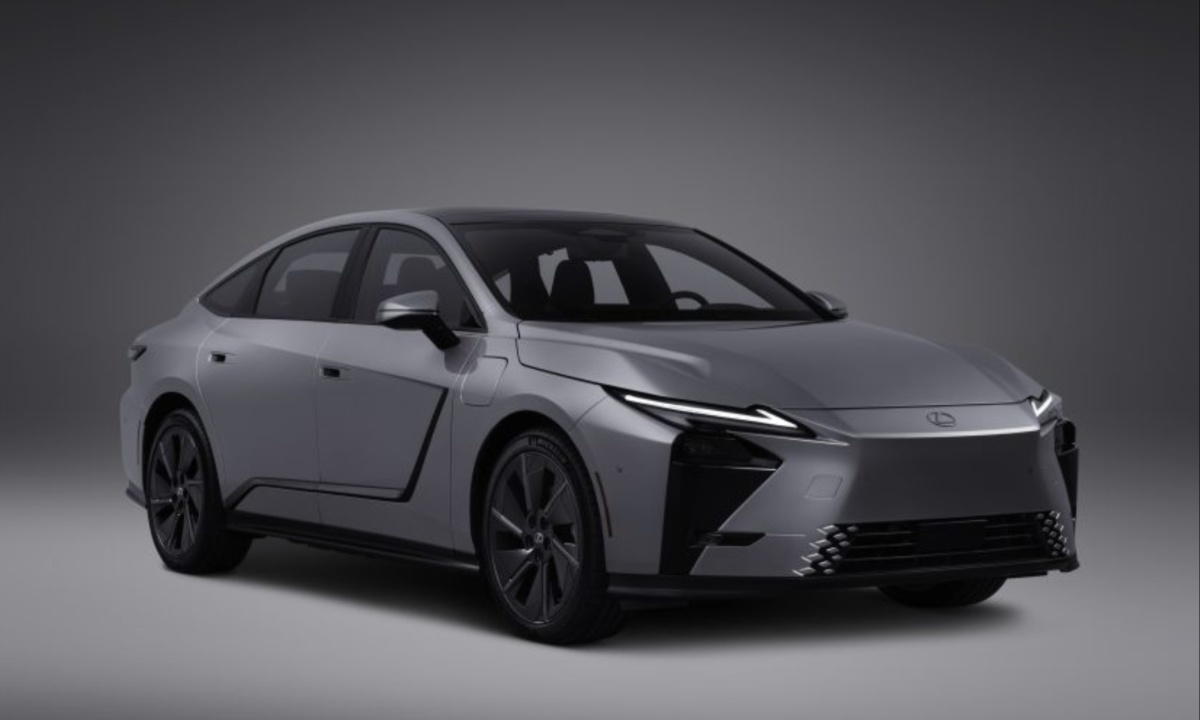
4. Lexus ES: Lasting Luxury with Timeless Comfort
The Lexus ES has long embodied the idea that luxury and longevity can go hand in hand. Built on Toyota’s proven platform but enhanced with premium materials, refined styling, and meticulous craftsmanship, the ES offers both dependability and sophistication.
Owners frequently enjoy high-mileage milestones thanks to conservative engineering choices, such as larger engines that run below peak stress levels. Combined with Lexus’s reputation for exceptional build quality, the ES delivers durability not just in its mechanical components but also in its interior finishes and technology.
The Lexus ES is offered in three configurations: the ES 250 with standard all-wheel drive, the ES 300h hybrid for maximum efficiency, and the ES 350 with a 302-horsepower V6 for stronger performance.
Each model is tuned for smoothness and composure rather than sharp handling. In testing, the ES 350 proved powerful enough for daily driving, though not the quickest in its class. Steering feels balanced and reassuring, while gear changes are nearly imperceptible.
Around town or on the highway, the ES prioritizes serenity, delivering a ride that feels more like gliding than driving. Advanced driver aids such as adaptive cruise control, blind-spot monitoring, and lane-keeping assistance further reduce stress behind the wheel.
Comfort is a defining trait of the ES. Both front and rear seats are designed for long-distance support, with supple leather and thoughtful ergonomics. The F Sport trim adds sportier bolstering while maintaining Lexus’ trademark refinement.
Road and tire noise are kept to a minimum, and engine sounds are nearly absent. Wind noise does creep in at highway speeds, but the ES still maintains an exceptionally quiet and relaxing environment.
Inside, the ES combines understated luxury with modern functionality. High-quality materials, precise stitching, and carefully damped controls reflect Lexus’ attention to detail. Higher trims feature a 12.3-inch infotainment display, which, though visually plain, responds quickly and integrates seamlessly with Apple CarPlay and Android Auto.
Voice commands allow control over navigation, audio, and climate systems, reducing distraction while driving. The result is a cabin that feels both intuitive and indulgent.
With a 13.9-cubic-foot trunk, the ES offers enough space for luggage or golf bags, though the fixed rear seats limit versatility for carrying longer items. Small-item storage is adequate, with functional cupholders and slim door pockets, but practicality isn’t its strongest suit. Still, for most owners, the ES provides enough utility for everyday use and long-distance travel.
Fuel efficiency varies depending on the model. The hybrid ES 300h excels with an EPA-estimated 44 mpg combined, while the V6-powered ES 350 averages around 25 mpg, though real-world results can be slightly lower.
Pricing reflects Lexus’ blend of value and luxury, offering an upscale driving experience at a more approachable cost than many European rivals. Warranty coverage is competitive, and the brand’s dealership experience often exceeds expectations.
The Lexus ES may not dazzle with flashy performance, but it excels where it matters most: durability, comfort, and refinement. Built with precision and designed to outlast many competitors, it provides a serene, luxury-driven experience that continues mile after mile. For buyers who want an affordable entry into the luxury segment without sacrificing reliability, the Lexus ES remains a standout choice.
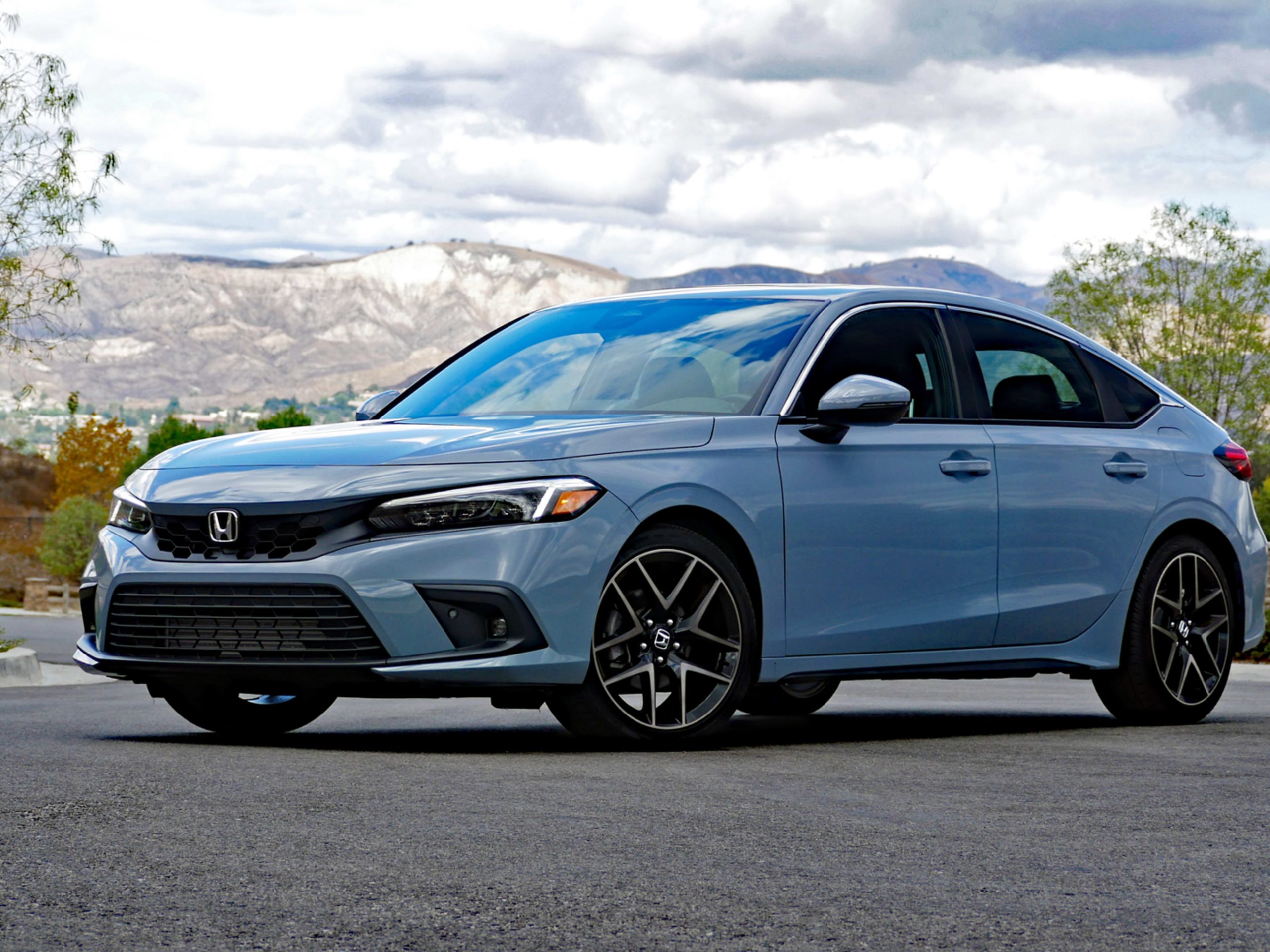
5. Honda Civic: A Compact That Combines Longevity and Modern Efficiency
The Honda Civic has earned a reputation as one of the most reliable small cars on the market. Generations of drivers have pushed Civics well past 250,000 miles thanks to Honda’s precise engineering and practical design. Many models use timing chains instead of belts, cutting down on costly maintenance.
Its lightweight build reduces wear on suspension and brakes, while tightly engineered engines with excellent oil circulation contribute to long-term durability. This track record of dependability, combined with modern updates, makes the Civic a favorite among drivers who want both value and longevity.
The Civic lineup offers both traditional gas engines and a hybrid powertrain. The hybrid produces 200 horsepower and accelerates from 0 to 60 mph in just 6.6 seconds, making it quicker than the sporty Civic Si and ahead of rivals like the Toyota Prius.
Even the base engine models remain enjoyable to drive, with precise steering and composed handling. While they’re not as quick, all versions maintain a balance between fun and practicality. Around town, the Civic feels light and nimble, while on highways it remains stable and easygoing.
Ride comfort is a standout feature, especially in the hybrid. The extra weight of its electric components actually helps smooth out road imperfections, giving the car a stable and refined feel. Gas-powered versions also ride better than most competitors, trading a bit of softness for sharper handling.
Road noise is noticeable, but wind noise is well controlled thanks to the car’s aerodynamic shape. The Civic may not be as plush as some larger sedans, but for its class, it offers one of the best blends of comfort and agility.
Inside, the Civic boasts a clean, modern design with intuitive controls. Space is generous up front, accommodating both tall and shorter drivers easily. Rear passengers get solid legroom and shoulder space, though the sloping roofline can limit headroom for taller occupants.
Visibility is excellent, with thin front pillars and well-positioned mirrors. The rear window is on the smaller side, but Honda offsets this with a multi-angle backup camera. The cabin feels airy, functional, and more upscale than many compact competitors.
Honda equips all Civics with a full suite of driver-assist features, including adaptive cruise control, though its operation isn’t quite as smooth as Toyota’s system.
Base models include a touchscreen interface with straightforward menus, while higher trims add a 9-inch display with Google Built-In, Apple CarPlay, and Android Auto with wireless connectivity on the top trims. The tech may not be class-leading in design, but it’s practical and easy to use.
The Civic sedan offers 14.8 cubic feet of trunk space, with no sacrifice in the hybrid version. For even greater flexibility, the hatchback model provides 24.5 cubic feet, surpassing competitors like the Toyota Prius. Folding rear seats expand cargo capacity further, making the Civic a surprisingly practical choice for hauling.
The Civic remains fuel-efficient across the lineup. Base models achieve up to 36 mpg combined, while the hybrid delivers an excellent 49 mpg, competitive with top hybrid sedans.
While it’s priced slightly higher than rivals like the Hyundai Elantra or Toyota Corolla, the Civic justifies the cost with superior performance, better refinement, and strong resale value. Warranty coverage is average, but the Civic’s long-term reliability often extends well beyond factory support.
The Honda Civic strikes an ideal balance of performance, efficiency, and long-lasting quality. Its hybrid system adds modern efficiency without sacrificing driving enjoyment, while its proven durability ensures it remains a dependable choice for years. For buyers seeking a small car that feels a cut above the rest, the Civic continues to set the standard.
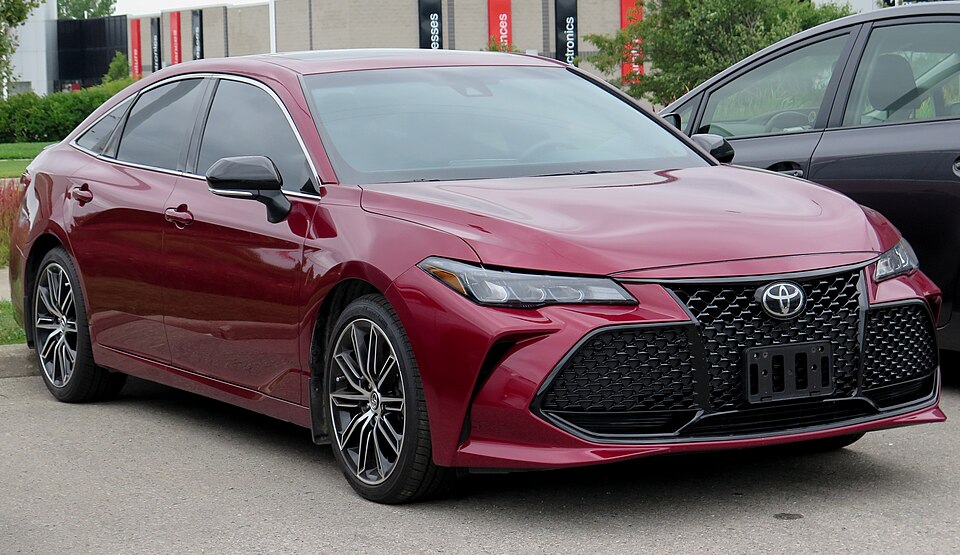
6. Toyota Avalon: A Flagship Sedan Built for Comfort and Longevity
The Toyota Avalon has long stood as the brand’s flagship sedan, blending near-luxury refinement with Toyota’s hallmark reliability. Known for its powerful yet durable V6 engines, the Avalon routinely delivers hundreds of thousands of smooth miles.
Thanks to its spacious engine bay, the Avalon offers improved cooling and easier maintenance access compared to more compact cars. Owners often report Avalons maintaining their quiet, composed ride quality even as the odometer approaches 300,000 miles.
With its comfort-tuned suspension and generous interior space, the Avalon has remained a dependable choice for drivers seeking a balance of durability and refinement.
The Avalon is powered by a 301-horsepower V6 paired with a smooth-shifting automatic transmission. This setup delivers brisk acceleration for a full-size sedan, making it equally suited to long highway trips, daily commutes, and quick errands.
Braking feels consistent and easy to modulate, reinforcing its everyday usability. Though it’s not a sport sedan, the Avalon surprises with its agility. For a car of its size, it handles winding roads with unexpected poise, striking a balance between stability and comfort.
Comfort is Avalon’s strongest attribute. All seating positions provide generous cushioning and support, enhanced by supple leather upholstery that elevates the cabin’s upscale feel. Ride quality is smooth and cushioned, effectively shielding passengers from road imperfections.
Climate control works quickly and keeps the interior cozy in all conditions. While the cabin remains free of rattles or vibrations, some road noise does filter in. Still, the experience leans heavily toward serenity and ease.
Inside, the Avalon feels spacious, practical, and driver-friendly. Abundant legroom and a wide range of seating adjustments make it easy to find an ideal driving position, while outward visibility is strong up front. The rear seats are roomy, though taller passengers may find headroom slightly compromised due to the sloping roofline.
Controls are generally intuitive, though a few, such as the radio tuning knob and camera activation button, are less conveniently placed. The cabin is well-built, though the low-resolution rearview camera is one area that could benefit from modern upgrades.
Toyota equips the Avalon with a 9-inch touchscreen running its Entune infotainment system. The interface is bright and responsive, supporting Apple CarPlay and Android Auto for seamless smartphone integration.
While some functions are restricted while driving, the system still remains user-friendly. The car includes front and rear USB ports, a wireless charging pad, and built-in voice controls, though the latter works better for audio commands than navigation.
The Avalon offers a wide, easy-to-load trunk with average capacity that proves practical in everyday use. Rear seats fold down to expand space, though a noticeable step-up reduces flat loading potential.
Inside the cabin, numerous cubbies, deep console storage, and well-placed cupholders enhance convenience. The Avalon also excels at accommodating child safety seats, thanks to accessible anchors and a broad rear bench.
With an EPA rating of 25 mpg combined (22 city/31 highway), the Avalon delivers impressive efficiency for a full-size sedan. Real-world testing often meets or slightly exceeds this figure. A hybrid version improves fuel economy further for those prioritizing efficiency.
In terms of value, the Avalon offers Lexus-like quality at a more affordable price point, along with solid warranty coverage, roadside assistance, and two years of complimentary maintenance.
The Toyota Avalon blends comfort, dependability, and understated luxury into one compelling package. With its long-lasting V6 engine, refined ride, and spacious cabin, it serves as a practical alternative to higher-priced luxury sedans. For drivers seeking a full-size car that offers both reliability and refinement without breaking the bank, the Avalon remains a standout choice.
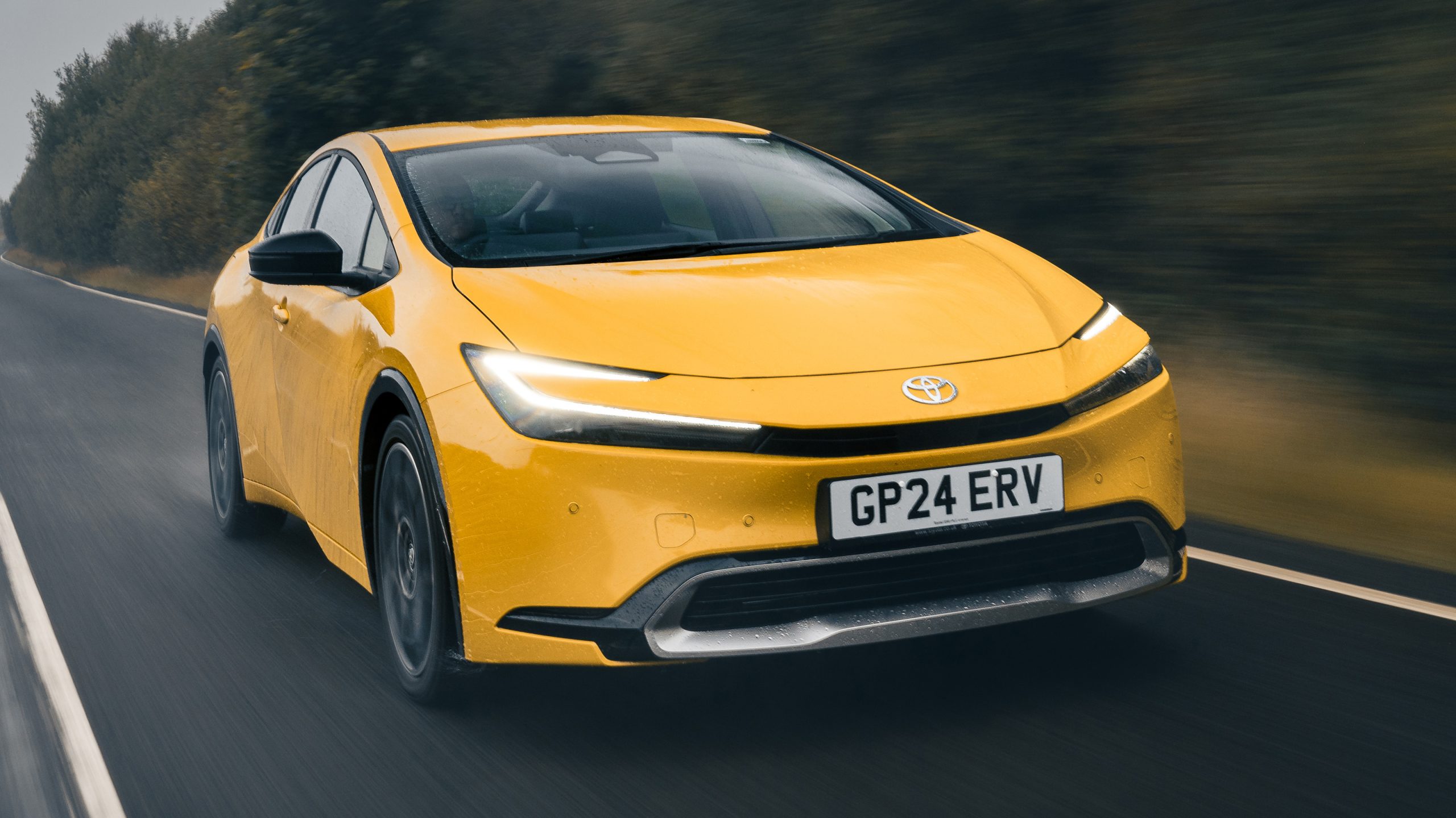
7. Toyota Prius: The Hybrid Pioneer That Proves Durability Meets Efficiency
The Toyota Prius has long been the face of hybrid technology, pioneering fuel-saving innovation while proving that hybrids can be just as durable as traditional gas vehicles. Many Prius models have surpassed 300,000 miles in real-world use, especially in taxi fleets.
Its Atkinson-cycle engine runs at lower RPMs than most conventional engines, reducing stress and extending component life. Regenerative braking also saves wear on traditional brake parts, while the hybrid battery packs have demonstrated impressive longevity, often lasting well beyond 200,000 miles. By combining efficiency with proven reliability, the Prius continues to define its segment.
On the road, the Prius offers smooth and composed acceleration. With 0–60 mph times of 7.7 seconds in front-wheel-drive form, it’s quicker than rivals like the Kia Niro but trails the Honda Civic Hybrid. While the Prius isn’t built for sporty driving, it remains stable and secure around turns.
Economy-focused tires limit grip, though the chassis itself could handle more with stickier rubber. Everyday driving is where it shines, transitions between electric and gas power are nearly seamless, creating a refined, easygoing experience.
The Prius rides comfortably over bumps and rough pavement, with front and rear seats that provide adequate support for long drives. The front seats are particularly comfortable, while the rear seating, though serviceable, lacks recline options.
Heated seats are widely available, and the Limited trim adds ventilated options. Noise, however, is a drawback: tire roar, wind, and engine sounds under hard acceleration intrude into the cabin, reducing refinement.
Inside, the Prius features a straightforward dashboard with accessible controls, but its digital instrument cluster is less impressive. Many drivers found it cluttered and partially blocked by the steering wheel. Rear entry is hampered by small door openings and a sloping roofline, leading to limited headroom for taller passengers.
Rear visibility is also compromised by the sharply angled back window and thick roof pillars. Up front, however, the layout feels functional, with intuitive placement of controls and handy storage solutions like a deep center console bin.
Toyota equips the Prius with strong in-car technology. The Limited trim features a large 12.3-inch touchscreen, offering sharp graphics, responsive operation, and Google-powered navigation.
Wireless Apple CarPlay and Android Auto come standard, as do multiple USB-C ports. The Prius also features effective driver aids, including lane keeping assistance, adaptive cruise control, and a unique Proactive Driving Assist system that subtly helps anticipate traffic conditions.
The Prius provides 20.3 cubic feet of cargo space, thanks to its hatchback design. While this is more than a sedan trunk, it falls short of some small crossovers like the Kia Niro. The cargo floor is raised and doesn’t hide extra underfloor storage, and longer items like golf clubs don’t fit easily. Still, its versatile layout and numerous small storage cubbies make it practical for daily use.
Fuel efficiency remains the Prius’ defining trait. The base LE trim achieves an EPA-estimated 57 mpg combined, while higher trims with larger wheels achieve 52 mpg. All-wheel-drive models sacrifice a few mpg but add winter-weather capability.
Real-world testing confirms these numbers, with consistent results around 52 mpg. Toyota backs the Prius with an excellent warranty for hybrid components, covering the battery up to 10 years/150,000 miles.
The Toyota Prius proves that hybrids can combine exceptional efficiency with long-term durability. With real-world examples reaching high mileage, advanced technology features, and outstanding fuel economy, it remains a standout choice for eco-minded drivers.
While higher trims push pricing into midsize sedan territory and cabin noise lingers as a weakness, the Prius continues to deliver unmatched efficiency and proven dependability in a practical package.
Reaching 200,000 miles without major problems is no small feat, yet these seven cars have built reputations for doing exactly that. From the fuel-efficient Toyota Prius to the refined Lexus ES, each of these vehicles combines dependable engineering with features that make them practical for everyday use. For families, commuters, and long-distance drivers, they represent peace of mind and long-term value.
The Toyota Camry kicks off this list for good reason. It shows how a well-balanced car can deliver comfort, efficiency, and reliability in one package.
Models like the Honda Accord and Toyota Corolla follow suit, proving that mainstream sedans can stand the test of time. Even when luxury touches are added, as seen with the Lexus ES, or when advanced hybrid systems come into play, like in the Prius, the reliability factor remains constant.
If you’re searching for a car that won’t drain your wallet with unexpected repairs after the odometer rolls past 200,000 miles, these models are worth considering. They are proof that the right vehicle isn’t just a purchase, it’s an investment in years of dependable driving.
Also Read: 5 Cars That Run Quietly After 300k vs 5 That Don’t Last Half As Long