
Transmission problems are one of the most common concerns for SUV owners, often leading to expensive repairs or even replacement. However, not all SUVs are prone to these issues.
Some models have earned reputations for having reliable transmissions that last well beyond 200,000 miles with minimal maintenance.
These SUVs combine thoughtful engineering, durable components, and precise assembly to ensure smooth operation and long-term dependability.
A reliable transmission not only reduces repair costs but also enhances the overall driving experience. Smooth gear changes, consistent power delivery, and minimal maintenance requirements are hallmarks of SUVs with strong transmissions.
Drivers benefit from confidence during daily commuting, highway travel, and towing or off-road use, knowing the drivetrain is unlikely to fail unexpectedly.
Several factors contribute to transmission reliability. High-quality materials, precision manufacturing, and proper cooling systems prevent premature wear.
Automatic transmissions, continuously variable systems, and manual gearboxes each have unique designs, but the most dependable models are those that maintain consistent performance under a variety of conditions.
Some SUVs are consistently recognized for their transmission durability, combining engine reliability, drivetrain engineering, and supportive maintenance guidelines.
These vehicles continue to perform well even as they accumulate high mileage, offering peace of mind to owners and retaining their resale value.
The following sections highlight ten SUVs known for having rare transmission issues. Each entry examines why the transmission remains dependable, how routine maintenance contributes to longevity, and what features make these SUVs stand out in terms of drivetrain reliability.
These examples demonstrate that selecting the right SUV can significantly reduce the likelihood of transmission issues while providing years of smooth and trouble-free driving.
Also Read: 12 Trucks With Cabins That Defy Wear Under Rough Use
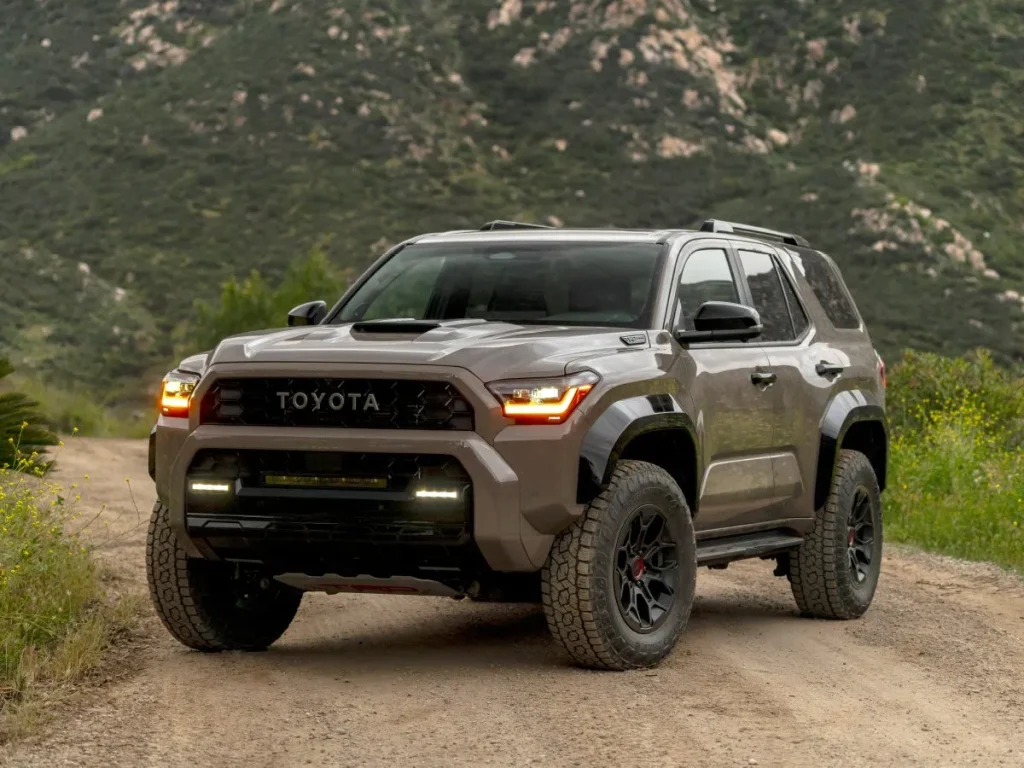
1. Toyota 4Runner (Fourth and Fifth Generation)
The Toyota 4Runner has a longstanding reputation for durability, and its transmission is no exception. Fourth-generation models (2003–2009) and fifth-generation models (2010–present) are known for their smooth, dependable gear changes, with minimal issues even over high mileage.
A major factor in the 4Runner’s reliable transmission is Toyota’s use of robust automatic units paired with proven V6 and V8 engines.
Regular maintenance, such as fluid changes and inspections of the torque converter, helps preserve performance and reduces the risk of failure. Many owners report vehicles exceeding 250,000 miles without transmission problems.
The 4Runner’s drivetrain design also contributes to longevity. A durable transfer case and well-built differential reduce stress on the transmission, especially in 4×4 models. Properly maintained, these components allow for reliable off-road use, towing, and daily commuting without compromising the transmission’s lifespan.
Interior and operational design support the transmission as well. Smooth shifting patterns and responsive controls ensure minimal strain on components.
Toyota’s conservative engineering philosophy prioritizes long-term reliability over overly aggressive performance, which keeps the transmission functioning smoothly for years.
Owners appreciate the 4Runner for its predictable performance, whether navigating city streets, highways, or challenging terrain. Its transmission rarely exhibits problems such as slipping, harsh engagement, or failure, making it a dependable choice in the SUV segment.
Routine maintenance remains important for longevity. Toyota recommends fluid replacement every 60,000 miles and periodic inspections of linkage and mounts. Following these steps helps maintain consistent operation and extends the life of the drivetrain.
Overall, the 4Runner combines rugged construction, proven engineering, and careful maintenance to deliver one of the most dependable transmissions in SUVs. This reputation has contributed to its enduring popularity and high resale value among used SUV buyers.
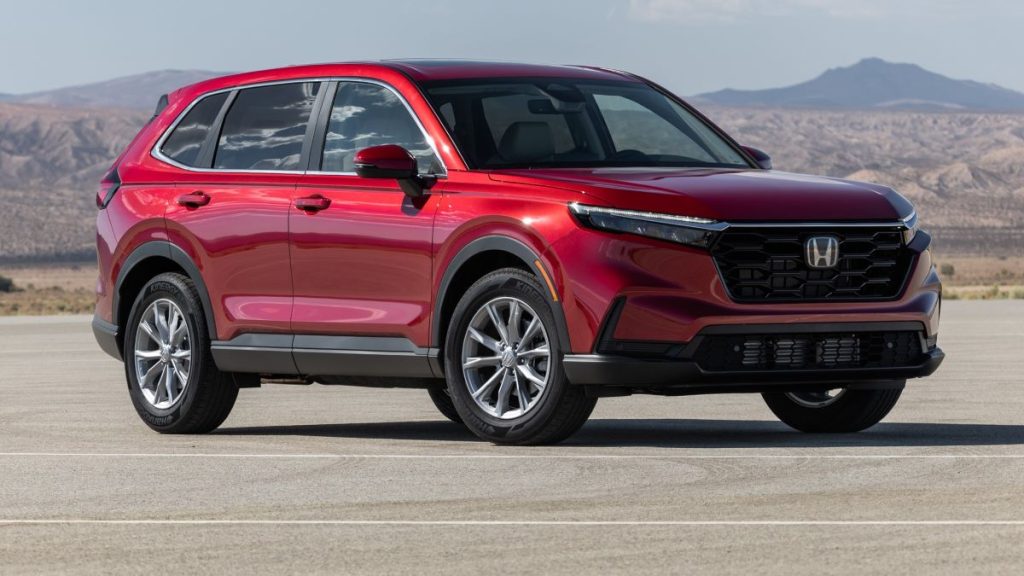
2. Honda CR-V (Third and Fourth Generation)
The Honda CR-V, particularly third-generation (2007–2011) and fourth-generation (2012–2016) models, is recognized for reliable transmissions that rarely encounter problems. Its combination of a smooth automatic gearbox, efficient engine, and simple drivetrain design ensures long-term durability.
Honda’s focus on precise engineering is evident in the CR-V’s transmission. Automatic units are designed to handle both city driving and highway cruising without overheating or premature wear.
Proper maintenance, including fluid replacement at recommended intervals, allows many CR-Vs to exceed 200,000 miles with minimal issues.
The vehicle’s front-wheel-drive and all-wheel-drive layouts are engineered to distribute power evenly, reducing strain on the transmission. Components such as the torque converter, mounts, and linkage are robust, allowing the drivetrain to remain reliable under regular driving conditions.
Smooth gear engagement and predictable shifting patterns contribute to the CR-V’s transmission reliability.
Honda avoids overly complex designs, which reduces the likelihood of mechanical failures and keeps maintenance straightforward. Many owners report consistent performance over high mileage, with little need for transmission repairs.
Routine care, such as monitoring fluid levels, checking for leaks, and ensuring the cooling system functions properly, is critical to maintaining long-term transmission health. The simplicity of the drivetrain also allows for affordable servicing when needed.
The CR-V’s transmission reliability adds to its overall reputation for longevity. It continues to be a preferred choice for buyers who value dependable, low-maintenance SUVs that maintain strong resale value.
Drivers can confidently rely on the CR-V’s drivetrain for daily commuting, long trips, and light towing without worrying about transmission failures.
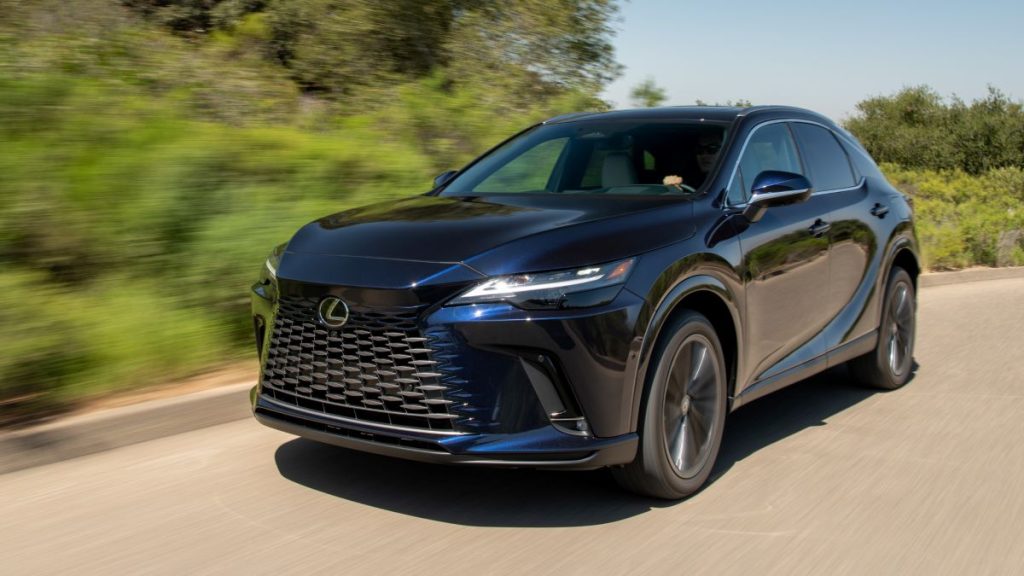
3. Lexus RX 350 (Third and Fourth Generation)
The Lexus RX 350, especially third-generation models (2009–2015) and fourth-generation models (2016–present), is well-known for a smooth and reliable automatic transmission. Lexus engineering emphasizes longevity, and the RX 350’s drivetrain rarely experiences significant problems even at high mileage.
A key factor in the RX 350’s transmission durability is the use of a well-tuned 6-speed or 8-speed automatic paired with a dependable V6 engine.
These units are designed to operate smoothly under various driving conditions, from city commuting to highway cruising. Routine maintenance, including fluid changes and periodic inspections, helps keep the transmission in optimal condition.
The drivetrain’s design includes durable torque converters, robust linkage systems, and efficient cooling mechanisms.
These features prevent overheating, reduce wear, and extend the life of internal components. Even models with all-wheel-drive configurations maintain smooth operation without additional transmission concerns.
Smooth and predictable gear changes enhance the driving experience while reducing stress on transmission components. Lexus avoids overly complex designs in favor of systems optimized for reliability and comfort. This approach minimizes potential failures and contributes to the RX 350’s reputation for durability.
Owners report that the transmission rarely exhibits slipping, rough engagement, or other common issues. With proper maintenance, many RX 350s exceed 250,000 miles with the original transmission intact. Regular servicing of fluid, mounts, and cooling systems further ensures longevity.
The RX 350’s combination of a robust automatic transmission, quality engineering, and regular maintenance requirements results in one of the most dependable SUVs in its segment. Buyers value its smooth performance, long-term reliability, and low likelihood of costly transmission repairs.
With its proven drivetrain, the Lexus RX 350 continues to be a sought-after SUV for those who prioritize reliability and long-term ownership. Its reputation for rare transmission issues strengthens its standing among used SUV buyers.
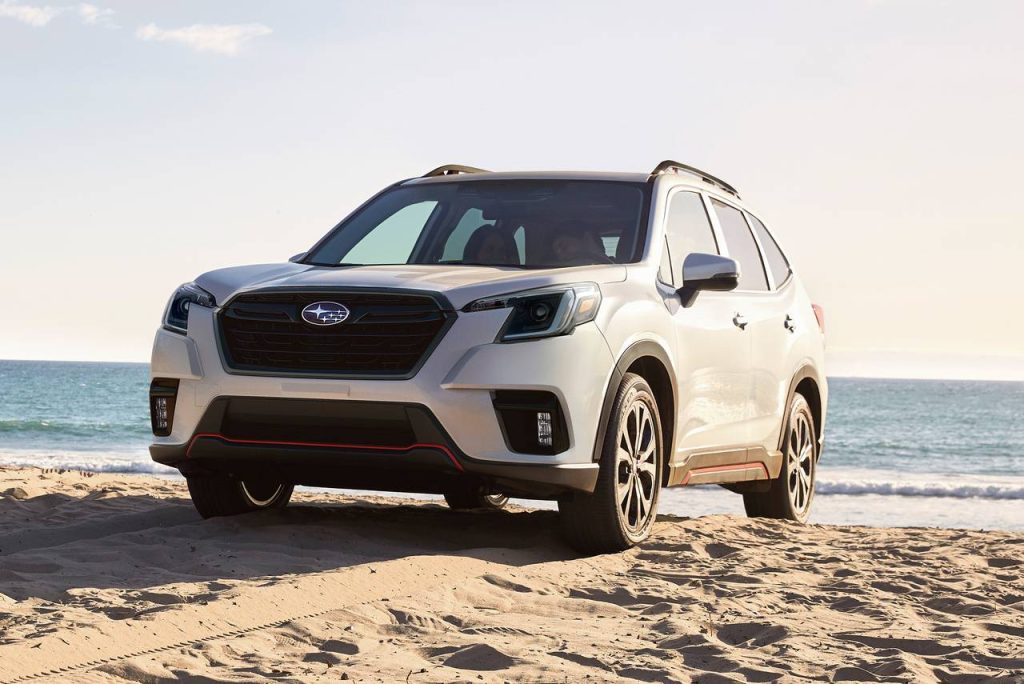
4. Subaru Forester (Fourth and Fifth Generation)
The Subaru Forester, particularly fourth-generation (2009–2013) and fifth-generation (2014–2018) models, is recognized for reliable transmissions that require minimal attention. Subaru’s engineering ensures that these units perform consistently even under high mileage and varied driving conditions.
Subaru often equips the Forester with a durable CVT or automatic transmission, designed to handle both city and highway driving with minimal wear. Regular maintenance, including fluid replacements and inspections, allows these transmissions to last well beyond 200,000 miles.
All-wheel-drive Foresters benefit from balanced power distribution, which reduces strain on the transmission. Components like the torque converter, mountings, and linkage systems are built for longevity, ensuring smooth operation in both front- and all-wheel-drive configurations.
Smooth shifting, predictable engagement, and well-engineered drivetrain systems minimize common problems such as slipping or rough transitions.
Subaru avoids overcomplicated mechanisms, focusing instead on durability and long-term reliability. Owners rarely report serious transmission failures with proper care.
Routine maintenance, including fluid monitoring, leak checks, and periodic inspections, further prolongs transmission life. Subaru’s engineering, combined with attentive servicing, contributes to a strong reputation for drivetrain dependability.
The Forester’s transmission reliability adds to its overall appeal. Drivers can confidently use the SUV for commuting, off-road excursions, and light towing without fear of transmission issues. Its low maintenance requirements and dependable performance make it a practical and long-lasting choice in the SUV segment.
Subaru Foresters consistently rank among SUVs with rare transmission problems, reinforcing their status as durable, reliable, and dependable vehicles that retain value over time.
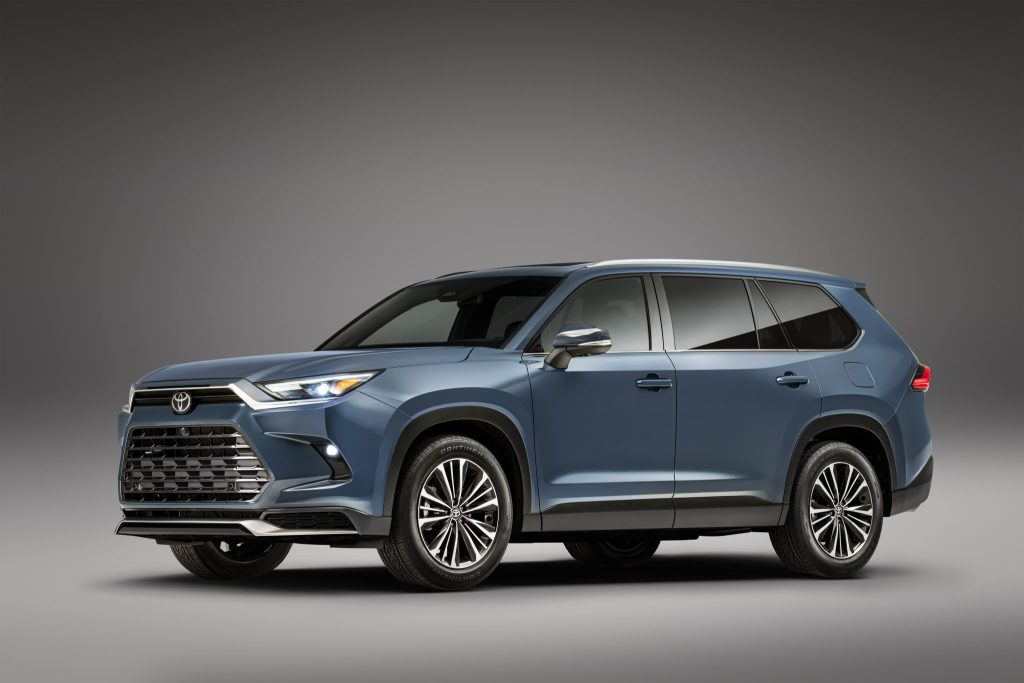
5. Toyota Highlander (Second and Third Generation)
The Toyota Highlander, particularly second-generation models (2008–2013) and third-generation models (2014–2019), is recognized for a smooth and reliable automatic transmission. Toyota’s engineering focuses on durability, making transmission issues rare even at higher mileage.
The Highlander uses either a 4-cylinder or V6 engine paired with a 5-speed, 6-speed, or 8-speed automatic transmission.
These transmissions are well-engineered, providing smooth gear changes under city, highway, or light towing conditions. Regular maintenance, including fluid replacement and inspection of linkages, helps extend the life of these systems.
Durable components such as torque converters, mountings, and cooling systems ensure the transmission operates reliably for years.
All-wheel-drive versions distribute power efficiently, reducing stress on internal components. Toyota’s conservative engineering philosophy prioritizes longevity over aggressive performance, which contributes to rare transmission problems.
Owners report consistent and predictable shifting, with minimal reports of slipping, harsh engagement, or failure. Proper maintenance, including periodic fluid checks and transmission servicing, allows Highlanders to surpass 250,000 miles without major issues.
Interior and operational design support the transmission’s performance. Smooth throttle response and well-calibrated controls reduce strain on drivetrain components. This careful engineering results in a comfortable, dependable driving experience while minimizing maintenance concerns.
The Highlander’s combination of reliable powertrains, durable transmission components, and attentive maintenance guidelines ensures longevity.
Buyers seeking a dependable SUV find that these models provide years of trouble-free driving, maintaining strong resale value and low long-term ownership costs.
Toyota Highlander continues to stand out among SUVs for rare transmission problems, reflecting a balance of durability, engineering, and practical features that ensure reliable performance over time.
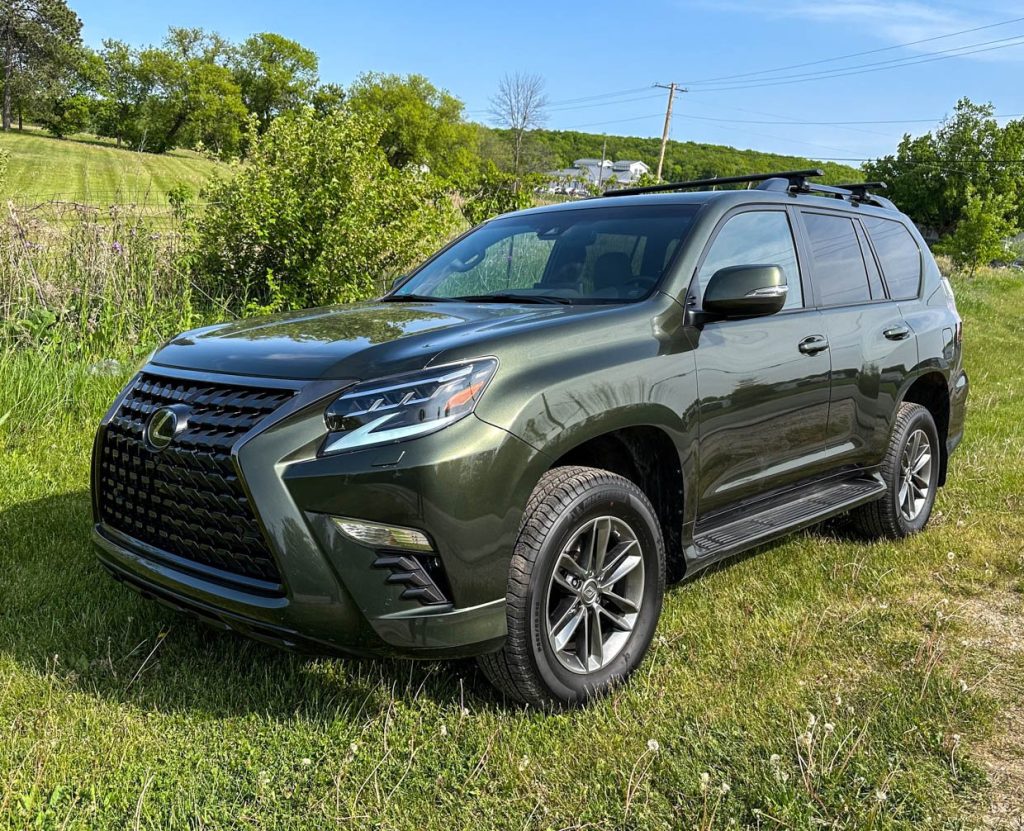
6. Lexus GX 460 (Second Generation)
The Lexus GX 460, a mid-size luxury SUV introduced in 2010, is known for its robust drivetrain and dependable transmission. Its reputation for reliability stems from Toyota’s engineering, which prioritizes durability and long-term performance in both city and off-road driving conditions.
The GX 460 is equipped with a 4.6-liter V8 paired with a 6-speed automatic transmission. This transmission is highly reliable, rarely experiencing slipping, harsh engagement, or failure.
Regular maintenance, including fluid changes and inspections of torque converters and linkages, keeps the drivetrain performing optimally over decades.
Durable frame construction and a reinforced transfer case reduce strain on the transmission, particularly in four-wheel-drive models. Properly engineered differentials and well-designed power distribution systems ensure that the drivetrain remains reliable under towing or off-road conditions.
Smooth, predictable gear changes contribute to minimal wear on internal components. Lexus avoids overly complex transmission designs, focusing instead on robust, proven systems that maximize longevity and minimize maintenance needs. Owners commonly report vehicles exceeding 200,000 miles without significant transmission issues.
Routine maintenance, including monitoring fluid levels, cooling system inspections, and periodic servicing, further enhances reliability.
The combination of quality materials, precise engineering, and Toyota’s conservative approach results in one of the most dependable luxury SUV transmissions available.
The GX 460’s transmission reliability, paired with its rugged construction and refined performance, makes it a sought-after SUV in the used market.
Buyers can expect decades of smooth operation without worrying about costly repairs, reinforcing its reputation for rare transmission problems and long-term dependability.
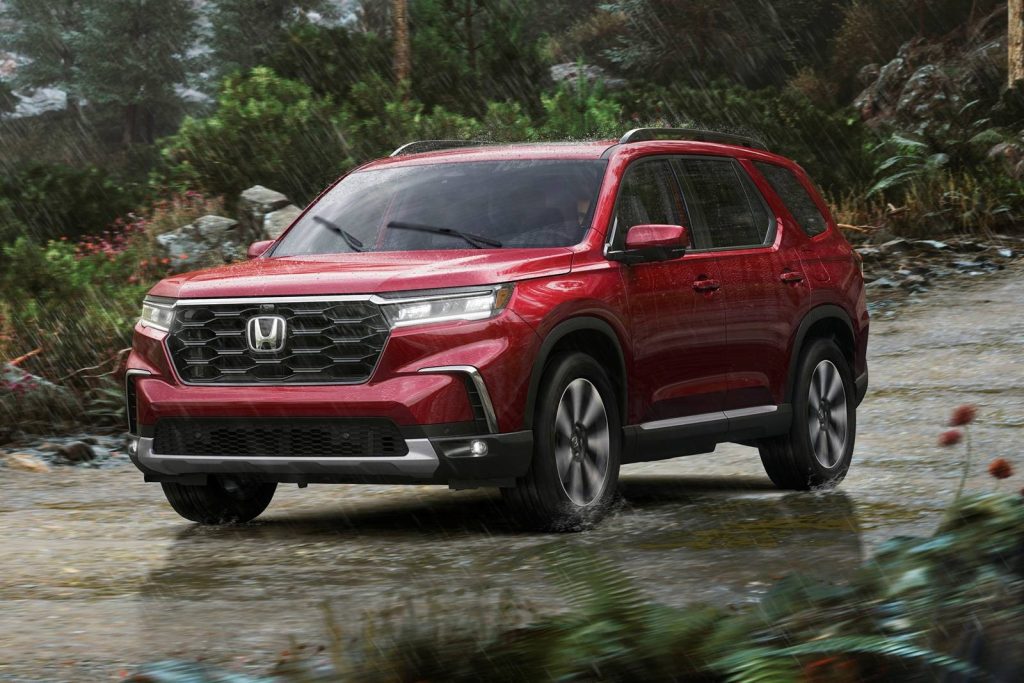
7. Honda Pilot (Second and Third Generation)
The Honda Pilot, particularly second-generation (2009–2015) and third-generation (2016–2022) models, is recognized for dependable transmissions that rarely require major repairs.
Honda engineering emphasizes smooth operation and longevity, which contributes to minimal transmission issues even at high mileage.
The Pilot typically uses a 3.5-liter V6 paired with a 5-speed, 6-speed, or 9-speed automatic transmission depending on the model year.
These transmissions are designed to handle both city and highway driving with minimal stress. Regular maintenance, including fluid changes and inspection of linkages, ensures reliable performance for many years.
All-wheel-drive models benefit from efficient power distribution, which reduces strain on the transmission. Robust torque converters, durable mountings, and reliable control systems further enhance longevity. The combination of careful design and quality materials reduces wear and tear over time.
Owners report smooth and predictable shifting, with very few experiencing slipping, harsh engagement, or failure. Routine maintenance such as fluid monitoring, transmission servicing, and cooling system checks allows the Pilot to surpass 200,000 miles without major issues.
The interior and operational design also support transmission longevity. Smooth throttle response and well-calibrated controls minimize stress on drivetrain components, ensuring consistent performance during long-term use.
The Pilot’s combination of reliable powertrains, durable transmission components, and Honda’s attention to maintenance guidelines results in an SUV that continues to perform well over decades. Buyers seeking a dependable, low-maintenance SUV find it a practical and long-lasting choice.
The Honda Pilot’s transmission reliability has reinforced its reputation as one of the most durable SUVs in its class. Its proven drivetrain, low incidence of issues, and ease of maintenance make it a dependable option for long-term ownership.
8. Toyota RAV4 (Fourth and Fifth Generation)
The Toyota RAV4, especially fourth-generation (2013–2018) and fifth-generation (2019–present) models, is noted for reliable transmissions that rarely encounter significant problems. Its smooth, well-engineered drivetrain contributes to consistent performance and long-term dependability.
The RAV4 uses a combination of 2.5-liter inline-four engines paired with either a 6-speed automatic or CVT transmission. Both options are designed for efficiency and longevity, capable of handling daily commuting, highway driving, and occasional towing. Routine fluid replacements and inspections keep transmissions performing smoothly over high mileage.
All-wheel-drive configurations are engineered to distribute power efficiently, reducing stress on internal components.
Torque converters, mounts, and linkages are robust, contributing to minimal wear and rare transmission issues. Toyota prioritizes durability and simplicity in the drivetrain, which helps maintain long-term reliability.
Owners report smooth, predictable gear changes, with very few experiencing slipping, hesitation, or failure. Regular maintenance, including fluid replacement and cooling system checks, ensures the transmission continues to function optimally for decades.
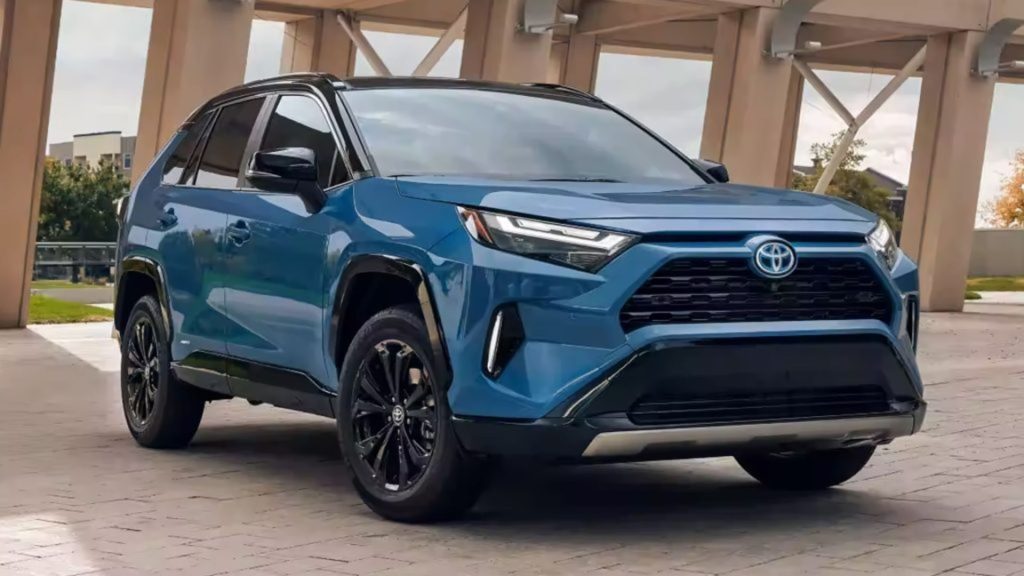
The RAV4’s operational design supports its transmission performance. Well-calibrated controls and responsive throttle behavior reduce stress on drivetrain components, contributing to minimal wear over time. This design philosophy enhances reliability, even under heavier loads or frequent use.
With strong engineering, durable components, and low maintenance requirements, the Toyota RAV4 is a reliable choice for those seeking an SUV with rare transmission problems. Buyers can expect decades of trouble-free driving, making it one of the most dependable models in its segment.
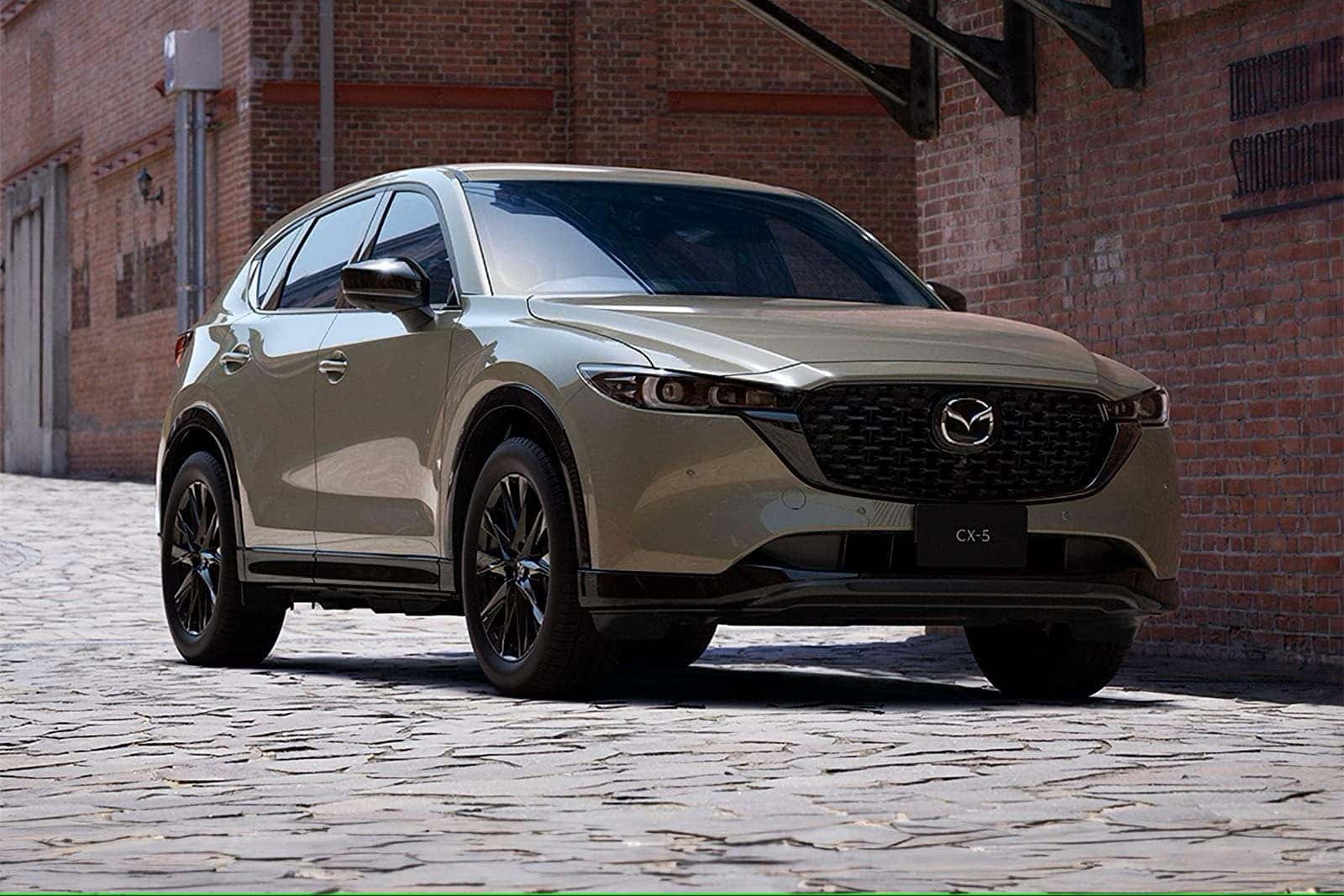
9. Mazda CX-5 (First and Second Generation)
The Mazda CX-5, particularly first-generation models (2013–2016) and second-generation models (2017–present), is recognized for smooth and reliable transmissions. Mazda’s engineering ensures minimal issues, even with high mileage, making it one of the more dependable compact SUVs.
The CX-5 typically uses a 2.0-liter or 2.5-liter inline-four engine paired with a 6-speed automatic transmission.
These transmissions are designed to provide smooth shifting under city, highway, and light towing conditions. Routine maintenance, including fluid replacements and periodic inspections, keeps the system operating efficiently for many years.
All-wheel-drive models benefit from balanced power distribution, reducing strain on the transmission.
Durable torque converters, mounts, and linkages enhance longevity. Mazda focuses on reliability in design and material selection, ensuring the drivetrain continues performing well over decades.
Owners report consistent and predictable gear changes, with very few instances of slipping or hesitation. The transmissions rarely experience major failures when the recommended maintenance schedule is followed. This reliability contributes to low long-term ownership costs.
Operational design and throttle response also support transmission longevity. Smooth engagement reduces stress on internal components and provides a comfortable driving experience. Mazda’s conservative tuning prioritizes dependability over aggressive performance, further minimizing potential issues.
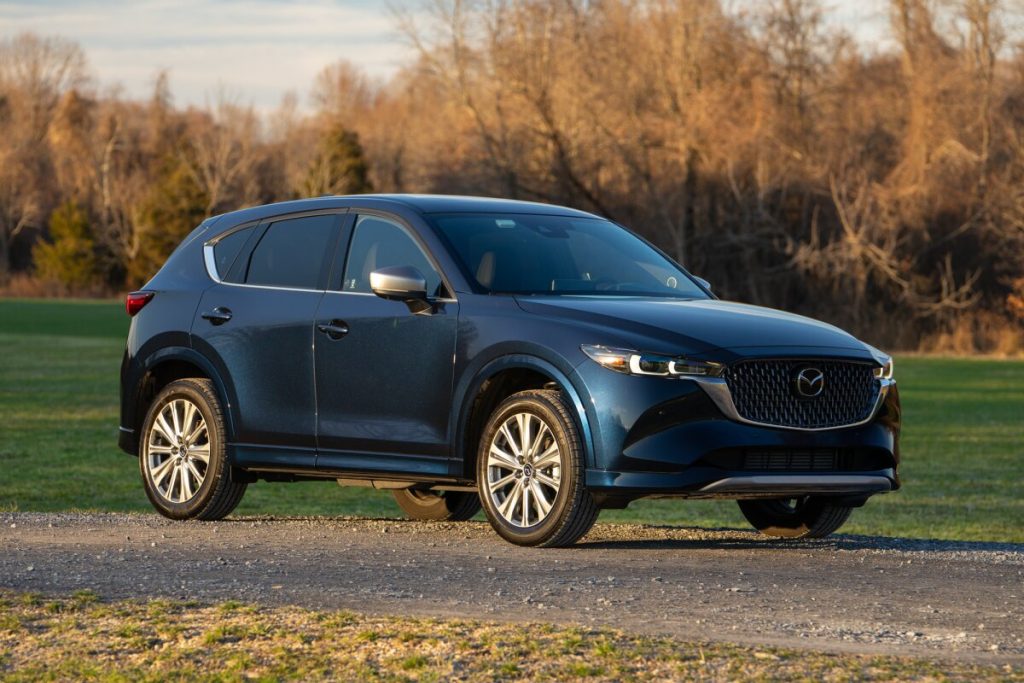
The CX-5’s combination of reliable powertrains, robust transmission components, and straightforward maintenance guidelines ensures long-term performance. Drivers can rely on the vehicle for commuting, weekend trips, and light towing without concern for transmission failures.
Mazda CX-5 continues to earn praise for its rare transmission problems, reinforcing its reputation as a practical, durable, and dependable compact SUV. Its smooth operation and long-term reliability make it a sought-after choice among used SUV buyers.
10. Acura RDX (Second and Third Generation)
The Acura RDX, particularly second-generation (2013–2018) and third-generation (2019–present) models, is known for dependable transmissions with minimal reported issues. Acura combines Honda engineering with premium design, resulting in a reliable SUV drivetrain.
The RDX uses a 2.3-liter turbocharged four-cylinder or 2.0–2.5-liter inline-four engine paired with a 6-speed automatic or 10-speed automatic transmission.
These systems are engineered for smooth, predictable shifting and long-term durability. Routine fluid changes and inspections help maintain transmission performance over time.
All-wheel-drive versions distribute power efficiently, reducing stress on the drivetrain. Robust torque converters, mounts, and linkage systems enhance reliability, while well-designed cooling systems prevent overheating and premature wear.
Owners report consistent gear engagement, smooth transitions, and rare incidents of slipping or hesitation. Proper maintenance ensures the transmission remains functional well beyond 200,000 miles, contributing to low long-term ownership costs.
Operational design and throttle responsiveness reduce strain on drivetrain components. Acura’s engineering emphasizes durability while maintaining a smooth and comfortable driving experience. Predictable performance under varied driving conditions makes the transmission one of the RDX’s most reliable features.
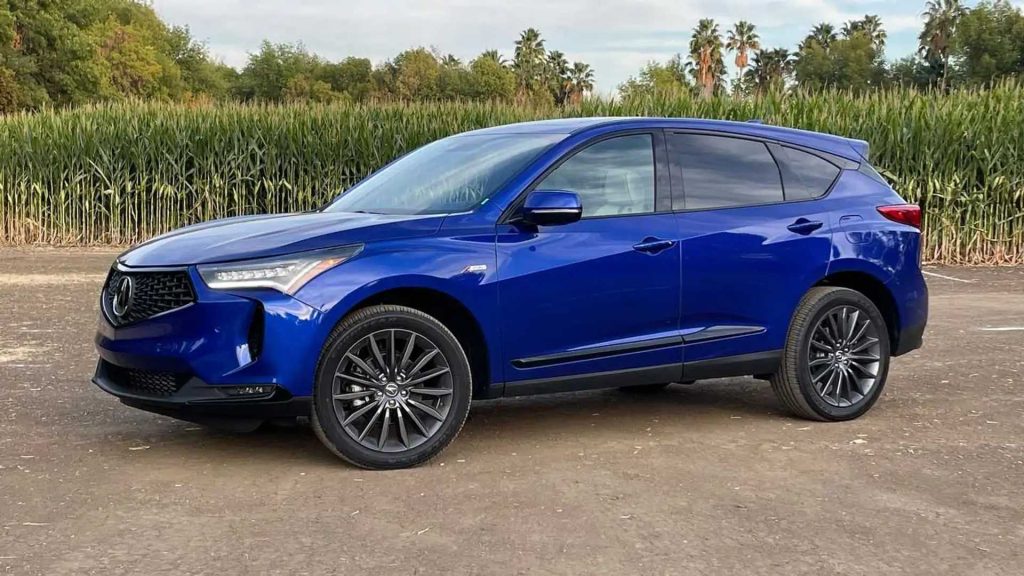
With its combination of reliable powertrains, durable components, and attentive maintenance guidelines, the Acura RDX continues to deliver smooth and trouble-free performance. Its rare transmission problems make it a trusted choice for buyers seeking a dependable SUV that maintains value over time.
These ten SUVs demonstrate that careful engineering, durable components, and routine maintenance can result in vehicles with transmissions that rarely fail.
Models such as the Toyota 4Runner, Highlander, and RAV4 show that robust automatic units paired with reliable engines provide smooth gear changes and long-term durability.
Luxury models like the Lexus RX 350 and GX 460 benefit from well-built torque converters, reinforced drivetrains, and conservative engineering, reducing stress on transmission components even under heavy use.
Compact and mid-size SUVs, including the Honda CR-V, Pilot, Mazda CX-5, and Acura RDX, illustrate that balanced power distribution, predictable shifting, and durable mounts allow these vehicles to exceed 200,000 miles with minimal issues.
Subaru Foresters maintain reliability through CVT and automatic transmissions designed to handle various driving conditions, while Acura and Mazda vehicles combine smooth performance with longevity-focused design.
Routine maintenance such as fluid changes, inspections of linkages, and cooling system checks ensures continued performance.
The combination of proven drivetrain engineering, thoughtful design, and dependable materials allows these SUVs to provide years of trouble-free operation.
Buyers can confidently rely on these vehicles for daily driving, highway use, towing, and light off-road work without worrying about transmission problems. These models remain highly sought-after due to their reliability and long-term durability.
