
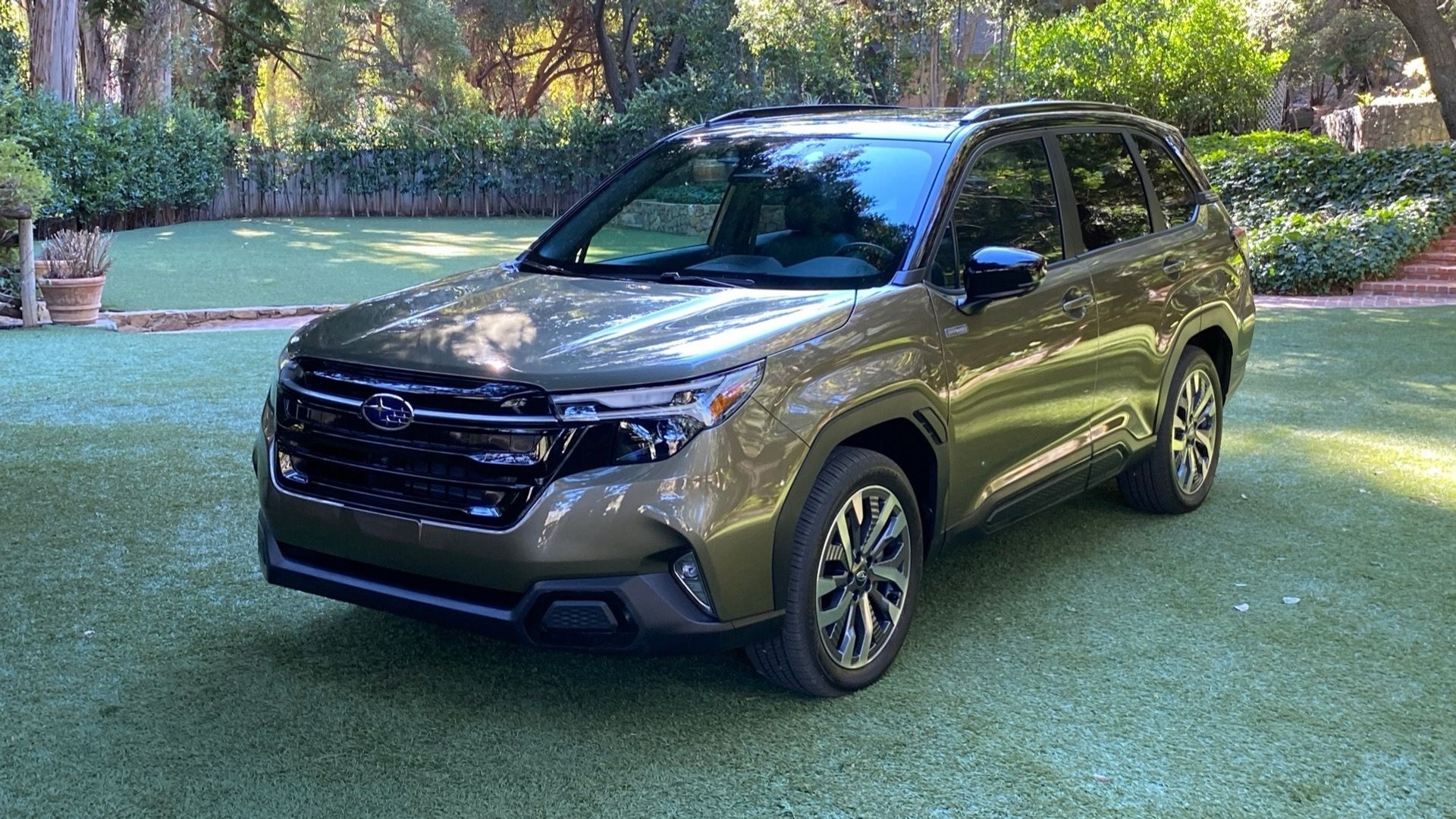
Subaru has built its reputation on vehicles that combine reliability, practicality, and all-weather capability. While the brand may not always dominate the luxury or performance headlines, it consistently delivers SUVs that stand the test of time.
Many Subaru models from the past two decades are still on the road today, proving that durability and thoughtful engineering can create vehicles that last for generations.
One of Subaru’s strongest qualities is its dedication to symmetrical all-wheel drive. This system is standard on nearly all of its SUVs, offering consistent traction and stability in a variety of driving conditions.
Whether it is snow, rain, or unpaved back roads, Subaru owners trust that their vehicles will get them where they need to go. That confidence has translated into long-term loyalty, with many families sticking with the brand across multiple vehicles.
Another reason Subaru SUVs endure is their practical design. From generous cargo areas to comfortable seating layouts, they prioritize functionality without sacrificing comfort.
The cabins are straightforward and durable, built to handle years of use without losing their quality. This simplicity also makes maintenance easier, which is crucial for keeping a vehicle running smoothly for decades.
Subaru engines, especially the boxer-style designs, contribute to longevity as well. With proper care, they provide dependable power over hundreds of thousands of miles.
Combined with efficient transmissions and a strong safety record, Subaru SUVs offer an appealing mix of traits that encourages long-term ownership.
This article highlights ten Subaru SUVs that have proven they can keep running for decades. Each model showcases the brand’s strengths while offering unique qualities that make them stand out.
From compact crossovers to larger family-oriented SUVs, these vehicles continue to demonstrate why Subaru is trusted by drivers who want reliability and value that lasts.
Also Read: 12 Engines That Will Outlast Your Transmission
1. Subaru Forester (First Generation)
The first-generation Subaru Forester, introduced in 1997, blended the practicality of a station wagon with the capability of an SUV. It quickly built a reputation for reliability, comfort, and durability, traits that have helped many of these vehicles remain on the road decades later.
Under the hood, the Forester came equipped with Subaru’s boxer four-cylinder engine. This design offered a low center of gravity and dependable performance.
When paired with Subaru’s symmetrical all-wheel drive, it delivered confident traction in nearly all conditions. With proper maintenance, these engines are known to surpass 200,000 miles with ease.
The Forester’s compact dimensions made it easy to maneuver in city environments, yet it provided impressive cargo capacity for its size. Families appreciated the upright seating position, ample visibility, and versatile interior layout. These features made it a practical choice that fit well into everyday life.
Owners also valued the Forester’s fuel efficiency relative to larger SUVs of its time. It offered enough capability for light off-road use, camping trips, and snowy roads while still being economical to operate. This balance of efficiency and usability contributed to its long-term success.
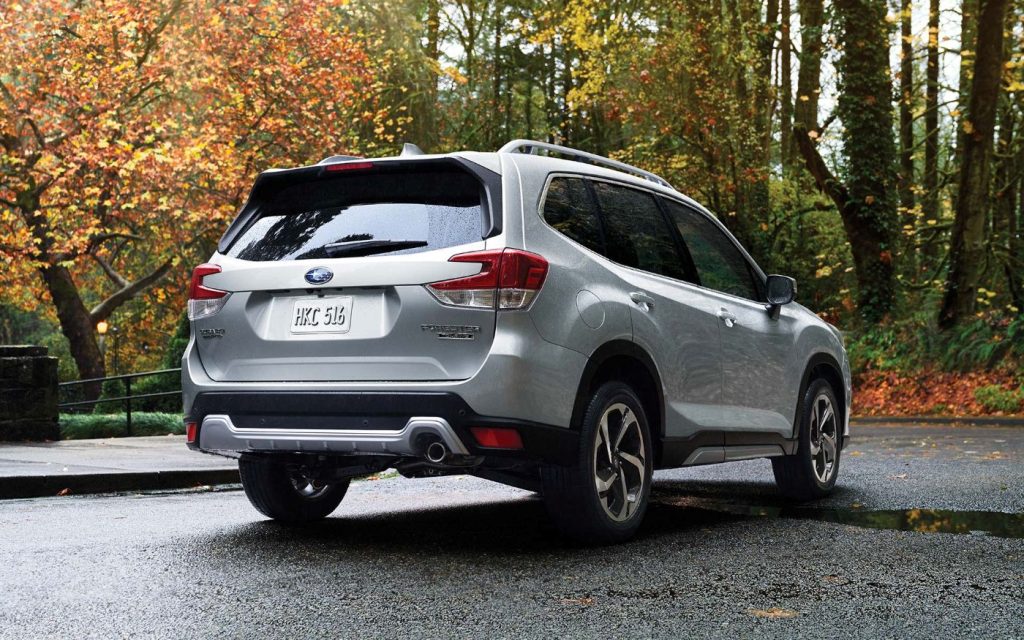
The interior was straightforward, with durable materials that resisted wear over time. Controls were logically placed, and the design favored function over flash. Even after years of use, many first-generation Foresters remain comfortable and fully functional.
Stylistically, the early Forester maintained a boxy, practical shape that has aged well. Its simplicity avoided dated styling cues, giving it a timeless character that resonates with drivers today.
Thanks to rugged construction, dependable mechanics, and a focus on everyday usability, the first-generation Subaru Forester continues to serve drivers reliably decades after it first appeared.
2. Subaru Outback (Second Generation)
The second-generation Subaru Outback, produced from 2000 to 2004, strengthened the brand’s reputation for creating vehicles that could handle almost anything.
While technically a raised wagon, its capability and durability have placed it firmly among Subaru SUVs that keep running long after many rivals fade away.
The Outback offered several powertrain options, including Subaru’s well-regarded 2.5-liter boxer four-cylinder and a more powerful 3.0-liter six-cylinder in higher trims.
These engines, when maintained with regular oil changes and timing belt service, often run smoothly for well over 200,000 miles. Subaru’s symmetrical all-wheel drive further enhanced reliability, providing sure-footed handling in varied weather.
Owners praised the Outback’s practicality. It offered ample cargo space, roomy seating, and ground clearance high enough to manage rougher roads. Families found it ideal for road trips, daily commuting, and recreational activities like skiing or camping. The balance between comfort and rugged utility made it highly versatile.
Fuel economy was competitive for its class, making the Outback an economical choice for long-term ownership. Many buyers also valued the reputation for safety, with features like side-impact airbags and solid crash test scores adding to peace of mind.
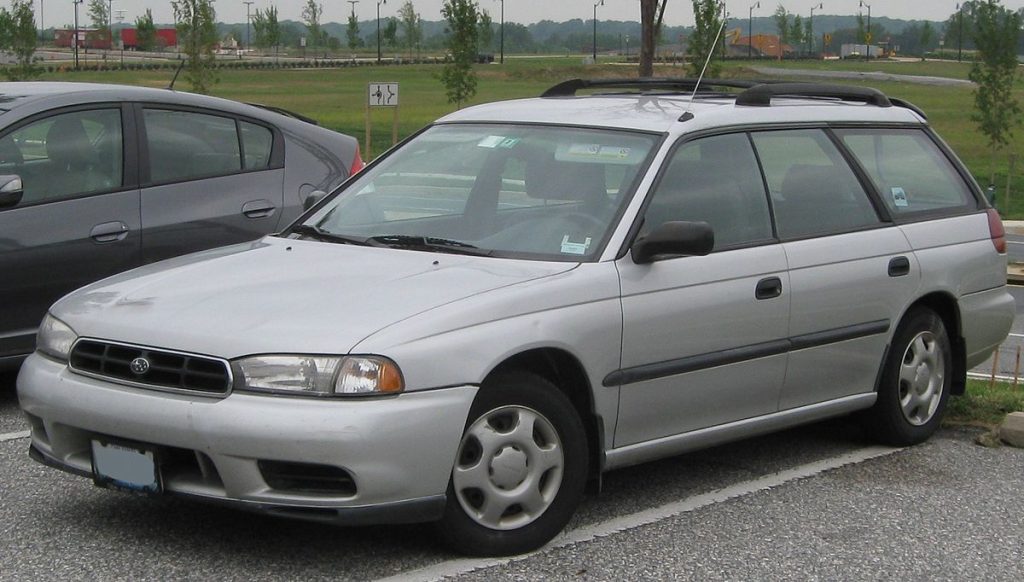
The Outback’s styling combined rugged cladding with wagon practicality, creating a distinctive look that has aged gracefully. It retained Subaru’s functional character while adding a bit more presence, which appealed to buyers looking for both style and substance.
Inside, the cabin was designed with comfort and longevity in mind. Durable upholstery, user-friendly controls, and clever storage areas made it well-suited for families. These features remain appreciated by drivers who continue to rely on second-generation Outbacks today.
Thanks to its blend of durability, safety, and versatility, the second-generation Subaru Outback remains a vehicle that delivers dependable service decades after its introduction.
3. Subaru Tribeca
The Subaru Tribeca, launched in 2005, was Subaru’s first attempt at a larger, three-row SUV. While it did not achieve the same sales success as the Forester or Outback, it has proven to be a durable and long-lasting option for families who keep them well maintained.
Powered by a 3.0-liter six-cylinder boxer engine (later upgraded to a 3.6-liter), the Tribeca delivered smooth performance with enough power to handle highway travel and heavy loads. These engines, built on Subaru’s established reputation for dependability, often see long service lives when properly cared for.
One of the Tribeca’s strengths was its standard symmetrical all-wheel drive. This system provided confidence in all weather conditions, from heavy snow to wet pavement. Combined with a sturdy chassis, the Tribeca felt secure and stable even after years of use.
Inside, the SUV offered three rows of seating, with enough space to accommodate families comfortably. High-quality materials and thoughtful design choices helped the interior age gracefully. Many Tribecas still feature cabins that remain functional and pleasant for daily driving.
Safety was another area where the Tribeca excelled. It came equipped with multiple airbags, stability control, and strong crash test ratings, which contributed to its appeal for families.
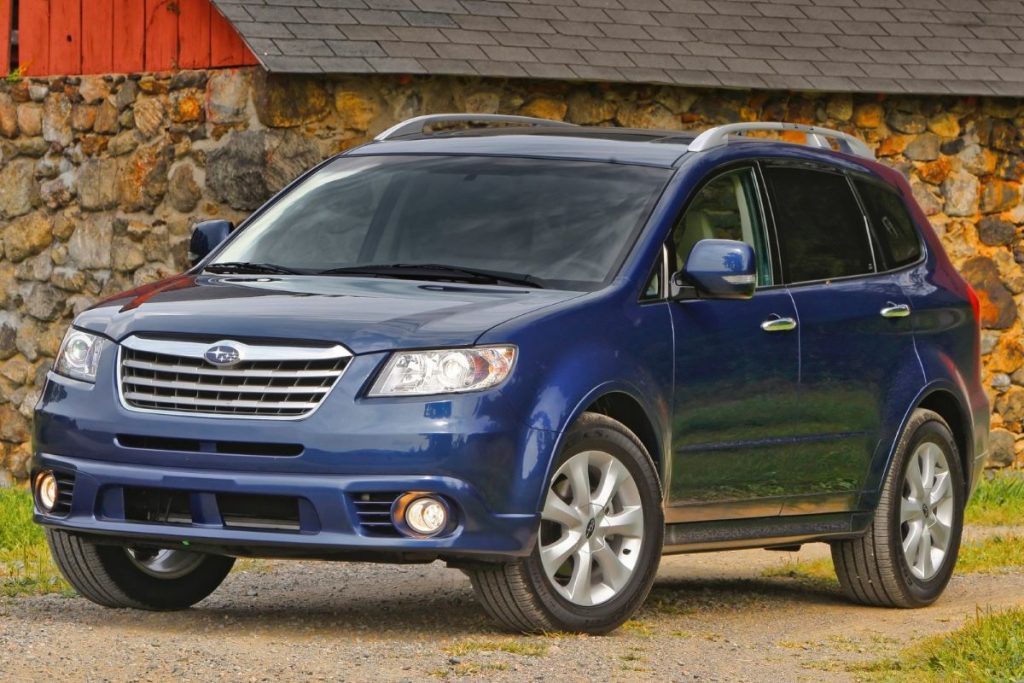
While the styling of the early Tribeca was polarizing, its mechanical reliability has helped it find a place as a dependable long-term SUV. The later design refresh improved its appearance, making it more appealing to a broader audience.
Today, the Subaru Tribeca is respected for its longevity and practicality. Owners who continue to drive them often appreciate how well they hold up mechanically and structurally, even after covering hundreds of thousands of miles.
3. Subaru Forester (2005–2009)
The second-generation Forester is often credited with cementing Subaru’s place in the SUV market. It combined the handling of a compact car with the utility of an SUV, which helped it appeal to a wide range of buyers. Owners often remark on how these models remain dependable even after years of use.
The 2.5-liter four-cylinder engine is straightforward and durable, offering respectable power while maintaining efficiency. With regular oil changes and proper care, these engines are known to surpass 200,000 miles. While head gasket issues were noted in some units, careful maintenance often prevents serious problems.
All-wheel drive gives the Forester an advantage in winter driving. Even older models maintain strong traction on snow and gravel roads. This ability, paired with a simple suspension design, makes them easy to maintain and practical for drivers in varied climates.
Interior comfort is basic but functional. These models have large windows that provide excellent visibility, making them safer for city driving and easier for long highway trips. The boxy design also maximizes cargo space without making the SUV overly bulky.
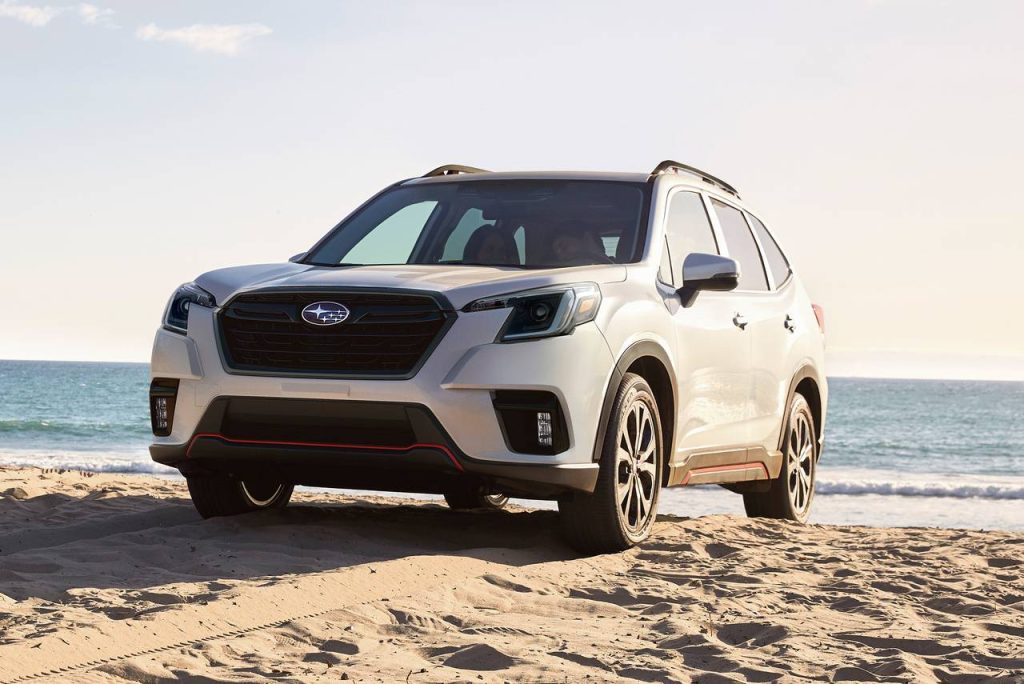
One reason for their long life is the availability of affordable replacement parts. Subaru’s popularity in this era means many shops are familiar with the Forester’s needs. Owners often perform minor repairs themselves, which reduces long-term costs and extends lifespan.
4. Subaru Outback (2010–2014)
The Outback from this generation was larger and more refined compared to its earlier models. Built on a stretched Legacy platform, it offered SUV practicality without sacrificing car-like handling. Many drivers still rely on these Outbacks for both city commuting and long-distance road trips.
Equipped with either a 2.5-liter four-cylinder or a 3.6-liter six-cylinder engine, both options proved durable with proper upkeep.
The four-cylinder is especially known for lasting hundreds of thousands of miles when serviced regularly. Timing belt replacements and fluid changes keep these engines healthy well into high mileage.
The symmetrical all-wheel drive system is one of its strongest assets. Owners in rural areas and snowy regions consistently praise its stability and surefootedness. Even after years of use, the system continues to perform reliably without major failures.
Inside, the Outback emphasizes comfort and practicality. With increased rear legroom and a roomy cargo hold, it became an appealing family SUV. Many drivers appreciate its balance of size and efficiency, making it a versatile long-term vehicle.
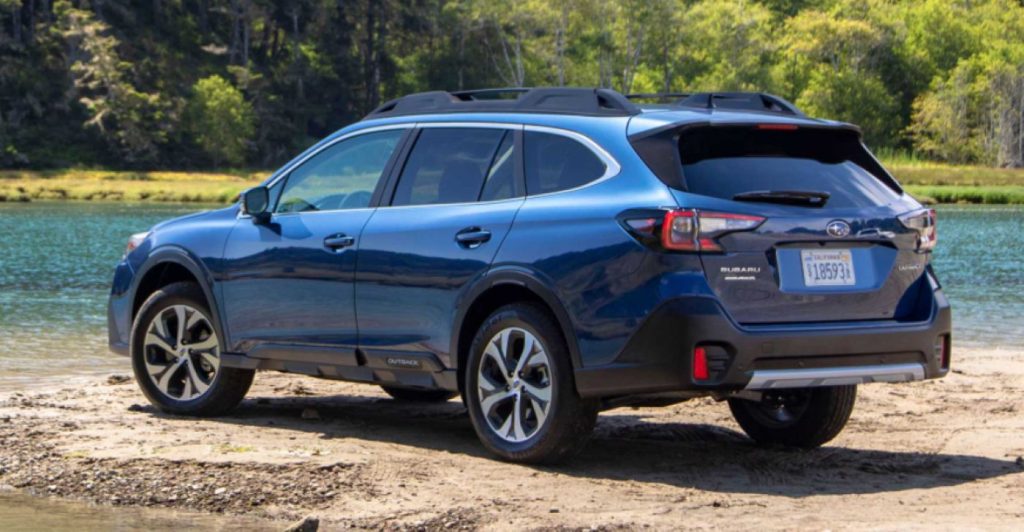
What secures its long lifespan is Subaru’s reputation for robust drivetrains and easy serviceability. Mechanics are familiar with common maintenance tasks, and parts remain widely available. As a result, many 2010–2014 Outbacks remain on the road, proving that careful design and upkeep can extend vehicle life.
5. Subaru Crosstrek (2013–2017)
The Crosstrek brought fresh styling and versatility to Subaru’s lineup. Built on the Impreza platform, it combined car-like efficiency with SUV practicality.
Since its launch, it has developed a strong reputation for reliability and durability, often staying on the road for more than a decade with proper care.
Its 2.0-liter four-cylinder engine is modest in power but well-regarded for dependability. Owners who keep up with oil changes and scheduled maintenance regularly report reaching 200,000 miles.
The continuously variable transmission has also proven durable in this generation, provided fluid changes are not neglected.
Fuel economy is one of its strengths, with many drivers achieving better mileage than larger SUVs. Combined with standard all-wheel drive, the Crosstrek became a go-to option for those needing efficiency without sacrificing capability. Its ground clearance also allows light off-road use, further extending its usefulness.
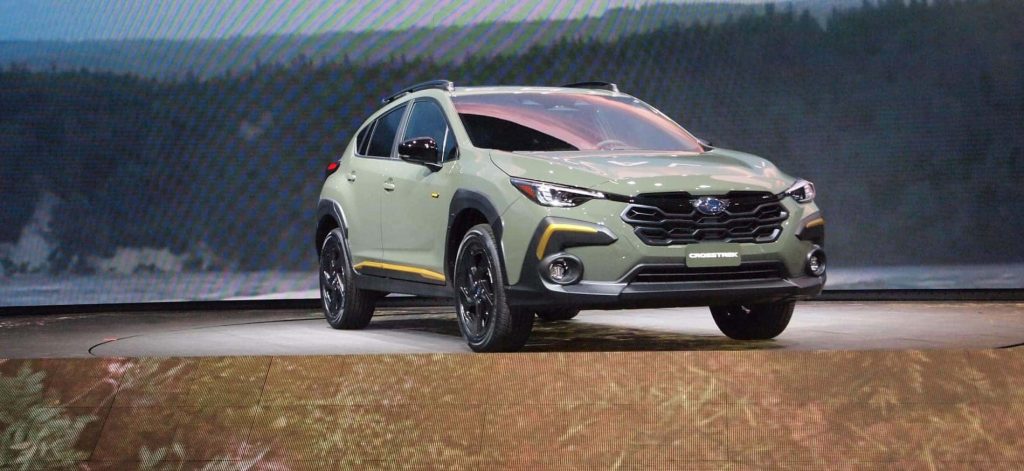
Inside, the Crosstrek balances practicality with comfort. While not luxurious, the seats provide solid support, and the cabin is designed for ease of use. The rear seats fold flat to expand cargo space, which is valuable for families and outdoor enthusiasts alike.
Longevity is also tied to Subaru’s widespread support network. Since the Crosstrek shares many components with the Impreza, replacement parts are affordable and mechanics are well-versed in servicing it.
For these reasons, the Crosstrek from this period is considered one of Subaru’s most reliable SUVs for long-term ownership.
6. Subaru Tribeca (2006–2014)
The Subaru Tribeca never achieved the sales success of the Forester or Outback, but its durability has allowed many to stay on the road for well over a decade. Introduced as a mid-size SUV with three-row seating, Subaru attempted to reach larger families while still offering the brand’s trademark reliability.
Powered by a 3.0-liter six-cylinder engine in early years and later upgraded to a 3.6-liter, the Tribeca has shown impressive resilience when properly serviced. Both engines respond well to regular oil changes and cooling system upkeep. Many owners report smooth performance even past 200,000 miles.
The all-wheel drive system is a highlight. Despite its size, the Tribeca maintains surefooted handling on snow and rough roads. Families living in cold climates often hold onto these vehicles for years because of this consistent capability. The suspension is also tuned for comfort, making long drives less tiring.
Inside, the Tribeca emphasizes space and durability. Materials may not be upscale, but they hold up well under daily use. With three-row seating, it accommodates larger households, and the flat-folding seats provide flexibility for cargo. Even after years of wear, many interiors remain solid.
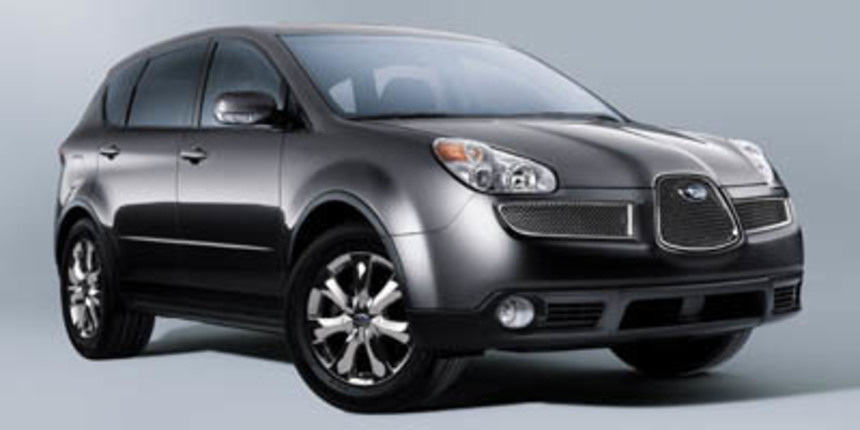
While it lacked the popularity of Subaru’s other models, its limited production has not affected serviceability. Parts are still accessible, and many components are shared with other Subaru vehicles. This makes upkeep easier and cost-effective, contributing to the Tribeca’s longevity as a family SUV.
7. Subaru Forester (2010–2013)
This generation of the Forester brought a more modern design while retaining the qualities that made earlier models dependable. The larger cabin, stronger engines, and refined suspension created a well-rounded SUV that continues to serve owners well after many years of use.
Engines offered during this time included the 2.5-liter four-cylinder and a turbocharged variant. The naturally aspirated version is especially recognized for its durability, often reaching high mileage with standard maintenance. The timing chain system replaced belts, reducing one common long-term expense for owners.
The symmetrical all-wheel drive system remains a cornerstone feature. Whether for city driving in heavy rain or traveling over unpaved roads, it provides consistent grip. Owners report confidence in year-round conditions, which encourages them to keep these SUVs for decades.
Inside, Subaru focused on functionality. Large windows provide excellent visibility, and the upright design maximizes interior space. Cargo capacity and rear passenger comfort are notable, making this generation popular with families and outdoor enthusiasts alike.

Longevity is further supported by Subaru’s wide service network and the Forester’s mechanical simplicity. Mechanics often praise its straightforward design, which reduces repair costs. As a result, this generation remains a favorite among used car buyers seeking a proven SUV with lasting reliability.
8. Subaru Outback (2005–2009)
The Outback from these years is remembered for its rugged yet practical design. It carried over the station wagon roots but added higher ground clearance, making it versatile for both urban driving and outdoor adventures. Many of these models remain in service because of their toughness.
The 2.5-liter four-cylinder is the most common engine, delivering balanced power and efficiency. With regular timing belt replacements, cooling system care, and oil changes, these engines routinely exceed 200,000 miles. The optional six-cylinder variant provides more strength and also has a solid reputation for durability.
The all-wheel drive system is another reason these Outbacks endure. Even after years of use, it provides dependable performance on snow and dirt roads. The suspension is designed to handle rougher conditions without compromising comfort, which adds to its long-term appeal.
Cabin design emphasizes utility. While not luxurious, the seats remain supportive, and the controls are simple and easy to use. The wagon-style layout ensures a spacious cargo area, which families and outdoor enthusiasts continue to find valuable.
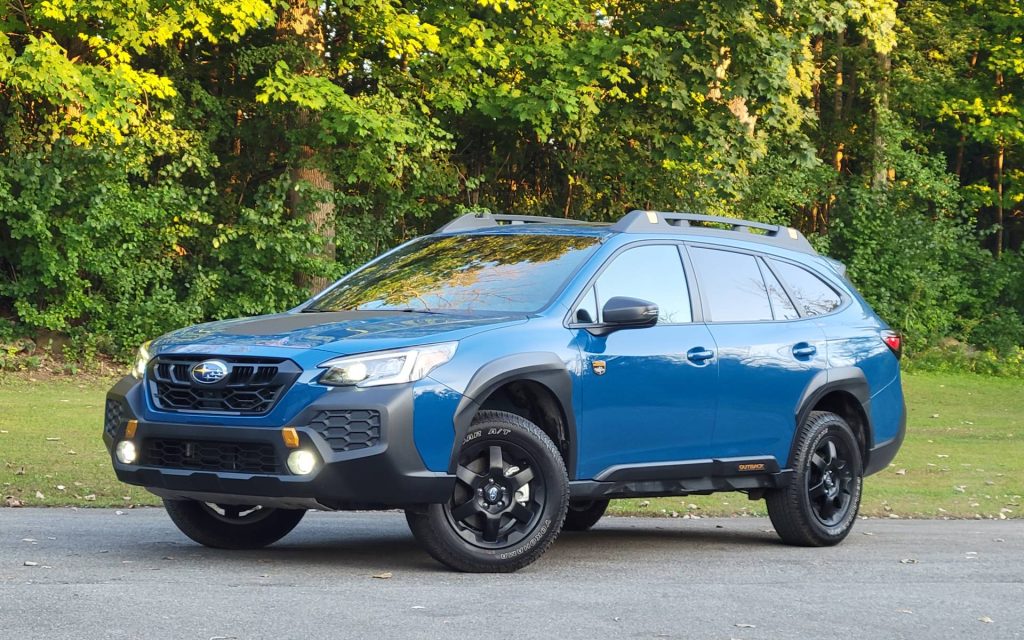
What makes this generation stand out is the balance between car-like handling and SUV capability. It feels stable on highways while offering the toughness needed for rural environments. Combined with widely available parts and mechanic familiarity, the 2005–2009 Outback is a proven long-lasting Subaru SUV.
9. Subaru Crosstrek (2018–2020)
The second-generation Crosstrek continued the reputation of its predecessor while adding refinements that improved both comfort and reliability.
Built on Subaru’s global platform, this model offered stronger structural integrity and better ride quality. Even though it is newer compared to other entries, many have already proven they can handle high mileage with ease.
The 2.0-liter four-cylinder engine is modest in performance but designed with durability in mind.
Paired with Subaru’s reliable continuously variable transmission, it has shown few major mechanical issues when properly maintained. Owners who follow service schedules often find these models running smoothly well past 150,000 miles and beyond.
Fuel efficiency is another advantage. The Crosstrek delivers better mileage than most SUVs in its class, which keeps ownership costs low over time. Combined with the standard all-wheel drive system, it balances practicality with all-weather capability, making it a dependable option for daily use.
Inside, the Crosstrek emphasizes straightforward design and practicality. Materials are durable enough to withstand years of use, and the seats remain comfortable for long trips.
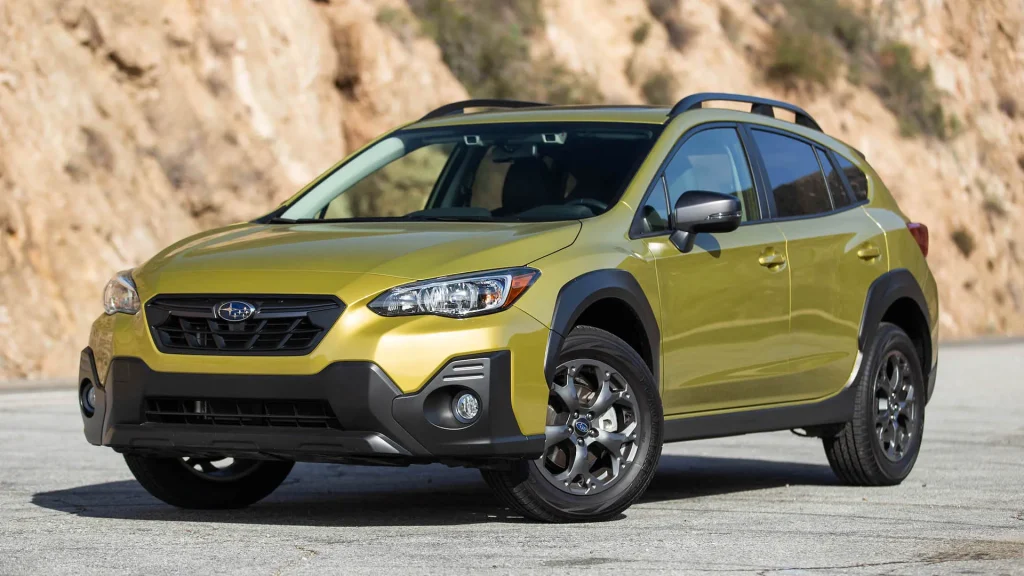
The flat-folding rear seats add cargo flexibility, which has made this model popular among younger families and outdoor enthusiasts.
Longevity is also supported by the fact that it shares many parts with the Impreza. This ensures affordability of replacement parts and familiarity for mechanics. These qualities, along with Subaru’s solid engineering, help the Crosstrek from this era stand out as a dependable SUV that is likely to remain in service for decades.
10. Subaru Ascent (2019–Present)
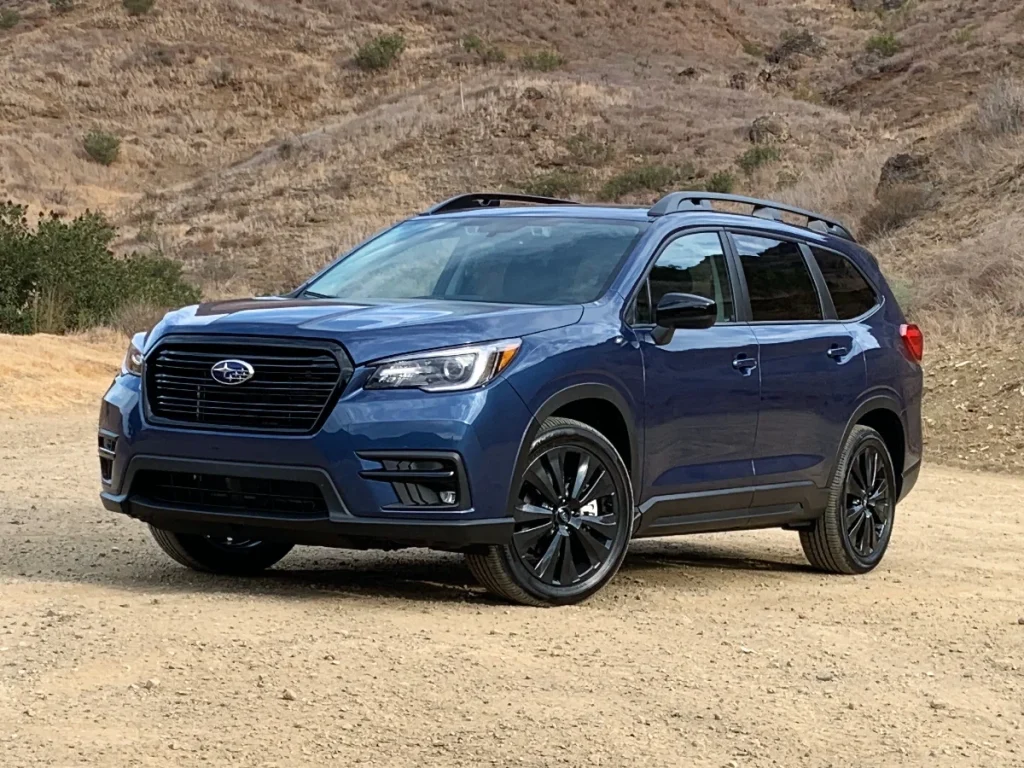
The Subaru Ascent is the brand’s largest SUV to date, designed to accommodate larger families with its three-row seating.
Although relatively new, it has already earned a strong reputation for dependability. Owners who keep up with routine maintenance are finding that these vehicles age gracefully even under heavy use.
Powered by a turbocharged 2.4-liter four-cylinder engine, the Ascent offers both strength and efficiency.
Subaru designed this powertrain with longevity in mind, and early reports suggest it holds up well with regular servicing. Its all-wheel drive system is robust, giving the Ascent a strong advantage in winter and rural driving conditions.
Interior durability is another factor contributing to its staying power. High-use areas such as seats, door panels, and controls show resilience after years of use. With seating for up to eight, it has become a reliable choice for large families who demand long-lasting vehicles.
The Ascent also benefits from modern safety technology, which not only protects passengers but also encourages long-term ownership.
Subaru’s EyeSight system and other driver-assist features are engineered to last as long as the vehicle itself, adding to its enduring appeal.
Because Subaru designed the Ascent with practicality and serviceability in mind, parts availability and mechanic familiarity are expected to remain strong for years.
Even though it is newer compared to classics like the Outback or Forester, the Ascent is already showing signs of becoming a long-lived SUV that owners can depend on for decades.
Also Read: 12 Most Comfortable SUVs That Never Disappoint Families
