
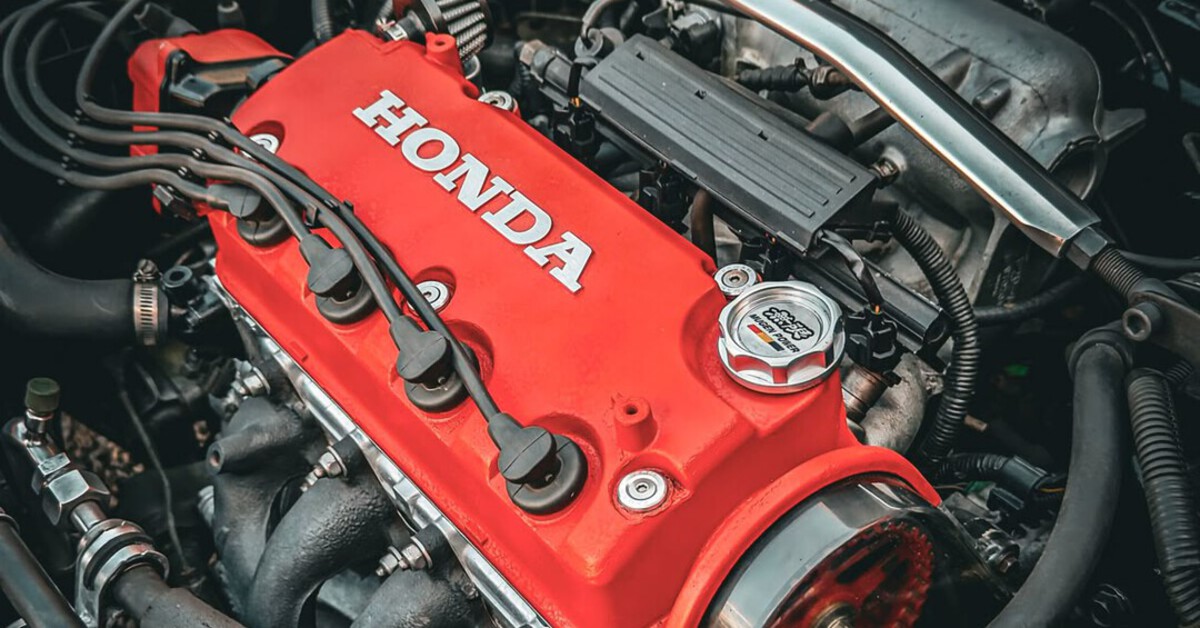
Inline-four engines have earned a reputation for reliability and longevity, powering vehicles across decades with minimal issues when properly maintained.
Their compact design, balanced weight distribution, and straightforward engineering make them one of the most practical engine choices for everyday driving.
While some engines falter under heavy use or poor maintenance, others have repeatedly demonstrated an ability to reach high mileage without significant mechanical problems.
One reason inline-four engines last so long is their simplicity. Fewer moving parts compared to V6 or V8 engines mean less can go wrong. Timing belts or chains, coolant systems, and oil circulation are easier to maintain, and repairs are generally less costly.
When owners commit to regular maintenance schedules, these engines can exceed 200,000 miles and, in some cases, continue running reliably well past 300,000 miles.
Another factor is their efficiency and balance. Inline-fours naturally maintain even power distribution and smooth operation, reducing stress on internal components. This reduces the likelihood of premature wear and tear, which is common in engines that suffer from uneven load or poor design.
Certain automakers have consistently produced inline-four engines that outperform others in longevity tests and real-world experiences.
These engines are found in a mix of compact cars, sedans, and even some SUVs, offering dependable performance without demanding excessive maintenance.
They are engines that owners can trust for daily commuting, long road trips, and extended service life, often exceeding expectations when it comes to durability.
The following sections highlight ten inline-four engines renowned for their endurance. Each example will detail why it stands out, common strengths, and maintenance habits that help preserve its lifespan.
These engines represent the best of reliable engineering in a simple, efficient package that continues to impress drivers year after year.
Also Read: 12 Engines That Will Outlast Your Transmission
1. Toyota 2ZZ-GE
The Toyota 2ZZ-GE engine has become well-known among enthusiasts and daily drivers for its high-revving nature and long-lasting performance.
Introduced in the late 1990s, this 1.8-liter inline-four combines Toyota’s reputation for reliability with a performance-oriented design, offering smooth operation even at higher RPMs.
Cars like the Toyota Celica GT-S and Lotus Elise benefited from this engine, proving its versatility in both sporty and standard applications.
One of the reasons the 2ZZ-GE lasts so long is its robust construction. Forged components, durable pistons, and a reinforced block make it resistant to wear, even under spirited driving.
When maintained with proper oil changes and periodic inspection of the variable valve timing system, it can consistently surpass 200,000 miles without major issues.
Regular maintenance is crucial for this engine. Owners should pay close attention to the chain tensioner, as timing chain maintenance ensures the camshafts stay synchronized, which is essential for performance and longevity.
Using high-quality synthetic oil helps minimize friction and prolongs the life of moving components. Coolant changes and keeping the engine clean of sludge also contribute to its durability.
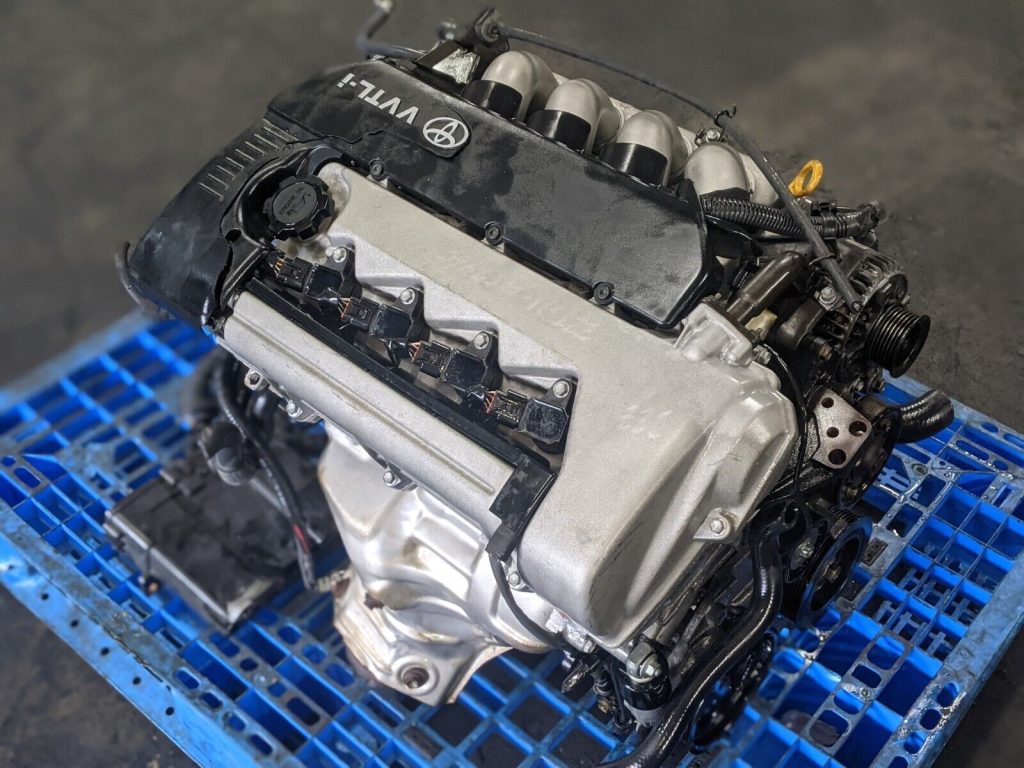
Fuel efficiency is another advantage. Despite being performance-oriented, the 2ZZ-GE can deliver reasonable fuel economy when driven conservatively. Its lightweight design also benefits the vehicles it powers, improving handling and reducing stress on the drivetrain.
This engine has earned a dedicated following among enthusiasts who value reliability without sacrificing excitement.
With careful maintenance and regular checks, a 2ZZ-GE engine can remain a dependable daily driver for decades. Its balance of performance, durability, and engineering makes it one of the standout inline-fours in Toyota’s lineup.
2. Honda K20
The Honda K20 engine is widely regarded as a benchmark for longevity in inline-four designs. Introduced in the early 2000s, it powers popular models like the Civic Si, Acura RSX, and other compact Hondas.
The 2.0-liter DOHC engine combines efficiency, smooth power delivery, and reliability, making it a favorite among both everyday drivers and enthusiasts.
A key factor in the K20’s durability is its precise engineering. High-quality materials, reinforced pistons, and a solid block contribute to its ability to handle extended mileage.
Many K20 engines have surpassed 250,000 miles without requiring major repairs, demonstrating Honda’s commitment to long-term reliability.
Maintenance is straightforward but important. Regular oil changes with quality synthetic oil, timing chain inspections, and proper coolant care are essential. The K20 also benefits from periodic valve adjustments to maintain optimal performance.
Unlike some high-strung engines, it tolerates both moderate and spirited driving without major stress, provided maintenance schedules are followed.
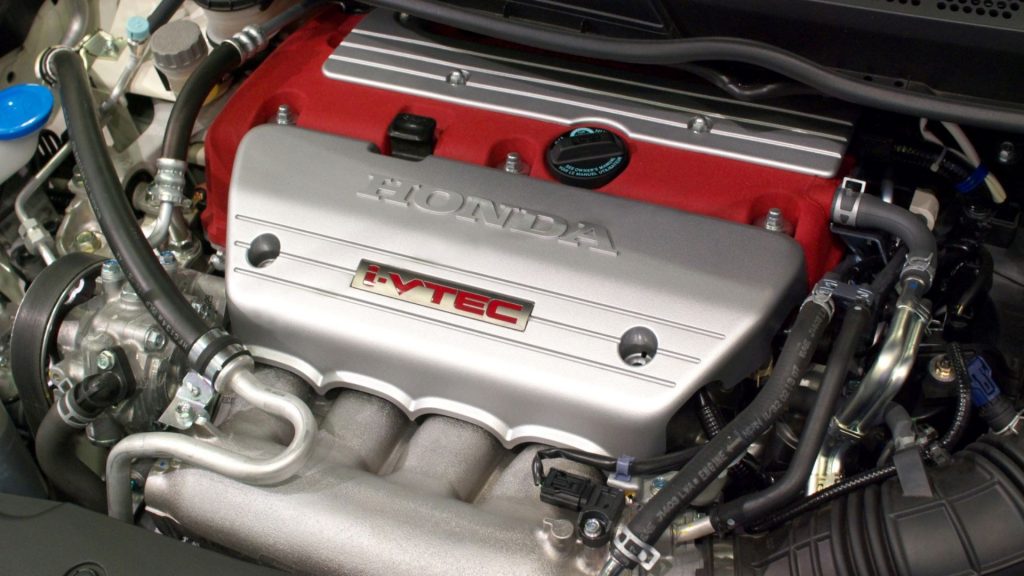
The engine’s VTEC system enhances efficiency and performance, allowing it to switch between low-end torque and high-RPM power smoothly.
This helps prevent strain on components and contributes to overall longevity. Drivers appreciate the balance of responsiveness and durability, making the K20 suitable for daily commuting, long trips, and occasional spirited drives.
With its proven track record, the Honda K20 remains one of the most respected inline-four engines. Its combination of reliability, efficient performance, and robust engineering ensures it continues to perform well well beyond the typical lifespan expected from smaller engines.
3. Mazda BP-ZE
The Mazda BP-ZE engine is an inline-four that has earned a reputation for reliability and spirited performance.
Found in vehicles such as the Mazda MX-5 Miata from the 1990s, this 1.8-liter engine offers a smooth, high-revving experience without compromising longevity. Its combination of simplicity and solid engineering allows it to endure years of regular driving.
One of the reasons the BP-ZE lasts so long is its lightweight and balanced design. The engine is compact, which reduces stress on mounts and associated components.
Internal parts, including the forged crankshaft and aluminum block, are designed for durability. With proper oil changes and routine inspections, many BP-ZE engines exceed 200,000 miles without major mechanical failures.
Regular maintenance plays a crucial role in longevity. Timing belt replacement at recommended intervals, along with careful attention to coolant levels, prevents overheating and premature wear.
Valve adjustments, while infrequent, ensure that the engine maintains proper compression and efficient operation. Additionally, using high-quality synthetic oils keeps the moving parts lubricated and reduces friction, extending service life.
The BP-ZE’s naturally aspirated design contributes to its reliability. Without forced induction, the engine avoids excessive thermal stress, which can shorten lifespan in high-performance engines. Its smooth torque delivery and consistent power make it ideal for daily commuting as well as weekend driving on winding roads.
Drivers also appreciate the Mazda BP-ZE for its balance of fun and practicality. Its compact size improves handling, while the low weight of the engine allows for better fuel efficiency and reduced wear on suspension components.
This combination of lightweight design, reliable engineering, and maintainable components ensures the BP-ZE remains a favorite for those seeking an engine that lasts without frequent repairs.
Overall, the BP-ZE exemplifies Mazda’s commitment to building long-lasting, engaging engines that can thrive well beyond typical mileage expectations when properly cared for.
4. Toyota 4A-GE
The Toyota 4A-GE engine is legendary for its durability and smooth performance. Produced in various forms from the 1980s through the 1990s, this 1.6-liter inline-four powered vehicles like the Corolla AE86 and early MR2 models. It combined efficient power delivery with a reputation for exceptional longevity.
A major factor in the 4A-GE’s endurance is its high-quality engineering. Components such as forged pistons, sturdy connecting rods, and a reinforced block ensure the engine can handle extended use without failure.
Proper maintenance allows this engine to exceed 250,000 miles in many cases, with some examples reaching well beyond 300,000 miles.
Routine care is essential. Timing belt changes, regular oil and filter replacements, and periodic valve adjustments help maintain engine health.
Coolant changes prevent overheating, while keeping the intake and fuel systems clean contributes to efficient combustion and reduced wear. These steps are simple but critical to ensuring the engine’s longevity.
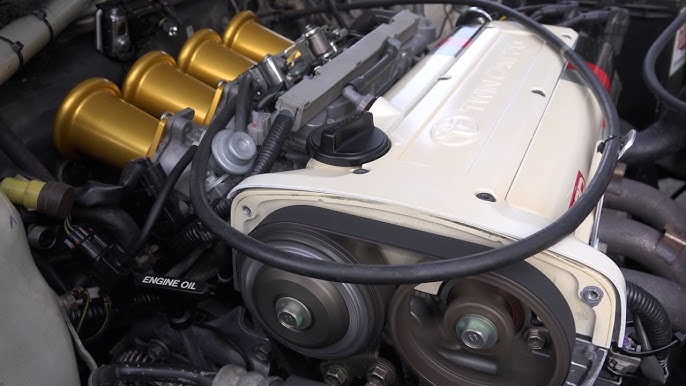
The 4A-GE’s performance is characterized by smooth high-RPM operation and responsive throttle. Its naturally aspirated design avoids excessive stress on components, and the lightweight construction benefits overall vehicle handling. This makes it suitable not only for daily driving but also for enthusiasts who value reliability in a performance-oriented engine.
Owners appreciate the 4A-GE for its combination of reliability, simplicity, and enjoyable driving experience.
Even decades after its introduction, it continues to be sought after for engine swaps and restorations due to its robust design. With careful attention to maintenance, the Toyota 4A-GE remains a timeless example of a long-lasting inline-four engine.
5. Honda D16
The Honda D16 engine has become a hallmark of reliability among compact inline-fours. Found in a variety of Civics, Integras, and CR-X models throughout the 1980s, 1990s, and early 2000s, this 1.6-liter engine offers a balanced mix of efficiency, low maintenance, and durability. Its design allows it to perform well in daily commuting while still handling spirited driving.
One reason the D16 lasts so long is its robust construction. With a cast-iron or reinforced aluminum block and high-quality internal components, it is resistant to wear over time. Many D16 engines surpass 200,000 miles with standard maintenance, and some continue to run reliably beyond 300,000 miles.
Maintenance is straightforward but essential. Oil changes at regular intervals, timing belt replacements, and keeping the cooling system in good condition are critical.
Some D16 variants also benefit from occasional valve adjustments to maintain optimal compression and smooth operation. Using good-quality synthetic oil further prolongs the life of internal components and helps prevent sludge buildup.
The engine’s design emphasizes efficiency and smooth power delivery. Naturally aspirated, it avoids excessive thermal stress, and its lightweight construction reduces strain on the engine mounts and associated systems. This makes it ideal for daily use, where reliability and fuel economy are highly valued.
The D16 has also earned a reputation among enthusiasts for its tuning potential without sacrificing longevity. While modifications are possible, many owners find that keeping the engine close to stock settings preserves its durability.
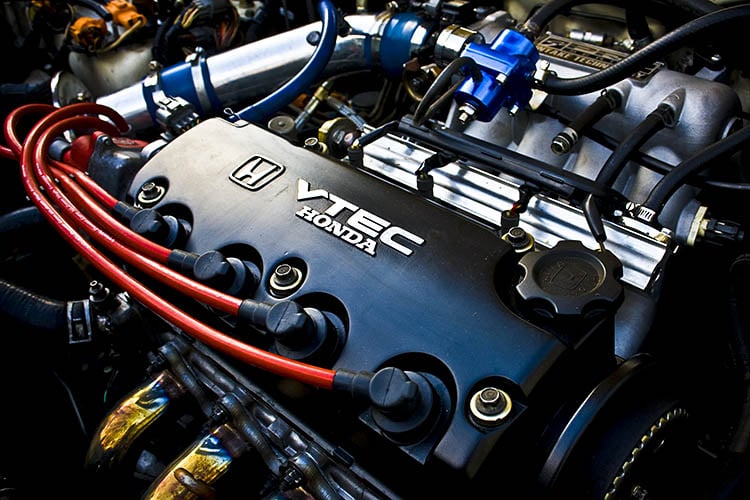
The combination of Honda engineering, solid materials, and thoughtful maintenance allows the D16 to maintain performance for decades.
Overall, the D16 is a testament to Honda’s focus on building engines that can endure extensive use. Its straightforward design, efficiency, and consistent reliability make it one of the standout inline-fours for longevity in both city driving and highway conditions.
6. Nissan SR20DE
The Nissan SR20DE is a 2.0-liter inline-four engine recognized for its long lifespan and dependable performance. Found in vehicles such as the Nissan Silvia, Sentra SE-R, and some early 2000s Z-cars, it has earned a reputation among drivers who require both durability and spirited driving potential.
One of the SR20DE’s key strengths is its robust internal design. With forged connecting rods, a strong aluminum block, and a well-balanced crankshaft, this engine handles extended mileage and moderate performance use with ease.
Many examples surpass 200,000 miles, and some continue to operate reliably past 300,000 miles when maintained properly.
Routine care is critical for maintaining the SR20DE’s longevity. Timing belt replacements, regular oil changes, and coolant system maintenance prevent premature wear.
The fuel system and intake should also be kept clean to ensure consistent performance. Using quality synthetic oil is recommended, particularly if the engine experiences frequent high-RPM operation.
The SR20DE’s naturally aspirated design contributes to its long life. Without forced induction, thermal stress on the engine is minimized, reducing the risk of component fatigue.
Smooth torque delivery and responsive throttle make it ideal for both city driving and spirited road trips.
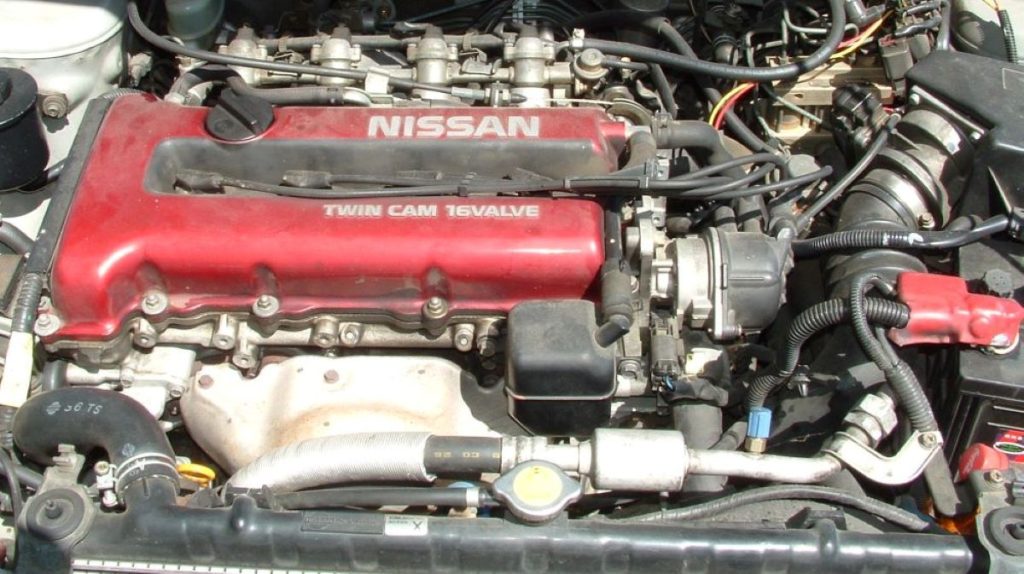
Drivers also appreciate the SR20DE for its reliability under daily use. Its lightweight design aids fuel efficiency and reduces wear on supporting components like suspension and drivetrain systems.
Properly cared for, it is an engine that provides decades of dependable service, making it a favorite among those who value endurance and performance in a single package.
In addition, the SR20DE remains popular for tuning projects because it combines longevity with potential for moderate performance upgrades, allowing enthusiasts to enjoy spirited driving without sacrificing reliability.
7. Mitsubishi 4G63
The Mitsubishi 4G63 is a 2.0-liter inline-four engine known for its durability and strong performance potential. It powered models like the Mitsubishi Lancer Evolution I-IV, Eclipse, and Galant from the late 1980s through the early 2000s.
While often associated with turbocharged variants, the naturally aspirated versions also deliver long-lasting reliability.
A key factor in the 4G63’s longevity is its robust engineering. The engine features a cast-iron block, forged pistons, and a strong crankshaft, making it resistant to wear and capable of handling high mileage. Many naturally aspirated 4G63 engines surpass 250,000 miles without major issues when maintained properly.
Routine maintenance is essential for preserving its lifespan. Timing belt replacement, regular oil changes with quality synthetic oil, and coolant system checks prevent premature wear and overheating.
Valve adjustments and keeping the intake system clean also contribute to smooth operation. Proper care ensures the engine maintains its balance and performance over time.
The 4G63 is praised for its smooth power delivery and reliable operation, even under spirited driving. Naturally aspirated versions avoid excessive stress on components, while turbocharged models require careful maintenance but can still last with proper attention.
Its compact design reduces strain on mounts and supporting systems, improving overall vehicle longevity.
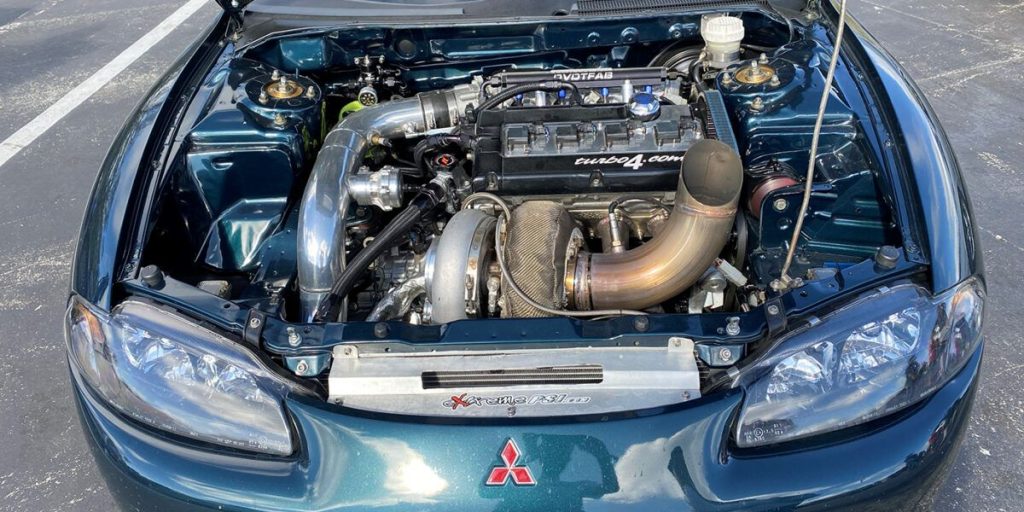
Owners appreciate the 4G63 for its balance of performance and dependability. Even decades after production, many engines remain in daily-driven cars with minimal issues. Its engineering allows enthusiasts to enjoy sporty driving without sacrificing reliability, making it a standout inline-four for longevity.
The combination of strong materials, careful design, and straightforward maintenance ensures the 4G63 remains a dependable engine choice. Whether used in daily commuting or occasional spirited drives, it consistently delivers performance while standing the test of time.
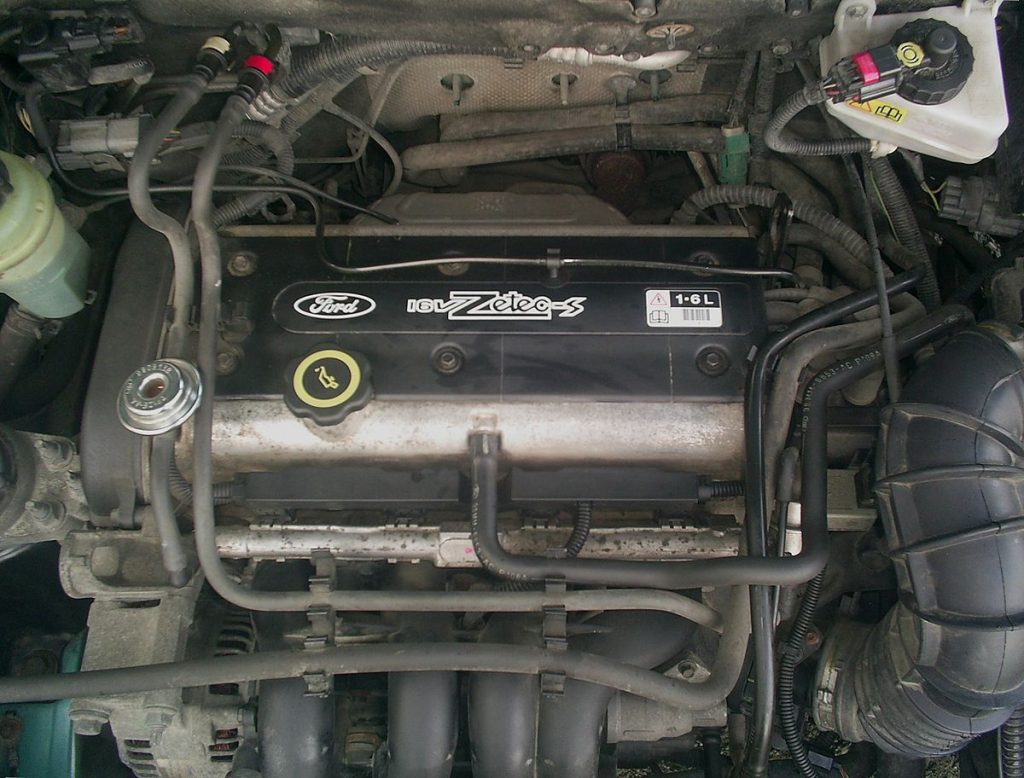
8. Ford Zetec 2.0
The Ford Zetec 2.0 is an inline-four engine recognized for reliability and long service life. Introduced in the 1990s, it powered vehicles such as the Ford Focus, Mondeo, and Escort, offering a balance of smooth operation, efficiency, and durability.
The engine’s longevity comes from its solid design. With a cast-iron block, durable aluminum head, and well-engineered internal components, the Zetec 2.0 is resistant to wear and capable of high-mileage performance. Many owners report their Zetec engines exceeding 200,000 miles with minimal repairs.
Maintenance is straightforward and critical to long-term durability. Timing belt replacement, regular oil and filter changes, and monitoring the coolant system prevent mechanical issues.
Keeping the intake and fuel system clean contributes to efficient combustion and reduces stress on components. Synthetic oil is recommended for improved lubrication and longer engine life.
The Zetec 2.0 provides smooth power delivery, suitable for both city commuting and highway driving. Its naturally aspirated design reduces thermal stress, minimizing the likelihood of premature wear. Lightweight construction also benefits fuel economy and reduces strain on suspension and drivetrain components.
Drivers appreciate the engine’s reliability, responsiveness, and ease of maintenance. Even with higher mileage, the Zetec remains capable of daily use without frequent repairs. Its balanced design makes it suitable for a variety of driving conditions, from short trips to long-distance travel.
The combination of robust materials, efficient design, and routine maintenance ensures that the Ford Zetec 2.0 continues to be a dependable engine option. It stands as an example of how proper engineering and care can result in decades of reliable service from an inline-four.
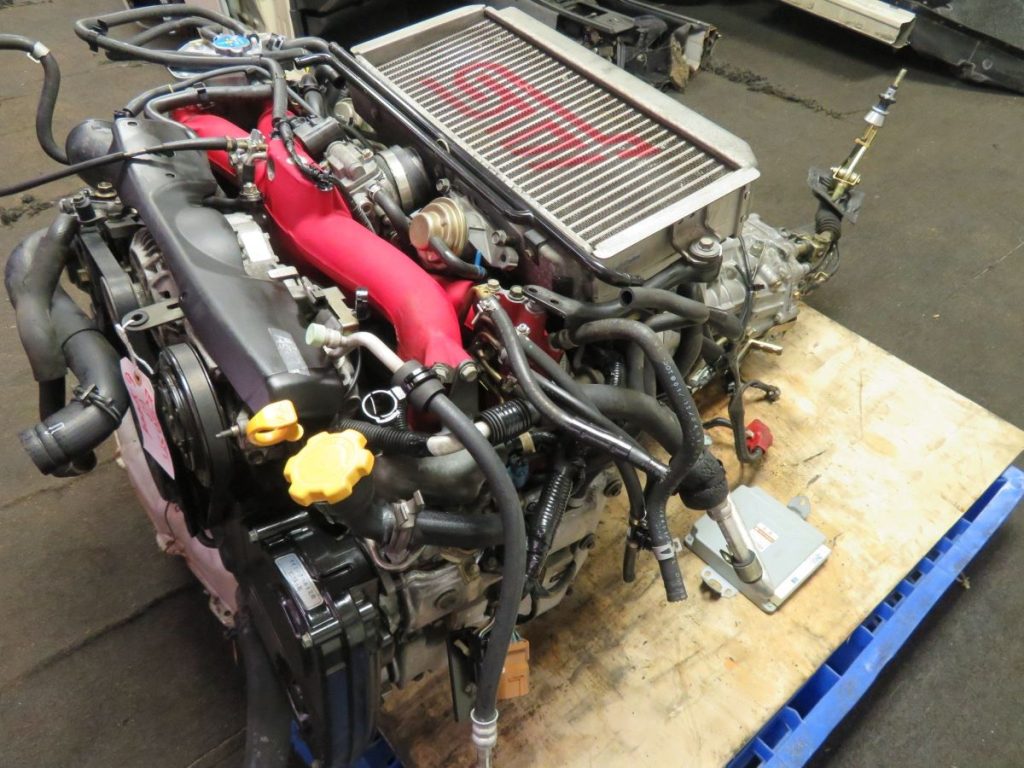
9. Subaru EJ20 (Naturally Aspirated)
The Subaru EJ20 naturally aspirated engine is a 2.0-liter inline-four known for reliability and long-term durability.
While the EJ20 is often associated with turbocharged performance versions, the naturally aspirated models found in vehicles like the Subaru Impreza and Legacy offer a dependable daily driving experience with minimal maintenance concerns.
One of the key reasons the EJ20 lasts so long is its sturdy construction. Featuring a cast-iron block and durable aluminum head, the engine is resistant to wear and capable of handling extended mileage.
Many naturally aspirated EJ20 engines reach 250,000 miles or more when maintained properly, making them a trusted choice for Subaru enthusiasts.
Regular maintenance is essential to ensure longevity. Oil changes with high-quality synthetic oil, coolant flushes, and timing belt replacements at recommended intervals prevent engine damage.
Keeping the intake and fuel system clean also maintains smooth operation and prevents performance loss over time. Proper attention to seals and gaskets prevents leaks, which is particularly important for older models.
The EJ20 delivers smooth power and efficiency. Its naturally aspirated design avoids excessive thermal stress, while the boxer layout contributes to balance and reduced vibration. This layout also lowers the vehicle’s center of gravity, benefiting handling and reducing strain on supporting components.
Owners value the EJ20 for its consistent performance and minimal issues with long-term use. With routine care, it remains reliable across decades of daily driving, from city commutes to highway travel. Its reputation for longevity has made it a favorite among those who prioritize durability without sacrificing drivability.
The combination of robust materials, straightforward design, and attentive maintenance ensures that the naturally aspirated EJ20 continues to provide dependable service. It remains one of Subaru’s most enduring inline-four engines, offering a strong balance of reliability and efficiency.
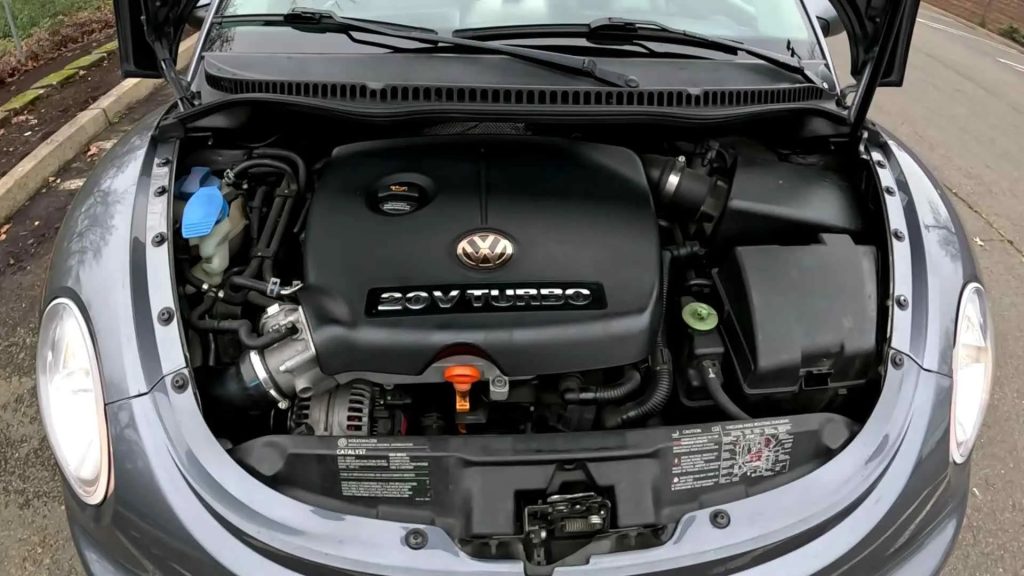
10. Volkswagen 1.8T (Naturally Aspirated Variants)
The Volkswagen 1.8-liter engine, particularly the naturally aspirated variants of the 1.8T family, is an inline-four known for solid reliability and long-term performance.
While turbocharged versions gained fame for power, the naturally aspirated models found in vehicles like the Golf, Jetta, and Passat prioritize endurance and everyday usability.
The engine’s durability stems from its quality engineering. With a sturdy aluminum block, reinforced internal components, and well-balanced design, it can handle extensive mileage.
Many 1.8 engines have surpassed 200,000 miles without major repairs when maintained properly, proving their longevity in everyday driving conditions.
Maintenance is key to preserving the engine. Regular oil changes, timing belt and tensioner replacements, and coolant system care prevent premature wear.
Paying attention to the intake system and fuel delivery ensures smooth operation and prevents loss of efficiency. Using quality oil and following service intervals are critical for long-term reliability.
The naturally aspirated 1.8 delivers smooth power, fuel efficiency, and low mechanical stress. Its balanced design reduces vibration and strain on the drivetrain, while lightweight construction improves overall vehicle performance. These factors contribute to minimal component wear and long-term reliability.
Drivers appreciate the engine for consistent performance and ease of maintenance. Even with higher mileage, it continues to provide dependable service, making it ideal for daily commuting, highway driving, and occasional long trips.
Its combination of simplicity, efficiency, and reliability has made it a favorite among Volkswagen owners seeking longevity.
Overall, the naturally aspirated 1.8 is a testament to Volkswagen’s ability to build durable, enduring engines. With proper care and maintenance, it can remain a dependable powerplant for decades, demonstrating the lasting appeal of well-engineered inline-four engines.
Also Read: 14 BMW Engines That Are Extremely Durable
