When shopping for an SUV, one of the biggest concerns for long-term ownership is the transmission. Replacements can be costly, inconvenient, and sometimes unavoidable in poorly engineered models.
However, some SUVs are built with durability in mind, using proven gearboxes, reliable cooling systems, and straightforward designs that minimize the risk of major failures.
These vehicles not only save owners from expensive repairs but also offer peace of mind for those who rely on their SUVs for daily driving, family duties, or adventurous off-road trips.
From rugged options like the Toyota 4Runner to family-friendly choices such as the Honda CR-V and Toyota Highlander, several models consistently prove their ability to deliver thousands of miles without the need for transmission replacements.
This list highlights 12 SUVs that don’t require transmission replacements, making them excellent picks for buyers seeking long-lasting dependability and lower lifetime ownership costs.
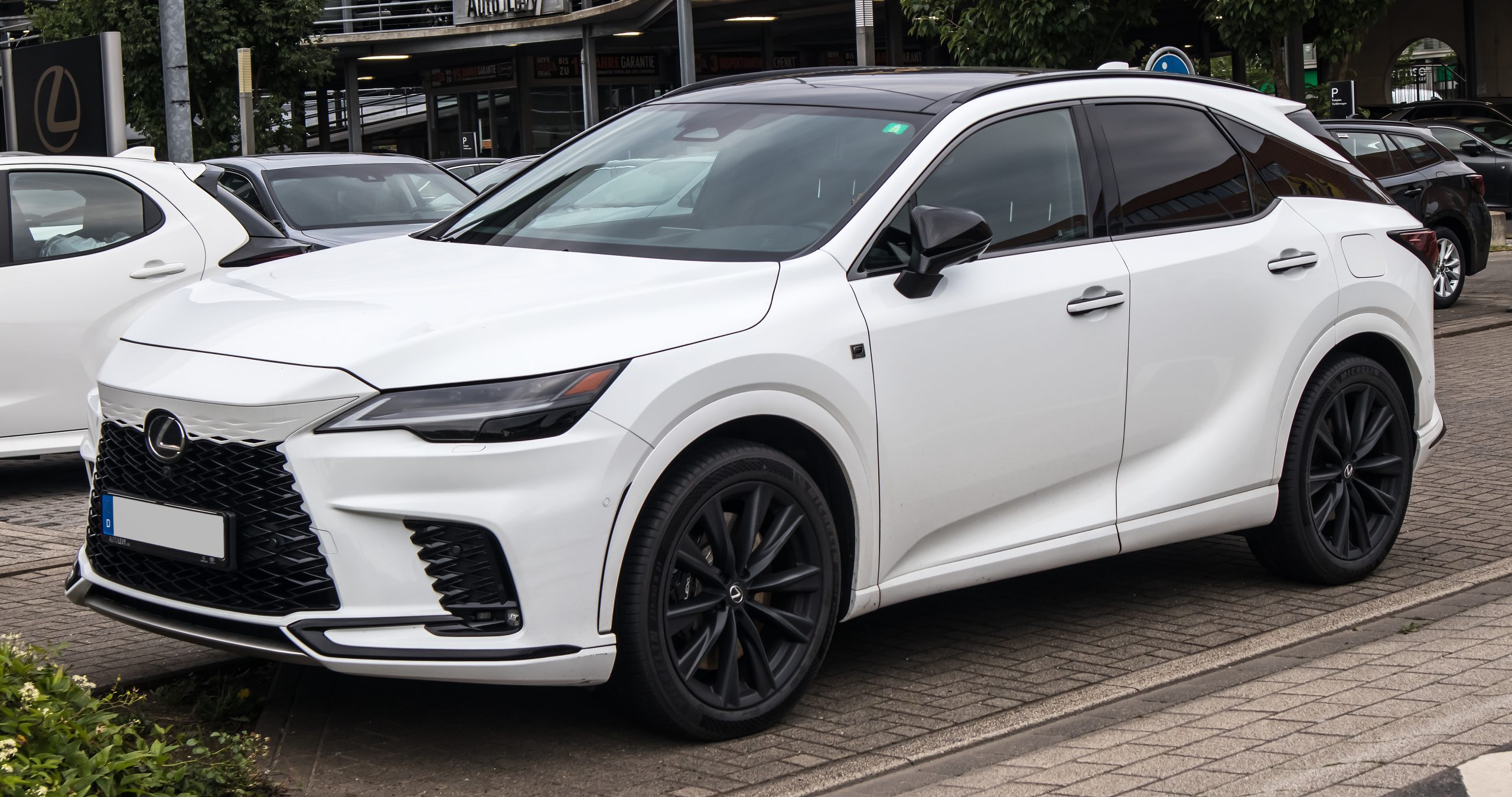
1. Lexus RX: A Blend of Reliability and Luxury
The Lexus RX stands out as a luxury SUV with a strong foundation rooted in Toyota’s proven engineering. Many of its mechanical components, particularly the transmission, are designed for long-term durability. Owners report RX models easily surpassing 200,000 miles with minimal transmission concerns.
Smooth calibration, oversized coolers, and high-quality internal parts help reduce wear, while hybrid variants also maintain strong reliability thanks to Lexus’ over-engineered power-split units. Repairs, when required, are usually minor, keeping ownership costs reasonable for the segment despite higher parts pricing.
In the F Sport Handling trim, the RX 350 offers composed performance but lacks excitement. Its 7.8-second 0–60 mph time trails competitors like the Mercedes-Benz GLE and Genesis GV80. The sport-tuned suspension adds stability, though limited tire grip prevents spirited driving. On the plus side, braking feels confident and consistent across conditions.
Comfort remains a Lexus hallmark. The sportier F Sport trim introduces a firmer ride, yet the seats retain their soft, supportive feel with quick-acting heating and ventilation. Rear seating is adequate, though headroom can be tight for taller passengers. Cabin insulation minimizes wind noise, though tire hum is more noticeable than expected.
The RX interior pairs Lexus’ signature craftsmanship with a few usability quirks. The 14-inch touchscreen impresses with sharp graphics and quick responses, while the backup and surround-view cameras make parking easy. However, the Prius-inspired shift lever and unmarked multifunction steering wheel buttons can frustrate.
Tech highlights include the premium Mark Levinson 21-speaker audio system and standard wireless smartphone integration. Navigation, oddly, requires a subscription after the trial period. Safety is strong with Lexus Safety System+ 3.0, offering a comprehensive suite of driver aids.
Cargo space is practical but lags behind rivals, offering 29.6 cubic feet behind the second row. Clever touches like the dual-opening console and wireless charging pad improve convenience, though towing capacity tops out at a modest 3,500 pounds, trailing key competitors.
Efficiency is a strength, with the RX averaging 24 mpg combined. In real-world testing, it delivered 25.4 mpg, outperforming many luxury SUV rivals such as the Acura MDX and Genesis GV80.
With excellent build quality, refined comfort, and dependable engineering, the Lexus RX delivers strong value. Its quirks in tech and performance don’t overshadow its reputation for reliability, making it a smart choice for luxury SUV buyers seeking long-term peace of mind.
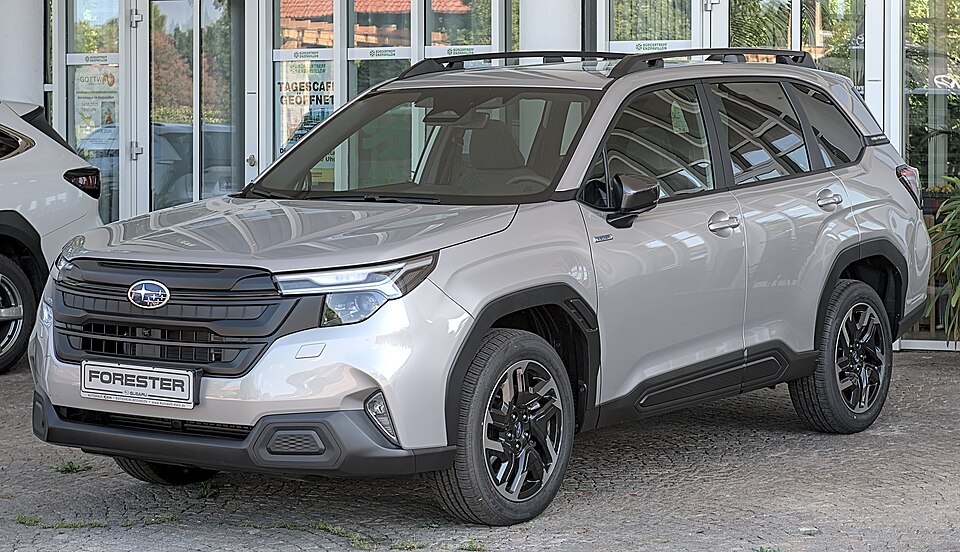
2. Subaru Forester: Practical, Reliable, but Dated
The Subaru Forester has maintained its reputation as a reliable and practical SUV, attracting buyers with standard all-wheel drive, reasonable fuel economy, and long-term dependability. Recent models use continuously variable transmissions (CVTs), which, though divisive in the industry, have proven durable when serviced regularly.
Subaru’s conservative tuning, robust cooling systems, and precise drivetrain engineering help minimize major failures. Common issues like pulley wear or fluid leaks are typically localized and inexpensive to fix. Accessible parts, combined with Subaru’s extensive dealer network, make maintenance straightforward and affordable, supporting strong owner satisfaction.
Despite its mechanical dependability, the Forester underdelivers in performance. Its 2.5-liter four-cylinder engine generates 180 horsepower, resulting in sluggish acceleration, taking 9.2 seconds to reach 60 mph. Reviewers highlight its hesitation in highway passing and merging.
Ride quality feels unsettled, and while handling and braking are capable, competitors provide sharper driving dynamics. Driver assistance features such as adaptive cruise control and lane centering work but lack the refinement seen in rival systems. The Forester’s higher ground clearance and traction systems still give it an edge off-road, though others in the segment are closing the gap.
Practicality is a consistent strength. The SUV’s wide doors and ideal seat heights simplify entry and exit, while generous interior dimensions, especially headroom, create a spacious cabin. Front seats are supportive, climate controls are user-friendly, and cabin noise is generally well managed, though the engine sounds harsh under heavy acceleration.
Technology is functional but dated. The 11.6-inch vertical touchscreen offers simple menus and smooth phone connectivity, but its graphics and response times feel behind the curve. The optional Harman Kardon audio upgrade adds appeal, but storage solutions inside the cabin are limited, with modest console and door space.
Cargo capacity is another highlight. Real-world testing shows the Forester hauling more than some key competitors, complemented by useful roof rails. Fuel economy averages around 25 mpg despite an official 28 mpg rating, though its large fuel tank extends driving range.
Ultimately, the Subaru Forester remains a solid choice for reliability, cargo space, and AWD utility. Yet, its dated performance, lack of refinement, and mediocre efficiency prevent it from matching the sophistication of newer rivals.
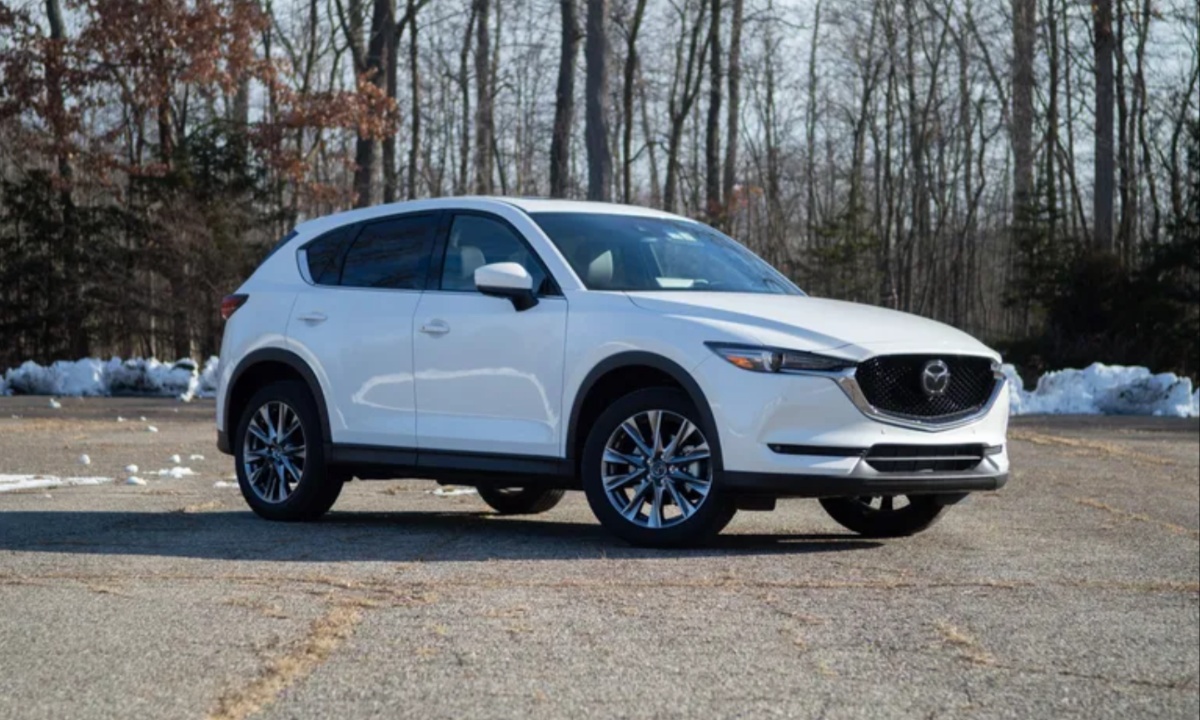
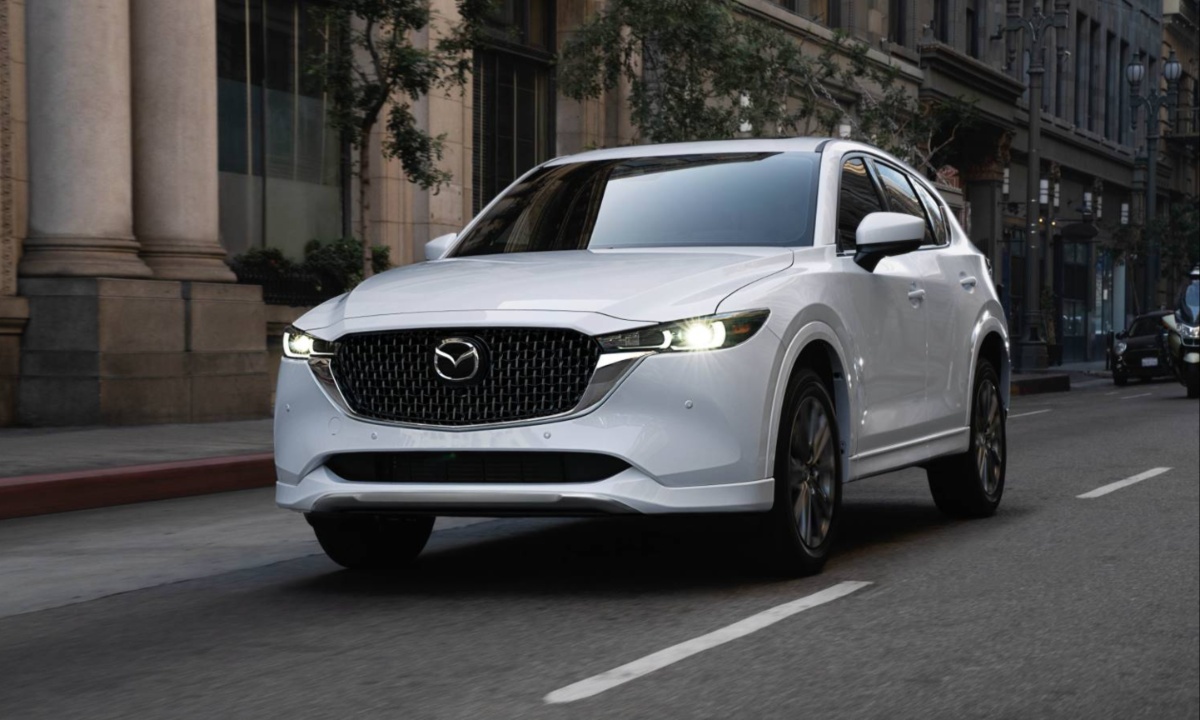
3. Mazda CX-5: Fun to Drive with Lasting Reliability
The Mazda CX-5 is a standout in the compact SUV segment for its rare balance of engaging performance and long-term dependability. One of its strongest traits is transmission reliability. With regular servicing, its automatic gearboxes demonstrate impressive durability, resisting overheating, slippage, or rough shifts even in stop-and-go city driving.
Mazda’s smooth shift logic and effective cooling systems extend component life, and when problems do occur, they are usually minor sensor or solenoid issues rather than full rebuilds. Affordable parts and straightforward design keep repair costs reasonable, while the optional all-wheel drive system has proven equally robust. Many owners report well over 150,000 miles without major transmission failures.
Performance is another highlight. The CX-5 comes with a 187-horsepower four-cylinder engine or a turbocharged 256-horsepower option that hits 60 mph in just 6.6 seconds, making it one of the quickest in its class. Handling is sharp, with precise steering and a sport-tuned suspension that boosts driver confidence.
While the ride is firmer than some rivals, it enhances the SUV’s sporty character. Visibility is excellent, aided by large windows and available surround-view cameras. Standard driver-assistance features are included, though the tech feels a step behind newer competitors.
Inside, the CX-5 delivers solid build quality with premium-feeling materials. The front seats are supportive and adjustable, though taller drivers may want more thigh support. Rear seating is less accommodating, with tighter space and flatter cushions than rivals. Cabin quietness is good at highway speeds, though the engine gets loud during hard acceleration. Climate controls are intuitive, and rear-seat vents add comfort.
Technology is a mixed bag. The 10.25-inch display looks modern, but reliance on a rotary controller and limited touchscreen functionality while driving can frustrate users. Wireless charging is available, but poorly placed. Cargo space is modest at 29.1 cubic feet, less than competitors like the Honda CR-V, though still practical for everyday use.
Fuel efficiency averages 28 mpg with the base engine, while the turbo sacrifices economy for power. The Mazda CX-5 shines for its transmission durability, strong driving dynamics, and upscale feel, making it a smart choice for buyers who prioritize enjoyment and reliability over maximum space.
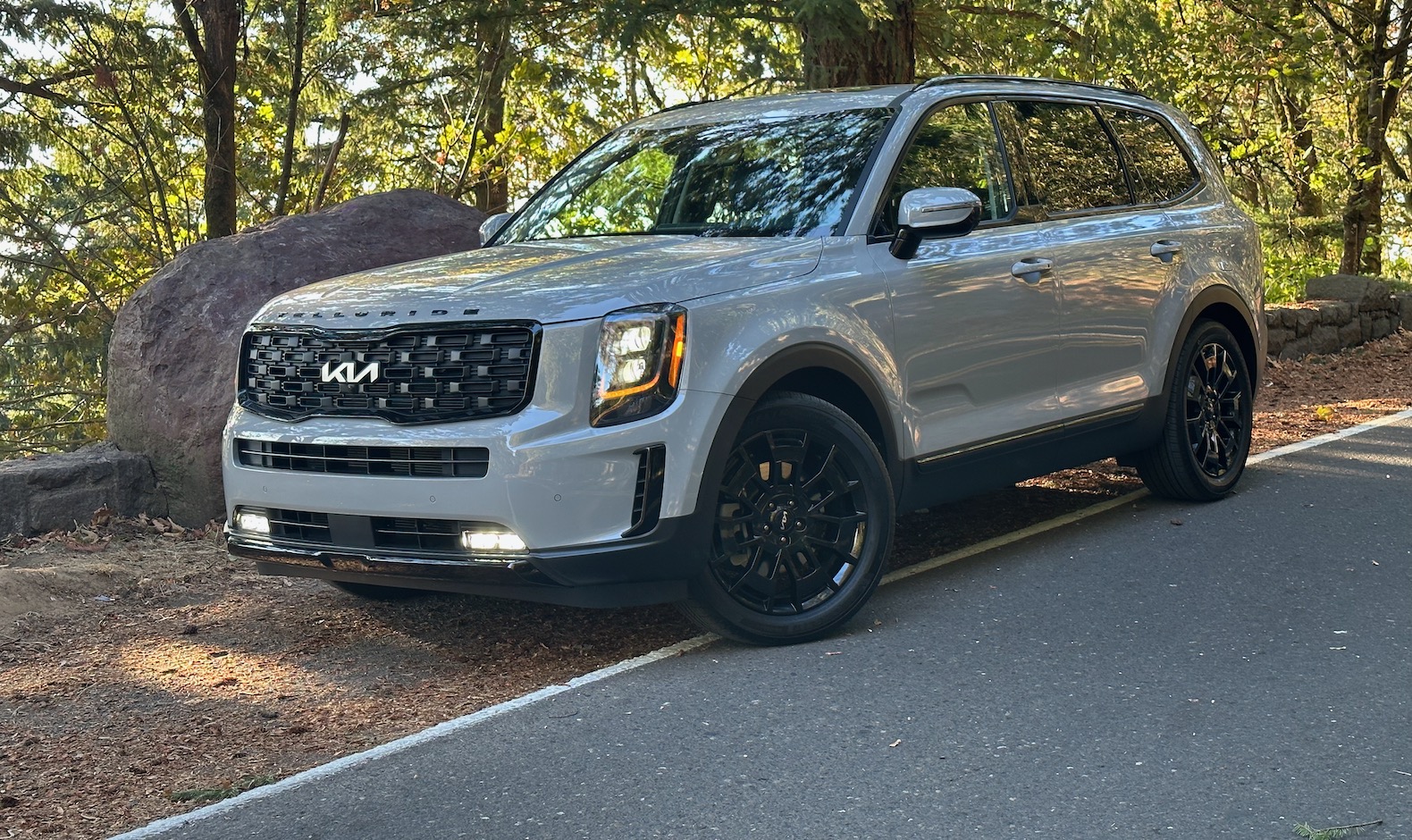
4. Kia Telluride: Style, Comfort, and Long-Term Dependability
The Kia Telluride has earned a reputation as one of the most dependable midsize SUVs, thanks largely to its well-engineered transmission. Paired with a smooth V6 engine, the gearbox avoids unnecessary revving and overheating, reducing wear over time. Owners consistently report reliable performance, with only minor issues such as fluid leaks, sensors, or solenoid faults, far less expensive than major transmission failures.
Robust cooling systems and shift programming that prioritize smoothness help the Telluride handle demanding tasks like towing and family hauling. Combined with Kia’s industry-leading 10-year/100,000-mile warranty, it delivers reassuring long-term value.
On the road, the Telluride blends comfort with composed handling. The V6 offers adequate acceleration for daily use, while braking feels strong and consistent. Steering is light in parking lots but gains natural weight at higher speeds, and even the off-road-oriented X-Pro trims maintain a smooth ride.
Some drivers may notice gear hunting on inclines or rough upshifts under heavy throttle, but drivability remains refined. Visibility is excellent, aided by large windows and a surround-view camera, and driver-assistance features like adaptive cruise control work seamlessly.
Inside, the Telluride feels close to luxury. Road and wind noise are minimal, and the cabin is designed for comfort. Seats are supportive, with wide doors and low step-in height, improving access to all rows. Car seats fit easily in the spacious second row, while the third row offers less flexibility.
Tri-zone climate control with simple physical controls keeps the cabin user-friendly, while available heated and ventilated seats extend comfort to passengers in both the first and second rows.
Technology is functional, though a bit behind newer Kia models. The infotainment system lacks wireless Apple CarPlay and Android Auto, but its menus are intuitive, and features like multiple USB ports and a wireless charging pad enhance convenience.
Cargo capacity is generous at 21 cubic feet behind the third row and 87 cubic feet with seats folded. With a 5,500-pound towing capacity, it stands shoulder to shoulder with class leaders.
Though fuel economy averages 20 mpg combined, real-world numbers can be slightly better. With its stylish design, comfortable interior, and durable transmission, the Telluride remains a top family SUV that delivers long-term value without sacrificing refinement.
5. Toyota Sequoia: Strength, Space, and Lasting Capability
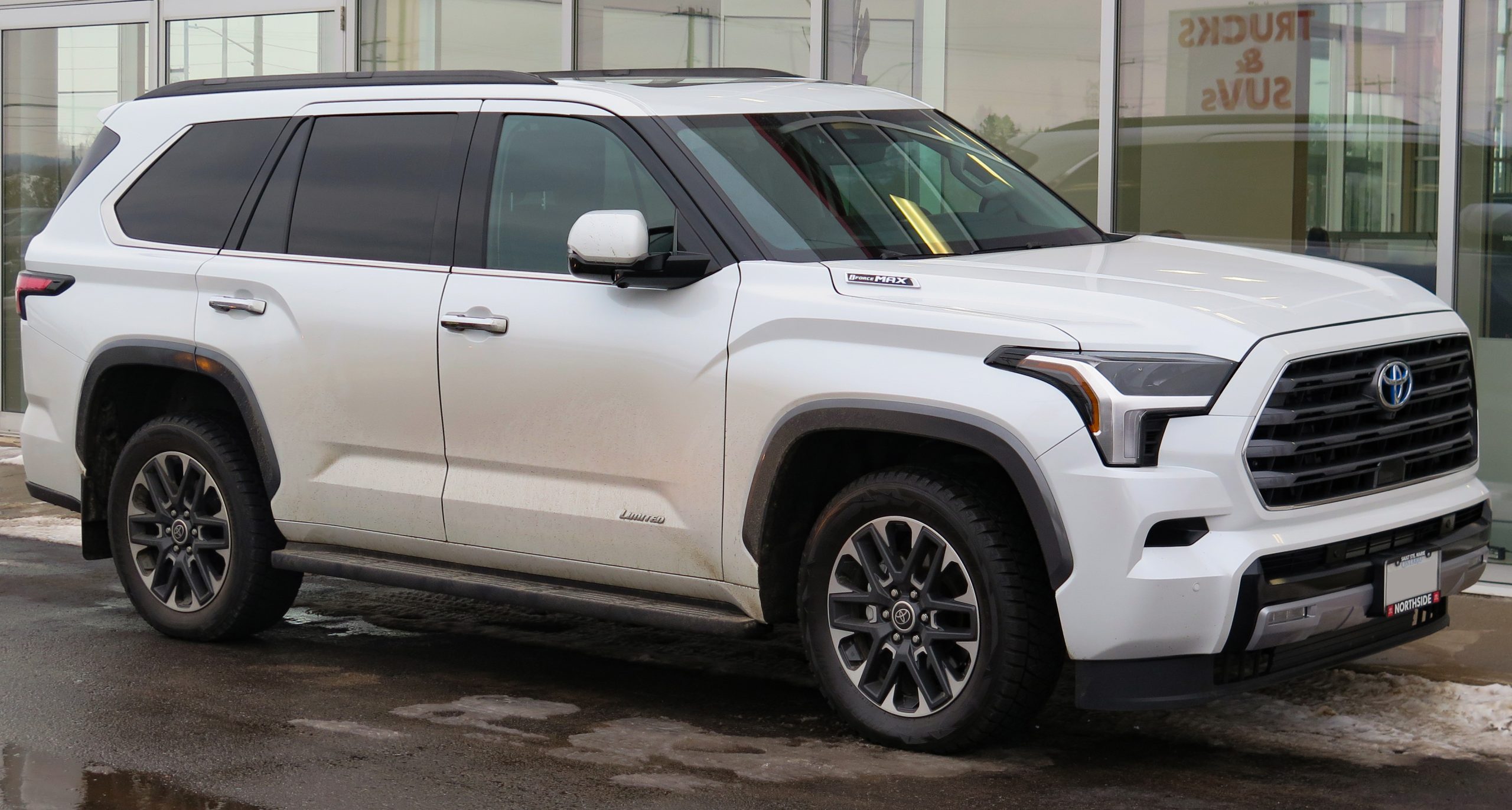
The Toyota Sequoia is built on a truck chassis, designed with durability in mind. Its transmission uses heavy-duty components such as larger torque converters, stronger planetary gear sets, and upgraded cooling systems. These features make it well-suited for towing, hauling, and long highway drives.
Thanks to Toyota’s conservative engineering approach, each generation reinforces prior weaknesses rather than chasing minimal weight or cost savings. As a result, major transmission failures are rare, with most issues limited to fluid leaks or sensor faults. With regular maintenance, the Sequoia’s transmission often outlasts expectations, keeping repair costs low compared to rivals.
Powered by a turbocharged V6 hybrid engine, the Sequoia delivers excellent acceleration for its size, reaching 60 mph in just six seconds. Braking is strong, and the suspension is optimized for towing and off-road use, though it feels firmer in city driving. Large dimensions limit maneuverability, but surround-view cameras and driver assistance features like adaptive cruise control make handling easier.
Inside, the Sequoia emphasizes practicality over luxury. Front seats are supportive with effective heating and ventilation, while the second-row captain’s chairs provide easy access to the third row. However, rear seat cushions sit low, limiting long-distance comfort, and cabin noise is more noticeable than in some rivals. Large doors, step rails, and grab handles make entry simple, even for children.
The Sequoia features a modern 14-inch touchscreen, but its software occasionally suffers from connectivity issues. Smartphone integration and multiple USB ports keep it functional, though tech offerings trail class leaders.
Cargo capacity is decent at 22.3 cubic feet behind the third row, but the hybrid battery prevents a flat load floor, limiting flexibility. Where it shines is towing up to 9,520 pounds when properly equipped.
The Sequoia prioritizes durability and utility over luxury finishes. For buyers focused on towing and off-road strength, it offers good value, though others may find the interior too utilitarian for the price.
Warranty coverage is average, but hybrid components receive extended protection, with the battery covered for 10 years/150,000 miles. Fuel economy is respectable for a full-size SUV, averaging around 20 mpg in combined driving, with real-world tests confirming this figure.
The Toyota Sequoia may not be the most refined or luxurious large SUV, but its rugged build, hybrid power, and strong towing capacity make it a dependable choice for families needing capability and endurance.
Also Read: 10 Cars Known For Smooth Ride Quality vs 10 That Become Bumpy Messes
6. Toyota 4Runner: Rugged Reliability with Modern Trade-offs
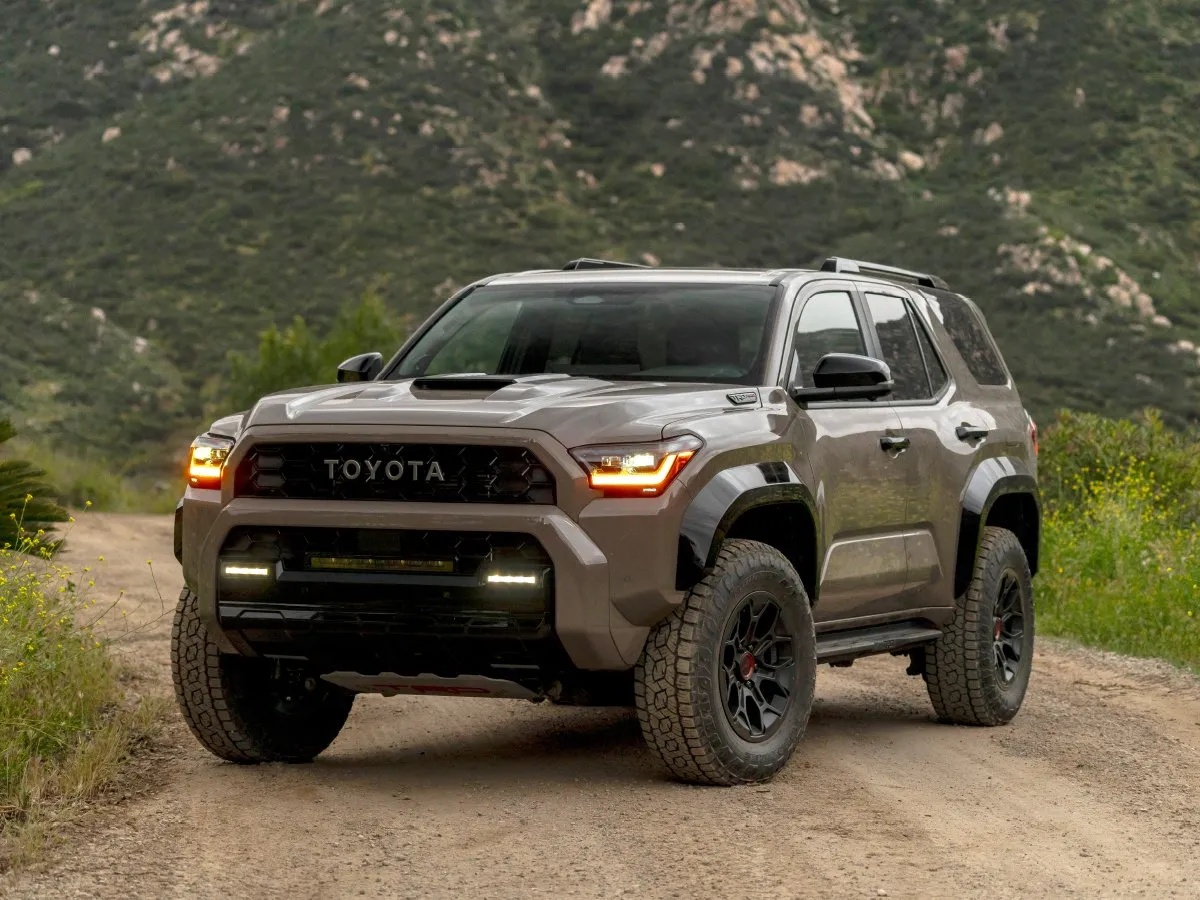
The Toyota 4Runner has built its reputation on rugged engineering and a straightforward design. Its transmission, often a four- or five-speed automatic depending on the model year, avoids overly complex systems, making it more reliable and less costly to maintain.
With durable torque converters, robust planetary gear sets, and a generously sized cooling system, the 4Runner is well-suited for heavy loads, towing, and off-road conditions. Minor issues such as solenoid replacements or seal leaks may occur, but catastrophic failures are rare.
Toyota’s consistent use of quality fluids and reliable seals adds further confidence, while parts availability and mechanic familiarity keep repair costs manageable. This reliability supports the 4Runner’s strong resale values, especially appealing for buyers needing both daily drivability and rugged performance.
Behind the wheel, the 4Runner’s gas engine provides sufficient power, with acceleration just slightly slower than the hybrid version. However, its ride and handling fall short. Body roll, unsettled suspension, and vague steering limit comfort on paved roads, though it fares better than the Ford Bronco or Jeep Wrangler in ride quality. Standard safety features, including adaptive cruise control and lane-keeping assist, enhance daily usability.
Inside, the front seats are supportive, but the back seats feel cramped with flat cushions and limited legroom. Rear door access is also tight, complicating child seat installation. While cabin isolation is decent, engine noise intrudes under acceleration. On the plus side, climate controls are simple and effective, quickly heating and cooling the cabin.
The infotainment system varies by trim, offering either an 8-inch or a 14-inch touchscreen, both supporting wireless Apple CarPlay and Android Auto. Numerous USB ports and a wireless charger add convenience, though the charger design is imperfect.
Cargo capacity is practical at 48.4 cubic feet behind the rear seats, though the third row drastically reduces usable space. Towing capability stands at 6,000 pounds, a strong figure for the class.
Pricing depends heavily on trim, with base models affordable but higher trims exceeding $60,000. Build quality is commendable, even under off-road stress, and fuel economy ranges from 21–23 mpg depending on drivetrain and hybrid options.
The 4Runner shines brightest off-road, where its durability and rugged styling truly stand out. While on-road driving feels truck-like, its proven transmission reliability and adventurous spirit make it a top choice for those seeking a capable SUV built to last.
7. Honda CR-V: A Reliable Compact SUV with Practical Strengths
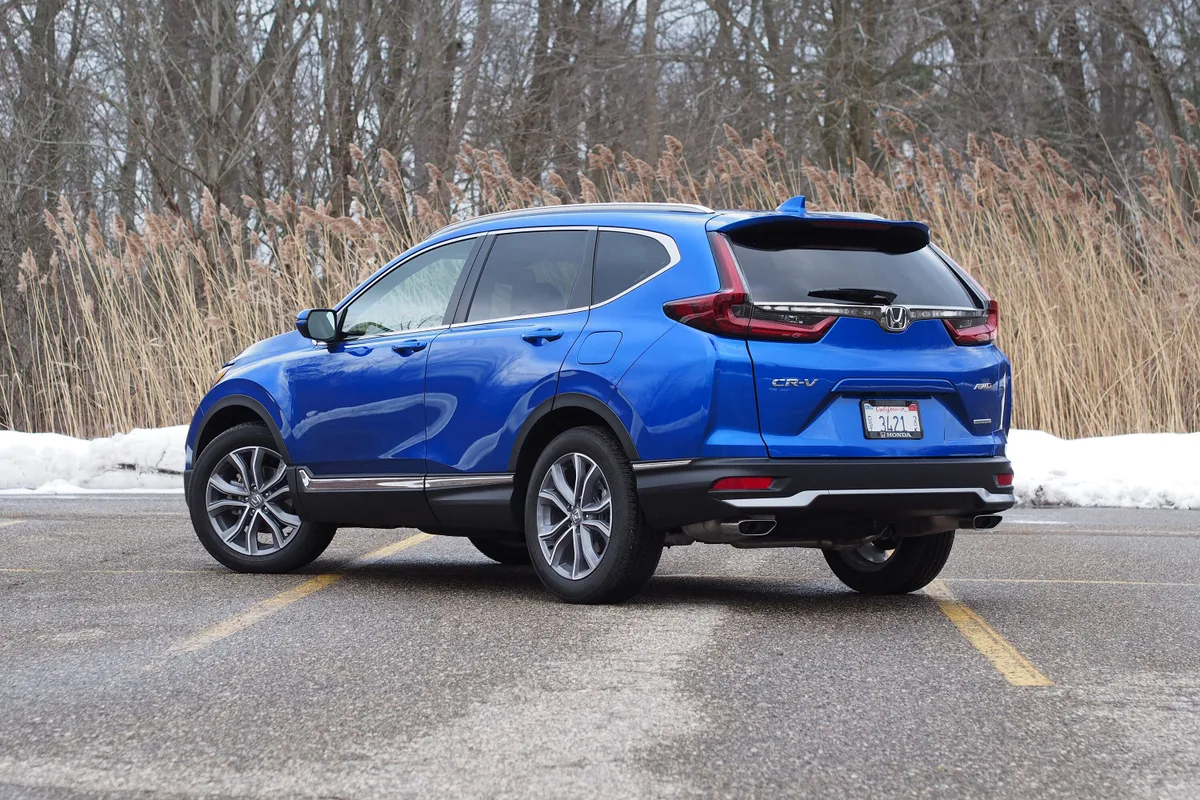
The Honda CR-V has earned a strong reputation for reliability, particularly in its transmission systems. Whether equipped with a CVT or a traditional automatic, Honda’s engineering favors durability over flashiness.
With robust belt designs, effective lubrication channels, and quality fluids that resist heat breakdown, the CR-V avoids many of the long-term issues seen in rivals. Regular maintenance, especially timely fluid changes and cooling system care, helps keep the transmission running smoothly past 150,000 miles.
Failures like slipping or juddering are rare and usually tied to neglect rather than design flaws. Honda’s conservative software calibration further contributes to longevity by minimizing stress and heat on the system, ensuring smooth operation even in stop-and-go driving. When issues arise, they are often minor and inexpensive, with parts and service readily available thanks to the CR-V’s popularity.
Behind the wheel, the CR-V is responsive and composed for a compact SUV. The hybrid Sport Touring model achieves a 0–60 mph time of 8.0 seconds, competitive for the segment. Smooth braking, controlled cornering, and well-weighted steering make the CR-V pleasant to drive.
Ride quality is among its strongest traits, absorbing bumps gracefully. Visibility is good in the front, though rearward views are more limited. Standard driver assistance features add confidence, though competitors offer more advanced options.
The CR-V excels in comfort and practicality. Both rows offer generous space, with the rear seats providing excellent legroom and easy car seat installation. Large door openings make entry and exit effortless, while supportive seating enhances long trips. Interior noise is well controlled, though not entirely absent. The simple, well-placed physical controls, especially for climate, enhance usability.
Technology is functional, though not class-leading. The 9-inch touchscreen, standard wireless smartphone connectivity, and multiple USB ports cover most needs, though larger displays in rivals feel more modern. Storage is adequate, with useful door pockets, a practical under-armrest bin, and wide cargo space. Gas models offer more cargo volume than hybrids, which lose some room and the spare tire.
The CR-V carries a slightly higher price tag than some rivals but delivers solid build quality and a smooth, quiet ride that justifies the cost. Fuel economy is a highlight: gas-only models reach 30 mpg combined, while hybrids achieve up to 40 mpg. Real-world results vary, but efficiency remains competitive.
Though not flashy in design, the CR-V blends refinement, reliability, and practicality. For families or commuters seeking a dependable compact SUV with strong resale value, it remains a top choice.
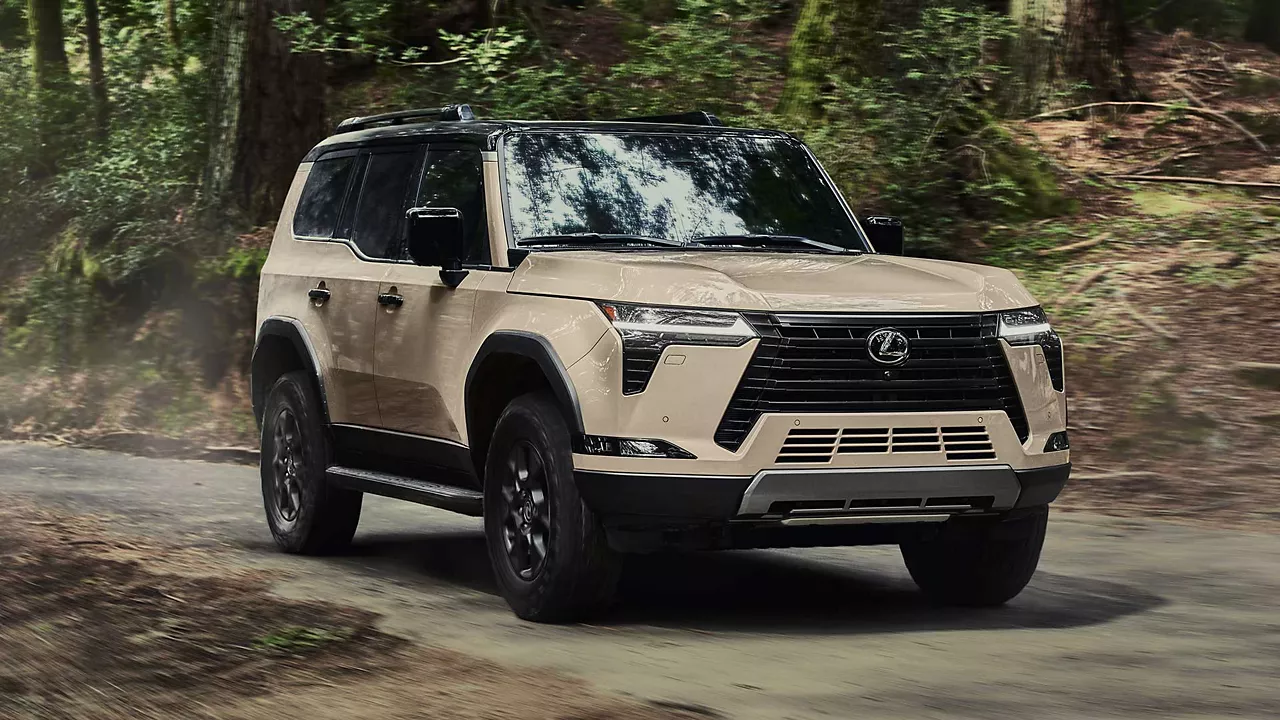
8. Lexus GX: Rugged Luxury With Long-Term Durability
The Lexus GX is built on a body-on-frame platform, giving it truck-like toughness. Its transmission is heavy-duty, often sharing components with Toyota trucks, which means it’s designed for towing, rough terrain, and long service life. Owners rarely face major transmission failures, with minor repairs being more common.
The GX benefits from oversized gears, stronger clutches, and larger torque converters, along with generous cooling systems and higher fluid capacities. These design features help prevent overheating during towing or off-road use.
Regular fluid changes, seal inspections, and cooling system checks are vital for keeping the transmission healthy. While Lexus parts are more expensive than average, outright transmission replacements are rare, and most issues stem from external components like hoses or control modules.
Powered by a turbocharged V6 and paired with a 10-speed automatic, the GX delivers smooth and confident acceleration. It reaches 60 mph in about 6.7 seconds, which is quick for its size. Around town, the transmission shifts seamlessly, but the GX’s large body means noticeable roll when cornering.
Off-road, especially in Overtrail trims with a locking rear differential, the SUV shines with impressive capability. Driver aids are abundant, though the hands-free system frustrates with constant alerts and limited functionality. Ride quality remains comfortable, especially in trims with road-focused tires.
Inside, the GX offers a quiet cabin with comfortable seating in the first two rows. The third row, however, is cramped and positioned low, making it better for short trips. Passenger space in the second row feels tighter than expected for the SUV’s size, though running boards help with easier entry.
Controls are straightforward, blending touchscreens with physical buttons for key functions. Installing child seats is manageable, though tight door openings can complicate the process.
A 14-inch touchscreen dominates the dashboard, offering sharp graphics and wireless smartphone integration. However, built-in navigation requires a subscription after three years. USB-C ports and wireless charging are standard.
Cargo space is limited with all three rows up (10.3 cubic feet), but expands to 76.9 cubic feet when folded. Two-row versions, such as the Overtrail, offer much better utility. Towing capacity is a standout, exceeding 9,000 pounds more than many rivals.
The GX blends luxury and off-road ability, though pricing for higher trims can be steep. It carries nearly every feature buyers expect in a premium SUV, but subscription-based navigation reduces convenience. Fuel economy sits at 17 mpg combined, modest for its class but in line with competitors like the Mercedes G-Class.
With rugged engineering, upscale comfort, and a striking design, the Lexus GX stands out as a rare SUV that balances true off-road capability with luxury appeal.
9. Hyundai Palisade: Modern Comfort Meets Family-Friendly Utility
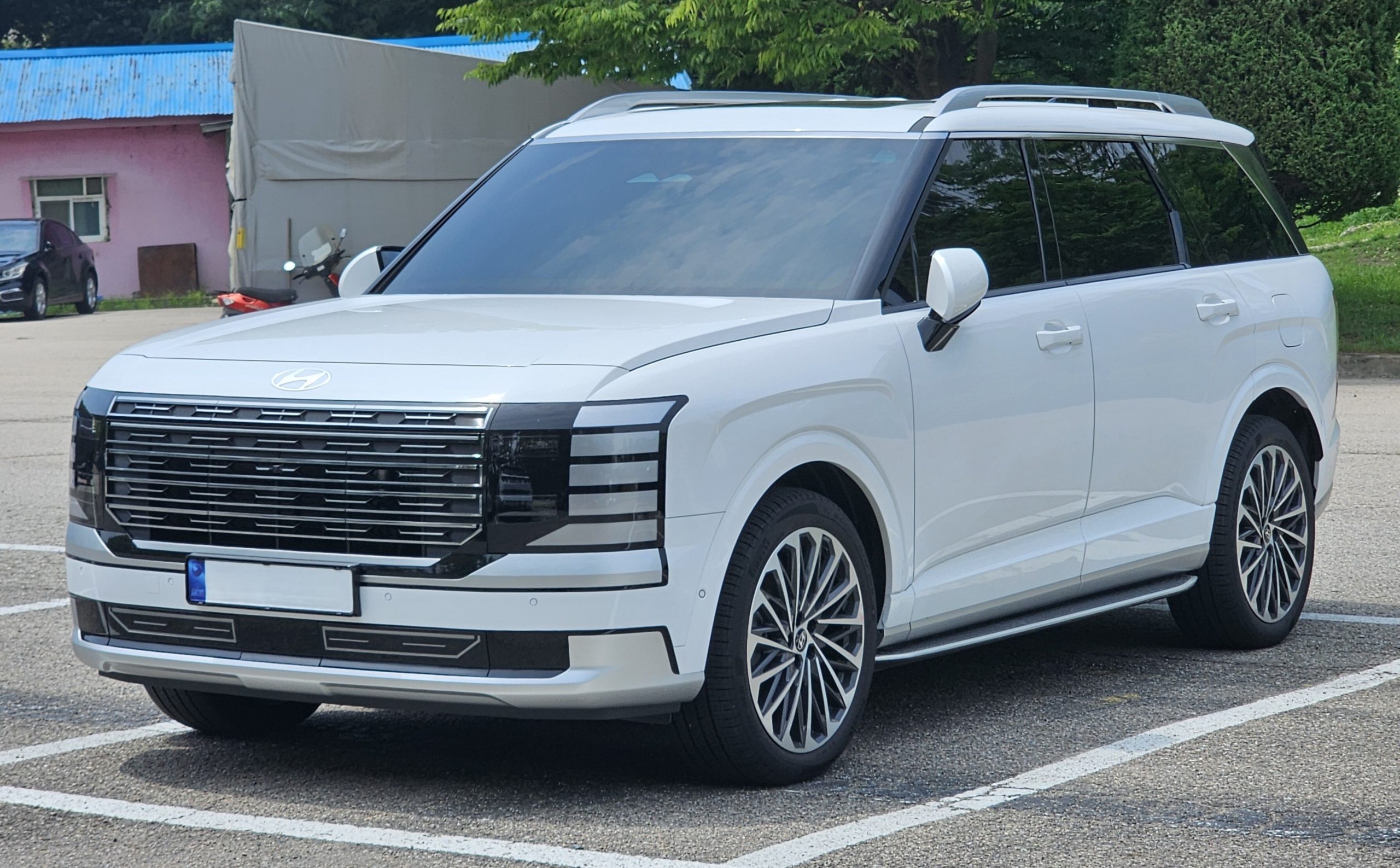
The Hyundai Palisade, a newer entry in the three-row SUV segment, uses refined eight-speed automatics designed for durability. Owners report smooth, reliable shifting even after years of use, with most issues limited to minor parts rather than complete rebuilds.
Hyundai engineered the Palisade’s transmission with strong cooling systems, heat exchangers, and smart shift logic to prevent overheating during towing or heavy loads. Regular maintenance, including fluid and filter changes, keeps the system dependable, while Hyundai’s long warranty coverage further reduces the risk of costly repairs.
The Palisade favors comfort over speed. In testing, it reached 60 mph in 8.8 seconds, making it one of the slower SUVs in its class. The transmission is also hesitant to downshift under hard acceleration.
However, where the Palisade shines is in ride quality. It absorbs bumps with ease and delivers a smooth, quiet experience on any surface. Visibility is excellent thanks to large windows and sharp camera systems, while most driver aids perform well. Lane-centering is the weak link, as it tends to drift between markers.
Hyundai designed the Palisade with families in mind. The front seats are spacious and supportive, though taller drivers may find entry and exit tricky due to the low steering wheel. Second-row space is generous, making it easy to install child seats, while the available power-adjustable third row adds flexibility.
Even with a full cabin, noise insulation is excellent, and climate control works quickly and effectively. The Palisade delivers a serene and comfortable ride for all passengers.
The 12-inch touchscreen interface is straightforward, responsive, and supports wireless Apple CarPlay and Android Auto. Higher trims add dash cams, a wireless charging pad, and up to seven USB ports.
Cargo space ranges from 19.1 cubic feet with all rows up to 86.7 cubic feet with both rows folded, competitive but not class-leading. Interior storage is well thought out, with deep bins and useful compartments that maximize utility for families.
The Palisade’s upscale cabin materials rival some luxury SUVs, especially in the Calligraphy trim, though this pushes the price high compared to rivals. Still, Hyundai includes more standard features than most competitors and backs it with an industry-leading 10-year/100,000-mile powertrain warranty. Fuel economy sits at 20 mpg combined average for its class.
The Hyundai Palisade delivers standout comfort, family-friendly practicality, and impressive value backed by one of the best warranties in the market. It may not be the quickest SUV, but its refinement and thoughtful design make it a compelling choice for large families.
10. Toyota RAV4: A Best-Seller Balancing Utility and Reliability
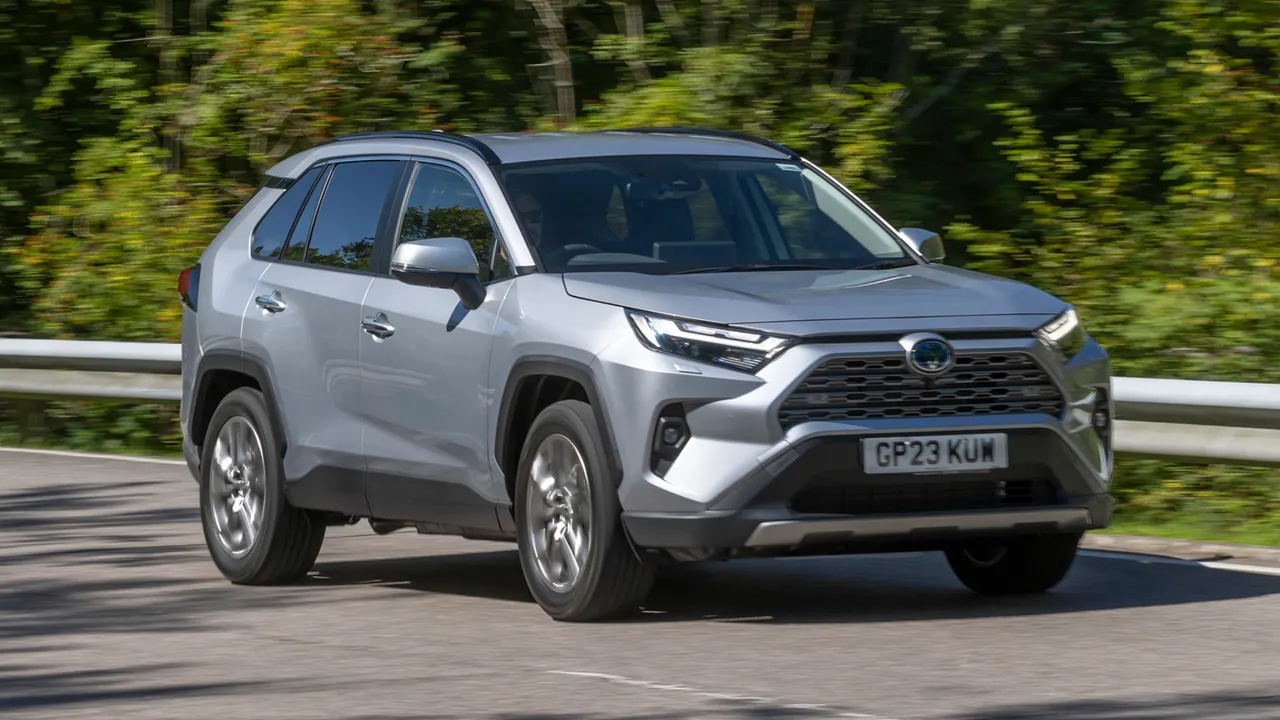
The Toyota RAV4 has established itself as one of the world’s most popular compact SUVs, largely because of its reputation for reliability and strong transmission durability. Early models used traditional automatic gearboxes, while newer versions feature more advanced automatics and hybrid systems.
Across all generations, Toyota has focused on efficiency without sacrificing long-term dependability. Cooling systems, particularly in hybrid trims, are carefully engineered to prevent overheating in demanding conditions.
Owners rarely report serious failures, with most issues limited to sensors or solenoids rather than complete transmission replacements. Routine maintenance, such as fluid changes, keeps the system running smoothly well beyond 100,000 miles. With the RAV4’s widespread global availability, parts are easy to find, and repair costs remain moderate.
On the road, the RAV4 offers comfort and straightforward drivability. Its base engine is adequate for commuting and highway use, though acceleration is slower than some rivals, reaching 60 mph in 9.1 seconds.
Steering can feel vague, reducing confidence at higher speeds, but trims like the Limited improve capability with torque-vectoring all-wheel drive and hill descent control. Standard driver-assistance features adaptive cruise control, lane keeping, and automatic emergency braking, work reliably, even if competitors now provide more advanced technology.
Inside, the RAV4 emphasizes practicality. The driving position is comfortable, with large, easy-to-use knobs for climate and audio functions. Taller passengers may find the front seat positioned higher than ideal, and rear-facing car seats can be tight in back, but space remains accessible and user-friendly. Ventilation is strong, and visibility is excellent.
Technology is competitive, featuring a standard 8-inch touchscreen or an optional 10.5-inch display on higher trims. Wireless Apple CarPlay and Android Auto are included, while wireless charging is reserved for upper trims. The interface is simple and responsive, making it approachable for most drivers.
Cargo space is another strength, with up to 69.8 cubic feet available when the rear seats are folded. Storage compartments throughout the cabin add practicality, and the build quality feels durable with smart touches like rubberized grips. Fuel economy is impressive, averaging around 28 mpg in real-world driving, with highway figures exceeding 30 mpg.
While it may not be the sportiest SUV, the RAV4’s blend of reliability, practicality, and efficiency explains its enduring global appeal.
11. Honda Pilot: A Family SUV Balancing Utility and Durability
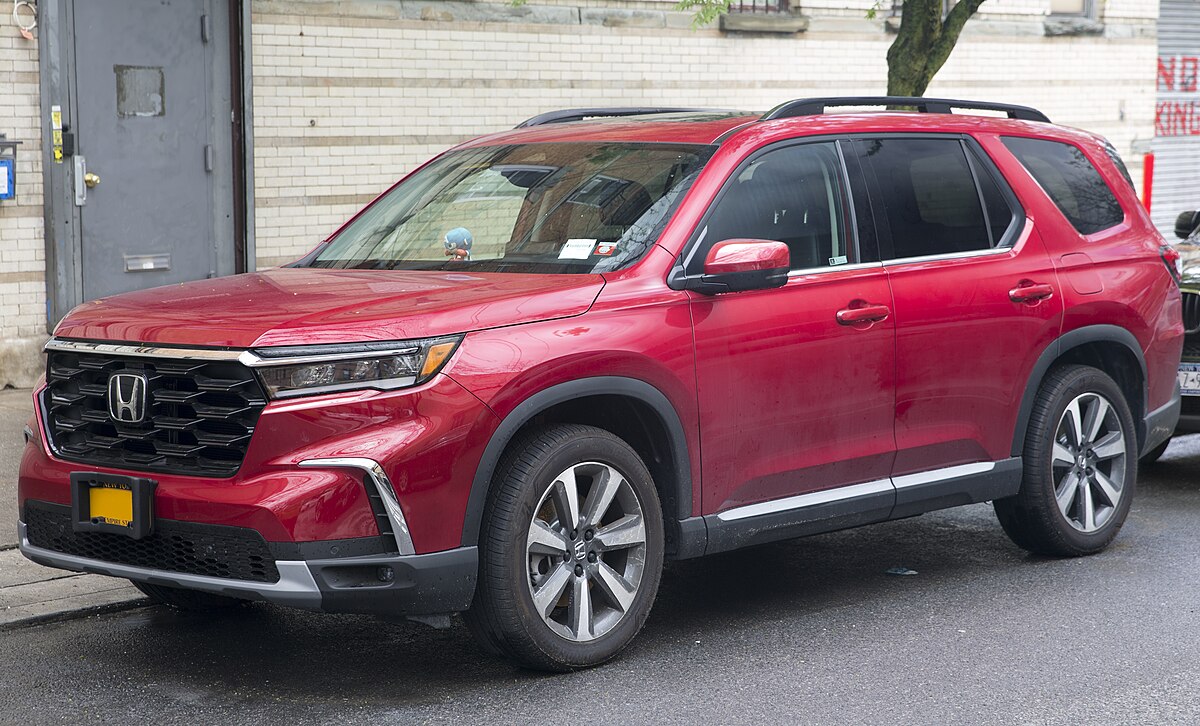
The Honda Pilot is a family-focused three-row SUV known for its practicality and dependable design. Its six- and nine-speed automatic transmissions are engineered with durability in mind, featuring torque converters with heavy-duty lock-up clutches and integrated cooling systems.
These components minimize heat and wear during highway driving and towing, making the Pilot well-suited for family trips and light hauling. Regular maintenance, such as fluid changes and inspections, plays a big role in longevity.
When issues do arise, they are often minor, like solenoid or sensor replacements rather than full rebuilds. With the Pilot’s widespread popularity, parts are readily available, and most mechanics are familiar with its systems, helping keep repair costs manageable.
Performance is steady but not standout. The 3.5-liter V6 produces respectable power, though acceleration is average at 7.8 seconds to 60 mph. The transmission can feel busy in city traffic, occasionally making throttle response jerky. Braking is smooth under normal use, but takes longer than some rivals in emergency stops.
Ride comfort, however, is a strength, with the suspension soaking up rough pavement and bumps easily. Visibility is solid, though the surround-view camera suffers from low resolution. Advanced driver-assistance features like adaptive cruise control and lane centering perform well, easing fatigue during long highway drives.
Inside, the Pilot emphasizes space and comfort. The front seats and available second-row captain’s chairs are soft and supportive, while the roomy second row simplifies car seat installation. The third row is tighter but usable for adults on shorter trips.
The cabin remains quiet at cruising speeds, and the climate system delivers consistent airflow across all three rows. Honda’s focus on physical controls over touch-based systems makes operation straightforward.
Technology is user-friendly but dated. The infotainment system tops out with a 9-inch display, which feels small for a cabin this size. Still, charging options are plentiful, with USB ports in every row, a wireless charging pad, and even a household-style outlet. Cargo capacity is generous at up to 87 cubic feet, complemented by practical small-item storage.
While rivals like the Kia Telluride offer more features and longer warranties for less money, the Honda Pilot remains a reliable, durable, and family-oriented SUV that prioritizes function over flash.
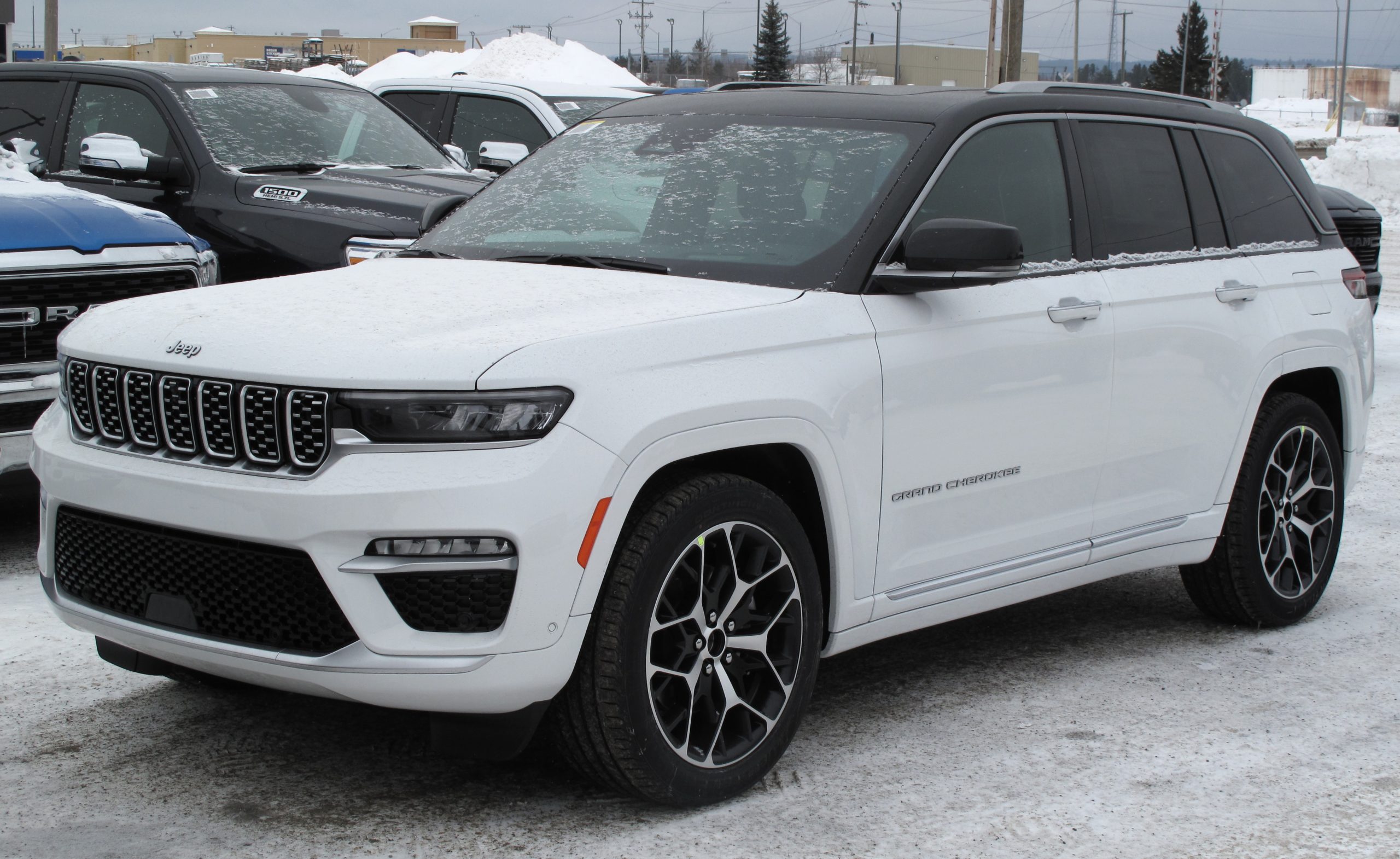
12. Jeep Grand Cherokee: Capable, Stylish, and More Refined
The Jeep Grand Cherokee has had a mixed past with transmission dependability, but recent generations have shown marked improvements. Modern versions use upgraded torque converters, stronger clutches, and better cooling systems.
Enhanced shift logic also reduces stress by minimizing unnecessary downshifts and carefully managing torque converter lock-up. These refinements help prevent the major internal failures that plagued earlier models.
Most transmission issues in newer Grand Cherokees are minor, often related to solenoids, sensors, or leaks rather than catastrophic breakdowns. Regular maintenance, especially fluid checks and monitoring transmission temperature, is key to longevity.
Thanks to the Grand Cherokee’s popularity, replacement parts and remanufactured units are widely available, and many mechanics are familiar with its systems. For owners, this means lower long-term repair costs and better peace of mind.
The standard V6 delivers adequate power, hitting 0-60 mph in about 8 seconds, competitive but not outstanding. The available 4xe plug-in hybrid is noticeably quicker and adds appeal for efficiency-minded buyers. Steering is light and accurate, while the brakes provide solid confidence. On the road, the Grand Cherokee is more stable than athletic, but it stands apart with genuine off-road prowess that most midsize SUVs lack.
Inside, the Grand Cherokee promises near-luxury comfort but doesn’t fully deliver. The seats are firm, and the ride can feel stiff even with the optional air suspension. Rear seating is tighter than in some rivals, though heated and ventilated rear seats are a welcome feature.
Cabin noise is well controlled in most conditions, but sharp impacts from rough pavement can disrupt the otherwise quiet interior. The climate system works effectively, though its tightly packed buttons require extra attention to use.
Jeep’s Uconnect 5 infotainment system is one of the high points, with clear graphics and responsive menus. Apple CarPlay and Android Auto are standard, and higher trims offer a premium McIntosh sound system. Cargo space is average at 37.7 cubic feet, with flat-folding rear seats aiding versatility. Towing capacity, however, is impressive at up to 6,200 pounds.
The Grand Cherokee offers wide-ranging trims, from affordable base models to high-end versions with luxury touches. Build quality, however, can feel inconsistent compared to rivals. Fuel economy is competitive at 22 mpg combined with the V6, matching EPA estimates in real-world tests.
The Jeep Grand Cherokee balances everyday usability with off-road capability and upscale styling. While not perfect, its blend of features, towing ability, and brand cachet makes it a compelling midsize SUV choice.
Not all SUVs are created equal, especially when it comes to transmission reliability. While many vehicles in today’s market pack in technology and power, few combine those traits with the kind of long-term dependability that keeps repair bills low.
The models on this list stand out because their transmissions are designed to endure, whether it’s through simplified engineering, robust cooling systems, or proven component quality. They provide owners with confidence that their investment will last, even under tough conditions like towing, commuting, or long road trips.
For drivers who value reliability as much as performance or comfort, these SUVs represent some of the smartest choices available today. By choosing from this group of 12 SUVs that don’t require transmission replacements, buyers can enjoy years of dependable service and avoid the frustration of unexpected breakdowns, making them excellent companions for both everyday life and bigger adventures.
Also Read: 10 Cars With Surprisingly Low Lifetime Repair Costs