

The collector car market has always been a fascinating mix of nostalgia, design, rarity, and cultural influence. For decades, it was dominated by classic muscle cars from the 1960s and 1970s, European exotics from the 1980s, and quirky imports from the 1990s.
But in recent years, a shift has taken place. Models that were once dismissed as too new, too common, or too practical are now becoming highly desirable among collectors.
These modern-era cars produced mostly in the late 1990s through the 2010s are already being recognized as future classics, with rising prices at auctions and a growing cult following.
For the US audience especially, these cars blend attainable dreams with investment potential, making them hot targets for enthusiasts and collectors alike.
Below are 10 cars that are already modern collectors’ items, each with its own unique story of why it’s destined for long-term desirability.
1. Toyota Supra Mk4 (1993–2002)
No conversation about modern collectible cars is complete without the legendary Mk4 Supra. Immortalized by The Fast and the Furious and adored for its bulletproof 2JZ-GTE engine, this Japanese sports car is the ultimate tuner’s dream.
What once sold in US dealerships for around $40,000 is now commanding six-figure prices at auctions.
The Supra represents the peak of Toyota’s 1990s engineering, and with most examples either modified or driven hard, clean stock versions are incredibly rare. Collectors know they’re not just buying a car they’re buying a cultural icon.
The Toyota Supra MK4, produced between 1993 and 2002, has secured its place as one of the most legendary and valuable Japanese sports cars ever built. Its value has skyrocketed in recent years, not in spite of, but largely because of the fact that it has long been out of production.
When new, the MK4 Supra carried a price tag of roughly $35,000 to $40,000 depending on trim level. Buyers admired it for its bold styling, balanced handling, and most of all, the now-legendary 2JZ-GTE engine.
This twin-turbocharged inline-six became famous for its ability to achieve staggering power gains with relatively straightforward modifications.
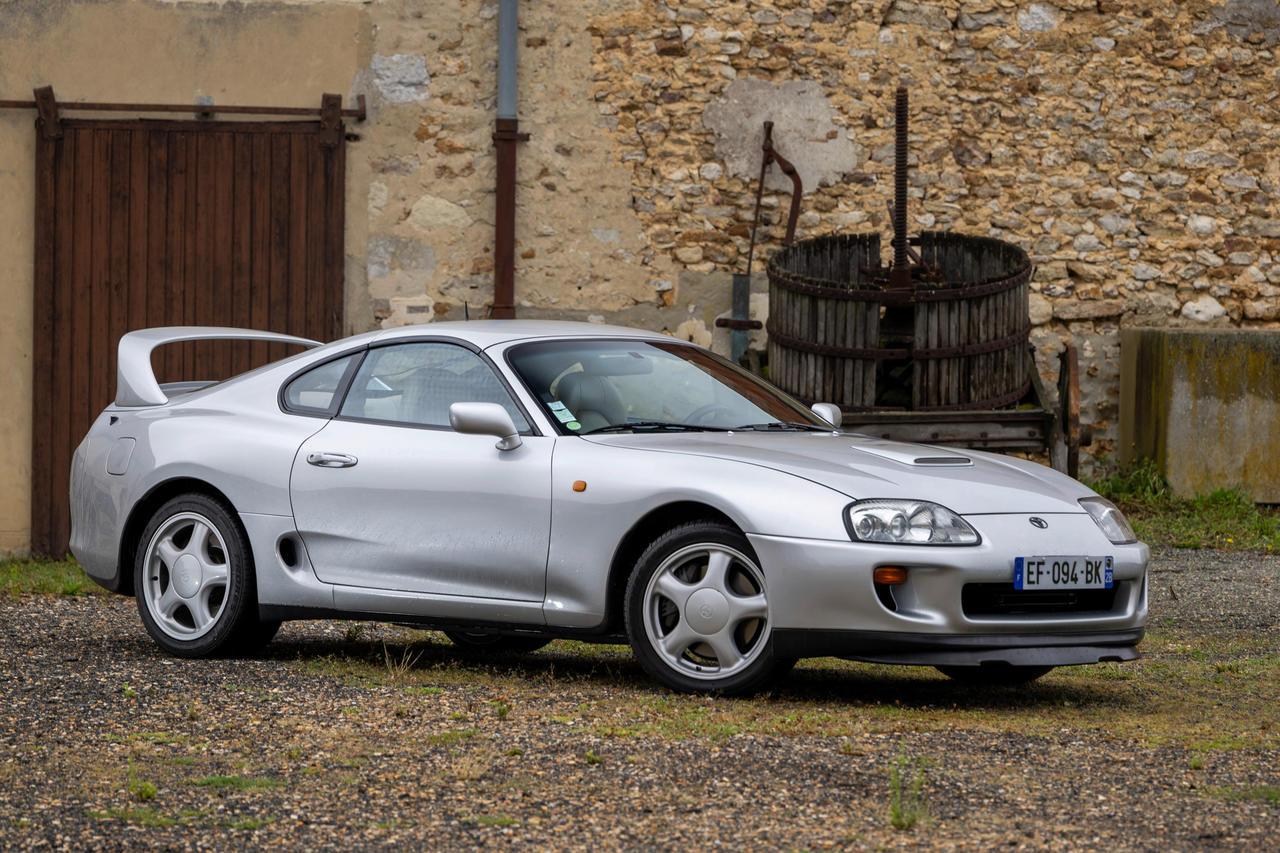
While the Supra was respected in its own time, its true rise to fame came later, thanks in part to its starring role in The Fast and the Furious franchise and its central place in tuner culture worldwide.
As enthusiasts began to appreciate just how capable and dependable the Supra really was, some building examples with outputs exceeding 1,000 horsepower, the hunt for unmodified, well-preserved cars grew intense.
After production ended in 2002 and Toyota failed to release an immediate successor, the car’s scarcity and desirability only grew.
Today, an original, low-mileage MK4 Supra equipped with a manual transmission can command anywhere from $100,000 to well over $200,000, with rare editions such as the 1997–1998 Turbo models selling for even higher sums.
Its meteoric rise in value is the result of several key factors: limited supply, timeless styling, unmatched tuning potential, and the deep nostalgia it inspires in a generation of car fans.
At a time when the automotive world is shifting toward electric power and increased automation, the MK4 Supra endures as a lasting symbol of the golden era of pure, analog performance.
2. Honda S2000 (1999–2009)
The S2000 is one of those cars that enthusiasts didn’t fully appreciate until production ended. With its high-revving 2.0L (later 2.2L) engine capable of spinning up to 9,000 RPM, razor-sharp handling, and simple roadster purity, the S2000 was Honda at its engineering best.
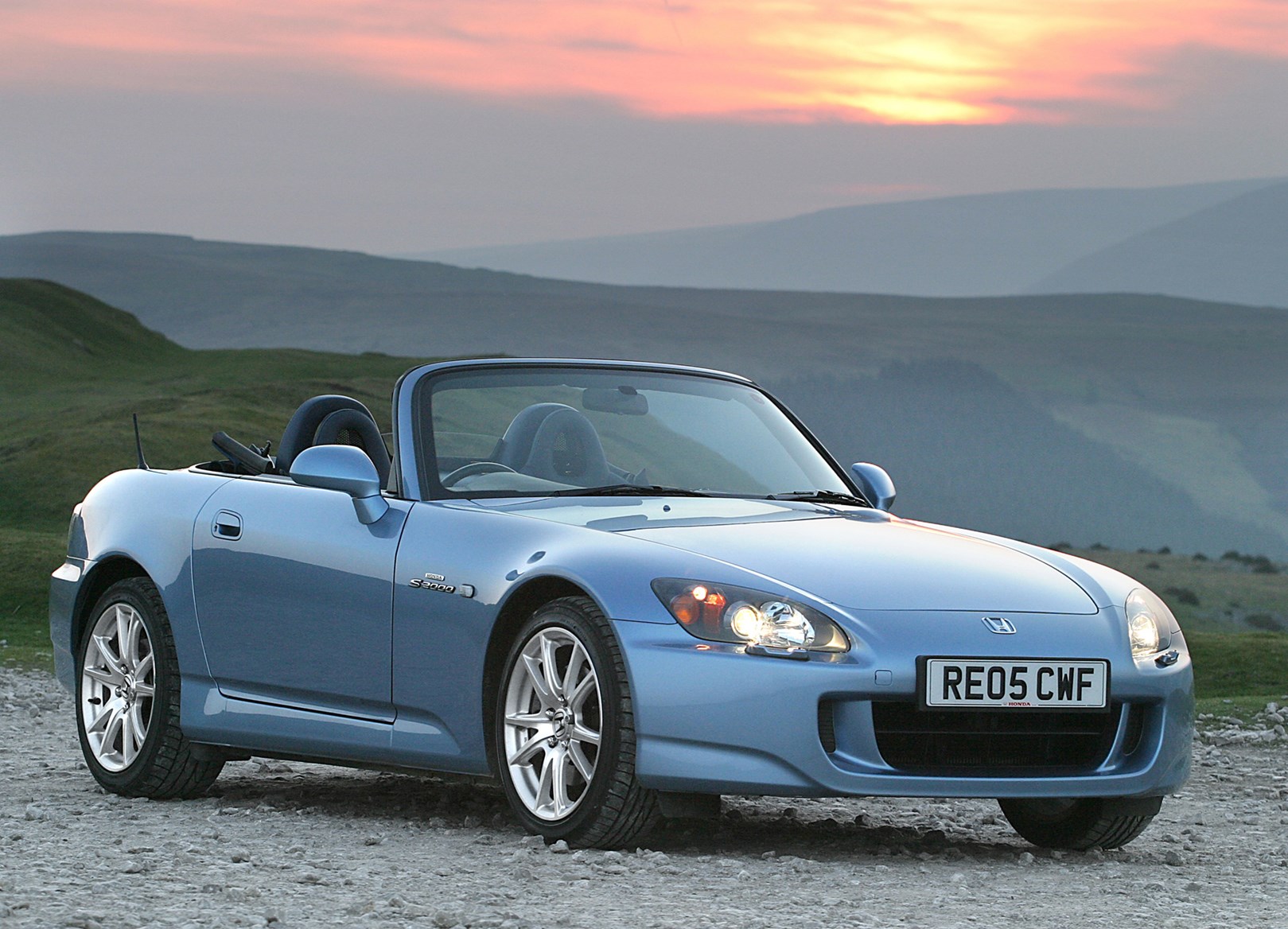
Originally considered a relatively affordable sports car, values have shot up in the last five years, especially for low-mileage examples and special trims like the CR (Club Racer).
For collectors, the S2000 represents a bygone era of naturally aspirated performance in a lightweight package something that’s nearly extinct in today’s turbocharged world.
3. Dodge Viper (1992–2017)
The Dodge Viper has always been America’s wild child a V10 monster that demanded respect. Unlike modern performance cars with electronic assists, early Vipers had no traction control, no ABS, and very little mercy for inexperienced drivers.
That rawness, combined with aggressive styling, makes the Viper a sought-after collector’s item. Limited-production variants like the ACR (American Club Racer) are already fetching huge premiums, while even early RT/10 roadsters are rising quickly in value.
The Viper is a pure analog experience that collectors know can never be replicated in today’s safety- and emissions-regulated automotive world.
The Dodge Viper made its debut in 1991, powered by a massive 8.0-liter V10 developed in collaboration with Lamborghini. This engine produced 400 horsepower and 450 lb-ft of torque, making the Viper a standout performance car of its time.
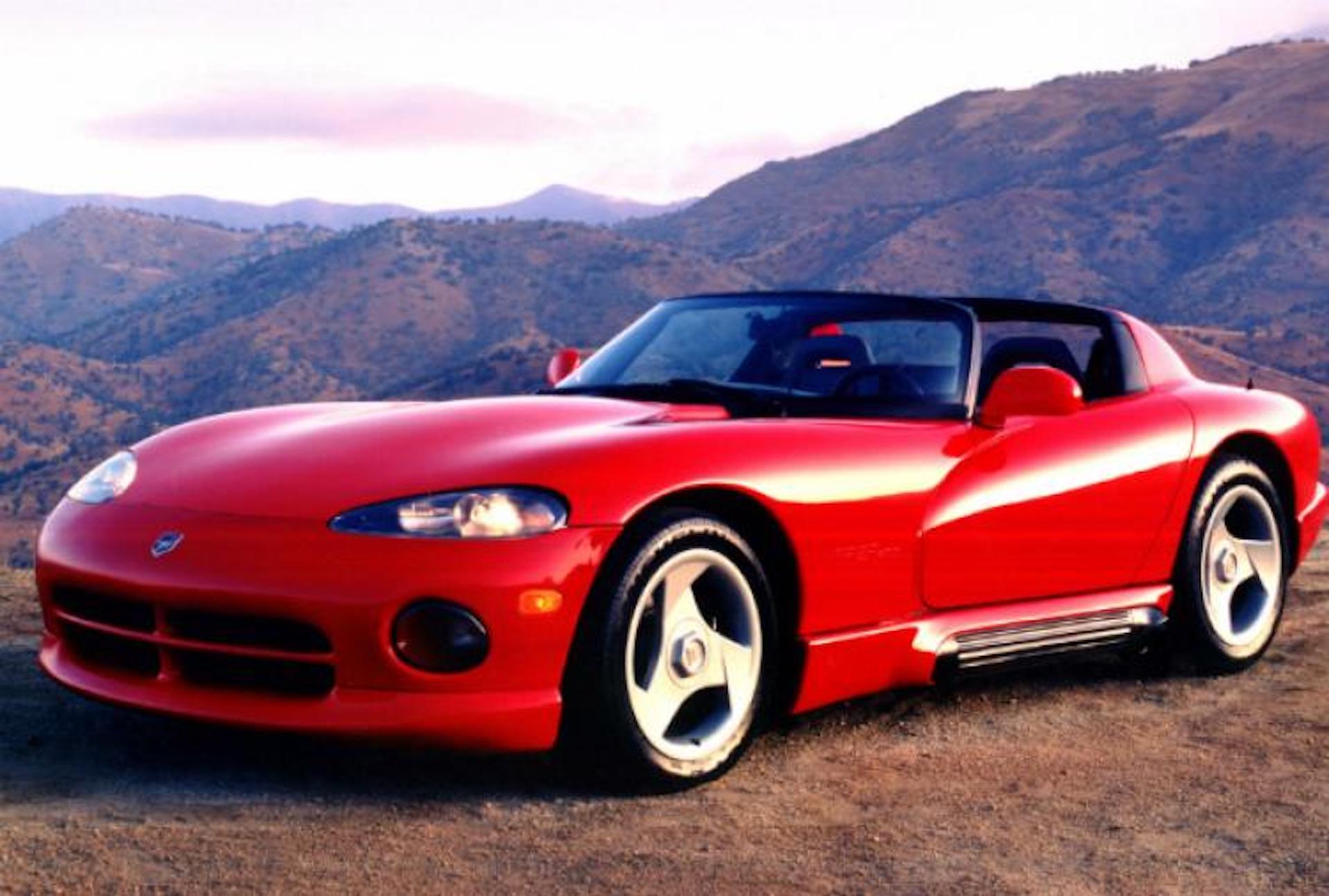
Early models were bare-bones, lacking exterior door handles and featuring vinyl windows. By the mid-1990s, the second-generation Viper arrived with a reworked exhaust system that boosted output, along with the introduction of the GTS coupe, instantly recognizable for its distinctive “double bubble” roofline.
For the 2003 model year, Dodge rolled out the third generation, which brought a major redesign. The wheelbase was extended by 2.6 inches, the bodywork was completely revised, and the V10’s displacement grew to 8.3 liters.
The fourth generation followed in 2008 with another round of improvements. Its 8.4-liter V10 now delivered 600 horsepower, while significant upgrades were made to the chassis, electrical system, and drivetrain.
The fifth and final generation of the Viper was produced from 2013 through 2017. Launched as the SRT Viper, it introduced a modernized design with new vehicle dynamics systems and a far more refined interior.
Still housing the 8.4-liter V10, these models pushed performance even further, eventually producing 645 horsepower and 600 lb-ft of torque. Capable of speeds over 200 mph, the last of the Vipers cemented the car’s reputation as one of America’s most iconic supercars.
Also Read: Top 10 Pickups That Rarely Need Engine Swaps
4. BMW E46 M3 (2000–2006)
BMW’s M division has created plenty of legends, but the E46 M3 stands out as one of the most balanced performance cars of the modern era.
Its S54 inline-six delivers a thrilling powerband, while its handling has been praised by everyone from weekend track-day drivers to professional journalists. What makes the E46 especially collectible is its perfect blend of modern amenities with old-school driving feel.
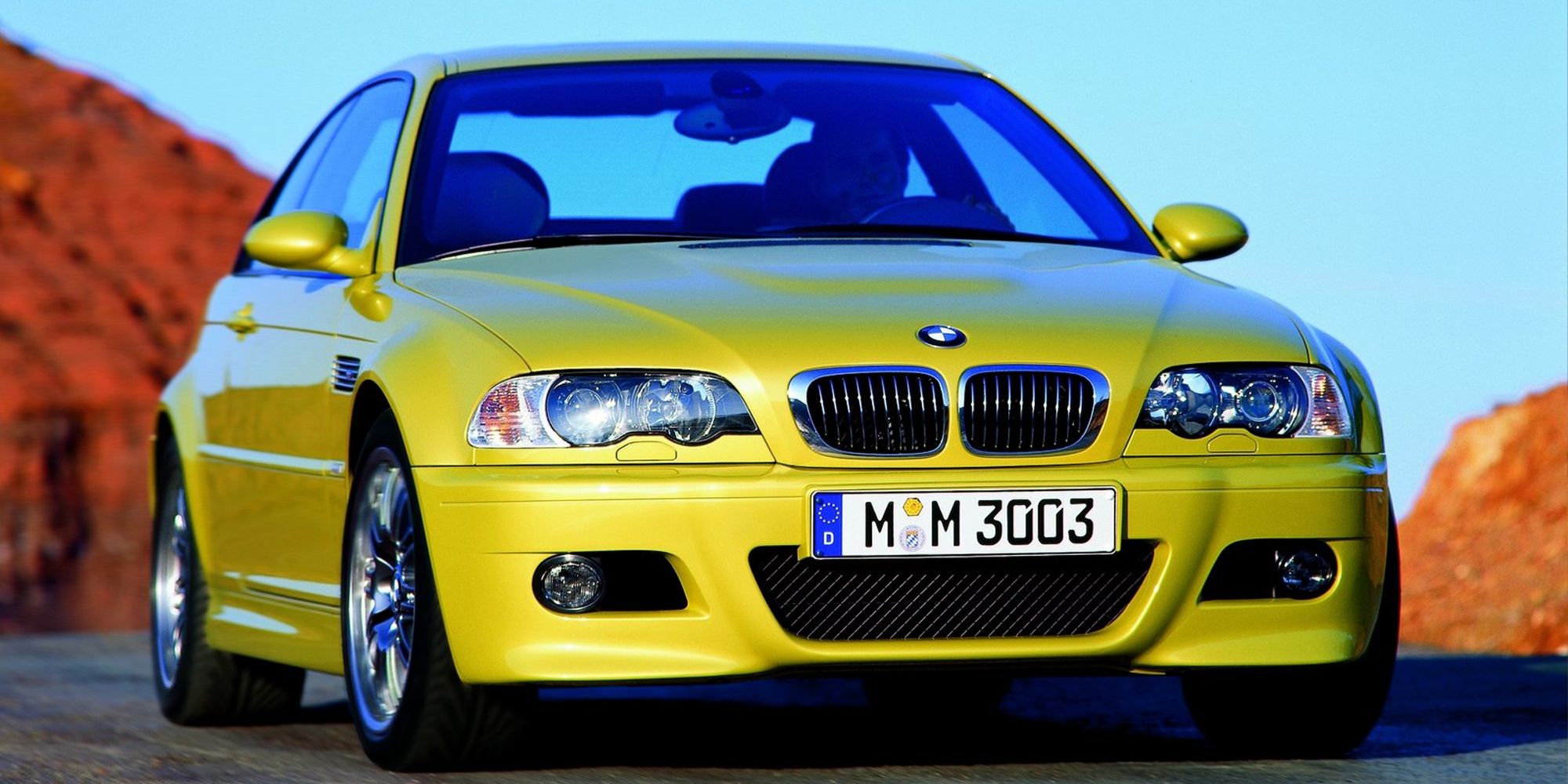
The rare CSL version never officially came to the US, but even standard models are appreciating rapidly. Among modern BMWs, this one has “future classic” written all over it.
5. Mazda RX-7 FD (1992–2002)
The third-generation RX-7 is a masterpiece of Japanese design and engineering. With its lightweight chassis, twin-turbo rotary engine, and flowing curves, the FD is both beautiful and ferocious.
While the rotary engine has a reputation for needing meticulous care, that hasn’t deterred collectors if anything, it’s made pristine examples all the more valuable.
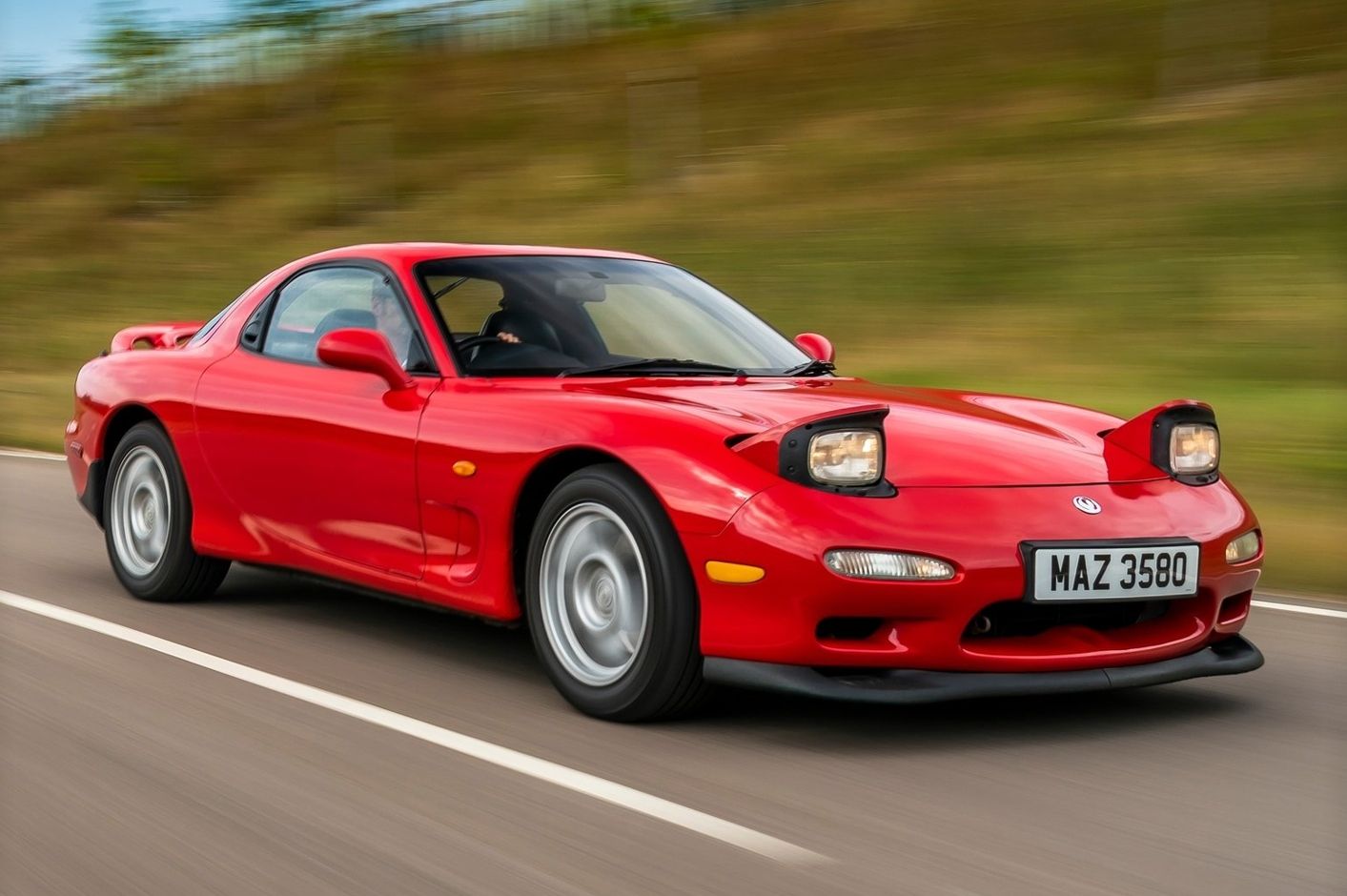
Like the Supra, the RX-7 benefitted from its pop culture presence in video games and movies, cementing its legacy among a younger generation of enthusiasts. Today, unmodified examples are increasingly rare, and values are climbing at a pace that signals long-term collector status.
Mazda launched the third generation of the RX-7 in 1992, and although it was somewhat overlooked at the time of its debut, it has since earned its status as one of Japan’s most iconic sports cars.
The brand stood alone in its commitment to the Wankel rotary engine, continuing to refine and evolve it into an even more efficient and powerful unit. Yet Mazda didn’t stop at the engineering; it also crafted a design that set the car apart with a distinct and memorable shape.
Developed in the era of bio-design, the third-generation RX-7, often referred to by its chassis code FD, was characterized by smooth curves, rounded lines, and the presence of pop-up headlights.
Thanks to the compact size of the rotary engine, the car featured a sleek, low-profile nose that wouldn’t have been possible with a conventional inline motor.
Its compact two-door cabin flowed into a dramatically sloped rear hatch, while the back end carried a wide taillight spanning the car’s width and a subtle wing perched on the tailgate.
The cabin design carried the same bio-design theme, with soft curves and a driver-focused layout. The center stack angled toward the driver, flanked by deeply bolstered bucket seats divided by a tall center console.
This console housed the gear shifter for the standard five-speed manual transmission, a storage compartment, and other essential controls. The dashboard grouped together the HVAC system, sound system, and a small storage cubby, emphasizing a blend of practicality with sportiness.
Mazda built the RX-7 with a clear focus on driving performance. As such, the entry-level models came with only the necessary features, while higher trims added conveniences like a sunroof and the option of a four-speed automatic transmission.
Under the hood, the 1.3-liter rotary engine was paired with a unique sequential twin-turbo system, which delivered a remarkably smooth and near-flat torque curve—further cementing the RX-7’s reputation as a purpose-built sports car.
6. Porsche 911 (996 & 997 Generations, 1999–2012)
While some Porsche purists once sneered at the 996-generation 911 for its “fried egg” headlights and water-cooled engine, time has been kind to these cars.
They represent a crucial turning point in Porsche’s evolution modern reliability combined with a still-raw driving experience. The 997 restored classic styling cues and brought back widespread enthusiasm, especially in performance trims like the GT3 and Turbo.
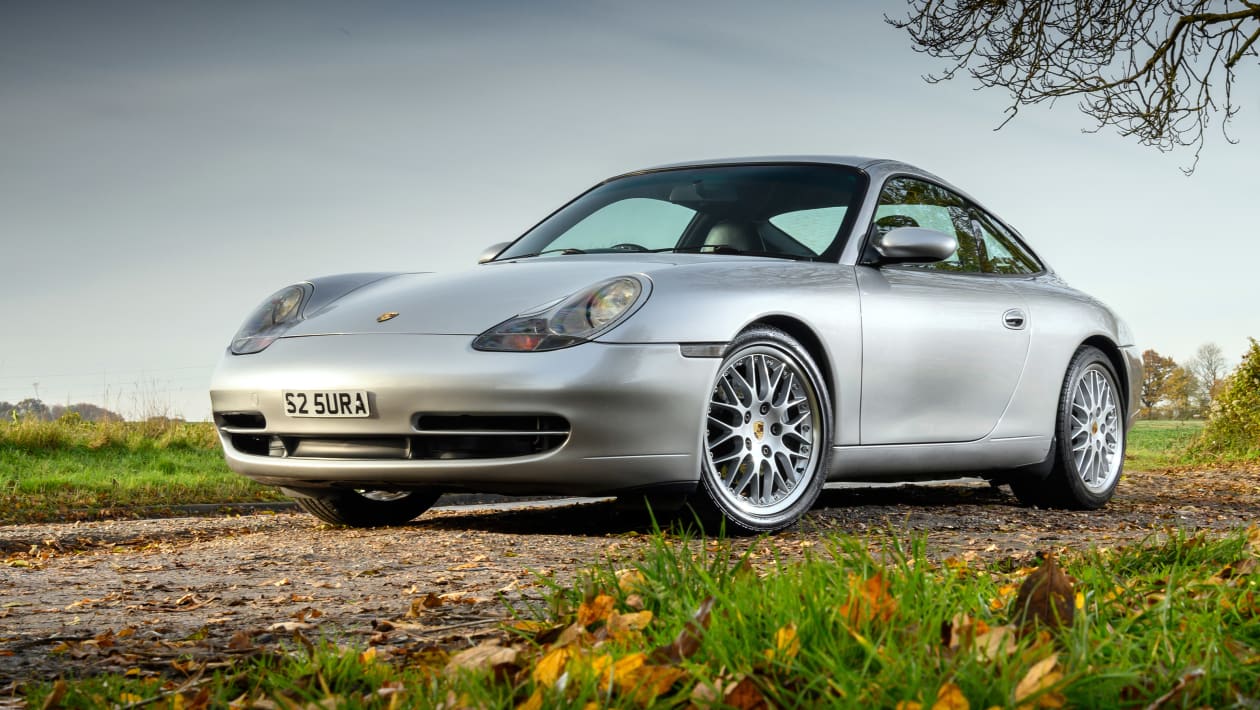
For collectors who can’t afford air-cooled 911s (which have skyrocketed in price), the 996 and 997 offer a more attainable yet highly collectible entry point into Porsche ownership.
7. Chevrolet Corvette Z06 (C5 & C6, 2001–2013)
The Corvette has always been America’s sports car, but the Z06 variants of the early 2000s are already being recognized as collector-grade vehicles.
The C5 Z06 introduced a lightweight, track-focused package with the LS6 V8, while the C6 Z06 took things further with the legendary 7.0L LS7 engine.
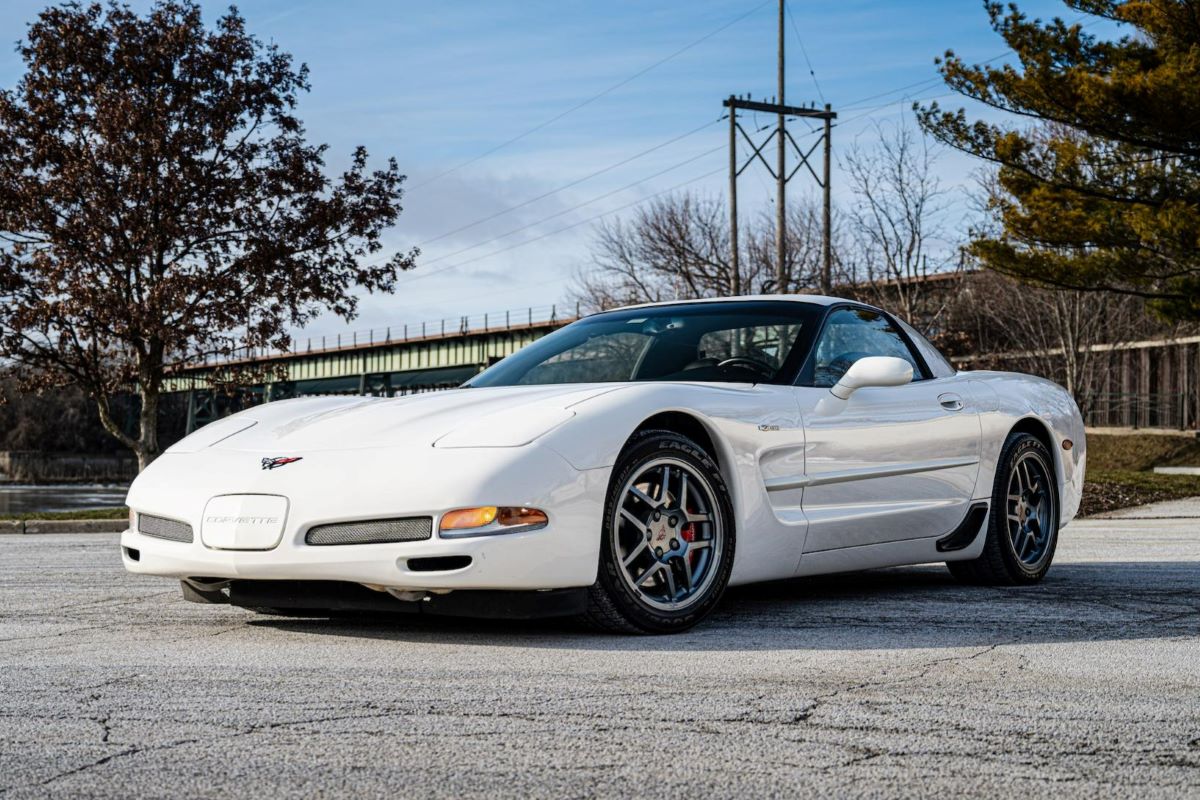
Both models deliver world-class performance at a fraction of the cost of European rivals, which has made them darlings among enthusiasts.
As collectors increasingly value American muscle with modern handling, the Z06 stands out as a car destined for long-term appreciation.
8. Lexus LFA (2010–2012)
If rarity drives collectibility, the Lexus LFA is already a crown jewel. With only 500 produced worldwide, this Japanese supercar is as exclusive as it gets.
But it’s not just the numbers the LFA’s 4.8L V10 is widely regarded as one of the best-sounding engines ever built, revving to 9,000 RPM with a Formula 1-like scream.
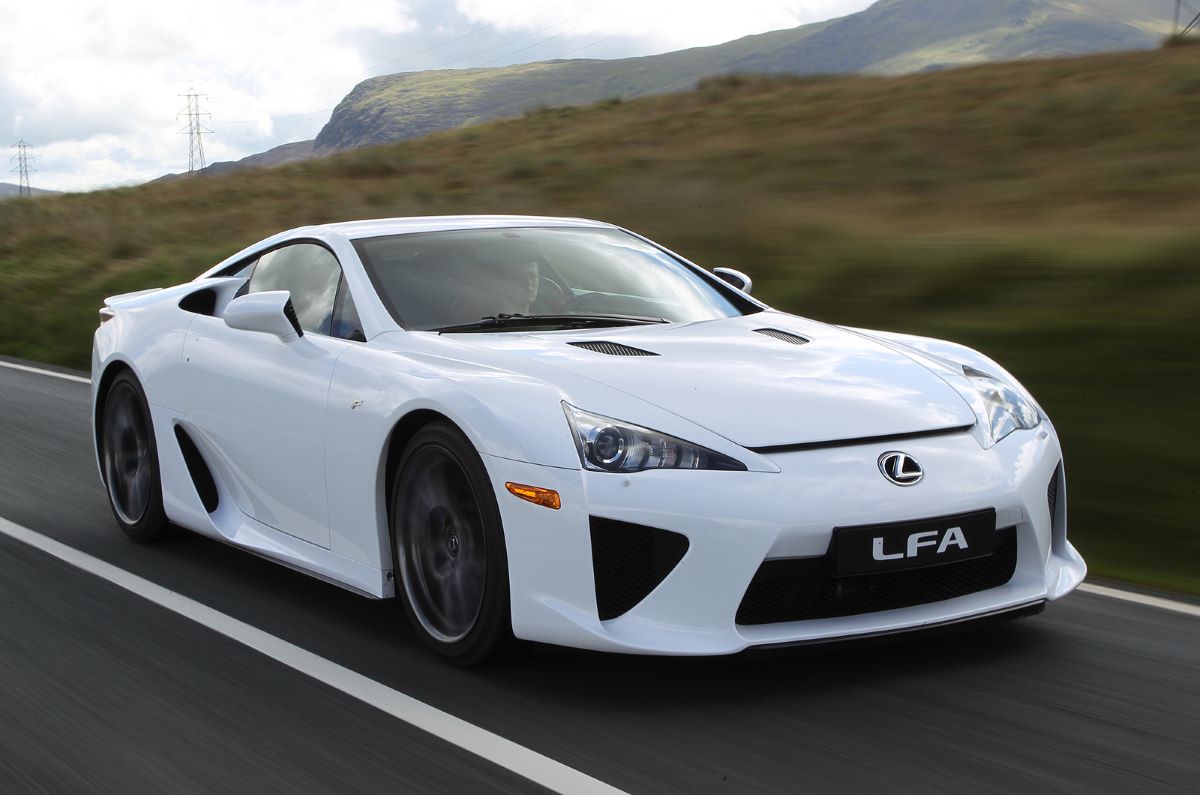
The LFA didn’t sell well when new due to its staggering $375,000 price tag, but today collectors recognize it as a masterpiece. Values have doubled and even tripled, cementing the LFA as one of the most desirable modern collector cars.
If you’ve ever imagined Toyota going head-to-head with Ferrari, the Lexus LFA is the closest realization of that idea. Engineered with race-bred technology, it features a high-revving V10 producing 553 horsepower, paired with a lightweight carbon fiber chassis.
Delivering thrills on par with anything from Maranello, the LFA manages to feel even more exotic in its own right.
9. Nissan GT-R R35 (2009–Present)
When the R35 GT-R debuted in the US, it was nothing short of a revelation. Dubbed “Godzilla,” it offered supercar-level performance for under $80,000.
With its twin-turbo V6, advanced all-wheel drive system, and computer-controlled handling, the GT-R set a new benchmark for accessible speed.
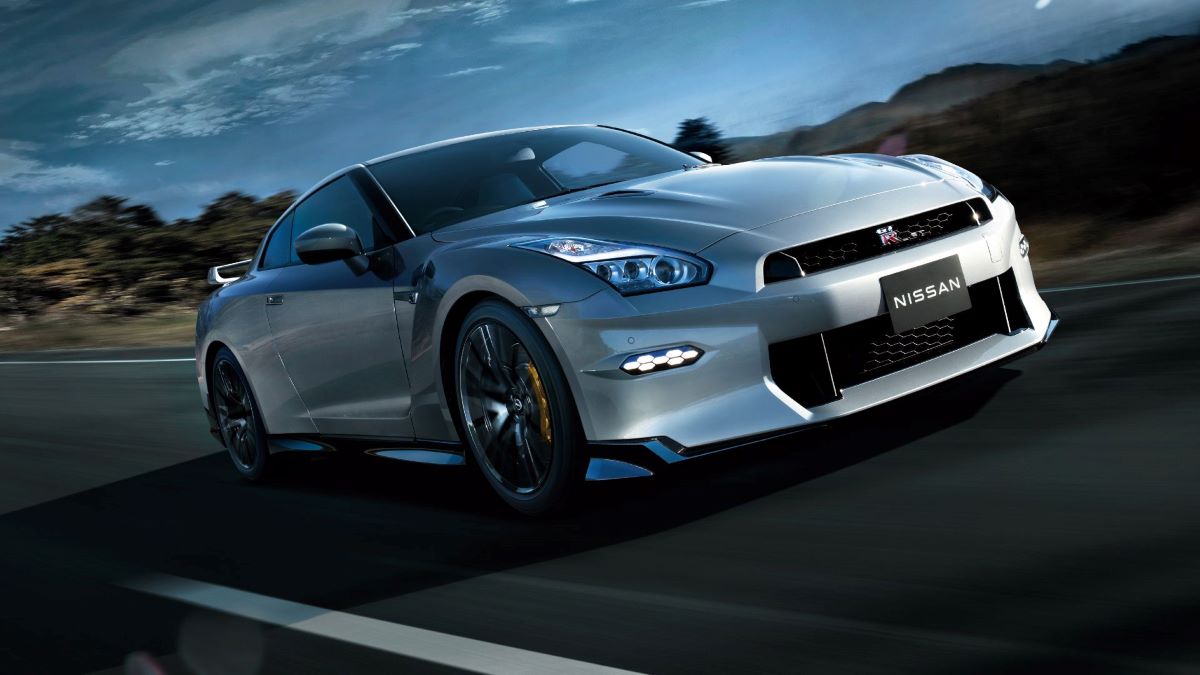
While still in production, early models are now being recognized as modern collectibles, especially as Nissan has kept updating the platform without introducing a true replacement.
For US collectors, the GT-R is a perfect mix of Japanese engineering and cultural cachet, making it one of the most important performance cars of the 21st century.
Nissan currently finds itself in a difficult position, with uncertainty surrounding its future beyond 2026 if a crucial investor cannot be secured to sustain the brand.
Adding to this transitional period, the Nissan GT-R has officially exited the North American market after a 17-year production run, though sales are expected to continue in other parts of the world.
Over the years, the GT-R has cemented itself as a Japanese icon, renowned for being a performance bargain, a supercar challenger, and a bright spot during tough stretches for Nissan.
This reputation has kept values of the R35-generation GT-R at consistently high levels. With that in mind, it’s worth examining what makes the GT-R such a collectible today.
From its inception, the R35-generation GT-R was powered by the 3.8-liter twin-turbocharged V-6, internally known as the VR38DETT, paired with a six-speed dual-clutch transmission.
In its earliest years, the setup produced 480 horsepower and 430 pound-feet of torque at just 3,200 RPM. Because these engines were hand-built, output numbers could vary slightly between cars, but these figures provide a solid benchmark.
By 2012, the GT-R underwent its first significant refresh. Subtle exterior revisions, including updated wheel designs, were paired with a noticeable power increase to 530 horsepower and 448 pound-feet of torque.
This enhancement dropped the car’s 0–60 mph sprint into the 2.8-second range when combined with its aggressive launch control system.
Not long after, Nissan revealed the GT-R Nismo at the 2013 Tokyo Motor Show. This track-focused version introduced a larger front splitter, functional brake cooling ducts, a bigger diffuser, and a prominent rear wing. Extensive use of carbon fiber also helped reduce weight.
Alongside aerodynamic improvements, the Nismo received performance upgrades including larger turbos, a revised fuel pump, and optimized ignition timing, pushing output to 600 horsepower and 481 pound-feet of torque. The Nismo remained a fixture in the GT-R lineup through the model’s conclusion.
The GT-R’s last major overhaul arrived in 2017. Once again, the car gained new wheels and body updates, along with refinements under the hood. Standard GT-R Premium models were upgraded to 565 horsepower and 467 pound-feet of torque. Inside, Nissan introduced higher-quality materials, a redesigned infotainment system, and more supportive seating, elevating both comfort and technology.
For 2024, its final model year, Nissan introduced exterior refinements and reintroduced the limited-production T-Spec model. The T-Spec replaced the Track Edition that had been available for several years, giving enthusiasts one last special variant of the legendary R35.
Beyond raw performance, one of the GT-R’s most overlooked strengths has been its practicality. Unlike many of its rivals, the GT-R features a four-seat cabin, allowing passengers to share in the thrill of its hypercar-like acceleration.
The GT-R also delivered unexpected practicality through its usable trunk, positioning it as a unique alternative to the Porsche 911 Turbo. This blend of everyday convenience with extreme performance ensured the GT-R wasn’t just a track machine but a versatile sports car suitable for daily life.
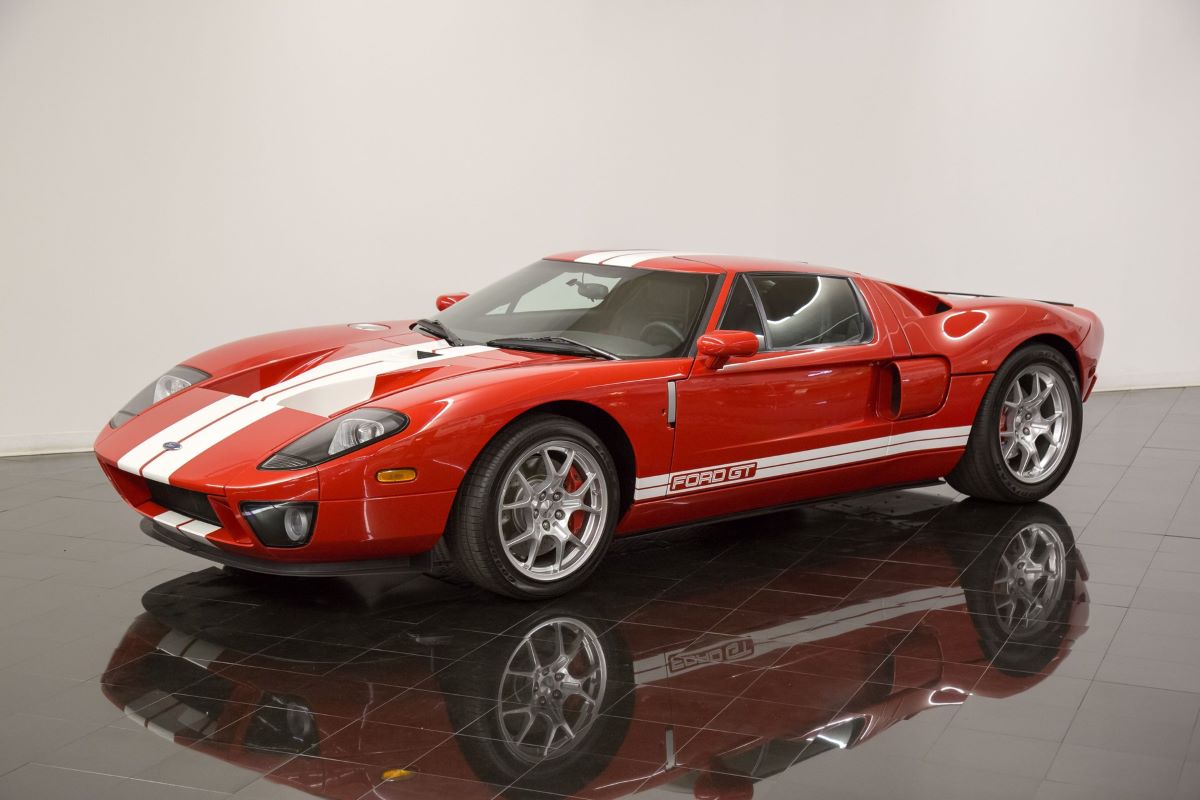
10. Ford GT (2005–2006, 2017–2022)
Ford’s halo car has always been special, but the mid-2000s Ford GT has already solidified itself as a top-tier collectible. Built in limited numbers and styled as a modern homage to the legendary GT40, it combines retro looks with contemporary supercar performance.
Even when new, these cars were selling above MSRP, and values have only gone higher. The second-generation Ford GT, introduced in 2017, is also on track to become a collector’s dream due to its exclusivity, advanced carbon-fiber construction, and Le Mans-winning pedigree.
Few American cars carry the global prestige of the GT, which guarantees its spot in collector history.
The collector market is evolving, and today’s enthusiasts are looking beyond the traditional classics of the past. Cars from the 1990s through the 2010s are hitting that sweet spot of nostalgia, rarity, and cultural impact.
The 2020 Ford GT has arrived, and it’s designed to leave you breathless. With a refreshed appearance and enhancements beneath the surface, the updated GT extends its appeal even further.
Under the rear decklid, the GT retains its 3.5-liter twin-turbocharged V6, now tuned with gallery-cooled pistons and higher-energy ignition coils for improved performance. The engineering team also optimized airflow and cooling by introducing a lightweight Akrapovič titanium exhaust system.
This new setup not only saves nine pounds compared to its predecessor but also delivers a deeper, unmistakable soundtrack that highlights the EcoBoost engine’s character.
With an additional 13 horsepower on tap, the 2020 Ford GT now produces a formidable 660 horsepower. Power continues to route through the unchanged 7-speed dual-clutch automatic gearbox.
Adding to the lineup, Ford introduces the Liquid Carbon GT, a striking version that fully embraces its raw carbon fiber construction. The bodywork is left unpainted, its woven texture highlighted by a clear coat designed to showcase the carbon weave.
This model also comes equipped with carbon fiber wheels, titanium lug nuts, six-point racing harness anchors, and offers five interior themes along with five available brake caliper colors. For the first time, the updated Gulf Racing Heritage Livery can also be paired with carbon fiber wheels, replacing the traditional aluminum alloys.
Fifty years after its legendary 1-2-3 sweep at the 1966 24 Hours of Le Mans, Ford revived its supercar icon with the launch of the second-generation GT. Production began in December 2016 for the 2017 model year, marking the beginning of a modern chapter in Ford’s racing-inspired lineup.
The new GT stayed true to its motorsport DNA with rear-wheel drive, a mid-mounted engine, and a sleek two-door coupe body shell. Propelled by a twin-turbocharged EcoBoost V6 producing over 600 horsepower, the GT combined cutting-edge technology with striking design.
Aerodynamics played a central role, with innovations such as the side pods directing airflow along the body, addressing turbulence in ways most manufacturers focus only above and below the chassis. Ford’s solution effectively controlled side turbulence, giving the GT an aerodynamic edge.
Inside, the GT was just as focused. The cockpit carried a race-inspired theme with two slim, lightweight carbon fiber bucket seats. The cabin also featured Ford’s most advanced connectivity system at the time, SYNC 3, ensuring the driver had both performance and technology at hand.
Built around a carbon fiber passenger cell, the GT employed aluminum front and rear subframes, all encapsulated by structural carbon fiber panels. Even the windshield showcased Ford’s innovative approach, made from Gorilla Glass, the same material used for smartphone screens, for durability and weight reduction.
The heart of the GT was a 3.5-liter twin-turbocharged EcoBoost V6 derived from Ford’s IMSA Daytona Prototype endurance racer. Rated at 647 horsepower in earlier models, it was paired with a 7-speed dual-clutch transaxle transmission, delivering blistering performance and precision to match its Le Mans heritage.
Whether it’s the Japanese icons that shaped a generation of car culture, American muscle reborn with modern engineering, or European exotics that pushed design boundaries, these 10 cars are already proving their collectible status.
For US buyers and enthusiasts, the time to act is now. Prices on many of these vehicles are climbing quickly, and once they fully cement themselves as collector staples, affordability will be out of reach for most.
Owning one isn’t just about having a fun weekend car it’s about holding onto a piece of automotive history that future generations will admire.
