
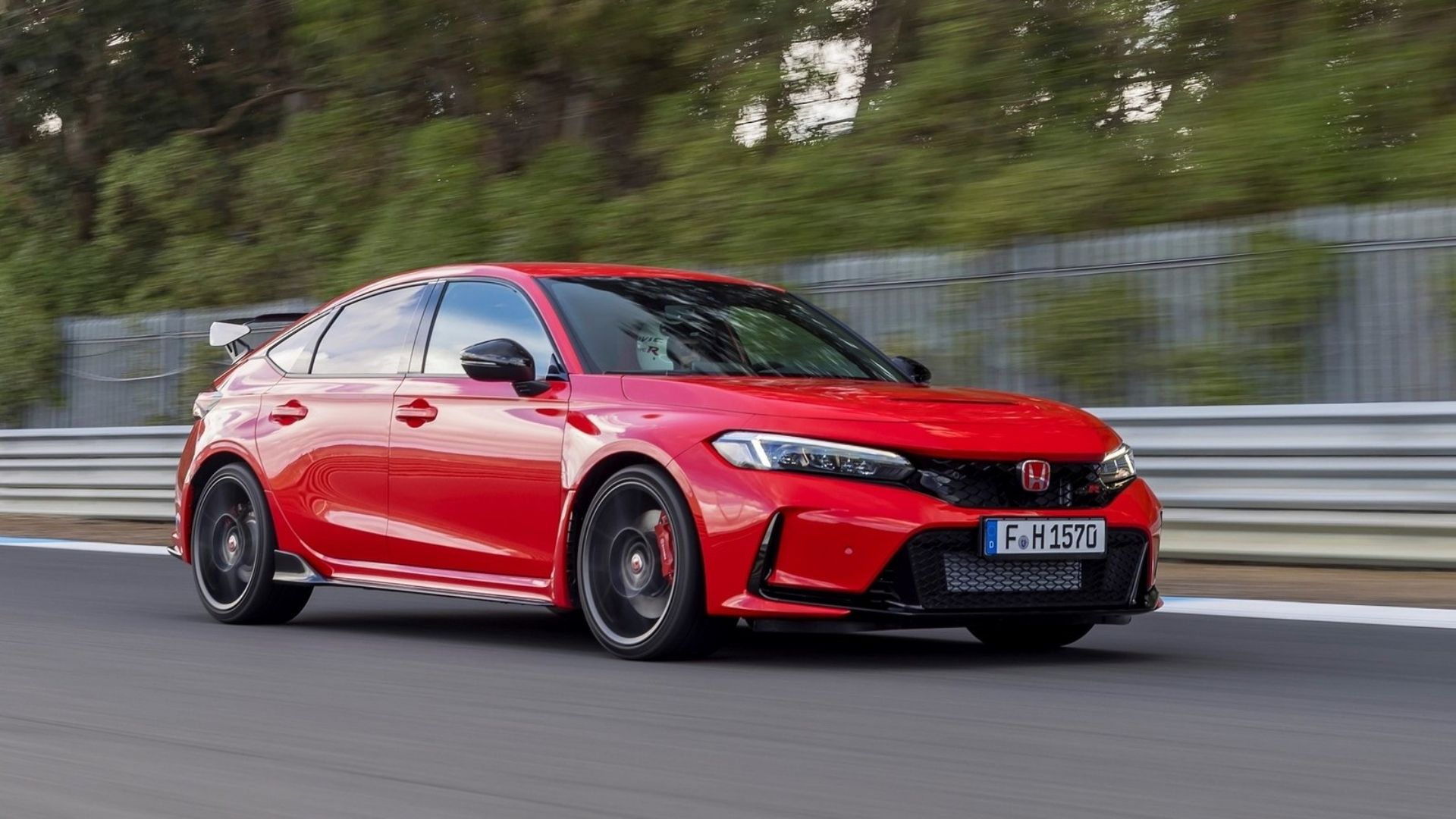
Modern cars are technological marvels, packed with touchscreens, sensors, and computer-controlled systems that make driving more connected than ever. But while these innovations provide convenience, they also introduce a notorious set of headaches electrical gremlins.
From glitchy infotainment systems to power window failures and mysterious battery drains, many car owners in the U.S. have faced the frustration of electrical issues that can be expensive and time-consuming to track down.
That’s why some drivers still prize vehicles that resist this trend, models that were engineered with a focus on durability and simplicity rather than overcomplication.
If you’re searching for cars that have a track record of reliability, particularly ones that don’t fall victim to electrical quirks, the good news is that several standout options exist.
These vehicles have reputations for clean engineering, fewer unnecessary electronic gadgets, and proven electrical systems that rarely cause headaches. Below are seven cars that mechanics and long-term owners agree stay solid on the road without electrical gremlins.
1. Toyota Corolla
The Toyota Corolla has built its reputation as America’s go-to compact car by staying true to its formula: practicality, affordability, and bulletproof reliability.
What makes it shine when it comes to avoiding electrical gremlins is Toyota’s disciplined approach to engineering.
Instead of rushing to load the Corolla with gimmicky tech, Toyota integrates proven electrical systems tested across global markets. This reduces the likelihood of random glitches like infotainment failures or faulty wiring harnesses.
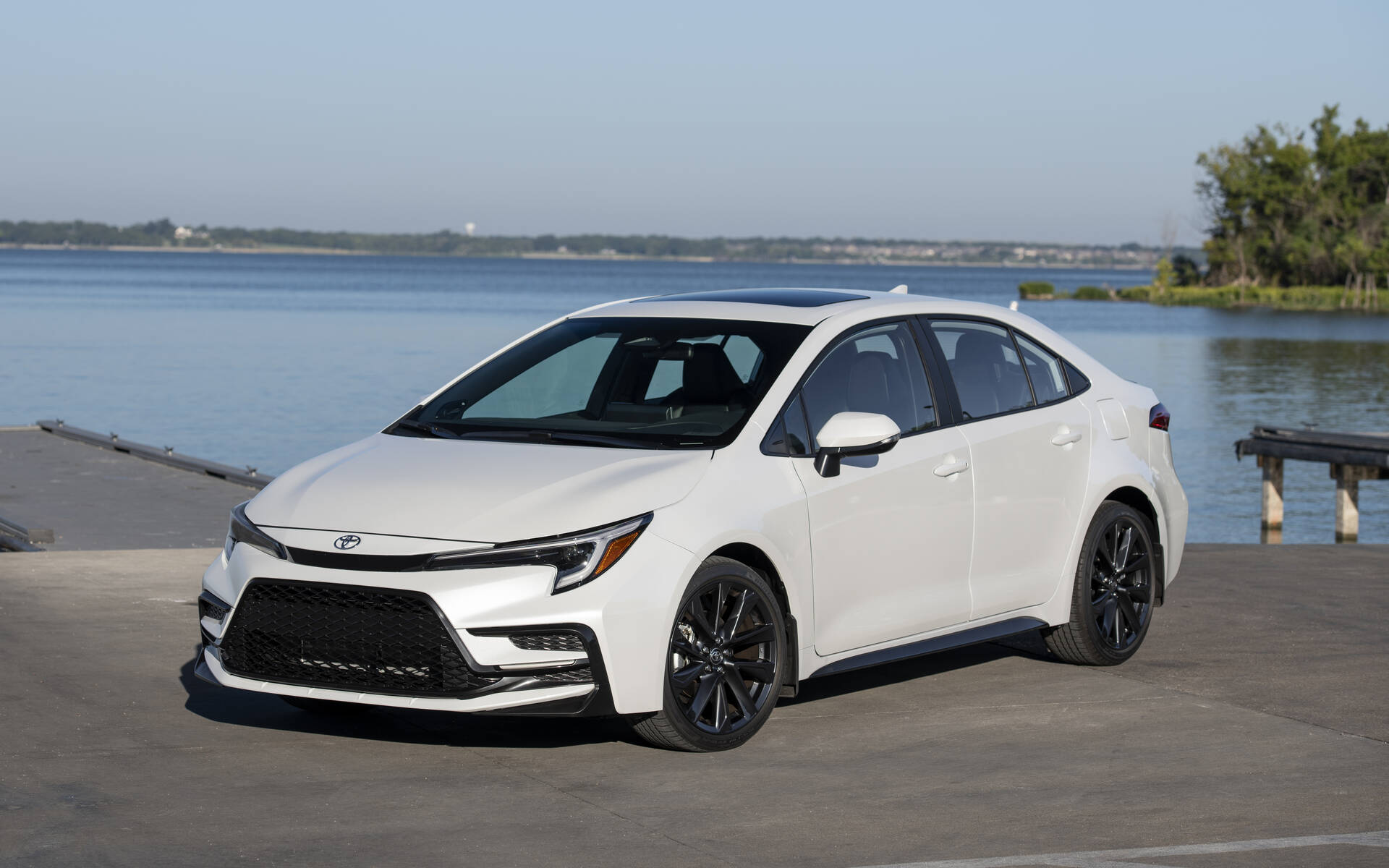
Owners routinely report that older Corollas can rack up over 200,000 miles with little more than routine maintenance.
Even the newer models, while more feature-rich, maintain Toyota’s conservative approach to electronics, ensuring that the car’s key systems ignition, powertrain, and essential wiring are less prone to failure.
For U.S. drivers who want a car that just works without surprise trips to the dealership for electrical recalls, the Corolla remains a safe and sensible choice.
For more than fifty years, the Toyota Corolla has built a strong reputation for reliability and affordability, making it one of the brand’s most consistent best sellers. Now in its 12th generation, which debuted in 2019, the Corolla lineup sees notable updates for 2023.
The refresh brings sharper exterior styling, additional technology, and a boost in power for its most popular trim. Buyers can choose between sedan and hatchback body styles, with options for naturally aspirated, turbocharged, and hybrid powertrains.
The highlight of the latest lineup is the introduction of the GR Corolla, an all-wheel-drive hot hatch inspired by the rally-bred GR Yaris, which was never sold in the U.S. In addition, the Corolla Hybrid family expands with four new trims, a stronger hybrid system, and the option for all-wheel drive.
The latest Corolla continues to be everything it’s known for: reliable, efficient, and affordable. Around town, the ride is smooth and responsive, making it a practical choice.
The 2021 Corolla XSE Apex proved that Toyota could offer a sportier version, though its harsh ride left room for improvement. Similarly, the 2021 Corolla hatchback with a manual transmission provided a fun and versatile daily driving experience, even if it wasn’t truly sporty.
That changes dramatically with the 2023 GR Corolla. This high-performance hot hatch joins Toyota’s GR lineup alongside the GR Supra and GR86, competing with the likes of the Honda Civic Type R, Hyundai Veloster N, and Volkswagen Golf R.
During testing, its turbocharged three-cylinder engine delivered strong performance, while its handling was described as “crisp and trustworthy.”
The manual transmission impressed as well. In fact, when matched against the Subaru WRX, the GR Corolla earned a decisive win. While the interior is basic and the suspension firm, the fact that Toyota produced such a performance-focused Corolla has left enthusiasts thrilled.
All non-GR gasoline Corolla models for 2023 feature a 169-hp 2.0-liter four-cylinder engine paired with either a CVT automatic or a six-speed manual.
Hybrid sedan models use a 1.8-liter four-cylinder with an electric motor system, delivering 134 hp. While most Corollas remain front-wheel drive, hybrid versions can now be optioned with all-wheel drive.
The GR Corolla, however, stands apart with its 1.6-liter turbocharged three-cylinder producing 300 hp and 273 lb-ft of torque. It uses Toyota’s GR-Four AWD system, which allows the driver to select power distribution settings of 60:40, 50:50, or 30:70 between the front and rear wheels.
A six-speed manual is standard. In testing, the GR Corolla reached 60 mph in 5.6 seconds, while the lighter Morizo Edition with shorter gearing offers even quicker acceleration. The Circuit Edition variant managed a 5.4-second run, highlighting its rally-inspired spirit.
Also Read: 11 Best Engines That Stay Smooth After Decades of Use
2. Honda Accord
The Honda Accord is another model that manages to balance modern features with reliability, making it one of the least problematic midsize sedans on the market.
Unlike some competitors that overcomplicate their electronics, Honda has focused on building a robust electrical backbone. Components like alternators, starters, and wiring harnesses are known to last for the long haul, and failures in critical systems are rare.
Even as the Accord evolved into a tech-savvy family sedan with touchscreen displays and advanced driver-assist features, Honda carefully phased in these systems, minimizing the risk of software bugs or sudden electrical issues.
In fact, one reason mechanics often recommend the Accord is because its electrical problems are typically minor things like an occasional failing window regulator rather than widespread system failures.
For U.S. families, this translates into a car that delivers daily dependability without mystery dashboard lights.
After receiving a midcycle refresh in 2021, the Honda Accord carries over into 2022 with no significant updates. For the 2022 Accord Hybrid lineup, the EX trim has been swapped out for the Sport trim.
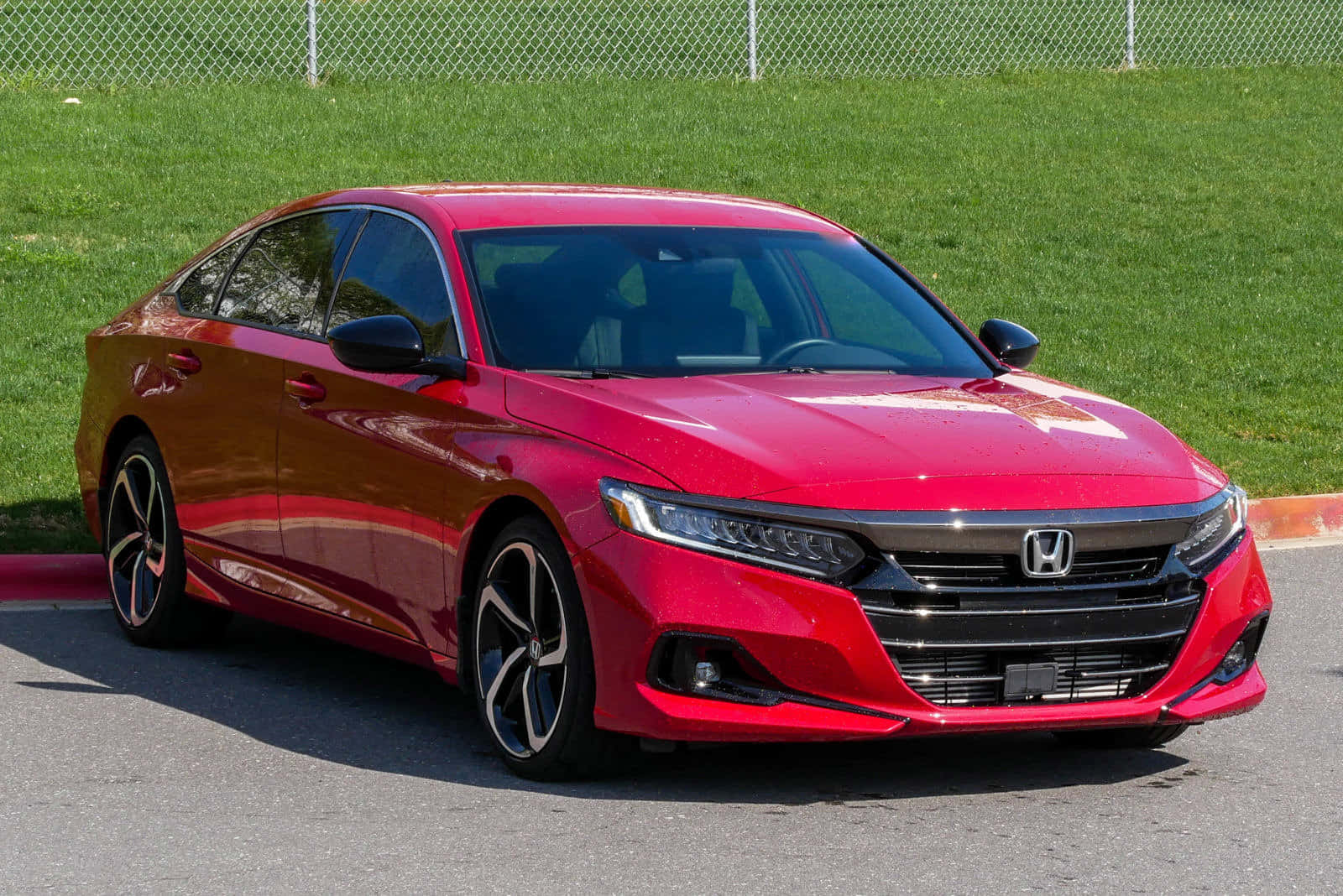
This version adds 19-inch alloy wheels, wireless Apple CarPlay and Android Auto, heated front seats, a premium eight-speaker audio system, sporty pedal designs, and the full suite of Honda Sensing safety technology. As before, buyers can choose between two gasoline engines or the hybrid configuration.
Our impressions of the current-generation Accord have been overwhelmingly positive, and the 2022 model reinforces that view. This sedan rightly holds the top spot in our rankings of midsize cars.
Honda’s design expertise shines here, as the Accord offers segment-leading rear passenger and trunk space. On top of practicality, its driving dynamics outshine rivals, and its excellent overall value makes it even more compelling.
The Accord has consistently come out ahead in comparison testing. It beat the Toyota Camry not only in the standard-engine match-up but also when comparing the top trims of both models.
Even more impressively, the Accord managed to outperform the Audi A4 in a direct face-off to determine whether the premium badge justified the cost. Thanks to its refined handling, strong performance, user-friendly technology, and spacious, well-equipped interior, the Accord has repeatedly proven its dominance over both mainstream and luxury competitors.
That said, it’s not flawless. Road noise intrudes more than ideal, the infotainment screen now feels undersized compared to newer rivals, and some competitors offer more advanced active safety technologies.
With a full redesign coming in 2023, the current Accord still remains one of the best choices for sedan buyers who want a blend of comfort, capability, and value.
Since the Accord underwent updates in 2021, its powertrain lineup remains unchanged for 2022. Most models are fitted with a 1.5-liter turbocharged four-cylinder engine sending power to the front wheels. This engine delivers 192 horsepower and 192 lb-ft of torque.
The six-speed manual option was dropped last year, leaving a CVT automatic as the sole transmission. When we tested the 1.5-liter variant, it reached 60 mph in just 7.2 seconds. Fuel economy ratings come in at an efficient 29-30/35-38 mpg city/highway, depending on trim.
For those seeking more power, Honda offers a 2.0-liter turbocharged four-cylinder, a detuned version of the engine found in the Civic Type R. Producing 252 horsepower and 273 lb-ft of torque, it’s rated at 22/32 mpg. In our testing, the Accord 2.0T hit 60 mph in only 5.7 seconds.
Shoppers prioritizing efficiency should turn to the Accord Hybrid. The 2022 Hybrid achieves an impressive 48/47 mpg in its base and EX-L trims, while the Sport and Touring trims return 44/41 mpg.
3. Lexus ES
Luxury vehicles often come with a downside: more gadgets mean more opportunities for glitches. But the Lexus ES bucks this trend by offering premium comfort without the headaches common in European luxury sedans.
Built on the same platform as the Toyota Camry, the ES inherits Toyota’s straightforward electrical engineering but adds upscale touches like refined interiors and smooth power delivery.
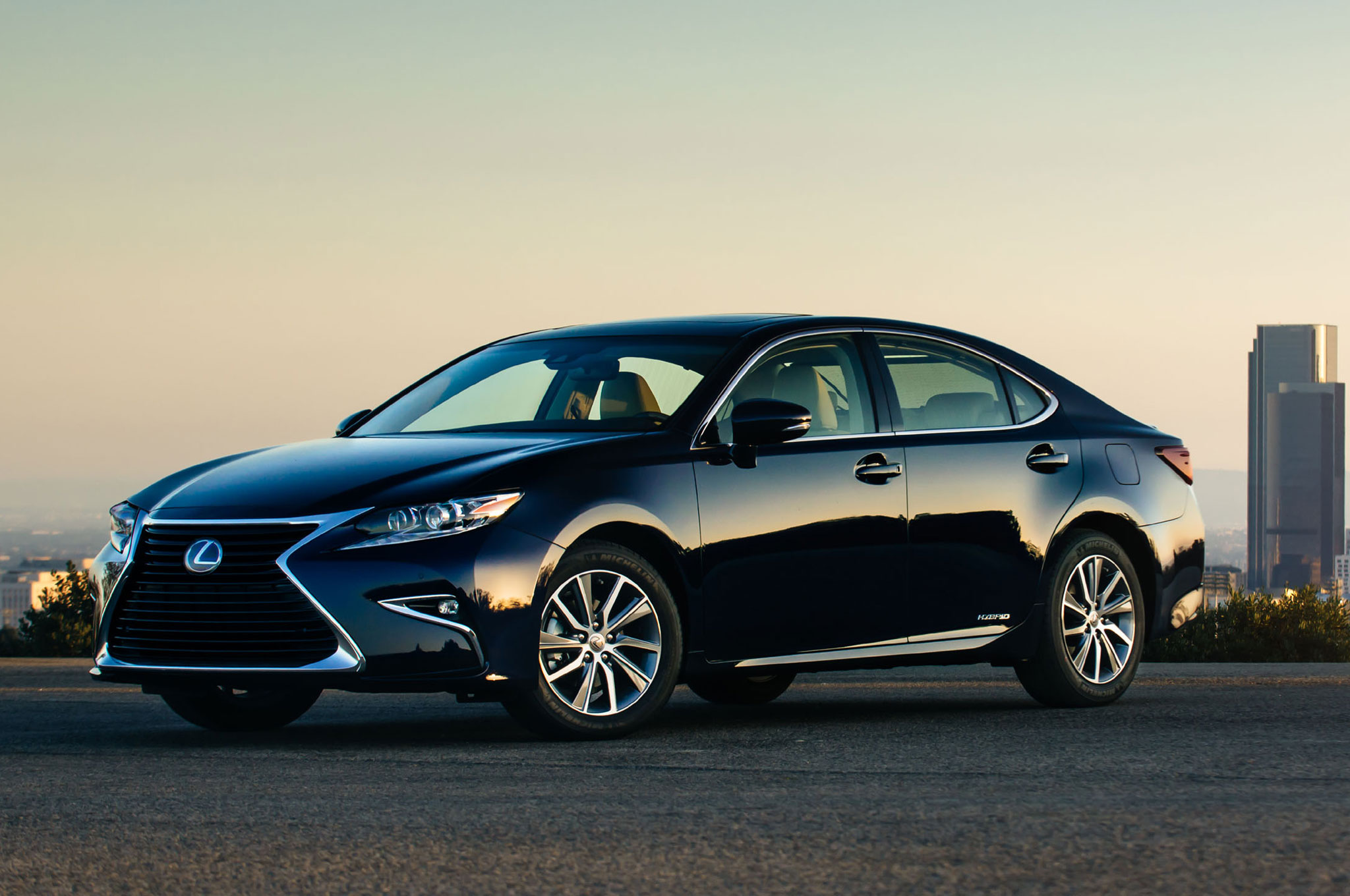
What stands out is the Lexus commitment to long-term dependability. The ES rarely suffers from the kind of electrical gremlins random warning lights, failing sensors, or dead batteries that plague rivals from BMW, Mercedes-Benz, or Audi.
Owners often report driving these cars well past 150,000 miles without encountering major electrical faults. For U.S. buyers who want the luxury experience without the repair bills, the Lexus ES remains a standout.
The seventh-generation Lexus ES has been on the market for a few years now, and for 2021 the lineup expanded with the introduction of the ES 250. This model joins the V6-powered ES 350 and the hybrid ES 300h.
While the ES 250’s four-cylinder engine delivers 203 horsepower, notably less than the 302 hp from the V6 in the ES 350, it still offers the same range of features at a more accessible price point. More importantly, it brings something unique to the ES family: standard all-wheel drive, a feature not available on the other trims.
Outside of its engine choice, the ES 250 remains nearly identical to the ES 350 and ES 300h. It maintains the same high standards of comfort, refinement, and premium amenities that define this midsize luxury sedan.
4. Mazda3
Mazda has carved out a niche in the U.S. market as the brand that makes cars fun without sacrificing reliability. The Mazda3 is a perfect example, blending responsive handling with mechanical and electrical systems that are refreshingly straightforward.
Unlike some automakers that overcomplicate their wiring and introduce untested tech, Mazda has stuck with tried-and-true engineering.
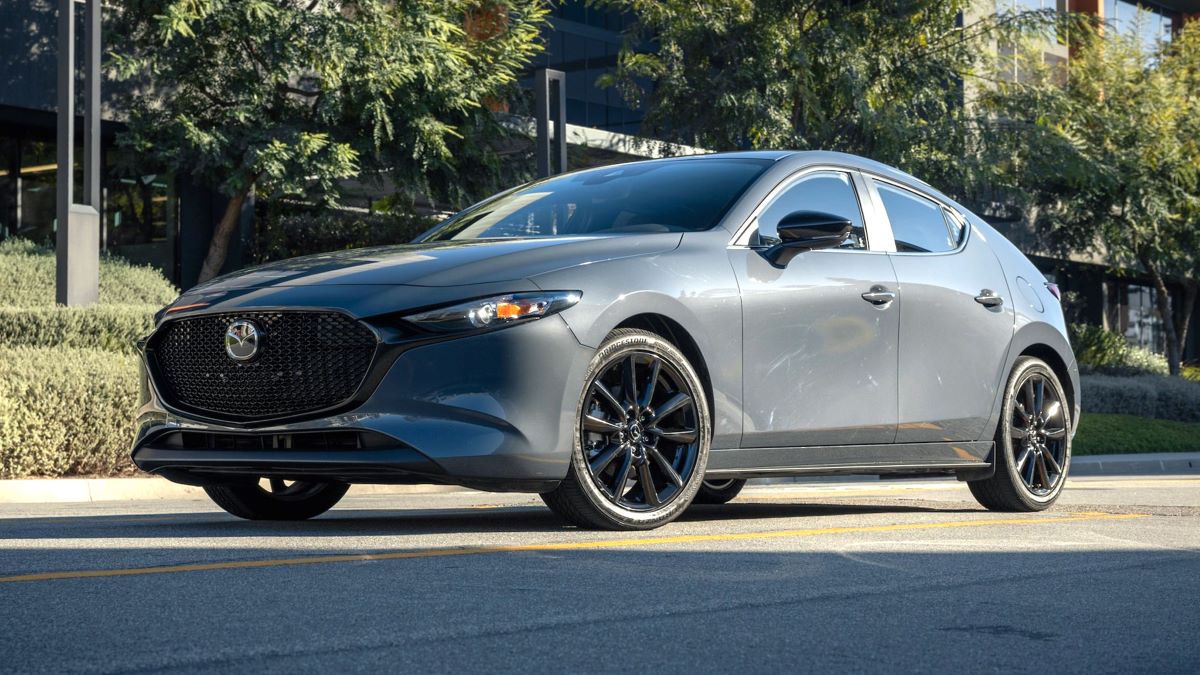
Owners rarely complain about electrical issues, and Consumer Reports frequently lists the Mazda3 as one of the most reliable compact cars. While the infotainment system may not be the flashiest, it’s less prone to freezing or crashing compared to systems in rivals.
The straightforward design extends to core systems like ignition, sensors, and lighting, making the Mazda3 one of the least troublesome vehicles for long-term ownership in the U.S.
Mazda equips the 3 with three different four-cylinder engine options, beginning with a 2.0-liter unit in the base sedan. This entry-level engine produces 155 horsepower and is paired exclusively with front-wheel drive.
Stepping up to the 186-hp 2.5-liter four-cylinder not only adds more power but also makes the available all-wheel-drive system an option. At the top of the lineup sits the turbocharged 2.5-liter engine, which delivers an impressive 250 horsepower and is easily the most thrilling of the group.
Transmission choices depend on drivetrain configuration. A six-speed manual is available, but only when sticking with front-wheel drive, while selecting all-wheel drive requires a six-speed automatic.
Regardless of engine, the Mazda 3 feels responsive to throttle inputs, but it’s the turbocharged model that provides genuinely quick acceleration. In fact, our testing of the turbo 3 revealed a sharp 5.6-second sprint to 60 mph.
Both sedan and hatchback body styles deliver a composed and confident driving experience, whether cruising on the highway or navigating winding back roads. Ride quality is refined, and the chassis remains impressively balanced.
We’ve commended the latest Mazda 3 for holding on to the engaging character of its predecessor, thanks to its precise steering, taut body control, and firm yet forgiving suspension that smooths out rough pavement without sacrificing driver enjoyment.
Also Read: 10 Cars That Withstand Daily Stop-and-Go Traffic
5. Toyota Camry
The Toyota Camry has been the best-selling midsize sedan in America for decades, and part of its success comes from its reputation for reliability.
Electrical gremlins are extremely rare, thanks to Toyota’s conservative approach to adding new tech. Even when advanced safety systems like lane-keeping assist and adaptive cruise control were introduced, Toyota rolled them out cautiously, avoiding the software glitches that plague competitors.
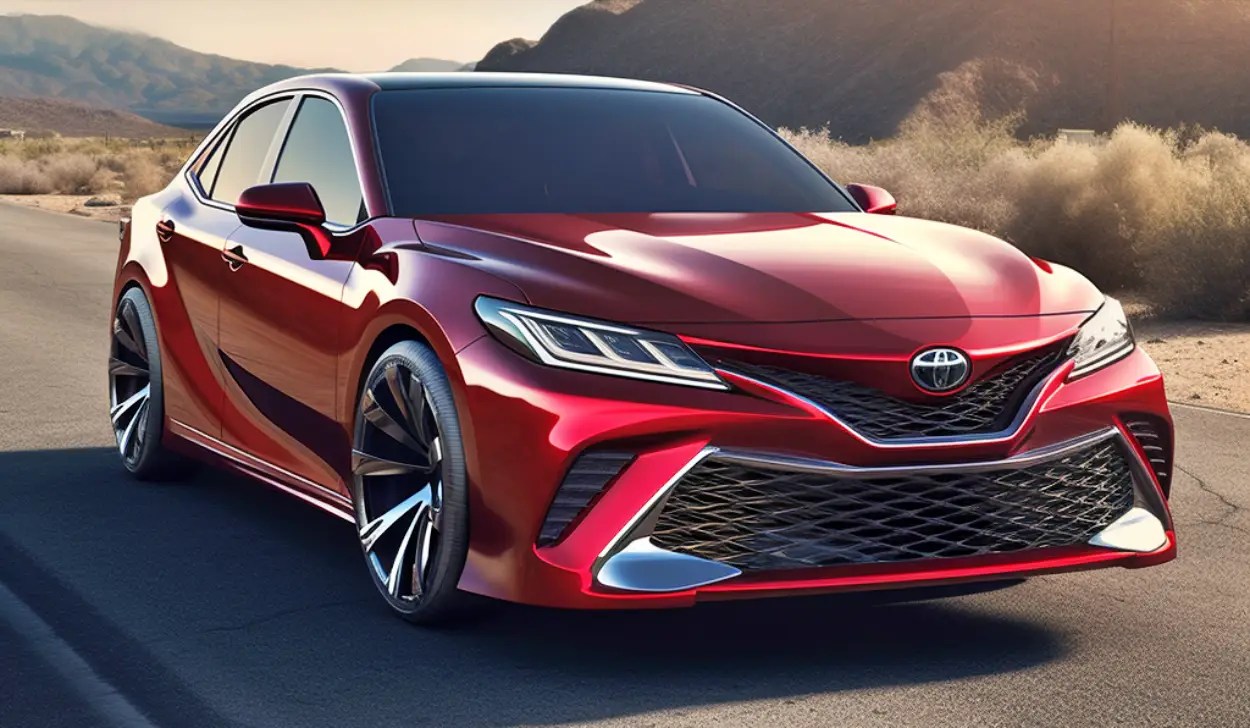
Camry owners frequently report that their cars run for years with no electrical drama beyond the occasional burnt-out bulb.
The alternators, starters, and ignition systems are well-built, and Toyota’s attention to wiring durability means fewer cases of intermittent shorts or sensor failures.
For U.S. drivers who want a worry-free car that won’t leave them scratching their heads at a mechanic’s shop, the Camry continues to be a leading option.
The 2020 Toyota Camry continues to deliver the core attributes buyers have long come to expect from this best-selling sedan: a spacious interior, generous trunk capacity, a smooth and comfortable ride, and excellent crash test safety ratings. In other words, it’s everything that makes a Camry a Camry.
However, the 2020 model introduces several noteworthy updates that make it stand out from previous years. Chief among these is the addition of all-wheel drive, a feature the Camry hasn’t offered since 1991. For drivers in colder climates or areas with frequent inclement weather, this addition is a welcome improvement.
Another notable change for 2020 is the inclusion of Android Auto as standard equipment. Toyota had been slow to embrace third-party smartphone connectivity, adding Apple CarPlay only in the previous year.
With the addition of both Android Auto and Amazon Alexa, the Camry now offers a well-rounded and modernized smartphone integration experience.
The third significant update is the introduction of the TRD trim. While the SE and XSE trims continue to provide a sporty aesthetic, the TRD model elevates the Camry’s performance credentials to new levels.
Developed by Toyota Racing Development, this version features upgraded suspension components and even gives buyers the choice of summer performance tires at no additional cost.
The TRD sacrifices some practicality due to a V-brace that stiffens the chassis, which prevents the rear seats from folding down. Still, it makes up for it with added performance and style, along with the Camry’s refined and robust V6 engine included as standard.
On a broader scale, the Camry might not be the absolute standout in the midsize sedan segment. Rivals such as the Honda Accord, Hyundai Sonata, and Mazda 6 each offer their own advantages, whether that be more premium cabin finishes, sportier entry-level models, or better overall value.
Even so, the Camry’s steady improvements, proven track record for reliability, and loyal following help it remain one of the most popular choices for families and commuters alike.
6. Subaru Outback
For Americans who need a reliable all-weather vehicle, the Subaru Outback has earned a loyal following. Known for its standard all-wheel drive and rugged design, the Outback also performs well in terms of electrical dependability.
Subaru’s electrical systems are straightforward compared to some of its rivals, and they rarely experience the kind of phantom battery drains or sensor malfunctions that frustrate owners of other crossovers.
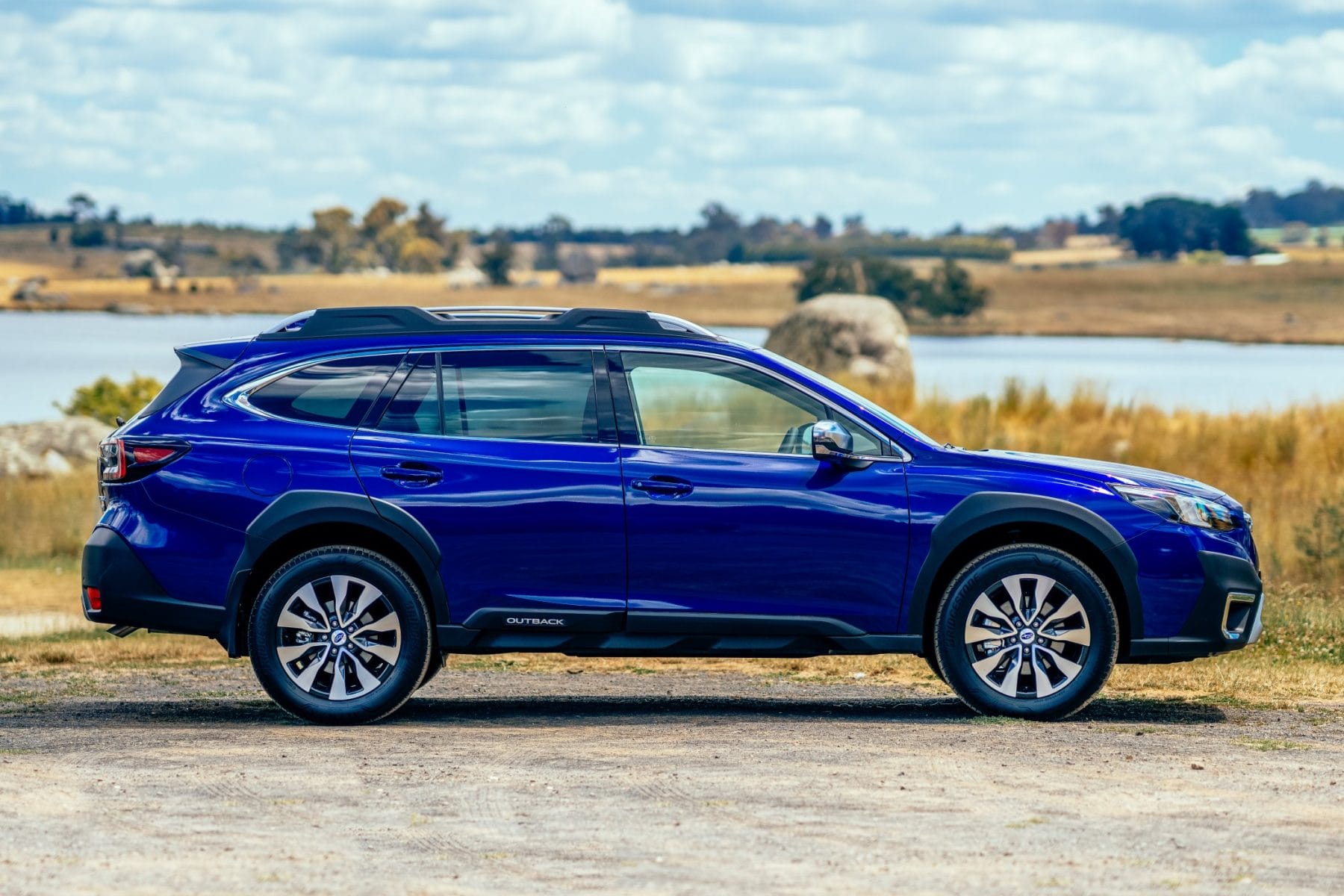
While Subaru has added more advanced tech in recent years, like the EyeSight driver-assist suite, the company has kept its core electrical systems durable.
Problems are far less common than in rivals like Jeep or Volkswagen. For U.S. buyers who live in regions with harsh winters or rural landscapes, the Outback offers a trustworthy option that keeps working without nagging electrical surprises.
Among the earliest wagon-based crossovers, the Subaru Outback made its debut in the mid-1990s as a spin-off of the Legacy wagon, designed to answer the rising consumer demand for SUVs.
Compared to the Legacy, the Outback stood out with its elevated suspension, which provided greater ground clearance, and additional body cladding that contributed to a more rugged appearance.
Over time, the Outback evolved in size and design, to the point where it now resembles a crossover more than a traditional wagon, a transformation that has proven popular with buyers.
Completely redesigned for 2020, the Outback arrives with a 2.5-liter flat-four engine sending power to all four wheels through a continuously variable automatic transmission (CVT). For the first time since 2009, Subaru has reintroduced a turbocharged engine, available on the new Outback XT trim.
The standard 2020 Outback is powered by a 2.5-liter four-cylinder engine producing 182 hp and 176 lb-ft of torque, paired with a CVT and Subaru’s signature all-wheel drive. Fuel economy is rated at 26 mpg city and 33 mpg highway.
For those seeking more power, the Outback XT Onyx Edition features a 2.4-liter turbocharged four-cylinder delivering 260 hp and 277 lb-ft. It also comes with a CVT and all-wheel drive, achieving 23/30 mpg city/highway.
7. Honda Civic
Few cars in America enjoy the reputation for reliability that the Honda Civic does. Like the Corolla, the Civic is built to last, and its electrical systems are engineered with long-term dependability in mind.
From older models in the 1990s to the latest generations, Civics have consistently avoided the plague of electrical failures that often send other compact cars to the junkyard prematurely.
Even as Honda introduced features like digital displays, Bluetooth integration, and advanced safety systems, the Civic has stayed relatively glitch-free.
When issues do arise, they’re usually minor and inexpensive to fix. Mechanics often point out that the Civic’s alternator and starter designs are among the most robust in its class, making it a favorite among U.S. drivers who prioritize long-term, problem-free ownership.
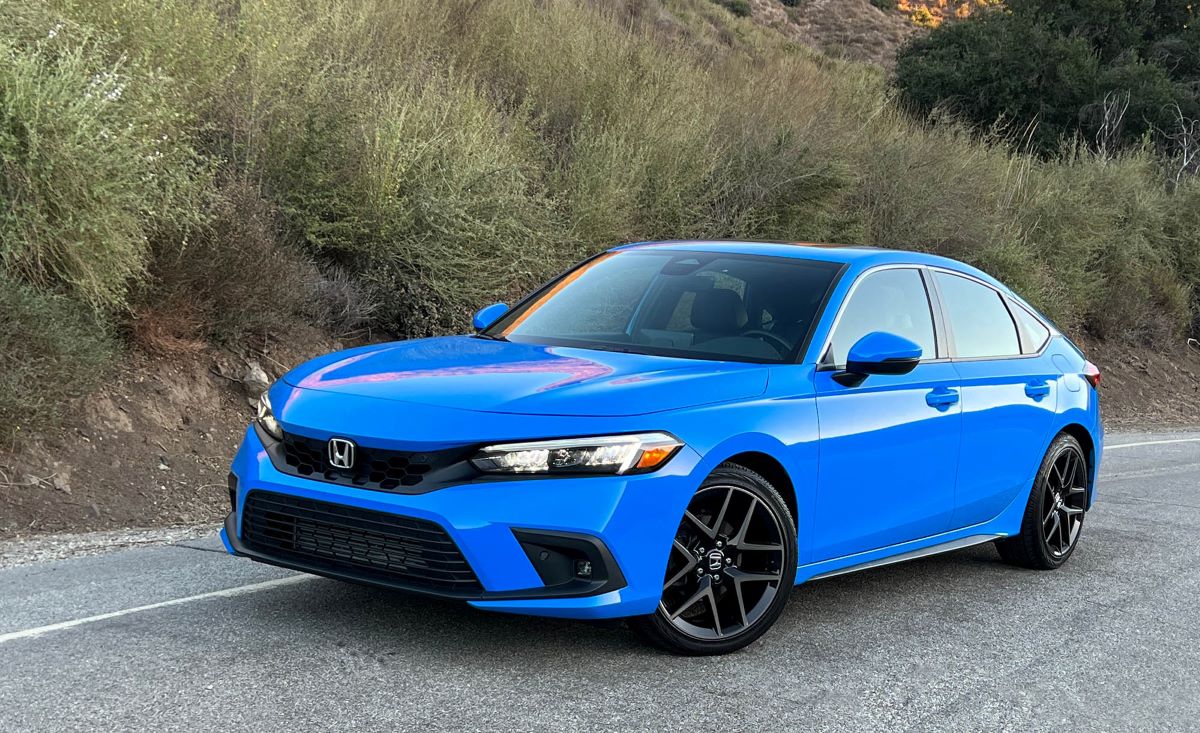
In an era where cars are increasingly packed with electronics, finding a vehicle that avoids electrical gremlins can feel like searching for a needle in a haystack.
For generations, the Honda Civic has provided cost-conscious drivers with a compact car that proves being practical doesn’t mean sacrificing satisfaction.
The 2023 model continues this tradition while elevating the experience, offering a stylish interior and features that, not long ago, were reserved for luxury vehicles. Buyers can choose between sedan and hatchback body styles, with four available four-cylinder engines and either a continuously variable automatic transmission (CVT) or a six-speed manual, depending on the trim.
Every model includes a touchscreen infotainment system and a robust suite of driver-assistance technologies, while higher trims add even more desirable equipment.
Blending value, fuel efficiency, comfort, and refined driving manners, the Civic easily competes with respected rivals like the Hyundai Elantra, Mazda 3, and Toyota Corolla.
Since the Civic was fully redesigned for 2022, Honda has carried it forward into 2023 without any major updates. The high-performance Civic Type R hatchback rejoins the lineup this year, but that version is covered separately.
Our recommendation is the sedan’s EX trim, which builds on the base model with a collection of useful features that justify its higher price. These include blind-spot monitoring, a power sunroof, dual-zone automatic climate control, heated side mirrors, and heated front seats.
The EX also comes with the stronger 180-hp turbocharged engine. For hatchback buyers, the EX-L trim offers similar upgrades while adding leather upholstery for a more upscale feel.
Although the Civic’s design was overhauled for 2022, Honda carried over its proven engine lineup from the previous generation. Base models feature a 158-hp 2.0-liter four-cylinder, while higher trims upgrade to a turbocharged 1.5-liter four-cylinder producing 180 horsepower.
All versions remain front-wheel drive. Unfortunately, the manual transmission option for the sedan was dropped in 2022, leaving the CVT as the only choice. Hatchback buyers, however, can still opt for a six-speed manual.
In testing, the turbocharged Touring sedan reached 60 mph in 7.5 seconds, slightly slower than the previous-generation Civic. Meanwhile, the Sport Touring hatchback with the manual transmission managed a slightly quicker 7.3 seconds.
Yet, the seven models highlighted above Toyota Corolla, Honda Accord, Lexus ES, Mazda3, Toyota Camry, Subaru Outback, and Honda Civic prove that dependable electrical systems still exist.
These cars succeed because their manufacturers balance technology with reliability, resisting the temptation to overload drivers with untested gadgets.
For U.S. buyers, that translates into fewer trips to the mechanic, lower repair costs, and more peace of mind on the road.
Whether you’re shopping for a practical commuter, a family-friendly sedan, or a rugged all-weather vehicle, these seven models stand out as smart choices that deliver the kind of reliability every driver wants solid performance without electrical headaches.
