
Rust is the silent enemy of cars, slowly creeping into overlooked corners, undercarriages, and wheel wells, quietly eroding value and performance over time. For many car owners, especially those living in snow-prone or coastal regions, corrosion isn’t just cosmetic it can compromise safety, reliability, and longevity.
Fortunately, not all vehicles fall victim to premature rust. Some models, thanks to smarter engineering, corrosion-resistant materials, and thoughtful design, stand the test of time far better than others.
From full-size trucks built for heavy-duty use to compact EVs engineered with longevity in mind, these vehicles combine practicality with peace of mind. Whether it’s galvanized steel panels, plastic body components, or advanced rustproof coatings, the cars on this list prove that durability doesn’t have to come at the cost of performance or style.
Here, we explore 10 cars that don’t suffer from premature rust, highlighting what makes each one resilient and reliable for years to come.
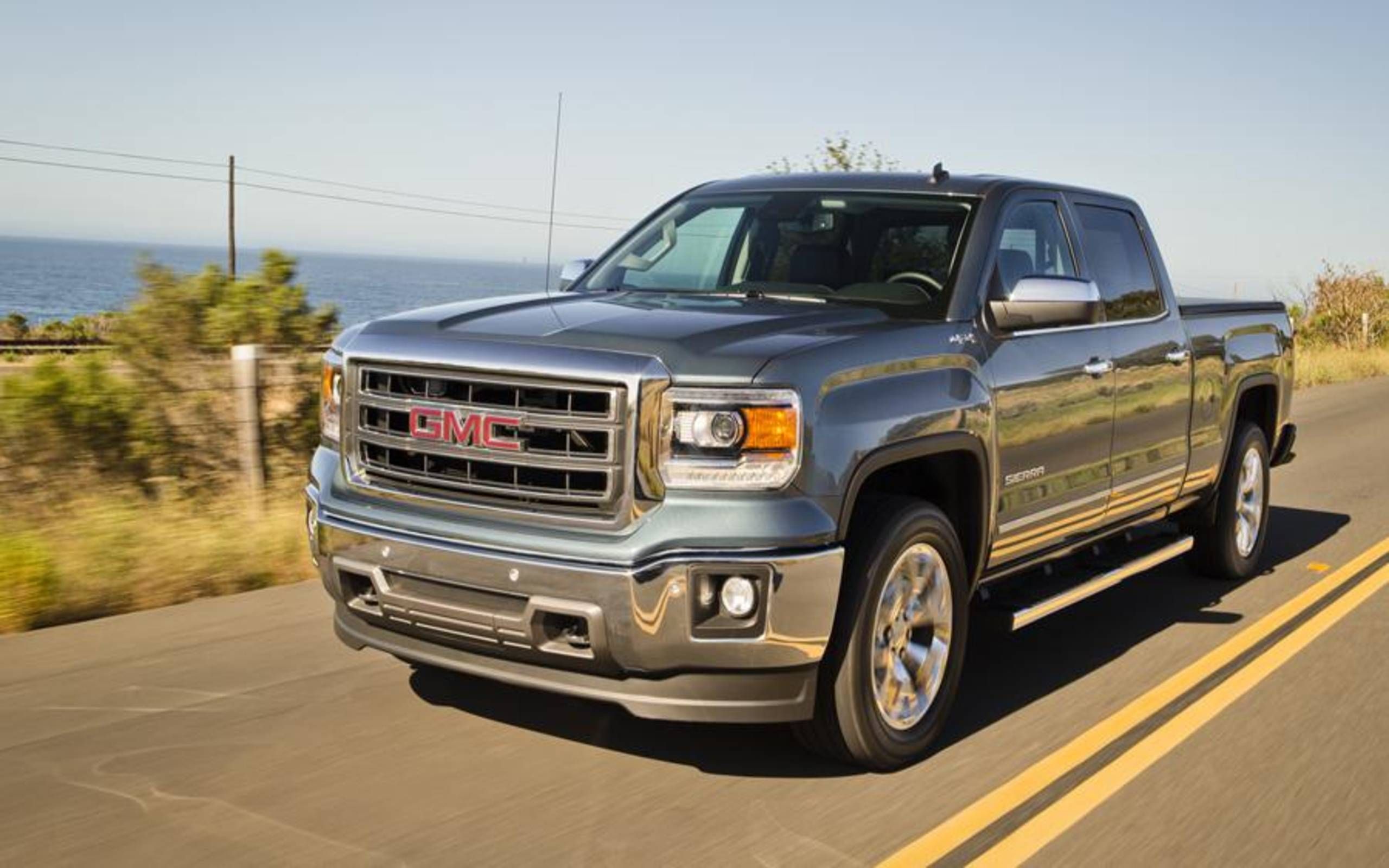
1. 2013/2014 GMC Sierra: A Stronger, Smarter Full-Size Pickup
The 2013/2014 GMC Sierra arrived with significant upgrades that enhanced durability, performance, comfort, and safety, making it one of the most competitive trucks in its class.
One of the biggest improvements was the introduction of corrosion-resistant sheet metal, particularly in the truck bed and undercarriage. Zinc-coated steel panels provided much stronger protection against rust, a vital improvement for buyers in snow- and salt-prone regions. With these upgrades, the Sierra gained recognition for being one of the most resilient trucks in the “Rust Belt.”
The Sierra offered three engine options paired with a six-speed automatic transmission. The base 4.3-liter V6 produced 285 horsepower and 305 lb-ft of torque, delivering up to 7,200 pounds of towing capacity and an estimated 20 mpg combined (18 city/24 highway) with rear-wheel drive.
The popular 5.3-liter V8 generated 355 hp and 383 lb-ft of torque, increasing towing capacity to 11,400 pounds while maintaining solid fuel efficiency of 19 mpg combined in RWD models. At the top end, the 6.2-liter V8 delivered robust power with 17 mpg combined.
While performance was strong across the lineup, some critics noted the six-speed transmission left noticeable gaps in gear ratios when towing, though ride comfort and refinement had significantly improved.
The V6 stood out as a vast improvement over its predecessor, offering respectable power across nearly all trims. The 5.3-liter V8 impressed with seamless cylinder deactivation for better fuel economy, while ride quality benefited from stiffer, more composed suspension tuning.
Road and wind noise were impressively low, and steering felt precise. Off-road, the Sierra displayed greater composure and reduced shuddering compared to earlier models.
Safety was a strong focus for GMC, with standard features including antilock brakes, stability control with trailer sway assist, multiple airbags, and OnStar services. Available options ranged from rearview cameras to advanced driver aids like lane-departure warning and forward collision alert.
The redesigned cab structures improved crashworthiness, helping the Sierra earn a five-star government crash rating for frontal and side impacts, with four stars in rollover testing.
Inside, the 2014 Sierra featured a higher-quality cabin with upgraded materials even on lower trims. SLT versions added up to five USB ports and an intuitive IntelliLink system with an 8-inch touchscreen and strong voice controls. Seating options included supportive benches or bucket seats with available heating and ventilation.
The new double cab replaced awkward reverse-hinged doors with conventional forward-opening ones, improving rear seat access. Enhanced body mounts reduced vibration, while integrated corner steps in the rear bumper made climbing into the bed easier.
With its strengthened body, powerful yet efficient engine lineup, improved driving manners, and refined cabin, the 2013/2014 GMC Sierra established itself as a durable, versatile, and modern full-size truck.
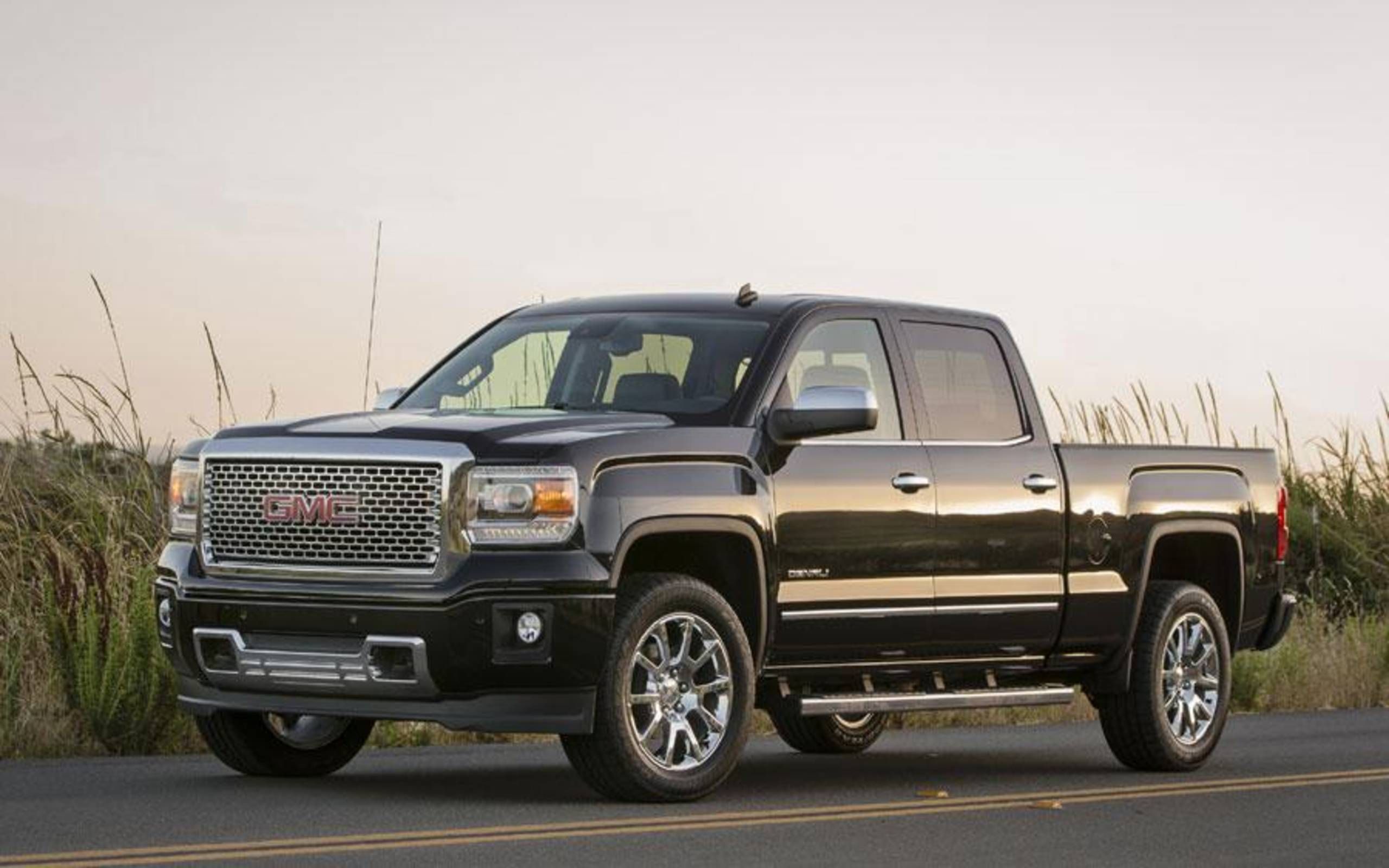
2. Saturn Sky: A Missed Opportunity in GM’s Lineup
The Saturn Sky stood out as a bold, stylish roadster that hinted at GM’s potential in the lightweight sports car segment. Unfortunately, despite its appeal, the model was short-lived, overshadowed by corporate decisions and GM’s eventual closure of the Saturn brand.
The base 2008 Sky came with a 2.4-liter inline-four engine producing 177 horsepower and 166 lb-ft of torque, paired with either a five-speed manual or an optional five-speed automatic. While adequate for cruising, this version achieved 0–60 mph in a modest 7.5 seconds.
More compelling was the Sky Red Line, equipped with a turbocharged 2.0-liter direct-injection four-cylinder that delivered 260 horsepower and 260 lb-ft of torque. With a manual transmission, it sprinted to 60 mph in just 5.8 seconds, rivaling sports cars like the Porsche Cayman. Fuel economy figures were competitive for the segment, though performance was clearly the focus, especially in the Red Line trim.
Standard equipment included antilock disc brakes, stability control, and GM’s OnStar telematics system. However, the absence of side airbags left a noticeable gap in protection. In government crash testing, the Sky earned four stars out of five for both frontal and side-impact safety, a respectable result but not class-leading.
Behind the wheel, the Saturn Sky provided a blend of accessible fun and daily drivability. The chassis delivered substantial grip, while the steering was quick enough to make twisty roads enjoyable. Like many roadsters, it tended toward safe understeer, which could be countered with throttle input.
Ride quality struck a good balance, offering more comfort on highways than rivals such as the Mazda Miata. The base engine, borrowed from GM’s economy cars, felt uninspired and lacked refinement.
In contrast, the Sky Red Line elevated the experience with brisk acceleration and sportier suspension tuning. However, some enthusiasts criticized its numb steering and imprecise throttle, which diminished connection during spirited driving.
The Sky’s cabin was more accommodating than most compact roadsters, offering enough space for taller occupants. Its modern dashboard and supportive seats added to its appeal, but quality and ergonomics were less impressive.
Hard plastics and a wide transmission tunnel limited comfort and eliminated useful storage options. Cargo capacity was a major weakness: 5.4 cubic feet of trunk space with the top up shrank to nearly nothing when the convertible top was lowered, compounded by an awkward rear-opening trunk lid.
The Saturn Sky showcased sharp styling, impressive performance in Red Line form, and decent comfort for a small roadster. Yet shortcomings in refinement, practicality, and safety features limited its staying power. With Saturn’s demise, the Sky became a reminder of GM’s struggle to nurture promising vehicles.
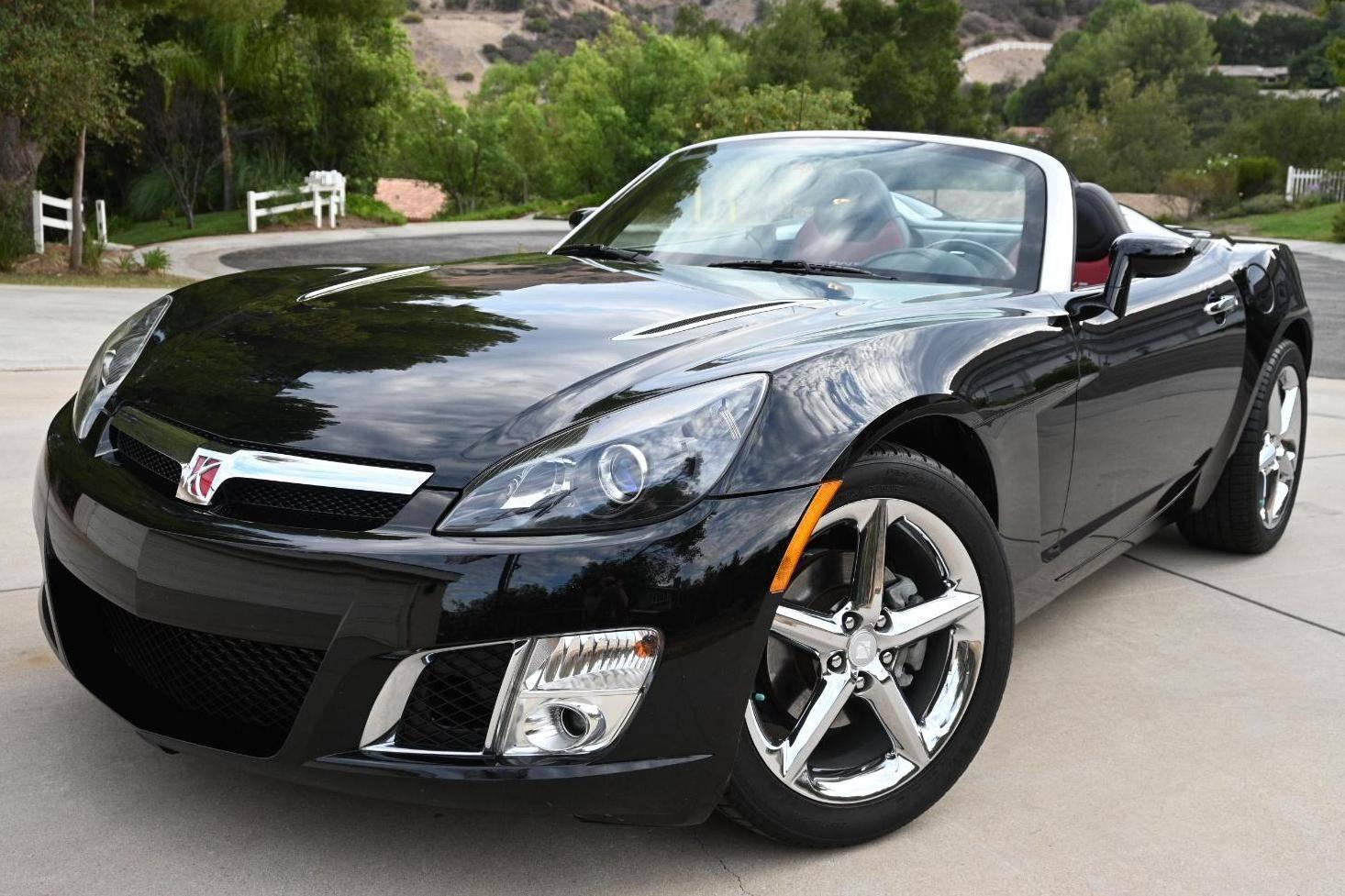
3. Chevrolet Corvette: High Performance Meets Everyday Usability
The Chevrolet Corvette continues to stand out as an American sports car icon, combining thrilling performance with a surprisingly usable package. Modern Corvettes benefit from corrosion-resistant construction, using primarily plastic and carbon components that resist rust, ensuring long-term durability even under demanding conditions.
The Corvette delivers exceptional acceleration and handling, even among high-performance sports cars. A 3LT coupe equipped with all-season tires can reach 60 mph in 3.6 seconds (3.3 seconds with a rollout), while the Z51 Performance package improves this to 3.4 seconds (3.2 seconds with a rollout). Quarter-mile times range from 11.8 seconds for the 3LT to 11.5 seconds for the Z51.
Braking is strong, with stops from 60 mph achieved in 109 feet for the 3LT and 105 feet for the Z51. The eight-speed automatic transmission is smooth and responsive, while steering and handling allow drivers with moderate skill to explore the Corvette’s impressive limits safely.
Despite its sports-car focus, the Corvette provides a surprisingly comfortable ride. Models equipped with MagneRide adaptive suspension smooth out bumps effectively, while wind and engine noise are minimal.
GT2 bucket seats balance support and comfort for long drives, though the optional Competition seats offer more aggressive lateral support for spirited cornering. Climate control is effective, and heated and ventilated seat functions enhance comfort on extended trips.
The Corvette’s interior matches the boldness of its exterior. While entry and exit can be challenging due to the low ride height, the cabin is driver-focused, with a touchscreen positioned within easy reach and crisp graphics.
Optional Bose audio delivers high-quality sound, and wireless Android Auto and Apple CarPlay are standard. Technology features such as Performance Traction Management and a GPS-linked nose-lift system improve driving convenience and performance.
For a mid-engine sports car, the Corvette offers reasonable cargo space. The front trunk accommodates small items, while the rear can hold two golf bags, though roof storage reduces space in the coupe. Interior storage is limited to a shallow center console and small cupholders, but long door pockets provide additional utility.
The Corvette achieves an EPA-estimated 19 mpg combined, with real-world driving returning around 21.8 mpg. Compared with other performance cars, it remains a relative bargain, delivering supercar-level performance at a more attainable price. Build quality has improved, and the cabin feels premium.
Warranty coverage is standard for the class, with a three-year/36,000-mile basic warranty, five-year/50,000-mile powertrain warranty, and roadside assistance for five years/60,000 miles.
The Chevrolet Corvette successfully balances high-speed thrills with usability, comfort, and technology, making it a versatile sports car that performs on both the track and the road. Its combination of performance, quality, and value ensures it remains a compelling choice for enthusiasts.
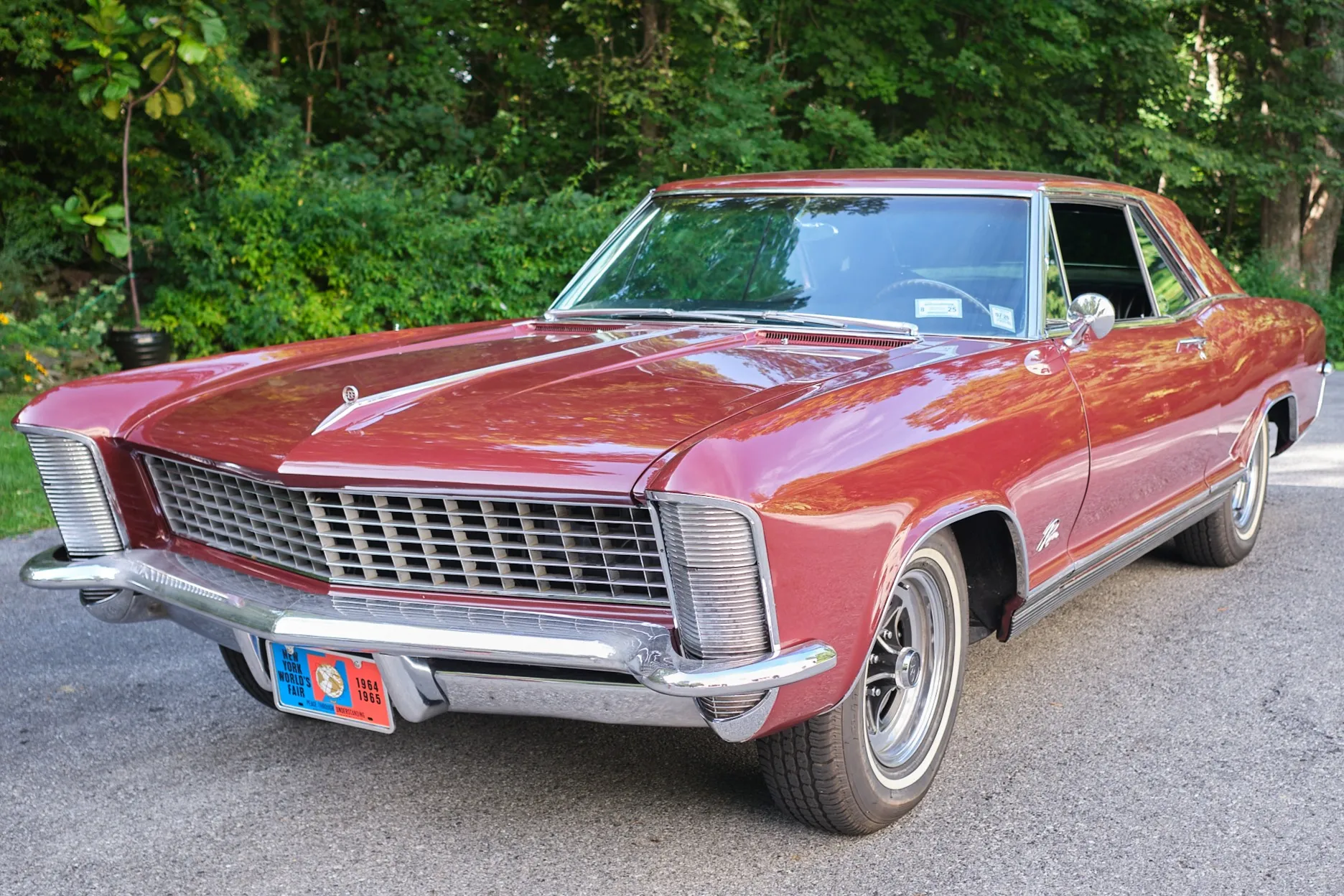
4. Buick Riviera: A Rust-Resistant Personal Luxury Coupe
The Buick Riviera earned a reputation for durability, particularly regarding corrosion resistance a rarity among GM vehicles. The final generation, produced from 1995 to 1999, showcased the company’s attention to detail and reinforced its status as a flagship personal luxury coupe.
Despite being a large American vehicle, the Riviera combined refined styling, comfort, and reliable performance, standing apart from GM’s more pedestrian offerings.
Unlike many of its GM counterparts, the Riviera was notably resistant to rust. Several factors contributed to this: targeted rustproofing of undercarriage and body panels, higher-quality assembly standards with tighter fit and finish, and intentional design features such as enhanced drainage systems to prevent water accumulation in hidden areas.
Continuous improvements in the final generation included advanced metal alloys and more durable corrosion protection coatings. While no vehicle is completely immune to rust factors like climate, road salt, and damage to protective coatings can still accelerate corrosion the Riviera’s treatment gave it an edge over other GM cars of the era.
The Riviera returned to its performance roots in 1995 with an optional supercharged V6 engine. By 1998, this supercharged 3800 Series II V6 became standard, producing 240 horsepower and allowing the car to accelerate to 60 mph in about eight seconds.
Suspension and steering were revised for improved road isolation, reduced body roll, and enhanced steering feel, ensuring that the Riviera handled more confidently than previous generations. While it did not match the sporty dynamics of smaller European cars, it offered a balanced blend of performance and luxury suitable for its class.
Standard safety features included antilock brakes and dual airbags, while traction control was available as an option. Second-generation airbags deployed at slower rates to reduce injury risk for small adults and older children. Later Rivieras could be equipped with OnStar, a dealer-installed system providing hands-free communication, GPS navigation, and emergency assistance a forward-looking feature for its time.
The interior emphasized elegance and simplicity. A retro-style dashboard with round gauges complemented real wood inserts on the instrument panel and center console, creating a refined ambiance.
While not as compact or sporty as European rivals like the BMW 328i, the Riviera offered a spacious and comfortable cabin suitable for long drives. The exterior design, particularly in dark shades, remained sleek and visually appealing, with four new colors introduced in the 1998 model year.
The Buick Riviera combined corrosion-resistant construction, performance-focused engineering, and refined styling, making it one of GM’s most thoughtfully designed personal luxury coupes. Its durability, comfort, and elegance ensured that it remained a standout in the segment, even as the brand’s other offerings struggled to maintain relevance.
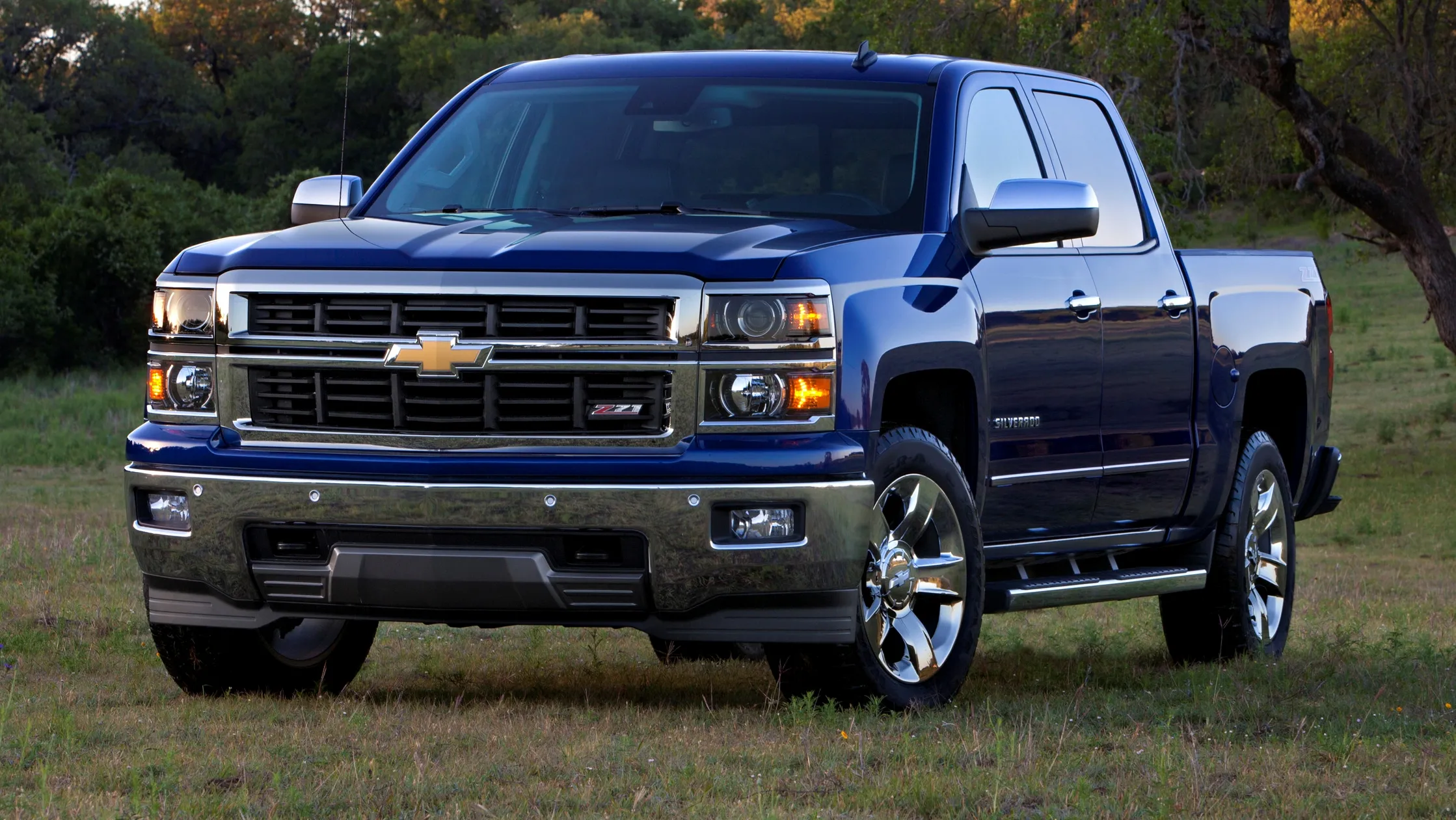
5. 2014 Chevrolet Silverado: Durable, Capable, and Refined
The 2014 Chevrolet Silverado builds on GM’s reputation for durability, particularly in corrosion resistance. Utilizing galvanized steel for most of the body, the Silverado has consistently improved its rust protection over previous generations, earning praise from buyers and automotive reviewers alike. Its combination of performance, comfort, and utility makes it a versatile choice for both work and daily driving.
The Silverado offers a range of engines to suit different needs. The standard 4.3-liter V6 produces 285 horsepower and 305 lb-ft of torque, paired with a six-speed automatic transmission and available in rear- or four-wheel drive. Fuel economy is estimated at 20 mpg combined for 2WD and 19 mpg combined for 4WD, with towing capacity reaching 7,600 pounds.
The 5.3-liter V8, standard on LTZ trims and optional elsewhere, delivers 355 hp and 383 lb-ft of torque, with towing capacity up to 11,500 pounds. It achieves 19 mpg combined in RWD and 18 mpg combined in 4WD, while testing showed a 0–60 mph sprint in 6.8 seconds for a Crew Cab 2WD model.
The top 6.2-liter V8 produces 420 hp and 460 lb-ft of torque, achieving 17 mpg combined and towing up to 12,000 pounds. Cylinder deactivation allows seamless switching between V8 and V4 modes for improved efficiency.
Safety is well-covered with standard antilock brakes, traction and stability control, front and rear side airbags, and side curtain airbags. OnStar provides automatic crash notification, roadside assistance, remote door unlocking, and stolen vehicle recovery.
Optional features include a rearview camera, front and rear park assist, lane departure warning, and forward collision alert. Government crash tests awarded the Silverado five stars for both frontal and side impacts.
The Silverado offers improved ride and handling compared to earlier models. The V6 delivers sufficient power for everyday use, while the V8s provide robust acceleration. The six-speed automatic transmission shifts smoothly, although towing reveals gaps in gear ratios.
Structurally, the truck feels solid, and most models remain compliant and comfortable over rough pavement. Steering is well-weighted, and off-road composure is enhanced, although body roll is noticeable when cornering aggressively.
Redesigned cab structures increase structural stiffness and crashworthiness. Cabin quality is improved across all trims, with more storage options and up to five USB ports on LTZ models. The MyLink infotainment system features an 8-inch touchscreen with voice control.
Front seats offer heating, ventilation, and adjustable lumbar support, while the new double cab eliminates the awkward reverse-opening doors. Improved body mounts reduce vibration, and integrated bed steps and handholds enhance practicality.
The 2014 Chevrolet Silverado combines strong corrosion resistance, capable engine options, refined driving dynamics, and a well-appointed interior. It balances the utility expected of a full-size truck with comfort and modern features, making it a versatile choice for work, recreation, or everyday driving.
Also Read: 10 Cars That Cause More Headaches Than They’re Worth
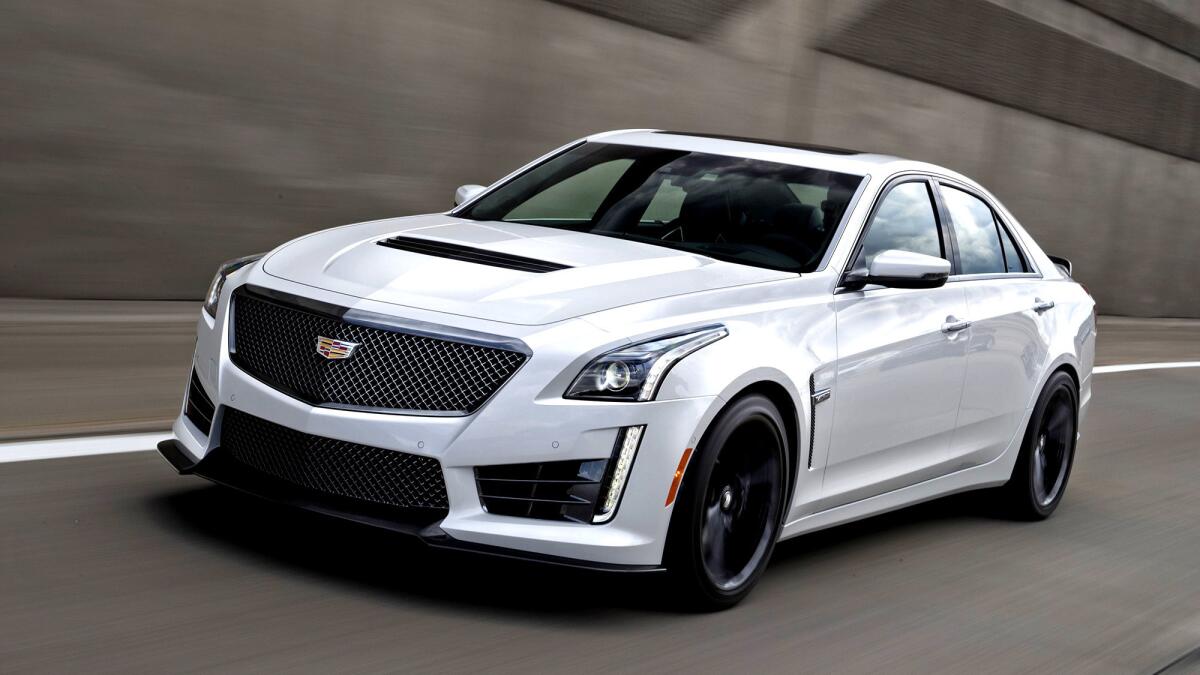
6. Cadillac CTS: A Sporty Luxury Sedan with Evolved Corrosion Protection
The Cadillac CTS, particularly after 2015, benefits from significant corrosion resistance improvements, following earlier issues in 2000–2008 models involving jack mount bolts and undercarriage components. GM’s ongoing experimentation with rust treatments has made modern CTS and CTS-V models nearly free from corrosion concerns, ensuring safety and longevity for vehicles equipped with high-performance engines.
The CTS V-Sport delivers a confident, sporty driving experience, powered by a 420-horsepower, 3.6-liter twin-turbo V6. Acceleration is strong and linear, with no noticeable flat spots in the powerband, making the car fast yet predictable. Braking performance is firm and consistent, aided by optional performance brake linings.
Steering offers good feedback, maintaining composure and avoiding abrupt changes in effort during spirited driving. Handling is precise, with ample grip and stability, allowing drivers to navigate both fast sweepers and tight corners with confidence. The eight-speed automatic transmission provides smooth shifts, while manual paddle control allows responsive downshifts, albeit with slight delays.
The CTS V-Sport’s ride is notably firm, emphasizing sporty handling over plush comfort. While the seats are well-padded, heated, and ventilated, the stiff suspension transmits minor road imperfections audibly.
Cabin noise is noticeable at higher speeds, primarily from tires, though the turbo V6 engine remains quiet during cruising. Climate control is effective, maintaining set temperatures efficiently, with rear passengers benefiting from dedicated vents and controls.
The CTS cabin prioritizes style, featuring a driver-focused layout with touch-sensitive controls, though these are less intuitive than traditional knobs. The CUE infotainment system is responsive but requires adjustment to navigate efficiently.
Driving position is excellent, with generous seat travel and a well-angled steering column. Front seats provide good knee- and headroom, while rear seating is less spacious, particularly for width and headroom. Visibility is average, with rear roof pillars slightly restricting over-the-shoulder views.
Apple CarPlay and Android Auto are standard, offering seamless smartphone integration. The touchscreen interface handles navigation and audio, though some touch controls can be finicky.
Voice commands are functional but may require multiple attempts to register complex instructions. Advanced driver aids include adaptive cruise control, pre-collision warning, blind-spot monitoring, rear cross-traffic alert, lane-keeping assist, and a 360-degree camera system.
The CTS provides adequate storage for a luxury sedan, with a reasonably deep trunk and modest interior compartments, including a center console bin, glovebox, and door pockets. Rear storage is limited, but a flip-down console with cupholders adds convenience.
The Cadillac CTS blends sporty performance with refined luxury, precise handling, and improved corrosion protection. While the ride may lean firm for some, the car delivers an engaging driving experience, modern technology, and a premium interior, making it a competitive option in the sport-luxury sedan segment.
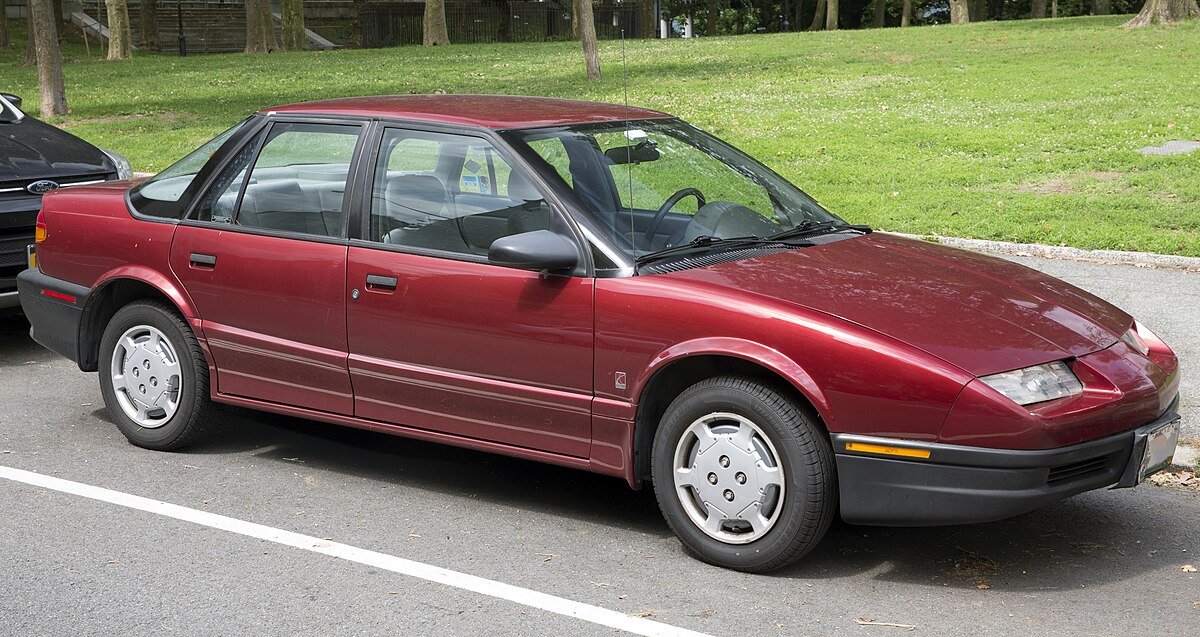
7. Saturn S Series: Lightweight, Rust-Free, and Practical
The Saturn S Series stands out as one of GM’s most corrosion-resistant vehicles. Unlike many other GM models, the S Series relied heavily on plastic body panels and exterior components, making rust virtually nonexistent.
Buyers praised the plastic doors for their durability, as they could withstand minor impacts such as shopping cart dents without permanent damage. This design philosophy highlighted GM’s potential for producing small, low-maintenance vehicles, even though the Saturn brand was eventually discontinued.
The S Series’ use of polymer body panels provided inherent protection against rust, a major advantage over traditional steel-bodied GM models. The plastic construction meant that minor impacts bounced back easily, reducing repair costs and cosmetic wear.
While some Saturn models experienced corrosion issues, the S Series served as proof that GM could manufacture vehicles that remained virtually impervious to rust for their entire lifespan.
The Saturn S Series offered modest but sufficient performance for daily driving. Its lightweight construction contributed to nimble handling in city traffic and moderate responsiveness on highways.
While not a performance-focused vehicle, its practical engineering made it reliable, predictable, and easy to maneuver. Acceleration and braking were adequate for commuting, and its front-wheel-drive layout enhanced stability in adverse weather conditions.
The interior of the S Series was simple and functional, prioritizing durability and usability over luxury. Seats were comfortable for short to medium-length trips, though space in the rear was limited.
Large windows provided good visibility, and entry and exit were straightforward, thanks to the higher seating position relative to the car’s compact dimensions. The cabin materials, while basic, were resilient, reflecting the car’s low-maintenance ethos.
The S Series offered reasonable storage for a subcompact vehicle. The trunk accommodated everyday groceries and small luggage, while modest interior compartments allowed for convenient organization of small items. Its lightweight design and durable body panels made it easy to maintain, reducing the likelihood of long-term damage from minor accidents.
Technology in the S Series was minimal but sufficient for its class and era. Basic audio systems and climate controls were standard, emphasizing functionality over sophistication. While lacking modern infotainment or driver-assistance features, the S Series excelled as a straightforward, low-maintenance commuter car.
The Saturn S Series combined rust-free construction, practical design, and reliable daily performance. Its plastic body panels, durable interior, and low-maintenance approach made it a standout in GM’s small-car lineup, proving that corrosion-resistant, long-lasting vehicles could be built without sacrificing everyday usability.
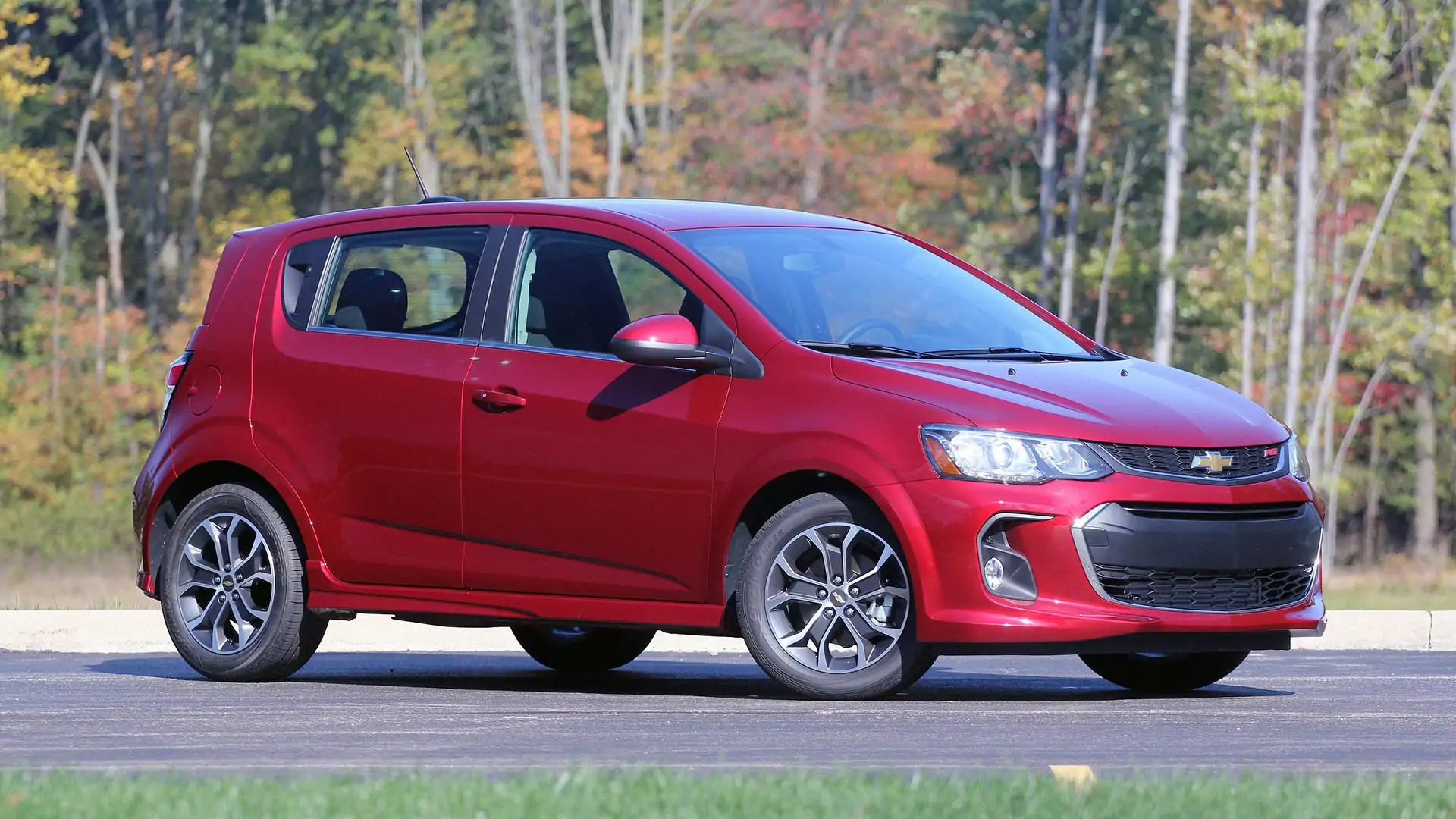
8. Chevrolet Sonic: A Small Car with Big Practicality
The Chevrolet Sonic, produced until the 2019 model year, gave GM an opportunity to experiment with corrosion-resistant construction. By employing various types of galvanized steel for body panels and frames, GM improved protection against rust, a persistent issue for its larger vehicles.
Like many small GM cars, the Sonic benefited from superior corrosion resistance compared with the manufacturer’s full-size lineup, making it a reliable choice for buyers prioritizing longevity.
The Sonic delivers spirited performance for a subcompact, particularly with its standard 1.4-liter turbocharged engine producing 138 horsepower and 148 lb-ft of torque. This engine provides adequate responsiveness, though it can feel less lively at very low rpm. Steering is precise, and the sport-tuned suspension enhances handling on twisty roads.
Transmission options include a six-speed manual or six-speed automatic across all trims, giving drivers flexibility in driving style. While fun to drive, the manual gearbox can feel slightly clunky, and the firm suspension contributes to a ride that can border on harsh over rough surfaces.
Front seats are comfortable with decent bolstering, and the driver’s seat armrest adds convenience on longer drives. Rear seating provides adequate head- and legroom, though elbow space is limited, and thick roof pillars reduce visibility.
Interior materials are functional but noticeably cheap in the base trims, with minimal refinement compared to rivals like the Honda Fit or Kia Rio. Large door openings make entry and exit easy, but the cabin leans toward practicality over premium comfort.
Utility is a strong point for the Sonic. The sedan offers a 14.9-cubic-foot trunk, while the hatchback provides 19 cubic feet of cargo space with rear seats folded down, exceeding typical subcompact dimensions. Interior storage is well-planned, with compartments and cupholders that enhance everyday convenience. These features make the Sonic practical for small families or individuals needing versatility in a compact package.
The Sonic includes a standard 7-inch touchscreen with Android Auto and Apple CarPlay, offering modern connectivity uncommon in its class. A 4G LTE data connection and Wi-Fi hotspot are also available.
Optional safety features for higher trims include forward-collision warning and lane-departure warning, while base trims lack advanced driver aids. The interface is straightforward and user-friendly, contributing to the car’s ease of use.
The Chevrolet Sonic successfully combines corrosion-resistant construction, small-car practicality, and modern connectivity.
While it compromises slightly on interior refinement and ride comfort, its spirited driving, generous cargo space, and reliable rust protection make it a solid choice for buyers seeking an affordable, durable subcompact. The Sonic demonstrates GM’s capability in creating versatile small cars that stand up well to long-term use.
9. Buick Roadmaster Estate: A Rust-Resistant American Giant
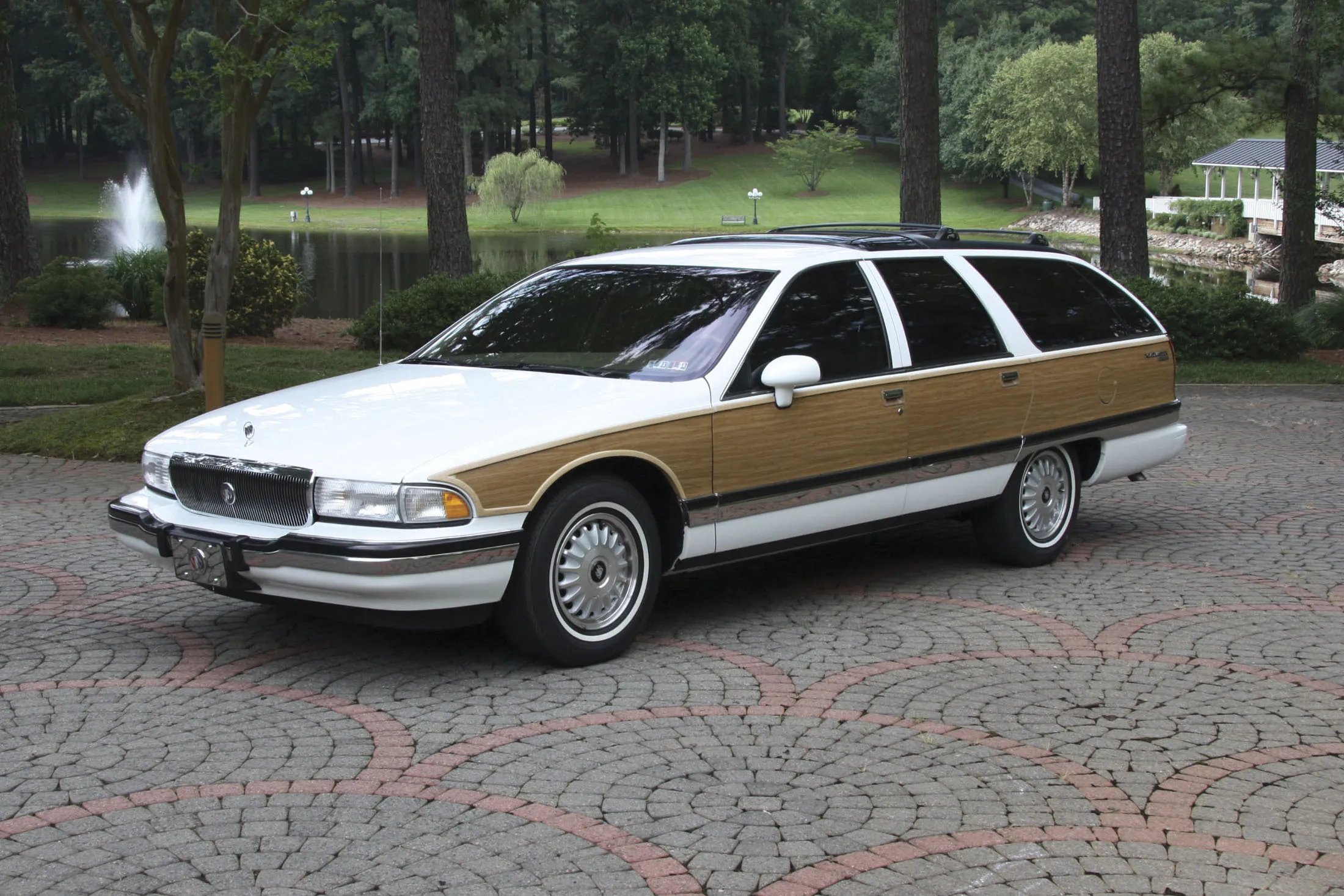
The Buick Roadmaster Estate, produced in the 1990s and early 2000s, earned a reputation for being surprisingly resistant to rust despite its massive size. While many full-size GM vehicles suffered from corrosion, the Roadmaster’s build quality and use of thicker steel contributed to its durability.
With up to 260 horsepower from its V8 engine, this wagon combined traditional American power with exceptional longevity, making it a standout among large vehicles of its era.
The Roadmaster employed old-school body-on-frame construction, based on GM’s “B-Body” chassis, which had remained largely unchanged since the 1970s.
This robust design, paired with quality steel panels, gave the Roadmaster exceptional resistance to rust, even in climates prone to snow and road salt. Unlike lighter or smaller GM vehicles, the Roadmaster’s sheer size and solid build made corrosion a minor concern over its lifetime.
Under the hood, the Roadmaster Estate featured a 5.7-liter LT1 V8, the same engine used in the Corvette, detuned to deliver 260 hp and 330 lb-ft of torque. Paired with a smooth four-speed automatic, the wagon could accelerate from 0 to 60 mph in roughly seven seconds a respectable performance for a vehicle of its size.
Steering and handling were heavily assisted, resulting in minimal driver effort for tasks like U-turns or tight city maneuvers. While not sporty, the Roadmaster offered a comfortable, confident driving experience.
The interior of the Roadmaster Estate emphasized space and luxury. Three rows of bench seats, including one rear-facing row, could accommodate eight passengers comfortably. Seats were upholstered in plush velour, offering exceptional comfort on long trips.
The cabin provided generous headroom, shoulder room, and legroom, making even taller occupants feel uncramped. Suspension tuning prioritized smoothness over agility, delivering a ride so cushioned that passengers could nap without disturbance over uneven roads.
Cargo capacity was a highlight of the Roadmaster Estate. Folding both rear rows provided 92 cubic feet of storage more than nearly any mid-size SUV on the market. The wagon’s dimensions, measuring over 217 inches in length and almost 80 inches in width, allowed for easy transport of furniture, luggage, or recreational gear.
Despite its size, it remained surprisingly manageable in urban settings, aided by a large greenhouse for visibility and a modest turning radius for its class.
The Roadmaster’s size and weight came at a cost in fuel efficiency. The EPA rated it at 18 mpg combined, though real-world driving often produced closer to 14 mpg in stop-and-go traffic. Its 23-gallon tank required frequent fill-ups during heavy use, reflecting the trade-off for its power and comfort.
The Buick Roadmaster Estate exemplifies the classic American wagon: massive, comfortable, powerful, and surprisingly rust-resistant. Its combination of durability, spacious interior, and V8 performance made it a practical and enjoyable vehicle, capable of transporting passengers and cargo with ease while resisting the corrosion issues that plagued many of its contemporaries.
10. Chevrolet Bolt: Rust-Resistant EV with Practical Range
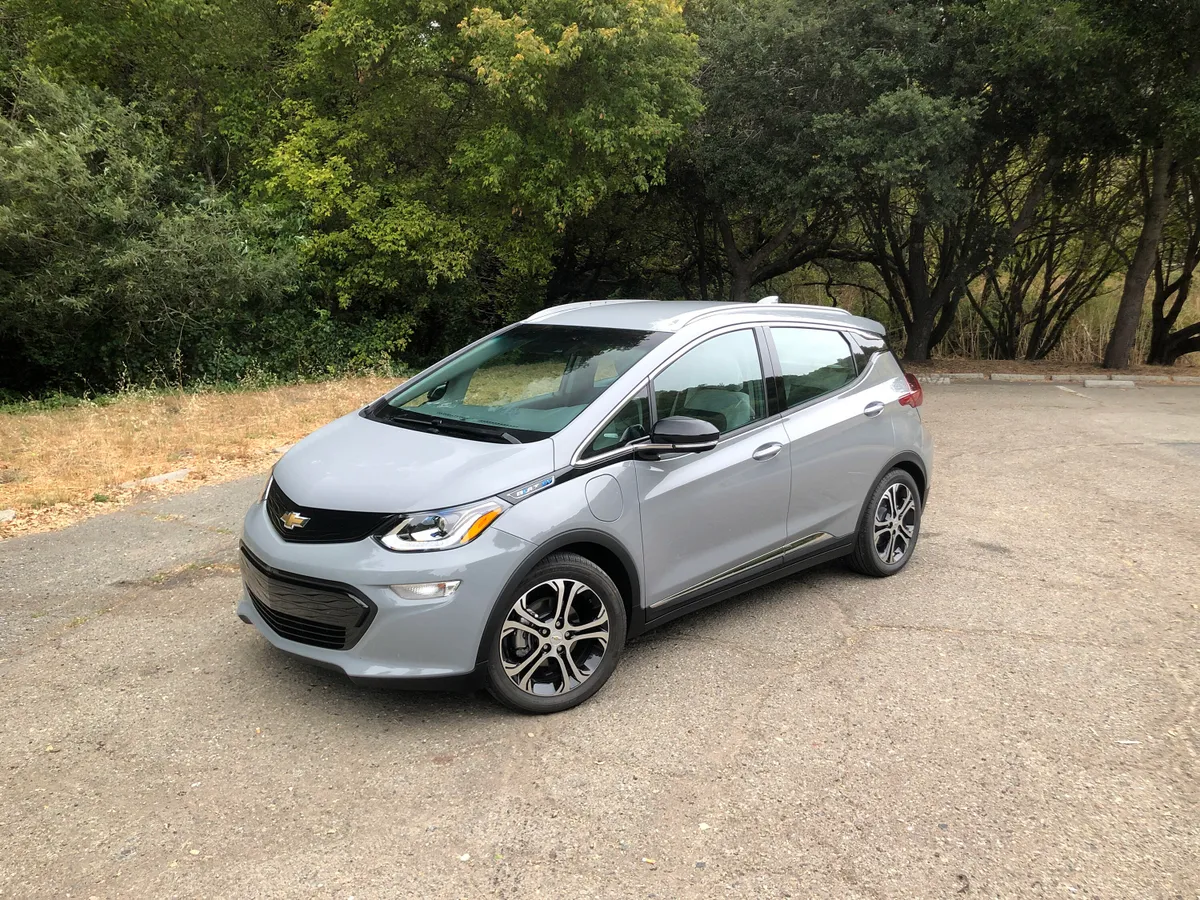
The Chevrolet Bolt proves that electric vehicles can resist corrosion effectively. GM employed a combination of plastic body panels and strategically treated metal components to ensure durability in a variety of weather conditions. Despite potential concerns over battery reliability, the Bolt’s exterior materials and undercoating make it highly resilient to rust, giving owners confidence in its long-term condition.
The Bolt EV accelerates from 0 to 60 mph in approximately 6.9 seconds, making it reasonably quick for an affordable electric vehicle. Steering is precise, and the car tracks well on highways without demanding constant driver correction.
The regenerative braking system can be used in standard or enhanced modes via a steering-wheel paddle, improving energy recovery while maintaining smooth control. Handling feels stable, and the Bolt’s nimbleness is impressive given its compact size and EV architecture.
Front seats have been upgraded with better cushioning, though thigh support could be improved for long trips. The ride can be choppy on rough pavement due to the firm suspension, but smooth roads result in a quiet, comfortable cabin.
Climate controls are straightforward, and the 2LT trim includes heated seats and a steering wheel. Interior layout is driver-friendly, featuring an adjustable seat, telescoping steering wheel, and well-positioned controls. Visibility is enhanced by peek-a-boo windows and an optional 360-degree camera system.
Standard tech includes wireless Apple CarPlay and Android Auto. The touchscreen is large and responsive, while two front USB ports (one USB-C) are standard, with additional ports available in higher trims.
Safety features such as forward collision mitigation, lane-keeping assist, and blind-spot monitoring contribute to driver confidence. Adaptive cruise control is optional but can feel slightly delayed at close distances.
The Bolt offers a modest but usable cargo area of 16.6 cubic feet behind the rear seats, with hidden storage beneath the floor panel for bulky items. Front storage includes door pockets, glovebox, and a plus-sized phone cubby with a wireless charger. Child seat anchors and wide-opening rear doors make it suitable for family use despite its subcompact dimensions.
The Bolt’s EPA-estimated range is 259 miles per charge, with real-world testing showing up to 278 miles. Energy efficiency is competitive at 25.7 kWh per 100 miles. The vehicle supports both Level 1 and Level 2 charging, though fast-charging tops out at 55 kW, slower than some competitors. The upgraded onboard 11-kW charger improves home charging speed but still requires dedicated equipment for maximum efficiency.
The Bolt has become more affordable with the federal tax credit, positioning it as one of the best value EVs on the market. Standard warranty covers three years/36,000 miles, while the battery and electric components are protected for eight years/100,000 miles.
Roadside assistance lasts five years/60,000 miles, with free maintenance for 24,000 miles. With upgraded features and competitive pricing, the Bolt is a practical, low-maintenance entry into the EV segment.
Owning a car that resists rust means more than preserving appearance it’s about safeguarding your investment, maintaining performance, and reducing long-term maintenance headaches.
From rugged pickups like the GMC Sierra and Chevrolet Silverado to sleek sports cars like the Corvette, GM has demonstrated that thoughtful materials, corrosion-resistant coatings, and innovative engineering can significantly extend a vehicle’s lifespan.
Even compact vehicles and EVs, such as the Chevrolet Sonic and Bolt, showcase that small cars can be built with durability in mind. Choosing one of these rust-resistant vehicles ensures that you’ll spend less time worrying about corrosion and more time enjoying the drive.
Whether you prioritize luxury, performance, or everyday practicality, these ten cars prove that rust doesn’t have to be inevitable. In a market where longevity is increasingly valued, investing in a vehicle that fights corrosion from the start is a smart choice for drivers who want reliability, style, and confidence for years to come.
Also Read: 10 Cars Mechanics Call Unkillable Even After Long Service History
