
When it comes to cars, most people want something that can take the daily grind without complaint. Commuting in stop-and-go traffic, hauling kids and groceries, running through potholes, enduring harsh winters or blistering summers all of this adds up to a lot of wear and tear.
Some vehicles buckle under that constant pressure, showing electrical gremlins, rattling interiors, or transmission issues within just a few years.
Others, however, are built like tanks. They don’t just survive daily abuse they thrive on it, continuing to feel solid and dependable even after racking up hundreds of thousands of miles.
For the American driver who values durability over flash, these cars have earned a reputation for being nearly unbreakable. Here are 14 vehicles that stay rock solid long after most cars would have given up.
1. Toyota Camry
The Toyota Camry has been America’s midsize sedan of choice for decades, and not by accident. Built with bulletproof four- and six-cylinder engines, simple transmissions, and high-quality materials, the Camry shrugs off punishing city driving and long commutes with ease.
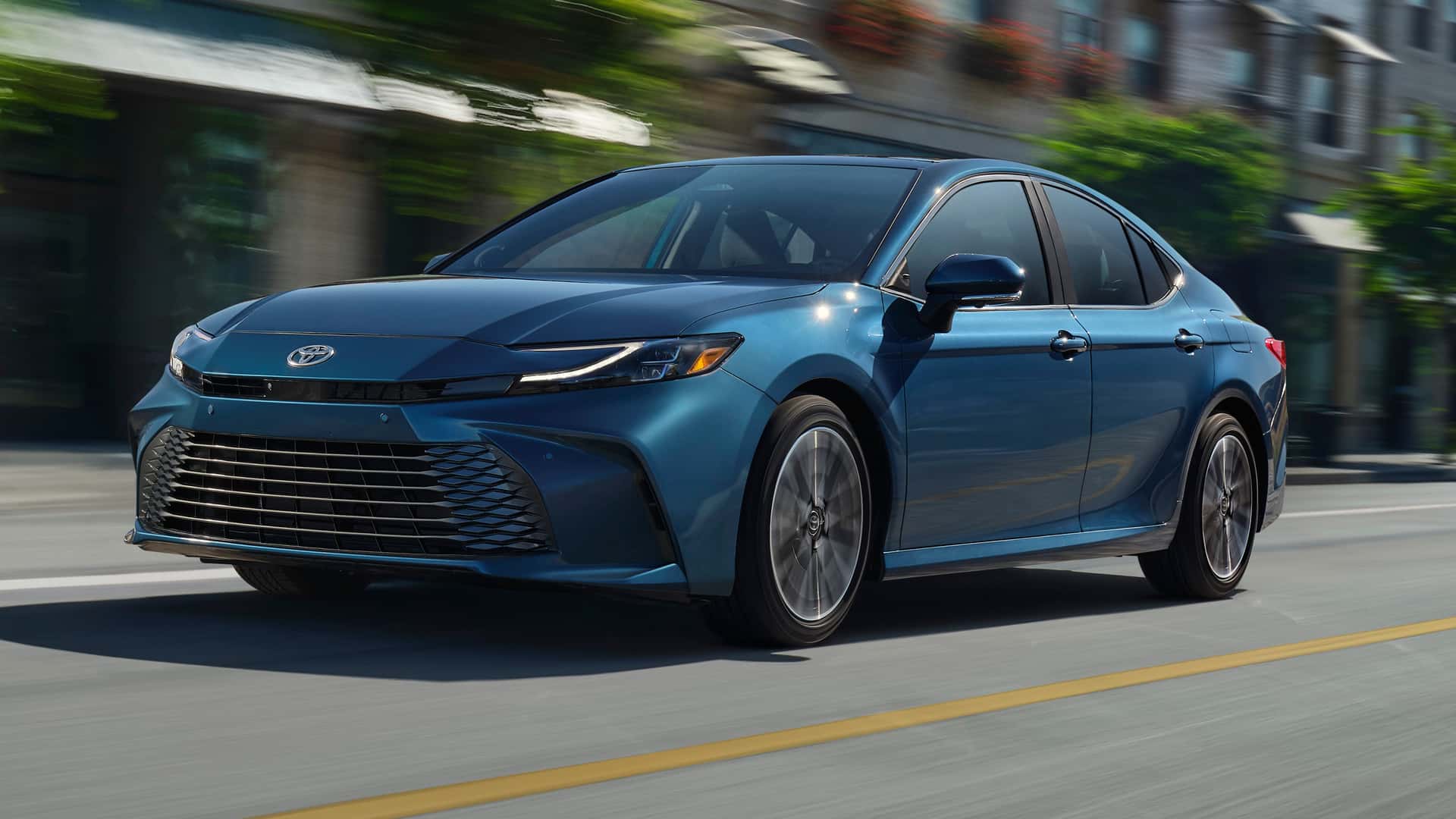
It’s common to see older Camrys still serving faithfully as taxis or rideshare cars with well over 300,000 miles. While not flashy, its conservative engineering is exactly what makes it last.
2. Honda Accord
If there’s a rival to the Camry’s legacy, it’s the Honda Accord. Known for its refined yet robust engines, responsive handling, and interiors that don’t fall apart, the Accord has proven time and again that it’s more than capable of daily abuse.
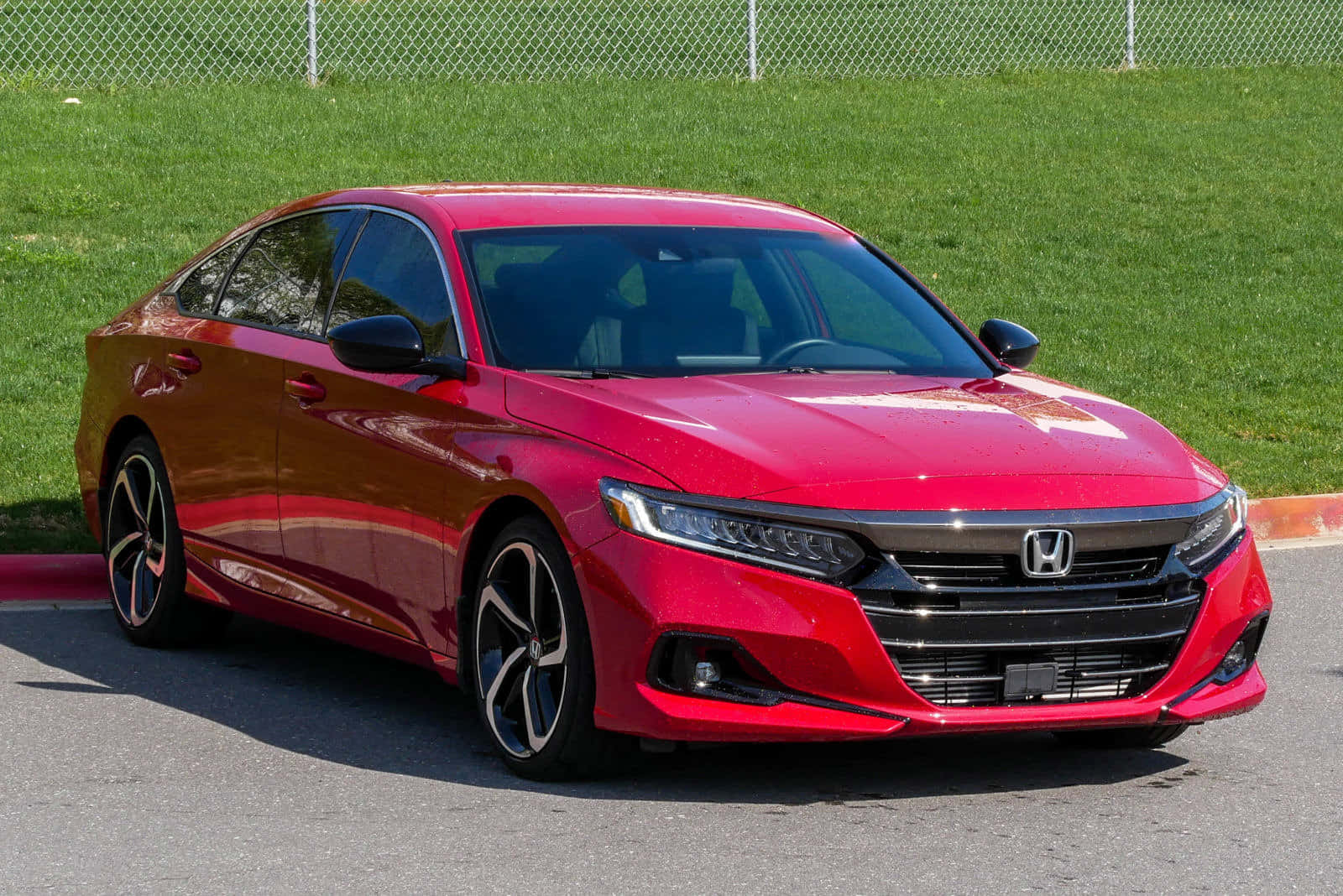
Even older Accords from the 1990s and 2000s are still seen on American highways, often running with minimal major repairs. Its reputation for reliability is so strong that many families pass them down from one generation to the next.
Also Read: 10 Cars That Withstand Daily Stop-and-Go Traffic
3. Toyota Corolla
The Corolla may not be exciting, but it’s one of the most resilient cars ever built. Its small size makes it perfect for stop-and-go traffic, while its engines are famously under-stressed, meaning they can run forever with just basic maintenance.
College students, commuters, and budget-conscious buyers all appreciate how this car refuses to quit. Some Corollas from the early 2000s are still daily drivers today, a testament to their durability.
The 2022 Toyota Corolla stands out as a budget-friendly and appealing compact car equipped with a full suite of standard active safety technologies. While rivals like the Honda Civic and Mazda 3 offer a more engaging driving experience, the Corolla makes up for it with a smooth, comfortable ride and its own lineup of sportier trims.
Like most vehicles in its class, it’s available in both sedan and hatchback body styles. Each design has its own personality, but in an unusual twist, the hatchback has a smaller rear seat and less cargo room compared to the sedan.
Certain trims can be paired with a manual transmission, and the sedan also introduces a highly fuel-efficient hybrid powertrain.
The biggest drawback is that every version of the Corolla comes with an engine that sounds rough under load. Even so, the 2022 Corolla remains a go-to pick, especially for shoppers who put safety and style at the top of their list.
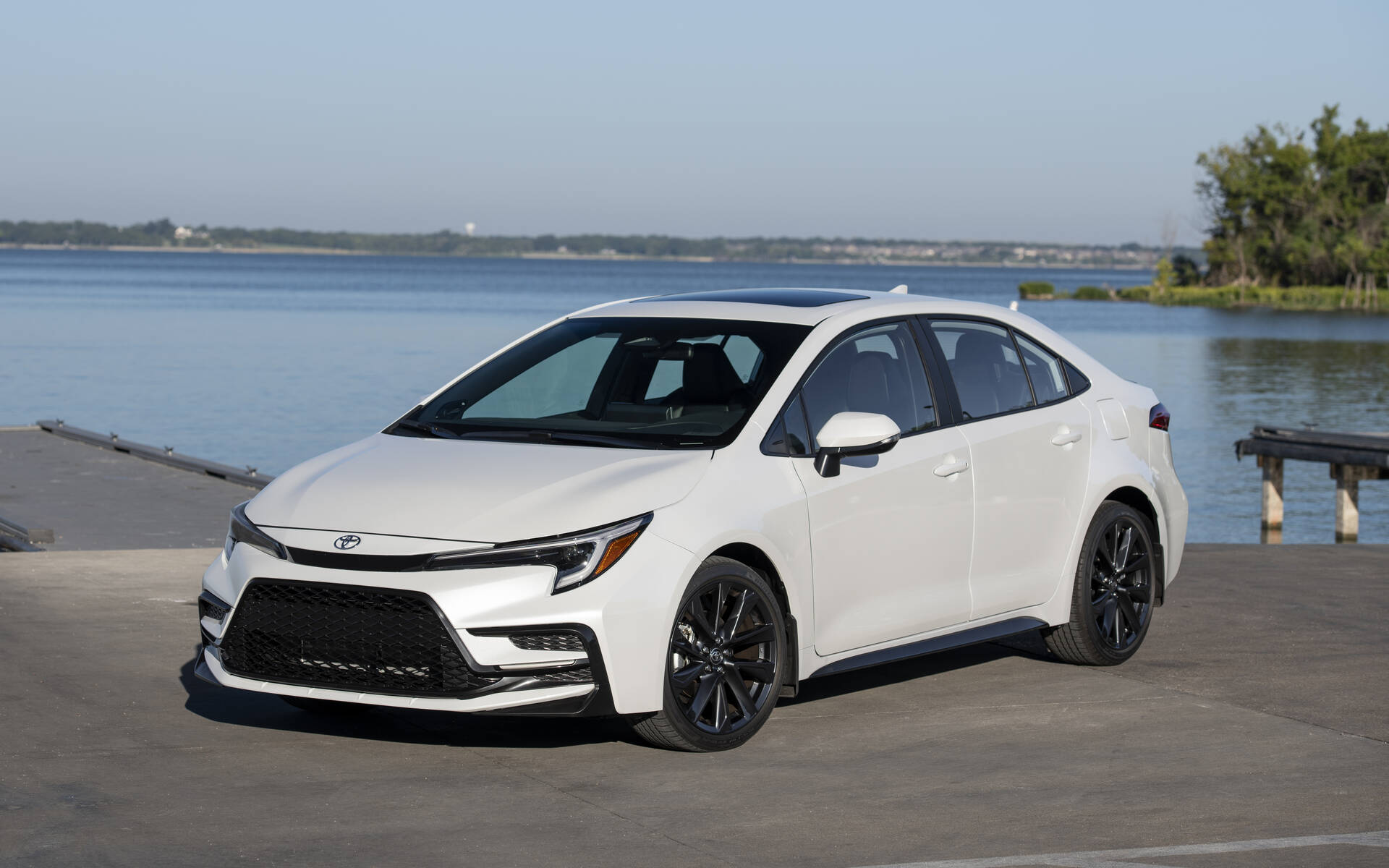
We’d recommend the SE sedan, which strikes a balance between sporty and practical. Its sport-tuned suspension provides a more engaging drive than the base versions, and it’s one of the few trims available with a manual transmission, a choice we’d gladly make, even if it rules out additional option packages reserved for the CVT models.
The SE sedan also comes well-equipped with standard features like 18-inch wheels, front sport seats, a leather-trimmed steering wheel, and an 8.0-inch touchscreen that supports Apple CarPlay and Android Auto.
Most Corolla sedans (excluding the SE and XSE) use a 139-hp 1.8-liter four-cylinder paired with a continuously variable automatic transmission (CVT), sending power to the front wheels.
Sportier versions swap in a 169-hp 2.0-liter four-cylinder that can be combined with either a CVT or an optional six-speed manual. All hatchbacks come standard with this stronger engine, while only the sedan offers a hybrid configuration.
During testing, both the Corolla SE hatchback and XSE sedan demonstrated that even the larger engine delivers only moderate acceleration. They handle everyday city driving and highway cruising well but sound coarse under hard throttle, reducing overall refinement.
Ride quality is generally smooth, soaking up most imperfections, and both body styles show improved agility over older models. The SE and XSE trims take this further with stiffer suspensions and the XSE’s larger 18-inch wheels (other trims ride on 15- or 16-inch rims).
Still, when compared to more dynamic rivals like the Mazda 3 and Volkswagen Golf, the Corolla’s steering is competent but lacks sharpness.
4. Lexus LS400
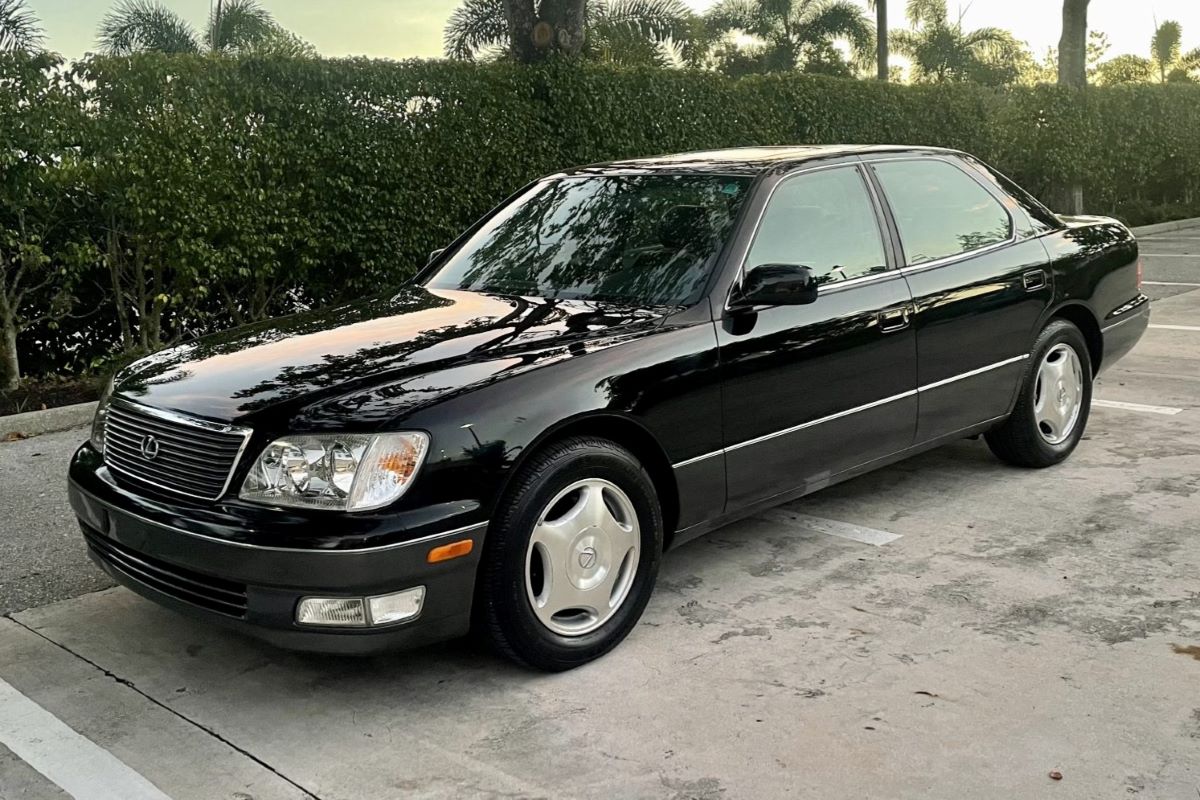
Introduced in the late 1980s, the Lexus LS400 was engineered to show the world that Toyota could build a luxury car to rival Mercedes and BMW. What they created was a sedan so overbuilt that many are still on the road 30+ years later.
Its 1UZ-FE V8 is legendary for running half a million miles with only routine maintenance. Despite its luxury badge, the LS400 has become a cult favorite among enthusiasts who appreciate cars that can handle daily punishment while remaining refined.
When conversations turn to luxurious modern classics, certain icons instantly come to mind: the commanding Mercedes-Benz S-Class Coupe, the refined BMW E38 7-Series, and the stately Lincoln Continental. Each of these vehicles set the standard in their time, offering unmatched comfort and prestige. Yet, one car managed to outshine them all.
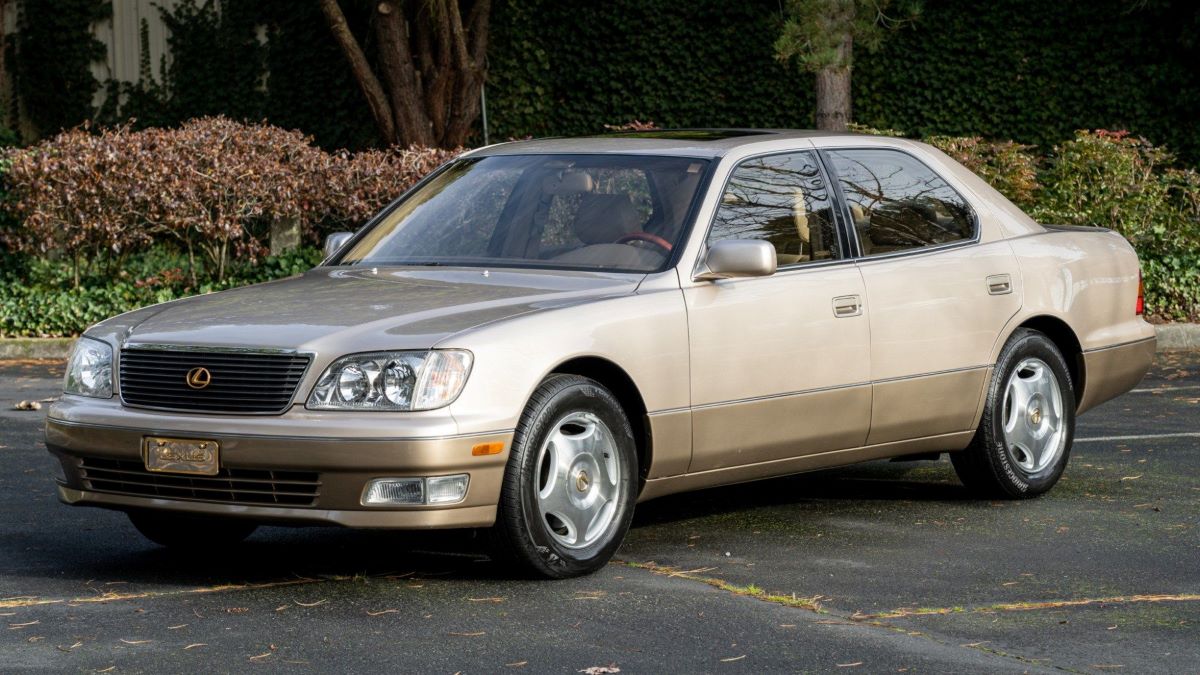
The arrival of the Lexus LS 400 sent shockwaves through the automotive world. This was a car so well-engineered and finely crafted that it forced established competitors to re-evaluate their own offerings.
Today, Lexus is synonymous with premium quality, a reputation further emphasized by the stunning interior of the latest Lexus RZ450e. But in 1989, it was the LS 400 that first showcased Lexus’s commitment to perfection, leaving the industry astounded by its excellence.
Frequently praised as being nearly flawless, the LS 400 has earned a lasting legacy. Combining reliability, speed, and luxury, it remains a car that can impress even decades later. For anyone seeking a stylish yet affordable sedan, the LS 400 continues to be a top contender.
5. Ford Crown Victoria
Once the workhorse of police departments, taxi fleets, and government agencies, the Ford Crown Victoria has earned its place as one of the toughest sedans ever sold in America.
Its body-on-frame construction, simple V8 engine, and easy-to-service design mean it can absorb daily abuse better than most modern vehicles.
Even after being retired from fleets, these cars are still a common sight on American roads, valued for their toughness and cheap maintenance.
For generations, the Ford Crown Victoria became synonymous with law enforcement, serving as the quintessential police car across North America. For nearly two decades, it dominated patrol fleets, making it a familiar sight in countless communities.
While the Crown Victoria name had appeared before as a trim level on the Ford LTD, the full-fledged model that most people remember entered production in 1991 for the 1992 model year and remained in service until 2011.
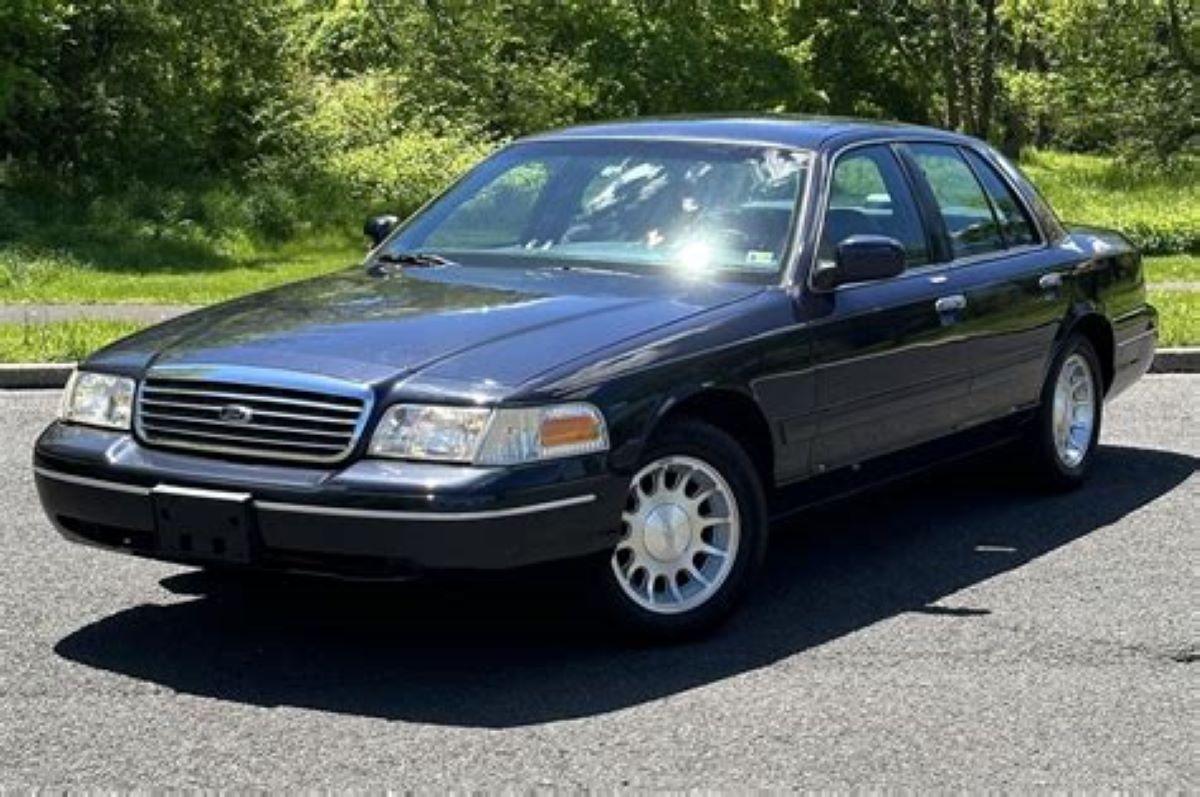
More than a decade later, many Crown Vics are finally being phased out, giving way to newer Ford patrol vehicles based on the Taurus and Explorer. Beyond its police duties, the Crown Victoria was also a popular choice among civilians, valued as a spacious, comfortable sedan.
The end of the Crown Vic didn’t come from a single event but rather a combination of circumstances that stacked up over time. The most significant factor was Ford’s “The Way Forward” plan, which aimed to guide the company out of financial struggles.
The aging Panther platform sealed its fate further. Shared with the Mercury Grand Marquis and Lincoln Town Car, the underpinnings of the Crown Victoria first debuted back in 1979. By the 2010s, it was a relic.
While dependable and durable, the Crown Vic was built on a body-on-frame layout more suited to the 1970s, and it continued to rely on a V8 engine long after most cars had transitioned to more efficient V6s, four-cylinders, or turbocharged options.
Compared to Ford’s newer, more advanced lineup, the big sedan looked outdated in every way. In the age of EcoBoost engines and modern platforms, the Crown Victoria simply couldn’t keep up.
The decisive end came when Ford shuttered the St. Thomas Assembly plant in Ontario, Canada—the only factory that ever built the model. On September 15, 2011, the very last Crown Victoria rolled off the line, closing a chapter in Ford’s history. With the plant gone, so too was the Crown Vic.
In truth, Ford had been preparing for this moment for years. By 2006, the company was already phasing out the car, having determined it didn’t fit within the brand’s vision for the future.
Today, looking at Ford’s lineup of SUVs, electric models, trucks, and the Mustang, it’s hard to imagine a large, rear-wheel-drive sedan finding a spot, no matter how appealing such a revival might be to enthusiasts.
6. Honda Civic
The Honda Civic is one of the most enduring cars in the U.S., beloved for its mix of reliability, efficiency, and affordability. Whether it’s an older 1990s model or a modern version, the Civic tends to withstand years of commuting, poor roads, and even neglect without complaint.
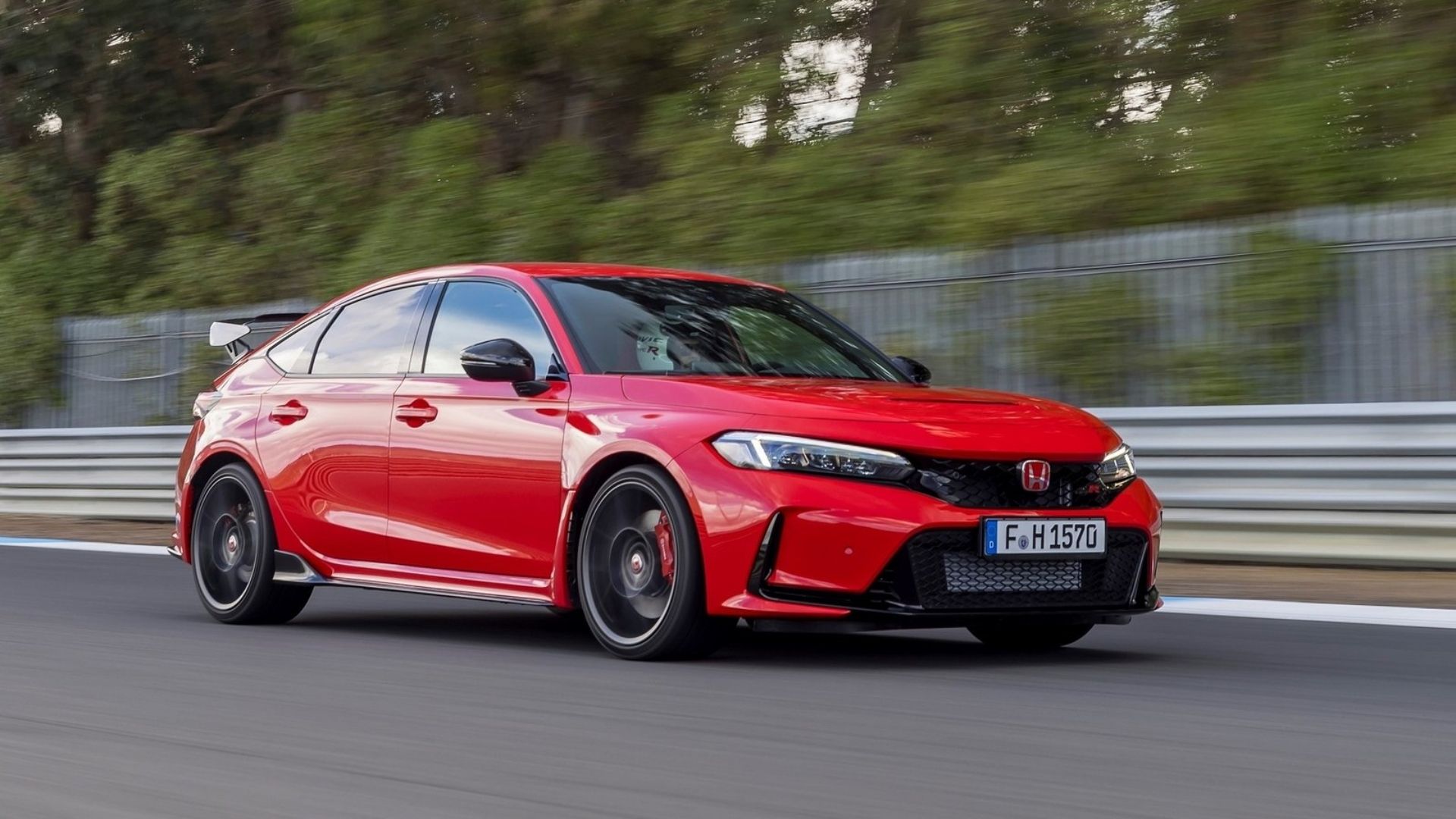
Enthusiasts also love it for its modding potential, but even stock Civics prove that you don’t need a big car to have a dependable one.
Also Read: 8 Most Popular Pickup Trucks in the U.S. Ranked by Real Owners
7. Toyota 4Runner
SUVs often face a harder life than sedans, with families using them for daily commutes, road trips, and weekend adventures. The Toyota 4Runner is one of the few that can handle all of it without breaking a sweat.
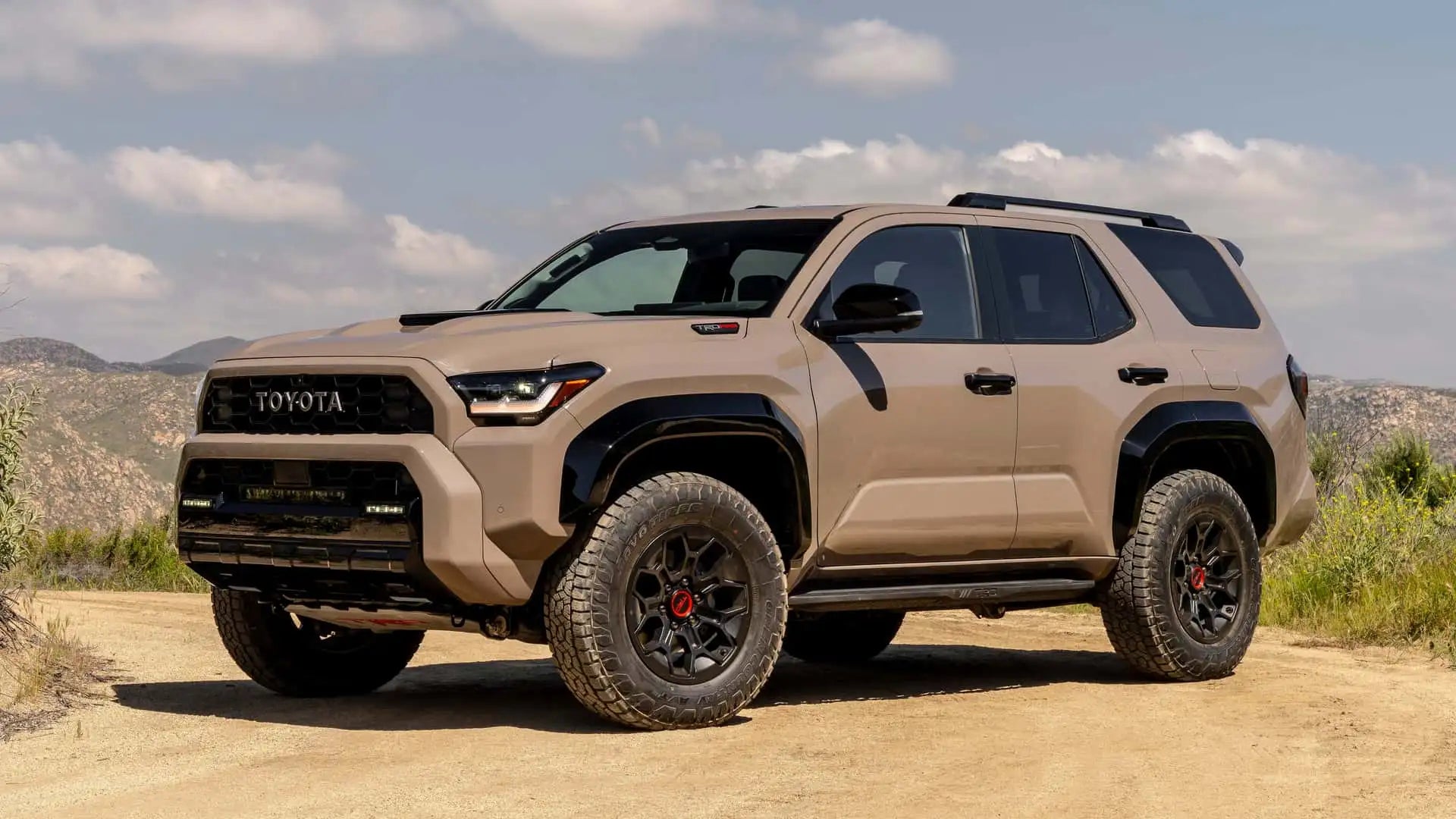
Built on a rugged body-on-frame chassis, the 4Runner is as comfortable driving over potholes as it is climbing a mountain trail. Many owners boast of hitting 300,000 miles or more while still using their 4Runners as daily drivers.
8. Subaru Outback
Known for its rugged all-wheel-drive system, the Subaru Outback has become a favorite in regions with tough winters. Whether slogging through snow or pounding pavement in the city, the Outback holds together remarkably well.

Its wagon-like practicality makes it a great family hauler, and while older models require occasional head gasket fixes, their ability to keep going strong after years of punishment is undeniable.
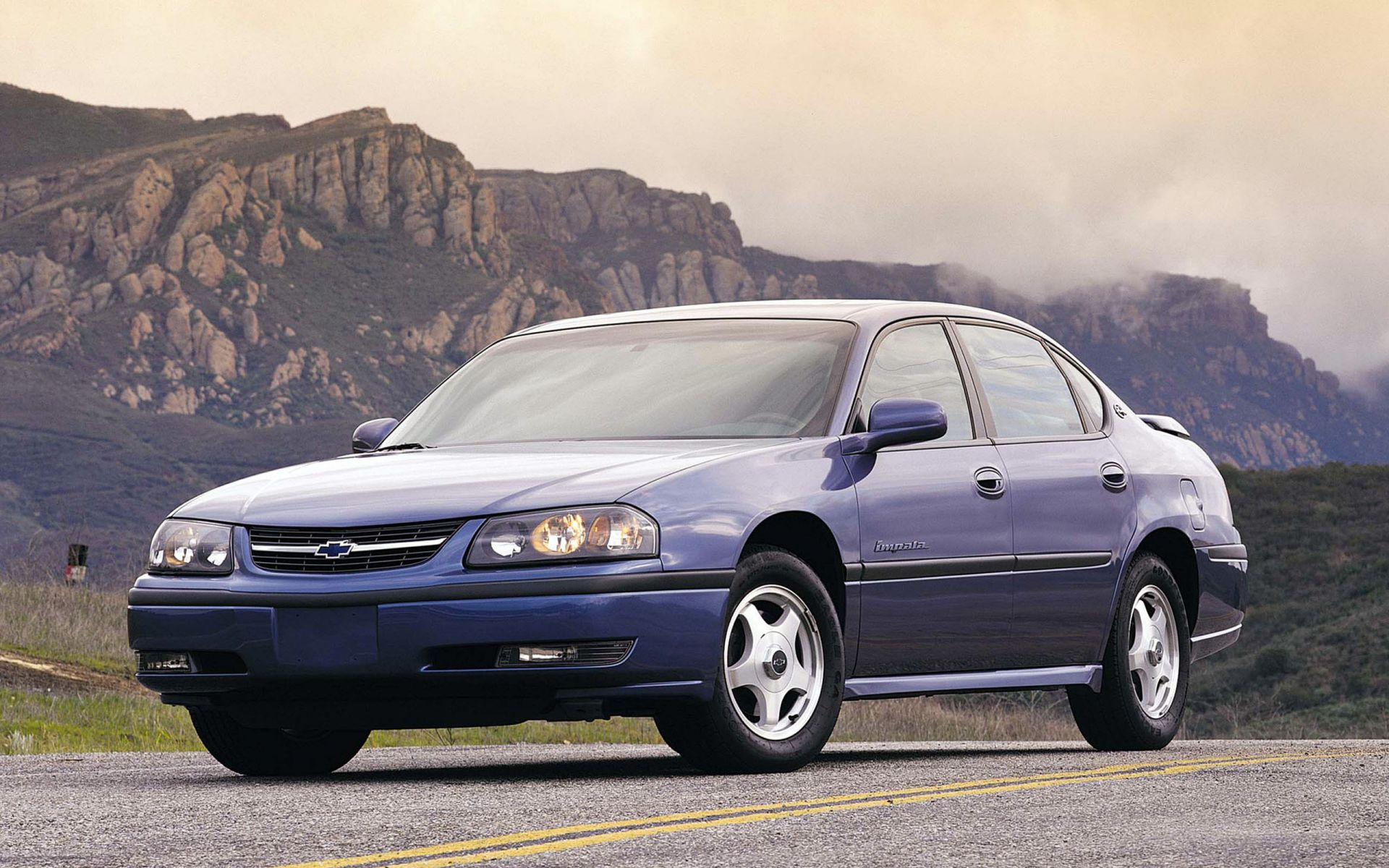
9. Chevrolet Impala (2000s Models)
The Chevrolet Impala might not have the glamorous reputation of imports, but its 2000s-era versions, particularly those with the 3.8-liter V6, are known for their indestructibility.
These cars served as fleet vehicles, rental cars, and police cruisers, proving they could take daily abuse and still keep running. They’re not the most stylish cars, but for buyers who want something that refuses to quit, the Impala is a hidden gem.
General Motors rolled out the 2014 Chevrolet Impala with the goal of keeping its long-standing reputation as America’s best-selling full-size sedan intact.
For years, the Impala had been a mainstay in GM’s lineup, and while around 70% of sales were directed toward fleet buyers, the model remained central to the brand’s success. The tenth-generation Impala, first revealed in 2012 at the New York Auto Show, marked a bold step forward.
Customers were impressed by its styling, which drew inspiration from classic Impalas of the late 1960s and early 1970s, even though it was built on the extended GM Epsilon II front-wheel-drive platform. This foundation was also shared with premium models such as the Cadillac XTS and Buick LaCrosse.
The design reflected GM’s new-edge styling language of the time. Up front, the 2014 Impala featured sharply angled headlights, with HID units offered on the LTZ trim.
These framed a Camaro-inspired pentagonal grille, while the sculpted hood displayed twin power domes for added character. Lower on the bumper, Chevrolet incorporated a central air intake and side scoops designed to house the optional LED daytime running lights.
From the side, the 2014 Impala showcased a sweeping silhouette and a gracefully sloping rear window, a nod to the 1961 Impala Sport Coupe.
The pronounced crease running along the front fenders and doors echoed the design cues introduced by Bill Mitchell on the third-generation model, while the sculpted rear quarter panels clearly referenced the lines of the 1965 Impala SS.
At the rear, the Impala adopted a more modern identity with angular, corner-mounted LED taillights. The short trunk lid carried an integrated lip spoiler, and the lower apron housed either a single or dual exhaust setup with chrome rectangular tips, depending on trim level.
Inside, the 2014 Impala offered true full-size sedan dimensions, convincing many buyers it was more than just a fleet car. The driver’s seat faced a dual-gauge instrument cluster with large, round dials for the speedometer and tachometer, flanking a color digital display for vehicle information.
Above, two smaller gauges displayed fuel and coolant readings. At the top of the center stack sat a touchscreen infotainment display, cleverly designed to slide upward and reveal a hidden storage compartment behind it.
Chevrolet outfitted the cabin with well-bolstered front bucket seats, available in premium leather. These were divided by a wide center console containing the gear shifter, cupholders, and a storage bin. A folding armrest with an additional cubby completed the setup for the front passengers.
Rear-seat occupants benefitted from generous legroom, a result of the car’s long wheelbase. However, the center passenger on the 60/40 split-folding bench seat faced reduced comfort due to the raised transmission tunnel running through the cabin.
Under the hood, the 2014 Impala was offered with a range of engines, including inline-fours, V6 gasoline units, and a hybrid option. Every configuration was paired with a six-speed automatic transmission featuring manual gear selection.
Despite the platform’s capability to support all-wheel drive, the Impala was sold exclusively as a front-wheel-drive model. The addition of a hybrid drivetrain gave customers the option of improved fuel economy, making the 2014 Impala more versatile than ever in the full-size sedan market.
10. Toyota Land Cruiser
The Toyota Land Cruiser is practically a legend when it comes to durability. Built to thrive in some of the harshest conditions on earth, it has long been the vehicle of choice for adventurers, aid organizations, and anyone needing a vehicle that simply won’t die.
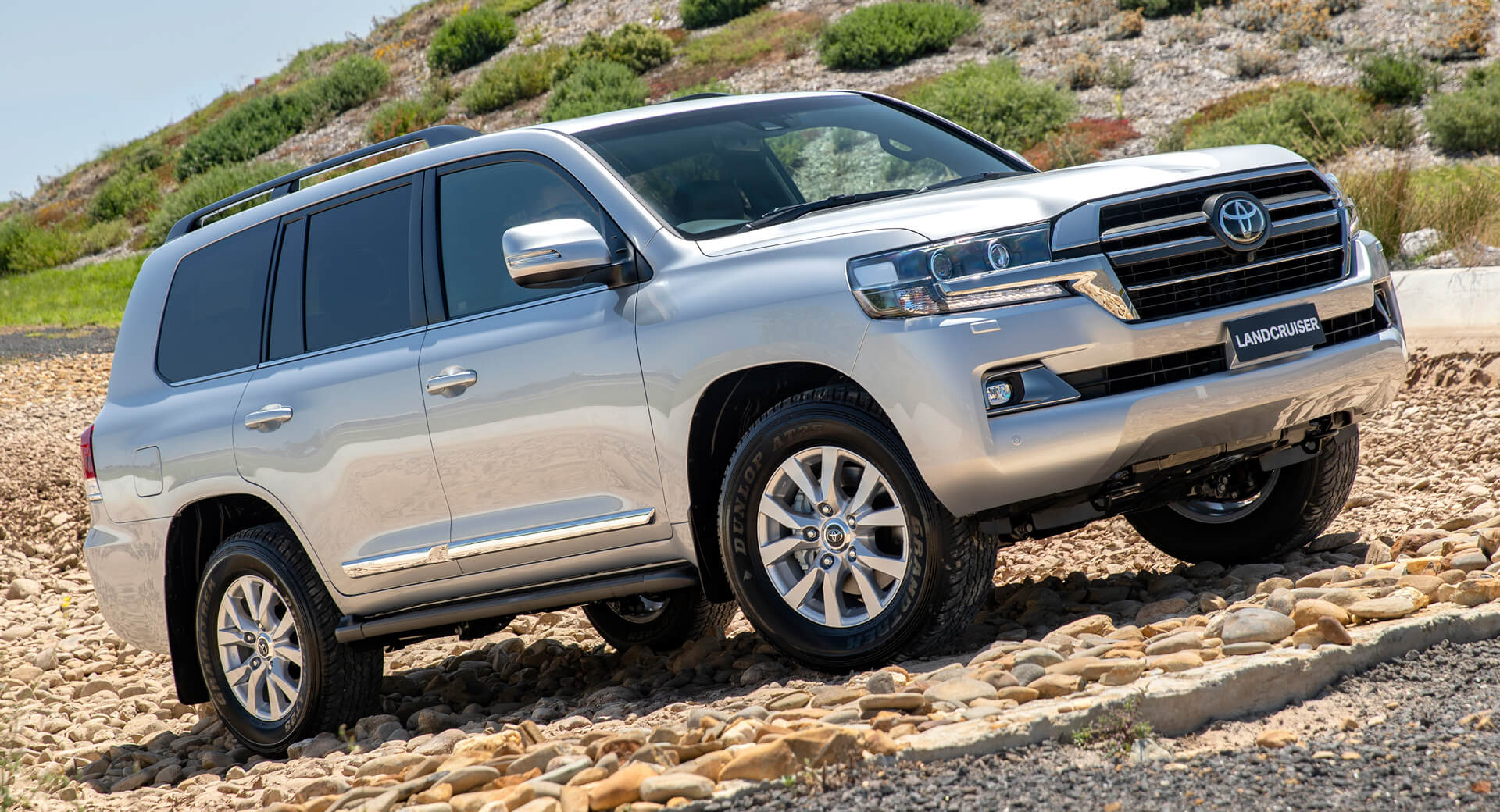
In the U.S., it doubles as a comfortable daily driver and a long-haul SUV that can easily crest 400,000 miles if maintained properly.
The 2025 Toyota Land Cruiser continues its legacy as a rugged, go-anywhere SUV designed to handle just about anything. After receiving a major redesign last year, the model returned with a more compact footprint, fresh styling, and a new powertrain.
Instead of the old V8, it now features a hybridized turbocharged four-cylinder engine. While this setup delivers less horsepower than the outgoing V8, it provides a huge improvement in fuel economy, making it more efficient without compromising capability.
A full-time four-wheel-drive system equipped with trail-ready hardware ensures that the Land Cruiser remains highly competent off-road. For the 2025 model year, the only notable update is the discontinuation of the limited-run First Edition trim.
At the heart of the Land Cruiser’s off-road strength is its full-time four-wheel-drive system with low range, but that’s only part of the story.
Every model comes standard with locking center and rear differentials, maximizing traction in demanding conditions such as rock crawling or loose terrain. Buyers can also opt for an automatically disconnecting front stabilizer bar, which boosts wheel articulation at the push of a button to help tackle uneven ground.
On top of these mechanical strengths, the Land Cruiser is packed with off-road-focused technology. Features include a low-speed cruise control system, multiple traction control modes tailored to specific surfaces, and available camera angles that can be displayed on the dashboard screen to give drivers a clear view of obstacles.
Together, these tools make the 2025 Land Cruiser one of the most capable and confidence-inspiring SUVs for serious adventure seekers.
11. Honda CR-V
Honda’s CR-V has become one of America’s best-selling SUVs for good reason. It’s practical, efficient, and most importantly tough.
Designed to withstand daily errands, long commutes, and family road trips, the CR-V’s simple engineering makes it a favorite among those who don’t want constant repair headaches.
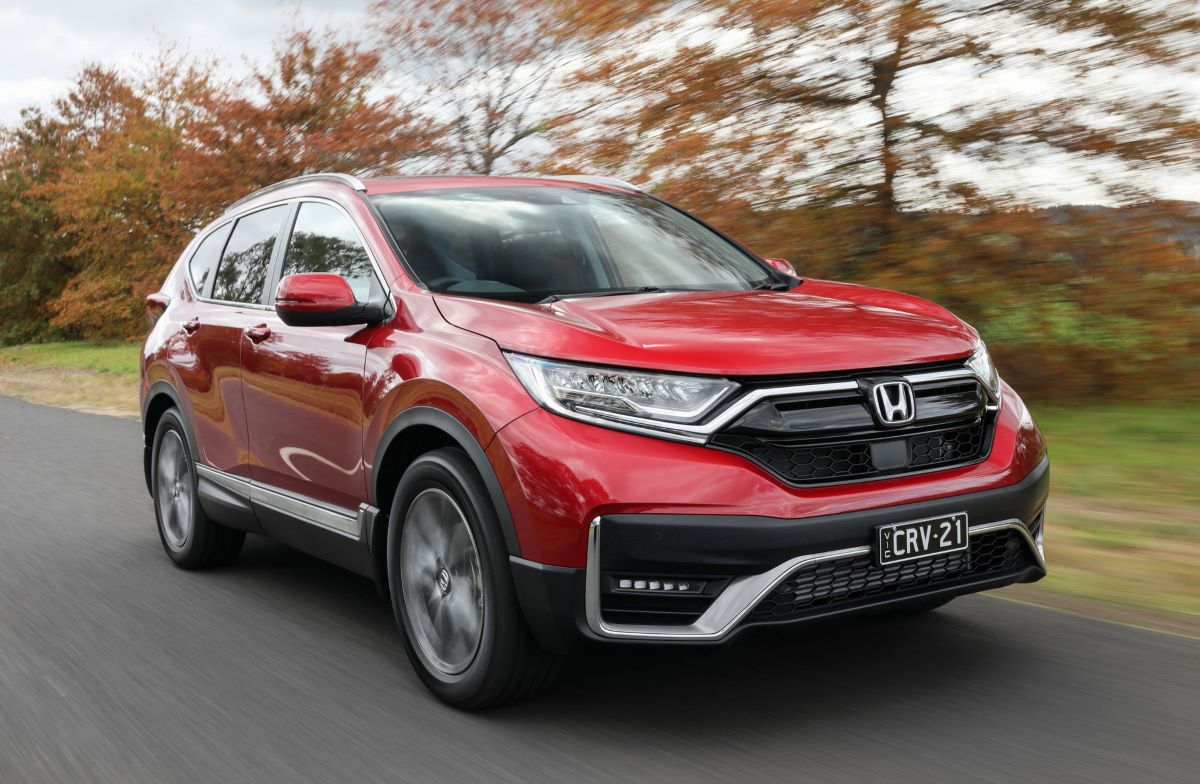
Even older models from the late ’90s and early 2000s are still in service today, proof of their lasting build quality.
12. Volvo 240
The Volvo 240 is often described as “indestructible,” and with good reason. Produced from the 1970s through the early 1990s, these boxy Swedish sedans were engineered with durability in mind.
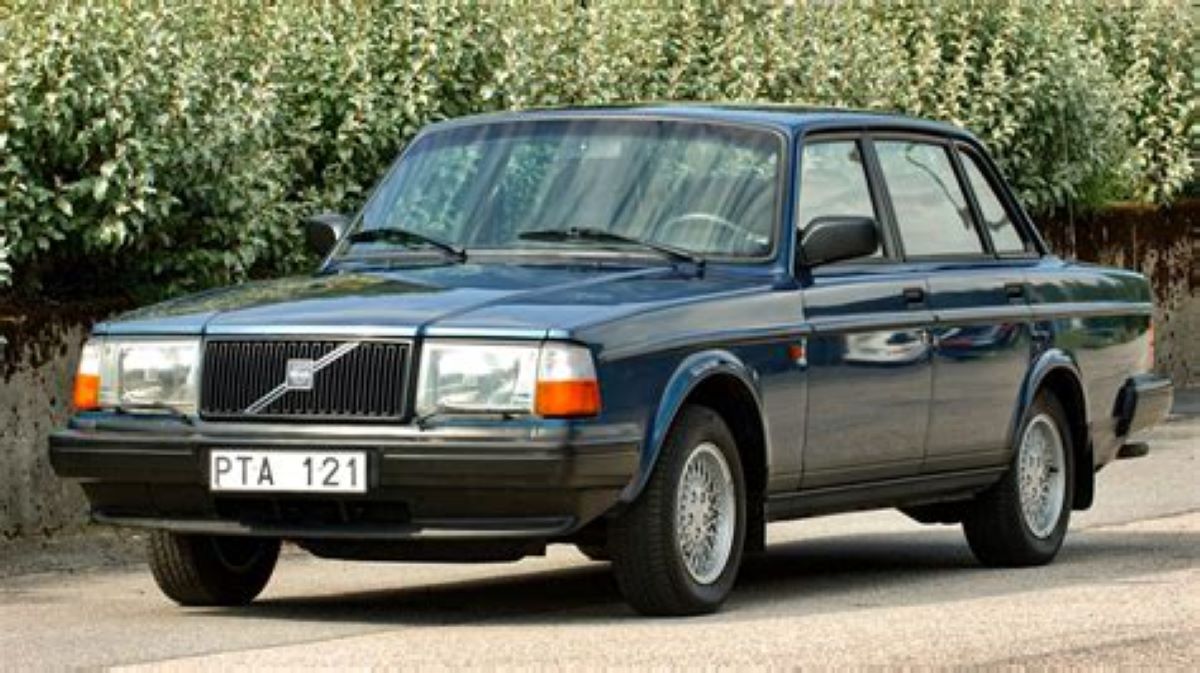
Their simple, overbuilt engines and tanks-on-wheels construction mean that many 240s are still running strong today, even after decades of abuse. In fact, some 240s have famously hit the million-mile mark, making them legends in the durability world.
13. Jeep Cherokee XJ
The Jeep Cherokee XJ, built from 1984 to 2001, is a true workhorse. Its simple inline-six engine and rugged frame made it a favorite among off-road enthusiasts and daily drivers alike.
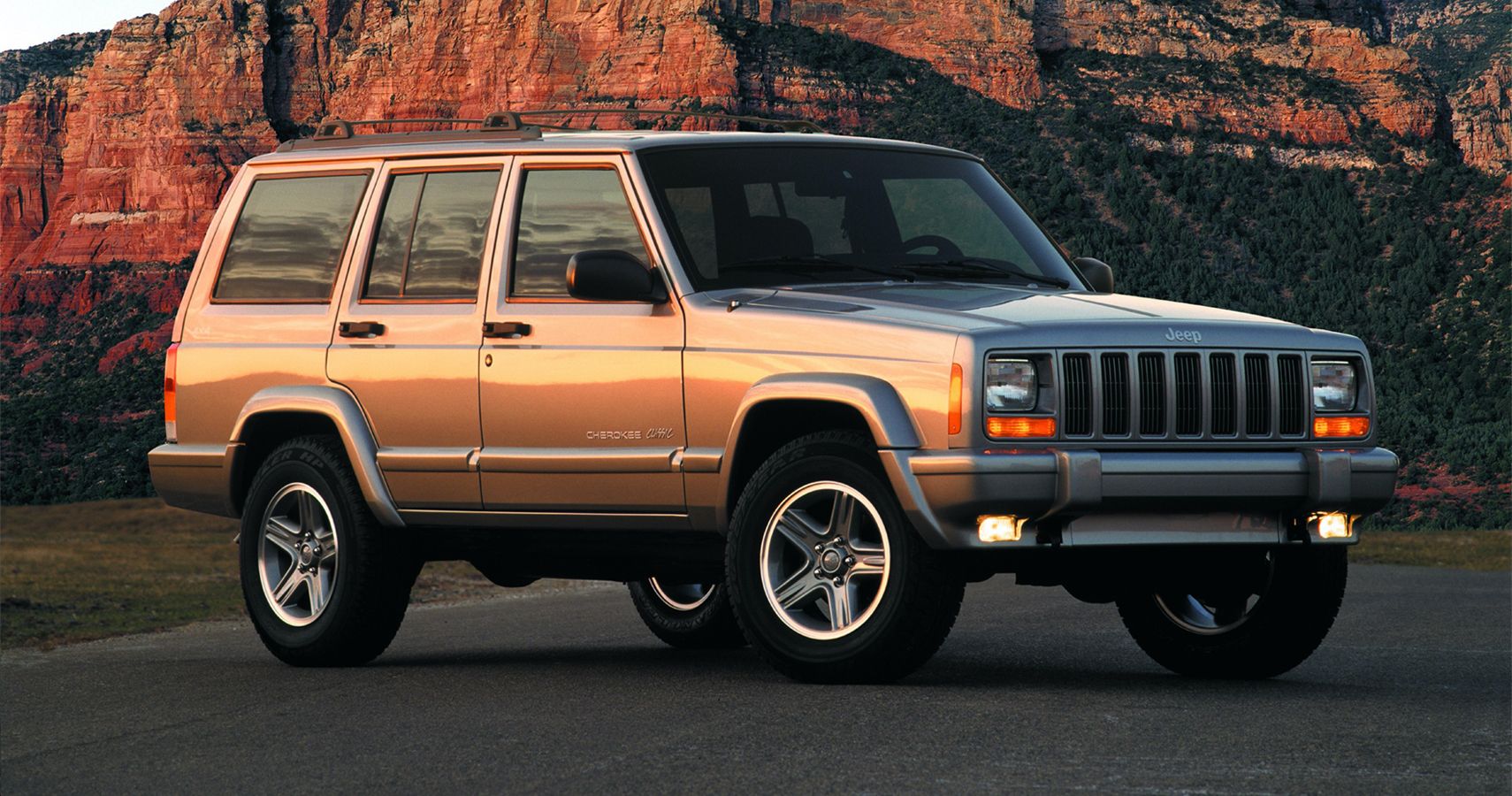
Even after years of mud, snow, and highway punishment, many XJs still run strong. They’re also surprisingly affordable to maintain, which has helped keep them alive on the roads long after many newer SUVs have given up.
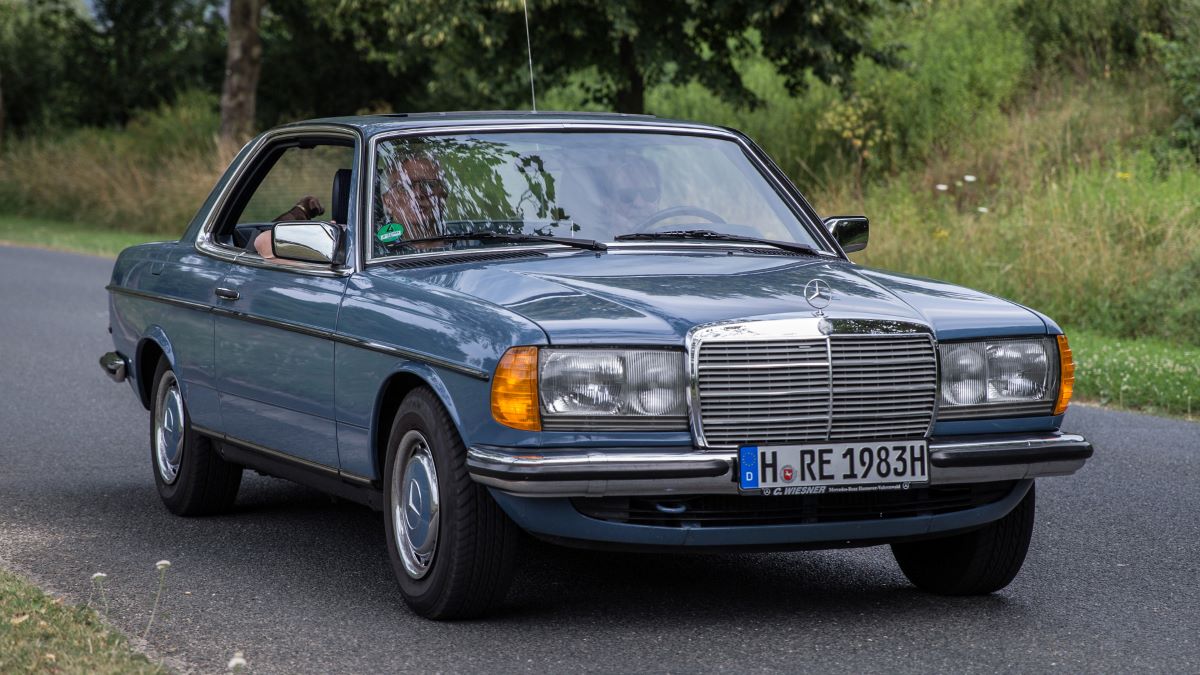
14. Mercedes-Benz W123
German cars often get a reputation for being complicated, but the Mercedes-Benz W123 (produced from 1976 to 1985) is a different story. Built during Mercedes’ golden era of overengineering, the W123 has earned cult status worldwide for its ability to handle endless daily abuse.
Many of these sedans and wagons are still in service as taxis in Africa, the Middle East, and Europe, often with half a million miles or more on the clock. In the U.S., they’re loved by enthusiasts who value old-school durability.
Daily driving in America takes a toll on cars, but not all vehicles are created equal. While many modern cars are designed for comfort and tech features, the models listed above are proof that durability still matters.
Whether you’re driving through New York winters, Texas heat, or California traffic, these 14 cars have shown they can take the abuse and keep going.
For buyers who want peace of mind, choosing one of these rock-solid vehicles means more years of dependable service with fewer trips to the mechanic.
