
For many Americans, reliability is just as important as performance or style when choosing a car. Few things can ruin the ownership experience like an engine overhaul, a costly, time-consuming repair that often signals the end of a car’s useful life.
Fortunately, some vehicles have proven themselves remarkably resilient, running for hundreds of thousands of miles without the need for major internal work.
The following list highlights ten cars that rarely need engine overhauls. While some are household names, others may surprise you.
All have earned their reputations by consistently delivering dependable performance and long-term value to U.S. drivers.
1. Chevrolet Impala (3.6L V6 Models)
The Chevy Impala has long been a favorite among American drivers for its spacious cabin and comfortable ride. What often gets overlooked is the reliability of its 3.6-liter V6 engine.
Many Impalas from the 2010s are still running strong with over 200,000 miles on the odometer, making them a hidden gem for buyers seeking affordable longevity in a full-size sedan.
The Chevrolet Impala 10 LT 3.6 V6, produced between 2017 and 2020, is a full-size sedan that combines power, comfort, and modern engineering. Equipped with a 3.6-liter V6 engine, this model uses GM’s High Feature LFX 3600 Direct Injection (SIDI) technology.
With a displacement of 3564 cc (217.5 cu-in), the naturally aspirated V6 produces 309 PS (305 horsepower or 227 kW) at 6800 rpm and delivers a maximum torque of 358 Nm (264 lb-ft) at 5200 rpm.
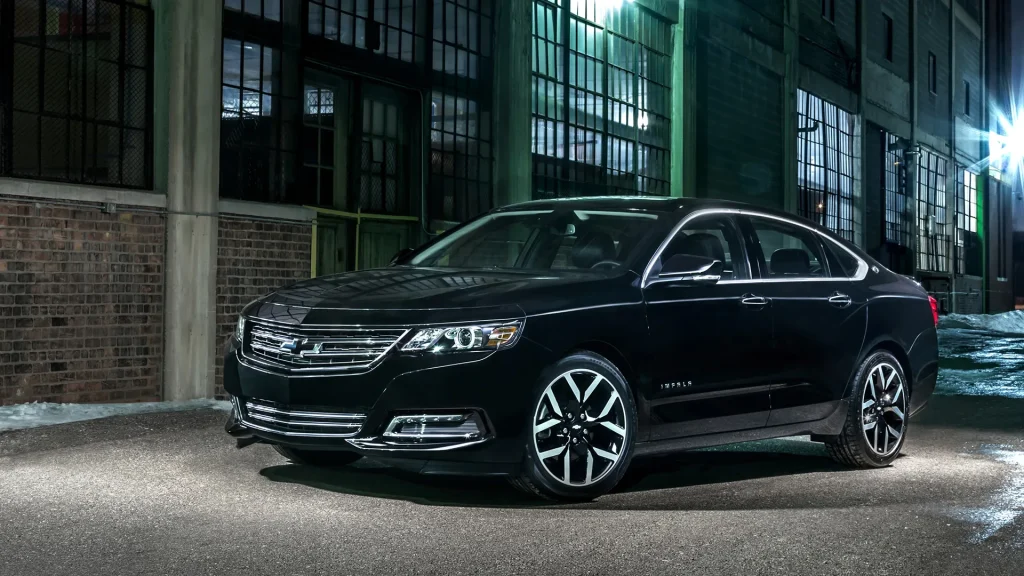
Its bore and stroke measurements are 94.0 mm by 85.6 mm, and it features a compression ratio of 11.5:1. The setup includes 24 valves, an aluminum block and head, and a transverse engine alignment, driving the front wheels through a six-speed automatic transmission.
Fuel efficiency is balanced for its class, with EPA ratings of 19 mpg in the city, 28 mpg on the highway, and a combined 22 mpg.
With a 60-liter (15.9-gallon) fuel tank, the Impala achieves an estimated range of around 561 km (349 miles). The car is also fitted with a catalytic converter and a Lambda sensor to meet emission standards.
Also Read: 10 Cars With The Best Resale Reliability vs 10 That Drop Quickly
2. Nissan Altima (2.5L I4)
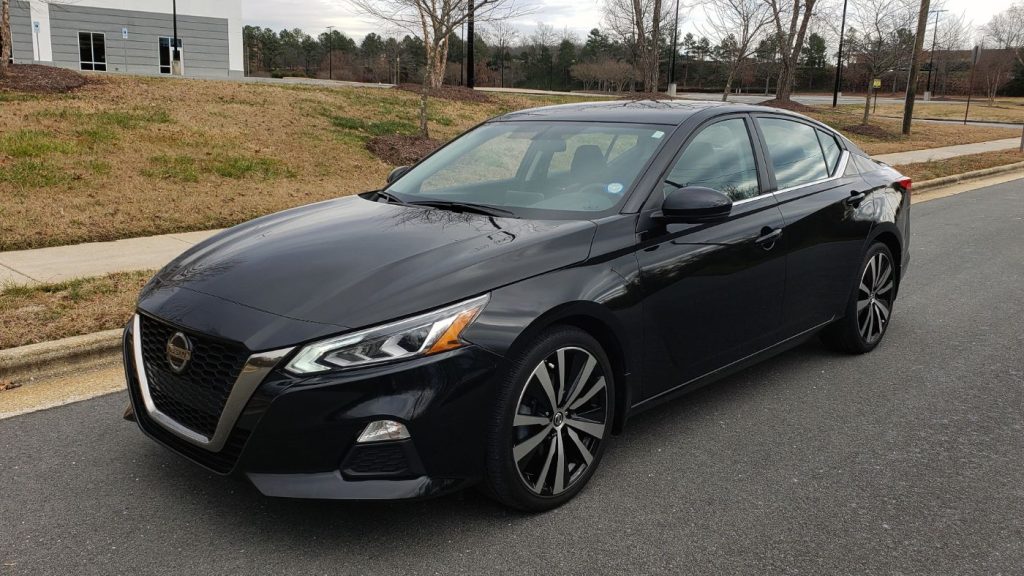
The Nissan Altima’s 2.5-liter four-cylinder engine has been one of the most durable in its class. While the Altima is often overshadowed by rivals like the Camry or Accord, owners have found that the four-cylinder powerplant can handle years of commuting without serious issues.
Properly maintained, it’s not uncommon to see Altimas reaching 250,000 miles with no major engine repairs.
The 2.5-liter QR25DE engine is essentially an enlarged version of the QR20DE, with a few important differences. Instead of sharing the same crankshaft as its smaller sibling, the QR25DE features a redesigned crankshaft paired with a longer 100 mm stroke, compared to the QR20DE’s 80.3 mm.
To accommodate this, Nissan shortened the connecting rods, which allowed displacement to grow to 2.5 liters while retaining the original 89 mm cylinder bore. This increase delivered more torque, but it also placed greater stress on the cylinders, piston rings, and connecting rods.
As a result, the QR25DE is more prone to issues such as high oil consumption and came with a shorter factory warranty compared to the 2.0-liter version.
In 2007, Nissan made a number of updates to improve durability and performance. These changes included a redesigned intake manifold, new pistons, stronger connecting rods, and a repositioned balancing system located closer to the center of the block.
The engine also received new camshafts for improved efficiency and refinement. Despite these improvements, the QR25DE continued to use the same lightweight aluminum block construction as before.
From a technical standpoint, the QR25DE is an inline-four, dual-overhead-cam (DOHC) engine with four valves per cylinder. It features an aluminum block and head, electronic fuel injection, and runs on gasoline. With a bore of 89 mm and stroke of 100 mm, the displacement totals 2,488 cc.
Compression ratios vary between 9.5 and 10.5 depending on the application. Output ranges from 152 to 182 horsepower at 6,000 rpm, with torque figures between 173 and 180 lb-ft at 4,000 rpm.
The firing order is 1-3-4-2, and the engine requires approximately 5.1 liters of oil, with recommended viscosities of 0W-20 or 5W-30. Oil change intervals are typically around 10,000 miles, though exact specifications may vary by model and market.
The QR25DE has powered a wide range of Nissan vehicles over the years, including the Teana, X-Trail, Murano, Rogue, Bassara, Serena, Sentra, Presage, Altima, and Frontier, as well as the sportier Sentra SE-R.
It even appeared in the Suzuki Equator, a rebadged midsize pickup. Its widespread use underscores its versatility, though owners should remain mindful of its known weaknesses and keep up with regular maintenance to ensure reliability.
3. Buick LeSabre (3800 Series II V6)
A throwback to GM’s golden era of dependable powertrains, the Buick LeSabre’s 3800 Series II engine is legendary for its toughness.
Produced until the mid-2000s, this engine is still praised by mechanics for being nearly bulletproof. Many LeSabres continue to serve as daily drivers in the U.S., often surpassing 300,000 miles with their original engines intact.
When conversations arise about what powers American-made automobiles, they almost always circle back to V8 engines. These large, powerful motors have long been symbols of strength and performance, dominating the golden era of American muscle cars in the 1960s and early 1970s.
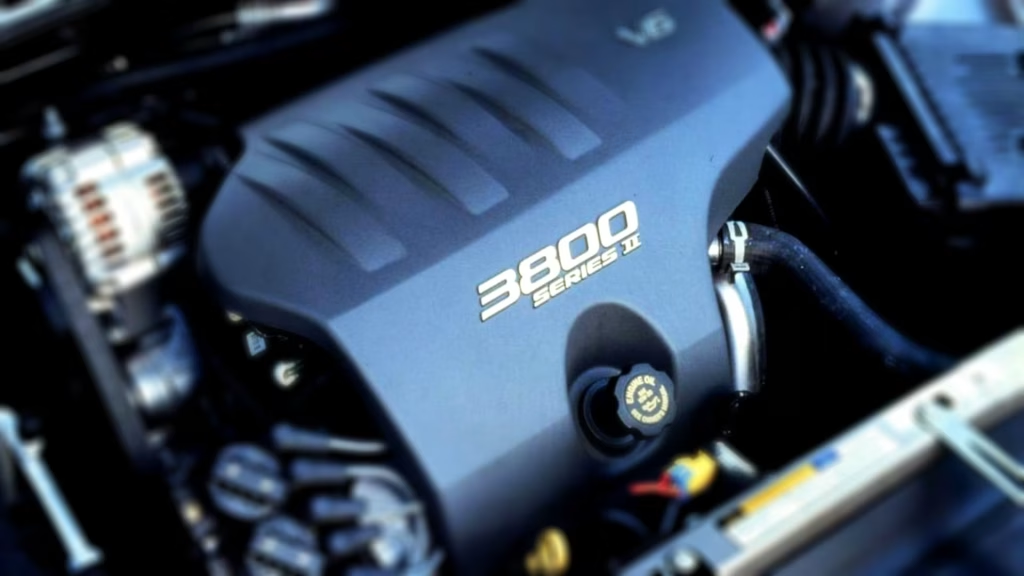
Yet, while the V8 may capture most of the spotlight, there are other American-built engines worthy of admiration. V6 engines, though often overlooked, have played a vital role in delivering balance, dependability, and efficiency, and one of the most respected examples is Buick and General Motors’ 3800 Series II V6.
This engine, officially designated the L36, debuted for the 1995 model year as the successor to the Series I L27. However, the 3800 lineage stretches much further back, with roots dating to the early 1960s.
By the time the Series II arrived, the engine had already built a strong reputation for reliability and fuel efficiency. Its performance in real-world driving often earned it recognition as one of the industry’s best, with frequent appearances on lists of the top ten engines of its time.
The 3800 Series II V6 was not designed to compete with high-output performance engines, as its 205 horsepower output was modest compared to larger counterparts. Instead, it excelled at being a dependable, practical engine that met the needs of everyday drivers.
This blend of durability, efficiency, and adequate power made it an attractive option for a wide range of buyers, and as a result, General Motors adopted it broadly, installing the L36 in vehicles across several of its brands. This widespread use cemented its status as a staple engine of its era, remembered fondly for providing countless drivers with trustworthy performance.
Also Read: 5 Cars With Dependable Start-Stop Systems and 5 That Annoy Owners
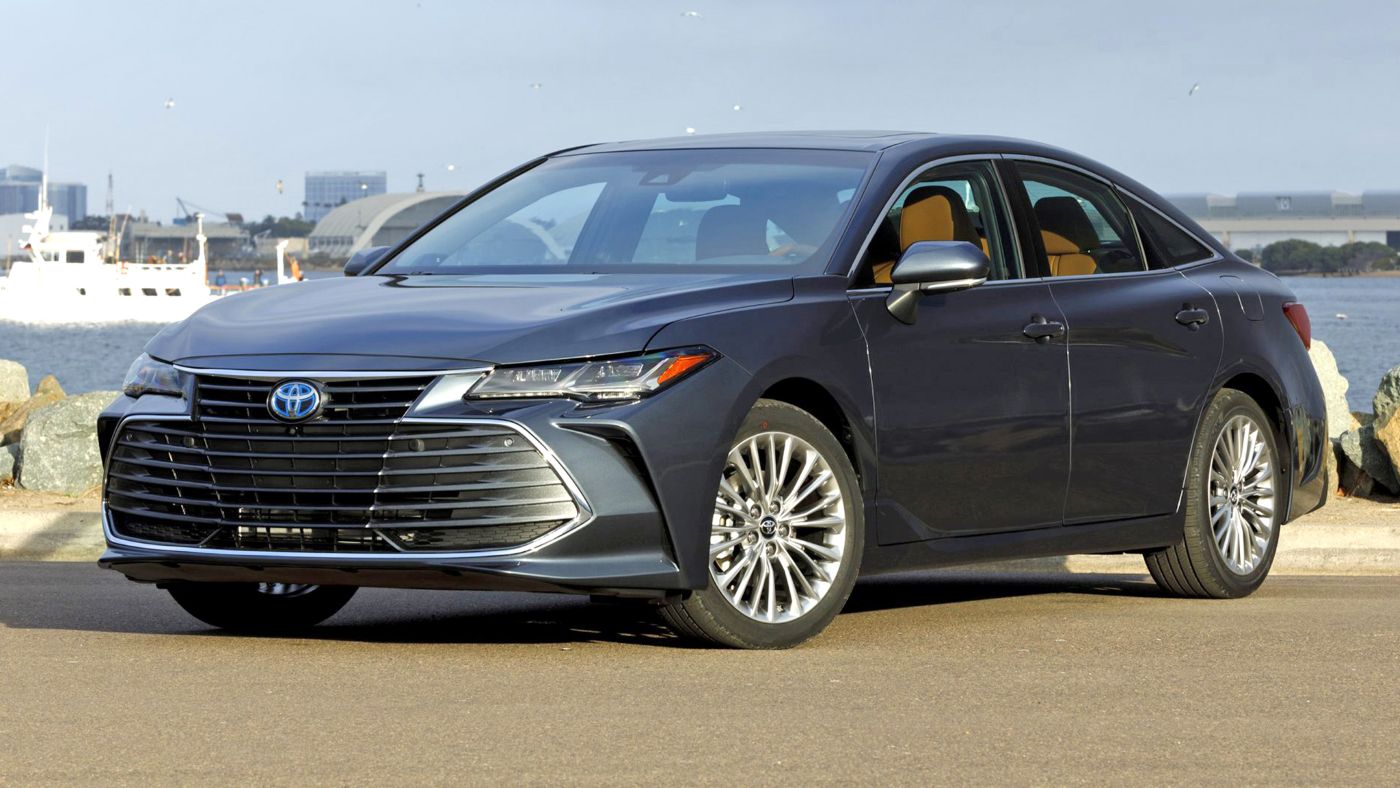
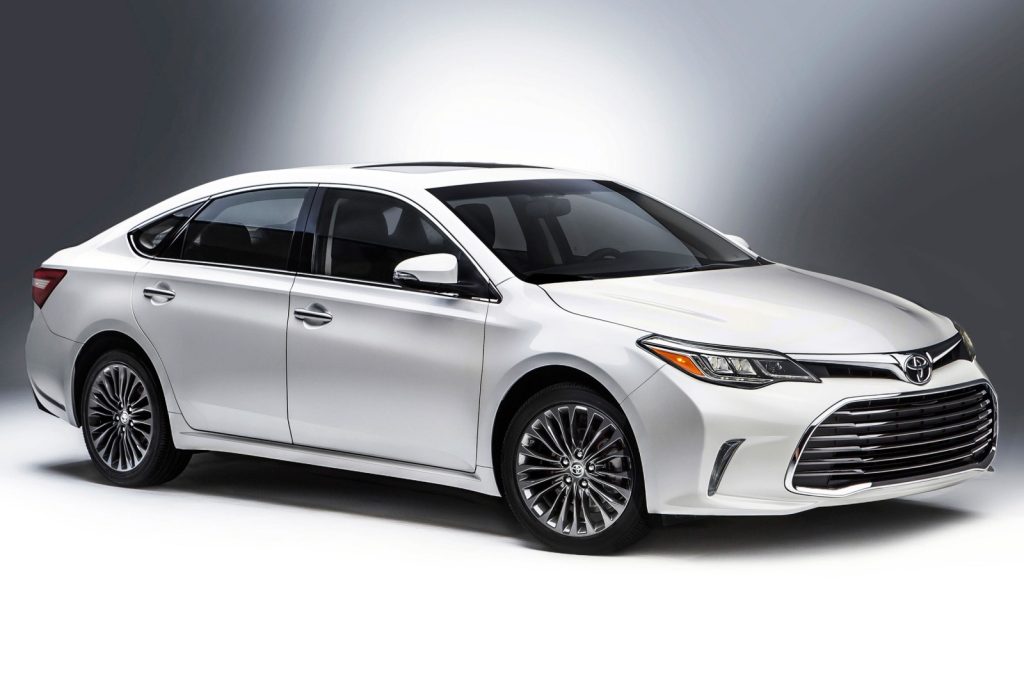
4. Toyota Avalon
While the Camry often gets the spotlight, the Avalon quietly delivers even greater longevity. Powered by Toyota’s V6 engines, Avalons are known to go the distance with little more than routine maintenance.
Retired professionals and long-distance commuters alike value the Avalon for blending comfort with an engine that almost never needs an overhaul.
5. Honda CR-V
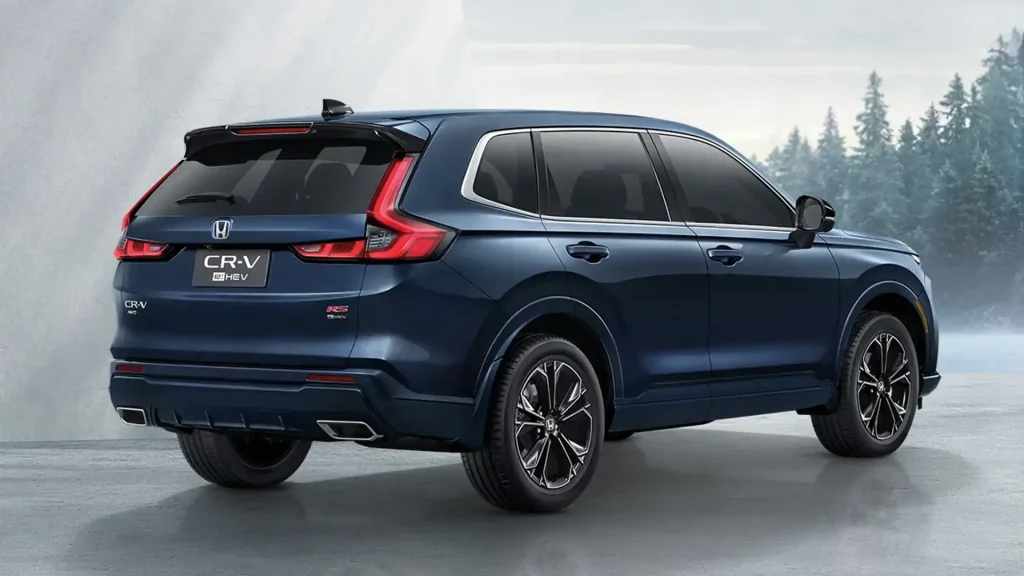
Crossovers dominate the U.S. market, and the Honda CR-V stands out for reliability. Its four-cylinder engines—especially the naturally aspirated versions—are known for lasting well past 200,000 miles.
For American families who need a practical SUV that won’t saddle them with repair bills, the CR-V continues to be a safe bet.
The 2022 Honda CR-V may not be the most exhilarating SUV on the road, but its spacious interior and impressive fuel efficiency make it a standout in the compact crossover segment.
While its standard turbocharged gasoline engine and hybrid variant don’t deliver thrilling speed, the CR-V offers predictable handling, composed braking, and a calm ride that’s especially enjoyable during long-distance travel.
Drivers will need to go easy on the accelerator to avoid the base engine’s droning note, but in return, they’ll benefit from excellent fuel economy, which reduces the need for frequent stops on family road trips.
A suite of standard safety technologies and desirable infotainment options further enhance its appeal, helping it remain competitive in a crowded market. Though not the flashiest or most luxurious option in its class, the 2022 CR-V continues to impress as one of the most capable and satisfying SUVs in its category.
Starting at $28,045, the CR-V is competitively priced, with trims ranging up to $39,045 for the top-level Touring Hybrid. Available configurations include the LX, EX, EX-L, EX Hybrid, EX-L Hybrid, Touring, and Touring Hybrid.
For those seeking the best value, the EX Hybrid is the recommended pick, offering features like blind-spot monitoring, dual-zone climate control, heated front seats, a power-adjustable driver’s seat, and a 7.0-inch touchscreen with Apple CarPlay and Android Auto. All-wheel drive comes standard, though the trim does not offer additional options.
For 2022, Honda made no changes to the CR-V lineup, but excitement surrounds the upcoming next-generation model expected for 2023.
Spy shots suggest a sleeker design and possible new features, including a third-row option. Future powertrain choices are likely to include both gasoline-only and hybrid setups, with an all-electric variant also rumored.
Under the hood, the 2022 CR-V’s base model is powered by a 1.5-liter turbocharged four-cylinder engine producing 190 horsepower, paired with one of the most refined continuously variable automatic transmissions (CVTs) in its class.
While towing capacity is modest at just 1,500 pounds, the CR-V excels in everyday driving with its comfortable ride, responsive steering, and confident braking. Parents and commuters alike will appreciate the composed nature of this SUV, even if its acceleration doesn’t satisfy performance enthusiasts.
For a quieter and more refined experience, the CR-V Hybrid combines a 2.0-liter four-cylinder with two electric motors, producing a total of 201 horsepower. Honda equipped the hybrid with sound-deadening materials and active noise cancellation, ensuring a calm cabin even under heavy throttle.
Compared to the base engine, which can sound harsh when pushed, the hybrid delivers a smoother and quieter drive, making it an excellent option for those prioritizing refinement.
6. Acura TL (3.2L and 3.5L V6)
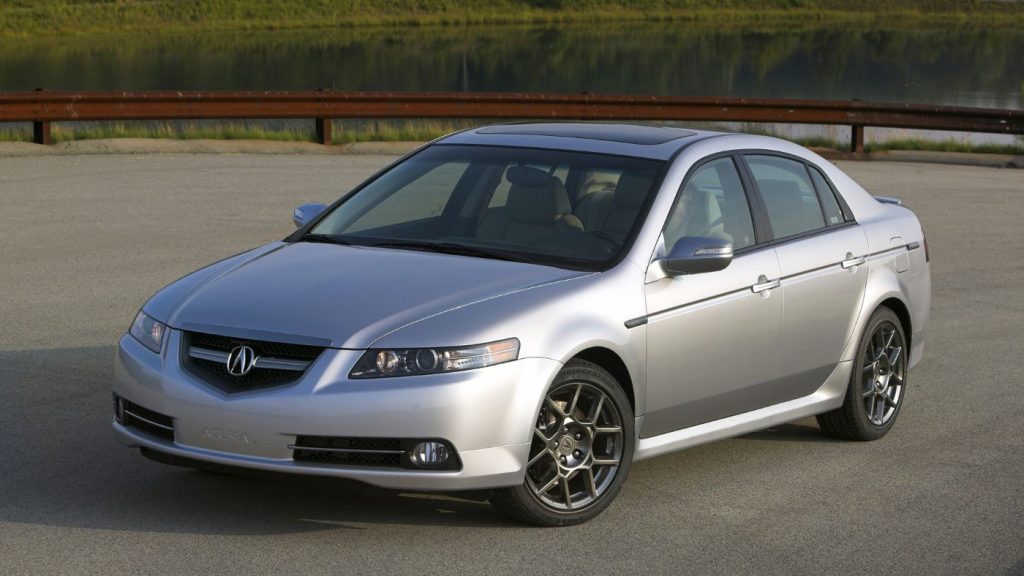
Luxury cars sometimes suffer from high maintenance costs, but the Acura TL is a pleasant exception. Sharing much of its engineering DNA with Honda’s most reliable sedans, the TL’s V6 engines are known to be nearly indestructible.
Many U.S. owners report driving their TLs for well over 250,000 miles without ever cracking open the engine.
7. Ford Fusion (2.5L I4)
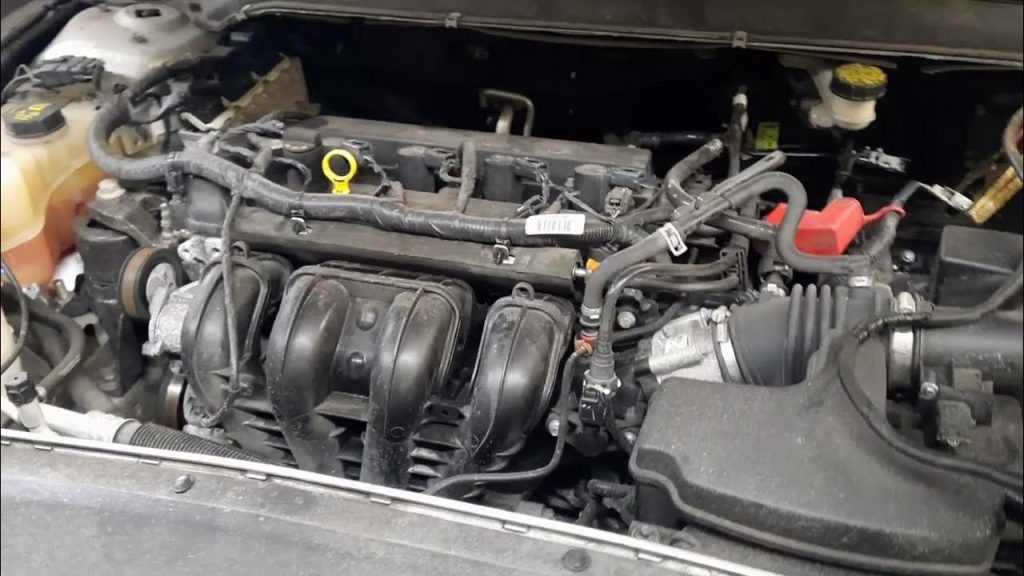
Before being discontinued, the Ford Fusion made a name for itself as one of the most dependable American midsize sedans. The 2.5-liter four-cylinder engine, in particular, has proven to be a workhorse.
Affordable, widely available, and resistant to major issues, it’s a great option for buyers who want a U.S.-built car with low risk of an engine overhaul.
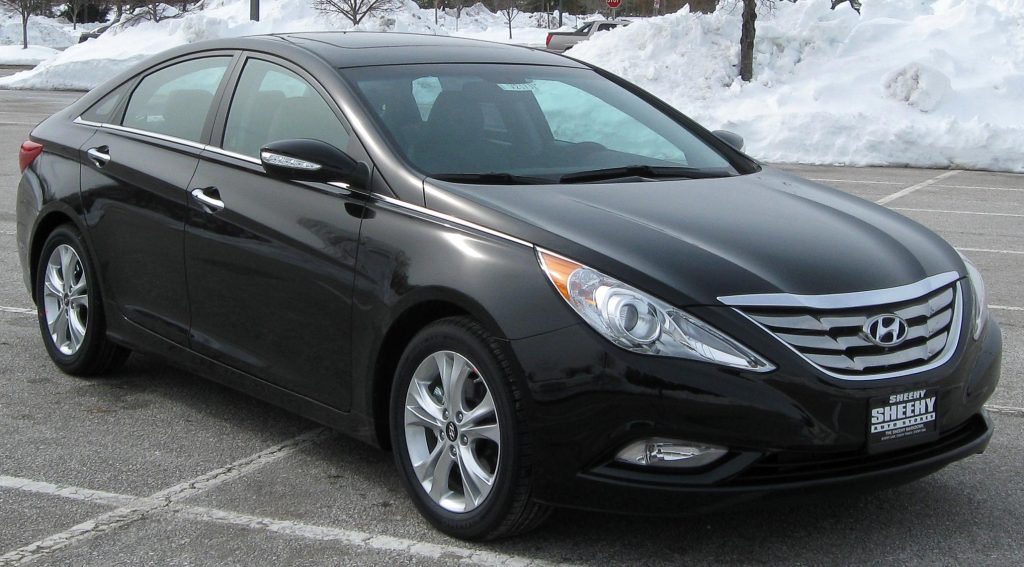
8. Hyundai Sonata (Post-2012 Models)
Hyundai made a huge leap in quality over the past decade, and the Sonata’s engines are proof of that progress.
Models built after 2012, especially with the naturally aspirated 2.4-liter engine, have shown the ability to last as long as Japanese rivals. For budget-conscious Americans, the Sonata offers both affordability and engine durability.
The Hyundai Sonata has seen seven generations in North America, beginning with the Y2 in 1989, since the original Y1 was never sold here. The Y2 remained in production for six years before the redesigned Y3 arrived for the 1995 model year, still relying on Mitsubishi-based powertrains as its predecessor did.
In 1999, the EF generation followed, showcasing Jaguar-inspired styling and a gradual shift toward Hyundai’s own engines. However, the NF marked a turning point, becoming the first Sonata to be fully powered by Hyundai-designed engines and the first to be manufactured in the United States.
The YF generation brought another big leap forward, introducing Hyundai’s “fluidic sculpture” design language while replacing the V6 option with more efficient turbocharged four-cylinder power. The LF that came next refined the YF’s bold styling, offering a larger cabin and stronger engine choices.
Then came the DN8, a dramatic redesign that redefined the Sonata with its wide grille, sleek proportions, and sharp daytime running lights.
This eighth-generation model leaned into sportiness more than ever before, and its 2024 facelift brought an even bolder look while also adding something new to the lineup, available all-wheel drive, a first for the Sonata nameplate.
The 2024 Sonata continues Hyundai’s mission of delivering a stylish, practical midsize sedan with strong value. The base trim starts at $27,500 and comes equipped with a 2.5-liter inline-four producing 191 horsepower and 181 lb-ft of torque, paired with an eight-speed automatic transmission driving the front wheels. Fuel economy is competitive, rated at 27 mpg city and 37 mpg highway.
Available in multiple trims and model years, from 2008 to the latest 2026 version, the Sonata continues to evolve while holding its place as one of the most recognizable and trusted midsize sedans on the market.
9. Volvo 240
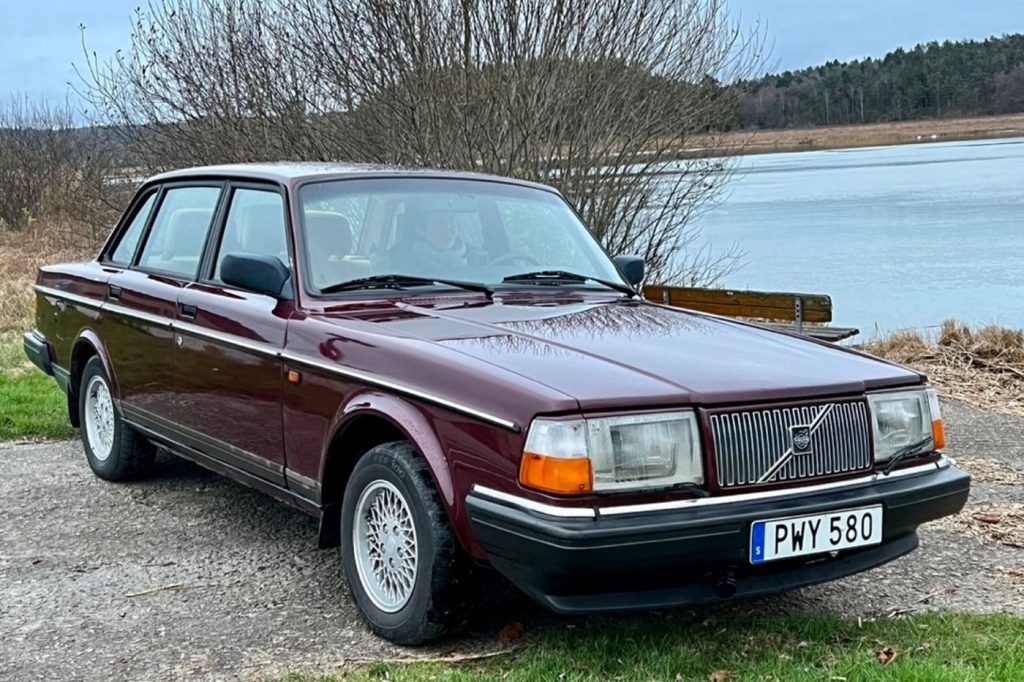
An old-school pick, but worth mentioning: the Volvo 240 has a cult following in the U.S. for its indestructible “red block” engines.
Produced through the early 1990s, these cars are still spotted on American roads, often with half a million miles or more on the original engine. They represent a bygone era of overbuilt reliability that’s rare today.
The Volvo 240 is more than just a car; it represents a true milestone in Swedish engineering, blending safety, durability, and practicality into one of the most iconic vehicles in automotive history.
First introduced in 1974 as the successor to the popular 140 series, the 240 quickly became a global success and remained in production until 1993.
With more than 2.8 million units built over its nearly two-decade lifespan, it left an indelible mark on roads worldwide and cemented Volvo’s reputation as a leader in safety and reliability.
From the very beginning, Volvo’s mission with the 240 was clear: to create a car that surpassed the already high expectations for safety and durability.
The model launched with an updated exterior design, a modernized platform, and technology that met increasingly strict crash safety requirements in both Europe and the United States.
Its boxy, unmistakable shape was not just a stylistic choice but also a practical one, improving visibility for drivers and simplifying repairs, a hallmark of Volvo’s functional design philosophy.
The 240 was offered in several body styles to appeal to a wide audience, including the two-door 242, the four-door 244, and the spacious 245 station wagon. Over the years, Volvo continuously refined the lineup with new features and incremental upgrades.
Families especially gravitated toward the wagon variant, which became a favorite for its cavernous cargo space and versatile interior layout. Regular improvements, such as the addition of fuel injection and enhanced safety equipment, ensured the 240 remained competitive as customer needs and automotive technology evolved.
Beneath its practical exterior, the Volvo 240 was powered by a range of dependable engines that emphasized longevity over outright performance.
The standard B21A produced 97 horsepower, making it a reliable choice for daily use, while the B21ET turbocharged version delivered 155 horsepower, providing drivers with a welcome boost in performance.
Though fuel economy averaged around 10 liters per 100 kilometers, which wasn’t exceptional even for its time, the 240 more than made up for it with bulletproof reliability, often covering hundreds of thousands of miles with minimal fuss.
Ultimately, the Volvo 240 became a symbol of safety, quality, and endurance. Its simple yet robust engineering earned it a loyal following among families, long-distance commuters, and enthusiasts who still celebrate its timeless design today.
Nearly three decades after its production ended, the 240 remains one of Volvo’s most enduring legacies, a car built to last, and one that did so in spectacular fashion.
10. Jeep Cherokee XJ (4.0L Inline-Six)
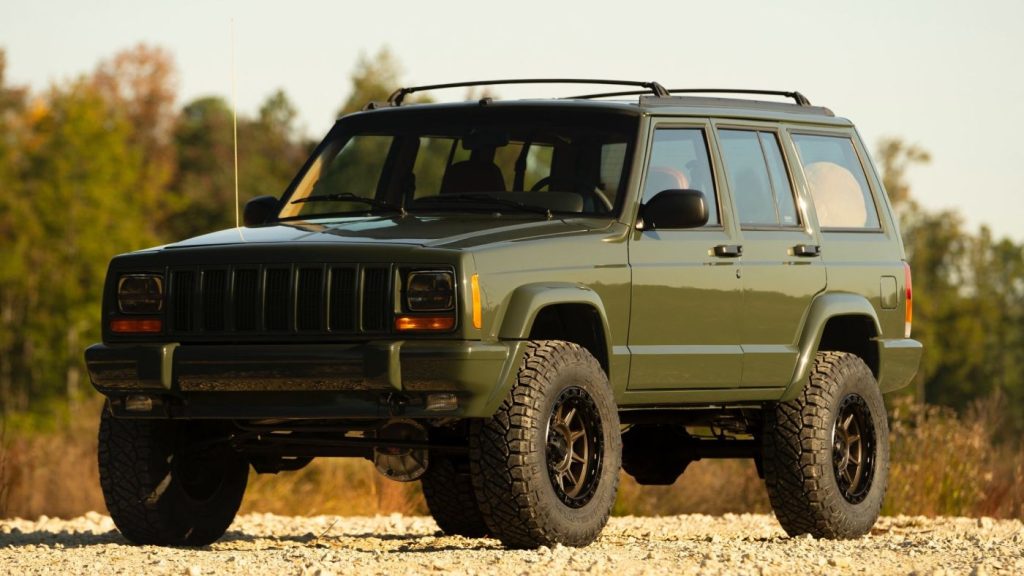
The Jeep Cherokee XJ, produced from the 1980s through 2001, has one of the most respected engines in American history: the 4.0-liter inline-six.
Known for its simplicity and toughness, this engine has become legendary among off-roaders and outdoor enthusiasts. Even decades after production ended, countless Cherokee XJs are still running strong without ever having needed an overhaul.
Engine reliability is one of the most valuable qualities a car can offer, especially in a country like the U.S. where long commutes and road trips are a way of life.
While models like the Corolla or Civic often dominate reliability discussions, cars like the Buick LeSabre, Jeep Cherokee XJ, and Chevrolet Impala show that durability can be found across a wide spectrum of vehicles.
The 4.0-liter inline-six, commonly known as the “Power Tech” engine, has long been celebrated as one of the most dependable powerplants in the off-road world, particularly within Jeep’s lineup.
Since its introduction in the early 1990s, it has become a symbol of rugged durability and consistent performance, winning the loyalty of both off-road enthusiasts and everyday drivers.
With its ability to deliver dependable torque and horsepower, the 4.0L engine quickly earned a reputation as a workhorse that thrives in demanding conditions.
At the core of its enduring success is a robust design. Built with a cast-iron block paired with an aluminum cylinder head, the engine was engineered for longevity, even under extreme use.
Its inline-six configuration provides a distinctive balance of strength and smooth operation, enhancing the overall driving experience.
With 4.0 liters of displacement, the Power Tech produces around 190 horsepower and 235 lb-ft of torque, numbers that make it equally adept at handling daily commutes and conquering tough trails.
The engine’s influence is most clearly seen in the variety of Jeep models it powered over the years. It became a defining feature of the Jeep Cherokee (XJ) between 1987 and 2001, helping that model earn its reputation as a versatile and capable off-roader.
The 4.0L was also the heart of the Jeep Wrangler (TJ) from 1997 to 2006, where its torque-heavy nature perfectly complemented the Wrangler’s adventurous spirit.
Additionally, it served in the Jeep Grand Cherokee (ZJ) from 1993 to 1998, further cementing its place as a cornerstone of Jeep engineering.
Thanks to its versatility, the 4.0L Power Tech proved adaptable across different trims and configurations, appealing to both casual drivers looking for reliability and hardcore off-roaders seeking unstoppable performance.
For buyers today, choosing a car with a proven track record of long-lasting engines means fewer headaches, lower costs, and more time spent on the road instead of in the repair shop.
Whether you’re after a family SUV, a comfortable sedan, or even a classic icon, these vehicles stand out as ones that rarely need an engine overhaul.
